![70. The pH of gastric juice in the stomach is 2.0. However the pH inside the cells that line the stomach is 7.0. For transport of protons from inside the cell to the stomach, the free energy change (∆G) in kJmol–1at 37oC is [Assume Universal Gas constant R = 8.314 Jmol–1K–1]](https://www.letstalkacademy.com/wp-content/uploads/2026/06/1782482036919-28d3b66b-2845-4f57-a8dd-cdc4734ea5c7_70.jpg)
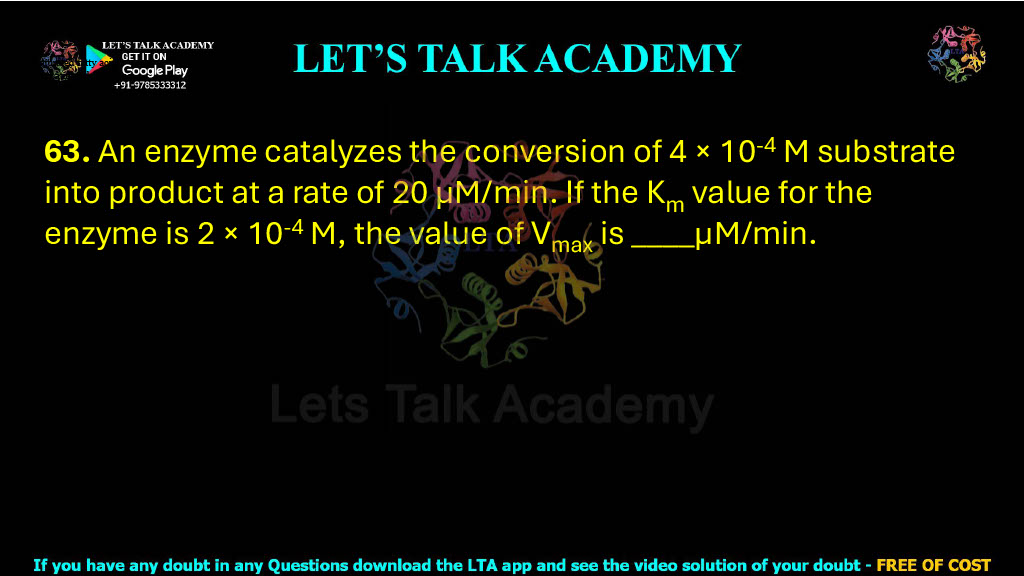
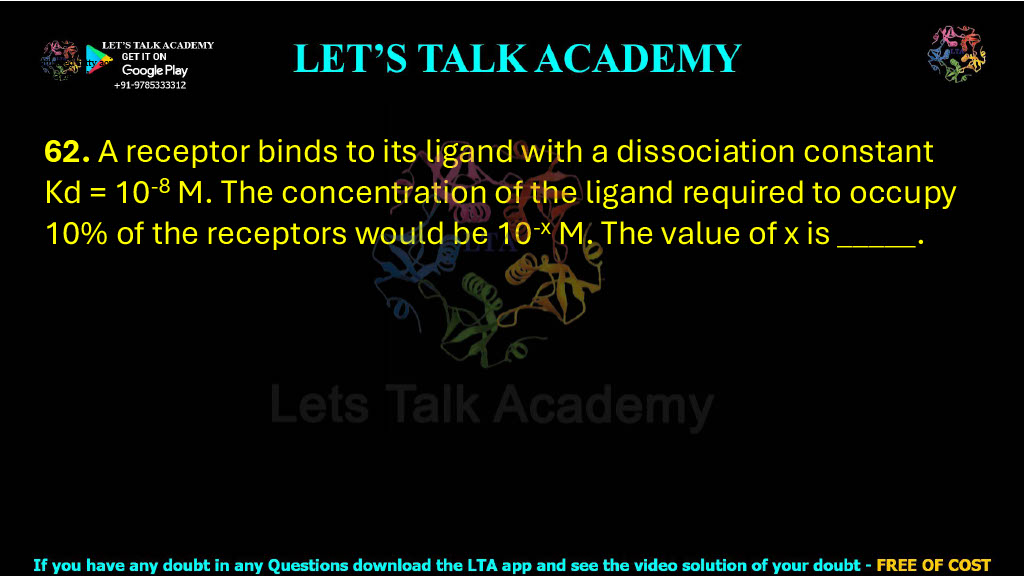
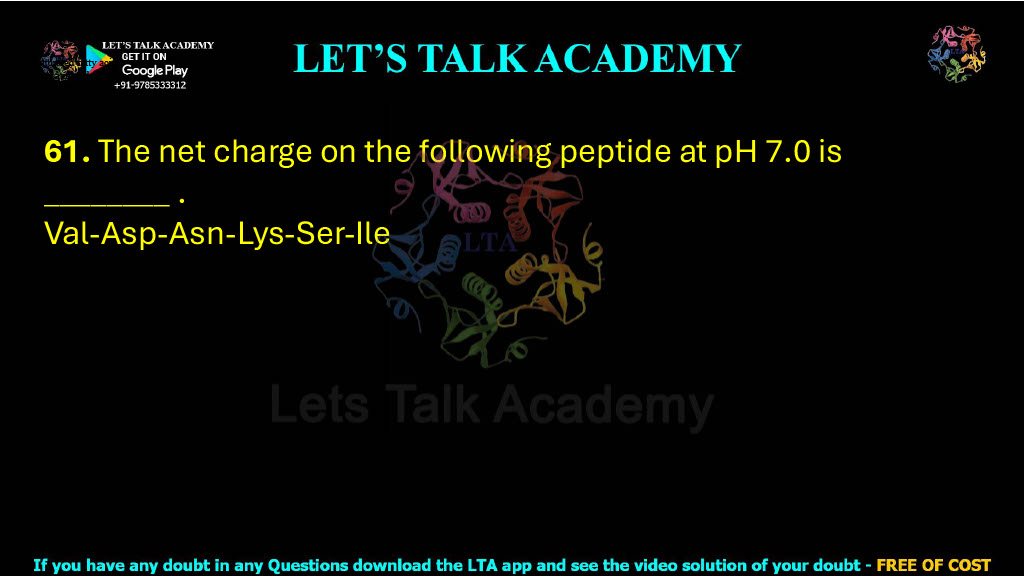
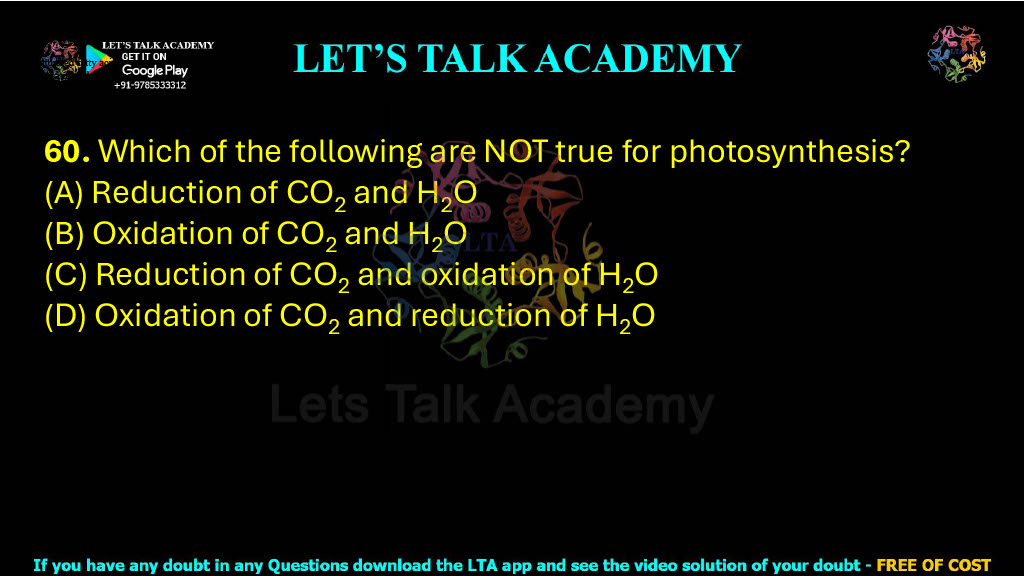
![57. Determine the correctness or otherwise of the following Assertion [a] and Reason [r]. Assertion: In the process of ATP synthesis in oxidative phosphorylation, ATP synthase is not a part of electron transport chain on inner mitochondrial membrane. Reason: ATP synthase is coupled to electron transport chain through proton motive force. (A) [a] and [r] are true and [r] is the correct reason for [a] (B) [a] and [r] are true but [r] is not the correct reason for [a] (C) both [a] and [r] are false (D) [a] is false but [r] is true](https://www.letstalkacademy.com/wp-content/uploads/2026/06/1782482036919-28d3b66b-2845-4f57-a8dd-cdc4734ea5c7_57.jpg)
![55. The standard oxidation potentials for oxidation of NADH and H20 are + 0.315 V and -0.815 V, respectively. The standard free energy for oxidation of I mole of NADH by oxygen under standard conditions (correct to l decimal place) is kJ. [Faraday Constant is 96500 C mole*']](https://www.letstalkacademy.com/wp-content/uploads/2026/06/1782482036919-28d3b66b-2845-4f57-a8dd-cdc4734ea5c7_55.jpg)
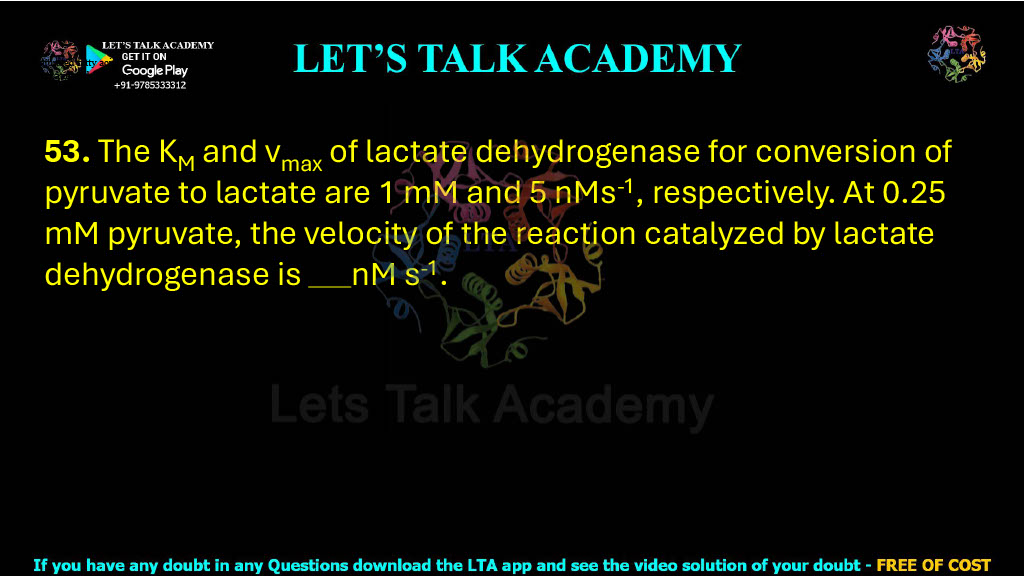
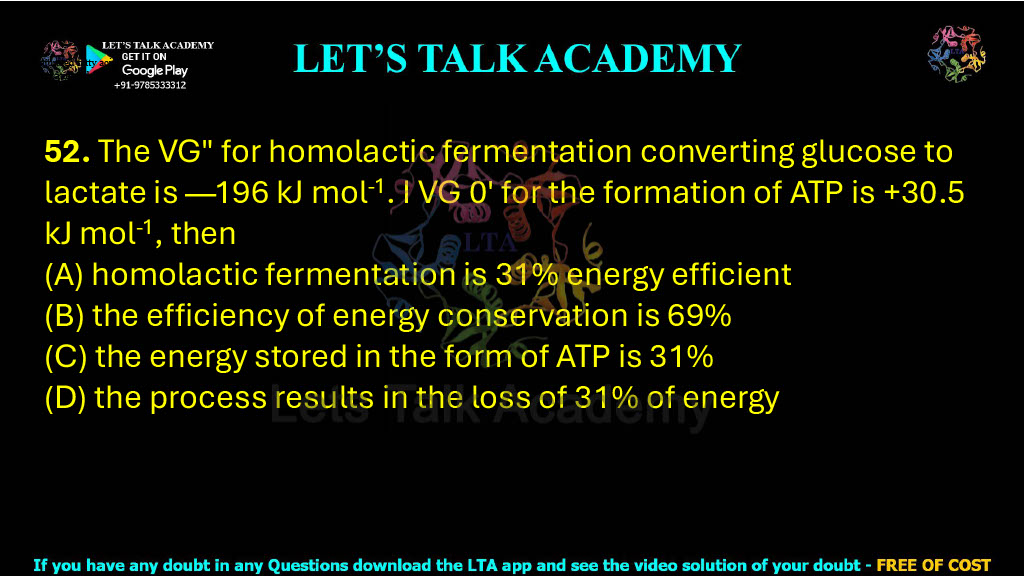
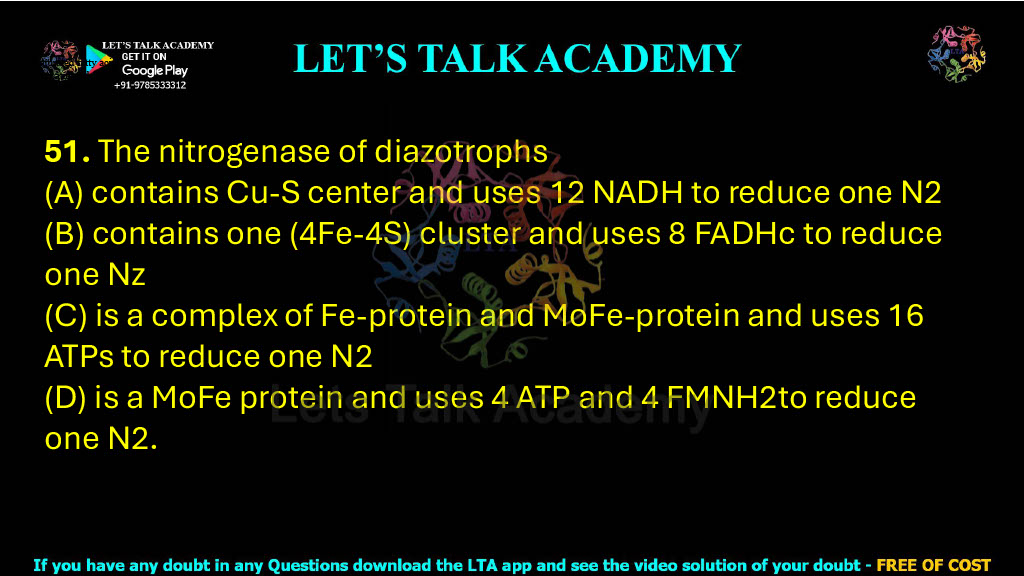
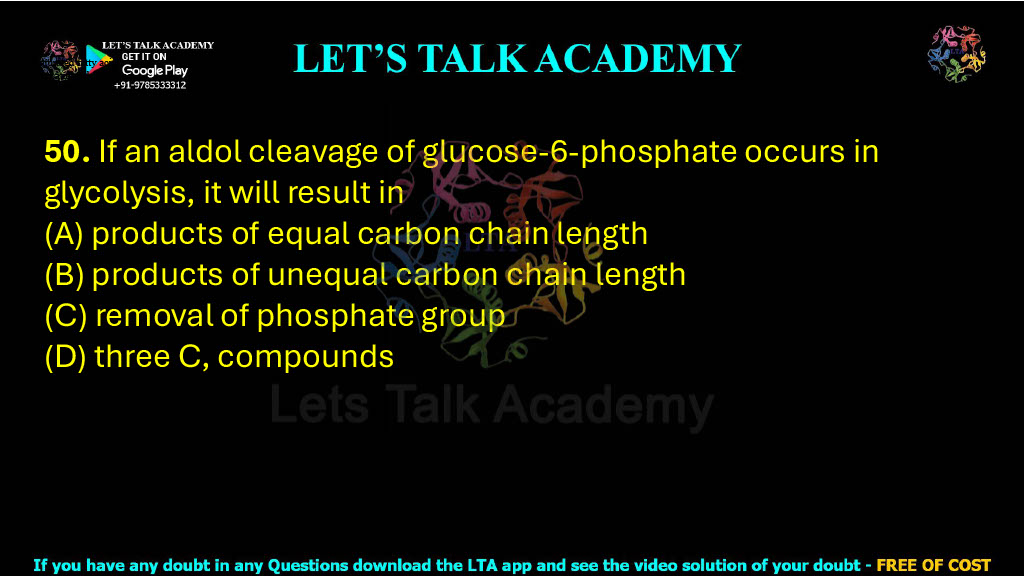
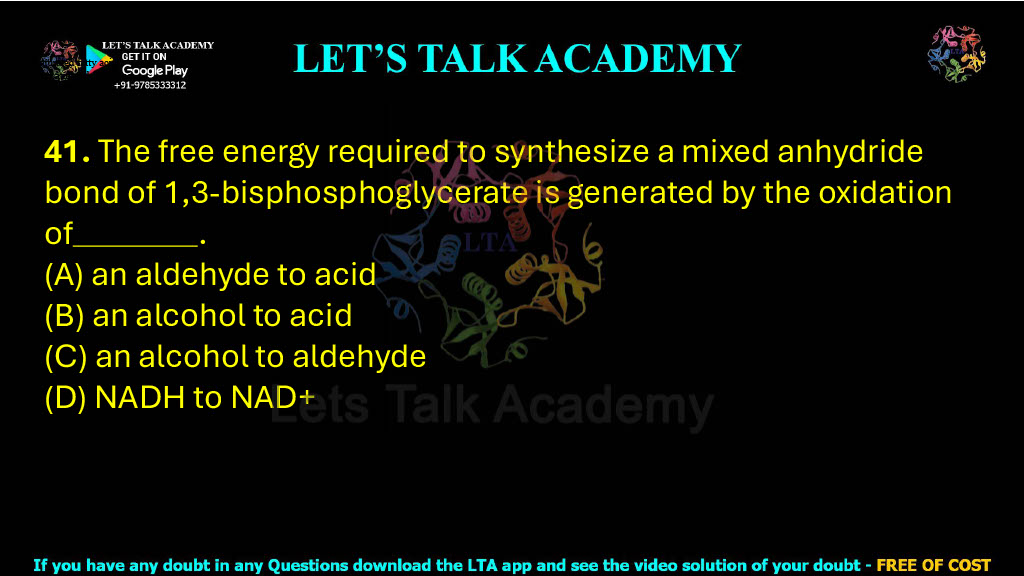
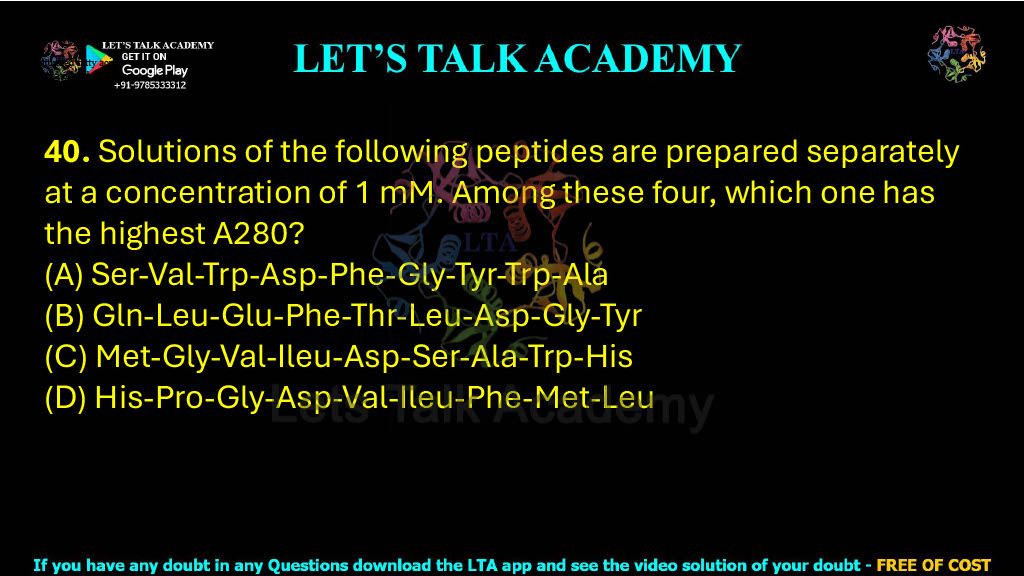
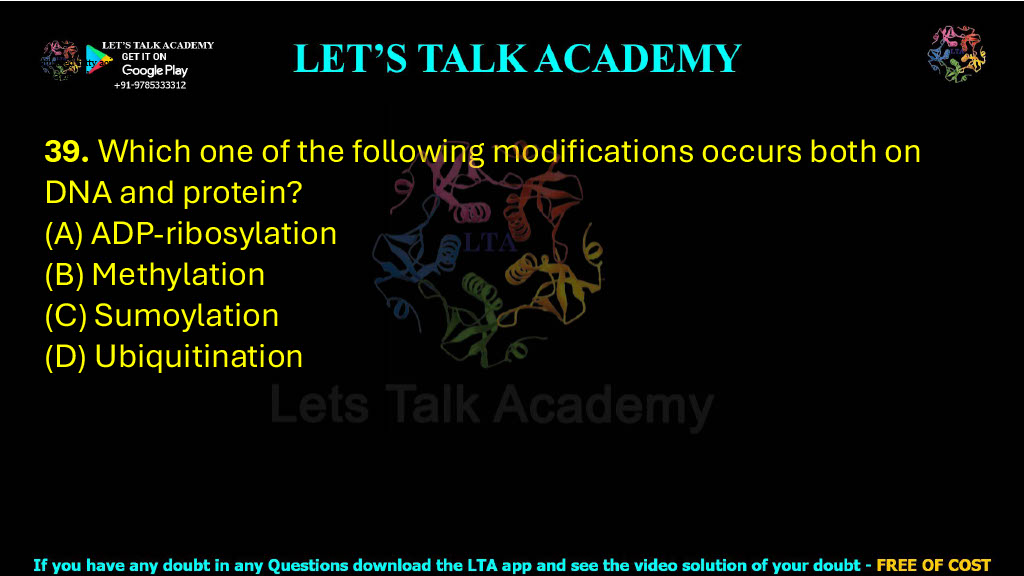
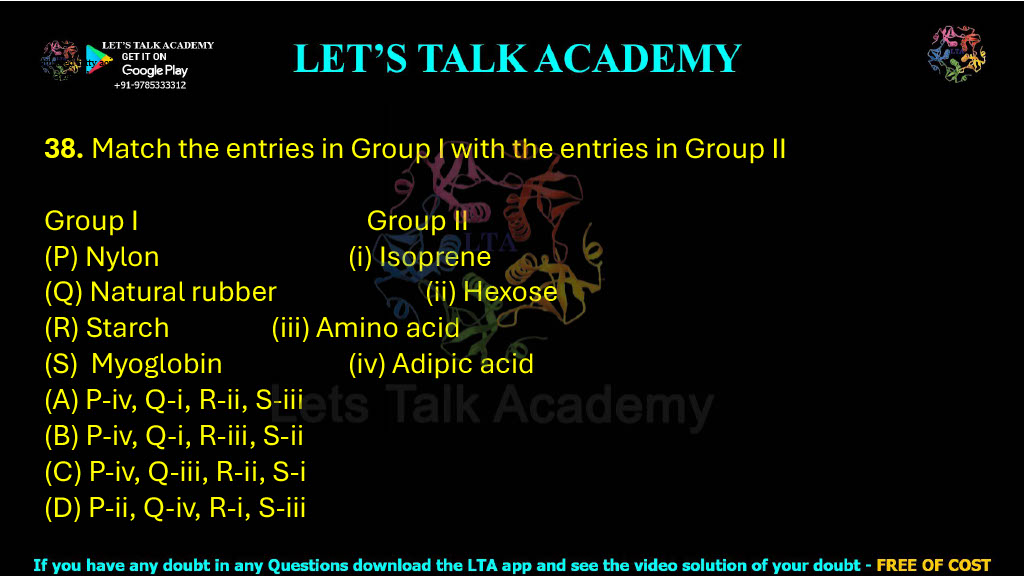

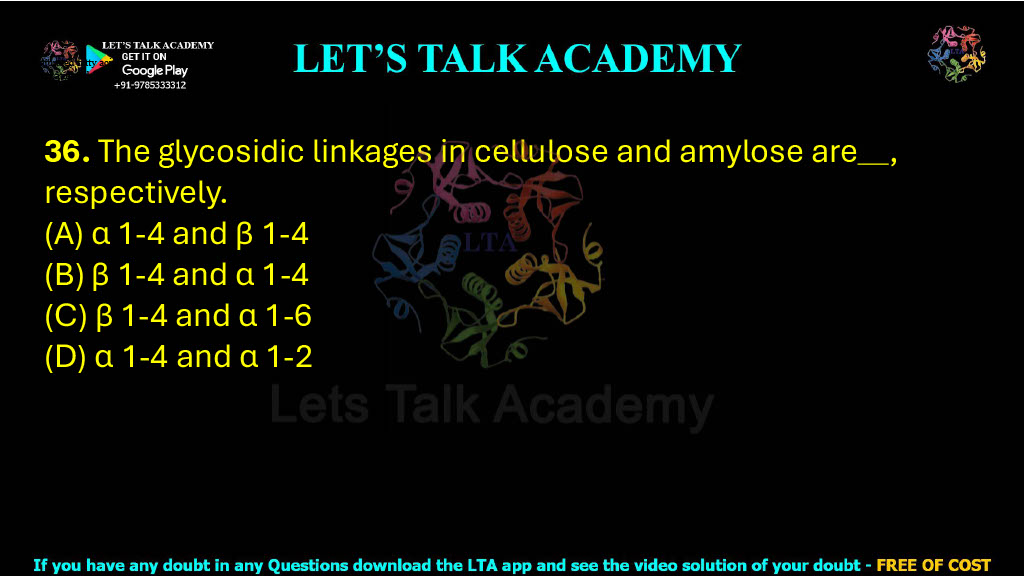
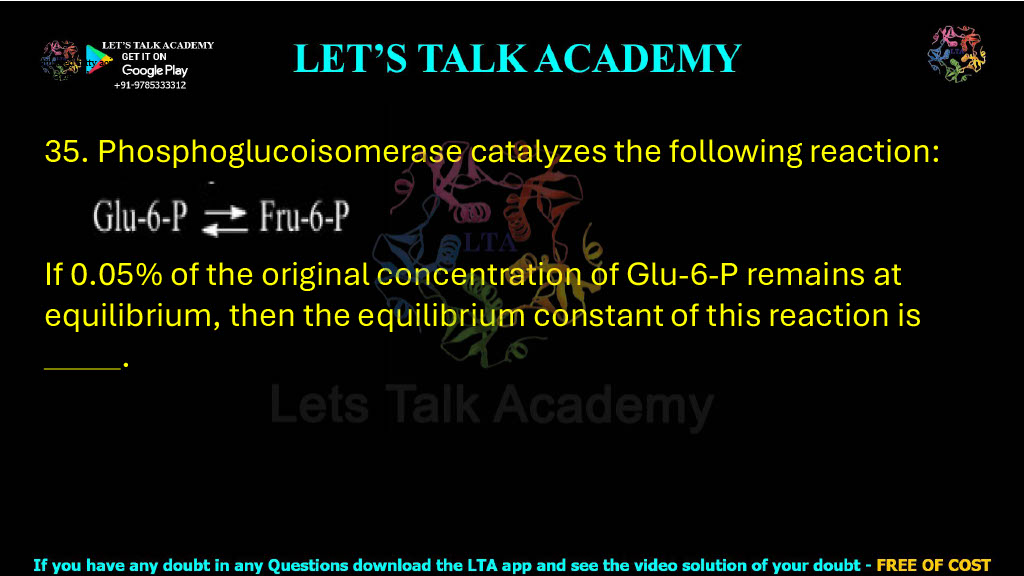
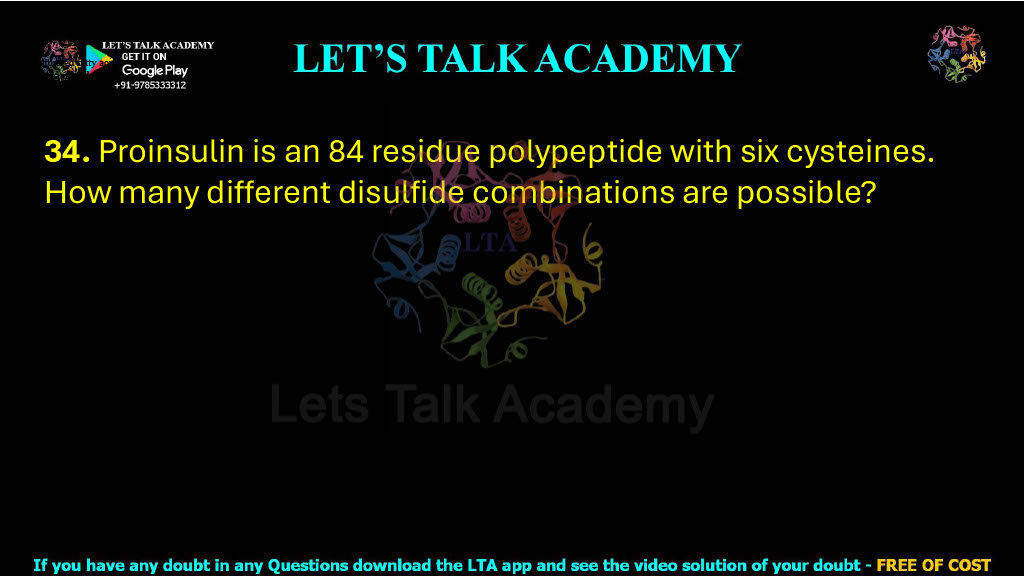
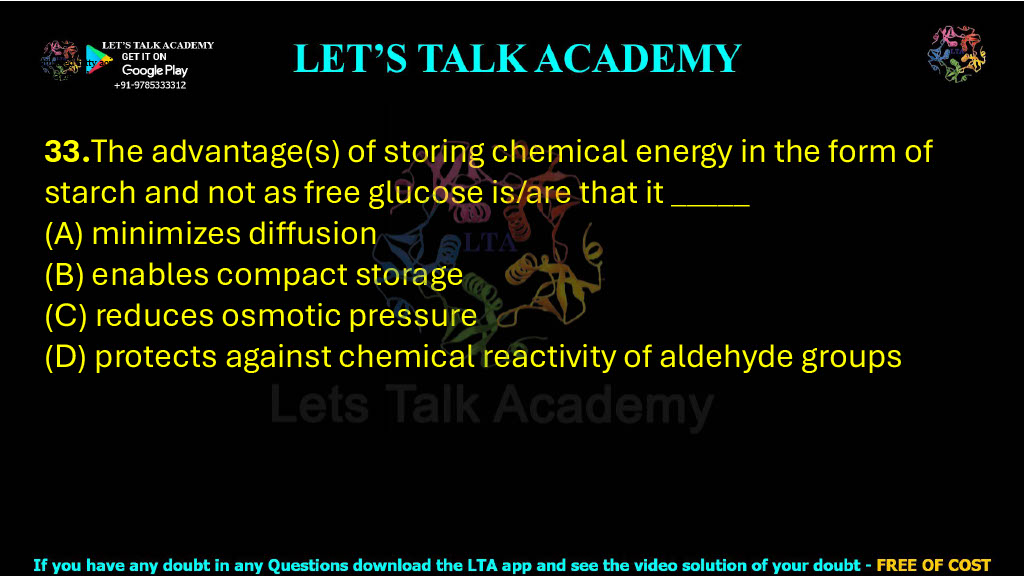

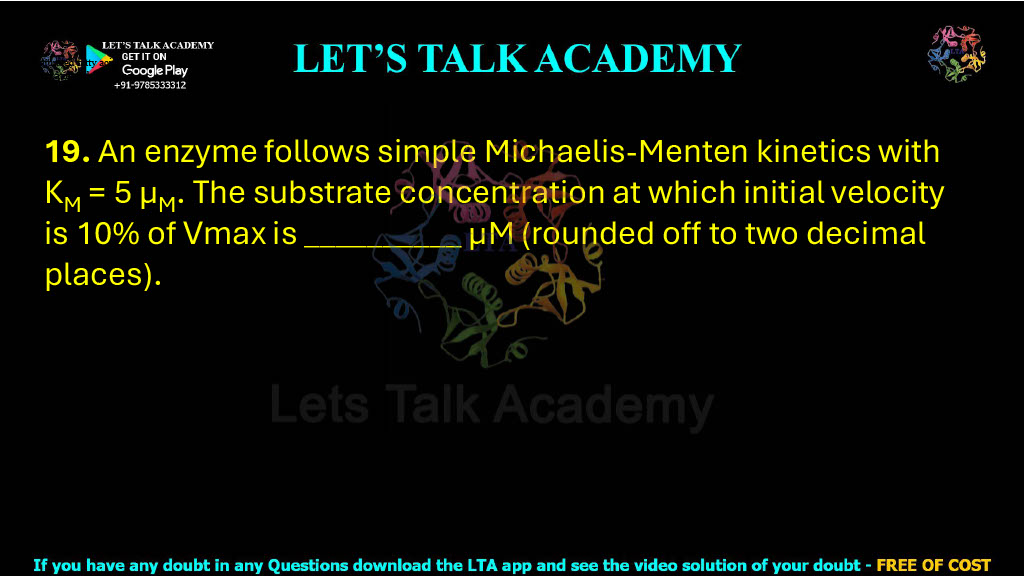
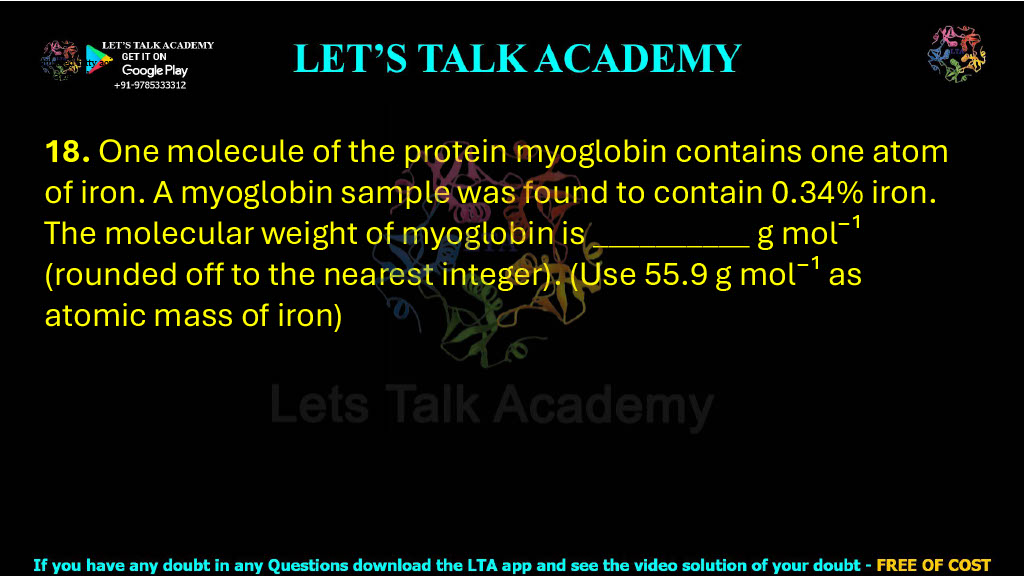
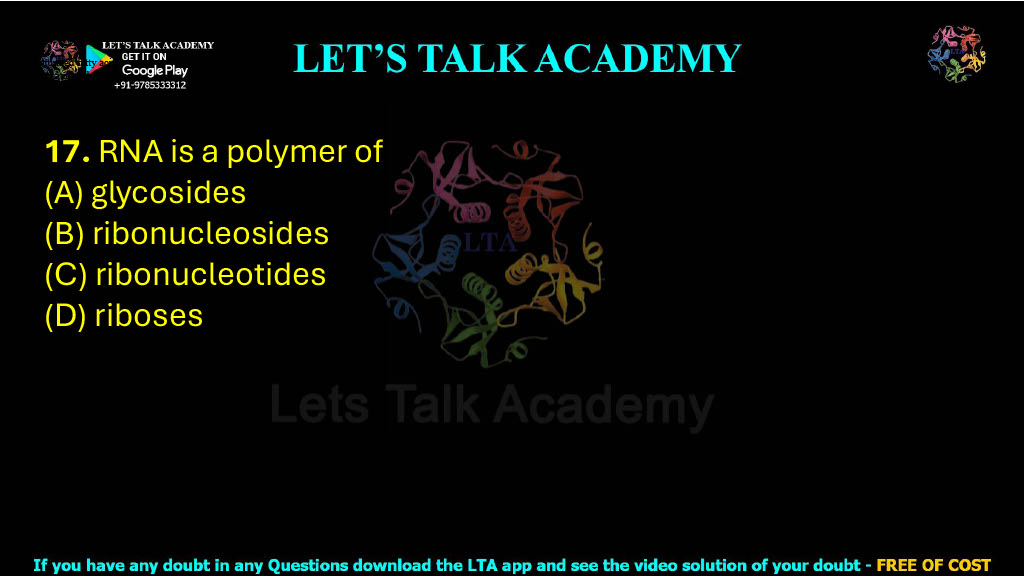
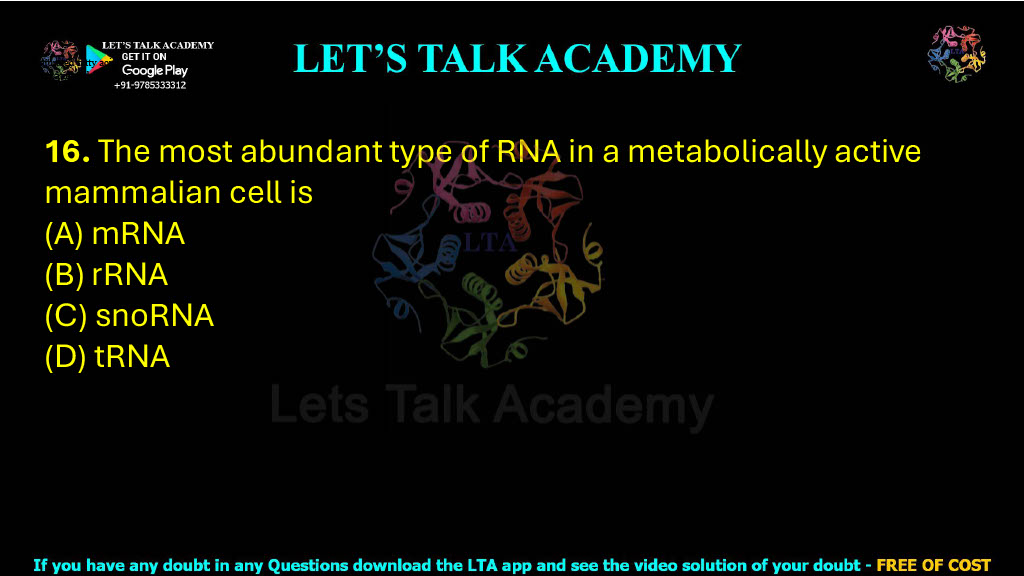
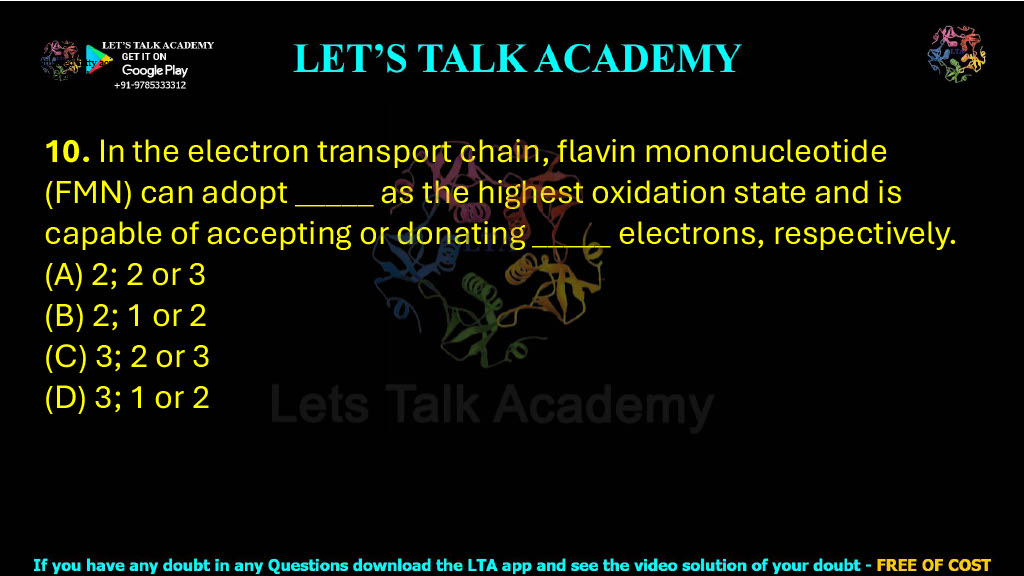
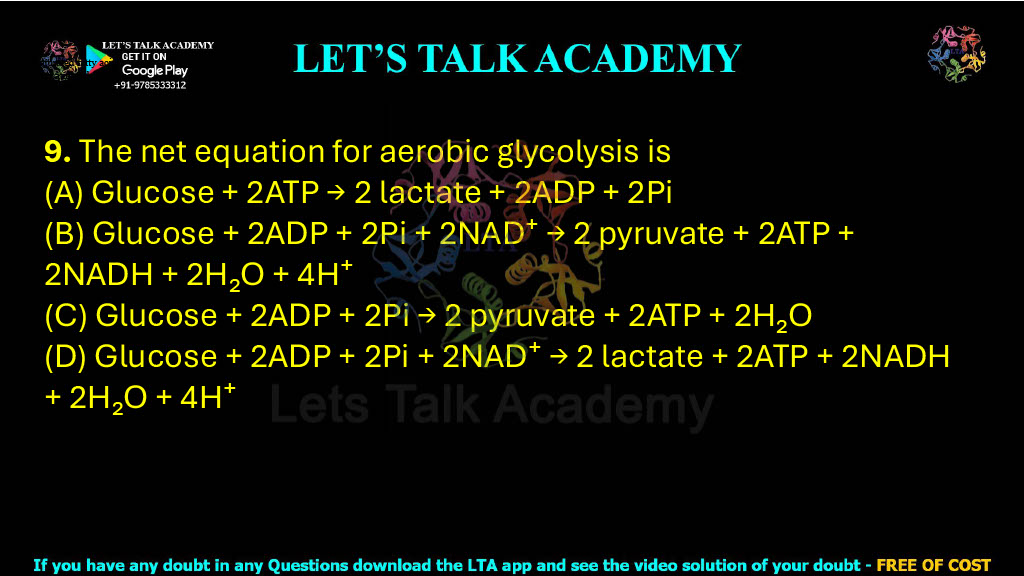
![8. For an enzyme following Michaelis-Menten kinetics, when [S] = Kₘ, the velocity v is (A) [S] × Vmax (B) 0.75 × Vmax (C) 0.5 × Vmax (D) Kₘ × Vmax](https://www.letstalkacademy.com/wp-content/uploads/2026/06/1782482036919-28d3b66b-2845-4f57-a8dd-cdc4734ea5c7_8.jpg)
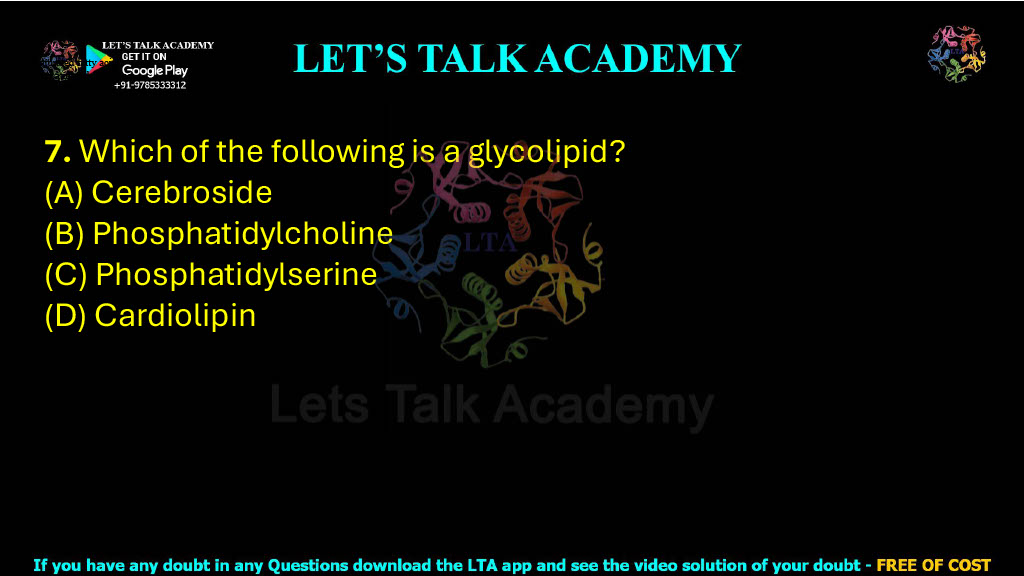
![6. At 25°C and pH 7.0, the concentrations of glucose 1-phosphate and glucose 6-phosphate are 2.0 mM and 38 mM, respectively, at equilibrium. The standard free energy change for the conversion of glucose 1-phosphate to glucose 6-phosphate is ______ J/mol. [Rⓜ=8.315 〖"J mol" 〗^(-1) "K" ^(-1) ]](https://www.letstalkacademy.com/wp-content/uploads/2026/06/1782482036919-28d3b66b-2845-4f57-a8dd-cdc4734ea5c7_6.jpg)
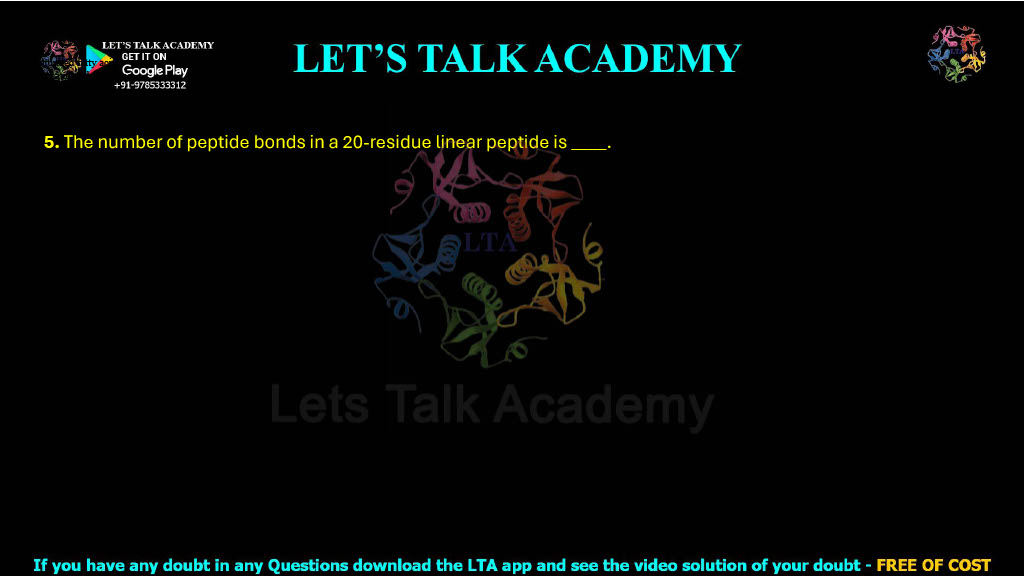
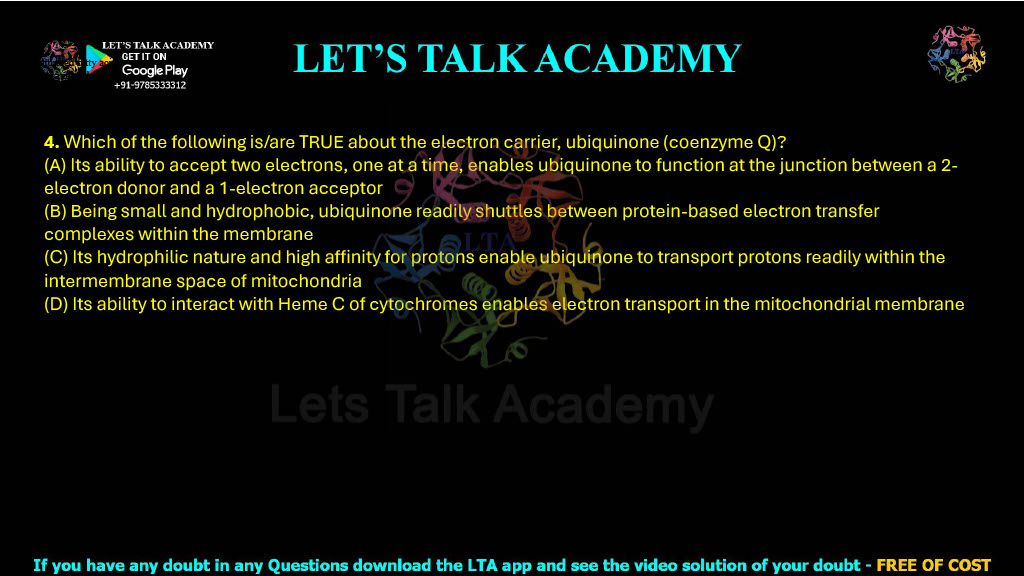
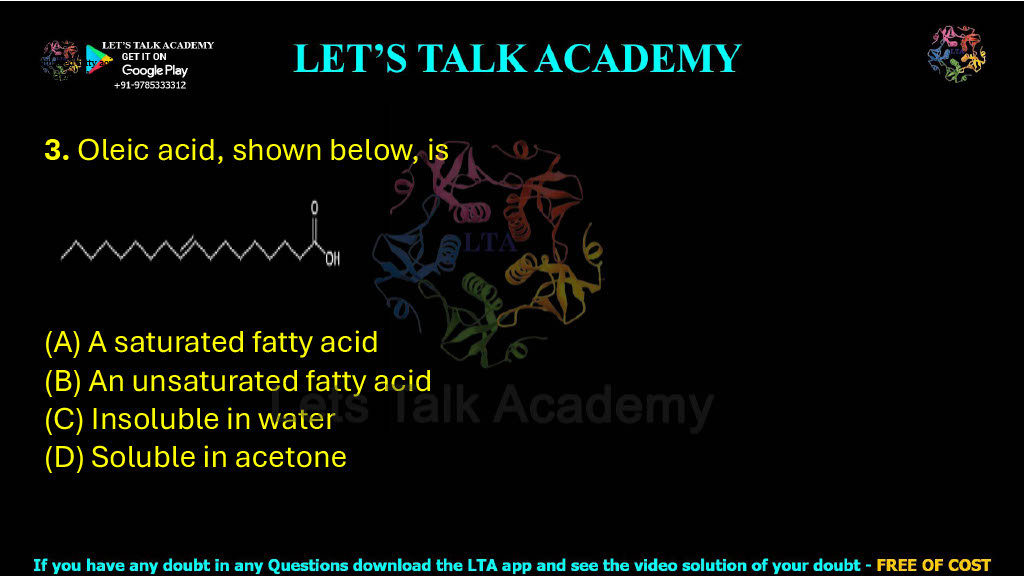
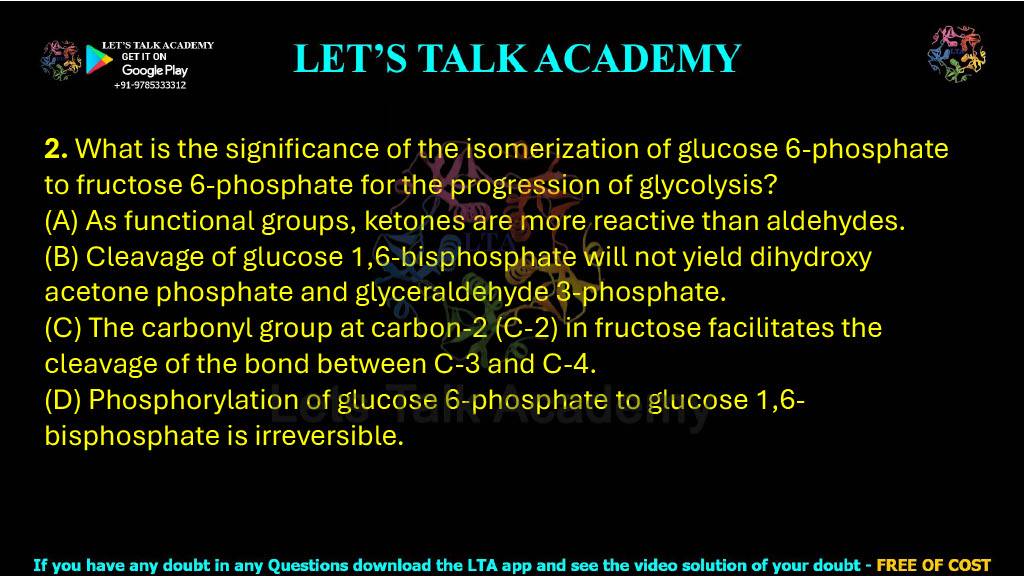
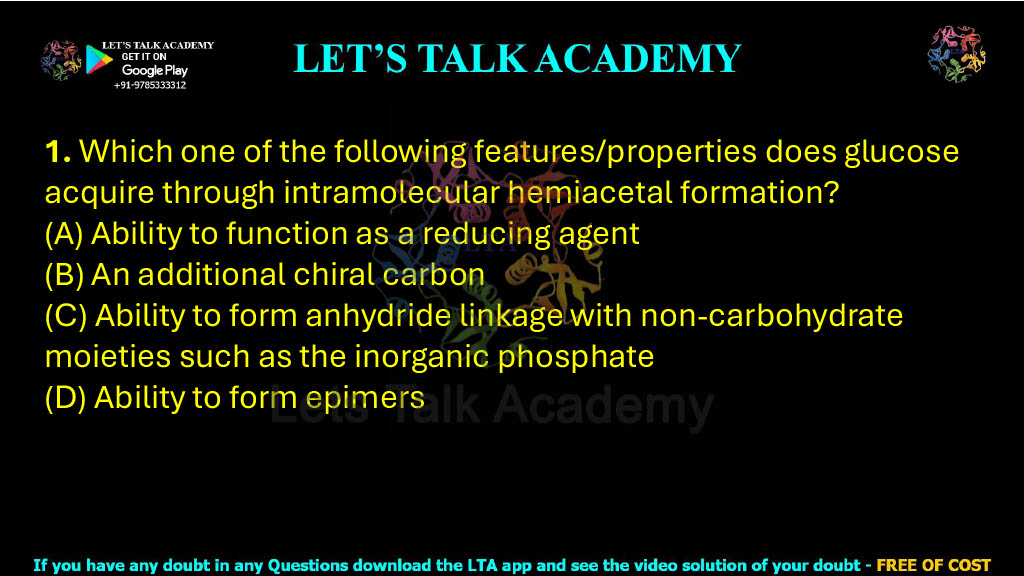
82. Which of the following is(are) CORRECT? (A) Both glucose and fructose have the same molecular formula (B) The positions of the oxygen and carbon differ in the structures of […]
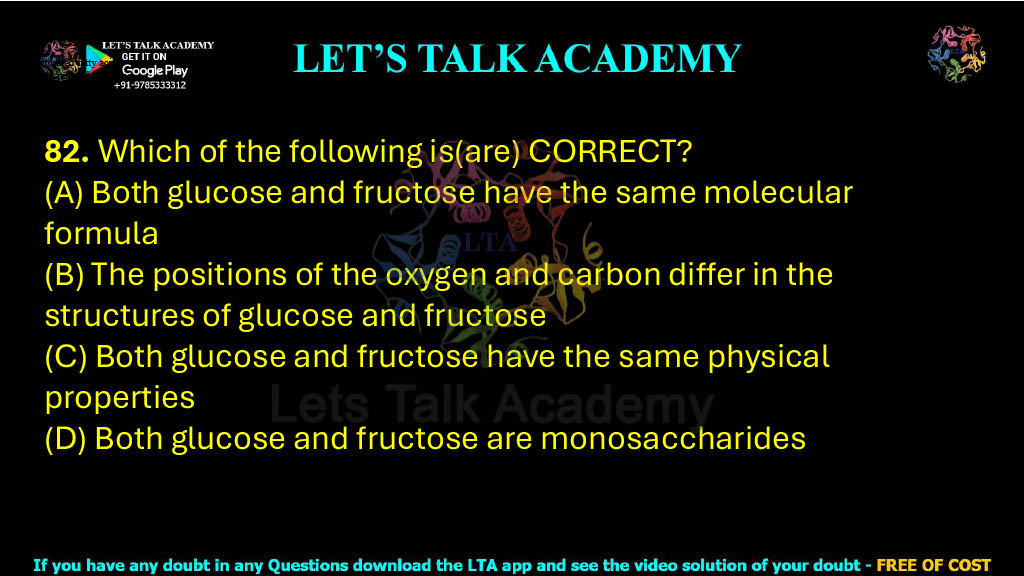
IIT JAM Biotechnology Previous Year Question paper Topic Biochemistry
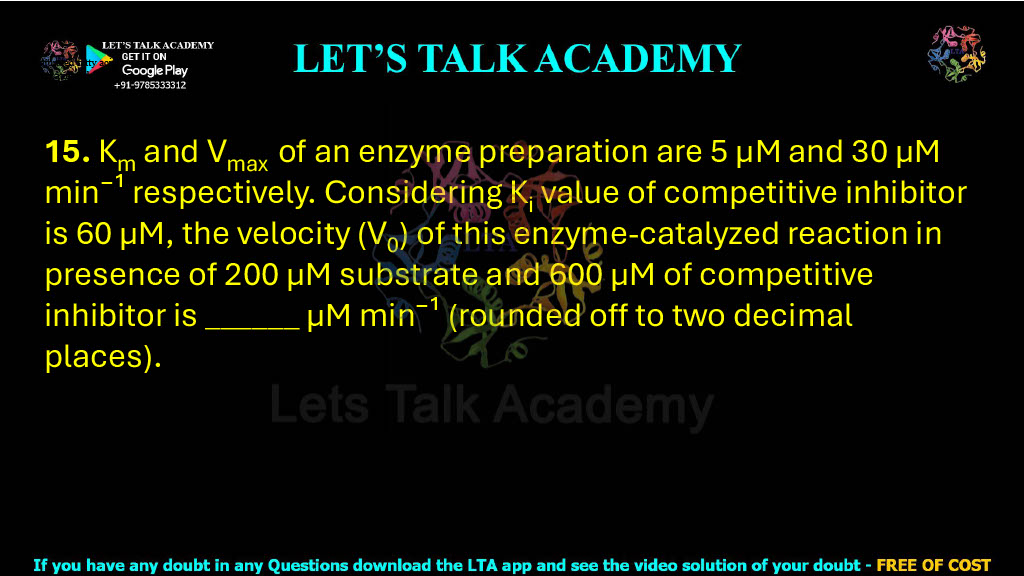
82. Which of the following is(are) CORRECT? (A) Both glucose and fructose have the same molecular formula (B) The positions of the oxygen and carbon differ in the structures of […]
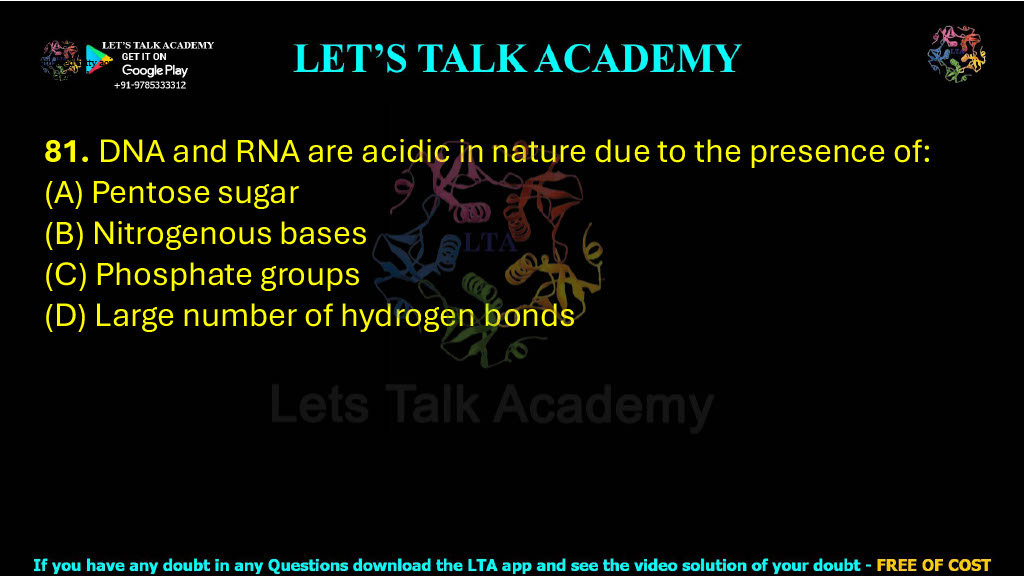
81. DNA and RNA are acidic in nature due to the presence of: (A) Pentose sugar (B) Nitrogenous bases (C) Phosphate groups (D) Large number of hydrogen bonds Why Are […]
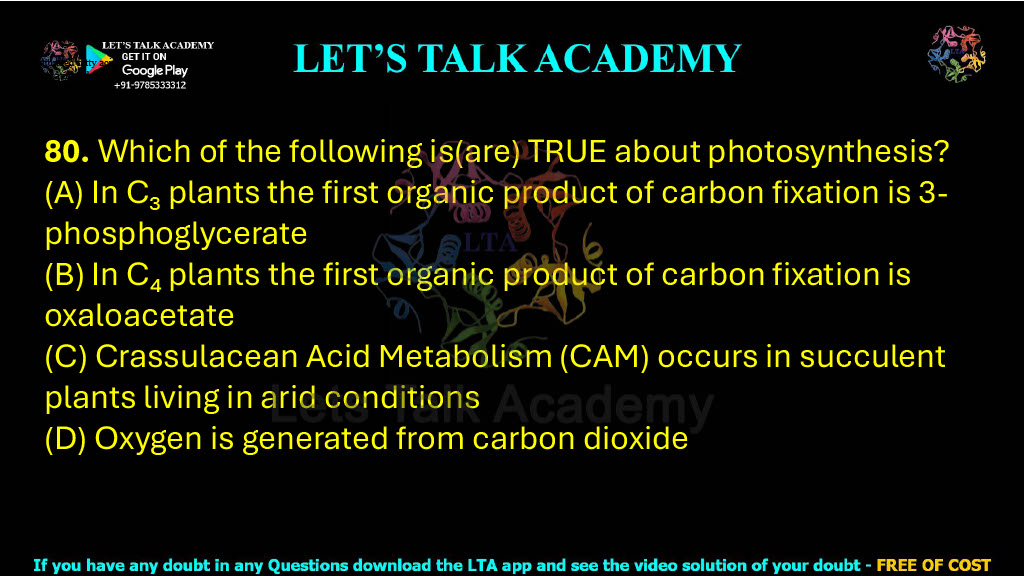
80. Which of the following is(are) TRUE about photosynthesis? (A) In C₃ plants the first organic product of carbon fixation is 3-phosphoglycerate (B) In C₄ plants the first organic product […]
![79. Assertion [A]: The difference in the respective melting points of butter and coconut oil is caused by the degree of saturation of the corresponding fatty acid chain. Reason [R]: Unsaturated fatty acid chains become solid more easily because they are relatively straight and pack together more closely than saturated chains.](https://www.letstalkacademy.com/wp-content/uploads/2026/06/1782482036919-28d3b66b-2845-4f57-a8dd-cdc4734ea5c7_79.jpg)
79. Assertion [A]: The difference in the respective melting points of butter and coconut oil is caused by the degree of saturation of the corresponding fatty acid chain. Reason [R]: […]
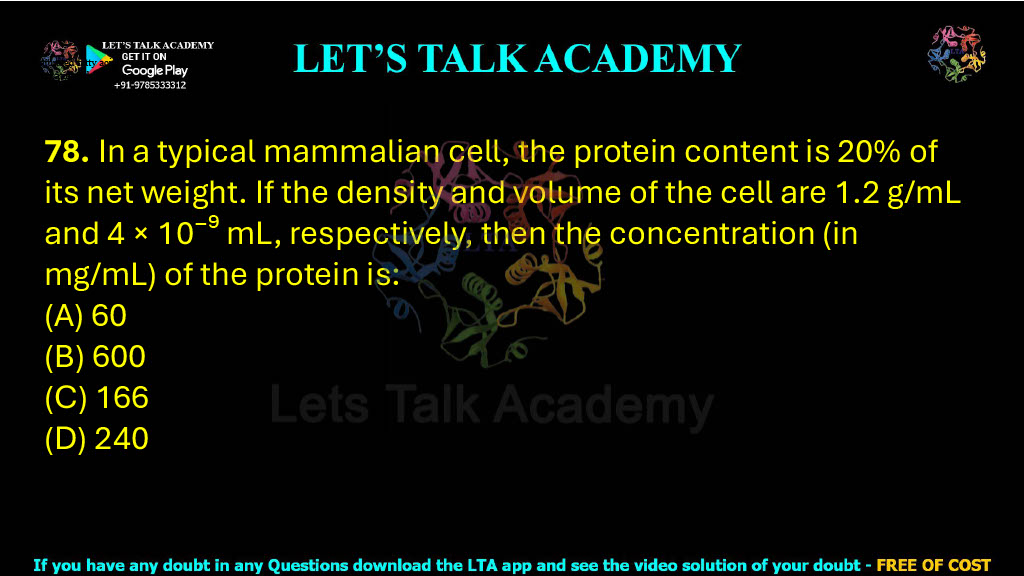
78. In a typical mammalian cell, the protein content is 20% of its net weight. If the density and volume of the cell are 1.2 g/mL and 4 × 10⁻⁹ […]
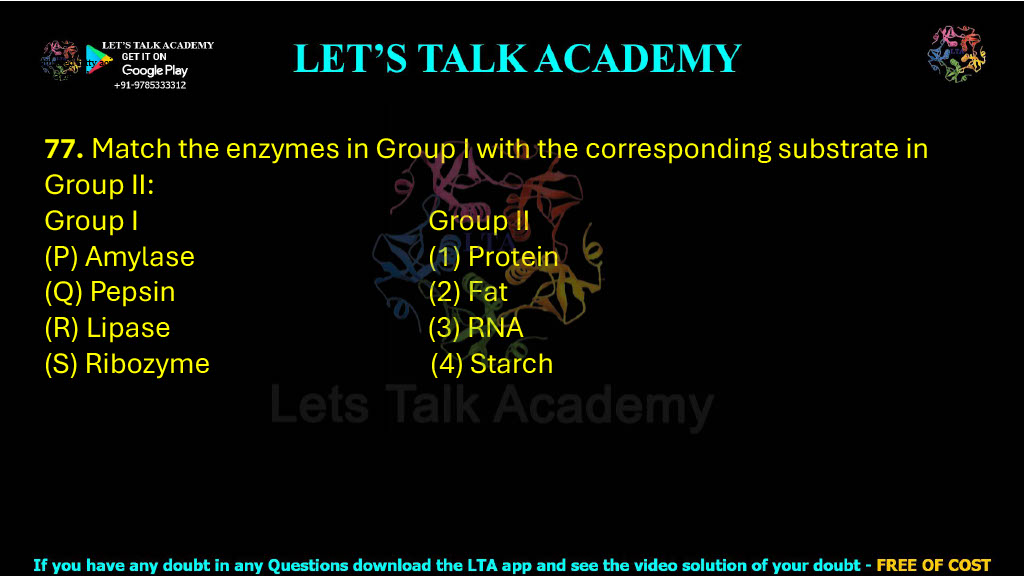
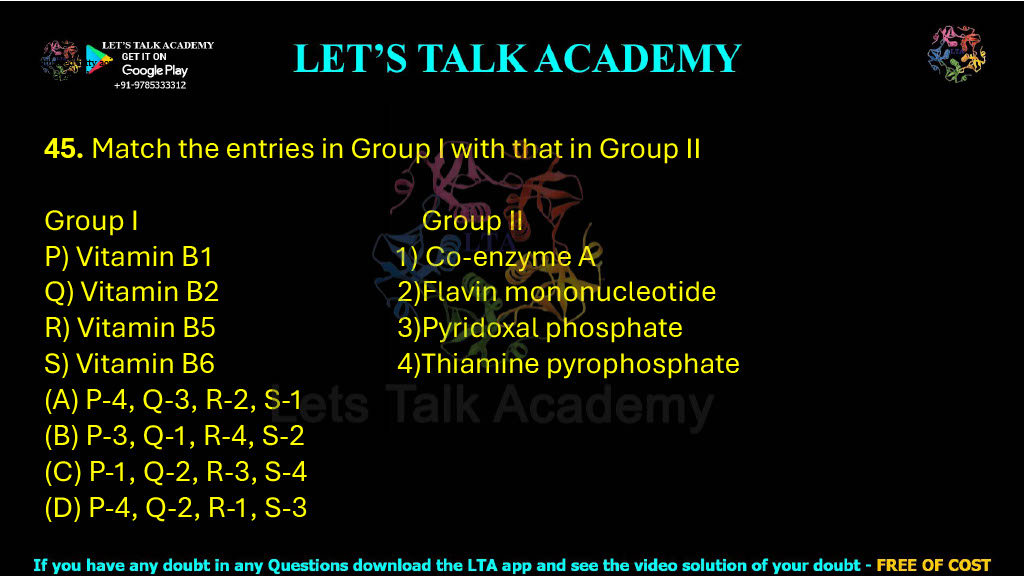
77. Match the enzymes in Group I with the corresponding substrate in Group II: Group I (P) Amylase (Q) Pepsin (R) Lipase (S) Ribozyme Group II (1) Protein (2) Fat […]
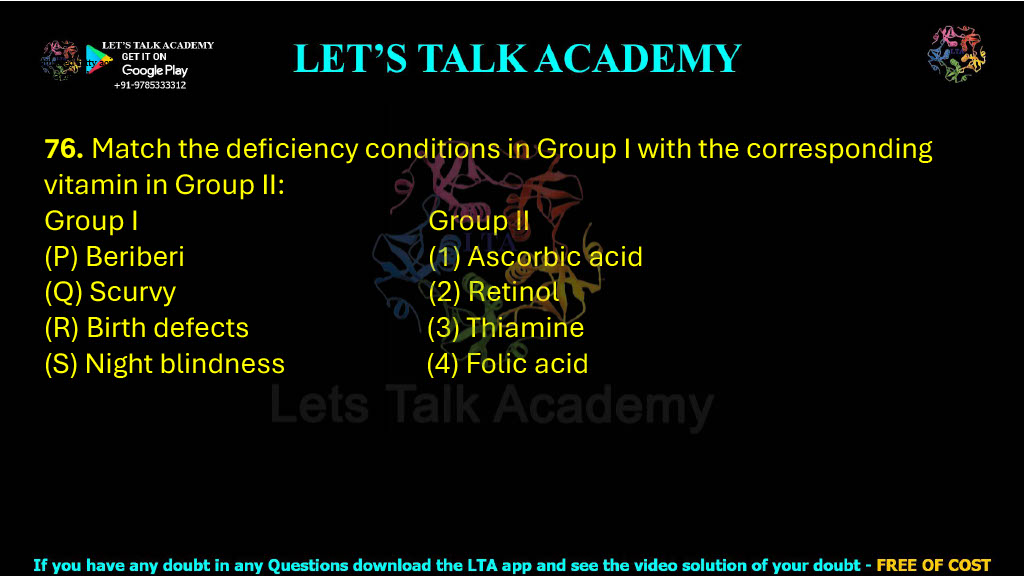
76. Match the deficiency conditions in Group I with the corresponding vitamin in Group II: Group I (P) Beriberi (Q) Scurvy (R) Birth defects (S) Night blindness Group II (1) […]
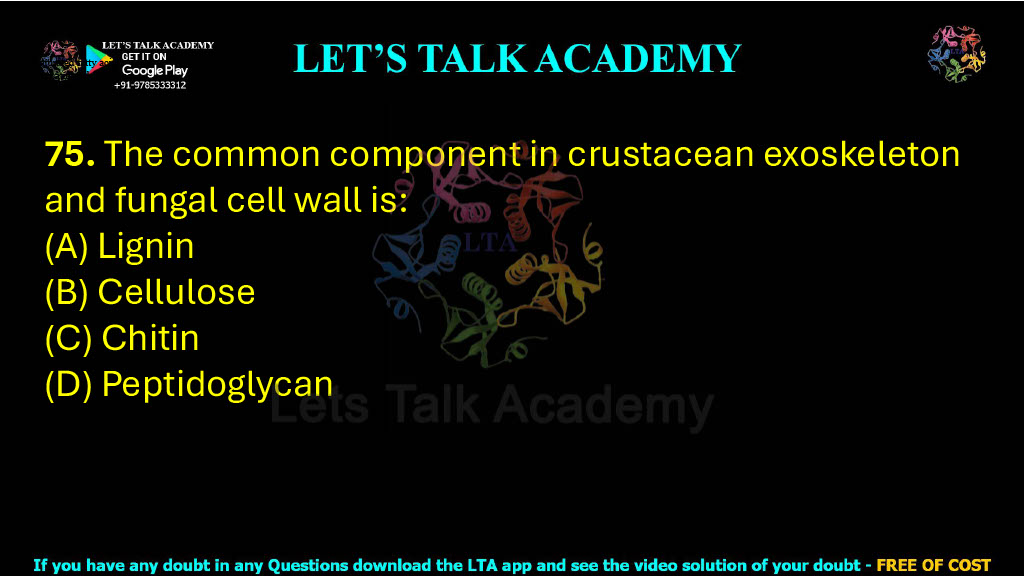
75. The common component in crustacean exoskeleton and fungal cell wall is: (A) Lignin (B) Cellulose (C) Chitin (D) Peptidoglycan What Is the Common Structural Component of Crustacean Exoskeleton and […]
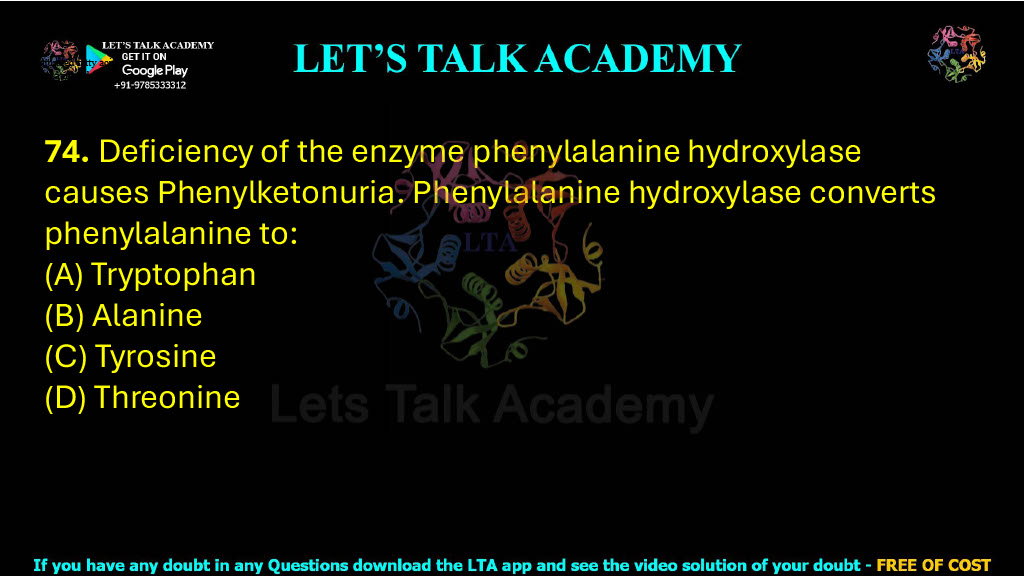
74. Deficiency of the enzyme phenylalanine hydroxylase causes Phenylketonuria. Phenylalanine hydroxylase converts phenylalanine to: (A) Tryptophan (B) Alanine (C) Tyrosine (D) Threonine Phenylalanine Hydroxylase Converts Phenylalanine into Which Amino Acid? […]
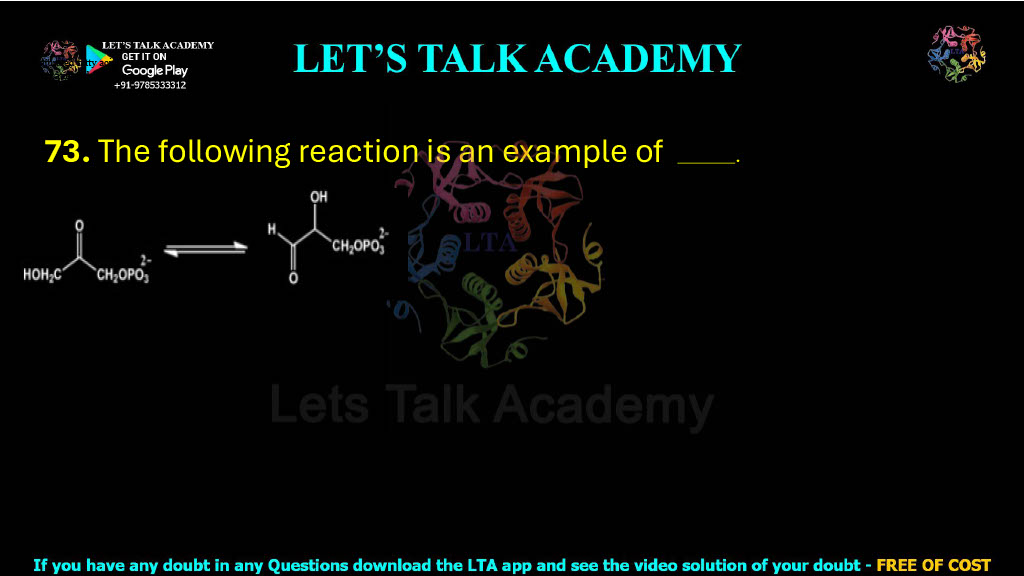
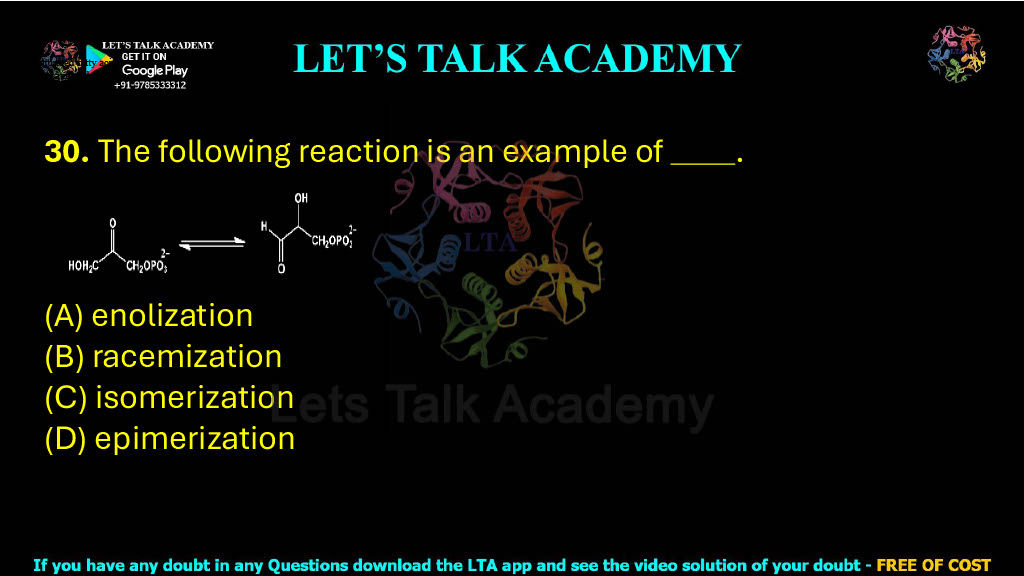
73. The following reaction is an example of . (A) enolization (B) racemization (C) isomerization (D) epimerization Is the Conversion of Dihydroxyacetone Phosphate to Glyceraldehyde-3-Phosphate an Isomerization Reaction? Correct Answer […]


