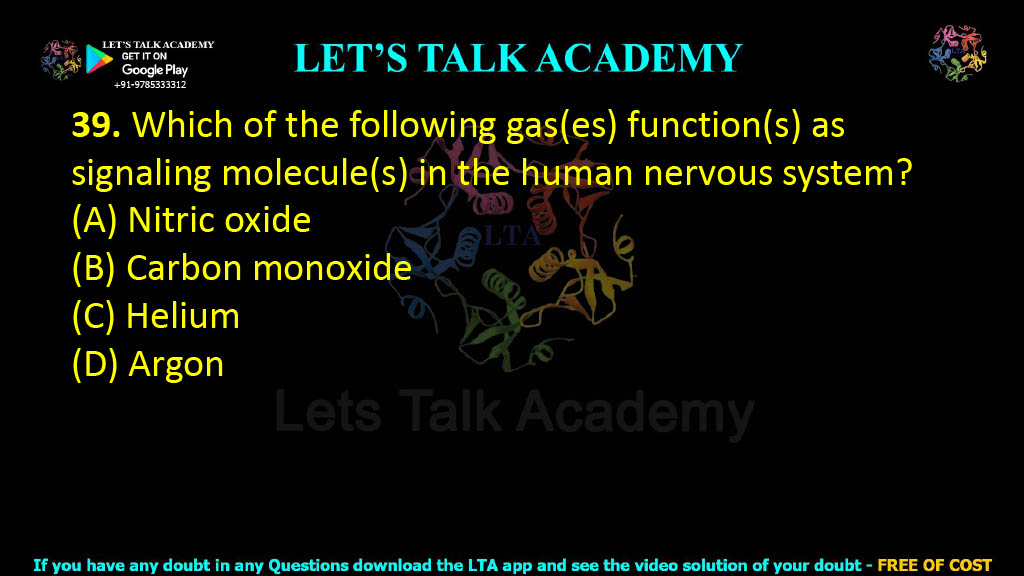
39. Which of the following gas(es) function(s) as signaling molecule(s) in the human nervous system?  (A) Nitric oxide (B) Carbon monoxide (C) Helium (D) Argon

Gaseous Signaling Molecules in the Human Nervous System

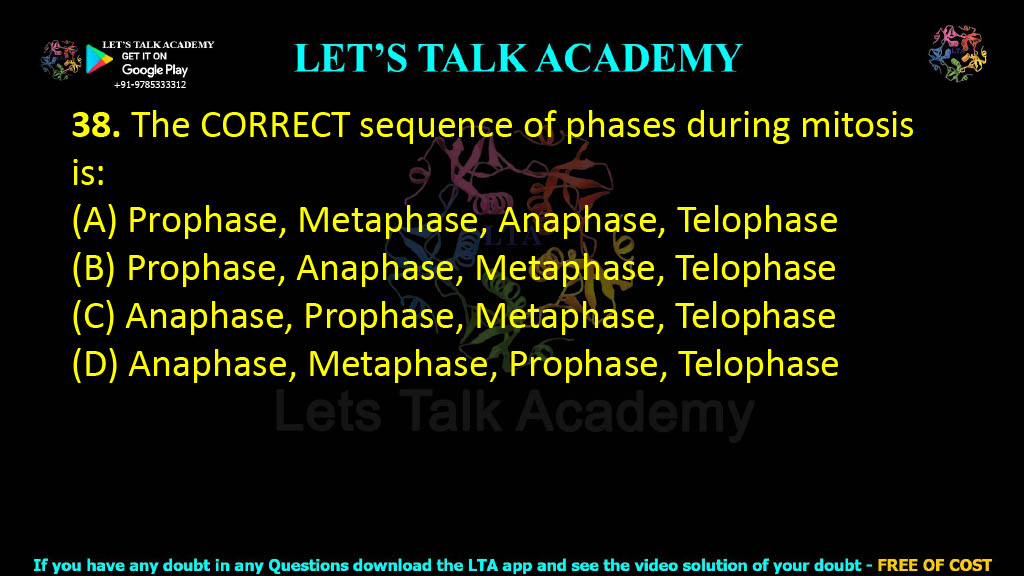
38. The CORRECT sequence of phases during mitosis is:  (A) Prophase, Metaphase, Anaphase, Telophase (B) Prophase, Anaphase, Metaphase, Telophase (C) Anaphase, Prophase, Metaphase, Telophase (D) Anaphase, Metaphase, Prophase, Telophase

Correct Sequence of Mitosis Phases

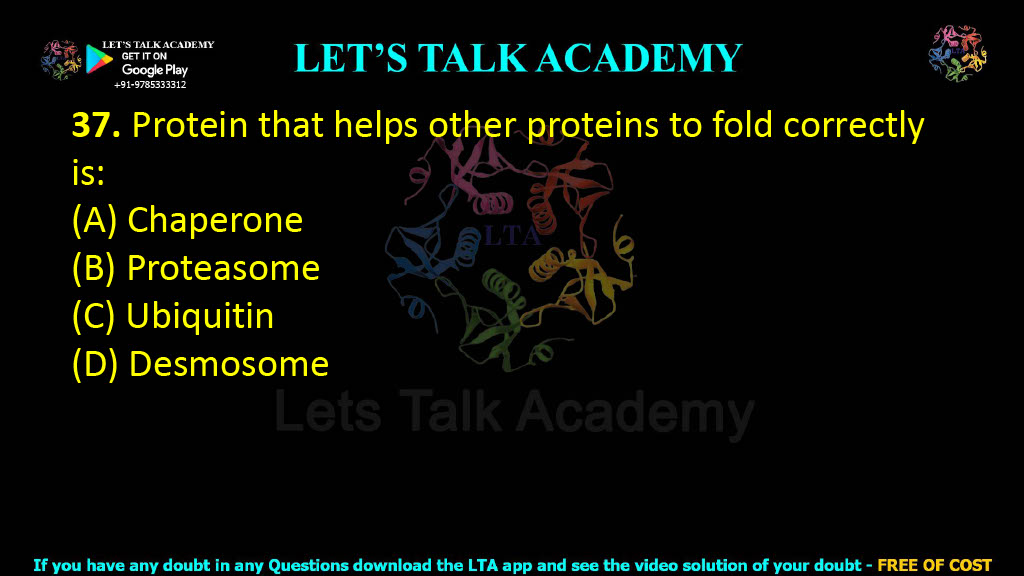
37. Protein that helps other proteins to fold correctly is:  (A) Chaperone (B) Proteasome (C) Ubiquitin (D) Desmosome

Chaperone Proteins Explained

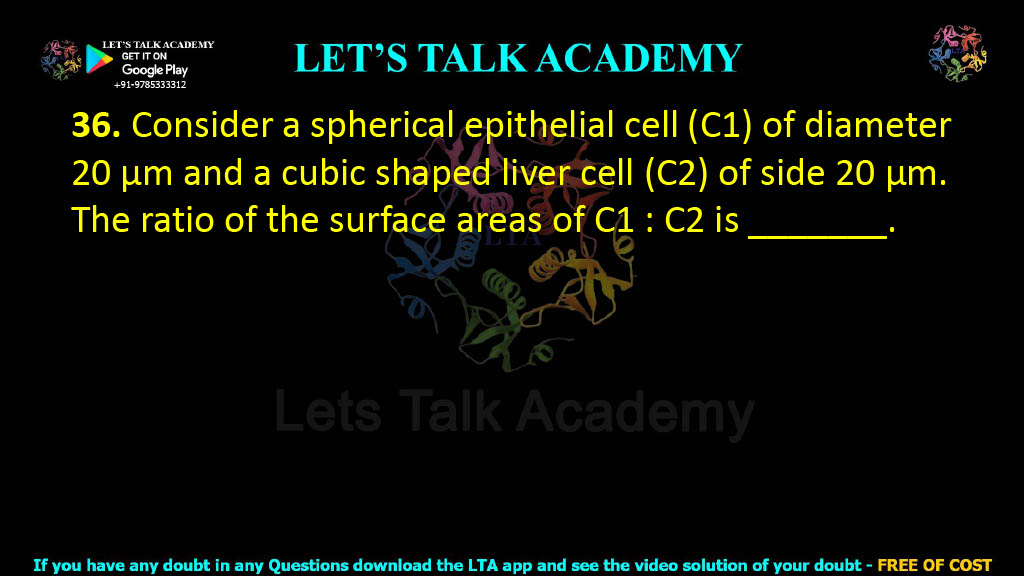
36. Consider a spherical epithelial cell (C1) of diameter 20 μm and a cubic shaped liver cell (C2) of side 20 μm. The ratio of the surface areas of C1 : C2 is _______.    

Surface Area Ratio of Spherical and Cubic Cells

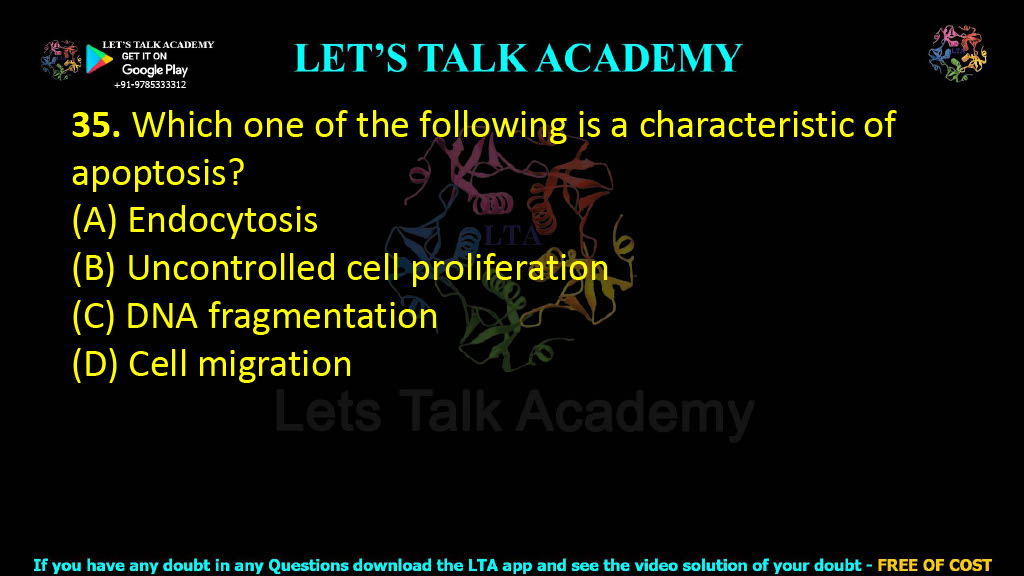
35. Which one of the following is a characteristic of apoptosis?  (A) Endocytosis (B) Uncontrolled cell proliferation (C) DNA fragmentation (D) Cell migration

Characteristic Features of Apoptosis

34. Which one of the following classes of membrane protein requires ATP for transport of some specific ions or molecules across the cellular membranes?  (A) Ion channels (B) Pumps (C) Symporters (D) Antiporters

ATP-Driven Membrane Transport Proteins

33. Which one of the following is NOT a second messenger in mammalian cells?  (A) Cyclic AMP (B) Diacyl glycerol (C) Calcium ion (D) Potassium ion

Second Messengers in Mammalian Cells

32. The most abundant phospholipid in E. coli plasma membrane is  (A) Phosphatidyl ethanolamine (B) Phosphatidyl choline (C) Phosphatidyl serine (D) Phosphatidyl inositol

Most Abundant Phospholipid in E. coli Plasma Membrane

31. Drosophila melanogaster is a diploid organism having 8 chromosomes. The number of combinations of chromosomes which are possible in its gametes is

Number of Chromosome Combinations

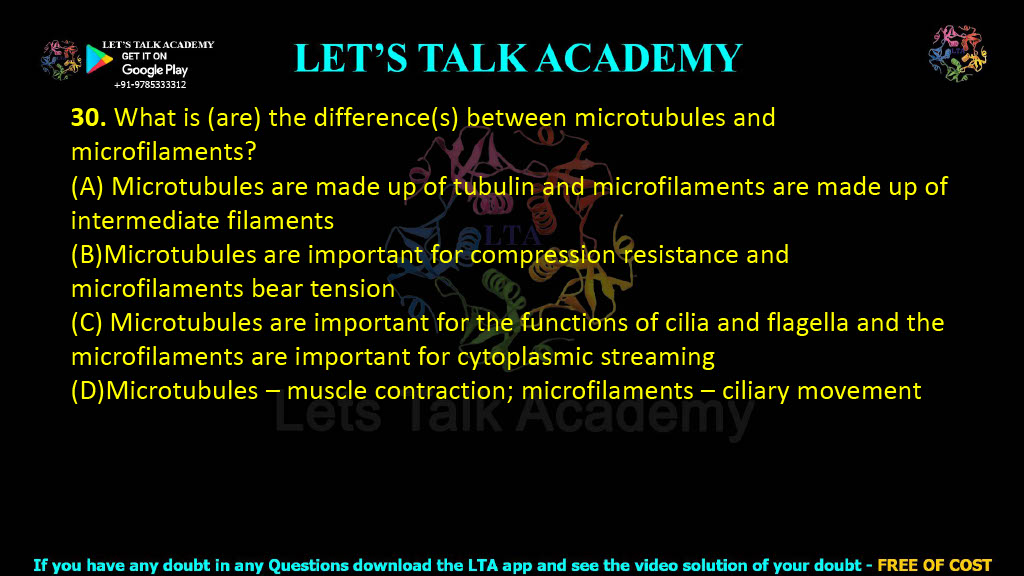
30. What is (are) the difference(s) between microtubules and microfilaments?  (A) Microtubules are made up of tubulin and microfilaments are made up of intermediate filaments (B)Microtubules are important for compression resistance and microfilaments bear tension (C) Microtubules are important for the functions of cilia and flagella and the microfilaments are important for cytoplasmic streaming (D)Microtubules – muscle contraction; microfilaments – ciliary movement

Microtubules vs Microfilaments

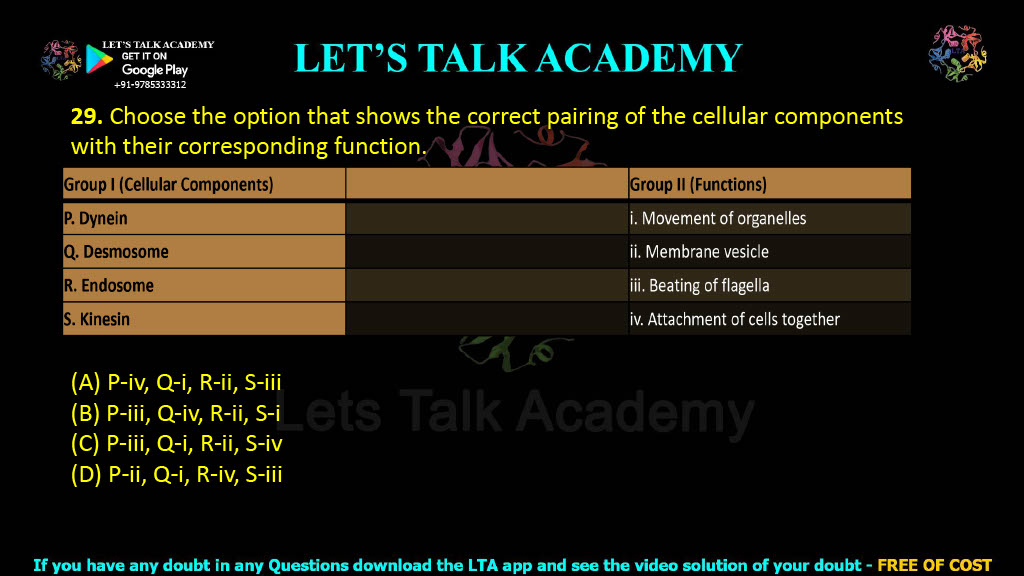
29. Choose the option that shows the correct pairing of the cellular components with their corresponding function.  P. Dynein                              i. Movement of organelles Q. Desmosome                    ii. Membrane vesicle R. Endosome                       iii. Beating of flagella S. Kinesin                             iv. Attachment of cells together (A) P-iv, Q-i, R-ii, S-iii   (B) P-iii, Q-iv, R-ii, S-i (C) P-iii, Q-i, R-ii, S-iv   (D) P-ii, Q-i, R-iv, S-iii

Dynein, Kinesin, Desmosome and Endosome Functions

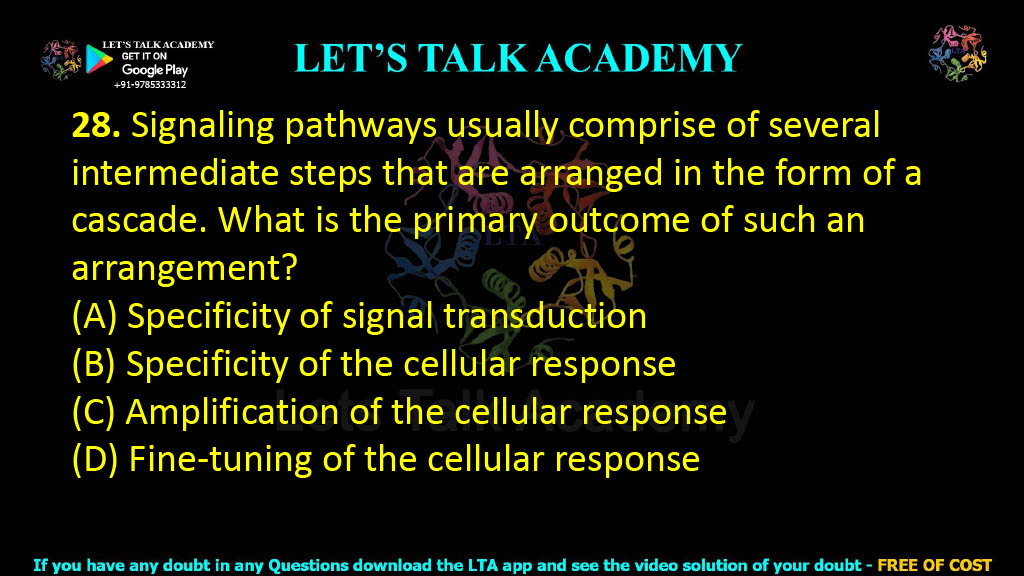
28. Signaling pathways usually comprise of several intermediate steps that are arranged in the form of a cascade. What is the primary outcome of such an arrangement?  (A) Specificity of signal transduction (B) Specificity of the cellular response (C) Amplification of the cellular response (D) Fine-tuning of the cellular response

Signal Transduction Cascade

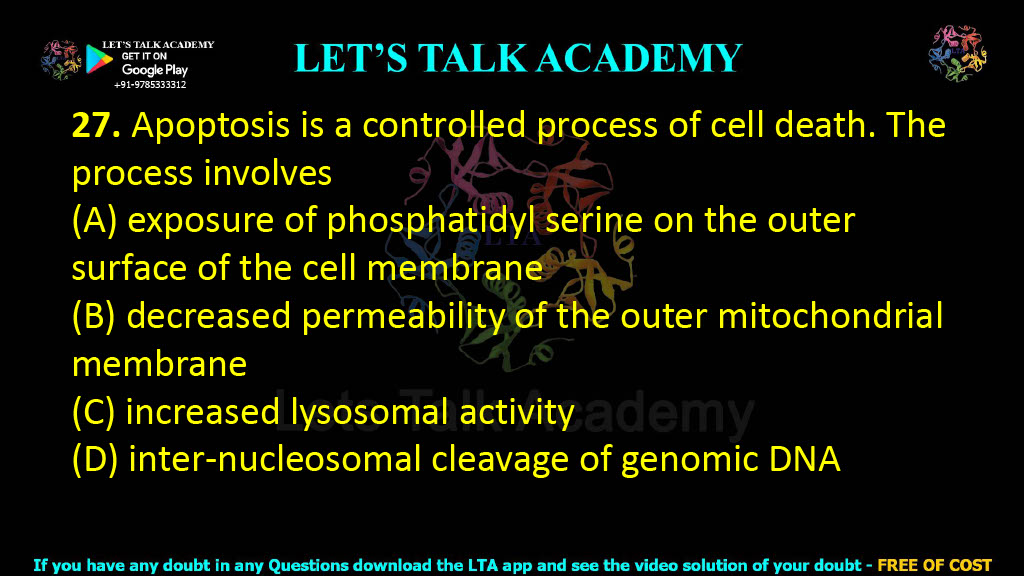
27. Apoptosis is a controlled process of cell death. The process involves  (A) exposure of phosphatidyl serine on the outer surface of the cell membrane (B) decreased permeability of the outer mitochondrial membrane (C) increased lysosomal activity (D) inter-nucleosomal cleavage of genomic DNA

Apoptosis Explained

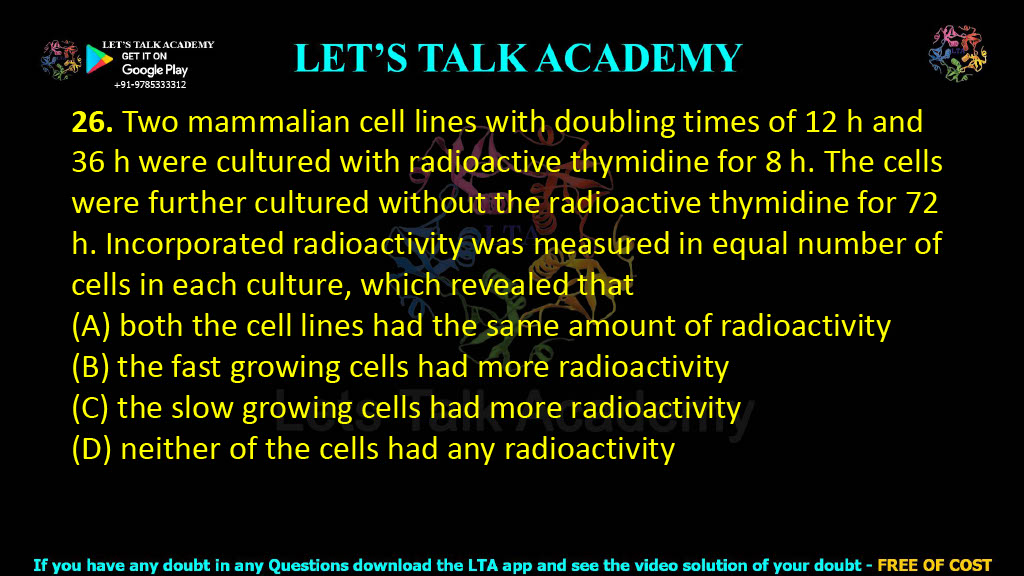
26. Two mammalian cell lines with doubling times of 12 h and 36 h were cultured with radioactive thymidine for 8 h. The cells were further cultured without the radioactive thymidine for 72 h. Incorporated radioactivity was measured in equal number of cells in each culture, which revealed that (A) both the cell lines had the same amount of radioactivity (B) the fast growing cells had more radioactivity (C) the slow growing cells had more radioactivity (D) neither of the cells had any radioactivity

Radioactive Thymidine Labeling and Cell Doubling Time 

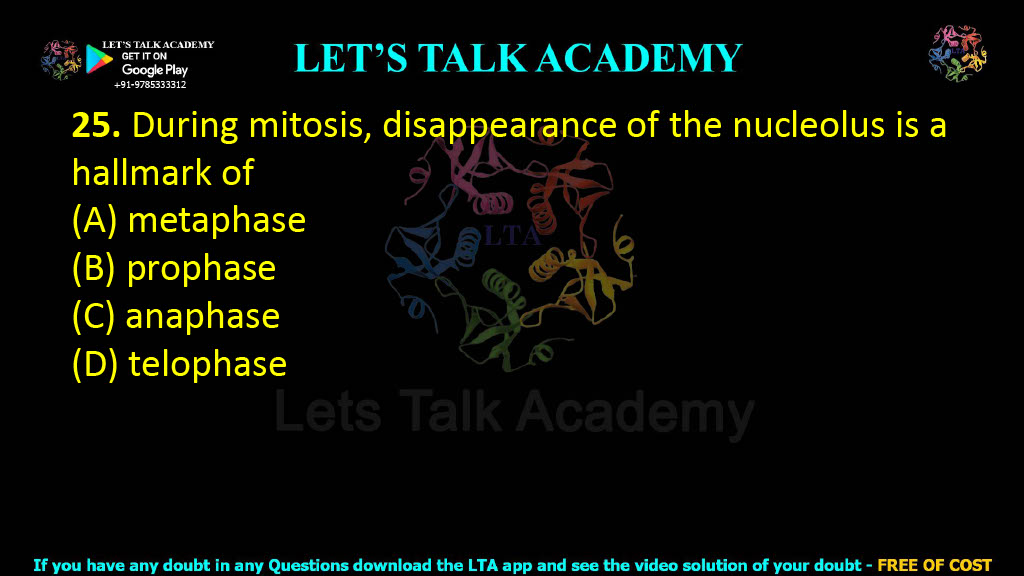
25. During mitosis, disappearance of the nucleolus is a hallmark of  (A) metaphase   (B) prophase     (C) anaphase     (D) telophase

During Which Phase Does the Nucleolus Disappear?

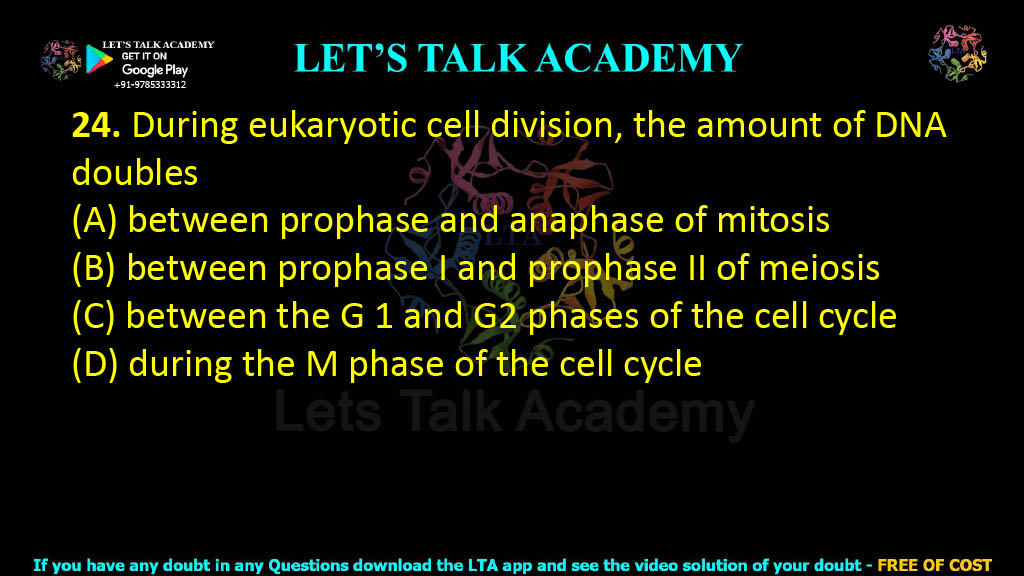
24. During eukaryotic cell division, the amount of DNA doubles  (A) between prophase and anaphase of mitosis (B) between prophase I and prophase II of meiosis (C) between the G 1 and G2 phases of the cell cycle (D) during the M phase of the cell cycle

When Does DNA Double in the Eukaryotic Cell Cycle?

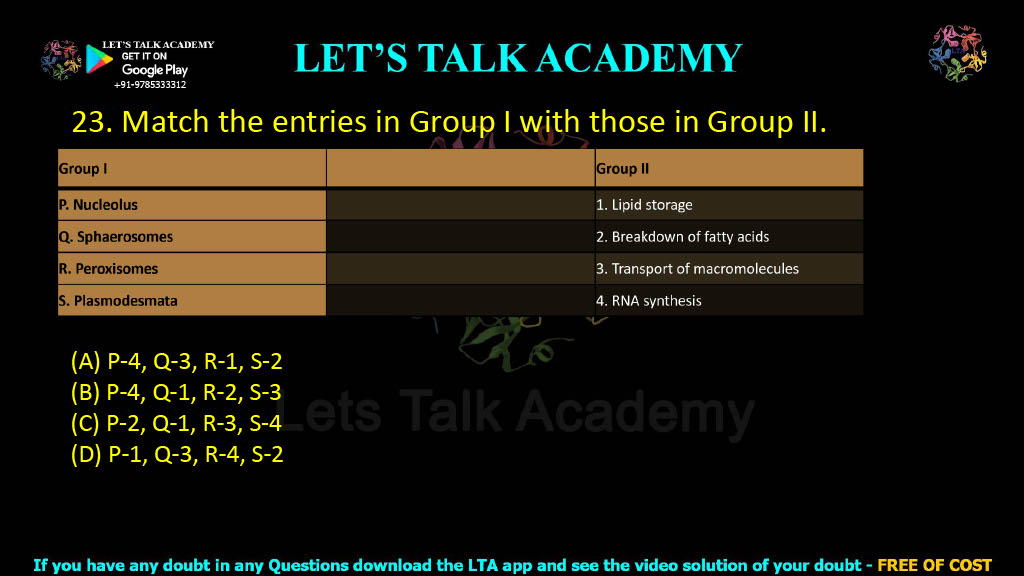
23. Match the entries in Group I with that in Group II  Group I                                 Group II P) Nucleolus                     1) lipid storage Q) Sphaerosomes            2) breakdown of fatty acids R) Peroxisomes               3) transport of macromolecules S)Plasmodesmata           4) RNA synthesis (A) P-4, Q-3, R-1, S-2 (B) P-4, Q-1, R-2, S-3 (C) P-2, Q-1, R-3, S-4 (D) P-1, Q-3, R-4, S-2

Match Cell Organelles and Their Functions

22. Which of the following statements is/are CORRECT for G protein–coupled receptor (GPCR) mediated signaling?  (A) GPCRs contain seven membrane spanning regions. (B) GPCRs are linked to heterotrimeric G protein consisting of α, b and g subunits. (C) In the absence of GPCR interacting ligand, α subunit of G protein is bound to GTP and complexed with bg subunits. (D) In the presence of GPCR interacting ligand, GTP is displaced from α subunit of G protein by GDP, GDP bound α subunit dissociates from bg dimer and activates the effector.

GPCR Signaling Pathway

21. Which one of the following organelles is enclosed by a single membrane?  (A) Ribosome   (B) Mitochondria (C) Endoplasmic reticulum         (D) Centrosome

Single Membrane-Bound Organelles

20. Which one of the following statements is a correct description of modes of action of taxol and colchicine?  (A) Taxol causes DNA damage and colchicine prevents microtubule formation (B) Taxol stabilizes microtubules and colchicine inhibits protein synthesis (C) Taxol destabilizes microtubules and colchicine promotes microtubule formation (D) Taxol stabilizes microtubules and colchicine prevents microtubule formation

Taxol vs Colchicine Mechanism of Action

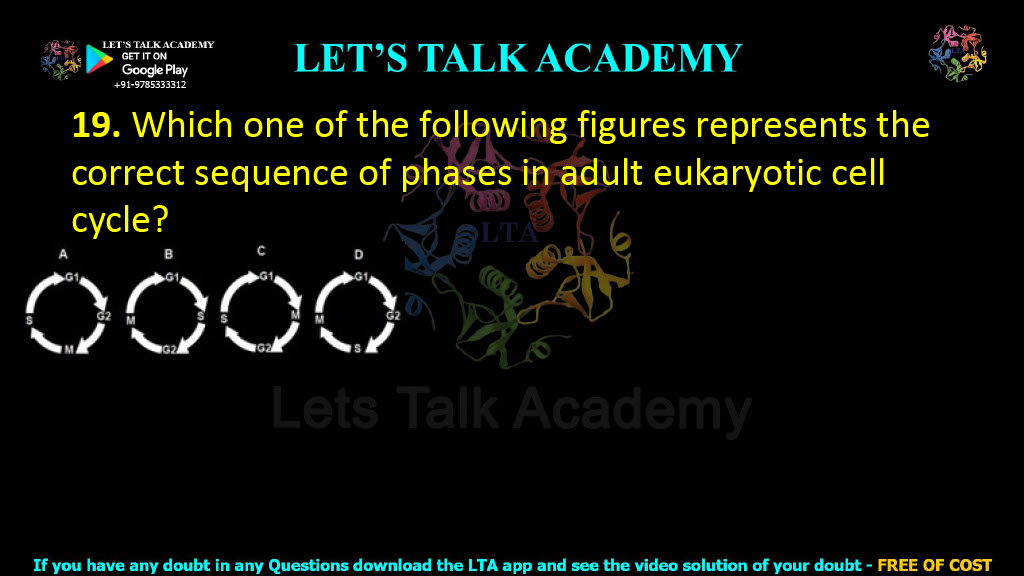
19. Which one of the following figures represents the correct sequence of phases in adult eukaryotic cell cycle?

Correct Sequence of Eukaryotic Cell Cycle Phases

18. Which of the following represents the CORRECT order of events in the eukaryotic cell cycle?     (A) G1 → S → G2 → M  (B) S → G1 → M → G2  (C) G1 → S → M → G2  (D) S → G1 → G2 → M

Eukaryotic Cell Cycle

17. Which of the following statements about eukaryotic asymmetric cell division is NOT correct?     (A) Chromosomes are unequally distributed in the daughter cells  (B) Chromosomes are equally distributed in the daughter cells  (C) RNA and proteins are unequally distributed in the daughter cells  (D) Cytoplasmic contents are unequally distributed in the daughter cells

Asymmetric Cell Division in Eukaryotes Explained

16. Which of the following entity(ies) is/are found inside the intact nucleus of eukaryotic cells?  (A) Centrosome (B) Lysosome (C) Nucleolus (D) Nucleosome

Structures Present Inside the Eukaryotic Cells

15. Chromosome duplication during the cell cycle occurs in  (A) G1 phase (B) G2 phase (C) M phase (D) S phase

Chromosome Duplication in the Cell Cycle

14. Which of the following is NOT a characteristic morphological feature of apoptotic cells?  (A) Disassembly of nuclear envelope (B) DNA fragmentation (C) Increased cell size (D) Membrane blebbing

Apoptosis Morphological Features Explained

13. Which one of the following is present in a bacterial cell?  (A) 28S rRNA (B) 70S ribosome (C) Chitinous cell wall (D) Histones

Bacterial Cell Structure Explained

12. Which organelle in a eukaryotic cell is the site of electron transport chain?    (A) Endoplasmic reticulum (B) Golgi apparatus (C) Mitochondrion (D) Peroxisome

Electron Transport Chain in Mitochondria Explained

11. The characteristic morphological change(s) in cells undergoing apoptosis is/are  (A) Formation of blebs on cell surface (B) Swelling and bursting of cells (C) Collapse of the cytoskeleton (D) Condensation and fragmentation of nuclear chromatin

Apoptosis Morphological Changes Explained

10. Which of the following statement(s) is/are correct about telophase?  (A) Daughter chromosomes are yet to form (B) New nuclear envelope starts to reassemble (C) Division of cytoplasm begins (D) Nuclear membrane disappears

Telophase in Mitosis Explained

9. Which one of the following statements is correct about solute transport across membranes?  (A) Passive transporters decrease the activation energy and does not facilitate the transport of polar compounds (B) The direction in which a charged solute tends to move spontaneously across a membrane does not depend on the electrical gradient across the membrane (C) All ABC transporters do not have nucleotide binding domain (D) P-type ATPases get reversibly phosphorylated as a part of transport cycle

Solute Transport Across Membranes Explained

8. Determine the correctness or otherwise of the following Assertion [a] and Reason [r].  Assertion [a]: Nitric oxide is involved in transient paracrine and autocrine signaling. Reason [r]: Nitric oxide is highly reactive, with a lifetime of few seconds, yet can diffuse freely across membranes. (A) Both [a] and [r] are true and [r] is the correct reason for [a] (B) Both [a] and [r] are true but [r] is not the correct reason for [a] (C) Both [a] and [r] are false (D) Only [a] is true but [r] is false

Nitric Oxide (NO) Signaling Explained

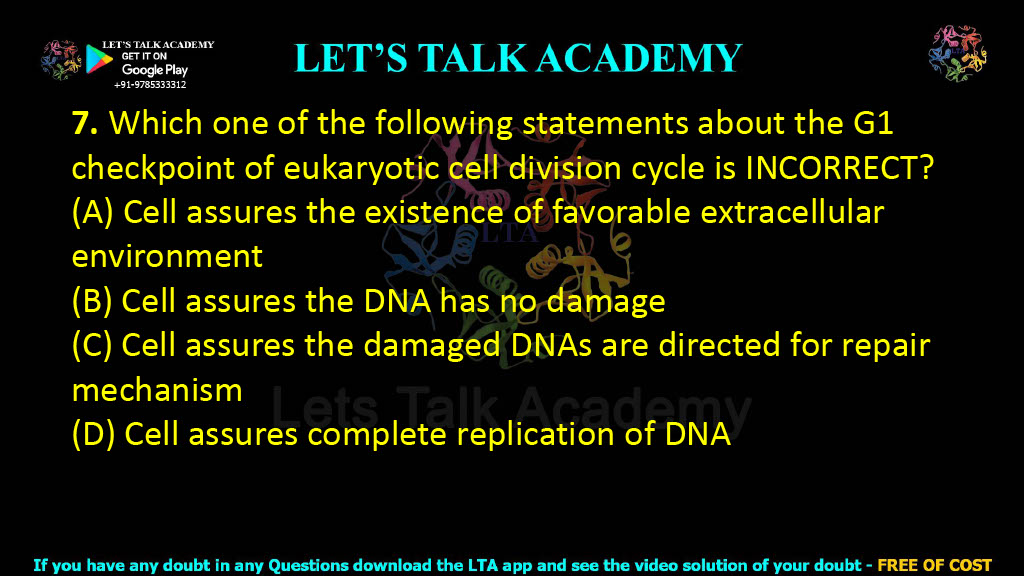
7. Which one of the following statements about the G1 checkpoint of eukaryotic cell division cycle is INCORRECT?  (A) Cell assures the existence of favorable extracellular environment (B) Cell assures the DNA has no damage (C) Cell assures the damaged DNAs are directed for repair mechanism (D) Cell assures complete replication of DNA

G1 Checkpoint of Cell Cycle Explained

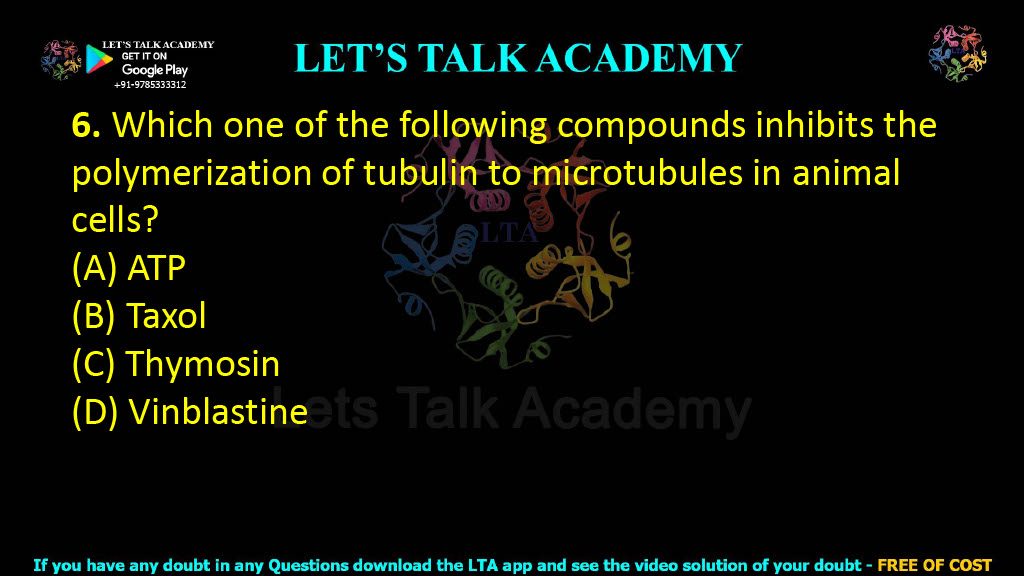
6. Which one of the following compounds inhibits the polymerization of tubulin to microtubules in animal cells? (2023) (A) ATP (B) Taxol (C) Thymosin (D) Vinblastine

Vinblastine Inhibits Microtubule Polymerization

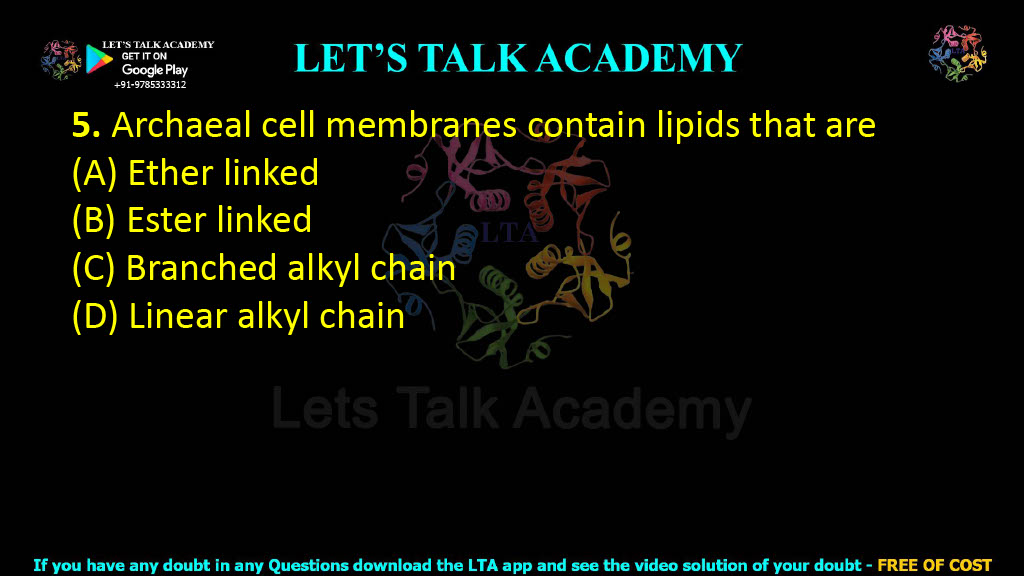
5. Archaeal cell membranes contain lipids that are (A) Ether linked (B) Ester linked (C) Branched alkyl chain (D) Linear alkyl chain

Archaeal Cell Membrane Lipids Explained

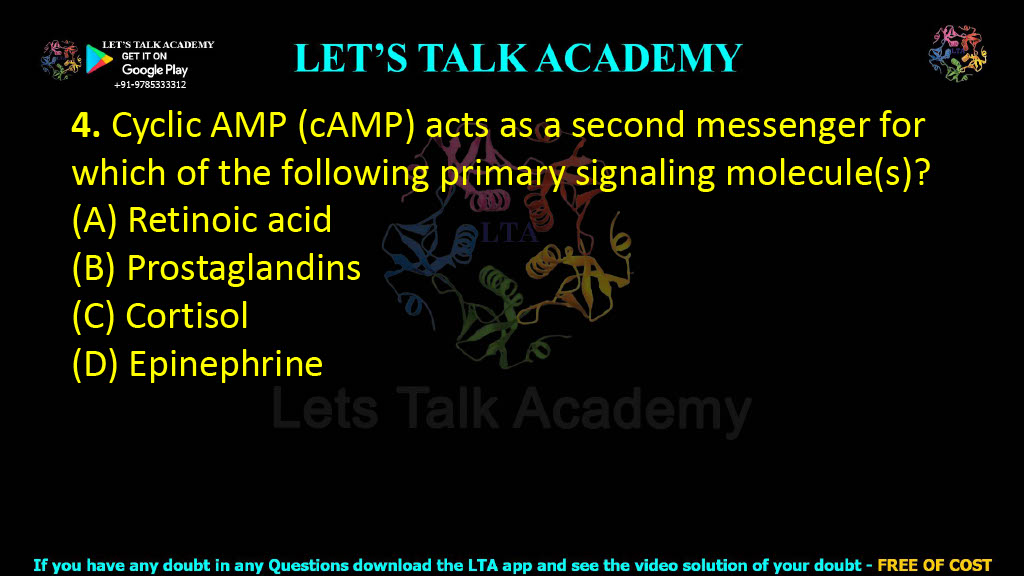
4. Cyclic AMP (cAMP) acts as a second messenger for which of the following primary signaling molecule(s)?  (A) Retinoic acid (B) Prostaglandins (C) Cortisol (D) Epinephrine

cAMP as a Second Messenger – Cell Signaling Pathway

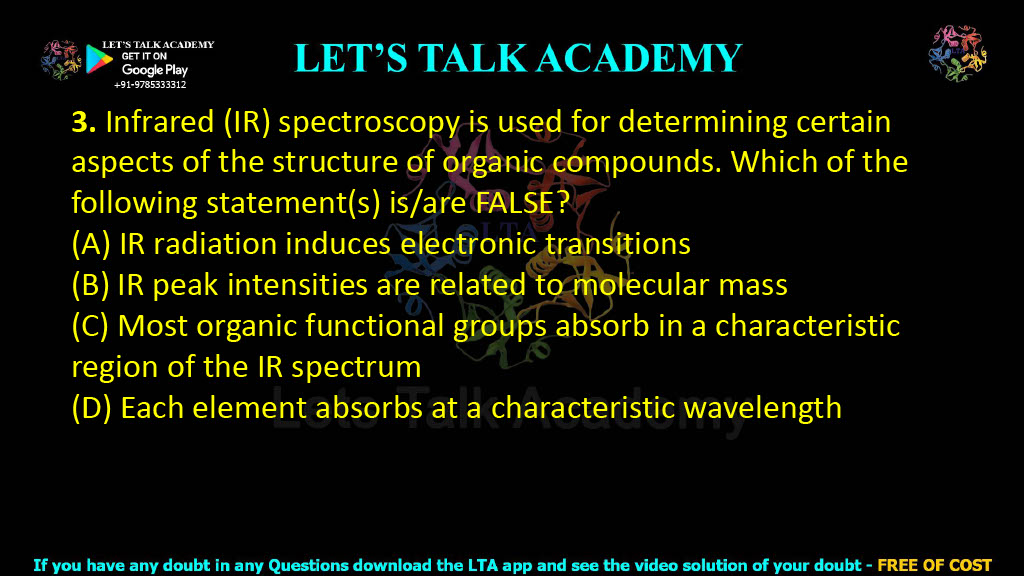
3. Infrared (IR) spectroscopy is used for determining certain aspects of the structure of organic compounds. Which of the following statement(s) is/are FALSE?  (A) IR radiation induces electronic transitions (B) IR peak intensities are related to molecular mass (C) Most organic functional groups absorb in a characteristic region of the IR spectrum (D) Each element absorbs at a characteristic wavelength

Infrared (IR) Spectroscopy Explained

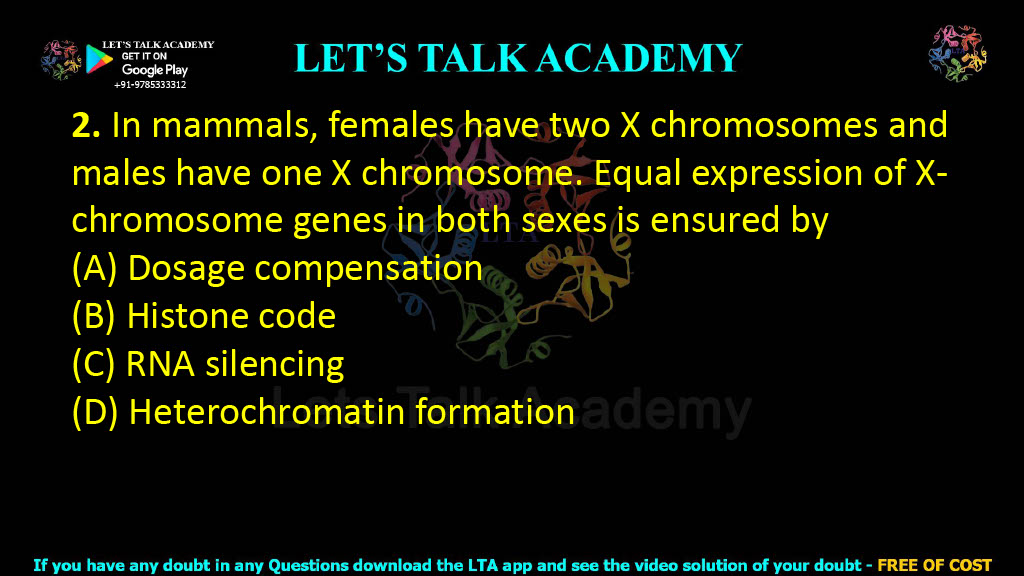
2. In mammals, females have two X chromosomes and males have one X chromosome. Equal expression of X-chromosome genes in both sexes is ensured by  (A) Dosage compensation (B) Histone code (C) RNA silencing (D) Heterochromatin formation

Dosage Compensation in Mammals – X-Chromosome Inactivation

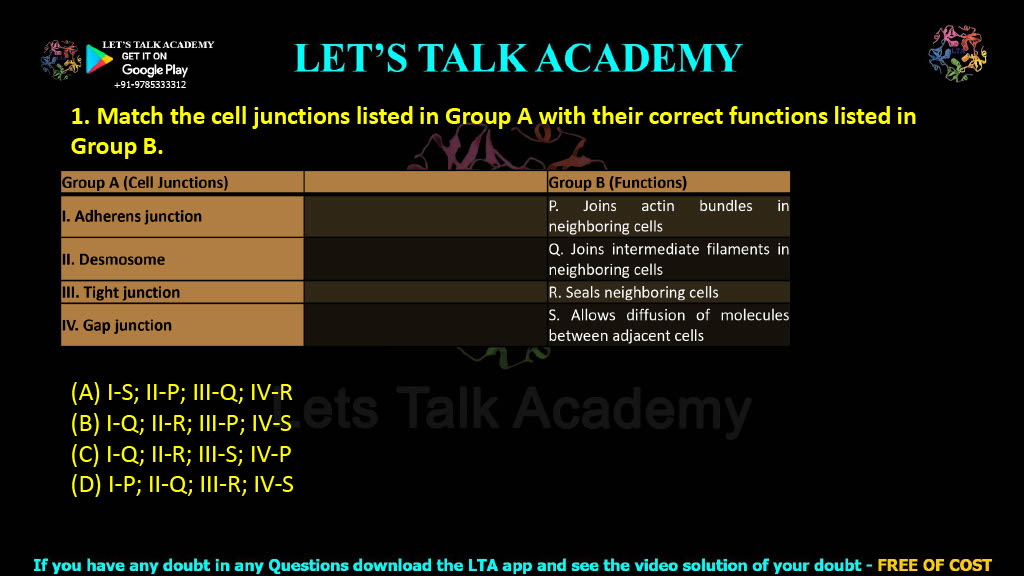
1. Match the cell junctions listed in Group A with their correct functions listed in Group B. Group A Group B (I) Adherens junction (P) Joins actin bundles in neighboring cells (II) Desmosome (Q) Joins intermediate filaments in neighboring cells (III) Tight junction (R) Seals neighboring cells (IV) Gap junction (S) Allows diffusion of molecules between adjacent cells (A) I-S; II-P; III-Q; IV-R (B) I-Q; II-R; III-P; IV-S (C) I-Q; II-R; III-S; IV-P (D) I-P; II-Q; III-R; IV-S

Cell Junctions and Their Functions

Latest Courses