Q.65 For the coupled reactions given below Glucose 6-phosphate + H2O → Glucose + Pi (Reaction 1) ATP + Glucose → ADP + Glucose 6-phosphate (Reaction 2) the standard free energy change of ATP hydrolysis at 25 °C is ____ kJ/mol. The equilibrium constants for Reaction 1 and Reaction 2 are 360 and 800, respectively; Gas constant R = 8.314 J mol-1 K -1 . (Round off to two decimal places)

ΔG° for ATP Hydrolysis: Solving Coupled Reactions

Q.64 An NMR spectrometer operating at proton resonance frequency (ν) of 1 GHz will have a magnetic field strength of __________ Tesla (T). The gyromagnetic ratio for proton, γ = 2.675 × 10⁸ T−1 s−1. (Round off to one decimal place)

Calculating NMR Spectrometer Magnetic Field Strength

Q.63 Let A = ( 1  0  1  0  k  0  3  0  -1 ). If the eigenvalues of A are −2, 1, and 2, then the value of k is __________. (Answer in integer)

Finding k for Matrix Eigenvalues

Q.62 A 2 L bioreactor is being operated as a chemostat, at a flow rate of 0.8 L/h and sterile feed of 10 g/L substrate. The bacterial growth follows Monod kinetics at a maximum specific growth rate of 0.6 h-1 with a Monod constant of 0.5 g/L and a biomass yield coefficient of 0.4 g/g. The exit biomass concentration is _______ g/L. (Round off to one decimal place)

Chemostat Biomass Concentration Calculation with Monod Kinetics

Q.61 A hot, freshly-sterilised fermentation medium is cooled in a double-pipe heatexchanger. The medium enters the inner pipe of the exchanger at 95 °C and leaves the exchanger at 40 °C. Cooling water, flowing counter-currently to the medium, enters the annulus of the exchanger at 15 °C and leaves the exchanger at 45 °C. The overall heat transfer coefficient is 1350 W m-2°C-1. The rate of heat transfer per unit area will be _______ W/m2. (Round off to the nearest integer)

Calculating Heat Transfer Rate in Double-Pipe Heat Exchangers

Q.60 The percentage of light that would pass through a sample with an absorbance of 2 would be ______% . (Round off to the nearest integer)

Understanding Light Transmission at Absorbance 2

Q.59 Let a0 = 0 and define an =½(1 + an−1) for all positive integers n ≥ 1. The least value of n for which |1 − an| < 1 / 210 is ______. (Answer in integer)

Least n for |1 − an| < 1/2^10 in Newton Sequence

Q.58 In a fermentation process, each mole of glucose is converted to biomass (CH1.8O0.5N0.2), with a biomass yield coefficient of 0.4 C-mol/C-mol, according to the unbalanced equation given below. C6H12O6 + NH3 + O2 → CH1.8O0.5N0.2 + CO2 + H2O The moles of oxygen consumption per mole of glucose consumed during fermentation is _________. (Round off to two decimal places)

Oxygen Consumption in Fermentation

Q.57 A binary mixture of benzene and toluene under vapour-liquid equilibrium at 80 oC follows ideal Raoult’s law. At this condition, the saturation pressures of benzene and toluene are 101 kPa and 40 kPa, respectively. If the mole fraction of benzene in the liquid phase is 0.6, the corresponding mole fraction of benzene in the vapour phase will be _______. (Round off to two decimal places)

Benzene-Toluene Raoult’s Law

Q.56 Which of the following amino acids contain(s) two chiral carbons? (A) L-Leucine (B) L-Threonine (C) L-Isoleucine (D) L-Asparagine

Amino Acids with Two Chiral Carbons

Q.55 Which of the following methods is/are used for identifying histone modifications? (A) ChIP-seq (B) Mass spectrometry (C) Immunofluorescence (D) Patch-clamp electrophysiology

Mastering Histone Modifications

Q.54 An enzyme immobilised in a porous spherical pellet, catalyses a strongly mass-transfer limited first-order reaction. The effectiveness factor for the immobilised enzyme reaction increases with the (A) decrease in the size of the pellet (B) increase in the pore diffusivity within the pellet (C) decrease in the enzyme turnover number (D) increase in the enzyme concentration within the pellet

Effectiveness Factor in Immobilized Enzyme Reactions

Q.53 The blood group of the mother is A+ and that of the father is AB+. Which of the following statements is/are correct? (A) Probability of the offspring with A+ blood group is 0.5 (B) Probability of the offspring with AB+ blood group is 0.125 (C) Probability of the offspring with B+ blood group is 0.125 (D) Probability of the offspring with O+ blood group is 0.375

Blood Group Inheritance

Q.52 Which of the following statements is/are true about telomerase? (A) Telomerase has 5′-3′ DNA-dependent DNA polymerisation activity (B) Telomerase has 5′-3′ RNA-dependent DNA polymerisation activity (C) Telomerase contains an RNA subunit (D) Telomerase has 3′-5′ DNA-dependent DNA polymerisation activity

Understanding Telomerase

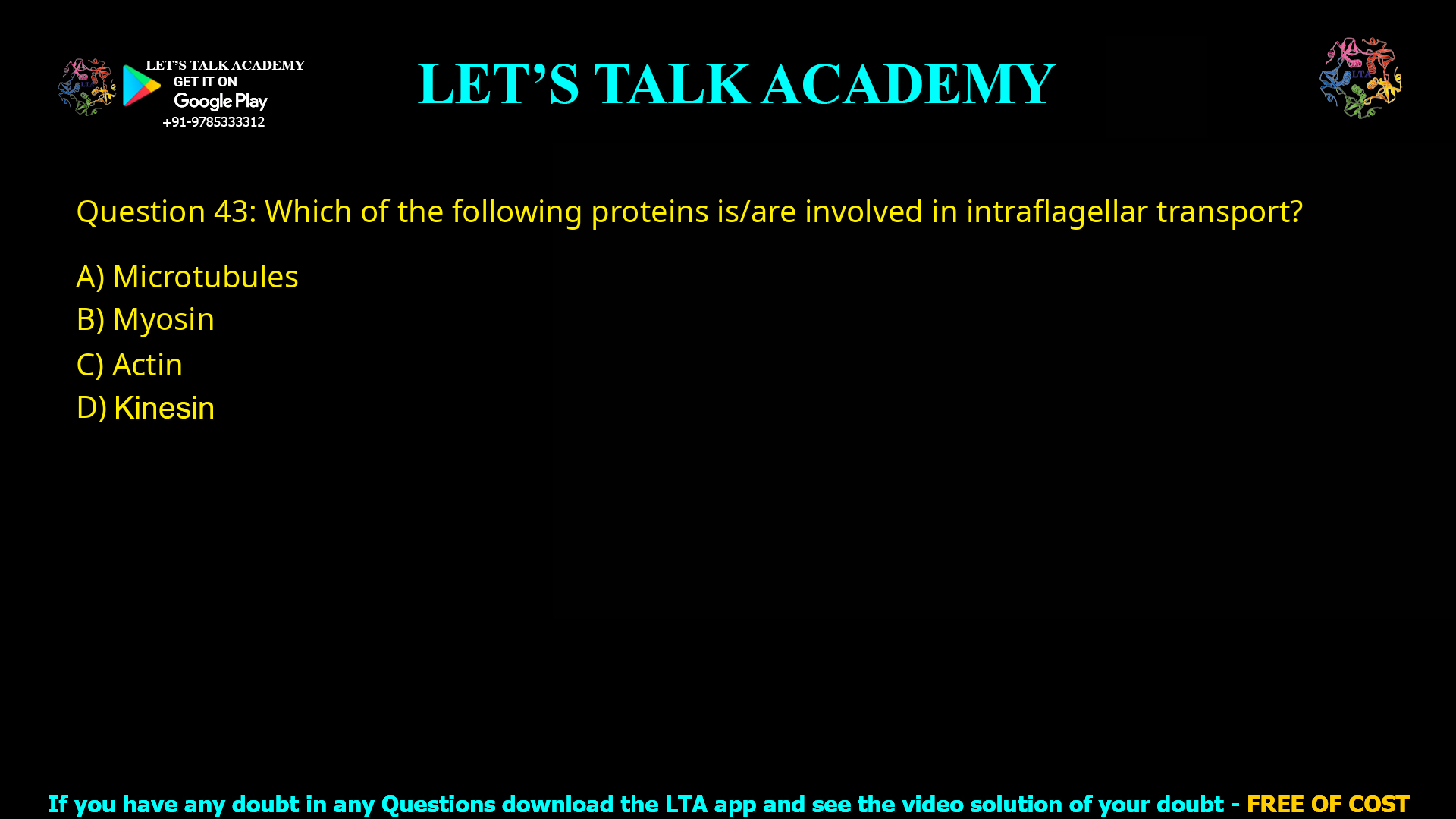
Q.51 Which of the following proteins is/are involved in intraflagellar transport? (A) Microtubules (B) Myosin (C) Actin (D) Kinesin

Intraflagellar Transport Proteins

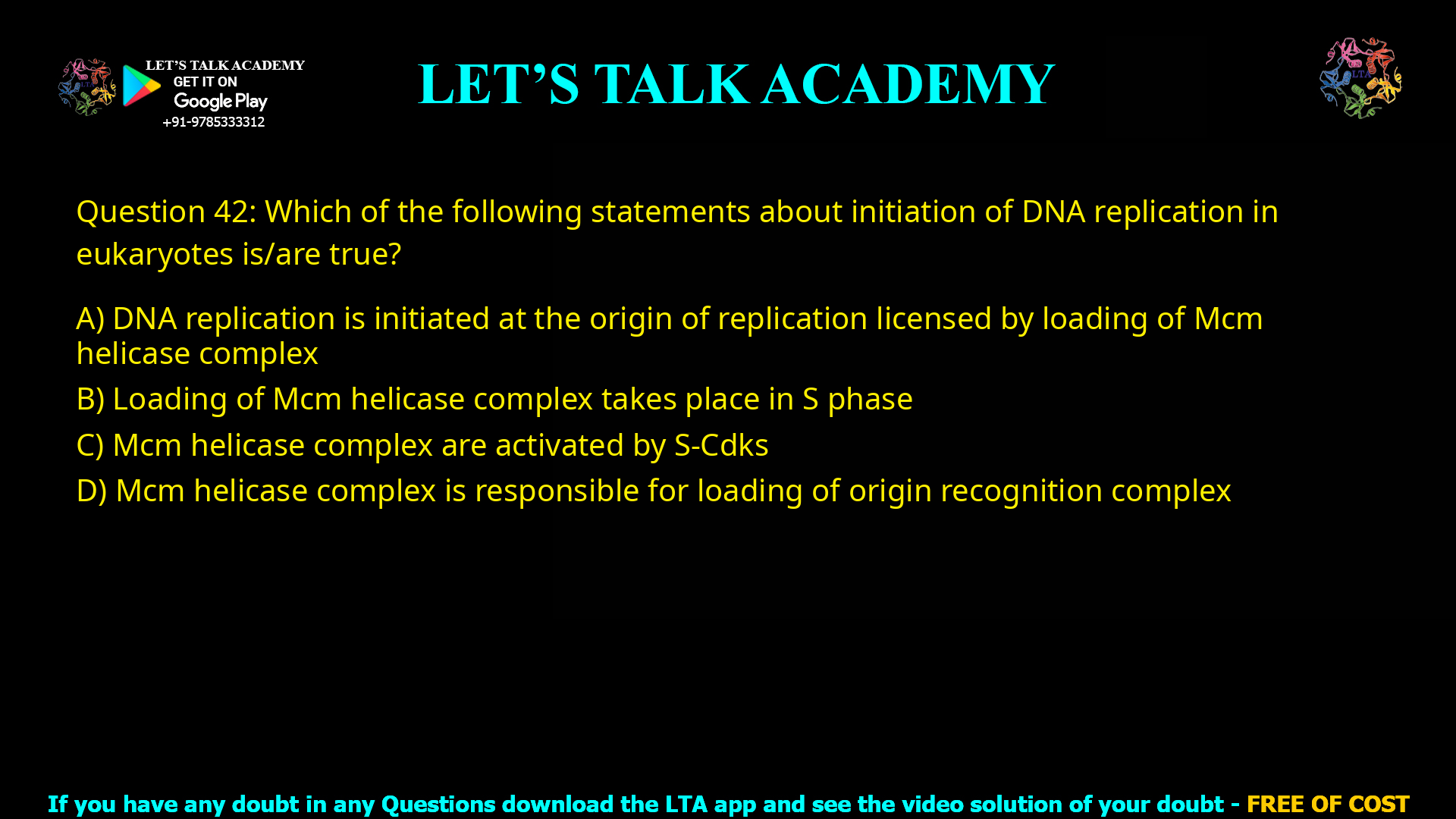
Q.50 Which of the following statements about initiation of DNA replication in eukaryotes is/are true? (A) DNA replication is initiated at the origin of replication licensed by loading of Mcm helicase complex (B) Loading of Mcm helicase complex takes place in S phase (C) Mcm helicase complex are activated by S-Cdks (D) Mcm helicase complex is responsible for loading of origin recognition complex

Eukaryotic DNA Replication Initiation

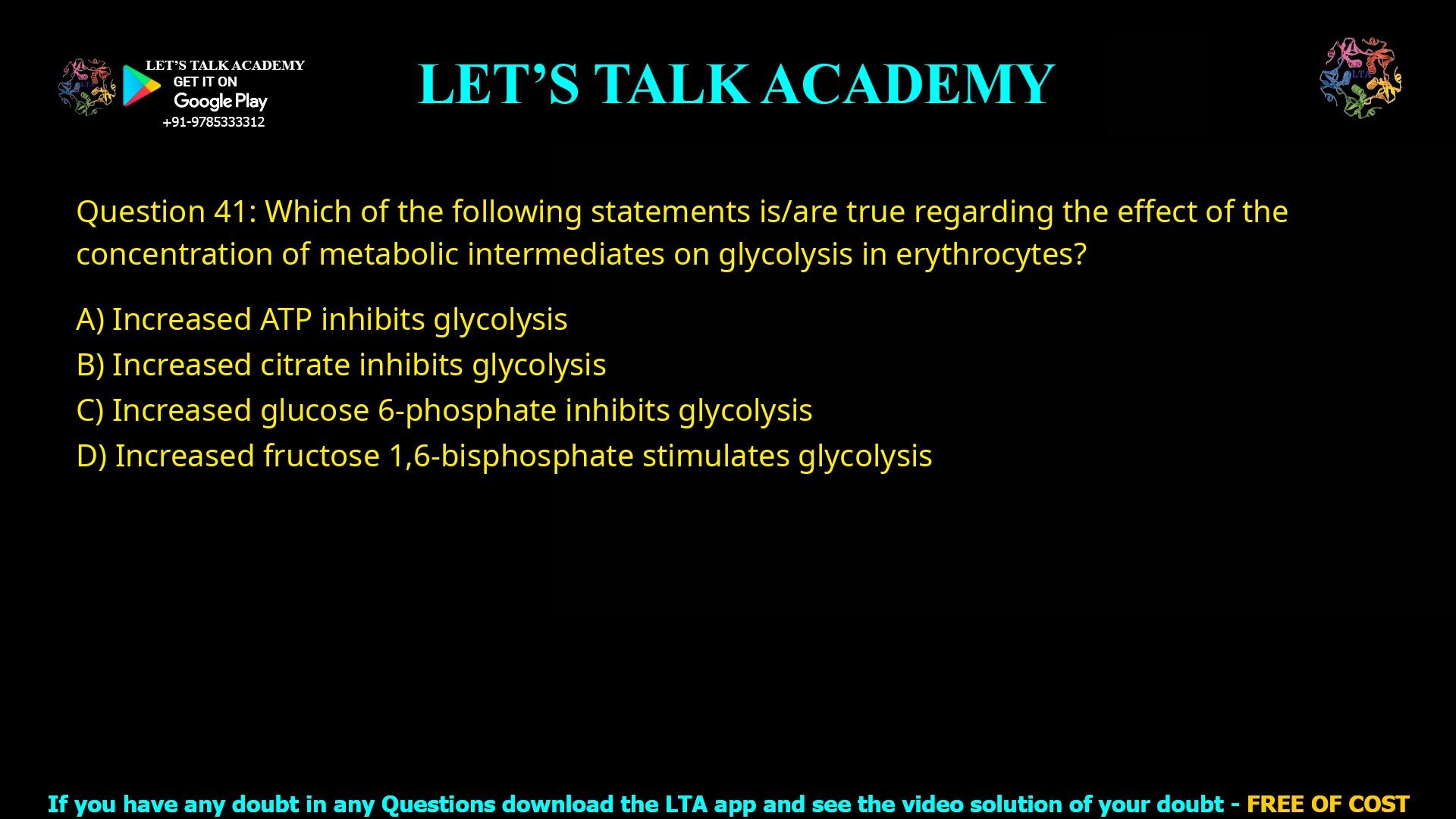
Q.49 Which of the following statements is/are true regarding the effect of the concentration of metabolic intermediates on glycolysis in erythrocytes? (A) Increased AMP levels stimulate glycolysis (B) Increased citrate inhibits glycolysis (C) Increased glucose 6-phosphate inhibits glycolysis (D) Increased fructose 1,6-bisphosphate stimulates glycolysis

Glycolysis in Erythrocytes

Q.48 Correctly match the herbicide with its mode of development of resistance in plants. Herbicide                                               Mode of development of resistance P. Imidazolinones                               1. Transformation of bacterial nitrilase gene Q. Bromoxynil                                      2. Transformation of resistant version of acetolactate synthetase R. Glufosinate                                      3. Transformation of tfdA gene from Alcaligenes, which encodes a dioxygenase                                                                 4. Transformation of bar gene from Streptomyces hygroscopicus which encodes phosphinothricin acetyltransferase (A) P-2; Q-1; R-4 (B) P-2; Q-1; R-3 (C) P-1; Q-2; R-3 (D) P-4; Q-1; R-3

Herbicide Resistance in Plants

Q.47 Correctly match the following Bioinformatic tool/Database with its respective Utility. Bioinformatic tool/Database                      Utility P. BLAST                                                      1. Database for 3D protein structures Q. Bowtie                                                     2. Tool to identify similarity of a query sequence to existing sequences available in databanks R. AlphaFold                                              3. Tool to align short read DNA sequences obtained from Next-generation sequencing to a reference genome S. PDB                                                         4. AI tool to predict protein structures (A) P-2; Q-3; R-1; S-4 (B) P-2; Q-3; R-4; S-1 (C) P-3; Q-2; R-4; S-1 (D) P-4; Q-1; R-2; S-3

Bioinformatics Tools Matching

Q.46 If the function f(x) ={ sin 2x,  for x > 0             a + bx,  for x ≤ 0 } where a and b are constants, is differentiable at x = 0, then a + b is equal to (A) 0 (B) 1 (C) 2 (D) 3

Differentiability of Piecewise Functions at x=0

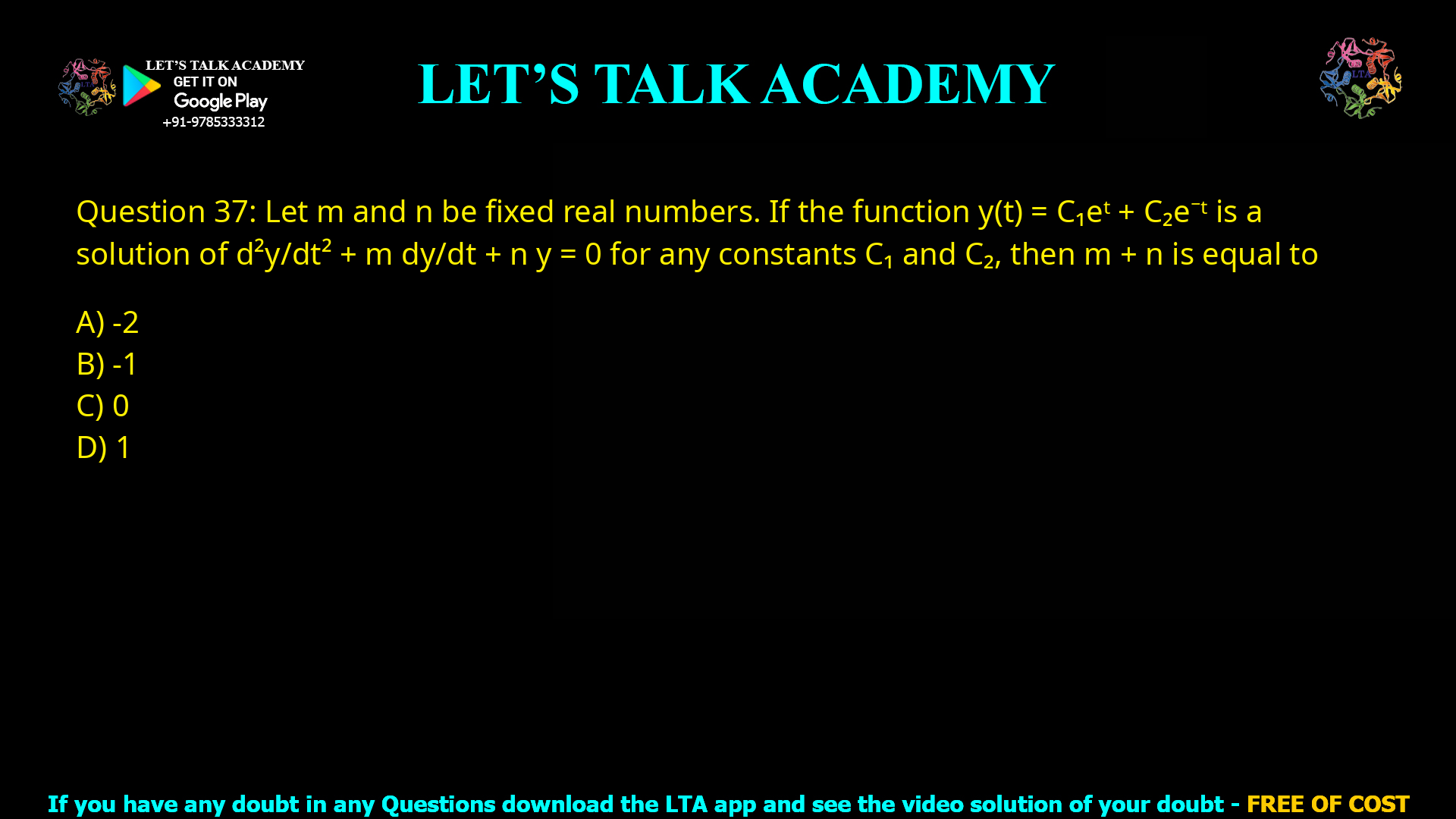
Q.45 Let m and n be fixed real numbers. If the function y(t) = C1et + C2e−t is a solution of d2y/dt2 + m dy/dt + ny = 0 for any constants C1 and C2, then m + n is equal to (A) −2 (B) −1 (C) 0 (D) 1

Characteristic Equation Solution

Q.44 For a specific bioreactor configuration, the power requirement for a Rushton-turbine impeller agitating an unaerated Newtonian fluid in the turbulent regime will be (A) proportional to the stirring speed of the impeller (B) proportional to the square of the stirring speed of the impeller (C) proportional to the cube of the stirring speed of the impeller (D) inversely proportional of the stirring speed of the impeller

Turbulent Flow Explained

Q.43 The output y(t) of a first-order process is governed by the following differential equation: τpdy/dt + y = Kp f(t) where τp is a non-zero time constant, Kp is the gain and f(t) is the input with f(0) = 0. Assume y(0) = 0. The transfer function for this process (consider s as the independent variable in the Laplace domain) is: (A) Kp / (τps + 1) (B) τp / (Kps + 1) (C) τp / (Kp(s + 1)) (D) Kp / (τp(s + 1))

First-Order Process Transfer Function

Q.42 A thermometer measuring body temperature follows a first-order response with a time constant of 40 seconds. The instrument will reach 95% of its steady-state output at __________ seconds. (Round off to the nearest integer) (A) 60 (B) 80 (C) 120 (D) 160

Thermometer First-Order Response

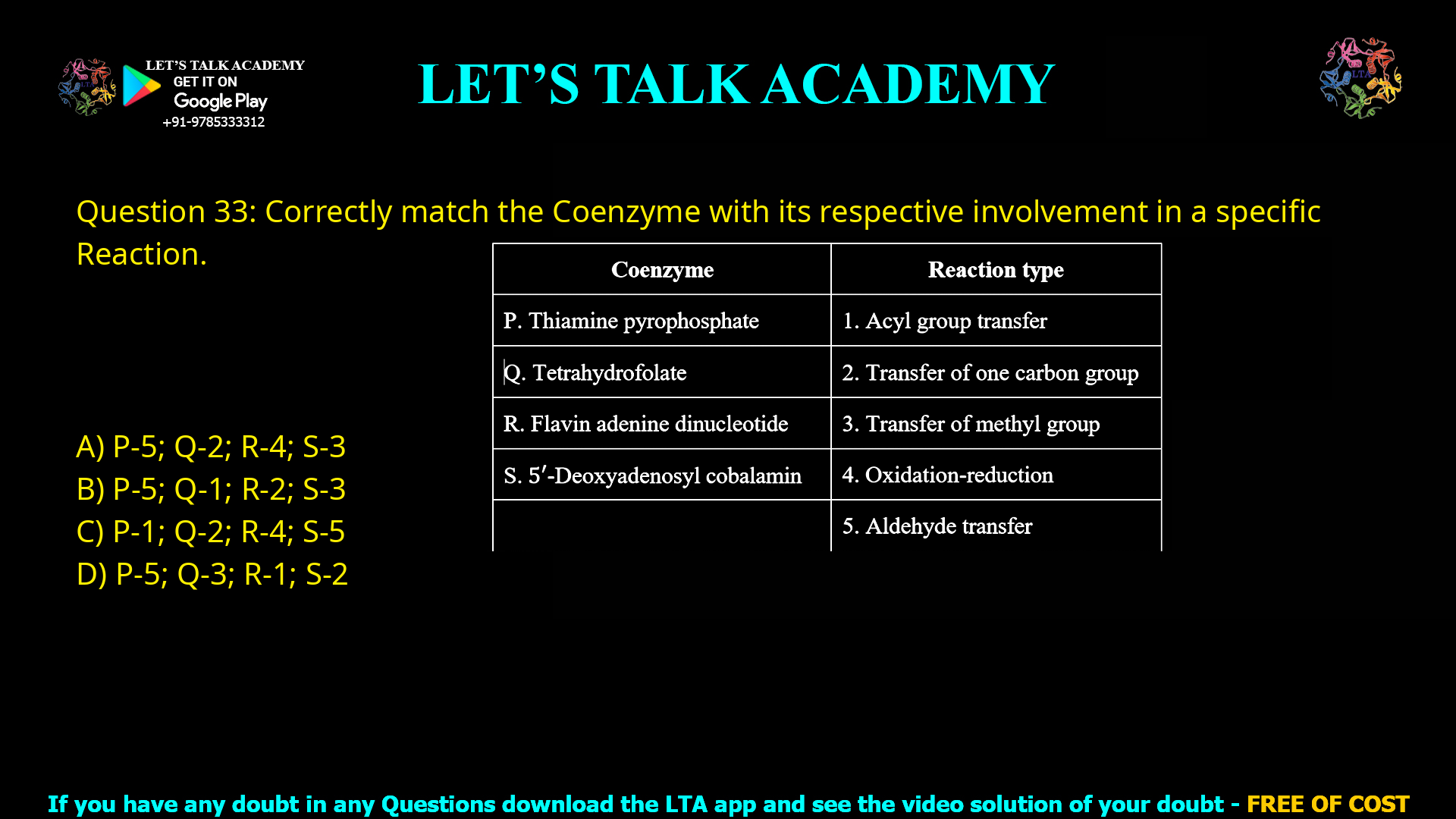
Q.41 Correctly match the Coenzyme with its respective involvement in a specific Reaction type. Coenzyme                                                Reaction type P. Thiamine pyrophosphate                1. Acyl group transfer Q. Tetrahydrofolate                              2. Transfer of one carbon group R. Flavin adenine dinucleotide          3. Transfer of methyl group S. 5′-Deoxyadenosyl cobalamin        4. Oxidation-reduction                                                                   5. Aldehyde transfer (A) P-5; Q-2; R-4; S-3 (B) P-5; Q-1; R-2; S-3 (C) P-1; Q-2; R-4; S-5 (D) P-5; Q-3; R-1; S-2

Coenzyme Reaction Matching

Q.40 Correctly match the Enzyme with its respective Function. Enzyme                                   Function P. Gyrase                             1. Removes a damaged base by cleaving the bond between sugar and base Q. Deadenylase                  2. Provides a swivel allowing one DNA strand to rotate around the other R. Glycosylase                    3. Catalyses bond formation between 3′-OH and 5′-phosphate end of nucleotides in duplex DNA S. DNA ligase                     4. Is an exoribonuclease that removes the poly(A) tail (A) P-2; Q-4; R-1; S-3 (B) P-1; Q-4; R-2; S-3 (C) P-2; Q-1; R-4; S-3 (D) P-3; Q-2; R-1; S-4

Enzyme-Function Matching

Q.39 Correctly match the type of Hypersensitivity reaction with its respective Example. Hypersensitivity reaction                  Example P. Type I                                            1. Tuberculin reaction Q. Type II                                          2. Arthus reaction R. Type III                                        3. Chronic urticaria S. Type IV                                         4. Systemic anaphylaxis (A) P-3; Q-4; R-2; S-1 (B) P-4; Q-3; R-1; S-2 (C) P-4; Q-3; R-2; S-1 (D) P-2; Q-3; R-4; S-1

Hypersensitivity Reactions Type Matching

Q.38 An octapeptide composed of these L-amino acids – Lys, Thr, Ser, Met, Arg, Trp, Tyr, Glu – was subjected to analyses with the following outcomes: P. The N-terminal sequencing analysis by Sanger’s method yielded ‘Ser’ at the N-terminus Q. Chymotrypsin treatment gave a pentapeptide, a ‘Tyr’ containing dipeptide and a free ‘Glu’ R. Cyanogen bromide treatment gave two tetrapeptides S. Trypsin treatment gave two tripeptides and a dipeptide Which one of the following is the correct octapeptide sequence? (A) Ser-Tyr-Arg-Met-Lys-Thr-Trp-Glu (B) Ser-Arg-Lys-Met-Tyr-Thr-Trp-Glu (C) Ser-Met-Lys-Arg-Thr-Tyr-Trp-Glu (D) Ser-Arg-Met-Lys-Trp-Thr-Tyr-Glu

Solving the Octapeptide Sequence Puzzle

Q.37 Correctly match the Inhibitor with its respective Function in mitochondrial respiration. Inhibitor                                        Function P. FCCP                              1. Inhibits cytochrome c oxidase Q. Cyanide                        2. Makes the membrane permeable to protons R. Oligomycin A               3. Blocks mitochondrial uptake of succinate S. Butyl malonate            4. Inhibits ATP synthase (A) P-2; Q-1; R-4; S-3 (B) P-2; Q-3; R-1; S-4 (C) P-2; Q-4; R-3; S-1 (D) P-3; Q-1; R-2; S-4

Mitochondrial Inhibitors Matching

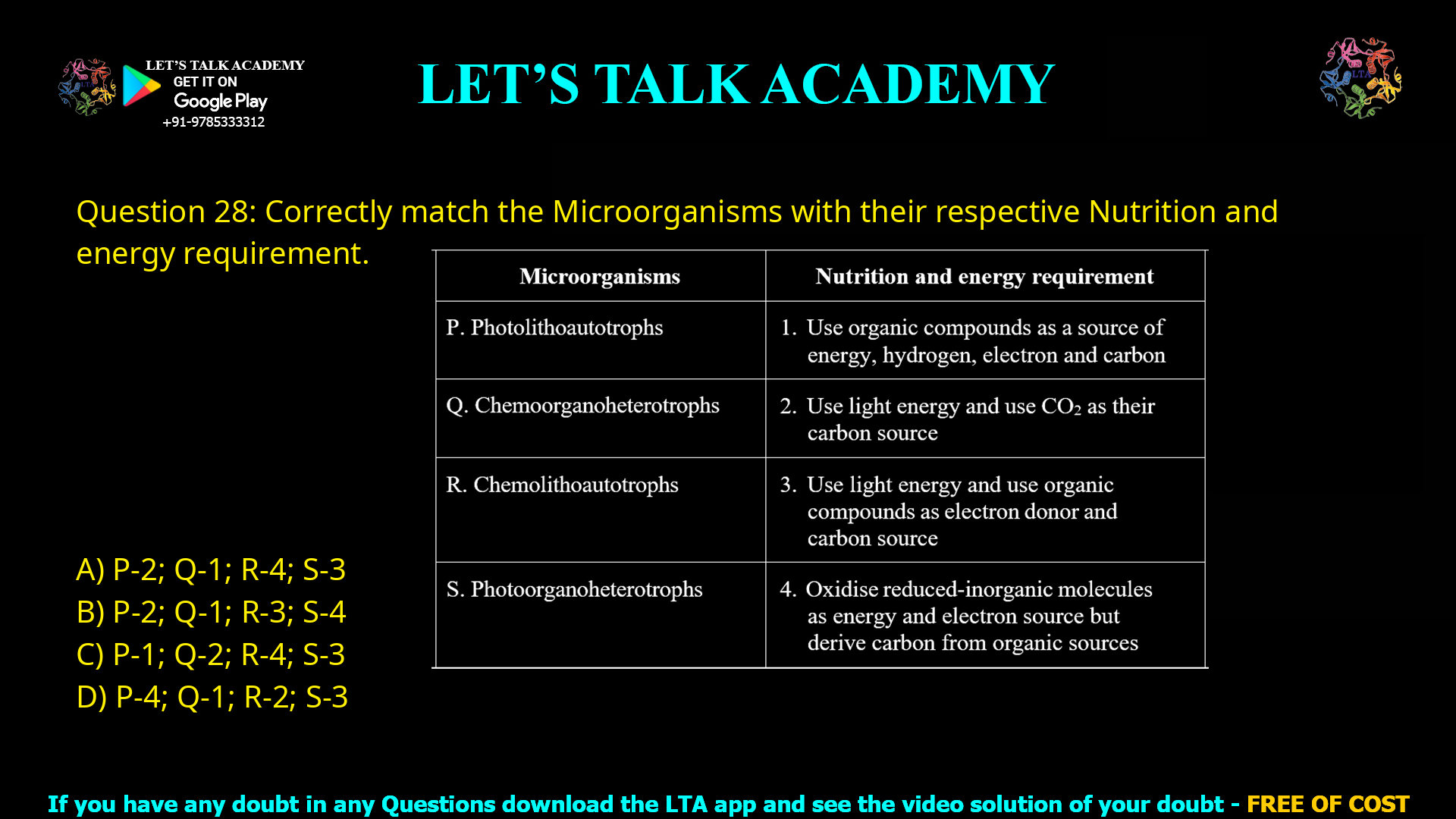
Q.36 Correctly match the Microorganisms with their respective Nutrition and energy requirement. Microorganisms                                            Nutrition and energy requirement P. Photolithoautotrophs                              1. Use organic compounds as a source of energy, hydrogen, electron and carbon Q. Chemoorganoheterotrophs                    2. Use light energy and use CO2 as their carbon source R. Chemolithoautotrophs                            3. Use light energy and use organic compounds as electron donor and carbon source S. Photoorganoheterotrophs                      4. Oxidise reduced-inorganic molecules as energy and electron source but derive carbon from organic sources (A) P-2; Q-1; R-4; S-3 (B) P-2; Q-1; R-3; S-4 (C) P-1; Q-2; R-4; S-3 (D) P-4; Q-1; R-2; S-3

Unlocking Microbial Nutrition

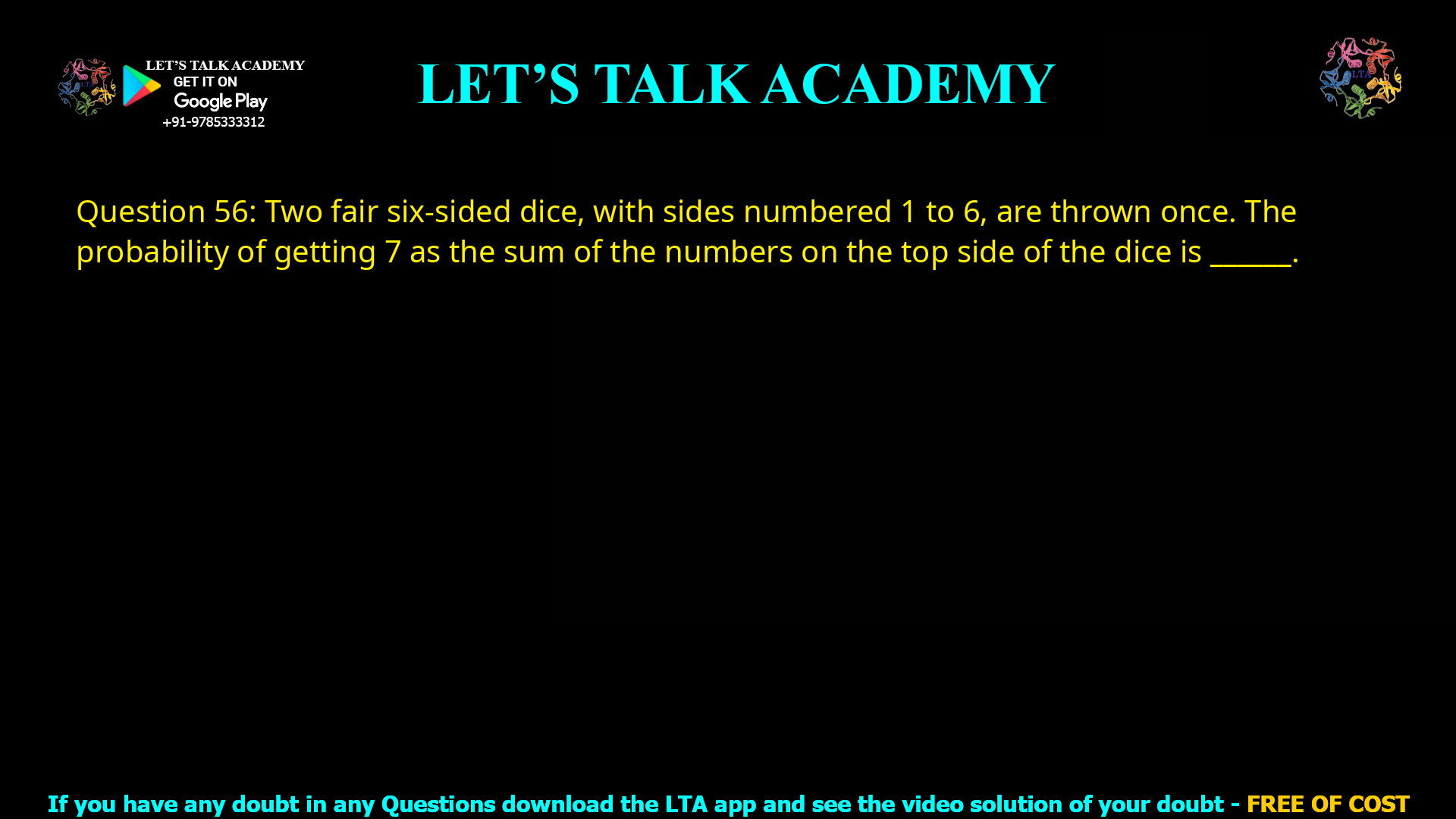
Q.35 Two fair six-sided dice, with sides numbered 1 to 6, are thrown once. The probability of getting 7 as the sum of the numbers on the top side of the dice is _____________. (Round off to two decimal places)

Probability of Sum 7 with Two Dice

Q.34 The value of 𝑘, for which the linear equations 2𝑥 + 3𝑦 = 6 and 4𝑥 + 6𝑦 = 3𝑘 have at least one solution, is _____________. (Answer in integer)

Value of k k for Which 2 x + 3 y = 6 2x+3y=6, 4 x + 6 y = 3 k 4x+6y=3k

Q.33 Consider a nonlinear algebraic equation, 𝑒 𝑥 − 2 = 0. Using the Newton-Raphson method, with the initial guess of 𝑥0 = 1, the approximated value of the root of the equation after one iteration is________. (Round off to two decimal places)

Newton-Raphson Method

Q.32 Within the Michaelis-Menten framework, the ratio of 𝑣0/𝑉max when [S] = 20 × Km is ______. (Round off to two decimal places)

Michaelis-Menten v0/Vmax Ratio at 20 Km

Q.31 The contour length of a B-DNA molecule that encodes a bacterial protein of 33 kDa is ______ nm. Consider the average molecular weight of an amino acid as 110 Da and helix rise per base pair for B-DNA as 0.34 nm. (Round off to the nearest integer)

B-DNA Contour Length for 33 kDa Protein

Q.30 The allele associated with albinism in humans is recessive (c). The probability that an albino male (cc) and a carrier female (Cc) will have an offspring with normal skin pigmentation is _______ . (Round off to one decimal place)

Understanding Albinism Genetics

Q.58 In a fermentation process, each mole of glucose is converted to biomass (CH1.8O0.5N0.2), with a biomass yield coefficient of 0.4 C-mol/C-mol, according to the unbalanced equation given below. C6H12O6 + NH3 + O2 → CH1.8O0.5N0.2 + CO2 + H2O The moles of oxygen consumption per mole of glucose consumed during fermentation is _________. (Round off to two decimal places)

Isobaric Processes for Ideal Gases

Q.57 A binary mixture of benzene and toluene under vapour-liquid equilibrium at 80 oC follows ideal Raoult’s law. At this condition, the saturation pressures of benzene and toluene are 101 kPa and 40 kPa, respectively. If the mole fraction of benzene in the liquid phase is 0.6, the corresponding mole fraction of benzene in the vapour phase will be _______. (Round off to two decimal places)

Bacterial Doubling Time to Specific Growth Rate

Q.27 A recombinant protein is secreted extracellularly in soluble form by an E. coli culture. Which of the following downstream processes is/are involved in the purification of the extracellular secreted protein? (A) Cell disruption (B) Membrane ultrafiltration (C) Solubilisation of inclusion bodies (D) Liquid chromatography

Purifying Extracellular Recombinant Proteins from E. coli

Q.26 Which of the following compounds have the same degree of reduction per carbon-mole? (A) Glucose (B) Lactic acid (C) Acetic acid (D) Formic acid

Degree of Reduction Per Carbon-Mole

Q.25 Which of the following fluids exhibit(s) non-Newtonian behaviour at 25 C? (A) Toothpaste (B) Mercury (C) Brine (D) Blood plasma

Understanding Non-Newtonian Fluids

Q.24 Which of the following show(s) optical activity at 100 mM concentration in water? (A) Solution of NaCl (B) Solution of D-Glucose (C) Solution of Glycine (D) Solution of L-Proline

Which Solutions Show Optical Activity at 100 mM in Water?

Q.23 Which of the following separation processes is/are based on molecular size? (A) Size-exclusion chromatography (B) Ion exchange chromatography (C) Membrane ultrafiltration (D) Ultracentrifugation

Which Separation Processes Rely on Molecular Size?

Q.22 Which of the following enzymes is/are involved in the biogenesis of miRNA? (A) Drosha (B) Cas9 (C) XRCC4 (D) Dicer

miRNA Biogenesis Enzymes

Q.21 Which of the following features is/are used to distinguish Archaea from Bacteria? (A) Gram-staining (B) Peptidoglycan in the cell wall (C) Presence of N-acetylglucosamine (D) 16S rRNA sequences

Distinguishing Archaea from Bacteria

Q.20 Which one of the following hosts is used in mammalian cell culture for the production of glycosylated recombinant therapeutic proteins? (A) Pichia pastoris (B) Sf9 cells (C) Escherichia coli (D) Chinese hamster ovary cells

Best Host for Glycosylated Recombinant Proteins in Mammalian Cell Culture

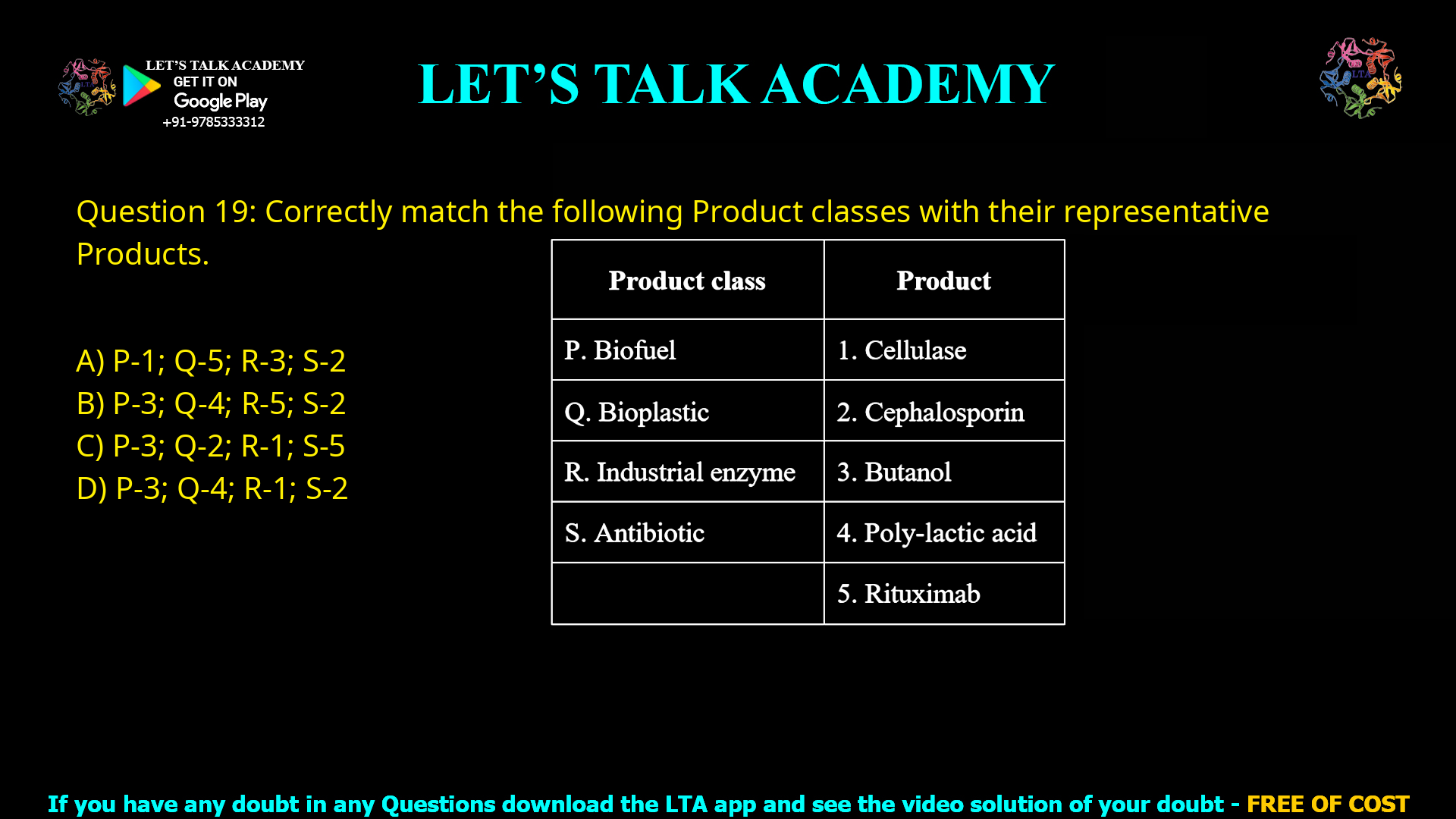
Q.19 Correctly match the following Product classes with their representative Products. Product class                           Product P. Biofuel                               1. Cellulase Q. Bioplastic                         2. Cephalosporin R. Industrial enzyme         3. Butanol S. Antibiotic                        4. Poly-lactic acid                                               5. Rituximab (A) P-1; Q-5; R-3; S-2 (B) P-3; Q-4; R-5; S-2 (C) P-3; Q-2; R-1; S-5 (D) P-3; Q-4; R-1; S-2

Biofuel Bioplastic Enzyme Antibiotic Matching

Q.18 Correctly match the following Monosaccharides with their respective Epimers. Monosaccharide                          Epimer P. D-mannose                    1. C-3 epimer of D-glucose Q. D-allose                         2. C-4 epimer of D-glucose R. D-galactose                   3. C-4 epimer of D-mannose S. D-talose                          4. C-2 epimer of D-glucose                                              5. C-5 epimer of D-glucose (A) P-4; Q-1; R-2; S-3 (B) P-5; Q-1; R-2; S-3 (C) P-4; Q-3; R-5; S-1 (D) P-1; Q-5; R-3; S-2

Unlocking Monosaccharide Epimers

Q.17 Which one of the following coenzymes is utilised by alanine racemase for the conversion of L-Alanine to D-Alanine? (A) Pyridoxal phosphate (B) Thiamine pyrophosphate (C) Tetrahydrofolate (D) Flavin mononucleotide

Alanine Racemase Coenzyme

Q.16 Which one of the following is true for piRNAs? (A) piRNAs silence transposable elements in germ cells (B) piRNA is the abbreviation of P-element interacting RNA (C) piRNAs modify the 2′-OH of ribose with methyl group (D) piRNA is a long non-coding RNA

Understanding piRNAs

Q.15 The diversity in T-cell receptors is generated by (A) gene rearrangements (B) somatic hypermutation of rearranged V region (C) gene conversion (D) class switching

T-Cell Receptor Diversity

Q.14 The minimum value of the function 𝑓(𝑥) = 𝑥 +4/𝑥 for 𝑥 > 0 is (A) 1 (B) 2 (C) 3 (D) 4

Minimum Value of x + 4 / x x+4/x for x > 0

Q.13 Let 𝑦(𝑡) be a bacterial population whose growth is given by                                 dy/dt=𝜆(𝑦 + 2) where 𝜆 is the growth rate constant. If 𝑦(0) = 1 and 𝑦(1) = 4, then the value of 𝜆 is (A) ln 2 (B) ln 3 (C) ln 4 (D) ln 6

Solving Bacterial Population Growth Differential Equation

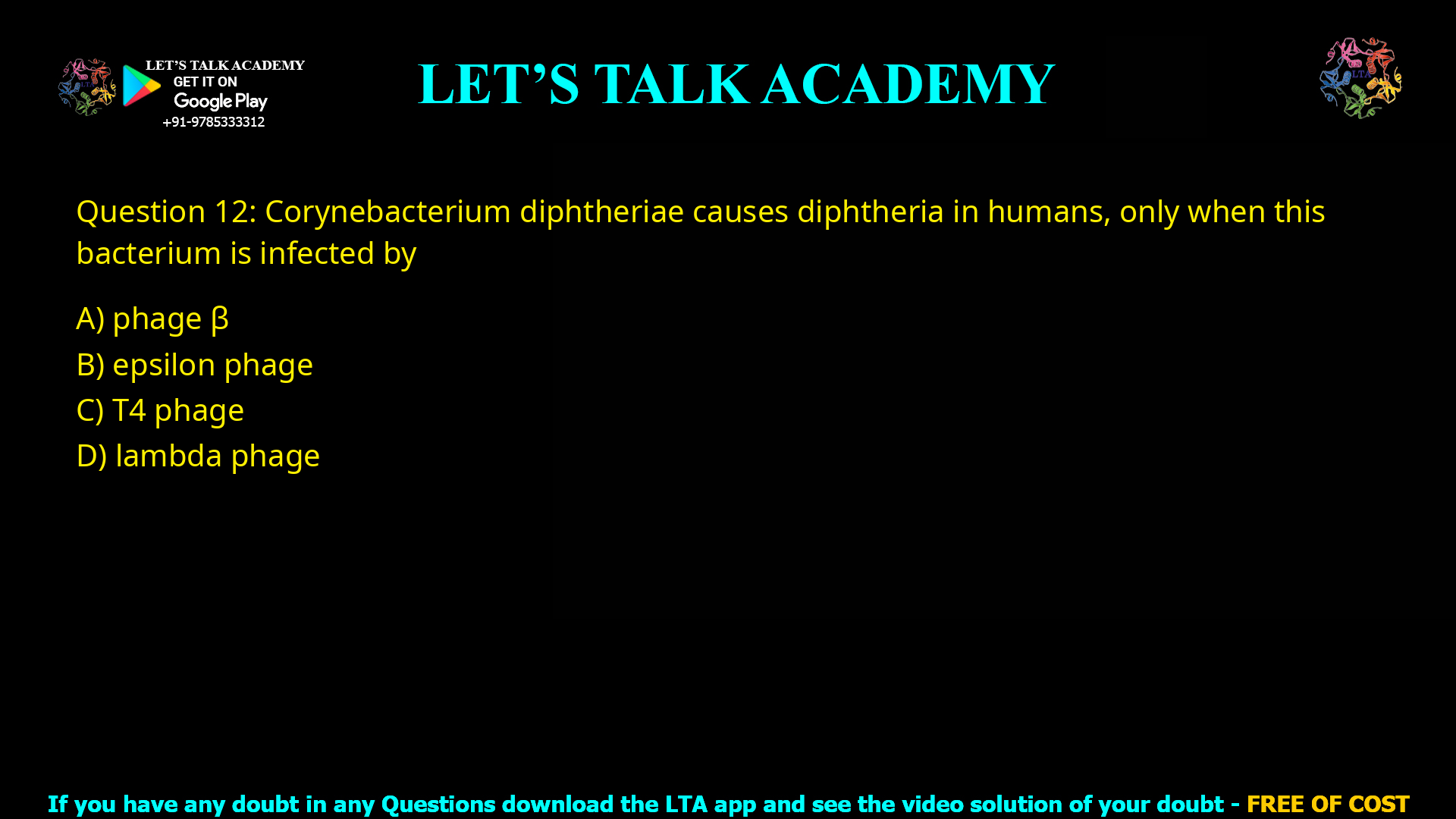
Q.12 Corynebacterium diphtheriae causes diphtheriain humans, only when thisbacterium is infected by (A) phage β (B) epsilon phage (C) T4 phage (D) lambda phage

Corynebacterium-Diphtheriae-Phage-Beta-Diphtheria-Cause

Q.11 Koch's postulate was established by Robert Koch while working on a disease caused by (A) Mycobacterium tuberculosis (B) Bacillus anthracis (C) Streptococcus pneumoniae (D) Bacillus subtilis

Koch’s Postulates

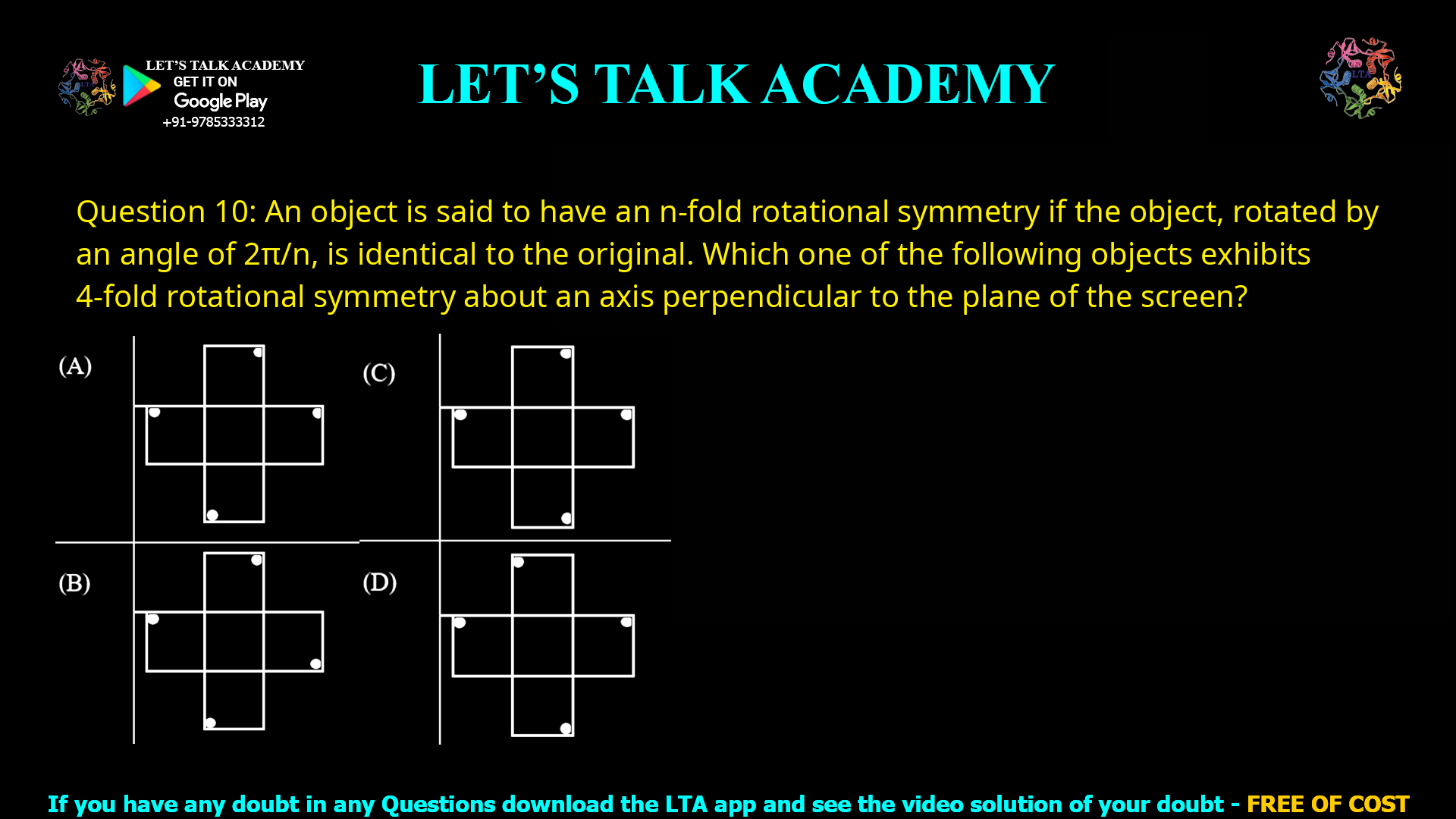
Q.10 An object is said to have an n-fold rotational symmetry if the object, rotated by an angle of 2π/n, is identical to the original. Which one of the following objects exhibits 4-fold rotational symmetry about an axis perpendicular to the plane of the screen? Note: The figures shown are representative.

4-Fold Rotational Symmetry Explained

Q.9 A circle with center at (x, y) = (0.5, 0) and radius = 0.5 intersects with another circle with center at (x, y) = (1, 1) and radius = 1 at two points. One of the points of intersection (x,y) is: (A)(0,0) (B)(0.2, 0.4) (C) (0.5,0.5) (D) (1,2)

Circle Intersection Solved

Q8. A color model is shown in the figure with color codes: Yellow (Y), Magenta (M), Cyan (Cy), Red (R), Blue (BI), Green (G), and Black (K). Which one of the following options displays the color codes that are consistent with the color model?

CMY Color Model Question Explained

Q.7 Rohit goes to a restaurant for lunch at about 1 PM. When he enters the restaurant, he notices that the hour and minute hands on the wall clock are exactly coinciding. After about an hour, when he leaves the restaurant, he notices that the clock hands are again exactly coinciding. How much time (in minutes) did Rohit spend at the restaurant? (A) 64 6⁄11 (B) 66 5⁄13 (C) 65 5⁄11 (D) 66 6⁄13  

Clock Hands Coinciding

Q.6 "Why do they pull down and do away with crooked streets, I wonder, which are my delight, and hurt no man living? Every day the wealthier nations are pulling down one or another in their capitals and their great towns: they do not know why they do it; neither do I. It ought to be enough, surely, to drive the great broad ways which commerce needs and which are the life-channels of a modern city, without destroying all history and all the humanity in between: the islands of the past." (From Hilaire Belloc's "The Crooked Streets") Based only on the information provided in the above passage, which one of the following statements is true? (A)The author of the passage takes delight in wondering. (B)The wealthier nations are pulling down the crooked streets in their capitals. (C)In the past, crooked streets were only built on islands. (D)Great broad ways are needed to protect commerce and history.

Decoding Hilaire Belloc’s Lament

Q.5 The figures I, II and III are parts of a sequence. Which one of the following options comes next in the sequence at IV?

Logical Reasoning Sequence Question

Q.4 A thin wire is used to construct all the edges of a cube of 1 m side by bending, cutting and soldering the wire. If the wire is 12 m long, what is the minimum number of cuts required to construct the wire frame to form the cube? (A) 3 (B) 4 (C) 6 (D) 12

Minimum Number of Cuts to Form a Wire Cube Frame

Q.3 The sum of the following infinite series is: 1/1! +1/2! +1/3! +1/4! +1/5! + … (A) π (B) 1 + e (C) e − 1 (D) e  

Sum of Infinite Series 1/1! + 1/2! + 1/3! + … = e – 1

Q.2 As the police officer was found guilty of embezzlement, he was ____ dismissed from the service in accordance with the Service Rules. Select the most appropriate option to complete the above sentence. (A) sumptuously (B) brazenly (C) unintentionally (D) summarily

Police Officer Embezzlement

Q.1 Is there any good show _________television tonight? Select the most appropriate option to complete the above sentence. (A) in (B) at (C) with (D) on

Best Preposition for TV Shows

Latest Courses