Spirulina is considered as a super food for human consumption because it contains: (a) All dietary phytochemicals , (b) All essential amino acids vitamins and fatty acids , (c) All known proteins, carbohydrates and lipids , (d) No heavy metals or anti-nutritive compounds

Why Spirulina is Considered a Superfood for Human Consumption

Method for Controlling Microbial Contamination in Food Processing

The Least Preferred Method for Controlling Microbial Contamination in Food Processing

Assertion A: Within a few hours after an animal is killedrigor mortis sets in with a contraction of muscle fibres and an increasing toughness of the meat. Reason R: The loss of glycogen and disappearance of ATP from the muscles are observed in freshly killed animals.

Understanding Rigor Mortis and ATP Depletion in Post-Mortem Muscles

Which one of the following is NOT a fermented food? Options:- (a)Milk cream (b)Cheese (c)Salami (d)Sauerkraut

Exploring the World of Fermented Foods: What’s Not Included?

A.Rhodopsin                                                                           I. Vitamin –C B. Tocopheral                                                                        II. Vitamin –A C. Idoflaconoids                                                                   III. Vitamin -A D. Ascorbic acid                                                                    IV. Soybean

Understanding the Connection Between Vitamins and Their Biological Components

Strong adhesives can be prepared using the constituents of one of the following: (a)Base of sea anemone (b)Byssus generated by sea mussel (c)Platform generated by sea urchin (d)Tentacles of hydra

Exploring the Use of Byssus from Sea Mussels in Strong Adhesives

Brine shrimp assay involves one of the following: (a)Testing effect of changing salinity on nutritional content of shrimp (b)Testing effect of decreasing salinity on growth of shrimp (c)Testing effect of increasing salinity on survival of shrimp (d)Testing the toxicity of anticancer molecules using eggs of brine shrimp

Understanding the Brine Shrimp Assay: A Toxicity Testing Method

Statement I: Xenobiotic pollutants are biomagnified and accumulate in marine organisms. Statement II: Pollutants can be quantified in tissue samples from key marine animals living in the environment where pollution monitoring is in place.

The Impact of Xenobiotic Pollutants on Marine Organisms and Pollution Monitoring

Humans mainly obtain DHA and EPA by consuming fish whereas fish in turn obtain PUFAs from microalgae. Statement II: Microalgae derived DHA and EPA can be used as a supplement for people who do not consume fish and seafood.

DHA and EPA: The Role of Fish and Microalgae in Human Nutrition

A. Chitinolytic enzymes                                                           I. Digestive tracts of fish, shellfish, squid liver, octopus saliva B. Gastric proteases                                                                 II. Pyloric ceca, pancreatic tissues, intestines of sardine, cod & salmon C. Polyphenol oxidases                                                          III. Fish viscera from fishery sources D. Serine and cycteine proteases                                       IV. Crustaceans

Exploring Marine Enzymes: Sources and Applications

A. Legume                                                                   I. Frankia B. Azolla                                                                      II. Azorhizobium C. Sugarcane                                                             III. Anabaena D. Actinorhizal                                                         IV. Acetobacter

Understanding Symbiotic Relationships in Plants: Nitrogen-Fixing Bacteria

Nitrification during nitrogen cycle is the production of: (a) Ammonium, (b) Nitrates, (c) Nitric oxide, (d) Nitrogen

Nitrification in the Nitrogen Cycle: Understanding the Process

The suitable method for treatment of municipal waste water and aqueous hazardouswaste, which have less than 1% of suspended solids is: (a) Activated sludge process , (b) Bioreactors, (c) Lagoons & ponds, (d) Trickling filter

Suitable Methods for Treating Municipal Waste Water and Aqueous Hazardous Waste with Low Suspended Solids

The first U.S patent for a GM organism was awarded to Dr. A. M. Chakrabarty for hiswork on one of the following: (a) E. coli engineered to produce insulin, (b) Pseudomonas engineered to degrade petroleum, (c) Pseudomonas engineered to produce petrol , (d) Yeast engineered to produce Hepatitis B vaccine

The First U.S. Patent for a Genetically Modified Organism: Dr. A. M. Chakrabarty’s Breakthrough

Common indicators of water pollution with enteropathogens are following EXCEPT- (a) Bacillus spp., (b) Clostridium spp., (c) E. coli, (d) Streptococcus spp

Identifying Water Pollution with Enteropathogens: A Key to Safe Water Management

What is the role of macrophage activating factor (MAF) in an animal cell culture media? (a)Antiviral , (b) Epithelial cell mitogen , (c) Inhibits differentiation of embryonic stem cells, (d) Support growth of activated T cells

Understanding the Role of Macrophage Activating Factor (MAF) in Animal Cell Culture Media

A. Mosaic Spheroids                                                              I. 3D aggregate of cells B. Microcarrier matrix                                                         II. Microgravity cell growth environment C. Organioids                                                                           III. Bystander effects D. Rotatory cell culture system                                        IV. 3D growth environment

Exploring Techniques in Cell Culture: Understanding Their Applications

A. Hydrocortisone                                                                                        I. Neuroblastoma B. Retinoids                                                                                                    II. Endothelium C. Prolactin                                                                                                      III. Glia, glioma D. Interfgeron – 𝛾                                                                                           IV. mammary epithelium

Understanding Cell Differentiation Inducers and Their Effects on Cell Types

Assertion A: It is essential that the animal cell cultures be maintained in antibiotic free conditions otherwise cryptic contaminations will persist Reason R: The constant use of antibiotics favours development of chroniccontamination. Many organisms are inhibited but not killed by antibiotics, which mayresurface when conditions are favourable.

Understanding the Role of Antibiotics in Animal Cell Cultures and Contamination Control

Understanding Stem Cells and Their Regenerative Capabilities in Different Tissues

Chemical Synapses in the Nervous System

Understanding Chemical Synapses in the Nervous System

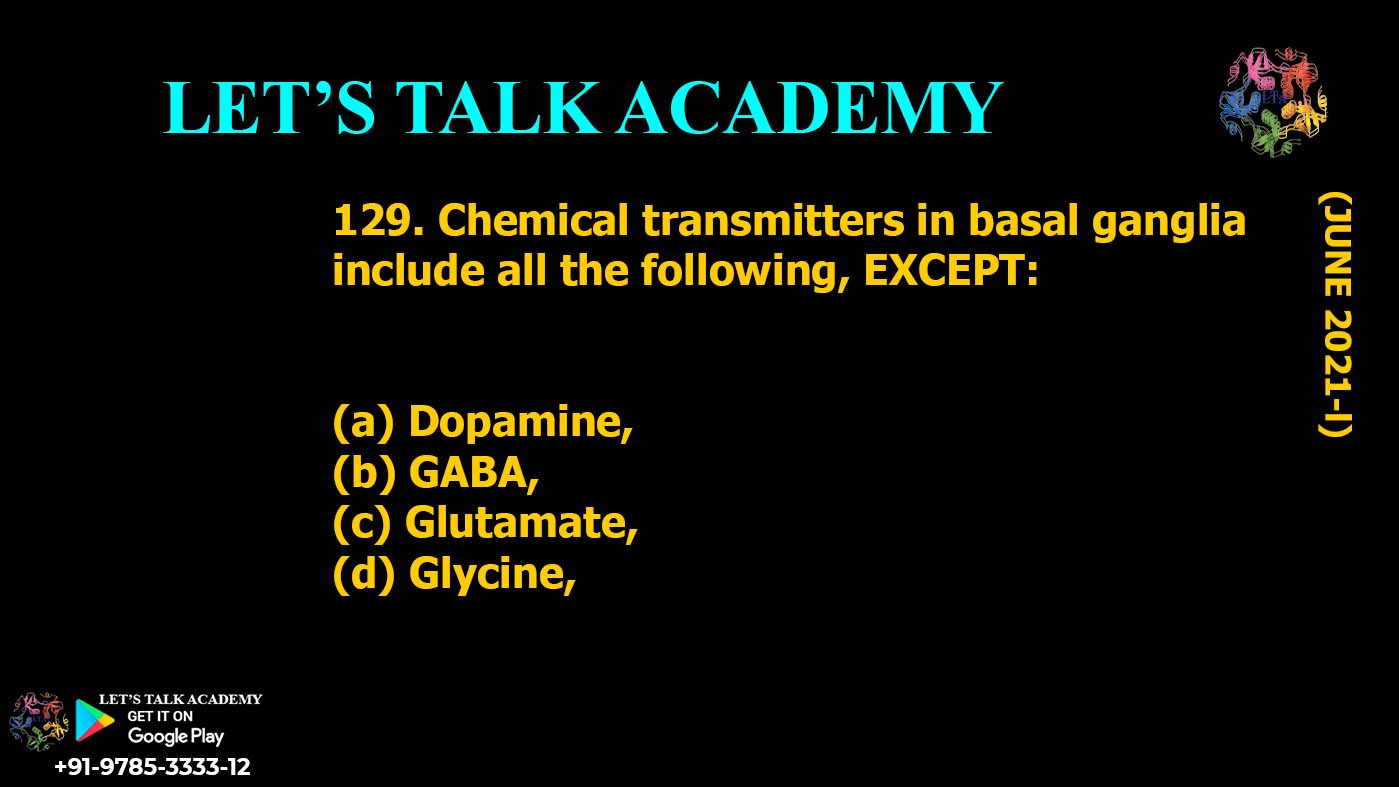
Chemical transmitters in basal ganglia include all the following, EXCEPT: (a) Dopamine, (b) GABA, (c) Glutamate, (d) Glycine

Chemical Transmitters in the Basal Ganglia: Understanding Their Roles

The hypothalamus protects the body against hypoglycemia by: (a) Increasing epinephrine release, (b) Increasing glucagon release, (c) Increasing thyroxin release, (d) Inhibiting insulin release

How the Hypothalamus Protects the Body Against Hypoglycemia

Interneurons: (a) Influence the rate of discharge from the alpha motor neurons, (b) Participate in ascending sensory pathways, (c) Provide communication between dendrites of the efferent neurons, (d) Provide communication between the central ends of afferent neurons

Understanding Interneurons: Their Role in the Nervous System

Double Pain Sensation: The Role of Dual Pain Pathways

Understanding Double Pain Sensation: The Role of Dual Pain Pathways

Which one of the following diseases in caused due to a point mutation in the coding region of the associated gene? (a)Hemolyticanemia (b) Sickle cell anemia (c) b-thalassemia (d) a-thalassemia

Understanding Sickle Cell Anemia: A Point Mutation in the Coding Region

Protein A, which has strong affinity for Fc region of immunoglobulin, is extracted from: (a) Saccharomyces cerevisae, (b) Staphlyococcuspyogenes, (c) Staphylococcus aureus, (d) Staphylococcus sanjuis

Understanding Protein A: Its Role and Extraction from Staphylococcus aureus

Treating Parkinson's Disease with Dopamine-Producing Neurons from Stem Cells

Treating Parkinson’s Disease with Dopamine-Producing Neurons from Stem Cells

Which statement is TRUE for pathogenicity islands? (a) These are large segments of bacterial genome encoding virulence factors, (b) They coordinate gene expression to make the biofilm, (c) They generate signals that activate global response regulators, (d) They interfere with the antibody response of the host,

Understanding Pathogenicity Islands: Key to Bacterial Virulence

Kuru Disease: The Role of Prions in Human Health

Understanding Kuru Disease: The Role of Prions in Human Health

Which family does HIV belong to? (a) Paramyxoviridae, (b) Retroviridae, (c)Rhabdoviridae, (d) Togaviridae

Understanding the HIV Virus and Its Classification in Retroviridae Family

A. Idiopathic thrombocytopenic purpura (ITP                                  I. Thyroid B. Hashimoto’s Disease                                                                              II. Gut C. Celiac Disease                                                                                           III. Brain D. Huntington Disease                                                                               IV. Platelets

Understanding Autoimmune Disorders: Idiopathic Thrombocytopenic Purpura, Hashimoto’s, Celiac Disease, and Huntington’s Disease

Karyogram of an individual shows presence of 45 chromosomes (44+x) and one sexchromosome is missing. The individual has a female appearance and dwarfism. Whichof the following is the most probable condition associated with this individual? (a) Down's syndrome, (b) Edward's syndrome, (c) Klienfelter's syndrome, (d) Turner's syndrome

Understanding Turner’s Syndrome: A Genetic Condition with Female Appearance and Dwarfism

Most Common Adjuvant Composed of Water-in-Oil Emulsion with Mycobacterium Tuberculosis

Exploring the Most Common Adjuvant Composed of Water-in-Oil Emulsion with Mycobacterium Tuberculosis Components

Which gene is often been inserted in an adenoviral vector to treat cancer by suicidegene therapy? (a) GM-CSF, (b) HSV-TK, (c) IL-2, (d) VSV-G

Gene Therapy for Cancer: The Role of Suicide Gene Therapy Using HSV-TK

Human embryonic stem cells (hESCs) can be obtained from: (a) Inner cell mass of blastocyst, (b) Morula stage, (c) Teratoma, (d) Trophoblast of blastocyst

Understanding Human Embryonic Stem Cells (hESCs) and Their Origin

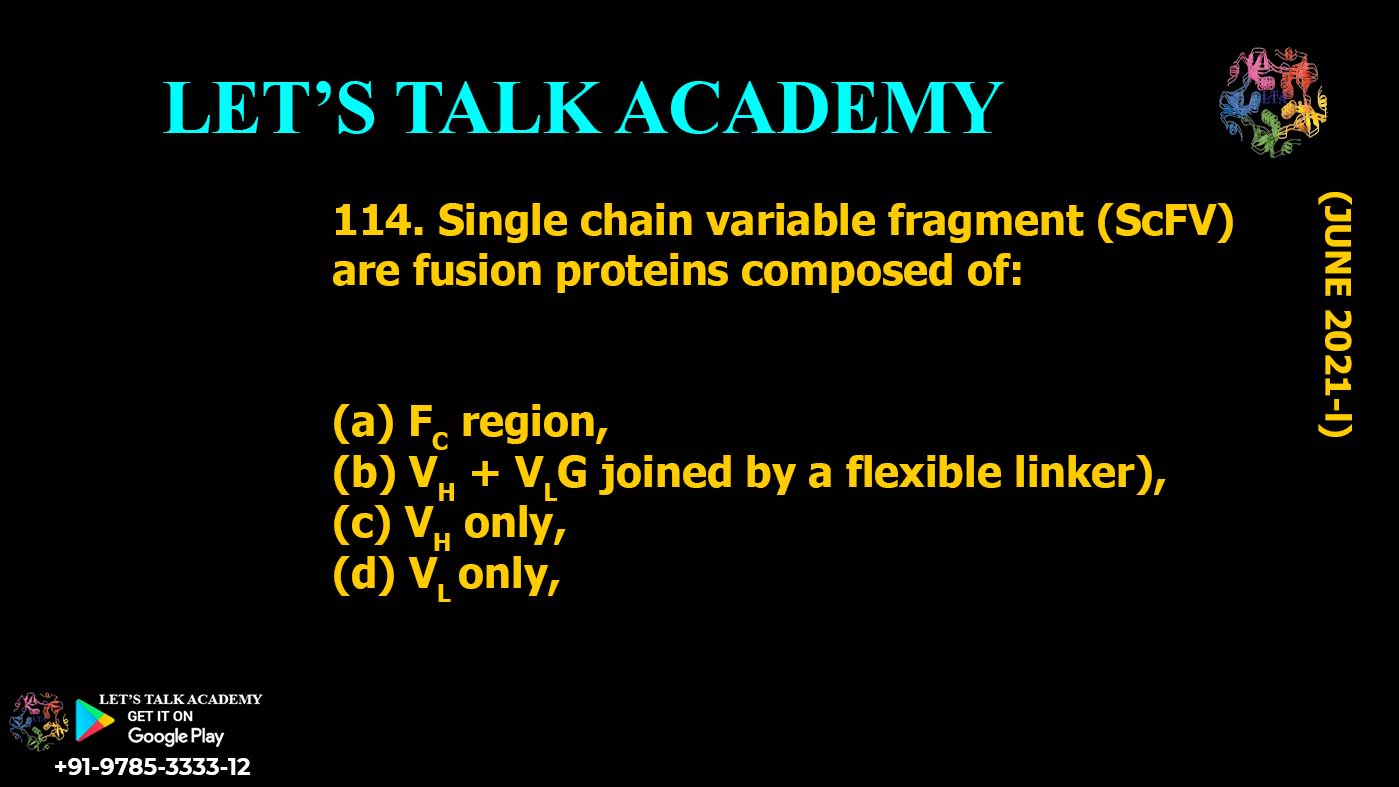
Single chain variable fragment (ScFV) are fusion proteins composed of: (a) FC region, (b) VH + VLGjoined by a flexible linker), (c) VH only, (d) VL only

Understanding Single Chain Variable Fragments (ScFv): A Key Component in Antibody Engineering

Dysbiosis and Its Association with the Microbiome

Understanding Dysbiosis and Its Association with the Microbiome

Tay-Sachs disease is a: (a) Autosomal recessive genetic disorder, (b) Sex-linked inherited disorder, (c) Transposition disorder, (d) Trinuceotide repeat disorder

Understanding Tay-Sachs Disease: An Autosomal Recessive Genetic Disorder

What types of bonds generally stabilize the antigen-antibody interaction? (a) Covalent bonds and hydrogen bonds, (b) Disulphide bonds, (c) Glycosidic bonds, (d) Weak hydrogen bonds and Van der Waal forces

Understanding Antigen-Antibody Interactions: Types of Bonds That Stabilize the Complex

You have purified a protein X and observed the followingA. When run on a native PAGE, it gives rise to a single band. B. When run on a non-reducing SDS-PAGE, you obtain two bands-corresponding to40kDa and 60kDa. c. When run on a reducing SDS page you get three bands- corresponding to 60kDa,30kDa, and 10kDa. What can you conclude about the purified protein X? (a) X contains 2 polypeptide chains that form a complex (b) X contains at least 3 polypeptide chains that from a complex (c) X has 3 polypeptide that have intramolecular disulfide bonds (d) X is a complex of 3 polypeptide chains all of which are linked to each other y disulfide bonds

Understanding Protein X: Insights from Native and SDS-PAGE Analysis

A profile can be generated from a multiple sequence alignment by obtaining positionspecific preference (or probability) of each amino acid. This can be used to identifyhomologs. However, the key difference between a profile alignment like this and Hidden Markov Model (HMM) is: (a) HMM can find more remote homologs using PSI-BLAST, (b) HMM does not generate a profile of position specific probabilities, (c) HMM has the option to introduce gaps with position specific gap penalties, (d) HMM is independent of a multiple sequence alignment

Understanding Profile Alignment and Hidden Markov Models: Key Differences

Assessing Structural Similarity of Biomolecules: Key Metrics and Methods

How many atomic positions are required to measure a dihedral angle? (a) Five (b) Four (c) Three (d) Two

Understanding Dihedral Angles in Protein Structure: How Many Atomic Positions Are Needed?

The motif D-[TS]-x-(2)-{GH}-L motif will have sequence: (a) DRRRRL (b) DSARRL (c) DSRRGL (d) DTRRHL

Understanding the D-[TS]-x-(2)-{GH}-L Motif in Protein Sequences

Understanding the K-Tuple Method in Bioinformatics: Its Role in Sequence Similarity

Understanding the K-Tuple Method in Bioinformatics: Its Role in Sequence Similarity

The in vitro ADMET analysis cannot provide information about: (a) Cytochrome P450 inhibition, (b) Adverse reaction to the drug , (c) Blood-brain barrier penetrability, (d) Metabolic Stability,

Understanding In Vitro ADMET Analysis: What It Can and Cannot Reveal

A protein sequence was isolated from a novel source. During an initial sequencesimilarity search through BLAST, no homologous sequence was identified. A furtherBLAST search should be run by changing the scoring matrix to: (a) BLOSUM62, (b) BLOSUM80, (c) PAM250, (d) PSSM

Choosing the Right Scoring Matrix in BLAST for Sequence Similarity Searches

CASP judges one of the following: (a) Experimental techniques of structure determination, (b) Quality of protein structures, (c) Suitability of drug , (d) Techniques of protein structure prediction

Understanding CASP: How It Evaluates Protein Structure Prediction Techniques

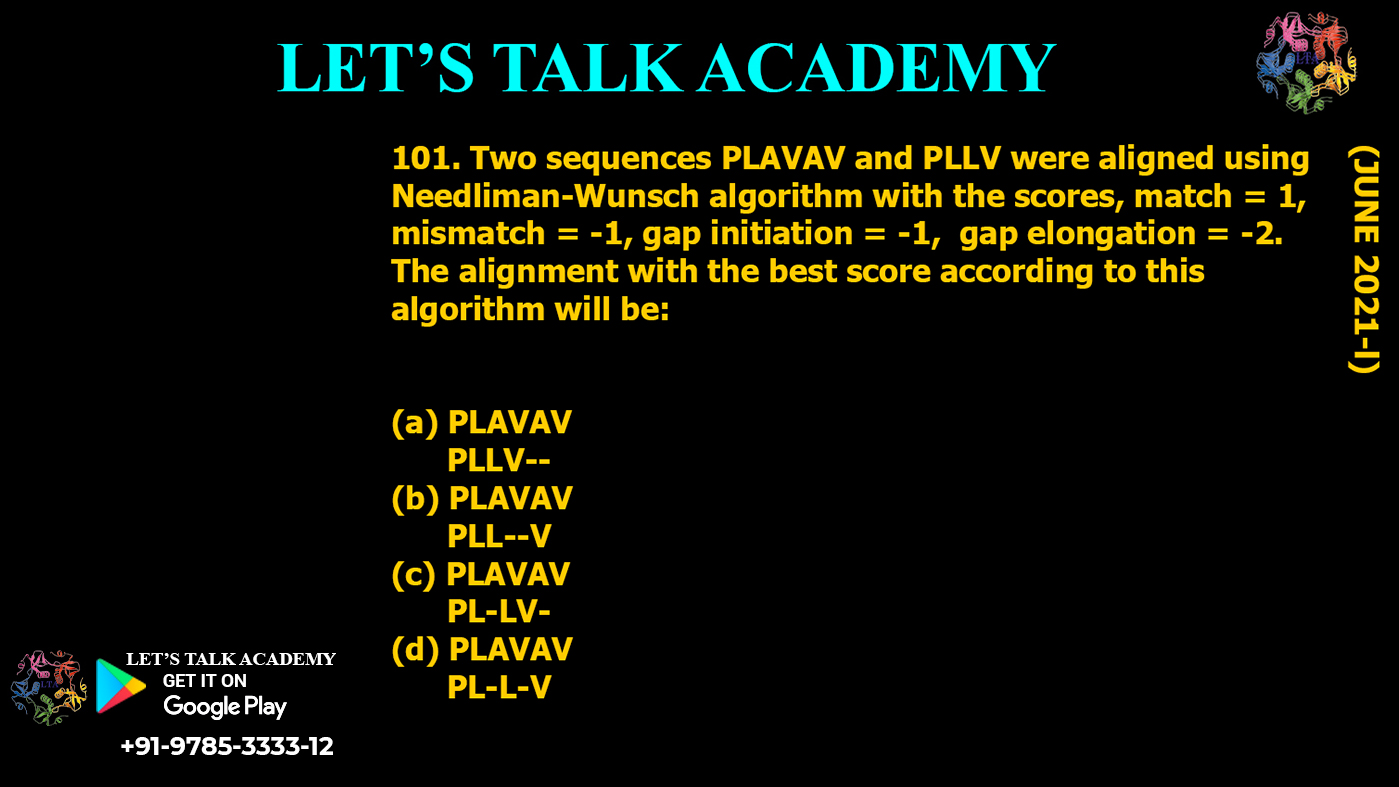
Two sequences PLAVAV and PLLV were aligned using Needliman-Wunsch algorithm with the scores, match = 1, mismatch = -1, gap initiation = -1, gap elongation = -2. The alignment with the best score according to this algorithm will be:

Understanding Sequence Alignment with Needleman-Wunsch Algorithm: Best Score Calculation

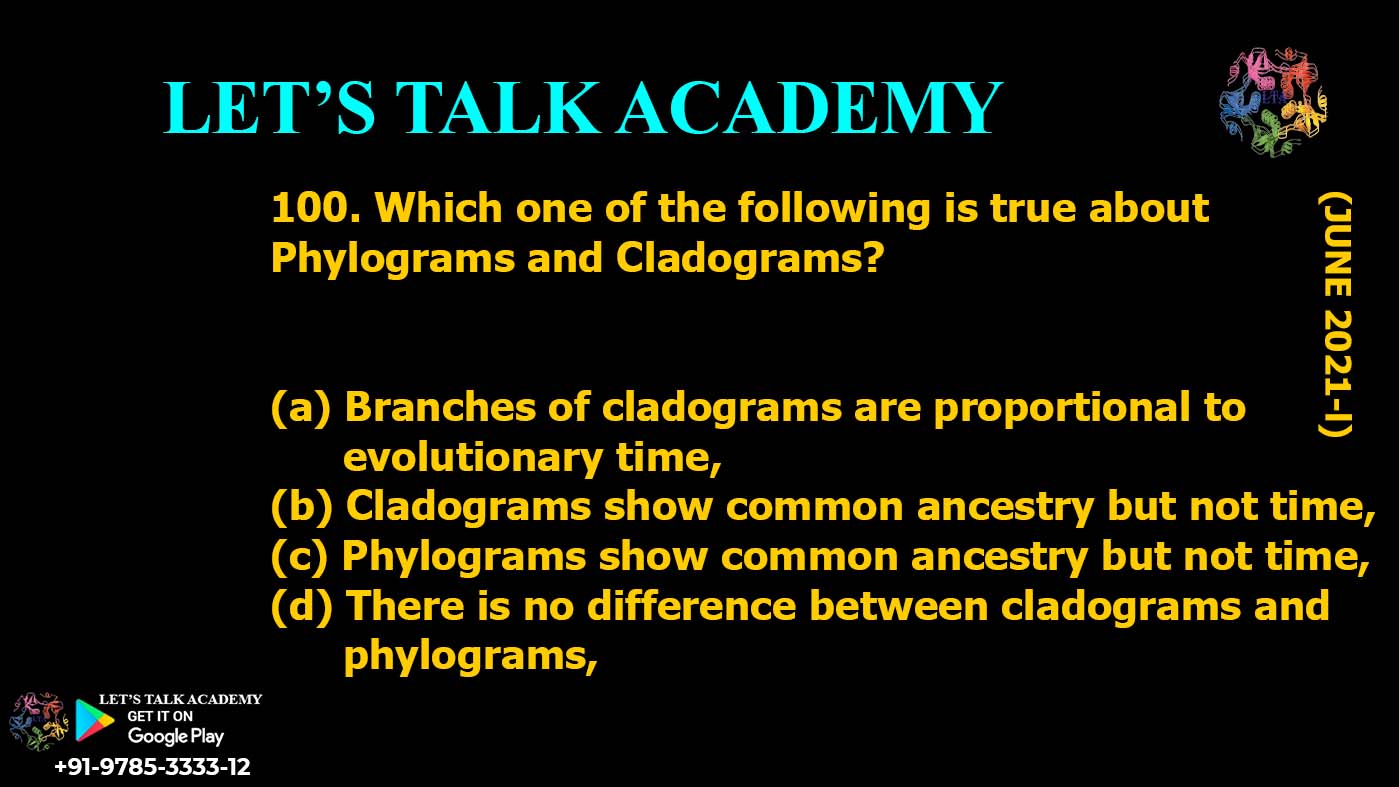
Which one of the following is true about Phylograms and Cladograms? (a) Branches of cladograms are proportional to evolutionary time, (b) Cladograms show common ancestry but not time, (c) Phylograms show common ancestry but not time, (d) There is no difference between cladograms and phylograms

Understanding the Difference Between Phylograms and Cladograms in Evolutionary Biology

Contact map distance matrix of a protein provides a two-dimensional view of a three dimensional structure of a protein. How can you obtain a proper three-dimensional structure from the contact map? (a) Directly from the contact map by mapping the distance on the sequence, (b) The contact map and secondary structure prediction tools are simultaneously used to generate the 3D structure, (c) Using contact map along with computational modelling techniques like simulated annealing, (d) Using the contact map to generate Ramachandran plot for the protein which will provide the 3D structure

From Contact Map to 3D Structure: Understanding the Process of Protein Folding

If two sequences are 1 PAM apart, then they will be: (a) 1% identical amino acid residues, (b) 1% similar nucleotide bases, (c) 99% identical amino acid residues, (d) 99% similar nucleotide bases

Understanding PAM Units: What Does 1 PAM Distance Mean in Sequence Comparison?

Given below are two statements: Statement I: Serine is part of a catalytic triad in proteases that also includes histidineand aspartic acid. Statement II: Catalytic triads are responsible for peptide hydrolysis. In light of the above statements, choose the most appropriate answer from the options given below

Role of Catalytic Triads in Proteases: Serine, Histidine, and Aspartic Acid

Protein folding is highly cooperative. Which one of the following statement define this cooperativity? (a) If one protein unfolds, it forces a nearby protein to unfold too, (b) If one proteins chain folds, it facilitates the folding of a nearby chain, (c) Many molecules of polypeptides come together to fold at the same time, (d) The protein chain completely unfolds if key interactions are broken in an "all or none"manner

Understanding Cooperativity in Protein Folding: All-or-None Phenomenon Explained

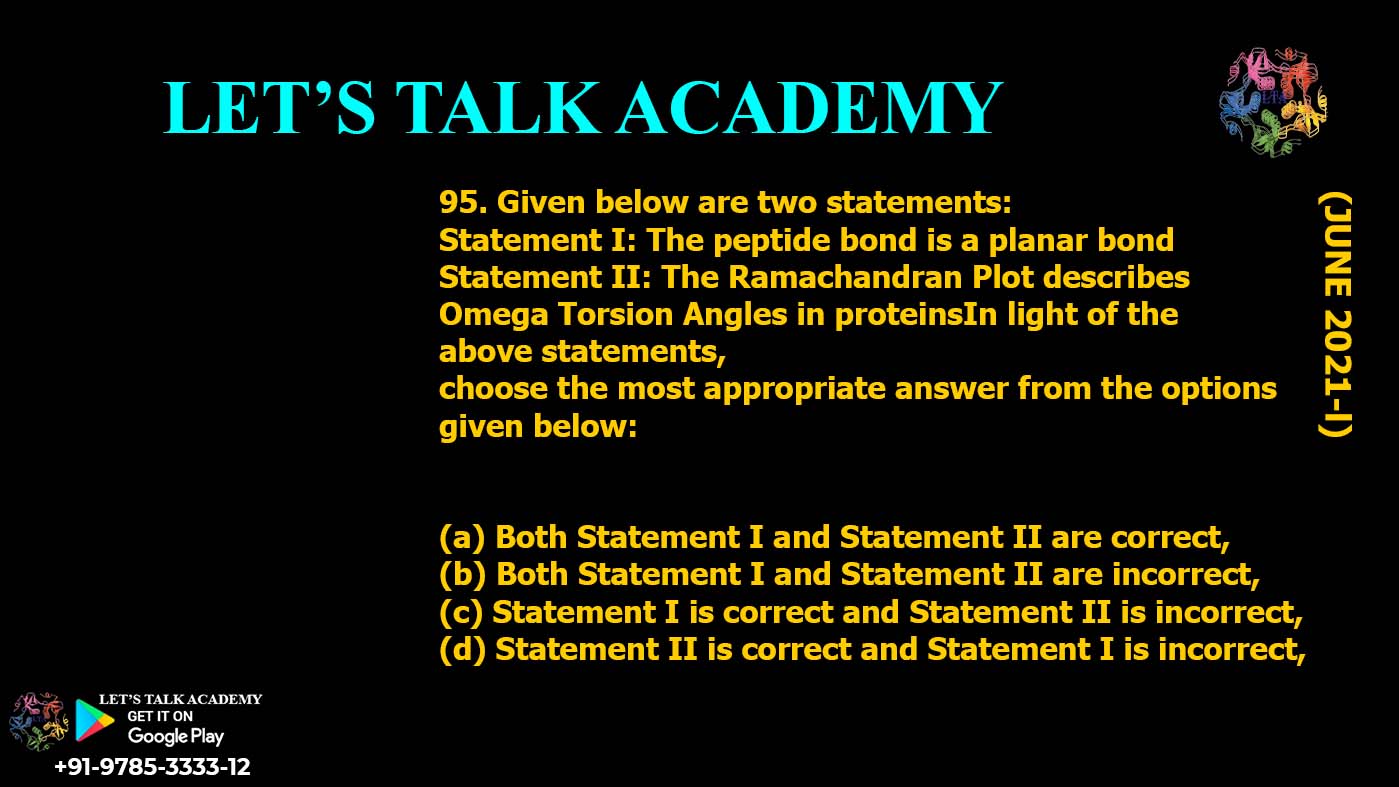
Given below are two statements: Statement I: The peptide bond is a planar bond Statement II: The Ramachandran Plot describes Omega Torsion Angles in proteinsIn light of the above statements, choose the most appropriate answer from the optionsgiven below (a) Both Statement I and Statement II are correct, (b) Both Statement I and Statement II are incorrect, (c) Statement I is correct and Statement II is incorrect, (d) Statement II is correct and Statement I is incorrect

Understanding Peptide Bond Planarity and the Ramachandran Plot in Protein Structure

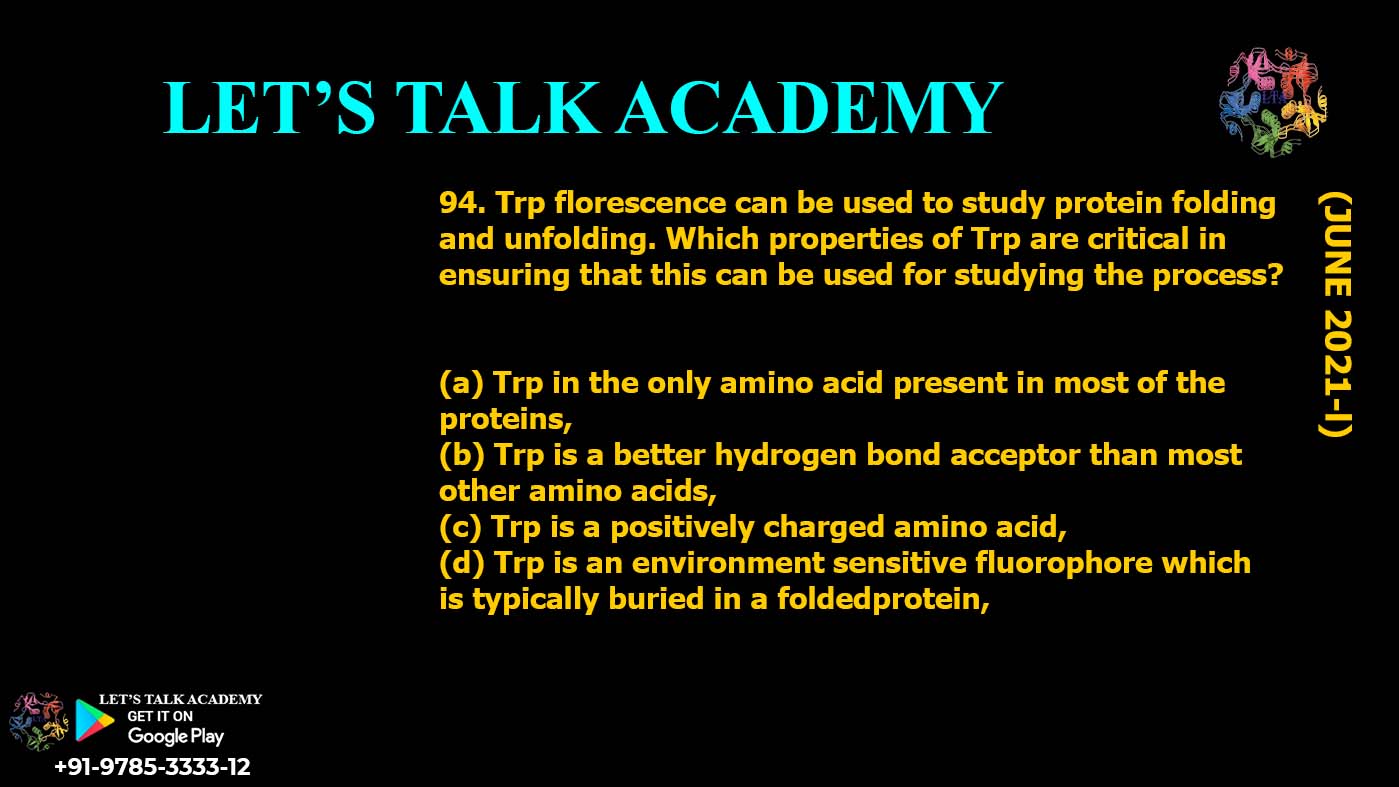
Trp florescence can be used to study protein folding and unfolding. Which properties of Trp are critical in ensuring that this can be used for studying the process? (a) Trp in the only amino acid present in most of the proteins, (b) Trp is a better hydrogen bond acceptor than most other amino acids, (c) Trp is a positively charged amino acid, (d) Trp is an environment sensitive fluorophore which is typically buried in a foldedprotein

How Tryptophan Fluorescence Helps Uncover Protein Folding Mechanisms

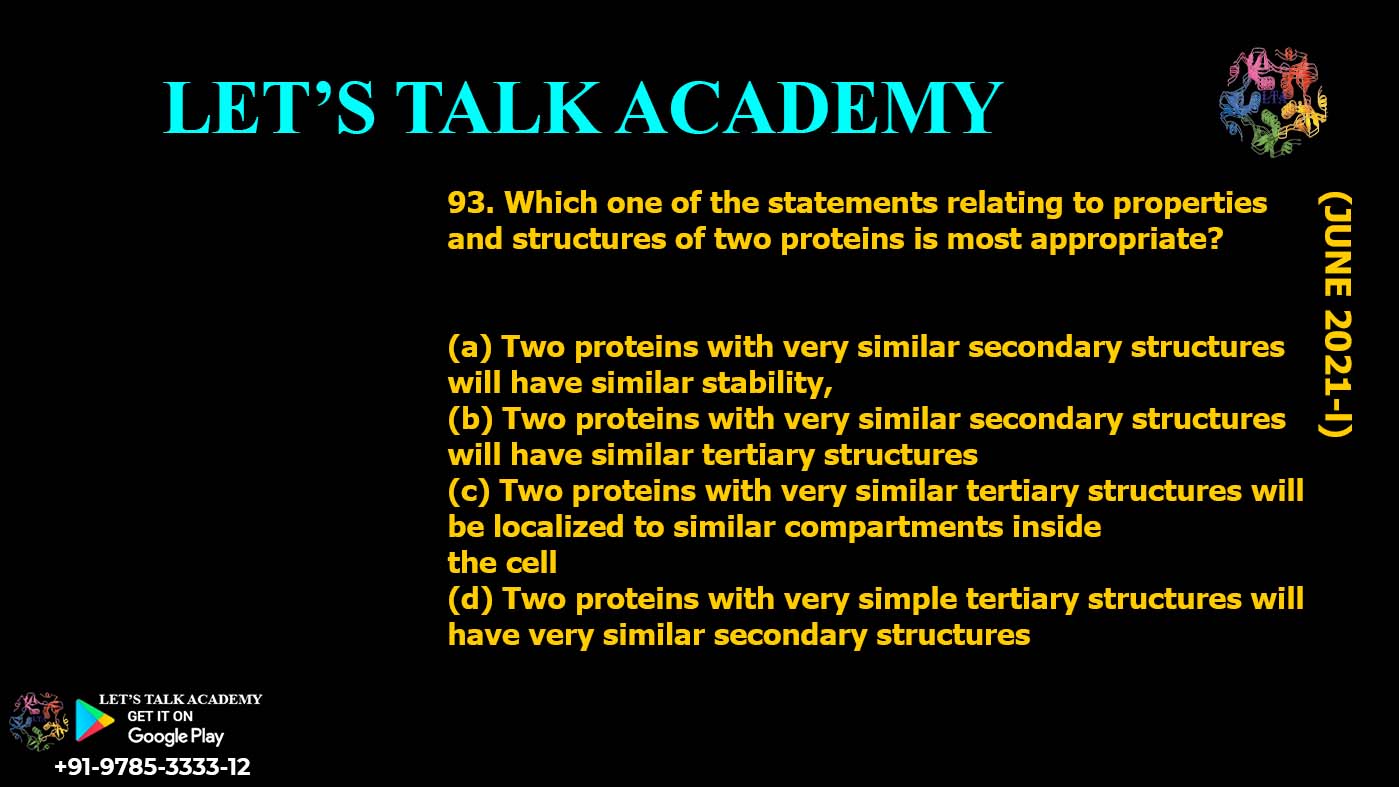
Which one of the statements relating to properties and structures of two proteins is most appropriate? (a) Two proteins with very similar secondary structures will have similar stability, (b) Two proteins with very similar secondary structures will have similar tertiary structures (c) Two proteins with very similar tertiary structures will be localized to similar compartments inside the cell (d) Two proteins with very simple tertiary structures will have very similar secondary structures

Understanding Protein Structures: Secondary vs. Tertiary Similarities

Which one of the statements relating to properties and structures of two proteins is most appropriate? (a) Two proteins with very similar secondary structures will have similar stability, (b) Two proteins with very similar secondary structures will have similar tertiary structures (c) Two proteins with very similar tertiary structures will be localized to similar compartments inside the cell (d) Two proteins with very simple tertiary structures will have very similar secondary structures

Understanding Protein Structure: Tertiary vs. Secondary Structure Relationships

Match the components of List I with List II List I                                                         List II A. Sequence alignment                     I. PUBMED B. Structural alignment                   II. BLAST C. Fold prediction                              III. ROSETTA D. Review of literature                     IV. DALI

Understanding Bioinformatics Tools and Their Applications

Given below are two statements: one is labelled as Assertion A and the other is labelledas Reason R Assertion A: Gene Sequences are aligned using identity matrices instead of substitutionmatrices Reason R: The four bases in DNA cannot be replaced with each other

Understanding Gene Sequence Alignment: Identity Matrices vs Substitution Matrices

Doubling the substrate concentration in the inlet of a CSTR (with cells following Monodgrowth kinetics) will, after reaching the new steady state, lead to: (a) Higher biomass concentration but unchanged substrate concentration in the outlet (b) Higher substrate & biomass concentration in the outlet (c) Higher substrate concentration but unchanged biomass concentration in the outlet (d) Unchanged substrate & biomass concentration in the outlet

Impact of Doubling Substrate Concentration in a CSTR on Biomass and Substrate Levels

In an anaerobic fermentation producing ethanol, the ethanol yield (Yp/s) - (a) Decreases with increasing biomass yield (Yx/s) (b) Increases with increasing biomass yield (Yx/s) (c) Initially increases & then decreases with increasing biomass yield (Yx/s) (d) Is independent of biomass yield (Yx/s)

Understanding the Relationship Between Ethanol Yield and Biomass Yield in Anaerobic Fermentation

In a fed batch culture the feed rate of concentrated substrate is increased with timewhile the RPM of the impeller is kept constant. You will most likely observe one of thefollowing: (a) A decline in the D.O. values of the culture (b) An increase in the D.O. values of the culture (c) An oscillation in the D.O. values of the culture (d) No change in the D.O. values of the culture

Understanding the Impact of Feed Rate and Impeller RPM on DO Levels in Fed-Batch Culture

Scaling up a reactor while keeping the power consumption per unit volume constant will lead to: (a) Decrease in RPM of the impeller of the larger reactor (b) Holding the RPM of the impeller at the same value (c) Increase in RPM of the impeller of the larger reactor (d) Increasing or decreasing the RPM of the impeller depending on the type of impeller

Understanding Reactor Scaling and Impeller RPM in Bioreactor Design

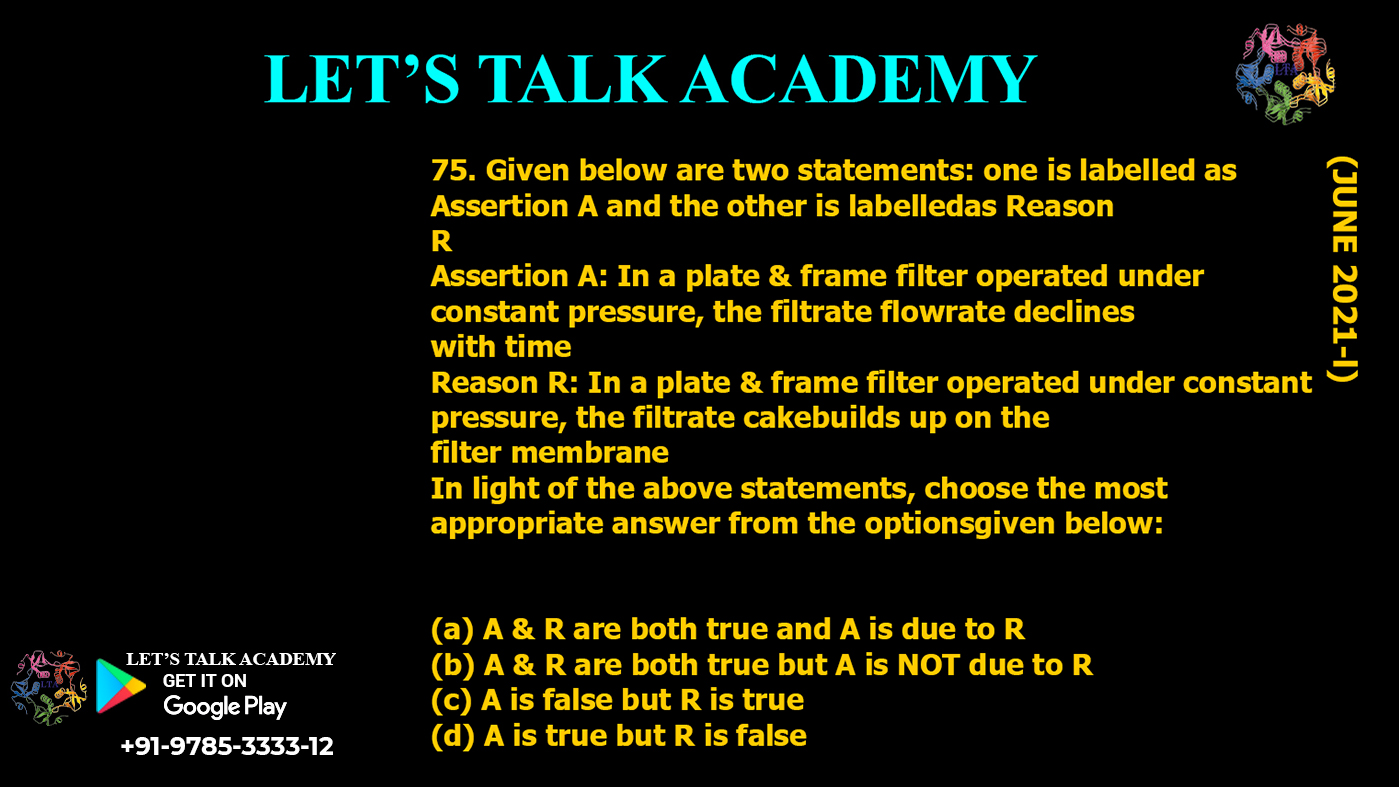
Given below are two statements: one is labelled as Assertion A and the other is labelledas Reason R Assertion A: In a plate & frame filter operated under constant pressure, the filtrate flowrate declines with time Reason R: In a plate & frame filter operated under constant pressure, the filtrate cakebuilds up on the filter membrane In light of the above statements, choose the most appropriate answer from the optionsgiven below: (a) A & R are both true and A is due to R (b) A & R are both true but A is NOT due to R (c) A is false but R is true (d) A is true but R is false

Understanding Filtrate Flow Rate Decline in Plate & Frame Filters Under Constant Pressure

Given the pseudoplastic rheology of fungal fermentation broth, we can expect that: (a) The viscosity of the fungal broth to be uniformly high in the culture (b) The viscosity of the fungal broth to be uniformly low in the culture (c) The viscosity to be higher near the impeller but low near the walls of the bioreactor (d) The viscosity to be low near the impeller but high near the walls of the reactor

Understanding Pseudoplastic Rheology in Fungal Fermentation Broth

To have an extended late log/ stationary phase so that secondary metabolites may beproduced, you will prefer to use: (a) Batch reactor (b) Fed batch reactor (c) Fluidized bed reactor (d) Plug flow reactor

Optimizing Secondary Metabolite Production Using the Right Bioreactor

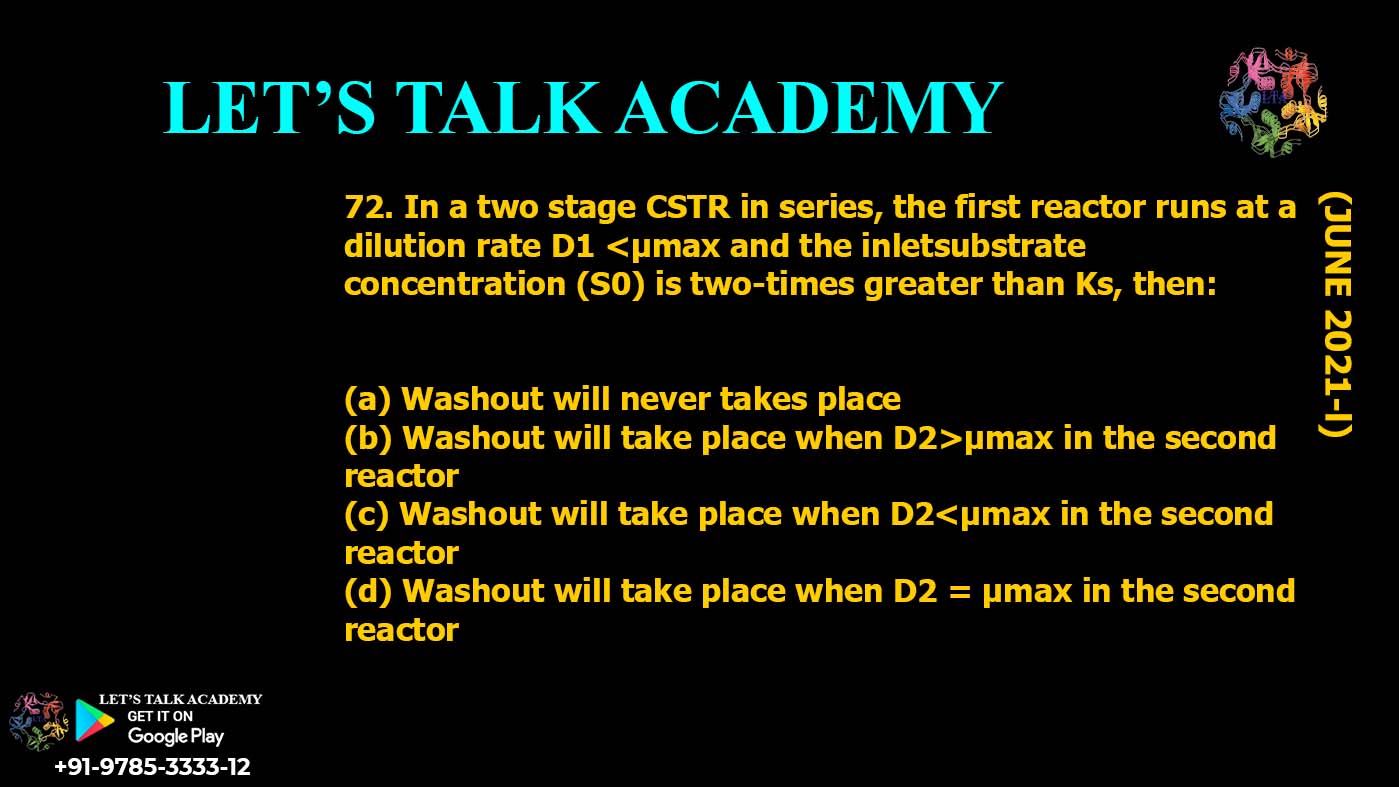
Washout in Two-Stage CSTR Systems in Series

Understanding Washout in Two-Stage CSTR Systems in Series

Two immobilized enzyme columns with equal enzyme loading and same column volumeare run at the same feed rate and same inlet substrate concentration. It is observedthat the taller and thinner column gives better conversion. This demonstrates that: (a) Column packing efficiency is not good (b) Enzyme deactivation is taking place (c) Immobilized enzyme has external diffusion which reduces the enzymatic conversionrate (d) Immobilized enzyme has internal pore diffusion which reduces the enzymaticconversion rate

Effect of Column Design on Enzymatic Conversion in Immobilized Enzyme Systems

Which one of the following statements are TRUE regarding specialized embryonic structures peculiar to the grass family? A. Thecotyledon has been modified by evolution to form an absorptive organ called coleoptile B. Scutellum forms the interphase between the embryo and the starchy endosperm tissue C. Coleoptile covers and protect the first leaves while buried beneath the soil D. The base of the hypocotyl has elongated to form a protective sheath around the radicle called the scutellum

Specialized Embryonic Structures in the Grass Family

Which one of the following treatments is required for flowering in a winter annual typeof Arabidopsis plants? (a) A short pulse of cold temperature (b) A short pulse of high temperature (c) High expression of Flowering Locus C (FLC) gene (d) Prolonged cold period

Flowering in Winter Annual Arabidopsis: The Role of Cold Treatment

Which one of the following can be used as a selection marker for developing transgenicplants? (a)□­galactosidase (b) □­glucoronidase (c) Green fluorescent protein (d) Hygromycin phosphotransferase

Selection Markers in Transgenic Plants: The Role of Hygromycin Phosphotransferase

Which one of the following is NOT a characteristic feature of skotomorphogenicdevelopment? (a) Apical hook (b) Closed cotyledons (c) Expanded leaves (d) Long hypocotyls

Key Characteristics of Skotomorphogenic Development in Plants

Lateral roots initiate from: (a) Endodermis (b) Pericycle (c) Root apical meristem (d) Root epidermis

Understanding the Origin of Lateral Roots in Plants

The T-DNA of Agrobacterium must be cut out from its circular plasmid for its transferinto plant cells. Which one of the following Vir proteins are involved in this process? (a) Vir A / Vir C (b) Vir B6 / Vir B7 (c) Vir D1 / Vir D2 (d) Vir E2 / Vir G

Role of Vir D1 and D2 Proteins in T-DNA Processing in Agrobacterium

The GA2-oxidase gene from bean is overexpressed in a wheat plant by geneticengineering. Which one of the following phenotypes correctly describes the resultanttransgenic plant? (a) The height of the plant will not be affected (b) The plant will be shorter than the wild type (c) The plant will be taller than the wild type (d) The plant will not survive

Overexpression of GA2-Oxidase Gene in Wheat Results in Dwarf Phenotype

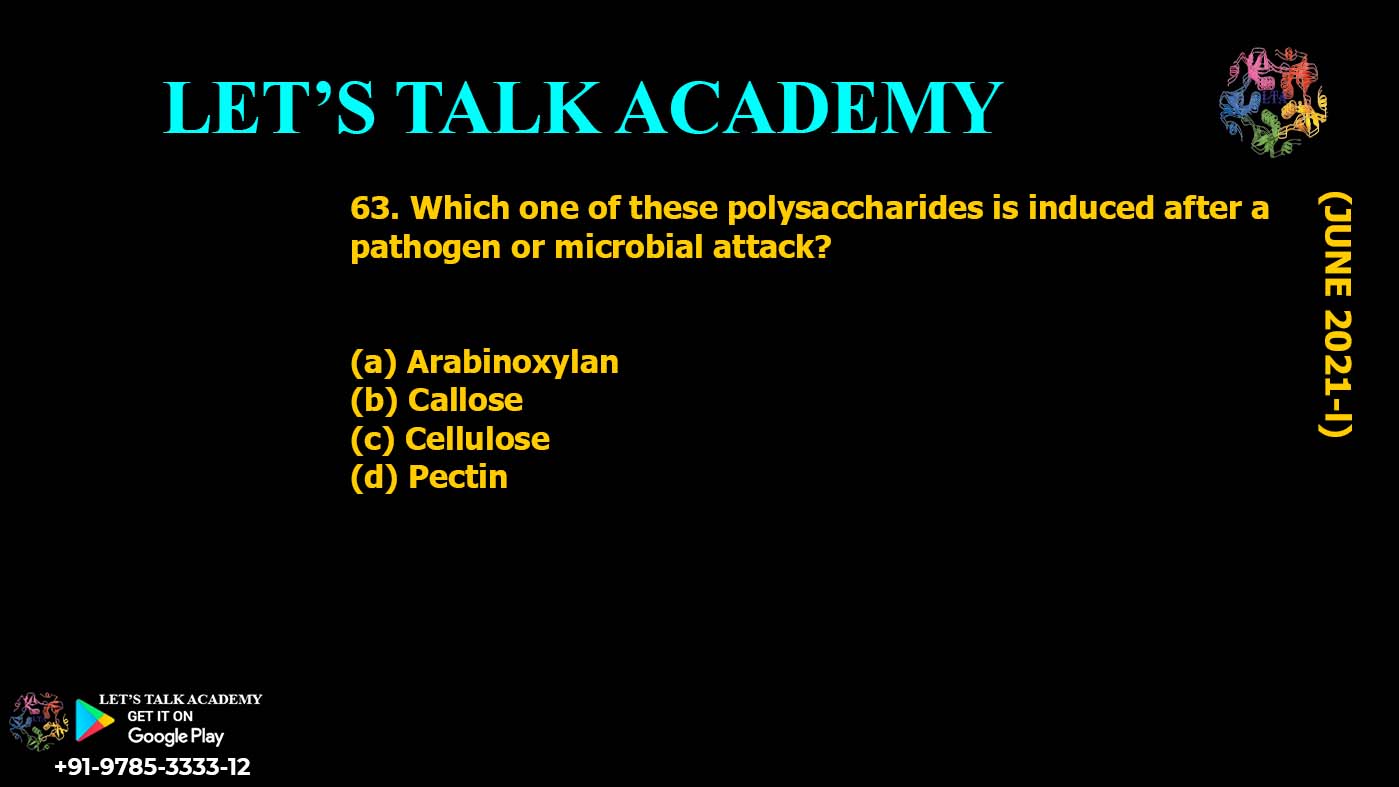
Which one of these polysaccharides is induced after a pathogen or microbial attack? (a) Arabinoxylan (b) Callose (c) Cellulose (d) Pectin

Callose: The Polysaccharide Induced During Plant Pathogen Attack

Anti-Herbivore Defense in Plants: Role of Alkaloids

Understanding Anti-Herbivore Defense in Plants: Role of Alkaloids

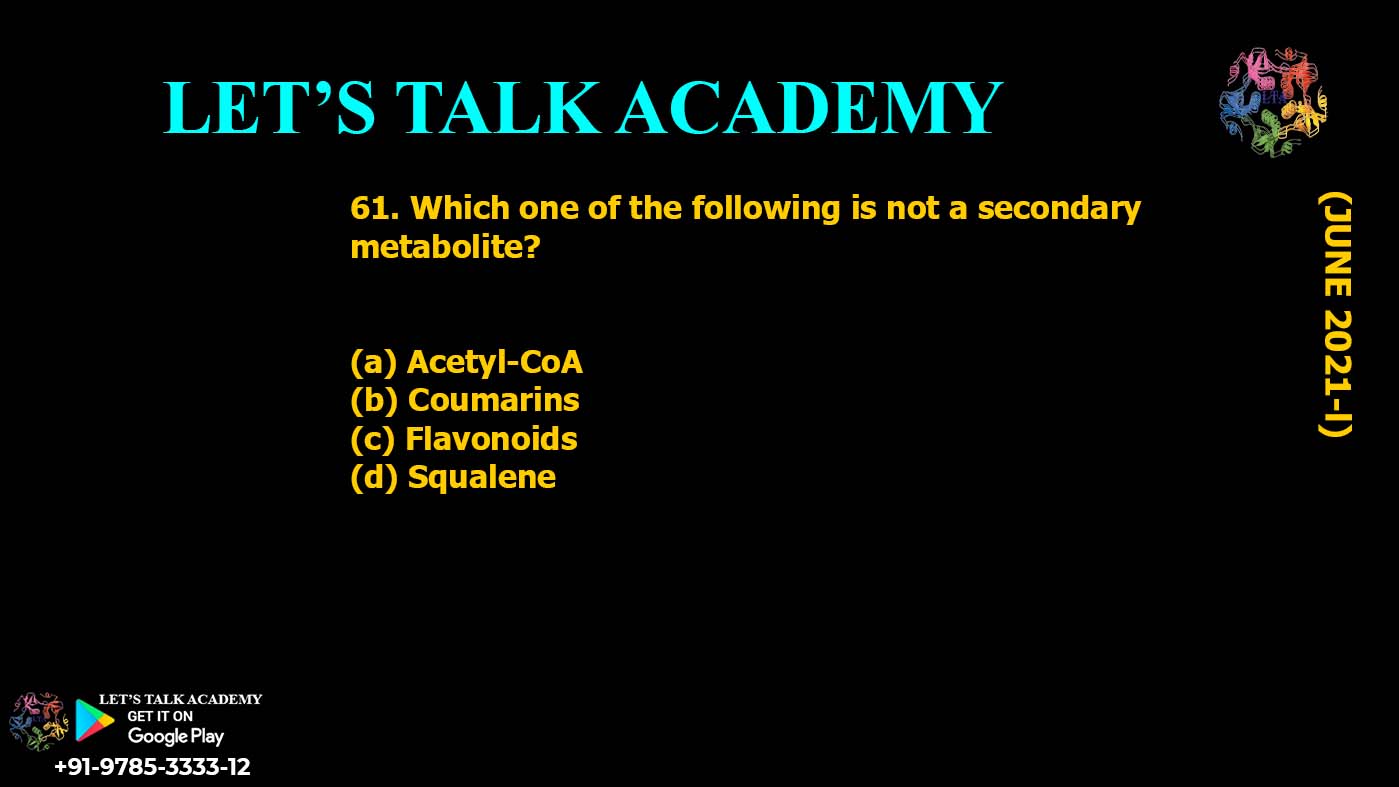
Which one of the following is not a secondary metabolite? (a) Acetyl-CoA (b) Coumarins (c) Flavonoids (d) Squalene

Understanding Secondary Metabolites in Plants

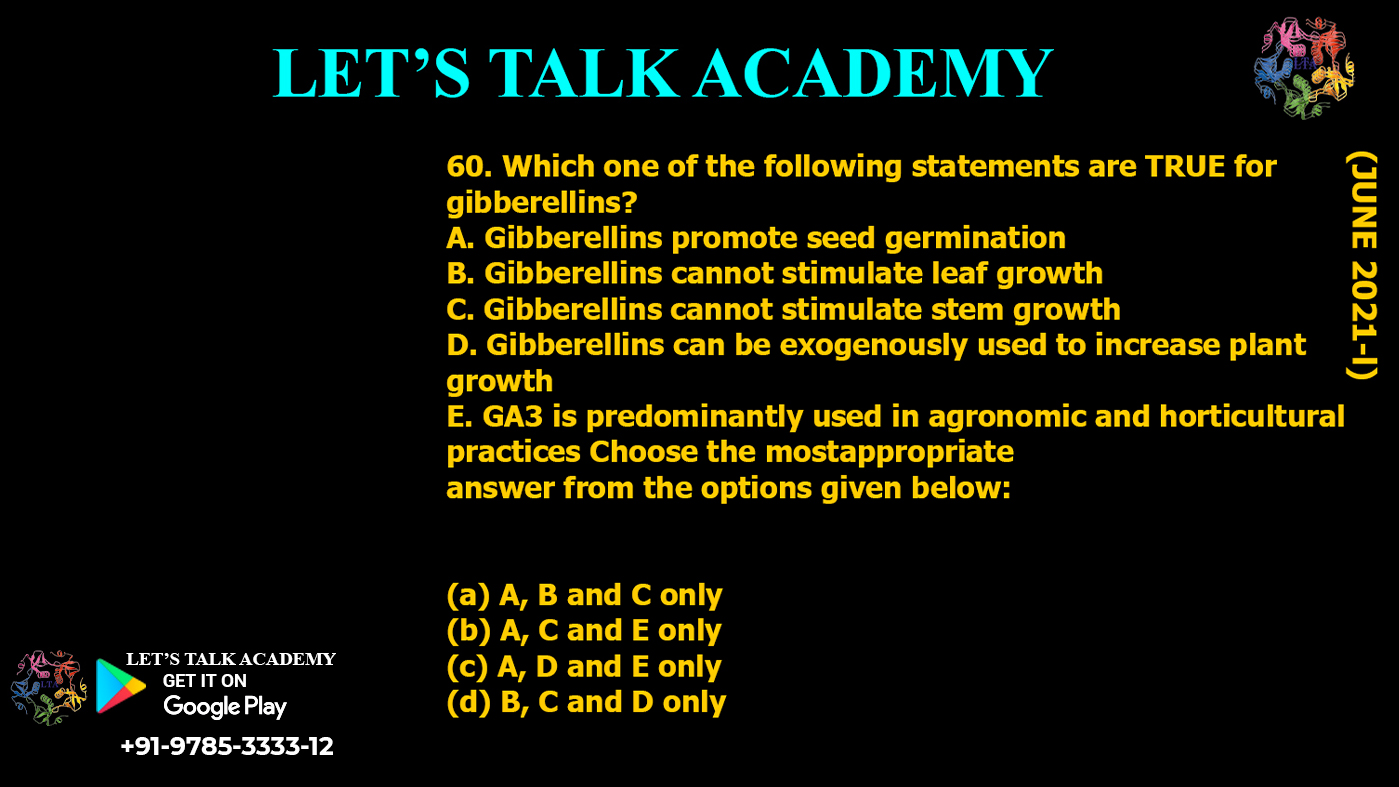
Which one of the following statements are TRUE for gibberellins? A. Gibberellins promote seed germination B. Gibberellins cannot stimulate leaf growth C. Gibberellins cannot stimulate stem growth D. Gibberellins can be exogenously used to increase plant growth E. GA3 is predominantly used in agronomic and horticultural practices Choose the mostappropriate answer from the options given below:

Understanding the Role of Gibberellins in Plant Growth

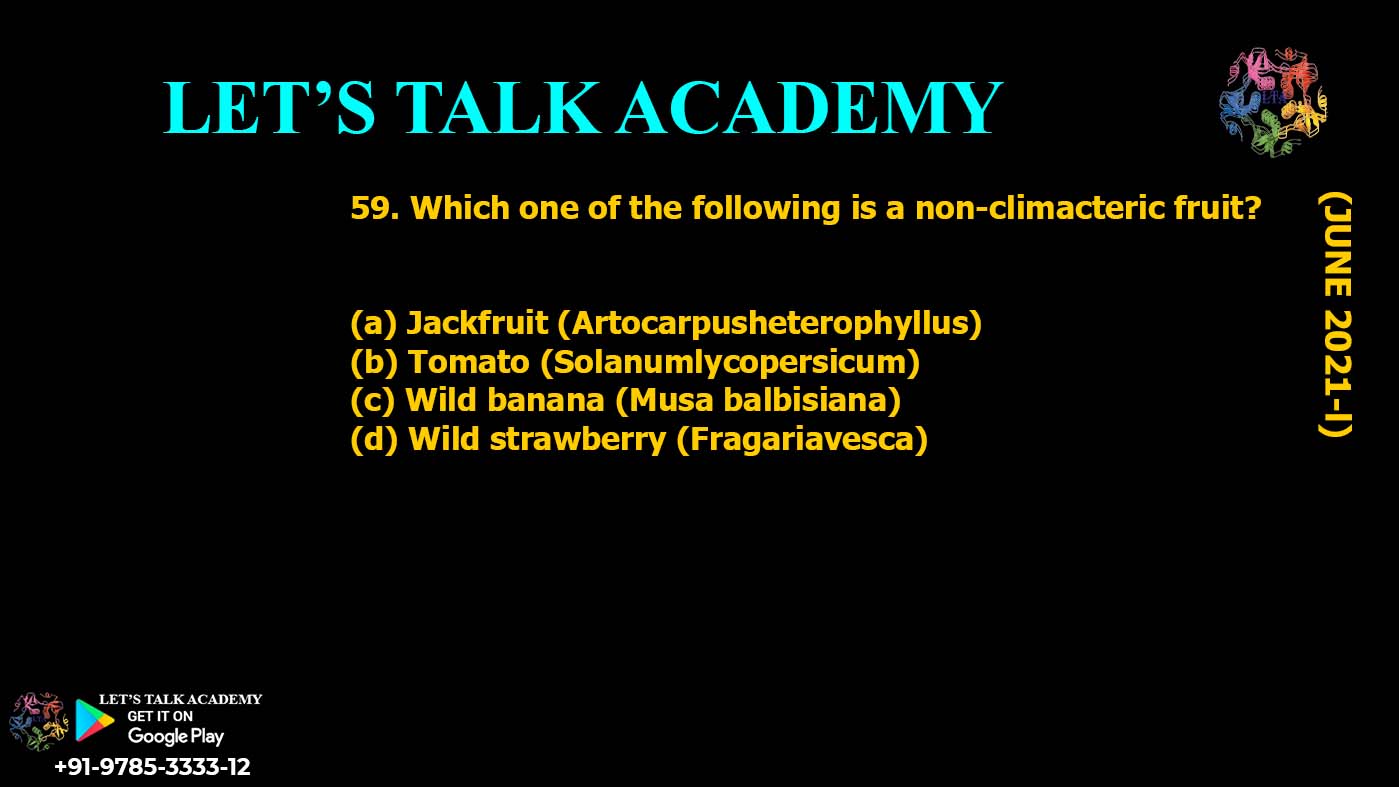
Which one of the following is a non-climacteric fruit? (a) Jackfruit (Artocarpusheterophyllus) (b) Tomato (Solanumlycopersicum) (c) Wild banana (Musa balbisiana) (d) Wild strawberry (Fragariavesca)

Understanding Non-Climacteric Fruits: A Look at Examples

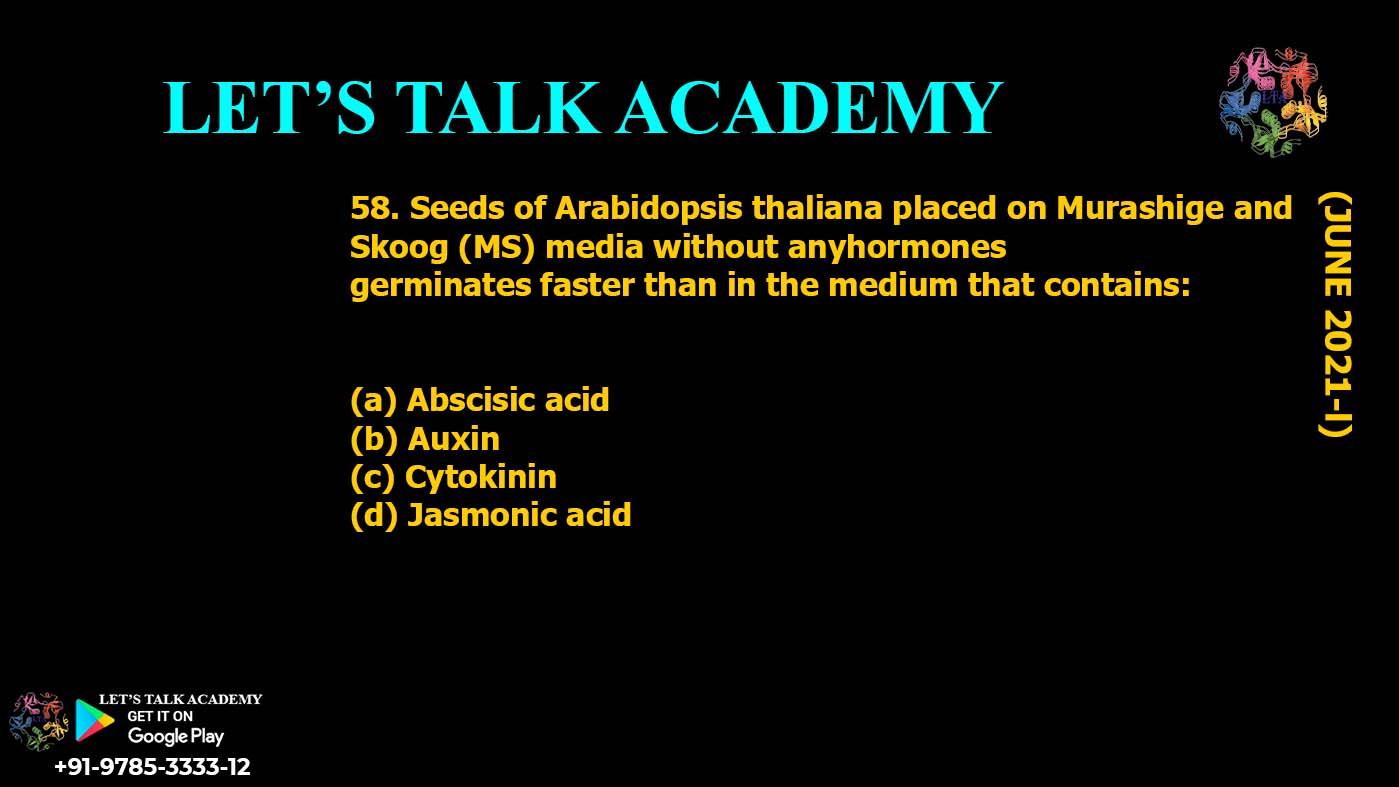
Seeds of Arabidopsis thaliana placed on Murashige and Skoog (MS) media without anyhormones germinates faster than in the medium that contains: (a) Abscisic acid (b) Auxin (c) Cytokinin (d) Jasmonic acid

Effect of Hormones on Seed Germination in Arabidopsis thaliana

The First Alkaloid to Be Isolated and Characterized from Plants

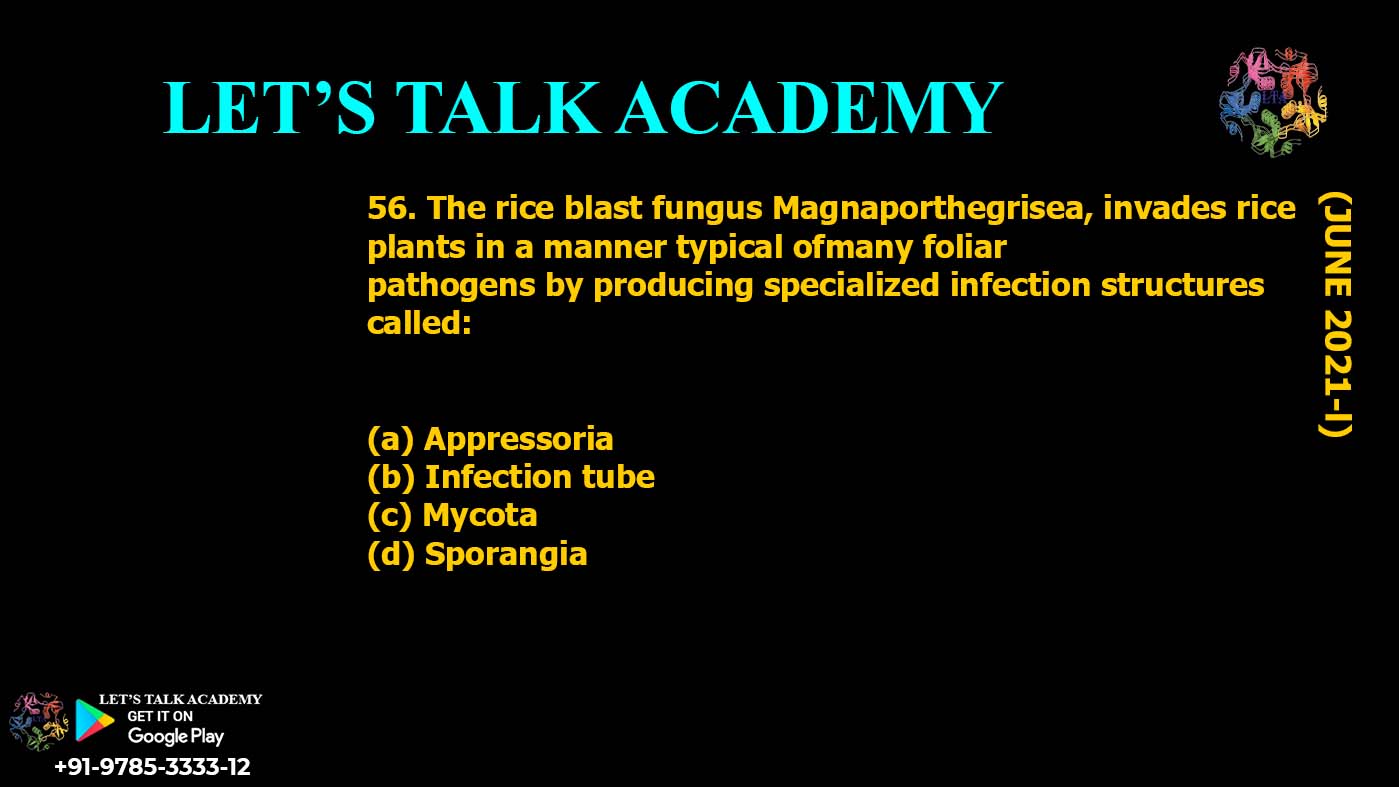
The rice blast fungus Magnaporthegrisea, invades rice plants in a manner typical ofmany foliar pathogens by producing specialized infection structures called: (a) Appressoria (b) Infection tube (c) Mycota (d) Sporangia

Infection Mechanism of Rice Blast Fungus and Its Specialized Structures

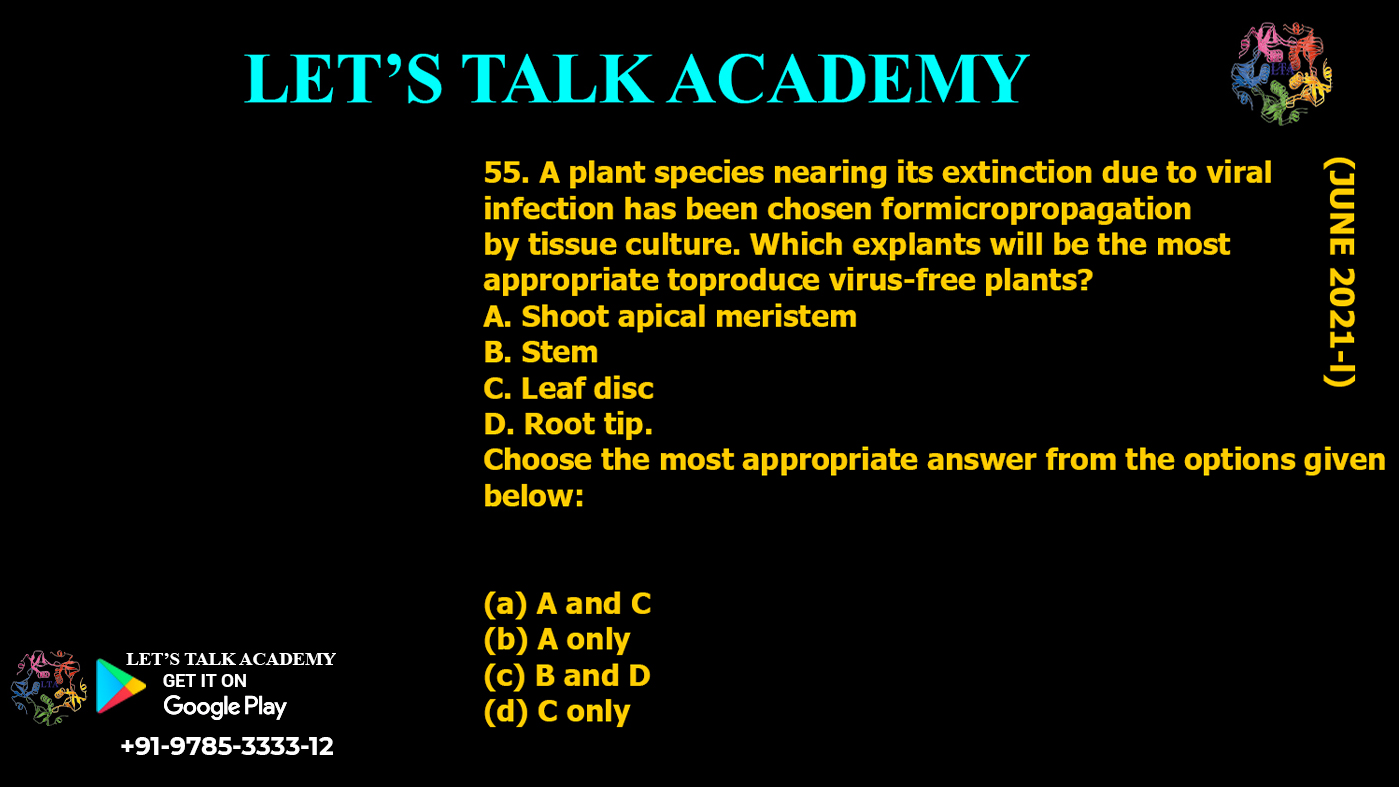
A plant species nearing its extinction due to viral infection has been chosen formicropropagation by tissue culture. Which explants will be the most appropriate toproduce virus-free plants? A. Shoot apical meristem B. Stem C. Leaf disc D. Root tip. Choose the most appropriate answer from the options given below: (a) A and C (b) A only (c) B and D (d) C only

The Most Appropriate Explants for Producing Virus-Free Plants through Micropropagation

Effect of Red and Far-Red Light on Flowering in Plants

The Effect of Red and Far-Red Light on Flowering in Plants

E class homeotic genes in Arabidopsis thaliana are involved in the formation of: (a) Floral meristem (b) Petals and carpels (c) Sepals & petals (d) Shoot apical meristem

Understanding the Role of E Class Homeotic Genes in Arabidopsis thaliana Floral Development

Which one of the following combinations signify similar function? (a) Cryptochrome and flurochrome (b) Cryptochrome and phytochrome (c) Cytochrome and cryptochrome (d) Fluorochrome and cytochrome

Exploring the Similar Functions of Cryptochrome, Phytochrome, and Other Light-Responsive Proteins

Which one of the following statements is NOT common between oxidativephosphorylation and photophosphorylation? (a) Generation of ATP (b) Involvement of a kinase (c) Involvement of electron transport (d) Involvement of oxygen

Key Differences Between Oxidative Phosphorylation and Photophosphorylation

Which one among the following is a nuclease? (a) DNase I (b) Helicase (c) Ligase (d) Polymerase

Understanding Nucleases: The Role of DNase I

Lysosomal lumen is maintained at an acidic pH by: (a) de novo generation of H+ ions in the lysosomes (b) H+ ATPase that pumps H+ ions into lysosomes (c) H+ ATPase that pumps H+ out of lysosomes (d) Specialized luminal proteins that lower the pH

Mechanism Behind Acidic pH Maintenance in the Lysosomal Lumen

Assertion A: Ionizing radiation can cause damage to the DNA Reason R: Ionizing radiation generates free radicals

Understanding the Impact of Ionizing Radiation on DNA: Assertion and Reason Analysis

Type IIP restriction endonucleases will always: (a) Bind to double strand RNA (b) Cleave outside the recognition sequence (c) Generate blunt ends (d) Recognize palindromic sequence

Understanding Type IIP Restriction Endonucleases and Their Characteristics

Though DNA and RNA are nucleic acids, isolating RNA in the laboratory requires extreme precautions and pre-preparations than isolating DNA. This could be because: (a) RNA is more prone to hydrolysis than DNA, (b) RNA is smaller in size than DNA, (c) RNA molecules tend to form RNA-RNA hybrids, (d) There is lesser RNA content per cell than DNA

Why RNA Isolation Requires More Precautions Than DNA Isolation: Key Factors Explained

The Telomerase enzyme is a: (a) DNA–dependent DNA Polymerase , (b) DNA–dependent RNA Polymerase , (c) Reverse Transcriptase , (d) RNA–dependent RNA Polymerase

What Type of Enzyme is Telomerase? Understanding Its Role in Chromosome Maintenance

The consequences of a DNA base change in a mutation are maximum, if the base change is located in the: (a) First or second position of a codon , (b) Middle of an intron , (c) Repetitive DNA elements , (d) Third position of a codon

Understanding the Impact of DNA Base Changes: Which Codon Position Matters Most?

A student clones a gene of interest within the ampicillin resistance gene of pBR322 vector for transformant selection, the student will use: (a) Ampicillin plates , (b) Both Ampicillin plates and Tetracycline plates , (c) Neither Ampicillin plates nor Tetracycline plates , (d) Tetracycline plates

Selecting Recombinant Clones Using pBR322: Which Antibiotic Plate to Use?

Title: Understanding Yamanaka Factors and Their Role in Induced Pluripotent Stem Cells (iPSCs)

Which one of the following components of an enveloped virus particle is NOT encoded by the viral genome? (a) Capsid proteins , (b) Envelope lipids , (c) Non- structural proteins , (d) Structural proteins

Which Component of an Enveloped Virus Is Not Encoded by the Viral Genome?

Prokaryotic ribosomes bind to which one of the following: (a) Kozak sequence, (b) Ori sequence, (c) Promoter sequence, (d) Shine-Dalgarno sequence,

What Sequence Do Prokaryotic Ribosomes Bind To?

The enzyme that plays a key role in glucose homeostasis is: (a) Fructokinase , (b) Galactokinase , (c) Glucokinase , (d) Hexokinase

Which Enzyme Plays a Key Role in Glucose Homeostasis?

Which one among the following is NOT a characteristic of an “Enhancer”? (a) It is conserved in evolution , (b) It is transcribed to form enhancer RNA , (c) Its function is independent of its location in the genome , (d) Its function is independent of its orientation in genome

Which of the Following Is NOT a Characteristic of an Enhancer?

Copy number variation (CNV) signifies: (a) A short (1- 4 nucleotide) highly polymorphic DNA sequence, widely distributed in the genome (b) DNA segments > 1 Kb repeated multiple times in the genome , (c) Increase in the number of some of the chromosomes (d) Series of short tandem repeat sequences (10 – 100 nucleotides) occurring frequently in the genome

What is Copy Number Variation (CNV) in Genetics

Peroxisomes are different from mitochondria and chloroplast mainly because they are: (a) Not the major sites of oxygen utilization, (b) Surrounded by double membrane, (c) Surrounded by single membrane and contain genome, (d) Surrounded by single membrane

Key Differences Between Peroxisomes, Mitochondria, and Chloroplasts

Digitalis is used for the treatment of congestive heart failure because: (a) It can dissolve clots to release congestion , (b) It can increase the force of contraction of heart muscle , (c) It can increase the volume of the heart chambers , (d) It clears the lungs to release congestion

Why Digitalis is Used for Treating Congestive Heart Failure

Which one of the following is the most effective reducing agent of disulfide bonds in proteins? (a) 2-mercaptoethanol, (b) Dithiothreitol, (c) Ethanethiol, (d) Ethanol

The Most Effective Reducing Agent for Disulfide Bonds in Proteins

A 20-mer peptide composed of all 20 coded standard amino acids was hydrolyzed with 6N HCl. However, only 17 amino acids were detected when the hydrolysate was analyzed by chromatography. The three missing amino acids will be: (a) Gln, Asn, Trp , (b) Glu, Asp, Trp , (c) Glu, Asp, Tyr , (d) Tyr, Trp, Phe ,

Understanding Missing Amino Acids in Peptide Hydrolysis and Chromatography

You have an assay method that can estimate compound A upto level 10 mg/ml. If you need to modify it so that you can estimate 0.1 mg/ml, you need to improve upon the: (a) Accuracy, (b) Reactivity, (c) Sensitivity, (d) Specificity

Understanding the Need for Sensitivity in Assay Method Modifications

Chip-on-chip, a technique that combines chromatin immune precipitation with microarrays, is used to identify: (a) micro-RNA coding genes, (b) Protein motifs involved in protein-protein interaction, (c) Protein-coding regions in the genome, (d) Transcription factor binding regions in the promoters

Understanding the Chip-on-Chip Technique: Identifying Transcription Factor Binding Regions

Fake medicines are a nuisance that shatter the faith of patients in medicine and enhance the emergence of drug resistance. A medicine is likely to be fake if: (a) HPLC retention time (RT) of standard and test sample is same, (b) Melting point of standard and test are same, (c) Rf of standard and test sample on TLC is same, (d) Same peak intensity and same retention time are not observed on injection of equal amount of the test and standard sample on HPLC

Identifying Fake Medicines: How to Detect Pharmaceutical Counterfeits

Gel filtration chromatography separates proteins on the basis of: (a) Affinity tag, (b) Charge, (c) Hydrodynamic volume, (d) Hydrophobicity

Understanding Gel Filtration Chromatography: Separation Based on Hydrodynamic Volume

The hypochromic effect is used to estimate the melting temperature for double- stranded DNA. It arises because: (a) Double stranded DNA absorbs more UV light than single stranded DNA, (b) Double stranded DNA is less colourful than single stranded DNA (c) Double stranded DNA is more colourful than single stranded DNA (d) Stacked bases in double stranded DNA absorb less UV light than unstacked base in single stranded DNA

Understanding the Hypochromic Effect in DNA Melting Temperature Estimation

In genomics, a contig means: (a) A set of fragments generated through digestion with restriction enzymes, (b) A set of molecular markers used in genetic mapping, (c) A set of overlapping fragments that form a continuous stretch of DNA, (d) A small DNA fragment used in next-generation sequencing

Understanding Contigs in Genomics: Definition and Significance

The enzyme used to prevent unwanted self-ligation of DNA molecules during cloning experiments is: (a) Alkaline phosphatase, (b) Reverse transcriptase, (c) Terminal peroxidase, (d) Terminal phosphatase

Enzyme Used to Prevent Unwanted Self-Ligation in DNA Cloning

The presence of Cardiolipin is a characteristic of the membrane of: (a) Endoplasmic reticulum, (b) Lysosomes, (c) Mitochondria, (d) Myelin sheets

The Role of Cardiolipin in Mitochondrial Membranes

During eukaryotic replication, ________ degrades the RNA primer by 5’ – 3’ exonuclease activity. Options:- (a) DNA polymerase V, (b) FEN-1, (c) RNAseH1, (d) Topoisomerase IIB

Understanding the Role of FEN-1 in Degrading RNA Primers During Eukaryotic DNA Replication

A scientist chose Nickel – NTA affinity chromatography to purify a recombinant protein. Which one of the following tag was present in his recombinant protein? (a) Flag, (b) Glutathione-S-transferase, (c) Hexa-histidine, (d) Maltose binding protein

Understanding Nickel-NTA Affinity Chromatography and His-Tag Protein Purification

A geneticist interested in immune function induces random mutations in a number ofspecific genes in mice and then determines which of the resulting mutant mice have impaired immune function. This approach is an example of: (a) Both forward and reverse genetics, (b) Forward genetics, (c) Neither forward nor reverse genetics, (d) Reverse genetics

Understanding Forward and Reverse Genetics in Immune Function Studies

Genes that are related through gene duplication events are: (a) Analogs, (b) Homologs, (c) Orthologs, (d) Paralogs

Understanding Gene Relationships: Paralogs and Gene Duplication Events

Which one of the following is used to validate the secondary structure of proteins? (a) Dot plot, (b) Neural network, (c) Ramachandran plot, (d) Sigma plot

Validating Protein Secondary Structure: The Role of Ramachandran Plot

Which one of the following defines the angle in the protein backbone? (a) 𝑁 − 𝐶𝑎 − 𝐶 − 𝑁 , (b) 𝐶𝑎 − 𝐶 − 𝑁 − 𝐶

Understanding the Protein Backbone Angle: A Key to Protein Structure

Cellulose is a polymer of glucose which is made by ________ glycosidic bond. (a) (1 → 2) linkage, (b) (1 → 4) linkage, (c) (1 → 6) linkage, (d) α(1 → 4) linkage

Understanding the Glycosidic Bond in Cellulose

What is the pH of a mixture of 0.042 M NaH (a) 4.86, (b) 5.86, (c) 6.86, (d) 7.86,

Understanding the pH of a Sodium Hydrogen Phosphate Solution

A. Epigenetic regulation                                                        I. Endonuclease B. DNA repair                                                                            II. Histone methyltransferase C. Transcription                                                                       III. eIF2 Kinase D. Translation                                                                           IV. RNA polymerase

Understanding Gene Expression: Enzymes and Their Roles

Understanding Local Alignment of Protein Sequences: Key Concepts

The fragments obtained from a Sanger sequencing experiment are as follows: 5´ – GAATTA – 3´ 5´ – GAATTAT – 3´ 5´ – GAATTATC – 3´ 5´ – GAATTATCA – 3´ 5´ – GAATTATCAC – 3

Identifying the Template Sequence from Sanger Sequencing Fragments

Which one of the following is a malnutrition disease? (a) Ketosis (b) Arthritis (c) Hepatitis (d) Marasmus

Understanding Marasmus: A Malnutrition Disease and Its Impact

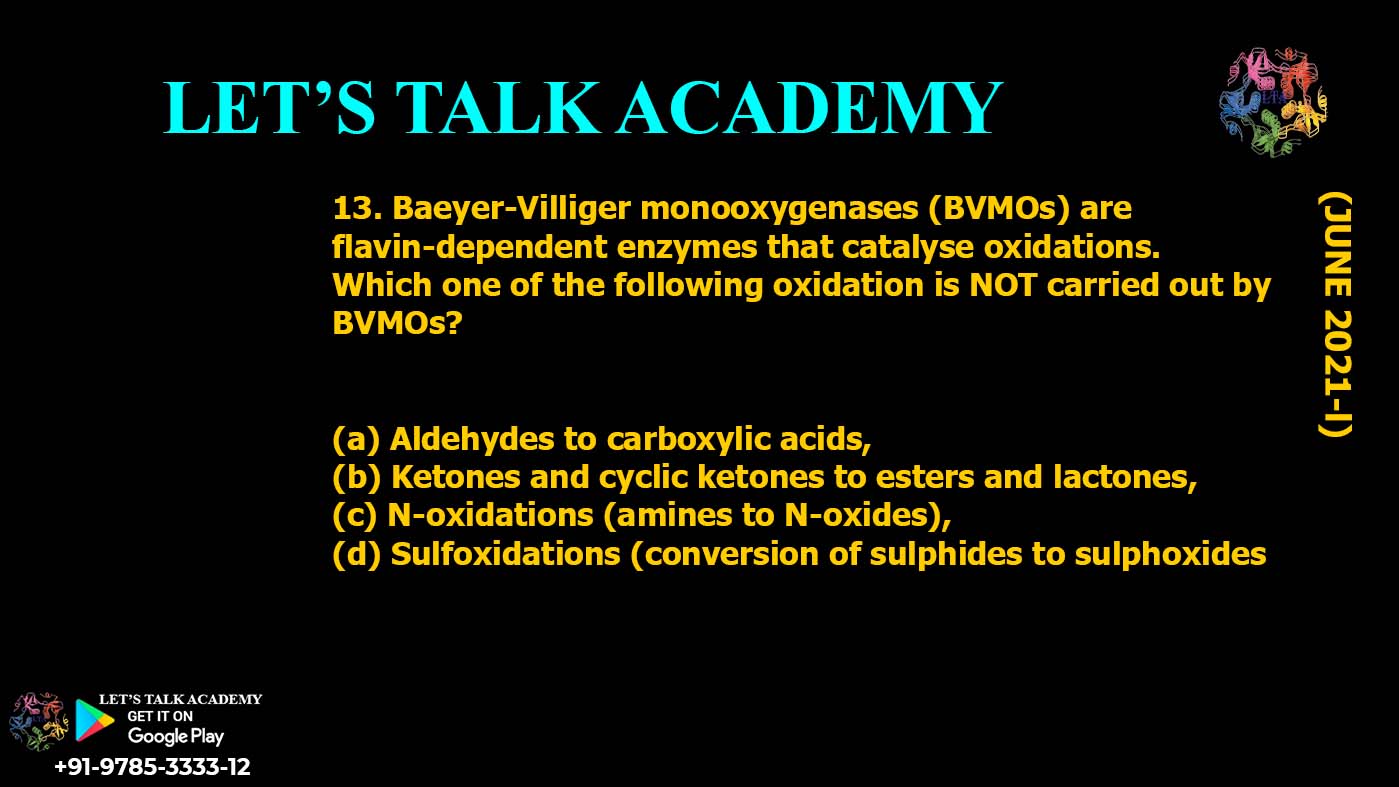
Baeyer-Villiger monooxygenases (BVMOs) are flavin-dependent enzymes that catalyse oxidations. Which one of the following oxidation is NOT carried out by BVMOs? (a) Aldehydes to carboxylic acids, (b) Ketones and cyclic ketones to esters and lactones, (c) N-oxidations (amines to N-oxides), (d) Sulfoxidations (conversion of sulphides to sulphoxides

Understanding Baeyer-Villiger Monooxygenases and Their Oxidative Reactions

Understanding the Role of Thiamine Pyrophosphate in Pyruvate Decarboxylation

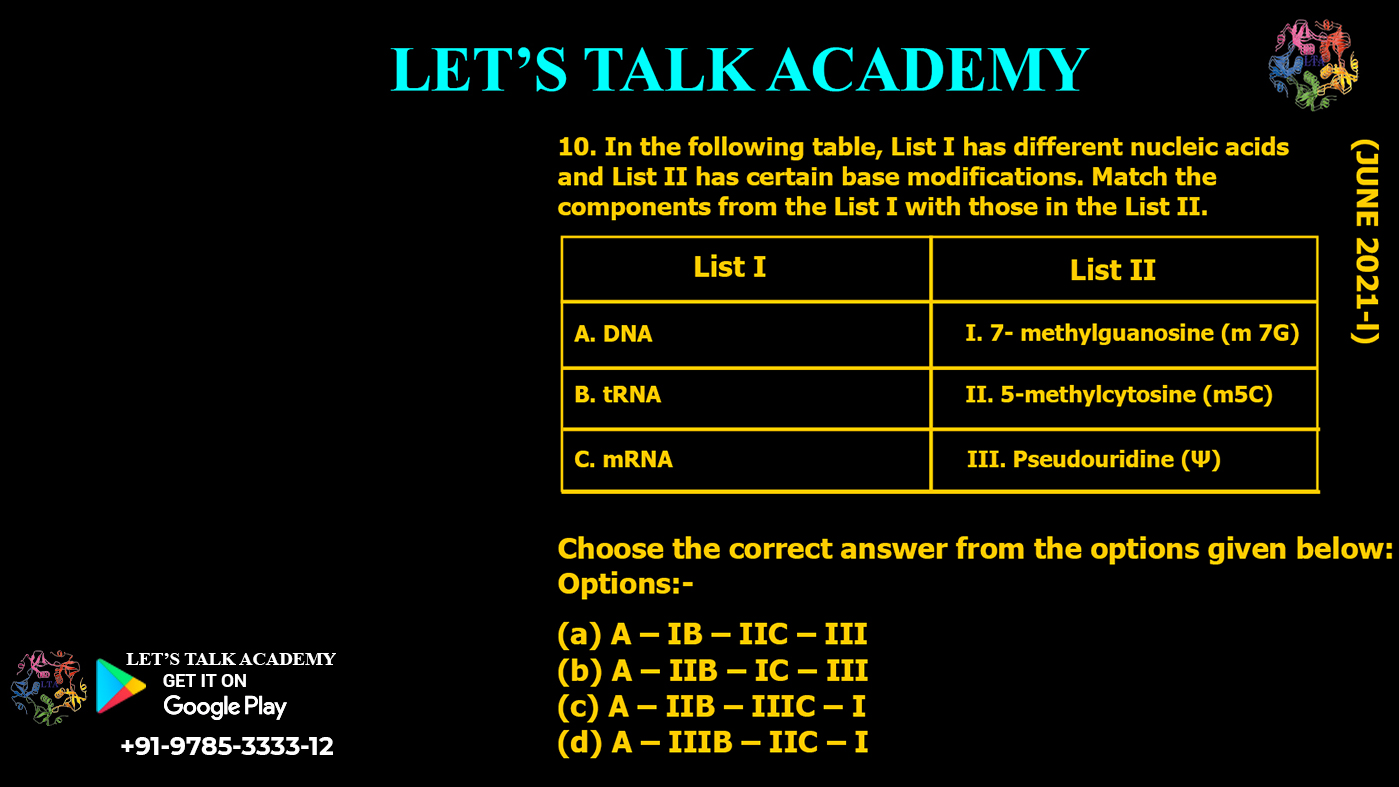
In the following table, List I has different nucleic acids and List II has certain base modifications. Match the components from the List I with those in the List II. List I                                                       List II A. DNA                                                   I. 7- methylguanosine (m 7G) B. tRNA                                                 II. 5-methylcytosine (m5C) C. mRNA                                              III. Pseudouridine (Ψ)

Understanding Nucleic Acid Modifications: DNA, tRNA, and mRNA

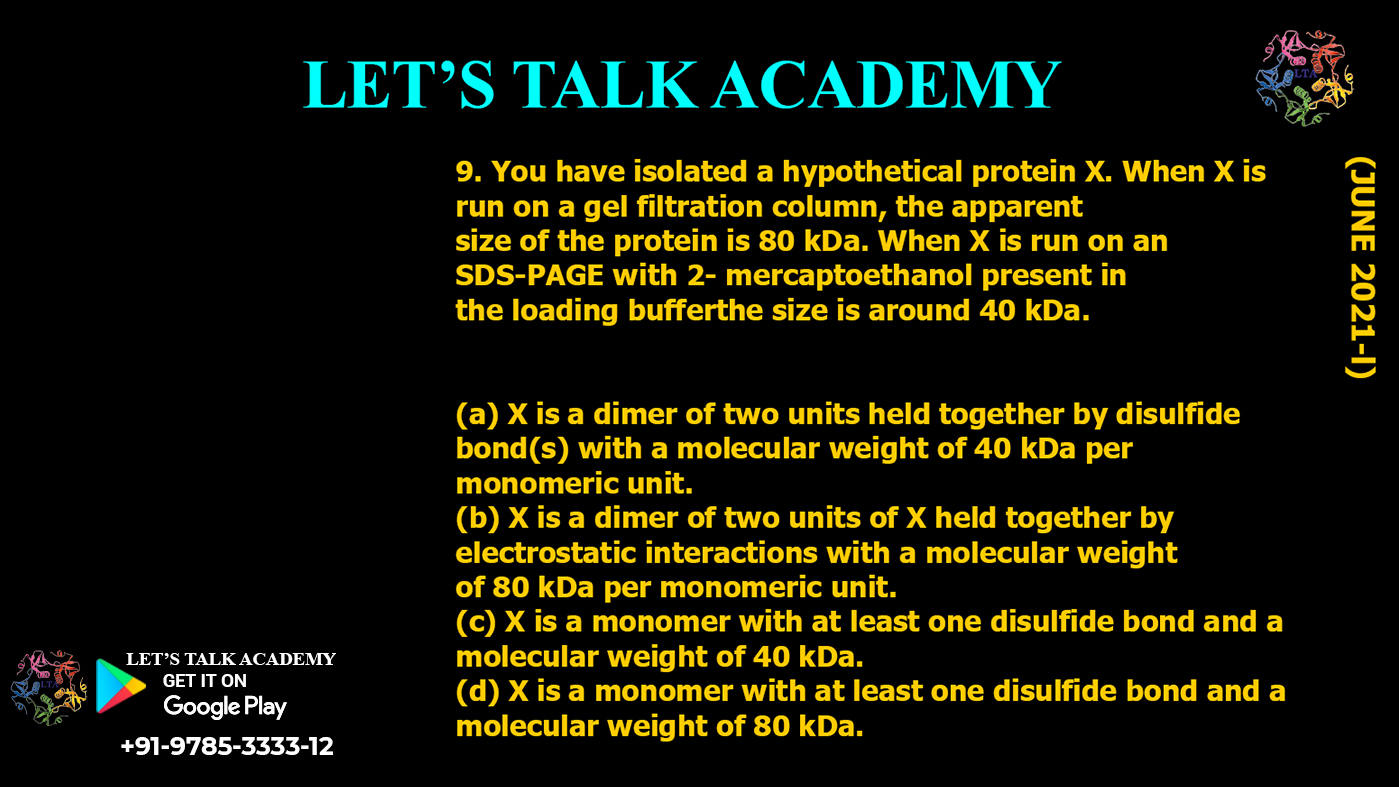
Behavior of Protein X in Gel Filtration and SDS-PAGE

Understanding the Behavior of Protein X in Gel Filtration and SDS-PAGE: Insights into Protein Structure

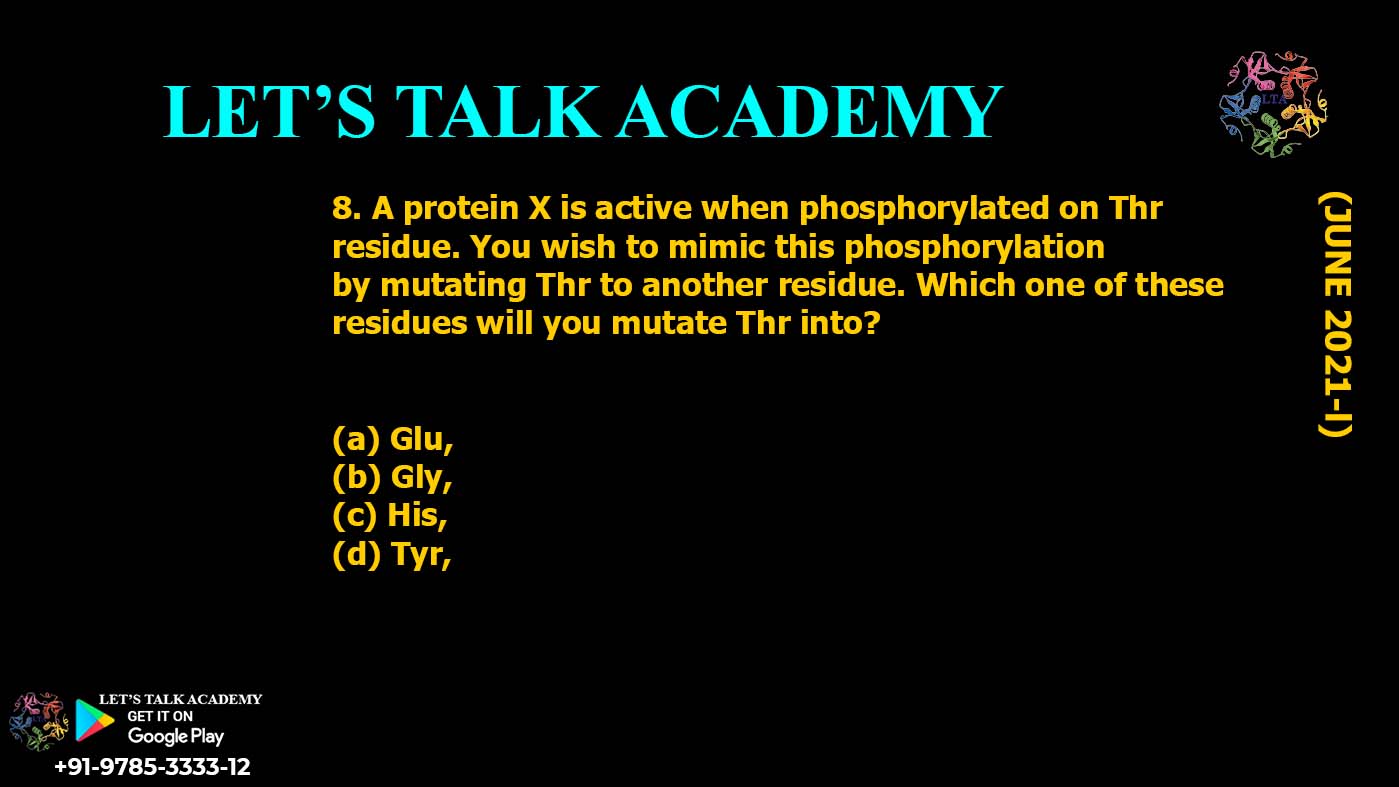
A protein X is active when phosphorylated on Thr residue. You wish to mimic this phosphorylation by mutating Thr to another residue. Which one of these residues will you mutate Thr into? (a) Glu, (b) Gly, (c) His, (d) Tyr,

How to Mimic Protein Phosphorylation by Mutating Threonine Residue: Exploring the Best Substitution

In induced pluripotent stem cells:(a) Germ cells are transformed and passaged continuously in culture to maintain a state conducive tofuture pluripotent cell formation,(b) Oncogenes are added to embryonic stem cells to help them retain stemness for prolongedcultures.,(c) Somatic cells are continuously cultured to generate a cell line that is mutagenized to producepluripotent cells when required(d) Somatic cells are transduced with viral vectors coding for transcription factors that induce apluripotent state in the recipient cells

Induced Pluripotent Stem Cells: How Transcription Factors Induce Pluripotency in Somatic Cells

How NH4+ Affects Lysosomal Tracking in Cells: Understanding Protein Degradation and Fluorescence Emission

Which one of the following strategies do viruses employ to evade the human immune system? (a) Virus binds to TCR and blocks activation of T-cells, (b) Virus infected cells show increased expression of pro-inflammatory cytokines, (c) Virus infected cells show reduced expression of surface MHC Class I molecules, (d) Viruses bind to surface Ig on B-cells and neutralize them,

How Do Viruses Evade the Human Immune System? Understanding Immune Evasion Mechanisms

You have recently observed a mutation in gene X in patients with lung cancer. You have sequenced the gene X in these patients and have observed that (i) both the copies of gene X are mutated, and (ii) the mutation leads to absence of the protein X in the patients. The gene is most likely: (a) A metastasis inducer, (b) A stem cell associated gene, (c) A tumor suppressor, (d) An oncogene,

Understanding Tumor Suppressor Genes and Their Role in Cancer Development

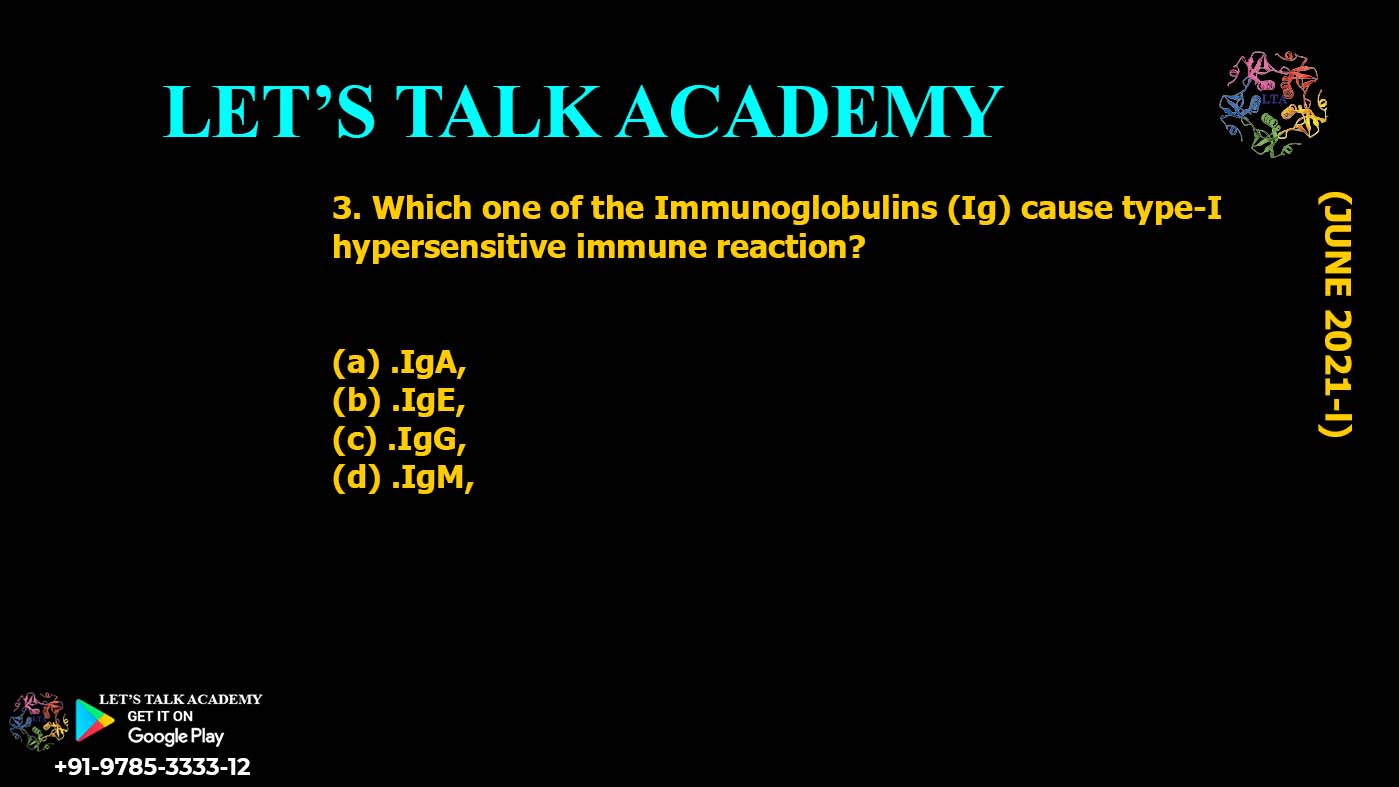
Which one of the Immunoglobulins (Ig) cause type-I hypersensitive immune reaction? (a) .IgA, (b) .IgE, (c) .IgG, (d) .IgM,
Immunoglobulin IgE and Its Role in Type-I Hypersensitivity Reactions

Enzyme-linked immunospot (ELISPOT) assay measures: (a) Cytokine concentration in culture supernatant , (b) Expression of cytokine gene (c) Intracellular cytokine concentration (d) Number of cytokine releasing cells at single cell level

Understanding the ELISPOT Assay: Measuring Cytokine Release at the Single-Cell Level

DNA replication requires DNA-Topoisomerase to remove the supercoiling of DNA that accumulates at the end of a growing replication fork. You wish to perform a PCR amplification of a gene that has been provided to you in a 6 kb plasmid vector. Why will you NOT use topoisomerase in your PCR reaction mix? (a) Denaturation step in the PCR protocol precludes formation of supercoils , (b) Reaction buffer has a pH that denatures DNA and avoids supercoiling (c) Taq polymerase has innate topoisomerase activity (d) The 5´ 3´ exonuclease activity of Taq polymerase does not allow supercoiling

Why Topoisomerase is Not Needed in PCR Reactions: An In-depth Explanation

Understanding Type-I Hypersensitivity: The Role of IgE in Allergic Reactions

Understanding the Enzyme-Linked Immunospot (ELISPOT) Assay and Its Role in Cytokine Analysis

Why You Don’t Need Topoisomerase in a PCR Reaction Mix for Gene Amplification

Which Aminoacyl-tRNA Binds First to the P Site During Bacterial Translation?

Shortest Land Route from Mumbai to Mexico on Same Latitude

What Is the Shortest Land Route Between Mumbai and Mexico on the Same Latitude?

Biochemical Conversion of UDP-Galactose to UDP-Glucose

Understanding the Conversion of UDP-Galactose to UDP-Glucose: A Key Biochemical Reaction

Biochemical Conversion of L-Pyruvate to L-Lactate

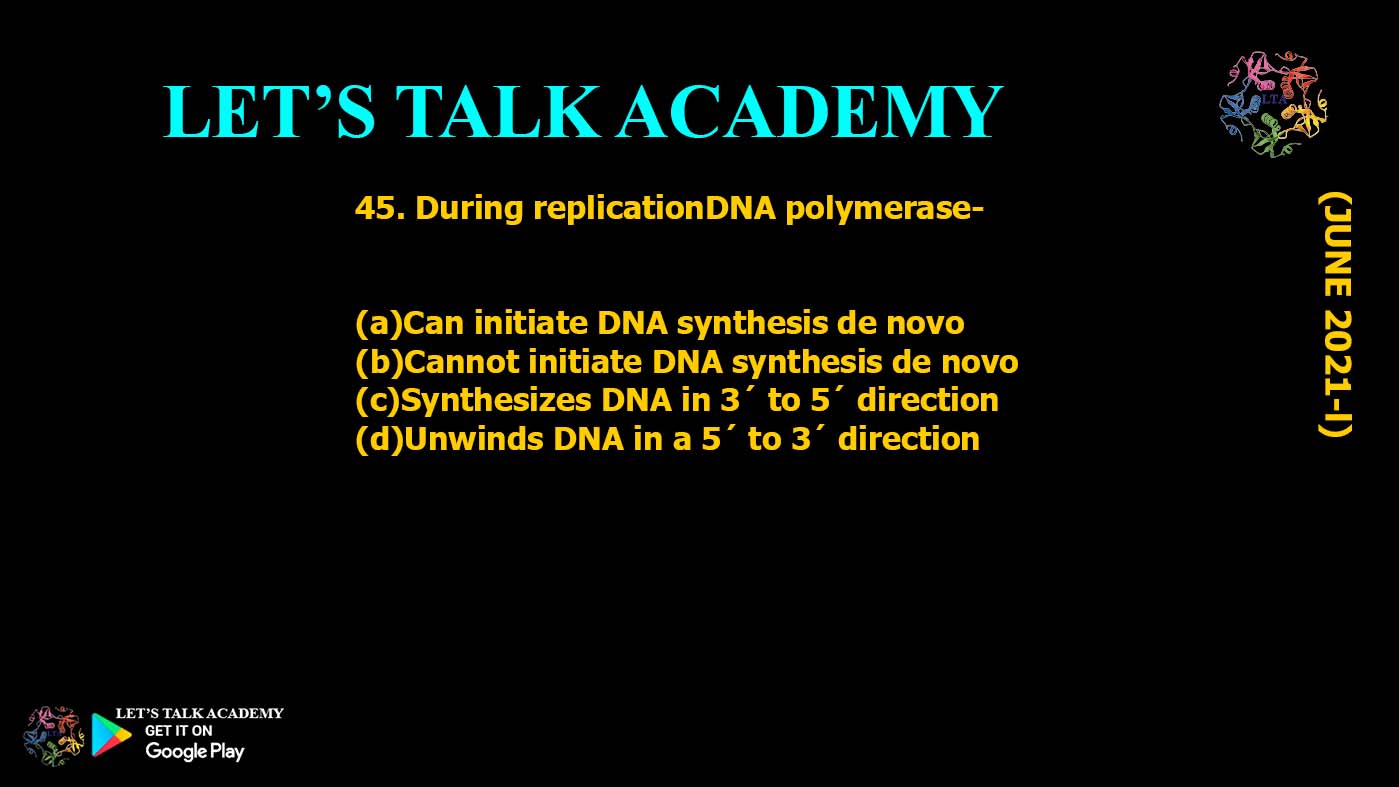
Understanding DNA Polymerase: Key Functions in DNA Replication

Understanding DNA Polymerase: Key Functions in DNA Replication

How Coughing Facilitates the Transmission of Infectious Diseases

How Coughing Facilitates the Transmission of Infectious Diseases

Flavin as a Two-Electron Carrier in the Electron Transport Chain

Flavin as a Two-Electron Carrier in the Electron Transport Chain

Why Bacteria Are Most Sensitive to Ampicillin During the Log Phase

Why Bacteria Are Most Sensitive to Ampicillin During the Log Phase of Growth

The Basis of DNA Fingerprinting is Repetitive Sequences

The Basis of DNA Fingerprinting is Repetitive Sequences

How Restriction Endonucleases Protect Bacteria from Lambda Phage Invasion

How Restriction Endonucleases Protect Bacteria from Lambda Phage Invasion

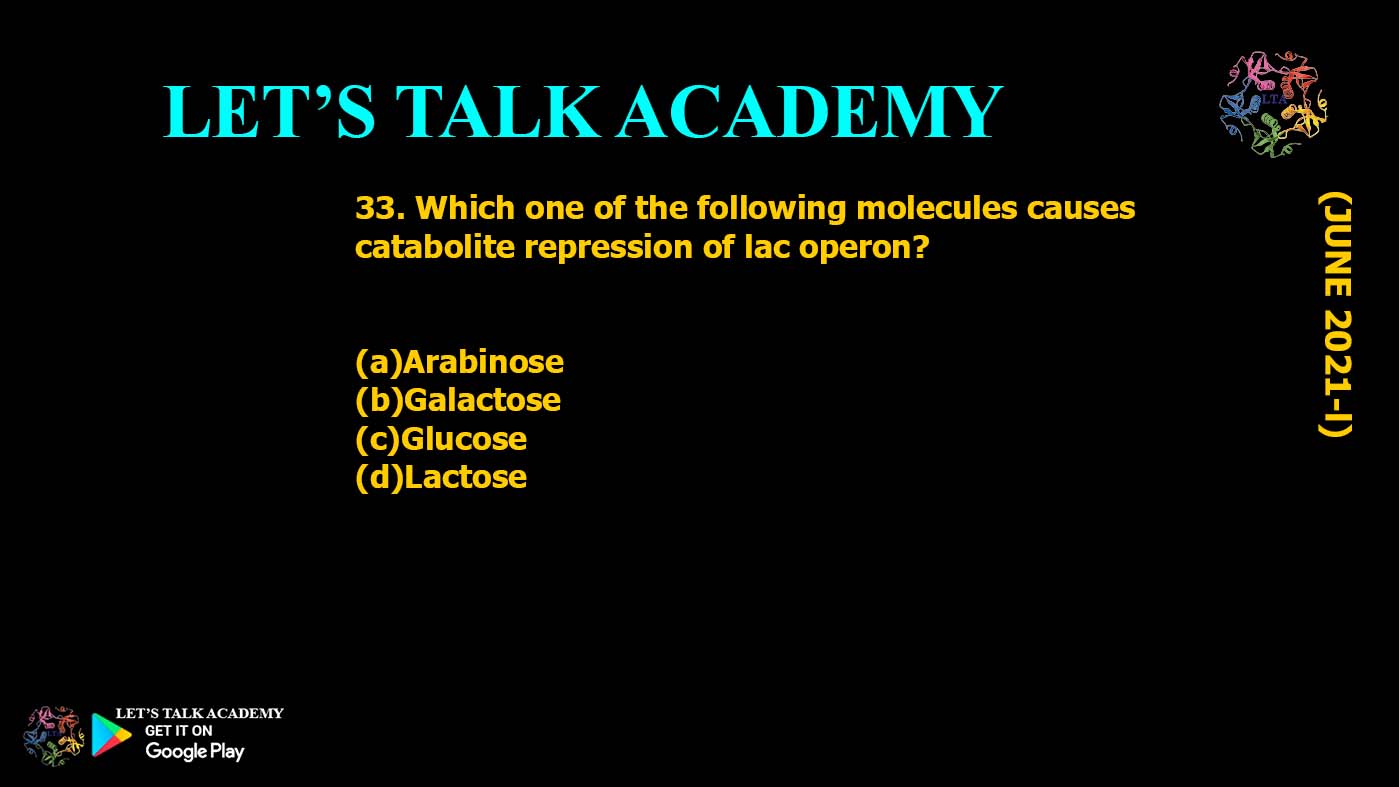
Catabolite Repression of the lac Operon in Bacteria by Glucose

How Glucose Causes Catabolite Repression of the lac Operon in Bacteria

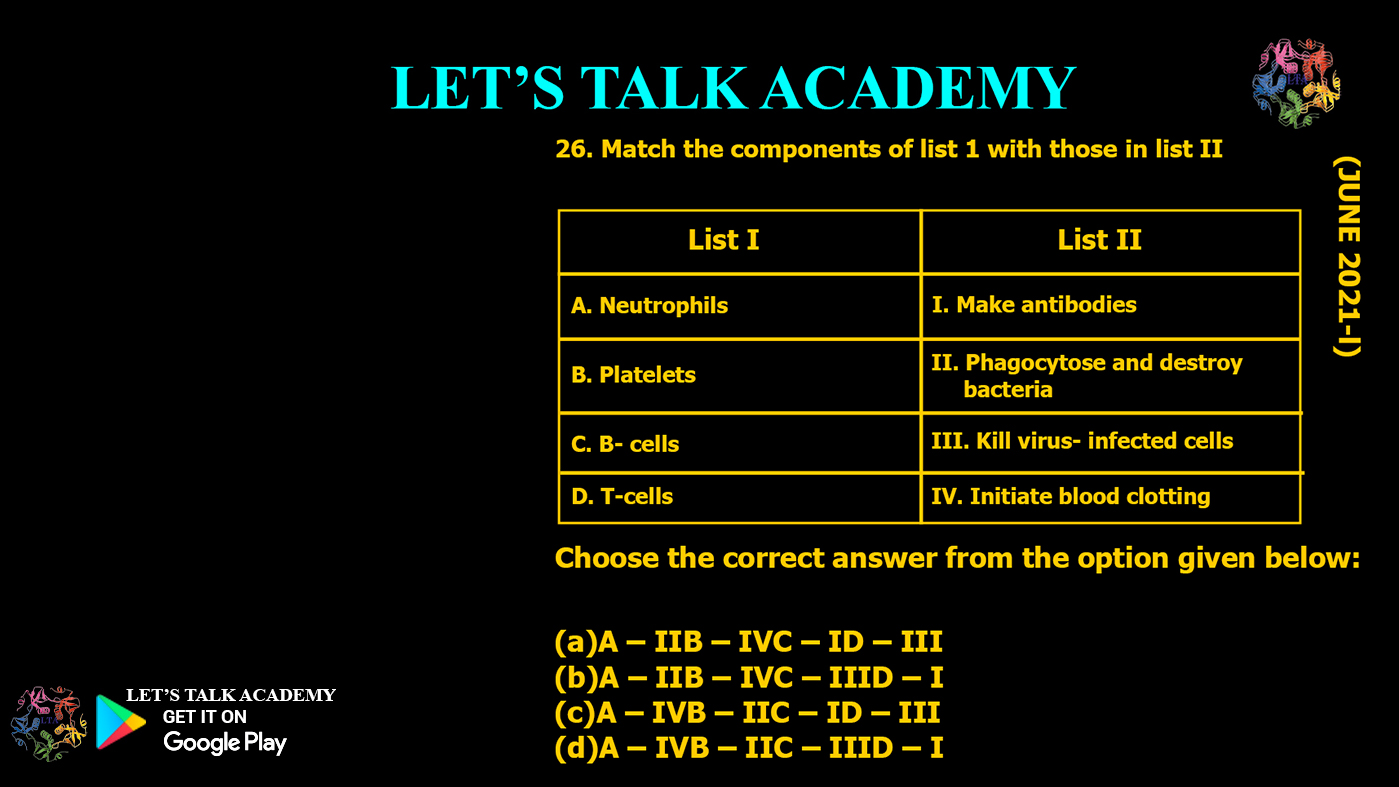
Neutrophils Platelets  B- cells T-cells Functions

Understanding Immune System Cells Neutrophils Platelets B- cells T-cells and Their Functions

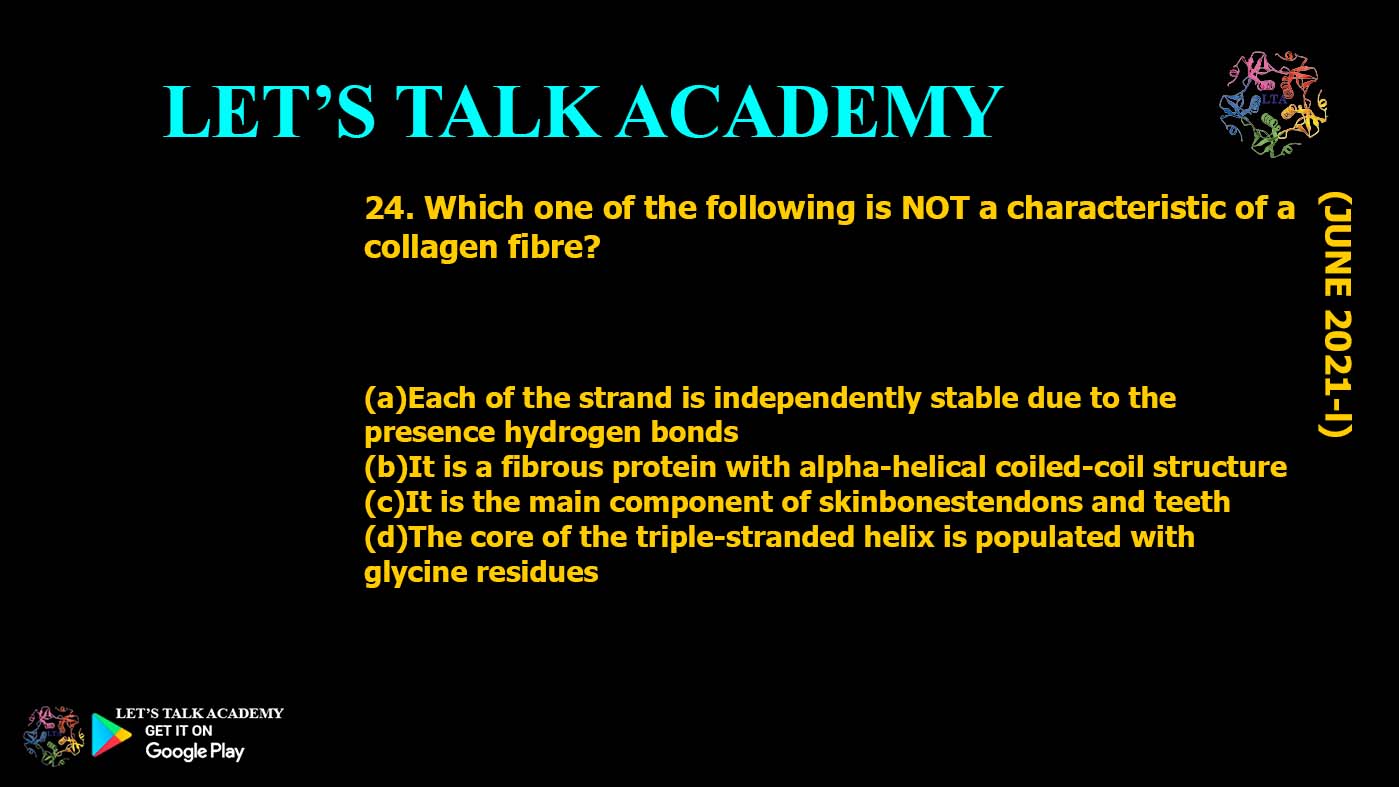
Characteristics and Functions of Collagen Fibers

Understanding Collagen Fibers: Key Characteristics and Functions

Role of Proline in Disrupting α-Helices and β-Strands

Understanding the Role of Proline in Disrupting α-Helices and β-Strands

Beta-lactam ring in antibiotics

Understanding the Beta-Lactam Ring: Where Is It Found in Antibiotics?

Impact of 4-Letter Codons on Protein Translation

Impact of 4-Letter Codons on Protein Translation: How Many Amino Acids Could Be Recognized?

Understanding Differential Gene Expression Analysis

Understanding Differential Gene Expression Analysis: Which Method is Not Suitable?

Isomerization Redox Group Transfer, and Hydrolysis Reactions

Isomerization Redox Group Transfer, and Hydrolysis Reactions

Role of Serine Hydrolases in Catalytic Reactions

Role of Serine Hydrolases in Catalytic Reactions

Understanding the Reaction of Glyceraldehyde with HIO₄

Understanding the Reaction of Glyceraldehyde with HIO₄: What Does It Produce?

Amino acid properties under physiological conditions

Understanding Amino Acid Properties Under Physiological Conditions: Leucine, Lysine, Glutamic Acid, and Glutamine

Most Negative Redox Potentials Indicate Strong Electron Donation

Most Negative Redox Potentials Indicate Strong Electron Donation

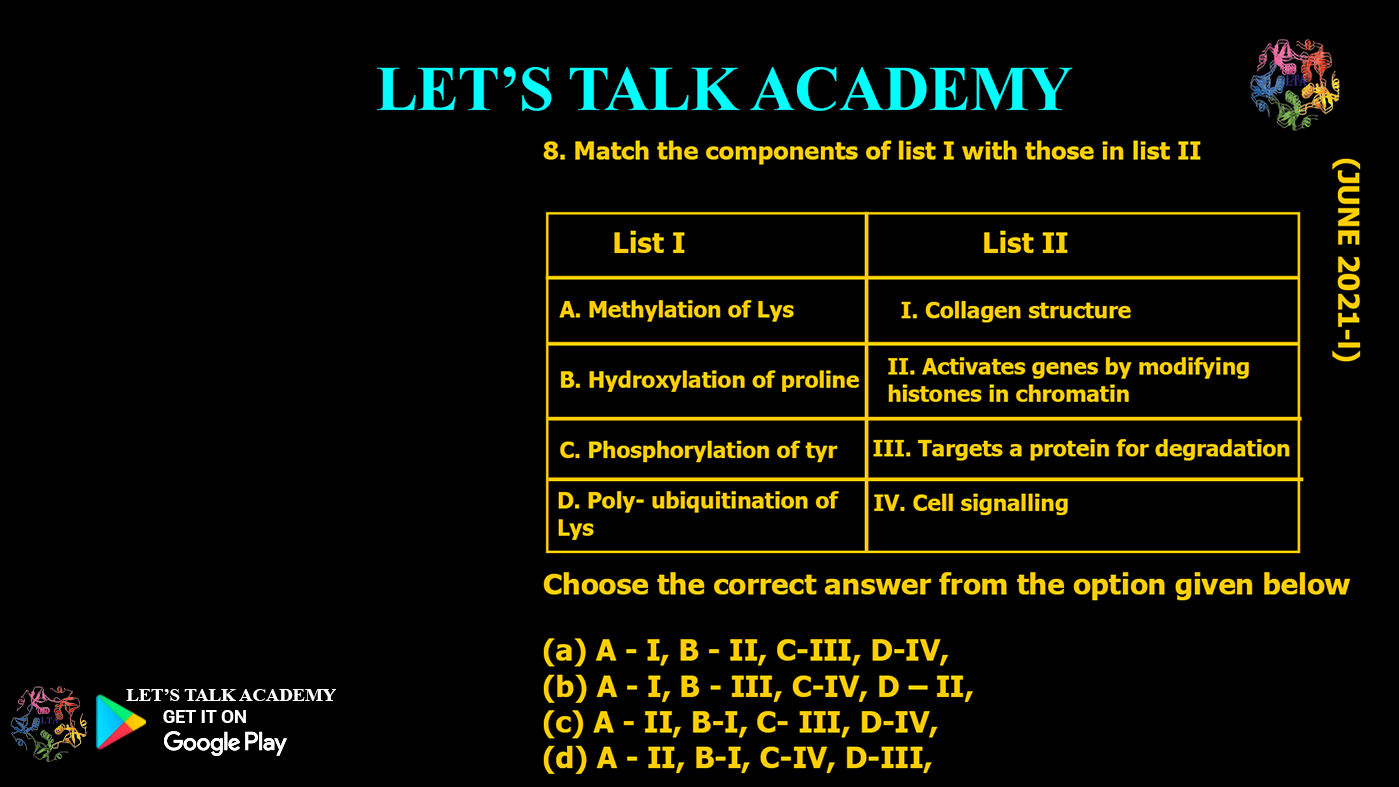
Roles of Methylation, Hydroxylation, Phosphorylation in Protein

Roles of Methylation, Hydroxylation, Phosphorylation and poly-ubiquitination in Protein

Which Dideoxy Nucleotides Are Used in Sanger DNA Sequencing?

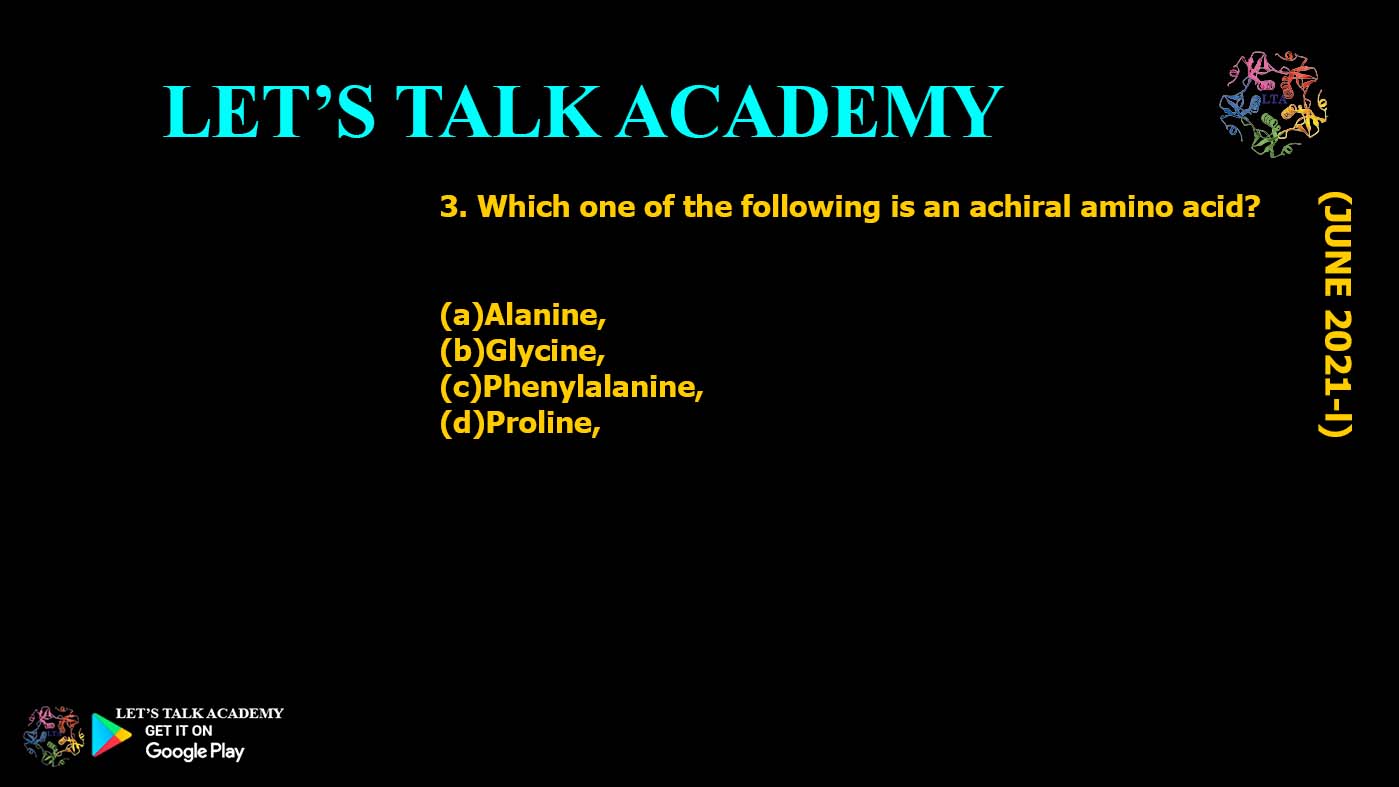
Understanding Chirality in Amino Acids

Understanding Chirality in Amino Acids

Nonsense Mutations Creates Termination Codons

Nonsense Mutations Creates Termination Codons

Latest Courses