68. Aspartate (Asp) is an amino acid with the structure NH2 - CH(CH2 — COOH) — COOH. Given below are biosynthetic processes occurring in cells: A. protein synthesis B. de novo synthesis of inosine monophosphate and orotic acid C. synthesis of adenosine monophosphate from inosine monophosphate D. glutathione synthesis Which one of the following correctly represents all the biosynthetic process(es) wherein Asp is involved as a precursor? (1) A only (2) A, Cand D (3) A and C only (4) A, B and C

Role of Aspartate as a Precursor in Key Biosynthetic Processes

67. Catabolic end product of purines is (1) Xyloric acid (2) Allantoin (3) Urea (4) Uric acid

Catabolic End Product of Purines: Understanding Uric Acid Metabolism in Humans

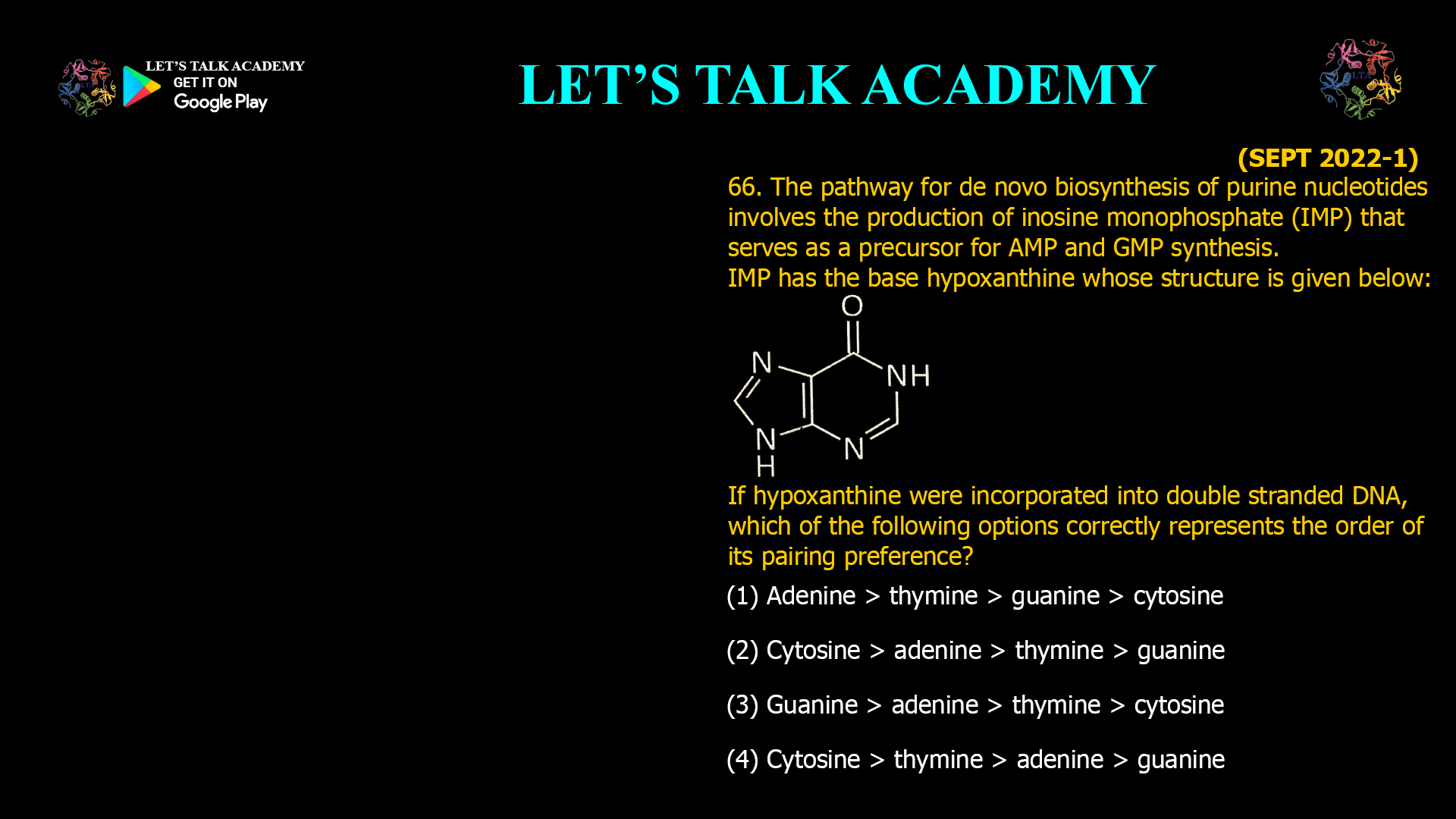
66. The pathway for de novo biosynthesis of purine nucleotides involves the production of inosine monophosphate (IMP) that serves as a precursor for AMP and GMP synthesis. IMP has the base hypoxanthine whose structure is given below: If hypoxanthine were incorporated into double stranded DNA, which of the following options correctly represents the order of its pairing preference? (1) Adenine > thymine > guanine > cytosine (2) Cytosine > adenine > thymine > guanine (3) Guanine > adenine > thymine > cytosine (4) Cytosine > thymine > adenine > guanine

Hypoxanthine Base Pairing Preferences in DNA: Understanding Its Pairing Order

65. Purine and pyrimidine nucleotides serve as monomeric units of the nucleic acid polymers DNA and RNA. Mentioned below are some of the statements with respect to the de novo synthesis of nucleotides. Which one of the following statements is INCORRECT? (1) Biosynthesis of both purine and pyrimidine nucleotides begin with ribose-5-phosphate and purine or pyrimidine rings are built on it. (2) The first purine nucleotide biosynthesized by de novo pathway is inosinic acid or inosine-monophosphate. (3) The first pyrimidine nucleotide biosynthesized by de novo pathway is orotidylic acid or orotidine monophosphate. (4) Thymidylate or TMP is synthesized as deoxy-TMP from deoxy-UMP by thymidylate synthetase.

Understanding De Novo Nucleotide Biosynthesis: Identifying the Incorrect Statement

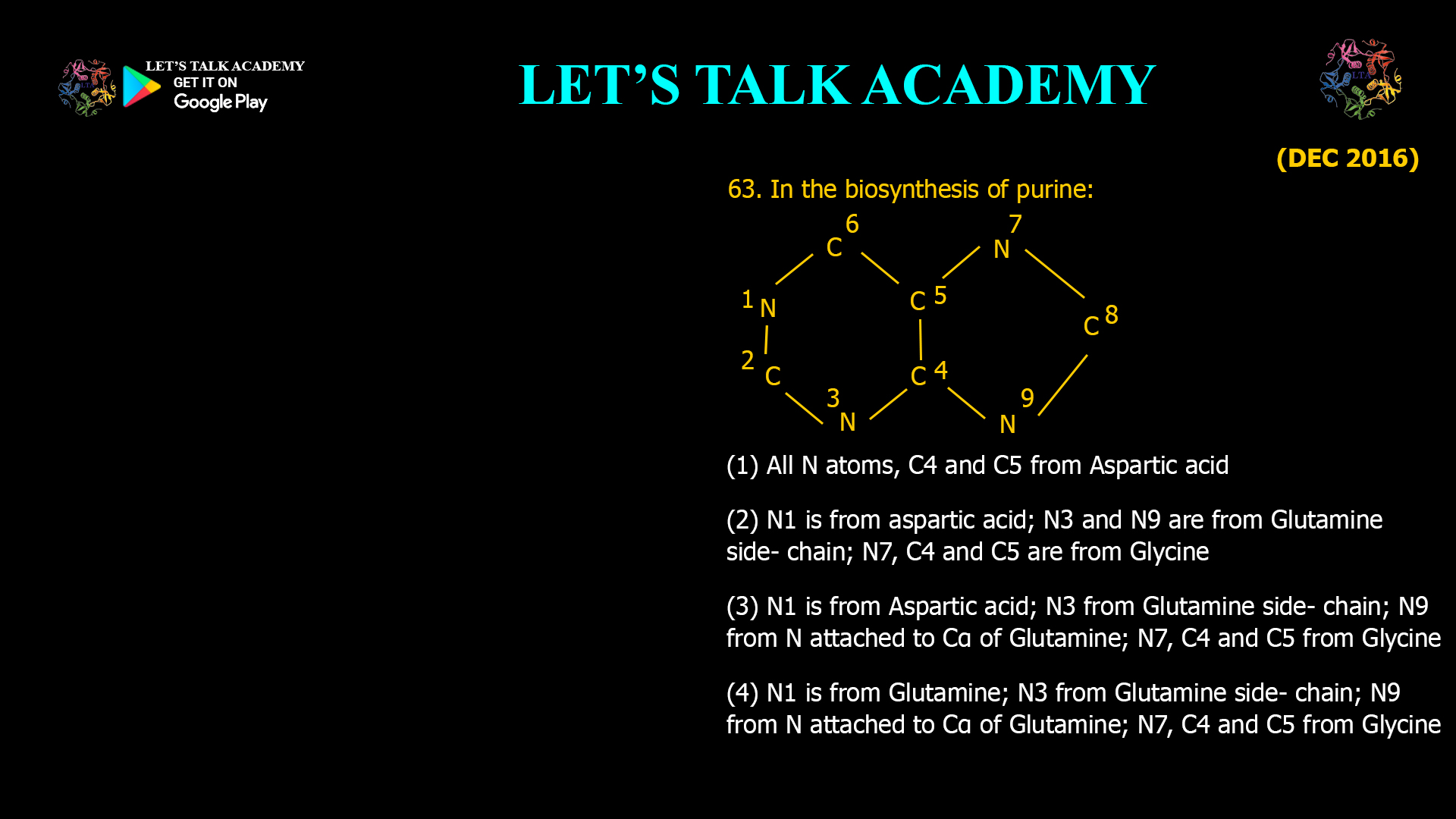
(1) All N atoms, C4 and C5 from Aspartic acid (2) N1 is from aspartic acid; N3 and N9 are from Glutamine side- chain; N7, C4 and C5 are from Glycine (3) N1 is from Aspartic acid; N3 from Glutamine side- chain; N9 from N attached to Cα of Glutamine; N7, C4 and C5 from Glycine (4) N1 is from Glutamine; N3 from Glutamine side- chain; N9 from N attached to Cα of Glutamine; N7, C4 and C5 from Glycine

Detailed Atom Source Mapping in Purine Biosynthesis: Nitrogen and Carbon Origins Explained

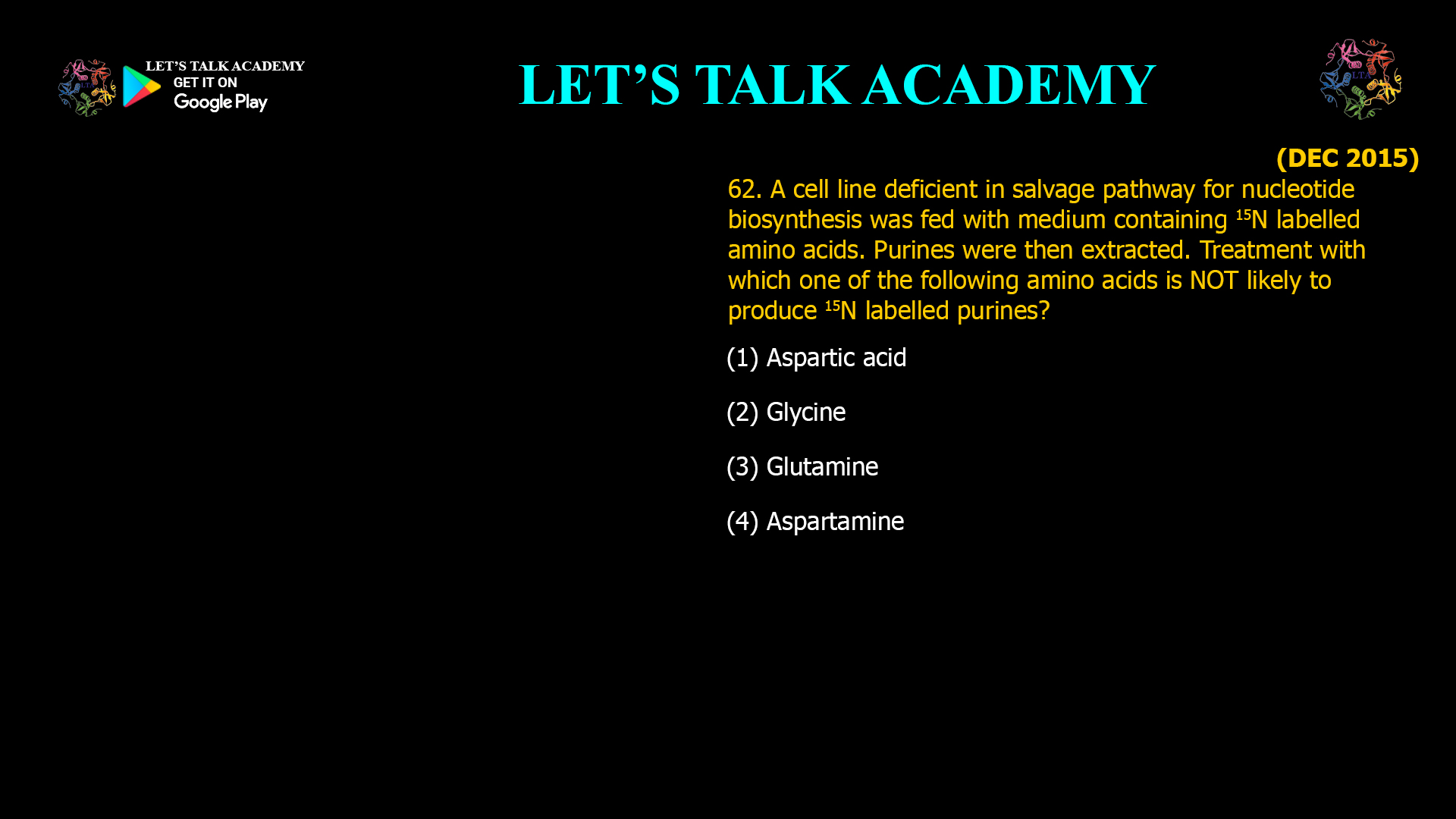
62. A cell line deficient in salvage pathway for nucleotide biosynthesis was fed with medium containing 15N labelled amino acids. Purines were then extracted. Treatment with which one of the following amino acids is NOT likely to produce 15N labelled purines? (1) Aspartic acid (2) Glycine (3) Glutamine (4) Aspartamine

Amino Acid Labeling in Purine Biosynthesis: Which Amino Acid Does NOT Incorporate 15N into Purines?

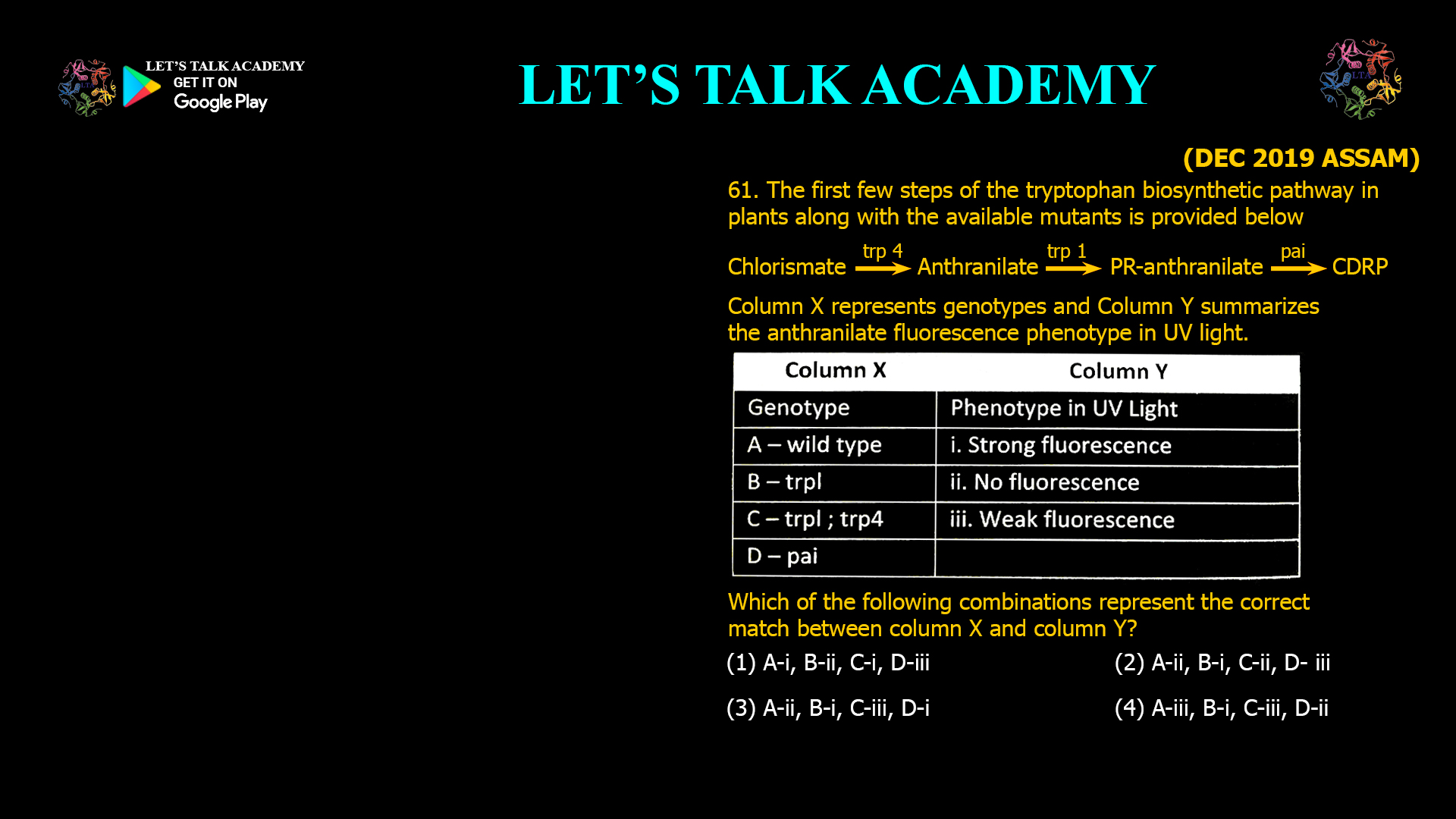
61. The first few steps of the tryptophan biosynthetic pathway in plants along with the available mutants is provided below Column X represents genotypes and Column Y summarizes the anthranilate fluorescence phenotype in UV light. Which of the following combinations represent the correct match between column X and column Y? (1) A-i, B-ii, C-i, D-iii (2) A-ii, B-i, C-ii, D- iii (3) A-ii, B-i, C-iii, D-i (4) A-iii, B-i, C-iii, D-ii

Matching Tryptophan Biosynthesis Mutants with Anthranilate Fluorescence Phenotypes in Plants

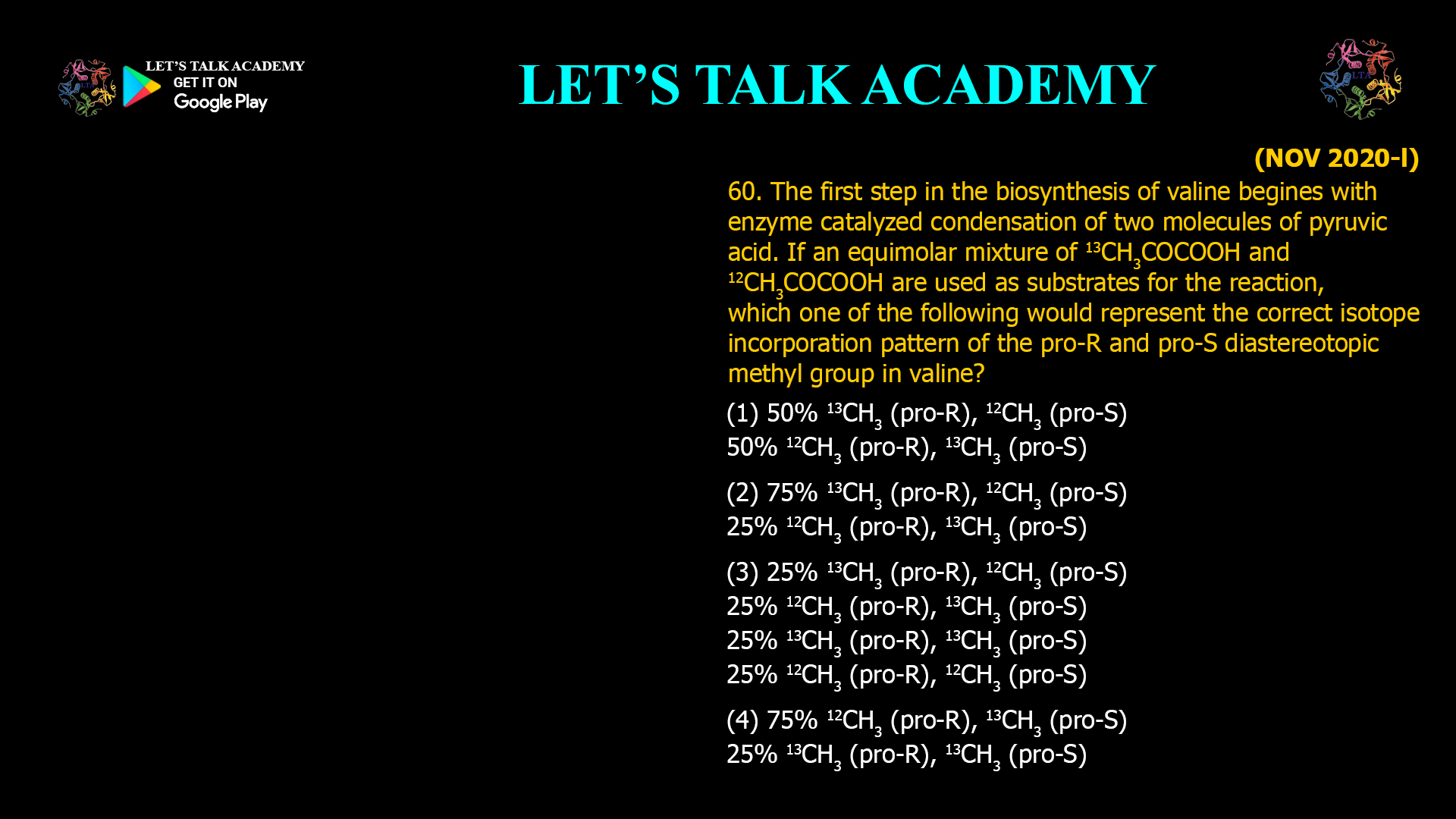
60. The first step in the biosynthesis of valine begines with enzyme catalyzed condensation of two molecules of pyruvic acid. If an equimolar mixture of 13CH3COCOOH and 12CH3COCOOH are used as substrates for the reaction, which one of the following would represent the correct isotope incorporation pattern of the pro-R and pro-S diastereotopic methyl group in valine? (1) 50% 13CH3 (pro-R), 12CH3 (pro-S) 50% 12CH3 (pro-R), 13CH3 (pro-S) (2) 75% 13CH3 (pro-R), 12CH3 (pro-S) 25% 12CH3 (pro-R), 13CH3 (pro-S) (3) 25% 13CH3 (pro-R), 12CH3 (pro-S) 25% 12CH3 (pro-R), 13CH3 (pro-S) 25% 13CH3 (pro-R), 13CH3 (pro-S) 25% 12CH3 (pro-R), 12CH3 (pro-S) (4) 75% 12CH3 (pro-R), 13CH3 (pro-S) 25% 13CH3 (pro-R), 13CH3 (pro-S)

Isotope Incorporation Pattern in Valine Biosynthesis from Mixed Pyruvate Substrates

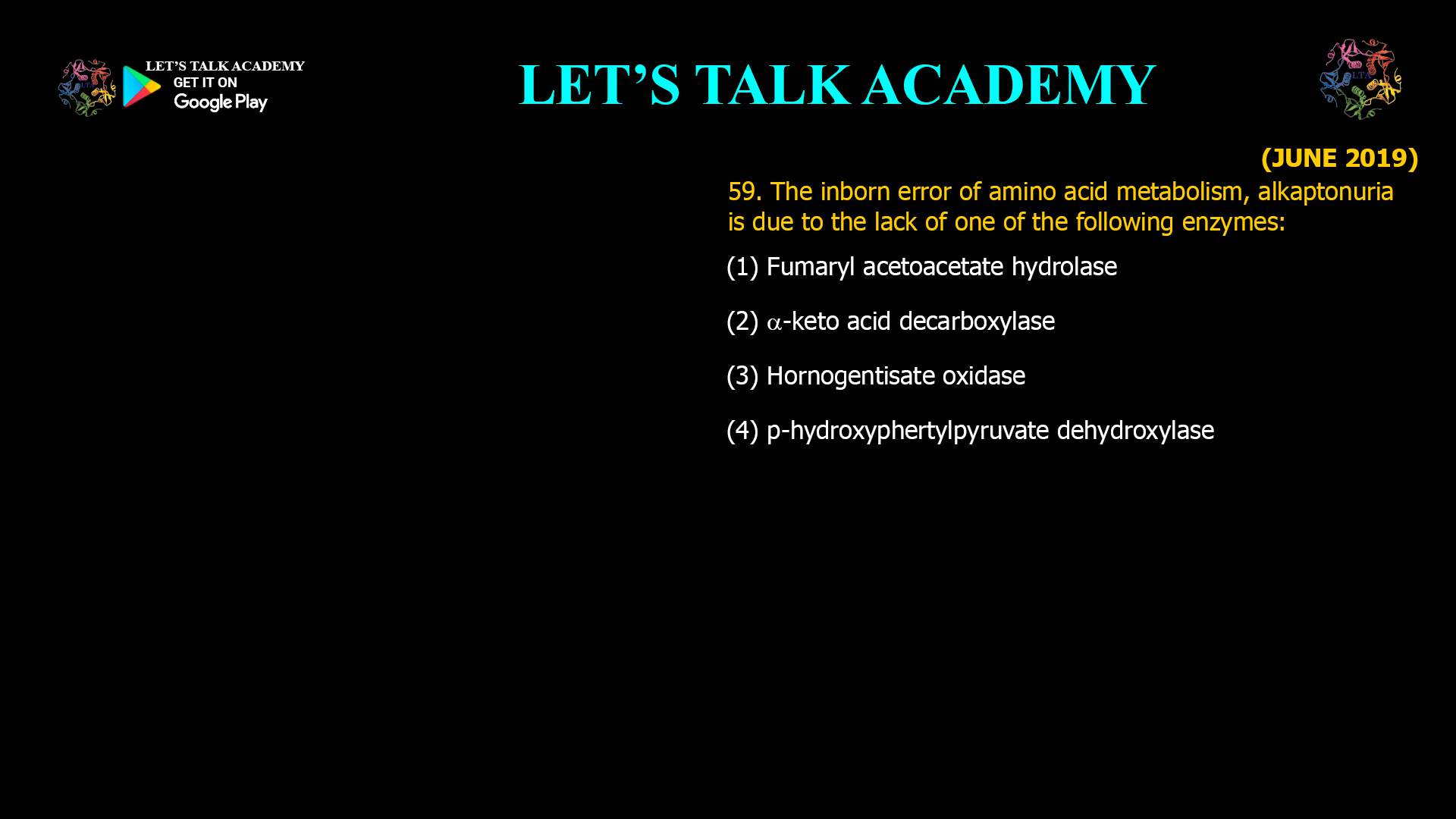
59. The inborn error of amino acid metabolism, alkaptonuria. is due to the lack of one of the following enzymes: (1) Fumaryl acetoacetate hydrolase (2) α-keto acid decarboxylase (3) Hornogentisate oxidase (4) p-hydroxyphertylpyruvate dehydroxylase

Alkaptonuria: Enzyme Deficiency Causing the Inborn Error of Amino Acid Metabolism

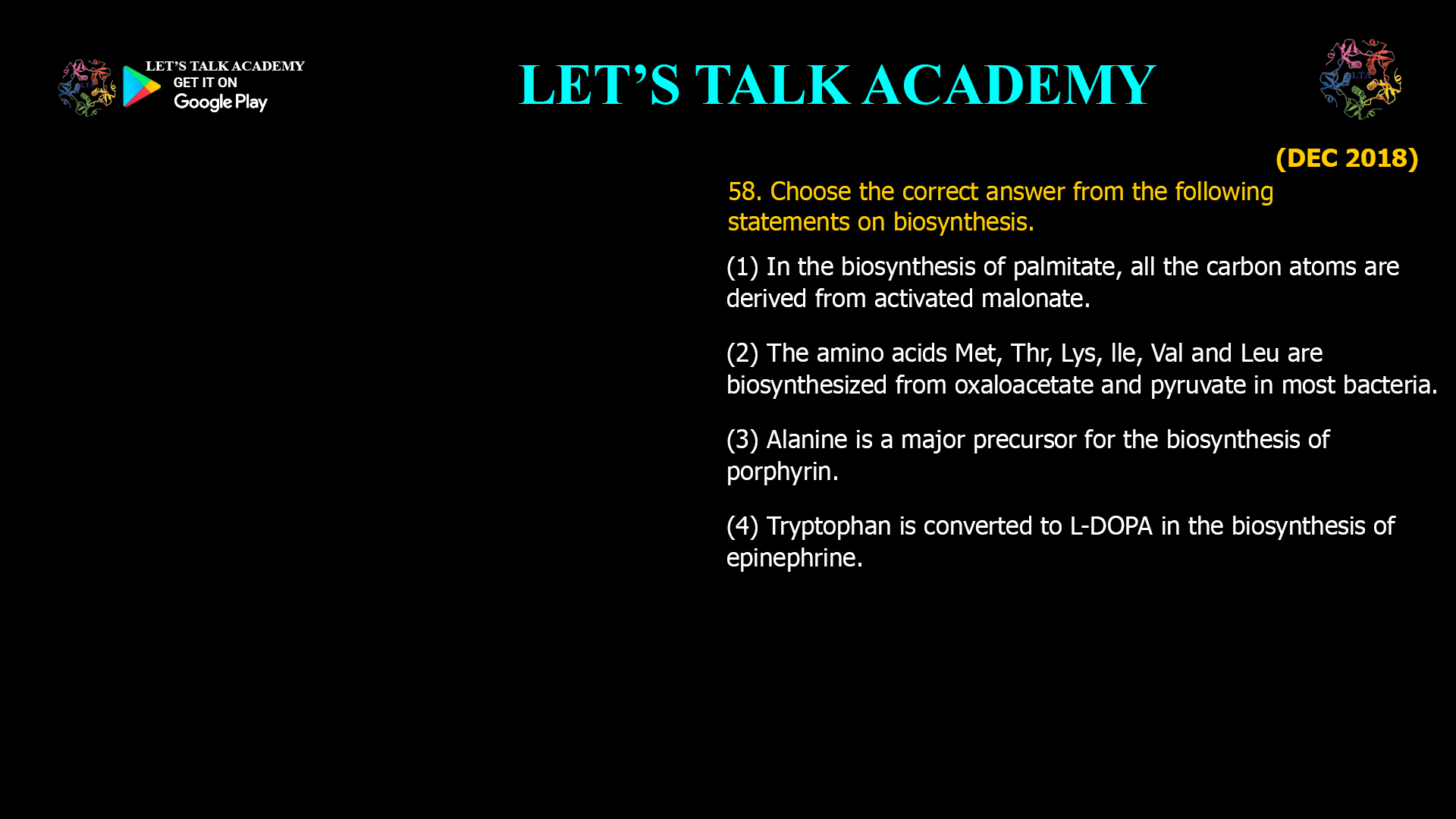
58. Choose the correct answer from the following statements on biosynthesis. (1) In the biosynthesis of palmitate, all the carbon atoms are derived from activated malonate. (2) The amino acids Met, Thr, Lys, lle, Val and Leu are biosynthesized from oxaloacetate and pyruvate in most bacteria. (3) Alanine is a major precursor for the biosynthesis of porphyrin. (4) Tryptophan is converted to L-DOPA in the biosynthesis of epinephrine.

Key Facts About Biosynthesis: Clarifying Common Misconceptions on Palmitate and Amino Acid Formation

57. Biosynthesis of tyrosine is detailed below: Shikimic acid – A → shikimic acid-5-phosphate -B → C → chorismic acid → prephenic acid → D → transaminase → tyrosine. Identify A, B, C and D (1) ATP, phosphoenolpyruvic acid, 3-enolpyruyl shikimic acid-5-phosphate, p- hydroxyphenylpyruvic acid (2) GTP, pyridoxal phosphate, 3-enolpyruvyl shikimic acid-5phosphate, phenylpyruvic acid (3) NADP, 3-phosphohydroxypyruvic acid, 3-enolpyruvic shikimic acid-5-phosphate, p- hydroxyphenylpyruvic acid (4) ATP, 3-phosphohydroxypyruvic acid, 3-enolpyruvyl shikimic acid-5-phosphate, pyridoxylphosphate

Biosynthesis of Tyrosine: Identifying Key Intermediates and Cofactors in the Shikimate Pathway

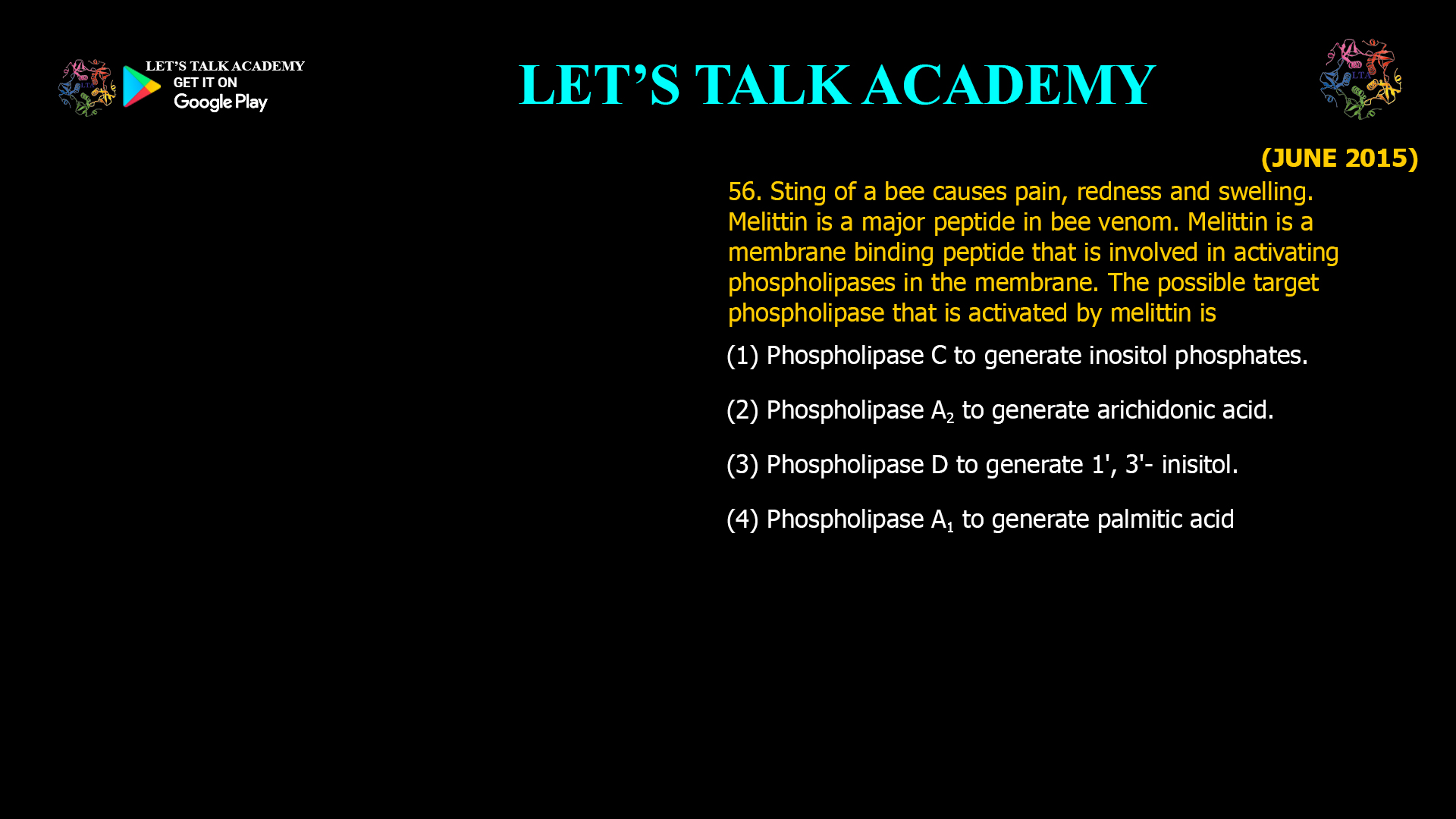
56. Sting of a bee causes pain, redness and swelling. Melittin is a major peptide in bee venom. Melittin is a membrane binding peptide that is involved in activating phospholipases in the membrane. The possible target phospholipase that is activated by melittin is (1) Phospholipase C to generate inositol phosphates. (2) Phospholipase A2 to generate arichidonic acid. (3) Phospholipase D to generate 1', 3'- inisitol. (4) Phospholipase A1 to generate palmitic acid

Melittin Activation of Phospholipase in Bee Venom: Targeting Phospholipase A2 to Generate Arachidonic Acid

55. Major regulatory step in cholesterol biosynthesis is (1) HMG coA reductase (2) HMG CoA synthase (3) Thiokinase (4) Mevalonate kinase

Major Regulatory Step in Cholesterol Biosynthesis: The Role of HMG-CoA Reductase

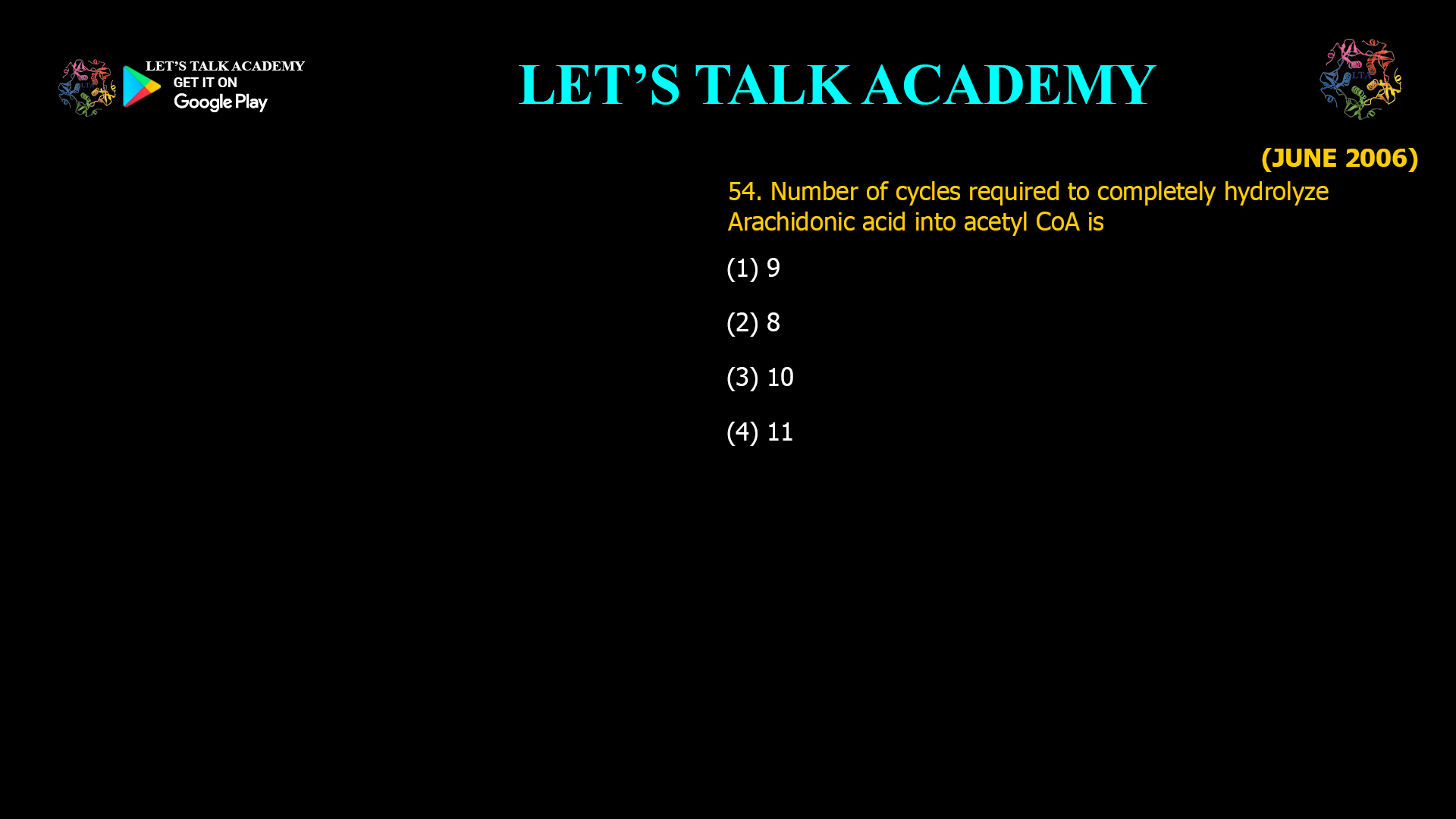
54. Number of cycles required to completely hydrolyze Arachidonic acid into acetyl CoA is (1) 9 (2) 8 (3) 10 (4) 11

Number of β-Oxidation Cycles Required to Completely Hydrolyze Arachidonic Acid into Acetyl CoA

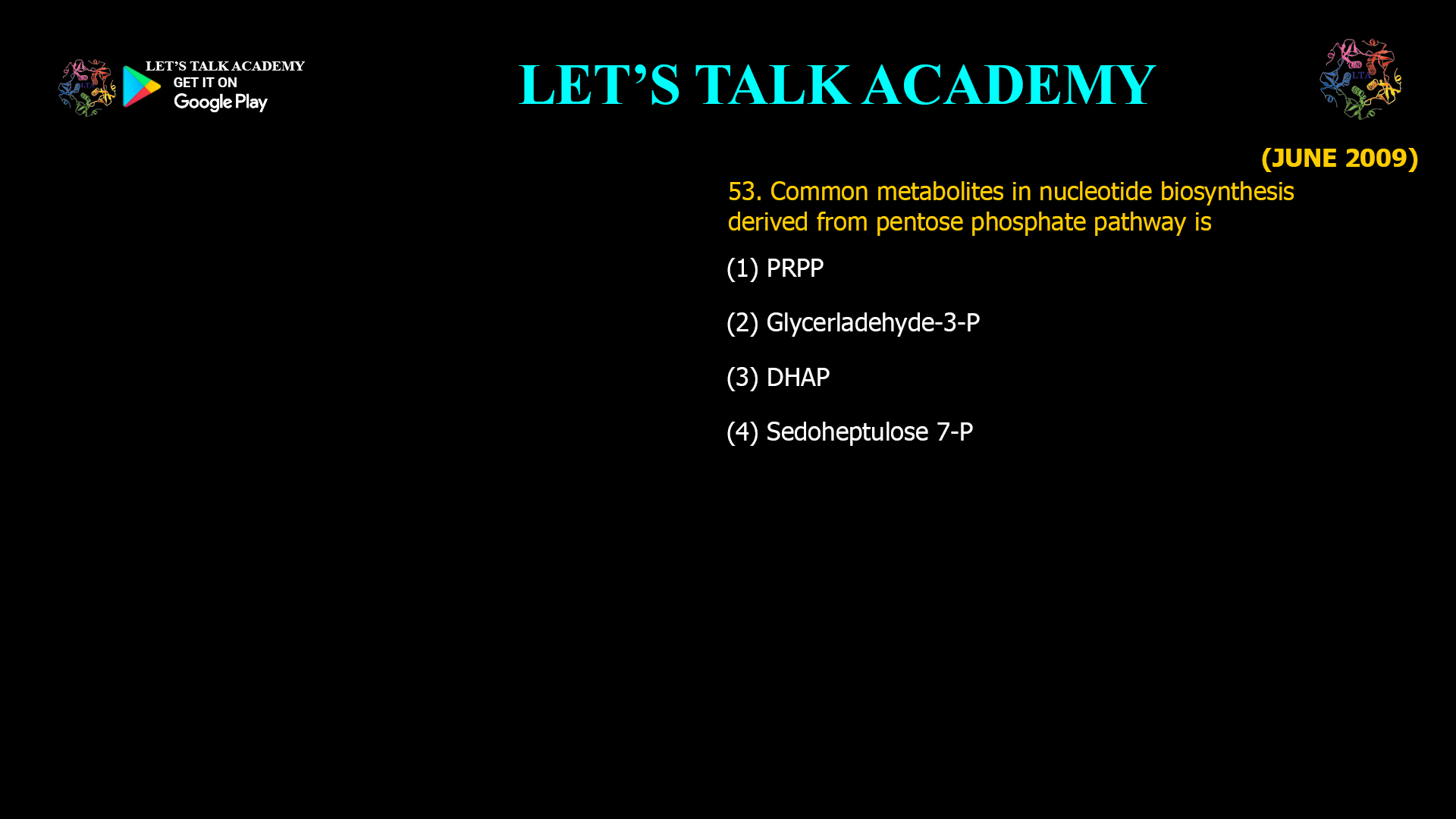
53. Common metabolites in nucleotide biosynthesis derived from pentose phosphate pathway is (1) PRPP (2) Glycerladehyde-3-P (3) DHAP (4) Sedoheptulose 7-P

Common Metabolite from the Pentose Phosphate Pathway in Nucleotide Biosynthesis: Role of PRPP

52. In eukaryotes there is single multifunctional fatty acyl synthase complex sufficient for complete fatty acid synthesis where as in prokaryotes there seven different enzymes involved for the same task. The probable explanation for this difference is (1) fatty acid synthesis is more stringent in eukaryotes (2) Synthesis of fatty acid is by different mechanism in eukaryotes as compare to prokaryotes (3) For better regulation and fast fatty acid synthesis in eukaryotes (4) Fatty acids of eukaryotes are different from the prokaryotes

Why Eukaryotes Have a Single Multifunctional Fatty Acid Synthase Complex While Prokaryotes Use Multiple Enzymes

51. Some metabolic aspects of the Red Blood Cell (RBC) are proposed in the following statements: A. Synthesis of fatty acids does not occur in the RBC B. The pentose phosphate pathway is operative in the RBC C. RBC cannot synthesize reduced glutathione (GSH) D. RBC does not contain enzymes like adenosine deaminase and pyrimidine nucleotidase E. NADH-dependent methemoglobin reductase system is present in RBC Which one of the following combinations is NOT correct? (1) A and B (2) B and C (3) C and D (4) D and E

Metabolic Functions of Red Blood Cells: Clarifying Common Misconceptions

50. Which is true for β-oxidation of fatty acids (1) Formation of Malonyl CoA is committed and regulatory step (2) Formation of acetoacetyl ACP occurs in mitochondria (3) Cytosolic acyl CoA is transported into mitochondria (4) Use of NADH+H+ as reducing equivalent

Key Facts About β-Oxidation of Fatty Acids: Mechanism, Location, and Regulation

49. Which of the following ii NOT true for cholesterol metabolism? (1) HMG-CoA reductase is the key regulator of cholesterol biosynthesis. (2) Biosynthesis takes place in the cytoplasm. (3) Reduction reactions use NADH as cofactor. (4) Cholesterol is transported by LDL in plasma.

Understanding Cholesterol Metabolism: Key Facts and Common Misconceptions

48. Excess oxygen consumed after a vigorous exercise is (1) to pump out lactic acid from muscle (2) to increase the concentration of lactic acid in muscle (3) to reduce dissolved carbon dioxide in blood (4) to make ATP for gluconeogenesis

The Purpose of Excess Oxygen Consumption After Vigorous Exercise (EPOC)

47. The organelle responsible for conversion of glucose from fatty acids in plants is (1) Lysosome (2) Plastids (3) Glyoxisomes (4) Peroxisomes

The Organelle Responsible for Conversion of Glucose from Fatty Acids in Plants: Role of Glyoxysomes

46. Formation of glucose from acetyl Co A is called- (1) Glycogenesis (2) Gluconeogenesis (3) TCA cycle (4) Glycolysis

Formation of Glucose from Acetyl CoA: Understanding Gluconeogenesis and Its Metabolic Significance

45. Following statements are made regarding glycogen phosphorylase and glycogen synthase activities in relation to their phosphorylation status: A. Phosphorylation of glycogen phosphorylase increases its activity B. Phosphorylation of glycogen phosphorylase decreases its activity C. Phosphorylation of glycogen synthase increases its activity D. Phosphorylation of glycogen synthase decreases its activity Which one of the following is a combination of correct statements? (1) A and C (B) B and C (3) B and D (4) A and D

Regulation of Glycogen Phosphorylase and Glycogen Synthase by Phosphorylation: Activity Changes Explained

44. The first step in glycogen breakdown releases glucose units as (1) glucose 6- phosphate (2) glucose 1- phosphate (3) glucose (4) glucose and glucose 6- phosphate

First Step in Glycogen Breakdown Releases Glucose Units as Glucose-1-Phosphate

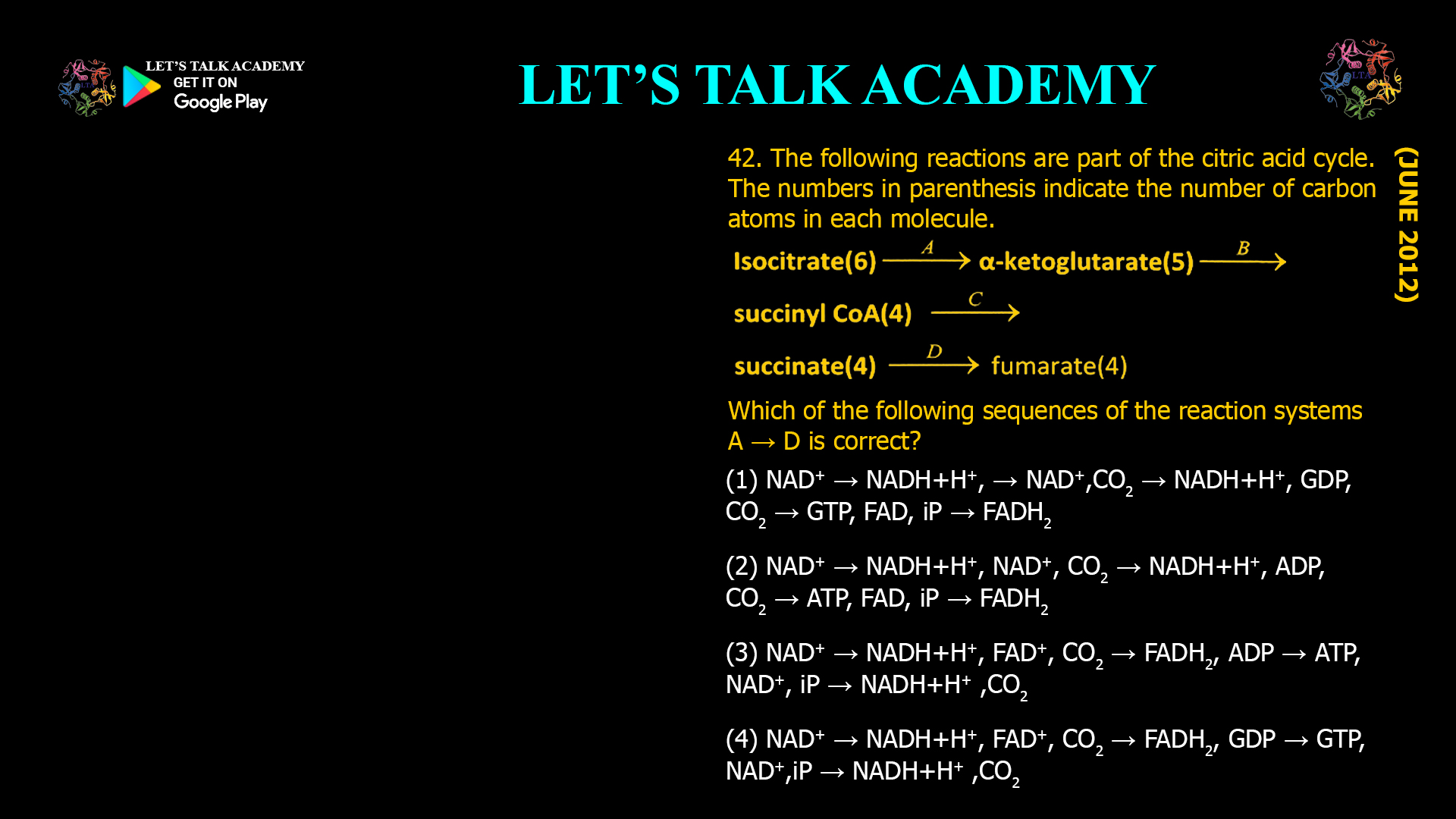
42. The following reactions are part of the citric acid cycle. The numbers in parenthesis indicate the number of carbon atoms in each molecule. Which of the following sequences of the reaction systems A → D is correct? (1) NAD+ → NADH+H+, → NAD+,CO2 → NADH+H+, GDP, CO2 → GTP, FAD, iP → FADH2 (2) NAD+ → NADH+H+, NAD+, CO2 → NADH+H+, ADP, CO2 → ATP, FAD, iP → FADH2 (3) NAD+ → NADH+H+, FAD+, CO2 → FADH2, ADP → ATP, NAD+, iP → NADH+H+ ,CO2 (4) NAD+ → NADH+H+, FAD+, CO2 → FADH2, GDP → GTP, NAD+,iP → NADH+H+ ,CO2

Correct Sequence of Electron Carrier and Energy Molecule Changes in the Citric Acid Cycle

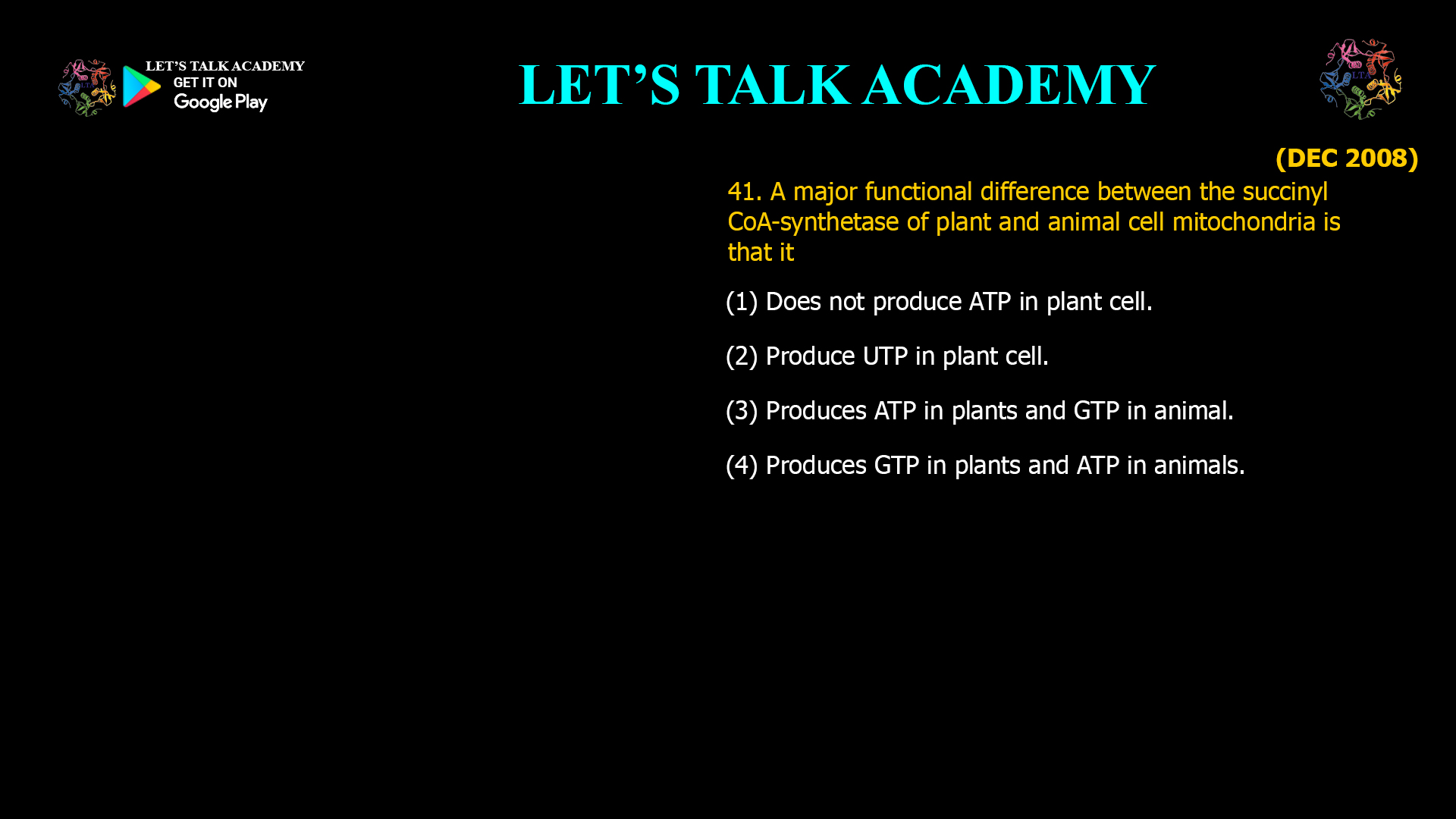
41. A major functional difference between the succinyl CoA-synthetase of plant and animal cell mitochondria is that it (1) Does not produce ATP in plant cell. (2) Produce UTP in plant cell. (3) Produces ATP in plants and GTP in animal. (4) Produces GTP in plants and ATP in animals.

Major Functional Difference Between Succinyl-CoA Synthetase in Plant and Animal Mitochondria

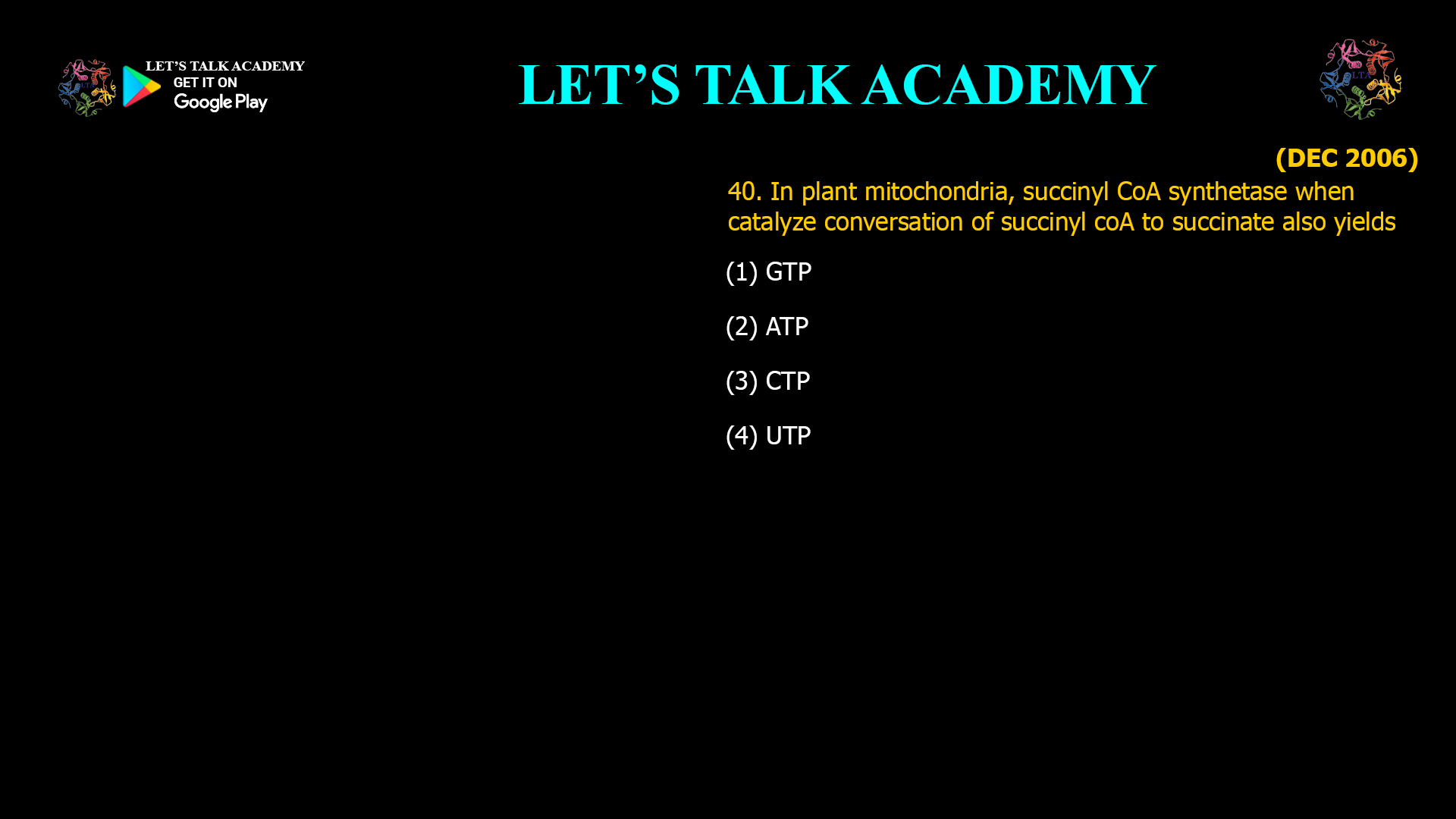
40. In plant mitochondria, succinyl CoA synthetase when catalyze conversation of succinyl coA to succinate also yields (1) GTP (2) ATP (3) CTP (4) UTP

Energy Molecule Produced by Succinyl-CoA Synthetase in Plant Mitochondria: ATP or GTP?

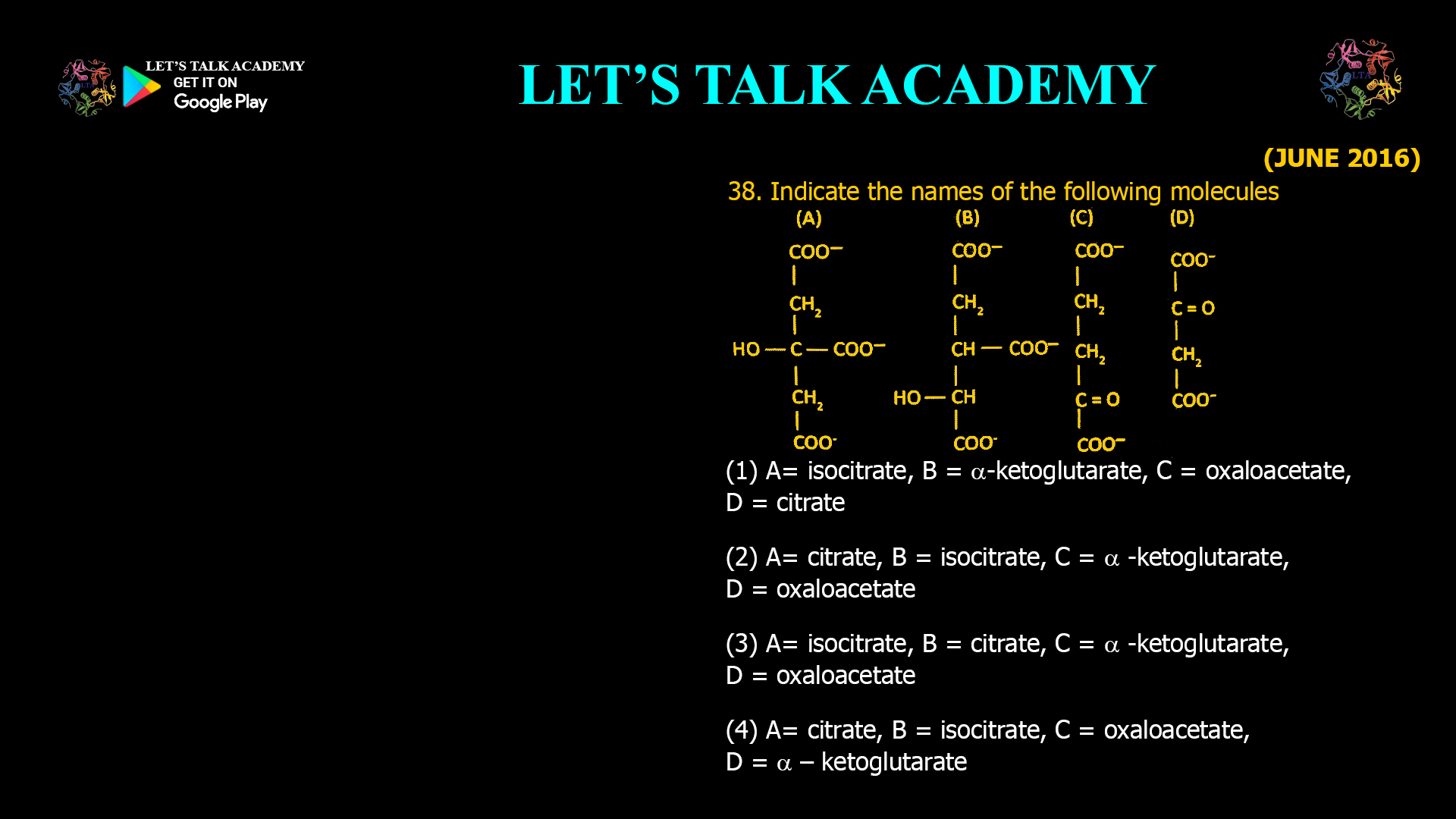
Learn the correct identification of key TCA cycle intermediates—citrate, isocitrate, α-ketoglutarate, and oxaloacetate—and understand their sequential roles in the citric acid cycle.

Identifying TCA Cycle Intermediates: Names of Molecules A, B, C, and D

37. Malonate is competitive inhibitor of TCA cycle and structurally similar to (1) Succinate (2) Malate (3) Oxaloacetate (4) α-keto glutarate

Malonate as a Competitive Inhibitor of the TCA Cycle: Structural Similarity Explained

36. Which is not true about TCA cycle (1) takes place in mitochondrial matrix of eukaryotes (2) is amphibolic pathway (3) is linked to glycolysis via pyruvate (4) there is formation of NADPH and FADH

Identifying the False Statement About the TCA Cycle: Location, Function, and Products Explained

35. The energy-rich fuel molecules produced in the TCA cycle are (1) 2 GTP, 2 NADH and 1 F ADH2 (2) 1 GTP, 2 NADH and 2 FADH2 (3) 1 GTP, 3NADH and 1 FADH2 (4) 2 GTP and 3 NADH

Energy-Rich Molecules Produced in the TCA Cycle: NADH, FADH2, and GTP Yield Explained

34. Pyruvate generated by glycolysis, is converted to acetyl- coenzyme A, which is metabolized by the citric acid cycle generating energy-rich molecules. From the choices given below, select the right combination of these molecules produced from one molecule of acetyl-CoA. (1) 2 NADH + 2 FADH2 + 1 GTP (2) 3 NADH + 1 FADH2 + 1 GTP (3) 3 NADH + 1 GTP (4) 4 NADH + 1 FADH2 + 1 GTP

Energy-Rich Molecules Produced from One Molecule of Acetyl-CoA in the Citric Acid Cycle

33. The citric acid cycle in respiration yields: (1) 1 GTP, 3 NADH, 1 FADH2 2 CO2 (2) 2 GTP, 2 FADH2, 6NADH, 2CO2 (3) 4GTP, 6NADH, 4FADH2, 2CO2 (4) 32 GTP, 2 NADH, 4 FADH2, 4 CO2

Products Yielded by the Citric Acid Cycle (Krebs Cycle) in Cellular Respiration

32. During respiration, which of the following processes occur only inside mitochondria and not cytoplasm? (1) Glycolysis and the pentose-phosphate pathway. (2) Glycolysis and the citric acid cycle. (3) The citric acid cycle and oxidative phosphorylation. (4) Glycolysis and oxidative phosphorylation.

Processes Occurring Exclusively Inside Mitochondria During Respiration

31. Pyruvate can be allowed to decarboxylate into acetyl CoA and CO2 by pyruvate dehydrogenase complex. For evolution of 14C labeled carbon in CO2, which carbon atom must be radiolabeled in glucose prior to glycolysis? (1) C1 or C6 (2) C2 or C3 (3) C3 or C4 (4) C5 or C2

Which Carbon in Glucose Is Released as 14CO2 During Pyruvate Decarboxylation?

30. Among the following which compound links glycolysis and Kreb's cycle (1) Acetyl Co A (2) Pyruvic Acid (3) Glucose (4) Oxaloacetic acid

The Key Compound Linking Glycolysis and the Krebs Cycle: Understanding the Role of Acetyl CoA

29. The following statements are made regarding conversion of pyruvate to acetyl- CoA going from glycolysis to citric acid cycle: A. Oxidation of pyruvate to acetyl-CoA is reversible. B. Pyruvate is transported into the mitochondrion by a transporter. C. Pyruvate is carboxylated by pyruvate dehydrogenase. D. Acetyl lipoamide reacts with coenzyme A to form acetyl-CoA. E. The flavoprotein, dihydrolipoyl dehydrogenase, containing flavin adenine dinucleotide (FAD), is involved in conversion of pyruvate to acetyl-CoA. Which one of the following options represents the combination of all correct statements? (1) A, B and C (2) B, C and D (3) C, D and E (4) B, D and E

Key Steps and Enzymatic Functions in the Conversion of Pyruvate to Acetyl-CoA

28. Which one of the following enzymes is NOT a part of pyruvate dehydrogenase enzyme complex in linkage step of glycolysis and TCA cycle? (1) Pyruvate dehydrogenase. (2) Dihydrolipoyl transferase. (3) Dihydrolipoyl dehydrogenase. (4) Dihydrolipoyl oxidase.

Components of the Pyruvate Dehydrogenase Complex: Identifying the Enzymes in the Linkage Step Between Glycolysis and the TCA Cycle

27. There is compete oxidation and maximum gain of energy, if glucose which has converted into pyruvate during glycolysis enters (1) TCA cycle (2) Gluconeogenesis (3) Beta oxidation (4) Pentose phosphate pathway

Complete Oxidation of Glucose: The Role of the TCA Cycle in Maximum Energy Yield

26. Ribose-5-Phosphate is precursor for ribose sugar in DNA and RNA and is obtained from (1) Pentose phosphate pathway (2) Kreb cycle (3) Glycolysis (4) Amino acids

Ribose-5-Phosphate: The Essential Precursor for Nucleotide Synthesis Produced by the Pentose Phosphate Pathway

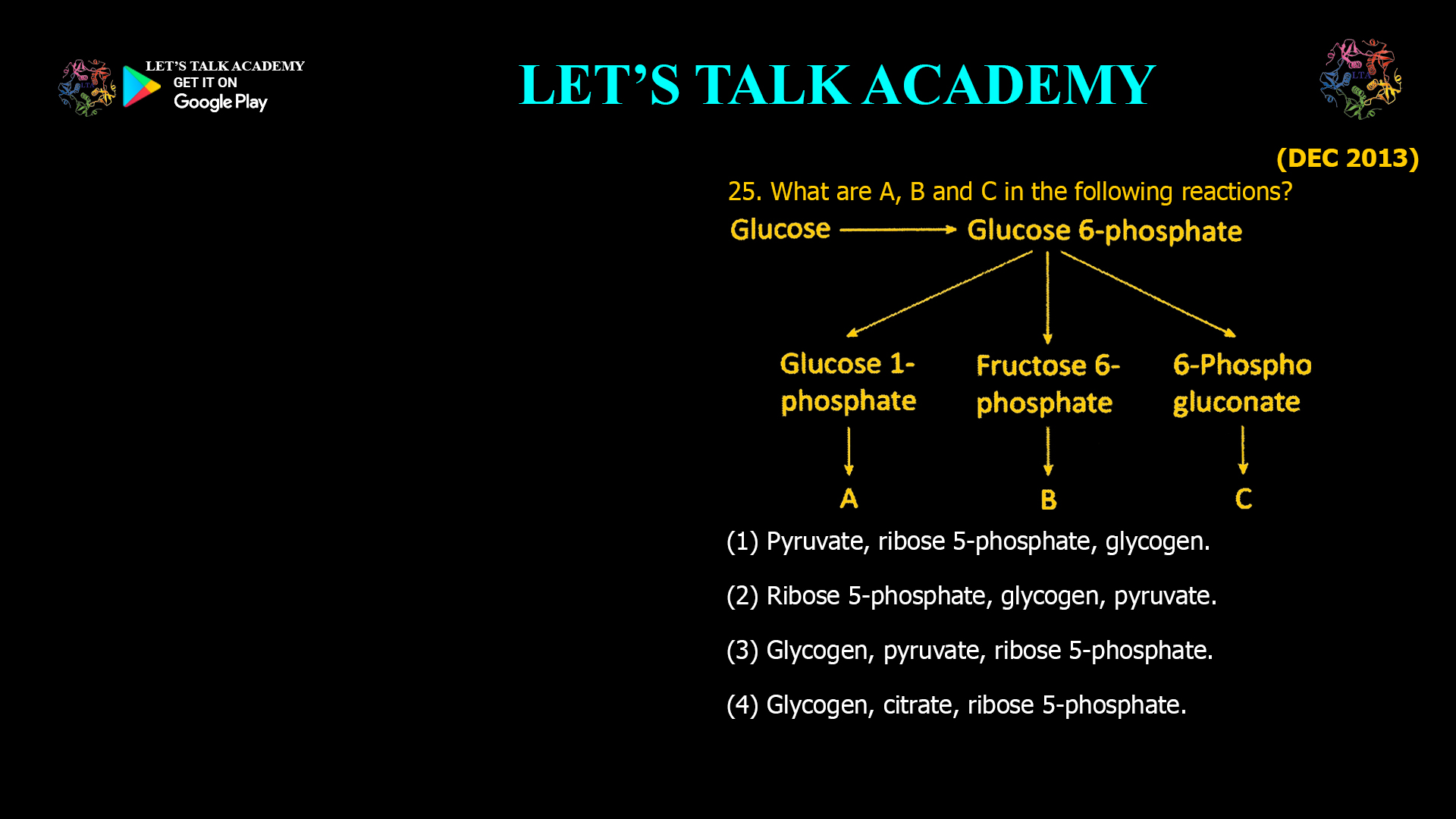
25. What are A, B and C in the following reactions? (1) Pyruvate, ribose 5-phosphate, glycogen. (2) Ribose 5-phosphate, glycogen, pyruvate. (3) Glycogen, pyruvate, ribose 5-phosphate. (4) Glycogen, citrate, ribose 5-phosphate.

Understanding the Metabolic Roles of Glycogen, Pyruvate, and Ribose 5-Phosphate in Cellular Reactions

24. The efficient conversion of Fructose to Fructose-6 Phosphate by fructo kinase occurs in (1) Liver (2) Muscles (3) Adipose Tissue (4) Intestine

Where Does Efficient Conversion of Fructose to Fructose-6-Phosphate by Fructokinase Occur?

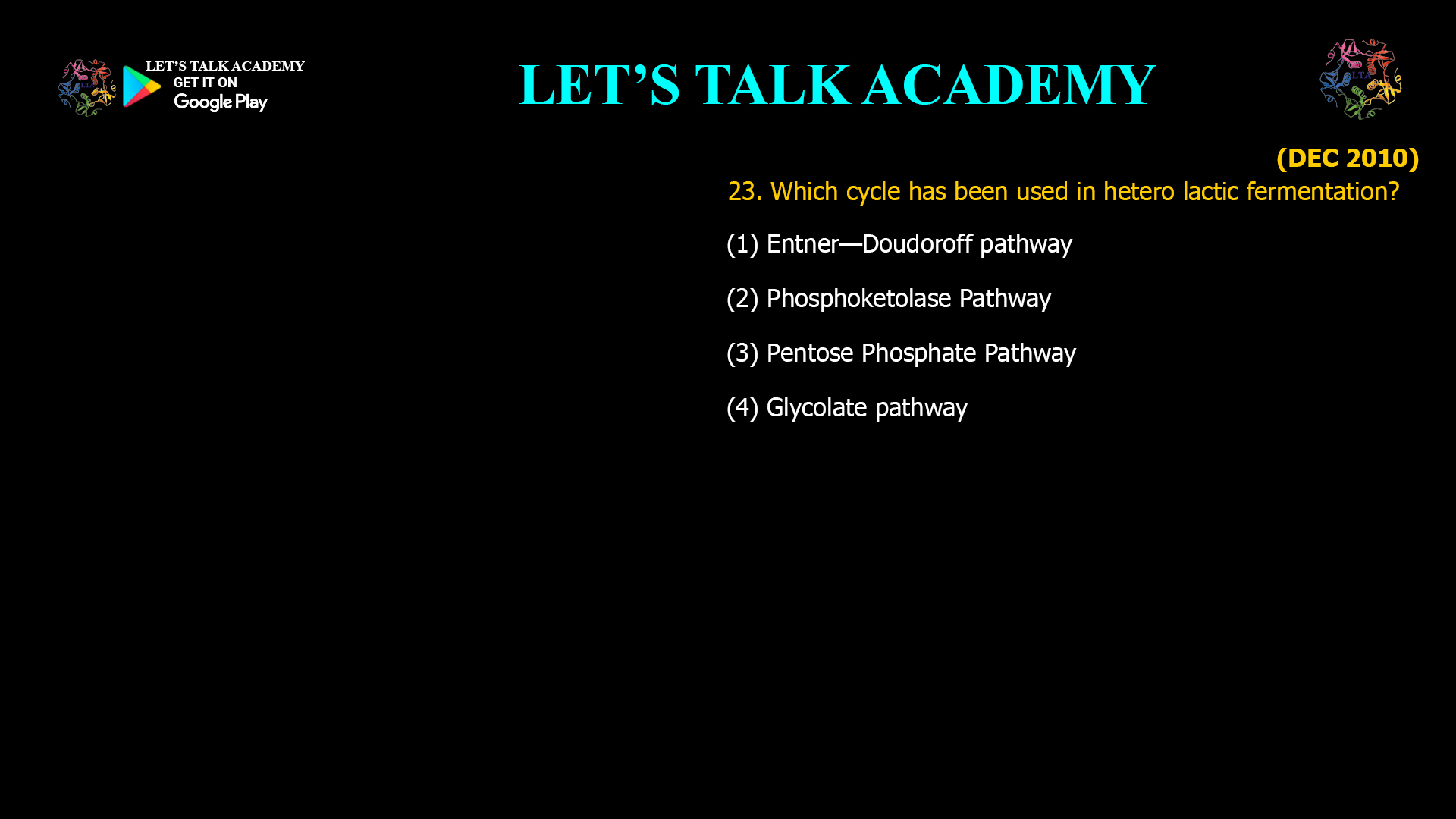
23. Which cycle has been used in hetero lactic fermentation? (1) Entner—Doudoroff pathway (2) Phosphoketolase Pathway (3) Pentose Phosphate Pathway (4) Glycolate pathway

The Phosphoketolase Pathway: The Key Cycle in Heterolactic Fermentation

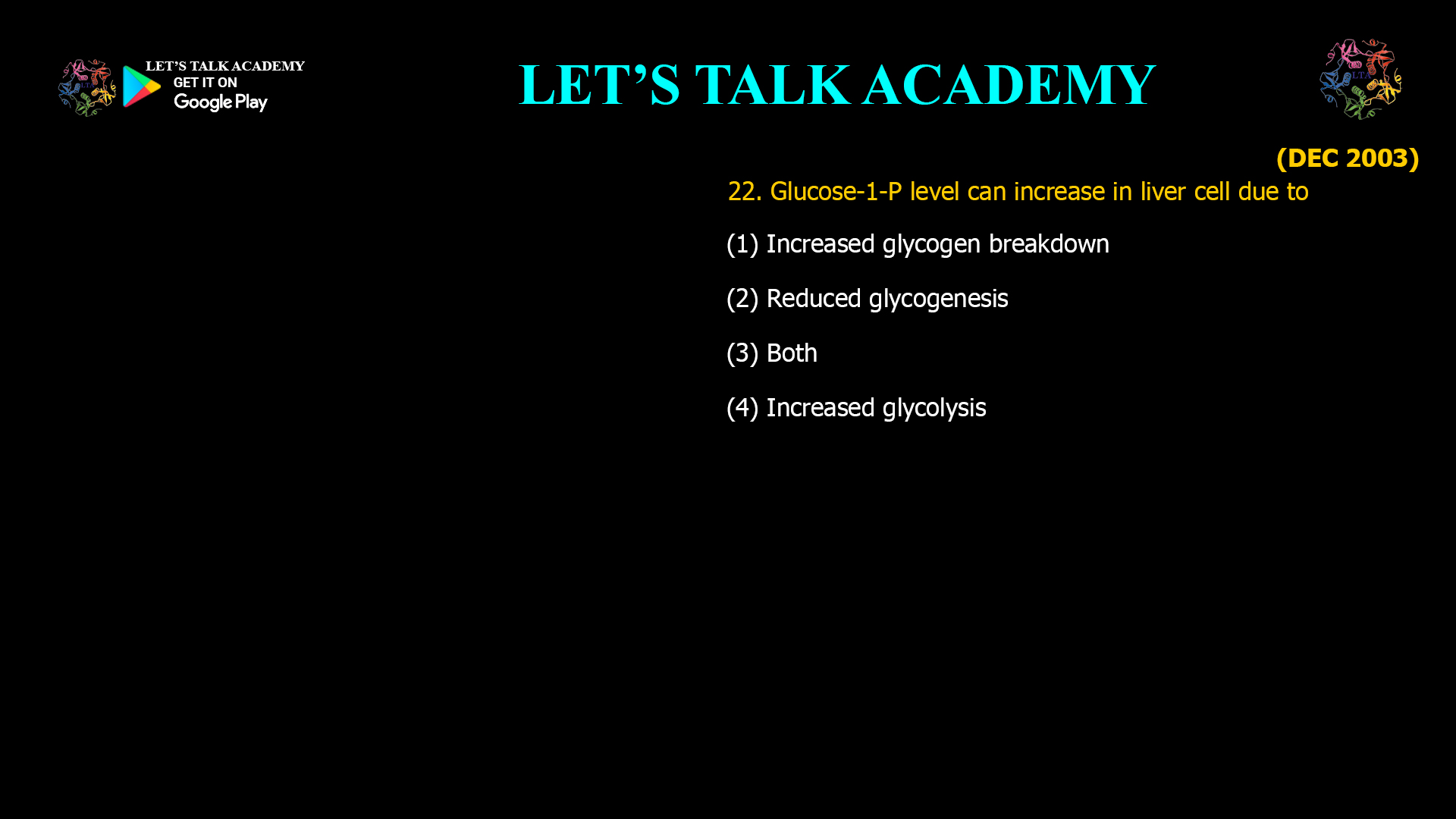
22. Glucose-1-P level can increase in liver cell due to (1) Increased glycogen breakdown (2) Reduced glycogenesis (3) Both (4) Increased glycolysis

Factors Increasing Glucose-1-Phosphate Levels in Liver Cells: Glycogen Breakdown and Glycogenesis

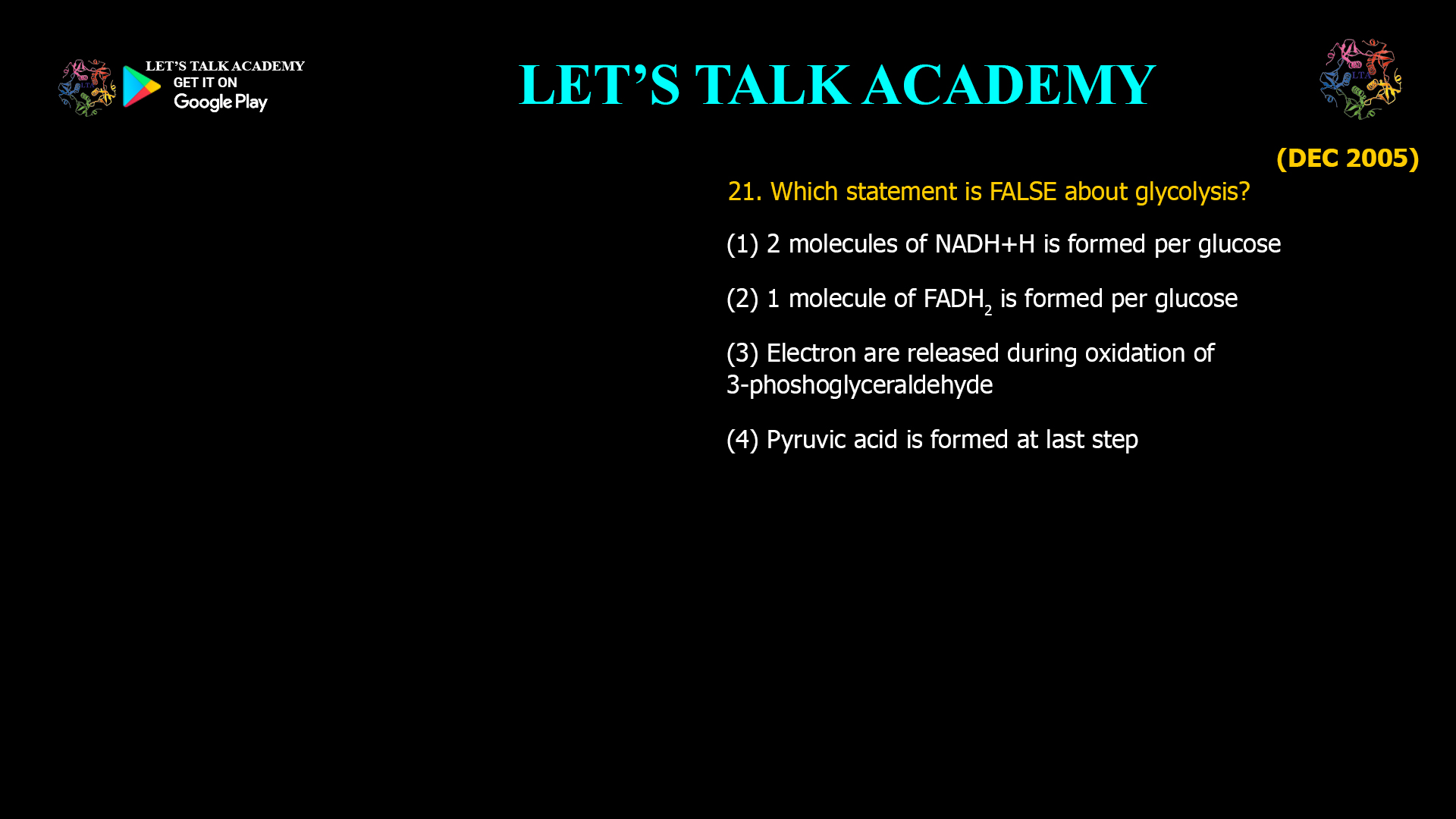
21. Which statement is FALSE about glycolysis? (1) 2 molecules of NADH+H is formed per glucose (2) 1 molecule of FADH2 is formed per glucose (3) Electron are released during oxidation of 3-phoshoglyceraldehyde (4) Pyruvic acid is formed at last step

Identifying the False Statement About Glycolysis: NADH, FADH2, and Pyruvate Formation Explained

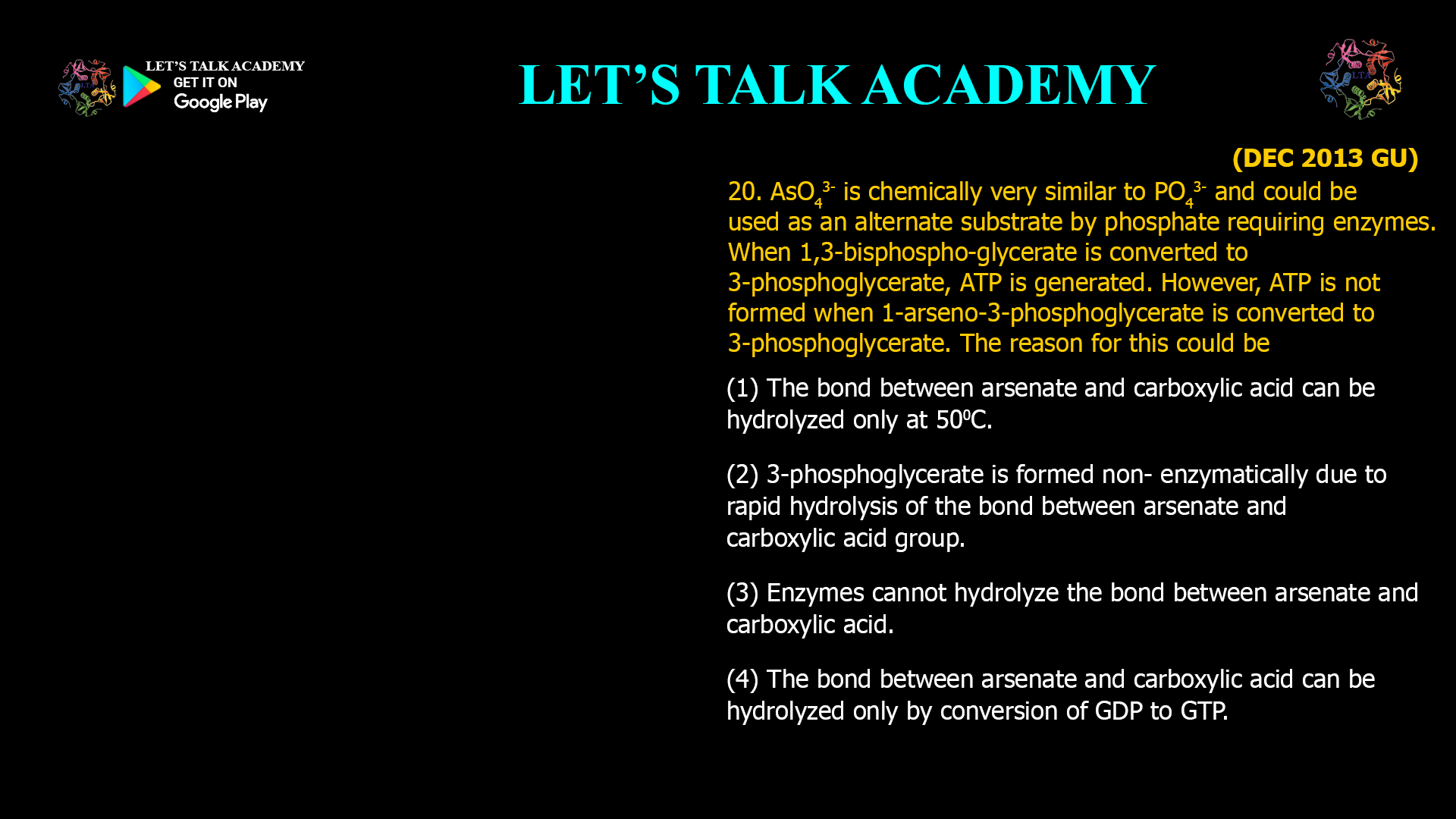
20. AsO43- is chemically very similar to PO43- and could be used as an alternate substrate by phosphate requiring enzymes. When 1,3-bisphospho-glycerate is converted to 3-phosphoglycerate, A TP is generated. However, ATP is not formed when 1-arseno-3-phosphoglycerate is converted to 3-phosphoglycerate. The reason for this could be (1) The bond between arsenate and carboxylic acid can be hydrolyzed only at 500C. (2) 3-phosphoglycerate is formed non- enzymatically due to rapid hydrolysis of the bond between arsenate and carboxylic acid group. (3) Enzymes cannot hydrolyze the bond between arsenate and carboxylic acid. (4) The bond between arsenate and carboxylic acid can be hydrolyzed only by conversion of GDP to GTP.

Why ATP Is Not Formed When 1-Arseno-3-Phosphoglycerate Converts to 3-Phosphoglycerate: The Role of Arsenate Substitution

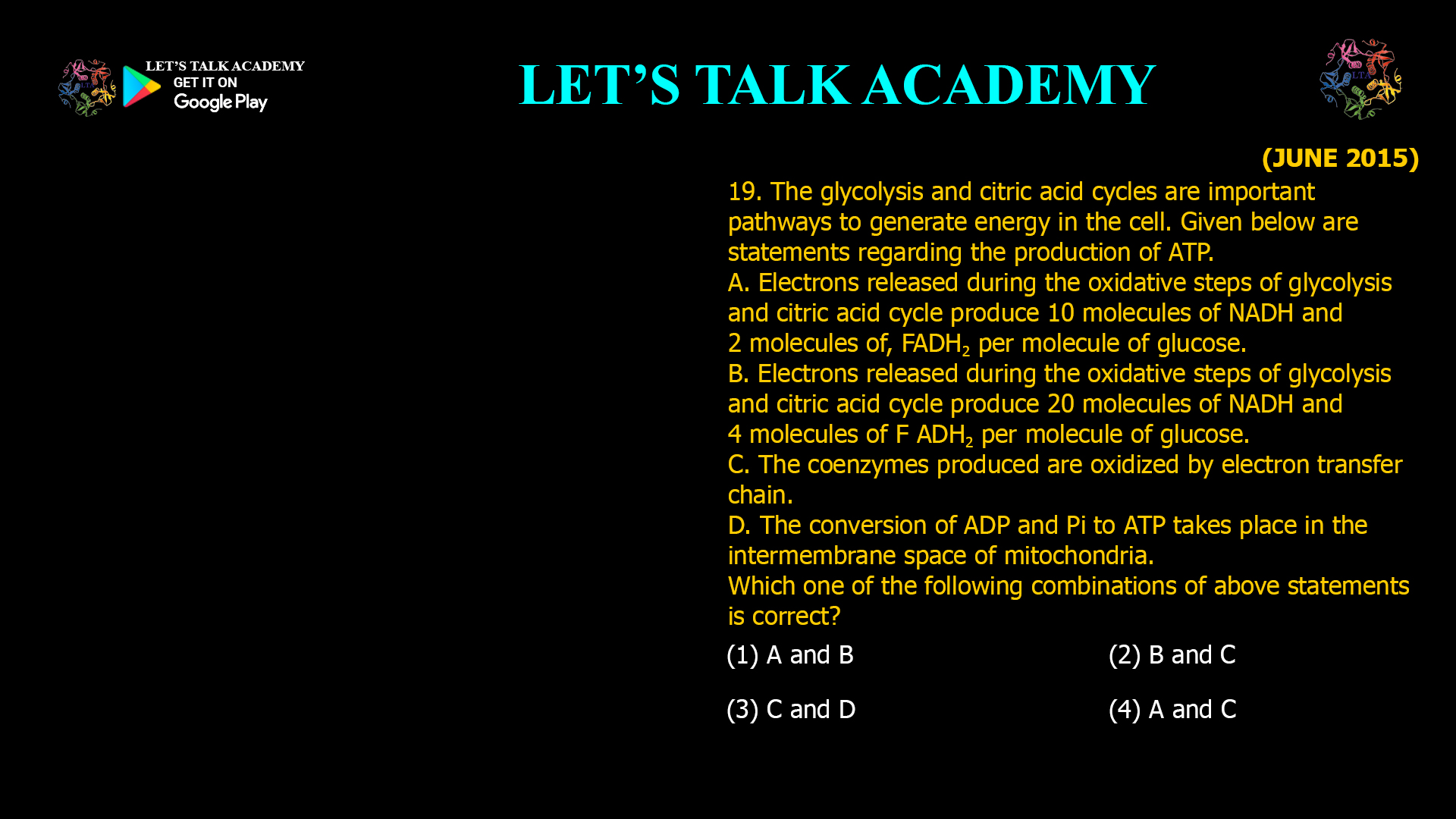
19. The glycolysis and citric acid cycles are important pathways o generate energy in the cell. Given below are statements regarding the production of ATP. A. Electrons released during the oxidative steps of glycolysis and citric acid cycle produce 10 molecules of NADH and 2 molecules of, FADH2 per molecule of glucose. B. Electrons released during the oxidative steps of glycolysis and citric acid cycle produce 20 molecules of NADH and 4 molecules of F ADH2 per molecule of glucose. C. The coenzymes produced are oxidized by electron transfer chain. D. The conversion of ADP and Pi to ATP takes place in the intermembrane space of mitochondria. Which one of the following combinations of above statements is correct? (1) A and B (2) B and C (3) C and D (4) A and C

Understanding ATP Production in Glycolysis and the Citric Acid Cycle: Key Facts and Clarifications

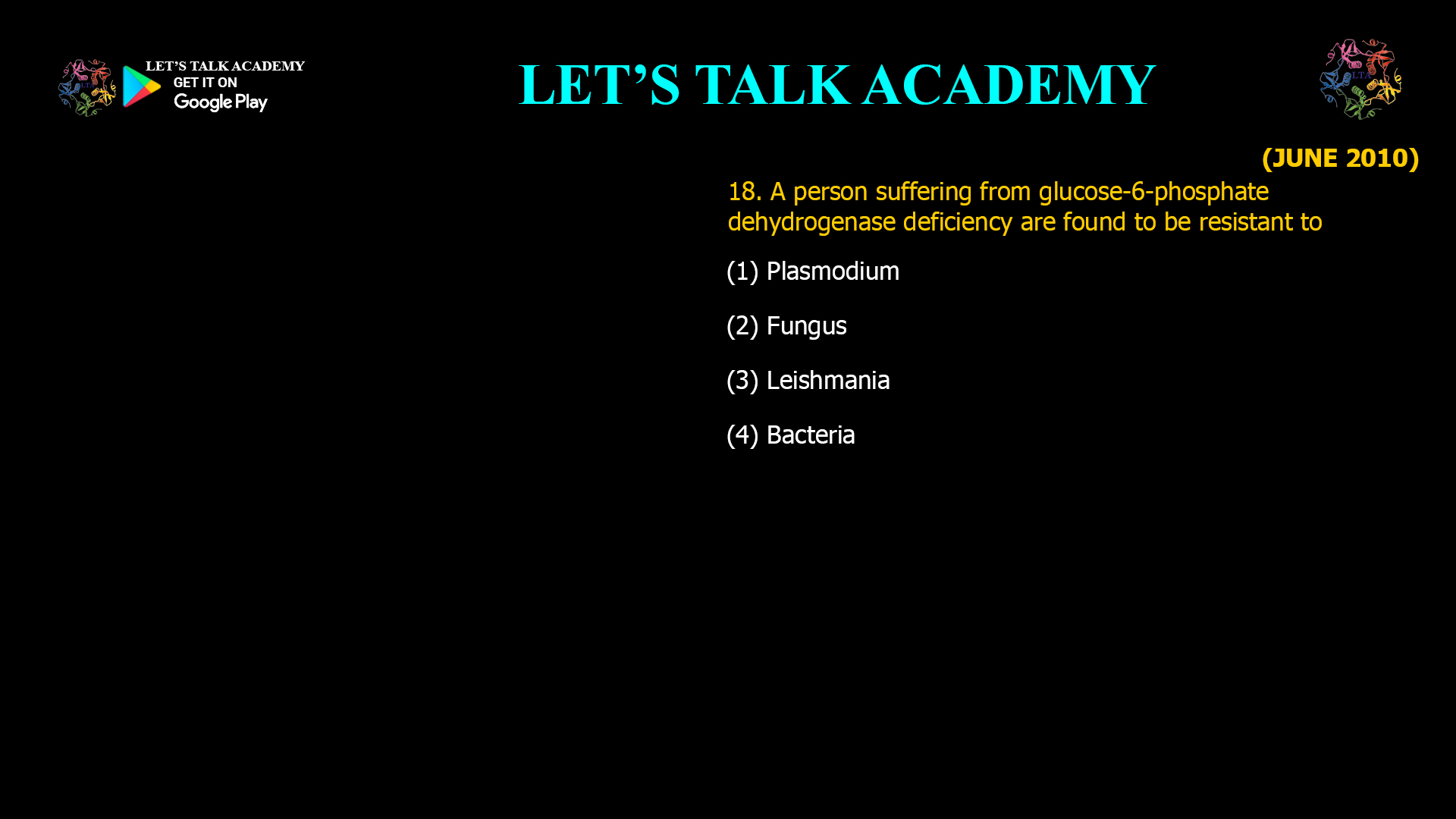
18. A person suffering from glucose-6-phosphate dehydrogenase deficiency are found to be resistant to (1) Plasmodium (2) Fungus (3) Leishmania (4) Bacteria

How Glucose-6-Phosphate Dehydrogenase Deficiency Confers Resistance to Malaria

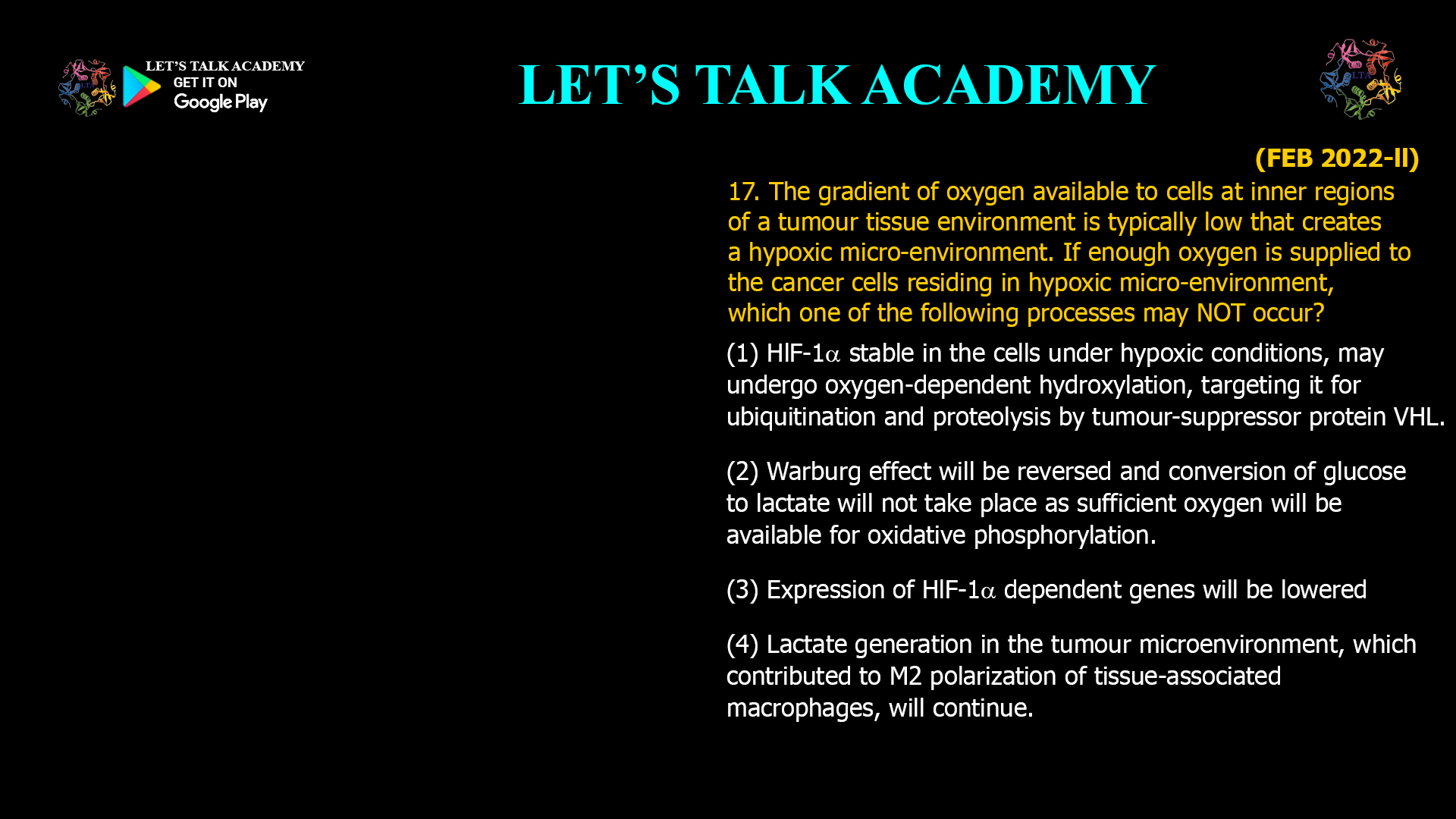
17. The gradient of oxygen available to cells at inner regions of a tumour tissue environment is typically low that creates a hypoxic micro-environment. If enough oxygen is supplied to the cancer cells residing in hypoxic micro-environment, which one of the following processes may NOT occur? (1) HlF-1α stable in the cells under hypoxic conditions, may undergo oxygen-dependent hydroxylation, targeting it for ubiquitination and proteolysis by tumour-suppressor protein VHL. (2) Warburg effect will be reversed and conversion of glucose to lactate will not take place as sufficient oxygen will be available for oxidative phosphorylation. (3) Expression of HlF-1α dependent genes will be lowered (4) Lactate generation in the tumour microenvironment, which contributed to M2 polarization of tissue-associated macrophages, will continue.

Impact of Oxygen Supply on Cancer Cell Metabolism and Tumor Microenvironment: Understanding HIF-1α, Warburg Effect, and Lactate Production

16. The following are some statements regarding glycolysis: A. Glycolysis is not regulated by pyruvate kinase. B. Lactate can be an end product of glycolysis. C. Glycolysis cannot function anaerobically. D. In erythrocytes, the second site in glycolysis for ATP generation can be bypassed. From the above, choose the combination with both INCORRECT statements: (1) A and B (2) B and D (3) C and D (4) A, C and E

Common Misconceptions About Glycolysis: Identifying Incorrect Statements on Pyruvate Kinase and Anaerobic Function

15. In submerged roots of mangrove plants, the recycling of NAD+ produced during glucose oxidation, is carried out by (1) Gluconeogenesis (2) Glyoxylate cycle (3) Electron transport chain (4) Fermentative glycolysis

NAD+ Recycling in Submerged Mangrove Roots: The Role of Fermentative Glycolysis

14. During glycolysis in plants, alanine and related amino acids are directly produced from which one of the following precursors? (1) 3-Phosphoglycerate (2) Phosphoenolpyruvate (3) Pyruvate (4) Acetyl-CoA

Alanine and Amino Acid Biosynthesis in Plants: The Role of Pyruvate as a Key Precursor

13. In yeast, under anaerobic conditions, pyruvate is fermented to ethanol through two steps: decarboxylation of pyruvate to acetaldehyde and NADH-mediated reduction of acetaldehyde to ethanol. The mammalian liver also expresses alcohol dehydrogenase (Liver ADH: L-ADH). From the options given below, choose the one that best explains the physiological significance of L-ADH in the absence of fermentation in the liver. (1) The direction of L-ADH reaction varies with the relative concentrations of acetaldehyde and ethanol. In addition, the enzyme metabolizes the alcohols produced by intestinal microflora anaerobically. (2) NAD+ produced by L-ADH drives glycolysis in the liver. (3) Mammalian L-ADH converts pyruvate to lactate and the NAD thus generated drives glycolysis. (4) Mammalian L-ADH has non-metabolic moonlighting functions.

Physiological Significance of Liver Alcohol Dehydrogenase (L-ADH) in Mammals Beyond Fermentation

12. When yeast produce ethanol from glucose, the reaction of acetaldehyde to form ethanol directly (1) generates ATP (2) produces NADH (3) regenerates NAD+ (4) contributes to the proton motive force

How Yeast Converts Acetaldehyde to Ethanol: The Role of NAD+ Regeneration in Fermentation

11. In mature erythrocytes, the end-product of glycolysis that contains the carbons of glucose is: (1) ethanol (2) pyruvate (3) acetaldehyde (4) lactate

The End Product of Glycolysis in Mature Erythrocytes: Understanding Lactate Formation

10. The major role of 2,3 BPG formed during glycolysis in RBC is for hemoglobin is (1) Increasing affinity for oxygen (2) Decreasing affinity for oxygen (3) Increasing affinity for CO2 (4) Decreasing affinity for CO2

The Major Role of 2,3-Bisphosphoglycerate (2,3-BPG) in Red Blood Cells: Regulating Hemoglobin’s Oxygen Affinity

title: The Role of Bisphosphoglycerate Mutase in Erythrocyte Glycolysis: Bypassing ATP Formation Steps slug: bisphosphoglycerate-mutase-erythrocyte-glycolysis-bypass meta-description: Discover how bisphosphoglycerate mutase in erythrocytes enables a unique glycolytic bypass that circumvents the first ATP-forming step, maintaining energy balance and oxygen delivery. Erythrocytes (red blood cells) rely exclusively on glycolysis for their energy needs because they lack mitochondria. Their metabolic pathways have unique adaptations to balance energy production with oxygen transport efficiency. One such adaptation is a glycolytic bypass involving the enzyme bisphosphoglycerate mutase (BPGM), which helps erythrocytes bypass the first ATP-producing step in glycolysis. This article explains the role of bisphosphoglycerate mutase in erythrocyte metabolism, how it bypasses the ATP formation step, and why this is crucial for red blood cell function. Glycolysis and ATP Formation in Erythrocytes Glycolysis is the metabolic pathway that converts glucose into pyruvate, generating ATP in the process. In most cells, two key steps produce ATP: The conversion of 1,3-bisphosphoglycerate to 3-phosphoglycerate, catalyzed by phosphoglycerate kinase (PGK). The conversion of phosphoenolpyruvate to pyruvate, catalyzed by pyruvate kinase. Erythrocytes depend solely on glycolysis for ATP because they lack mitochondria and cannot perform oxidative phosphorylation. The Rapoport-Luebering Shunt: A Unique Glycolytic Bypass Erythrocytes possess a specialized pathway called the Rapoport-Luebering shunt, which involves bisphosphoglycerate mutase (BPGM). This shunt diverts 1,3-bisphosphoglycerate to form 2,3-bisphosphoglycerate (2,3-BPG), a molecule critical for regulating hemoglobin’s oxygen affinity. How BPGM Bypasses the First ATP-Forming Step Normally, 1,3-bisphosphoglycerate is converted to 3-phosphoglycerate by phosphoglycerate kinase, generating ATP. In erythrocytes, BPGM converts 1,3-bisphosphoglycerate into 2,3-bisphosphoglycerate. The 2,3-BPG is then converted back to 3-phosphoglycerate by a phosphatase activity of BPGM, bypassing the ATP-generating step catalyzed by PGK. This bypass means the first ATP formation step is effectively skipped in this shunt. This unique pathway allows erythrocytes to regulate oxygen delivery via 2,3-BPG levels while modulating ATP production. Why Is This Bypass Important? Oxygen Delivery: 2,3-BPG binds to hemoglobin and decreases its affinity for oxygen, facilitating oxygen release to tissues. Energy Balance: By bypassing the ATP-generating step, erythrocytes can fine-tune ATP production without compromising oxygen delivery. Metabolic Flexibility: This shunt provides a mechanism to regulate glycolytic flux and energy production in response to physiological needs. Evaluating the Enzyme Options Given the question about which enzyme in erythrocytes helps bypass the first ATP formation step in glycolysis, here is the analysis: Bisphosphoglycerate mutase (BPGM) Correct. BPGM catalyzes the formation of 2,3-BPG and bypasses the phosphoglycerate kinase step, which is the first ATP-generating step. Phosphoglycerate kinase (PGK) Incorrect. PGK catalyzes the ATP-producing step that is bypassed. Glyceraldehyde 3-phosphate dehydrogenase (GAPDH) Incorrect. GAPDH catalyzes an earlier step in glycolysis involving NADH production, not ATP formation bypass. Phosphofructose mutase Incorrect. This enzyme is not involved in glycolysis or erythrocyte metabolism. Conclusion The enzyme bisphosphoglycerate mutase uniquely enables erythrocytes to bypass the first ATP-forming step in glycolysis through the Rapoport-Luebering shunt. This adaptation balances energy production with oxygen delivery, critical for red blood cell function. Correct answer: (1) Bisphosphoglycerate mutase

The Role of Bisphosphoglycerate Mutase in Erythrocyte Glycolysis: Bypassing ATP Formation Steps

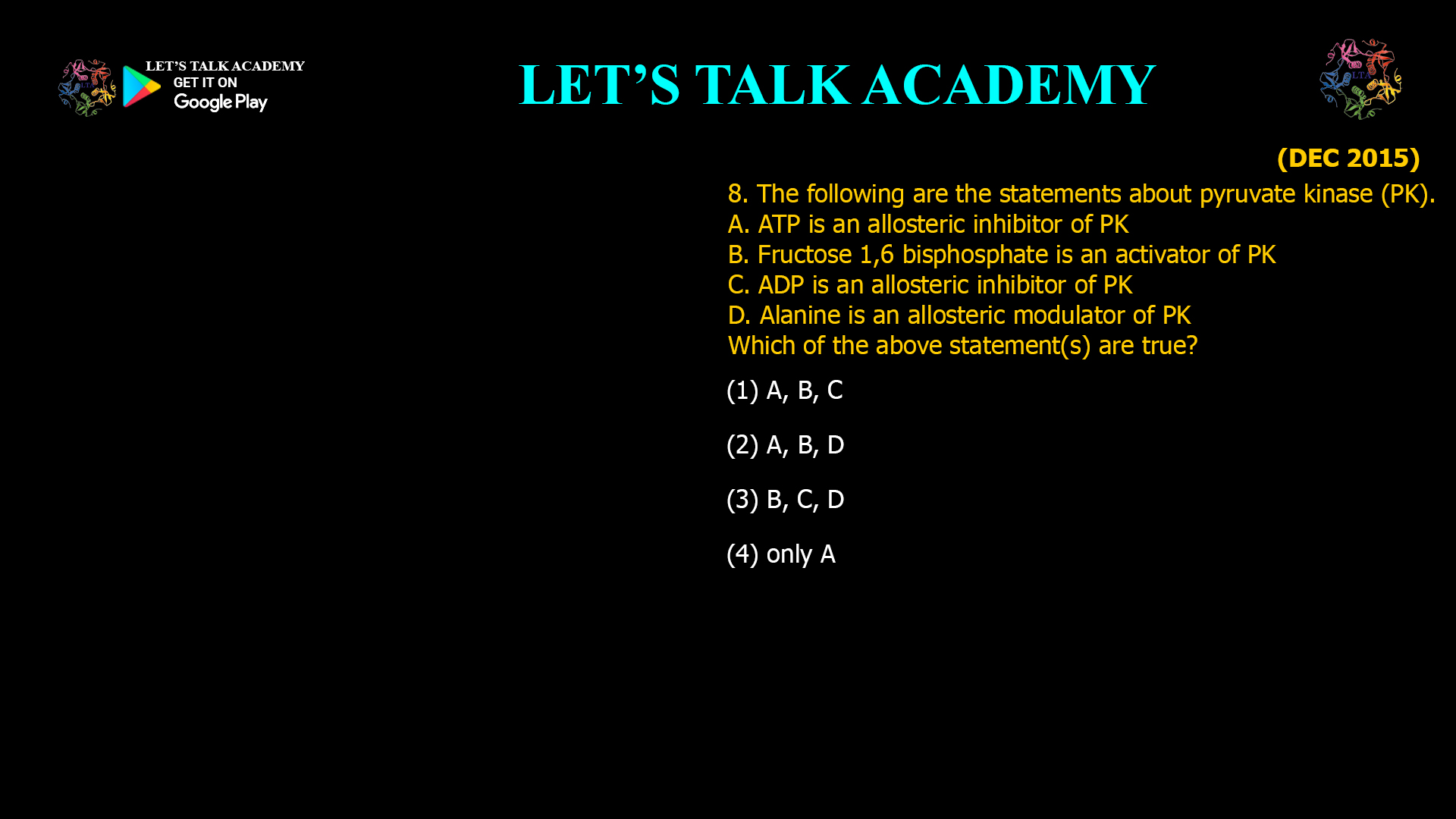
8. The following are the statements about pyruvate kinase (PK). A. ATP is an allosteric inhibitor of PK B. Fructose 1,6 bisphosphate is an activator of PK C. ADP is an allosteric inhibitor of PK D. Alanine is an allosteric modulator of PK Which of the above statement(s) are true? (1) A, B, C (2) A, B, D (3) B, C, D (4) only A

Allosteric Regulation of Pyruvate Kinase: Understanding Key Activators and Inhibitors

6. Phosopho fructokinase-l (PFK-1) is allosterically inhibited by (1) ATP (2) ADP (3) AMP (4) Fructose-6-P

How ATP Allosterically Inhibits Phosphofructokinase-1 (PFK-1): Key Insights into Glycolysis Regulation

5. Given below are statements that may or may not be correct. A. Fructose 2, 6- biphosphate is an allosteric inhibitor of phosphofructokinase-l. B. The TCA cycle intermediates, succinate and oxaloacetate can both be derived from amino acids. C. A diet rich in cysteine can compensate for a methionine deficient diet in humans. D. dTTP for DNA synthesis can be obtained from UTP. E. In the fatty acid biosynthetic pathway, the carbon atom from HCO3- in the synthesis of malonyl CoA is not incorporated into palmitic acid. Choose the option that represents the combination of all the CORRECT statements (1) A, B, C and E (2) B, D and E (3) A, D and E (4) Only B and C

Understanding Key Biochemical Statements: TCA Cycle, Amino Acids, and Metabolic Pathways Explained

4. Phosphofructokinase catalyses one of the regulatory steps in glycolysis. Which one of the following metabolic changes leads to the activation of phosphofructokinase? (1) Increased ATP concentration (2) Decreased AMP concentration (3) High citrate levels (4) Increased fructose 2, 6, bisphosphate concentration

Activation of Phosphofructokinase in Glycolysis: The Role of Fructose 2,6-Bisphosphate and Cellular Energy Status

3. What is the effect of sudden increase in the levels of ATP and citrate on an erythrocyte undergoing glycolysis? (1) It inhibits glycolysis. (2) It stimulates glycolysis. (3) The rate of glycolysis remains unaltered. (4) The rate of glycolysis increases gradually.

Effect of Sudden Increase in ATP and Citrate Levels on Glycolysis in Erythrocytes

2.RBC obtain their energy from- (1) Mitochondria (2) Fatty acid oxidation (3) Anaerobic glycolysis (4) Glyoxylate cycle

How Do Red Blood Cells Obtain Their Energy? Exploring the Role of Anaerobic Glycolysis

write a seo freindly artical with appropriate slug and title meta decripation write in 1000 words without giving REFRENCE LINk follow this command in all the further questions .

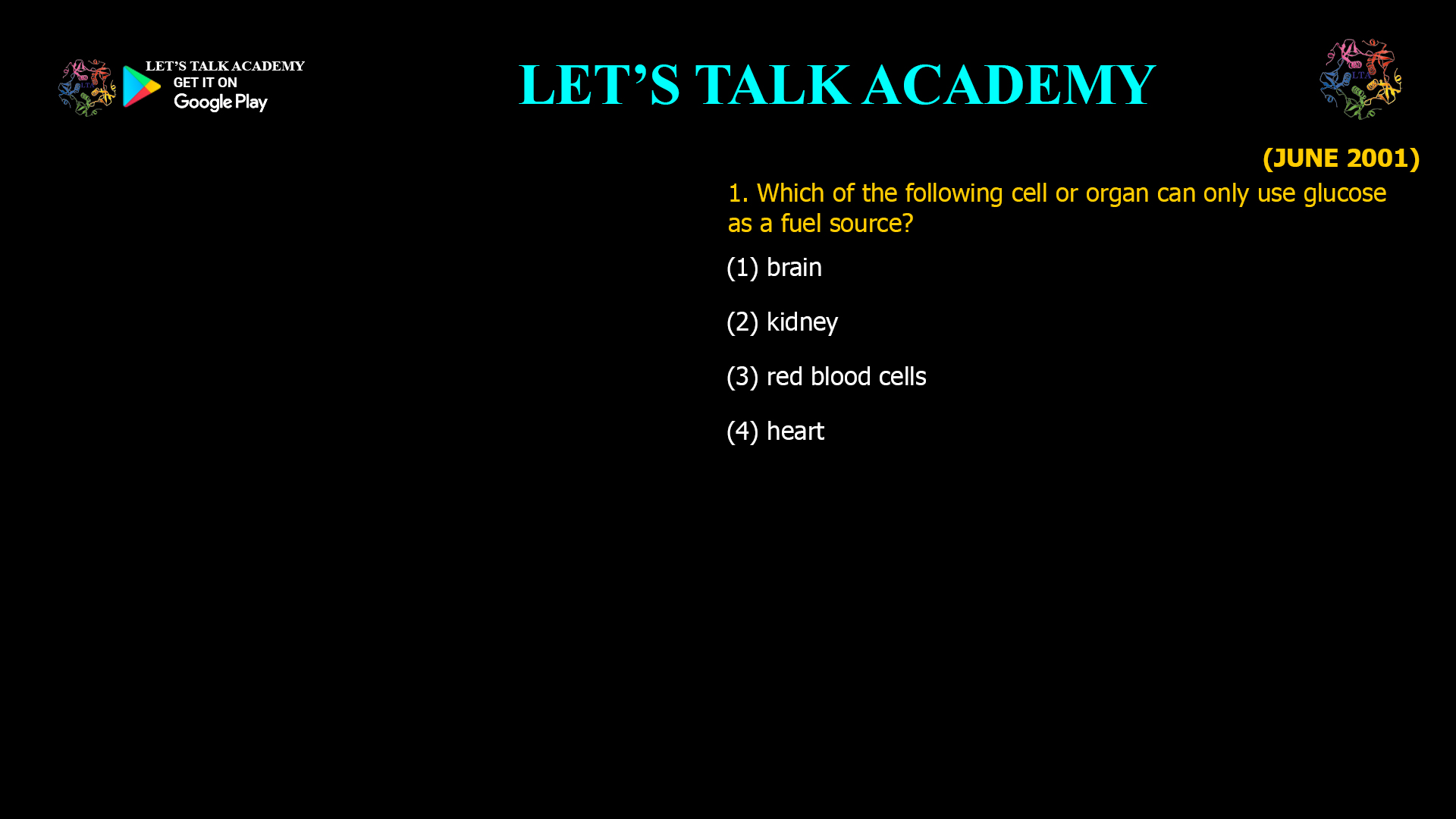
Which Cells or Organs Use Only Glucose as a Fuel Source? Understanding Red Blood Cell Metabolism

Latest Courses