49. Which one of the following combinations represents the major protein or protein complex involved in chromatin condensation in yeast and human, respectively? (1) HP1 and SIR Complex (2) SIR complex and HP1 (3) HP1 and Su (var) (4) SIR complex and Su (var)

Chromatin Condensation in Yeast and Humans: SIR Complex and HP1

48. The following statements were made about X- chromosome inactivation in humans: A. Maternally-derived X-chromosome has a greater chance of becoming inactivated in any given cell. B. Both X-chromosomes are activated during the process of oogenesis. C. The XIST gene encodes for a single, long non-coding transcript, which binds with the X chromosome and helps in its inactivation. D. The XIST gene expression is required to initiateinactivation of X- chromosome, and also to maintaininactivation from one cell generation to the next. E. Tsix transcription affects the abundance of Xist RNA in cis. Which one of the following options represents the combination of all correct statements? (1) A, C and D (2) B, C and E (3) A and C only (4) B and E only

X-Chromosome Inactivation: Role of XIST, Tsix, and Parental Origin

47. Irrespective of the chromosomal configuration, a single X chromosome remains active in all diploid human somatic cell lines. Which one of the following mechanisms best accounts for the above phenomenon? (1) A maternally inherited X—chromosome is developmentally programmed to remain active by avoiding DNA methylation. (2) Chromosome specific expression and binding of rox1 to one of the X-chromosomes protects it from Xist mediated silencing. (3) The T-six gene produces just enough of the Xistantisense RNA to block one Xic locus. (4) A cell produces just enough of the blocking factor to block one Xic locus.

Mechanism of Single Inactive X Chromosome in Human Somatic Cells

46. In an experiment, the student has infected mammalian host cell with cytoplasmic RNA virus. The virus growth was monitored by measuring the intracellular viral RNA at different time intervals. It was observed that viral RNA titre progressively went down with time, particularly 12 hours post infection. Following are few possibilities which can explain this observation. A. The virus infection triggered upregulation of miRNAs that might have down-regulated the host factor critical for viral RNA replication. B. The virus might encode miRNAs that regulate (inhibits) its own replication. C. One of the viral proteins inhibits replication of the viral RNA to restrict rapid proliferation. D. Viral RNA goes to nucleus with time and thus not detectable in the cytoplasm 12 hour post infection. Which one of the following options has all correct statements? (1) A, B and C (2) A, C and D (3) A, B and D (4) B, C and D

Explaining the Decline of Viral RNA in Cytoplasmic RNA Virus Infection

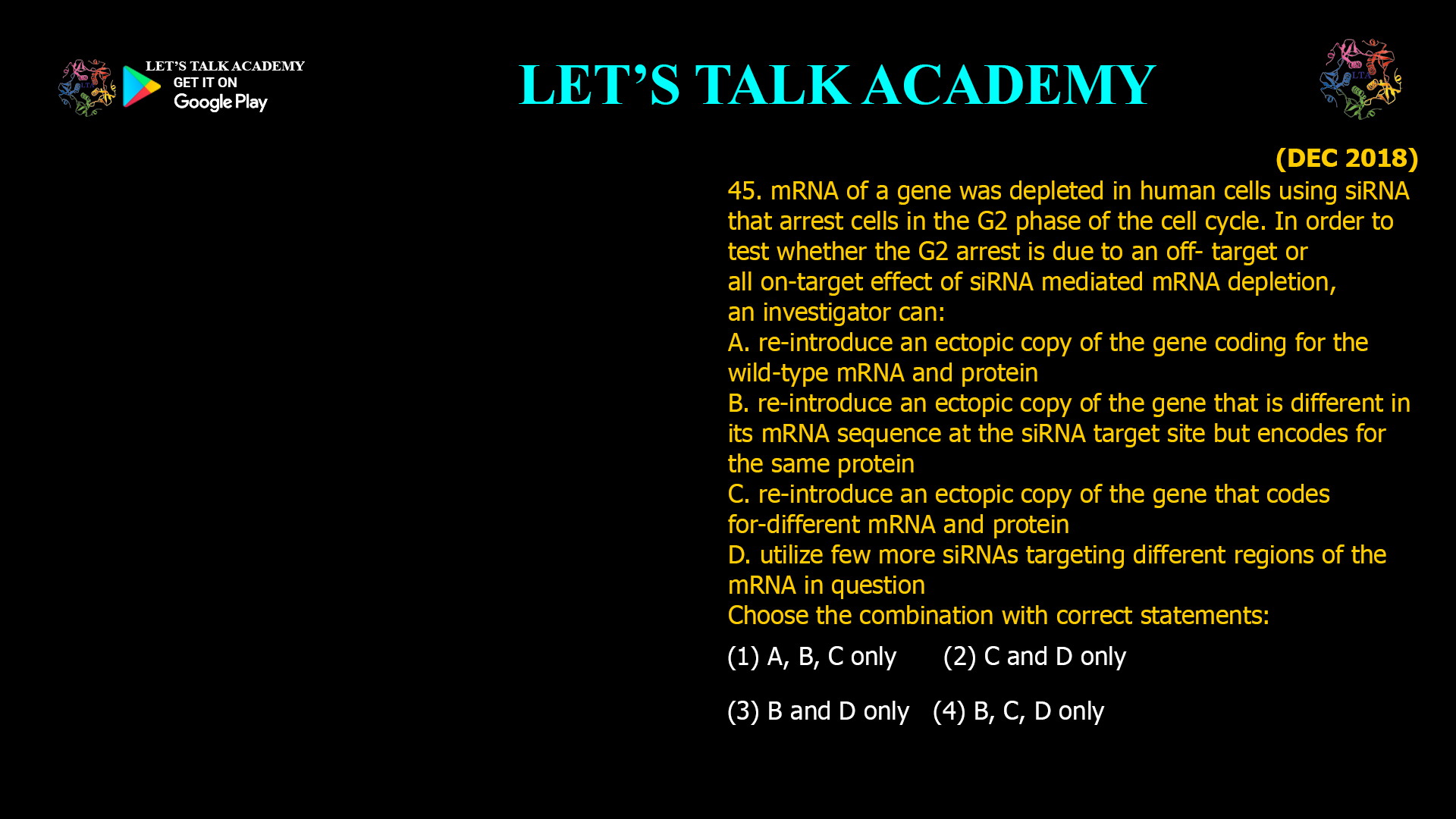
45. mRNA of a gene was depleted in human cells using siRNA that arrest cells in the G2 phase of the cell cycle. In order to test whether the G2 arrest is due to an off- target or all on-target effect of siRNA mediated mRNA depletion, an investigator can: A. re-introduce an ectopic copy of the gene coding for the wild-type mRNA and protein B. re-introduce an ectopic copy of the gene that is different in its mRNA sequence at the siRNA target site but encodes for the same protein C. re-introduce an ectopic copy of the gene that codes for-different mRNA and protein D. utilize few more siRNAs targeting different regions of the mRNA in question Choose the combination with correct statements: (1) A, B, C only (2) C and D only (3) B and D only (4) B, C, D only

All On-Target and Off-Target Effects in siRNA-Mediated Gene Silencing

44. Virus induced gene silencing (VIGS) is a process that takes advantage of the RNAi mediated antiviral defense mechanism. Which one of the following ultimately guides siRNA to degrade the target transcript (mRNA)? (1) dsRNA (2) ssRNA (3) RNA Induced Silencing (RIS) Complex (4) dsRNA binding protein

Role of RNA-Induced Silencing Complex (RISC) in Virus-Induced Gene Silencing (VIGS)

43. siRNAs and miRNAs are used for achieving gene silencing. Although, major steps are similar there are distinct differences in the key players of the two processing pathways. Following statements relate to some characteristic features of gene silencing. A) Both siRNAs and miRNAs are processed by cytoplasmic endonuclease Dicer. B) 'Drosha' is needed for processing miRNAs and precursor siRNAs. C) Both siRNAs and miRNAs show association with Argonaute protein. D) Both the silencing pathways involve RISC complex. Which of the following combinations is NOT correct? (1) A and C (2) C and D (3) B only (4) D and A

Processing Differences Distinguishing siRNA and miRNA Pathways

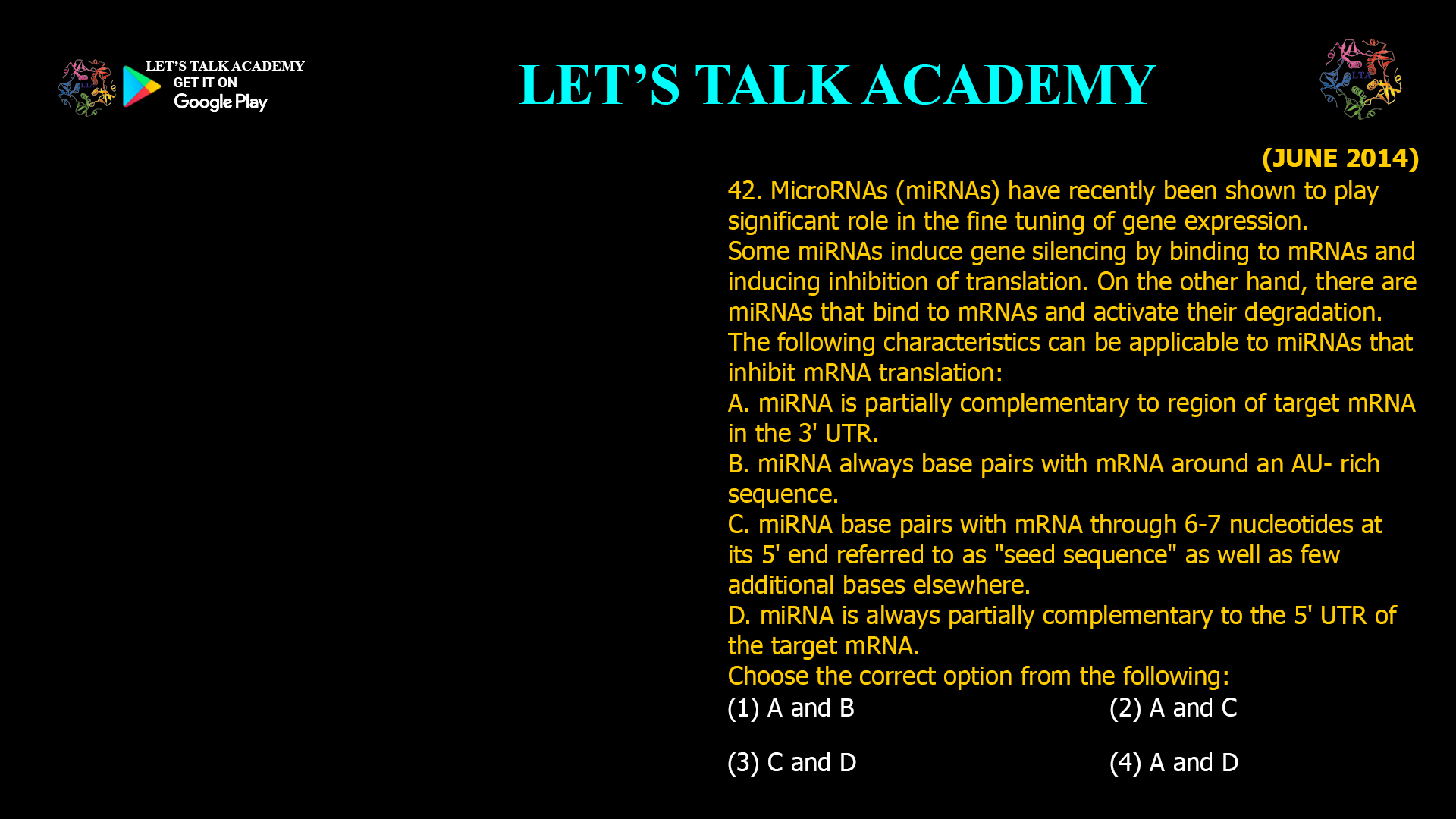
42. MicroRNAs (miRNAs) have recently been shown to play significant role in the fine tuning of gene expression. Some miRNAs induce gene silencing by binding to mRNAs and inducing inhibition of translation. On the other hand, there are miRNAs that bind to mRNAs and activate their degradation. The following characteristics can be applicable to miRNAs that inhibit mRNA translation: A. miRNA is partially complementary to region of target mRNA in the 3' UTR. B. miRNA always base pairs with mRNA around an AU- rich sequence. C. miRNA base pairs with mRNA through 6-7 nucleotides at its 5' end referred to as "seed sequence" as well as few additional bases elsewhere. D. miRNA is always partially complementary to the 5' UTR of the target mRNA. Choose the correct option from the following: (1) A and B (2) A and C (3) C and D (4) A and D

Seed Sequence and Targeting Regions of miRNAs That Inhibit mRNA Translation

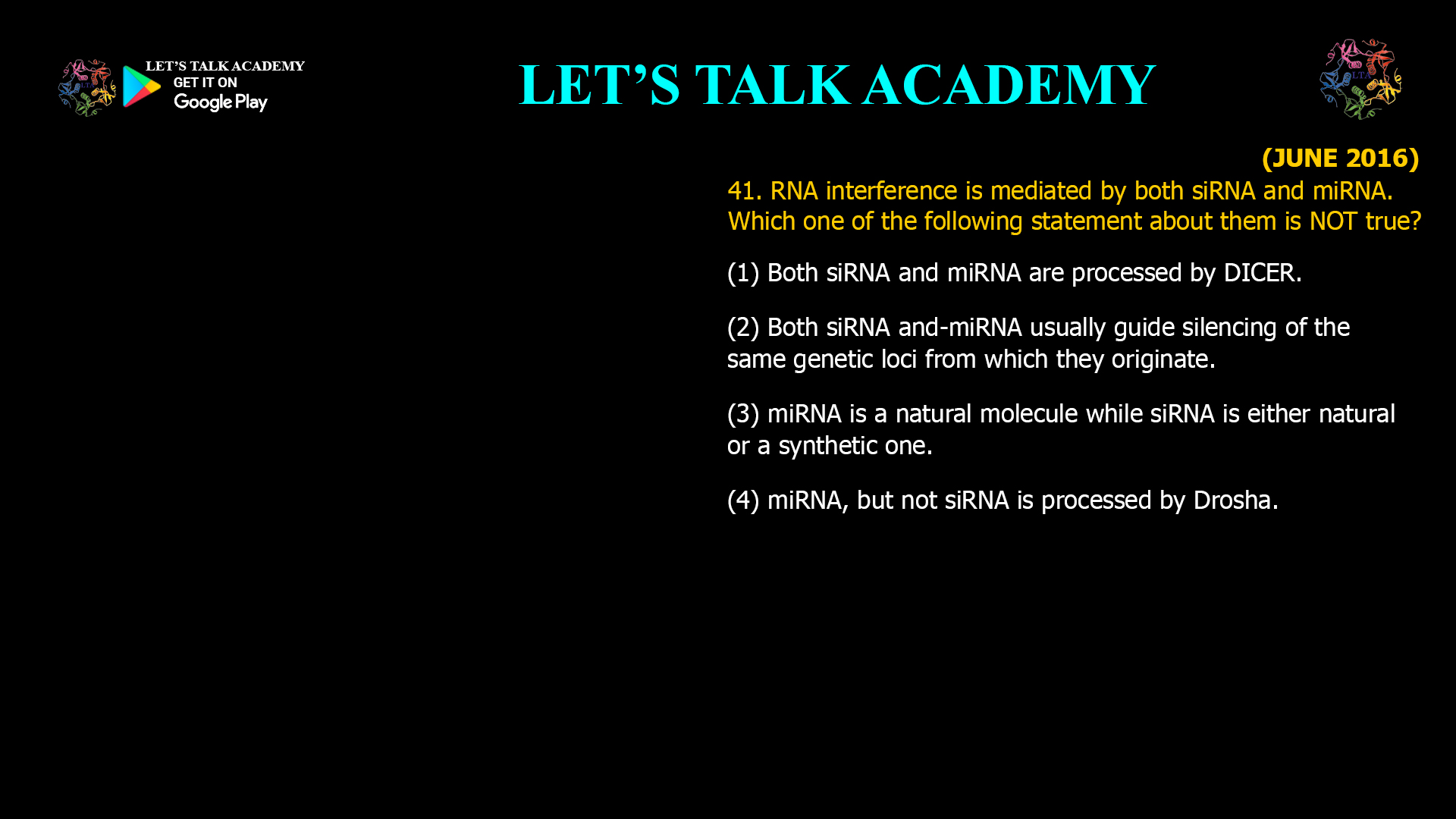
41. RNA interference is mediated by both siRNA and miRNA. Which one of the following statement about them is NOT true? (1) Both siRNA and miRNA are processed by DICER. (2) Both siRNA and-miRNA usually guide silencing of the same genetic loci from which they originate. (3) miRNA is a natural molecule while siRNA is either natural or a synthetic one. (4) miRNA, but not siRNA is processed by Drosha.

Differences Between siRNA and miRNA: Processing, Origin, and Gene Silencing Mechanisms

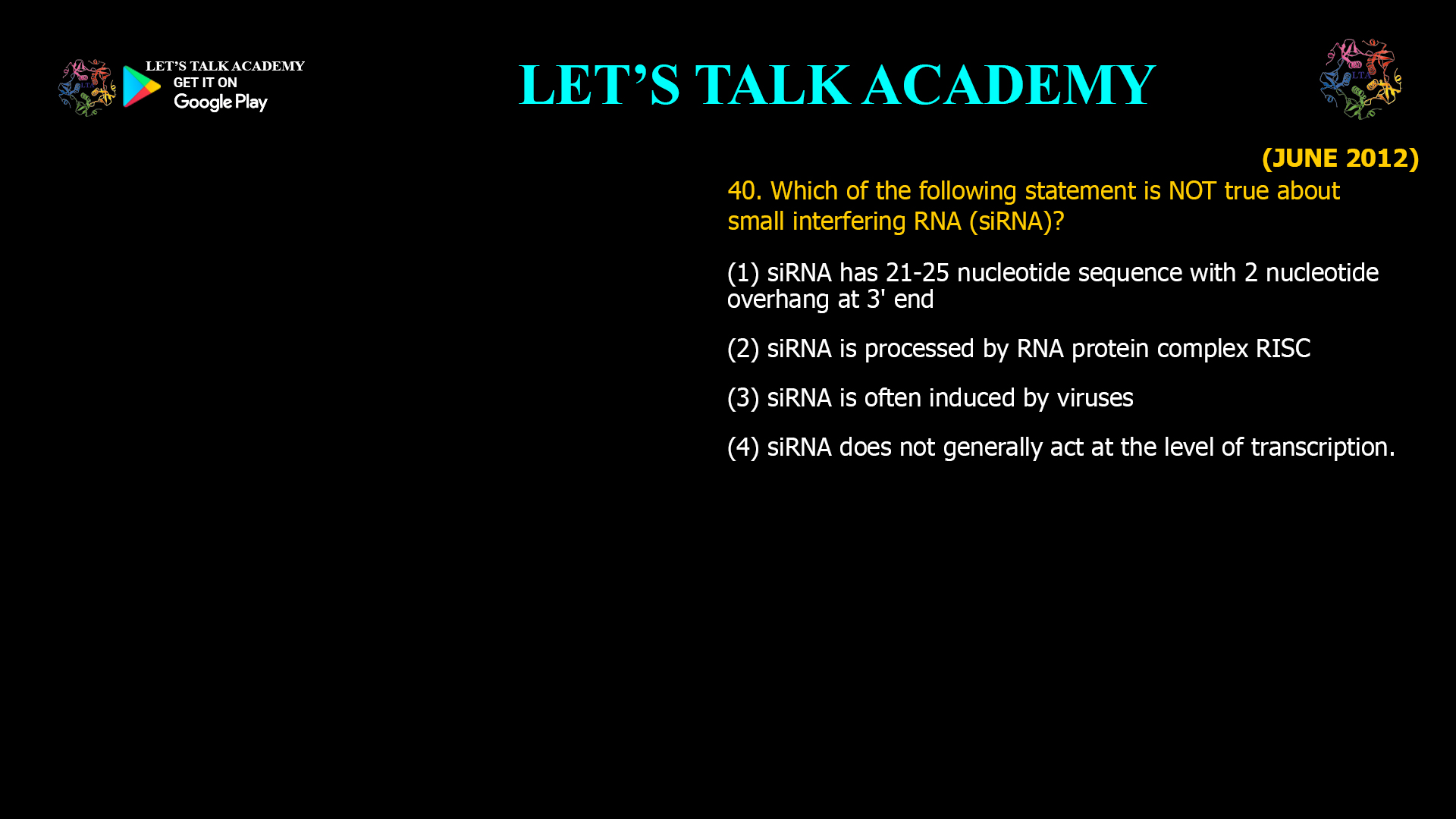
40. Which of the following statement is NOT true about small interfering RNA (siRNA)? (1) siRNA has 21-25 nucleotide sequence with 2 nucleotide overhang at 3' end (2) siRNA is processed by RNA protein complex RISC (3) siRNA is often induced by viruses (4) siRNA does not generally act at the level of transcription.

Structure Function and Mechanism of Small Interfering RNA (siRNA)

39. In an experiment, intact chromatin was isolated and digested with micrococcal nuclease in independent tubes for 30 min, 1 h, 2h, and 4h. Further, the DNA was purified from each tube, separated on agarose gel and Southern hybridization was performed with rRNA gene probe and a centromeric DNA probe. Which one of the following patterns of signal intensity from both of the probes is likely to be obtained following Southern hybridization? (1) With increasing time, compared to centromericprobe, a rapid increase in signal intensity of rRNA gene probe was observed. (2) With increasing time, compared to centromericprobe, a rapid decrease in signal intensity of rRNA gene probe was observed. (3) Irrespective of incubation period, both probes produced identical band intensities. (4) Treatment with micrococcal nuclease would instantly degrade the DNA, hence, no hybridization signal would be obtained, in any of the samples.

Micrococcal Nuclease Digestion Patterns of rRNA Genes and Centromeric DNA

38 human, protein coding genes are mainly organized "exons" and "introns'’. There are intergenic regions that transcribe into various types of non-coding RNA (nottranslating into protein). Some introns may harbor also transcription units, which are (1) always other protein coding genes (2) protein coding gene and RNA coding genes (3) always RNA coding genes (4) pseudo genes

Protein-Coding and RNA-Coding Genes within Introns | Intronic Transcription Units

37. Following statements are made about chromatin re-modelling in human cells: A. Local chromatin conformation may play more important role than the local DNA sequence of the promoter. B. Histones in nucleosome can undergo many different covalent modifications, which in turn, alter the chromatin architecture locally. C. Chromatin re-modelling is a developmentally regulated passive process which does not require ATP. D. Several histone variants exist, which replace the standard histones in specific types of chromatin. Select the option that has the combination of all correct answers. (1) A, C, D (2) A, B, C (3) A, B, D (4) B, C, D

Histone Variants and Histone Modifications in Chromatin Remodeling

36. The amino acid side chains of the four histones in the nucleosome are subjected to remarkable variety of post-translation modifications such as phosphorylation, acetylation and methylation. Which one of the following post-translational marks on histone tails is usually associated with transcriptional repression? (1) Acetylation of H3K9 (2) Methylation of H3K9 (3) Acetylation of H4K5 (4) Phosphorylation of H3S10

Transcriptional Repression Mark is Methylation of Histone H3K9

35. Chromatin re-modelling leading to histone modifications is invariably required for regulation of transcriptional activity of eukaryotic genes. The residues in histone tails may be methylated or acetylated, The nature of these modifications (1) is identical on all the nucleosomes of a gene (2) varies between the nucleosomes present in the transcription initiation and elongation regions (3) is always fixed for the nucleosomes in the promoter regions of the genes that are transcriptionally active (4) in the transcription initiation regions is identical for the genes that are sensitive to nuclease activity

How Chromatin Remodeling Regulates Transcription in Eukaryotic Genes

34. Following statements were made about some of the characteristics of the human genome: (A) Evidence derived by chromosome conformation capture (3C) suggests that each chromosome comprised a series of topologically associated domains. (B) Insulators typically mark the boundaries of topologically associated domains, preventing the genes within a domain from being influenced by the regulatory modules of an adjacent domain. (C) Presence of insulators does not overcome the positional effect after integration of a transgene into the genome. (D) Insulators can provide barrier against the spread of heterochromatin. (E) Insulator sequences are absent in the Drosophila genome, which suggests their essentiality in achieving highest degree of gene regulation in humans. Which one of the following represents the correct combination of above statements? (1) A, B and C (2) A, B and D (3) B. C and D (4) C, D and E

Topologically Associating Domains and Insulators in Genome Organization and Gene Regulation

33. Following statements were made about chromatin remodeling in eukaryotes: (A) Chromatin remodeling completely alters and/or slides the nucleosome, but cannot displace it. (B) Chromatin remodeling is an energy driven, developmentally regulated active process. (C) Histone acetylation is a reversible process, inwhich each direction of the reaction is catalyzed by different enzymes (D) In general, acetylation of core histones reduces their affinity for DNA and destabilizes the chromatin structure, causing transcriptional repression. (E) Phosphorylation of Ser1 of histone H2A has been associated with transcription repression. (1) A, B and C (2) A, C and D (3) B, C and E (4) C, D and E

Biological Significance of Chromatin Remodeling in Eukaryotes

32. Readers of histone modifications include: (1) SUN domain proteins (2) BAG domain proteins (3) PAS domain proteins (4) TUDOR domain proteins

Tudor Domain Proteins: Readers of Histone Modifications in Chromatin Regulation

31. The mammalian protein HP1 plays a major role in heterochromatinization and silencing. The following mutations are proposed to negatively impact HP1 function. A. Mutation inactivating the deacetylase that targets H3K14AC B. Mutation inactivating HP1 bromo-domain C. Mutation inactivating HP1 chromo-domain D. Mutation inactivating the KMT1A methyl- transferase whose target site is H3K9 Which one of the following combinations represents all correct statements? (1) A, C and D (2) A, B and D (3) B and D only (4) C and D only

HP1 Function in Mammalian Heterochromatin Formation

30. Genes translocated to the heterochromatic regions of chromosomes are silenced. In S. pombe, a translocation event was detected wherein a gene of interest was translocated to the centromere region and is silenced. Mutagenesis leading to loss of function of the followingtarget genes was done to allow expression of the gene of interest from its new locus. A. Mutation in histone deacetylase (Clr3). B. Mutation in histone acetyltransferase (HAT-8). C. Mutation in histone H3 lysine 9 methyl transferase (Clr4). D. Loss of Dicer, an RNA processing enzyme. Which of the above events could allow the expression of this gene from the centromeric region? (1) A, B and C (2) A, Cand D (3) B and C only (4) A and C only

Mutations Relieving Centromeric Silencing in Schizosaccharomyces pombe: Roles of Clr3, Clr4, and Dicer

29. A gene producing red pigment was placed near centromeres of fission yeast and thus subjected to position effect variegation and produced white colonies, A screen for mutants that increased the red pigment production was undertaken. Which of the following genes, when mutated, is likely to produce this genotype? (1) histone deacetylase (2) Histone acetylase (3) RNA polymerase II (4) TATA binding factor

Histone Deacetylase Mutation Relieves Position Effect Variegation in Fission Yeast

28. Small RNAs with internally complementary sequences that form hairpin-like structure, synthesized as precursor RNAs and cleaved by endonucleases to form short duplexes are called (1) snRNA(2) mRNA (3) tRNA. (4) miRNA.

MicroRNAs: Small Hairpin RNAs Processed into Gene-Regulating Duplexes

27. In eukaryotic chromatin, 30 nm fiber (solenoid) can open up to give rise to two kinds of chromatin. In one type (A), the promoter of a gene within the open chromatin is occupied by a nucleosome whereas in the other (B), the promoter is occupied by histone H1. The following possibilities are suggested. A) The gene in (A) is repressed. B) The gene in (B) is repressed. C) The gene in (A) is active. D) The gene in (B) is active. Which of the following sets is correct? (1) A and D (2) B and C (3) B and D (4) C and D

Role of Nucleosomes and Histone H1 at Promoters in Chromatin Structure and Gene Regulation

26. DNA methylation plays an important role in transcription regulation in vertebrates. There is an inverse correlation between the level of DNA methylation in the vicinity of a gene and its transcription rate, whereas there is a direct correlation increased and acetylation between histone transcription. β-thalassemia is a common genetic impairment of hemoglobin β -chain synthesis in humans. If these patients can synthesize hemoglobin-F instead of hemoglobin chain in its place, they would be notably benefited. Administration of 5-azacytidine to thalassemia patients increases hemoglobin-F level in erythrocytes and thus benefit the patients. Which one of the following statements about 5- azacytidine is NOT correct? (1) Cells exposed to 5-azacytidine incorporate it into DNA in place of cytidine. (2) 5-azacytidine decreases DNA methylation. (3) 5-azacytidine promotes histone acetylation. (4) 5-azacytidine does not promote gene expression.

5-Azacytidine Reactivates Gene Expression by Inhibiting DNA Methylation: Mechanism and Therapeutic Implications

25. Phosphorylation of serines as well as methylation and acetylation of lysines in histone tails affect the stability of chromatin structure above the nucleosome level and have important consequences for gene expression. The resulting changes in charge are expected to affect the ability of the tails to interact with DNA because (1) DNA is negatively charged. (2) DNA-histone interaction is independent of net charge. (3) phosphorylationof serine increases DNA-histone interaction. (4) methylation and acetylation of lysine increases DNA-histone interaction.

How Histone Modifications Affect Chromatin Stability Through Electrostatic Interactions with DNA

24. After activation of a promoter by the DNA binding activity of a transcription factor, a co-activator is recruited at the region targeted for transcription which in turn creates a binding site for a chromatin remodeling complex. Which one of the following activities of the co-activator is responsible for the recruitment of chromatin remodeling complex? (1) Histone deacetylase activity. (2) Histone methyl transferase activity. (3) Histone acetyl transferase activity. (4) DNA methyl transferase activity.

Histone Acetyltransferase Activity of Co-activators Drives Recruitment of Chromatin Remodeling Complexes

23. Histone acetylase and chromatin remodeling complexes are recruited to specific regions of chromatin by (1) gene activator proteins. (2) specific promoter sequence (3) phosphorylation of histone acetylase. (4) dephosphorylation of chromatin remodeling complexes.

How Gene Activator Proteins Recruit Histone Acetyltransferases and Chromatin Remodeling Complexes

22. Among the following which enzyme used NAD as cofactor? (1) Histone acetyl transferase (2) Histone methyl transferase (3) Histone deacetylase (4) Histone demethylase

NAD-Dependent Histone Deacetylases: Linking Metabolism to Epigenetic Regulation

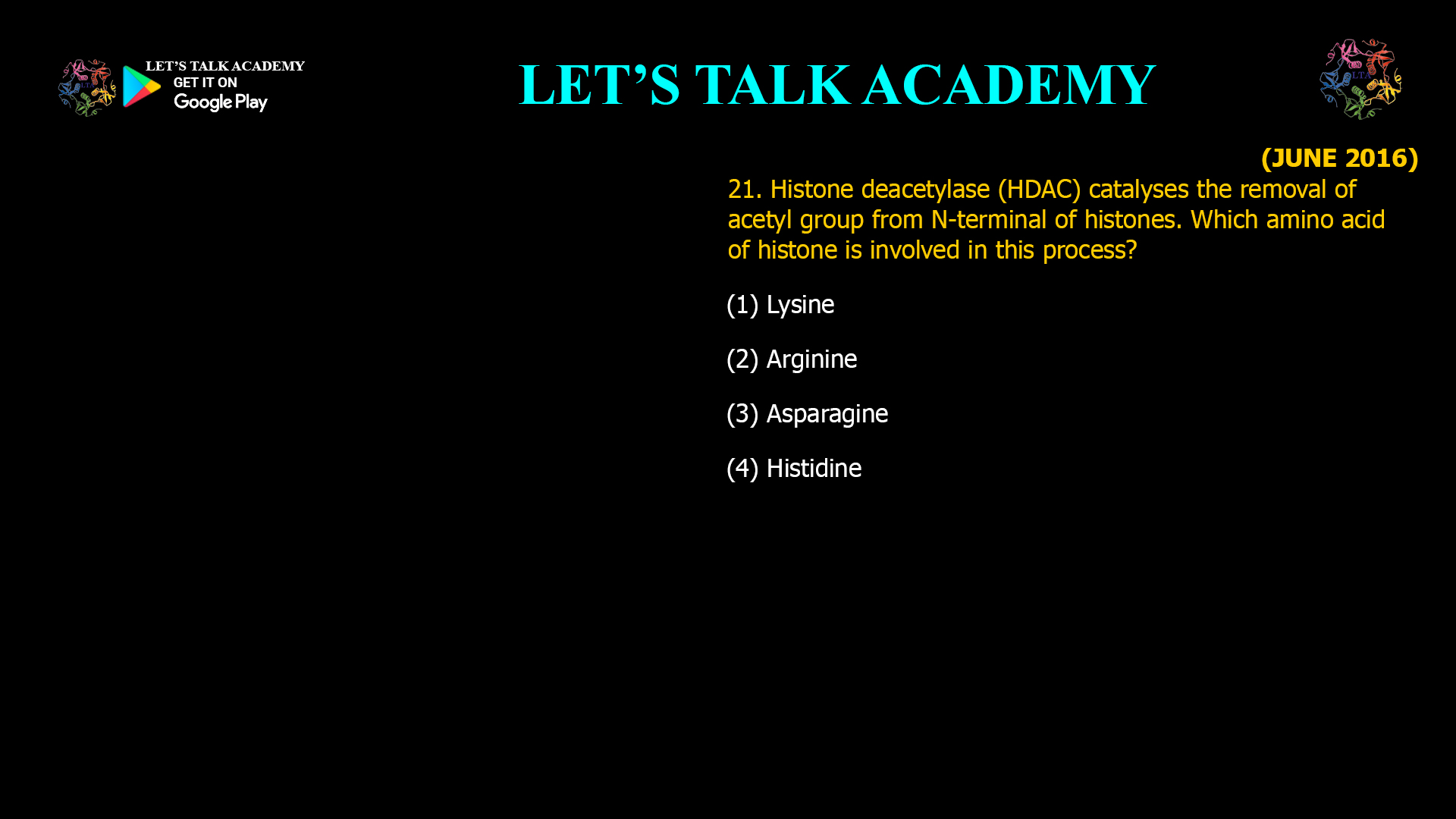
21. Histone deacetylase (HDAC) catalyses the removal of acetyl group from N-terminal of histones. Which amino acid of histone is involved in this process? (1) Lysine (2) Arginine (3) Asparagine (4) Histidine

Lysine Residues Are the Targets of Histone Deacetylases in Chromatin Regulation

20. Phosphorylation of the a-subunit of elF2 at Ser 51 position in Saccharomyces cerevisiae leads to sequestration of elF2B, guanosine exchange factor. This phenomenon is (1) known to activate translation of the capped mRNAs in the cytosol (2) known to activate translation of many key mRNAs possessing short ORFs(uORFs) in the mRNA sequence that proceed the main ORF (3) an essential requirement for translation of IRES containing mRNAs. (4) an essential requirement for the transport of mature mRNAs out of the nucleus

Role of eIF2α Phosphorylation in Selective Translation of uORF-Containing mRNAs in Yeast

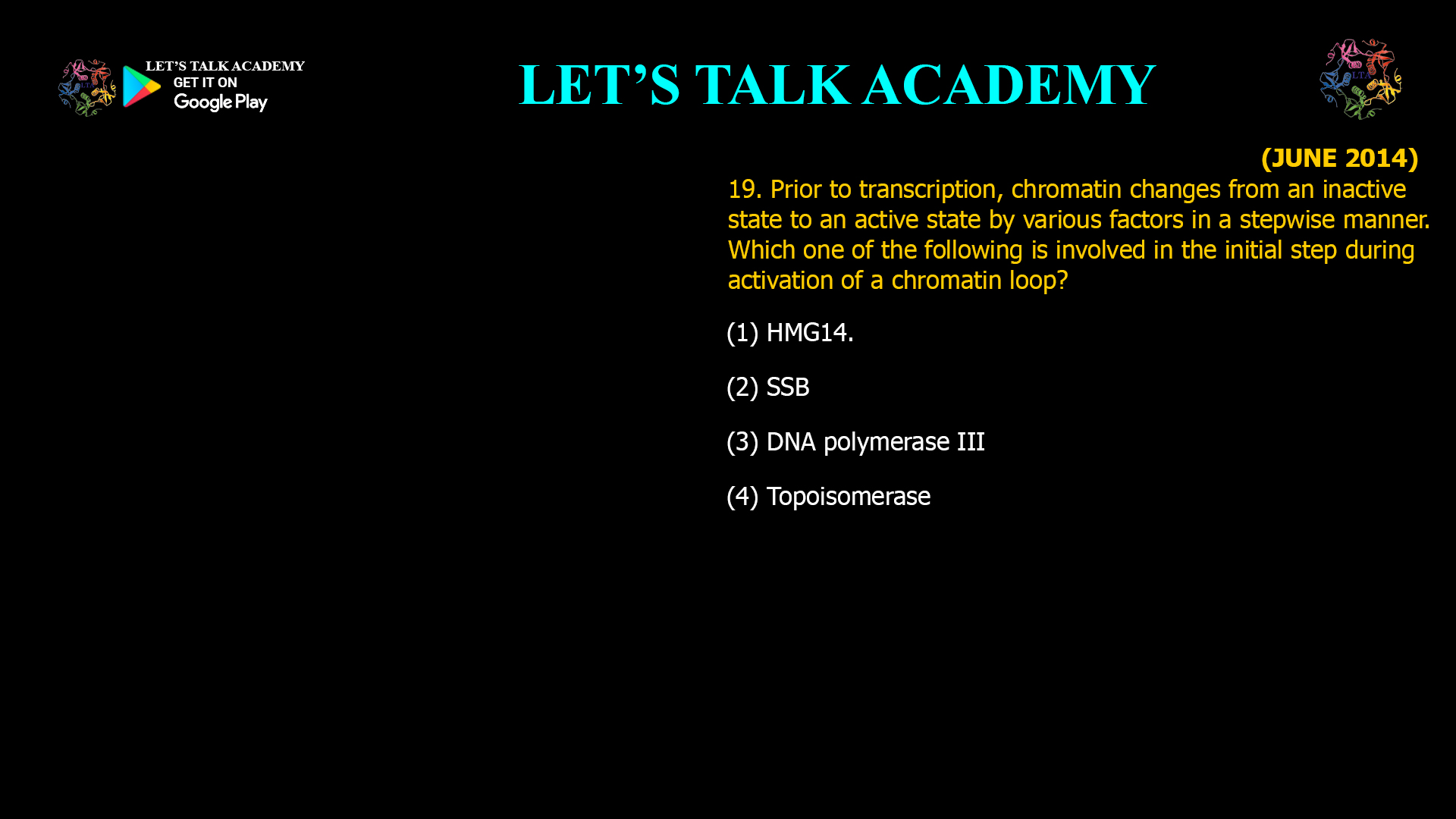
19. Prior to transcription, chromatin changes from an inactive state to an active state by various factors in a stepwise manner. Which one of the following is involved in the initial step during activation of a chromatin loop? (1) HMG14. (2) SSB (3) DNA polymerase III (4) Topoisomerase

HMG14: The Pioneer Factor in Chromatin Loop Activation and Gene Regulation

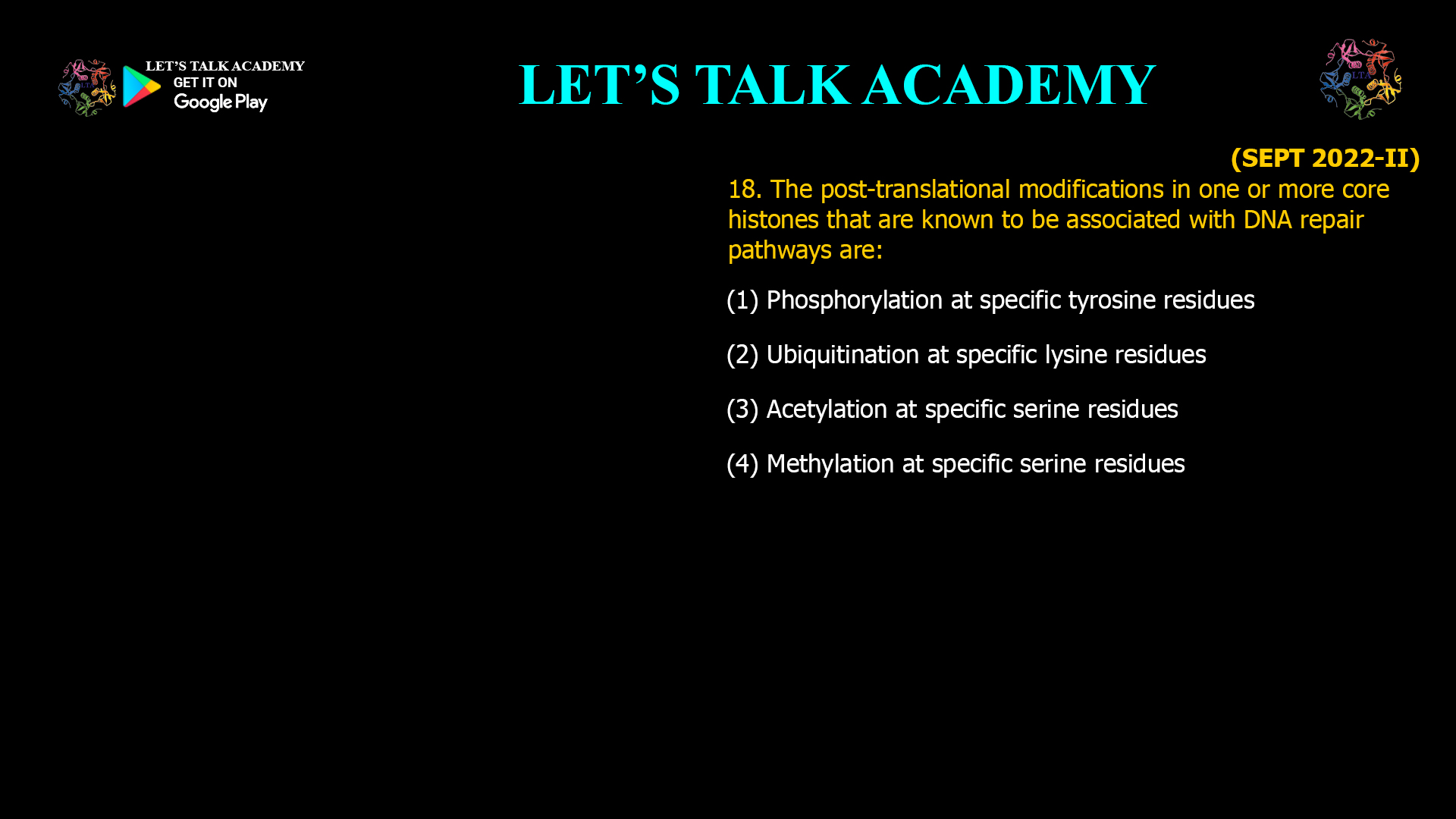
18. The post-translational modifications in one or more core histones that are known to be associated with DNA repair pathways are: (1) Phosphorylation at specific tyrosine residues (2) Ubiquitination at specific lysine residues (3) Acetylation at specific serine residues (4) Methylation at specific serine residues

Histone Ubiquitination at Lysine Residues: A Key Post-Translational Modification in DNA Repair

17. The 5' UTR of ferritin mRNA forms a stem-loop structure called the iron regulatory element (IRE). The Iron Regulatory Binding Protein [IRBP] binds this IRE. The following statements were made with reference to IRBP- IRE interaction: (A) IRBP-IRE interaction prevents elF4A from resolving the stem-loop structure, thus preventing initiation of translation of ferritin genes. (B) IRBP-IRE interaction recruits elF4A to the 5' UTR, thus promoting translation initiation. (C) In presence of ferrous ions IRBP is unable to bind the IRE. (D) elF4A binds directly at the 5' UTR and disrupts the stem-loop structure, thus promoting translation initiation. Which one of the options below represents the combination of all correct statements? (1) B only (2) A and D (3) A and C (4) B and C

Iron Regulation of Ferritin Translation: The Role of IRP, IRE, and eIF4A

16. Regulation of mRNA translation is a major mechanism that maintains stoichiometric availability of ribosomal proteins (r-proteins) to rRNA molecules they bind to. Translational regulation is facilitated by general occurrence of the r-protein genes in several operons containing multiple genes. Which one of the following represents an established mechanism to ensure optimal production of the r-proteins in E. coli, when the r-proteins accumulate in free form (molar excess on rRNA) (1) The free r-protein(s) often bind to corresponding DNA sequence and activate transcription of rRNAgenes to increases rRNA availability. (2) The free r-protein(s) bind to RNA polymerase and represses transcription of the r-protein genes to decrease the availability of their mRNAs. (3) The free r-protein(s) bind to the mRNA(s) and downregulate their translation. (4) The free r-protein(s) bind free NTPs which then activates their cryptic ribonuclease activity leading to the degradation of their mRNAs.

Autogenous Translational Regulation of Ribosomal Protein Genes in E. coli: Maintaining Stoichiometric Balance

15. Phosphorylation of elF2 α subunits (at Ser 51) leads to (1) inactivation of Met-tRNAi, binding activity of elF2B. (2) sequestration of eIF2B because of tight binding between elF2 and elF2B. (3) degradation of elF2B. (4) enhanced guanine exchange activity of elF2B.

How eIF2α Phosphorylation Regulates Translation by Sequestering eIF2B

14. During eukaryotic protein synthesis, stress conditions result in activation of specific kinases leading to phosphorylation of a key translation initiation factor that inhibits protein synthesis from a large number of cellular mRNA. Which one of the following factors is the target of the kinase? (1) elF4E (2) elF4G (3) elF2a (4) Gcn4

eIF2α Phosphorylation: The Central Mechanism for Translational Control During Cellular Stress

13. The cap binding protein (elF4E), which is involved in the global regulation of translation, is highly regulated in eukaryotic cells. In an experiment, a researcher transfected mammalian cells with (elF4E) gene for itsoverexpression. Due to this, the cells will undergo (1) Apoptosis (2) neoplastic transformation (3) no change (4) differentiation

eIF4E Overexpression Drives Neoplastic Transformation: Implications for Cancer Progression

12. During heat shock, mammalian cells shut down global protein synthesis while inducing heat shock proteins (Hsps). The possible molecular regulation(s) that could explain the phenomenon are: A. mRNA of all proteins, except those of Hsps, undergoes degradation during heat shock. B. Cap-dependent translation of most mRNAs is affected during heat shock due to denaturation of cap binding protein, elF-4E. C. Translation initiation of Hsp mRNAs takes place through their internal ribosome entry sites (IRES) D. Hsp mRNAs are abundant during heat shock and thus they compete out other mRNAs for ribosome binding and translation. Which of the following sets is correct? (1) A and D (2) B and C (3) C and D (4) A and D

How Mammalian Cells Regulate Protein Synthesis During Heat Shock: The Role of IRES and Hsp mRNA Abundance

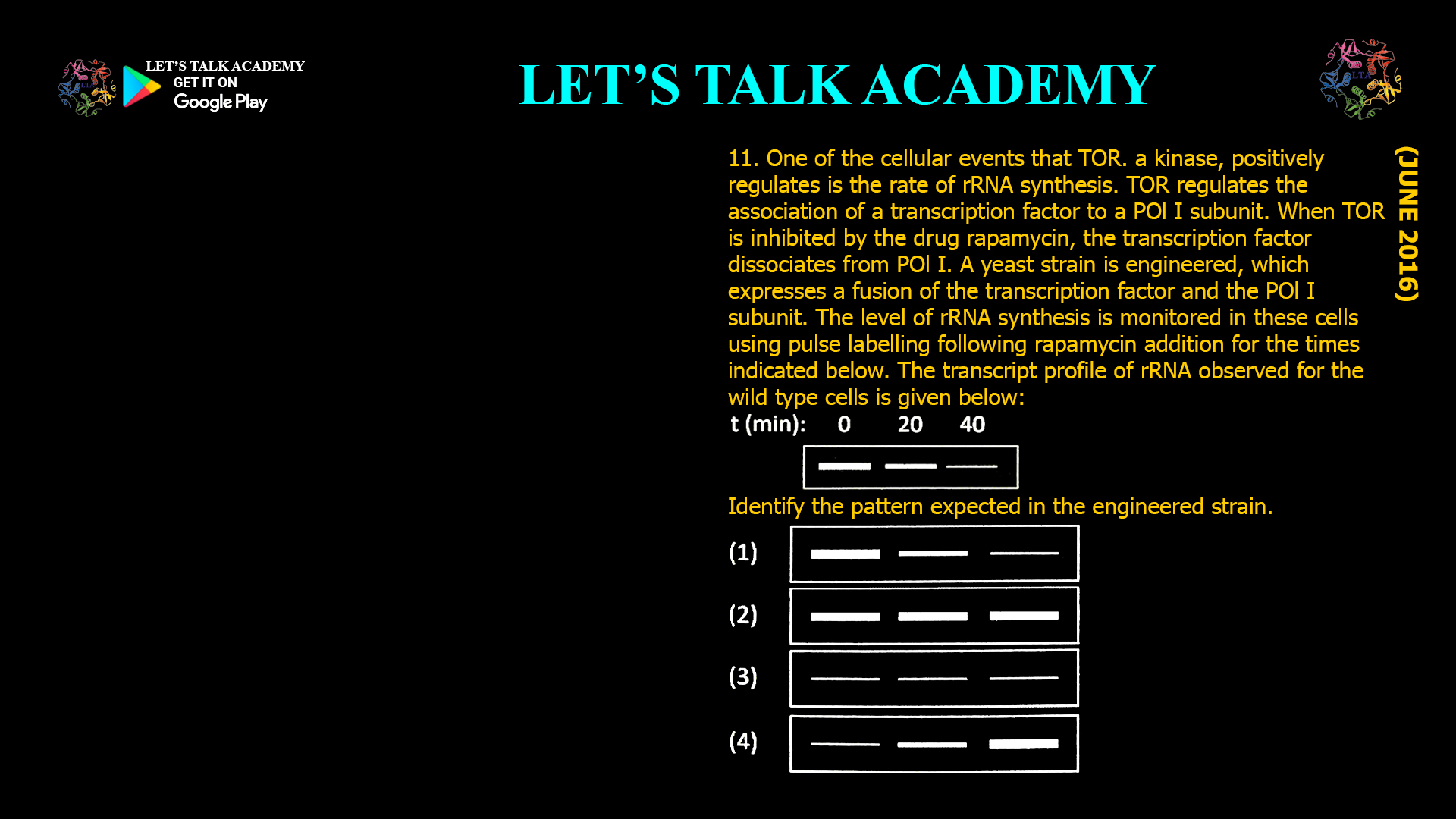
11. one of the cellular events that TOR. a kinase, positively regulates is the rate of rRNA synthesis. TOR regulates the association of a transcription factor to a POI I subunit. When TOR is inhibited by the drug rapamycin, the transcription factor dissociates from POI I. A yeast strain is engineered, which expresses a fusion of the transcription factor and the POI I subunit. The level of rRNA synthesis is monitored in these cells using pulse labelling following rapamycin addition for the times indicated below. The transcript profile of rRNAobserved for the wild type cells is given below: Identify the pattern expected in the engineered strain.

How TOR Regulates rRNA Synthesis via Transcription Factor-Pol I Interaction: Insights from Rapamycin Studies and Fusion Protein Experiments

10. During mitogenic stimulation, cells proliferate at a higher rate and it is primarily determined by an enhanced rate of protein synthesis. Among other mechanisms, MAP kinase pathway of signal transduction is involved in this. Global protein synthesis may be regulated by many mechanisms involving various steps of protein synthesis, namely, initiation, elongation and termination. Thus, many protein factors may be involved in the same. In the above process (mitogenic stimulation) the following factors are the portable targets. A. elF -2 B. eEF-1 C. S6 kinase D. elF-4E BP The correct answer is (1) A+B (2) C+D (3) D+A (4) B+D

Key Translation Factors Targeted by MAP Kinase Pathway During Mitogenic Stimulation

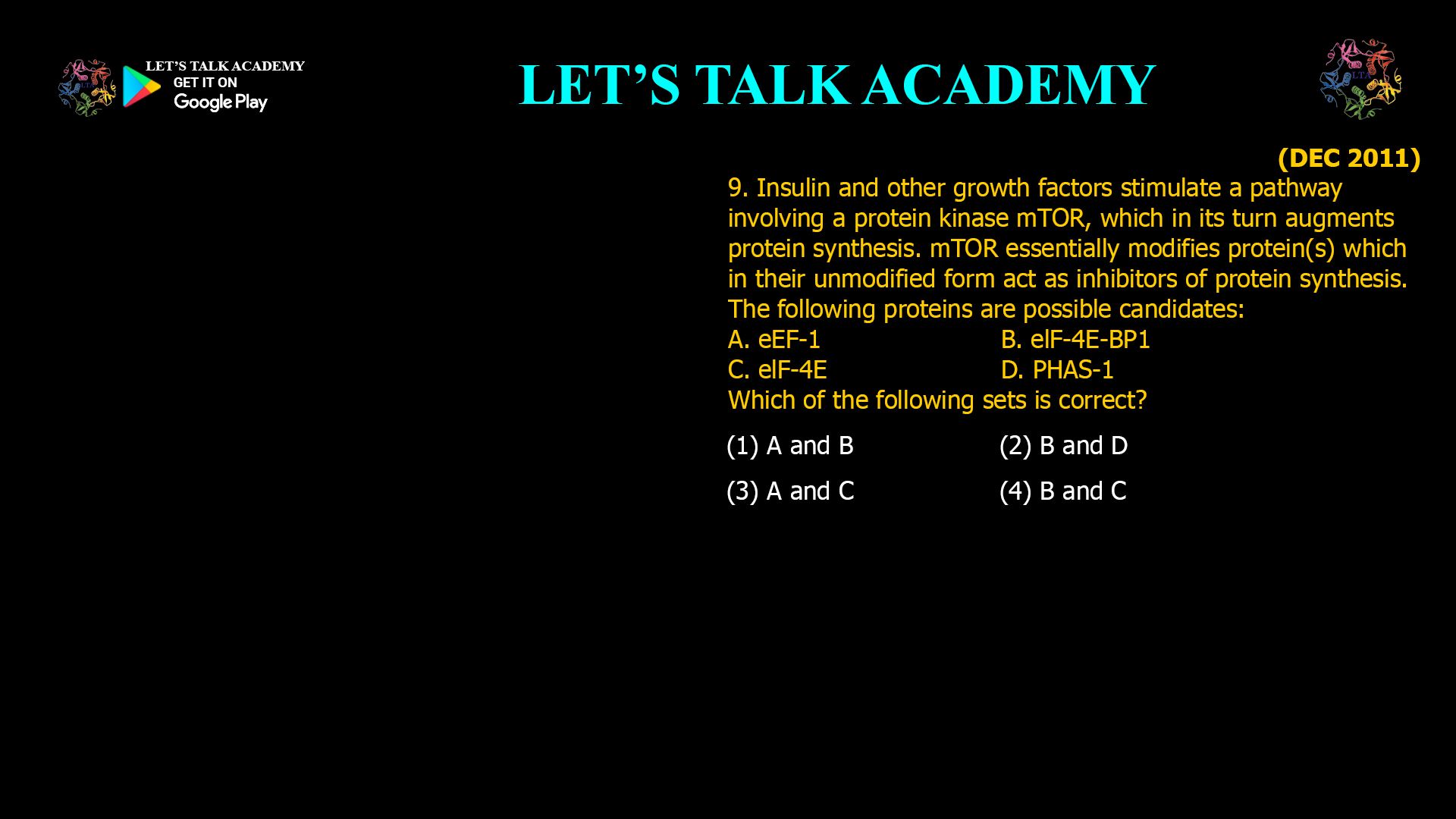
9. Insulin and other growth factors stimulate a pathway involving a protein kinase mTOR, which in its turn augments protein synthesis. mTOR essentially modifies protein( s) which in their unmodified form act as inhibitors of protein synthesis. The following proteins are possible candidates: A. eEF-1 B. elF-4E-BP1 C. elF-4E D. PHAS-I Which of the following sets is correct? (1) A and B (2) Band D (3) A and C (4) B and C

mTOR-Mediated Regulation of Protein Synthesis: Key Roles of eIF4E-BP1 and PHAS-I

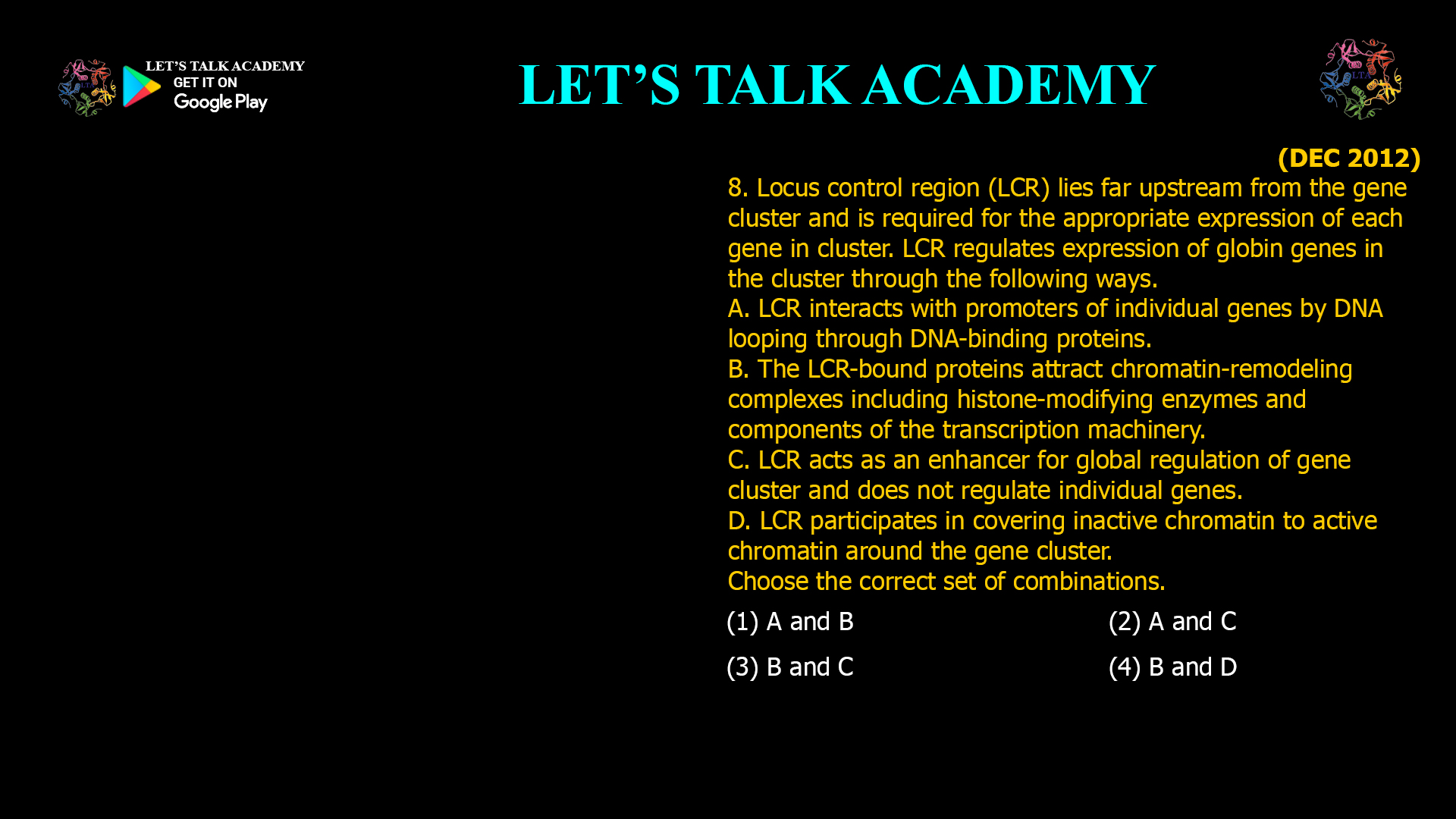
8. Locus control region (LCR) lies far upstream from the gene cluster and is required for the appropriate expression of each gene in cluster. LCR regulates expression of globin genes in the cluster through the following ways. A. LCR interacts with promoters of individual genes by DNA looping through DNA-binding proteins. B. The LCR-bound proteins attract chromatin. remodeling complexes including histone-modifying enzymes and components of the transcription machinery. C. LCR acts as an enhancer for global regulation of gene cluster and does not regulate individual genes. D. LCR participates in covering inactive chromatin to active chromatin around the gene cluster. Choose the correct set of combinations. (1) A and B (2) A and C (3) B and C (4) B and D

Role of Locus Control Regions (LCR) in Regulating Globin Gene Clusters: Mechanisms and Functions

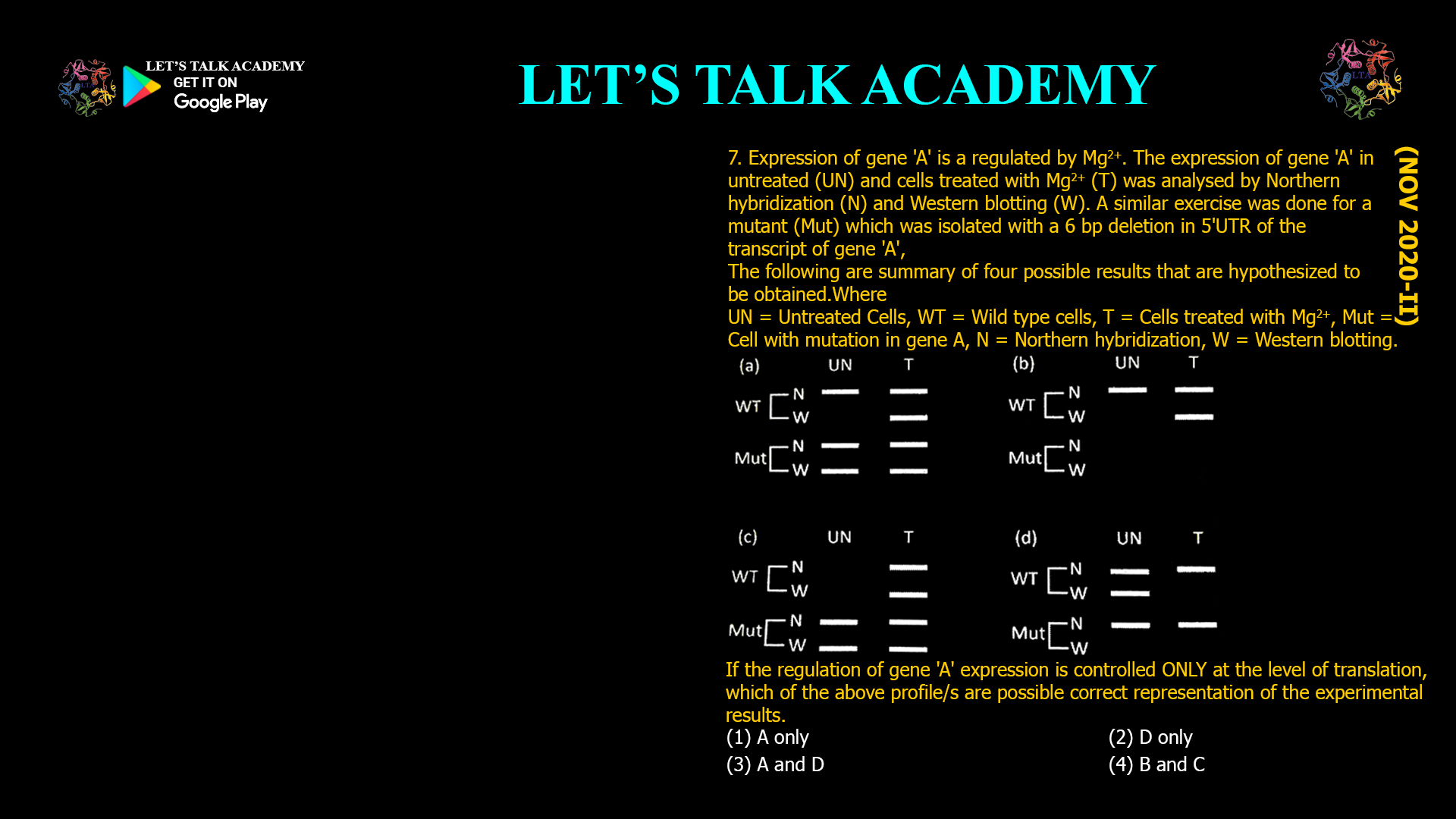
7. Expression of gene 'A' is a regulated by Mg2+. The expression of gene 'A' in untreated (UN) and cells treated with Mg2+ (T) was analysed by Northern hybridization (N) and Western blotting (W). A similar exercise was done for a mutant (Mut) which was isolated with a 6 bp deletion in 5'UTR of the transcript of gene 'A', The following are summary of four possible results that are hypothesized to be obtained.Where UN = Untreated Cells, WT = Wild type cells, T = Cells treated with Mg2+, Mut = Cell with mutation in gene A, N = Northern hybridization, W = Western blotting. If the regulation of gene 'A' expression is controlled ONLY at the level of translation, which of the above profile/s are possible correct representation of0 the experimental results. (1) A only (2) D only (3) A and D (4) B and C

How Translation-Only Regulation Affects Gene Expression: Interpreting Northern and Western Blot Results

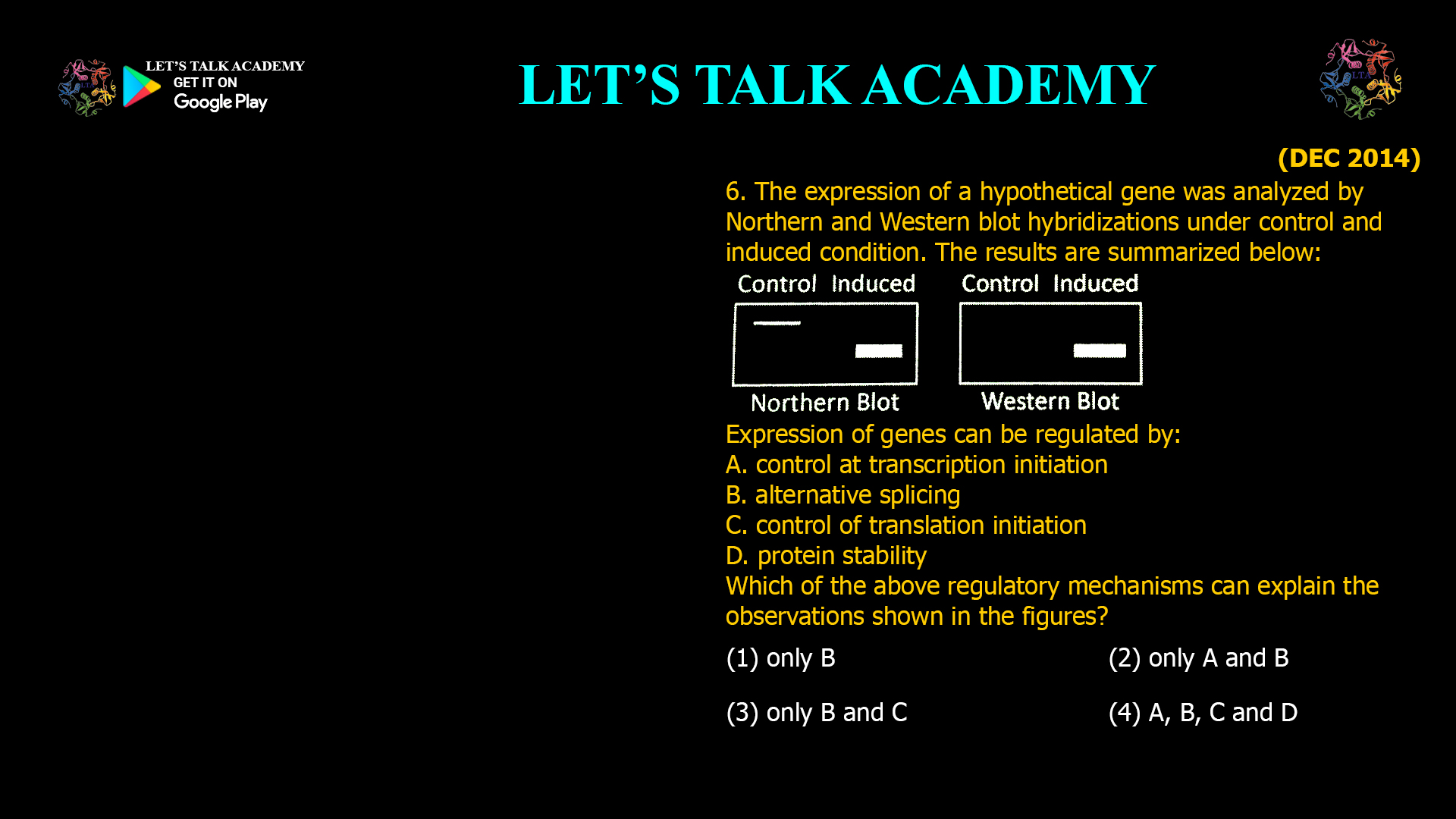
6. The expression of a hypothetical gene was analyzed by Northern and Western blot hybridizations under control and induced condition. The results are summarized below: Expression of genes can be regulated by: A. control at transcription initiation B. alternative splicing C. control of translation initiation D. protein stability Which of the above regulatory mechanisms can explain the observations shown in the figures? (1) only B (2) only A and B (3) only B and C (4) A, B, C and D

Understanding Gene Expression Regulation: How Northern and Western Blots Reveal Multiple Control Mechanisms

5. You are studying a transcriptional activator which is phosphorylated at serine residue that inactivates its nuclear localization signal. Which one of the following will be true if the serine residue in the transcription factor will be replaced by alanine? (1) No phosphorylation Of the transcription factor and constitutive activation of the target gene expression. (2) No phosphorylation of the transcription, factor and target gene expression will be inhibited. (3) No change in phosphorylation and target gene expression. (4) Increased phosphorylation of the transcription factor with concomitant increase of the target gene expression

Understanding the Impact of Serine-to-Alanine Mutation on Transcription Factor Activity and Nuclear Localization

4. Following statements were made about regulation of eukaryotic gene expression. A. It is usually regulated at the level of initiation of altering the chromatin by transcription architecture. B. The eukaryotic genome is divided into domains by insulator elements. C. A chromatin remodeling complex binds to the promoter of a gene in sequence specific manner. D. Architectural proteins regulate gene expression by promoting DNA bending. E. The chromatin remodeling complex can alter nucleosomal architecture, but cannot displace them. The option with all the correct statements is (1) A, B, D (2) A, C, E (3) B, D, E (4) B, C, D

Understanding Eukaryotic Gene Regulation: Key Statements and Their Accuracy

3. In response to a drug, changes in protein levels wereexamined in a cell line. A pulse chase experiment wasperformed using labeled methionine. In comparison, to untreated samples, the following observations weremade: few minutes after stimulation, protein Xaccumulates and this was followed by reduction inprotein Y and Z. The correct interpretation of theseobservations would be: (1) Protein X is a protease which degrades Y and Z. (2) Protein X is a transcriptional repressor that controlsexpression of Y and Z. (3) Expression of protein X and loss of Y and Z areunrelated. (4) Information is not sufficient to distinguish betweenthe three possibilities stated above.

Interpreting Pulse-Chase Experiments: Can Protein Dynamics Reveal Causal Relationships?

2. Which one of the following statements about GAL gene expression is FALSE? (1) GALA is a positive regulator of GAL genes (2) The UAS region that regulates the GAL geneexpression harbors short, phased AT repeats every10 base pairs (3) GAL 80 is a positive regulator of GAL4 (4) GAL80 is negatively regulated bv GAL3

GAL Gene Regulation in Yeast: Identifying the False Statement

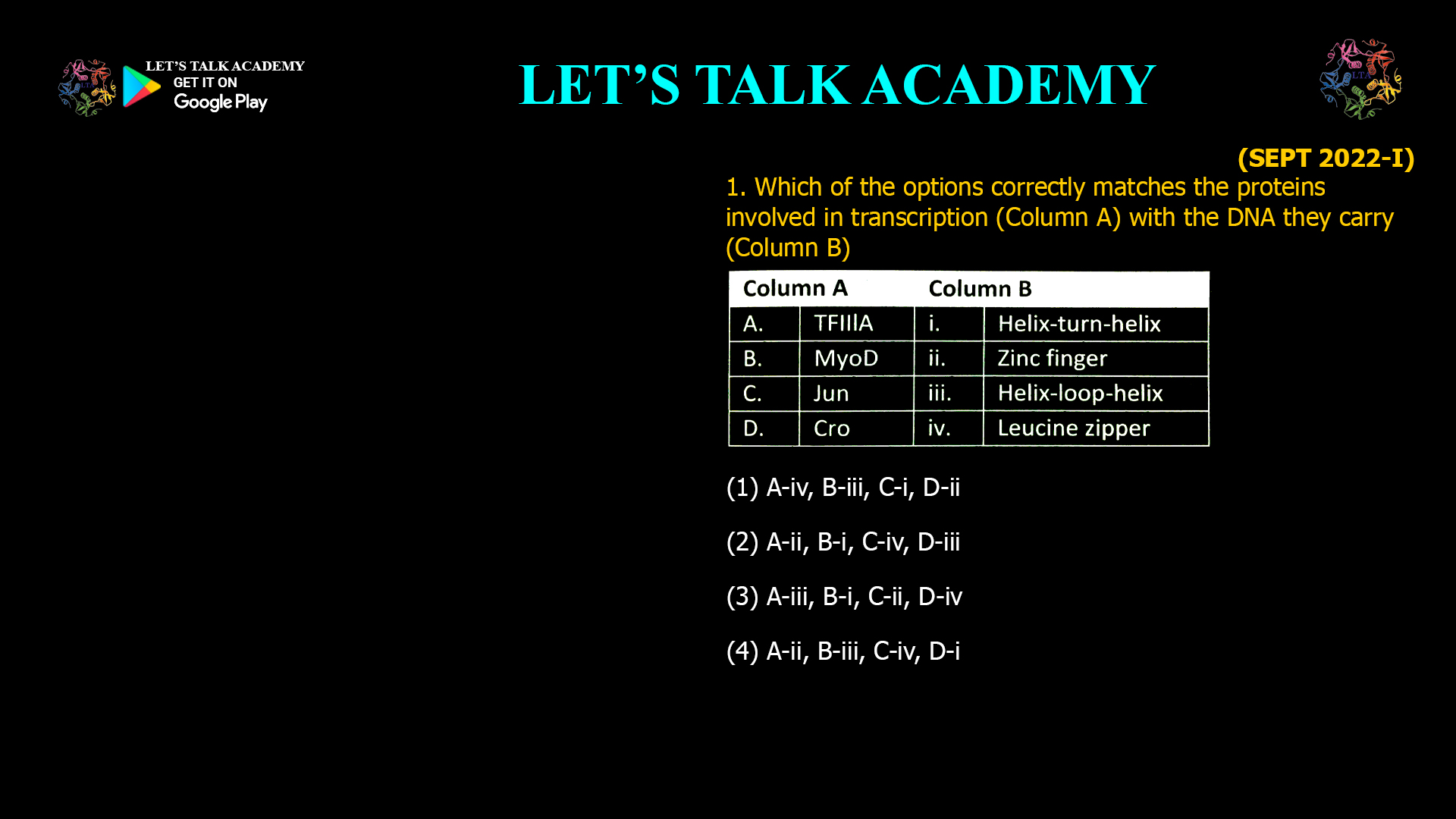
1. Which of the options correctly matches the proteins involved in transcription (Column A ) with the DNA they carry ( Column B) Column A Column B A. TFIIIA i. Helix-turn-helix B. MyoD ii. Zinc finger C. Jun iii. Helix-loop-helix D. Croiv. Leucine Zipper (1) A-iv, B-iii, C-i, D-ii (2) A-ii, B-i, C-iv, D-iii (3) A-iii, B-i, C-ii, D-iv (4) A-ii, B-iii, C-iv, D-i

Matching Transcription Factors to Their DNA-Binding Domains: A Guide to Protein-DNA Recognition

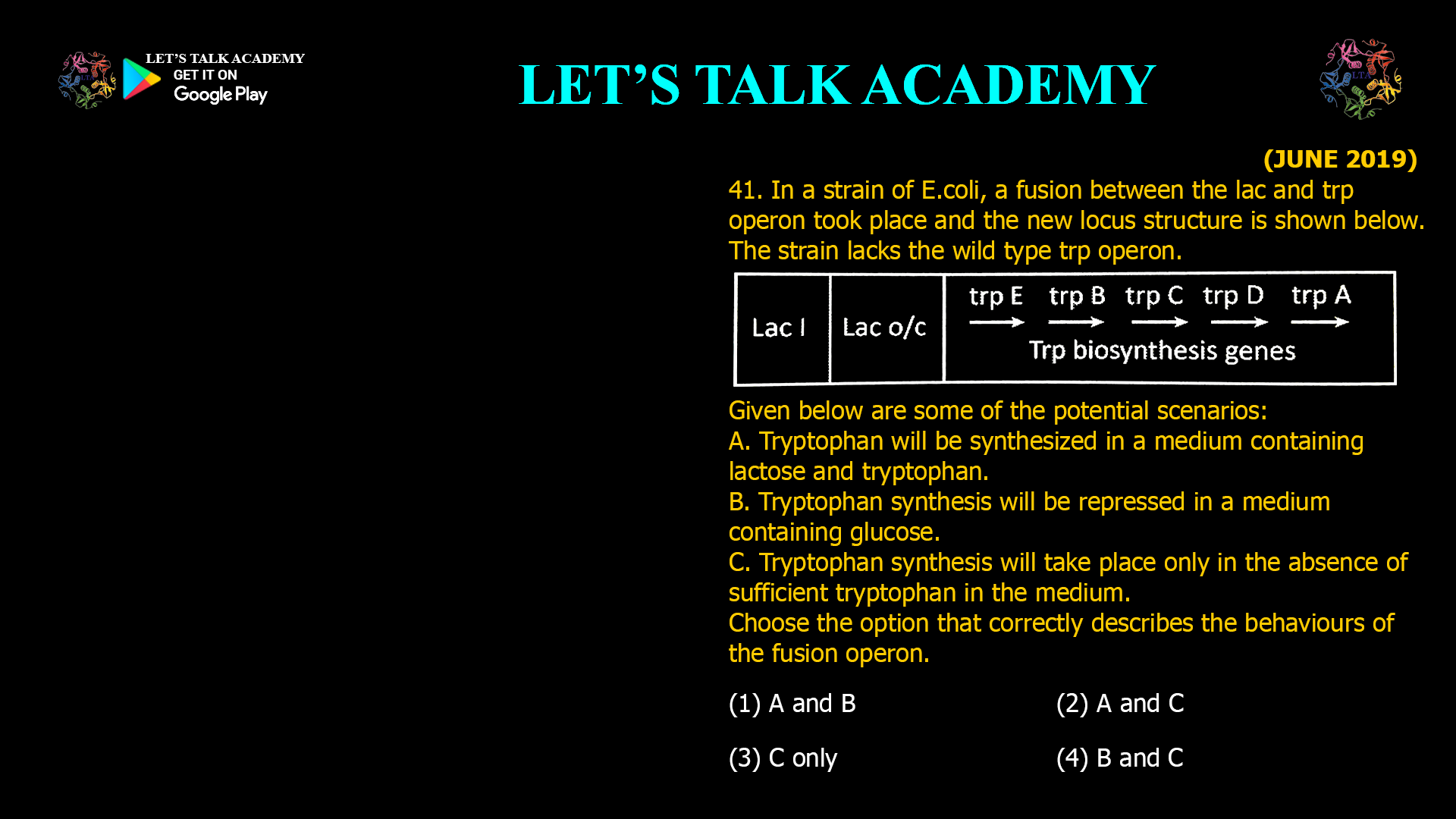
41. In a strain of E.coli, a fusion between the lac and trp operon took place and the new locus structure is shown below. The strain lacks the wild type trp operon. Given below are some of the potential scenarios: A. Tryptophan will be synthesized in a medium containing lactose and tryptophan. B. Tryptophan synthesis will be repressed in a medium containing glucose. C. Tryptophan synthesis will take place only in the absence of sufficient tryptophan in themedium. Choose the option that correctly describes the behaviours of the fusion operon. (1) A and B (2) A and C (3) C only (4) B and C

Understanding trp-lac Fusion Operon Behavior: Regulation and Expression in E. coli

40. Transcriptional regulation of trp operon by tryptophan involves binding of tryptophan to (1) the repressor protein and inhibition of transcription by its interaction with the operator region. (2) RNA polymerase and inhibition of transcription. (3) the repressor protein leading to structural changes and its degradation by proteases. (4) the repressor protein leading to its interaction with the sigma subunit and inhibition of transcription

Transcriptional Regulation of the trp Operon by Tryptophan: Mechanism and Biological Significance

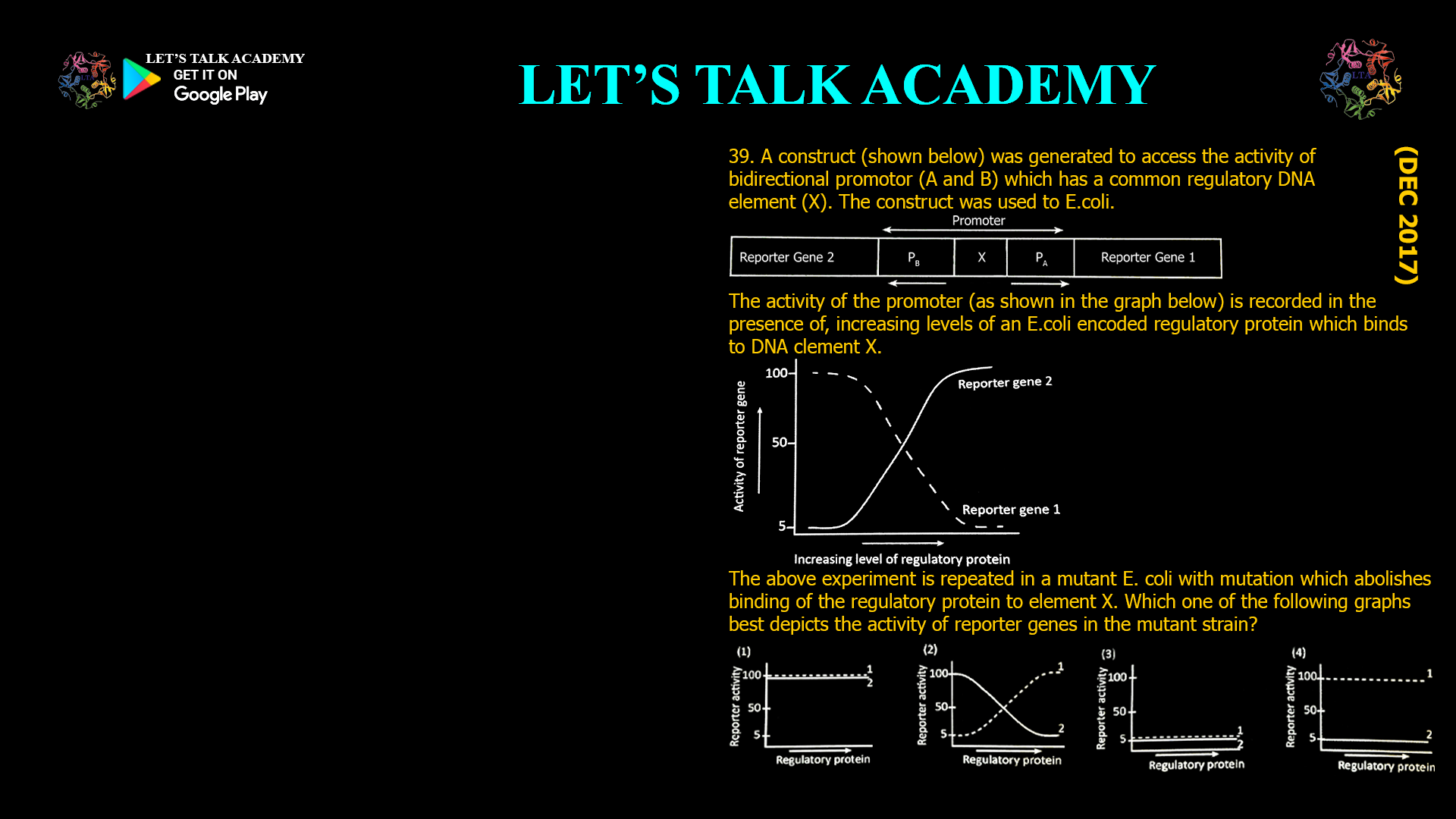
39. A construct (shown below) was generated to access the activity of bidirectional promotor (A and B) which has a common regulatory DNA element (X). The construct was used to E.coli. The activity of the promoter (as shown in the graph below) is recorded in the presence of, increasing levels of an E.coli encoded regulatory protein which binds to DNA clement X. The above experiment is repeated in a mutant E. coli with mutation which abolishes binding of the regulatory protein to element X. Which one of the following graphs best depicts the activity of reporter genes in the mutant strain?

Bidirectional Promoter Regulation in E. coli: How Loss of Regulatory Protein Binding Alters Reporter Gene Activity

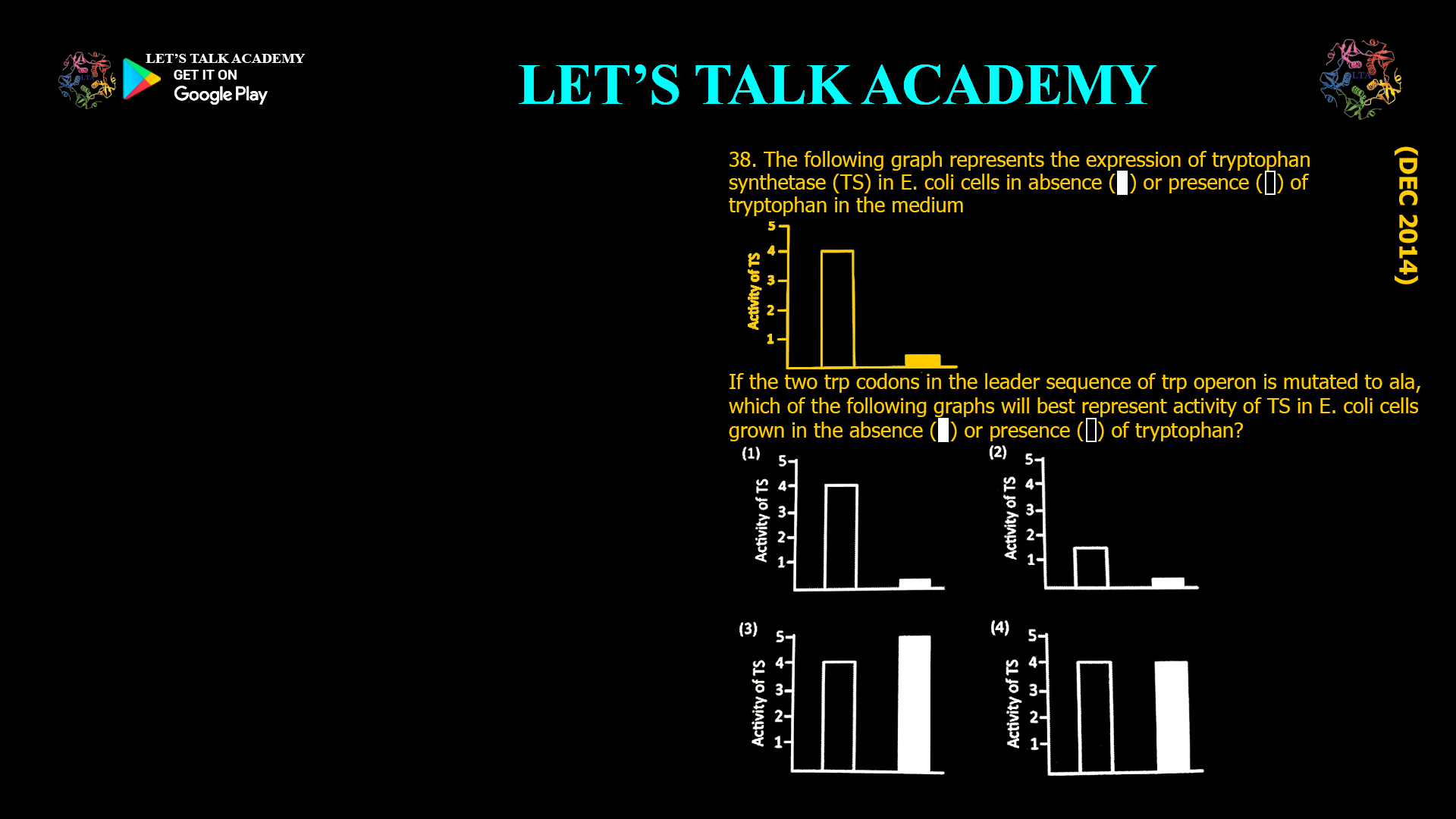
38. The following graph represents the expression of tryptophan synthetase (TS) in E. coli cells in absence ( ) or presence ( ) of tryptophan in the medium If the two trp codons in the leader sequence of trp operon is mutated to ala, which of the following graphs will best represent activity of TS in E. coli cells grown in the absence ( ) or presence ( ) of tryptophan?

Effect of trpL Codon Mutations on Tryptophan Synthetase Activity in E. coli: Graph Interpretation and Molecular Insight

37. Attenuation is a mechanism involved in the regulation of tryptophan operon in E. coli. When tryptophan levels are high in the cell, region 2 of the trpL is blocked from pairing with region 3. This allows the pairing of region 3 and 4 leading to the formation a rho-independent termination. What would be the structure of the trpL region in E. coli cells where protein synthesis has been inhibited? (1) Region 2 pairs with region 3 allowing transcription of the structural genes. (2) Region 1 and 2 will pair, allowing 3 and 4 to pair leading to attenuation. (3) There is no pairing in the trpL region and transcription of structural gene occurs. (4) Region 2 and 3 will pair leading to attenuation.

Attenuation in the trp Operon: Impact of Protein Synthesis Inhibition on trpL mRNA Structure in E. coli

Latest Courses