




Q.103 An enzyme, which follows Michaelis-Menten equation, catalyzes the reaction A→B. When enzyme and substrate concentrations are 15 nM and 10 μM, respectively, the reaction velocity is 5 μM s-1. If Km for the substrate A is 5 μM, the kinetic efficiency of the enzyme will be _______×106 M-1s-1 (in integer)  

Kinetic Efficiency of an Enzyme Using Michaelis–Menten Equation

Q.102 The mother and the father of five children are carriers (heterozygous) of an autosomal recessive allele that causes cystic fibrosis. The probability of having exactly three normal children among five is ______ (up to two decimal places)

Probability of Exactly Three Normal Children

Q.101 Which of the following genetic disorders is/are caused by trinucleotide repeat expansions? (A) Huntington’s disease (B) β-thalassemia (C) Fragile X syndrome (D) Cystic fibrosis

Trinucleotide Repeat Expansions

100. Which of the following statements in relation to cell movement during gastrulation in Sea urchin is/are correct? (A) Delamination leads to the formation of endoderm (B) Ingression leads to the development of mesoderm (C) Involution leads to the development of ectoderm (D) Invagination leads to the development of endoderm

Sea Urchin Gastrulation Cell Movements

Q.99 Which of the following animals in India are included under “critically endangered” threat category as per the Red Data List of IUCN? (A) Namdapha Flying Squirrel (B) Indian Rhinoceros (C) Nicobar Shrew (D) Clouded Leopard

Critically Endangered Animals in India

Q.98 The expression of a gene is regulated by a transcription factor. Which of the following techniques can be used to identify the region in its promoter where the transcription factor binds? (A) S1 nuclease mapping (B) Chromatin immunoprecipitation followed by sequencing (C) Electrophoretic mobility shift assay (D) DNase I footprinting

Transcription Factor Binding Site Identification

Q.97 Nucleosomes are made up of DNA and histones. Histones undergo various kind of modifications by different groups of proteins. They are known as histone writers, readers and erasers. Which of the following is/are histone writer(s)? (A) Histone acetyl transferases (B) Histone methyl transferases (C) Histone deacetylases (D) DNA methyl transferases

Histone Writers

Q.96 What would be the number of genotypes and phenotypes, respectively, from a cross between genotypes AaBBCcDd and AaBBCcDd ? Assume independent assortment and simple dominant-recessive relationship in each gene pair. (A) 8 and 4 (B) 12 and 4 (C) 27 and 8 (D) 14 and 8

Number of Genotypes and Phenotypes in AaBBCcDd Cross

Q.95 Match the molecules in Column-I with their correct property/function in Column-II Column-I Column-II P. RNase P Q. RNA Polymerase-I R. siRNA S. Guide RNA 1. rRNA gene transcription 2. Gene silencing 3. Cas9-mediated genome editing 4. Ribozymes 5. tRNA gene transcription (A) P−4 ; Q−5 ; R−2 ; S−3 (B) P−5 ; Q−1 ; R−3 ; S−4 (C) P−4 ; Q−1 ; R−2 ; S−3 (D) P−1 ; Q−3 ; R−4 ; S−2

Match the molecules with their functions

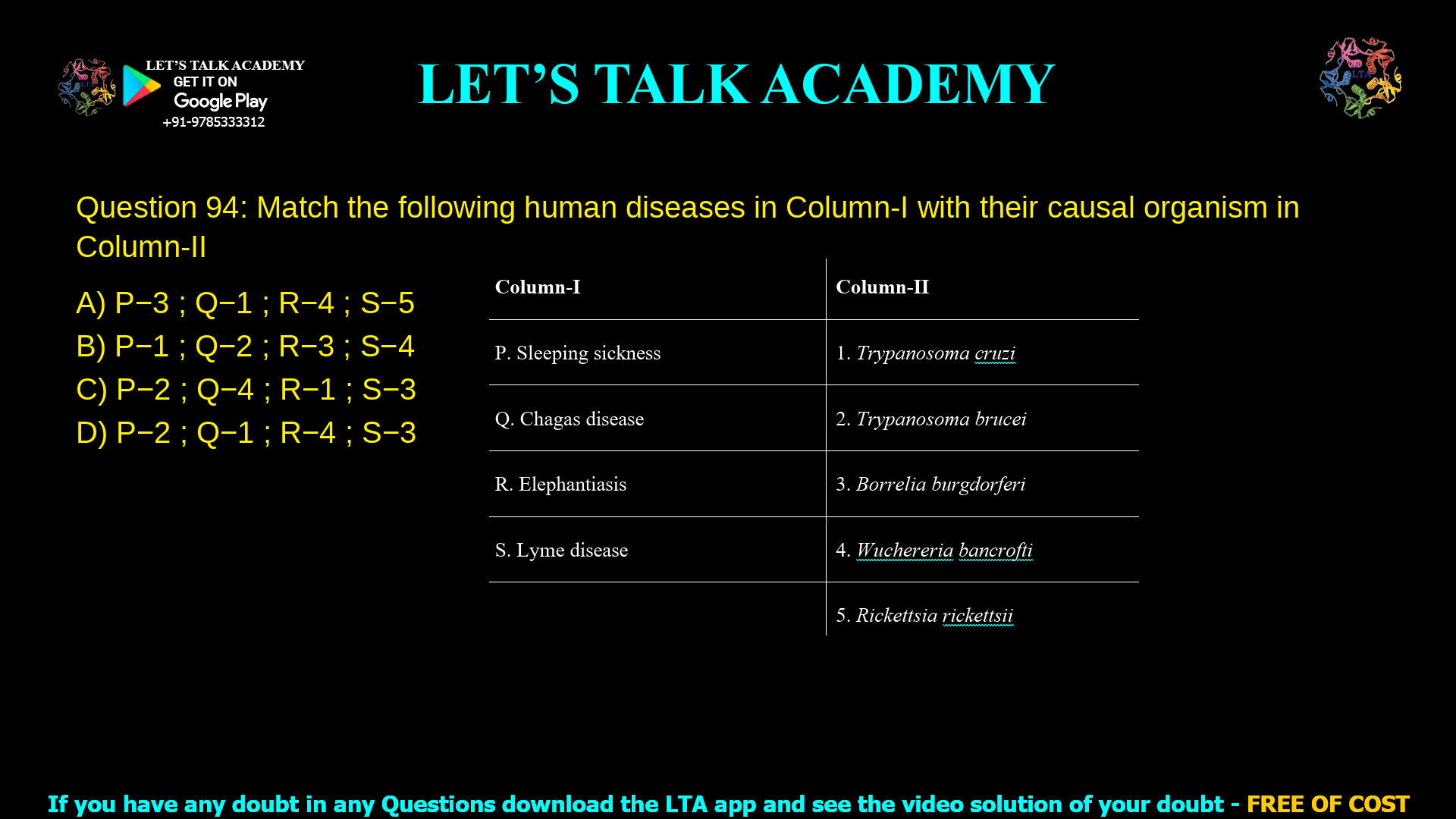
Q.94 Match the following human diseases in Column-I with their causal organism in Column-II Column-I Column-II P. Sleeping sickness 1. Trypanosoma cruzi Q. Chagas disease 2. Trypanosoma brucei R. Elephantiasis 3. Borrelia burgdorferi S. Lyme disease 4. Wuchereria bancrofti 5. Rickettsia rickettsii (A) P−3 ; Q−1 ; R−4 ; S−5 (B) P−1 ; Q−2 ; R−3 ; S−4 (C) P−2 ; Q−1 ; R−4 ; S−3 (D) P−2 ; Q−1 ; R−4 ; S−3  

Matching Human Diseases with Their Causal Organisms

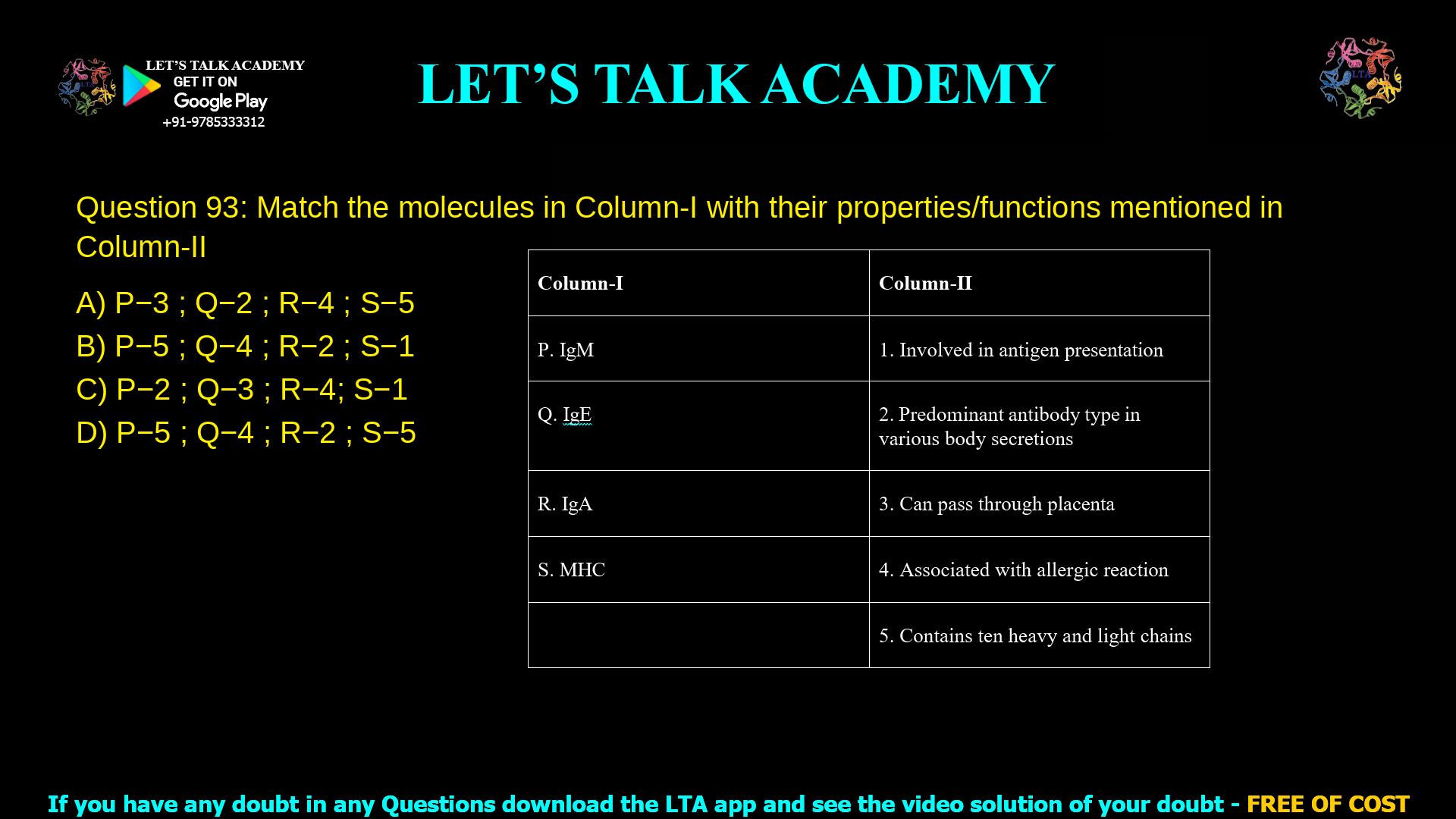
Q.93 Match the molecules in Column-I with their properties/functions mentioned in Column-II Column-I Column-II P. IgM 1. Involved in antigen presentation Q. IgE 2. Predominant antibody type in various body secretions R. IgA 3. Can pass through placenta S. MHC 4. Associated with allergic reaction 5. Contains ten heavy and light chains (A) P−3 ; Q−2 ; R−4 ; S−5 (B) P−5 ; Q−4 ; R−2 ; S−1 (C) P−2 ; Q−3 ; R−4; S−1 (D) P−5 ; Q−4 ; R−2 ; S−5

Match the molecules IgM, IgE, IgA and MHC

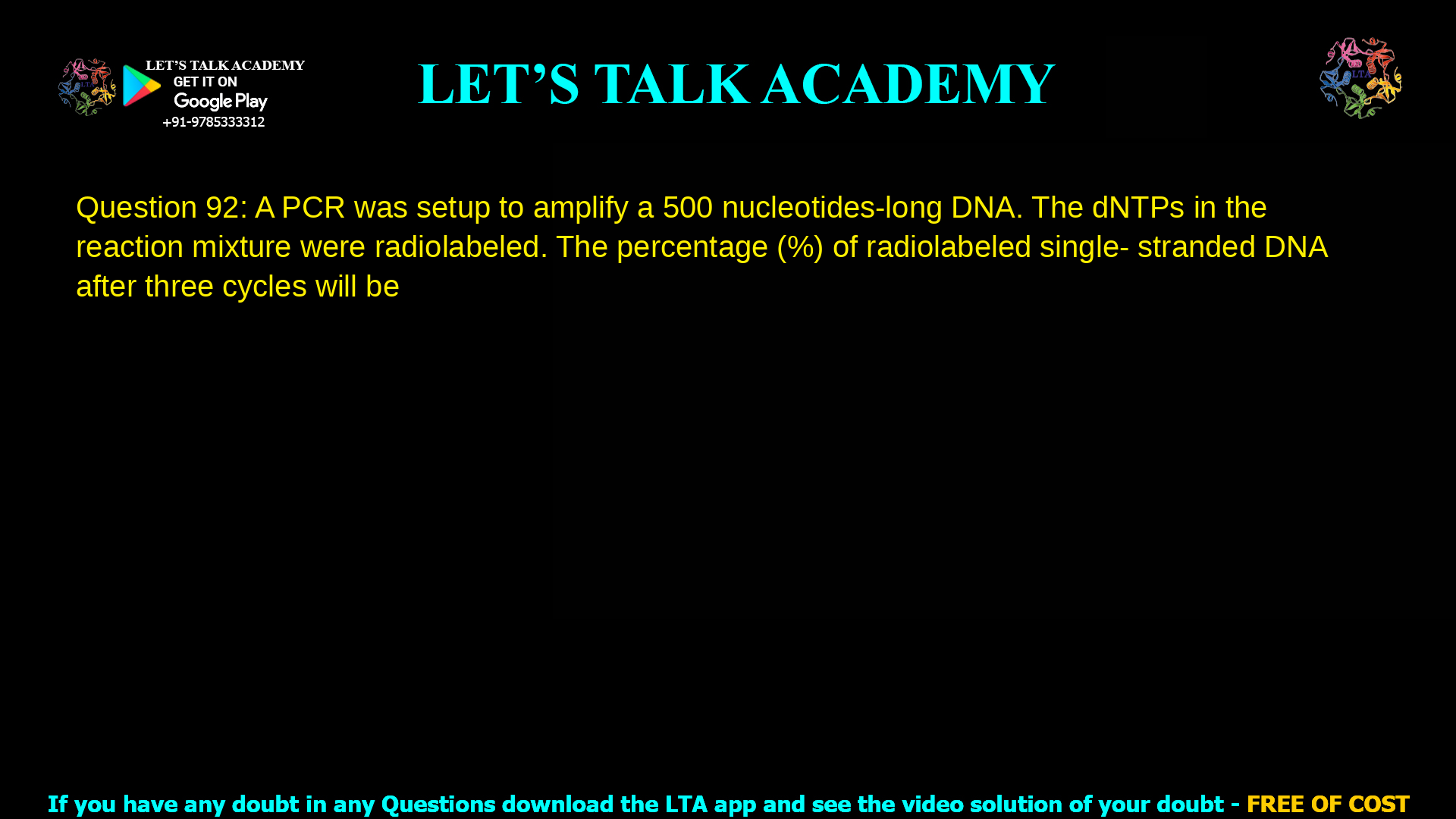
Q.92 A PCR was setup to amplify a 500 nucleotides-long DNA. The dNTPs in the reaction mixture were radiolabeled. The percentage (%) of radiolabeled single- stranded DNA after three cycles will be ______ (up to one decimal place)

Radiolabeled dNTPs PCR Single-Stranded DNA Percentage After Three Cycles

Q.91 Imagine a population of diploid species in Hardy-Weinberg equilibrium. The population has two alleles for a gene which are ‘a’ and ‘A’. The number of individuals with ‘aa’ genotype in this population is 1 in 10000. The frequency of the allele ‘A’ in the population is ______ (up to two decimal places)

Hardy-Weinberg Equilibrium

Q.90 The “foramen of Panizza” is found in which one of the following groups of animals? (A) Fishes (B) Crocodiles (C) Frogs (D) Dolphins

 Foramen of Panizza in Crocodiles

Q.89 Desmosomes are (A) intermediate filament-based cell adhesion complexes. (B) protein synthesizing macromolecular complexes. (C) subcellular organelles. (D) DNA-protein complexes.

Desmosomes Intermediate Filament-Based Cell Adhesion Complexes

Q.88 Which one of the following is a “post-zygotic” isolating mechanism of speciation? (A) Behavioral isolation (B) Fertilization failure (C) Hybrid sterility (D) Seasonal isolation

Post-Zygotic Isolating Mechanism of Speciation

Q.87 The animals belonging to which one of the following phyla are characterized by “segmented body” ? (A) Annelida (B) Cnidaria (C) Echinodermata (D) Porifera

Phylum with Segmented Body in Animals

Q.86 During the development of a mammalian embryo, “yolk sac” is formed by which one of the following? (A) Syncytiotrophoblast (B) Primitive endoderm (hypoblast) (C) Amniotic ectoderm (D) Embryonic epiblast

Yolk Sac Formation in Mammalian Embryo

Q.85 Which one of the following is a “brood parasite” ? (A) Pigeon (B) Sparrow (C) Goose (D) Cuckoo

Brood Parasite Birds Explained

Q.84 A polymerase chain reaction (PCR) based diagnosis test was performed on a bacterial sample targeting a specific gene. There are 3 copies of this gene in the bacterial genome. Prior to DNA extraction, the bacteria were incubated to allow one cycle of growth. 3072 amplicon copies were obtained after 9 cycles of the PCR. Assume 100% efficiency at each step. The initial bacterial count in the sample was _______. (Answer in integer)

PCR Gene Copies Calculation

Q.83 The doubling time of Escherichia coli is 30 minutes in a culture medium containing glucose and yeast extract. Phage T7 has a life cycle of 20 minutes and a burst size of 200 phage per infected E. coli cell. Phage absorption is instantaneous and occurs at 1 multiplicity of infection (MOI). Bacteria infected with multiple or single phage give the same burst. 5000 plaque forming units of T7 phage are added to a culture of 2 × 10⁷ E. coli cells. Assuming normal division, the E. coli culture will lyse completely by _____ full cycles of bacterial division. (Answer in integer)

Escherichia coli Lysis by T7 Phage

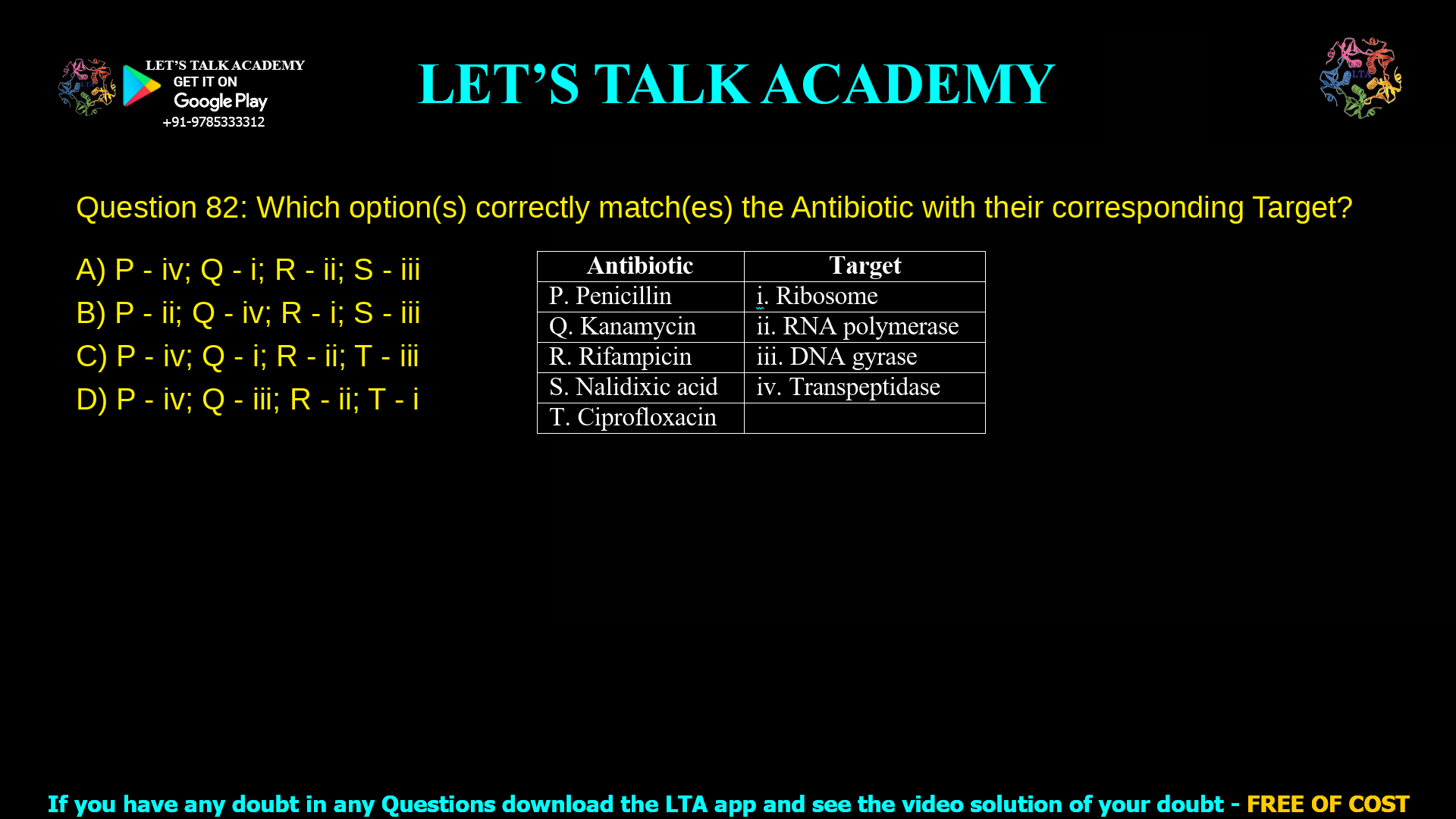
Q.82 Which option(s) correctly match(es) the Antibiotic with their corresponding Target? Antibiotic Target P. Penicillin i. Ribosome Q. Kanamycin ii. RNA polymerase R. Rifampicin iii. DNA gyrase S. Nalidixic acid iv. Transpeptidase T. Ciprofloxacin (A) P - iv; Q - i; R - ii; S - iii (B) P - ii; Q - iv; R - i; S - iii (C) P - iv; Q - i; R - ii; T - iii (D) P - iv; Q - iii; R - ii; T - i  

Antibiotic Targets Made Easy

Q.81 Which of the following reactions is/are catalyzed by aldolase? (A) Dihydroxyacetone phosphate + Glyceraldehye-3-phosphate → Fructose 1,6- biphosphate (B) Dihydroxyacetone phosphate + Erythrose-4-phosphate → Sedoheptulose-1,7- biphosphate (C) Dihydroxyacetone phosphate → Glyceraldehyde-3-phosphate (D) Glyceraldehye-3-phosphate + Erythrose-4-phosphate → Sedoheptulose-1,7- biphosphate

 Aldolase Catalyzed Reactions

Q.80 Which of the following is/are example(s) of animal-microbe mutualism? (A) Human - Mycobacterium tuberculosis (B) Dog - Rabies lyssavirus (C) Human - Lactobacillus plantarum (D) Cow - Ruminococcus albus

Animal-Microbe Mutualism Examples

Q.79 Which of the following statements regarding micro-organisms is/are correct? (A) The free-living bacterium Wolbachia is a human parasite. (B) Myxococcus are a group of predatory bacteria. (C) Dictyostelium is a slime mold that aggregates to form social groups. (D) Actinomycetes in soil are involved in producing earthy odours.

Microorganisms in Biology

Q.78 Which option(s) correctly match(es) the structures in a bacterial cell (Column I) with their corresponding functions (Column II). Column I Column II P. Cell wall i. Protection from osmotic stress Q. Fimbriae ii. Attachment to surfaces R. Flagella iii. Motility S. Pili iv. Transfer of genetic material (A) P - i; Q - ii; R - iii; S - iv (B) P - i; Q - iii; R - iii; S - iv (C) P - i; Q - iv; R - ii; S - iii (D) P - ii; Q - iv; R - i; S - iii

Bacterial Cell Wall, Fimbriae, Flagella and Pili

Q.77 A culture of lac+ Escherichia coli is grown in a medium lacking lactose or any other β-galactoside. The response of the lac operon upon induction by lactose can be monitored by measuring the levels of lac mRNA, β-galactosidase enzyme and permease enzyme. Which one of the following profiles correctly captures the on-off response to lactose? (A) P (B) Q (C) R (D) S

 Lac Operon On–Off Response to Lactose

Q.76 Correctly match the viruses listed in Column I with the nature of their corresponding genetic materials listed in Column II. Column I Column II P. Bacteriophage lambda i. dsDNA Q. Bacteriophage M13 ii. ssDNA R. Coronavirus iii. ssRNA S. Reovirus iv. dsRNA Options: (A) P - i; Q - iv; R - iii; S - ii (B) P - iv; Q - ii; R - i; S - iii (C) P - i; Q - ii; R - iii; S - iv (D) P - i; Q - iii; R - ii; S - iv  

Virus genetic material matching

Q.75 Carl Woese established that short subunit rRNA sequences can be used to reveal evolutionary relationships between various organisms. Based on this, which one of the following options is the established phylogenetic arrangement of the three domains of life? (A) I (B) IV (C) II (D) III

Carl Woese Three‑Domain System

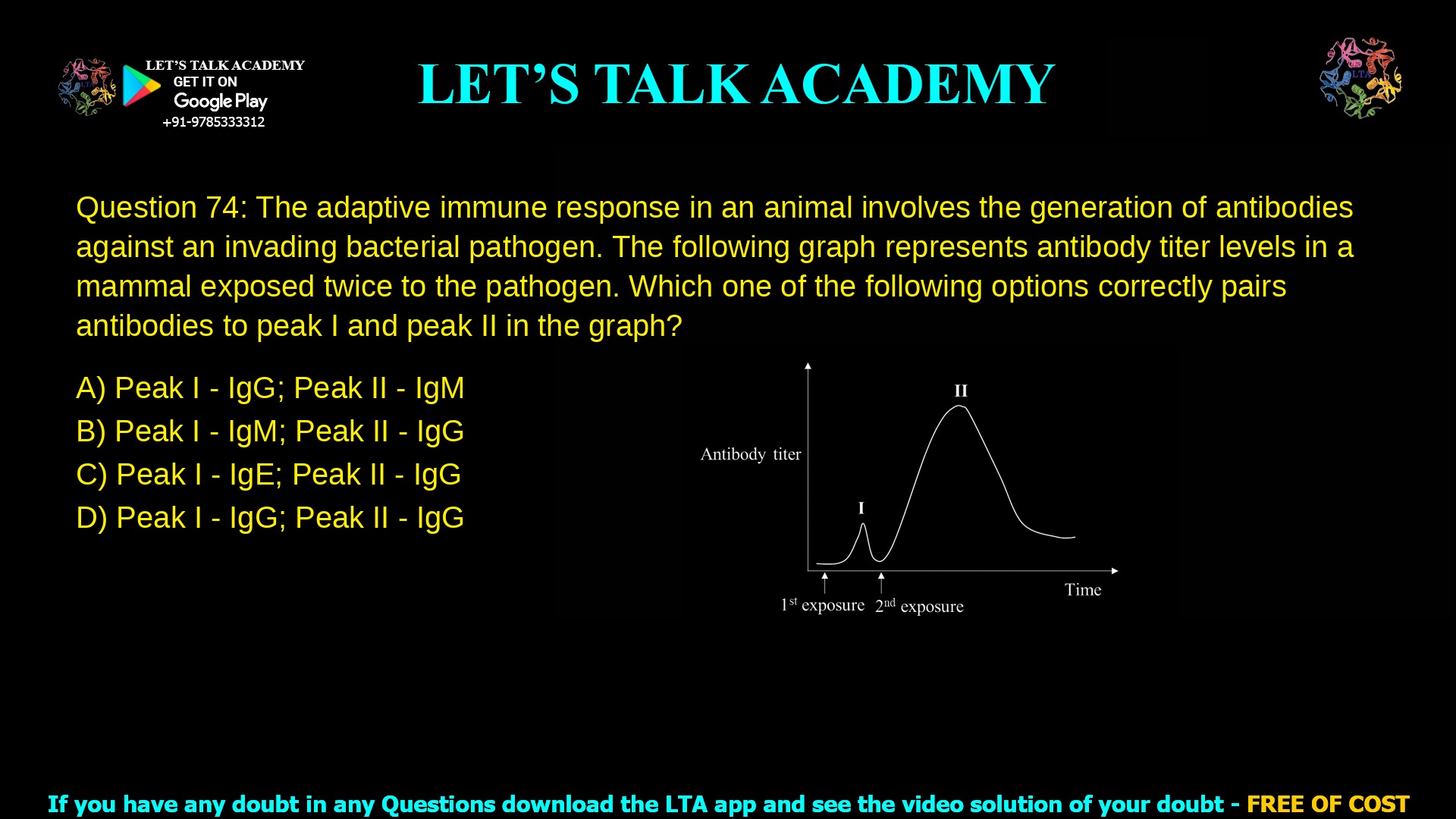
Q.74 The adaptive immune response in an animal involves the generation of antibodies against an invading bacterial pathogen. The following graph represents antibody titer levels in a mammal exposed twice to the pathogen. Which one of the following options correctly pairs antibodies to peak I and peak II in the graph? (A) Peak I - IgG; Peak II - IgM (B) Peak I - IgM; Peak II - IgG (C) Peak I - IgE; Peak II - IgG (D) Peak I - IgG; Peak II - IgG

Primary and Secondary Immune Response Graph

Q.73 Which of the following sites is/are the location(s) of ATP generation through oxidative phosphorylation in Escherichia coli? (A) Inner membrane only (B) Outer membrane only (C) Both outer membrane and inner membrane (D) Mesosome

ATP Generation through Oxidative Phosphorylation in Escherichia coli

Q.72 The origin of the Escherichia coli chromosome on the genetic map is shown below. Bidirectional replication is a feature of this system and both replication forks move at the same rate. Which one of the following sequences of replication of the genes is correct? (A) ABCDEFG (B) AGBFCDE (C) GAFBECD (D) GAFEBCD

Bidirectional DNA Replication in E. coli

Q.71 A bacterium obtains energy from a chemical source by the oxidation of reduced 𝑁𝑂2-, with 𝐶𝑂2 as the principal carbon source. Which one of the following nutritional groups does this bacterium belong to? (A) Photoautotroph. (B) Photoheterotroph. (C) Chemoautotroph. (D) Chemoheterotroph.

 Bacterium Oxidizing Reduced NO2- with CO2

Q.70 A penicillin sensitive Escherichia coli population is exposed to a lethal dose (200 μg/ml) of penicillin. Assuming density-independent mortality, which one of the following relationships would describe the number of surviving bacteria (N) over time (T)? (A) Exponential (B) Linear (C) Sigmoidal (D) Parabolic

Penicillin Sensitive E. coli Lethal Dose Survivor Curve

Q.69 Robert Koch used a meat-infused nutrient medium for which one of the following purposes? (A) To grow disease causing microorganisms. (B) To demonstrate presence of microorganisms in air. (C) To test the efficiency of sterilization approaches. (D) To demonstrate antimicrobial activity of soil isolates.

 Robert Koch Meat-Infused Nutrient Medium

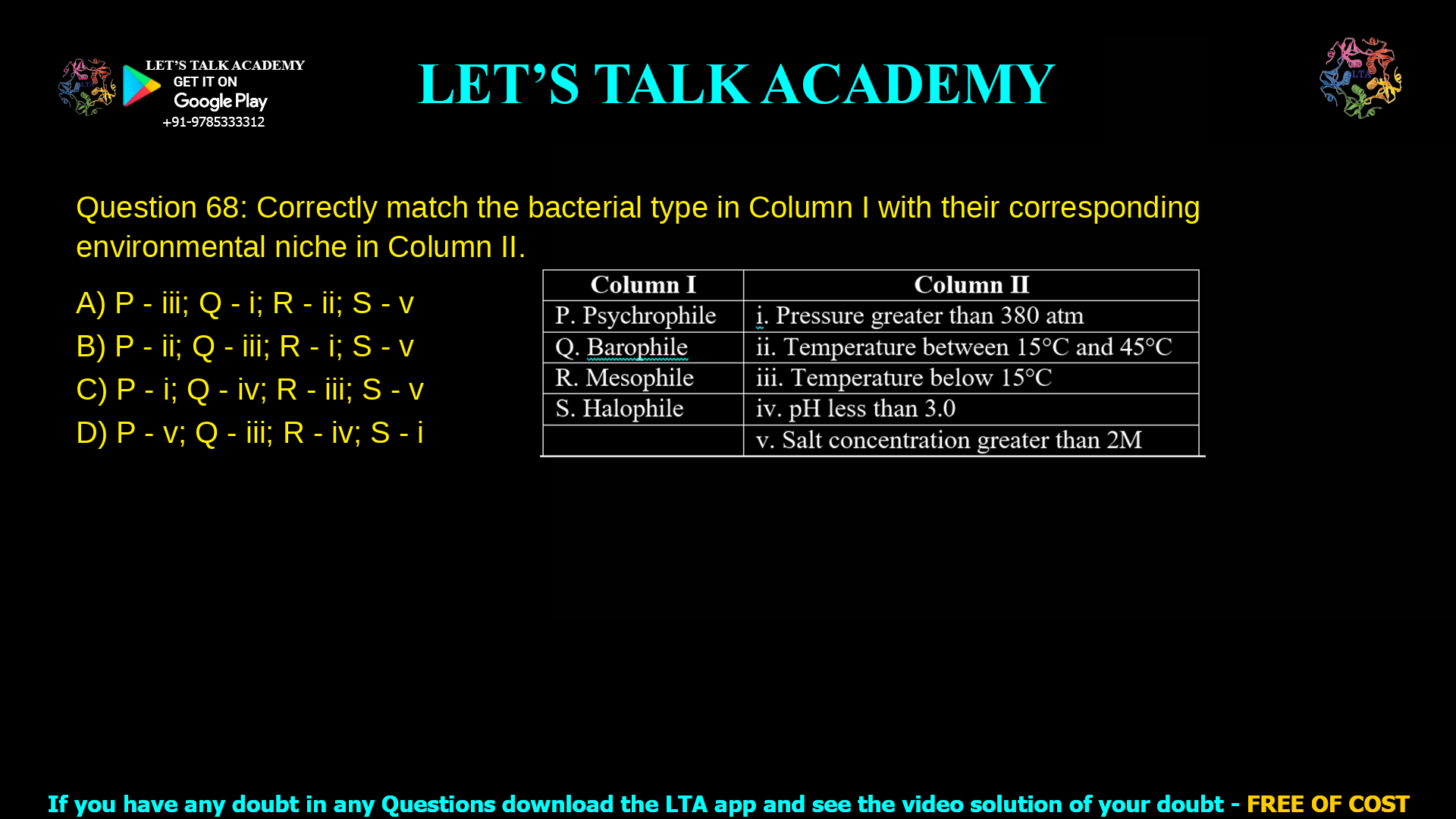
Q.68 Correctly match the bacterial type in Column I with their corresponding environmental niche in Column II. Column I Column II P. Psychrophile i. Pressure greater than 380 atm Q. Barophile ii. Temperature between 15°C and 45°C R. Mesophile iii. Temperature below 15°C S. Halophile iv. pH less than 3.0 v. Salt concentration greater than 2M (A) P - iii; Q - i; R - ii; S - v (B) P - ii; Q - iii; R - i; S - v (C) P - i; Q - iv; R - iii; S - v (D) P - v; Q - iii; R - iv; S - i

Bacterial Types Matching pH Temperature Salt Pressure

Q.67 India is aiming to be free of tuberculosis by 2025. One of the key approaches for this program is DOTS. Which one of the following options is the full form of DOTS? (A) Directly observed therapy short-course (B) Directly observed tuberculosis short-course (C) District operated therapy system (D) Directly operated therapy short-course

DOTS Full Form in Tuberculosis

Q.66 Which one of the following metabolites is associated with bacterial stringent response? (A) Cyclic di-GMP (CDG) (B) Guanosine tetraphosphate (ppGpp) (C) Cyclic-AMP (cAMP) (D) Cyclic-GMP (cGMP)

Bacterial Stringent Response Metabolite

Q.65 In a genetic cross between a true-breeding tall parent bearing red flowers and a true-breeding dwarf parent bearing white flowers, only tall plants with red flowers are obtained in the F1 population. Considering these two traits segregate independently, if one tall individual is selected from the F2 population, the probability that it would be genotypically homozygous for plant height and make red flowers is __________ (Round off to two decimal places).

Probability Homozygous Tall Red Flowers F2 Dihybrid Cross

Q.64 Which of the following reactions in plants is/are catalyzed by the malic enzymes? (A) Malate + NAD+ → Pyruvate + CO2 + NADH (B) Malate + NAD+ ⇌ Oxaloacetate + NADH (C) Malate ⇌ Fumarate (D) Malate + NADP+ → Pyruvate + CO2 + NADPH

Malic Enzymes in Plants

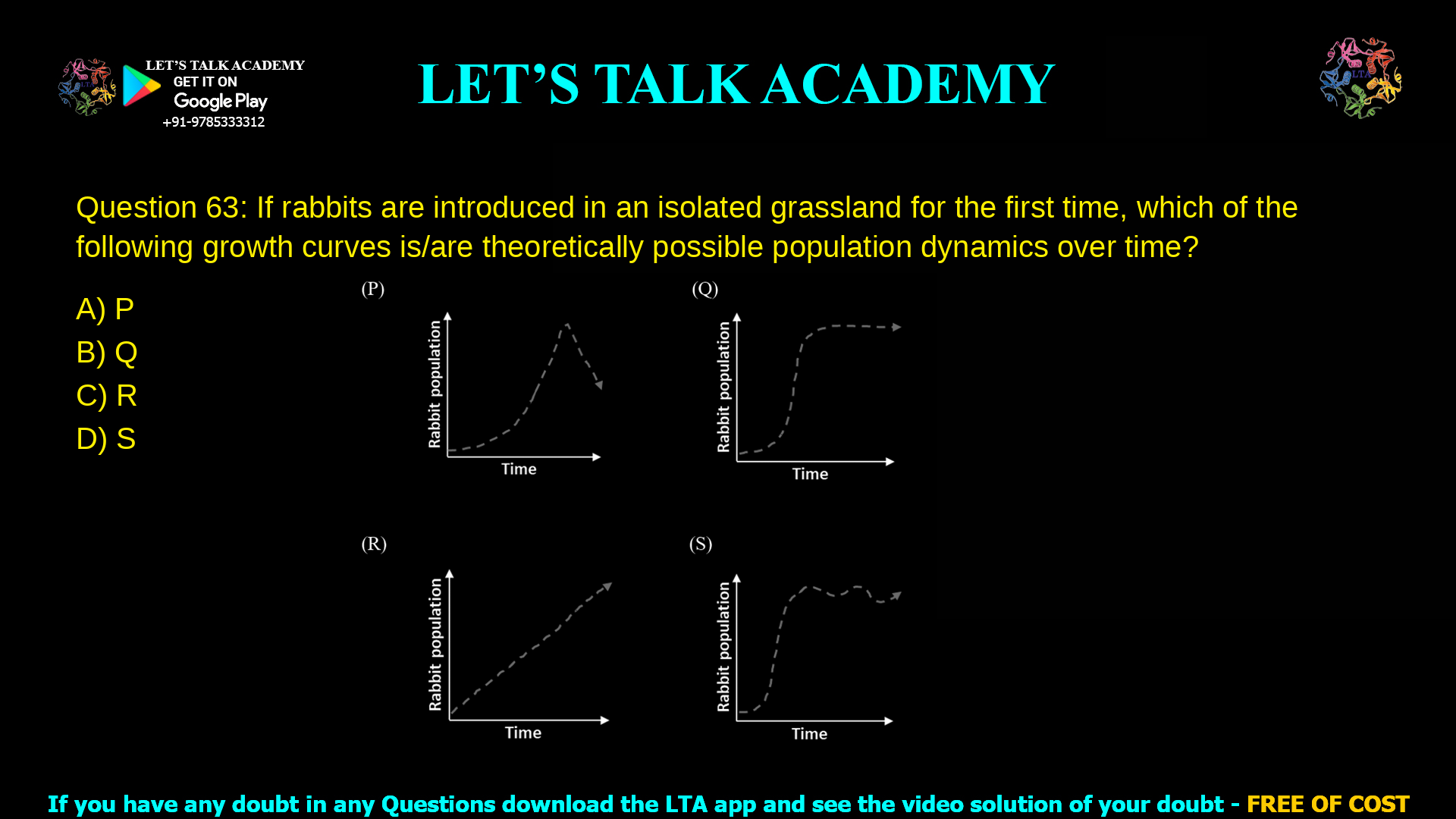
Q.63 If rabbits are introduced in an isolated grassland for the first time, which of the following growth curves (shown using dashed line) is/are theoretically possible population dynamics over time? (A) P (B) Q (C) R (D) S

Population Growth Curves of Rabbits in an Isolated Grassland

Q.62 Which of the following sequential reactions correctly represent(s) the flow of electrons from NADH to O2 in plant mitochondrial electron transport chain? (A) NADH dehydrogenase → Ubiquinone → Succinate dehydrogenase → Cytochrome bc1 → Cytochrome c → Cytochrome c oxidase (B) NADH dehydrogenase → Succinate dehydrogenase → Ubiquinone → Cytochrome c → Cytochrome bc1 → Cytochrome c oxidase (C) NADH dehydrogenase → Ubiquinone → Alternative oxidase (D) NADH dehydrogenase → Alternative oxidase → Ubiquinone

Electron Flow from NADH to O₂ in Plant Mitochondrial Electron Transport Chain

Q.61 Correctly match the enzymes used as selectable markers (Group I) and the chemicals used for their selection (Group II). Group I Group II (P) Neomycin phosphotransferase (1) Bialaphos (Q) Phosphinothricin acetyltransferase (2) Kanamycin (R) Dihydrofolate reductase (3) Glyphosate (S) 5-Enolpyruvyl shikimate 3-phosphate synthase (4) Methotrexate (A) P-2; Q-1; R-4; S-3 (B) P-1; Q-2; R-3; S-4 (C) P-2; Q-4; R-1; S-3 (D) P-3; Q-4; R-1; S-2

Selectable Marker Enzymes and Their Selection Chemicals

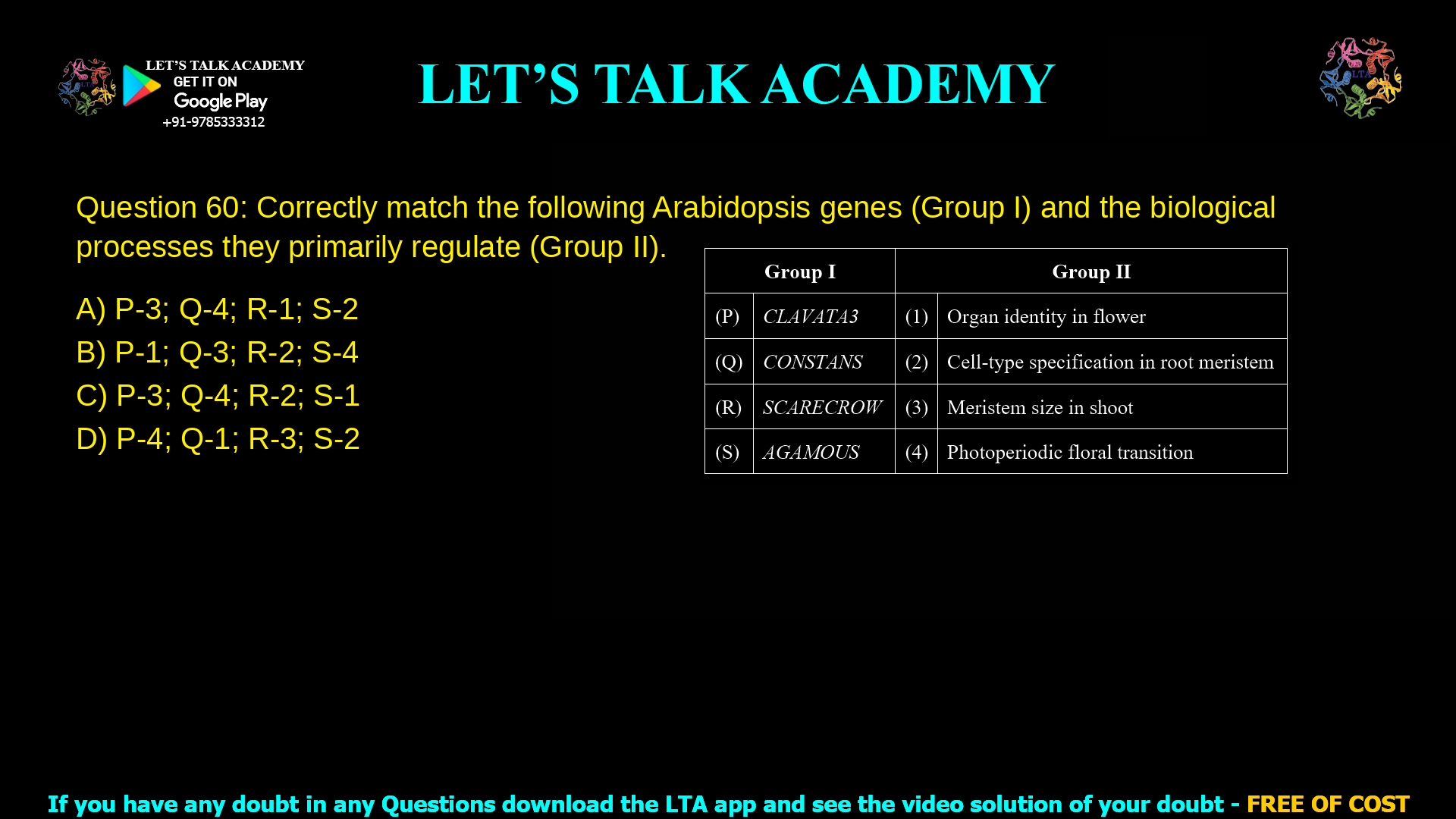
Q.60 Correctly match the following Arabidopsis genes (Group I) and the biological processes they primarily regulate (Group II). Group I Group II (P) CLAVATA3 (Q) CONSTANS (R) SCARECROW (S) AGAMOUS (1) Organ identity in flower (2) Cell-type specification in root meristem (3) Meristem size in shoot (4) Photoperiodic floral transition (A) P-3; Q-4; R-1; S-2 (B) P-1; Q-3; R-2; S-4 (C) P-3; Q-4; R-2; S-1 (D) P-4; Q-1; R-3; S-2

Arabidopsis genes CLAVATA3, CONSTANS, SCARECROW and AGAMOUS

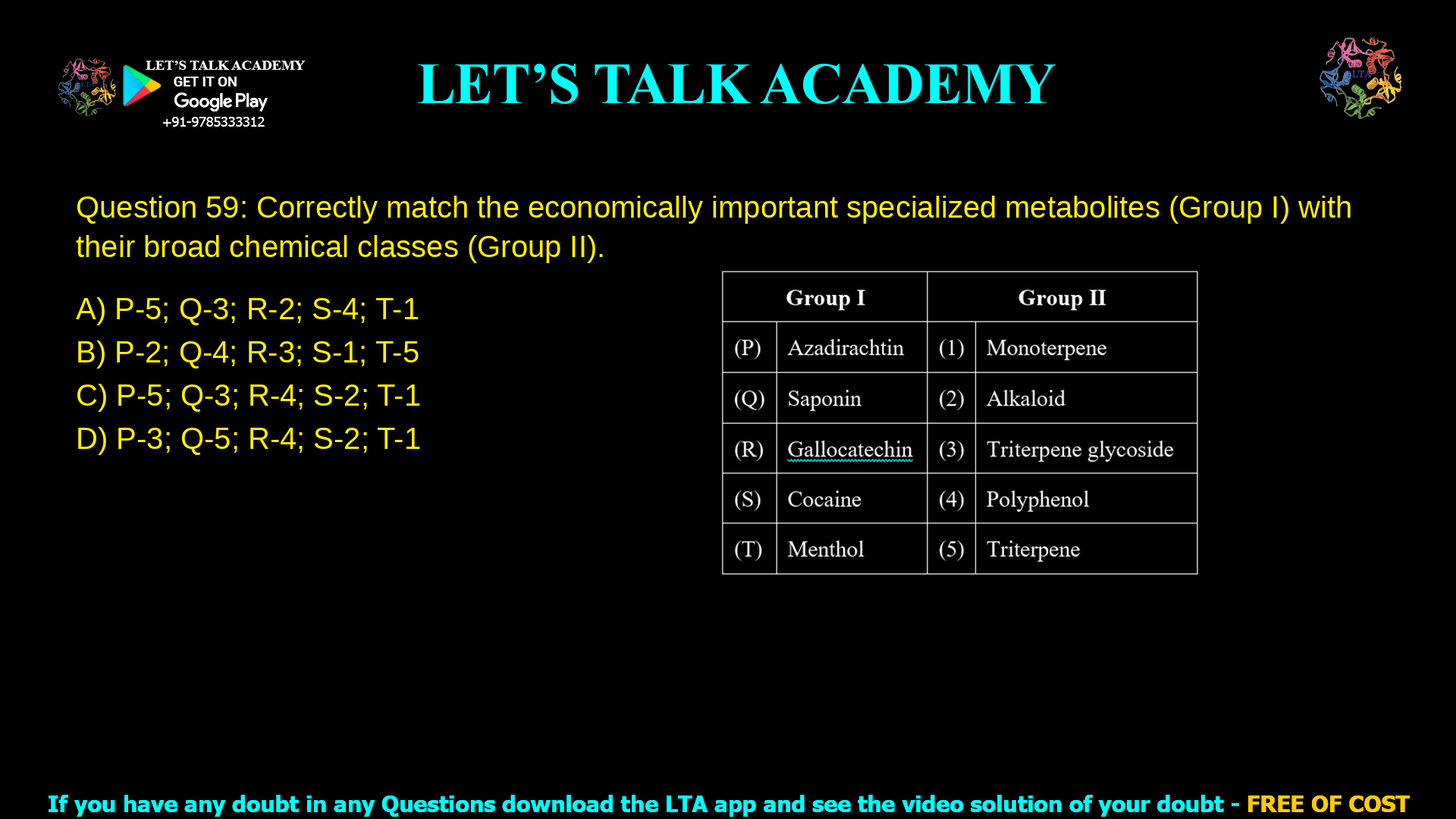
Q.59 Correctly match the economically important specialized metabolites (Group I) with their broad chemical classes (Group II). Group I                                  Group II (P) Azadirachtin                   (1) Monoterpene (Q) Saponin                           (2) Alkaloid (R) Gallocatechin                (3) Triterpene glycoside (S) Cocaine                           (4) Polyphenol (T) Menthol                          (5) Triterpene (A) P-5; Q-3; R-2; S-4; T-1 (B) P-2; Q-4; R-3; S-1; T-5 (C) P-5; Q-3; R-4; S-2; T-1 (D) P-3; Q-5; R-4; S-2; T-1

Economically Important Specialized Metabolites

Q.58 The following table summarizes the flowering time behavior (days to flower) and the transcript levels in four genotypes of a plant species. Genotype Days to flower Transcript level of gene A Transcript level of gene B Wild type 30 Normal Normal a mutant 15 Nil Increased b mutant 60 Normal Nil ab double mutant 60 Nil Nil Which one of the following genetic pathways best explains the observations shown in the table? (A) A gene activates B, which suppresses flowering transition (B) A gene suppresses B, which promotes flowering transition (C) B gene activates A, which suppresses flowering transition (D) B gene suppresses A, which promotes flowering transition

Genetic Pathway Controlling Flowering Time

Q.57 Correctly match the photosynthetic pathways (Group I) with their first stable products (Group II) in respective plants (Group III) Group I Group II Group III (P) C3 cycle (1) 3-Phosphoglycerate (a) Wheat (Q) C4 cycle (2) Glyceraldehyde-3-phosphate (b) Sugarcane (R) CAM (3) Oxaloacetate (c) Pineapple (A) P-1-a; Q-3-b; R-3-c (B) P-1-a; Q-2-b; R-3-c (C) P-1-b; Q-3-a; R-2-c (D) P-1-a; Q-3-b; R-3-c

Correctly Matching C3, C4 and CAM Pathways

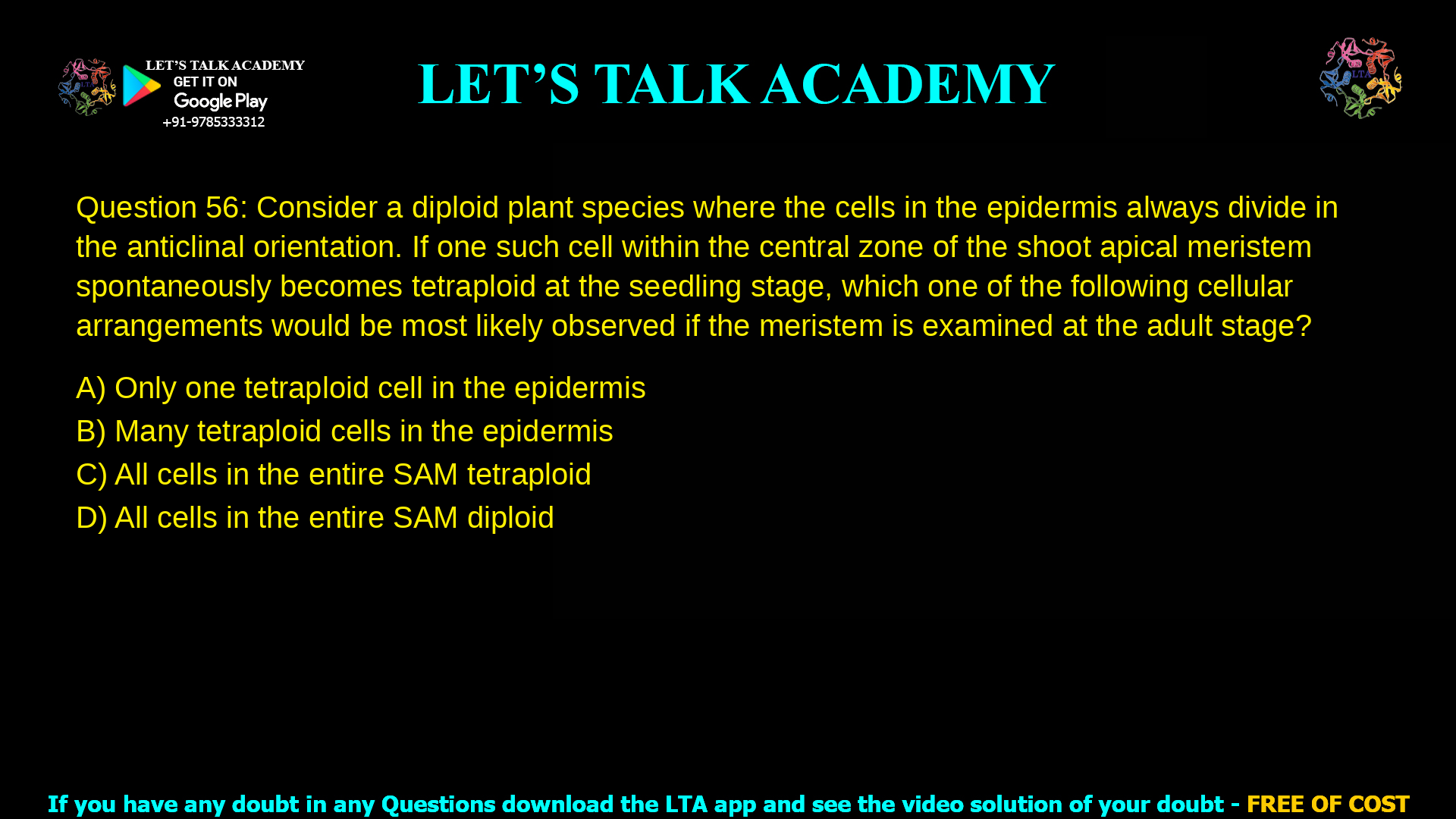
Q.56 Consider a diploid plant species where the cells in the epidermis (the outermost single cell layer) always divide in the anticlinal orientation. If one such cell within the central zone of the shoot apical meristem (SAM) spontaneously becomes tetraploid at the seedling stage, which one of the following cellular arrangements would be most likely observed if the meristem is examined at the adult stage? (A) Only one tetraploid cell in the epidermis (B) Many tetraploid cells in the epidermis (C) All cells in the entire SAM tetraploid (D) All cells in the entire SAM diploid

Tetraploid Cell Fate in Shoot Apical Meristem

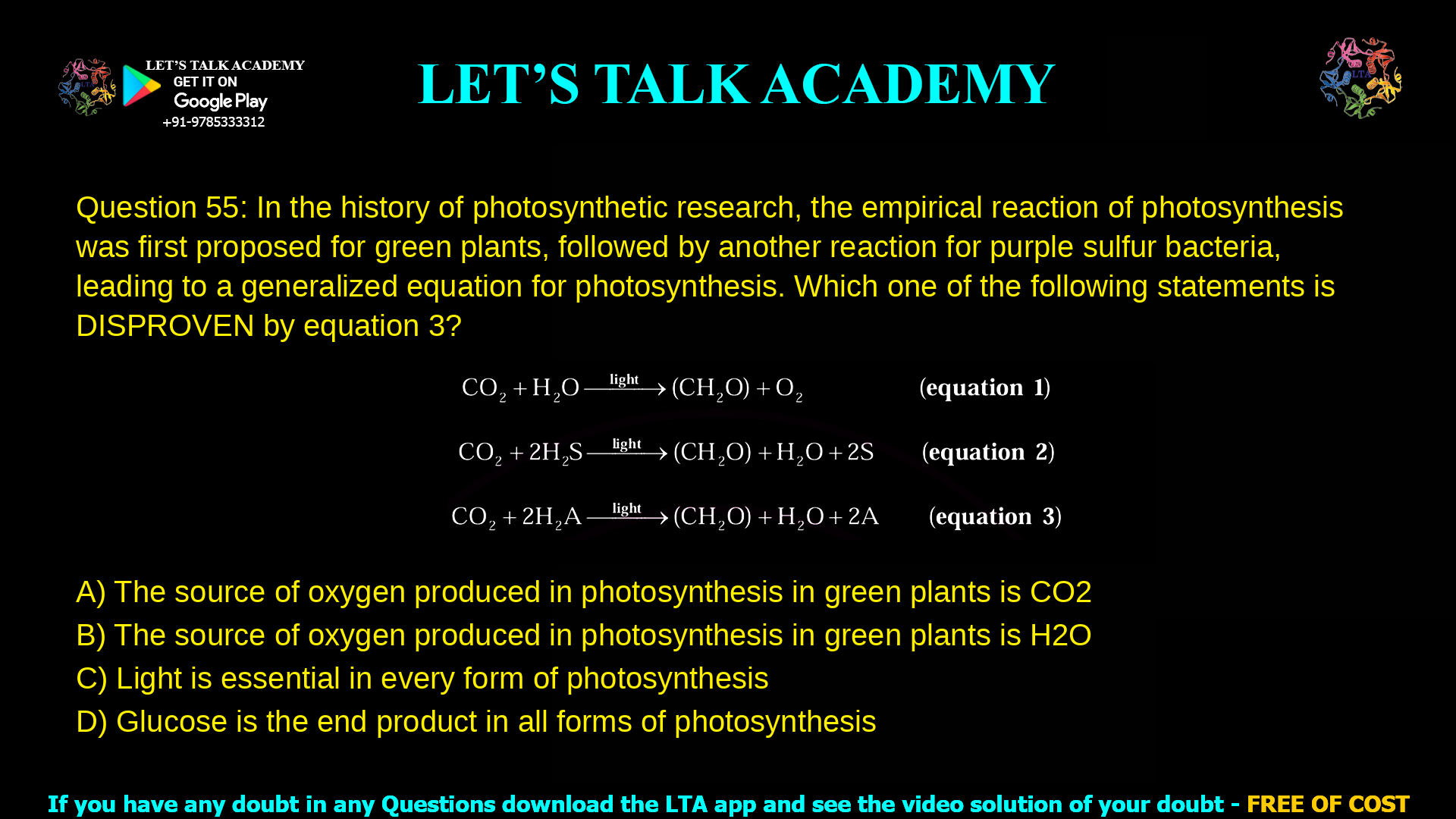
Q.55 In the history of photosynthetic research, the empirical reaction of photosynthesis was first proposed for green plants (equation 1), followed by another reaction for purple sulfur bacteria (equation 2), leading to a generalized equation for photosynthesis (equation 3) CO2 + H2O —light—> (CH2O) + O2 (equation 1) CO2 + 2H2S —light—> (CH2O) + H2O + 2S (equation 2) CO2 + 2H2A —light—> (CH2O) + H2O + 2A (equation 3) where H2A in equation 3 is a generalized electron donor. Which one of the following statements is DISPROVEN by equation 3? (A) The source of oxygen produced in photosynthesis in green plants is CO2 (B) The source of oxygen produced in photosynthesis in green plants is H2O (C) Light is essential in every form of photosynthesis (D) Glucose is the end product in all forms of photosynthesis

Generalized Equation of Photosynthesis

Q.54 If an egg cell of a diploid plant species has 10 chromosomes, the expected number of chromosomes in a double trisomic somatic cell of this species would be _______________ (Answer in integer).

Understanding Double Trisomic Somatic Cells in Diploid Plants

Q.53 Which of the following molecular approaches can be used to generate complete knock-out of a target gene in plants? (A) Homologous recombination (B) CRISPR-Cas9 (C) Antisense RNA technique (D) Activation tagging

CRISPR-Cas9 vs Homologous Recombination

Q.52 Identify the correct statement(s) with respect to plant disease. (A) Hairy root disease in tobacco is caused by Agrobacterium tumefaciens (B) Loose smut of barley is caused by Ustilago nuda (C) Stem rust of grape is caused by Plasmopara viticola (D) Fire blight in pear is caused by Erwinia amylovora

Plant Disease Causative Agents

Q.51 Which one of the following agents causes the necrotic ring spot disease in stone fruits? (A) Fungi (B) Bacteria (C) Virus (D) Nematodes

Necrotic Ring Spot Disease in Stone Fruits

Q.50 Which one of the following commercially important carbohydrates is naturally produced only by the members of the plant kingdom? (A) Cellulose (B) Pectin (C) Chitin (D) Starch

Which Commercially Important Carbohydrate is Naturally Produced Only by Plants?

Q.49 Correctly match the carnivorous plants (Group I) with the organs (Group II) they modify to trap the prey. Group I Group II (P) Pitcher plant (Nepenthes) (1) Leaf (Q) Bladderwort (Utricularia) (2) Fruit (R) Sundew (Drosera) (3) Stem (S) Venus flytrap (Dionaea) (4) Tendril Options: (A) P-1; Q-2; R-3; S-1 (B) P-1; Q-1; R-1; S-1 (C) P-2; Q-2; R-2; S-2 (D) P-2; Q-4; R-1; S-1

Carnivorous Plants and Their Modified Organs

Q.48 Which one of the following mature cell types is live but usually lacks nucleus? (A) Phloem parenchyma (B) Phloem companion (C) Phloem sieve element (D) Phloem-pole pericycle

Which Mature Cell Type is Live but Lacks Nucleus in Phloem?

Q.47 Correctly match the names of the plant taxonomists (Group I) with the titles of the books they authored (Group II). Group I Group II (P) John Hutchinson (1) Classification of Flowering Plants (Q) Adolf Engler and Karl Prantl (2) Evolution and Classification of Flowering Plants (R) Arthur Cronquist (3) Die Naturlichen Pflanzenfamilien (S) Alfred Barton Rendle (4) The Families of Flowering Plants (A) P-4; Q-3; R-2; S-1 (B) P-1; Q-3; R-2; S-4 (C) P-1; Q-2; R-4; S-3 (D) P-2; Q-1; R-4; S-3

Plant Taxonomists and Their Famous Books

Q.46 E. coli is grown exclusively in a medium containing 15NH4Cl as the sole nitrogen source. Subsequently, the cells were shifted to a medium containing 14NH4Cl. The molar ratio of hybrid DNA (15N-14N) to light DNA (14N-14N) after four generations (rounded off to two decimal places) will be _____ .

Meselson–Stahl Type Question

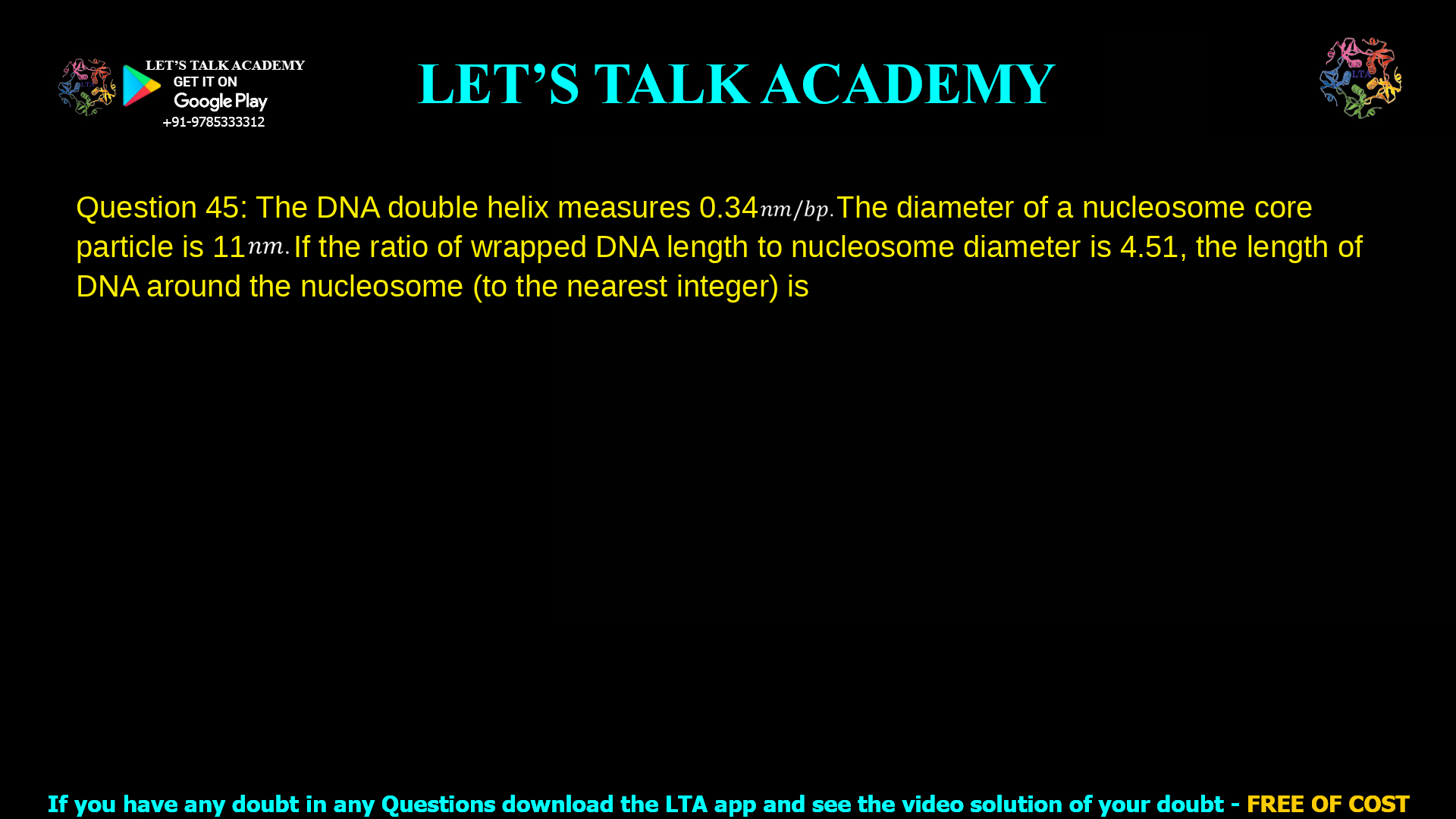
Q.45 The DNA double helix measures 0.34 𝑛𝑚/𝑏𝑝. The diameter of a nucleosome core particle is 11 𝑛𝑚. If the ratio of wrapped DNA length to nucleosome diameter is 4.51, the length of DNA around the nucleosome (to the nearest integer) is _____ 𝑏𝑝.

 DNA Around Nucleosome

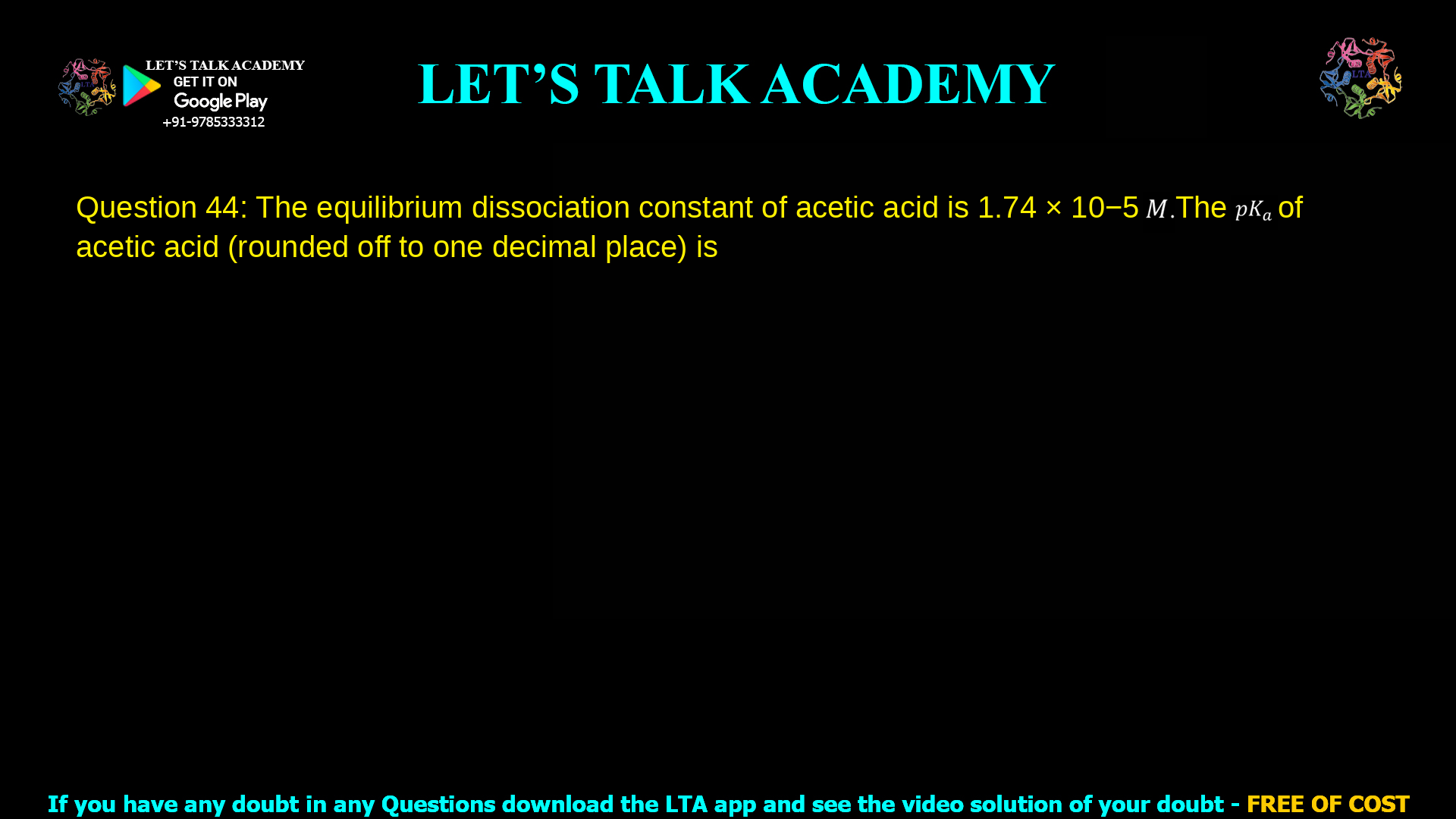
Q.44 The equilibrium dissociation constant of acetic acid is 1.74 × 10⁻⁵ 𝑀. The 𝑝𝐾𝑎 of acetic acid (rounded off to one decimal place) is _____ .

pKa of Acetic Acid from Ka 1.74 × 10^-5

Q.43 Which of the following is/are heteropolysaccharide(s)? (A) Chondroitin-4-sulfate (B) Chitin (C) Cellulose (D) Heparin

Heteropolysaccharides Examples

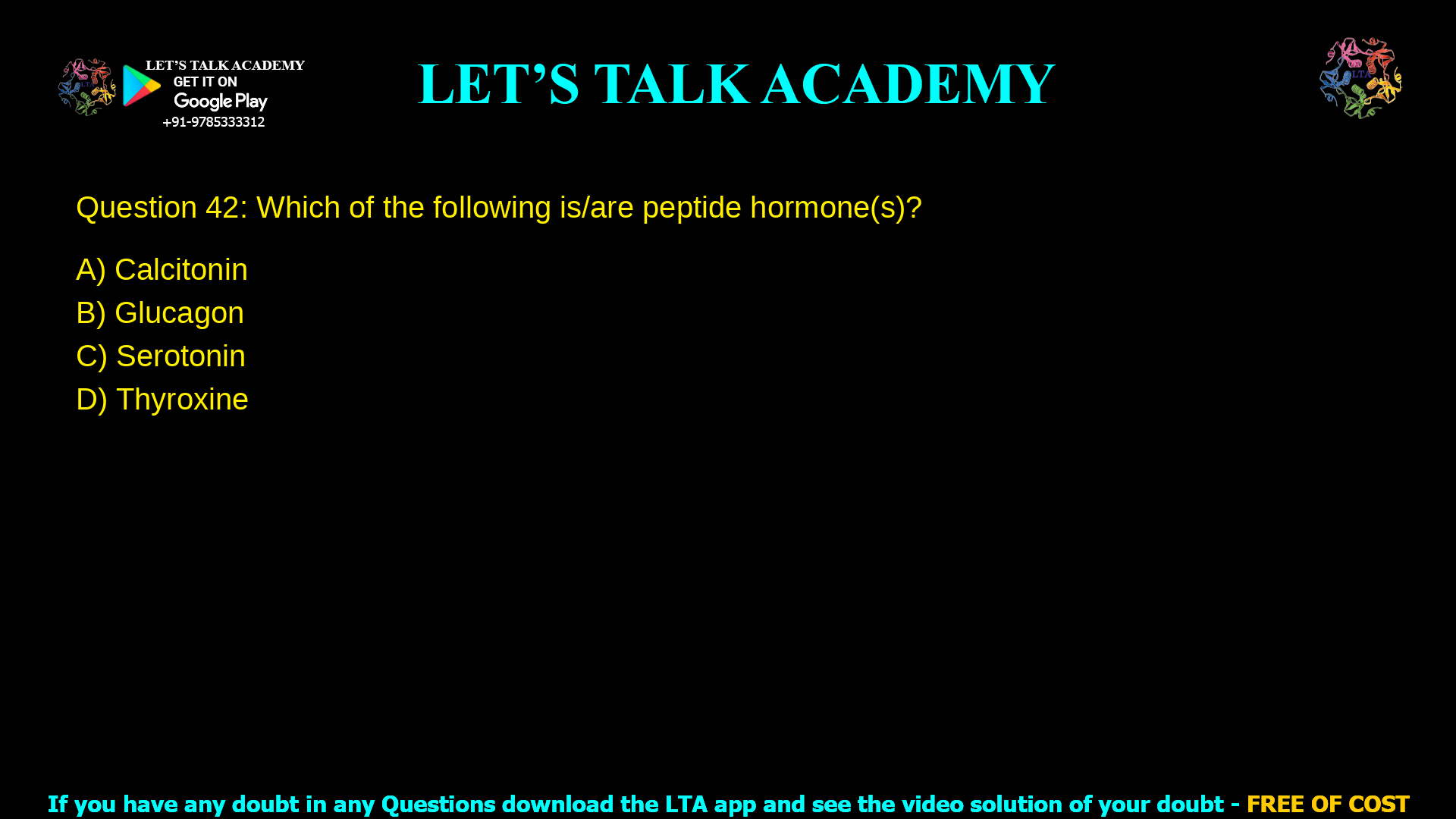
Q.42 Which of the following is/are peptide hormone(s)? (A) Calcitonin (B) Glucagon (C) Serotonin (D) Thyroxine

Which of the Following is/are Peptide Hormone(s)?

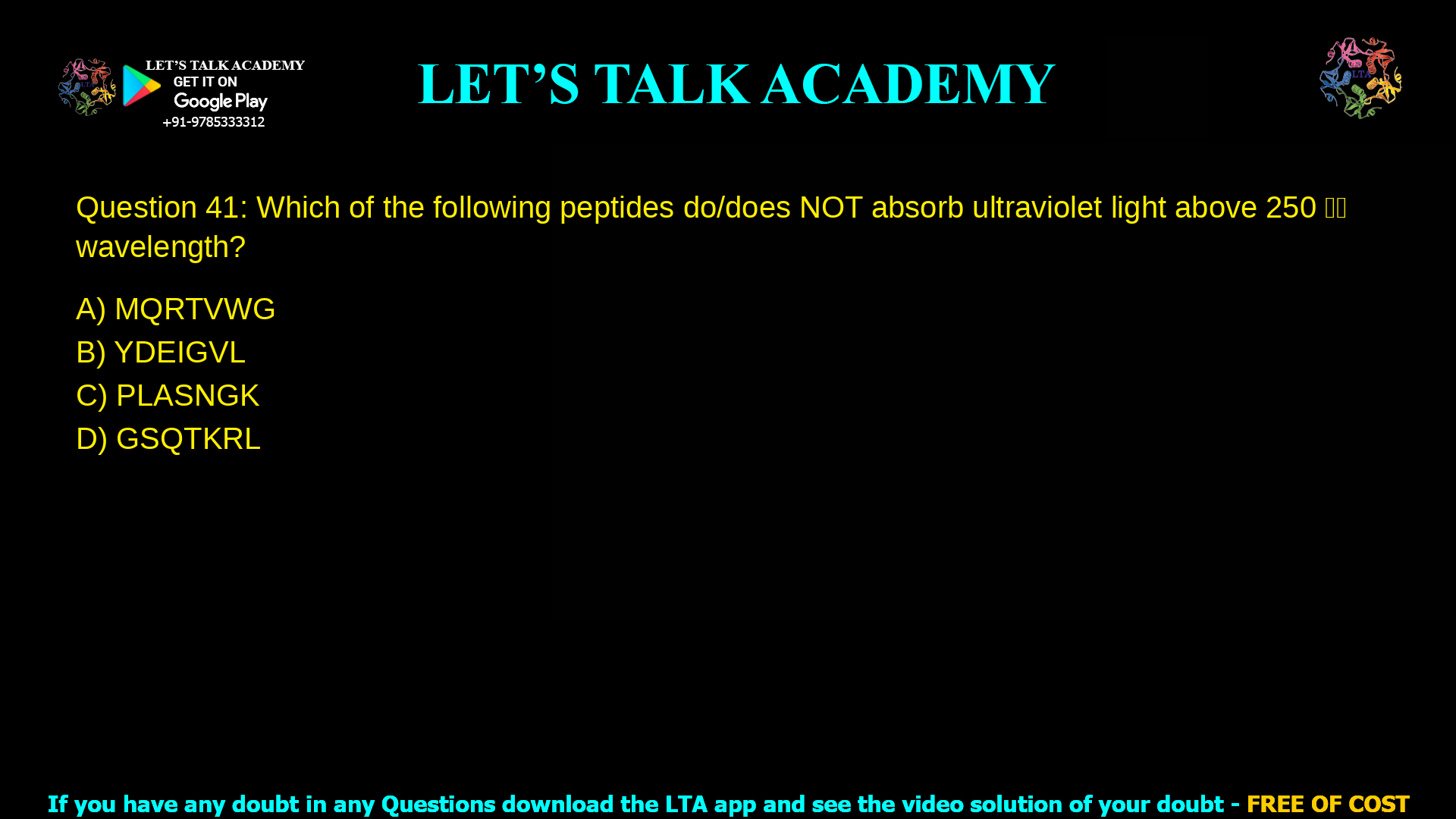
Q.41 Which of the following peptides do/does NOT absorb ultraviolet light above 250 𝑛𝑚 wavelength? (A) MQRTVWG (B) YDEIGVL (C) PLASNGK (D) GSQTKRL

Peptides UV Absorption Above 250 nm Explained

Q.40 Peptide-binding cleft in MHC-I is formed by (A) 𝛼1 and 𝛼2 domains. (B) 𝛼1 and 𝛼3 domains. (C) 𝛼1 domain and 𝛽2-microglobulin. (D) 𝛼2 domain and 𝛽2-microglobulin.

Peptide-Binding Cleft in MHC-I

Q.39 Phospholipid vesicles prepared in 50 𝑚𝑀 KCl were diluted in water. Based on this information, statements P and Q are made. P: The diluted vesicles will develop membrane potential. Q: There is a K+ concentration difference across the vesicular membrane. Which one of the following options is correct? (A) Both P and Q are true. (B) P is true but Q is false. (C) P is false but Q is true. (D) Both P and Q are false.

Phospholipid Vesicles KCl Dilution Membrane Potential

Q.38 Fӧrster Resonance Energy Transfer does NOT depend on the (A) relative orientation of donor and acceptor. (B) fluorescence quantum yield of acceptor. (C) distance between donor and acceptor. (D) overlap between donor’s emission and acceptor’s absorption spectra.

Förster Resonance Energy Transfer Does NOT Depend On

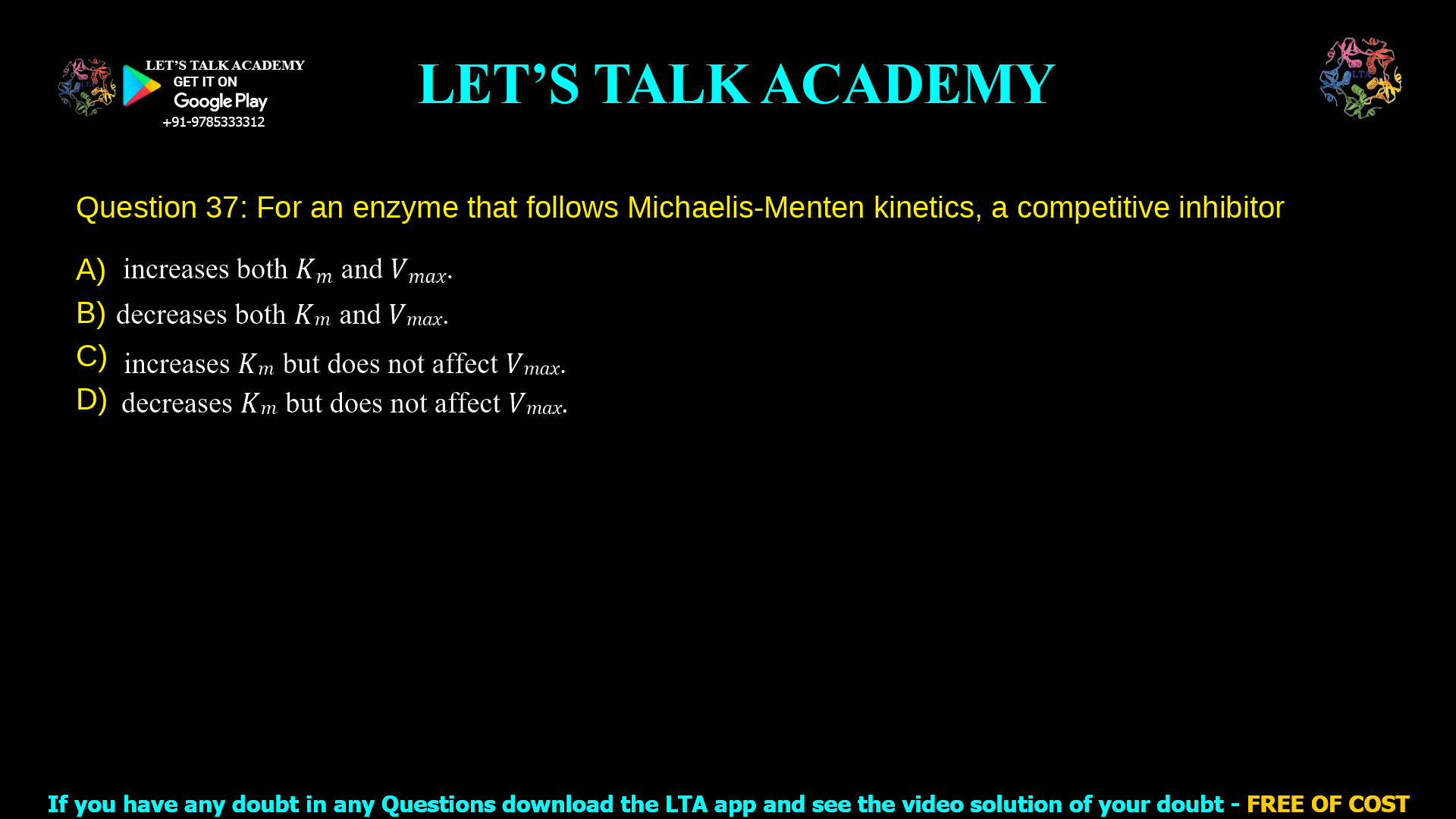
Q.37 For an enzyme that follows Michaelis-Menten kinetics, a competitive inhibitor (A) increases both 𝐾𝑚 and 𝑉𝑚𝑎𝑥. (B) decreases both 𝐾𝑚 and 𝑉𝑚𝑎𝑥. (C) increases 𝐾𝑚 but does not affect 𝑉𝑚𝑎𝑥. (D) decreases 𝐾𝑚 but does not affect 𝑉𝑚𝑎𝑥.

Competitive Inhibitor Michaelis-Menten Kinetics Km Vmax

Q.36 Which one of the following molecules does NOT contain phosphoanhydride bond(s)? (A) Adenosine diphosphate (B) Adenosine triphosphate (C) Fructose-1,6-bisphosphate (D) Pyrophosphate

Which Molecules Contain Phosphoanhydride Bonds?

Q.35 Which of the following statements about antibodies is/are correct? (A) Different antibody classes have different effector functions. (B) Each antibody chain consists of an amino-terminal constant region and a carboxy- terminal variable region. (C) Variable domains harbour complementarity-determining regions. (D) All antibodies have same half-life.

Antibodies Structure and Functions

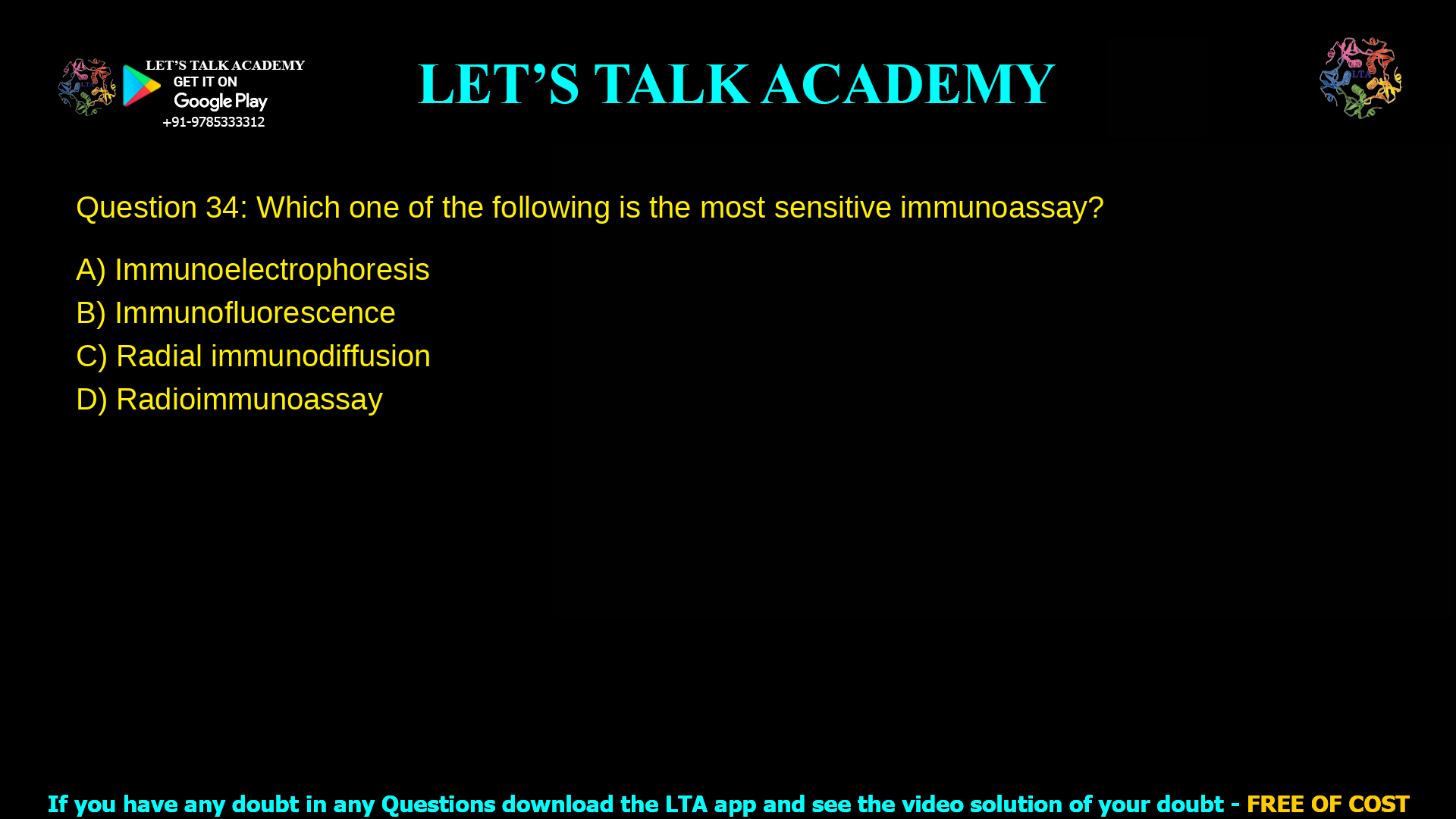
Q. 34 Which one of the following is the most sensitive immunoassay? (A) Immunoelectrophoresis (B) Immunofluorescence (C) Radial immunodiffusion (D) Radioimmunoassay

Most Sensitive Immunoassay

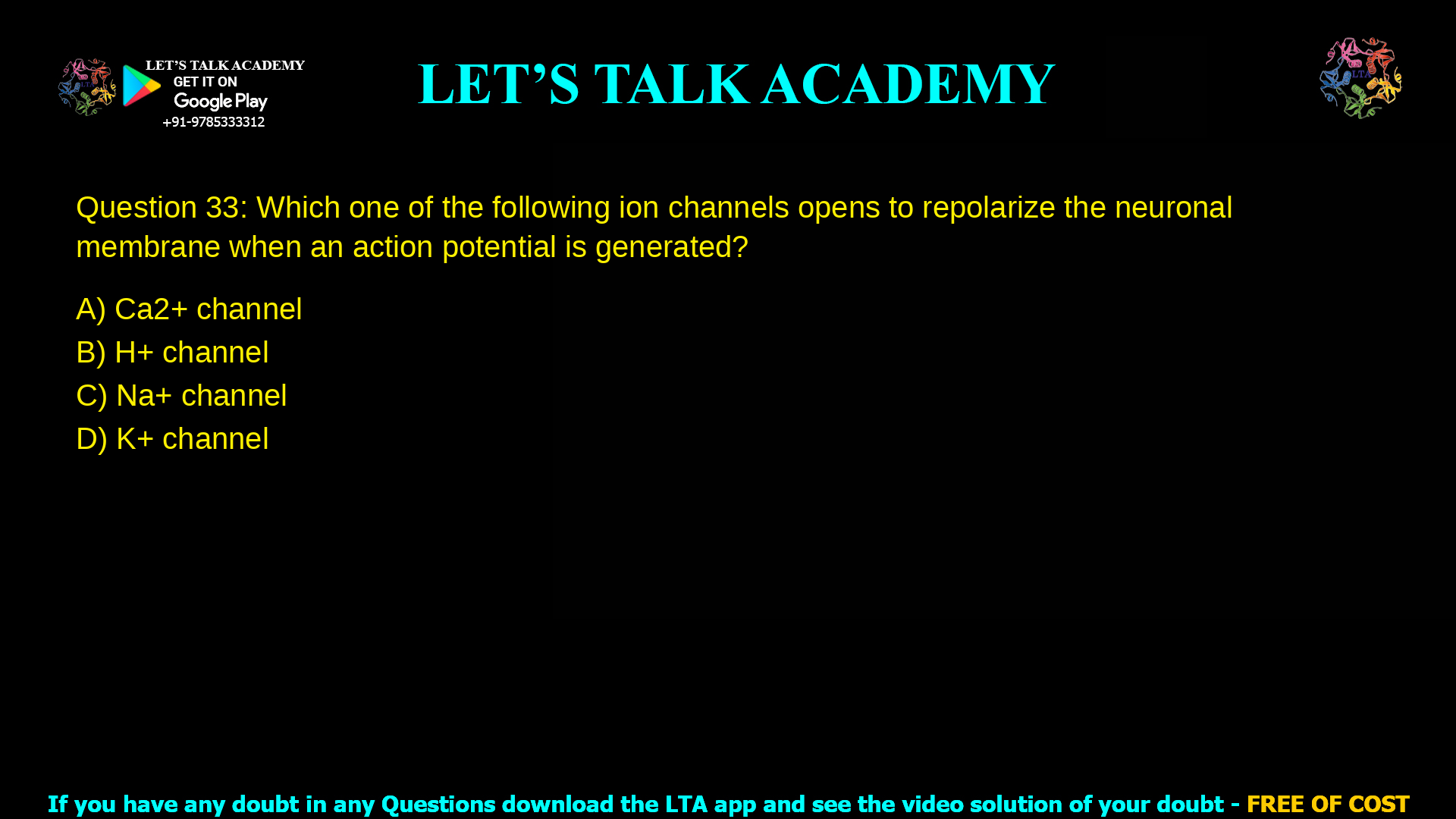
Q.33 Which one of the following ion channels opens to repolarize the neuronal membrane when an action potential is generated? (A) Ca2+ channel (B) H+ channel (C) Na+ channel (D) K+ channel

Ion Channels Repolarize Neuronal Membrane

Q.32 Which one of the following DNA repair systems requires DNA glycosylases? (A) Base-excision (B) Direct (C) Mismatch (D) Nucleotide-excision

Which DNA Repair System Requires DNA Glycosylases?

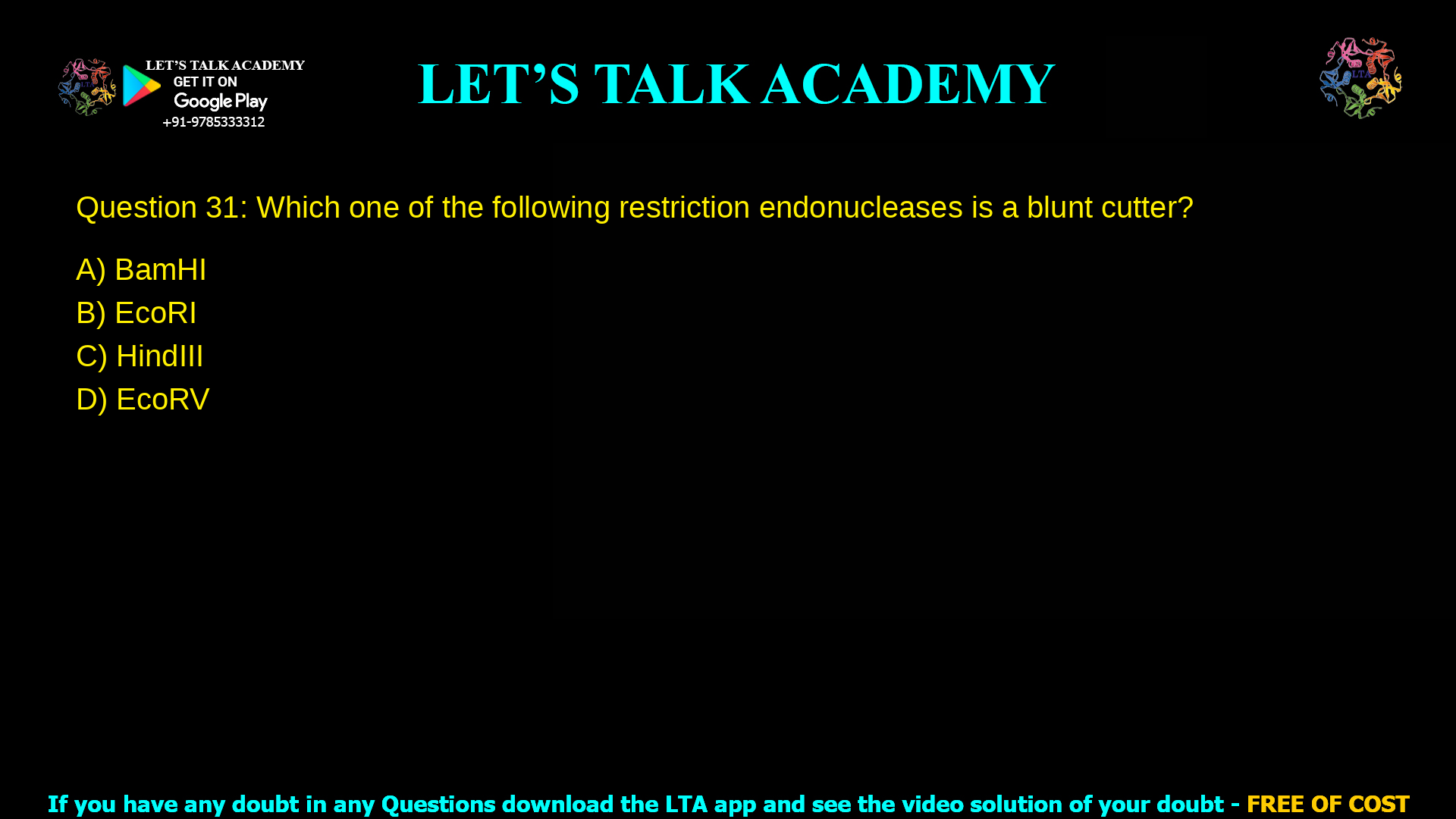
Q.31 Which one of the following restriction endonucleases is a blunt cutter? (A) BamHI (B) EcoRI (C) HindIII (D) EcoRV

Which Restriction Endonuclease is a Blunt Cutter?

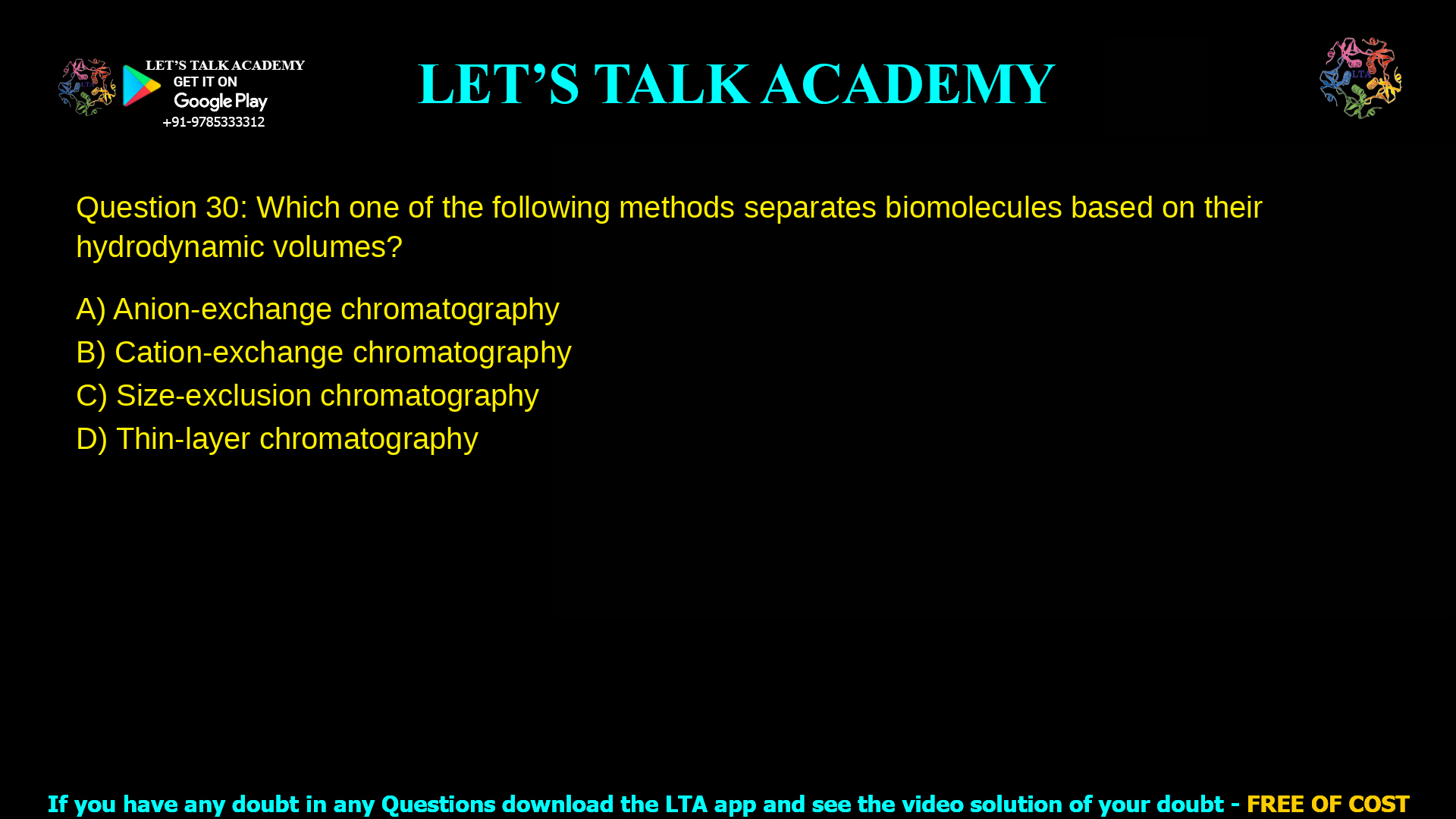
Q.30 Which one of the following methods separates biomolecules based on their hydrodynamic volumes? (A) Anion-exchange chromatography (B) Cation-exchange chromatography (C) Size-exclusion chromatography (D) Thin-layer chromatography

 Size-Exclusion Chromatography

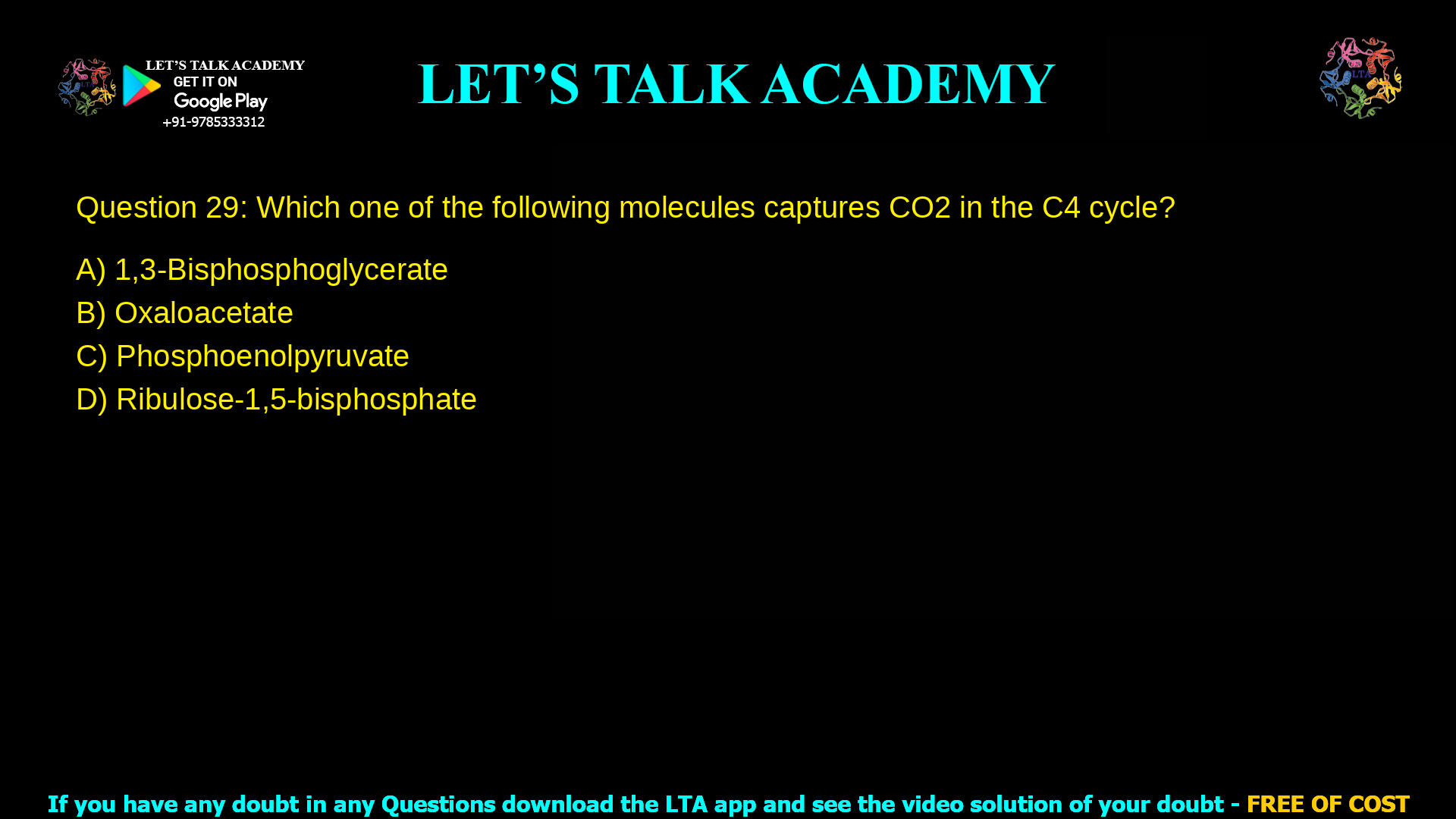
Q.29 Which one of the following molecules captures CO2 in the C4 cycle? (A) 1,3-Bisphosphoglycerate (B) Oxaloacetate (C) Phosphoenolpyruvate (D) Ribulose-1,5-bisphosphate

Which Molecule Captures CO2 in C4 Cycle?

Q.28 Zinc is essential for the function of (A) carboxypeptidase A. (B) chlorophyll a. (C) myoglobin. (D) vitamin B12.

Zinc Essential for Carboxypeptidase A Function

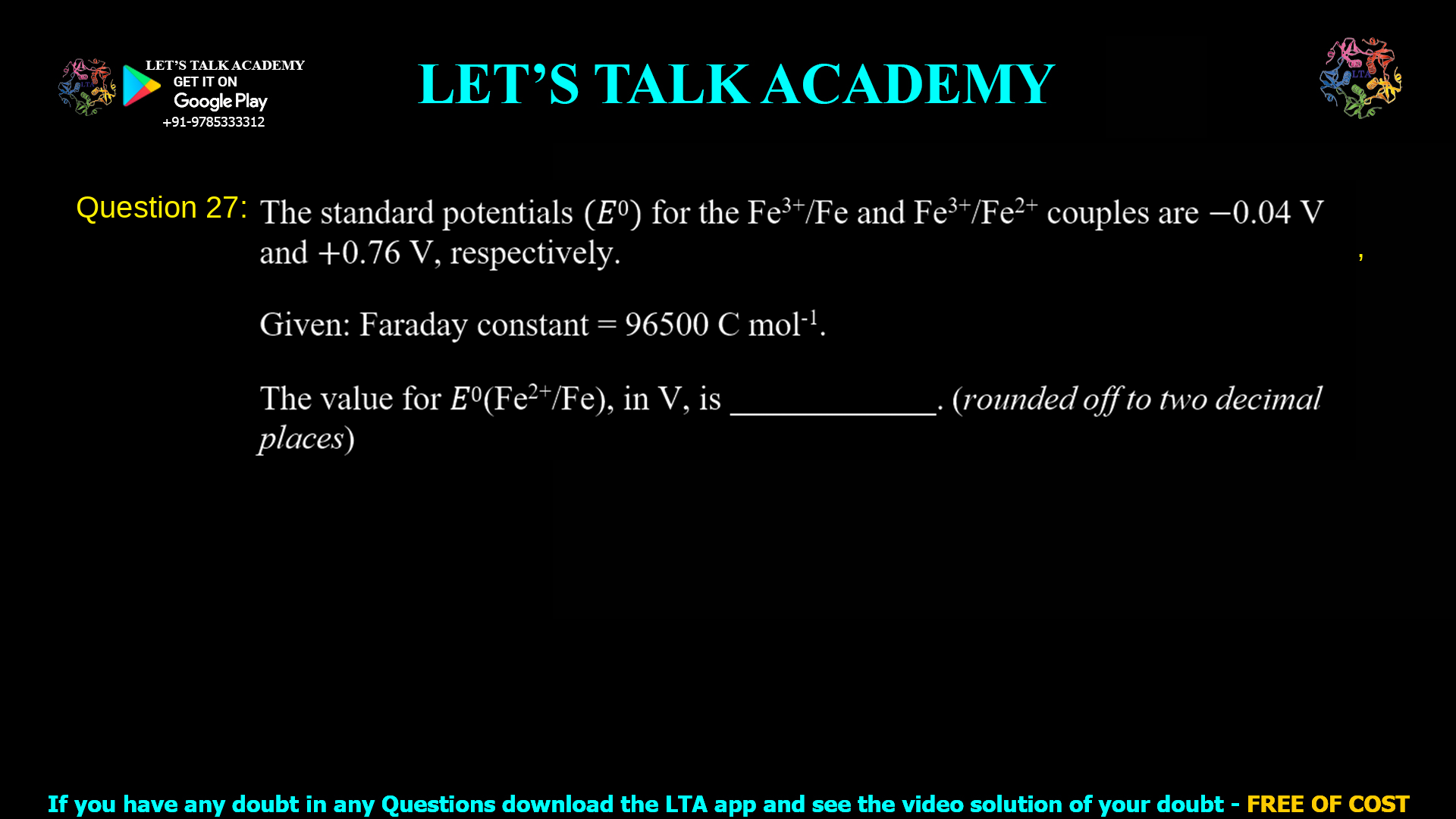
Q. 27 The standard potentials (𝐸0) for the Fe3+/Fe and Fe3+/Fe2+ couples are −0.04 V and +0.76 V, respectively. Given: Faraday constant = 96500 C mol-1. The value for 𝐸0(Fe2+/Fe), in V, is ____________. (rounded off to two decimal places)

Calculate E⁰(Fe²⁺/Fe) from Fe³⁺/Fe -0.04 V and Fe³⁺/Fe²⁺ 0.76 V

Q. 26 A non-volatile solute has a molecular weight of 180 g mol-1. Assume that the solute does not associate or dissociate in water, and the boiling-point constant (ebullioscopic constant) of water is 0.51 K kg mol-1. The amount (in g) of solute added to 500 g of water to elevate the boiling point by 0.153 K is ______. (answer in integer)

Boiling Point Elevation Calculation

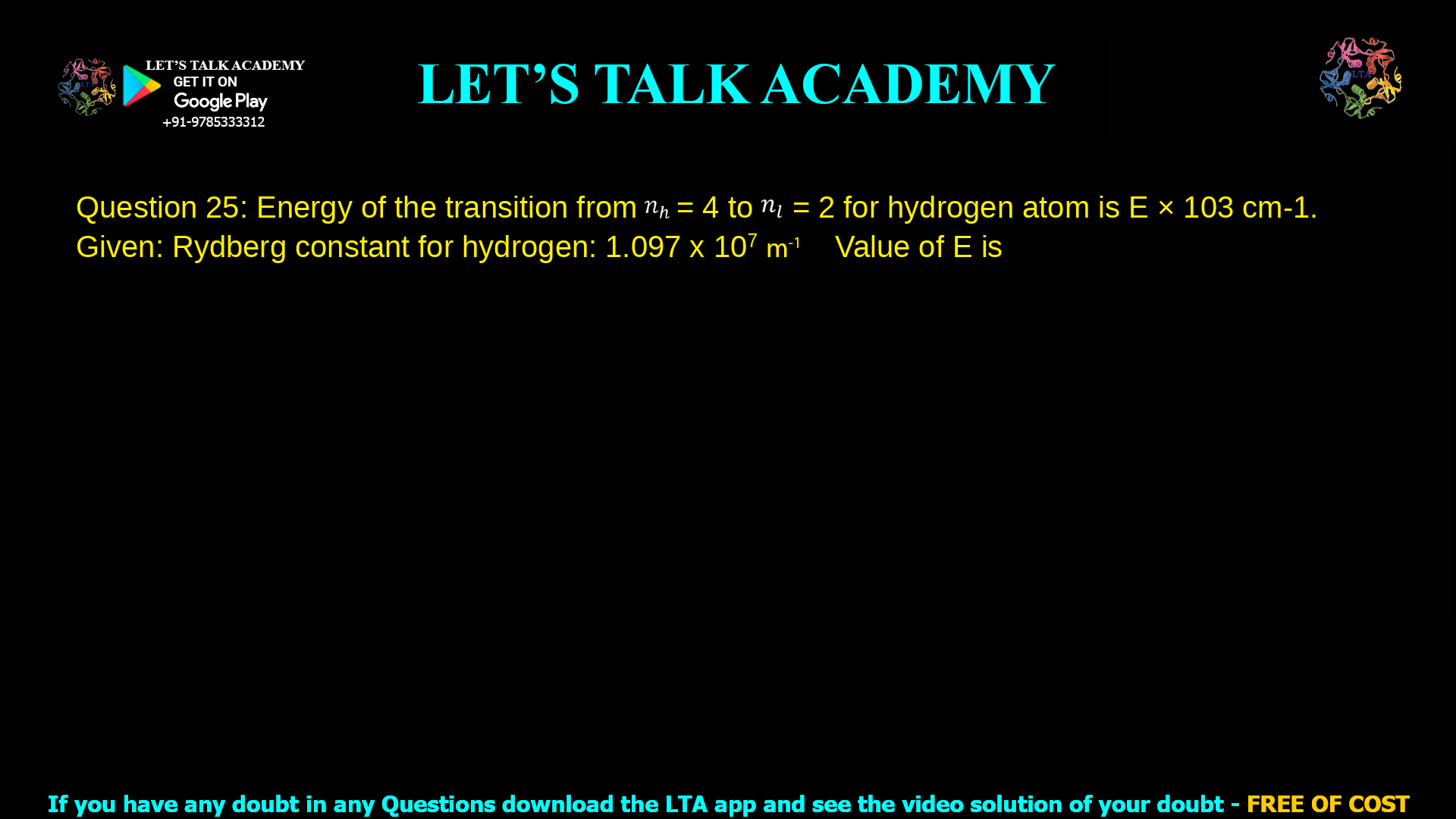
Q. 25 Energy of the transition from 𝑛ℎ = 4 to 𝑛𝑙 = 2 for hydrogen atom is E × 103 cm-1. Given: Rydberg constant for hydrogen: 1.097 x 10⁷ 𝑚−1. Value of E is ______________. (rounded off to two decimal places)

Hydrogen Atom Energy Transition n=4 to n=2

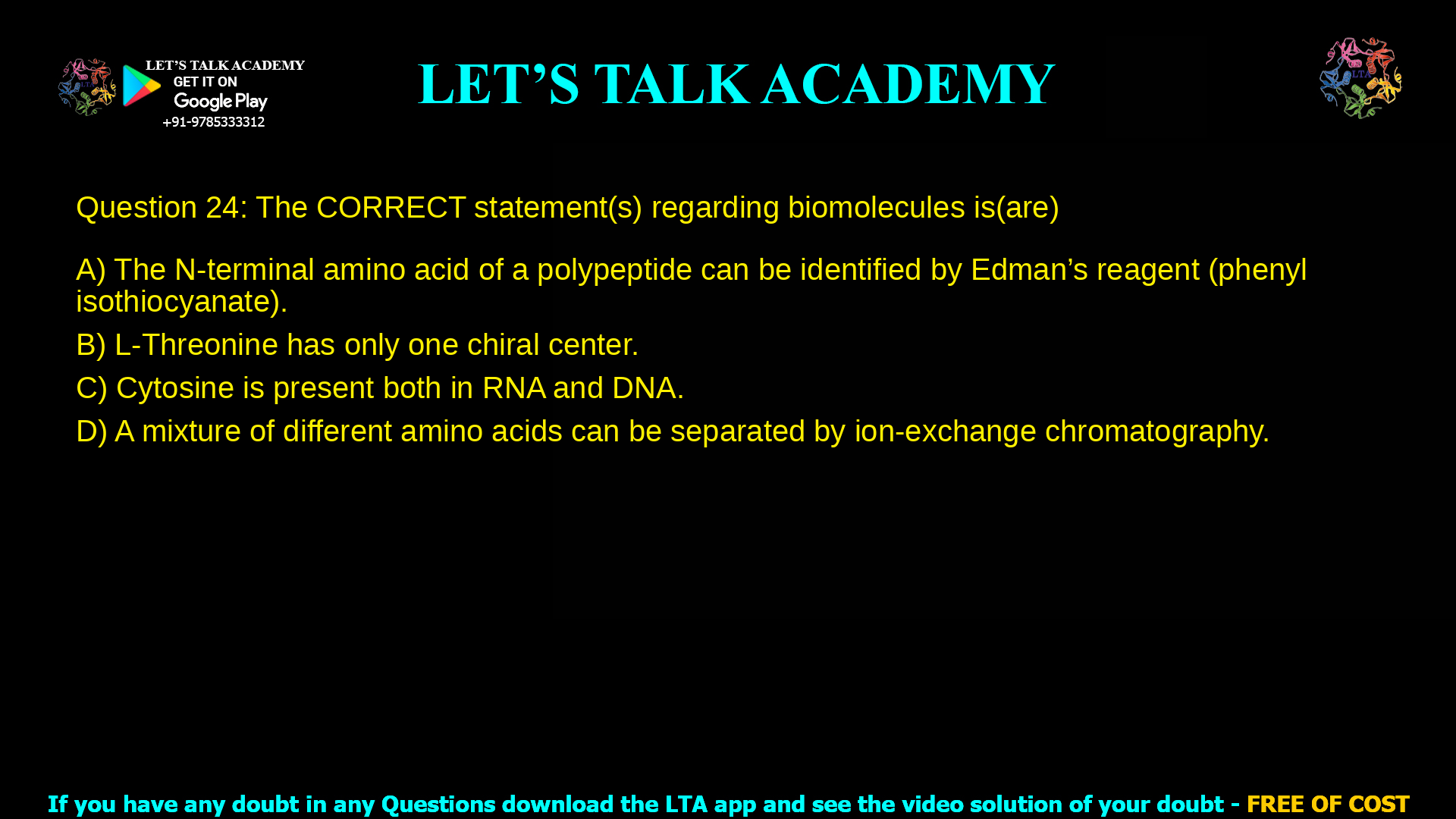
Q. 24 The CORRECT statement(s) regarding biomolecules is(are) (A) The N-terminal amino acid of a polypeptide can be identified by Edman’s reagent (phenyl isothiocyanate). (B) L-Threonine has only one chiral center. (C) Cytosine is present both in RNA and DNA. (D) A mixture of different amino acids can be separated by ion-exchange

Edman’s Reagent, Threonine Chiral Centers, Cytosine in RNA DNA, Ion-Exchange Amino Acids

Q. 23 Addition of a few drops of concentrated HCl to an aqueous solution of CoCl2 forms a dark blue complex X. The CORRECT statement(s) for this reaction is(are) (Given: Atomic number of Co: 27) (A) X is a centrosymmetric complex. (B) The oxidation state of cobalt does not change in this reaction. (C) The number of unpaired electrons on cobalt in X and in CoCl2 (aqueous solution) are the same. (D) The spin only magnetic moment value for X is 3.87 BM.

CoCl2 HCl Dark Blue Complex Formation

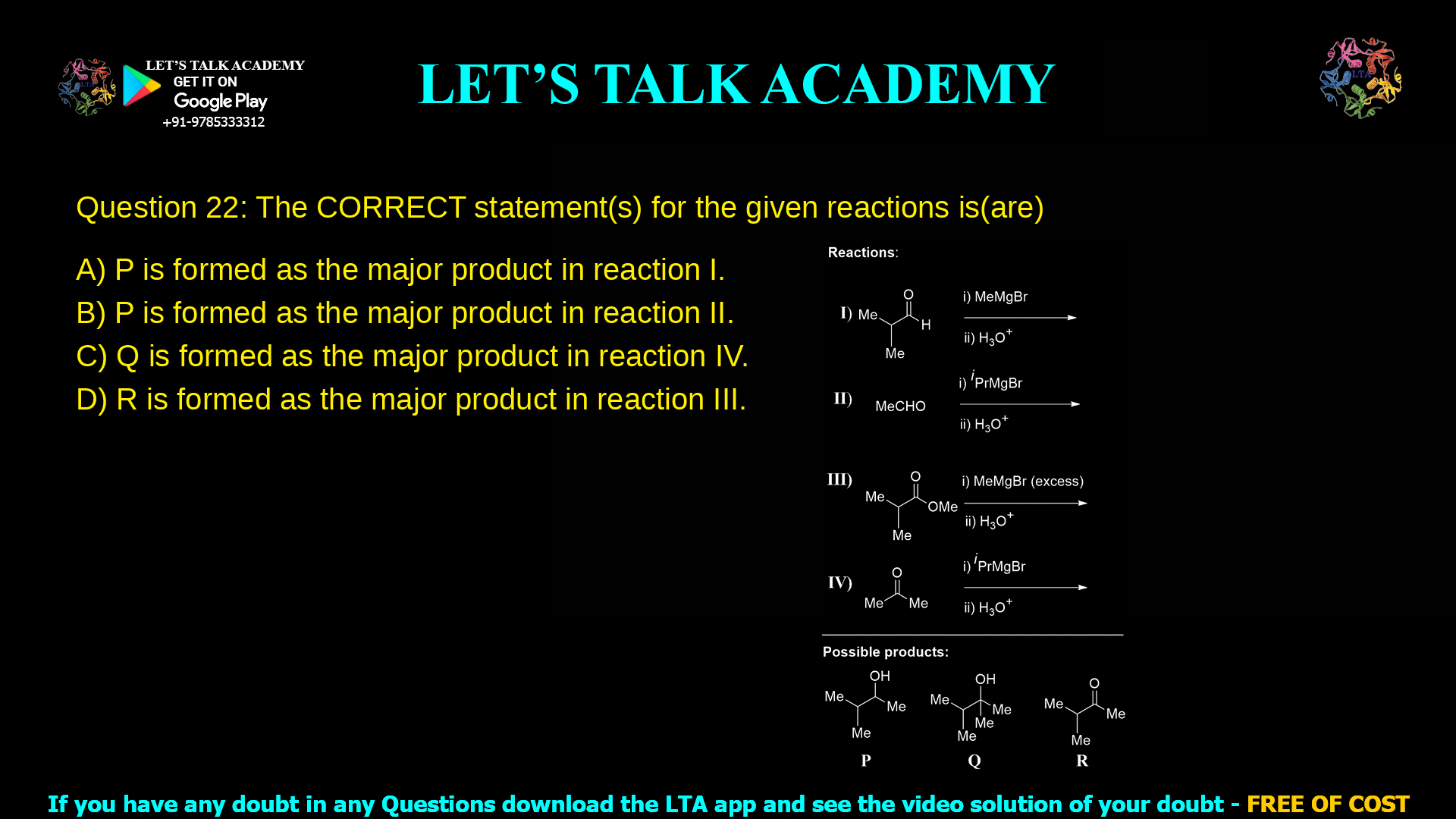
Q. 22 The CORRECT statement(s) for the given reactions is(are) (A) P is formed as the major product in reaction I. (B) P is formed as the major product in reaction II. (C) Q is formed as the major product in reaction IV. (D) R is formed as the major product in reaction III.

Grignard Reagent

Q.21 For product formation from only one type of reactant (e.g. A → product), the CORRECT match for the order of the reaction (given in Column I) with the half-life expression (given in Column II) is ([A]0 is the initial concentration and kr is the rate constant) Column I Order Column II Half-life expression i. Zero P. ln 2 / kr ii. First Q. [A]0 / 2kr iii. Second R. 1 / (kr[A]0) S. 2kr / [A]0 (A) i–R, ii–P, iii–S (B) i–Q, ii–P, iii–R (C) i–S, ii–R, iii–Q (D) i−Q, ii−P, iii−S

Half‑life expressions for zero, first and second order reactions

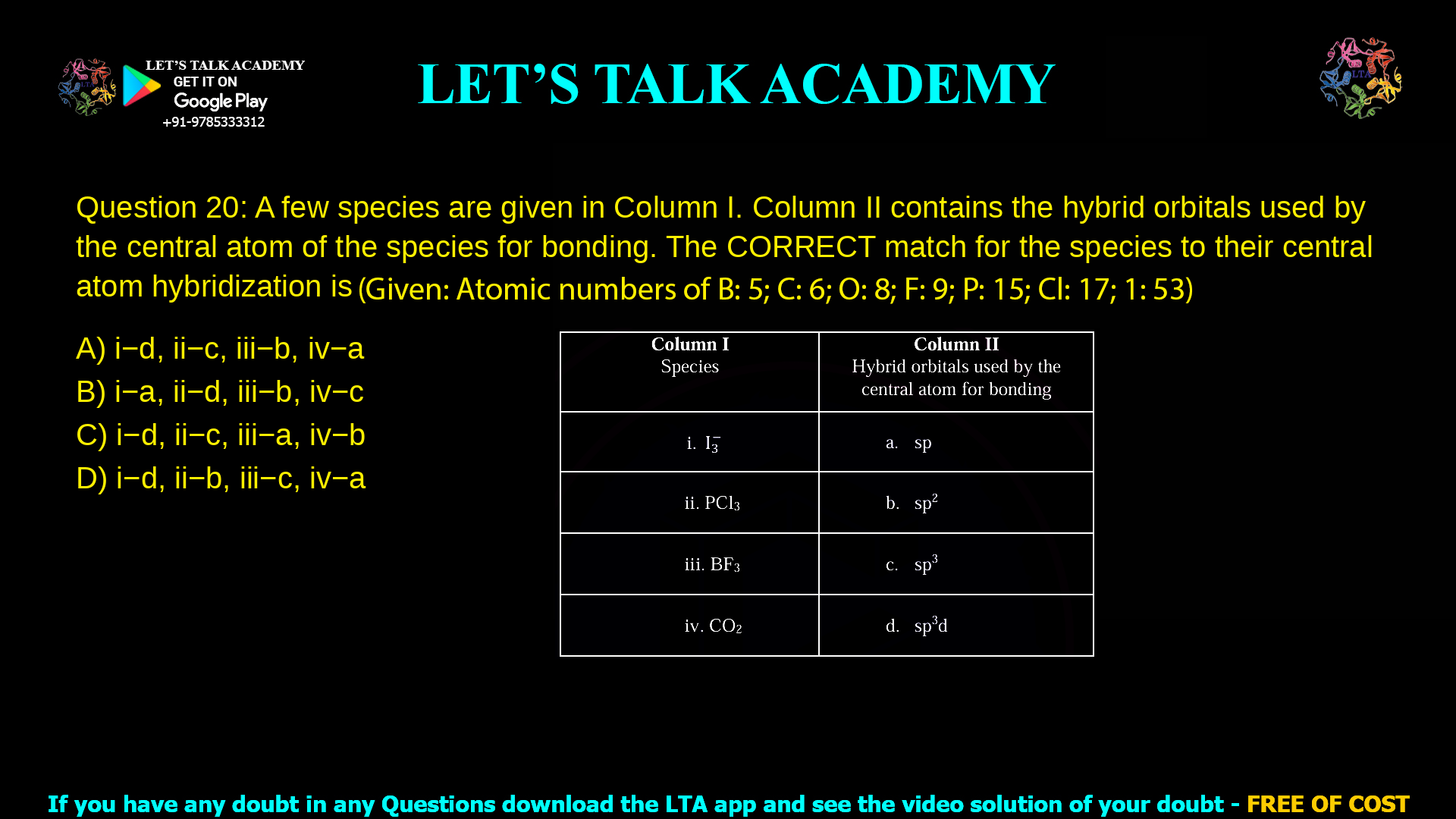
Q. 20 A few species are given in Column I. Column II contains the hybrid orbitals used by the central atom of the species for bonding. The CORRECT match for the species to their central atom hybridization is (Given: Atomic numbers of B: 5; C: 6; O: 8; F: 9; P: 15; Cl: 17; I: 53) Column I Species Column II Hybrid orbitals used by the central atom for bonding i. I3- a. sp ii. PCl3 b. sp2 iii. BF3 c. sp3 iv. CO2 d. sp3d Options: (A) i−d, ii−c, iii−b, iv−a (B) i−a, ii−d, iii−b, iv−c (C) i−d, ii−c, iii−a, iv−b (D) i−d, ii−b, iii−c, iv−a

Hybridisation of Central Atom in I₃⁻, PCl₃, BF₃ and CO₂

Q.19 Consider the two 𝑝𝐾𝑎values of valine as 2.32 and 9.62. The isoelectric point (pI) of this amino acid is ______. (rounded off to two decimal places)

Valine Isoelectric Point Calculation

Q.18 The CORRECT statement(s) about [Ni(CN)4]2−, [Ni(CO)4] and [NiCl4]2− is(are) (Given: Atomic number of Ni: 28) (A) Both [Ni(CN)4]2− and [Ni(CO)4] are square planar complexes. (B) [Ni(CN)4]2− is diamagnetic and [NiCl4]2− is paramagnetic. (C) Both [Ni(CO)4] and [NiCl4]2− are paramagnetic. (D) [Ni(CN)4]2− is square planar and [NiCl4]2− is tetrahedral in shape.

 [Ni(CN)4]2− [Ni(CO)4] [NiCl4]2− Geometry Magnetism

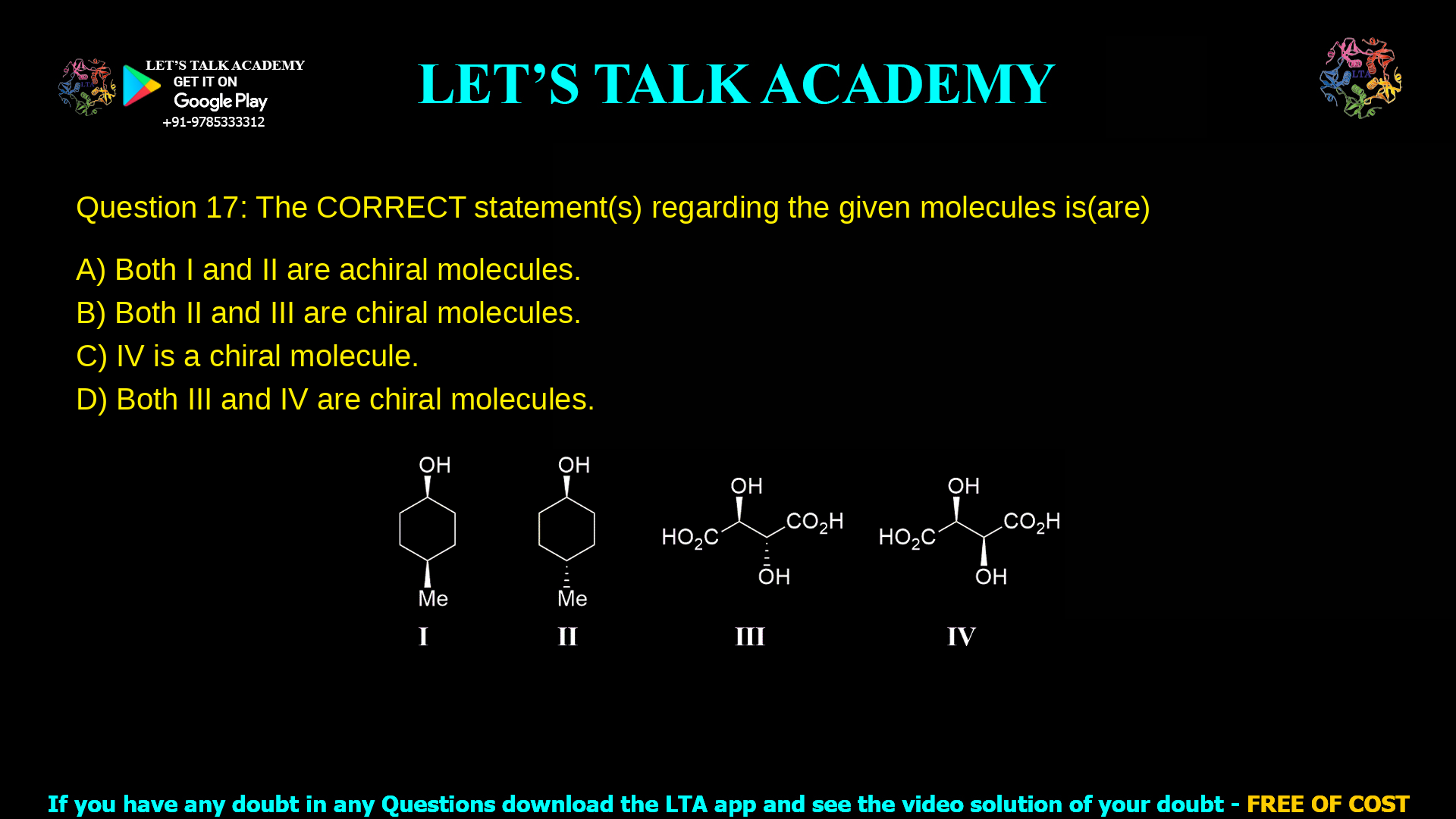
Q. 17 The CORRECT statement(s) regarding the given molecules is(are) (A) Both I and II are achiral molecules. (B) Both II and III are chiral molecules. (C) IV is a chiral molecule. (D) Both III and IV are chiral molecules.

Chirality of Cyclohexane and Tartaric Acid Isomers

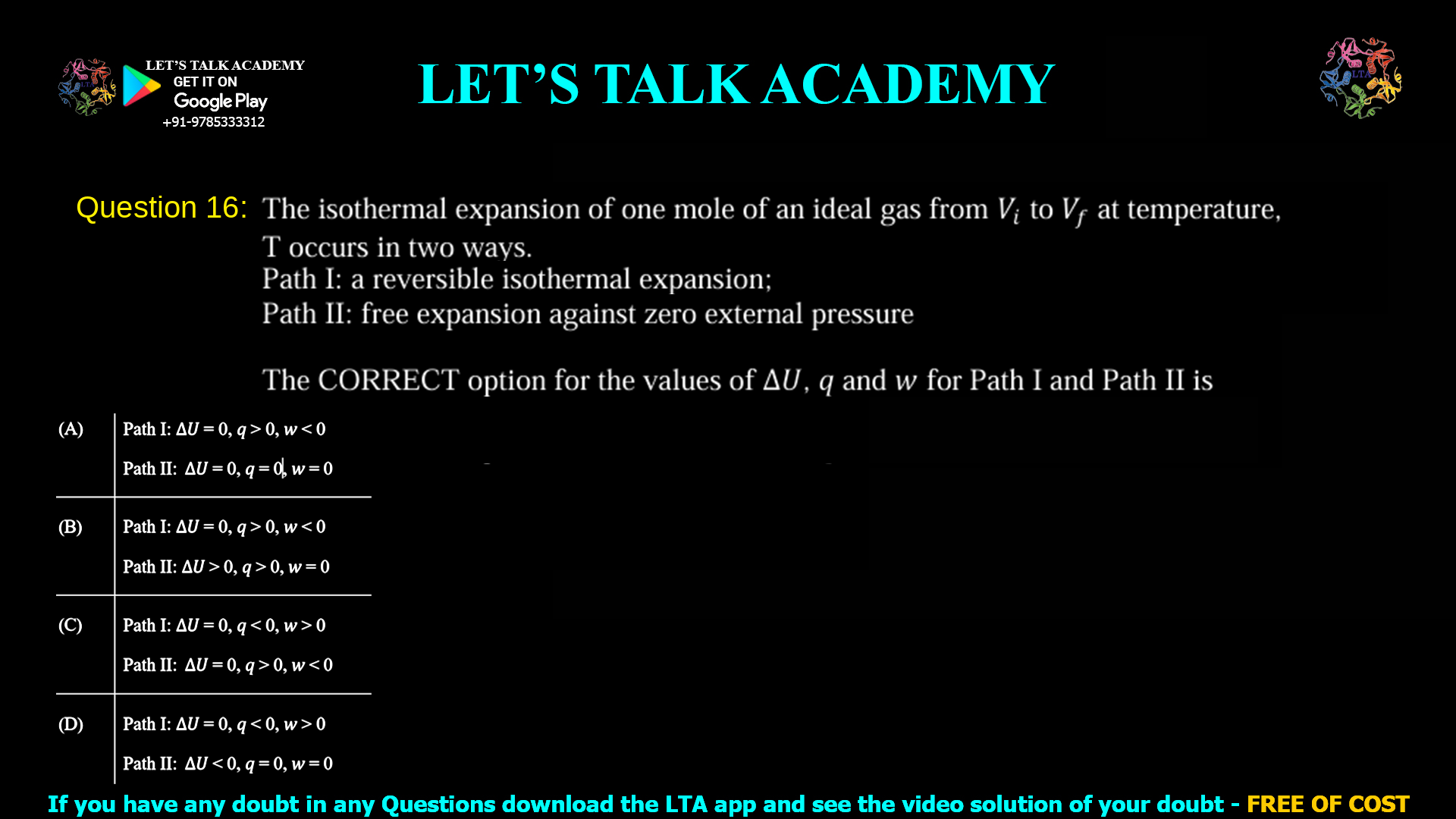
Q. 16 The isothermal expansion of one mole of an ideal gas from 𝑉𝑖 to 𝑉𝑓 at temperature, T occurs in two ways. Path I: a reversible isothermal expansion; Path II: free expansion against zero external pressure The CORRECT option for the values of ∆𝑈, 𝑞 and 𝑤 for Path I and Path II is (A) Path I: ∆𝑈 = 0, 𝑞 > 0, 𝑤 < 0 Path II: ∆𝑈 = 0, 𝑞 = 0, 𝑤 = 0 (B) Path I: ∆𝑈 = 0, 𝑞 > 0, 𝑤 < 0 Path II: ∆𝑈 > 0, 𝑞 > 0, 𝑤 = 0 (C) Path I: ∆𝑈 = 0, 𝑞 < 0, 𝑤 > 0 Path II: ∆𝑈 = 0, 𝑞 > 0, 𝑤 < 0 (D) Path I: ∆𝑈 = 0, 𝑞 < 0, 𝑤 > 0 Path II: ∆𝑈 < 0, 𝑞 = 0, 𝑤 = 0

Isothermal Expansion of Ideal Gas

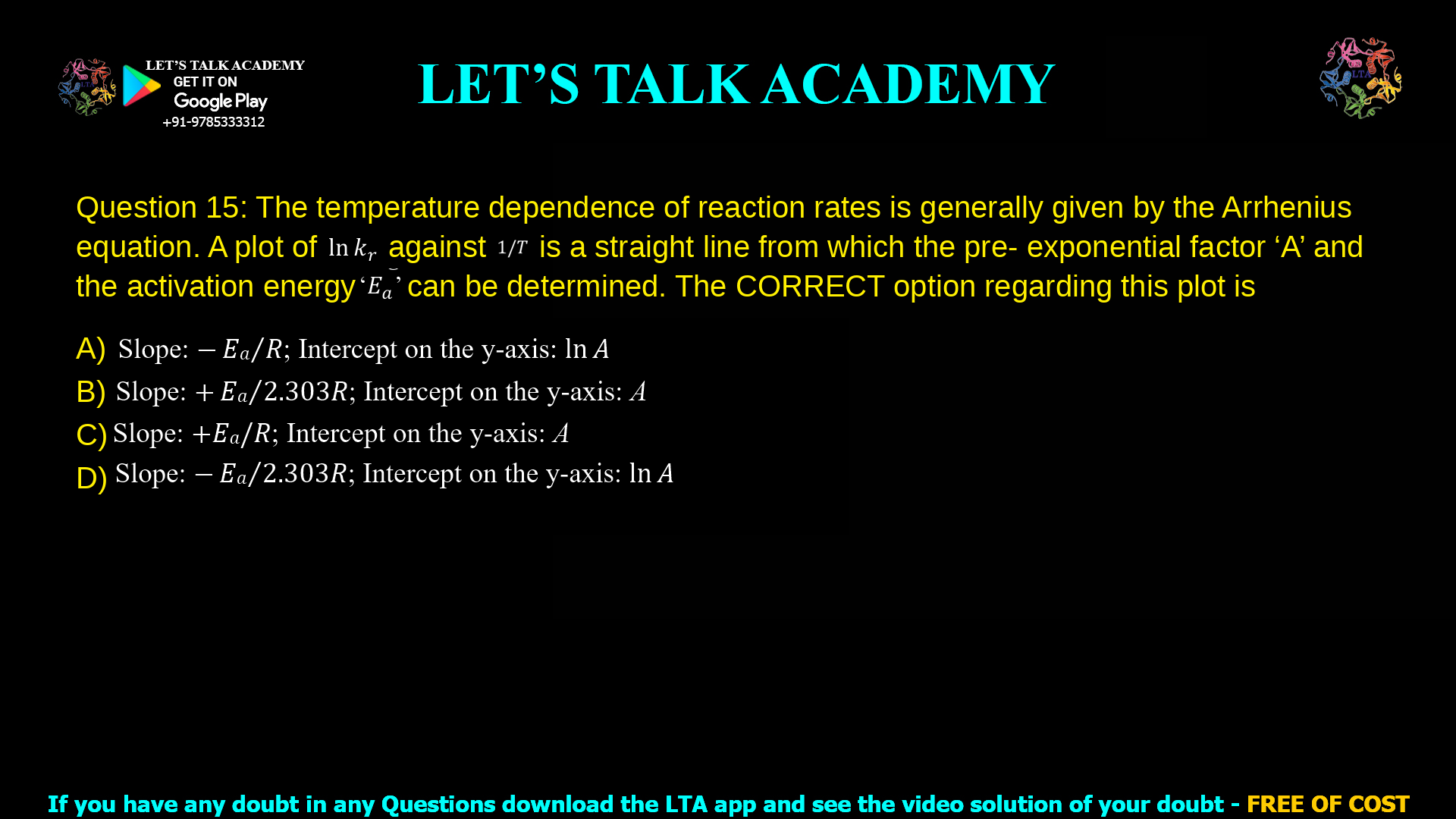
Q. 15 The temperature dependence of reaction rates is generally given by the Arrhenius equation. A plot of ln 𝑘𝑟 against 1/𝑇 is a straight line from which the pre- exponential factor ‘A’ and the activation energy ‘𝐸𝑎’ can be determined. The CORRECT option regarding this plot is (A) Slope: − 𝐸𝑎 𝑅⁄ ; Intercept on the y-axis: ln 𝐴 (B) Slope: + 𝐸𝑎 2.303𝑅⁄ ; Intercept on the y-axis: A (C) Slope: +𝐸𝑎/𝑅; Intercept on the y-axis: A (D) Slope: − 𝐸𝑎 2.303𝑅⁄ ; Intercept on the y-axis: ln 𝐴

 Arrhenius Equation Plot

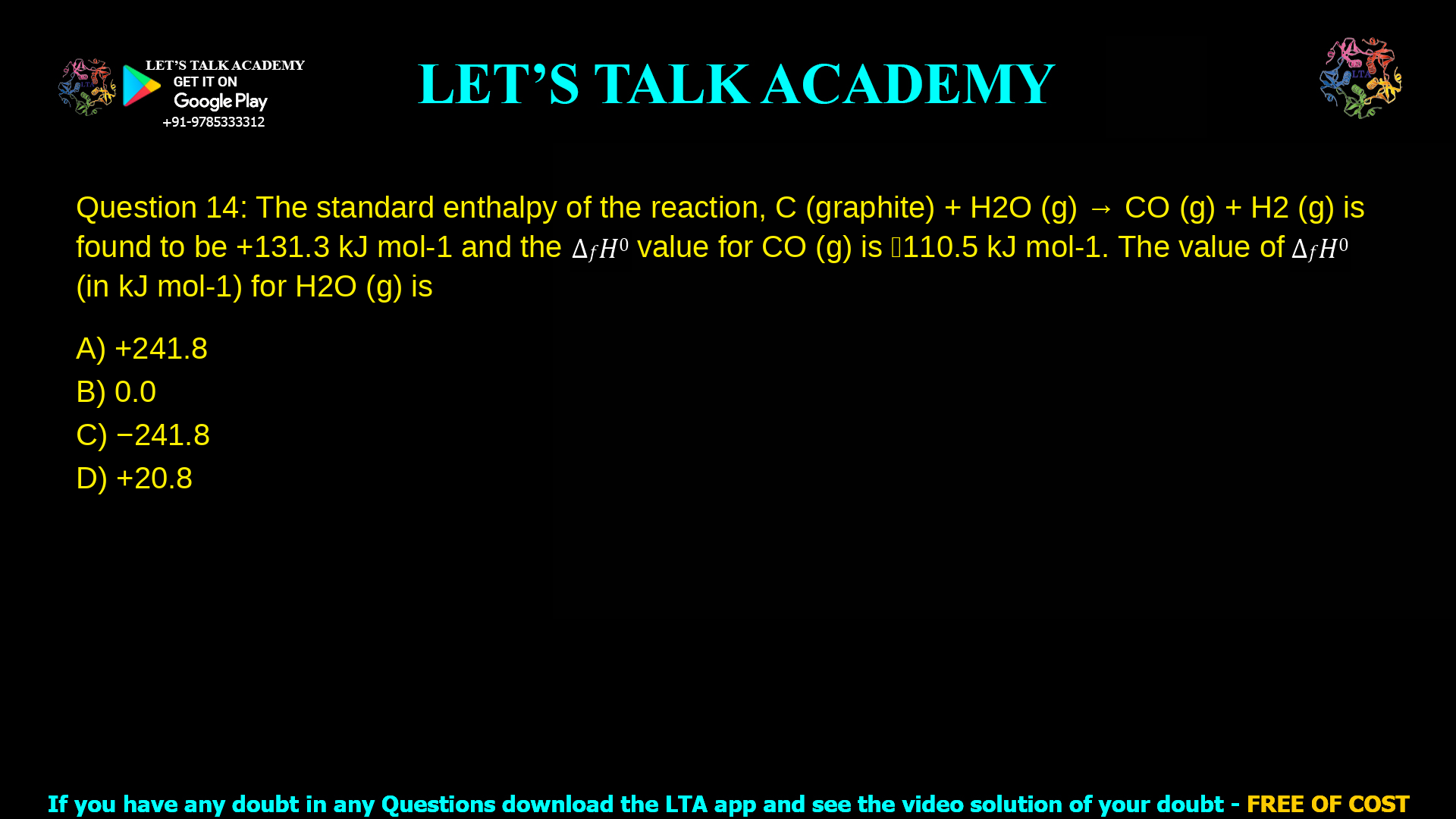
Q. 14 The standard enthalpy of the reaction, C (graphite) + H2O (g) → CO (g) + H2 (g) is found to be +131.3 kJ mol-1 and the ∆𝑓𝐻0 value for CO (g) is ‒110.5 kJ mol-1. The value of ∆𝑓𝐻0 (in kJ mol-1) for H2O (g) is (The standard enthalpies of formation of elements in their reference states are zero at all temperatures) (A) +241.8 (B) 0.0 (C) −241.8 (D) +20.8

Standard Enthalpy of Formation H2O(g)

Q. 13 The bond order in 𝑁2 2− species is (A) 2 (B) 2.5 (C) 3 (D) 3.5

Bond Order of N22−

Q. 12 The CORRECT order of boiling points for the hydrogen halides is (A) HF > HI > HBr > HCl (B) HF > HCl > HBr > HI (C) HI > HBr > HCl > HF (D) HI > HF > HBr > HCl

 Correct Order of Boiling Points for Hydrogen Halides

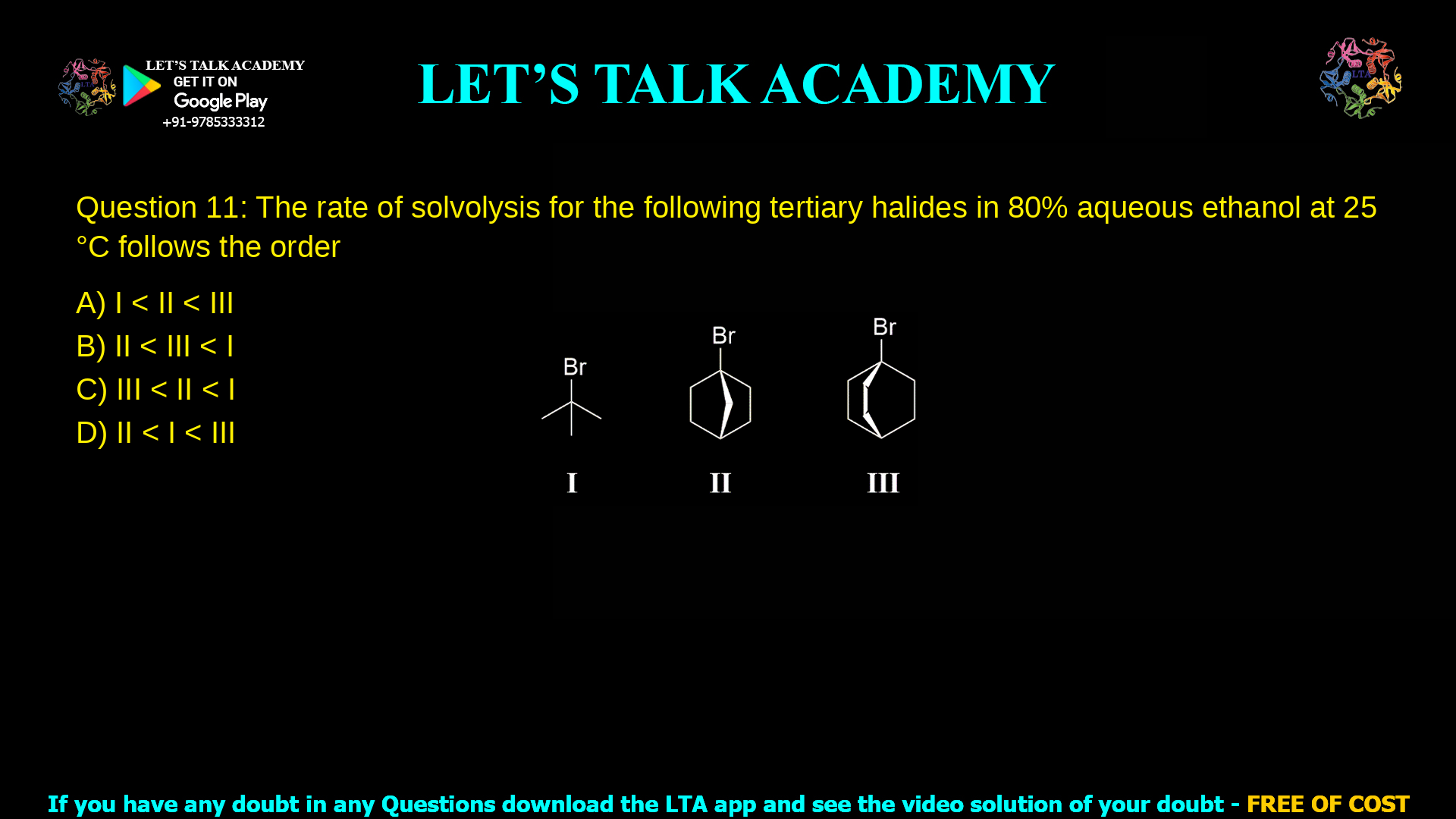
Q.11 The rate of solvolysis for the following tertiary halides in 80% aqueous ethanol at 25 °C follows the order (A) I < II < III (B) II < III < I (C) III < II < I (D) II < I < III

Solvolysis of Tertiary Bromides in 80% Aqueous Ethanol

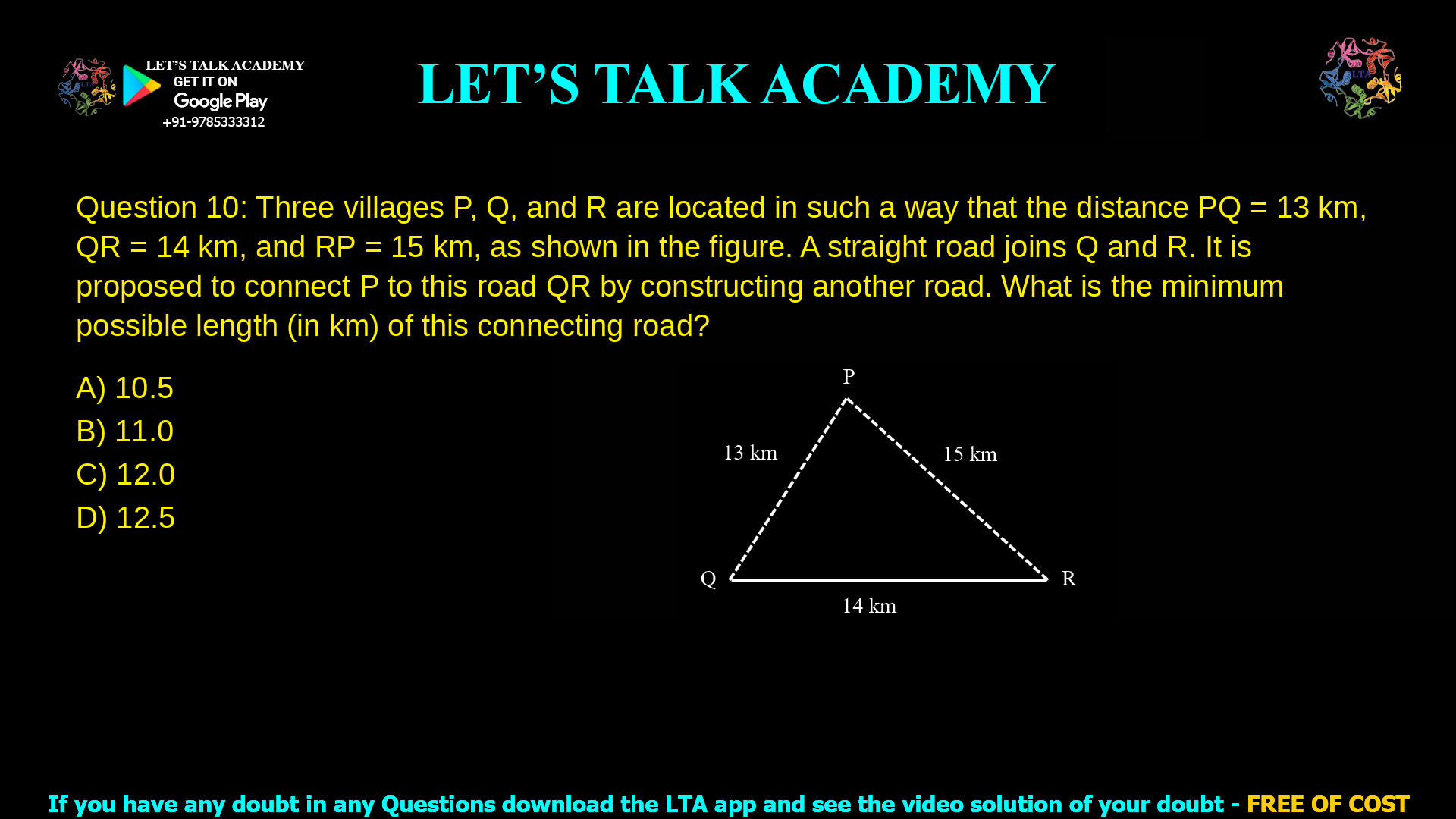
Q.10 Three villages P, Q, and R are located in such a way that the distance PQ = 13 km, QR = 14 km, and RP = 15 km, as shown in the figure. A straight road joins Q and R. It is proposed to connect P to this road QR by constructing another road. What is the minimum possible length (in km) of this connecting road? Note: The figure shown is representative. (A) 10.5 (B) 11.0 (C) 12.0 (D) 12.5

Minimum Distance from a Point to a Side in Triangle PQR

Q.9 A business person buys potatoes of two different varieties P and Q, mixes them in a certain ratio and sells them at ₹ 192 per kg. The cost of the variety P is ₹ 800 for 5 kg. The cost of the variety Q is ₹ 800 for 4 kg. If the person gets 8% profit, what is the P:Q ratio (by weight)? (A) 5:4 (B) 3:4 (C) 3:2 (D) 1:1

Potatoes P Q Mixing Ratio 8% Profit

Q.8 Consider a five-digit number 𝑃𝑄𝑅𝑆𝑇 that has distinct digits 𝑃, 𝑄, 𝑅, 𝑆, and 𝑇, and satisfies the following conditions: 𝑃 < 𝑄 𝑆 > 𝑃 > 𝑇 𝑅 < 𝑇 If integers 1 through 5 are used to construct such a number, the value of 𝑃 is: (A) 1 (B) 2 (C) 3 (D) 4

Solving Five-Digit Number PQRST Puzzle with Digits 1-5

Q.7 For the clock shown in the figure, if O* = O Q S Z P R T, and X* = X Z P W Y O Q , then which one among the given options is most appropriate for P* ? (A) P U W R T V X (B) P R T O Q S U (C) P T V Q S U W (D) P S U P R T V

Clock Letter Sequence Reasoning

Q.6 “His life was divided between the books, his friends, and long walks. A solitary man, he worked at all hours without much method, and probably courted his fatal illness in this way. To his own name there is not much to show; but such was his liberality that he was continually helping others, and fruits of his erudition are widely scattered, and have gone to increase many a comparative stranger’s reputation.” (From E.V. Lucas’s “A Funeral”) Based only on the information provided in the above passage, which one of the following statements is true? (A) The solitary man described in the passage is dead. (B) Strangers helped create a grand reputation for the solitary man described in the passage. (C) The solitary man described in the passage found joy in scattering fruits. (D) The solitary man worked in a court where he fell ill.

Solitary Man Passage Analysis from E.V. Lucas “A Funeral”

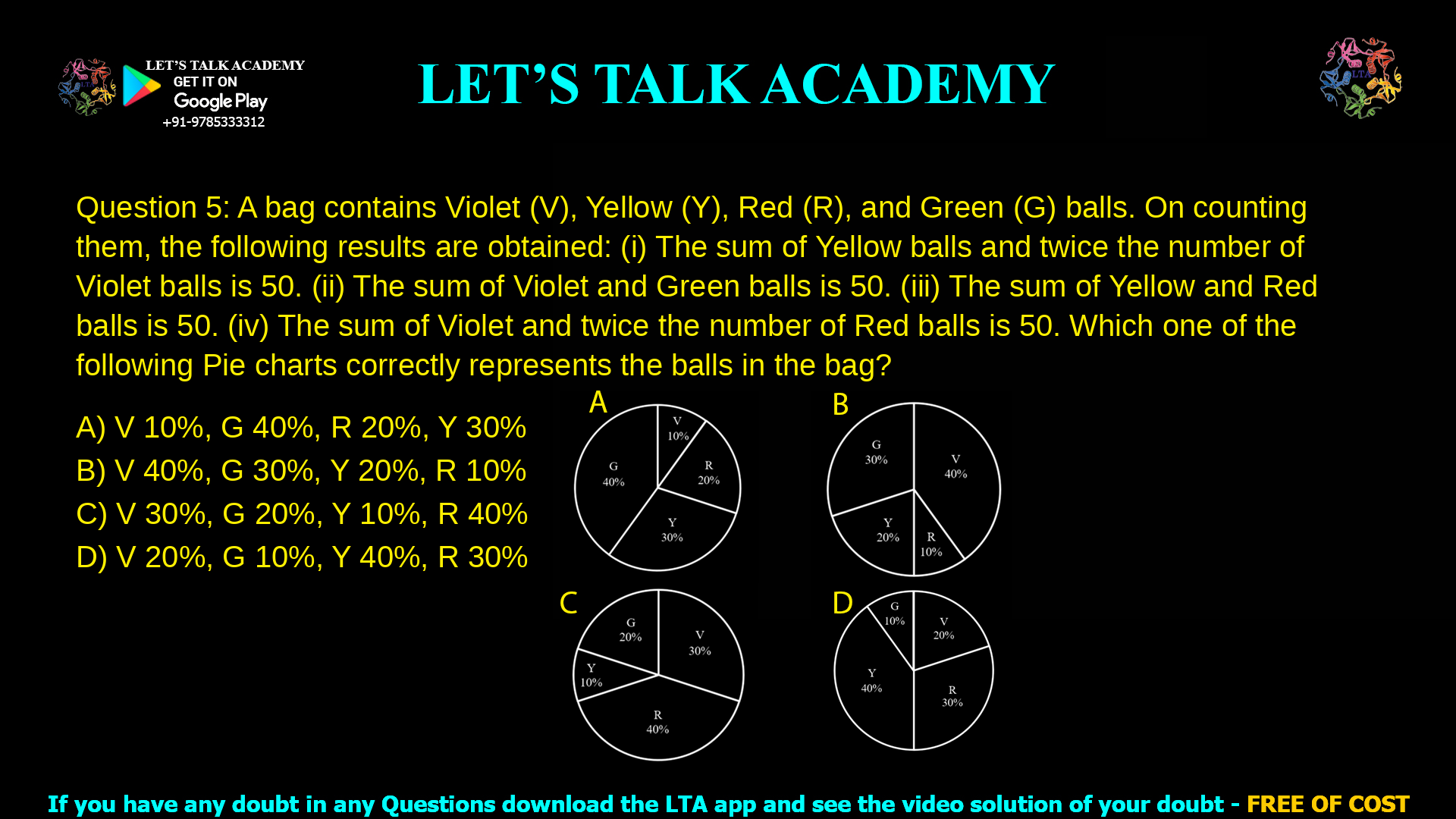
Q.5 A bag contains Violet (V), Yellow (Y), Red (R), and Green (G) balls. On counting them, the following results are obtained: (i) The sum of Yellow balls and twice the number of Violet balls is 50. (ii) The sum of Violet and Green balls is 50. (iii) The sum of Yellow and Red balls is 50. (iv) The sum of Violet and twice the number of Red balls is 50. Which one of the following Pie charts correctly represents the balls in the bag?

Solving Pie Chart Question on Coloured Balls

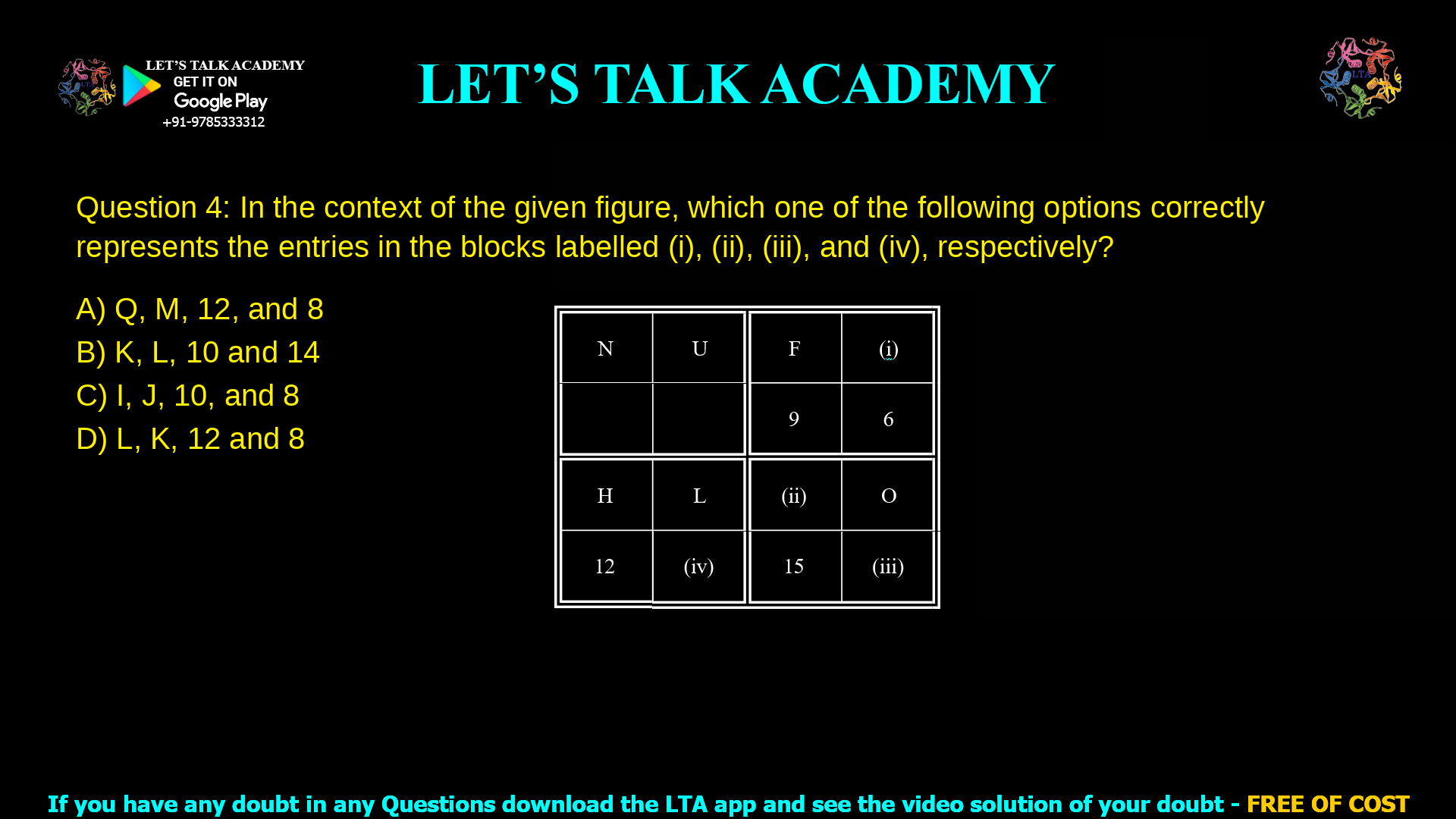
Q.4 In the context of the given figure, which one of the following options correctly represents the entries in the blocks labelled (i), (ii), (iii), and (iv), respectively? N U F (i) 21 14 9 6 H L (ii) O 12 (iv) 15 (iii) (A) Q, M, 12, and 8 (B) K, L, 10 and 14 (C) I, J, 10, and 8 (D) L, K, 12 and 8

Logical Reasoning Puzzle Solution

Q.3 An electricity utility company charges ₹ 7 per kWh (kilo watt-hour). If a 40-watt desk light is left on for 10 hours each night for 180 days, what would be the cost of energy consumption? If the desk light is on for 2 more hours each night for the 180 days, what would be the percentage-increase in the cost of energy consumption? (A) ₹ 604.8; 10% (B) ₹ 504; 20% (C) ₹ 604.8; 12% (D) ₹ 720; 15%

40-Watt Desk Light Energy Cost Calculation

Q.2 The President, along with the Council of Ministers, ___________ to visit India next week. Select the most appropriate option to complete the above sentence. (A) wish (B) wishes (C) will wish (D) is wishing

President Along with Council of Ministers Grammar Rule

Q.1 Even though I had planned to go skiing with my friends, I had to __________ at the last moment because of an injury. Select the most appropriate option to complete the above sentence. (A) back up (B) back of (C) back on (D) back out

Back Out at the Last Moment

Latest Courses