
55. A 9.2 kb plasmid DNA shown below has four BamHI sites (p), (q), (r), (s). If a mutation results in the loss of BamHI site (r), assuming complete digestion by BamHI, the number of DNA fragments seen in agarose gel after electrophoresis will be _______.        

Loss of a BamHI Restriction Site in Plasmid DNA

54. The nucleotide sequence of one of the DNA strands is: GCTGTAACGATAGCACGC The GC content (in %) of the double stranded DNA will be ________.                                            

How to Calculate GC Content of Double-Stranded DNA

53. Which of the following methods is/are used for local alignment of nucleotide sequences?  (A) Smith-Waterman algorithm (B) Needleman-Wunsch algorithm (C) BLAST (D) Neighbour-joining method

Methods Used for Local Alignment of Nucleotide Sequences

52. Which one of the following vector types is suitable to clone 2000 kb DNA insert?  (A) Bacterial plasmid (B) Bacteriophage (C) Cosmid (D) Yeast artificial chromosome

Which Vector Is Suitable to Clone a 2000 kb DNA Insert?

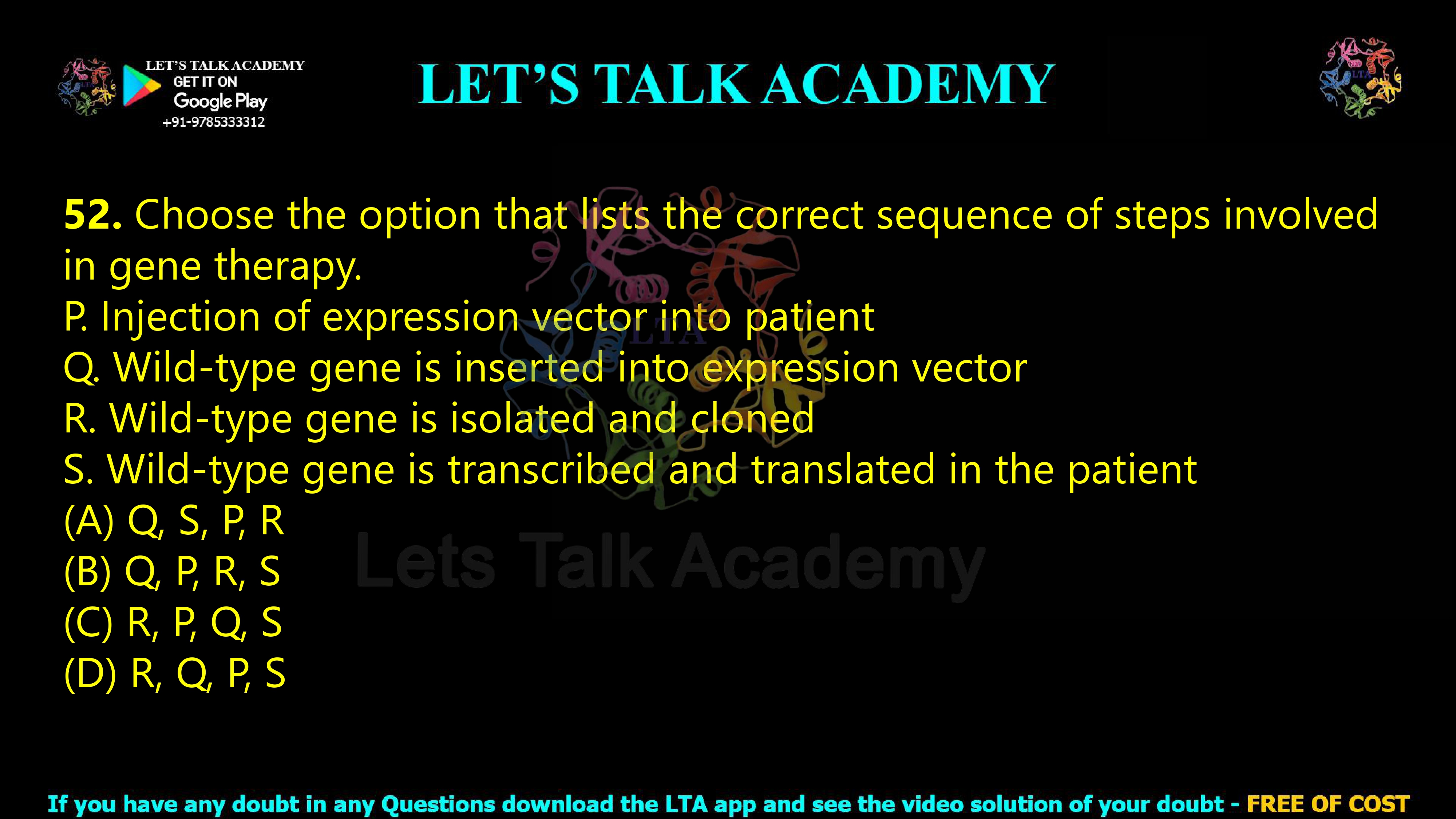
51. Choose the option that lists the correct sequence of steps involved in gene therapy.     P. Injection of expression vector into patient Q. Wild-type gene is inserted into expression vector R. Wild-type gene is isolated and cloned S. Wild-type gene is transcribed and translated in the patient  (A) Q, S, P, R   (B) Q, P, R, S    (C) R, P, Q, S    (D) R, Q, P, S

Correct Sequence of Steps Involved in Gene Therapy

50. A linear DNA contains five restriction sites for EcoRI and three restriction sites for BamHl. The number of fragments that will be generated after digestion with EcoRI is                                    

How Many DNA Fragments Are Produced

49. The total number of DNA molecules present after 5 cycles of polymerase chain reaction (PCR) starting with 3 molecules of template DNA is        .

Total Number of DNA Molecules

48. A schematic representation of restriction fragment length polymorphism (RFLP) analysis of a sample population is shown below. The number of people exhibiting a given pattern is indicated above the lanes. Calculate the frequency of 6.5 kb allele. [Correct to two decimal places]     

RFLP Allele Frequency Calculation

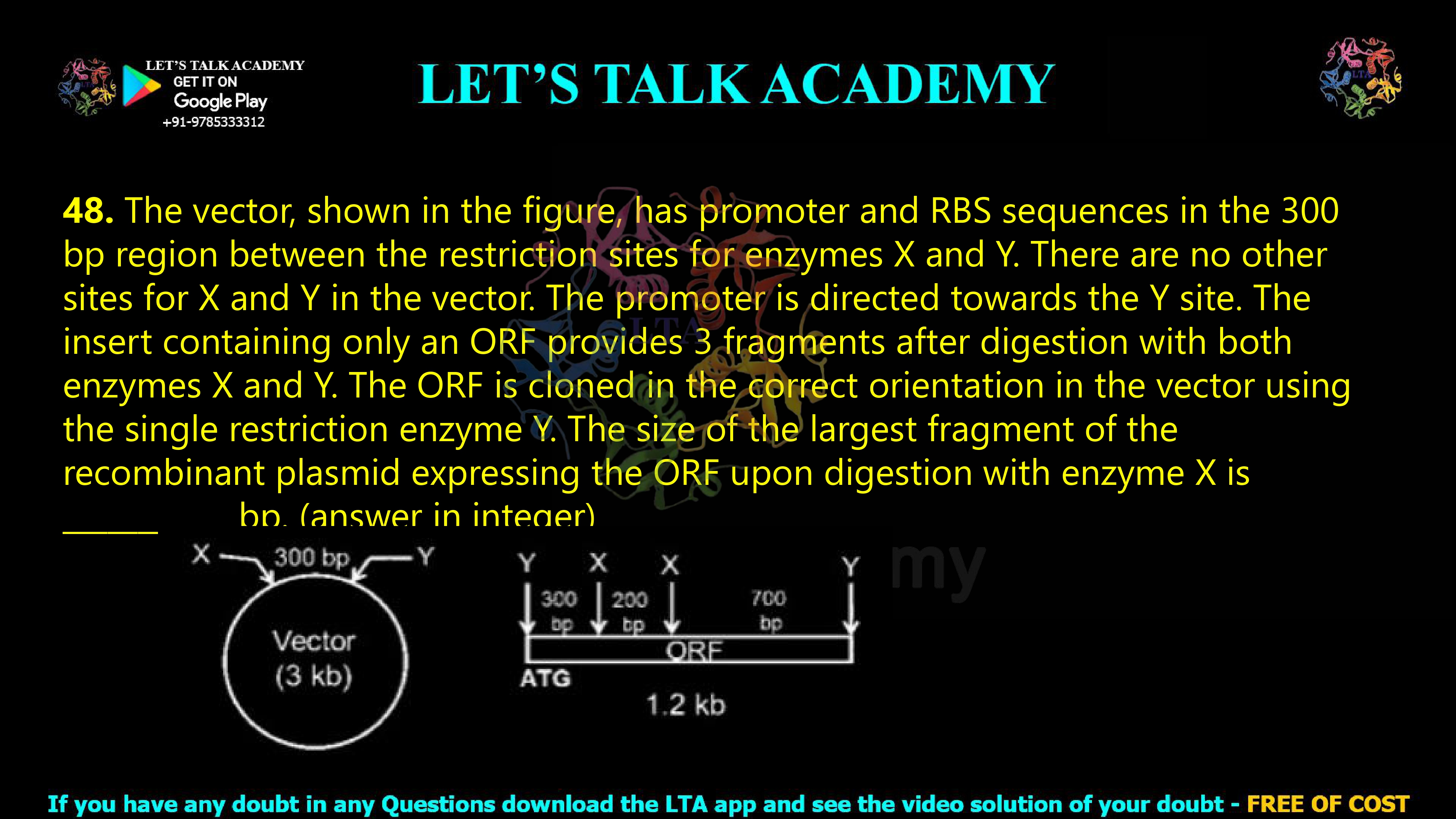
47. The vector, shown in the figure, has promoter and RBS sequences in the 300 bp region between the restriction sites for enzymes X and Y. There are no other sites for X and Y in the vector. The promoter is directed towards the Y site. The insert containing only an ORF provides 3 fragments after digestion with both enzymes X and Y. The ORF is cloned in the correct orientation in the vector using the single restriction enzyme Y. The size of the largest fragment of the recombinant plasmid expressing the ORF upon digestion with enzyme X is ___________ bp. (answer in integer)            

Recombinant Plasmid Restriction Mapping

46. Bacterial cloning vectors and bacterial expression vectors are differentiated by the presence of     (A) antibiotic resistance gene cassette  (B) origin of replication  (C) promoter and ribosome-binding site  (D) unique restriction sites

Bacterial Cloning Vectors and Bacterial Expression Vectors

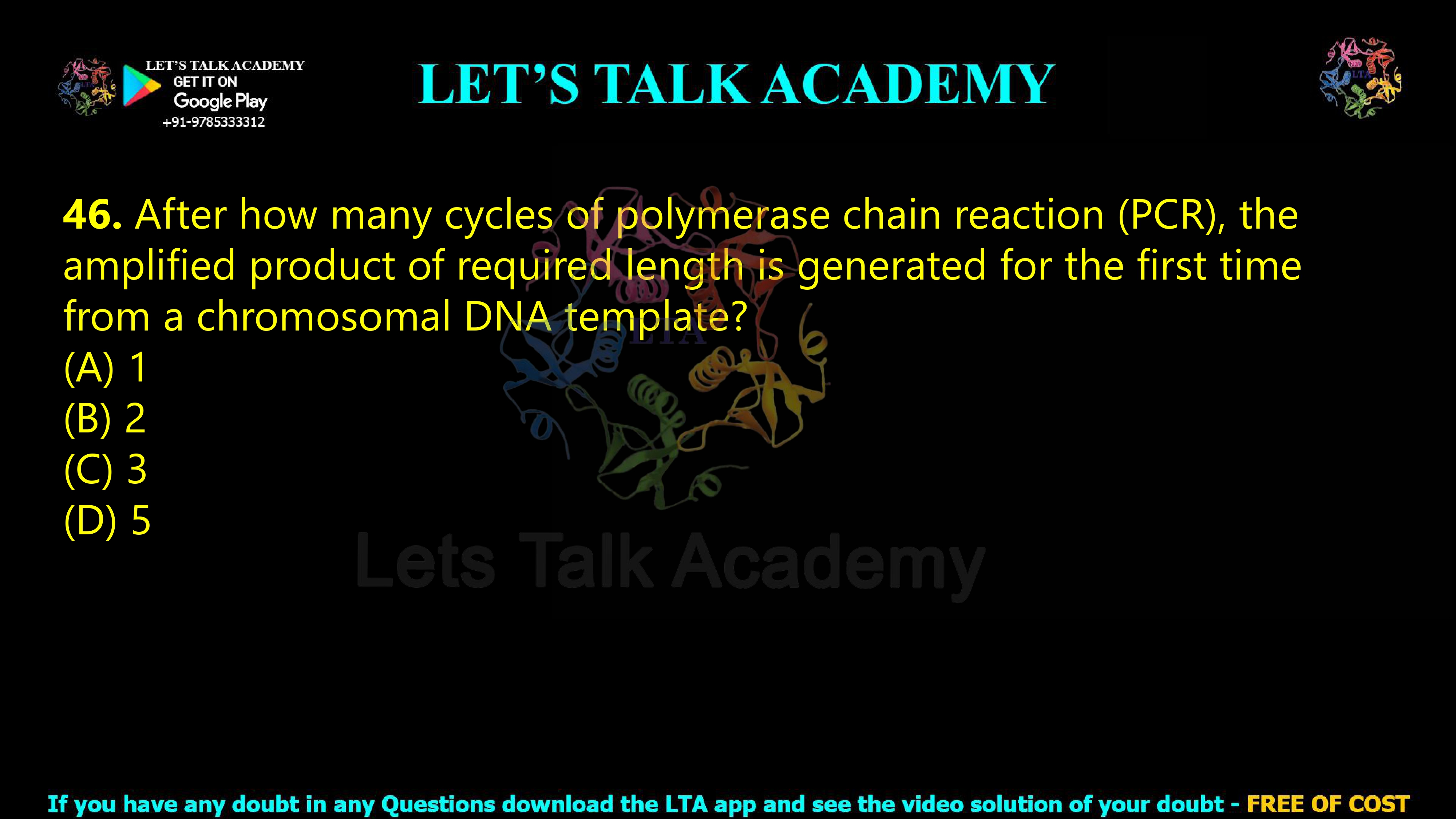
45. After how many cycles of polymerase chain reaction (PCR), the amplified product of required length is generated for the first time from a chromosomal DNA template?     (A) 1  (B) 2  (C) 3  (D) 5

fter How Many PCR Cycles Is the Amplified Product

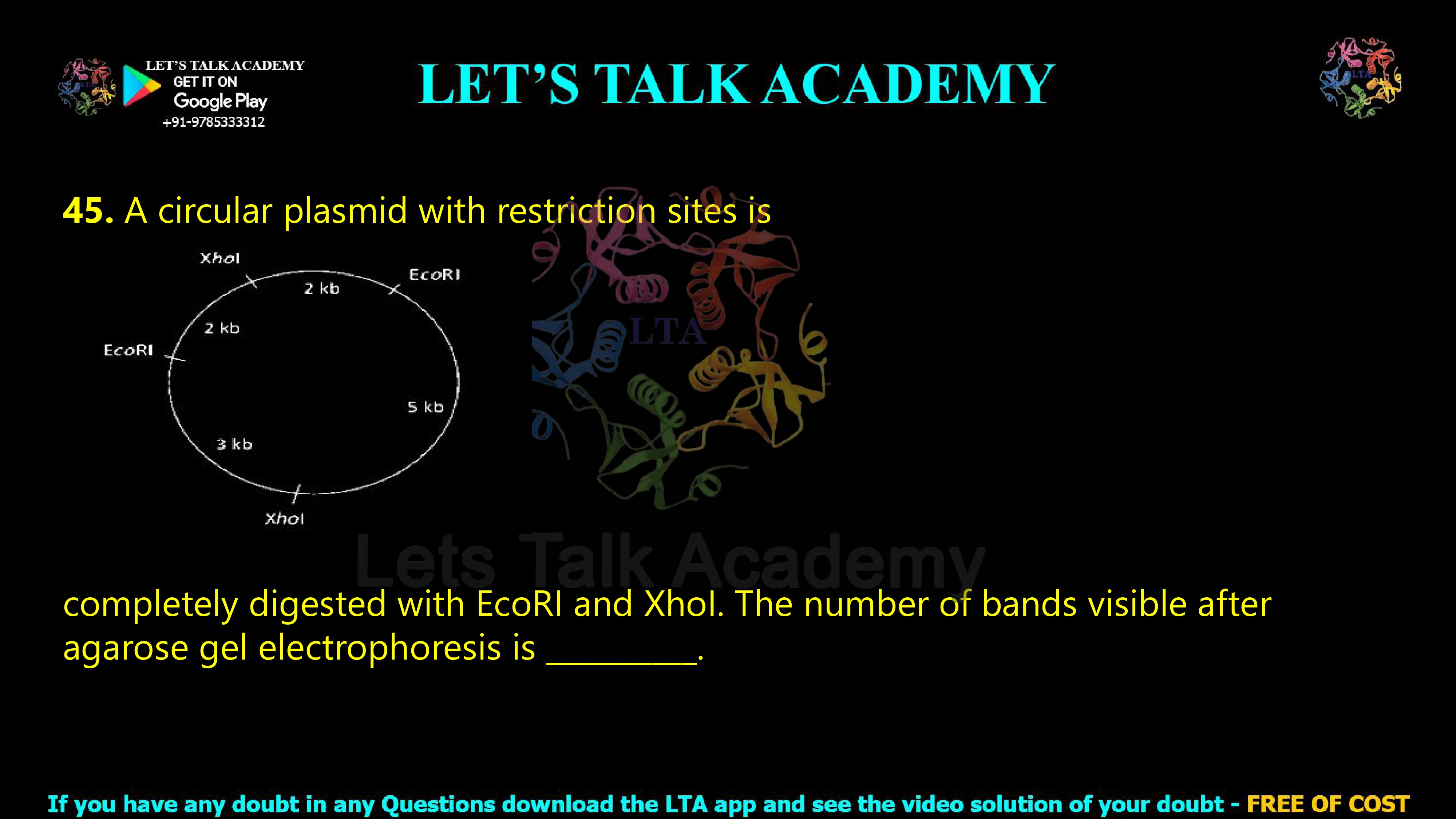
44. A circular plasmid with restriction sites is completely digested with EcoRI and XhoI. The number of bands visible after agarose gel electrophoresis is __________.   

Complete Digestion of a Circular Plasmid

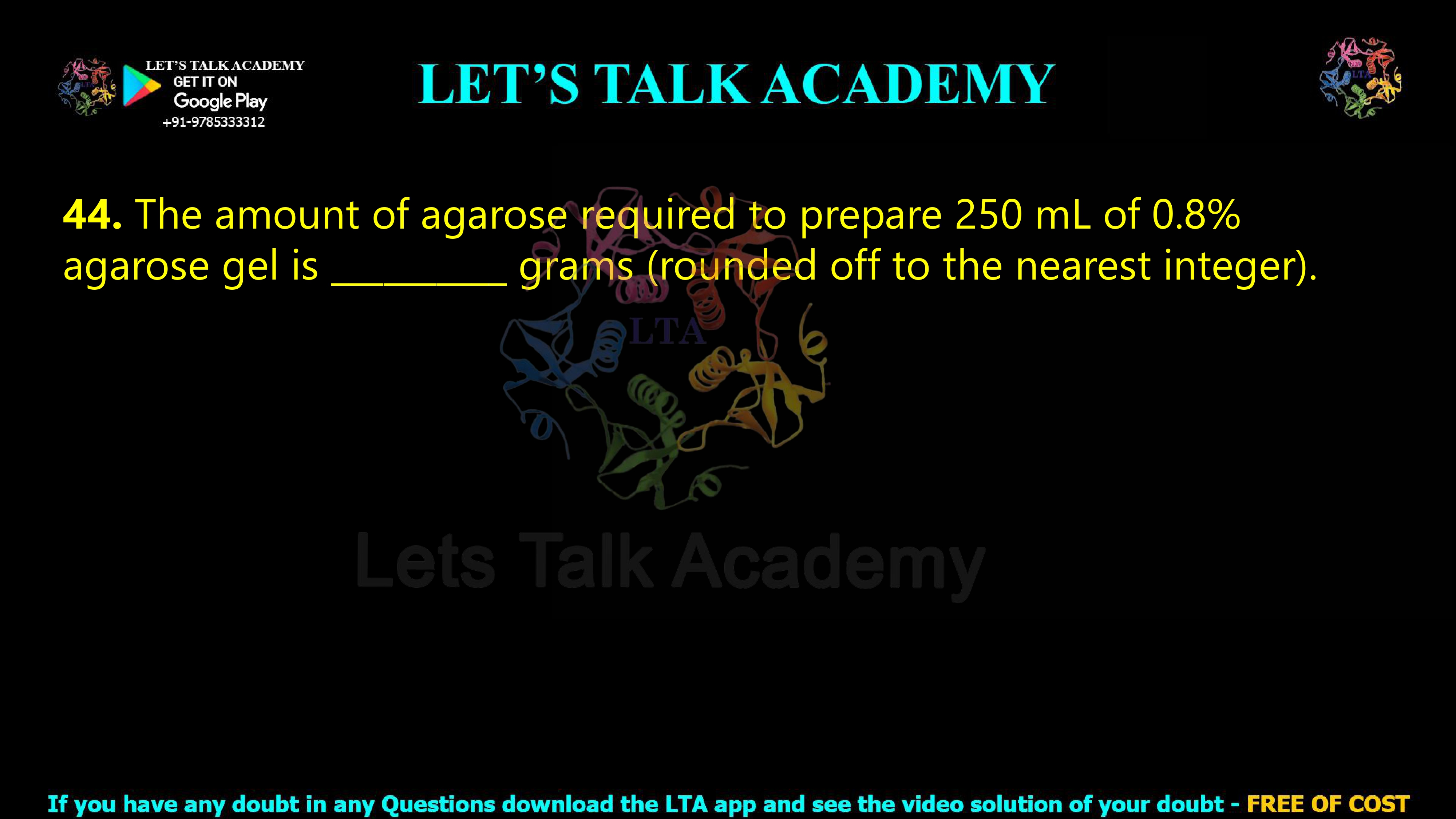
43. The amount of agarose required to prepare 250 mL of 0.8% agarose gel is __________ grams (rounded off to the nearest integer).

How Much Agarose Is Required to Prepare 250 mL

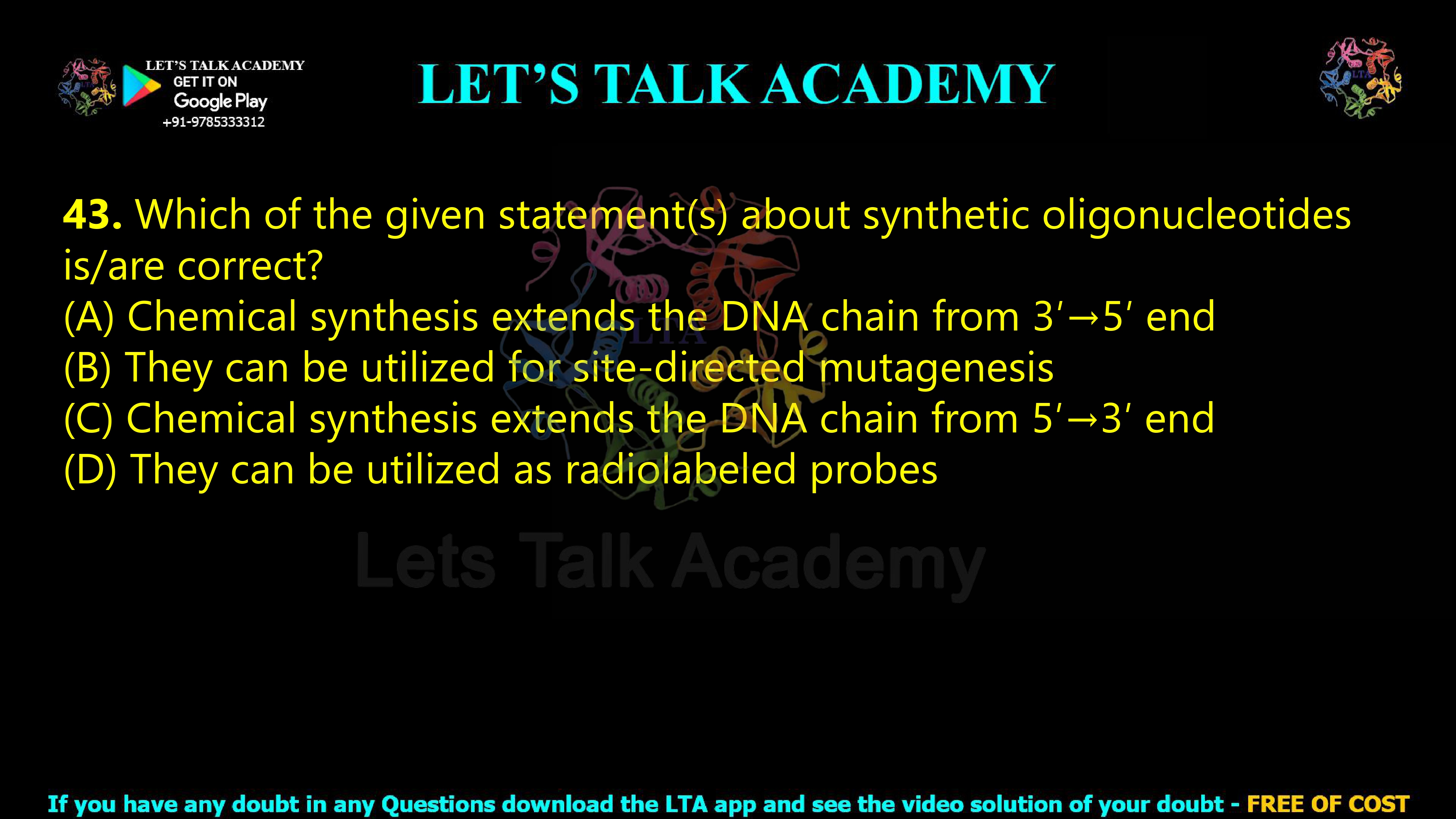
42. Which of the given statement(s) about synthetic oligonucleotides is/are correct?  (A) Chemical synthesis extends the DNA chain from 3′→5′ end (B) They can be utilized for site-directed mutagenesis (C) Chemical synthesis extends the DNA chain from 5′→3′ end (D) They can be utilized as radiolabeled probes

Synthetic Oligonucleotides

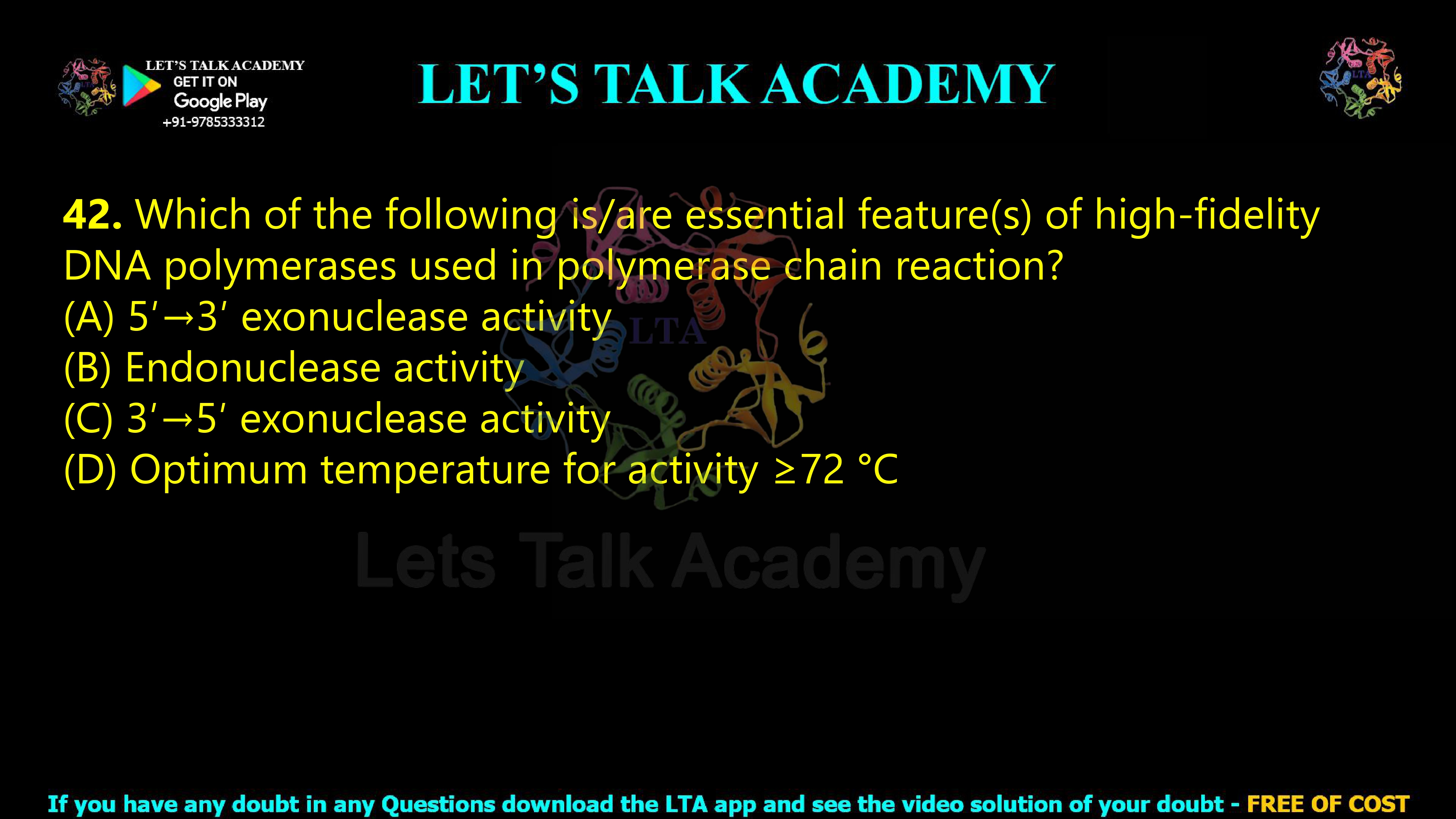
41. Which of the following is/are essential feature(s) of high-fidelity DNA polymerases used in polymerase chain reaction?  (A) 5′→3′ exonuclease activity (B) Endonuclease activity (C) 3′→5′ exonuclease activity (D) Optimum temperature for activity ≥72 °C

Essential Features of High-Fidelity DNA Polymerases

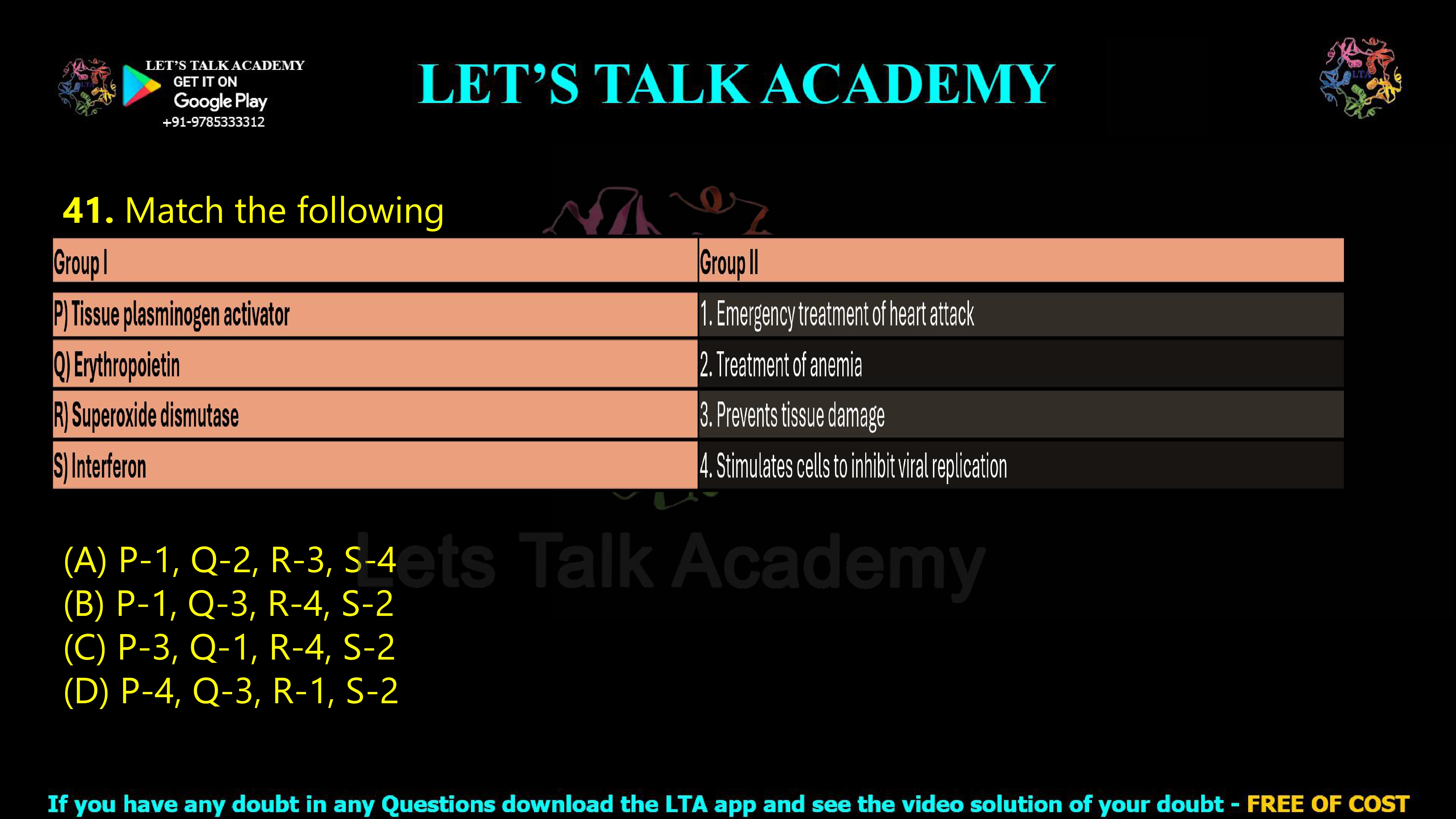
40. Match the following  Group I Group II P) Tissue plasminogen activator 1. Emergency treatment of heart attack Q) Erythropoietin 2. Treatment of anemia R) Superoxide dismutase 3. Prevents tissue damage S) Interferon 4. Stimulates cells to inhibit viral replication (A) P-1, Q-2, R-3, S-4 (B) P-1, Q-3, R-4, S-2 (C) P-3, Q-1, R-4, S-2 (D) P-4, Q-3, R-1, S-2

Tissue Plasminogen Activator, Erythropoietin Matching Explained

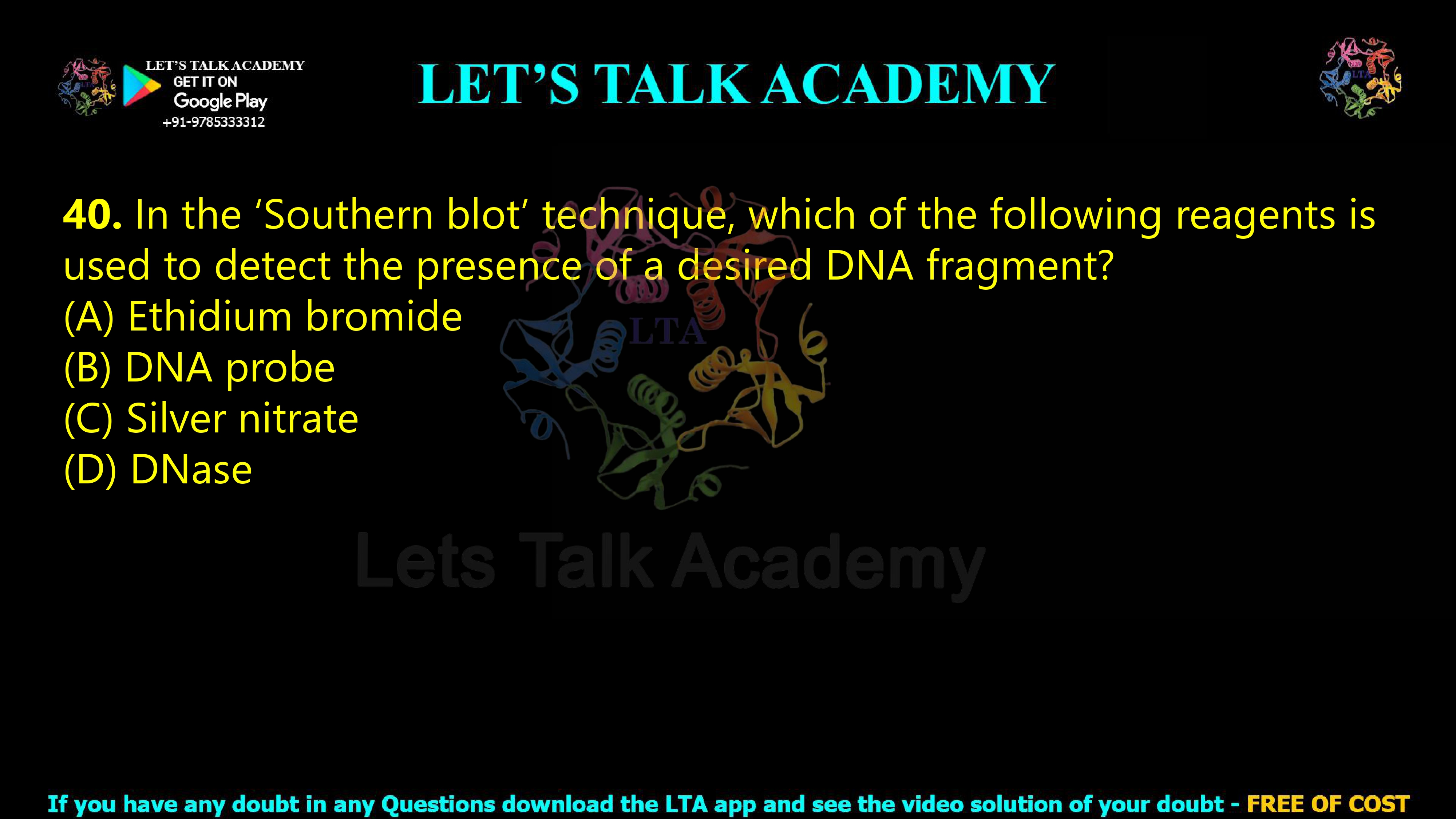
39. In the ‘Southern blot’ technique, which of the following reagents is used to detect the presence of a desired DNA fragment?  (A) Ethidium bromide (B) DNA probe (C) Silver nitrate (D) DNase

Which Reagent Is Used to Detect a Desired DNA Fragment

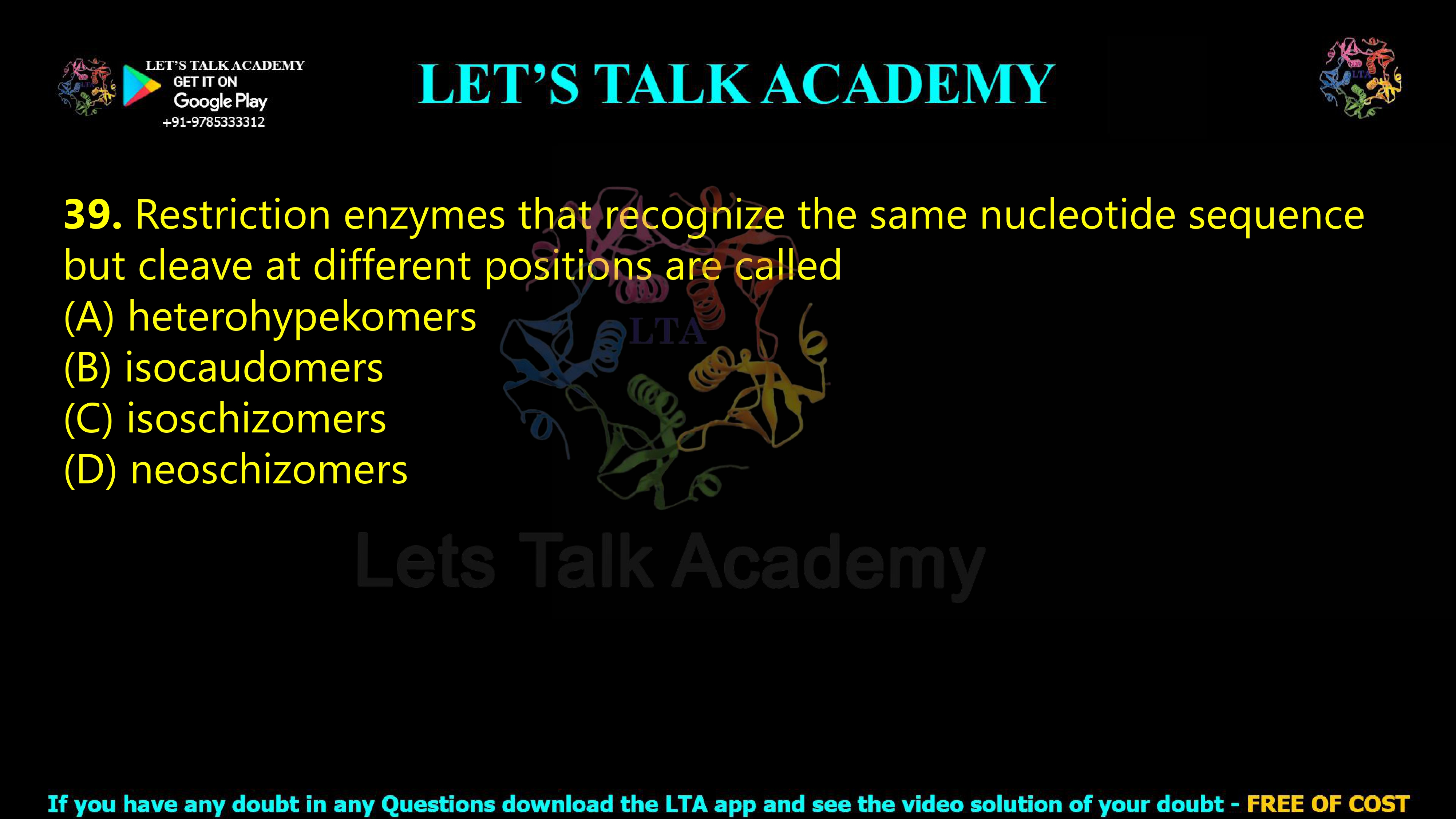
38. Restriction enzymes that recognize the same nucleotide sequence but cleave at different positions are called  (A) heterohypekomers (B) isocaudomers (C) isoschizomers (D) neoschizomers

Restriction Enzymes Recognizing the Same Sequence

37. Transfer of plasmids into animal cells can be achieved by  (A) Electroporation (B) Liposome-mediated process (C) Calcium chloride treatment (D) Sucrose treatment

Transfer of Plasmids into Animal Cells

36. While performing a PCR, the student forgot to add one of the two primers. The number of molecules of single-stranded DNA produced after 25 PCR cycles is ____.

PCR with One Missing Primer

35. Which of the following molecular genetic technique(s) is/are used in forensic science?  (A) Coimmunoprecipitation (B) DNA fingerprinting (C) Restriction   fragment   length polymorphism (D) Electrophoretic mobility shift assay

Molecular Genetic Techniques Used in Forensic Science:

34. In circular dichroism (CD) spectroscopy, the difference in molar extinction coefficients (Δε) is plotted as a function of wavelength λ (in nm). In a CD spectrum of an alpha-helical protein, Δε will have a  (A) Negative value at 210 nm (B) Positive value at 195 nm (C) Negative value at 220 nm (D) Negative value at 195 nm

Circular Dichroism Spectrum of an Alpha-Helical Protein

33. A solution containing NAD+ and NADH has an optical density of 0.233 at 340 nm and 1.000 at 260 nm. While this solution absorbs at 260 nm, NADH alone absorbs at 340 nm. All measurements are carried out in a 1-cm cuvette. Given the extinction coefficients (ε) (see the table below), the concentration of the oxidized form of the cofactor in µM is             

How to Calculate the Concentration

32. The number of peaks in the 13C-NMR spectrum of CDCl3 is

Number of Peaks in the ¹³C NMR Spectrum

31. Among the following compounds, which of these will show two singlets in their 1H-NMR spectrum?  (A) 1,4-Dichlorobenzene (B) 1,2-Dichlorobenzene (C) Dimethoxymethane  (D) Methylacetate

Compounds Showing Two Singlets

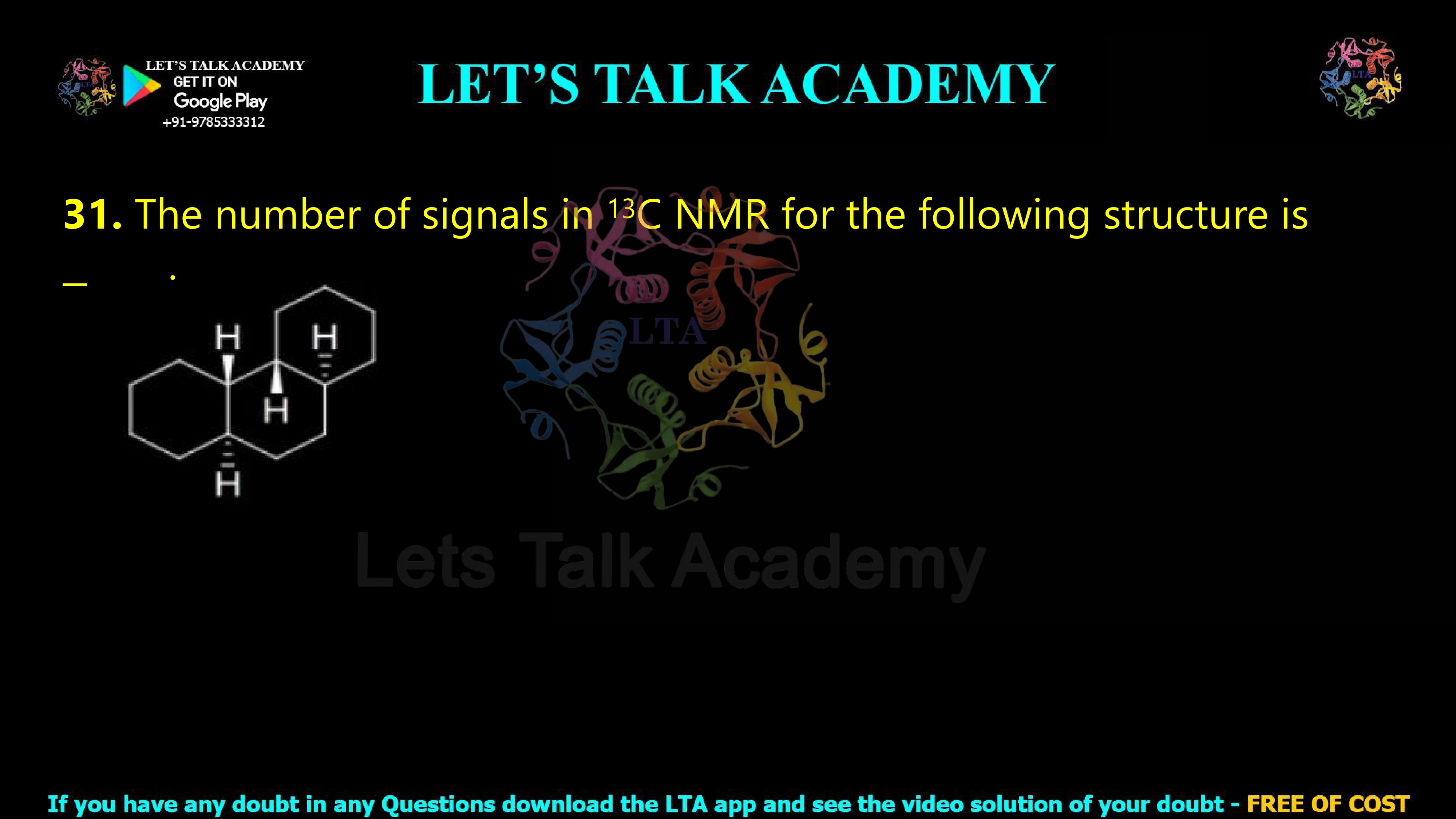
30. The number of signals in 13C NMR for the following structure is ______.

Number of Signals in ¹³C NMR of a Fused Tricyclic Compound

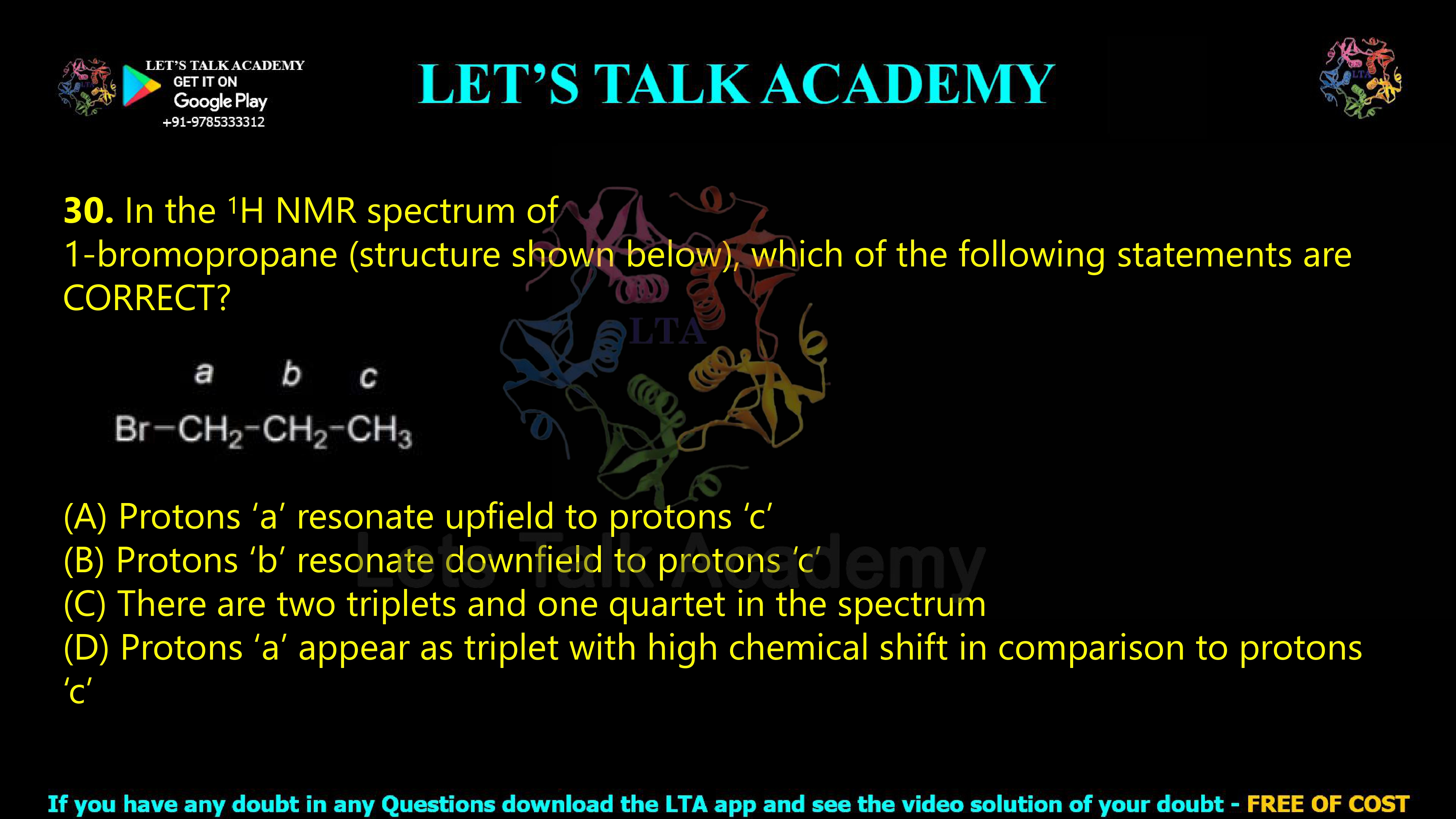
29. In the 1H NMR spectrum of 1-bromopropane (structure shown below), which of the following statements are CORRECT?        (A) Protons ‘a’ resonate upfield to protons ‘c’ (B) Protons ‘b’ resonate downfield to protons ‘c’ (C) There are two triplets and one quartet in the spectrum (D) Protons ‘a’ appear as triplet with high chemical shift in comparison to protons ‘c’

Which Statements Are Correct for the ¹H NMR Spectrum

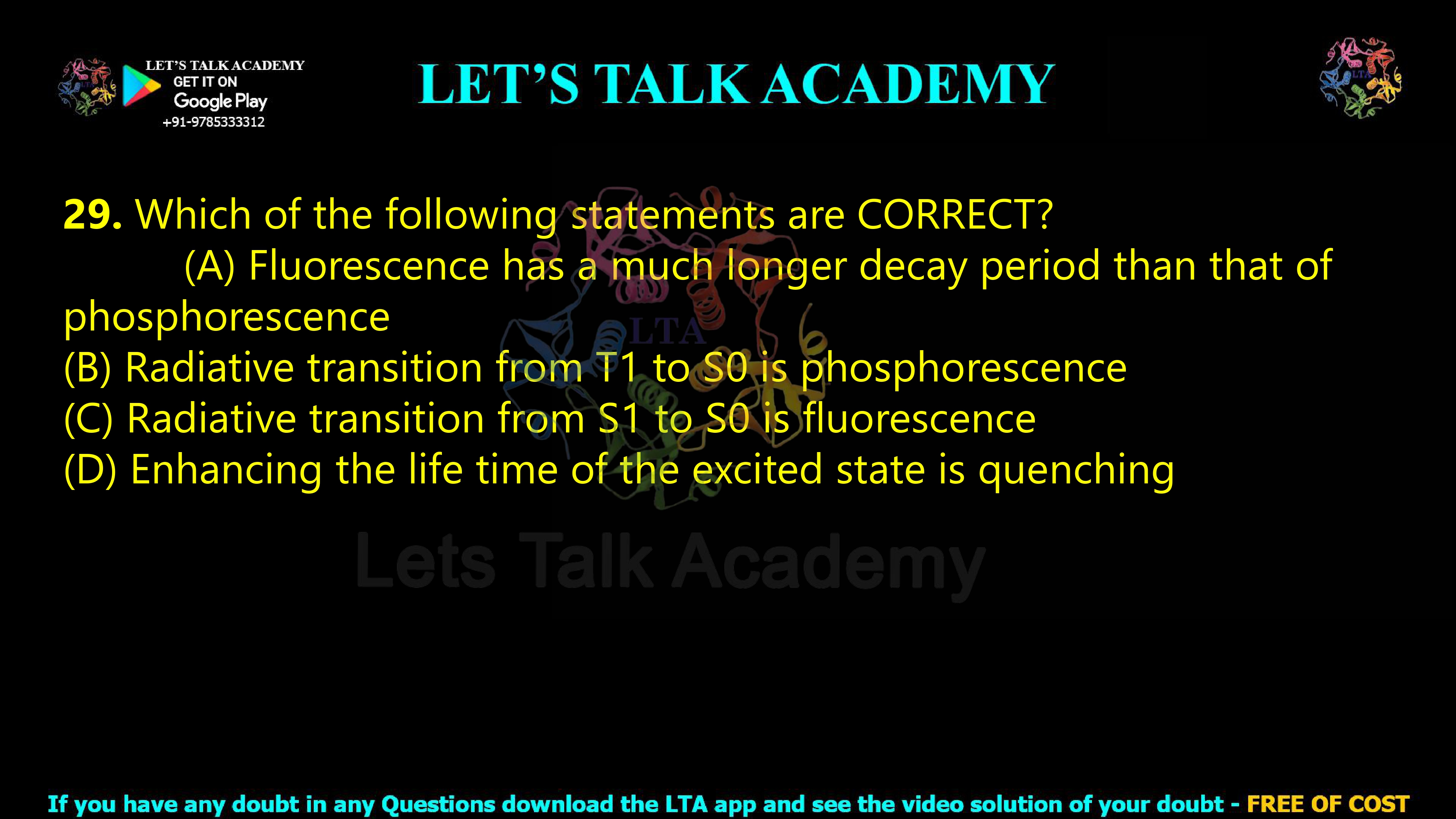
28. Which of the following statements are CORRECT?  (A) Fluorescence has a much longer decay period than that of phosphorescence (B) Radiative transition from T1 to S0 is phosphorescence (C) Radiative transition from S1 to S0 is fluorescence (D) Enhancing the life time of the excited state is quenching

Which Statements About Fluorescence, Phosphorescence

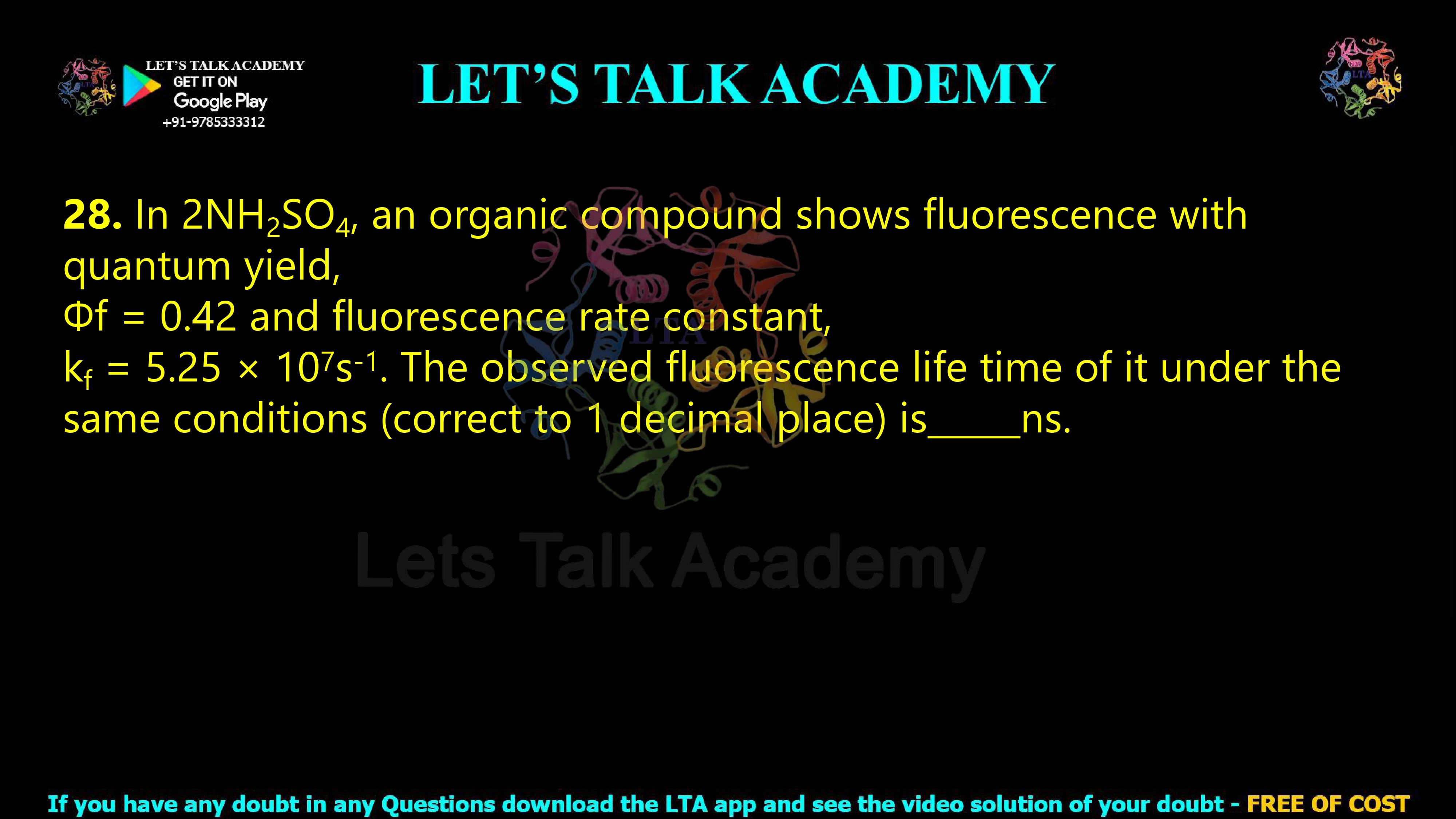
27. In 2NH2SO4, an organic compound shows fluorescence with quantum yield, Φf = 0.42 and fluorescence rate constant, kf = 5.25 × 10⁷s-1. The observed fluorescence life time of it under the same conditions (correct to 1 decimal place) is        ns.            

Calculate the Observed Fluorescence Lifetime

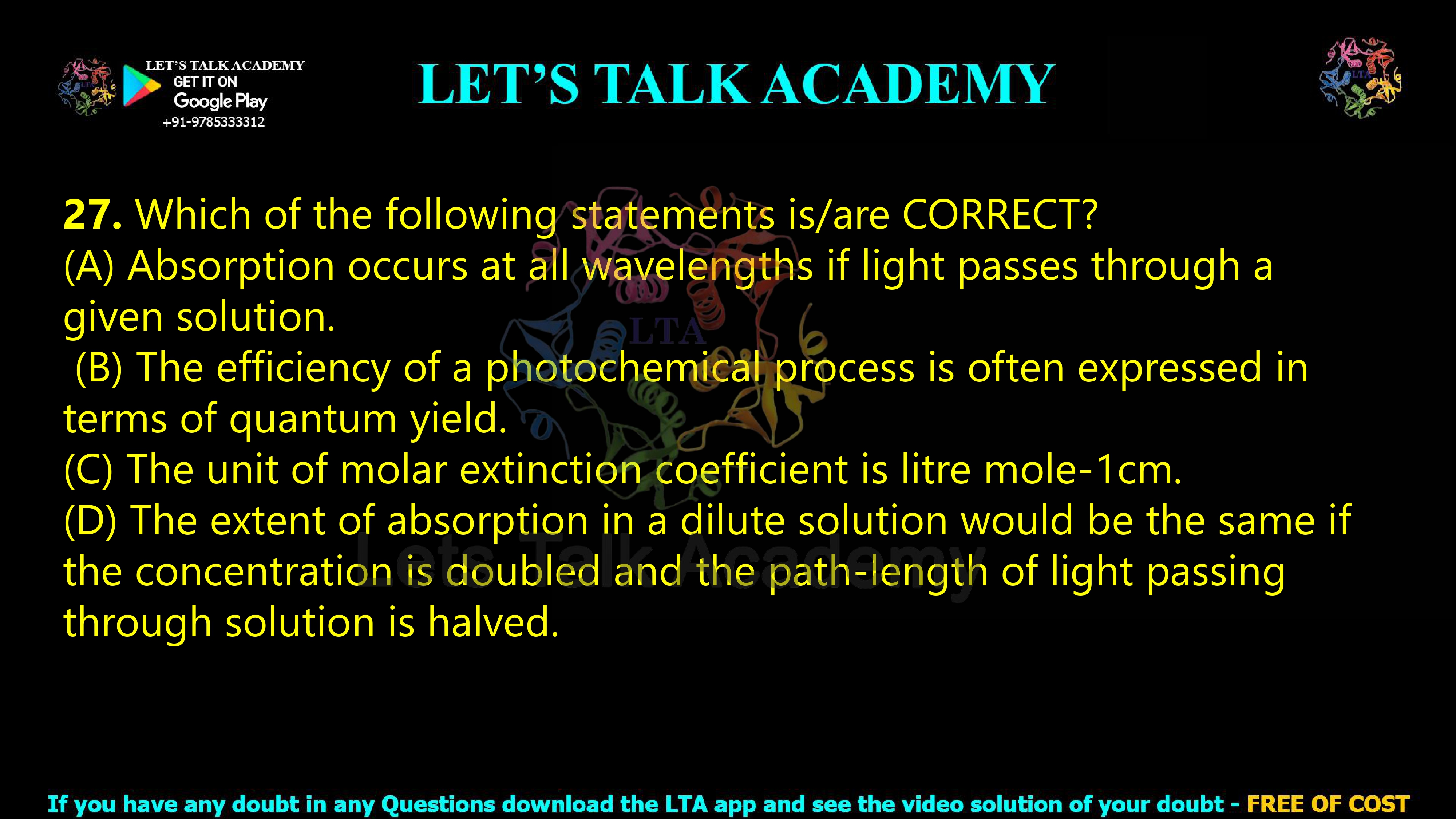
26. Which of the following statements is/are CORRECT?  (A) Absorption occurs at all wavelengths if light passes through a given solution.  (B) The efficiency of a photochemical process is often expressed in terms of quantum yield. (C) The unit of molar extinction coefficient is litre mole-1cm. (D) The extent of absorption in a dilute solution would be the same if the concentration is doubled and the path-length of light passing through solution is halved.

Which Statements About Light Absorption

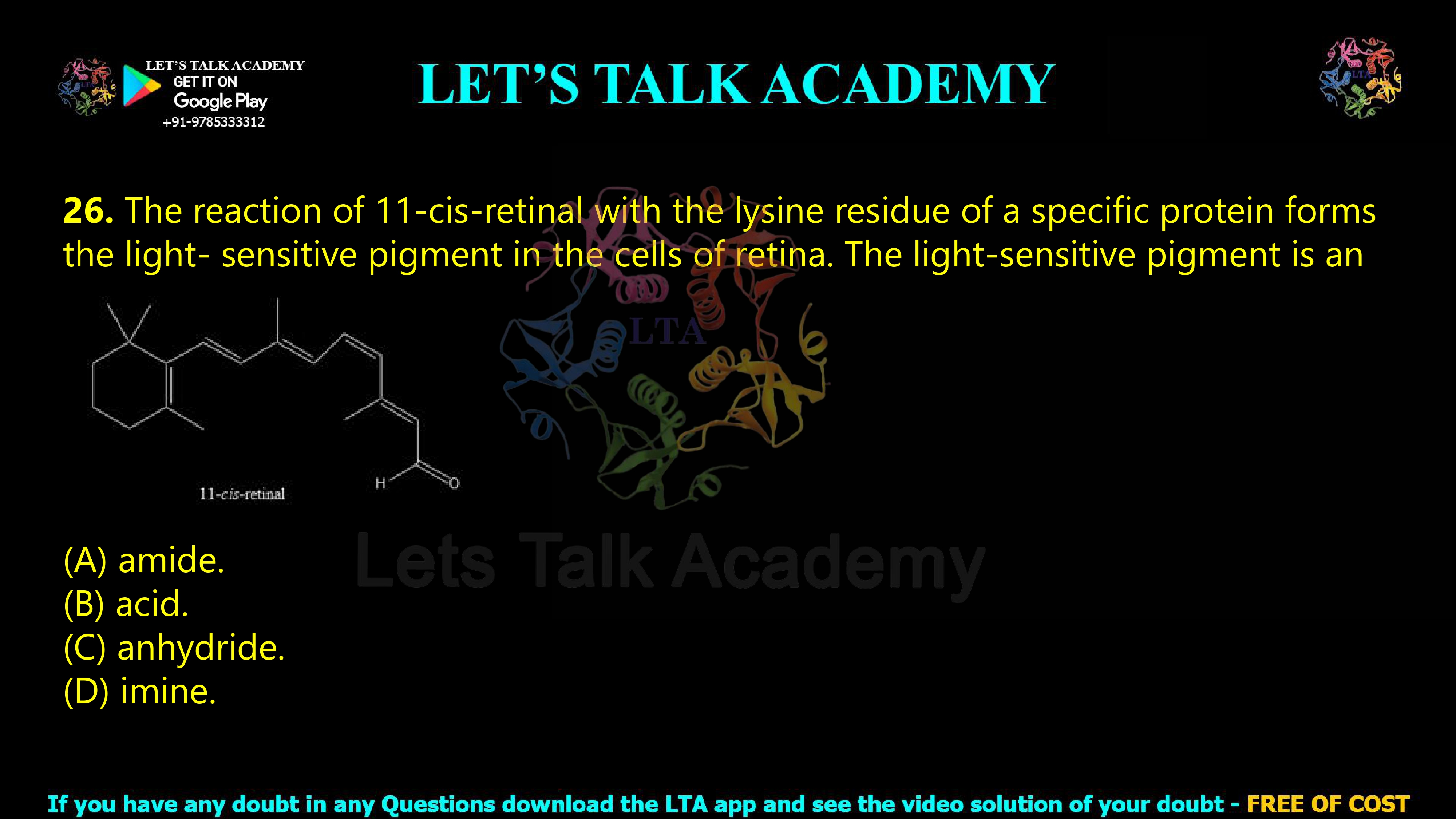
25. The reaction of 11-cis-retinal with the lysine residue of a specific protein forms the light- sensitive pigment in the cells of retina. The light-sensitive pigment is an (A) amide. (B) acid. (C) anhydride. (D) imine.

What Is Formed When 11-cis-Retinal Reacts

24. The total number of multiplet peaks in the 1H NMR spectrum of 1,3,5-tri-isopropylbenzene in CDCl3 is           .          

Total Number of Multiplet Peaks

23. A 0.1% (w/v) solution of a protein absorbs 20% of the incident light. What fraction of light is transmitted if the concentration is increased to 0.4%? [Correct to two decimal places]              

A 0.1% Protein Solution Absorbs 20% of Incident Light:

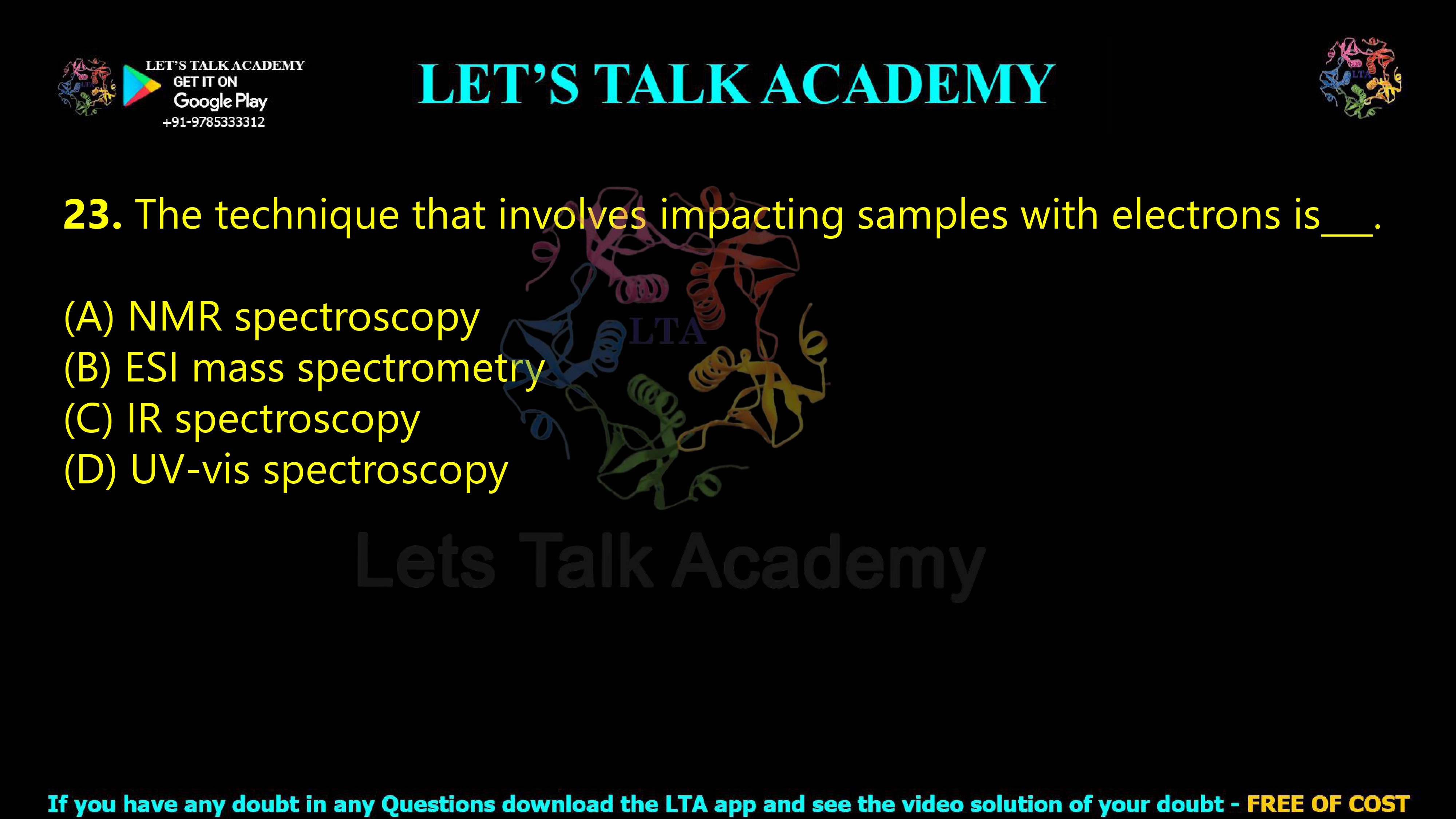
22. The technique that involves impacting samples with electrons is .  (A) NMR spectroscopy (B) ESI mass spectrometry (C) IR spectroscopy (D) UV-vis spectroscopy

Technique That Involves Impacting Samples with Electrons

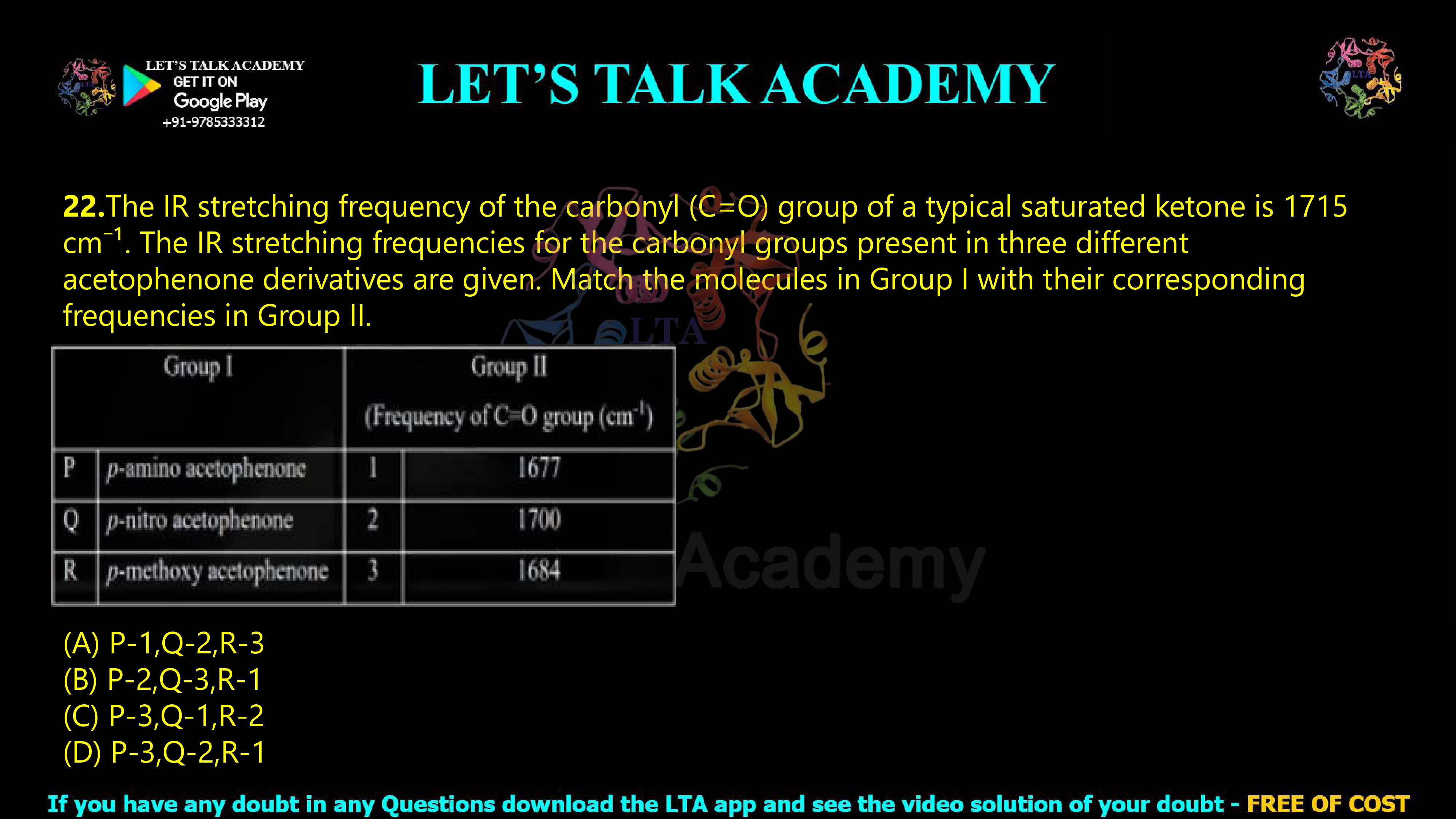
21.The IR stretching frequency of the carbonyl (C=O) group of a typical saturated ketone is 1715 cm⁻¹. The IR stretching frequencies for the carbonyl groups present in three different acetophenone derivatives are given. Match the molecules in Group I with their corresponding frequencies in Group II.  (A) P-1,Q-2,R-3  (B) P-2,Q-3,R-1  (C) P-3,Q-1,R-2  (D) P-3,Q-2,R-1

IR Stretching Frequency of Acetophenone Derivatives

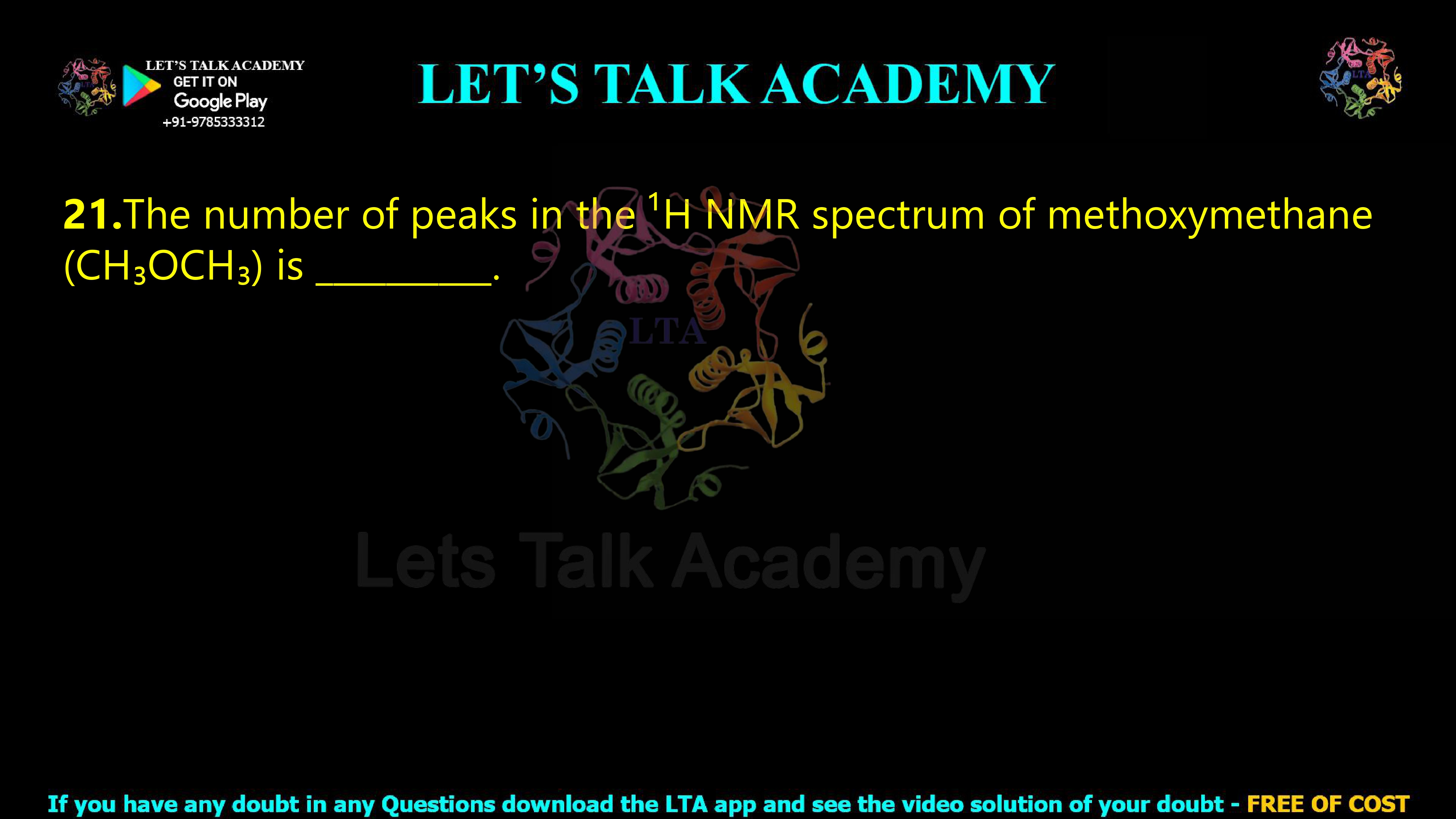
20.The number of peaks in the ¹H NMR spectrum of methoxymethane (CH₃OCH₃) is __________.

How Many Peaks Are Present

19. Which of the following technique(s) can be used to determine the three-dimensional structure of an organic compound?  (A) Mass spectrometry (B) NMR spectroscopy (C) UV-visible spectroscopy (D) X-ray crystallography

Which Techniques Determine the Three-Dimensional Structure

18. Which color of light excites a natural GFP to emit green fluorescence?  (A) Blue (B) Green (C) Infrared (D) Red

Which Color of Light Excites

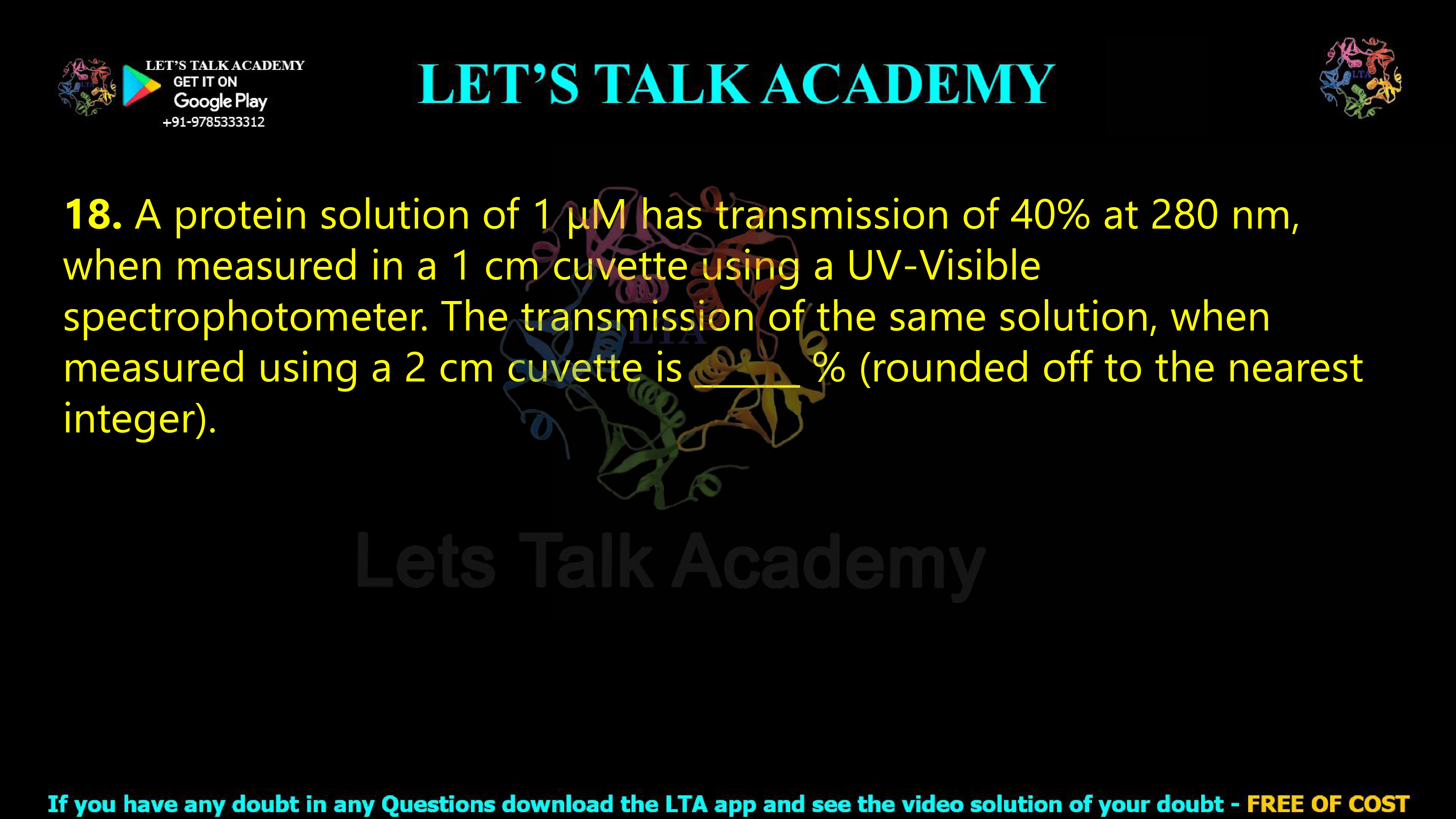
17. A protein solution of 1 μM has transmission of 40% at 280 nm, when measured in a 1 cm cuvette using a UV-Visible spectrophotometer. The transmission of the same solution, when measured using a 2 cm cuvette is ______ % (rounded off to the nearest integer).

Protein Solution Transmission Calculation

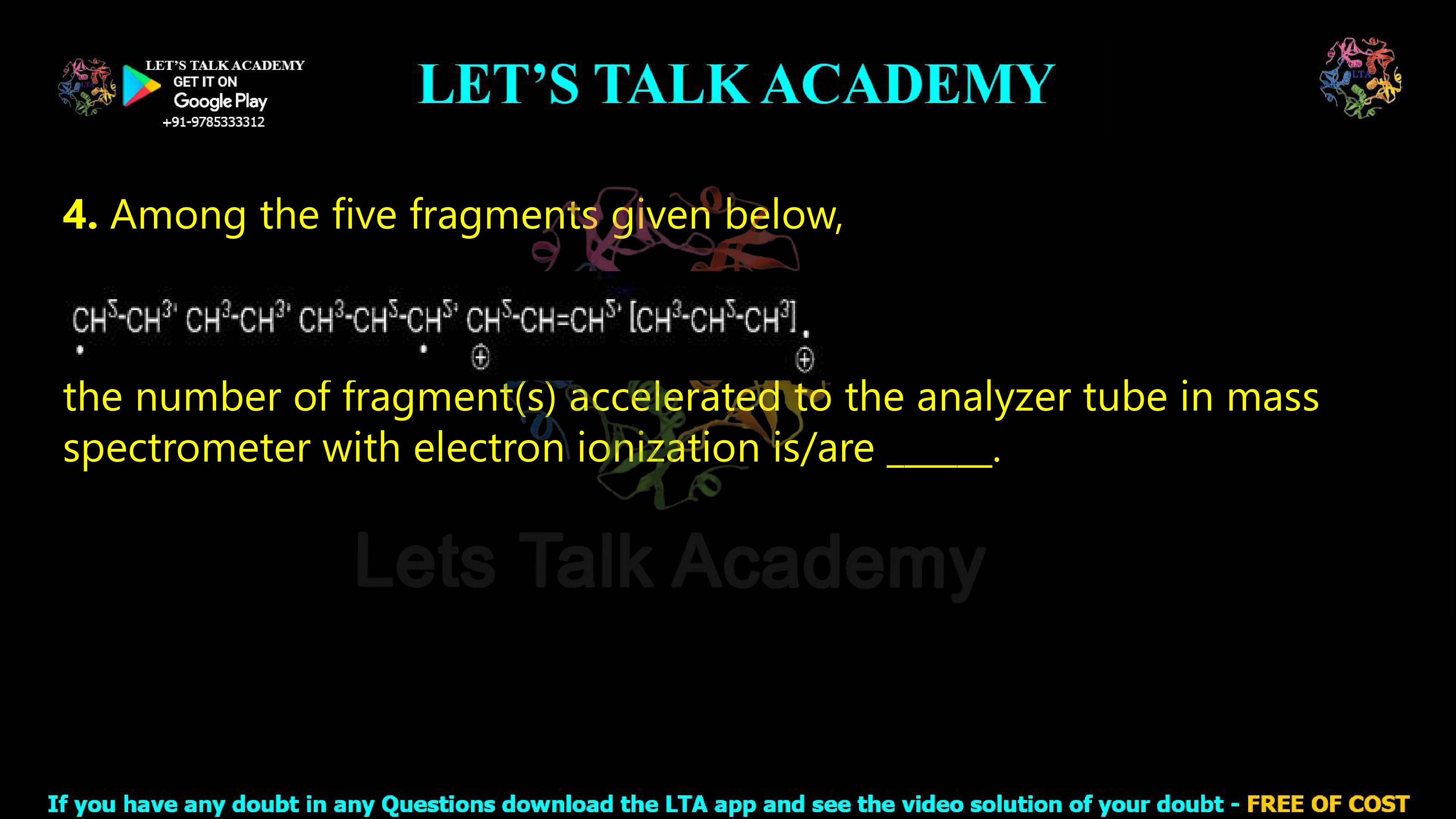
16. Among the five fragments given below, the number of fragment(s) accelerated to the analyzer tube in mass spectrometer with electron ionization is/are ______.

Electron Ionization Mass Spectrometry

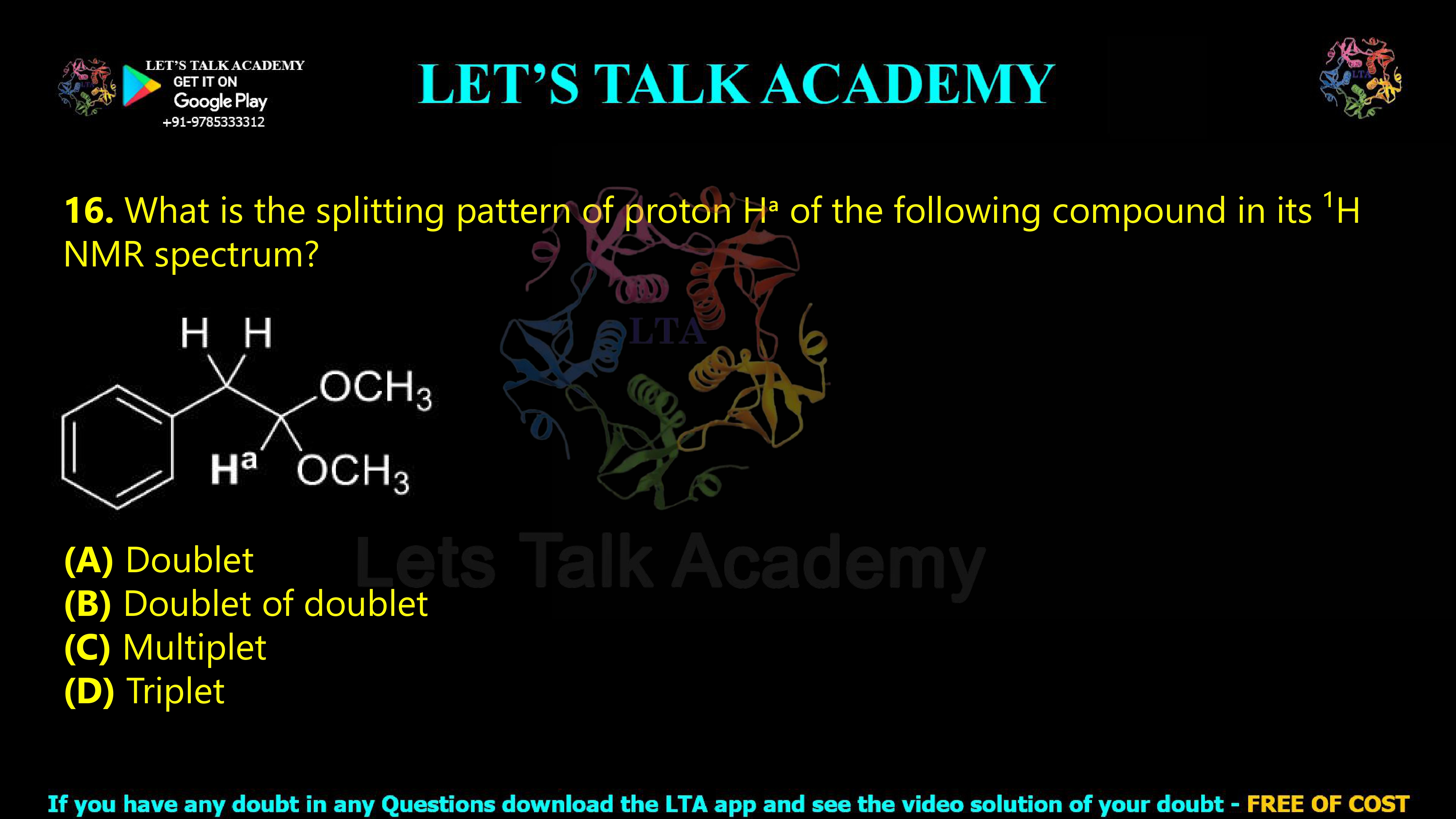
15. What is the splitting pattern of proton Hᵃ of the following compound in its ¹H NMR spectrum? (A) Doublet (B) Doublet of doublet (C) Multiplet (D) Triplet

What Is the Splitting Pattern of Proton Ha

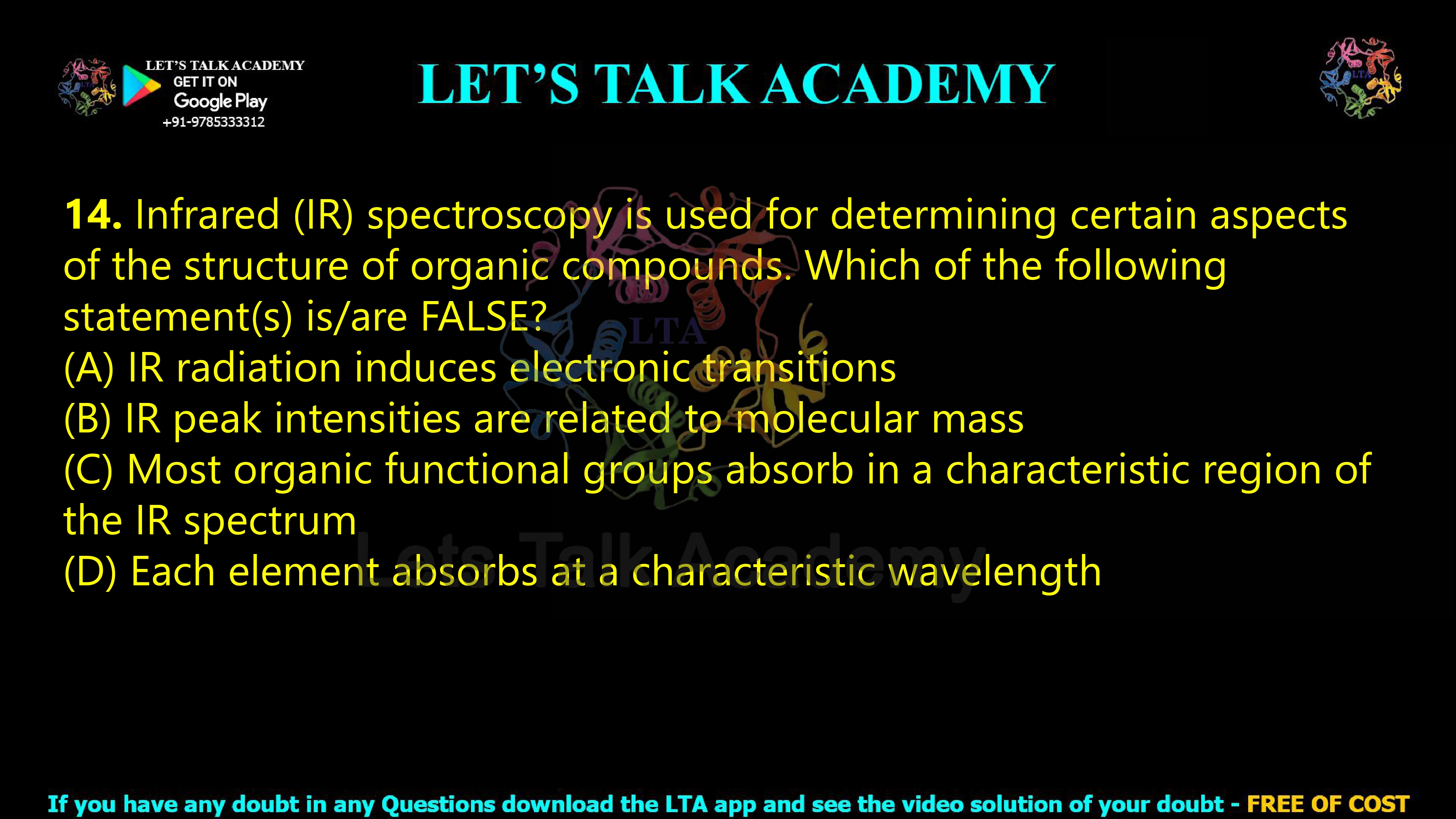
14. Infrared (IR) spectroscopy is used for determining certain aspects of the structure of organic compounds. Which of the following statement(s) is/are FALSE? (2021) (A) IR radiation induces electronic transitions (B) IR peak intensities are related to molecular mass (C) Most organic functional groups absorb in a characteristic region of the IR spectrum (D) Each element absorbs at a characteristic wavelength

Which Statements About Infrared (IR) Spectroscopy Are False?

13. In the H NMR spectrum of ethanol at 400 MHz, the methyl group splits into ________ number of peaks

How Many Peaks Does the Methyl Group

12. Match the entries in Group I with the entries in Group II  Group I                                         Group II Yeast 2 Hybrid System           1) in vivo protein-DNA interaction Electrophoretic Mobility Shift Assay                2) protein structure determination Chromatin Immunoprecipitation             3) in vitro protein-DNA interaction Nuclear Magnetic                   4)protein-protein interaction Resonance                              (A) P-3, Q-2, R-1, S-4    (B) P-4, Q-3, R-1, S-2 (C) P-4, Q-1, R-3, S-2 (D) P-1, Q-3, R-4, S-2

Match Yeast Two-Hybrid, EMSA, ChIP and NMR

11. The relationship between log10(MW) [where MW — molecular weight in kDa] of a mixture of protein standards and their retention factors (Rf) obtained from native-PAGE is log10(MW) = -2Rf + 3. lf the measured retention factor for a protein with 180 amino acids is 0.5, then the number of identical monomers in the protein is .

How to Calculate the Number of Identical Monomers

10. The result of an electrophoretic separation of a mixture of amino acids X, Y and Z at pH = 5.0 is represented as (Given the isoelectric points of X, Y, and Z are 9.87, 3.22 and 5.43, respectively)

Electrophoretic Separation of Amino Acids

9. The method(s) used to detect a DNA fragment of 150 base pairs is/are     (A) agarose gel electrophoresis  (B) northern blotting  (C) polyacrylamide gel electrophoresis  (D) western blotting

Which Methods Used to Detect DNA Fragment?

8. Which of the following method(s) is/are used to estimate protein concentration?  (A) Anthrone (B) Biuret (C) Bradford (D) Lowry

Which Methods Are Used to Estimate Protein Concentration?

7. Determine the correctness or otherwise of the following Assertion [a] and the Reason [r]  Assertion [a]: The resolving power of a transmission electron microscope is higher than that of the light microscope Reason [r]: The wavelength of electrons is shorter than that of visible light                           (A) Both [a] and [r] are true and [r] is the correct reason for [a] (B) Both [a] and [r] are true but [r] is not the correct reason for [a] (C) Both [a] and [r] are false (D) [a] is true but [r] is false

Transmission Electron Microscope vs Light Microscope

6. A 500 nm light is used for imaging in a confocal microscope. What will be the best resolution (in nm) of this microscope?

Resolution of a Confocal Microscope

5. In a denaturing polyacrylamide gel electrophoresis experiment, pure intact adult human hemoglobin will yield ________ (number) bands.

How Many Bands Does Adult Human Hemoglobin

4. Components of a Transmission Electron Microscope are  (A) Electron gun, objective lens, positron beam, projector lens (B)Neutron beam, projector lens, objective lens, evacuated tube (C)Electron beam, projector lens, objective lens, condenser lens (D) X-ray beam, projector lens, objective lens, condenser lens

Main Components of a Transmission Electron Microscope

3. The stationary phase of cation-exchange chromatography can be  (A) DEAE-cellulose (B) CM-cellulose (C) Sephadex G-50 (D) Heparin-Sepharose

Stationary Phase Used in Cation-Exchange Chromatography?

2. In a compound microscope, the magnification power of the objective lens is 100x, and that of the eye piece (ocular lens) is 10x. The magnification power of the microscope is _____ x.

Calculate Total Magnification Power of Compound Microscope

1. Which one of the following microscopic techniques provides a 3-dimensional perspective of live, unstained and transparent specimens obtained from the wild?  (A) Confocal microscopy (B) Fluorescence microscopy (C) Phase contrast microscopy (D)Differential interference contrast (Nomarski) microscopy

Which Microscopy Technique Provides a 3D View of Live

Latest Courses