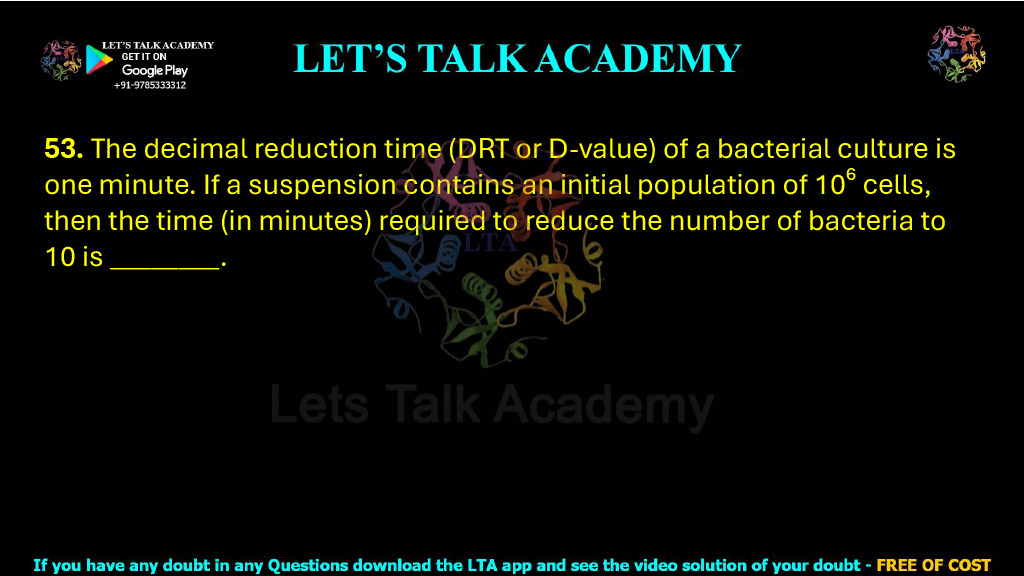
53. The decimal reduction time (DRT or D-value) of a bacterial culture is one minute. If a suspension contains an initial population of 10⁶ cells, then the time (in minutes) required to reduce the number of bacteria to 10 is ________.

Decimal Reduction Time (D-Value) Calculation

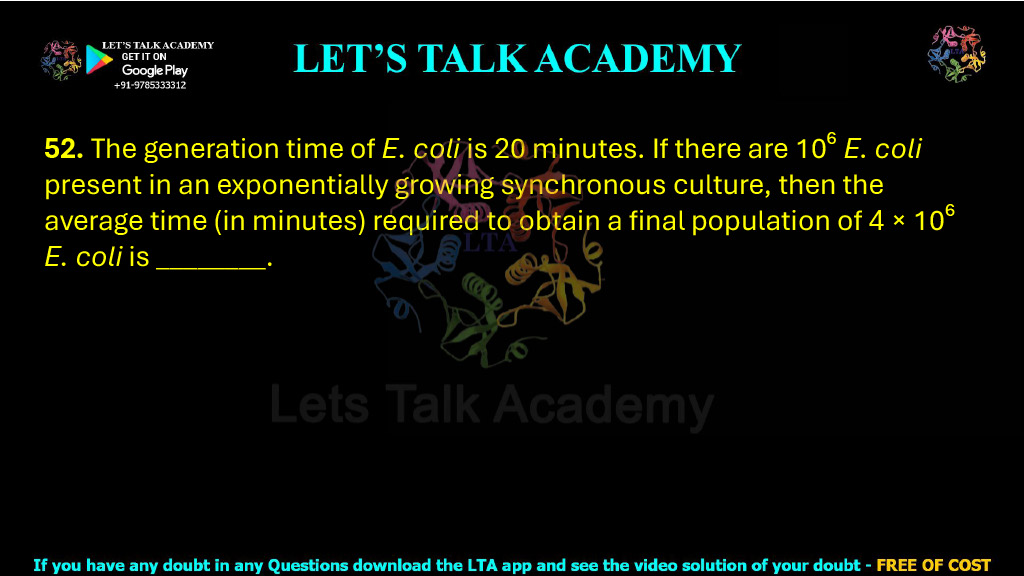
52. The generation time of E. coli is 20 minutes. If there are 10⁶ E. coli present in an exponentially growing synchronous culture, then the average time (in minutes) required to obtain a final population of 4 × 10⁶ E. coli is ________.

E. coli Generation Time Calculation

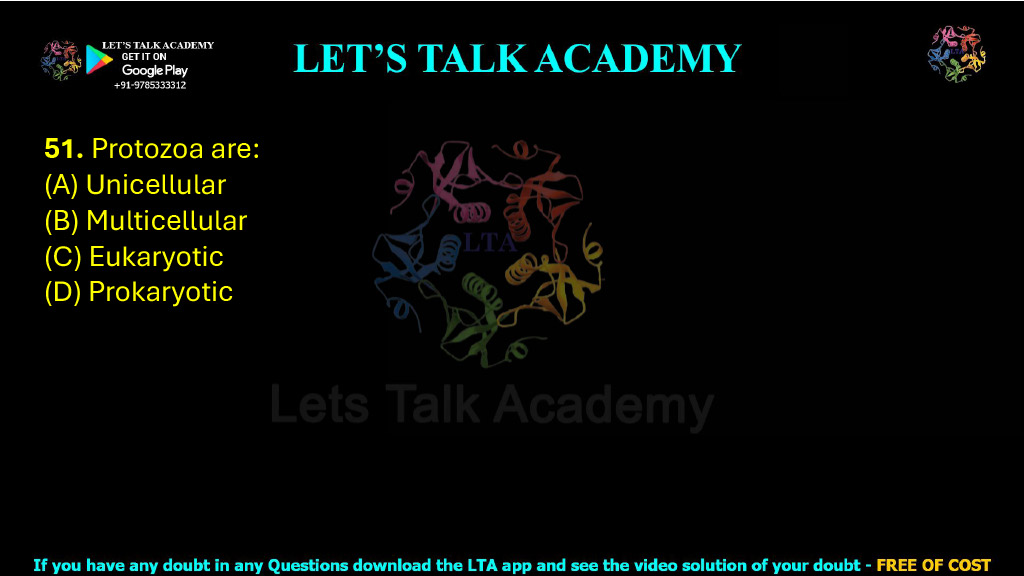
51. Protozoa are:  (A) Unicellular (B) Multicellular (C) Eukaryotic (D) Prokaryotic

Protozoa Explained

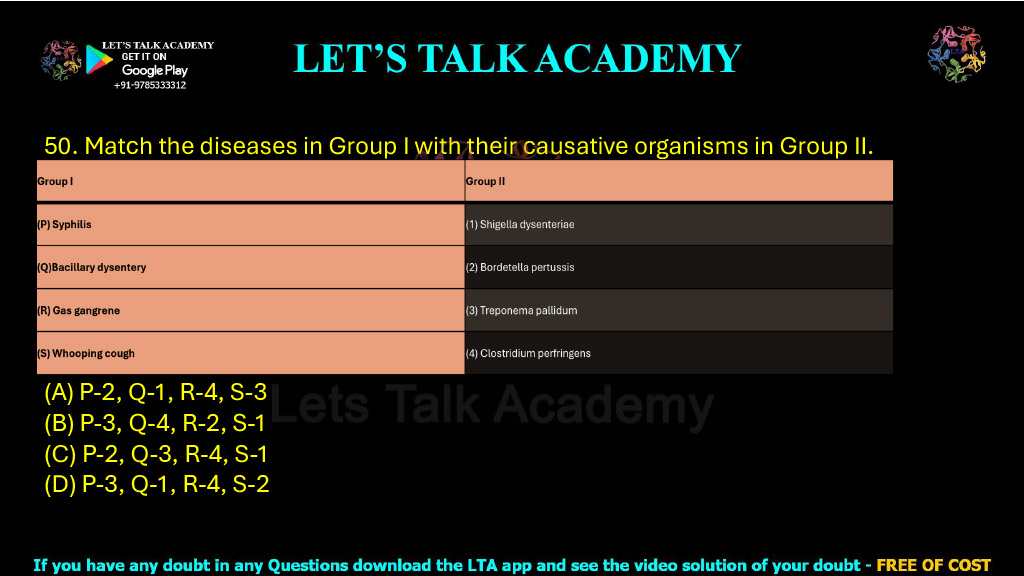
50. Match the diseases in Group I with their causative organisms in Group II.  Group I Group II (P) Syphilis (1) Shigella dysenteriae (Q)Bacillary dysentery (2) Bordetella pertussis (R) Gas gangrene (3) Treponema pallidum (S) Whooping cough (4) Clostridium perfringens  (A) P-2, Q-1, R-4, S-3 (B) P-3, Q-4, R-2, S-1 (C) P-2, Q-3, R-4, S-1 (D) P-3, Q-1, R-4, S-2

Diseases and Their Causative Organisms Explained

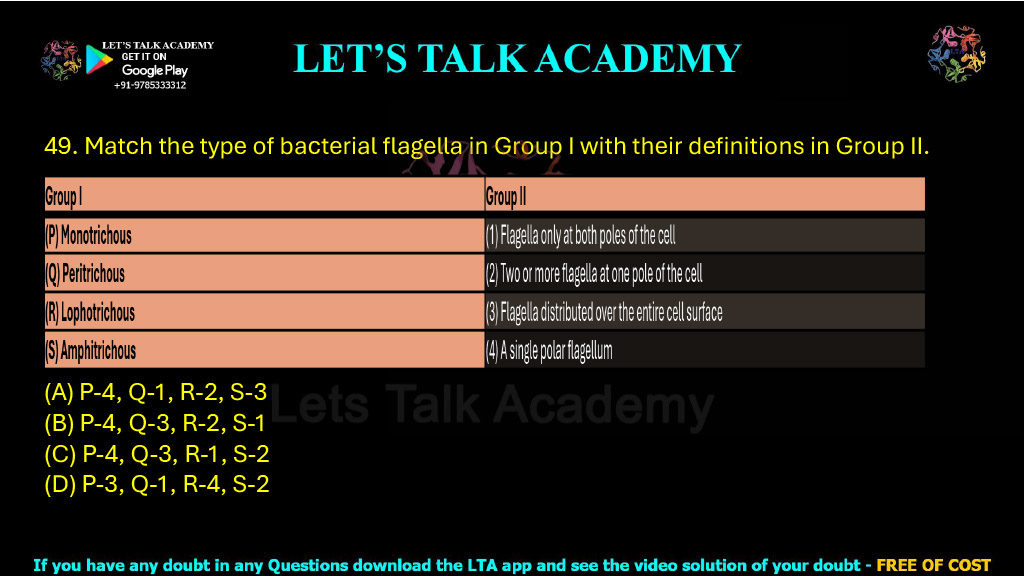
49. Match the type of bacterial flagella in Group I with their definitions in Group II.  Group I Group II (P) Monotrichous (1) Flagella only at both poles of the cell (Q) Peritrichous (2) Two or more flagella at one pole of the cell (R) Lophotrichous (3) Flagella distributed over the entire cell surface (S) Amphitrichous (4) A single polar flagellum (A) P-4, Q-1, R-2, S-3 (B) P-4, Q-3, R-2, S-1 (C) P-4, Q-3, R-1, S-2 (D) P-3, Q-1, R-4, S-2

Types of Bacterial Flagella Explained

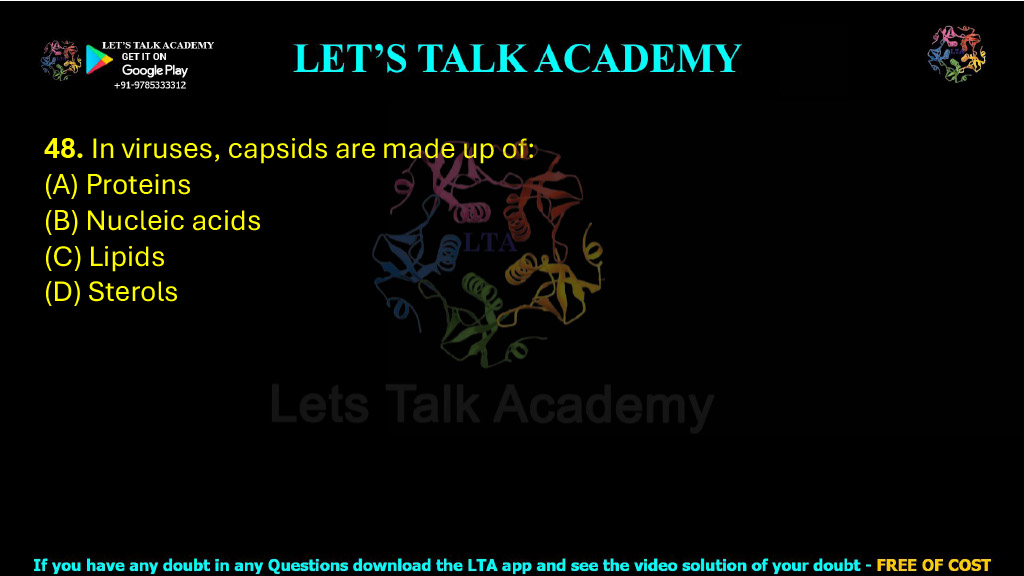
48. In viruses, capsids are made up of:  (A) Proteins (B) Nucleic acids (C) Lipids (D) Sterols

Viral Capsids Explained

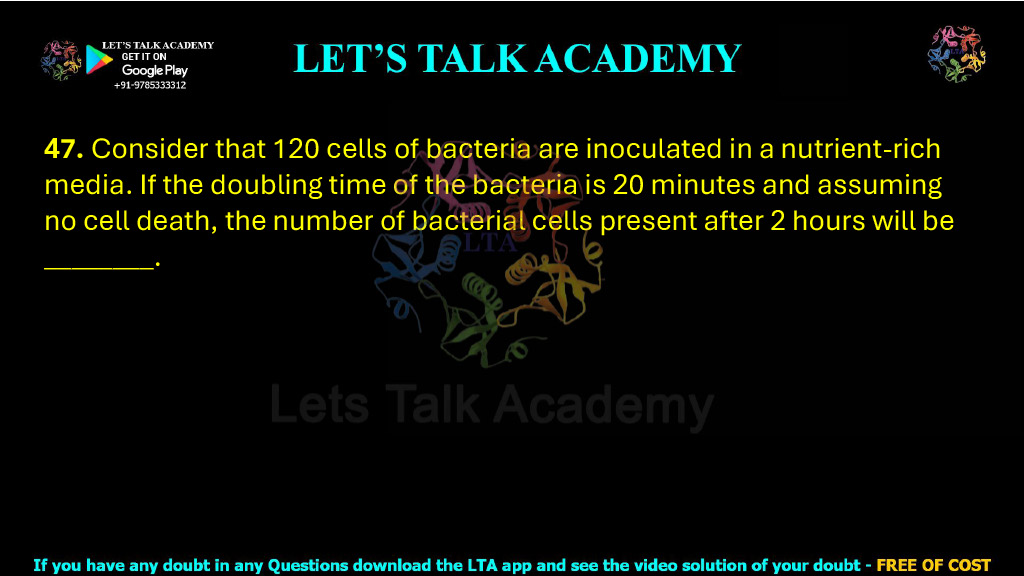
47. Consider that 120 cells of bacteria are inoculated in a nutrient-rich media. If the doubling time of the bacteria is 20 minutes and assuming no cell death, the number of bacterial cells present after 2 hours will be ________.

Bacterial Growth Calculation Using Doubling Time Formula

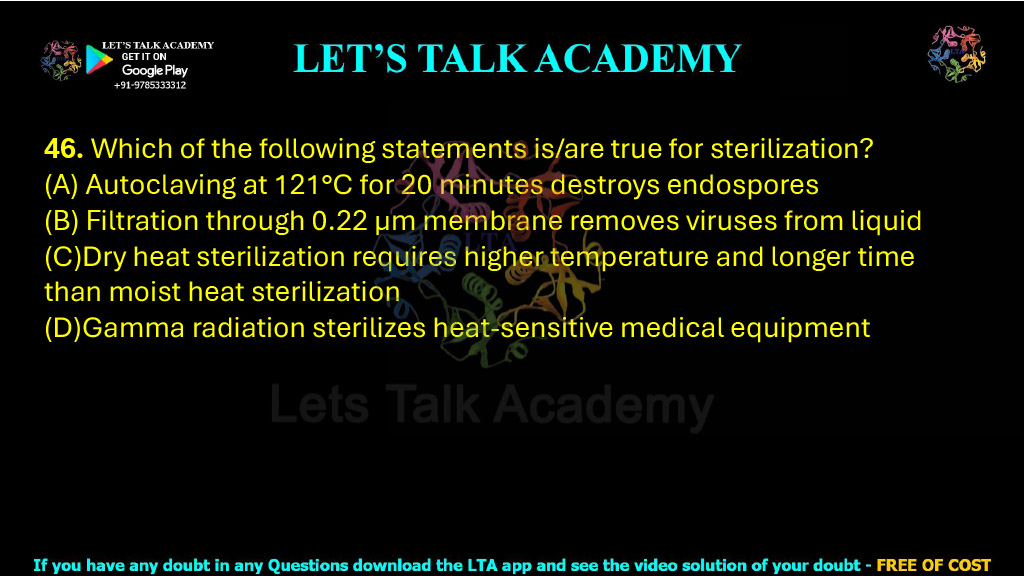
46. Which of the following statements is/are true for sterilization?  (A) Autoclaving at 121°C for 20 minutes destroys endospores (B) Filtration through 0.22 μm membrane removes viruses from liquid (C)Dry heat sterilization requires higher temperature and longer time than moist heat sterilization (D)Gamma radiation sterilizes heat-sensitive medical equipment

Sterilization Methods Explained

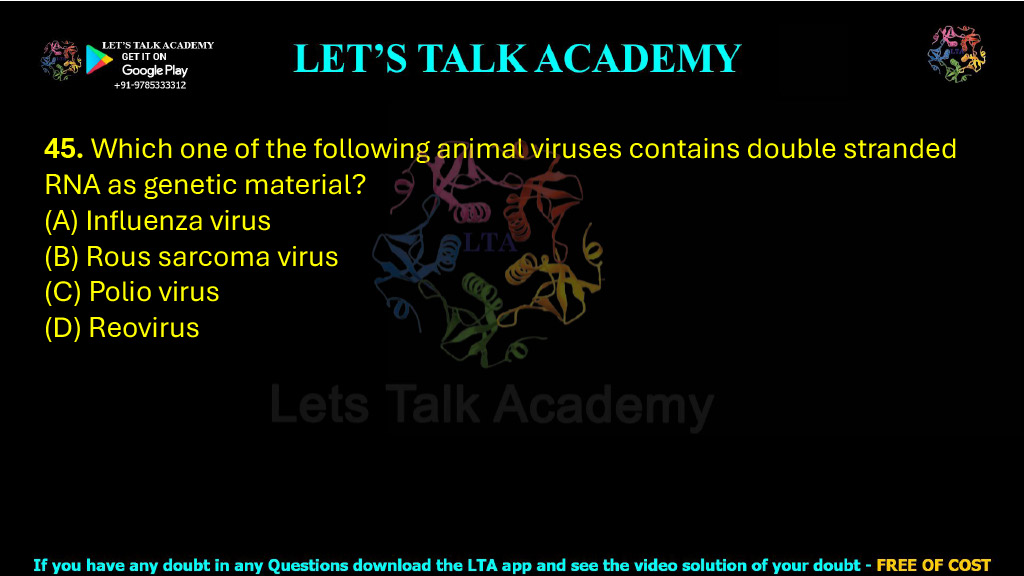
45. Which one of the following animal viruses contains double stranded RNA as genetic material? (A) Influenza virus (B) Rous sarcoma virus (C) Polio virus (D) Reovirus

Double-Stranded RNA Virus Explained

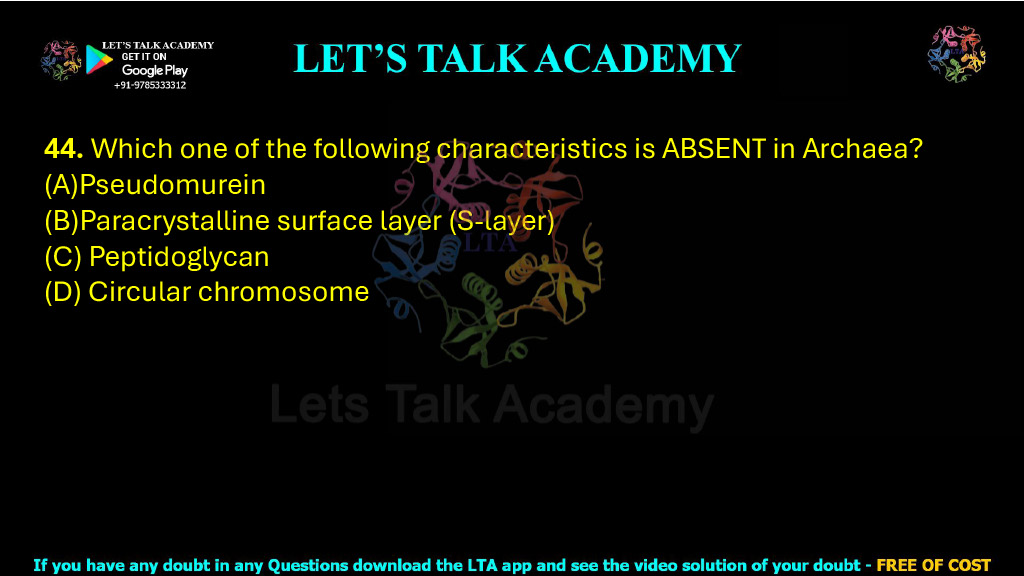
44. Which one of the following characteristics is ABSENT in Archaea?  (A)Pseudomurein (B)Paracrystalline surface layer (S-layer) (C) Peptidoglycan (D) Circular chromosome

Characteristics of Archaea Explained

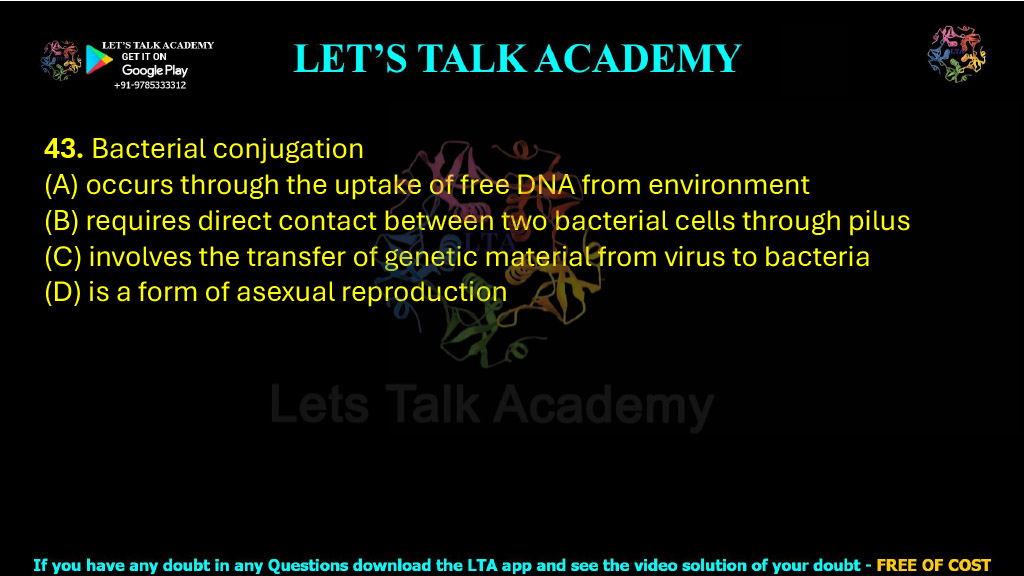
43. Bacterial conjugation  (A) occurs through the uptake of free DNA from environment (B) requires direct contact between two bacterial cells through pilus (C) involves the transfer of genetic material from virus to bacteria (D) is a form of asexual reproduction

Bacterial Conjugation Explained

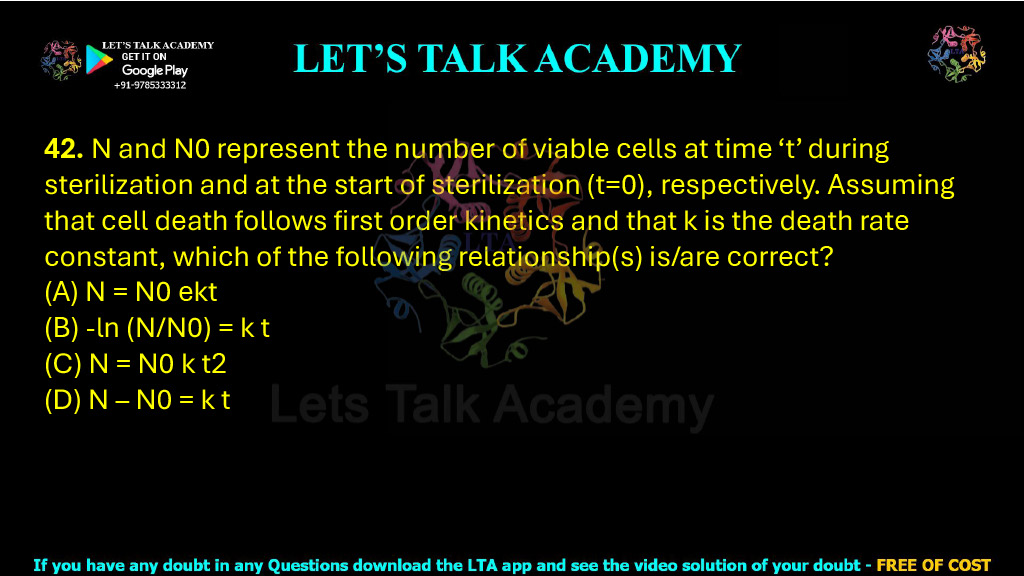
42. N and N0 represent the number of viable cells at time ‘t’ during sterilization and at the start of sterilization (t=0), respectively. Assuming that cell death follows first order kinetics and that k is the death rate constant, which of the following relationship(s) is/are correct?  (A) N = N0 ekt  (B) -ln (N/N0) = k t        (C) N = N0 k t2 (D) N – N0 = k t

First-Order Cell Death Kinetics Explained

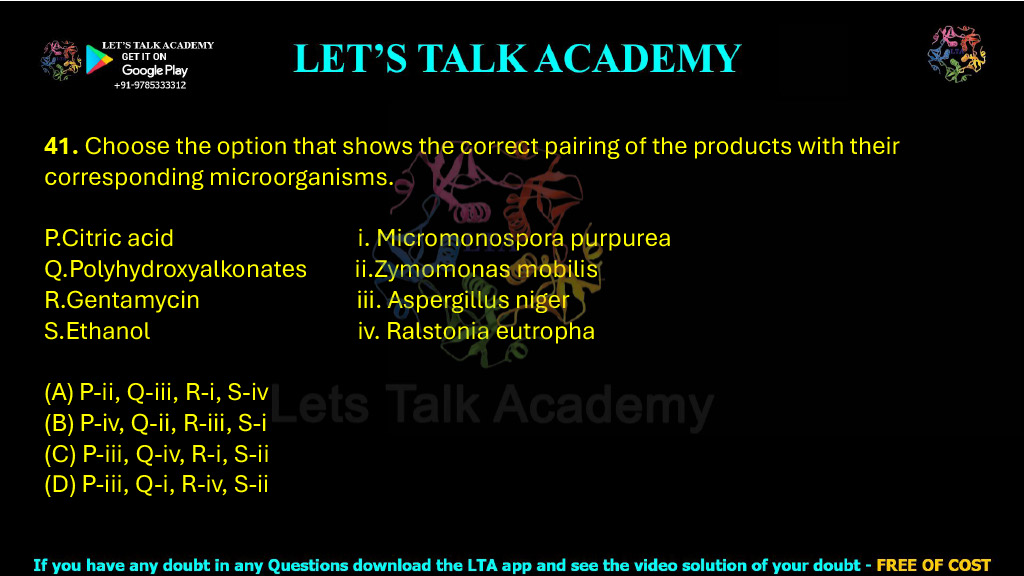
41. Choose the option that shows the correct pairing of the products with their corresponding microorganisms.  P.Citric acid                                         i. Micromonospora purpurea Q.Polyhydroxyalkonates                   ii. Zymomonas mobilis R.Gentamycin                                     iii. Aspergillus niger S.Ethanol                                              iv. Ralstonia eutropha  (A) P-ii, Q-iii, R-i, S-iv  (B) P-iv, Q-ii, R-iii, S-i (C) P-iii, Q-iv, R-i, S-ii   (D) P-iii, Q-i, R-iv, S-ii

Industrial Microorganisms and Their Products Explained

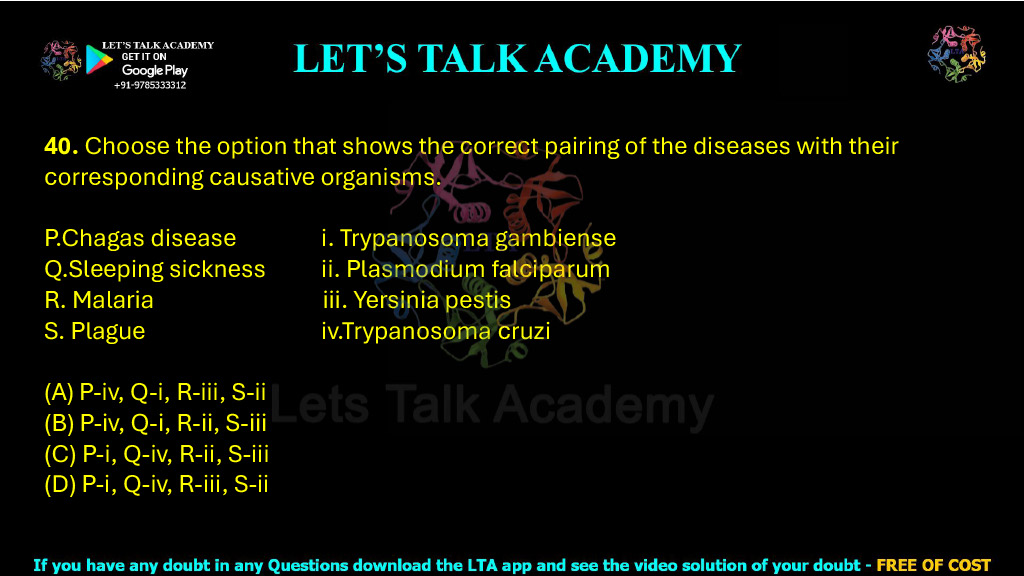
40. Choose the option that shows the correct pairing of the diseases with their corresponding causative organisms.  P. Chagas disease            i. Trypanosoma gambiense                            Q. Sleeping sickness       ii. Plasmodium falciparum                                       R. Malaria                         iii. Yersinia pestis S. Plague                            iv.Trypanosoma cruzi (A) P-iv, Q-i, R-iii, S-ii   (B) P-iv, Q-i, R-ii, S-iii (C) P-i, Q-iv, R-ii, S-iii   (D) P-i, Q-iv, R-iii, S-ii

Match Diseases with Their Causative Organisms

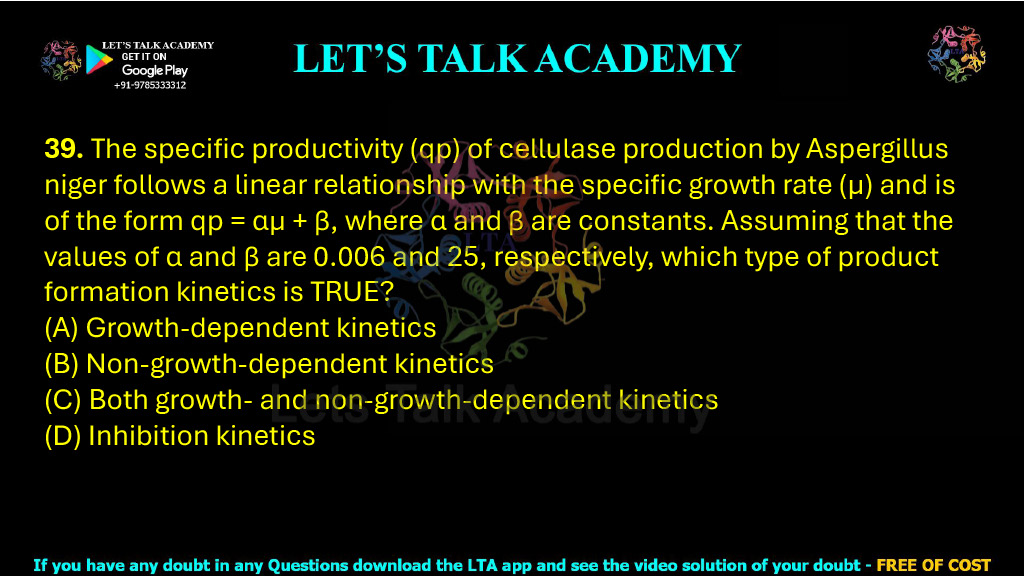
39. The specific productivity (qp) of cellulase production by Aspergillus niger follows a linear relationship with the specific growth rate (µ) and is of the form qp = αµ + β, where α and β are constants. Assuming that the values of α and β are 0.006 and 25, respectively, which type of product formation kinetics is TRUE?  (A) Growth-dependent kinetics    (B) Non-growth-dependent kinetics (C) Both growth- and non-growth-dependent kinetics         (D) Inhibition kinetics

Luedeking-Piret Equation Explained

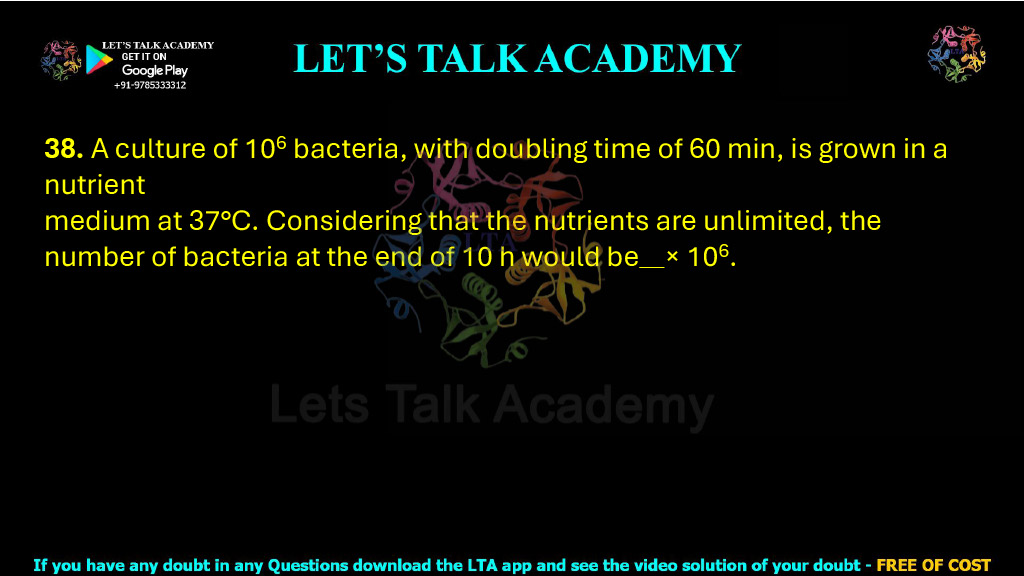
38. A culture of 106 bacteria, with doubling time of 60 min, is grown in a nutrient medium at 37°C. Considering that the nutrients are unlimited, the number of bacteria at the end of 10 h would be     × 106. 

Bacterial Growth Calculation Using Doubling Time Formula

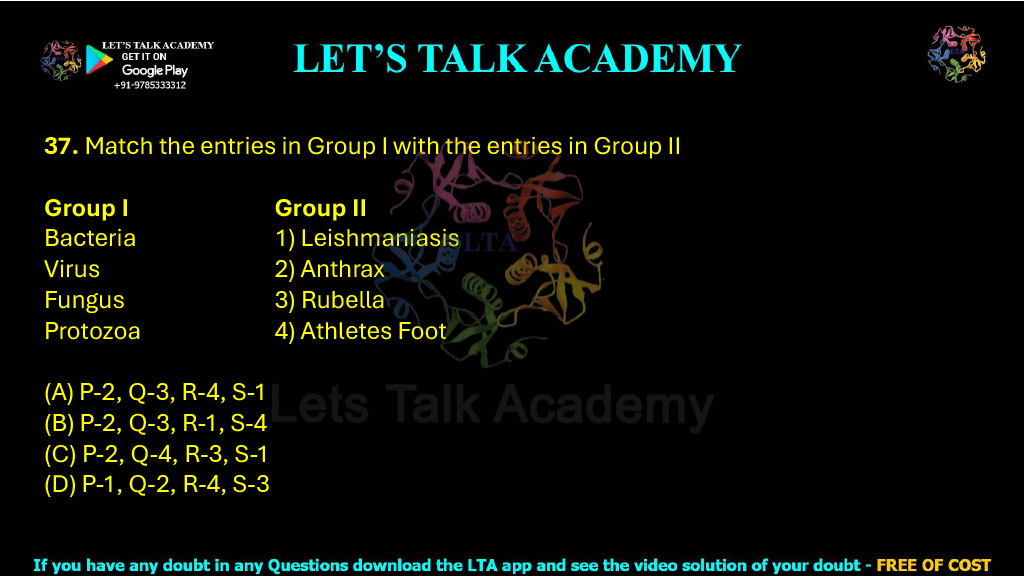
37. Match the entries in Group I with the entries in Group II  Group I                         Group II Bacteria                        1) Leishmaniasis Virus                             2) Anthrax Fungus                         3) Rubella Protozoa                      4) Athletes Foot (A) P-2, Q-3, R-4, S-1    (B) P-2, Q-3, R-1, S-4 (C) P-2, Q-4, R-3, S-1     (D) P-1, Q-2, R-4, S-3

Disease Causing Microorganisms Explained

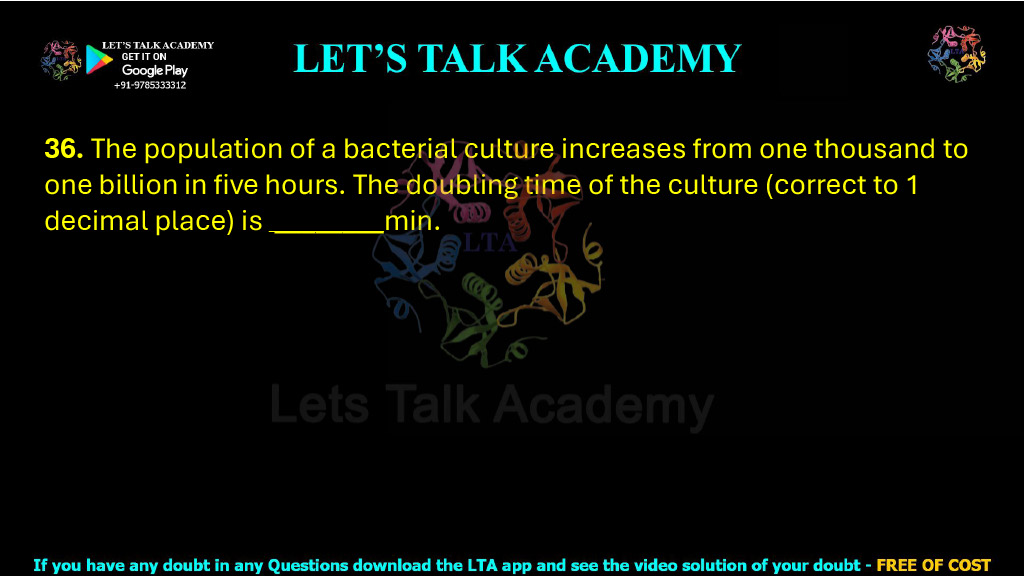
36. The population of a bacterial culture increases from one thousand to one billion in five hours. The doubling time of the culture (correct to 1 decimal place) is        min.

Bacterial Doubling Time Calculation Explained

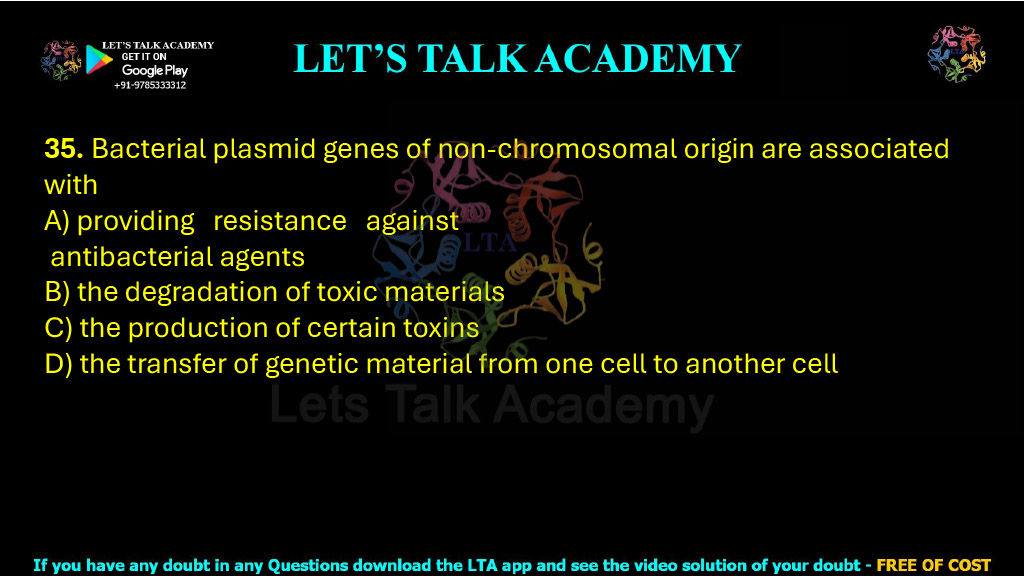
35. Bacterial plasmid genes of non-chromosomal origin are associated with  A) providing resistance against antibacterial agents B) the degradation of toxic materials C) the production of certain toxins D) the transfer of genetic material from one cell to another cell

Bacterial Plasmid Genes Explained

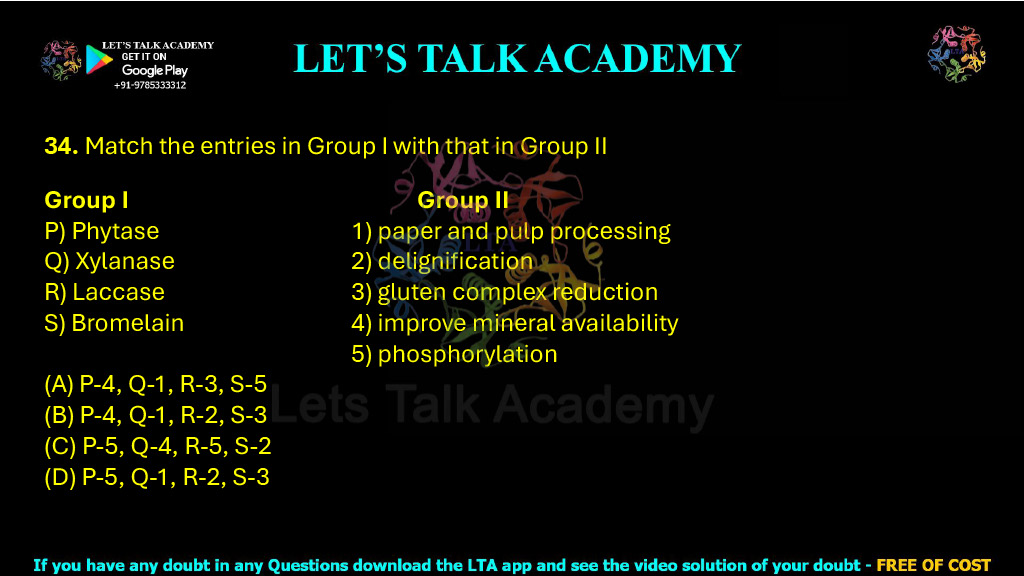
34. Match the entries in Group I with that in Group II  Group I Group II P) Phytase 1) Paper and pulp processing Q) Xylanase 2) Delignification R) Laccase 3) Gluten complex reduction S) Bromelain 4) Improve mineral availability 5) Phosphorylation (A) P-4, Q-1, R-3, S-5 (B) P-4, Q-1, R-2, S-3 (C) P-5, Q-4, R-5, S-2 (D) P-5, Q-1, R-2, S-3

Industrial Enzymes and Their Applications Explained

33. The role of enzyme E synthesized by phage X174 during host infection is to  (A) block peptidoglycan synthesis (B) enhance synthesis of viral +RNA (C) inhibit lipid metabolism        (D) stimulate dsDNA replication

Enzyme E of Bacteriophage φX174 Explained

32. Which of the following statements is correct? (A) Gram negative bacteria are colored purple after Gram staining (B) Gram negative bacteria are commonly more resistant to antibiotics than Gram positive bacteria (C) Gram negative bacteria cell wall consists of a thick layer of peptidoglycan outside the plasma membrane (D) Cell wall of Gram negative bacteria does not contain an outer membrane

Gram-Negative Bacteria Explained

31. Plasmid mediated antibiotic resistances in bacteria are acquired by  (A) hydrolysis by b-lactamase (penicillin resistance). (B) expression of aminoglycoside modifying enzyme (kanamycin resistance). (C) mutation in DNA gyrase (quinolone resistance). (D) overproduction of dihydrofolate reductase (trimethoprim resistance).

Plasmid-Mediated Antibiotic Resistance Explained

30. Match the entries in Group I with that in Group II.  Group I                                  Group II P) Cholera toxin                    1) Endotoxin Q) Diphtheria toxin              2) Neurotoxin R) Lipopolysaccharide         3) Enterotoxin S) Tetanus toxin                    4) Cytotoxin (A) P-1, Q-2, R-3, S-4    (B) P-3, Q-2, R-1, S-4 (C) P-3, Q-4, R-1, S-2     (D) P-4, Q-1, R-2, S-3

Bacterial Toxins Explained

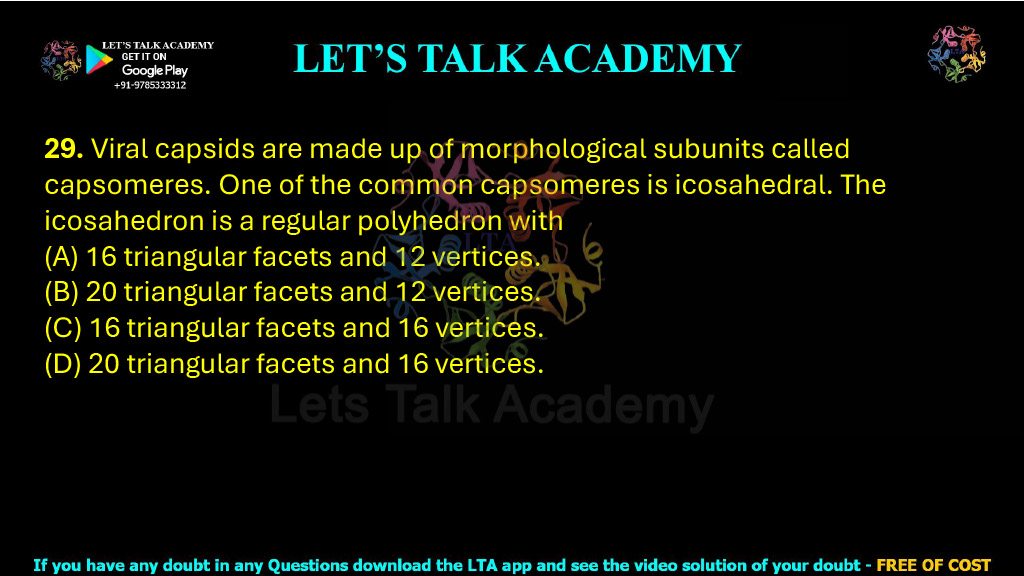
29. Viral capsids are made up of morphological subunits called capsomeres. One of the common capsomeres is icosahedral. The icosahedron is a regular polyhedron with  (A) 16 triangular facets and 12 vertices. (B) 20 triangular facets and 12 vertices. (C) 16 triangular facets and 16 vertices. (D) 20 triangular facets and 16 vertices.

Icosahedral Viral Capsid Structure Explained

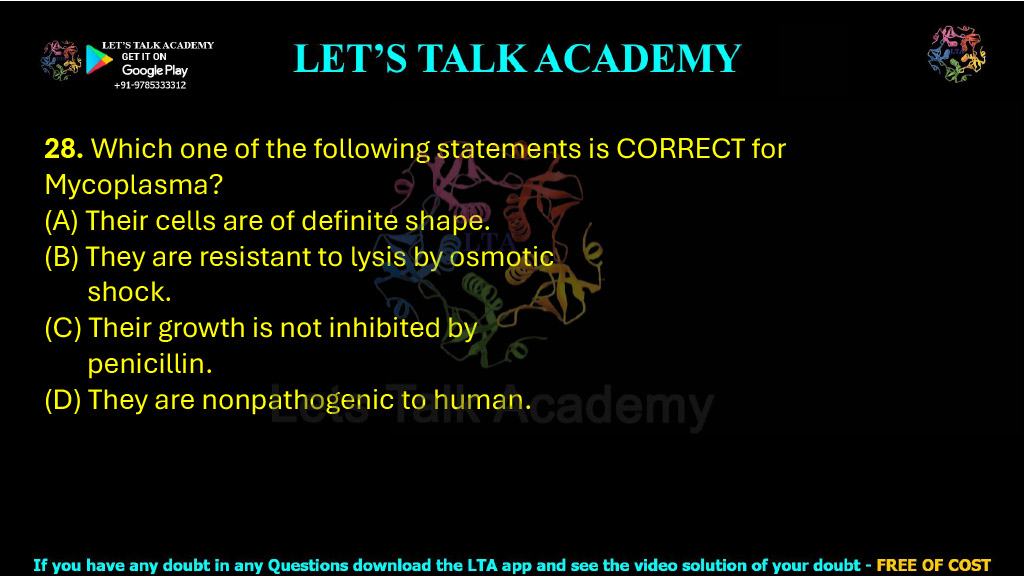
28. Which one of the following statements is CORRECT for Mycoplasma?  (A) Their cells are of definite shape. (B) They are resistant to lysis by osmotic shock. (C) Their growth is not inhibited by penicillin. (D) They are nonpathogenic to human.

Mycoplasma Characteristics Explained

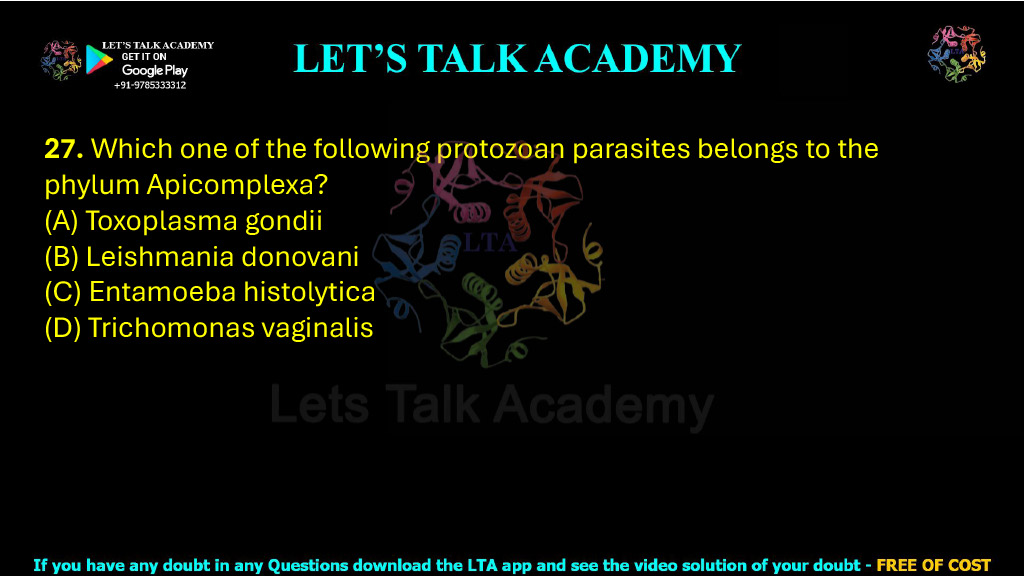
27. Which one of the following protozoan parasites belongs to the phylum Apicomplexa?  (A) Toxoplasma gondii   (B) Leishmania donovani (C) Entamoeba histolytica           (D) Trichomonas vaginalis

Toxoplasma gondii and Phylum Apicomplexa Explained

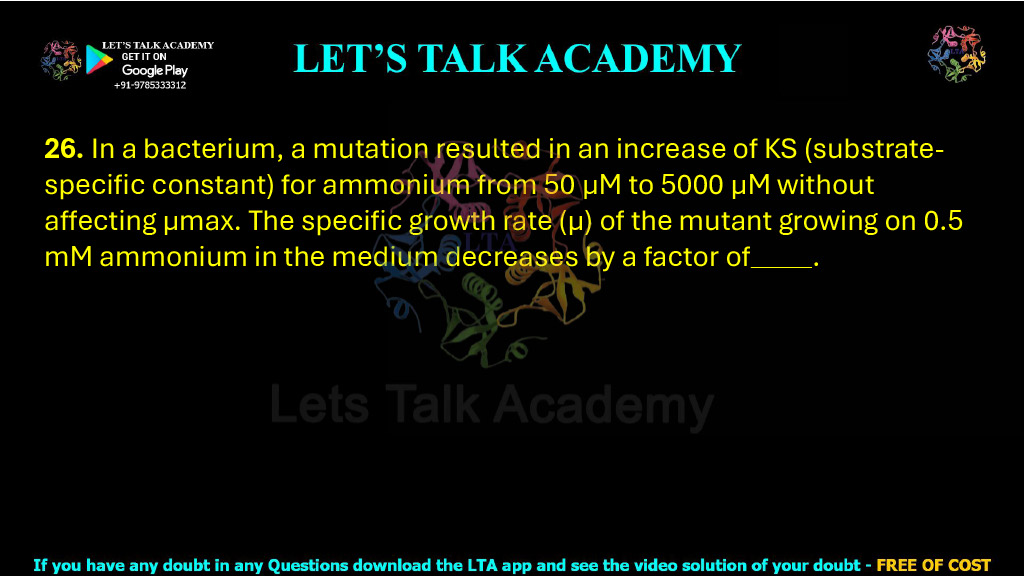
26. In a bacterium, a mutation resulted in an increase of KS (substrate-specific constant) for ammonium from 50 µM to 5000 µM without affecting µmax. The specific growth rate (µ) of the mutant growing on 0.5 mM ammonium in the medium decreases by a factor of          .

Monod Equation Numerical

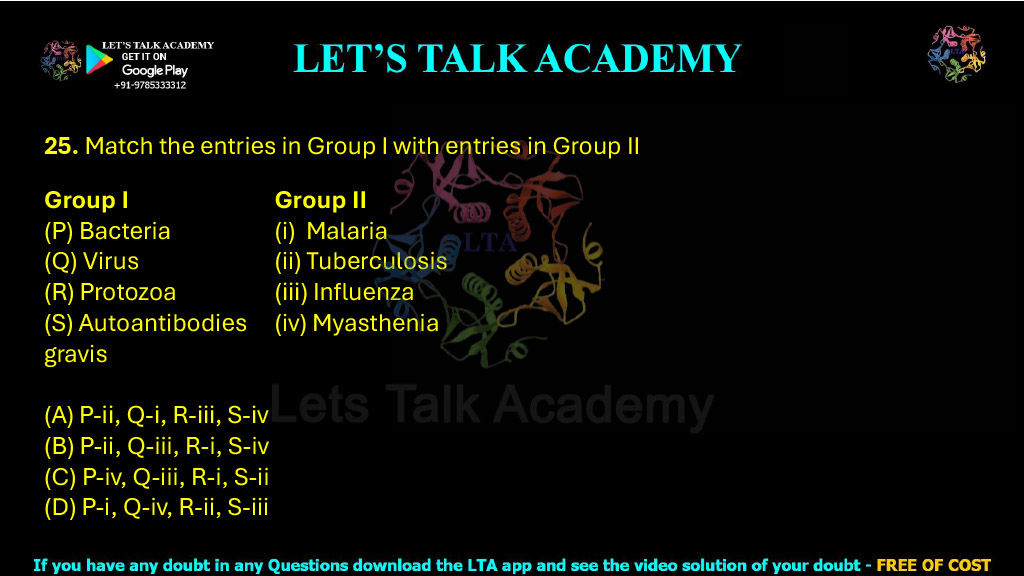
25. Match the entries in Group I with entries in Group II  Group I                        Group II (P) Bacteria                   (i)  Malaria (Q) Virus                       (ii) Tuberculosis (R) Protozoa                 (iii) Influenza (S) Autoantibodies      (iv) Myasthenia gravis (A) P-ii, Q-i, R-iii, S-iv   (B) P-ii, Q-iii, R-i, S-iv (C) P-iv, Q-iii, R-i, S-ii   (D) P-i, Q-iv, R-ii, S-iii

Disease-Causing Agents and Their Associated Diseases Explained

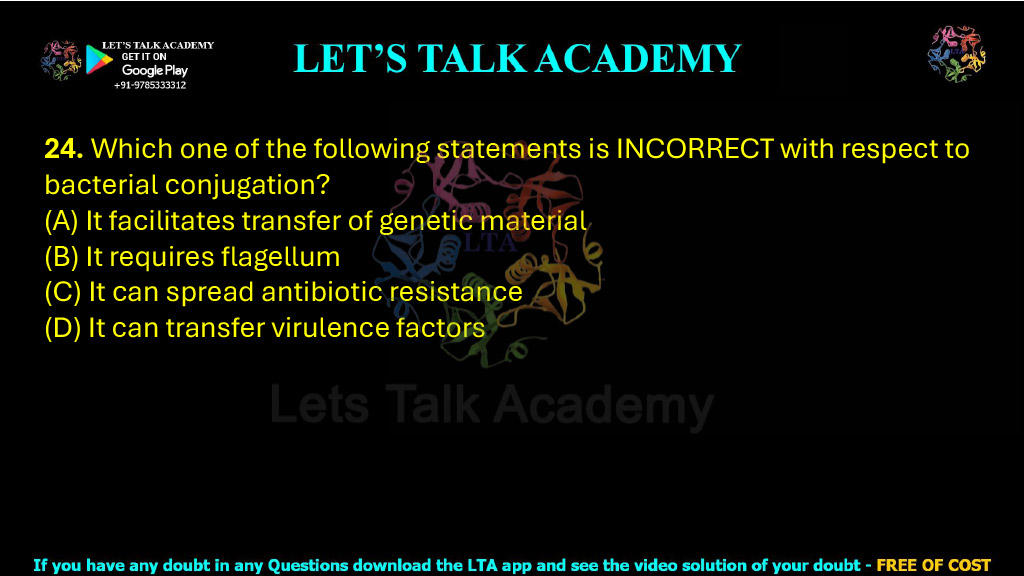
24. Which one of the following statements is INCORRECT with respect to bacterial conjugation? (A) It facilitates transfer of genetic material (B) It requires flagellum (C) It can spread antibiotic resistance (D) It can transfer virulence factors

Bacterial Conjugation Explained

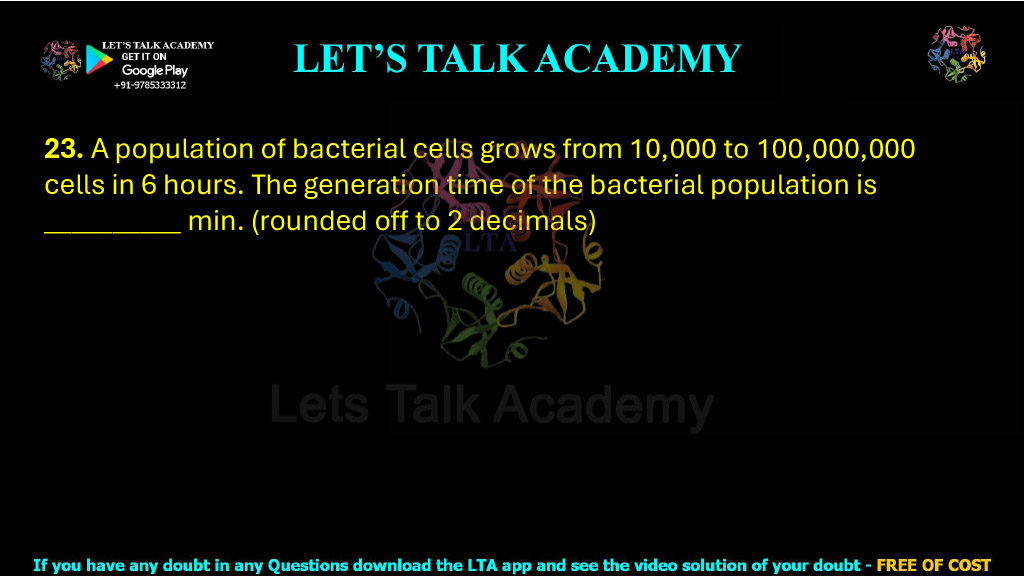
23. A population of bacterial cells grows from 10,000 to 100,000,000 cells in 6 hours. The generation time of the bacterial population is __________ min. (rounded off to 2 decimals)

Bacterial Generation Time Calculation Formula

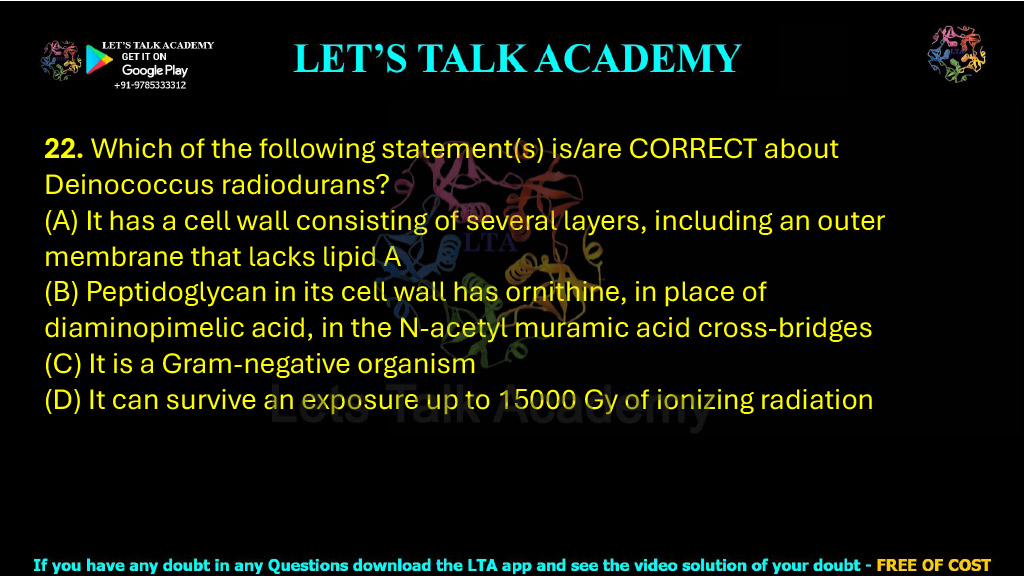
22. Which of the following statement(s) is/are CORRECT about Deinococcus radiodurans?  (A) It has a cell wall consisting of several layers, including an outer membrane that lacks lipid A  (B) Peptidoglycan in its cell wall has ornithine, in place of diaminopimelic acid, in the N-acetyl muramic acid cross-bridges  (C) It is a Gram-negative organism  (D) It can survive an exposure up to 15000 Gy of ionizing radiation

Deinococcus radiodurans Explained

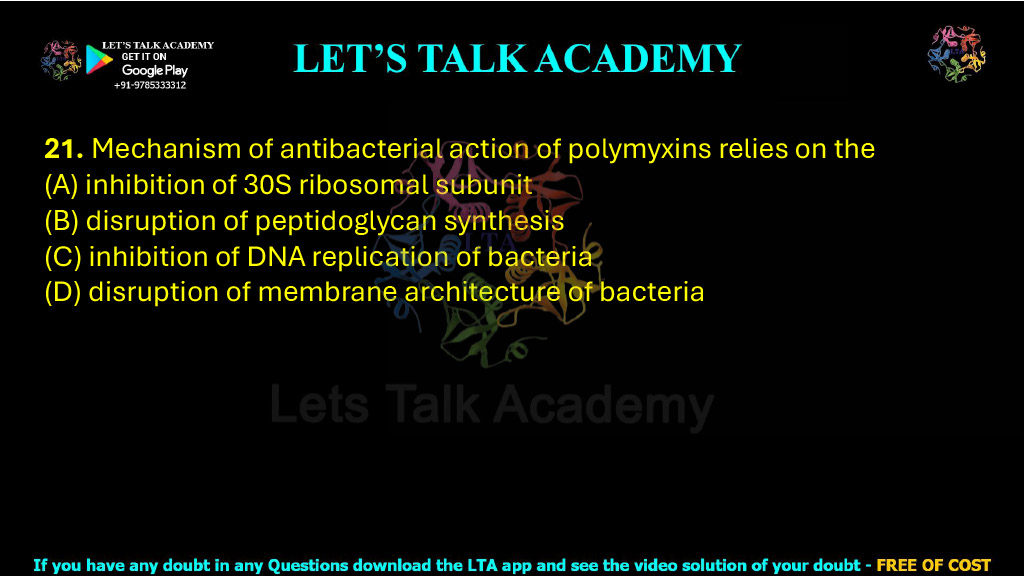
21. Mechanism of antibacterial action of polymyxins relies on the     (A) inhibition of 30S ribosomal subunit  (B) disruption of peptidoglycan synthesis  (C) inhibition of DNA replication of bacteria  (D) disruption of membrane architecture of bacteria

Mechanism of Action of Polymyxins

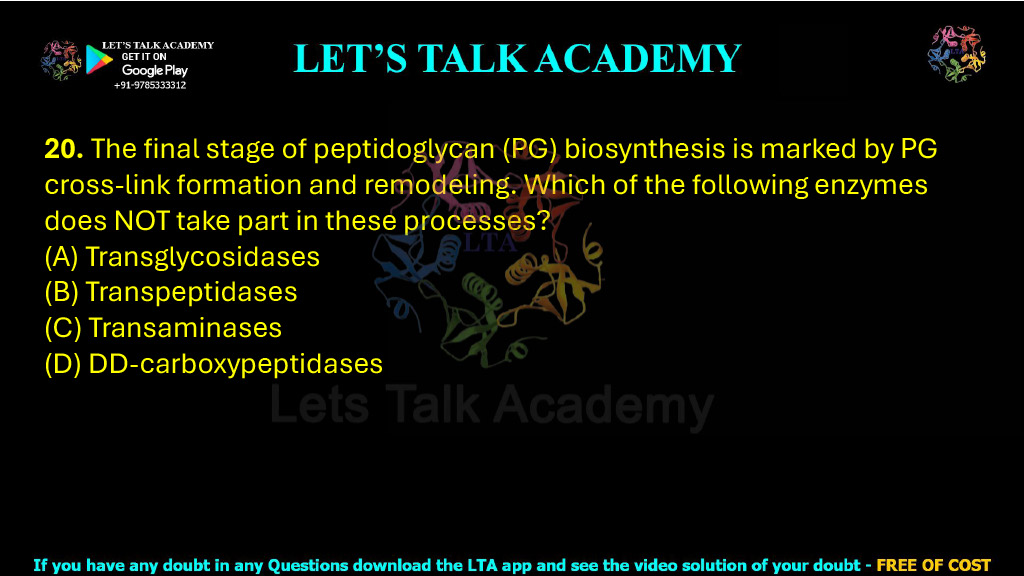
20. The final stage of peptidoglycan (PG) biosynthesis is marked by PG cross-link formation and remodeling. Which of the following enzymes does NOT take part in these processes?  (A) Transglycosidases  (B) Transpeptidases  (C) Transaminases  (D) DD-carboxypeptidases

Peptidoglycan Biosynthesis Enzymes Explained

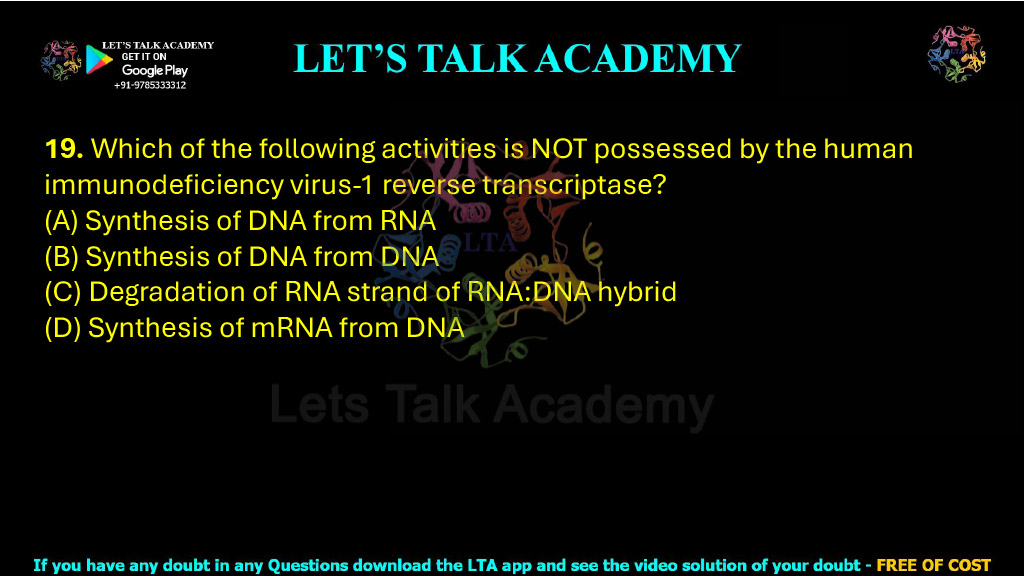
19. Which of the following activities is NOT possessed by the human immunodeficiency virus-1 reverse transcriptase?    (A) Synthesis of DNA from RNA  (B) Synthesis of DNA from DNA  (C) Degradation of RNA strand of RNA:DNA hybrid  (D) Synthesis of mRNA from DNA

HIV-1 Reverse Transcriptase Functions Explained

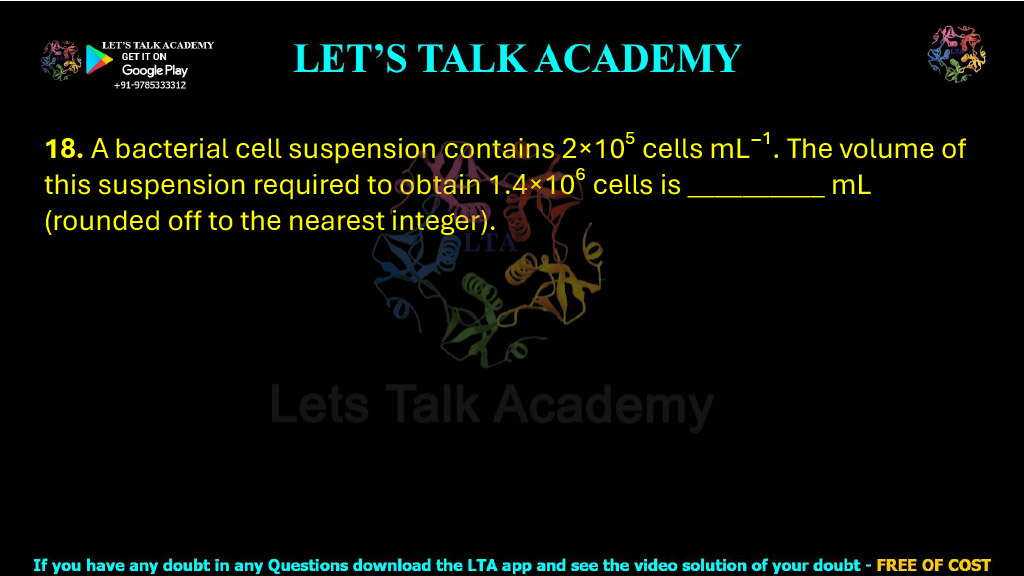
18. A bacterial cell suspension contains 2×10⁵ cells mL⁻¹. The volume of this suspension required to obtain 1.4×10⁶ cells is __________ mL (rounded off to the nearest integer).         

Bacterial Cell Suspension Volume Calculation

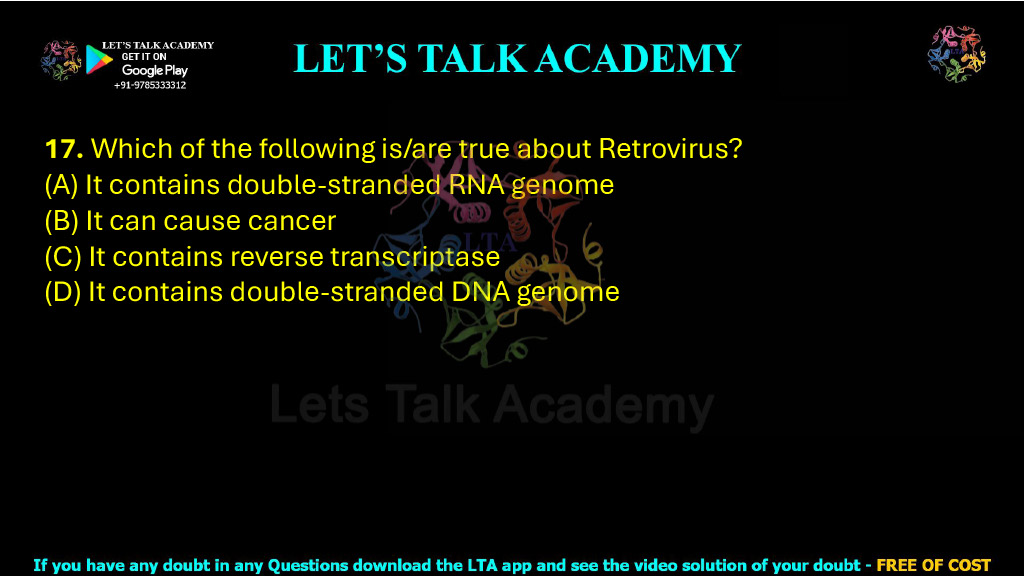
17. Which of the following is/are true about Retrovirus?  (A) It contains double-stranded RNA genome (B) It can cause cancer (C) It contains reverse transcriptase (D) It contains double-stranded DNA genome

Retrovirus Characteristics Explained

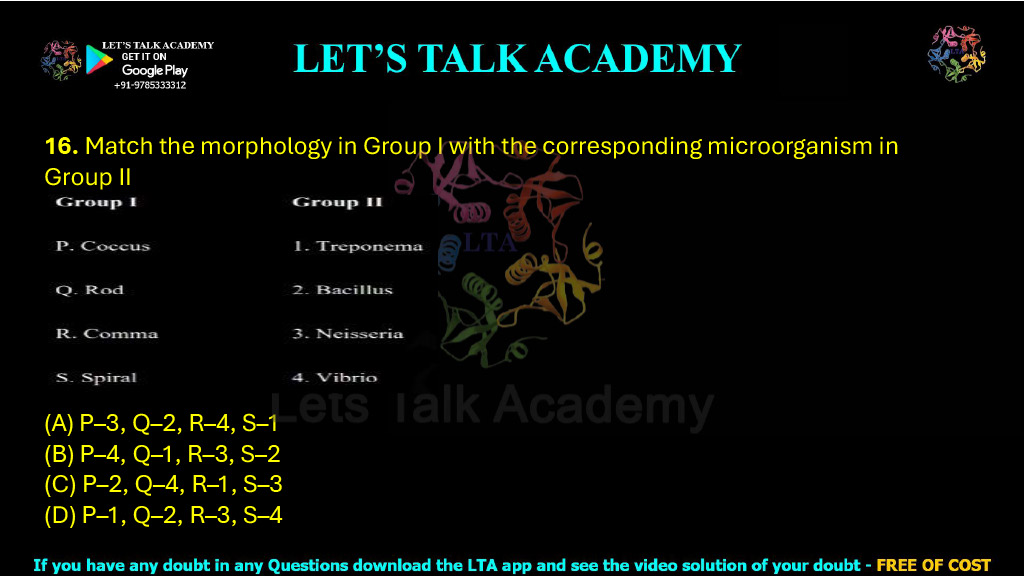
16. Match the morphology in Group I with the corresponding microorganism in Group II   Group I Group II P. Coccus 1. Treponema Q. Rod 2. Bacillus R. Comma 3. Neisseria S. Spiral 4. Vibrio Options: (A) P–3, Q–2, R–4, S–1 (B) P–4, Q–1, R–3, S–2 (C) P–2, Q–4, R–1, S–3 (D) P–1, Q–2, R–3, S–4

Bacterial Morphology Explained

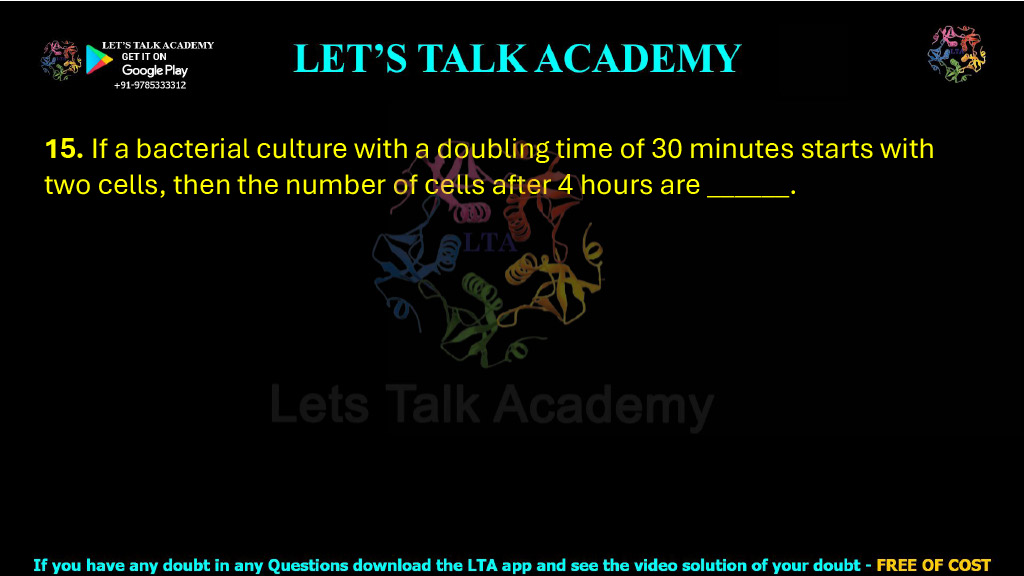
15. If a bacterial culture with a doubling time of 30 minutes starts with two cells, then the number of cells after 4 hours are ______.

Bacterial Growth Calculation Formula

RNA-Dependent RNA Polymerase in Negative-Sense RNA Viruses

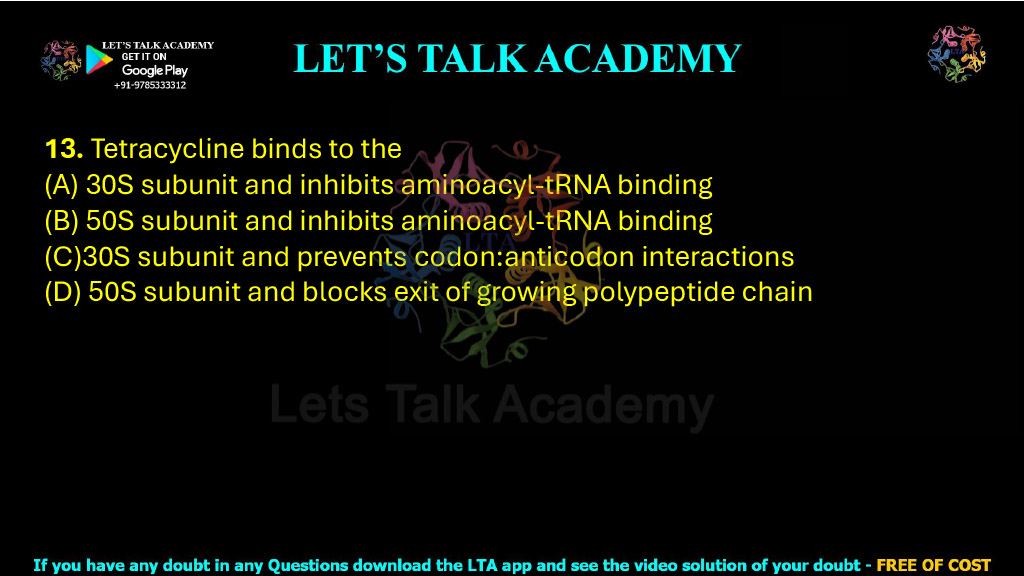
13. Tetracycline binds to the  (A) 30S subunit and inhibits aminoacyl-tRNA binding (B) 50S subunit and inhibits aminoacyl-tRNA binding (C)30S subunit and prevents codon:anticodon interactions (D) 50S subunit and blocks exit of growing polypeptide chain

Tetracycline Mechanism of Action

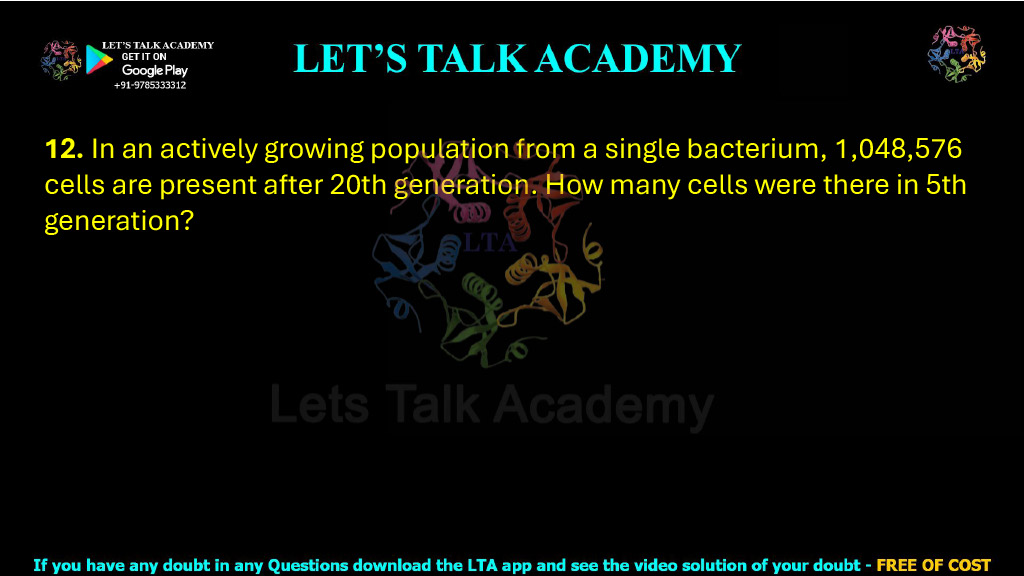
12. In an actively growing population from a single bacterium, 1,048,576 cells are present after 20th generation. How many cells were there in 5th generation?

Bacterial Growth Calculation

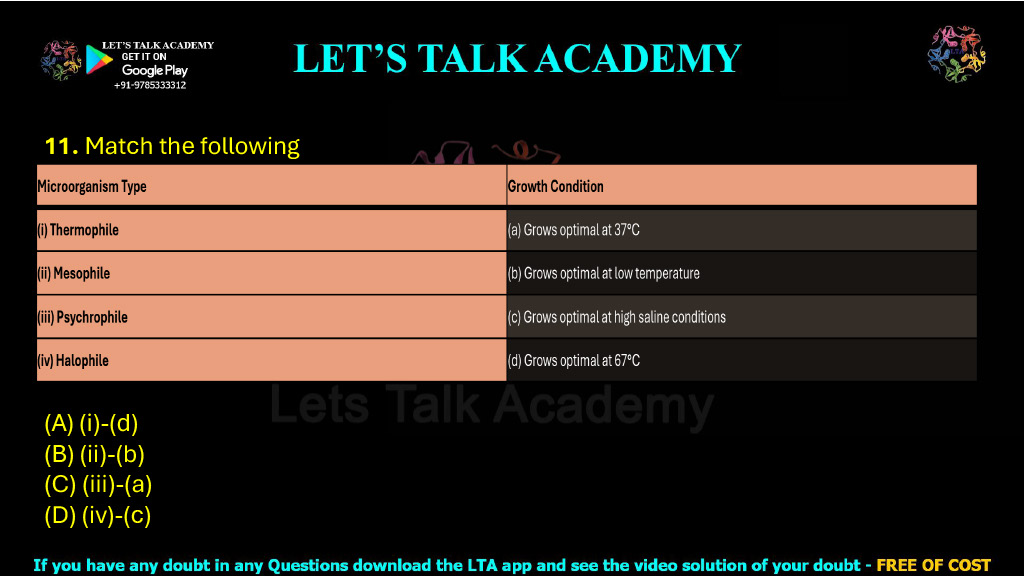
11. Match the following  Microorganism Type Growth Condition (i) Thermophile (a) Grows optimal at 37°C (ii) Mesophile (b) Grows optimal at low temperature (iii) Psychrophile (c) Grows optimal at high saline conditions (iv) Halophile (d) Grows optimal at 67°C (A) (i)-(d) (B) (ii)-(b) (C) (iii)-(a) (D) (iv)-(c)

Thermophiles, Mesophiles, Psychrophiles and Halophiles Explained

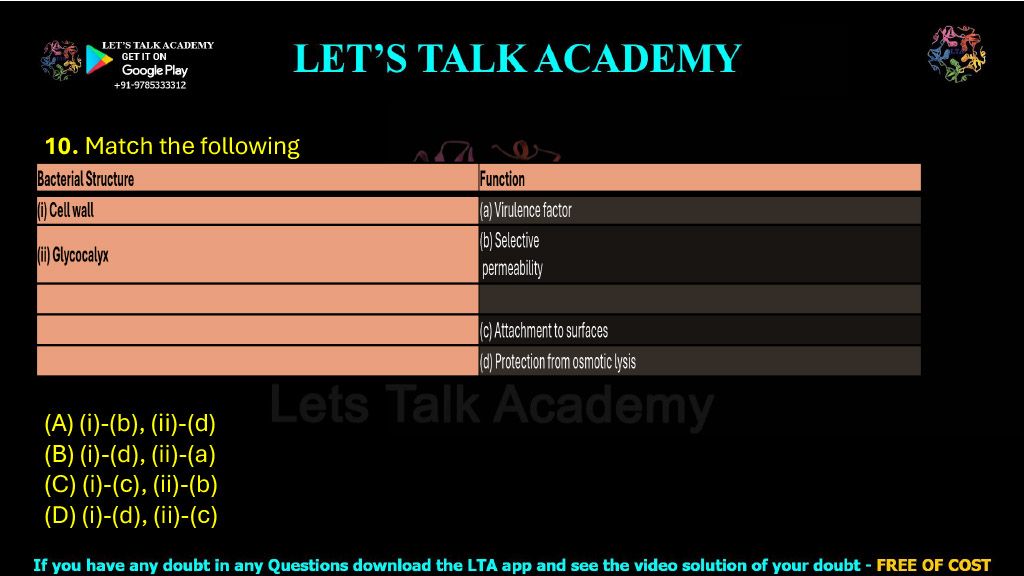
10. Match the following  Bacterial Structure Function (i) Cell wall (a) Virulence factor (ii) Glycocalyx (b) Selective  permeability (c) Attachment to surfaces (d) Protection from osmotic lysis (A) (i)-(b), (ii)-(d) (B) (i)-(d), (ii)-(a) (C) (i)-(c), (ii)-(b) (D) (i)-(d), (ii)-(c)

Bacterial Cell Wall and Glycocalyx Functions

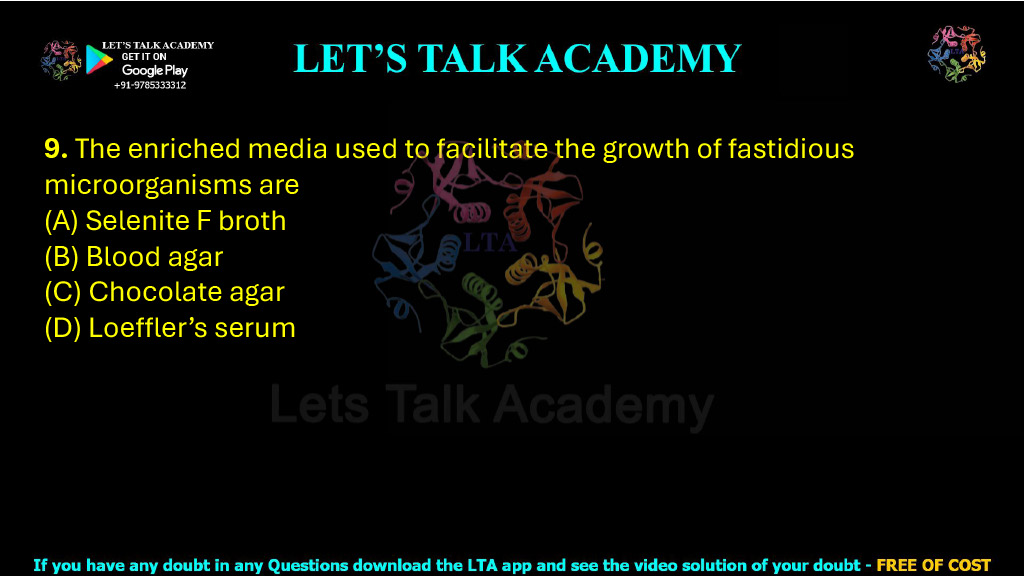
9. The enriched media used to facilitate the growth of fastidious microorganisms are  (A) Selenite F broth (B) Blood agar (C) Chocolate agar (D) Loeffler’s serum

Enriched Media for Fastidious Microorganisms

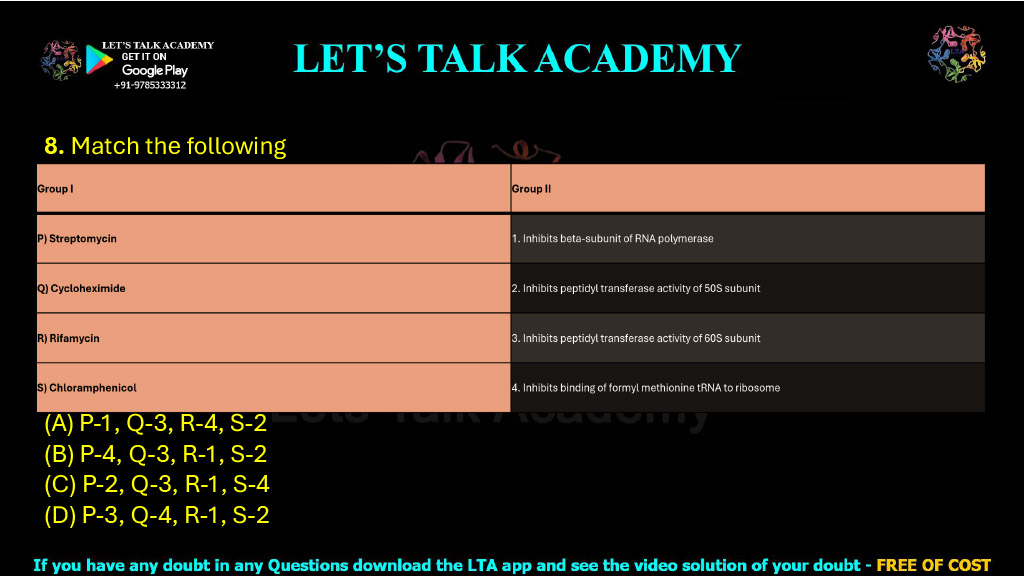
8. Match the following  Group I Group II P) Streptomycin 1. Inhibits beta-subunit of RNA polymerase Q) Cycloheximide 2. Inhibits peptidyl transferase activity of 50S subunit R) Rifamycin 3. Inhibits peptidyl transferase activity of 60S subunit S) Chloramphenicol 4. Inhibits binding of formyl methionine tRNA to ribosome (A) P-1, Q-3, R-4, S-2 (B) P-4, Q-3, R-1, S-2 (C) P-2, Q-3, R-1, S-4 (D) P-3, Q-4, R-1, S-2

Mechanism Action of Streptomycin, Cycloheximide, Rifamycin & Chloramphenicol

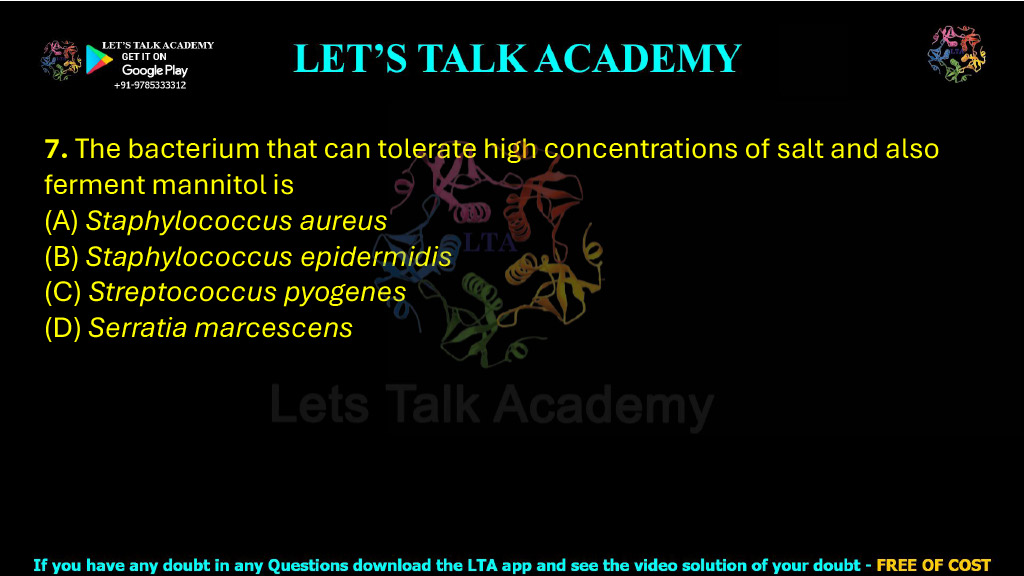
7. The bacterium that can tolerate high concentrations of salt and also ferment mannitol is (A) Staphylococcus aureus (B) Staphylococcus epidermidis (C) Streptococcus pyogenes (D) Serratia marcescens

Mannitol Salt Agar (MSA) Test

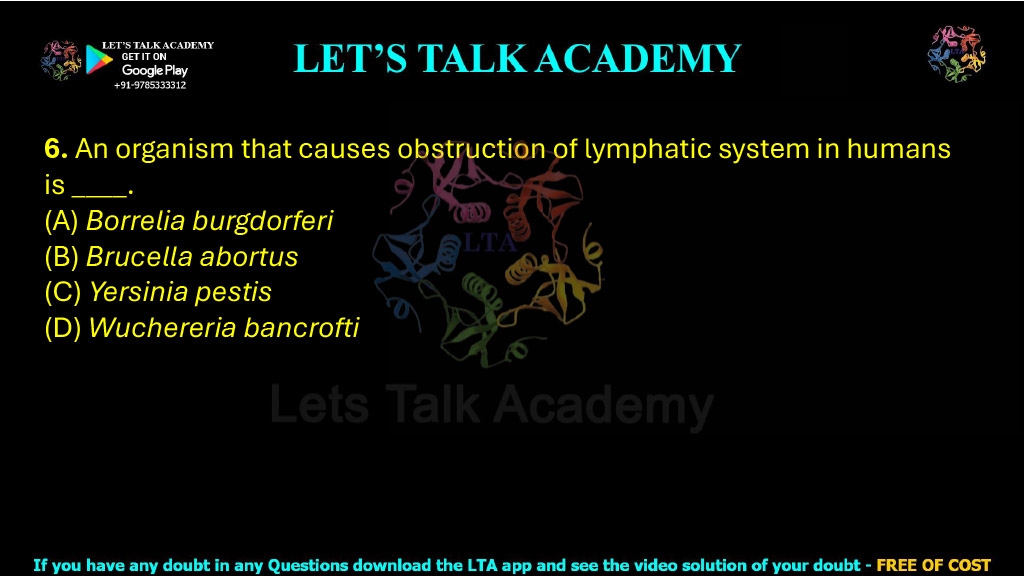
6. An organism that causes obstruction of lymphatic system in humans is ____.  (A) Borrelia burgdorferi (B) Brucella abortus (C) Yersinia pestis (D) Wuchereria bancrofti

Cause of Lymphatic Filariasis

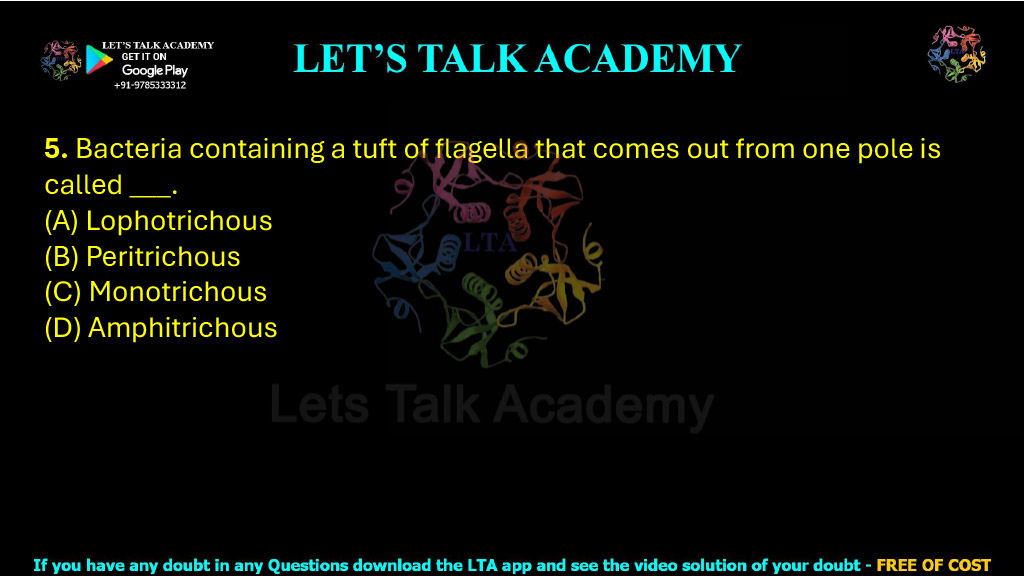
5. Bacteria containing a tuft of flagella that comes out from one pole is called ___. (A) Lophotrichous (B) Peritrichous (C) Monotrichous (D) Amphitrichous

Types of Bacterial Flagella

4. Which of the following bacterial component contains “dipicolinic acid”?  (A) Endospore (B) Capsule (C) Flagella (D) Pili

Dipicolinic Acid in Bacterial Endospores

3. Which among the following belongs to the family “Retroviridae”?     (A) Human Immunodeficiency virus (B) Ebola virus (C) Dengue virus (D) Influenza virus

Retroviridae Family Explained

2. Which one of the following components of bacterial cell acts as endotoxin?  (A) Peptidoglycan of Gram-positive bacteria (B) Lipopolysaccharide (C) Porins (D) Peptidoglycan of Gram-negative bacteria

Bacterial Endotoxin Explained

1. Bacterial strains that do not grow in the absence of a specific nutrient are called  (A) Heterotrophs (B) Chemotrophs (C) Autotrophs (D) Auxotrophs

Bacterial Strains Requiring Specific Nutrients

Latest Courses