






























































































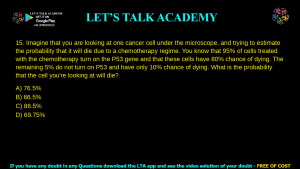




47. The Nuclear Magnetic Resonance (1D and 2D) spectrum of a 30-residue peptide were recorded at 25°C. The following observations were made. A. The NH and CαH resonances were well […]


47. The Nuclear Magnetic Resonance (1D and 2D) spectrum of a 30-residue peptide were recorded at 25°C. The following observations were made. A. The NH and CαH resonances were well […]
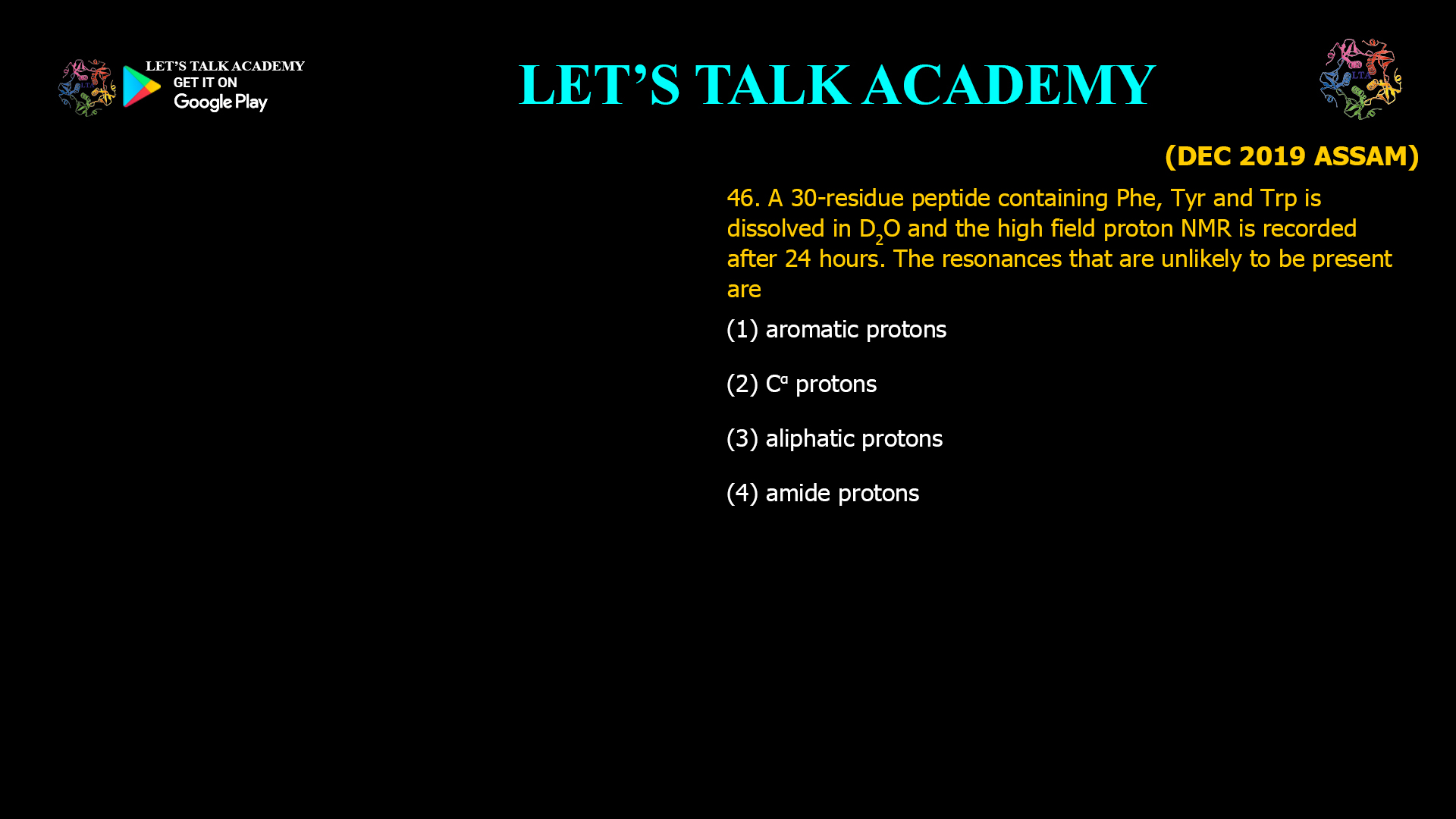
46. A 30-residue peptide containing Phe, Tyr and Trp is dissolved in D₂O and the high field proton NMR is recorded after 24 hours. The resonances that are unlikely to […]
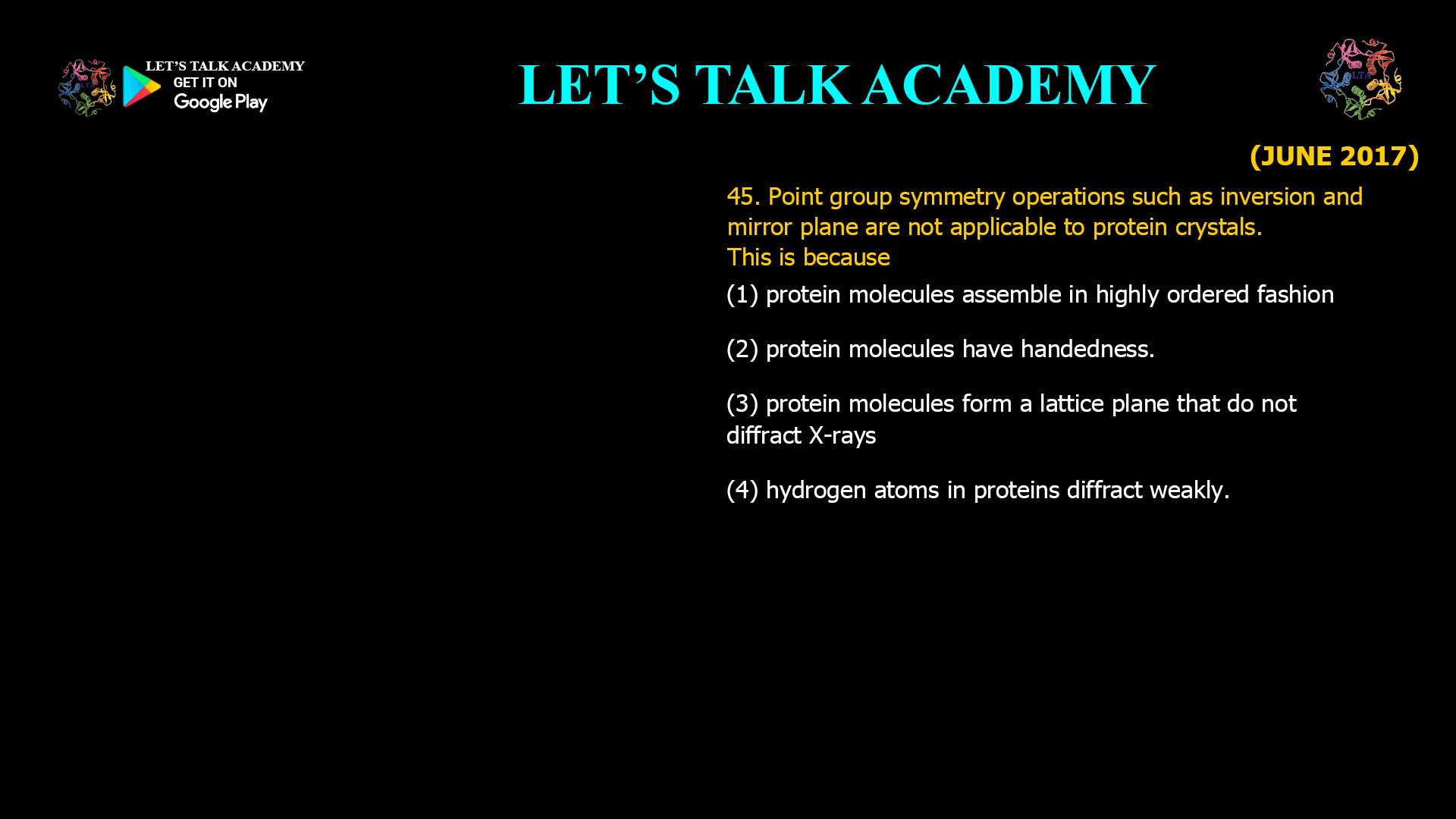
45. Point group symmetry operations such as inversion and mirror plane are not applicable to protein crystals. This is because (A) Protein molecules assemble in highly ordered fashion. (B) Protein […]
44. Protein conformational dynamics CANNOT be determined by which one of the following techniques? (A) NMR spectroscopy (B) Differential scanning calorimetry (C) Mass spectroscopy (D) Fluorescence microscopy Protein Conformational Dynamics: […]

43. From the following statements, A. Surface plasmon resonance can be used to determine binding constants only in the range of 10²–10³ M. B. De novo sequencing is not possible […]
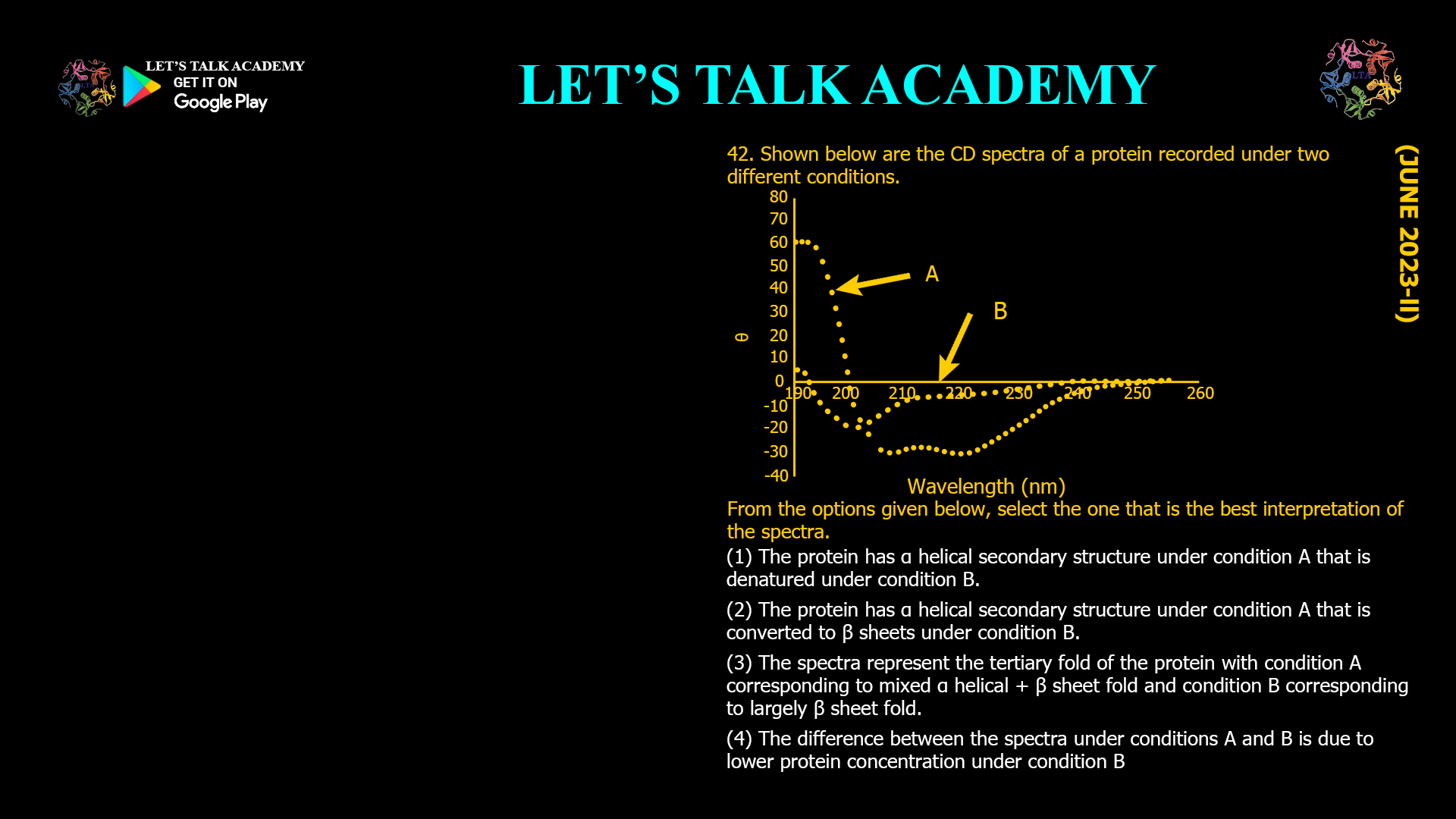
42. Shown below are the CD spectra of a protein recorded under two different conditions. From the options given below, select the one that is the best interpretation of the […]
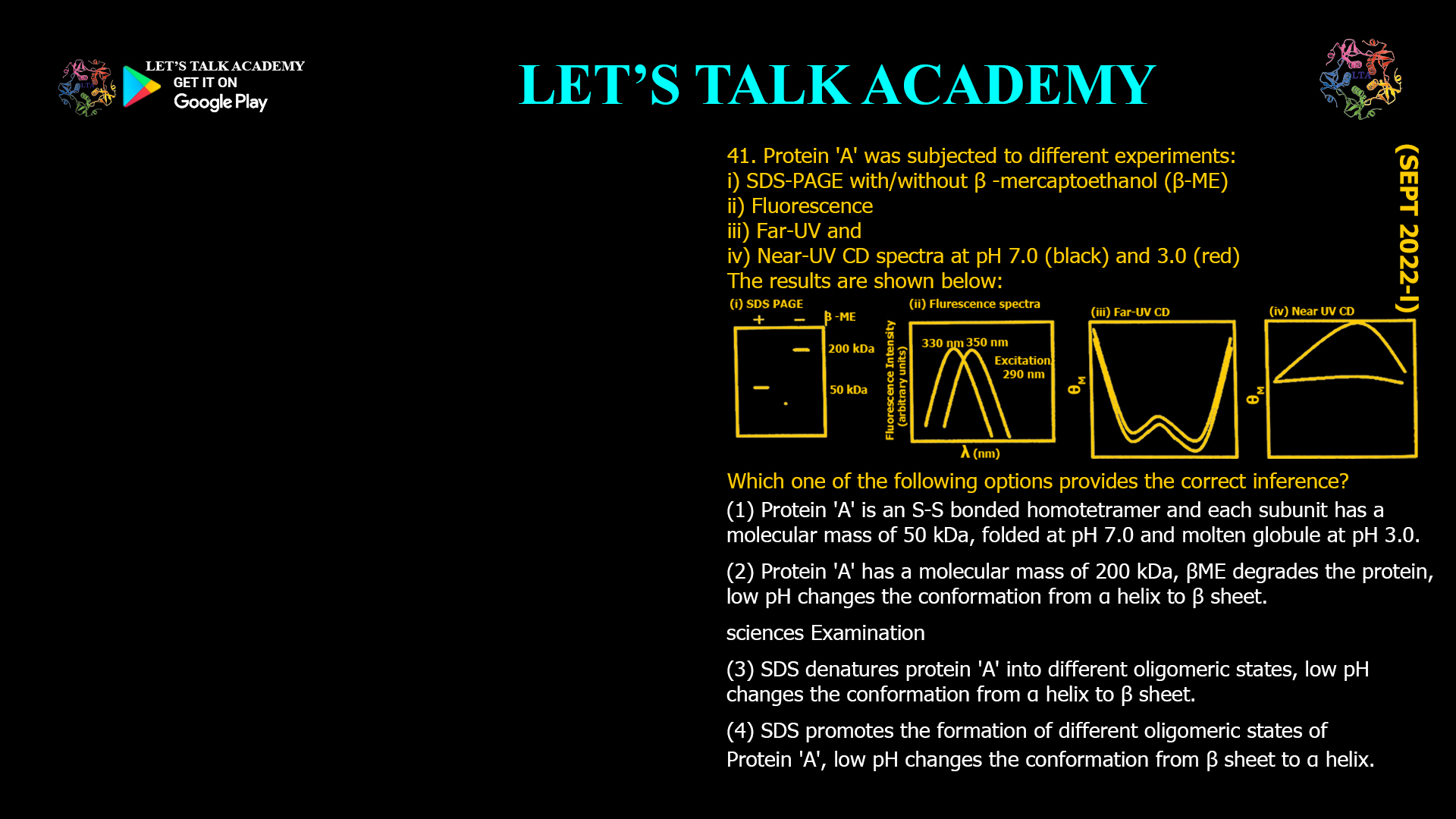
41. Protein ‘A’ was subjected to different experiments: (i) SDS-PAGE with/without β-mercaptoethanol (β-ME) (ii) Fluorescence (iii) Far-UV CD (iv) Near-UV CD spectra at pH 7.0 (black) and 3.0 (red) The […]
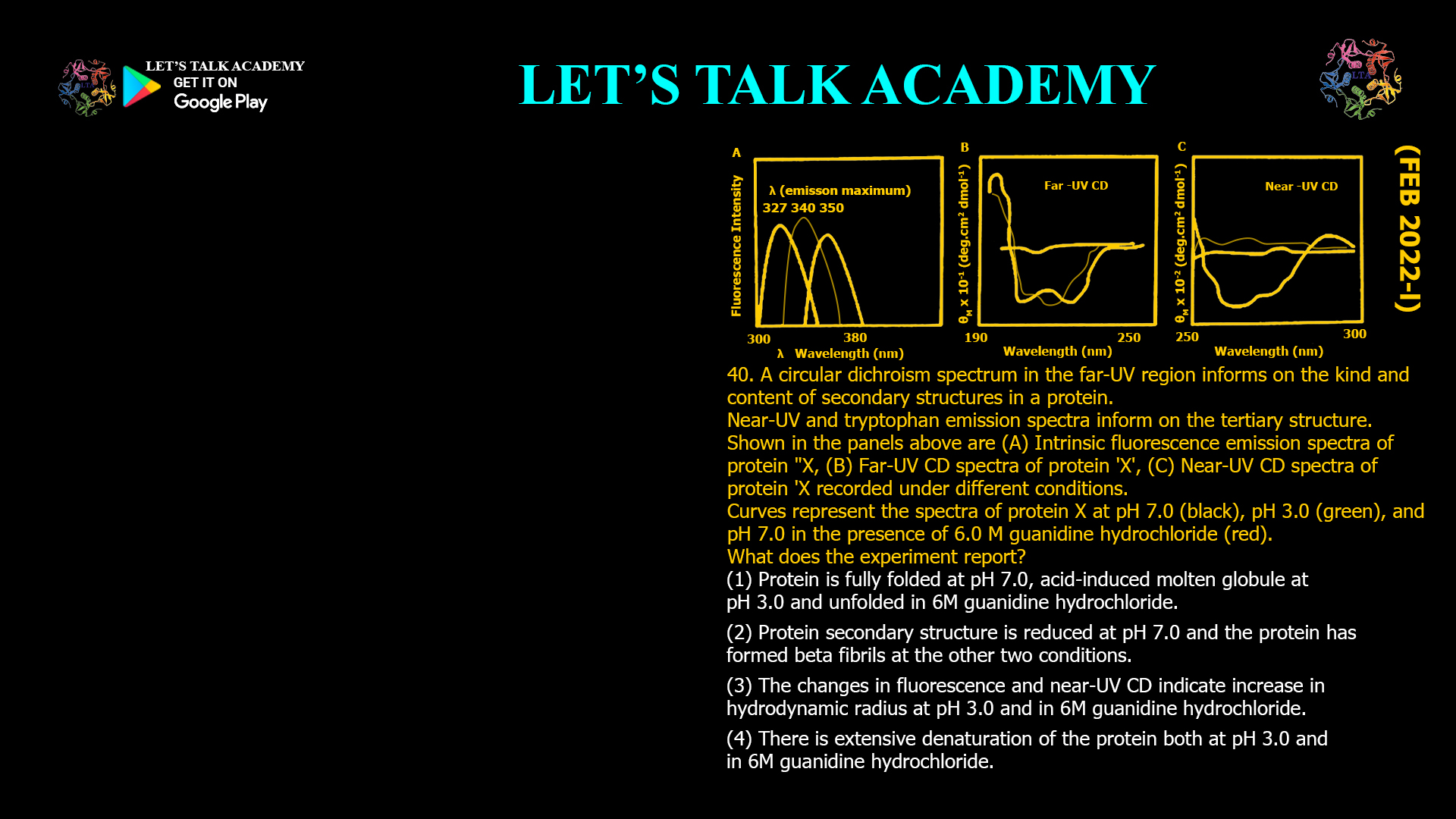
40. A circular dichroism spectrum in the far-UV region informs on the kind and content of secondary structures in a protein. Near-UV and tryptophan emission spectra inform on the tertiary […]
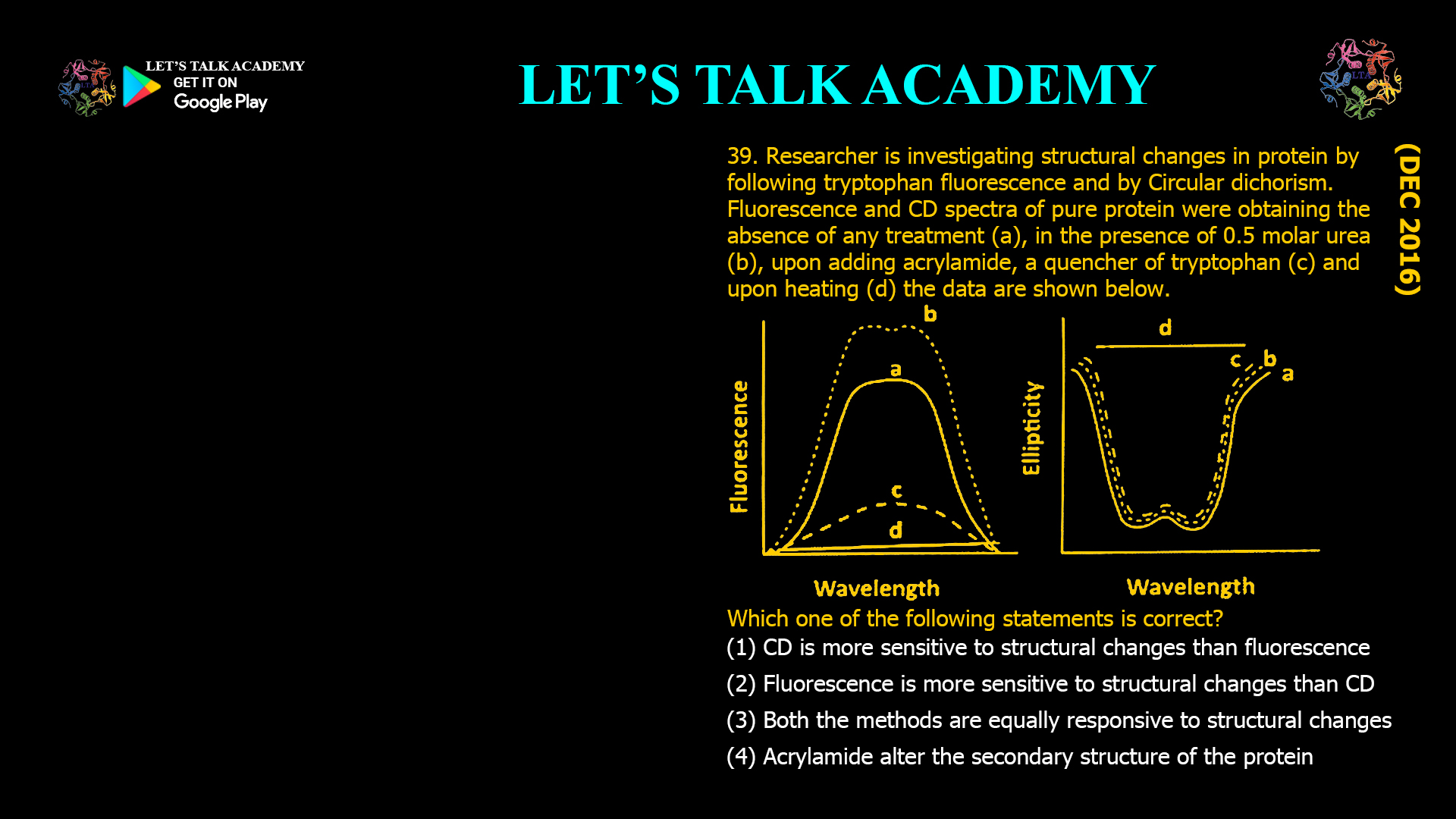
39. A researcher is investigating structural changes in a protein by following tryptophan fluorescence and circular dichroism. Fluorescence and CD spectra of the pure protein were obtained in the absence […]
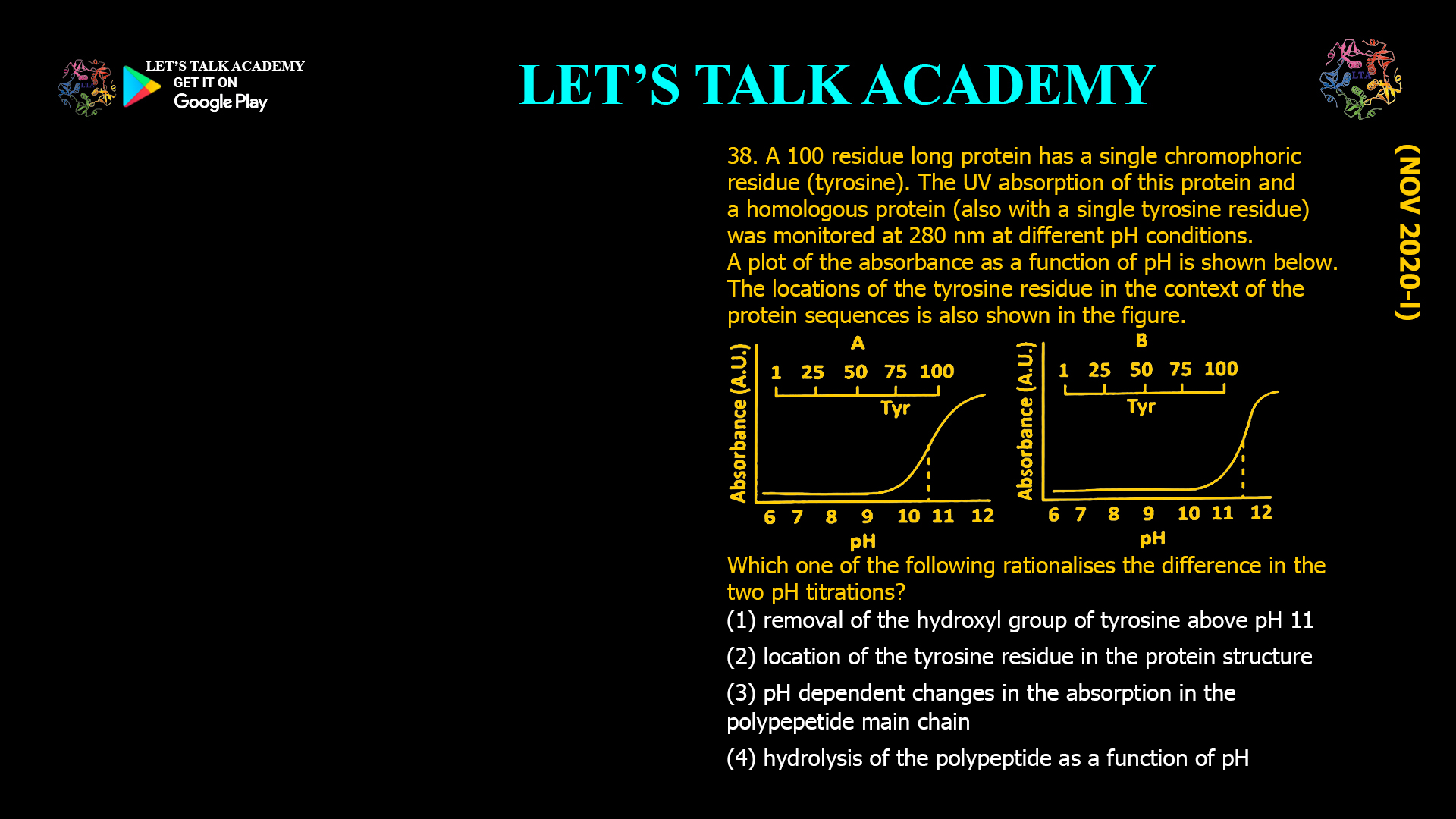
38. A 100 residue long protein has a single chromophoric residue (tyrosine). The UV absorption of this protein and a homologous protein (also with a single tyrosine residue) was monitored […]


