1. Introduction Cells constantly receive signals from their environment and from other cells. These signals may come from hormones, neurotransmitters, growth factors, cytokines, extracellular matrix components, or changes in nutrients […]
1. Introduction to Second Messengers Cells continuously receive information from their surrounding environment. Hormones, neurotransmitters, growth factors, cytokines and other signaling molecules bind to specific receptors on or inside the […]
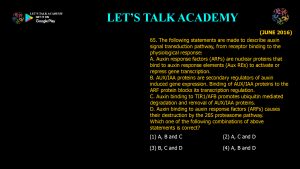
1. Signal Transduction Pathways 1.1 Introduction Cells continuously receive information from their surrounding environment. They must detect changes in nutrients, hormones, growth factors, neurotransmitters, temperature, osmotic conditions, stress, and signals […]
1. Introduction to G-Protein-Coupled Receptor Signaling Cells constantly receive information from their surroundings. Hormones, neurotransmitters, growth-related signals, odor molecules, and many other chemical substances communicate with cells to regulate their […]
1. Introduction to Cell Surface Receptors 1.1 Overview of Cell Surface Receptors Cells are the fundamental structural and functional units of all living organisms. Although cells operate as independent units, […]
1.Introduction Hormones are chemical signaling molecules that coordinate the activities of cells, tissues, and organs. They are produced by specialized cells or glands and released into the body, where they […]
1. Introduction The genetic information of an organism is stored in its DNA sequence. However, the DNA sequence alone does not determine when, where, and to what extent every gene […]
1.Introduction In eukaryotic cells, DNA is not present as a naked molecule. It is associated with histone proteins and several non-histone proteins to form a highly organized structure called chromatin. […]
1. Introduction All living organisms are composed of cells, and the cell is considered the fundamental structural and functional unit of life. Although cells share several basic characteristics, they differ […]
1.Introduction Viruses are microscopic infectious agents that are fundamentally different from cellular organisms. They contain genetic material surrounded by a protective protein structure and, in some cases, an additional lipid […]