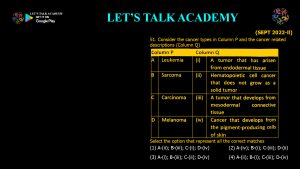
1. Introduction Uncontrolled cell growth is one of the fundamental biological features of cancer. In normal tissues, cell proliferation is tightly regulated by growth factors, cell-cycle checkpoints, DNA-damage responses, cell–cell […]
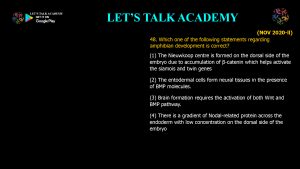
1. Introduction During embryonic development, a single fertilized egg gives rise to many different types of specialized cells. For example: Zygote → embryonic cells → ectoderm, mesoderm, endoderm → tissue-specific […]
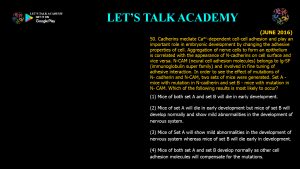
1. Introduction Cancer is not simply a disease of abnormal cells multiplying uncontrollably. A tumor develops within a complex tissue environment in which malignant cells continuously communicate with surrounding normal […]
1. Introduction Developmental biology is the study of how a single fertilized egg develops into a complex multicellular organism containing many specialized cells, tissues, and organs. During development, cells undergo: […]
1. Introduction Cancer is characterized by uncontrolled cell proliferation, abnormal survival, altered metabolism, genomic instability, and the ability to invade surrounding tissues. One of the most important and dangerous properties […]
1. Introduction Cancer is a complex disease characterized by uncontrolled cell proliferation, abnormal survival, genomic instability, and, in many cases, invasion and metastasis. Certain viruses can contribute to the development […]
1. Introduction The cell cycle is the highly regulated sequence of events through which a cell grows, duplicates its genetic material, and divides into daughter cells. In normal tissues, cell […]
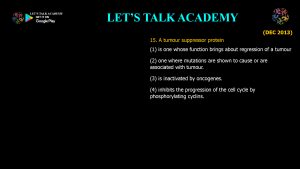
1. Introduction to Tumor Suppressor Genes Tumor suppressor genes are an essential group of genes that protect cells from uncontrolled growth and malignant transformation. They help maintain normal tissue organization […]
1. Introduction to Oncogenes Cancer is fundamentally a disease of altered cellular regulation. Normal cells divide, grow, differentiate, and die according to highly coordinated molecular signals. These processes are controlled […]
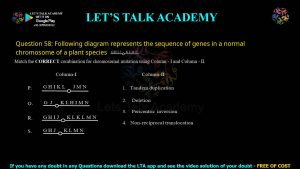
1. Introduction Genetic rearrangements are structural alterations in the genome in which segments of DNA change their position, orientation, copy number, or chromosomal location. These alterations can occur naturally during […]