
1. Introduction
Cancer is a complex disease characterized by uncontrolled cell proliferation, abnormal survival, genomic instability, and, in many cases, invasion and metastasis.
Certain viruses can contribute to the development of cancer. These viruses are called oncogenic viruses or tumor viruses.
Viruses do not cause all cancers, and infection with an oncogenic virus does not necessarily result in cancer. Cancer development usually requires the accumulation of additional genetic, epigenetic, environmental, and host-related changes.
Viral infection can contribute to cancer by altering:
- Cell-cycle regulation
- Tumor suppressor pathways
- Apoptosis
- DNA repair
- Cellular signaling
- Genomic stability
- Immune responses
- Chronic inflammation
- Cell differentiation
A simplified concept is:
Viral infection → persistent infection or viral gene expression → alteration of host-cell regulation → accumulation of cellular abnormalities → increased cancer risk
2. Definition of Virus-Induced Cancer
Virus-induced cancer refers to malignant disease in which infection with a particular virus contributes causally to the development or progression of cancer.
The virus may contribute directly by producing proteins that alter cellular growth and survival, or indirectly through mechanisms such as chronic inflammation, immune suppression, tissue regeneration, and long-term infection.
3. Oncogenic Viruses
Viruses associated with human cancers include:
| Virus | Important associated cancers |
|---|---|
| High-risk human papillomaviruses (HPV) | Cervical, anal, oropharyngeal and other anogenital cancers |
| Epstein–Barr virus (EBV) | Several lymphomas and epithelial cancers |
| Hepatitis B virus (HBV) | Hepatocellular carcinoma |
| Hepatitis C virus (HCV) | Hepatocellular carcinoma and some lymphoid malignancies |
| Human T-cell leukemia virus type 1 (HTLV-1) | Adult T-cell leukemia/lymphoma |
| Kaposi sarcoma-associated herpesvirus (KSHV/HHV-8) | Kaposi sarcoma and certain lymphoproliferative diseases |
| Merkel cell polyomavirus (MCPyV) | Merkel cell carcinoma |
The mechanisms differ considerably among these viruses.
4. Direct and Indirect Viral Carcinogenesis
Virus-induced cancer can occur through two broad mechanisms.
4.1 Direct Mechanisms
The virus directly alters cellular regulatory pathways.
Viral proteins may:
- Activate growth signaling
- Inactivate tumor suppressors
- Inhibit apoptosis
- Alter DNA repair
- Modify transcription
- Disturb cell-cycle checkpoints
4.2 Indirect Mechanisms
The virus promotes cancer through long-term changes in the host environment.
These can include:
- Chronic inflammation
- Persistent tissue injury
- Repeated regeneration
- Immune suppression
- Oxidative stress
- Accumulation of secondary mutations
Therefore:
Direct viral effects + indirect host effects → increased probability of malignant transformation
5. Normal Cellular Growth Regulation
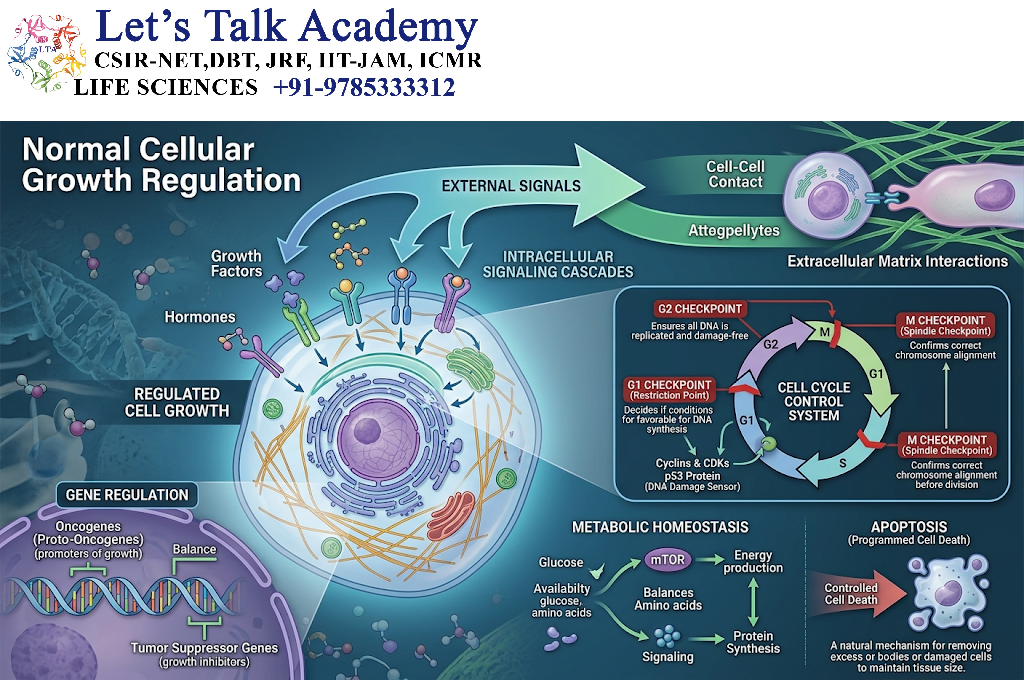
To understand viral carcinogenesis, it is necessary to understand normal control of cell proliferation.
Normal cells are regulated by:
- Growth factors
- Growth-factor receptors
- Cyclins
- Cyclin-dependent kinases
- Tumor suppressor proteins
- DNA-repair mechanisms
- Apoptosis
- Cellular senescence
Two important tumor suppressor pathways are:
p53 pathway
and
RB pathway
These pathways help prevent damaged cells from continuing to proliferate.
6. Viral Alteration of the Cell Cycle
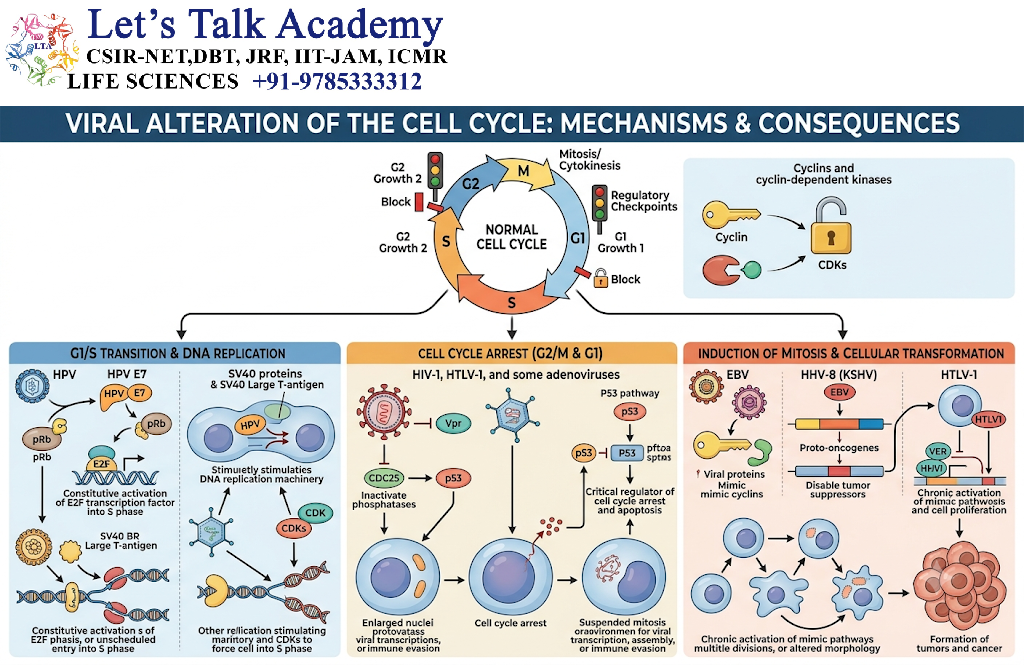
Some oncogenic viruses produce proteins that interfere with normal cell-cycle control.
General mechanism:
Viral infection
↓
Viral proteins expressed
↓
Interference with cell-cycle regulators
↓
Checkpoint disruption
↓
Abnormal cell proliferation
↓
Accumulation of genetic abnormalities
↓
Potential malignant transformation
The precise mechanism varies between viruses.
7. Viral Inactivation of Tumor Suppressors
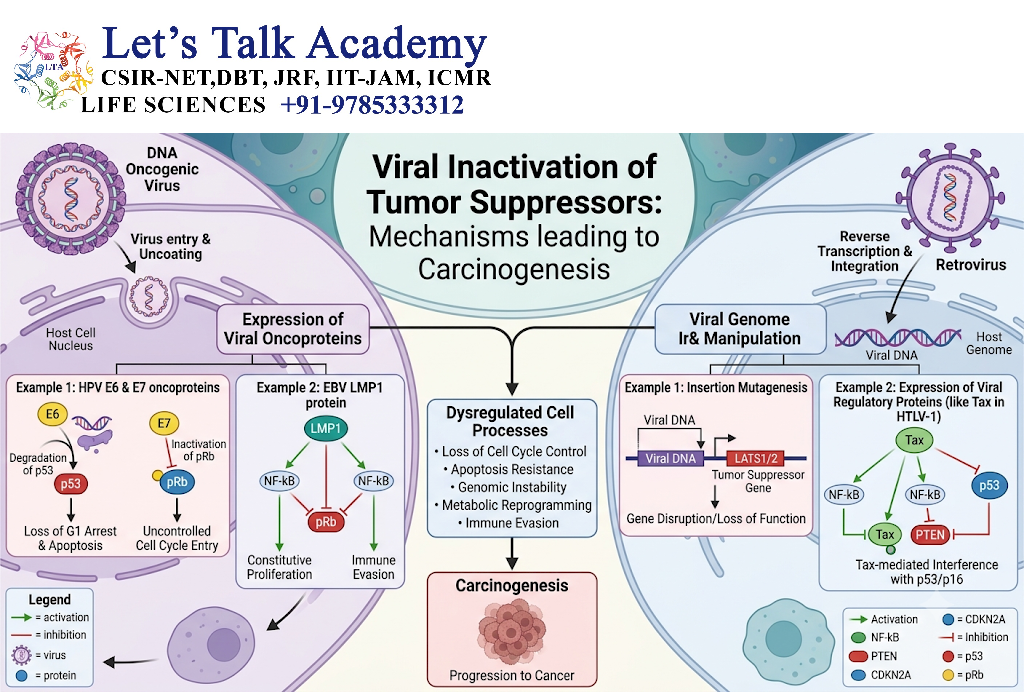
Tumor suppressor proteins normally prevent uncontrolled proliferation.
Two major examples are:
- p53
- RB
Some viral proteins interfere with these proteins.
When tumor suppressor activity is reduced:
Cell-cycle inhibition decreases → proliferation increases
and damaged cells may survive instead of undergoing apoptosis.
8. p53 and Viral Carcinogenesis
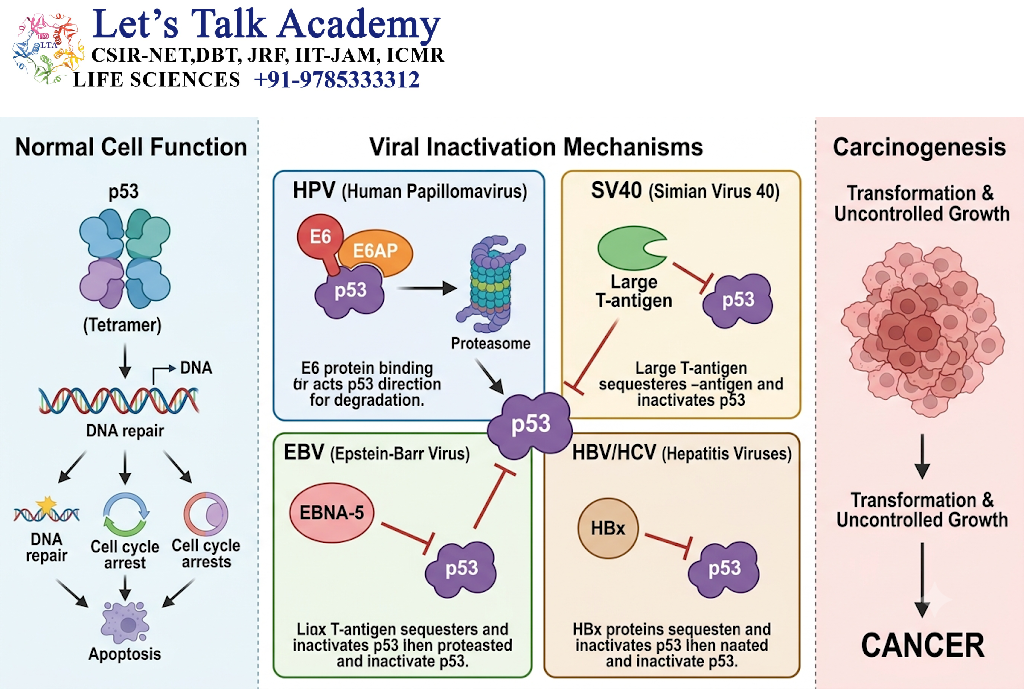
p53 is an important response system for cellular stress and DNA damage.
Normally:
DNA damage → p53 activation → cell-cycle arrest → repair
If damage cannot be repaired:
p53 activation → apoptosis or senescence
Some oncogenic viruses interfere with p53 activity.
This can allow damaged cells to:
- Continue dividing
- Accumulate mutations
- Avoid apoptosis
- Acquire additional cancer-associated changes
9. RB and Viral Carcinogenesis
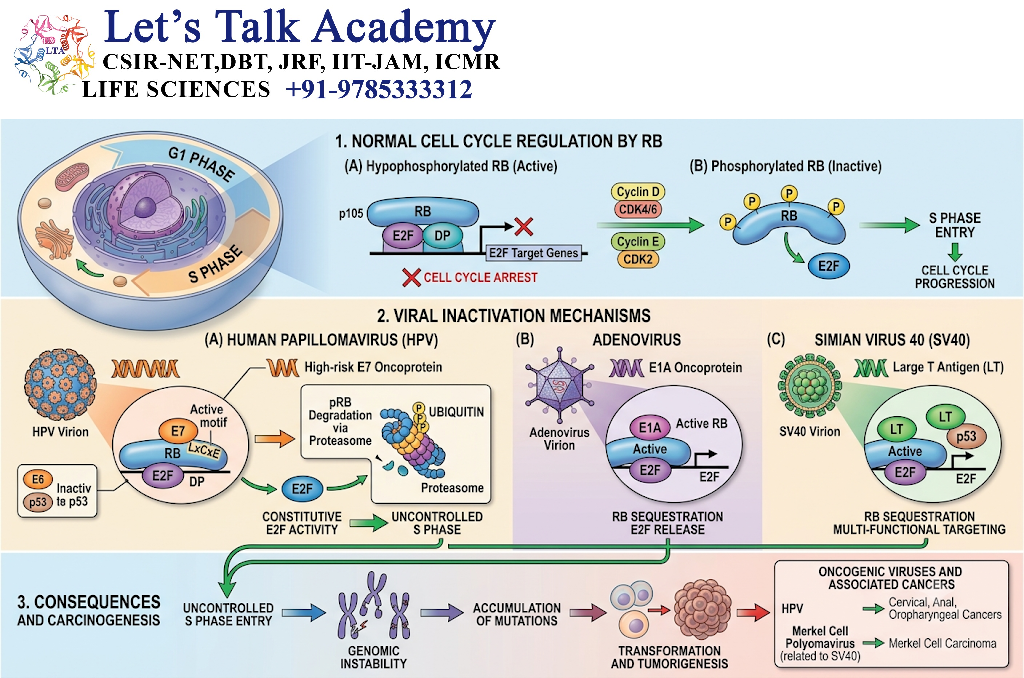
RB is an important regulator of the G₁/S transition.
Active RB restricts E2F-dependent transcription and therefore limits inappropriate entry into S phase.
Interference with RB can result in:
RB inhibition → E2F activity → S-phase gene expression → DNA replication → increased proliferation
This mechanism is particularly important in high-risk HPV-associated carcinogenesis.
10. Human Papillomavirus and Cancer
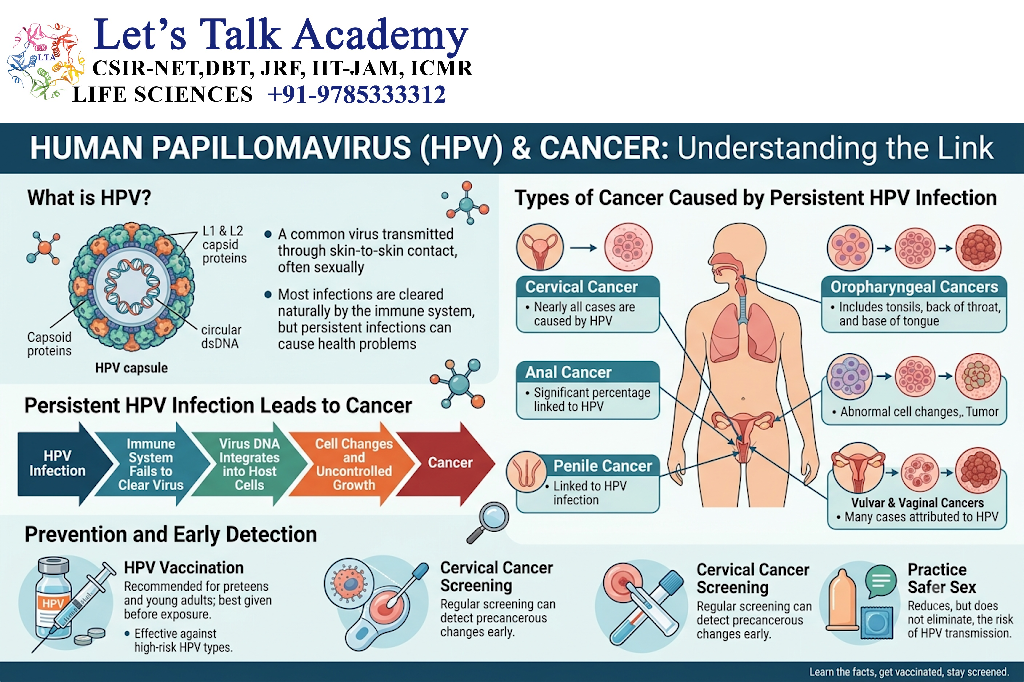
High-risk human papillomaviruses (HPV) are among the best-established viral causes of human cancer.
Important high-risk types include HPV-16 and HPV-18.
Persistent infection with high-risk HPV can contribute to:
- Cervical cancer
- Anal cancer
- Penile cancer
- Vulvar cancer
- Vaginal cancer
- Some oropharyngeal cancers
11. HPV E6 Protein
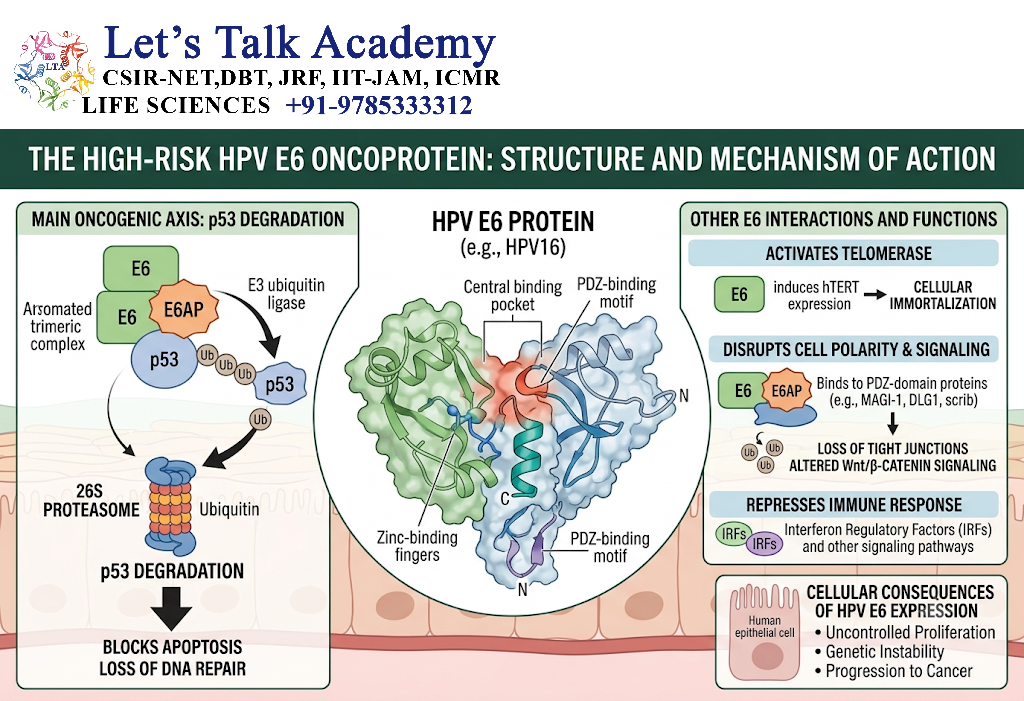
The E6 protein of high-risk HPV interferes with the p53 tumor-suppressor pathway.
E6 promotes p53 degradation through a mechanism involving cellular ubiquitin-mediated protein degradation machinery.
Consequently:
E6 → reduced p53 activity → reduced checkpoint/apoptotic response → survival of abnormal cells
12. HPV E7 Protein
The E7 protein interferes with the RB pathway.
E7 binds and functionally disrupts RB-family proteins.
This releases E2F transcription factors and promotes expression of genes required for S-phase progression.
General pathway:
HPV E7 → RB pathway disruption → E2F activation → S-phase entry → increased proliferation
Thus, E6 and E7 cooperate to disrupt two major tumor-suppressive pathways.
13. Persistent HPV Infection
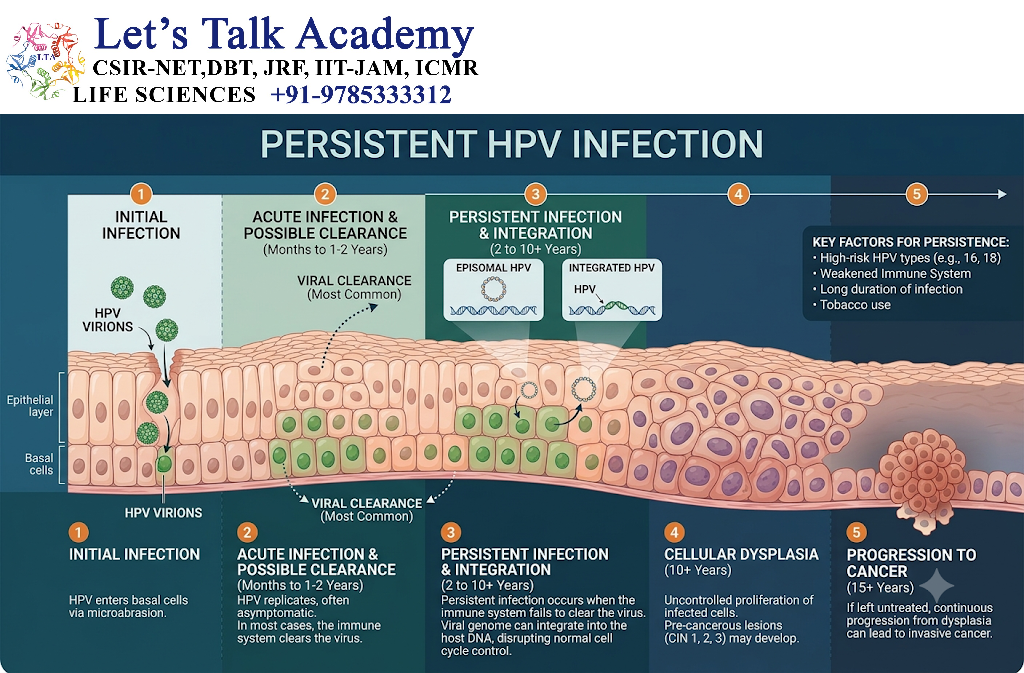
Most HPV infections do not progress to cancer.
Cancer risk is associated particularly with persistent infection with high-risk HPV types.
The progression can be represented as:
HPV infection
↓
Persistent infection
↓
Viral gene expression
↓
Cellular regulatory disruption
↓
Pre-cancerous cellular changes
↓
Accumulation of additional abnormalities
↓
Cancer in a subset of persistent infections
This process generally occurs over years rather than immediately after infection.
14. Epstein–Barr Virus
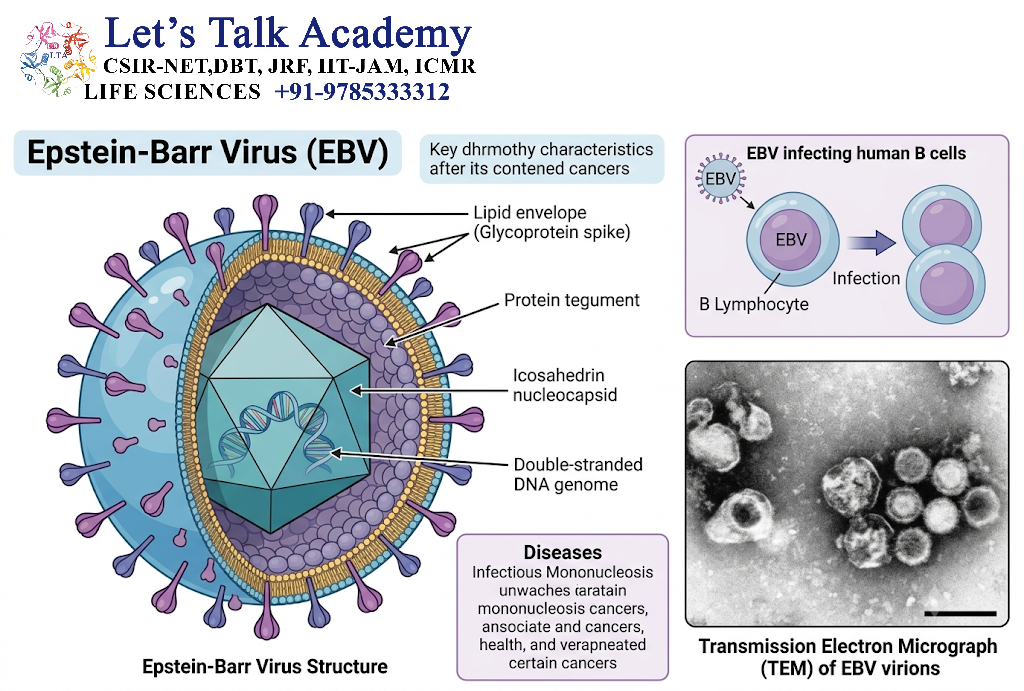
Epstein–Barr virus (EBV) is a herpesvirus that establishes persistent infection, particularly in B lymphocytes.
It is associated with several malignancies, including:
- Burkitt lymphoma
- Some Hodgkin lymphomas
- Nasopharyngeal carcinoma
- Certain gastric carcinomas
- Other EBV-associated lymphoid or epithelial tumors
15. EBV and B-Cell Transformation
EBV can establish latent infection in B cells.
During latency, selected viral proteins and non-coding RNAs can alter cellular signaling and survival.
Some EBV proteins can promote:
- B-cell survival
- Proliferation
- Activation of signaling pathways
- Changes in gene expression
This can provide conditions in which additional cellular abnormalities may accumulate.
16. EBV and Immune Control
The immune system normally plays an important role in controlling EBV-infected cells.
Therefore, situations involving impaired immune surveillance can increase the risk of certain EBV-associated lymphoproliferative disorders.
This demonstrates an important principle:
Persistent infection + altered immune surveillance → increased opportunity for abnormal cell expansion
17. Hepatitis B Virus and Liver Cancer
Hepatitis B virus (HBV) is associated with hepatocellular carcinoma (HCC).
HBV can contribute to liver cancer through both direct and indirect mechanisms.
Direct mechanisms
Viral persistence and viral proteins can alter cellular signaling and gene regulation. Integration of HBV DNA into the host genome can also contribute to genomic and regulatory abnormalities.
Indirect mechanisms
Chronic HBV infection can cause:
Persistent inflammation → hepatocyte injury → cell death → regeneration → accumulation of genetic abnormalities
Over time, this can contribute to hepatocellular carcinoma.
18. Hepatitis C Virus and Liver Cancer
Hepatitis C virus (HCV) is also strongly associated with hepatocellular carcinoma.
Unlike HBV, HCV is an RNA virus and does not normally integrate its genome into host DNA as part of its replication cycle.
HCV-associated cancer development is strongly linked to:
- Chronic infection
- Persistent inflammation
- Oxidative stress
- Liver-cell injury
- Fibrosis
- Cirrhosis
- Repeated regeneration
General pathway:
HCV persistence → chronic inflammation → fibrosis/cirrhosis → repeated hepatocyte regeneration → accumulation of abnormalities → increased HCC risk
19. HTLV-1 and Adult T-Cell Leukemia/Lymphoma
Human T-cell leukemia virus type 1 (HTLV-1) is a retrovirus associated with adult T-cell leukemia/lymphoma (ATL).
HTLV-1 primarily infects T lymphocytes.
Important viral proteins include:
- Tax
- HBZ
Tax can influence several cellular signaling pathways and promote abnormal T-cell proliferation and survival.
However, malignant transformation is a multistep process involving additional host-cell changes.
20. Kaposi Sarcoma-Associated Herpesvirus
Kaposi sarcoma-associated herpesvirus (KSHV), also called human herpesvirus 8 (HHV-8), is associated with:
- Kaposi sarcoma
- Primary effusion lymphoma
- Multicentric Castleman disease in appropriate clinical settings
The virus can manipulate:
- Cell survival
- Cell proliferation
- Angiogenic signaling
- Inflammatory pathways
- Immune responses
Immune suppression can substantially influence the development of KSHV-associated disease.
21. Merkel Cell Polyomavirus
Merkel cell polyomavirus (MCPyV) is associated with a substantial proportion of Merkel cell carcinomas.
Viral proteins can interfere with cellular growth-regulatory pathways.
In virus-associated tumors, viral DNA can become integrated into the host-cell genome and undergo changes that contribute to oncogenic activity.
22. Viral Integration and Cancer
Some DNA viruses or retroviruses can integrate viral genetic material into host chromosomes.
Integration can potentially:
- Disrupt host genes
- Alter gene expression
- Stabilize viral oncogenic gene expression
- Contribute to genomic instability
However, integration is not required for every virus-associated cancer.
For example, HPV and HBV can involve viral DNA integration during carcinogenesis, whereas the major mechanisms of HCV-associated cancer are different.
23. Chronic Inflammation and Viral Cancer
Persistent viral infection can produce chronic inflammation.
Inflammatory cells release mediators such as:
- Cytokines
- Chemokines
- Reactive oxygen species
- Reactive nitrogen species
- Growth factors
These can cause repeated tissue injury and regeneration.
General mechanism:
Persistent infection → chronic inflammation → tissue damage → regeneration → increased opportunities for DNA damage → accumulation of abnormalities → cancer risk
This mechanism is particularly important in chronic viral hepatitis.
24. Viral Immune Evasion
Viruses that persist for long periods must avoid or modify host immune responses.
Mechanisms may include:
- Reduction of antigen presentation
- Interference with interferon responses
- Alteration of immune signaling
- Latency
- Infection of immune cells
- Production of immune-modulating proteins
Persistent immune evasion can allow infected abnormal cells to remain in the host for extended periods.
25. Apoptosis Inhibition
Apoptosis eliminates many damaged cells.
Oncogenic viruses can interfere with apoptotic pathways, allowing infected cells to survive.
General mechanism:
Cellular damage → normal apoptosis
but:
Viral anti-apoptotic mechanisms → cell survival → continued proliferation
This increases the opportunity for additional genetic abnormalities.
26. Viral Effects on DNA Repair
DNA repair is essential for maintaining genomic stability.
Some viral proteins interfere with DNA-damage responses or alter repair pathways.
If damaged DNA is replicated rather than repaired:
DNA damage → replication → mutation → clonal expansion
Repeated cycles can contribute to malignant transformation.
27. Viral Effects on Cellular Signaling
Oncogenic viruses can manipulate several signaling pathways, including:
- RAS-MAPK
- PI3K-AKT
- NF-κB
- JAK-STAT
- WNT/β-catenin
- TGF-β
- Notch
These pathways regulate:
- Growth
- Survival
- Differentiation
- Metabolism
- Inflammation
- Cell migration
Abnormal activation can support cancer development.
28. Viral Carcinogenesis and Epigenetic Changes
Cancer-associated viruses can influence epigenetic regulation.
Epigenetic mechanisms include:
- DNA methylation
- Histone modification
- Chromatin remodeling
- Non-coding RNA regulation
These changes can alter expression of genes controlling:
- Cell proliferation
- Differentiation
- DNA repair
- Apoptosis
Importantly, epigenetic alterations change gene activity without necessarily changing the underlying DNA sequence.
29. Viral Transformation
Viral transformation refers to the process by which viral infection causes host cells to acquire abnormal growth characteristics.
Transformed cells may show:
- Increased proliferation
- Reduced growth control
- Altered cell morphology
- Resistance to apoptosis
- Changes in adhesion
- Altered metabolism
- Genomic instability
Transformation does not automatically mean that a cell has become a fully malignant tumor. Additional alterations may be necessary for invasive cancer.
30. Multi-Step Nature of Viral Carcinogenesis
Virus-associated cancer generally develops through multiple stages.
Stage 1: Infection
The virus enters susceptible cells.
Stage 2: Persistence
The virus remains in the host for an extended period.
Stage 3: Cellular Alteration
Viral proteins or chronic inflammation alter cellular regulation.
Stage 4: Genetic/Epigenetic Abnormalities
Additional host-cell abnormalities accumulate.
Stage 5: Clonal Expansion
Cells with growth advantages multiply.
Stage 6: Tumor Development
A population of abnormal cells forms a tumor.
Stage 7: Progression
Additional changes can promote invasion, angiogenesis, immune evasion, and metastasis.


