
1. Introduction to Tumor Suppressor Genes
Tumor suppressor genes are an essential group of genes that protect cells from uncontrolled growth and malignant transformation. They help maintain normal tissue organization by regulating cell proliferation, repairing damaged DNA, controlling the cell cycle, promoting programmed cell death, and maintaining genomic stability.
Under normal physiological conditions, cells must carefully balance signals that promote growth with mechanisms that stop inappropriate proliferation. Tumor suppressor genes form an important part of this protective system. When these genes function normally, they can prevent cells carrying dangerous genetic abnormalities from continuing to divide.
Cancer can develop when tumor suppressor genes are inactivated, deleted, mutated, epigenetically silenced, or otherwise prevented from performing their normal functions. Unlike oncogenes, which generally contribute to cancer through excessive or inappropriate activity, tumor suppressor genes commonly contribute to cancer when their normal inhibitory functions are lost.
A useful conceptual model is to consider cellular growth as a vehicle controlled by both an accelerator and a braking system. Proto-oncogenes participate in the accelerator system, whereas tumor suppressor genes provide important braking mechanisms. Cancer may arise when growth-promoting pathways become excessively active and growth-inhibitory pathways are simultaneously weakened.
Tumor suppressor genes therefore occupy a central position in the molecular biology of cancer. They connect several fundamental biological processes, including cell-cycle regulation, DNA damage response, apoptosis, DNA repair, cellular senescence, and maintenance of genomic stability.
1.1 Definition of Tumor Suppressor Genes
A tumor suppressor gene is a gene whose normal function helps prevent uncontrolled cellular proliferation, genomic instability, abnormal survival, or malignant transformation.
The products of tumor suppressor genes may function as:
- Cell-cycle inhibitors
- DNA damage sensors
- DNA repair proteins
- Transcription factors
- Apoptosis regulators
- Chromatin regulators
- Components of signaling pathways
- Regulators of cellular senescence
- Proteins involved in maintaining genomic stability
When the function of an important tumor suppressor is lost, cells may continue to divide despite DNA damage or other abnormalities.
The basic concept can be represented as:
Normal tumor suppressor function → growth control and genome protection
Loss of tumor suppressor function → reduced cellular restraints → increased risk of abnormal proliferation
1.2 Normal Functions of Tumor Suppressor Genes
Tumor suppressor genes perform several protective functions.
They may:
- Stop the cell cycle when DNA is damaged.
- Promote DNA repair.
- Trigger apoptosis when damage cannot be repaired.
- Induce cellular senescence.
- Restrict inappropriate growth signals.
- Maintain chromosome stability.
- Regulate cellular differentiation.
- Prevent accumulation of genetically abnormal cells.
Because these functions are interconnected, loss of one tumor suppressor can influence several cellular processes simultaneously.
1.3 Tumor Suppressor Genes and Cellular Homeostasis
Cellular homeostasis requires continuous coordination between proliferation, differentiation, survival, and cell death.
A healthy cell responds to DNA damage by activating surveillance mechanisms. Depending on the severity of the damage, the cell may:
Repair the damage → resume proliferation
or
Stop the cell cycle → allow additional repair
or
Enter senescence
or
Undergo apoptosis
Tumor suppressor proteins participate in these decisions.
When this protective system fails, genetically abnormal cells may continue dividing. Repeated proliferation allows additional mutations and chromosomal abnormalities to accumulate, increasing the possibility of malignant transformation.
2. Historical Development of the Tumor Suppressor Concept
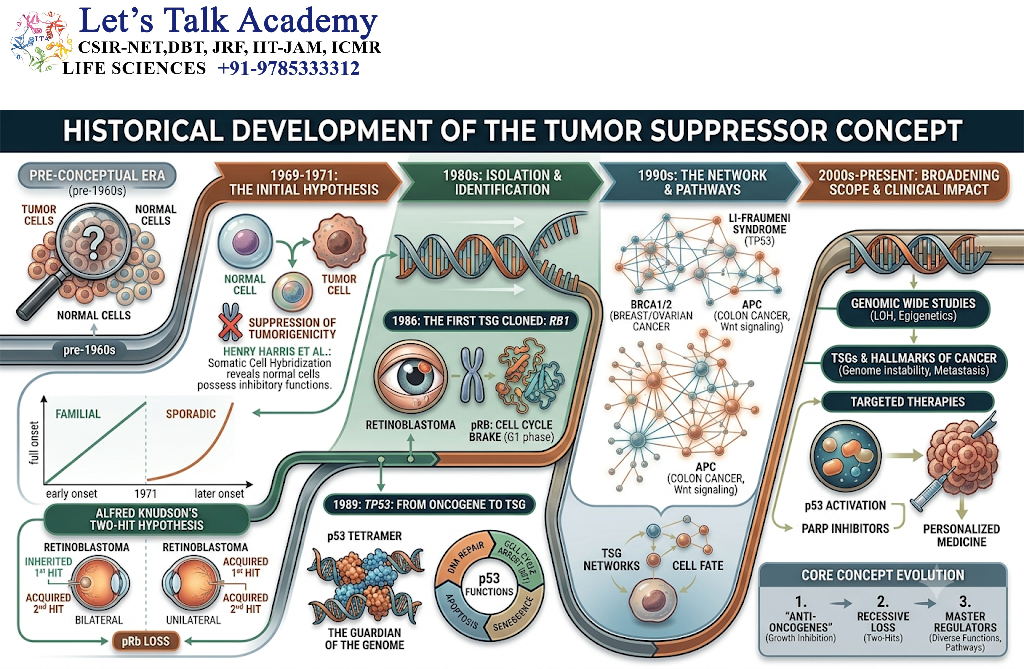
The concept of tumor suppressor genes developed from genetic studies showing that cancer could result not only from activation of growth-promoting genes but also from the loss of genes that normally restrain cell growth.
2.1 The Two-Hit Hypothesis
One of the most influential concepts was developed through studies of retinoblastoma.
The resulting model became known as the two-hit hypothesis. It proposed that both copies of a tumor suppressor gene need to be functionally inactivated in many tumor-development contexts.
The model can be simplified as:
Normal cell
↓
First alteration
↓
Second alteration
↓
Loss of tumor suppressor function
↓
Abnormal cellular proliferation
This model was particularly important for understanding hereditary cancer predisposition.
2.2 Hereditary and Sporadic Tumor Development
In hereditary cancer syndromes, an individual may inherit one altered copy of a tumor suppressor gene. A second alteration acquired later in a susceptible cell can eliminate the remaining functional copy.
In sporadic cancer, both alterations may arise during the person’s lifetime within a particular cell lineage.
Thus, the molecular endpoint can be similar even though the route to gene inactivation differs.
3. Characteristics of Tumor Suppressor Genes
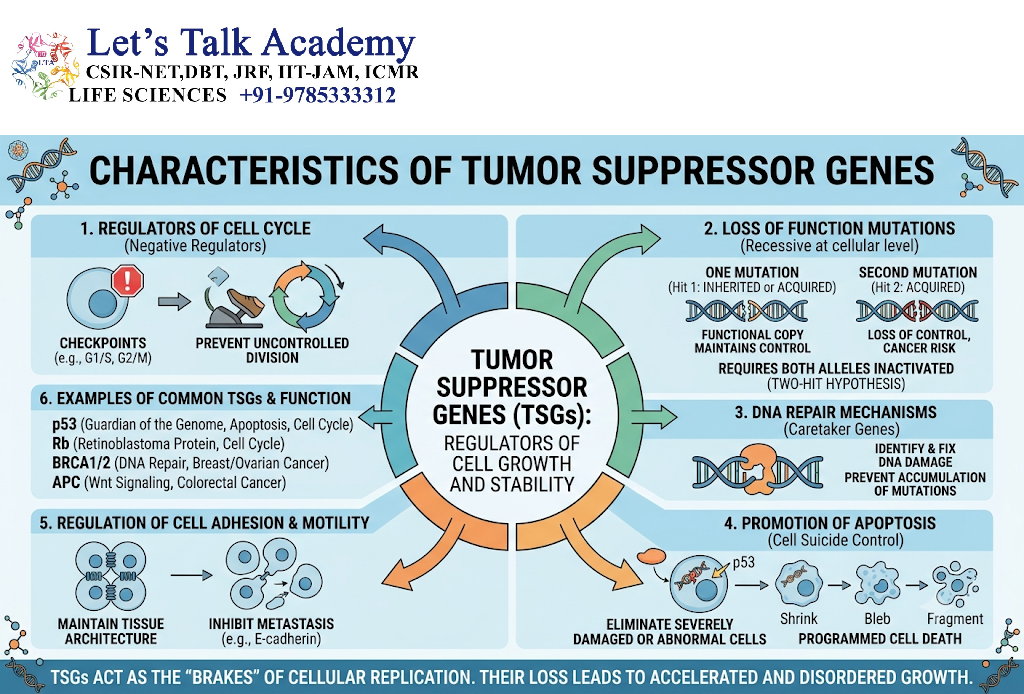
Tumor suppressor genes differ functionally from oncogenes.
3.1 Loss-of-Function
Cancer-associated alterations in tumor suppressor genes commonly reduce or eliminate their normal activity.
Therefore, they are frequently described as loss-of-function alterations.
For example:
Functional tumor suppressor → cell-cycle arrest
Non-functional tumor suppressor → cell-cycle checkpoint failure
3.2 Recessive Behavior at the Cellular Level
Many tumor suppressor genes demonstrate recessive behavior at the cellular level.
This means that a single functional allele may sometimes provide sufficient activity to maintain normal control. Cancer-associated transformation can occur after the remaining functional allele is lost or inactivated.
This principle is often summarized as:
Two functional copies → normal suppression
One functional copy → potentially maintained function
Loss of both functional copies → loss of suppression
However, this is a general model rather than an absolute rule. Some tumor suppressor genes can exhibit haploinsufficiency, dominant-negative effects, or other mechanisms in which one altered allele can have substantial biological consequences.
4. Major Classes of Tumor Suppressor Genes
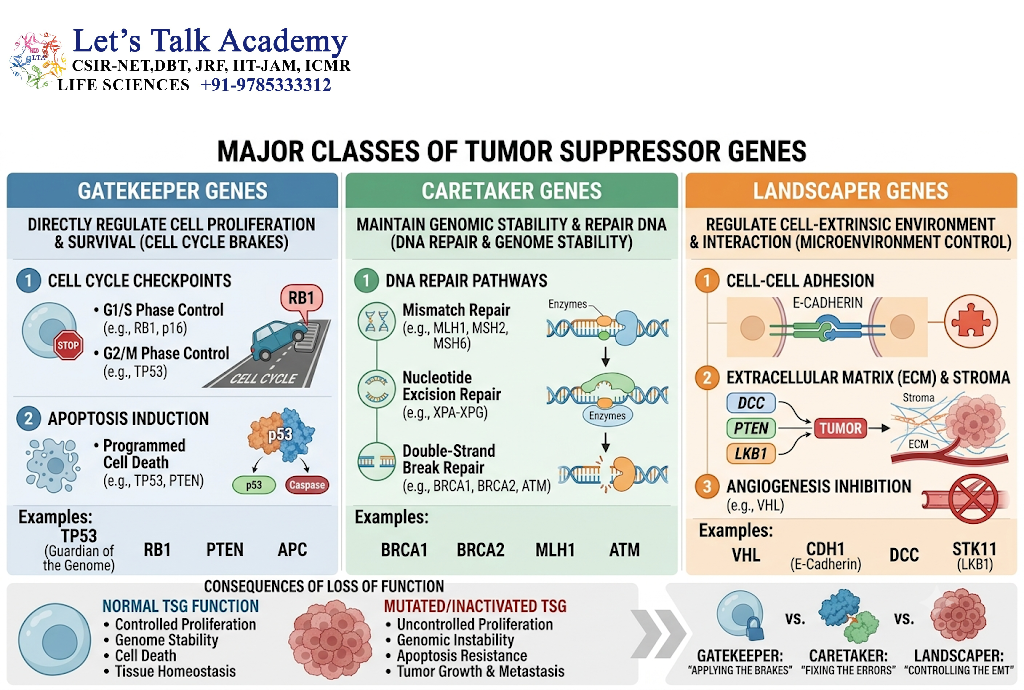
Tumor suppressor genes can be classified according to their primary biological function.
4.1 Cell-Cycle Checkpoint Regulators
These proteins prevent cells from progressing through the cell cycle when conditions are unfavorable.
Examples include:
- RB1
- TP53
- CDK inhibitors such as CDKN2A
4.2 DNA Repair Genes
These genes help repair DNA damage.
Examples include:
- BRCA1
- BRCA2
- MLH1
- MSH2
- MSH6
- PMS2
Defects in DNA repair genes can increase genomic instability and mutation accumulation.
4.3 Apoptosis Regulators
Some tumor suppressor pathways promote elimination of cells that are excessively damaged or abnormal.
TP53 is particularly important because it can promote apoptosis when DNA damage is severe.
4.4 Negative Regulators of Growth Signaling
Certain tumor suppressor proteins reduce signaling through pathways that stimulate proliferation.
An important example is PTEN, which antagonizes PI3K-associated signaling.
4.5 Genome-Stability Genes
Some tumor suppressor genes maintain chromosome structure, DNA replication fidelity, or repair processes.
Their loss can increase the rate at which additional genetic abnormalities develop.
5. RB1: The Retinoblastoma Tumor Suppressor
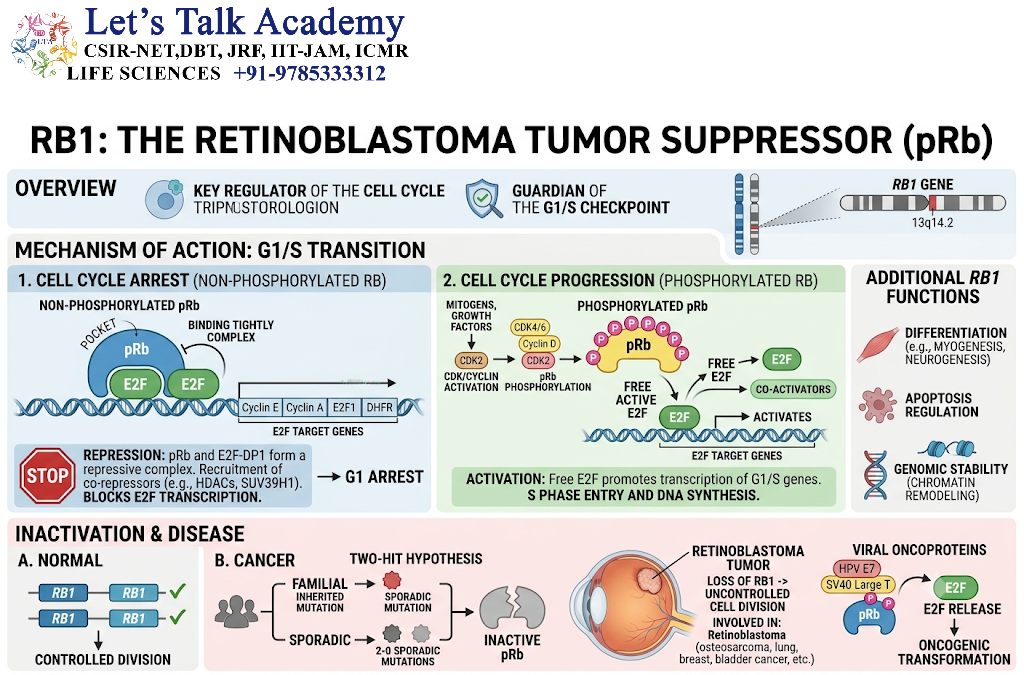
The RB1 gene encodes the retinoblastoma protein, commonly called pRB.
RB is one of the classic tumor suppressors and plays a major role in controlling the transition from the G1 phase to the S phase of the cell cycle.
5.1 RB and E2F
The RB protein regulates transcription factors of the E2F family.
When RB is active, it can restrain E2F activity and prevent inappropriate expression of genes required for DNA synthesis.
In simplified form:
Active RB → E2F restrained → S-phase genes suppressed
When RB becomes phosphorylated through appropriate cell-cycle signaling:
RB phosphorylation → E2F release → S-phase gene expression → DNA replication
This pathway provides an important checkpoint for cell-cycle progression.
5.2 Loss of RB Function
If RB function is lost, E2F-mediated transcription can become inadequately controlled.
The result can be:
Loss of RB control → inappropriate E2F activity → uncontrolled cell-cycle entry
This demonstrates how loss of a single regulatory protein can disrupt a major cell-cycle checkpoint.
6. TP53: The Guardian of the Genome
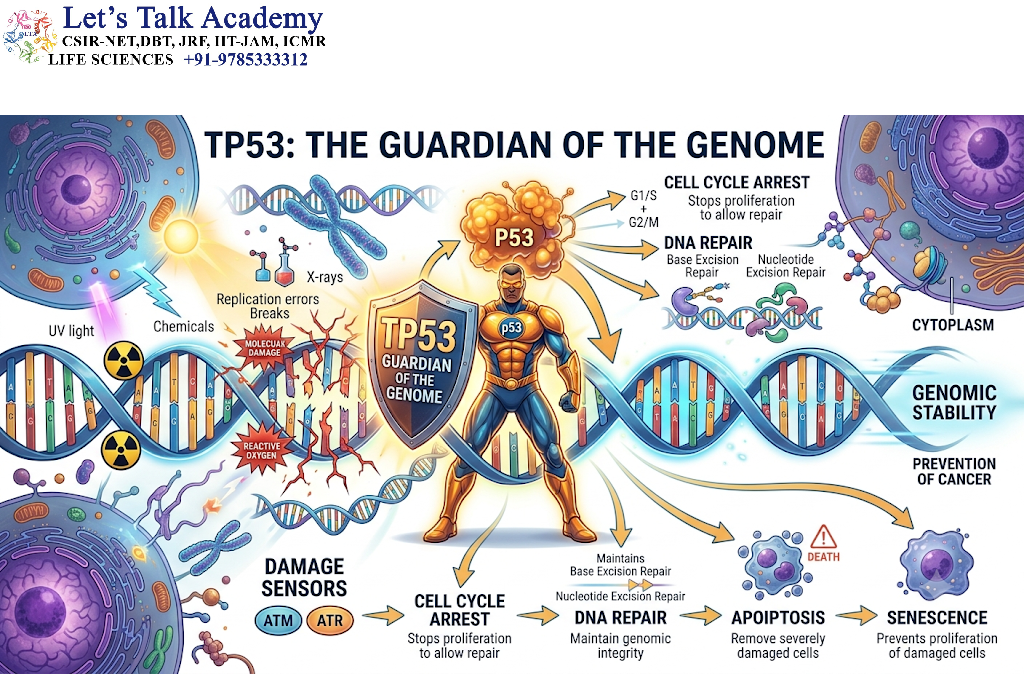
TP53 is one of the most important tumor suppressor genes in human cancer biology.
The gene encodes the p53 protein, a transcription factor that responds to various forms of cellular stress, particularly DNA damage.
p53 helps determine whether a damaged cell should:
- Pause the cell cycle
- Repair DNA
- Enter senescence
- Undergo apoptosis
6.1 Activation of p53
Under normal conditions, p53 levels are relatively low because the protein is tightly regulated.
When DNA damage or other cellular stresses occur, p53 can become stabilized and activated.
Activated p53 induces transcription of genes involved in cell-cycle arrest, DNA repair, senescence, and apoptosis.
6.2 p53 and Cell-Cycle Arrest
One important p53 target is CDKN1A, which encodes the p21 protein.
The pathway can be simplified as:
DNA damage → p53 activation → p21 expression → CDK inhibition → cell-cycle arrest
This temporary arrest gives the cell an opportunity to repair damaged DNA.
6.3 p53 and Apoptosis
If cellular damage is severe and cannot be safely repaired, p53 can activate pathways leading to apoptosis.
Thus:
DNA damage → p53 activation → damage assessment → repair OR apoptosis
This protective mechanism prevents cells with severely damaged genomes from continuing to proliferate.
6.4 Loss of TP53 Function
When TP53 is inactivated, cells may fail to properly respond to DNA damage.
Such cells can continue dividing while carrying genetic abnormalities.
This increases opportunities for additional mutations and chromosomal alterations to accumulate.
7. PTEN as a Tumor Suppressor
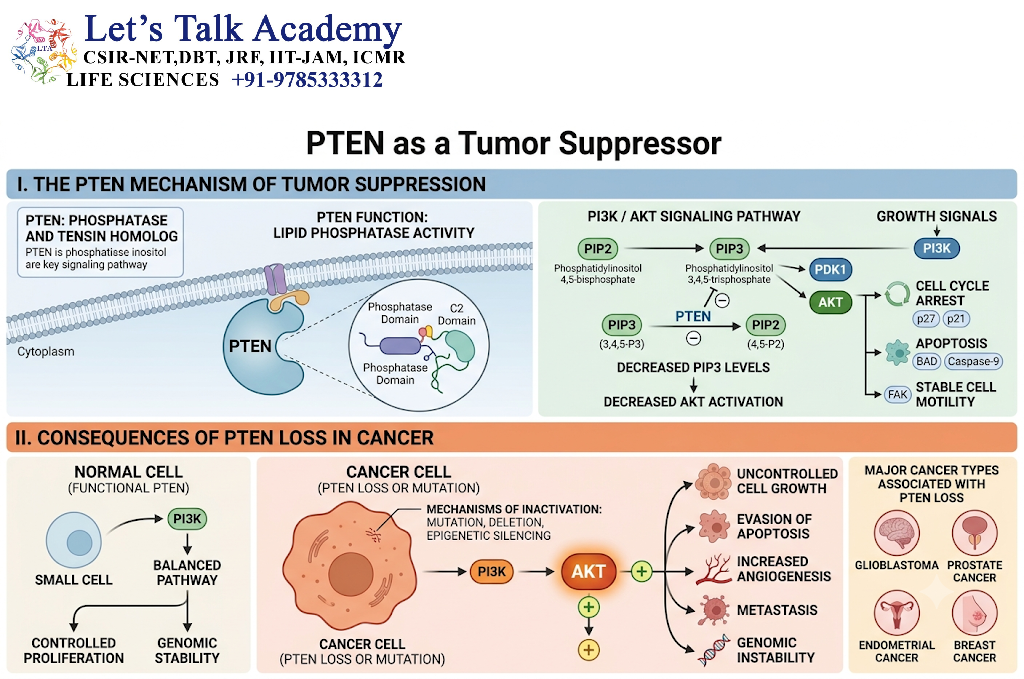
PTEN is a tumor suppressor that negatively regulates signaling through the phosphoinositide 3-kinase pathway.
The PI3K–AKT pathway promotes:
- Cell survival
- Growth
- Metabolism
- Protein synthesis
PTEN counteracts this signaling by regulating phosphoinositide signaling molecules.
A simplified relationship is:
PI3K → AKT signaling → growth and survival
while:
PTEN → negative regulation of PI3K-associated signaling
Loss of PTEN can therefore increase signaling through pathways that support cell growth and survival.
This illustrates an important principle: tumor suppressors do not necessarily function by directly stopping the cell cycle. Some restrain signaling pathways that otherwise encourage cellular growth.
8. BRCA1 and BRCA2
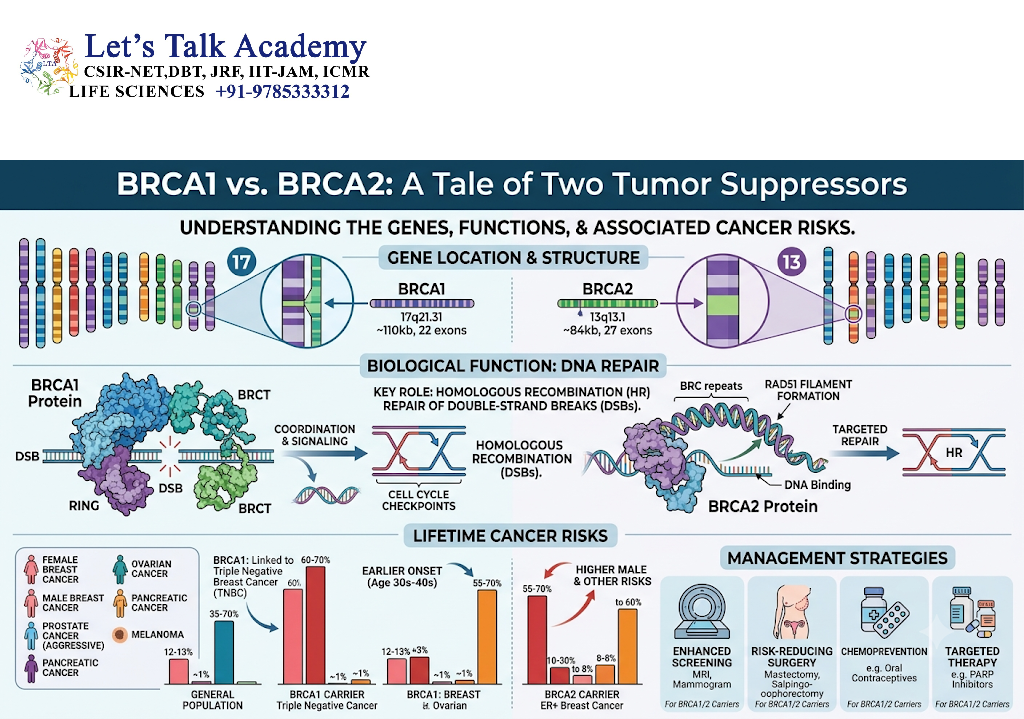
BRCA1 and BRCA2 are important tumor suppressor genes involved in maintaining genomic stability and repairing DNA damage, particularly through homologous recombination pathways.
8.1 DNA Double-Strand Breaks
DNA double-strand breaks are potentially dangerous forms of DNA damage.
Cells have several mechanisms for repairing them.
Homologous recombination provides a relatively accurate method of repairing certain double-strand breaks by using a homologous DNA template.
BRCA1 and BRCA2 participate in the machinery required for effective homologous recombination.
8.2 Consequences of BRCA Dysfunction
When BRCA-associated repair functions are impaired, cells can accumulate genomic abnormalities.
Over time, this increased genomic instability can contribute to tumor development.
BRCA-associated alterations are therefore important examples of how defects in DNA repair can function as tumor-promoting events.
9. DNA Repair Tumor Suppressor Genes
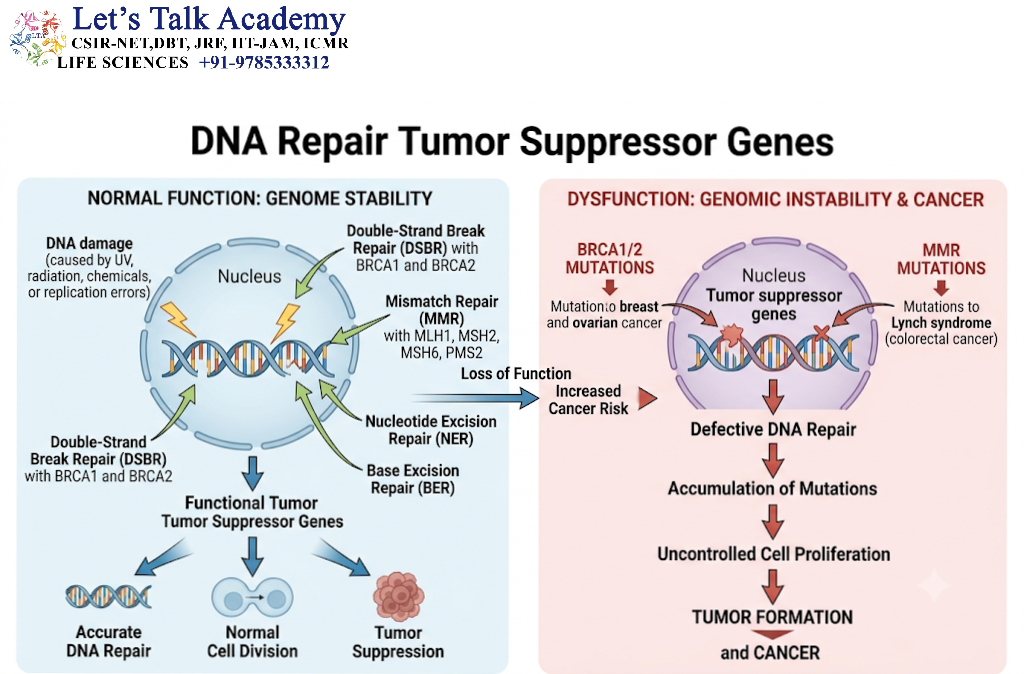
DNA repair genes maintain the accuracy and stability of the genome.
Important groups include genes involved in:
- Mismatch repair
- Homologous recombination
- DNA damage sensing
- Double-strand break repair
- Replication-error correction
9.1 Mismatch Repair
Mismatch repair corrects errors that arise during DNA replication.
Important mismatch repair genes include:
- MLH1
- MSH2
- MSH6
- PMS2
Loss of mismatch repair can cause accumulation of replication errors and lead to microsatellite instability in appropriate tumor contexts.
9.2 Genomic Instability
A major consequence of defective DNA repair is genomic instability.
This creates a dangerous cycle:
DNA repair defect → increased mutations → additional cellular abnormalities → further genomic instability → increased cancer risk
Thus, some tumor suppressors protect against cancer indirectly by maintaining the accuracy of DNA itself.
10. APC as a Tumor Suppressor
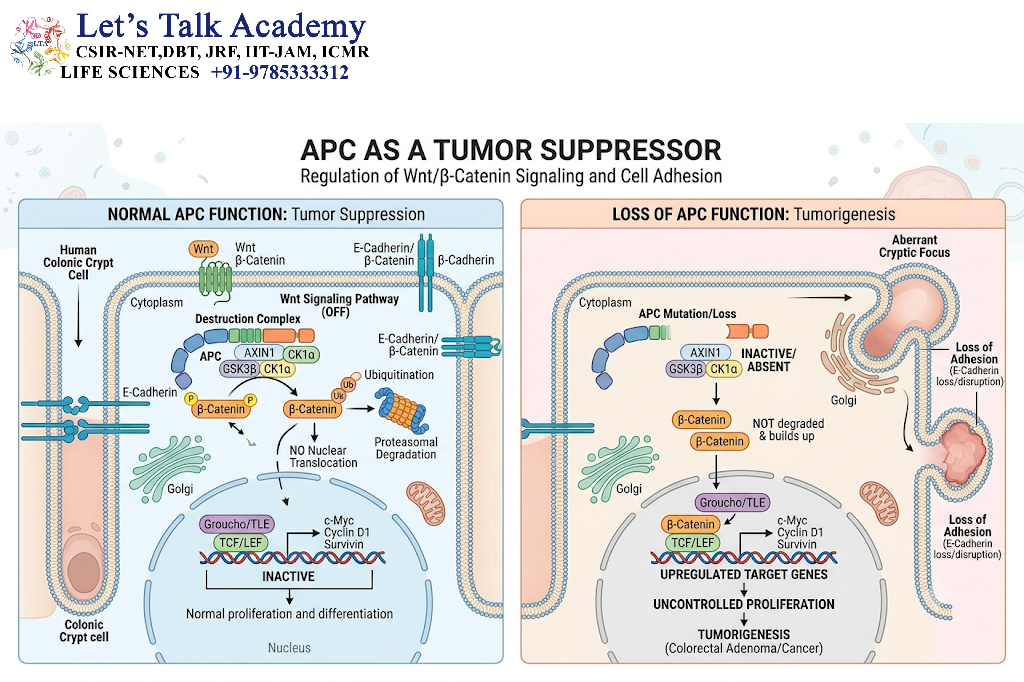
The APC gene encodes a protein involved in regulation of the Wnt/β-catenin signaling pathway.
The Wnt pathway plays important roles in:
- Development
- Stem-cell maintenance
- Tissue renewal
- Cell proliferation
Under conditions where Wnt signaling is not active, APC participates in a protein complex that contributes to the regulation and degradation of β-catenin.
When APC function is lost, β-catenin can accumulate and activate transcription of genes associated with proliferation.
The simplified relationship is:
Normal APC → β-catenin regulation → controlled proliferation
Loss of APC → β-catenin accumulation → increased proliferative signaling
APC dysfunction is particularly important in colorectal tumor development.
11. CDKN2A and Cell-Cycle Regulation
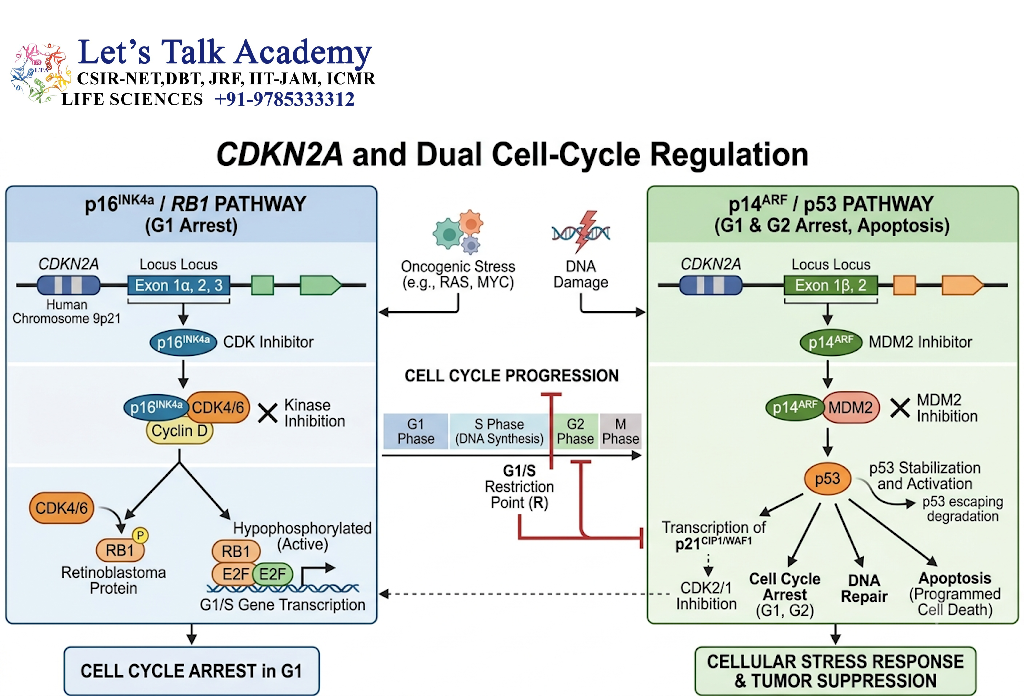
CDKN2A is an important tumor suppressor locus involved in cell-cycle control.
It produces proteins involved in regulating cyclin-dependent kinases and the RB pathway.
One important product, p16INK4a, inhibits CDK4 and CDK6.
The pathway can be simplified as:
p16 → CDK4/6 inhibition → RB remains active → E2F restrained → cell-cycle progression reduced
Loss of p16 activity can therefore contribute to inappropriate progression through the G1/S checkpoint.
12. Tumor Suppressor Genes and the Cell Cycle
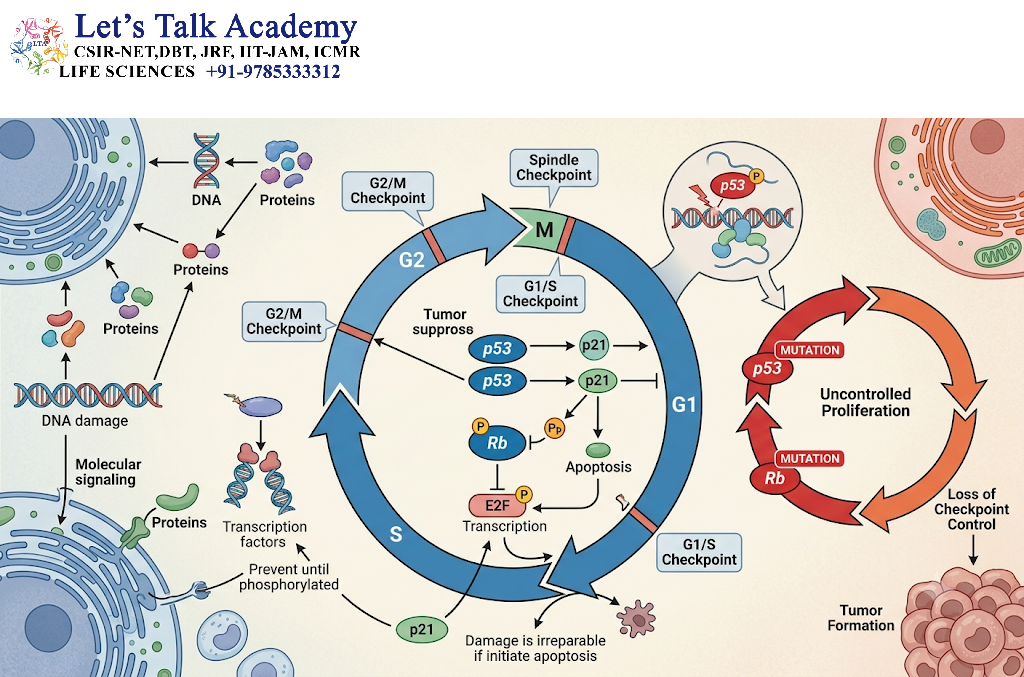
Cell-cycle regulation is one of the central functions of tumor suppressor pathways.
The cell cycle consists of:
G1 → S → G2 → M
Tumor suppressors act as surveillance systems at important checkpoints.
12.1 G1/S Checkpoint
The G1/S checkpoint determines whether a cell should proceed toward DNA replication.
Important regulators include:
- RB
- E2F
- p53
- p21
- p16
- Cyclin-dependent kinases
12.2 DNA Damage Checkpoint
When DNA damage is detected, tumor suppressor pathways can delay cell-cycle progression.
This provides time for repair.
12.3 G2/M Checkpoint
The G2/M checkpoint prevents cells with significant DNA abnormalities from entering mitosis prematurely.
Together, these checkpoints help prevent propagation of damaged genetic material.
13. Tumor Suppressor Genes and DNA Damage
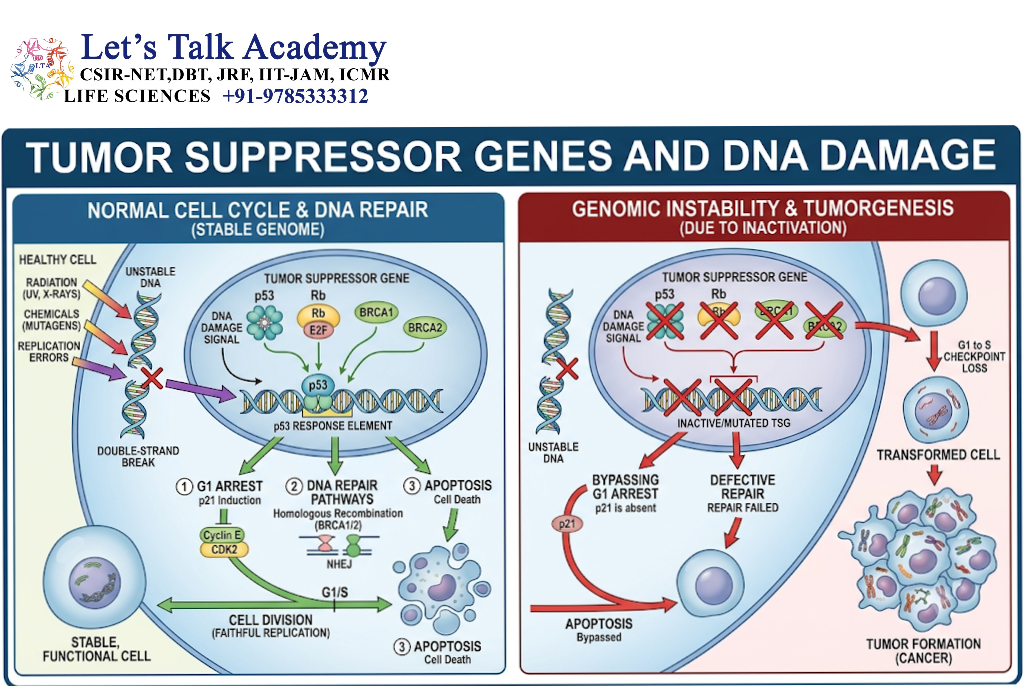
DNA is continuously exposed to damage from endogenous metabolic processes and environmental sources.
Potential sources include:
- Reactive oxygen species
- Replication errors
- Radiation
- Chemical mutagens
- DNA-crosslinking agents
- Spontaneous chemical changes
Tumor suppressor systems help detect and respond to these abnormalities.
The general response is:
DNA damage → damage sensing → checkpoint activation → repair → cell-cycle recovery
If repair is unsuccessful:
Persistent damage → senescence or apoptosis
This system helps prevent genetically damaged cells from becoming proliferative clones.
14. Tumor Suppressor Genes and Apoptosis
Apoptosis removes cells that are unnecessary or dangerous.
Tumor suppressor pathways can promote apoptosis when cells have accumulated excessive damage.
p53 is particularly important in this process.
A simplified sequence is:
Severe DNA damage → p53 activation → pro-apoptotic gene expression → mitochondrial pathway activation → caspase activation → apoptosis
Loss of this protective pathway allows damaged cells to survive.
Therefore, tumor suppressor genes contribute not only to stopping cell division but also to eliminating cells that should not remain alive.
15. Tumor Suppressor Genes and Cellular Senescence
Cellular senescence is a stable state in which a cell stops proliferating while remaining metabolically active.
Senescence can act as a protective barrier against malignant transformation.
Tumor suppressor pathways such as p53 and RB can contribute to the establishment and maintenance of cellular senescence.
When these pathways are disrupted, cells may bypass senescence and continue proliferating despite accumulating abnormalities.
16. Tumor Suppressor Genes and Genomic Stability
Genomic stability means maintaining the integrity and accurate transmission of genetic information.
Tumor suppressors contribute to genomic stability through:
- DNA repair
- Replication control
- Chromosome maintenance
- Cell-cycle checkpoints
- Damage-induced apoptosis
- Regulation of centrosome and chromosome behavior
Loss of these functions can produce an unstable cellular population in which additional mutations accumulate rapidly.
This creates favorable conditions for tumor evolution.
17. Tumor Suppressor Genes and Oncogenes
Cancer development involves both growth-promoting and growth-restraining pathways.
17.1 Functional Comparison
| Feature | Oncogenes | Tumor Suppressor Genes |
|---|---|---|
| Normal counterpart | Proto-oncogene | Normal tumor suppressor gene |
| Typical cancer alteration | Activation | Inactivation |
| Functional effect | Gain of function | Loss of function |
| Major effect | Increased growth/survival | Loss of growth restraint |
| Cellular behavior | Promotes proliferation | Restricts proliferation |
| Common genetic principle | One activated allele may be sufficient | Often requires loss of both functional copies |
| Examples | RAS, MYC, BCR-ABL | TP53, RB1, APC, PTEN |
The two categories should not be viewed as completely independent. They function within interconnected regulatory networks.
18. The Two-Hit Model in Detail
The two-hit model provides an important framework for understanding tumor suppressor gene inactivation.
Suppose a cell possesses two functional copies of a tumor suppressor gene:
Allele 1: functional
Allele 2: functional
If one allele becomes inactive:
Allele 1: altered
Allele 2: functional
The cell may still retain sufficient tumor suppressor activity.
If the second functional allele is subsequently lost:
Allele 1: altered
Allele 2: altered
The cell may lose effective tumor suppressor function.
This process is often called loss of heterozygosity, although loss of heterozygosity can occur through several molecular mechanisms.
19. Germline and Somatic Alterations
Tumor suppressor alterations can occur in either germline or somatic cells.
19.1 Germline Alterations
A germline alteration is present in essentially all cells of the body because it is inherited or arises early in development.
Individuals carrying certain germline pathogenic variants may have an increased predisposition to particular cancers.
Examples include inherited alterations involving:
- BRCA1
- BRCA2
- RB1
- APC
- Mismatch repair genes
19.2 Somatic Alterations
Somatic alterations arise during an individual’s lifetime in particular cells or tissues.
They are not generally present throughout the body.
Many tumors acquire tumor suppressor gene alterations through somatic mechanisms.
20. Epigenetic Inactivation of Tumor Suppressor Genes
Tumor suppressor genes can sometimes be silenced without changing their DNA sequence.
This can occur through epigenetic mechanisms such as:
- DNA methylation
- Histone modification
- Chromatin remodeling
- Regulatory RNA mechanisms
For example, promoter hypermethylation can reduce transcription of a tumor suppressor gene.
Therefore:
Normal DNA sequence ≠ necessarily normal gene expression
This is an important concept in modern cancer biology.
21. Mechanisms of Tumor Suppressor Gene Inactivation
Several mechanisms can eliminate or reduce tumor suppressor function.
21.1 Point Mutation
A nucleotide alteration can produce a defective protein.
21.2 Deletion
A chromosome segment containing the gene may be deleted.
21.3 Frameshift Mutation
Insertion or deletion of nucleotides can change the reading frame and produce a dysfunctional protein.
21.4 Nonsense Mutation
A mutation can generate a premature stop codon, producing a shortened protein.
21.5 Promoter Methylation
Epigenetic modification can suppress transcription.
21.6 Loss of Heterozygosity
A remaining functional allele can be lost through chromosomal deletion, recombination, or other mechanisms.
21.7 Dominant-Negative Effects
In some genes, a mutant protein can interfere with the function of the normal protein.
This mechanism is particularly relevant to certain TP53 alterations.
22. Major Tumor Suppressor Genes
| Gene | Major Function | Important Pathway or Process |
|---|---|---|
| TP53 | DNA-damage response, cell-cycle arrest, apoptosis | Genome surveillance |
| RB1 | Controls G1/S transition | RB–E2F pathway |
| APC | Regulates β-catenin | Wnt signaling |
| PTEN | Restrains growth and survival signaling | PI3K–AKT pathway |
| BRCA1 | DNA repair and genome maintenance | Homologous recombination |
| BRCA2 | DNA repair | Homologous recombination |
| CDKN2A | Inhibits CDK activity | Cell-cycle regulation |
| MLH1 | DNA mismatch repair | Genome maintenance |
| MSH2 | DNA mismatch repair | Genome maintenance |
| MSH6 | DNA mismatch repair | Genome maintenance |
| PMS2 | DNA mismatch repair | Genome maintenance |
23. Integrated Tumor Suppressor Pathways
Tumor suppressors do not operate as isolated proteins. They form interconnected pathways.
A simplified DNA damage response can be represented as:
DNA damage
↓
Damage sensing
↓
ATM/ATR-associated signaling
↓
p53 activation
↓
p21 induction
↓
CDK inhibition
↓
Cell-cycle arrest
↓
DNA repair
If damage is excessive:
p53 activation
↓
Pro-apoptotic signaling
↓
Caspase activation
↓
Apoptosis
This network prevents damaged cells from continuing through the cell cycle.
24. Tumor Suppressor Genes in Cancer Development
Cancer usually develops through multiple genetic and epigenetic changes.
A simplified model is:
Normal cell
↓
Growth-promoting alteration
↓
Loss of growth control
↓
Tumor suppressor inactivation
↓
Additional genomic alterations
↓
Clonal expansion
↓
Tumor progression
The exact sequence differs among cancer types.
A tumor may contain alterations in oncogenes, tumor suppressors, DNA repair genes, metabolic pathways, and genes controlling interactions with the surrounding tissue.
25. Driver and Passenger Alterations
Tumors can contain many genetic abnormalities.
25.1 Driver Alterations
Driver alterations provide a selective advantage to tumor cells.
Loss of an important tumor suppressor can be a driver event because it removes a barrier to proliferation or survival.
25.2 Passenger Alterations
Passenger alterations do not substantially contribute to the growth advantage of the tumor.
Distinguishing drivers from passengers is an important objective of cancer genomics.
26. Tumor Suppressor Genes and Cancer Predisposition
Certain inherited alterations in tumor suppressor genes can increase the probability of developing cancer.
The underlying principle is that an individual begins life with one altered allele in relevant cells, reducing the number of additional events required to eliminate tumor suppressor function in a susceptible cell.
This does not mean that cancer is inevitable. Rather, the inherited alteration changes the probability of developing particular cancers.
Environmental exposures, additional somatic alterations, tissue-specific biology, and other genetic factors can influence tumor development.
27. Tumor Suppressor Genes and Precision Medicine
Understanding tumor suppressor alterations can provide important molecular information about tumors.
Modern cancer genomics can examine:
- Gene mutations
- Copy-number changes
- Gene deletions
- Structural rearrangements
- DNA methylation
- Gene expression
- DNA repair status
The resulting molecular profile can help characterize tumor biology and, in appropriate clinical contexts, guide therapeutic decisions.
However, the significance of a particular tumor suppressor alteration depends on the specific gene, variant, tumor type, and broader molecular context.
28. Important Conceptual Differences
28.1 Oncogene Activation
Normal proto-oncogene → activating alteration → excessive growth signal
28.2 Tumor Suppressor Inactivation
Normal tumor suppressor → inactivating alteration → loss of growth restraint
28.3 DNA Repair Defect
Normal repair system → loss of repair activity → increased mutation accumulation
28.4 Apoptosis Defect
Normal damaged cell → apoptosis
versus
Apoptosis pathway defective → damaged cell survives
These mechanisms can cooperate during cancer development.
29. Important Examples Explained Together
A useful way to remember major tumor suppressors is to associate each gene with its principal biological role.
TP53 — Genome surveillance
p53 responds to cellular stress and DNA damage and can induce cell-cycle arrest, senescence, or apoptosis.
RB1 — Cell-cycle control
RB restrains E2F and helps regulate the G1/S transition.
APC — Wnt regulation
APC helps control β-catenin and therefore regulates Wnt-associated proliferative signaling.
PTEN — Growth signaling restraint
PTEN antagonizes PI3K-associated signaling and limits AKT-mediated growth and survival signals.
BRCA1/BRCA2 — DNA repair
BRCA proteins support accurate repair of DNA damage through homologous recombination.
CDKN2A — CDK inhibition
p16INK4a inhibits CDK4/6 and helps maintain RB-mediated cell-cycle control.
30. Common Misconceptions About Tumor Suppressor Genes
30.1 Tumor Suppressor Genes Do Not Always Directly Suppress Tumors
The term “tumor suppressor” refers to their normal ability to prevent or restrict processes that contribute to tumor formation.
Some function indirectly by maintaining DNA integrity or regulating signaling pathways.
30.2 One Mutation Does Not Always Produce Cancer
Cancer usually requires multiple cooperating alterations.
A single mutation may increase susceptibility or provide a selective advantage without being sufficient for full malignant transformation.
30.3 Not All Tumor Suppressor Genes Follow the Classical Two-Hit Model
The two-hit model is highly useful but does not explain every tumor suppressor gene.
Haploinsufficiency, dominant-negative effects, epigenetic mechanisms, and other molecular processes can alter the classical pattern.
30.4 Tumor Suppressors Are Not Limited to Cell-Cycle Proteins
They include proteins involved in:
- DNA repair
- Apoptosis
- Cell signaling
- Chromatin regulation
- Genome stability
- Cellular senescence
31. Integrated Comparison of Major Tumor Suppressors
| Gene | Protein/Function | Main Cellular Role | Consequence of Loss |
|---|---|---|---|
| TP53 | Transcription factor | DNA-damage response | Damaged cells continue dividing |
| RB1 | Cell-cycle regulator | G1/S checkpoint | Excessive E2F activity |
| APC | Signaling regulator | β-catenin regulation | Increased Wnt signaling |
| PTEN | Lipid phosphatase | PI3K pathway restraint | Increased AKT signaling |
| BRCA1 | DNA repair protein | Homologous recombination | Genomic instability |
| BRCA2 | DNA repair protein | Homologous recombination | Defective DNA repair |
| CDKN2A | CDK inhibitor | Cell-cycle inhibition | Increased CDK4/6 activity |
32. Tumor Suppressor Genes and Genomic Evolution
A tumor is not a static population of identical cells.
As tumor cells divide, they can acquire new genetic and epigenetic alterations.
If a new alteration provides a selective advantage, that cellular population may expand.
For example:
Initial tumor cell
↓
Loss of a tumor suppressor
↓
Increased proliferation
↓
Additional mutation
↓
Further selective advantage
↓
Clonal expansion
This process contributes to tumor heterogeneity.
Different subclones within the same tumor may therefore possess different combinations of tumor suppressor alterations and other genomic changes.


