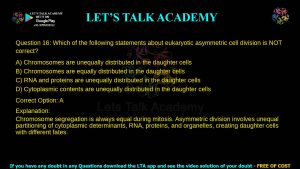
1. Strategies of Cell Division Cell division is one of the most fundamental biological processes through which living organisms grow, develop, reproduce, repair damaged tissues, and maintain cellular organization. A […]
1. Introduction to Growth Kinetics Growth kinetics is the quantitative study of the rate at which biological cells or microorganisms increase in number, biomass, or cellular components over time. In […]
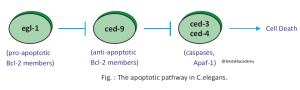
1. Introduction to Apoptosis 1.1 Definition of Apoptosis Apoptosis is a genetically regulated and highly coordinated form of programmed cell death in which a cell actively dismantles itself and is […]
1. Necrosis and Autophagy Cell survival depends on a delicate balance between growth, adaptation, repair, and cell death. Cells continuously respond to changes in their environment, including nutrient availability, oxygen […]
1. Introduction The cell cycle is a highly organized sequence of events through which a cell grows, duplicates its genetic material, and divides into two daughter cells. Because DNA replication […]
1. Steps in the Cell Cycle The cell cycle is a highly organized and precisely regulated series of events through which a cell grows, duplicates its genetic material, and divides […]
1. Introduction Cell division is one of the fundamental processes of life. It allows organisms to grow, replace damaged cells, reproduce, and maintain genetic continuity. In eukaryotic organisms, two major […]
1. Introduction to Euchromatin Chromatin is the organized form of DNA and associated proteins found inside the nucleus of eukaryotic cells. Because the DNA molecule is extremely long compared with […]
1. Introduction Genomes are not completely static repositories of genetic information. In addition to genes and regulatory sequences, genomes contain DNA sequences capable of changing their positions or generating new […]
1. Introduction The eukaryotic genome is organized into chromatin, a complex composed primarily of DNA and associated proteins. Chromatin is not uniformly arranged throughout the nucleus. Some regions remain relatively […]