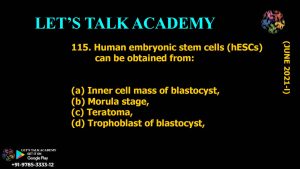
1. Introduction to Haematopoiesis 1.1 Definition of Haematopoiesis Haematopoiesis, also spelled hematopoiesis, is the highly regulated biological process through which all mature blood cells are produced from a small population […]
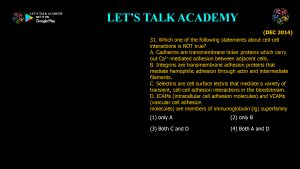
1. Introduction Cells continuously interact with their surrounding extracellular environment. One of the most important groups of proteins that mediate these interactions is the integrin family. Integrins are transmembrane cell-surface […]
1. Introduction Cells in multicellular organisms are surrounded by a complex network of proteins, carbohydrates and other macromolecules known as the extracellular matrix (ECM). The extracellular matrix is present outside […]
1. Introduction to Gap Junctions Cells in multicellular organisms do not function as isolated units. They constantly communicate with neighboring cells to coordinate growth, metabolism, movement, development, and responses to […]
1. Introduction Cells in multicellular organisms do not exist as isolated units. They interact continuously with neighboring cells, the extracellular matrix (ECM), and surrounding tissues. These interactions are essential for […]
1. Introduction Cells constantly receive information from their external environment. Hormones, neurotransmitters, growth factors, cytokines and other signaling molecules interact with cells and influence their behavior. Many signaling molecules are […]
1. Introduction to Bacterial Behavior and Communication Bacteria are microscopic organisms that can sense changes in their surroundings, respond to environmental signals, move toward favorable conditions, avoid harmful substances, and […]
1. Introduction Cells do not function as isolated units. In multicellular organisms, cells continuously communicate with one another to coordinate growth, development, metabolism, immune responses, tissue organization, reproduction and maintenance […]
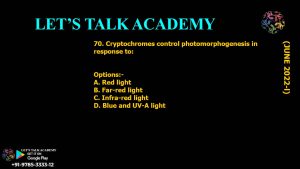
1. Introduction to Light Signaling in Plants 1.1 Overview of Light Signaling Light is one of the most important environmental factors controlling plant growth and development. Unlike animals, plants cannot […]
1. Introduction to Two-Component Systems Living organisms constantly interact with their surroundings. Bacteria must detect changes in temperature, nutrient availability, osmotic pressure, pH, toxic substances, and the presence of other […]