
1. Introduction
Cells constantly receive information from their external environment. Hormones, neurotransmitters, growth factors, cytokines and other signaling molecules interact with cells and influence their behavior.
Many signaling molecules are large, polar or charged and therefore cannot freely cross the hydrophobic interior of the plasma membrane. These molecules communicate with the cell through cell surface receptors.
Cell surface receptors are specialized proteins embedded in the plasma membrane. They recognize extracellular signaling molecules and convert their binding into intracellular biochemical or electrical signals.
A general mechanism is:
Extracellular signal
↓
Cell surface receptor
↓
Receptor activation
↓
Intracellular signaling pathway
↓
Effector proteins
↓
Cellular response
Cell surface receptors are therefore essential components of signal transduction and allow cells to respond rapidly and specifically to their surroundings.
2. Definition of Cell Surface Receptors
2.1 Definition
Cell surface receptors are transmembrane proteins located in the plasma membrane that recognize extracellular signaling molecules and transmit information into the cell.
They contain regions that interact with:
- Extracellular signaling molecules
- The plasma membrane
- Intracellular signaling proteins
3. Basic Structure of Cell Surface Receptors
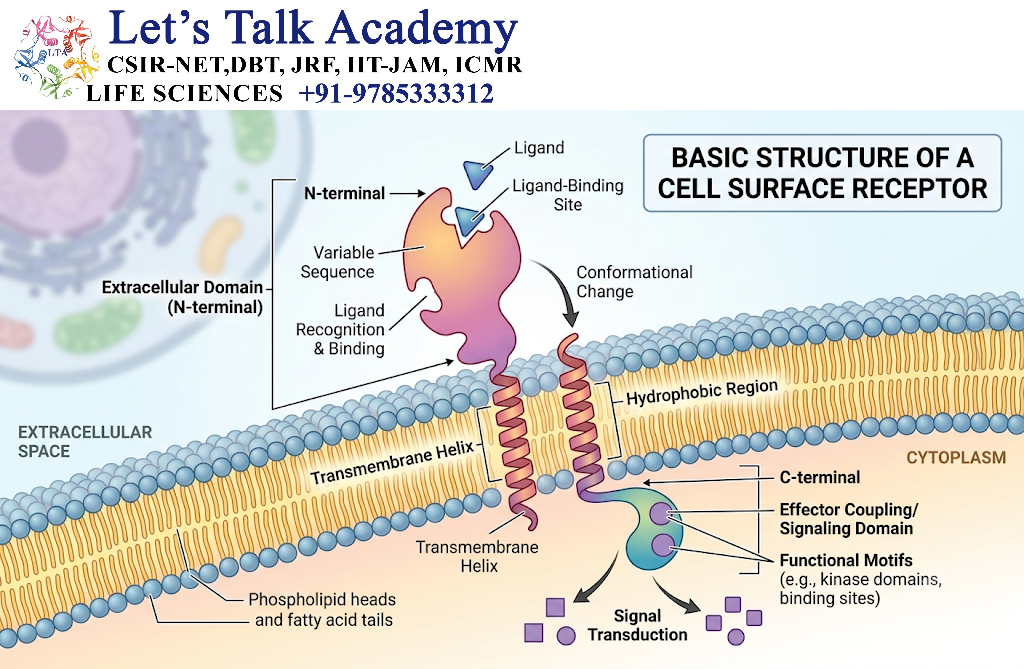
Most cell surface receptors have three functional regions:
3.1 Extracellular Domain
The extracellular portion interacts with the signaling molecule.
It determines much of the receptor’s ligand specificity.
3.2 Transmembrane Domain
The transmembrane region anchors the receptor within the plasma membrane.
It also helps transmit conformational changes across the membrane.
3.3 Intracellular Domain
The intracellular region interacts with signaling proteins or possesses enzymatic activity.
It initiates downstream signaling events.
General structure:
Extracellular domain
↓
Transmembrane region
↓
Intracellular domain
Not every receptor has the same architecture. Some receptors consist of multiple subunits, and their signaling domains may be provided by associated proteins.
4. Characteristics of Cell Surface Receptors
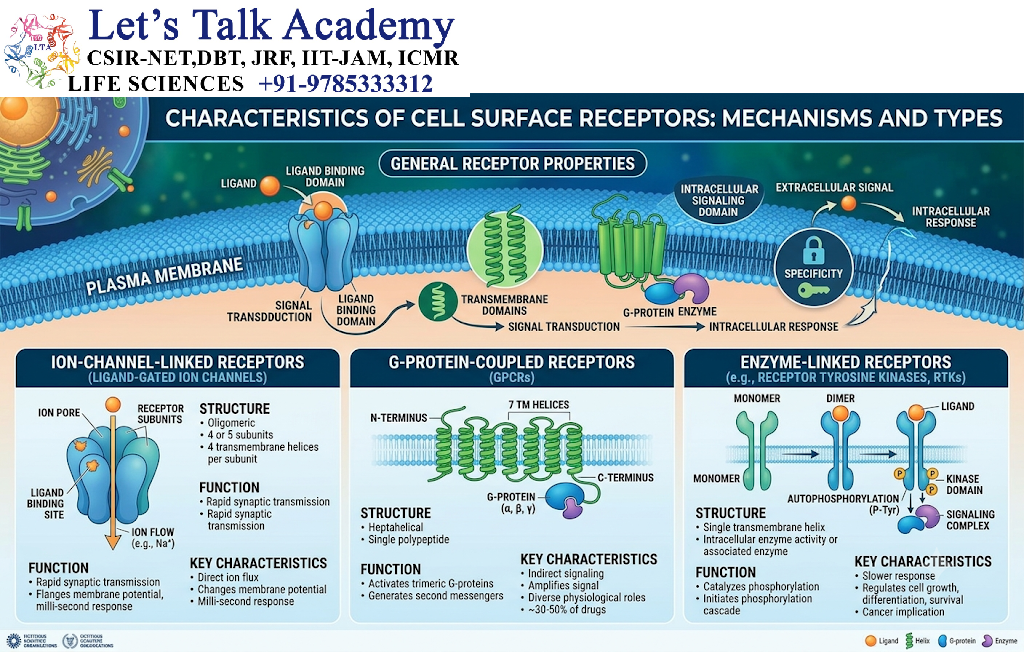
Important characteristics include:
- Located in the plasma membrane
- Recognize extracellular ligands
- Possess ligand-binding specificity
- Convert extracellular information into intracellular signals
- Can activate enzymatic pathways
- Can regulate ion flow
- Can activate second-messenger systems
- Can influence gene expression
- Their activity is tightly regulated
5. Major Classes of Cell Surface Receptors
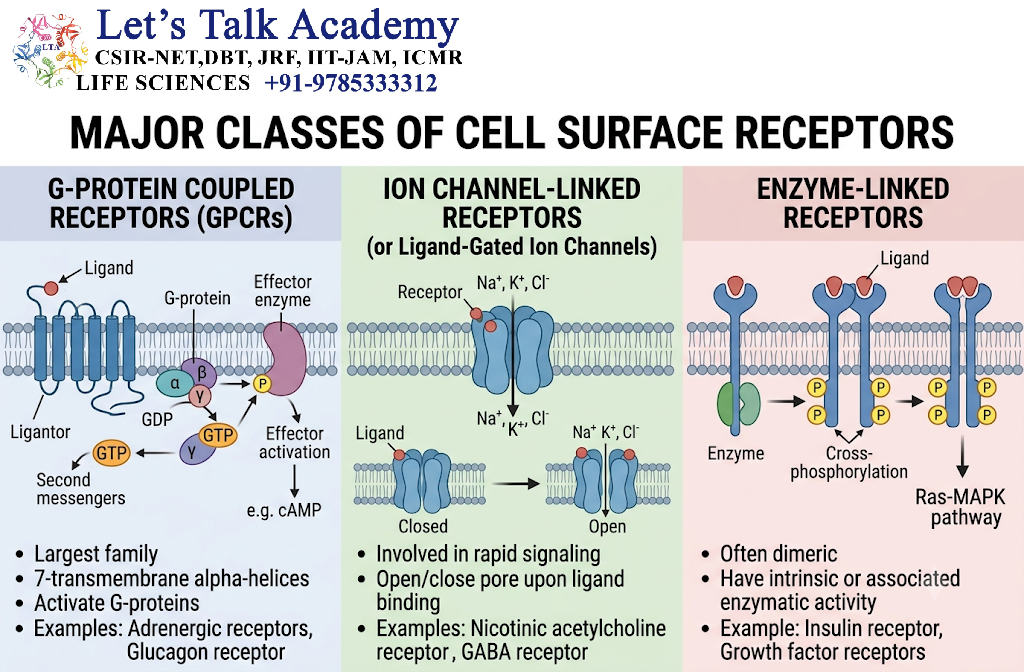
The major classes include:
- G-protein-coupled receptors
- Receptor tyrosine kinases
- Cytokine receptors
- Receptor serine/threonine kinases
- Receptor guanylyl cyclases
- Ligand-gated ion channels
- Integrin-associated signaling receptors
Each class uses a different mechanism to transmit information across the plasma membrane.
6. G-Protein-Coupled Receptors
6.1 Introduction
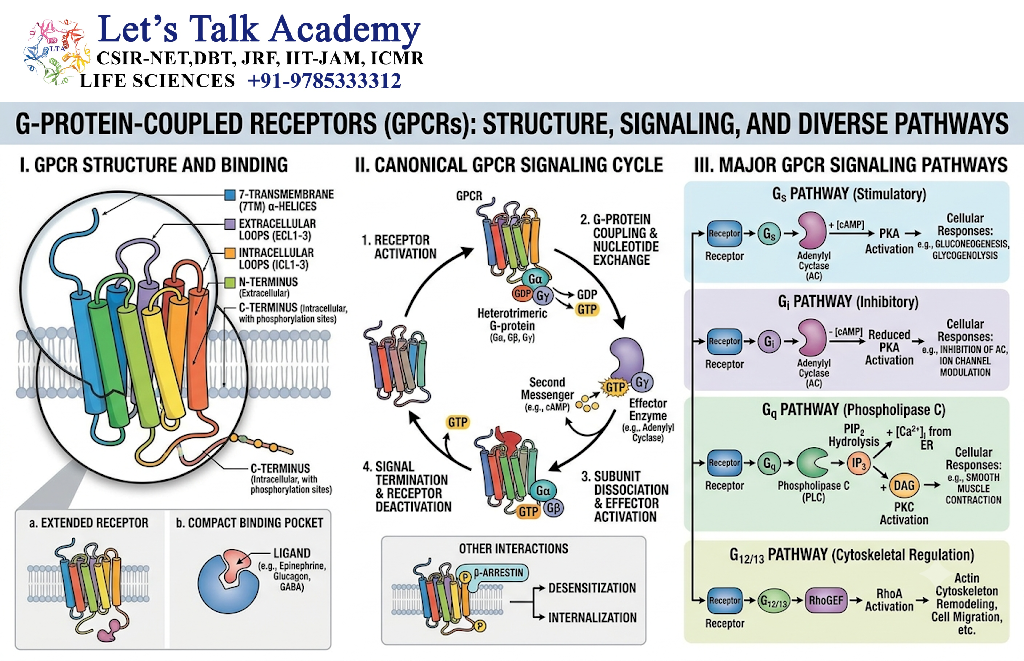
G-protein-coupled receptors (GPCRs) form one of the largest families of cell surface receptors.
They are also called seven-transmembrane receptors because the receptor polypeptide crosses the plasma membrane seven times.
6.2 Structure
GPCRs generally contain:
- An extracellular N-terminal region
- Seven transmembrane α-helices
- Intracellular loops
- An intracellular C-terminal region
6.3 Mechanism
A signaling molecule binds to the GPCR.
This changes the receptor’s conformation and promotes activation of a heterotrimeric G protein.
The G protein contains:
- α subunit
- β subunit
- γ subunit
In the inactive state:
Gα-GDP → inactive
Upon receptor activation:
GDP is exchanged for GTP
Then:
Gα-GTP → active
The activated G protein can regulate downstream effectors.
6.4 Major GPCR Pathways
Important pathways include:
Gs → Adenylyl cyclase → cAMP → PKA
Gi → inhibition of adenylyl cyclase
Gq → PLC → IP₃ + DAG → Ca²⁺/PKC
6.5 Functions
GPCRs regulate:
- Heart rate
- Smooth-muscle activity
- Smell
- Taste
- Neurotransmission
- Hormonal responses
- Metabolism
7. Receptor Tyrosine Kinases
7.1 Introduction
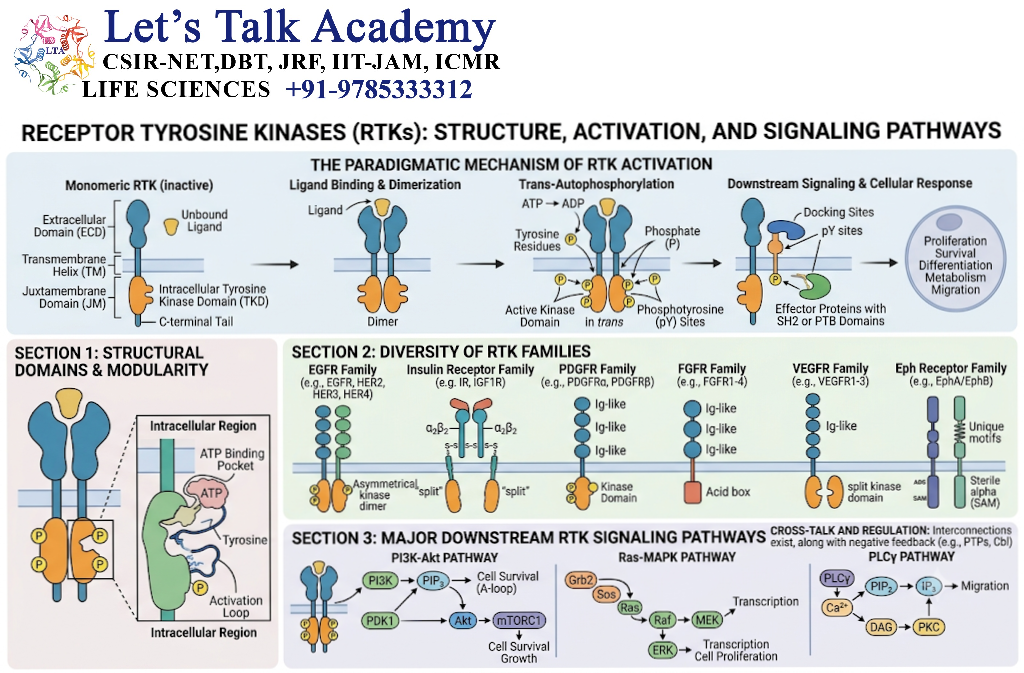
Receptor tyrosine kinases (RTKs) are cell surface receptors with intrinsic or closely associated tyrosine kinase signaling activity.
They are important receptors for many:
- Growth factors
- Insulin
- Cytokine-like growth signals
- Developmental signals
7.2 Basic Structure
An RTK generally contains:
- Extracellular ligand-binding domain
- Single transmembrane α-helix
- Intracellular tyrosine kinase domain
7.3 Activation Mechanism
A typical mechanism is:
Ligand binding
↓
Receptor dimerization or rearrangement
↓
Kinase activation
↓
Tyrosine phosphorylation
↓
Adaptor protein recruitment
↓
Downstream signaling
Activated RTKs can stimulate several pathways.
7.4 Major RTK Pathways
Ras-MAPK Pathway
RTK
↓
Adaptor proteins
↓
Ras-GTP
↓
Raf
↓
MEK
↓
ERK
↓
Gene expression and cellular response
This pathway is particularly important in:
- Cell proliferation
- Growth
- Differentiation
PI3K-AKT Pathway
RTK
↓
PI3K
↓
PIP₃
↓
AKT
↓
Cell survival, metabolism and growth
PLCγ Pathway
RTKs can also activate PLCγ.
PLCγ
↓
PIP₂
↓
IP₃ + DAG
↓
Ca²⁺ + PKC
↓
Cellular response
8. Cytokine Receptors
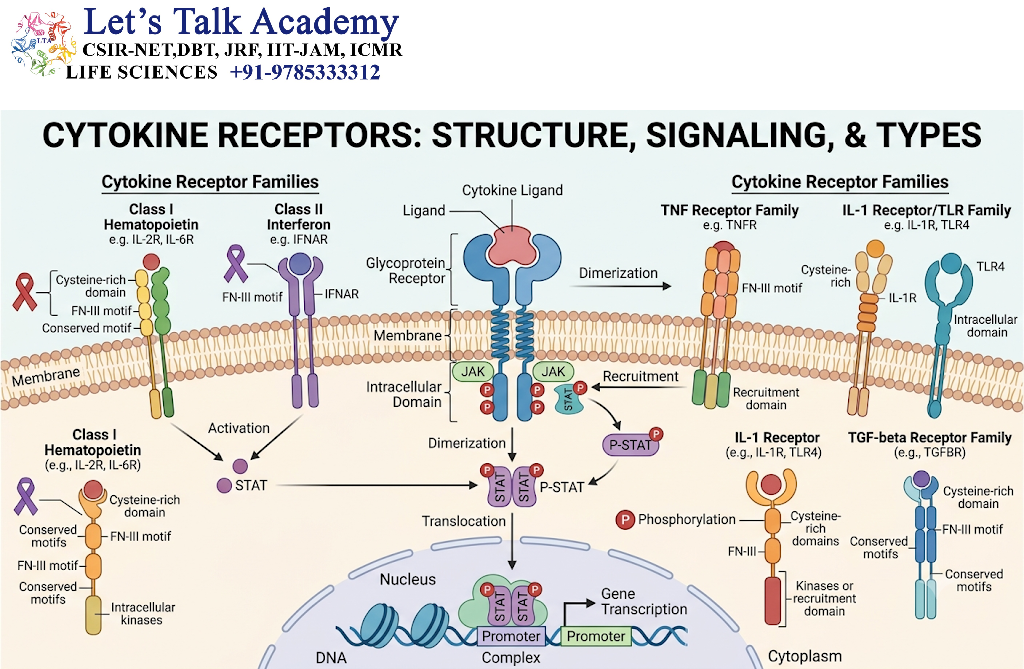
Cytokine receptors bind cytokines and regulate immune, inflammatory, hematopoietic and other cellular responses.
Many cytokine receptors do not possess intrinsic kinase activity.
Instead, they associate with cytoplasmic tyrosine kinases such as JAKs (Janus kinases).
8.1 JAK-STAT Mechanism
Cytokine
↓
Cytokine receptor
↓
JAK activation
↓
Receptor phosphorylation
↓
STAT phosphorylation
↓
STAT dimerization
↓
Nuclear entry
↓
Gene transcription
The major pathway is known as the JAK-STAT pathway.
8.2 Functions
Cytokine receptor signaling regulates:
- Immune responses
- Inflammation
- Cell proliferation
- Hematopoiesis
- Cell differentiation
9. Receptor Serine/Threonine Kinases
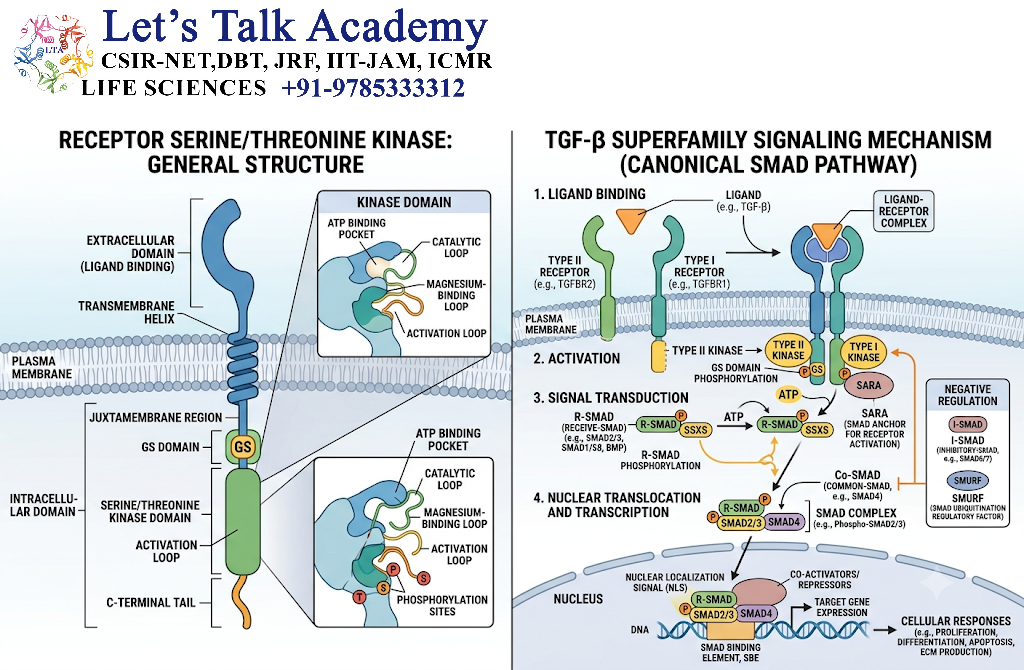
These receptors contain intracellular kinase domains that phosphorylate serine or threonine residues on target proteins.
A major example is the TGF-β receptor family.
9.1 TGF-β Signaling
A simplified mechanism is:
TGF-β
↓
Receptor activation
↓
SMAD phosphorylation
↓
SMAD complex formation
↓
Nucleus
↓
Gene regulation
This pathway participates in:
- Cell differentiation
- Development
- Tissue homeostasis
- Extracellular matrix regulation
- Cell growth control
10. Receptor Guanylyl Cyclases
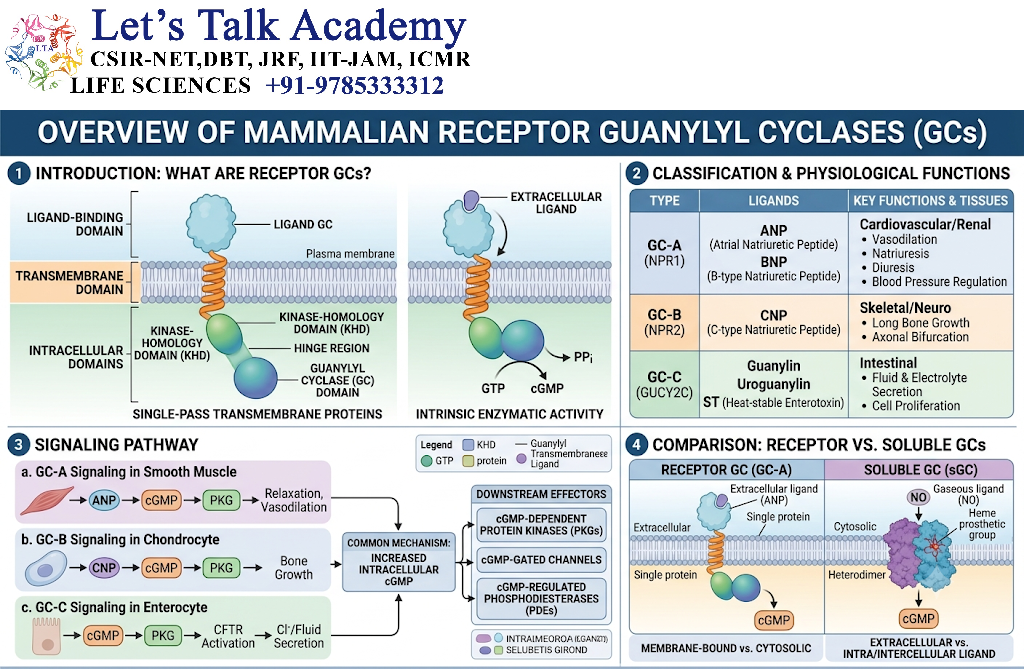
Some cell surface receptors contain an intracellular guanylyl cyclase catalytic domain.
When activated, they convert GTP into cGMP.
GTP → cGMP
cGMP can activate protein kinase G (PKG) and other effectors.
These receptors participate in processes such as:
- Fluid and electrolyte regulation
- Vascular signaling
- Growth regulation
11. Ligand-Gated Ion Channels
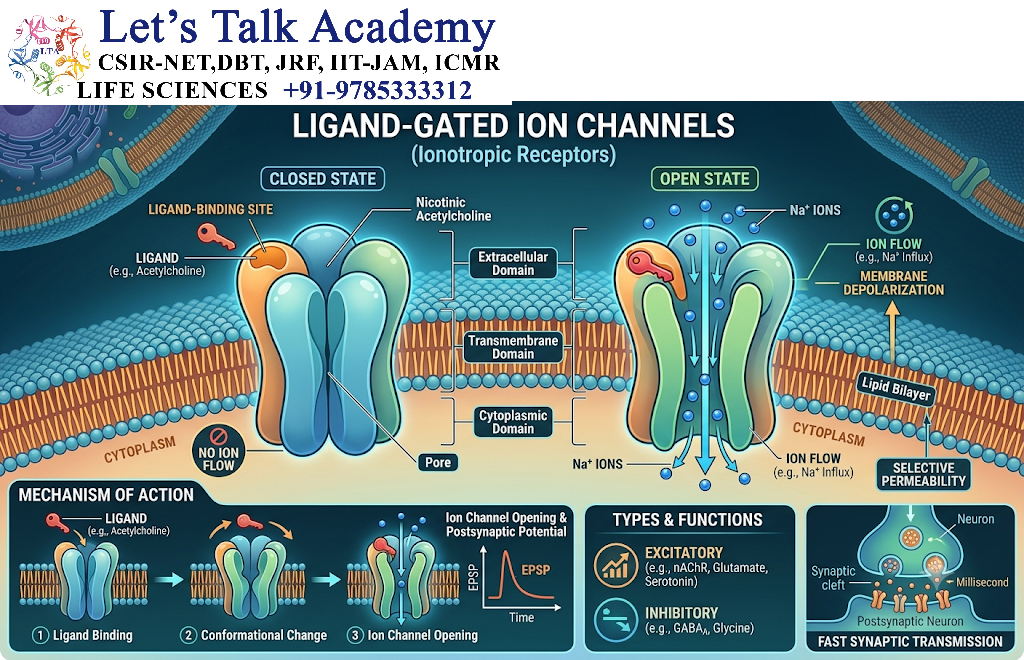
Ligand-gated ion channels are membrane proteins that function both as receptors and ion channels.
A ligand binds to the receptor, causing the channel to open or close.
11.1 General Mechanism
Ligand
↓
Ion-channel receptor
↓
Channel opening
↓
Ion movement
↓
Change in membrane potential or intracellular ion concentration
↓
Cellular response
11.2 Examples
Important ligand-gated channels include receptors for:
- Acetylcholine
- GABA
- Glutamate
- Glycine
These receptors are particularly important in neuronal communication.
12. Integrins as Cell Surface Signaling Receptors
Integrins are transmembrane proteins that connect cells to the extracellular matrix.
They are important not only for adhesion but also for signal transduction.
Integrins interact with extracellular matrix components and intracellular proteins connected to the cytoskeleton.
They can influence:
- Cell adhesion
- Cell migration
- Cell survival
- Cell proliferation
- Cytoskeletal organization
A simplified pathway is:
Extracellular matrix
↓
Integrin
↓
Cytoplasmic signaling proteins
↓
Cytoskeleton + signaling pathways
↓
Cellular response
13. Ligand Binding and Receptor Activation
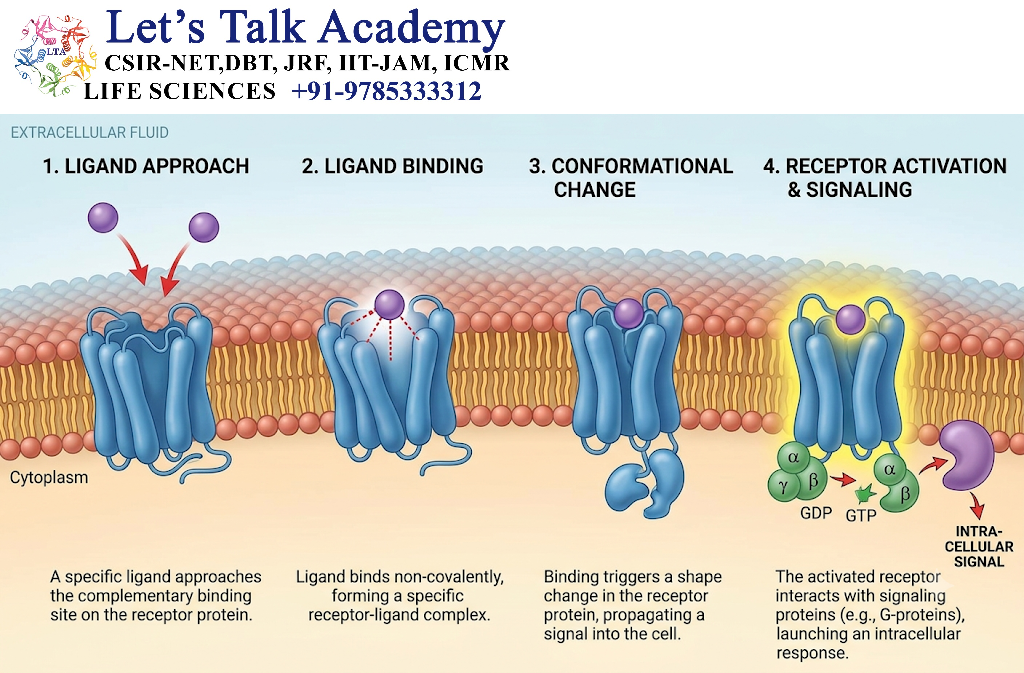
The binding of a ligand to its receptor often changes the receptor’s conformation.
This conformational change can:
- Activate an enzyme
- Recruit signaling proteins
- Open an ion channel
- Activate a G protein
- Promote receptor dimerization
Thus:
Ligand binding → conformational change → signal generation
14. Receptor Affinity
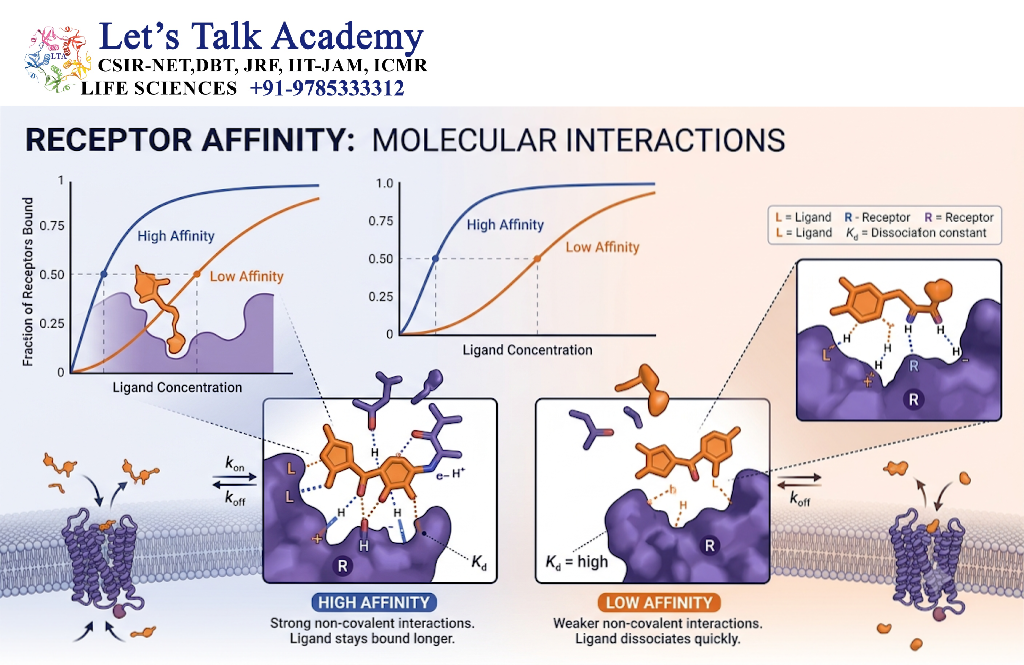
Receptor affinity refers to the strength with which a receptor binds its ligand.
High-affinity receptors can bind their ligands effectively at relatively low concentrations.
However, receptor affinity alone does not determine the biological response. Receptor abundance, downstream signaling components and cellular context also influence responsiveness.
15. Receptor Specificity
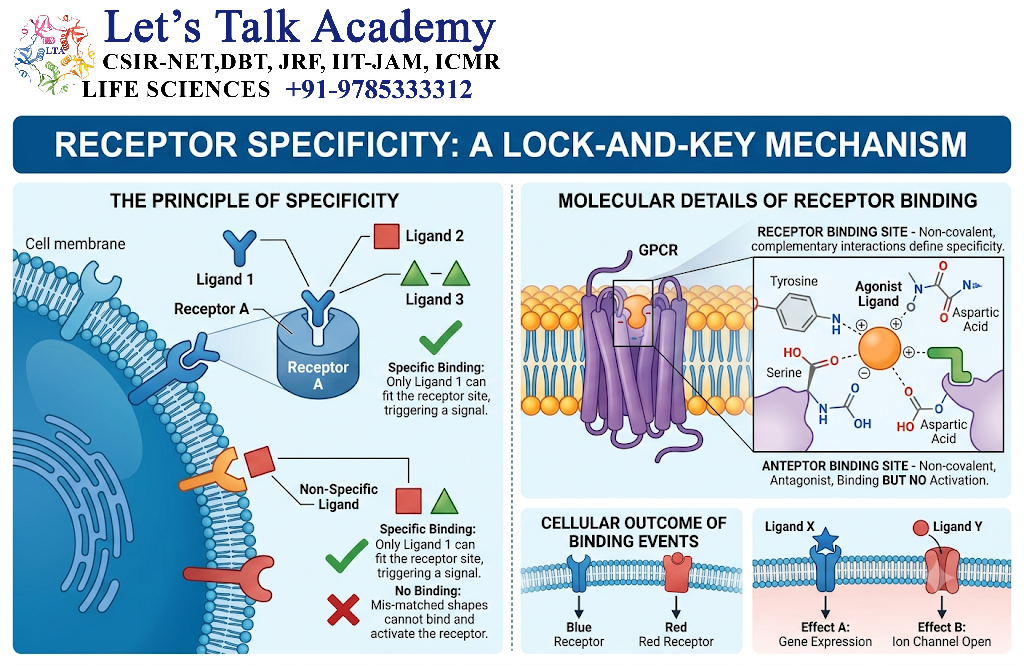
A receptor recognizes particular ligands or groups of related ligands.
This specificity allows cells to distinguish between different extracellular signals.
For example:
Ligand A → Receptor A → Response A
while:
Ligand A → Cell without receptor A → No direct receptor-mediated response
16. Receptor Activation and Signal Amplification
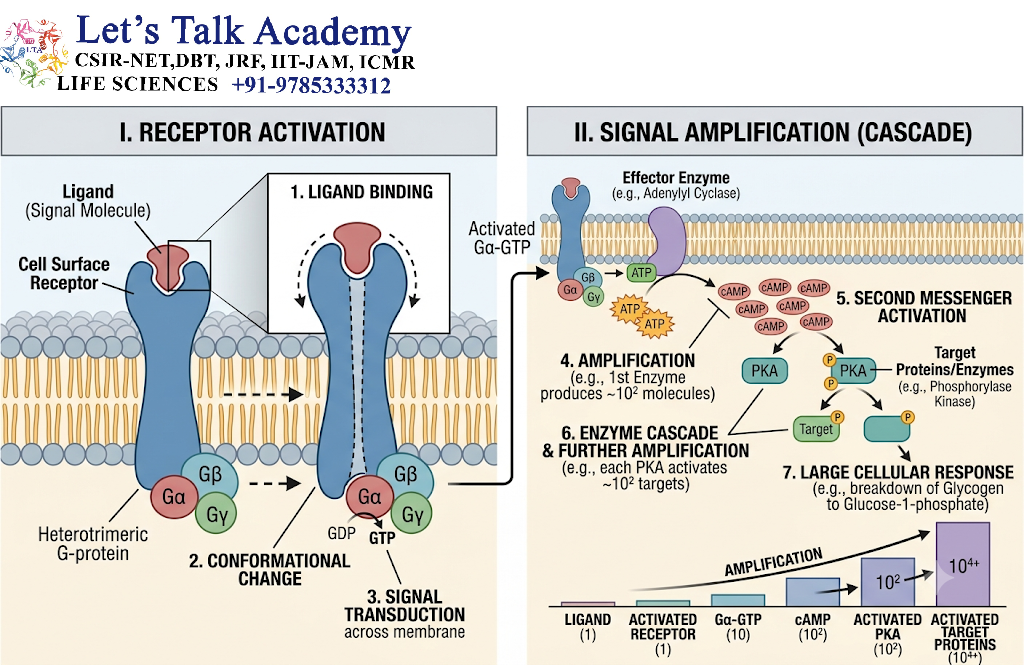
Cell surface receptors can initiate powerful intracellular responses.
For example:
One activated receptor
↓
Multiple G proteins
↓
Many second messengers
↓
Multiple kinases
↓
Many target proteins
Therefore, receptor activation can amplify an extracellular signal.
17. Second Messengers Activated by Cell Surface Receptors
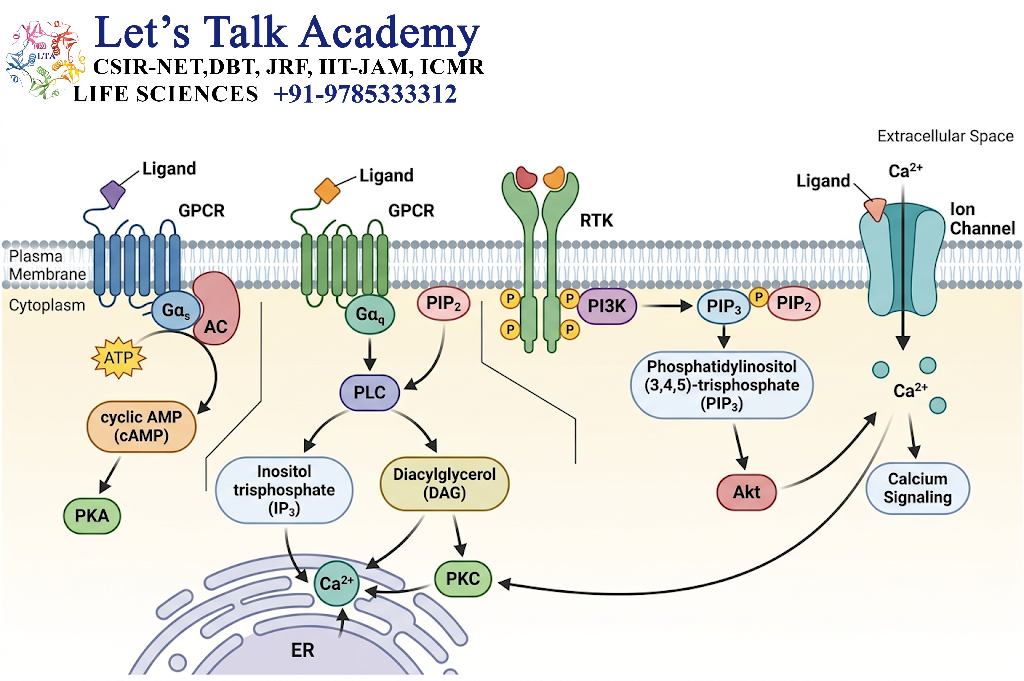
Several cell surface receptors activate second-messenger systems.
17.1 cAMP
GPCR → Adenylyl cyclase → cAMP → PKA
17.2 IP₃ and DAG
GPCR/RTK → PLC → PIP₂ → IP₃ + DAG
17.3 Ca²⁺
IP₃ → ER Ca²⁺ release
17.4 cGMP
Guanylyl cyclase → cGMP → PKG
Second messengers allow receptor activation to be rapidly distributed throughout the cell.
18. Receptor Regulation
Cell surface receptors must be tightly regulated.
Major mechanisms include:
- Receptor phosphorylation
- Desensitization
- Internalization
- Recycling
- Degradation
- Changes in receptor synthesis
These mechanisms prevent excessive or prolonged signaling.
19. Receptor Desensitization
Desensitization occurs when a receptor becomes less responsive to continuous or repeated stimulation.
For GPCRs:
Persistent ligand
↓
Receptor phosphorylation
↓
β-arrestin recruitment
↓
Reduced G-protein coupling
↓
Reduced signaling
This helps protect cells from excessive stimulation.
20. Receptor Internalization
Activated receptors can be removed from the plasma membrane through endocytosis.
Cell-surface receptor
↓
Endocytosis
↓
Endosome
↓
Recycling or degradation
Internalization can reduce receptor availability and modify signaling duration.
21. Receptor Recycling
Some internalized receptors return to the plasma membrane.
Receptor → Endosome → Recycling → Plasma membrane
Recycling allows the cell to restore receptor availability.
22. Receptor Degradation
Some receptors are transported toward degradation pathways.
This can result in long-term reduction in receptor abundance.
Receptor
↓
Ubiquitination
↓
Endocytic trafficking
↓
Degradation
↓
Reduced signaling capacity
23. Signal Termination
Cell surface receptor signaling can be terminated through multiple mechanisms.
These include:
- Ligand removal
- Receptor inactivation
- GTP hydrolysis
- Second-messenger degradation
- Protein dephosphorylation
- Receptor internalization
- Protein degradation
Therefore:
Signal activation → response → negative regulation → termination
24. Receptor Crosstalk
Different receptor systems can interact with one another.
For example:
GPCR signaling ↔ RTK signaling
or:
Integrin signaling ↔ growth-factor receptor signaling
Crosstalk allows cells to integrate multiple extracellular signals.
25. Cell Surface Receptors and Gene Expression
Although cell surface receptors are located at the plasma membrane, their effects can reach the nucleus.
For example:
Growth factor
↓
RTK
↓
Ras-MAPK
↓
ERK
↓
Transcription factors
↓
Gene expression
Therefore, membrane receptor activation can ultimately change protein production.
26. Cell Surface Receptors and Cellular Responses
Activation of cell surface receptors can produce different responses.
26.1 Metabolic Response
Hormonal signals can rapidly change enzyme activity and nutrient metabolism.
26.2 Electrical Response
Ion-channel receptors can alter membrane potential.
26.3 Secretory Response
Receptor signaling can promote secretion of hormones or neurotransmitters.
26.4 Growth Response
Growth-factor receptors can stimulate cell proliferation and growth.
26.5 Differentiation
Signaling pathways can change gene-expression programs responsible for cell specialization.
26.6 Cell Survival
Some receptor pathways activate intracellular mechanisms that promote survival.
26.7 Cell Migration
Integrins and growth-factor receptors regulate cytoskeletal organization and migration.
27. Comparison of Major Cell Surface Receptors
| Receptor Type | Main Mechanism | Major Signaling Pathway | Important Functions |
|---|---|---|---|
| GPCR | G-protein activation | cAMP, IP₃/DAG, Ca²⁺ | Hormonal and neuronal signaling |
| RTK | Tyrosine kinase activity | MAPK, PI3K-AKT, PLCγ | Growth, metabolism, survival |
| Cytokine receptor | Associated JAK kinases | JAK-STAT | Immunity, inflammation |
| Ser/Thr kinase receptor | Serine/threonine phosphorylation | SMAD | Development, differentiation |
| Guanylyl cyclase receptor | cGMP production | cGMP-PKG | Fluid and vascular signaling |
| Ligand-gated ion channel | Ion-channel opening | Electrical/ionic signaling | Rapid neuronal signaling |
| Integrin | Adhesion-linked signaling | FAK and other pathways | Adhesion, migration, survival |
28. Cell Surface Receptors vs Intracellular Receptors
| Feature | Cell Surface Receptors | Intracellular Receptors |
|---|---|---|
| Location | Plasma membrane | Cytoplasm/nucleus |
| Typical ligands | Polar or large molecules | Lipid-soluble molecules |
| Membrane crossing by ligand | Usually not required | Usually required |
| Response | Often rapid | Often slower |
| Common mechanisms | G proteins, kinases, ion channels | Gene regulation |
| Examples | GPCR, RTK | Steroid hormone receptors |
This distinction is useful, although some signaling systems can have both rapid and transcriptional components.
29. Cell Surface Receptors and Signal Duration
Receptor signaling may be:
- Very rapid
- Transient
- Sustained
- Pulsatile
The duration of receptor activation can influence the final cellular response.
For example, transient activation of a kinase pathway may produce a different outcome from prolonged activation.
30. Spatial Organization of Receptor Signaling
Cell surface signaling is highly organized.
Receptors can associate with:
- Adaptor proteins
- Scaffold proteins
- Lipid domains
- Cytoskeletal proteins
- Endocytic machinery
This organization allows signaling components to remain close to one another and improves signaling efficiency.
31. Receptor-Mediated Signal Integration
A cell may possess multiple receptors simultaneously.
For example:
Growth-factor receptor
+
Hormone receptor
+
Integrin
+
Cytokine receptor
Signals from these receptors can converge on common intracellular pathways.
The cell integrates this information to determine its final response.
32. Cell Surface Receptors in Cell Communication
Cell surface receptors are central to communication between cells.
The basic sequence is:
Signaling cell
↓
Signal molecule
↓
Target-cell receptor
↓
Intracellular signaling
↓
Cellular response
The receptor therefore acts as a molecular bridge between the extracellular environment and the intracellular machinery.
33. Cell Surface Receptors in Development
During development, cell surface receptors respond to signaling molecules that control:
- Cell proliferation
- Cell migration
- Cell differentiation
- Tissue organization
- Organ formation
Developmental signaling often depends on precise spatial and temporal regulation of receptor activity.
34. Cell Surface Receptors in the Immune System
Immune cells express numerous cell surface receptors.
These receptors detect:
- Cytokines
- Chemokines
- Antigens
- Costimulatory molecules
- Cell-adhesion signals
Their activation coordinates immune-cell behavior.
35. Cell Surface Receptors in Disease
Abnormal receptor signaling can contribute to disease.
35.1 Cancer
Abnormal activation of growth-factor receptors or downstream pathways can promote inappropriate proliferation and survival.
Important pathways include:
- Ras-MAPK
- PI3K-AKT
- JAK-STAT
35.2 Metabolic Disorders
Altered receptor signaling can interfere with hormone-regulated metabolism.
35.3 Immune Disorders
Excessive or defective cytokine-receptor signaling can alter immune responses.
35.4 Neurological Disorders
Changes in neurotransmitter receptors can affect neuronal communication.
36. General Mechanism of Cell Surface Receptor Signaling
A general model is:
Extracellular ligand
↓
Receptor recognition
↓
Receptor conformational change
↓
Intracellular signaling protein activation
↓
Second messenger / kinase cascade / ion movement
↓
Effector activation
↓
Cellular response
↓
Signal regulation
↓
Signal termination


