1. Introduction RNA synthesis and processing are not the final stages of RNA metabolism. In eukaryotic cells, many RNA molecules are synthesized and processed inside the nucleus, while their functional […]
1. Introduction to RNA RNA (ribonucleic acid) is one of the most important biological macromolecules found in all living organisms. It plays a central role in the expression, regulation, transmission, […]
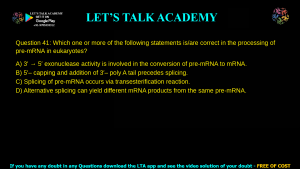
1. Splicing and Polyadenylation Eukaryotic gene expression involves several highly coordinated steps that convert the information stored in DNA into a functional protein or RNA molecule. Transcription by RNA polymerase […]
1. Introduction RNA is traditionally considered an intermediate molecule that carries genetic information from DNA to protein. However, in many organisms and cellular systems, the information present in RNA does […]
1. Introduction Gene expression does not end with the synthesis of an RNA molecule. In eukaryotic cells, the primary RNA transcript produced by RNA polymerase must undergo several structural and […]
1. Introduction RNA synthesis in eukaryotic cells is not complete when RNA polymerase II simply produces an RNA molecule. The newly synthesized RNA undergoes several processing events before it becomes […]
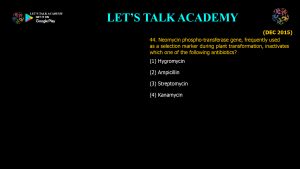
1. Transcriptional Inhibitors Transcription is the process by which genetic information stored in DNA is copied into RNA. It is a fundamental step in gene expression and provides the first […]
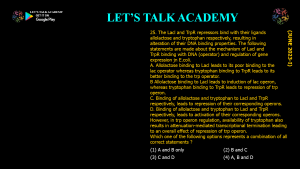
1. Introduction Gene expression is a highly regulated process that allows cells to produce the RNA and proteins required for their survival, growth, differentiation, and response to environmental conditions. Transcription […]
1. Introduction Transcription is the process through which information encoded in DNA is copied into RNA. Although RNA polymerase is the central enzyme responsible for RNA synthesis, transcription does not […]