























































































Biomolecules: Structure, Function and Classification Biomolecules are biological molecules that are present in living organisms and are essential for the maintenance, growth, reproduction, and regulation of life. They include important […]
Author: admin

CSIR NET Life Science Previous Year Questions and Solution on EXTENSION OF MENDELIAN PRINCIPLES (62)
Best Books for CSIR NET Life Science Preparation: Top References & PDFs
Structure of Atoms: Protons, Neutrons, Electrons, Isotopes and Nuclides
Structure of Atoms: Protons, Neutrons, Electrons, Isotopes and Nuclides Atoms are the extremely small particles that are the basic building blocks of ordinary matter. Everything around us, including living […]
CSIR NET Life Science Previous Year Questions and Solutions Spectroscopy
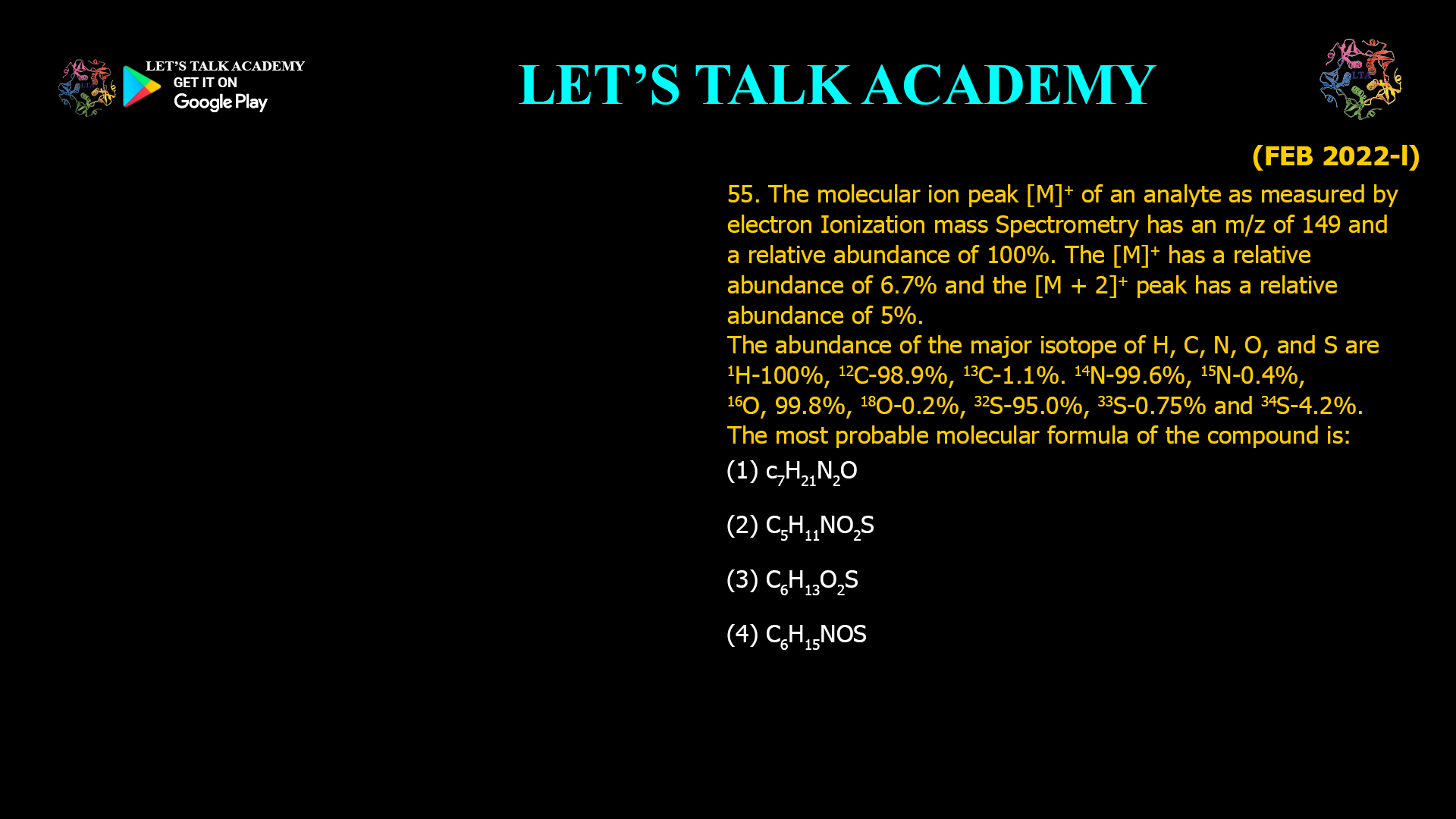
Determining Molecular Formula
55. The molecular ion peak [M]⁺ of an analyte as measured by Electron Ionization Mass Spectrometry has an m/z of 149 and a relative abundance of 100%. The [M]⁺ has […]
CSIR NET Life Science Previous Year Questions and Solutions Spectroscopy
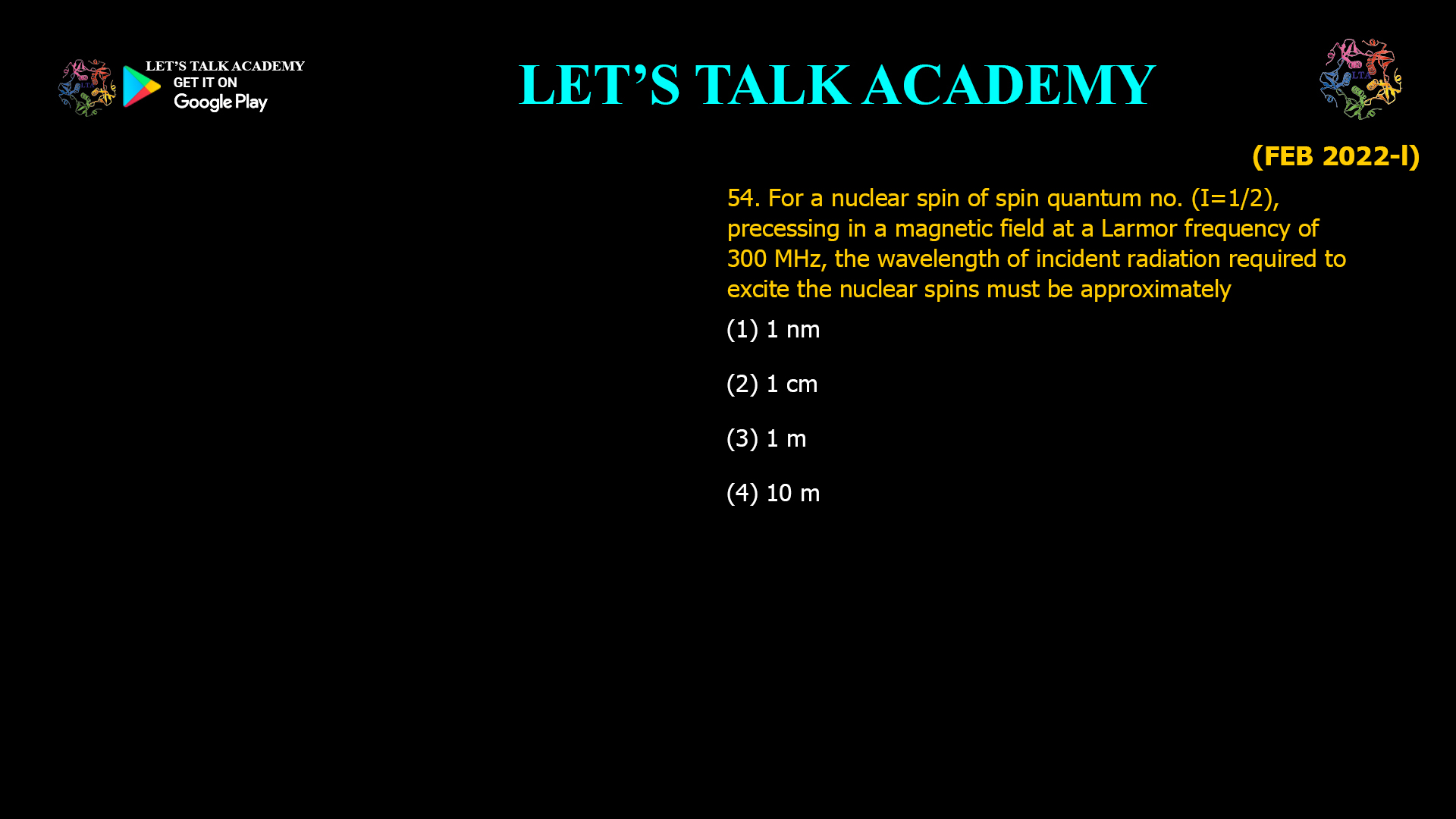
Calculating the Wavelength of Radiation Required
54. For a nuclear spin of spin quantum number (I = 1/2), precessing in a magnetic field at a Larmor frequency of 300 MHz, the wavelength of incident radiation required […]
CSIR NET Life Science Previous Year Questions and Solutions Spectroscopy
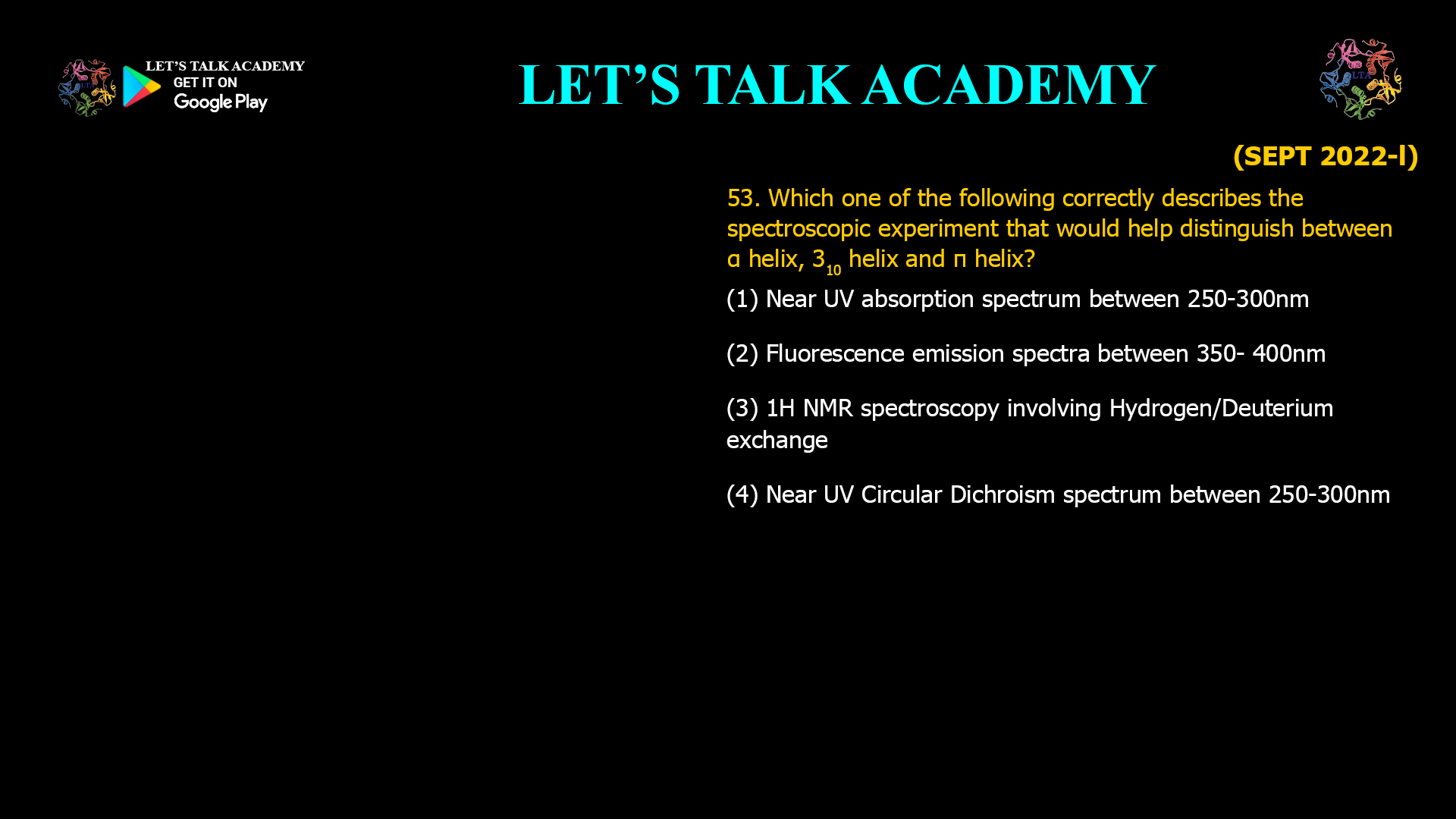
Distinguishing α-Helix, 3₁₀ Helix, and π-Helix
53. Which one of the following correctly describes the spectroscopic experiment that would help distinguish between an α-helix, 3₁₀ helix and π helix? (A) Near UV absorption spectrum between 250–300 […]
CSIR NET Life Science Previous Year Questions and Solutions Spectroscopy
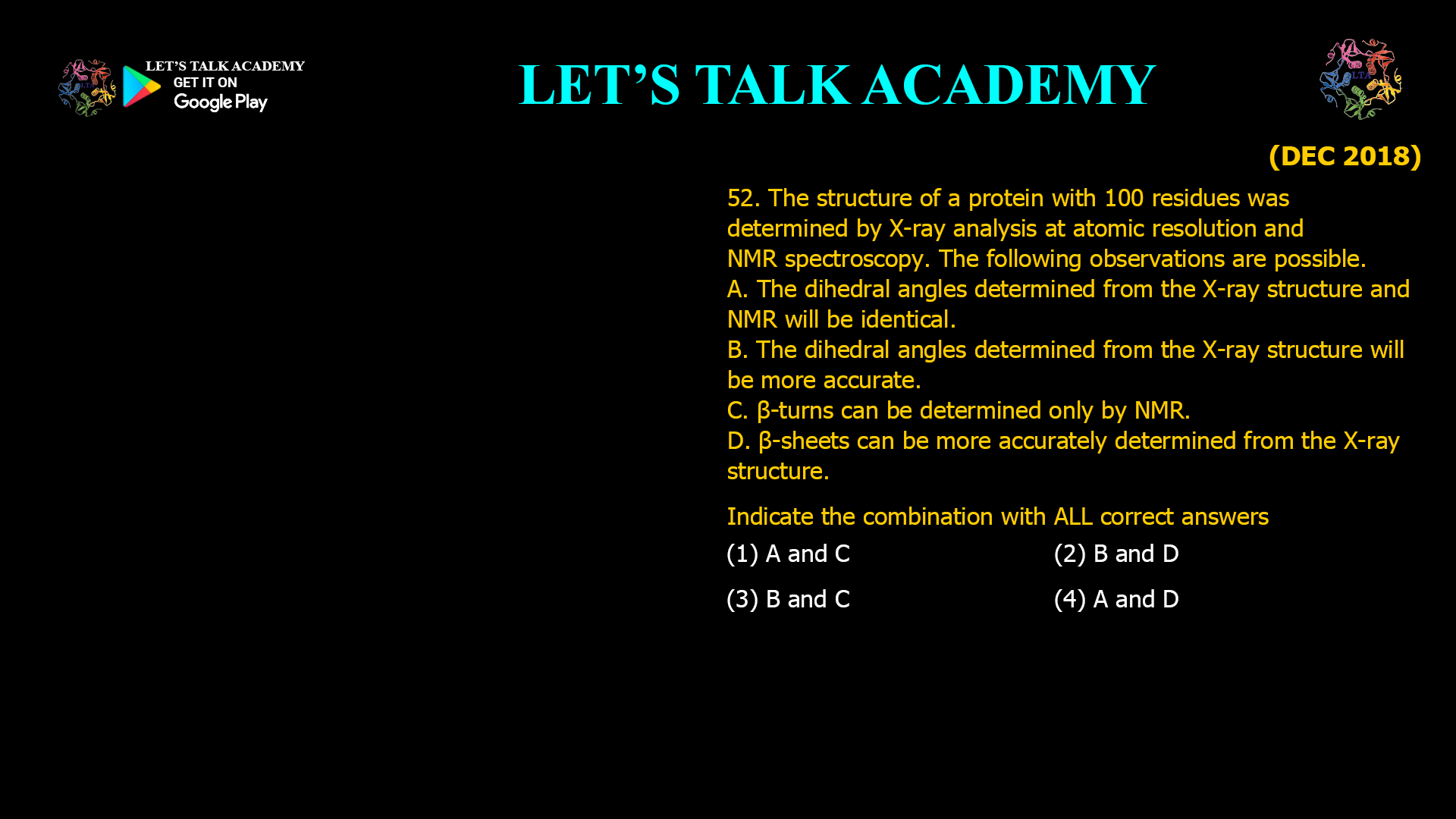
Comparison of X-ray Crystallography and NMR Spectroscopy
52. The structure of a protein with 100 residues was determined by X-ray analysis at atomic resolution and NMR spectroscopy. The following observations are possible. A. The dihedral angles determined […]
CSIR NET Life Science Previous Year Questions and Solutions Spectroscopy
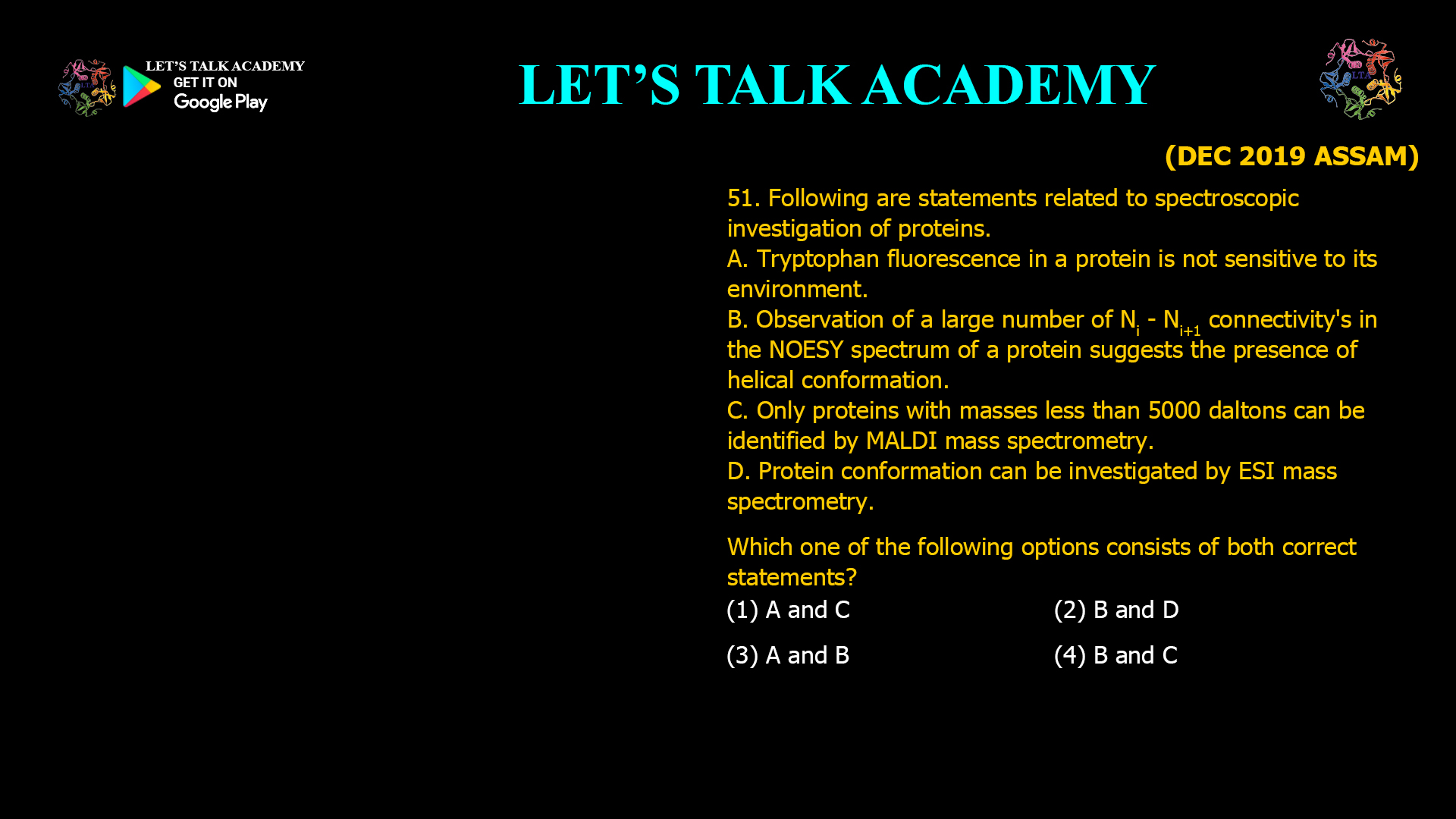
Spectroscopic Investigation of Proteins
51. Following are statements related to spectroscopic investigation of proteins. A. Tryptophan fluorescence in a protein is not sensitive to its environment. B. Observation of a large number of Nᵢ […]
CSIR NET Life Science Previous Year Questions and Solutions Spectroscopy
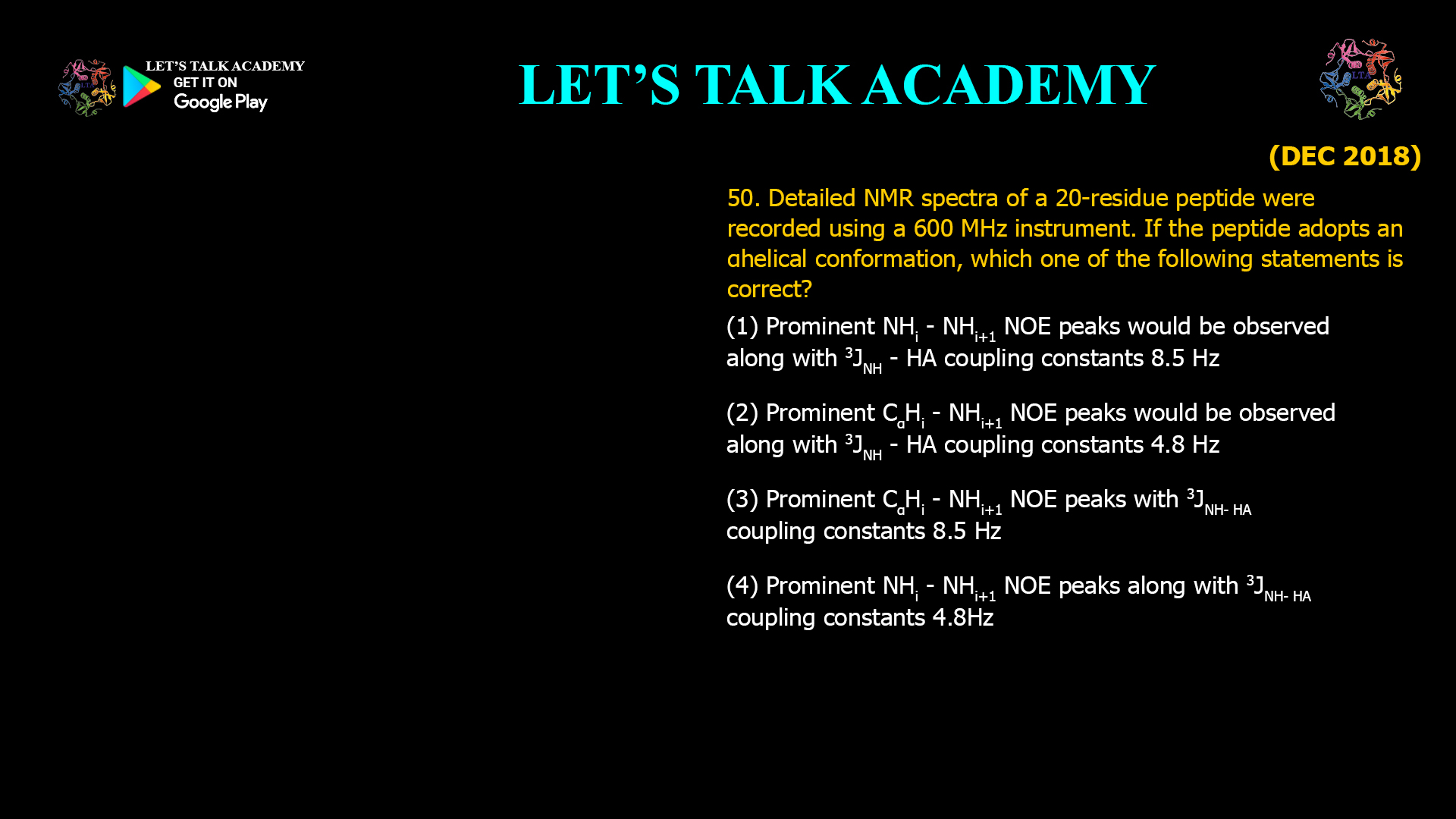
Identifying Alpha-Helical Peptides Using NOE Patterns
50. Detailed NMR spectra of a 20-residue peptide were recorded using a 600 MHz instrument. If the peptide adopts an α-helical conformation, which one of the following statements is correct? […]
CSIR NET Life Science Previous Year Questions and Solutions Spectroscopy
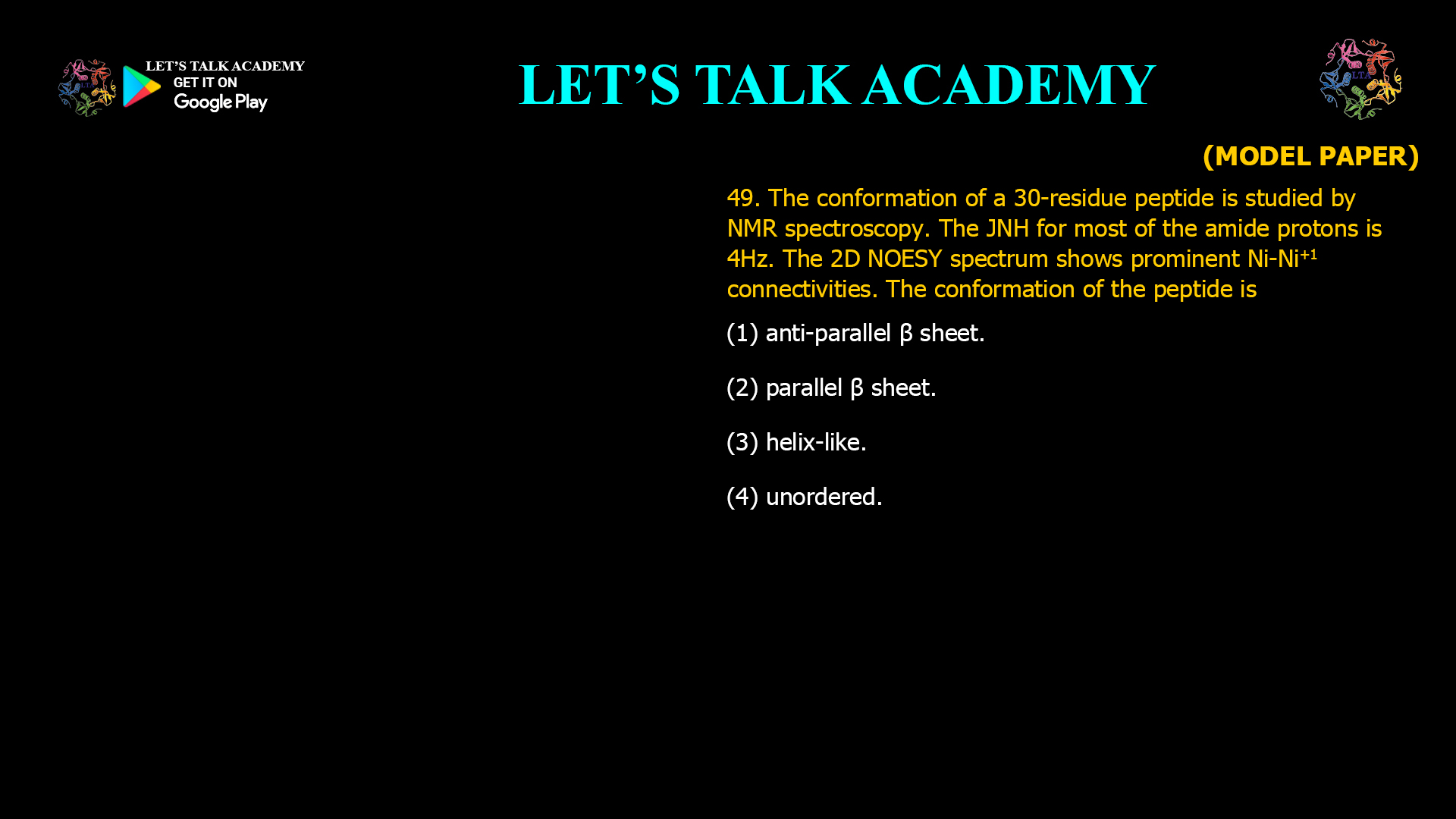
Identifying Helical Peptide Conformation
49. The conformation of a 30-residue peptide is studied by NMR spectroscopy. The JNH for most of the amide protons is 4 Hz. The 2D NOESY spectrum shows prominent Nᵢ–Nᵢ₊₁ […]
CSIR NET Life Science Previous Year Questions and Solutions Spectroscopy
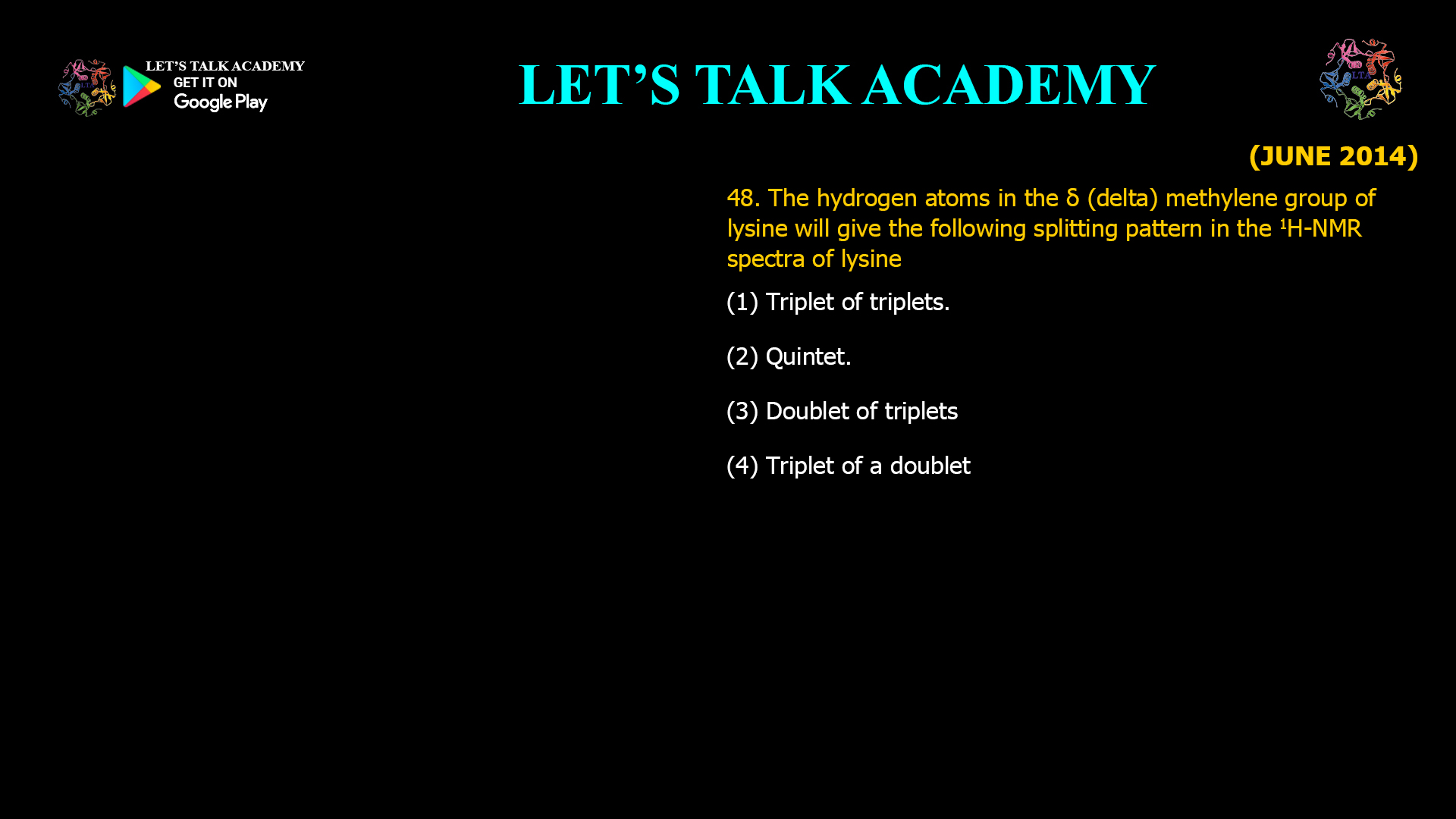
Splitting Pattern of the δ-Methylene Protons
48. The hydrogen atoms in the δ (delta) methylene group of lysine will give the following splitting pattern in the ¹H-NMR spectra of lysine (A) Triplet of triplets. (B) Quintet. […]


