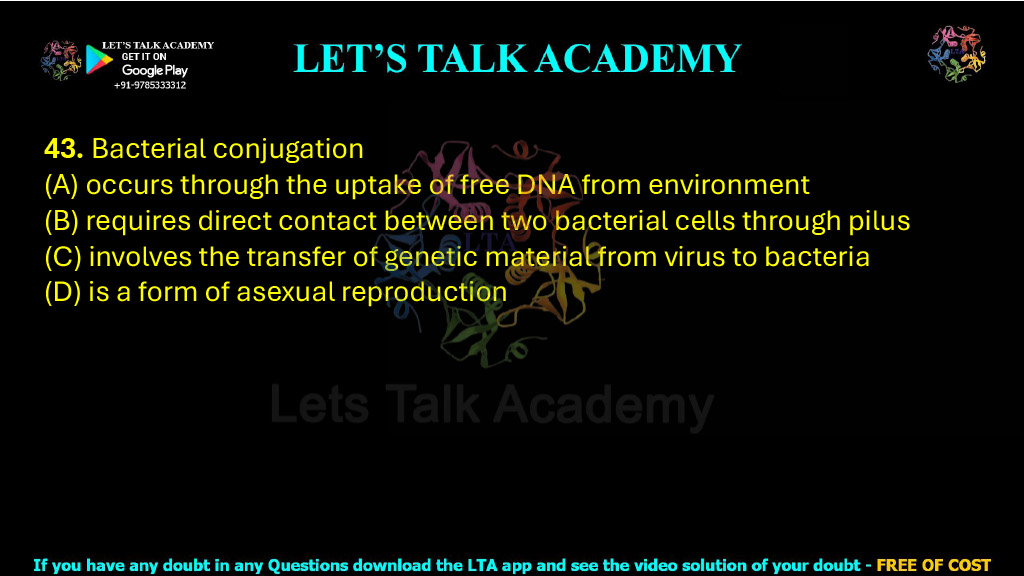
43. Bacterial conjugation (A) occurs through the uptake of free DNA from environment (B) requires direct contact between two bacterial cells through pilus (C) involves the transfer of genetic material […]
No posts found.
43. Bacterial conjugation (A) occurs through the uptake of free DNA from environment (B) requires direct contact between two bacterial cells through pilus (C) involves the transfer of genetic material […]
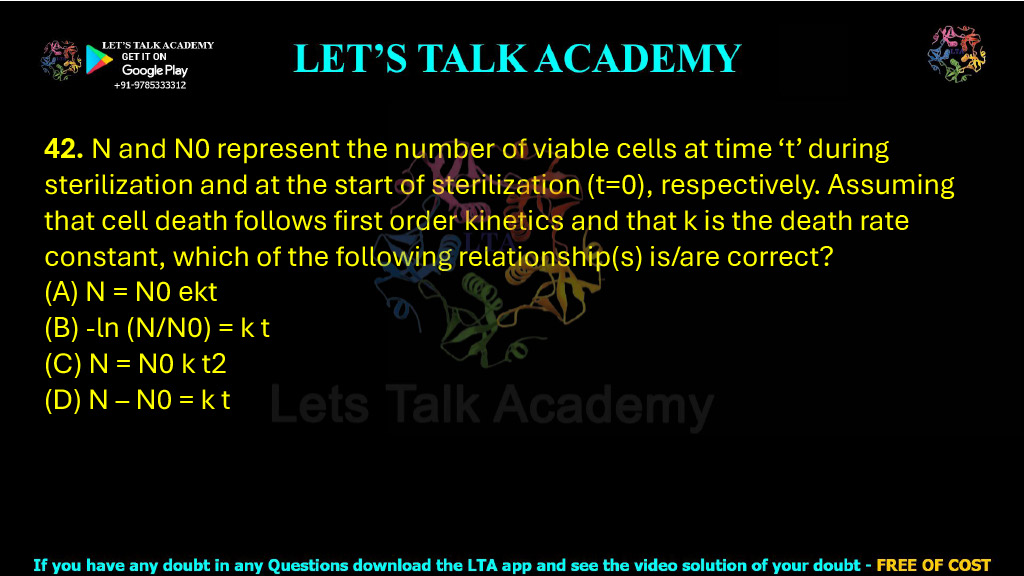
42. N and N0 represent the number of viable cells at time ‘t’ during sterilization and at the start of sterilization (t=0), respectively. Assuming that cell death follows first order […]
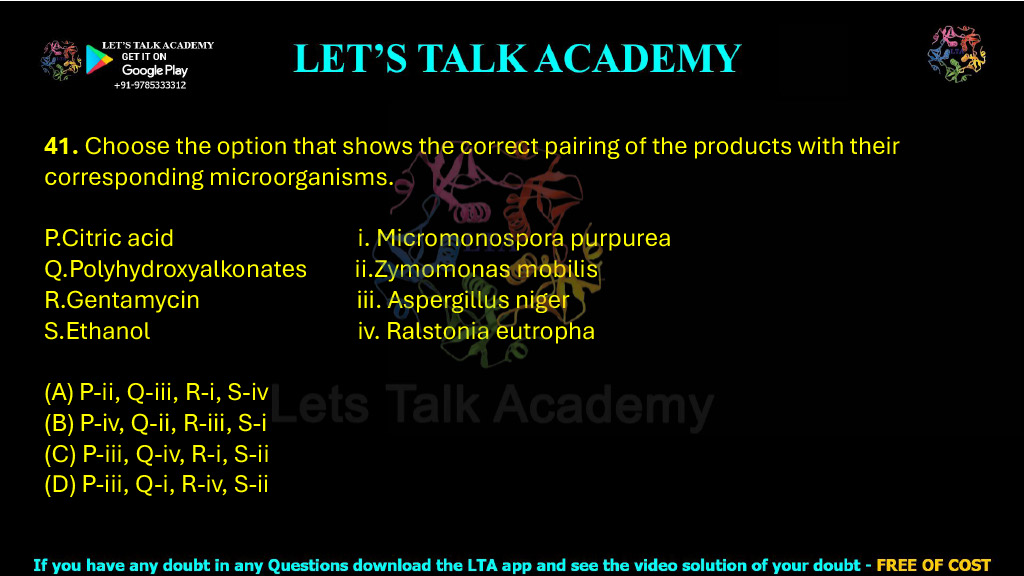
41. Choose the option that shows the correct pairing of the products with their corresponding microorganisms. P.Citric acid […]
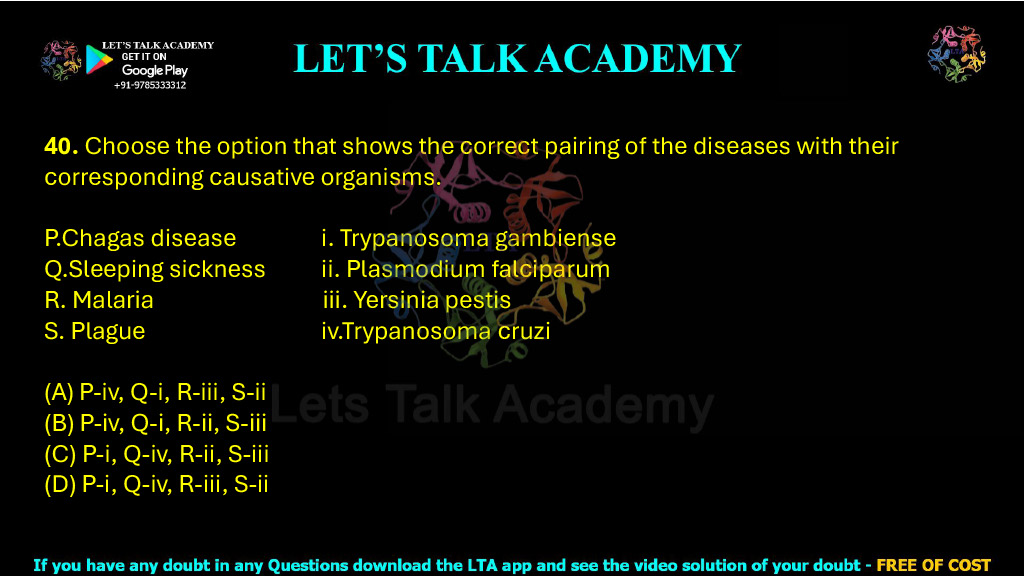
40. Choose the option that shows the correct pairing of the diseases with their corresponding causative organisms. P. Chagas disease i. Trypanosoma gambiense Q. Sleeping […]
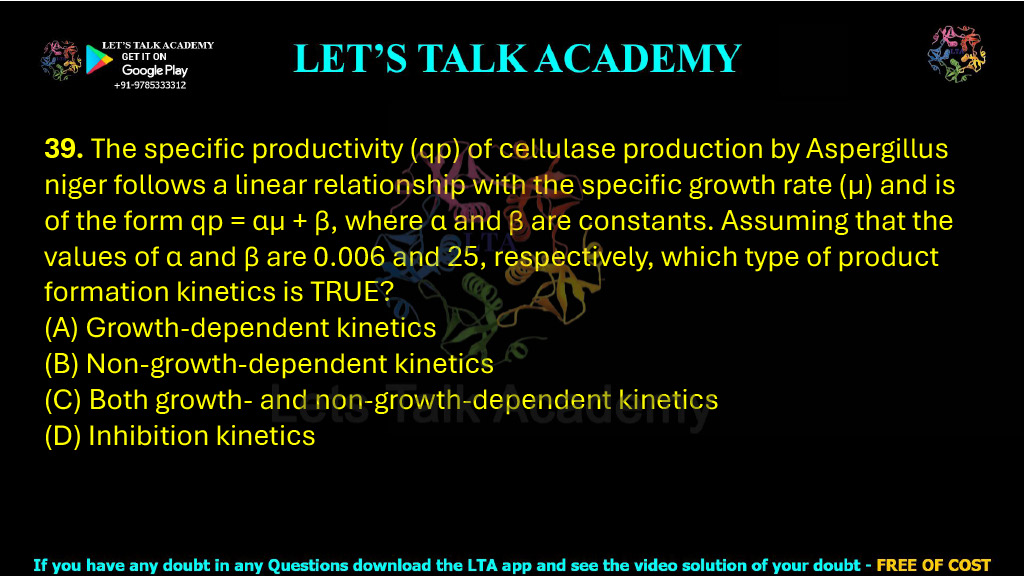
39. The specific productivity (qp) of cellulase production by Aspergillus niger follows a linear relationship with the specific growth rate (µ) and is of the form qp = αµ + […]
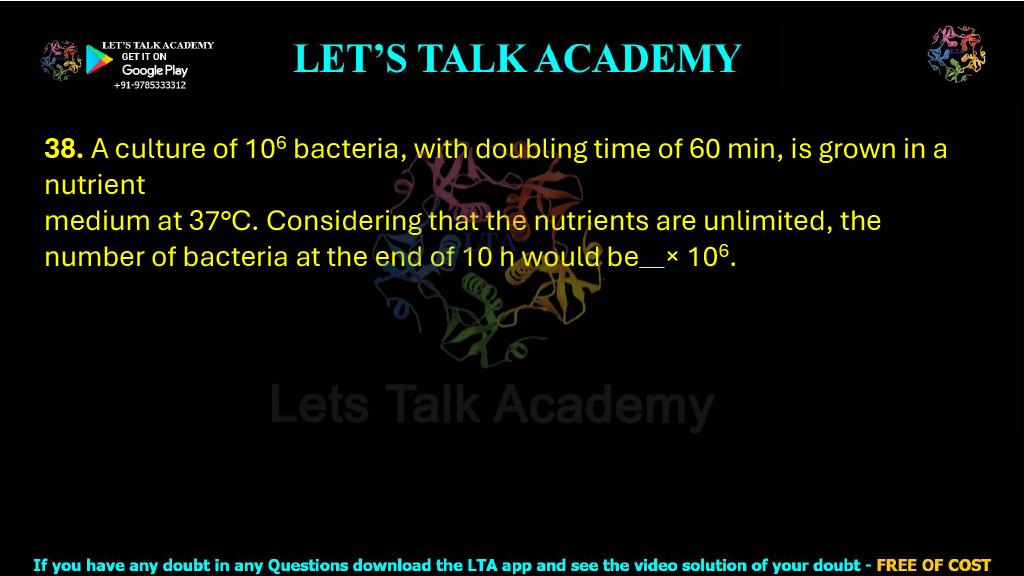
38. A culture of 106 bacteria, with doubling time of 60 min, is grown in a nutrient medium at 37°C. Considering that the nutrients are unlimited, the number of bacteria […]

37. Match the entries in Group I with the entries in Group II Group I Group II Bacteria […]

36. The population of a bacterial culture increases from one thousand to one billion in five hours. The doubling time of the culture (correct to 1 decimal place) is […]
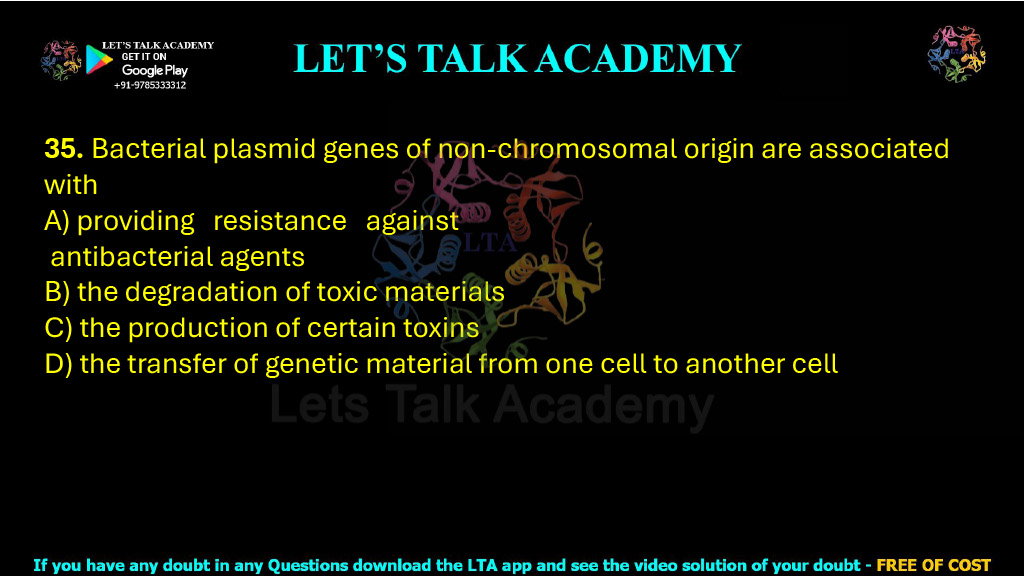
35. Bacterial plasmid genes of non-chromosomal origin are associated with A) providing resistance against antibacterial agents B) the degradation of toxic materials C) the production of certain toxins D) the transfer […]
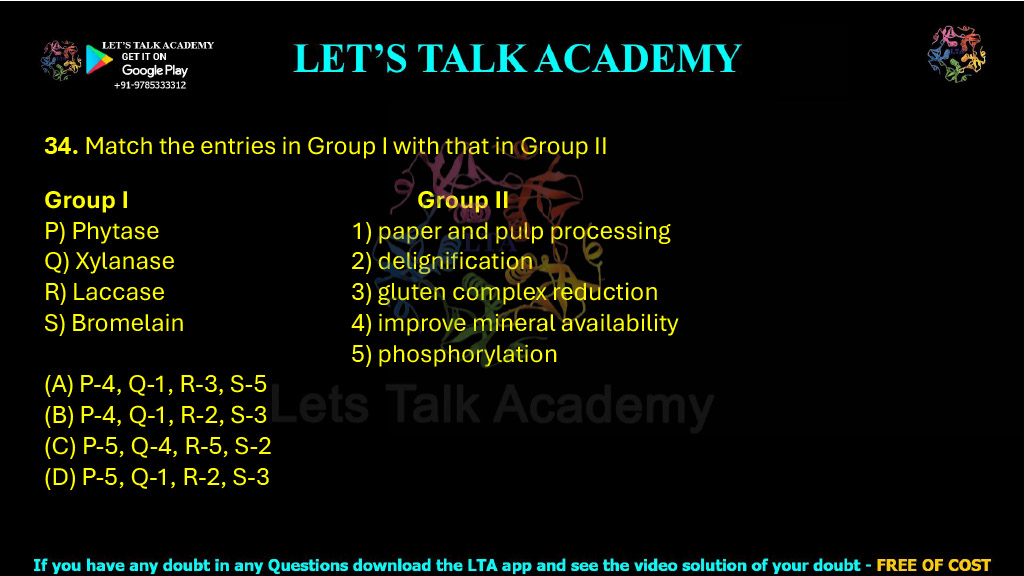
34. Match the entries in Group I with that in Group II Group I Group II P) Phytase 1) Paper and pulp processing Q) Xylanase 2) Delignification R) Laccase 3) […]


