




























































































In Sickle cell anemia the RBC are sickle shaped due to (1) Change in shape of hemoglobin in oxygen unbound form (2) Change in shape of hemoglobin in oxygen bound […]

In Sickle cell anemia the RBC are sickle shaped due to (1) Change in shape of hemoglobin in oxygen unbound form (2) Change in shape of hemoglobin in oxygen bound […]
Serum contains (1) Non-fibrinogen proteins, minerals and glucose (2) Cells corpuscles, mineral and glucose (3) Cell corpuscles, minerals and non-fibrinogen proteins (4) Minerals and glucose Introduction Serum is a vital […]
Hematopoiesis in adults mainly occurs at (1) Liver (2) Bone marrow (3) Kidney (4) Spleen Introduction Hematopoiesis is the vital biological process through which the body continuously produces blood cells. […]
Hematopoietic stem cells are found in (1) Bone marrow (2) Skin (3) Heart (4) Spleen Introduction Hematopoietic stem cells (HSCs) are vital cells responsible for producing all types of blood […]
Anemia due to decreased level of hemoglobin in red blood cells is generally observed due to deficiency of (1) Iron deficiency (2) Calcium deficiency (3) Vitamin B6 (4) Vitamin B12 […]
5. The deficiency of cyanocobaltamine (Vitamin B12) leads to- (1) Microcytic anemia (2) Megaloblastic Anemia (3) Thalsemmia (4) Hypochoramtosis Introduction Vitamin B12, also known as cyanocobalamin, is a crucial nutrient […]
4. Examples of connective tissue are (1) Bone and muscle (2) Bone and Blood (3) Bone and cartilage (4) Blood and skin Introduction Connective tissue is a fundamental tissue type […]
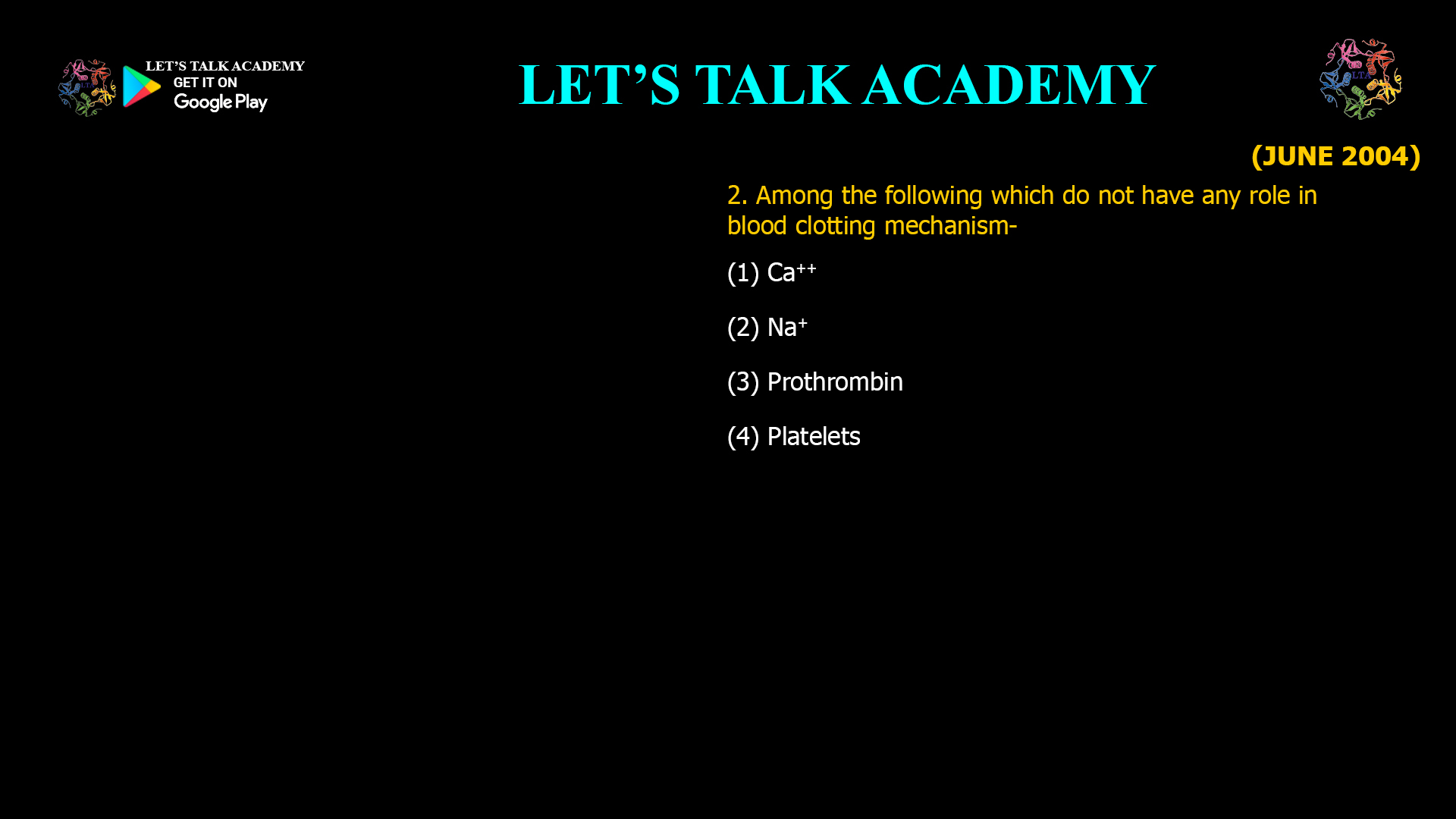
Understanding Blood Clotting: A Complex Biological Defense Blood clotting or coagulation is a critical process that protects the body from excessive blood loss after injury. This highly regulated mechanism involves […]
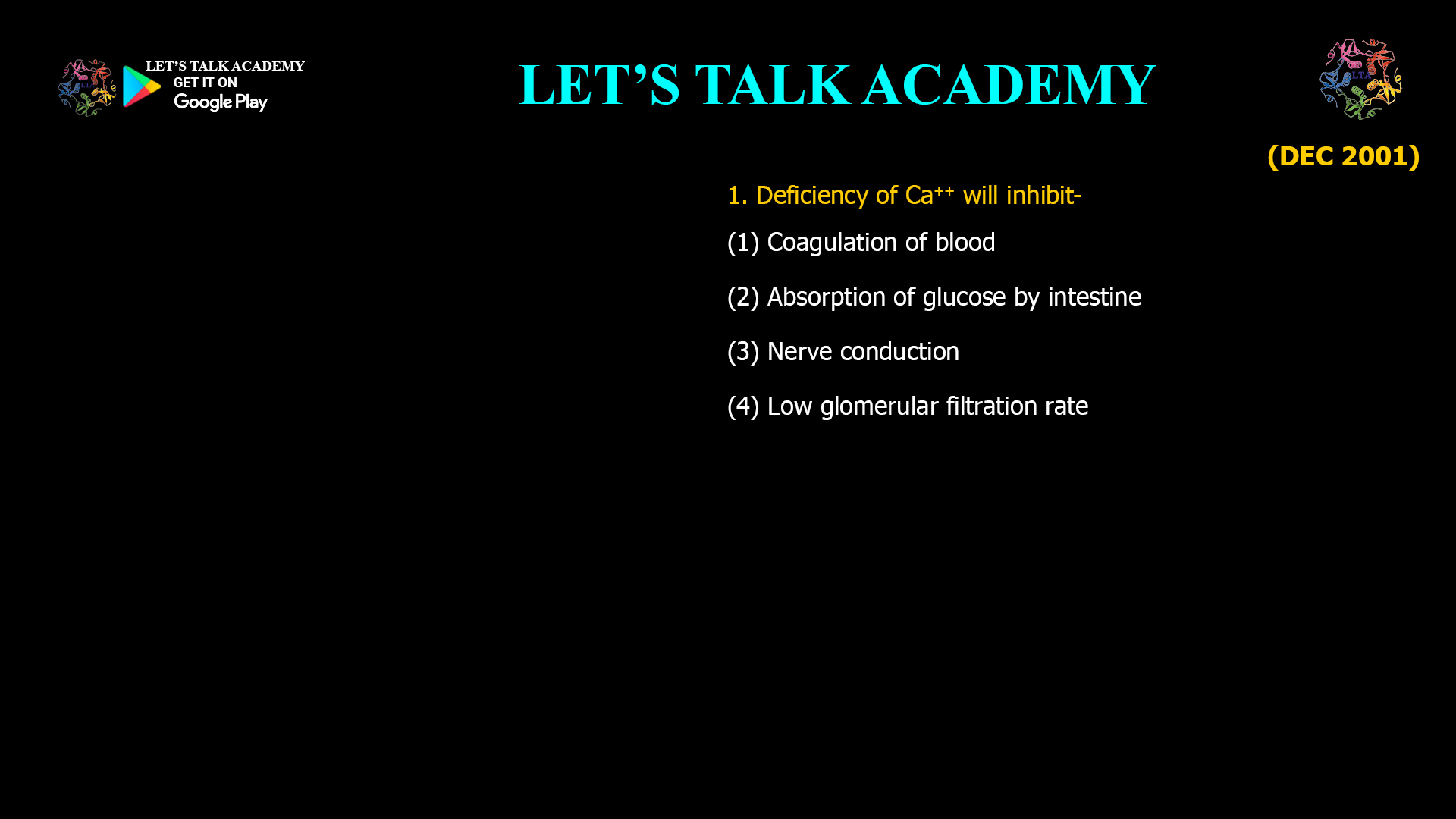
Deficiency of Ca++ will inhibit- (1) Coagulation of blood (2) Absorption of glucose by intestine (3) Nerve conduction (4) Low glomerular filtration rate What Is Calcium and Why Is It […]
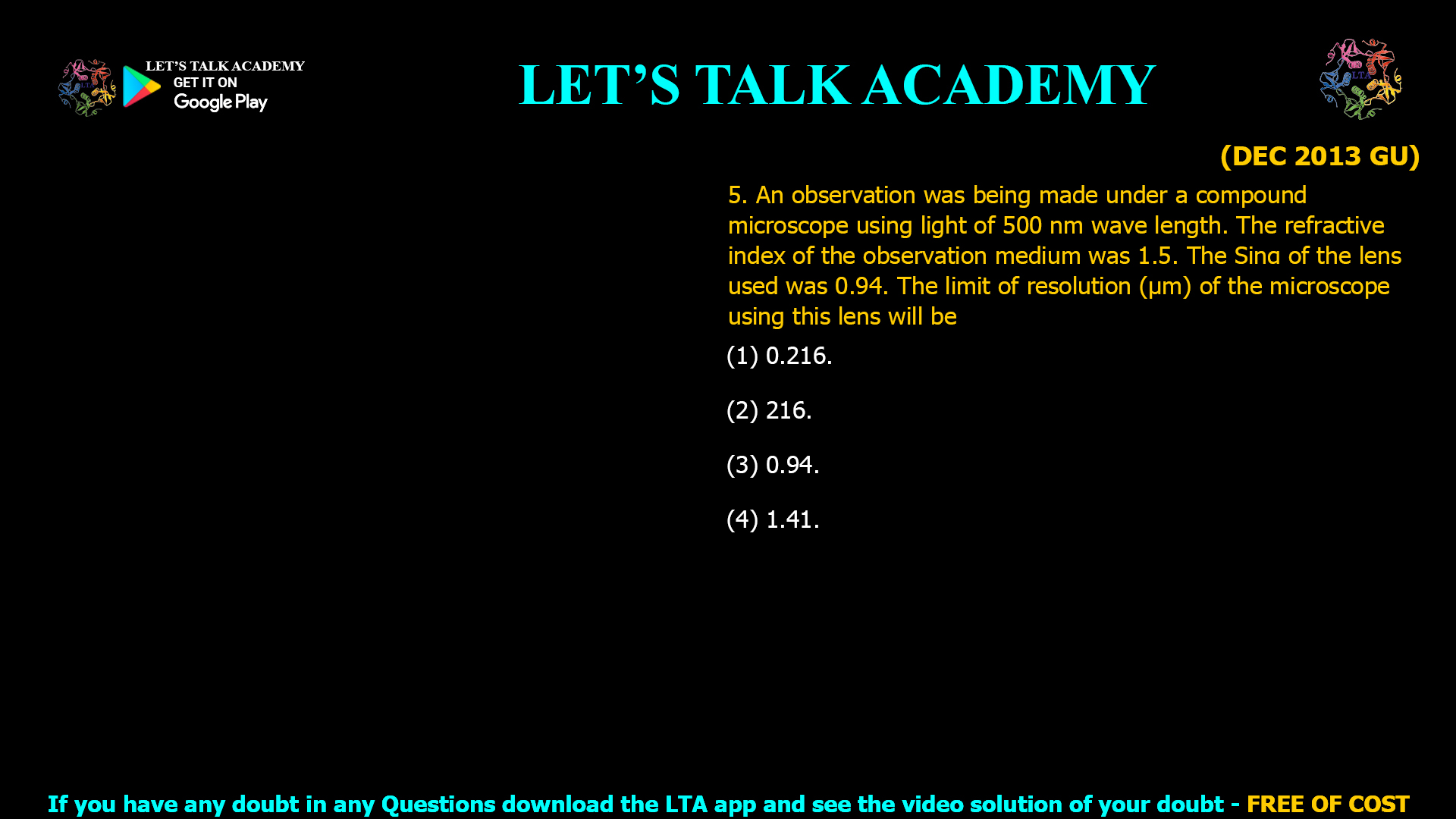
An observation was being made under a compound microscope using light of 500 nm wave length. The refractive index of the observation medium was 1.5. The Sinα of the lens […]


