











































































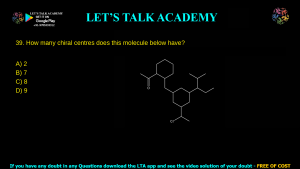


Q.48 Which one of the following mature cell types is live but usually lacks nucleus?(A) Phloem parenchyma(B) Phloem companion(C) Phloem sieve element(D) Phloem–pole pericycle The correct answer is (C) Phloem […]


Q.48 Which one of the following mature cell types is live but usually lacks nucleus?(A) Phloem parenchyma(B) Phloem companion(C) Phloem sieve element(D) Phloem–pole pericycle The correct answer is (C) Phloem […]
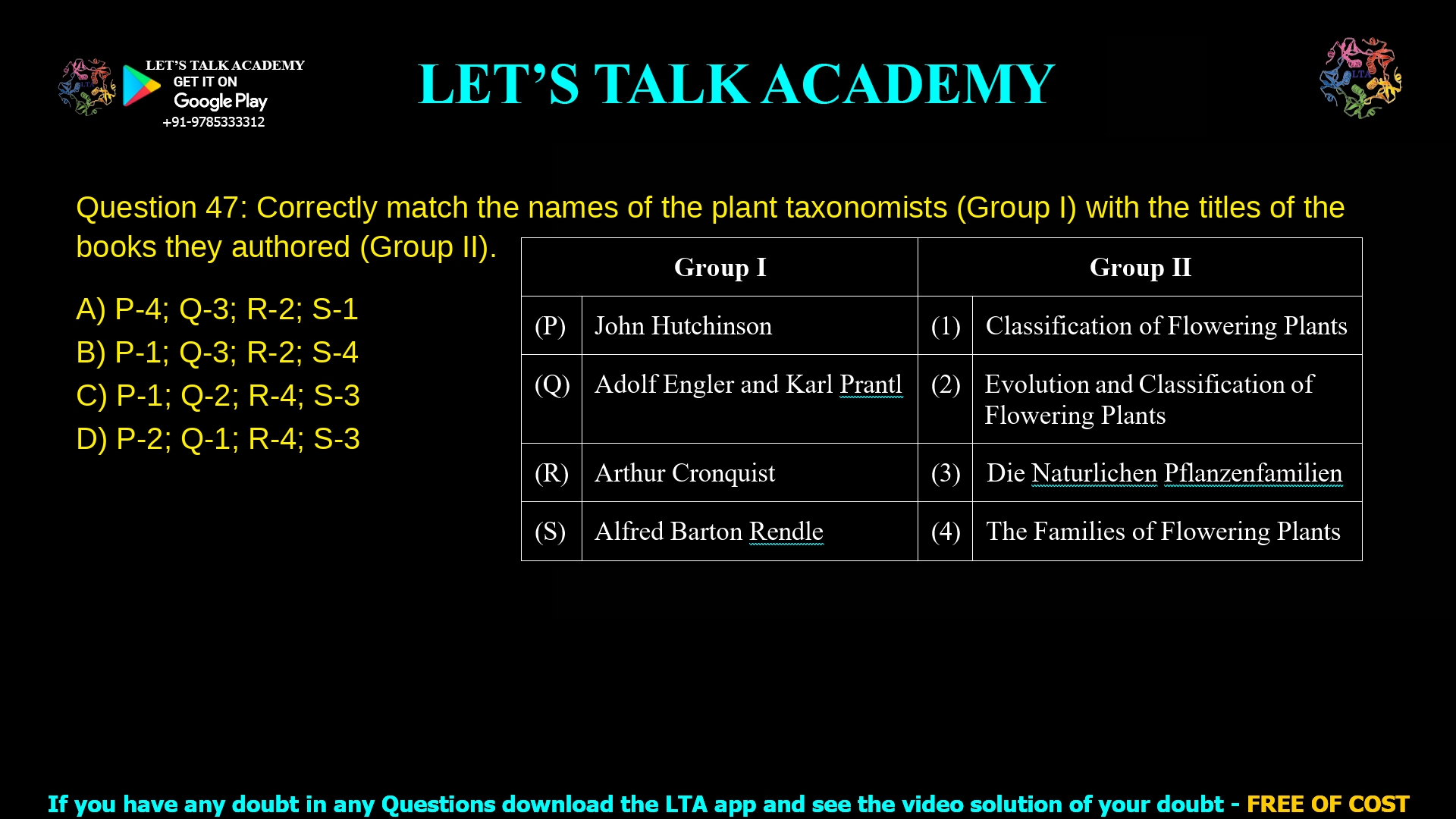
Q.47 Correctly match the names of the plant taxonomists (Group I) with the titles of the books they authored (Group II). Group I Group II (P) John Hutchinson (1) Classification […]
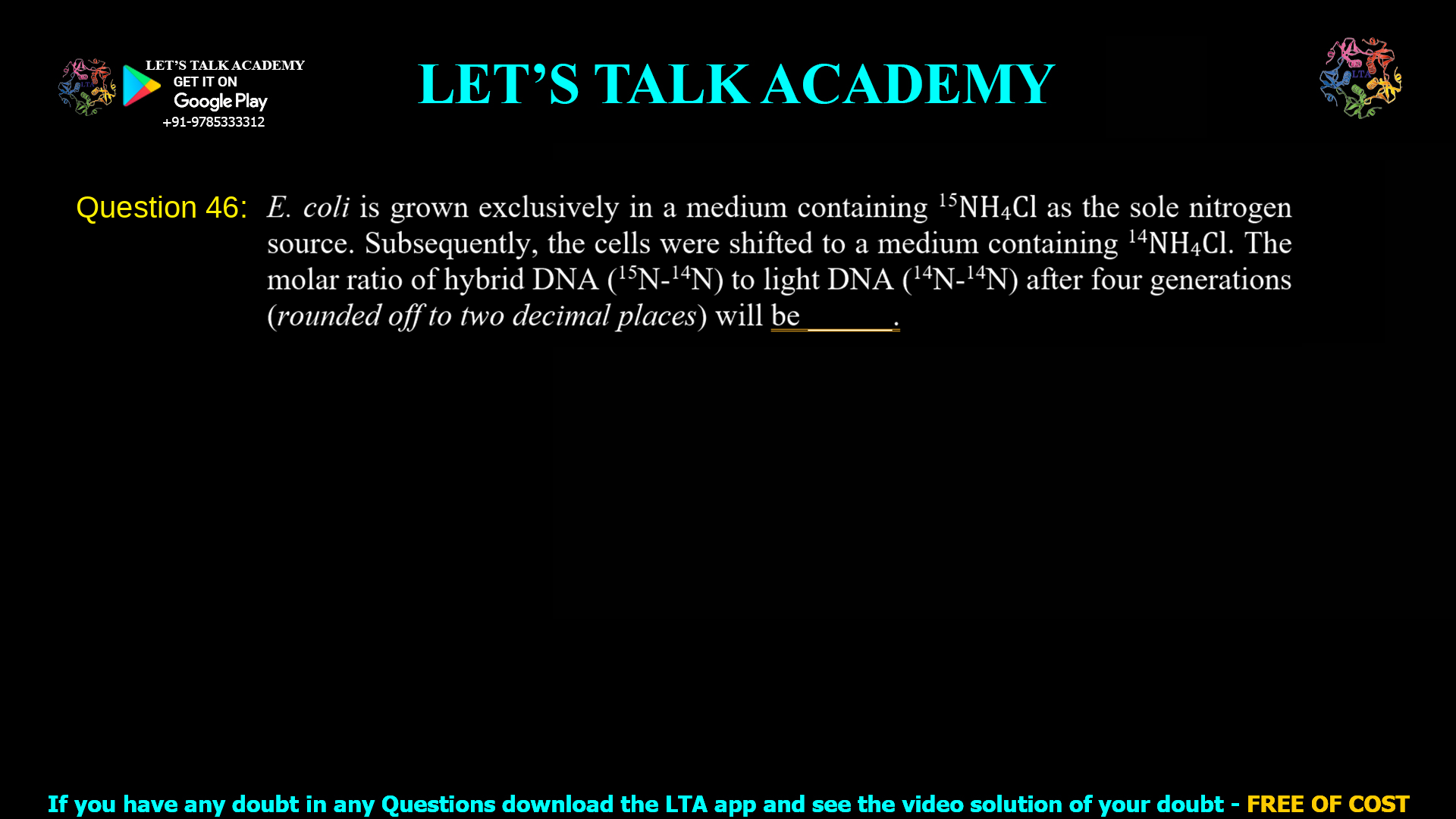
Q.46 E. coli is grown exclusively in a medium containing 15NH4Cl as the sole nitrogen source. Subsequently, the cells were shifted to a medium containing 14NH4Cl. The molar ratio of […]
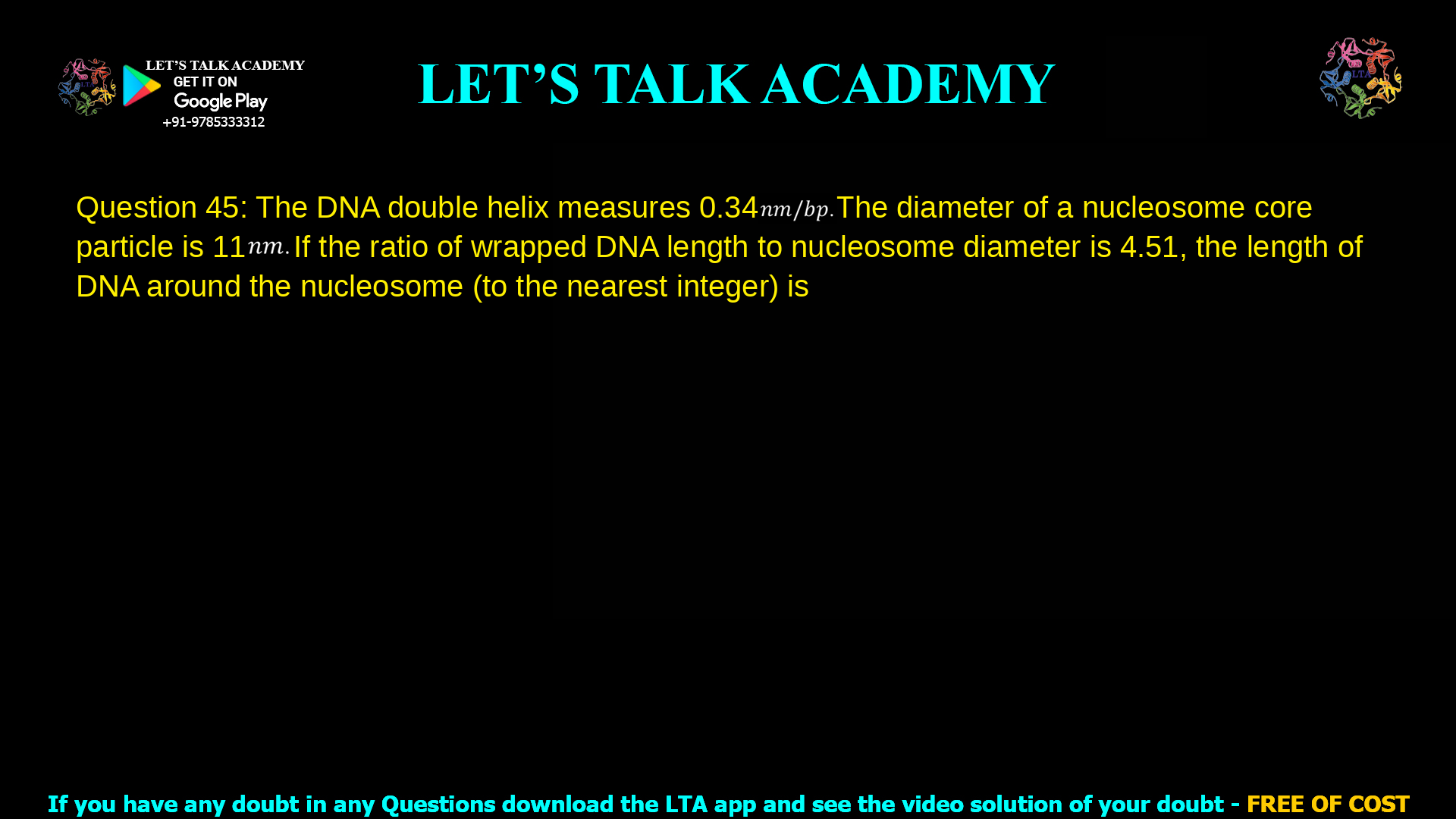
Q.45 The DNA double helix measures 0.34 𝑛𝑚/𝑏𝑝. The diameter of a nucleosome coreparticle is 11 𝑛𝑚. If the ratio of wrapped DNA length to nucleosome diameter is4.51, the length […]
Q.44 The equilibrium dissociation constant of acetic acid is 1.74 × 10⁻⁵ 𝑀. The 𝑝𝐾𝑎of acetic acid (rounded off to one decimal place) is _____ . The pKa of acetic […]

Q.43 Which of the following is/are heteropolysaccharide(s)?(A) Chondroitin–4–sulfate(B) Chitin(C) Cellulose(D) Heparin Chondroitin-4-sulfate and Heparin are heteropolysaccharides. Heteropolysaccharides consist of two or more different monosaccharide units, unlike homopolysaccharides made from a single […]
Q.42 Which of the following is/are peptide hormone(s)?(A) Calcitonin(B) Glucagon(C) Serotonin(D) Thyroxine Calcitonin and glucagon qualify as peptide hormones, making options (A) and (B) correct in this CSIR NET Life […]
Q.41 Which of the following peptides do/does NOT absorb ultraviolet light above250 𝑛𝑚 wavelength?(A) MQRTVWG(B) YDEIGVL(C) PLASNGK(D) GSQTKRL *Peptides lacking aromatic amino acids do not absorb ultraviolet light above 250 […]
Q.40 Peptide–binding cleft in MHC–I is formed by(A) 𝛼1 and 𝛼2 domains.(B) 𝛼1 and 𝛼3 domains.(C) 𝛼1 domain and 𝛽2–microglobulin.(D) 𝛼2 domain and 𝛽2–microglobulin. The peptide-binding cleft in MHC class […]
Q.39 Phospholipid vesicles prepared in 50 𝑚𝑀 KCl were diluted in water. Based onthis information, statements P and Q are made.P: The diluted vesicles will develop membrane potential.Q: There is […]


