
1. Introduction to Plastids
Plastids are specialized, membrane-bound organelles found primarily in plant cells and many algae. They are among the most important organelles of plant cells because they participate in photosynthesis, pigment production, storage of nutrients, synthesis of fatty acids and amino acids, and several other metabolic processes.
The most familiar plastid is the chloroplast, which captures light energy and converts it into chemical energy through photosynthesis. However, chloroplasts represent only one major type of plastid. Other plastids, such as chromoplasts, leucoplasts, amyloplasts, elaioplasts, and proteinoplasts, perform specialized functions.
A remarkable feature of plastids is their ability to develop into different forms depending on the tissue, developmental stage, environmental conditions, and metabolic requirements of the cell.
A simplified developmental relationship can be represented as:
Proplastid → Specialized plastid → Functional differentiation
For example:
Proplastid → Chloroplast
Proplastid → Chromoplast
Proplastid → Amyloplast
Thus, plastids form a dynamic system rather than a collection of completely independent organelles.
2. Discovery and Historical Background
The study of plastids developed gradually with advances in microscopy and plant cell biology.
Early microscopists observed colored structures within plant cells, particularly the green bodies responsible for the characteristic color of leaves. As microscopy improved, researchers began to recognize that these structures were specialized cellular components.
The term plastid is associated with the work of nineteenth-century botanists who investigated the formation and transformation of plant cell structures.
Later research established that plastids possess:
- Their own DNA
- Ribosomes
- Double membranes
- Specialized internal membrane systems
- Semi-independent genetic machinery
- Complex metabolic pathways
These characteristics became important evidence for understanding the evolutionary origin of plastids.
3. General Characteristics of Plastids
Plastids share several important characteristics.
3.1 Double-Membrane Structure
Most plastids are surrounded by two envelope membranes:
- Outer envelope membrane
- Inner envelope membrane
The region between these membranes is called the intermembrane space.
3.2 Presence of Plastid DNA
Plastids contain their own genome, known as the plastome or plastid genome.
Plastid DNA is generally circular and occurs in multiple copies.
3.3 Presence of Ribosomes
Plastids contain ribosomes that resemble bacterial ribosomes more closely than cytosolic eukaryotic ribosomes.
These ribosomes participate in the synthesis of some plastid-encoded proteins.
3.4 Semi-Autonomous Nature
Plastids are considered semi-autonomous organelles because they possess their own DNA and protein-synthesizing machinery but still depend heavily on nuclear genes.
Many proteins required for plastid structure and function are encoded by nuclear DNA, synthesized in the cytoplasm, and subsequently imported into the plastid.
3.5 Ability to Divide
Plastids can multiply by division, generally through a process resembling bacterial binary fission.
Therefore, plastid number in a cell can increase through the division of pre-existing plastids.
4. Origin of Plastids
The origin of plastids is explained primarily by the endosymbiotic theory.
According to this theory, an ancestral eukaryotic cell incorporated a photosynthetic cyanobacterium. Instead of being digested, the cyanobacterium established a stable symbiotic relationship with the host cell.
Over evolutionary time:
Free-living cyanobacterium → Endosymbiotic bacterium → Primary plastid → Modern plastid
The cyanobacterium provided photosynthetic capabilities, while the host cell provided protection and access to nutrients.
Eventually, extensive gene transfer occurred from the ancestral endosymbiont to the host nucleus.
5. Evidence for the Endosymbiotic Origin of Plastids
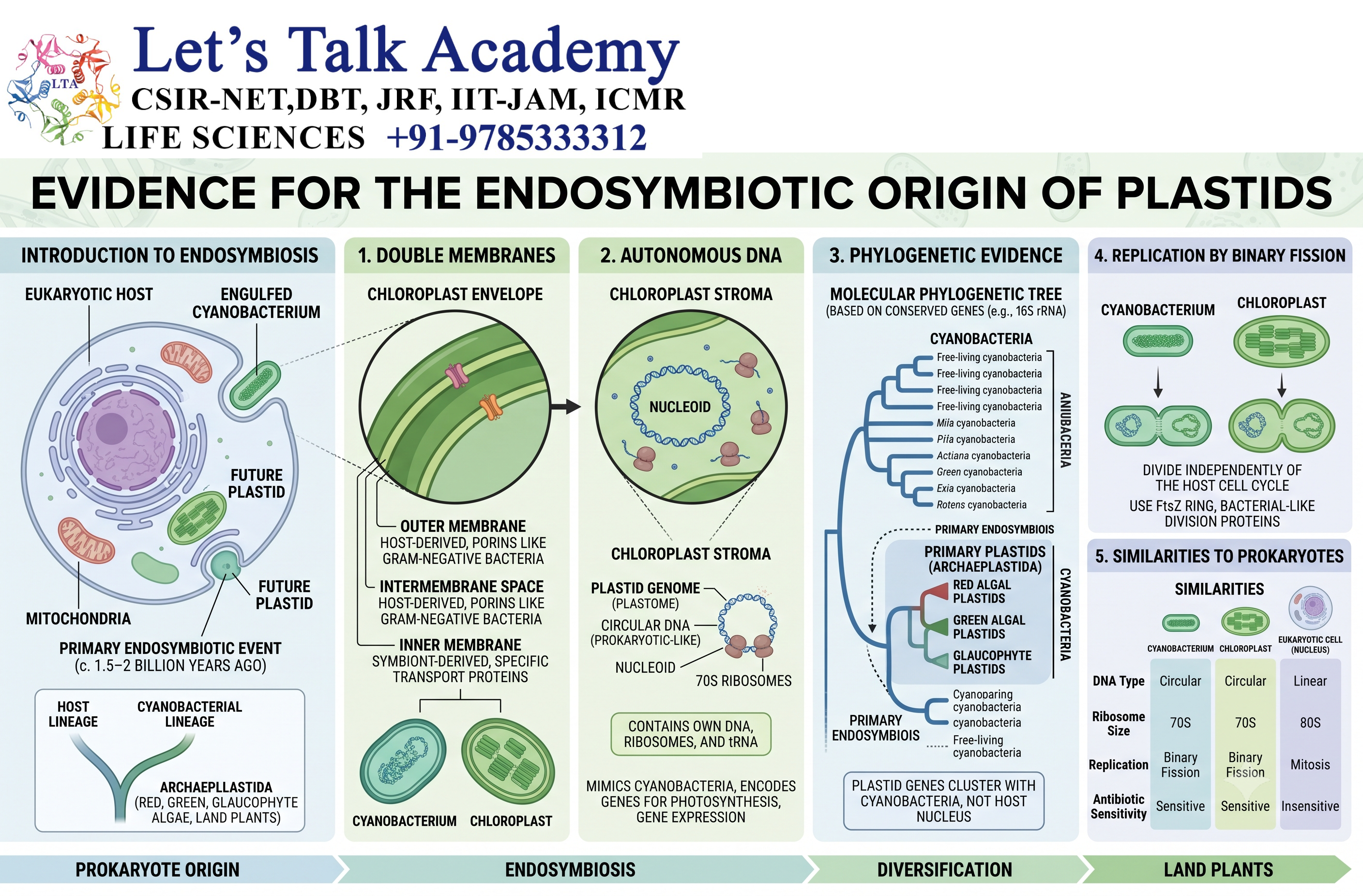
Several characteristics support the bacterial origin of plastids.
5.1 Double Membrane
Plastids possess an envelope consisting of two membranes. This is consistent with an evolutionary origin involving engulfment of a bacterial cell.
5.2 Circular DNA
Plastid genomes are generally circular, resembling bacterial chromosomes.
5.3 Bacterial-Type Ribosomes
Plastids contain 70S-type ribosomes, which are structurally similar to bacterial ribosomes.
5.4 Binary-Fission-Like Division
Plastids multiply through division mechanisms that show similarities to bacterial cell division.
5.5 Antibiotic Sensitivity
Some antibiotics that affect bacterial protein synthesis can also interfere with plastid protein synthesis, supporting their evolutionary relationship with bacteria.
5.6 Molecular Phylogeny
Comparative sequence analysis has demonstrated strong evolutionary relationships between plastid genes and genes of cyanobacteria.
6. Plastid Development
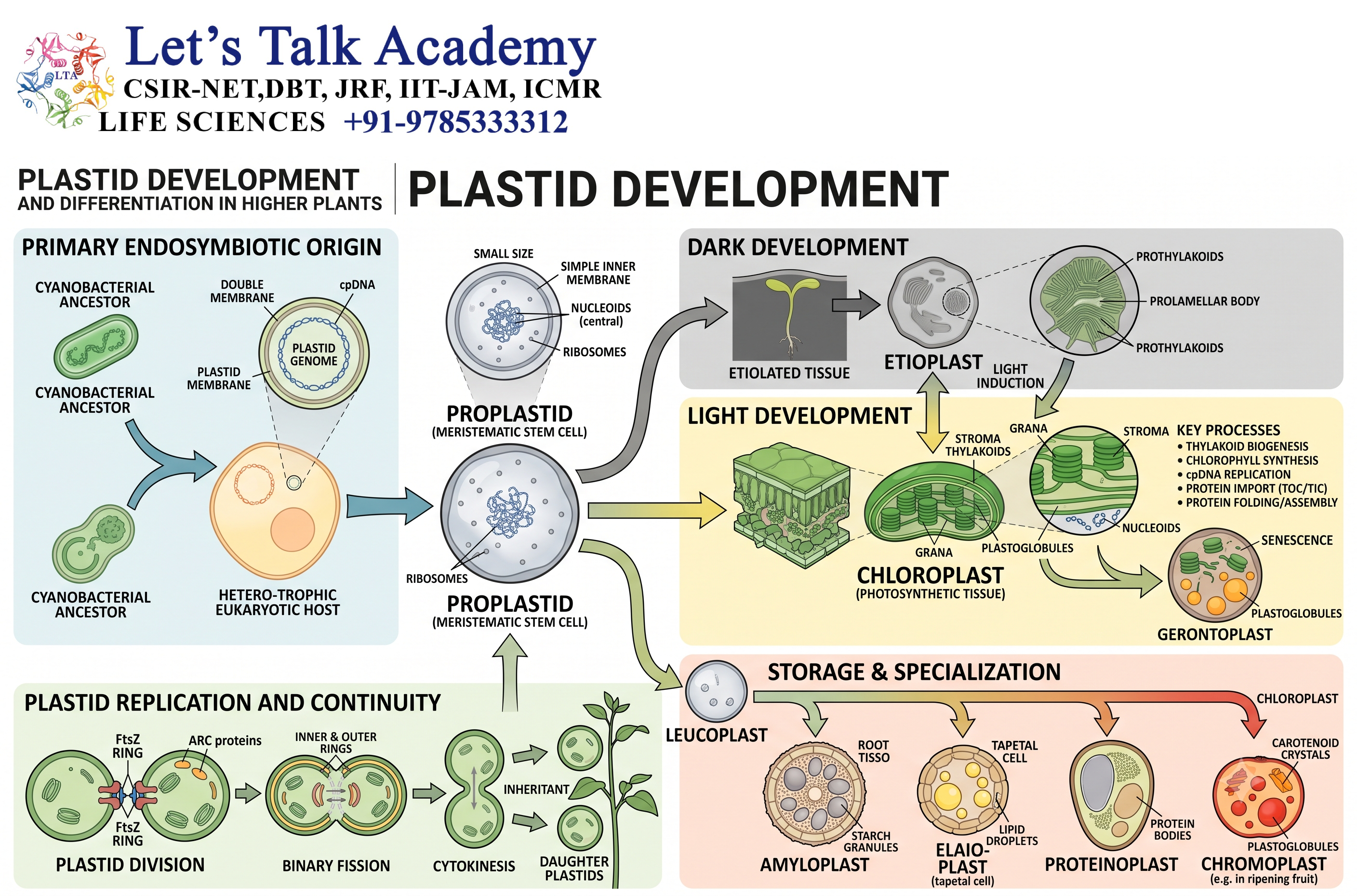
Plastids develop from immature structures called proplastids.
Proplastids are small, relatively undifferentiated organelles present in meristematic cells.
Depending on developmental signals and environmental conditions, they can differentiate into different plastid types.
A simplified developmental pathway is:
Proplastid
↓
Chloroplast
Chromoplast
Leucoplast
↓
Amyloplast / Elaioplast / Proteinoplast
Plastid differentiation is regulated by both nuclear and plastid genomes.
7. Major Types of Plastids
Plastids can broadly be classified into:
- Chloroplasts
- Chromoplasts
- Leucoplasts
- Amyloplasts
- Elaioplasts
- Proteinoplasts
- Etioplasts
- Gerontoplasts
The classification is based mainly on their structure, pigments, developmental state, and functions.
8. Chloroplasts
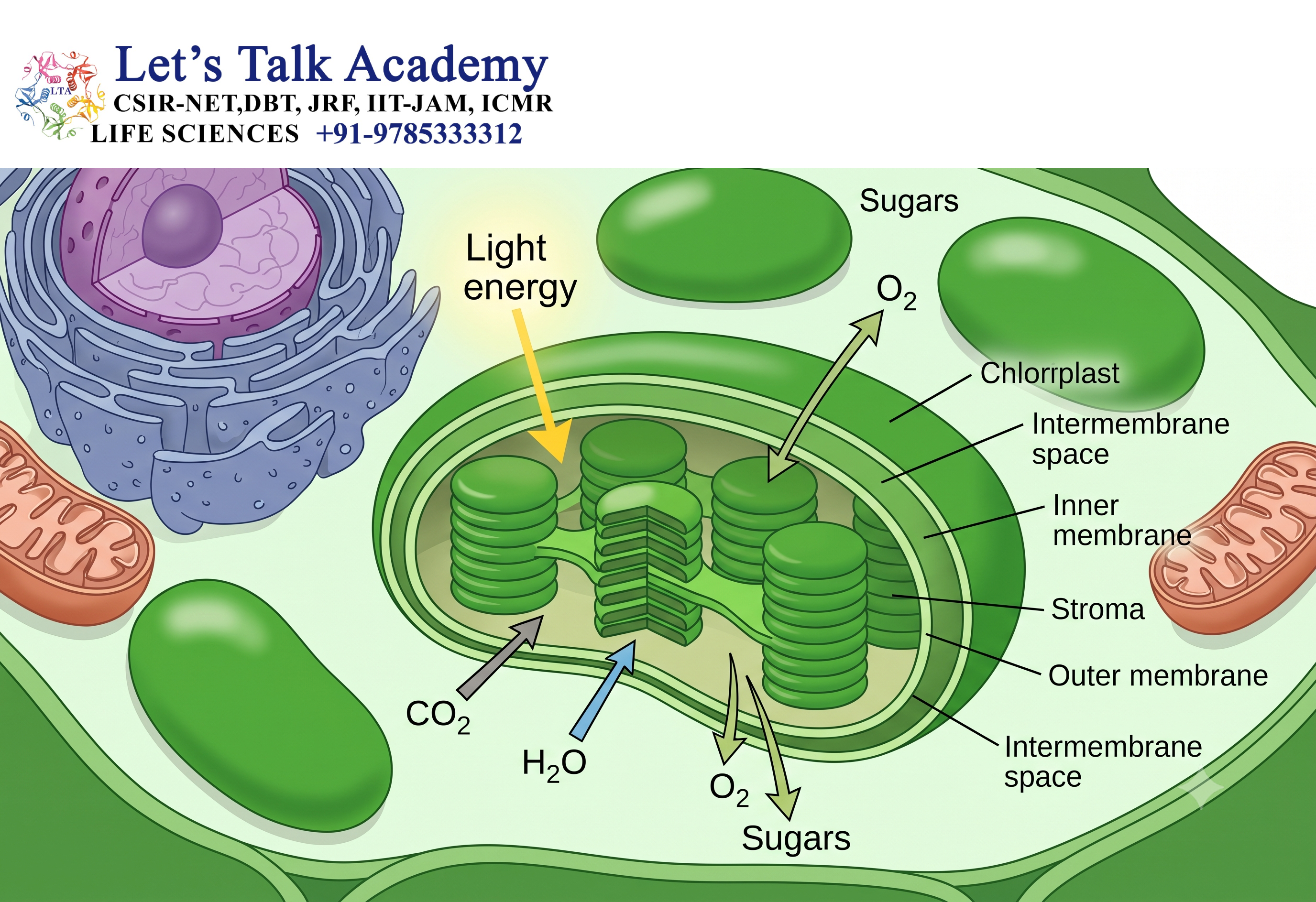
Chloroplasts are the best-known plastids and are responsible for photosynthesis in plants and many algae.
They contain the green pigment chlorophyll, which absorbs light energy.
8.1 Structure of Chloroplasts
A typical chloroplast consists of:
- Outer membrane
- Inner membrane
- Intermembrane space
- Stroma
- Thylakoid membranes
- Grana
- Stroma lamellae
- Plastid DNA
- Ribosomes
- Starch grains
- Plastoglobuli
8.2 Chloroplast Envelope
The chloroplast envelope consists of an outer and an inner membrane.
The envelope separates the chloroplast from the cytoplasm and regulates the movement of molecules into and out of the organelle.
8.3 Stroma
The stroma is the aqueous internal matrix surrounding the thylakoid system.
It contains:
- Enzymes
- Plastid DNA
- Ribosomes
- RNA
- Metabolic intermediates
- Starch grains
- Ions and other molecules
The carbon-fixation reactions of photosynthesis occur primarily in the stroma.
8.4 Thylakoids
Thylakoids are flattened membrane-bound sacs located within the chloroplast.
Their membranes contain:
- Chlorophyll
- Carotenoids
- Photosystems
- Electron transport components
- ATP synthase
The light-dependent reactions of photosynthesis occur in the thylakoid membrane.
8.5 Grana
Stacks of thylakoids are called grana.
A single stack contains multiple flattened thylakoid discs.
Grana increase the membrane surface area available for photosynthetic electron transport.
8.6 Stroma Lamellae
Stroma lamellae, also called intergranal thylakoids, connect different grana.
They help integrate the thylakoid membrane system into a continuous internal network.
9. Photosynthesis in Chloroplasts
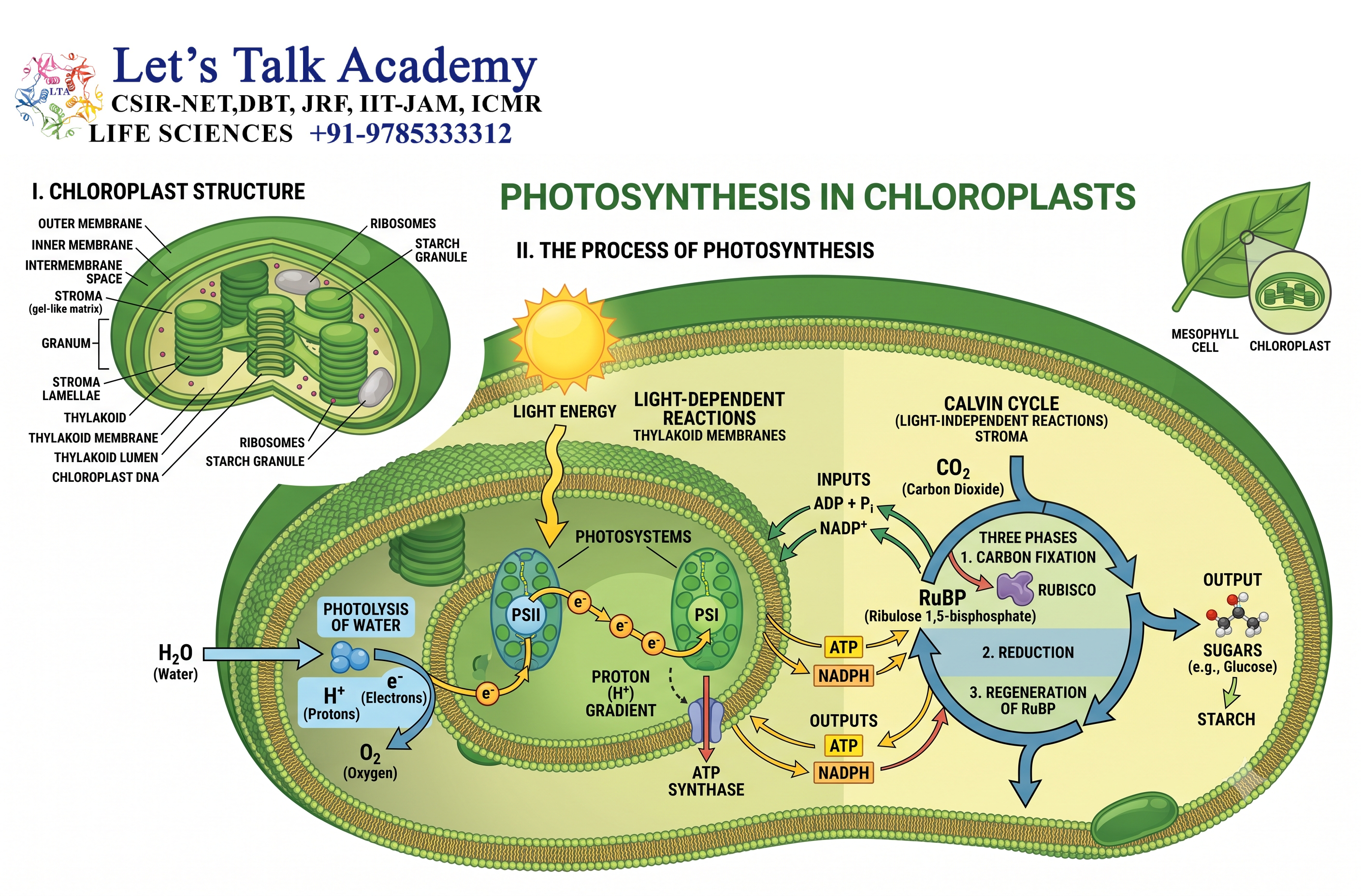
Photosynthesis can be summarized as:
Carbon dioxide + Water + Light energy → Glucose + Oxygen
The process has two major stages.
9.1 Light-Dependent Reactions
These occur mainly in the thylakoid membranes.
Major events include:
- Absorption of light
- Excitation of electrons
- Water splitting
- Electron transport
- Proton gradient formation
- ATP synthesis
- NADPH production
9.2 Light-Independent Reactions
These reactions occur primarily in the stroma.
The Calvin–Benson cycle uses ATP and NADPH to convert carbon dioxide into carbohydrate precursors.
Major stages include:
- Carbon fixation
- Reduction
- Regeneration of RuBP
10. Chlorophyll and Photosynthetic Pigments
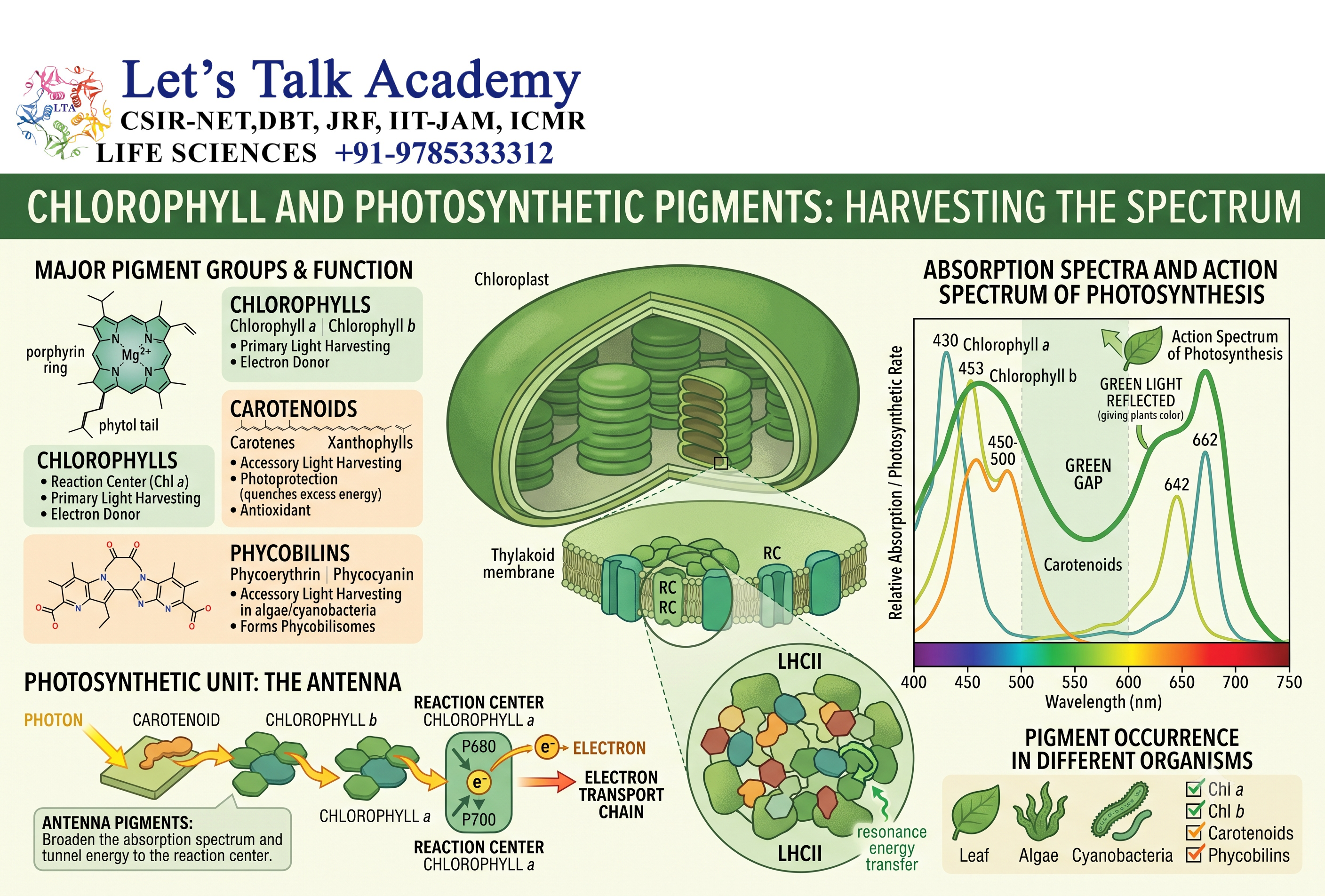
Chloroplasts contain several pigments.
10.1 Chlorophyll a
Chlorophyll a is the primary photosynthetic pigment in oxygenic photosynthesis.
10.2 Chlorophyll b
Chlorophyll b functions mainly as an accessory pigment in green plants and transfers absorbed energy toward the reaction centers.
10.3 Carotenoids
Carotenoids include:
- Carotenes
- Xanthophylls
They contribute to light harvesting and photoprotection.
11. Chromoplasts
Chromoplasts are plastids specialized for the synthesis and accumulation of colored pigments, particularly carotenoids.
They are commonly found in:
- Flowers
- Fruits
- Some leaves
- Other colored plant tissues
Chromoplasts contribute strongly to yellow, orange, and red coloration.
11.1 Functions of Chromoplasts
Major functions include:
- Carotenoid synthesis
- Pigment accumulation
- Attraction of pollinators
- Attraction of seed-dispersing animals
- Development of fruit coloration
For example, the development of red or orange coloration during fruit ripening may involve transformation of chloroplasts into chromoplasts.
12. Chloroplast-to-Chromoplast Transition
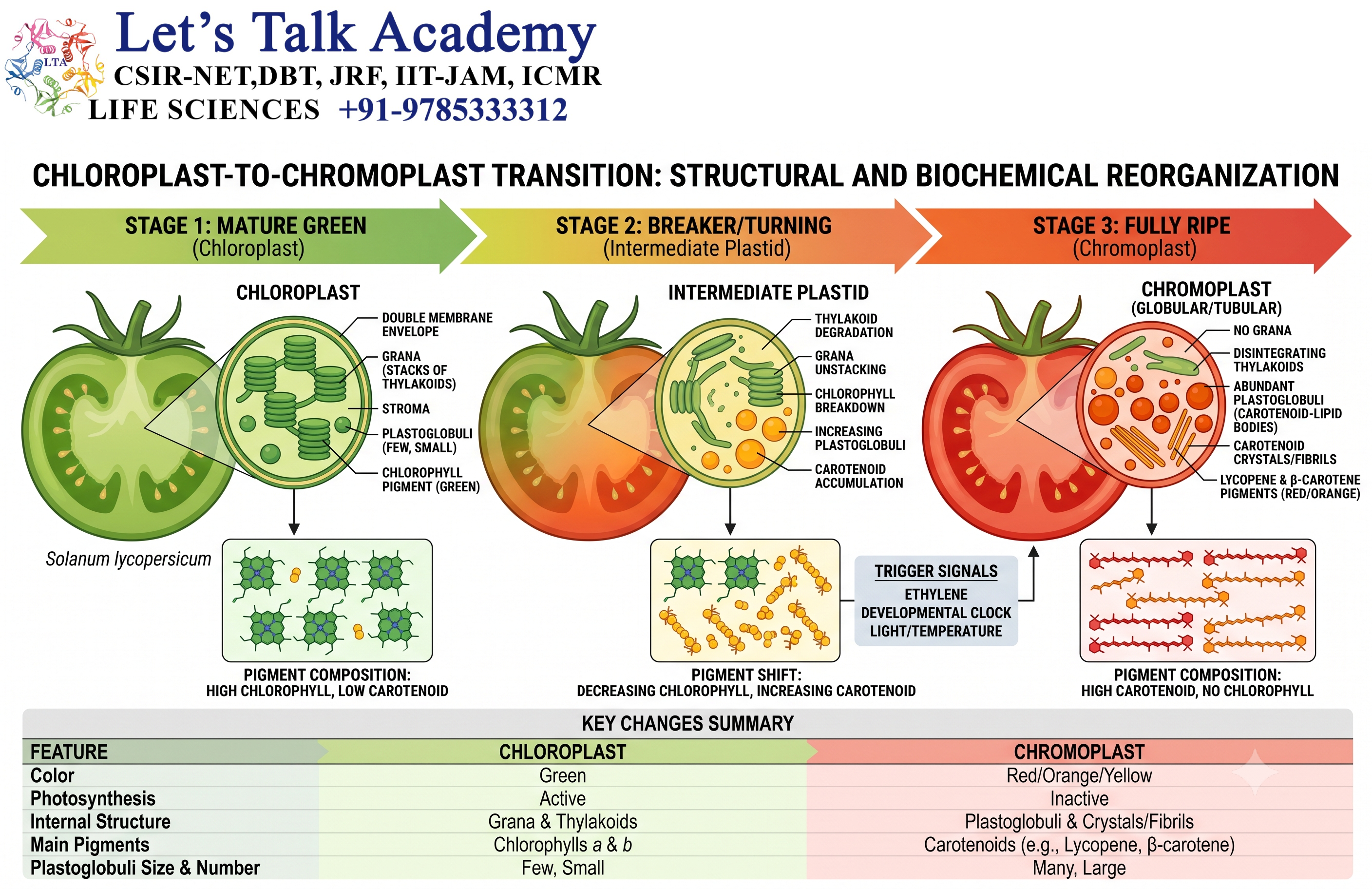
In several plant tissues, chloroplasts can undergo transformation into chromoplasts.
A simplified process is:
Chloroplast
↓
Loss or remodeling of photosynthetic structures
↓
Changes in pigment metabolism
↓
Carotenoid accumulation
↓
Chromoplast
This transition is particularly important during fruit ripening.
13. Leucoplasts
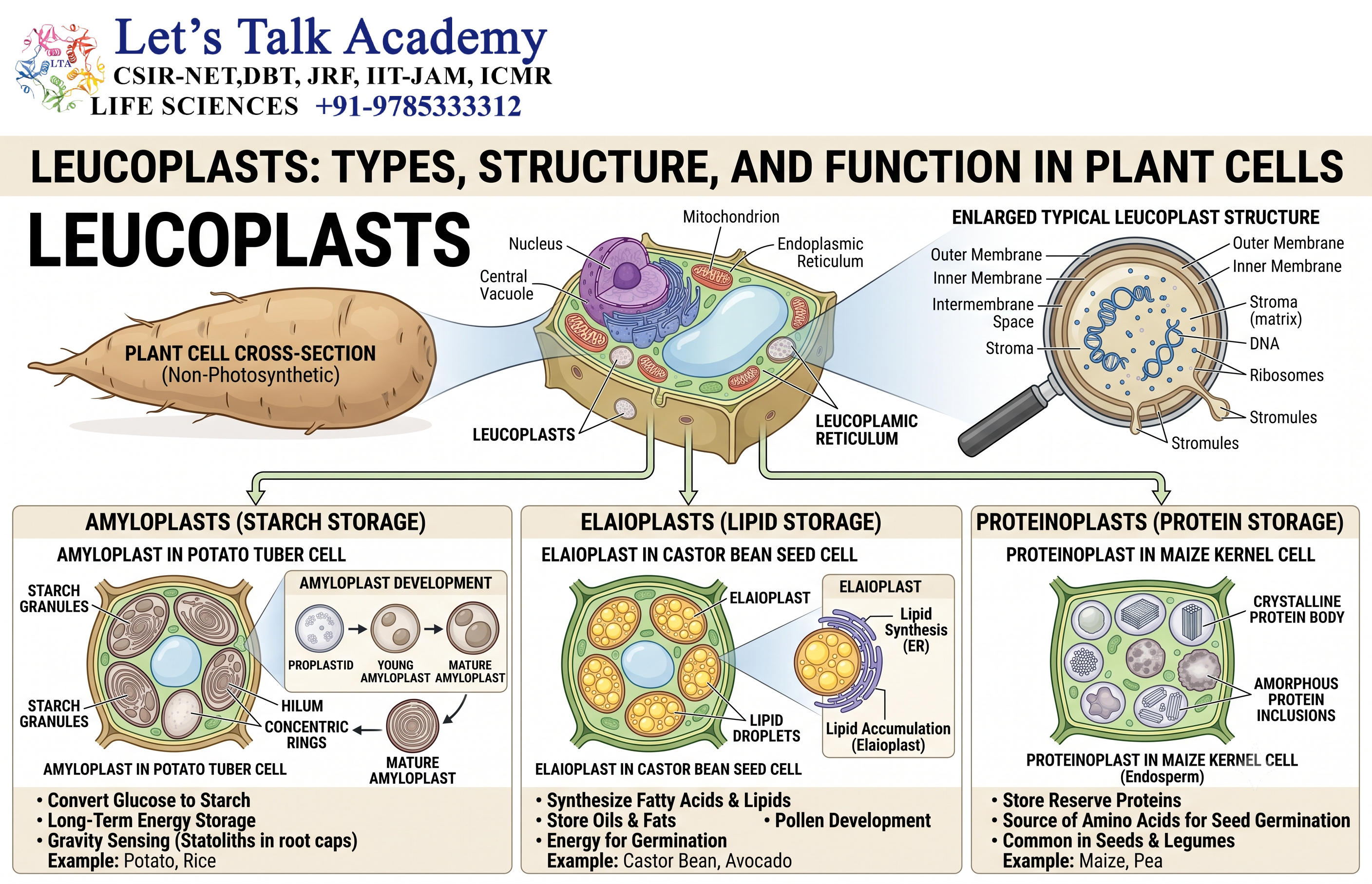
Leucoplasts are colorless plastids generally found in tissues that do not perform significant photosynthesis.
They are commonly associated with storage and biosynthetic activities.
Major leucoplast types include:
- Amyloplasts
- Elaioplasts
- Proteinoplasts
14. Amyloplasts
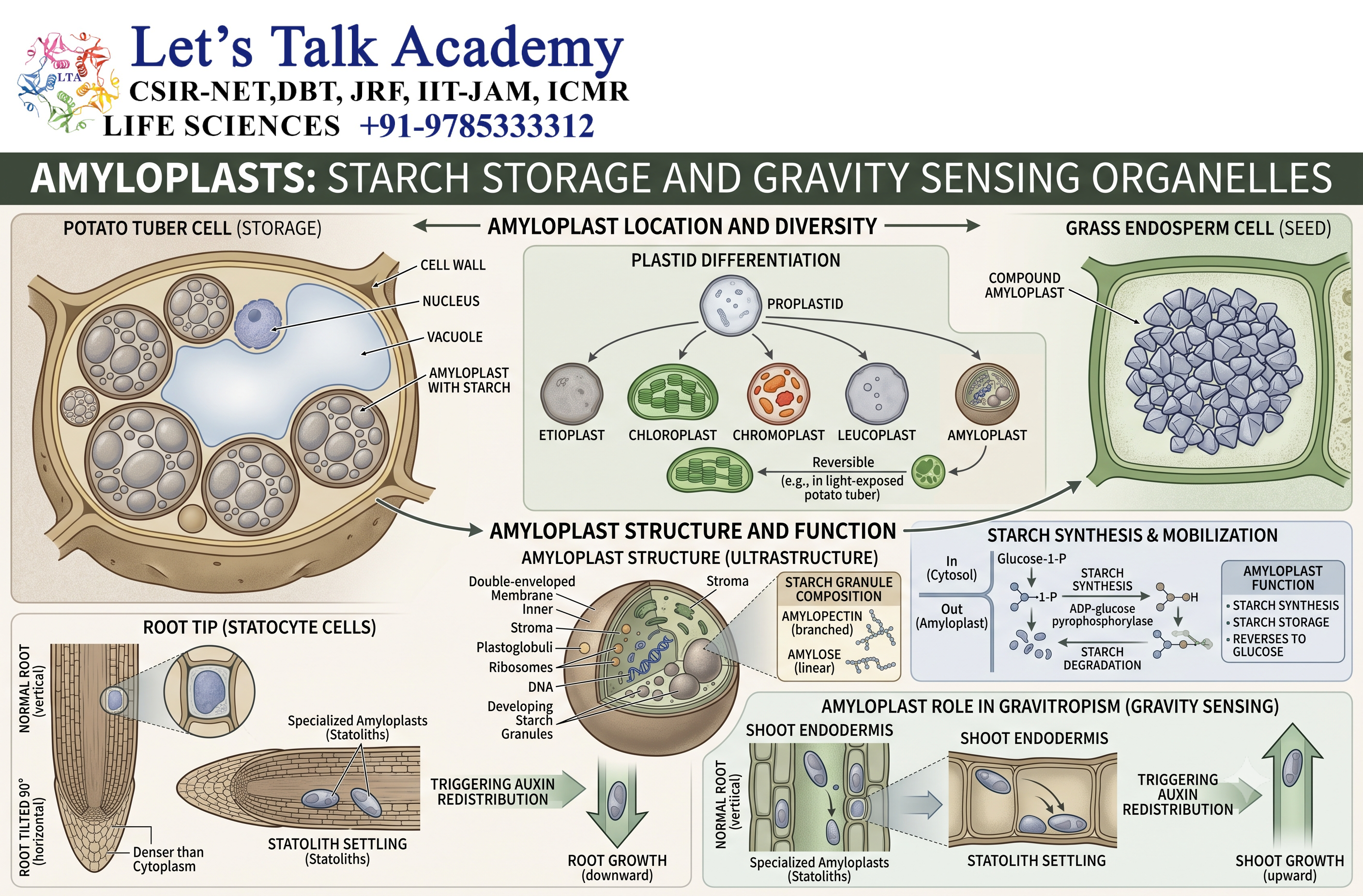
Amyloplasts are specialized plastids involved mainly in starch synthesis and storage.
They are commonly found in:
- Roots
- Tubers
- Seeds
- Storage tissues
Examples include starch-storing tissues of potato and other plants.
14.1 Functions of Amyloplasts
Amyloplasts:
- Synthesize starch
- Store starch
- Participate in carbohydrate metabolism
- Function as gravity-sensing organelles in certain plant cells
15. Amyloplasts and Gravitropism
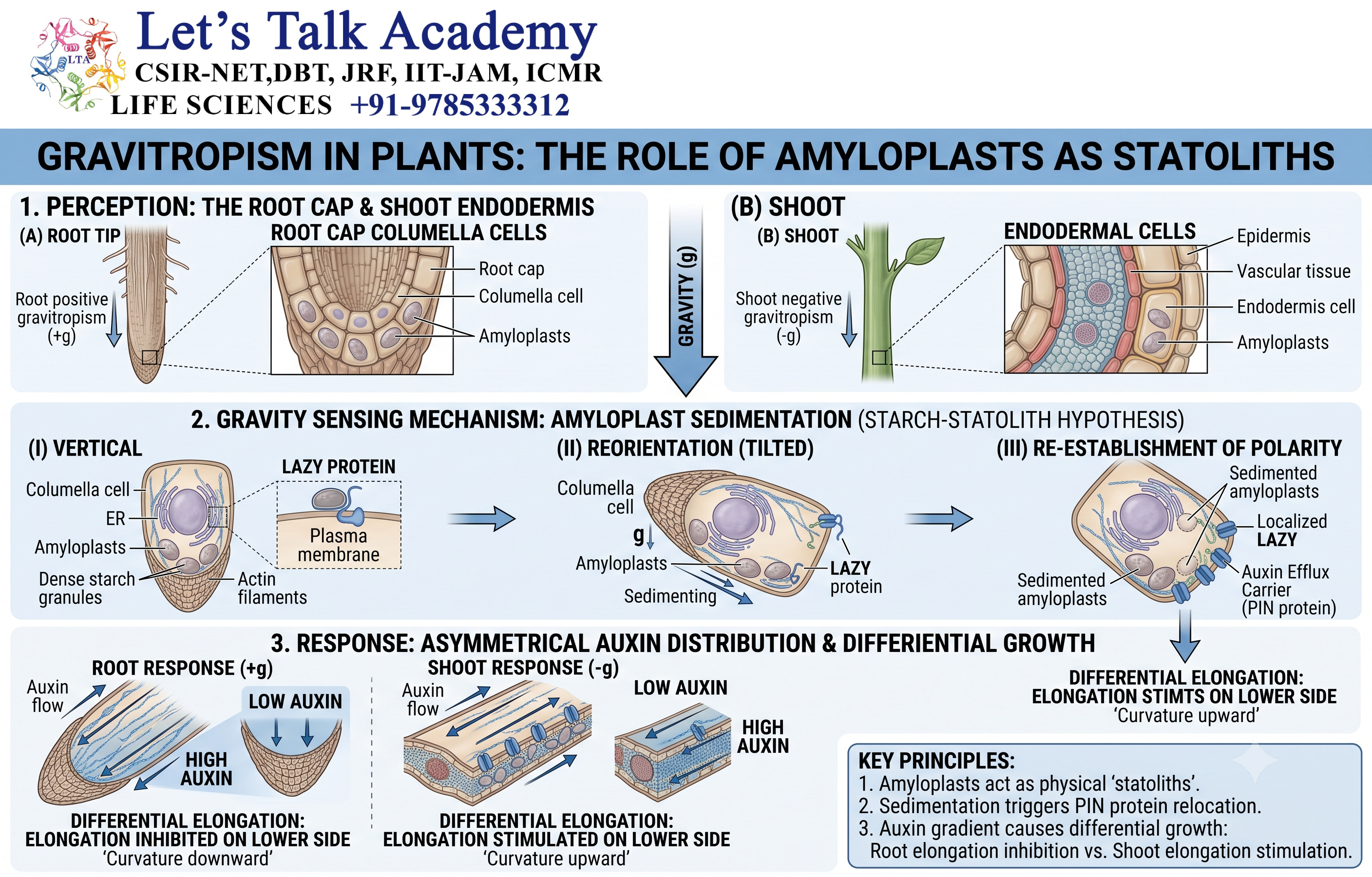
Amyloplasts have an important role in plant gravitropism.
In specialized cells, dense starch-filled amyloplasts can sediment toward the direction of gravity.
These specialized amyloplasts are often called statoliths.
Their movement contributes to the perception of gravity and helps plants determine the direction of root and shoot growth.
Simplified concept:
Gravity
↓
Amyloplast sedimentation
↓
Gravity perception
↓
Hormonal redistribution
↓
Differential growth
↓
Gravitropic response
16. Elaioplasts
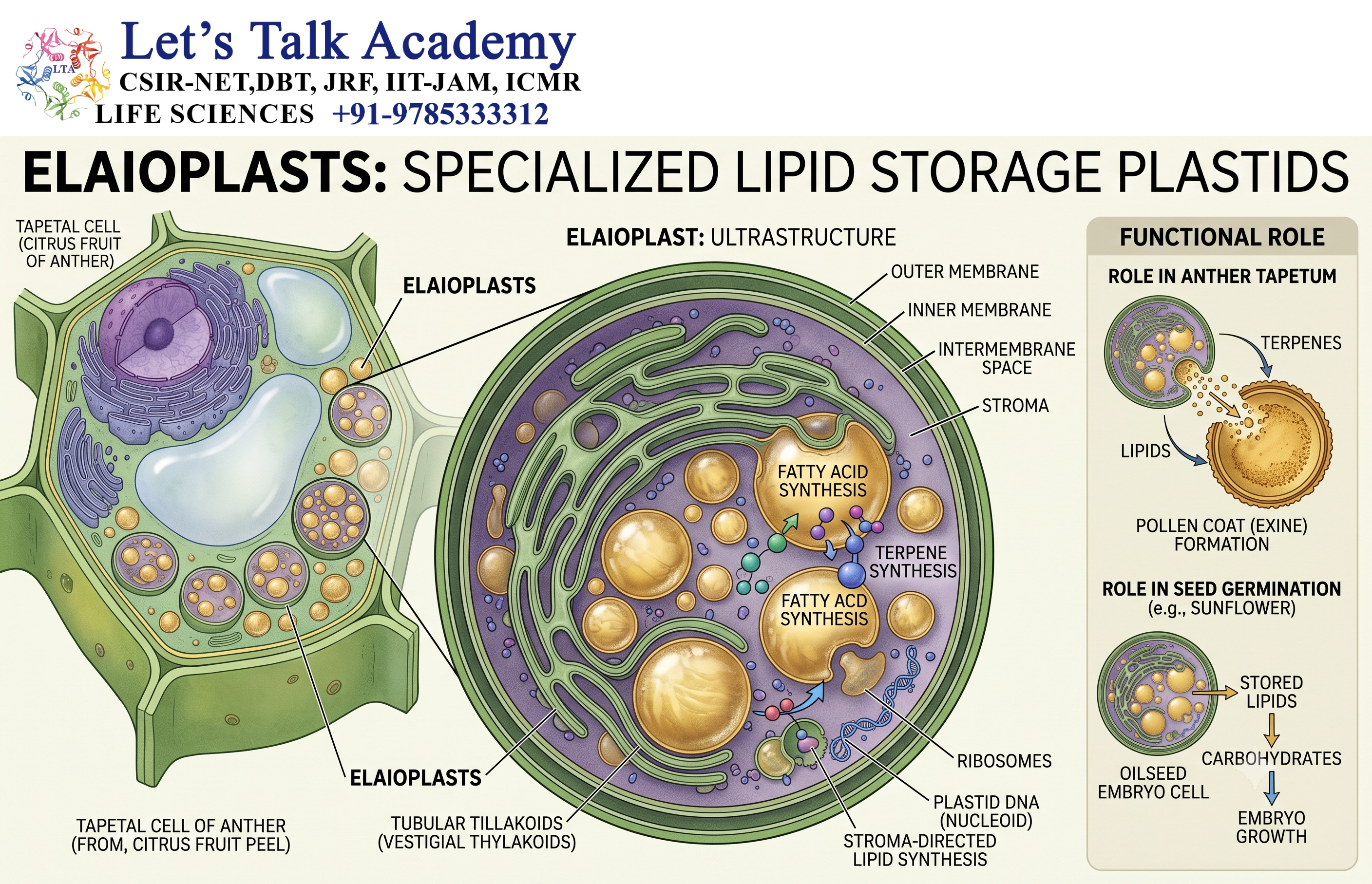
Elaioplasts are plastids associated primarily with the synthesis and storage of lipids.
They occur particularly in tissues where lipid metabolism is important.
They can contain or accumulate lipid-rich materials and participate in fatty acid and lipid-related metabolic processes.
17. Proteinoplasts
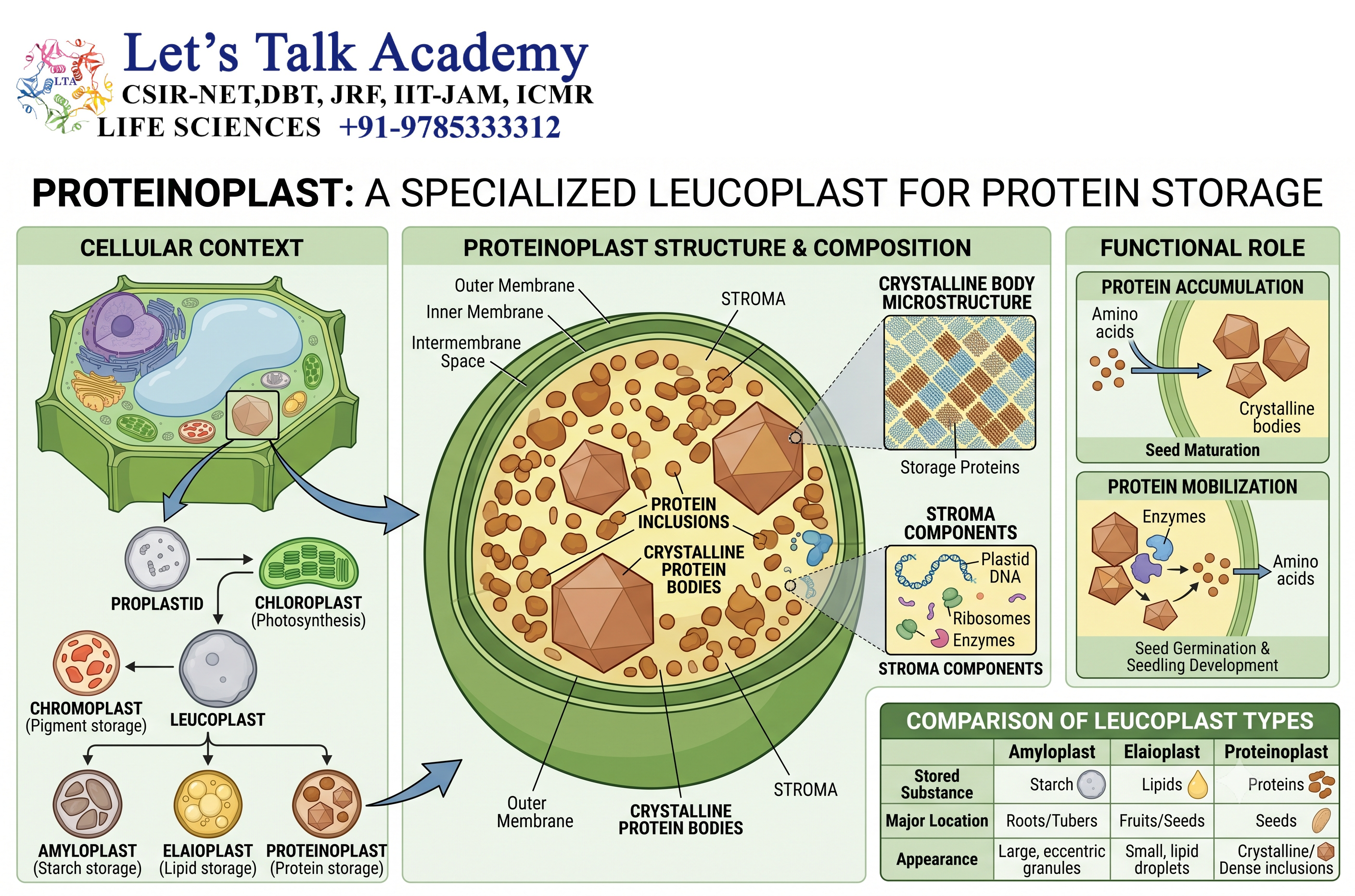
Proteinoplasts, also called aleuroplasts in some contexts, are specialized leucoplasts associated with protein storage.
They are found in certain plant tissues, particularly storage tissues.
Their exact morphology and classification can vary depending on the plant species and the developmental state of the tissue.
18. Etioplasts
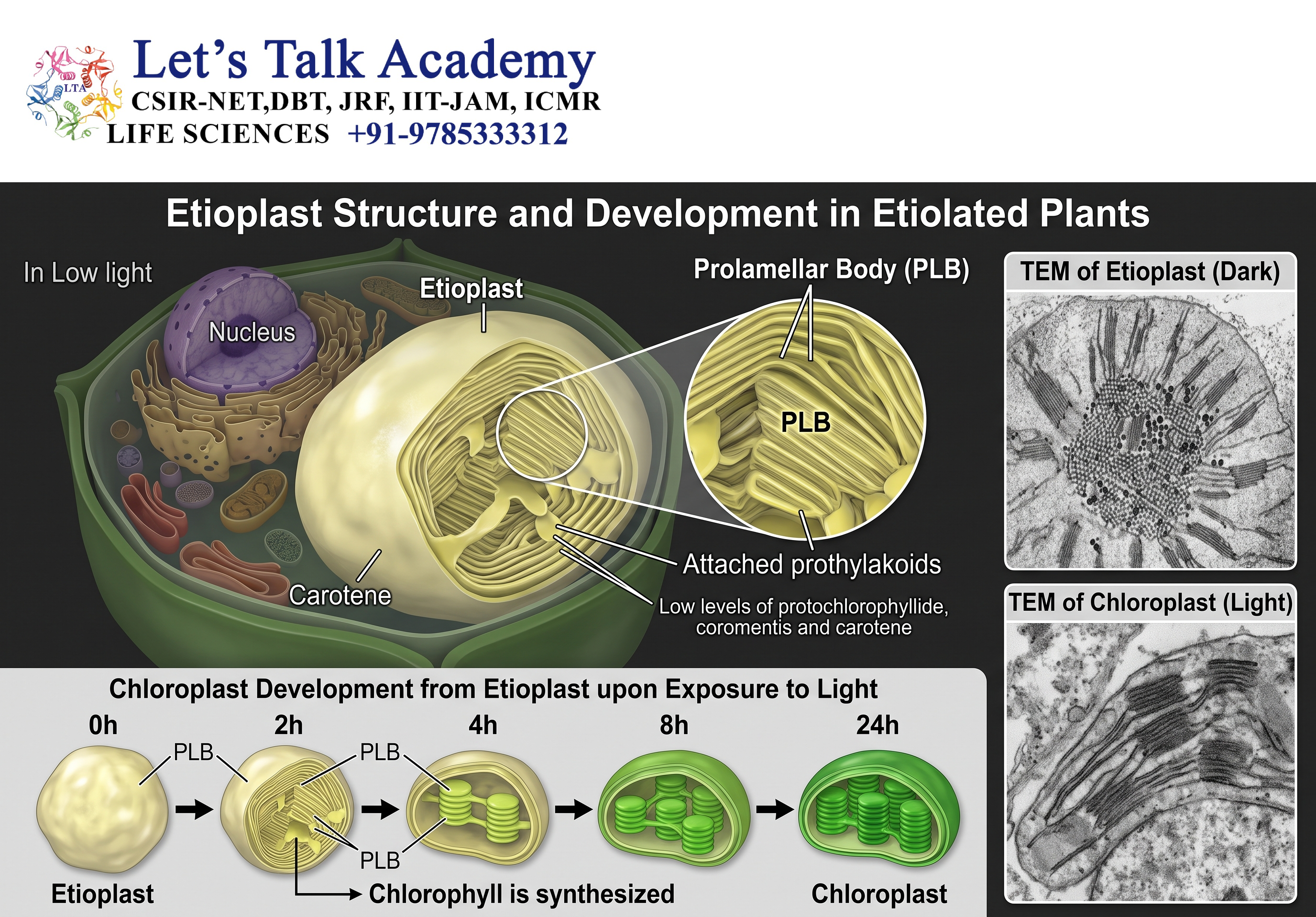
Etioplasts develop in plant tissues that grow in darkness or under very limited light.
They are considered developmental intermediates that can transform into chloroplasts when exposed to light.
Etioplasts contain a specialized internal membrane structure called a prolamellar body.
When light becomes available:
Etioplast → Light exposure → Chloroplast development
During this transition, chlorophyll synthesis increases and the internal thylakoid system develops.
19. Gerontoplasts
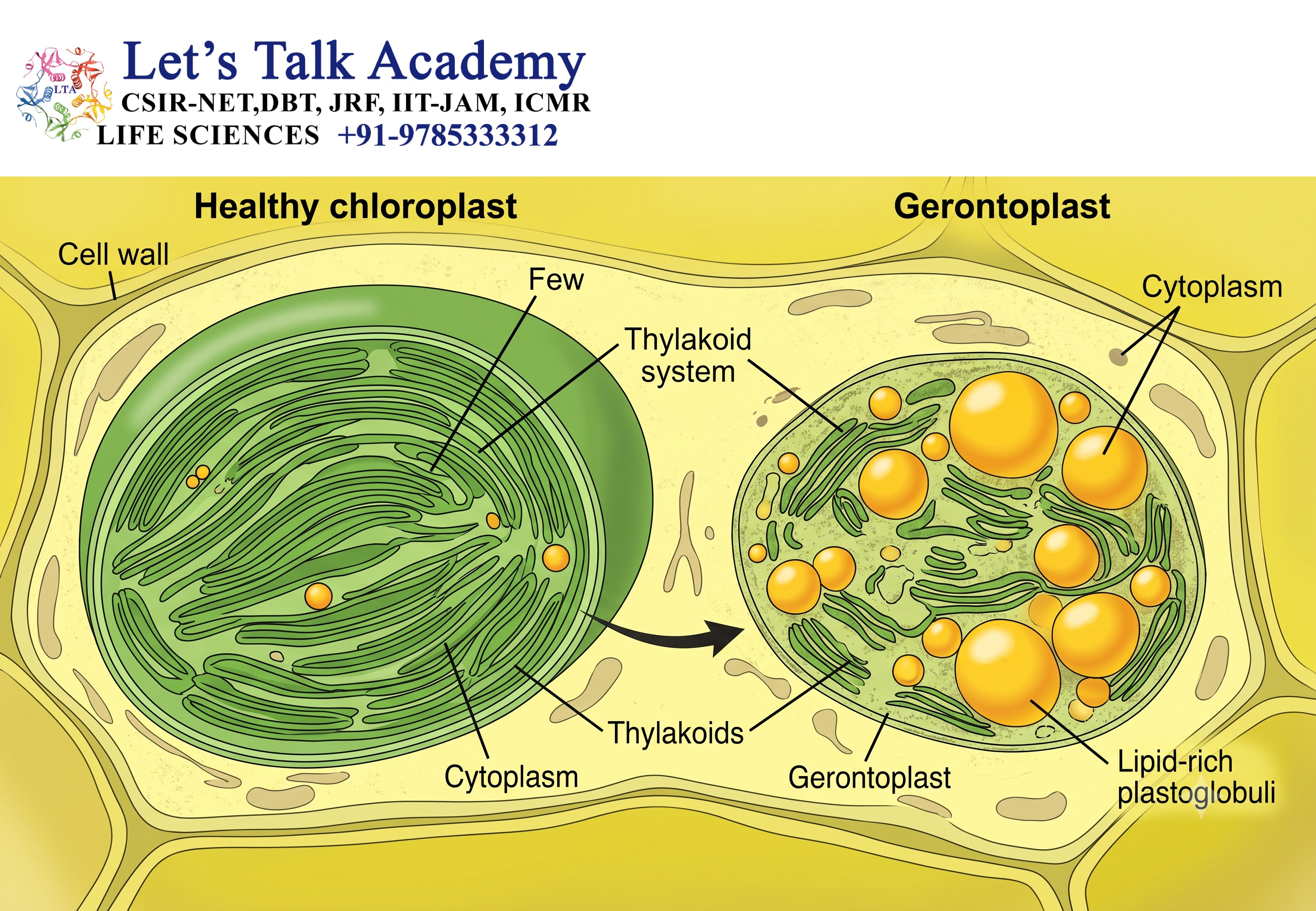
Gerontoplasts are plastids associated with the process of leaf senescence.
During senescence, chloroplasts undergo extensive structural and biochemical changes.
These changes include:
- Breakdown of chlorophyll
- Remodeling of thylakoid membranes
- Changes in photosynthetic proteins
- Increased recycling of nutrients
- Formation of plastoglobuli
- Conversion toward a senescence-associated plastid state
Gerontoplast formation allows the plant to recover valuable nutrients before the tissue is lost.
20. Plastid Genome
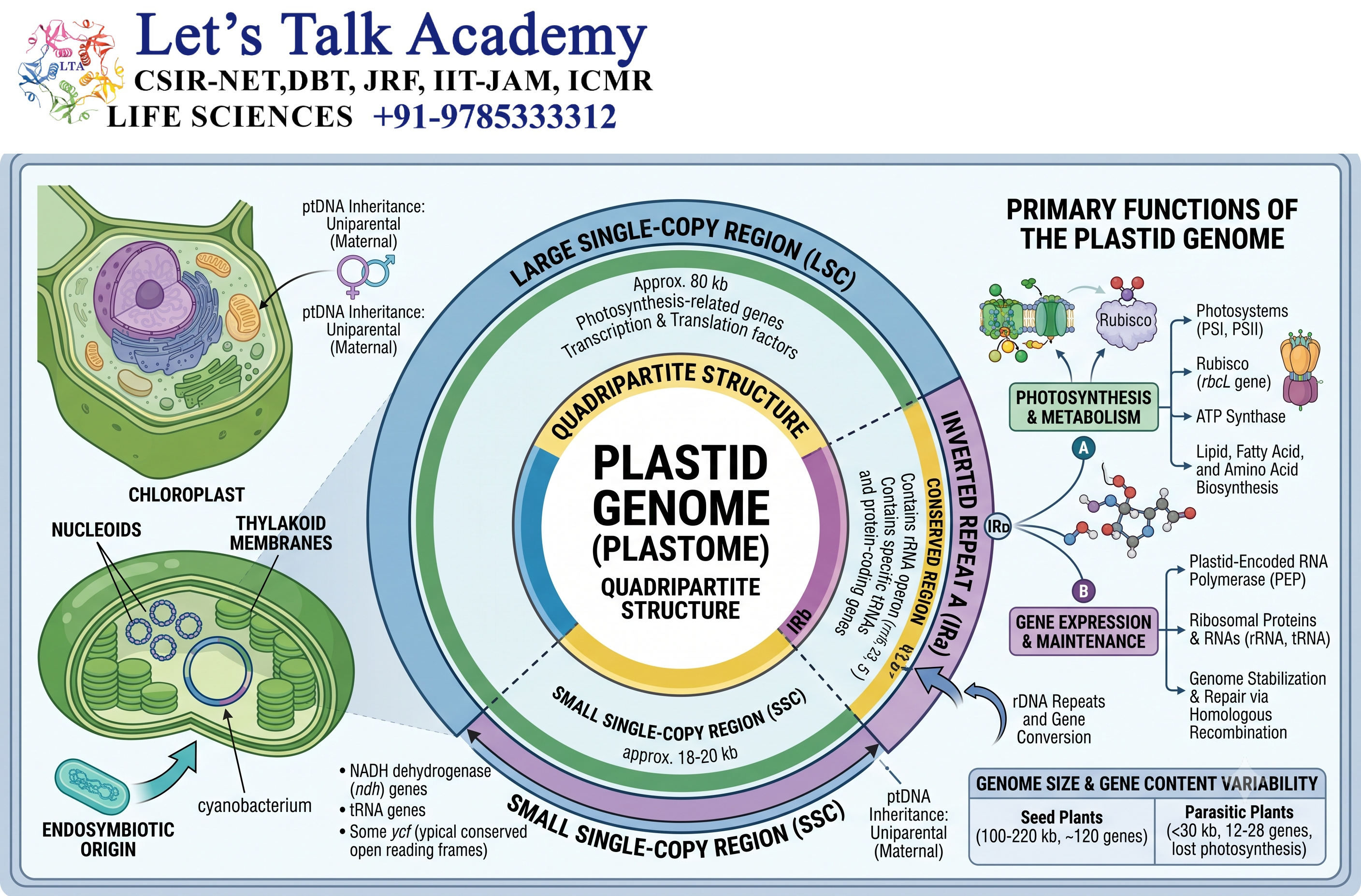
The plastid genome is called the plastome.
It contains genes required for several important plastid functions.
These include genes involved in:
- Photosynthetic proteins
- Ribosomal RNAs
- Transfer RNAs
- Some components of gene expression
- Certain metabolic functions
However, the plastid genome is not sufficient for complete plastid function.
Most proteins required by plastids are encoded by the nuclear genome.
21. Plastid DNA Organization
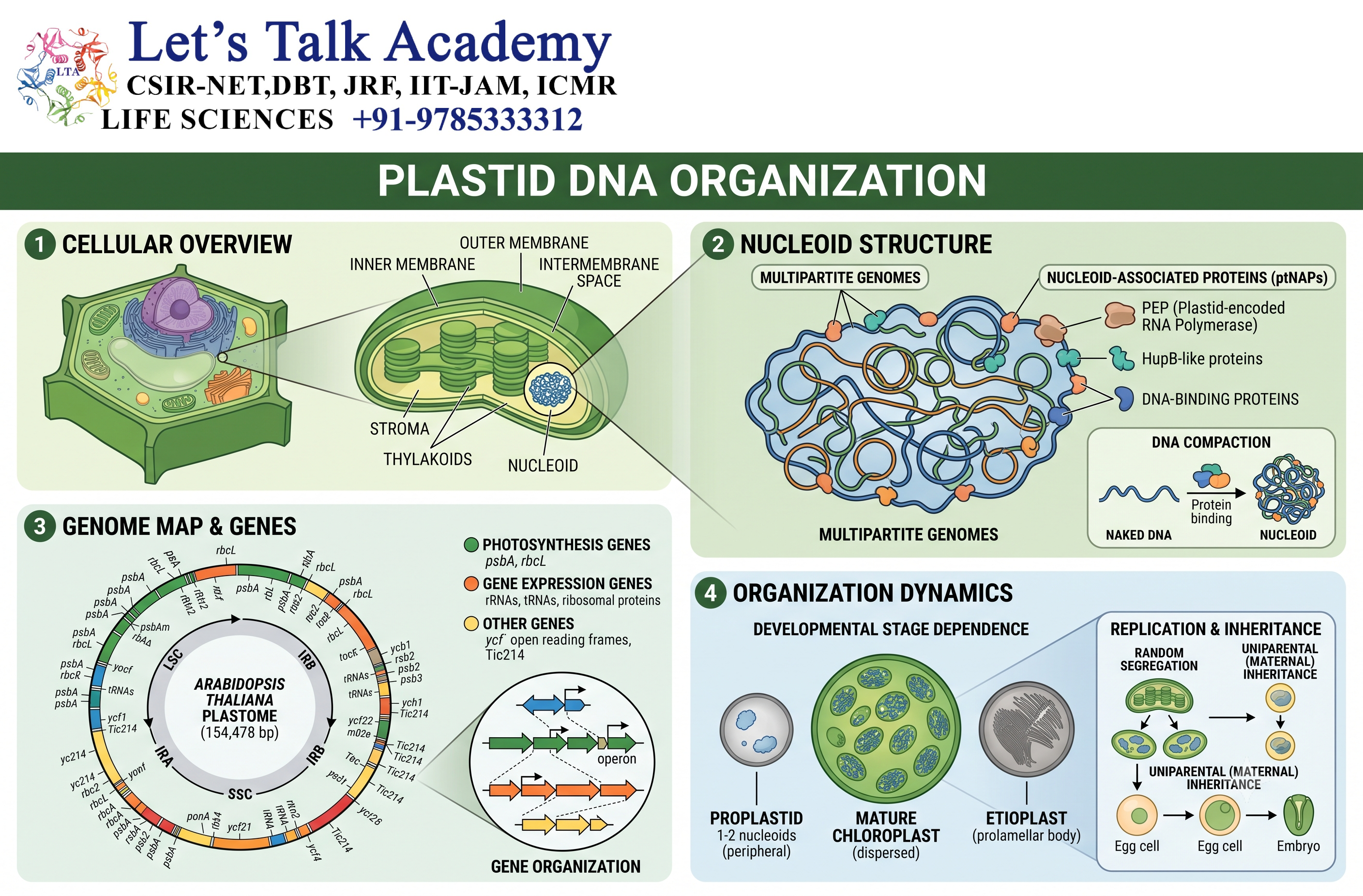
Plastid DNA is usually present in multiple copies.
Rather than existing as a single chromosome-like structure, plastid DNA molecules may occur in complexes known as nucleoids.
Nucleoids contain:
- DNA
- DNA-binding proteins
- RNA-associated components
- Proteins involved in DNA replication and transcription
22. Gene Transfer from Plastids to the Nucleus
During evolution, many genes originally present in the ancestral cyanobacterial endosymbiont were transferred to the nuclear genome.
This process is called endosymbiotic gene transfer.
The transferred genes are now expressed in the nucleus, and their protein products are transported back into plastids.
This created a highly integrated genetic relationship between the nucleus and plastids.
23. Protein Import into Plastids
Because many plastid proteins are encoded by nuclear genes, these proteins are synthesized in the cytoplasm and transported into plastids.
Two important protein-translocation systems are:
- TOC complex – Translocon of the Outer Chloroplast membrane
- TIC complex – Translocon of the Inner Chloroplast membrane
Simplified pathway:
Nuclear gene
↓
mRNA
↓
Cytoplasmic translation
↓
Precursor protein
↓
TOC
↓
TIC
↓
Plastid interior
This coordinated transport is essential for plastid development and function.
24. Plastid Division
Plastids generally increase in number by division of existing plastids.
Their division machinery has evolutionary similarities to bacterial division systems.
Important components include proteins associated with the formation and constriction of the division machinery.
A simplified sequence is:
Plastid growth
↓
Division-site selection
↓
Division ring formation
↓
Membrane constriction
↓
Plastid division
↓
Two daughter plastids
The balance between plastid division and cellular development determines plastid number in many tissues.
25. Plastid Inheritance
Plastids can be inherited from one or both parents depending on the species.
In many flowering plants, plastid inheritance is predominantly maternal, although exceptions occur.
Some plants show paternal or biparental inheritance.
Therefore, plastid inheritance is not universally identical across all plant species.
26. Plastid Heteroplasmy
A cell may contain more than one type or genetic variant of plastid genome.
The presence of genetically different plastid genomes within the same cell or organism is called heteroplasmy.
During cell division, plastids and their genomes can be distributed among daughter cells.
This can influence the genetic composition of plastid populations.
27. Plastid Transformation
Plastids can sometimes be genetically engineered through plastid transformation.
In this approach, foreign DNA is introduced into the plastid genome.
Plastid transformation has been investigated for:
- Production of recombinant proteins
- Metabolic engineering
- Plant biotechnology
- Development of novel traits
- Research on plastid gene expression
A major advantage is that plastids can contain multiple genome copies, allowing high levels of expression in some systems.
28. Plastids as Biosynthetic Centers
Plastids are not limited to photosynthesis.
They participate in the synthesis of numerous important molecules.
These include:
- Fatty acids
- Amino acids
- Isoprenoids
- Tetrapyrroles
- Certain hormones and hormone precursors
- Starch
- Pigments
Therefore, plastids function as major metabolic centers of plant cells.
29. Fatty Acid Synthesis in Plastids
Plastids play a central role in de novo fatty acid synthesis in plants.
Acetyl-CoA-derived carbon is used to produce fatty acids through a series of enzymatic reactions.
These fatty acids can subsequently be incorporated into:
- Membrane lipids
- Storage lipids
- Signaling molecules
- Other cellular metabolites
30. Amino Acid Biosynthesis
Several amino acids or their precursors are synthesized partly or largely within plastids.
Plastid metabolism is especially important for pathways involving:
- Glutamate
- Glutamine
- Branched-chain amino acids
- Aromatic amino acid precursors
Thus, plastids contribute substantially to nitrogen and carbon metabolism.
31. Plastids and Tetrapyrrole Biosynthesis
Plastids are major sites of tetrapyrrole biosynthesis.
Tetrapyrroles include biologically important molecules such as:
- Chlorophyll
- Heme
- Other related compounds
Chlorophyll biosynthesis is particularly important for chloroplast development and photosynthetic function.
32. Plastids and Starch Metabolism
Plastids are important in both starch synthesis and starch degradation.
In photosynthetic tissues, chloroplasts can temporarily store carbohydrates as transitory starch.
In storage tissues, amyloplasts accumulate large quantities of starch.
This provides plants with an important reserve of carbon and energy.
33. Plastoglobuli
Plastoglobuli are small lipid-containing structures associated with plastid internal membranes.
They participate in lipid metabolism and the storage or organization of hydrophobic molecules.
Plastoglobuli are particularly prominent in certain developmental and stress-related plastid states.
Their composition changes during processes such as:
- Chloroplast development
- Senescence
- Environmental stress
- Plastid differentiation
34. Plastid–Nucleus Communication
Plastids and the nucleus communicate continuously.
The nucleus controls the production of many plastid proteins, while plastids send signals to the nucleus regarding their functional and developmental status.
This communication is called retrograde signaling when signals move from plastids toward the nucleus.
Examples of signals include changes associated with:
- Redox state
- Reactive oxygen species
- Tetrapyrrole metabolism
- Photosynthetic activity
- Developmental status
The nucleus also sends information to plastids through nuclear gene expression and protein import.
Therefore:
Nucleus ↔ Plastid
This bidirectional communication is essential for coordinated cellular function.
35. Plastids and Reactive Oxygen Species
Photosynthetic activity can generate reactive oxygen species (ROS).
Examples include:
- Superoxide
- Hydrogen peroxide
- Singlet oxygen
At controlled levels, ROS can function as signaling molecules. At excessive levels, they can damage proteins, lipids, pigments, and nucleic acids.
Plastids therefore possess antioxidant systems that help maintain redox balance.
36. Plastids and Plant Stress Responses
Plastids respond to various environmental stresses, including:
- High light
- Drought
- Temperature stress
- Salinity
- Nutrient deficiency
- Pathogen attack
Changes in plastid metabolism can trigger signaling pathways that alter nuclear gene expression and cellular behavior.
Thus, plastids are important sensors and regulators of plant stress responses.
37. Plastids in Plant Defense
Plastids contribute to plant defense by participating in the production of compounds involved in defense responses.
These include:
- Fatty acid-derived signaling molecules
- Isoprenoids
- Phenylpropanoid-related precursors
- Reactive oxygen species
- Specialized metabolites
Plastid metabolism can therefore influence the plant’s ability to respond to herbivores and pathogens.
38. Plastids in Algae
Plastids are also present in many algal groups.
However, algal plastids show remarkable diversity in:
- Number of membranes
- Pigments
- Genome organization
- Internal structures
- Evolutionary origin
Some algal plastids originated through secondary or tertiary endosymbiosis, in which a eukaryotic cell acquired a plastid from another eukaryotic organism.
39. Primary and Secondary Plastids
39.1 Primary Plastids
Primary plastids originated through the incorporation of a cyanobacterium into an ancestral eukaryotic cell.
They occur in major groups including:
- Green algae
- Land plants
- Red algae
- Glaucophytes
39.2 Secondary Plastids
Secondary plastids originated when a eukaryotic organism engulfed another eukaryotic organism that already possessed a primary plastid.
Because of this additional endosymbiotic event, secondary plastids can have more than two surrounding membranes.
40. Tertiary Endosymbiosis
Tertiary endosymbiosis represents another level of plastid acquisition in which a eukaryotic organism acquires a plastid that itself originated through secondary endosymbiosis.
These events demonstrate that plastid evolution has been complex and involves repeated endosymbiotic interactions.
41. Plastid Diversity and Evolution
Plastids provide an excellent example of how organelles can arise through long-term symbiotic relationships.
Their evolutionary history involves:
Cyanobacterium
↓
Primary endosymbiosis
↓
Primary plastid
↓
Secondary endosymbiosis
↓
Secondary plastid diversity
↓
Further evolutionary diversification
This history explains the extraordinary diversity of plastid structures and pigments found among different photosynthetic organisms.
42. Comparison of Major Plastid Types
| Plastid type | Major pigment | Major function | Common location |
|---|---|---|---|
| Chloroplast | Chlorophyll | Photosynthesis | Green tissues |
| Chromoplast | Carotenoids | Pigmentation | Flowers and fruits |
| Amyloplast | Usually colorless | Starch storage | Roots, tubers, seeds |
| Elaioplast | Usually colorless | Lipid storage/metabolism | Storage tissues |
| Proteinoplast | Usually colorless | Protein storage | Storage tissues |
| Etioplast | Chlorophyll absent or low | Dark-grown developmental state | Dark-grown tissues |
| Gerontoplast | Changing pigment composition | Senescence-associated recycling | Senescing leaves |
43. Plastids and Their Major Functions
The major functions of plastids can be summarized as follows:
Photosynthesis → Chloroplasts
Pigment production → Chromoplasts
Starch storage → Amyloplasts
Lipid storage/metabolism → Elaioplasts
Protein storage → Proteinoplasts
Dark-grown developmental state → Etioplasts
Senescence-associated remodeling → Gerontoplasts
44. Important Conceptual Flowchart
Proplastid
↓
Plastid differentiation
↙ ↓ ↓ ↘
Chloroplast | Chromoplast | Leucoplast | Specialized plastids
↓
Photosynthesis | Pigmentation | Storage | Biosynthesis
This developmental flexibility allows plants to adapt plastid function to the needs of different tissues.
45. Plastids Versus Mitochondria
| Feature | Plastids | Mitochondria |
|---|---|---|
| Main role | Photosynthesis and diverse biosynthesis | Cellular respiration and energy production |
| Double membrane | Yes | Yes |
| Own DNA | Yes | Yes |
| Ribosomes | Bacterial-type | Bacterial-type |
| Endosymbiotic origin | Cyanobacterial ancestor | Alpha-proteobacterial ancestor |
| Major occurrence | Plants and algae | Most eukaryotic cells |
| Energy conversion | Light energy to chemical energy in chloroplasts | Chemical energy to ATP |


