
1. Peroxisomes: Structure, Functions, Biogenesis and Cellular Importance
Peroxisomes are small, specialized, single-membrane-bound organelles found in almost all eukaryotic cells. They are particularly important for oxidative metabolism, lipid metabolism, detoxification, and the breakdown of potentially harmful reactive oxygen species.
Peroxisomes are characterized by the presence of several oxidative enzymes. One of their most important enzymes is catalase, which breaks down hydrogen peroxide into water and oxygen. This is particularly important because hydrogen peroxide is a reactive oxygen species that can damage proteins, lipids, and nucleic acids when present in excessive amounts.
Peroxisomes also participate in the oxidation of very-long-chain fatty acids (VLCFAs) and contribute to the synthesis of important lipids, including plasmalogens, which are abundant in certain tissues such as the nervous system and heart.
In plants, peroxisomes have additional specialized functions. They participate in photorespiration, fatty acid metabolism during seed germination, and several other metabolic pathways.
Unlike mitochondria and chloroplasts, peroxisomes do not contain their own DNA or ribosomes. Their proteins are encoded by nuclear genes and synthesized on free ribosomes in the cytosol before being imported into the organelle.
Peroxisomes are therefore best understood as dynamic metabolic organelles that help maintain lipid balance, redox homeostasis, and cellular metabolism.
2. Discovery and Historical Background of Peroxisomes
2.1 Early Observations
The structures now recognized as peroxisomes were observed in cells through electron microscopy during studies of intracellular organelles.
Initially, these organelles were associated primarily with oxidative enzyme activity.
2.2 Discovery of Peroxisomes
The modern concept of peroxisomes emerged from biochemical and electron-microscopic studies in the 1950s.
The work of Christian de Duve and colleagues was particularly important in identifying these organelles as distinct cellular compartments containing oxidative enzymes.
2.3 Origin of the Name
The name peroxisome reflects their association with the metabolism of hydrogen peroxide (H₂O₂).
The term combines the concepts of peroxide metabolism and cellular bodies.
2.4 Changing Understanding of Peroxisomes
Initially, peroxisomes were mainly considered organelles responsible for peroxide metabolism.
Modern research has shown that their functions are much broader.
They participate in:
- Fatty acid metabolism
- Ether phospholipid synthesis
- Reactive oxygen species metabolism
- Bile acid-related metabolism
- Amino acid metabolism
- Cellular signaling
- Redox regulation
- Specialized plant metabolic pathways
3. General Characteristics of Peroxisomes
Peroxisomes have several characteristic features.
3.1 Single Membrane
Peroxisomes are surrounded by a single lipid bilayer.
Unlike mitochondria and chloroplasts, they do not possess an inner and outer membrane system.
3.2 Small Size
Peroxisomes are generally small organelles, commonly ranging from approximately 0.1 to 1.0 µm in diameter, although their size can vary depending on cell type and physiological conditions.
3.3 Variable Shape
Peroxisomes are usually spherical or oval but can also appear elongated or irregular.
Their morphology is dynamic and can change in response to metabolic conditions.
3.4 No Independent Genome
Peroxisomes do not contain their own DNA.
They also lack their own ribosomes.
Therefore, their proteins are synthesized in the cytosol and subsequently imported into the peroxisome.
3.5 Oxidative Enzymes
Peroxisomes contain numerous oxidative enzymes.
Important examples include:
- Catalase
- Acyl-CoA oxidases
- Urate oxidase in species that possess it
- Various oxidases
- Peroxidases
The exact enzyme composition varies between organisms and cell types.
4. Structure of Peroxisomes
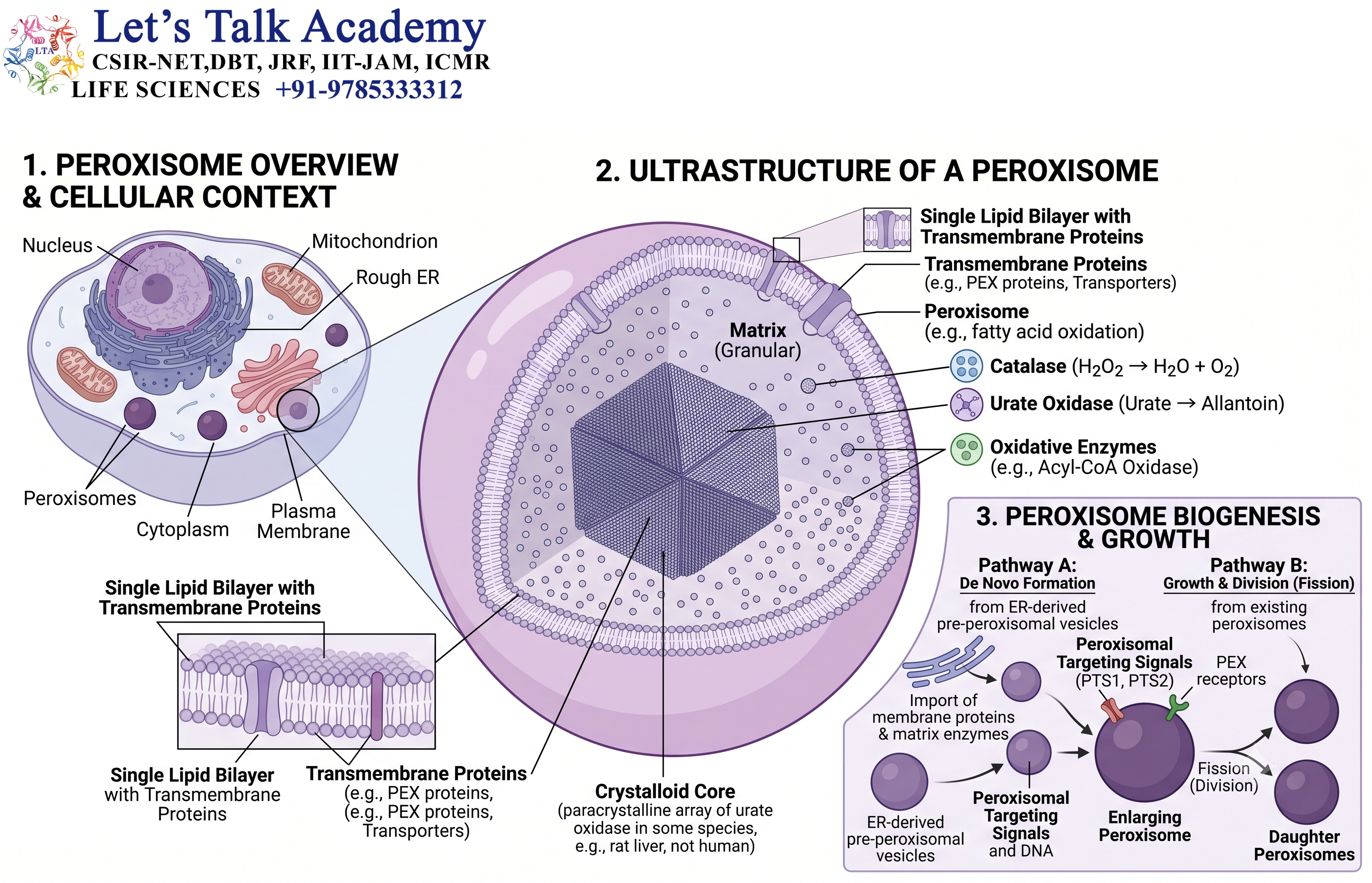
A typical peroxisome consists of a limiting membrane and an internal matrix.
4.1 Peroxisomal Membrane
The peroxisomal membrane is a single lipid bilayer containing specialized membrane proteins.
These proteins are involved in:
- Protein import
- Metabolite transport
- Membrane maintenance
- Peroxisome proliferation
- Organelle division
4.2 Peroxisomal Matrix
The matrix is the internal compartment of the peroxisome.
It contains soluble metabolic enzymes responsible for numerous biochemical reactions.
4.3 Crystalline Inclusions
Some peroxisomes contain crystalline structures formed by densely packed enzymes.
A classic example is the crystalline core formed by urate oxidase in certain animal species.
However, such crystalline inclusions are not a universal feature of peroxisomes.
4.4 Dynamic Organization
Peroxisomes are not static structures.
They can:
- Grow
- Divide
- Change shape
- Interact with other organelles
- Adjust their abundance according to metabolic requirements
5. Peroxisomal Enzymes
Peroxisomes contain several groups of enzymes involved in oxidation and metabolism.
5.1 Catalase
Catalase is one of the characteristic enzymes of peroxisomes.
It converts hydrogen peroxide into water and oxygen.
The reaction is:
2H₂O₂ → 2H₂O + O₂
This reaction protects cells from excessive hydrogen peroxide accumulation.
5.2 Oxidases
Peroxisomes contain various oxidases.
These enzymes transfer electrons from substrates to molecular oxygen.
As a result, hydrogen peroxide may be generated as a by-product.
For example:
RH₂ + O₂ → R + H₂O₂
The resulting hydrogen peroxide can then be broken down by catalase or used in other controlled reactions.
5.3 Peroxidases
Peroxidases use hydrogen peroxide to oxidize other substrates.
They can therefore contribute to the controlled utilization of hydrogen peroxide.
5.4 Acyl-CoA Oxidase
Acyl-CoA oxidase participates in peroxisomal fatty acid β-oxidation.
It catalyzes the first oxidation step of the pathway and contributes to hydrogen peroxide generation.
6. Hydrogen Peroxide Metabolism
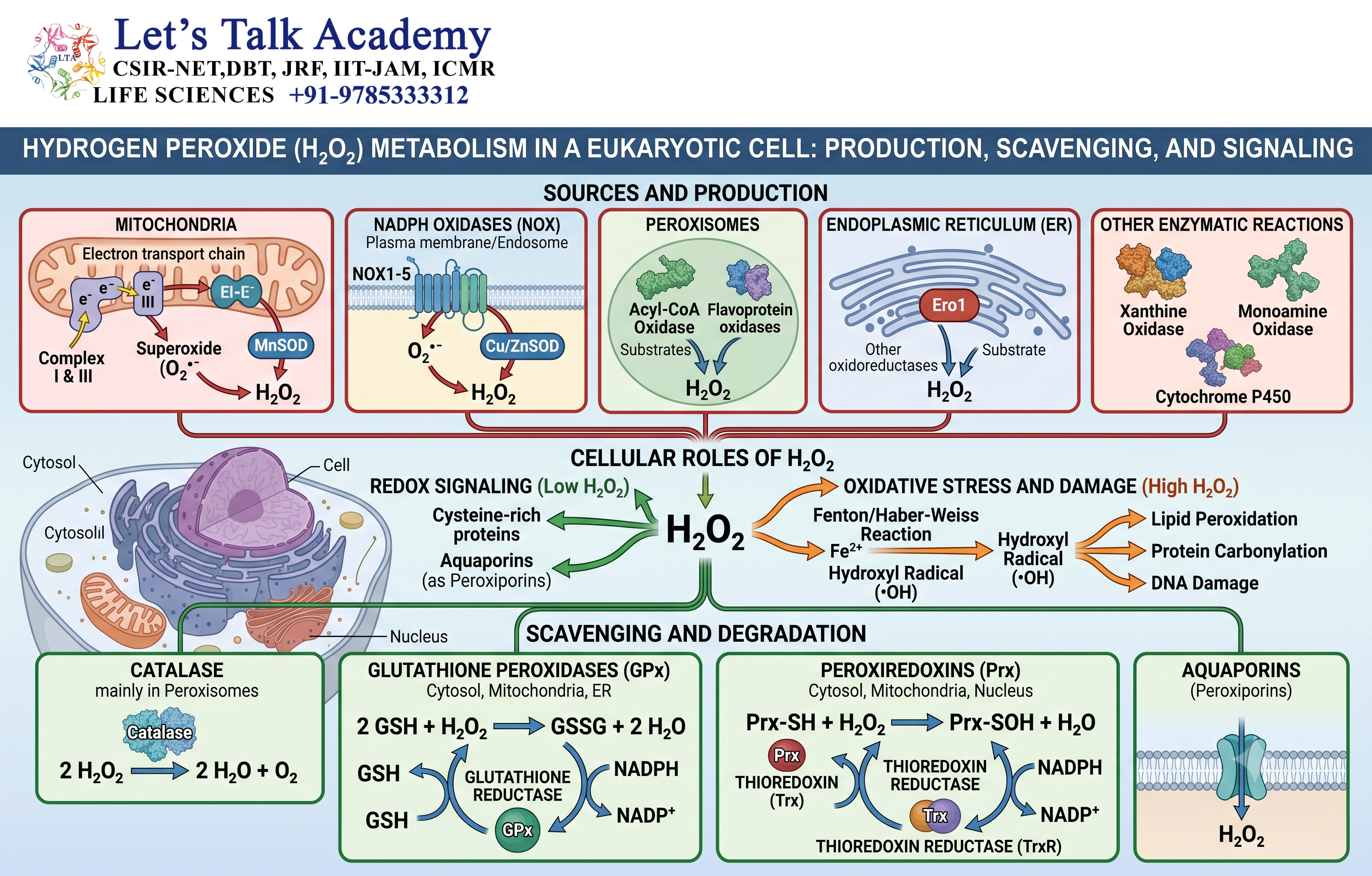
The metabolism of hydrogen peroxide is one of the defining functions of peroxisomes.
6.1 Formation of Hydrogen Peroxide
Several oxidative reactions occurring inside peroxisomes produce H₂O₂.
Hydrogen peroxide is less reactive than some other reactive oxygen species but can still cause substantial cellular damage at high concentrations.
6.2 Catalase-Mediated Breakdown
Catalase converts H₂O₂ into water and oxygen.
This prevents excessive accumulation of hydrogen peroxide.
6.3 Controlled Oxidation
Hydrogen peroxide can also be used as an oxidizing agent in certain metabolic reactions.
Therefore, peroxisomes both generate and detoxify hydrogen peroxide.
6.4 Importance of Balance
The ability to produce and remove H₂O₂ allows peroxisomes to participate in oxidative metabolism without allowing uncontrolled oxidative damage.
7. Peroxisomes and Reactive Oxygen Species

Reactive oxygen species, commonly called ROS, are chemically reactive oxygen-containing molecules.
7.1 Major Reactive Oxygen Species
Important ROS include:
- Superoxide
- Hydrogen peroxide
- Hydroxyl radicals
7.2 Beneficial Roles
Reactive oxygen species are not always harmful.
At controlled concentrations, they can participate in:
- Cellular signaling
- Immune responses
- Metabolic regulation
7.3 Oxidative Stress
When ROS production exceeds the cell’s ability to control or remove them, oxidative stress can occur.
Excessive ROS can damage:
- Proteins
- Lipids
- DNA
- Cellular membranes
7.4 Role of Peroxisomes
Peroxisomes contribute to redox homeostasis by controlling the production and breakdown of hydrogen peroxide and other reactive metabolites.
8. Peroxisomal β-Oxidation
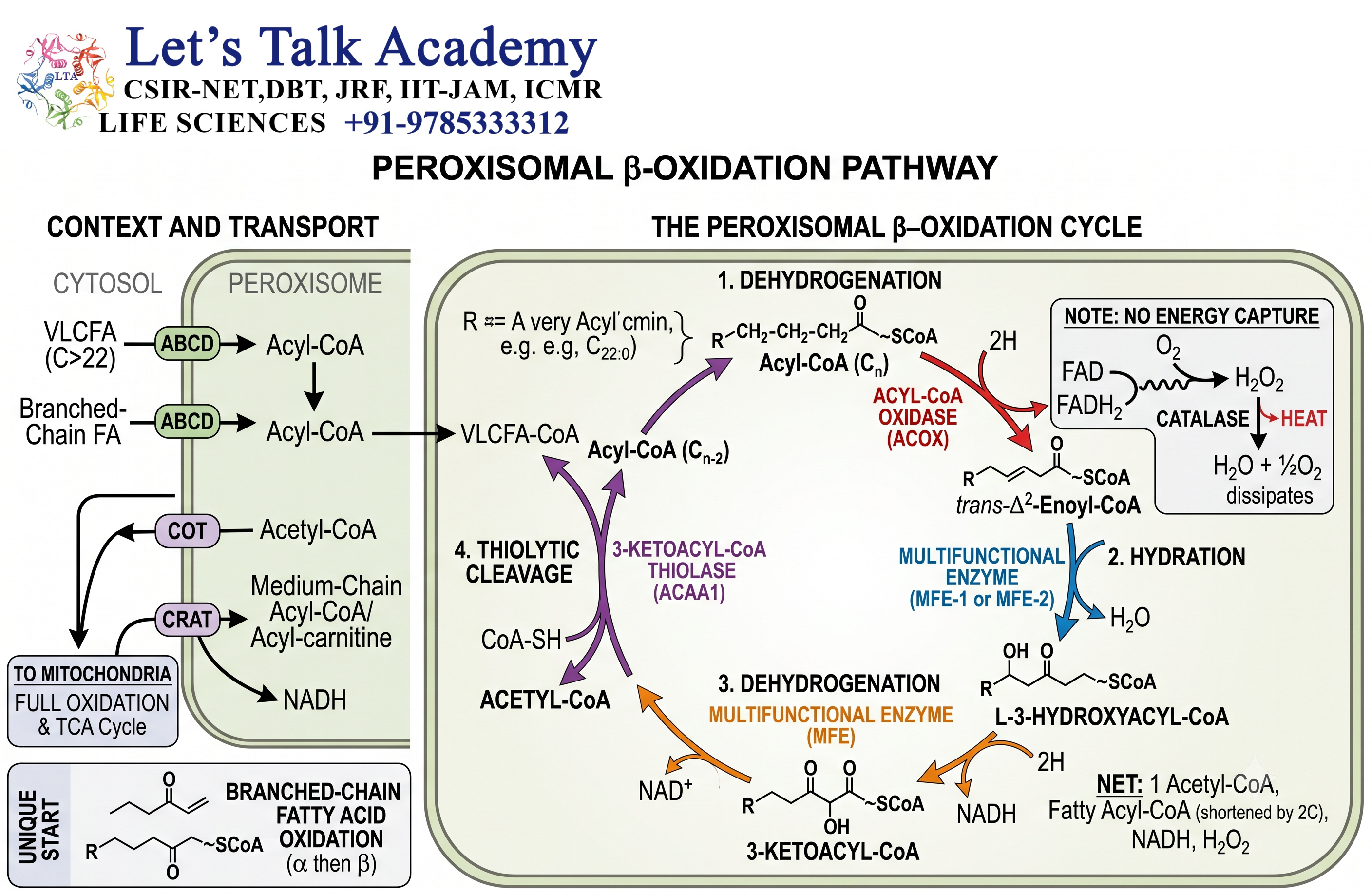
One of the most important functions of peroxisomes is the oxidation of fatty acids.
8.1 What is β-Oxidation?
β-oxidation is a metabolic pathway in which fatty acids are progressively broken down to generate acetyl-CoA and shorter acyl-CoA molecules.
8.2 Peroxisomal β-Oxidation
Peroxisomes are particularly important for the breakdown of very-long-chain fatty acids.
These fatty acids are often too long to be efficiently handled initially by mitochondria.
Peroxisomes shorten them through β-oxidation.
8.3 Very-Long-Chain Fatty Acids
VLCFAs contain very long hydrocarbon chains.
Their accumulation can be harmful, particularly to nervous tissue and other organs.
Peroxisomal β-oxidation helps prevent excessive accumulation.
8.4 Difference from Mitochondrial β-Oxidation
Peroxisomal and mitochondrial β-oxidation are related but not identical.
Peroxisomal β-oxidation is especially important for shortening very-long-chain and certain specialized fatty acids.
Mitochondria are generally more important for the complete oxidation of suitable fatty acids to generate ATP.
9. Steps of Peroxisomal β-Oxidation
Peroxisomal fatty acid oxidation follows a repeated sequence of reactions.
9.1 First Oxidation
Acyl-CoA oxidase catalyzes the first oxidation step.
This reaction transfers electrons to oxygen and generates hydrogen peroxide.
9.2 Hydration
The double bond formed during the first oxidation step undergoes hydration.
9.3 Second Oxidation
A dehydrogenase oxidizes the resulting hydroxyacyl-CoA.
9.4 Thiolysis
A thiolase cleaves the molecule, producing:
- Acetyl-CoA
- A shortened acyl-CoA
The shortened fatty acyl-CoA can undergo additional cycles.
10. Peroxisomes and Plasmalogen Synthesis

Peroxisomes are essential for the synthesis of plasmalogens.
10.1 What Are Plasmalogens?
Plasmalogens are specialized ether phospholipids.
They are important components of cellular membranes.
10.2 Tissue Distribution
Plasmalogens are particularly abundant in:
- Nervous tissue
- Heart
- Skeletal muscle
- Other specialized tissues
10.3 Peroxisomal Contribution
The initial steps of plasmalogen synthesis occur in peroxisomes.
The pathway is subsequently completed through reactions involving other cellular compartments.
10.4 Biological Importance
Plasmalogens contribute to:
- Membrane structure
- Membrane dynamics
- Cellular signaling
- Protection against oxidative processes
11. Peroxisomes and Bile Acid Metabolism
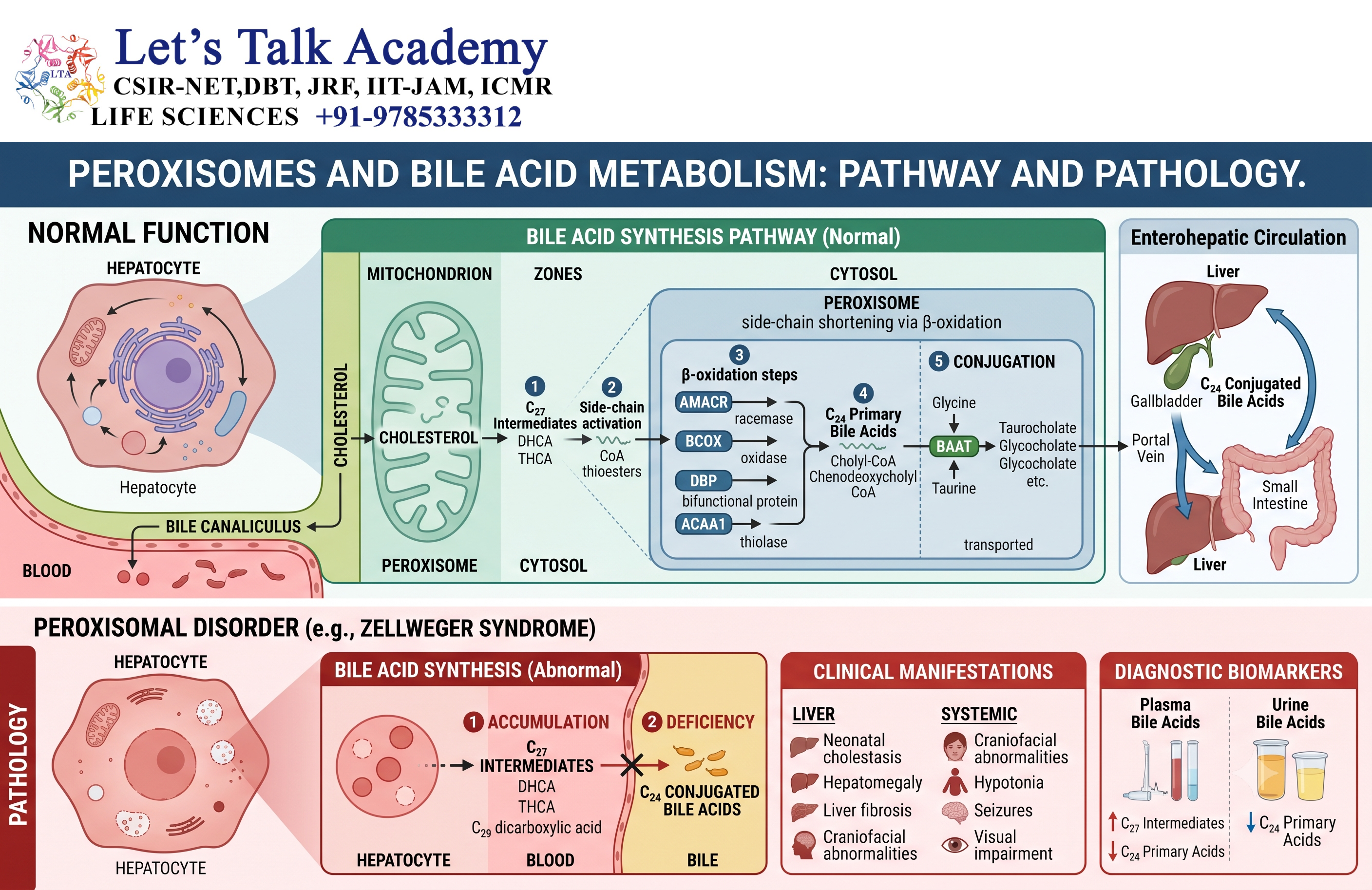
Peroxisomes participate in the metabolism of bile acid intermediates.
11.1 Bile Acids
Bile acids are synthesized from cholesterol and play important roles in lipid digestion and absorption.
11.2 Peroxisomal Role
Peroxisomes contribute to the shortening of side chains of bile acid intermediates.
This produces forms that can enter subsequent steps of bile acid metabolism.
11.3 Importance
Defects in peroxisomal metabolism can therefore affect bile acid synthesis and lipid homeostasis.
12. Peroxisomes and Other Lipid Metabolism
Peroxisomes participate in the metabolism of several specialized lipids.
They contribute to the processing of:
- Very-long-chain fatty acids
- Branched-chain fatty acids
- Certain bile acid intermediates
- Ether lipids
12.1 Branched-Chain Fatty Acids
Some branched-chain fatty acids cannot be efficiently processed through conventional mitochondrial pathways.
Peroxisomes participate in their metabolism through specialized oxidative pathways.
12.2 Phytanic Acid
Phytanic acid is a branched-chain fatty acid derived from dietary sources.
Its metabolism begins with α-oxidation, a pathway associated with peroxisomes.
13. Peroxisomal α-Oxidation
Certain fatty acids require α-oxidation before they can undergo further degradation.
13.1 Why α-Oxidation Is Required
Branched-chain fatty acids may contain a methyl group at a position that prevents direct β-oxidation.
α-oxidation modifies the molecule so that subsequent degradation becomes possible.
13.2 Phytanic Acid Metabolism
Phytanic acid is a classic substrate for α-oxidation.
The pathway generates a shorter-chain fatty acid that can subsequently undergo further degradation.
13.3 Biological Significance
Defects in phytanic acid metabolism can lead to accumulation of phytanic acid and contribute to metabolic disease.
14. Peroxisomes and Protein Import
Because peroxisomes do not have their own ribosomes, their proteins must be imported from the cytosol.
14.1 Peroxisomal Targeting Signals
Many peroxisomal matrix proteins contain specific targeting sequences.
Two major targeting signals are:
- PTS1
- PTS2
14.2 PTS1
PTS1 is commonly located at the C-terminus of the protein.
A common PTS1 sequence is the tripeptide:
SKL
although many functional variations exist.
14.3 PTS2
PTS2 is generally located near the N-terminus of certain peroxisomal proteins.
It directs these proteins toward the peroxisomal matrix.
14.4 PEX Proteins
Peroxisomal protein import depends on specialized proteins called peroxins, encoded by PEX genes.
These proteins participate in:
- Recognition of targeting signals
- Docking
- Translocation
- Recycling of import machinery
15. PEX5 and PEX7
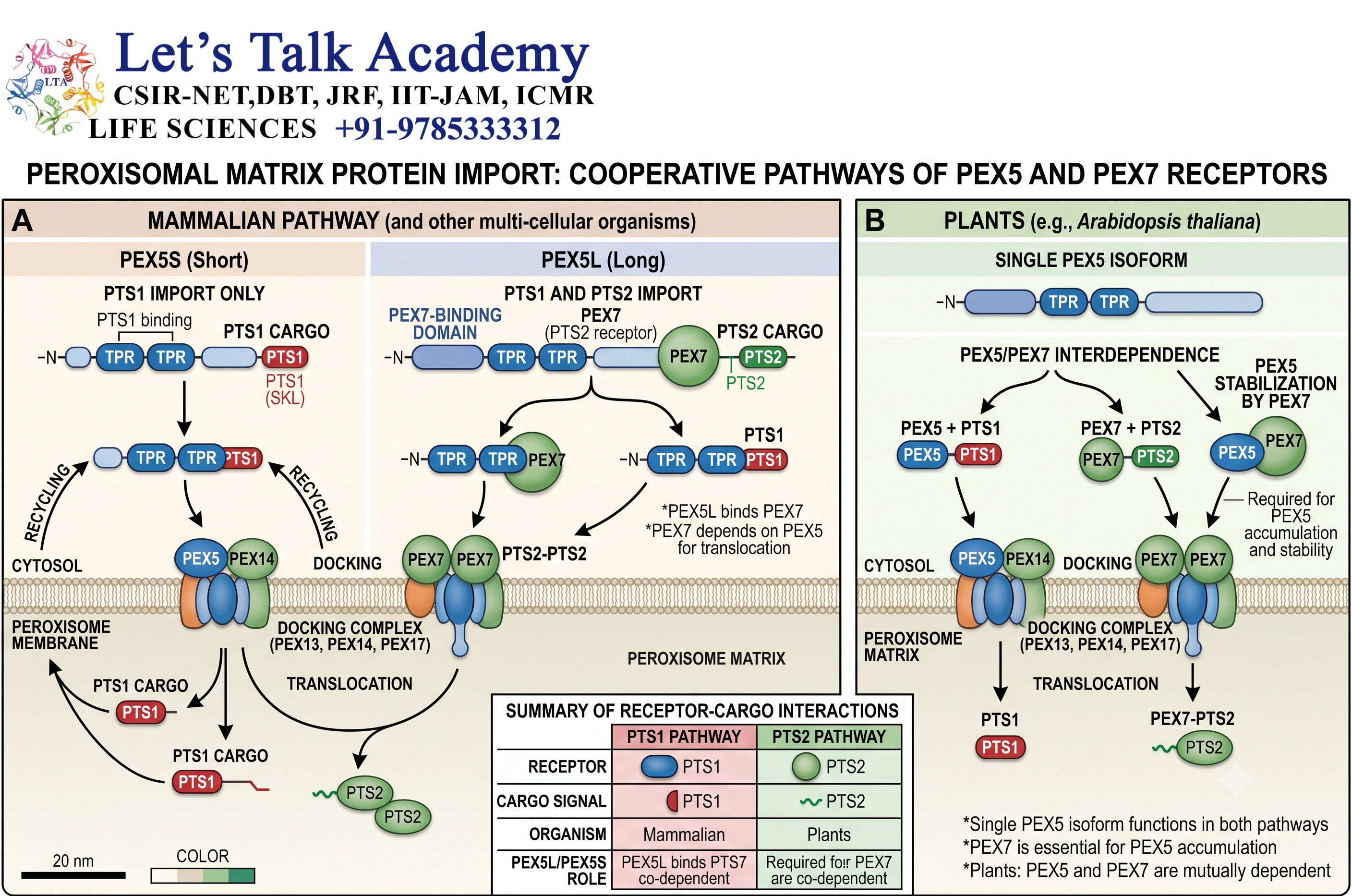
Two important peroxisomal targeting receptors are PEX5 and PEX7.
15.1 PEX5
PEX5 recognizes many proteins containing the PTS1 signal.
It transports these proteins toward the peroxisomal membrane.
15.2 PEX7
PEX7 recognizes proteins containing the PTS2 signal.
It works together with additional factors to facilitate their import.
15.3 Importance of Receptor Recycling
After cargo delivery, targeting receptors are returned to the cytosol so that they can participate in additional rounds of protein import.
This makes the import system efficient and reusable.
16. Peroxisomal Biogenesis
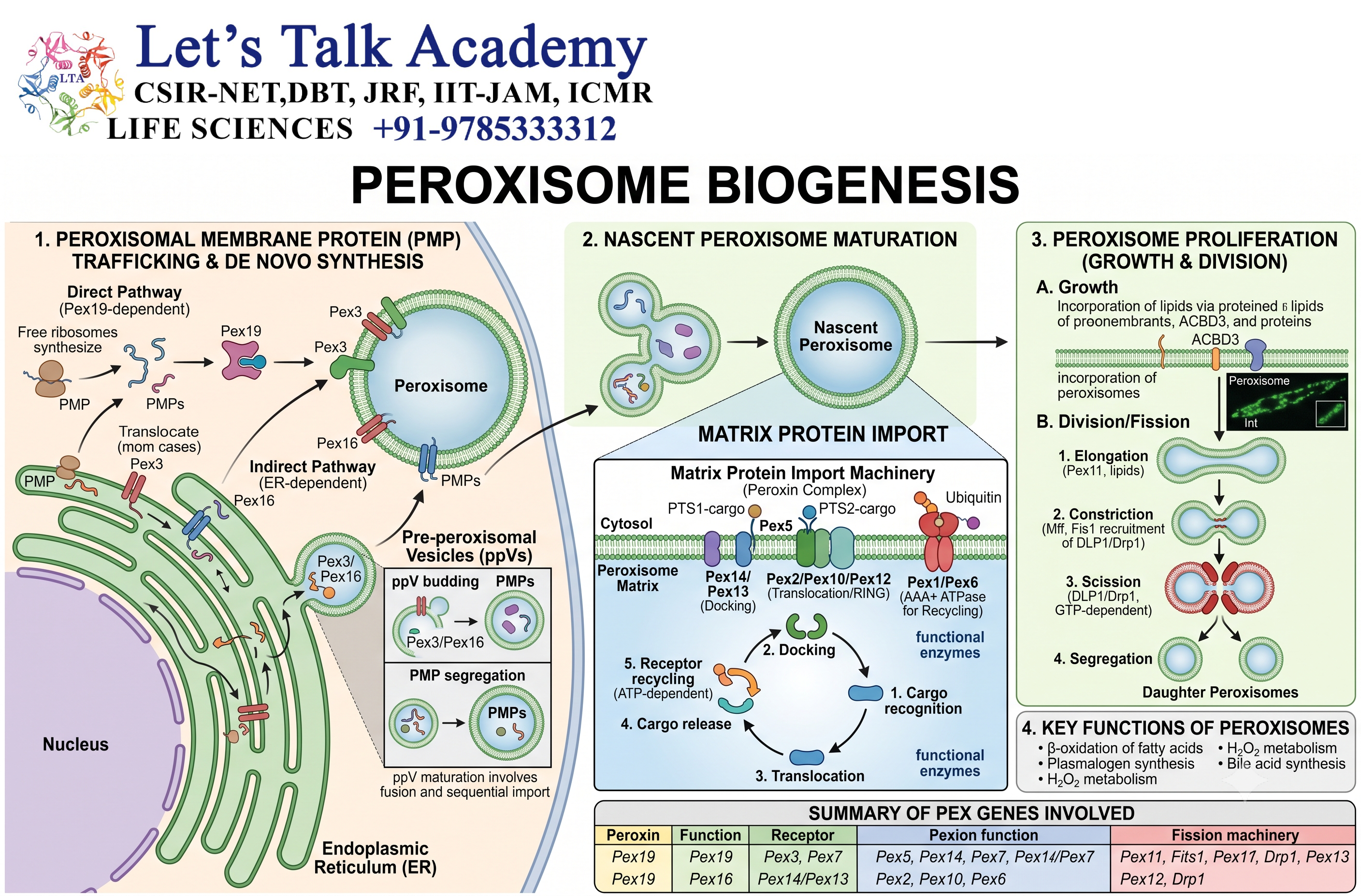
Peroxisomes must be produced, maintained, and multiplied according to cellular requirements.
16.1 Protein Import
Peroxisomal matrix proteins are synthesized on free cytosolic ribosomes and imported into existing peroxisomes.
16.2 Membrane Protein Import
Peroxisomal membrane proteins also require specialized targeting and insertion mechanisms.
16.3 Growth and Division
Peroxisomes can grow by incorporating membrane components and proteins and can subsequently divide.
16.4 Role of Peroxins
Peroxins are essential for peroxisomal biogenesis and maintenance.
Mutations in PEX genes can cause severe inherited disorders known as peroxisomal biogenesis disorders.
17. Peroxisome Proliferation
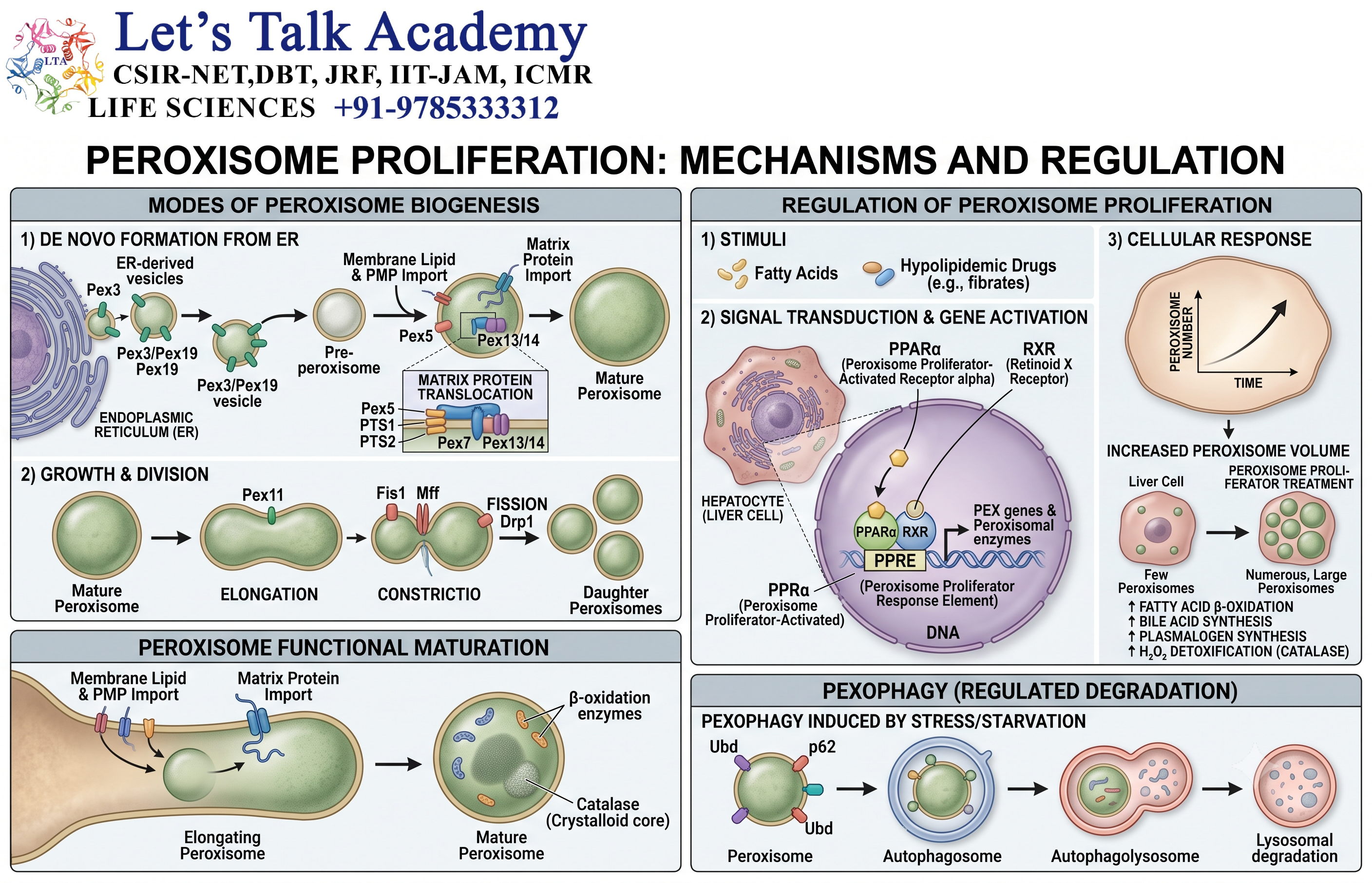
The number of peroxisomes within a cell can change according to metabolic requirements.
17.1 Increased Peroxisome Number
Certain metabolic conditions and chemical signals can stimulate peroxisome proliferation.
17.2 PPAR Signaling
Peroxisome proliferator-activated receptors (PPARs) are nuclear receptors that regulate genes involved in lipid metabolism and other metabolic pathways.
Although the name originated from observations of peroxisome proliferation, PPARs have broad roles in metabolic regulation.
17.3 Adaptation
Peroxisome abundance can therefore adapt to changes in the cell’s metabolic environment.
18. Peroxisomes in Plants

Plant peroxisomes have several specialized functions.
18.1 Photorespiration
One of the most important functions of plant peroxisomes is their participation in photorespiration.
Photorespiration involves cooperation among:
- Chloroplasts
- Peroxisomes
- Mitochondria
18.2 Photorespiratory Cycle
During photorespiration, glycolate generated in chloroplasts is transported to peroxisomes.
Peroxisomal reactions convert it into other metabolic intermediates before the pathway continues through mitochondria and back toward the chloroplast.
18.3 Importance of Photorespiration
Photorespiration is energetically costly, but it is an important consequence of Rubisco’s oxygenase activity and is integrated into plant metabolism.
19. Peroxisomes During Seed Germination
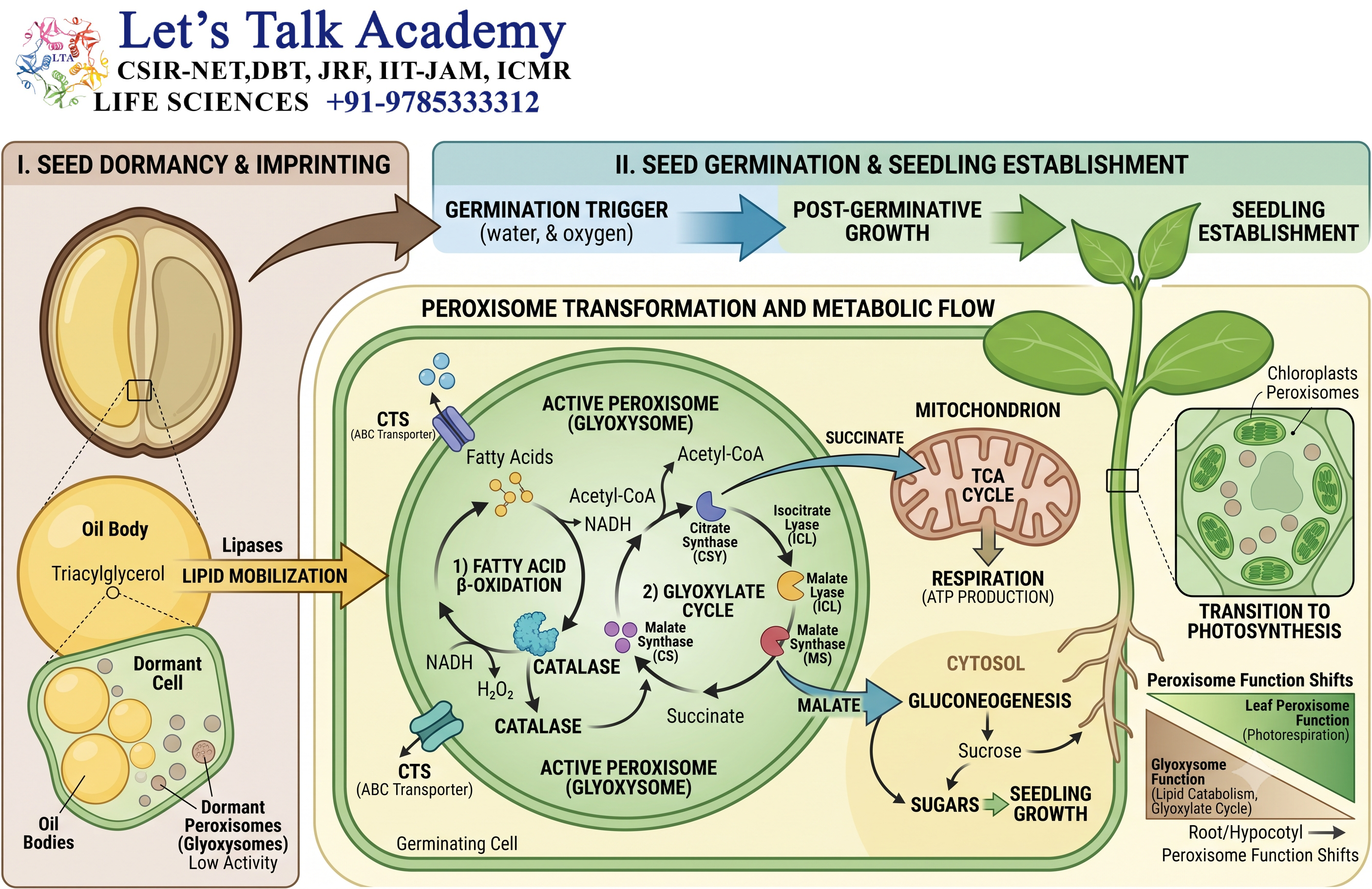
Peroxisomes have a specialized form in germinating oil-rich seeds.
These organelles are often called glyoxysomes.
19.1 Glyoxysomes
Glyoxysomes contain enzymes required for the glyoxylate cycle.
19.2 Conversion of Lipids to Carbohydrates
During early seedling development, stored lipids can be converted into carbohydrates.
This is particularly important before the young plant becomes fully photosynthetically active.
19.3 Role of β-Oxidation
Fatty acids released from stored oils undergo β-oxidation in glyoxysomes.
The resulting acetyl-CoA enters the glyoxylate cycle.
19.4 Importance for Seedlings
This pathway provides carbon skeletons that support growth during early development.
20. Glyoxylate Cycle
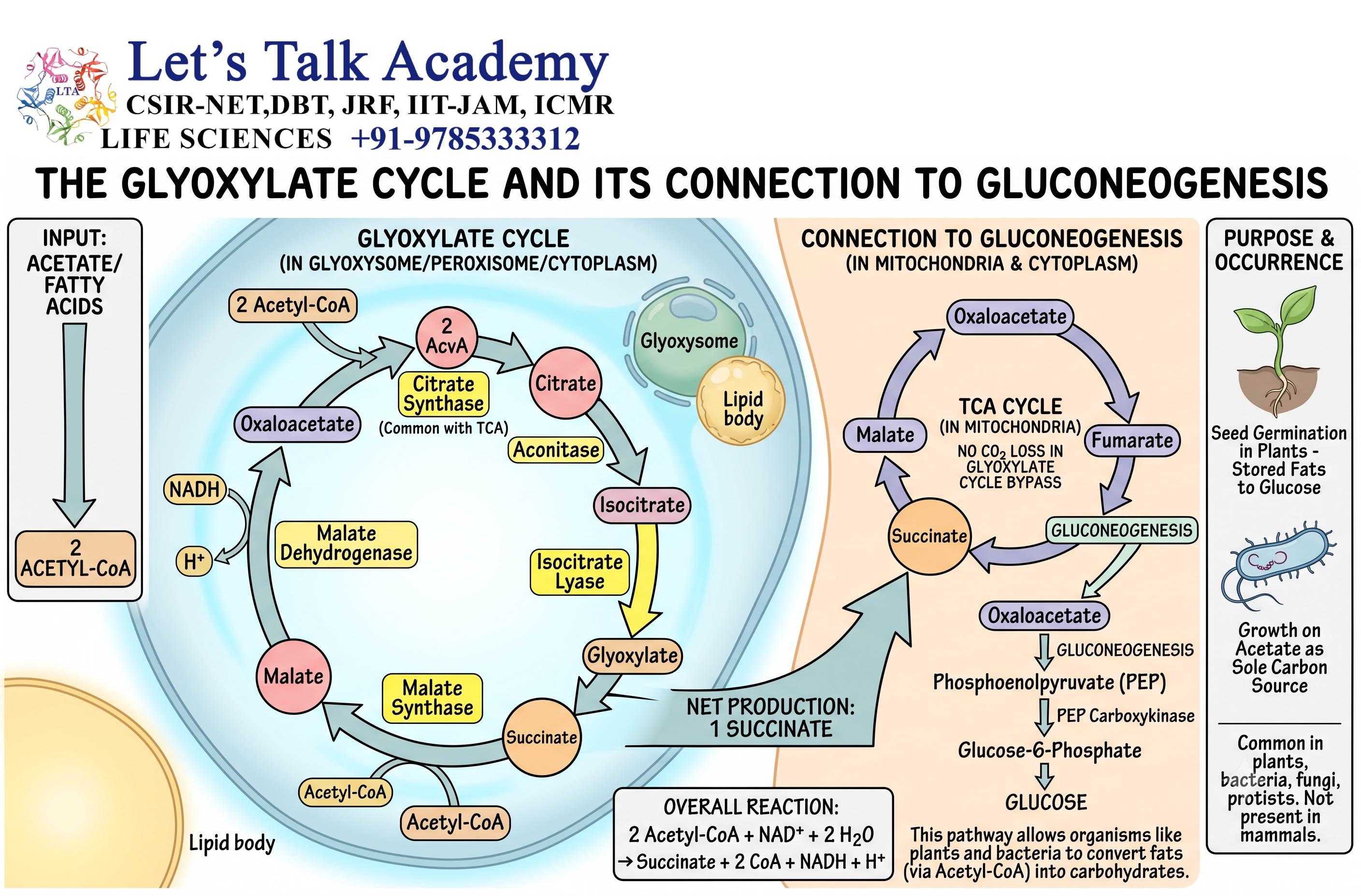
The glyoxylate cycle is a modified form of the tricarboxylic acid cycle.
20.1 Purpose
Its major advantage is that it allows carbon from acetyl-CoA to contribute to the synthesis of carbohydrates without complete loss of carbon as CO₂.
20.2 Key Enzymes
Two characteristic enzymes are:
- Isocitrate lyase
- Malate synthase
20.3 Relationship with Glyoxysomes
In many oil-rich germinating seeds, these enzymes are localized in glyoxysomes.
This allows stored fatty acids to contribute to carbohydrate production.
21. Peroxisomes and Detoxification
Peroxisomes contribute to the detoxification of several harmful compounds.
21.1 Oxidative Reactions
Oxidative enzymes modify various substrates.
21.2 Hydrogen Peroxide Control
Catalase removes excess hydrogen peroxide generated during oxidative reactions.
21.3 Tissue-Specific Functions
Peroxisomes are especially important in metabolically active tissues such as the liver and kidney.
22. Peroxisomes and Cellular Redox Balance
Redox balance refers to the controlled relationship between oxidation and reduction reactions within the cell.
22.1 Oxidation
Peroxisomes perform many oxidative reactions.
22.2 Antioxidant Protection
Catalase and other antioxidant systems help control the potentially harmful products of oxidation.
22.3 Redox Signaling
Controlled changes in ROS levels can participate in cellular signaling.
Therefore, peroxisomes contribute to both oxidative metabolism and redox signaling.
23. Peroxisomes and Mitochondria
Peroxisomes and mitochondria cooperate in several metabolic pathways.
23.1 Fatty Acid Metabolism
Peroxisomes shorten certain fatty acids, particularly very-long-chain fatty acids.
The resulting shorter-chain products may subsequently be transferred to mitochondria for further oxidation.
23.2 Reactive Oxygen Species
Both organelles generate and manage reactive oxygen species.
23.3 Metabolic Cooperation
Peroxisomes and mitochondria exchange metabolites and coordinate energy and lipid metabolism.
24. Difference Between Peroxisomes and Mitochondria
| Feature | Peroxisomes | Mitochondria |
|---|---|---|
| Membrane | Single membrane | Double membrane |
| DNA | Absent | Present |
| Ribosomes | Absent | Present |
| Main role | Oxidative and specialized lipid metabolism | ATP production and respiration |
| Catalase | Characteristic enzyme | Not a defining enzyme |
| VLCFA oxidation | Major role | Limited initial role |
| Electron transport chain | Absent | Present |
| Oxidative phosphorylation | No | Yes |
| ATP production | Not their primary function | Major function |
25. Difference Between Peroxisomes and Lysosomes
| Feature | Peroxisomes | Lysosomes |
|---|---|---|
| Membrane | Single | Single |
| Main function | Oxidative metabolism | Intracellular digestion |
| Characteristic enzyme | Catalase | Acid hydrolases |
| Internal pH | Not strongly acidic like lysosomes | Strongly acidic |
| H₂O₂ metabolism | Major role | Not a defining function |
| Protein degradation | Limited | Major function |
| Autophagy | Participate indirectly | Major role |
| Fatty acid oxidation | Important | Not a major function |
26. Peroxisomal Disorders
Defects in peroxisomal proteins, enzymes, or biogenesis can lead to serious inherited disorders.
26.1 General Mechanism
A defect in a peroxisomal enzyme or import protein can cause:
Defective protein/function → impaired metabolism → accumulation of substrates → deficiency of essential products → cellular dysfunction
26.2 Zellweger Spectrum Disorders
Zellweger spectrum disorders are associated with defects in peroxisome biogenesis, often involving mutations in PEX genes.
These disorders can affect multiple organs and disrupt several peroxisomal metabolic pathways.
26.3 X-Linked Adrenoleukodystrophy
X-linked adrenoleukodystrophy (X-ALD) is associated with impaired degradation of very-long-chain fatty acids.
The resulting accumulation of VLCFAs can particularly affect the nervous system and adrenal cortex.
26.4 Refsum Disease
Refsum disease is associated with defective metabolism of phytanic acid.
This leads to accumulation of phytanic acid in tissues and can produce neurological and other systemic manifestations.
26.5 Rhizomelic Chondrodysplasia Punctata
This group of disorders can result from defects affecting plasmalogen biosynthesis and related peroxisomal functions.
27. Peroxisomes and Nervous System Function
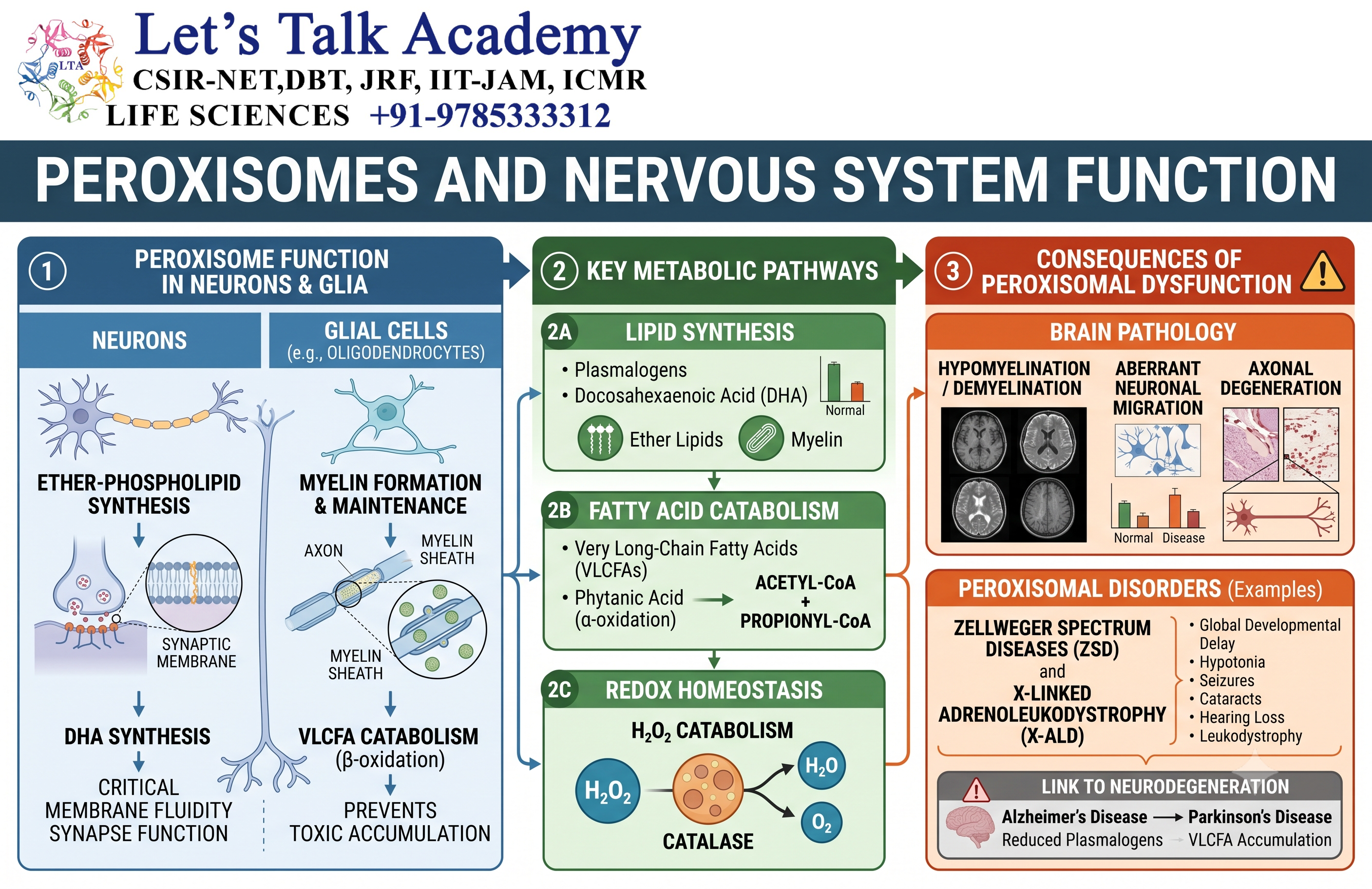
Peroxisomes are particularly important in the nervous system.
27.1 Plasmalogens
The nervous system contains substantial amounts of plasmalogens.
Peroxisomes contribute to their synthesis.
27.2 Very-Long-Chain Fatty Acids
The nervous system is sensitive to abnormal accumulation of VLCFAs.
Peroxisomal β-oxidation helps control their levels.
27.3 Neurological Consequences
Defects in peroxisomal metabolism can therefore result in severe neurological abnormalities.
28. Peroxisomes and Liver Function
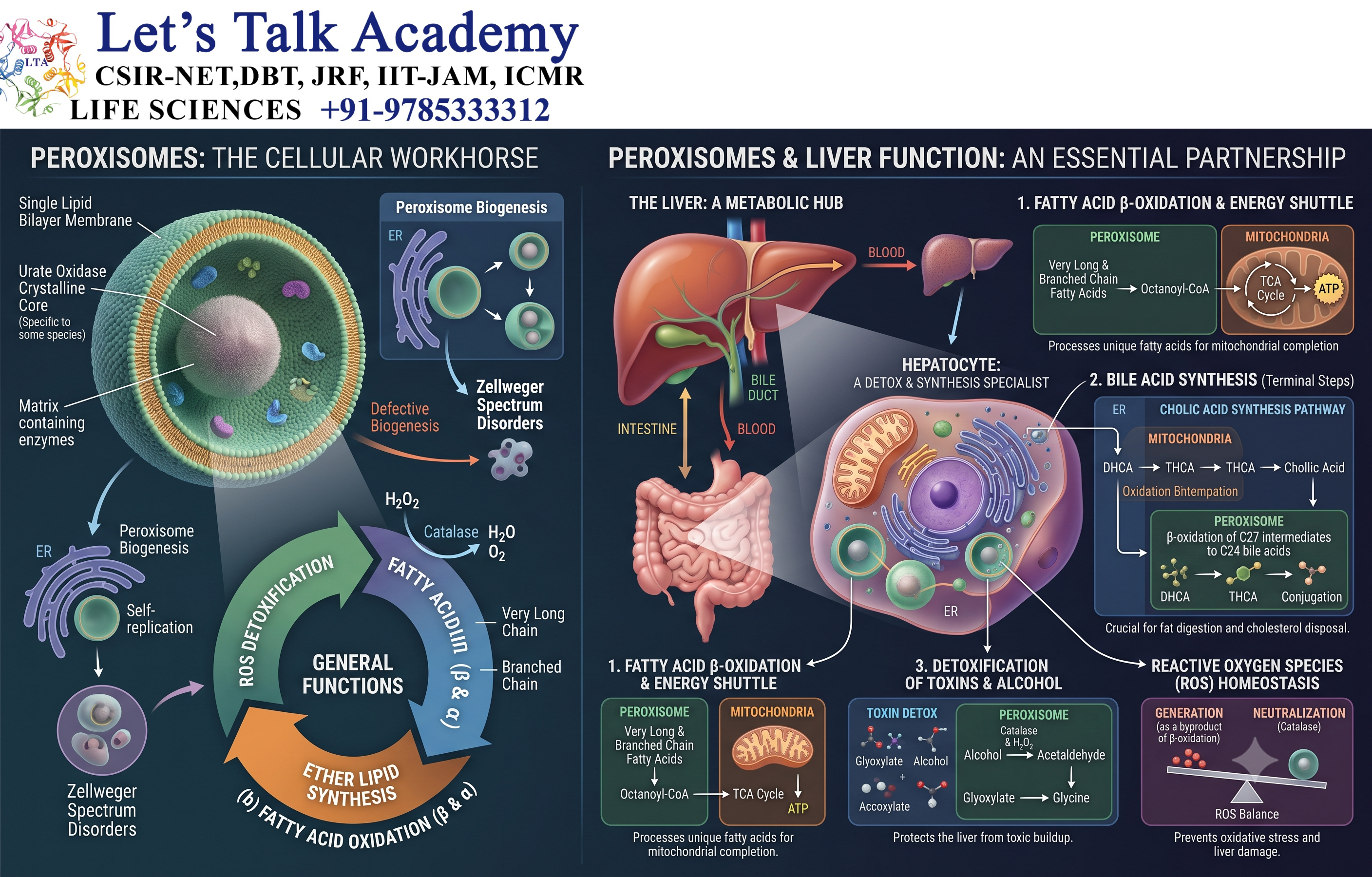
The liver contains numerous peroxisomes because of its extensive metabolic activity.
Peroxisomes in hepatocytes participate in:
- Fatty acid metabolism
- Hydrogen peroxide breakdown
- Detoxification
- Bile acid metabolism
- Lipid homeostasis
Their activity complements the functions of mitochondria and the endoplasmic reticulum.
29. Peroxisomes and Aging
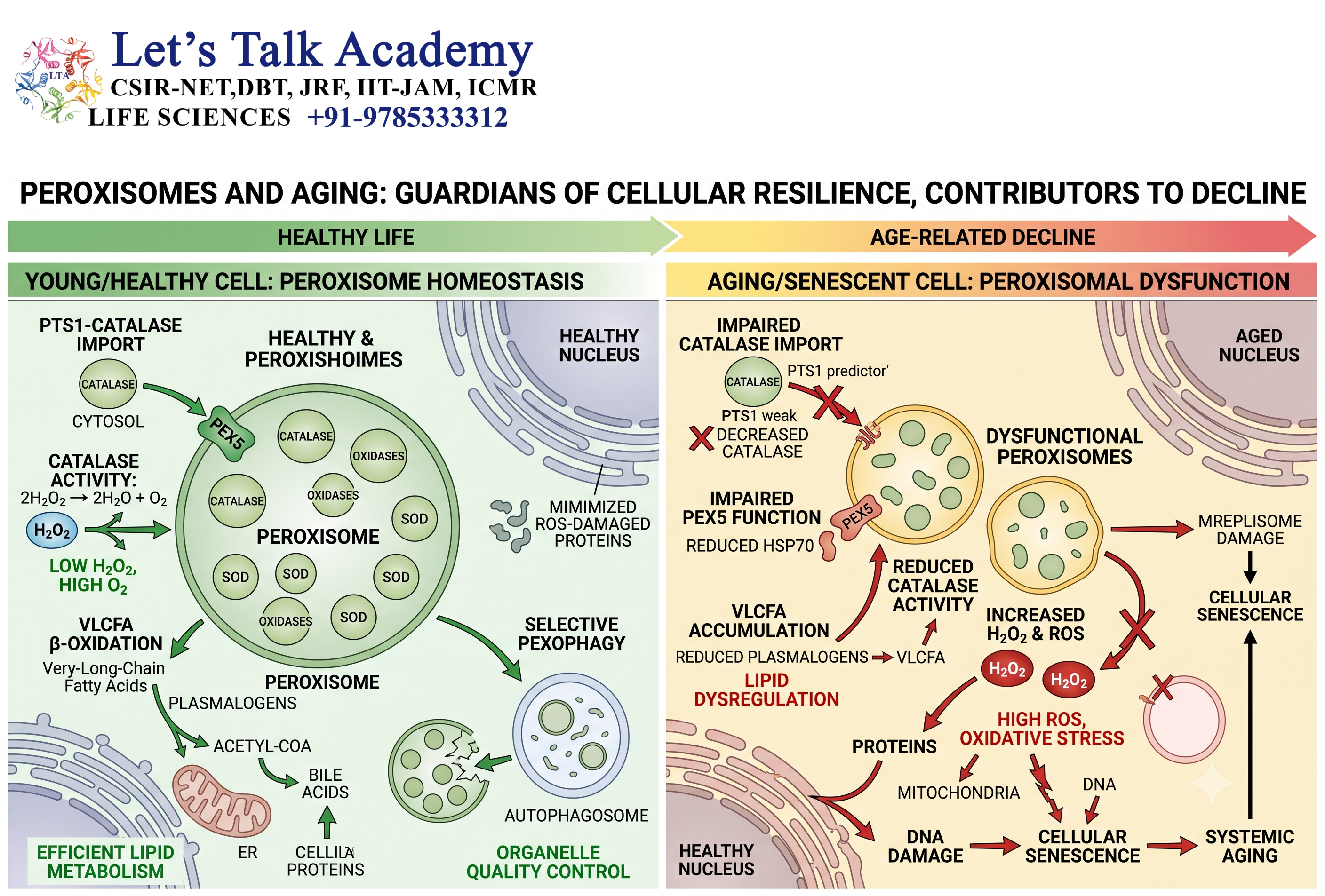
Peroxisomal function can change during aging.
29.1 Oxidative Balance
Because peroxisomes generate and remove reactive oxygen species, changes in peroxisomal activity can influence cellular redox balance.
29.2 Lipid Metabolism
Changes in peroxisomal lipid metabolism may affect membrane composition and cellular physiology.
29.3 Organelle Quality Control
Cells use selective degradation pathways, including pexophagy, to remove damaged or unnecessary peroxisomes.
30. Pexophagy
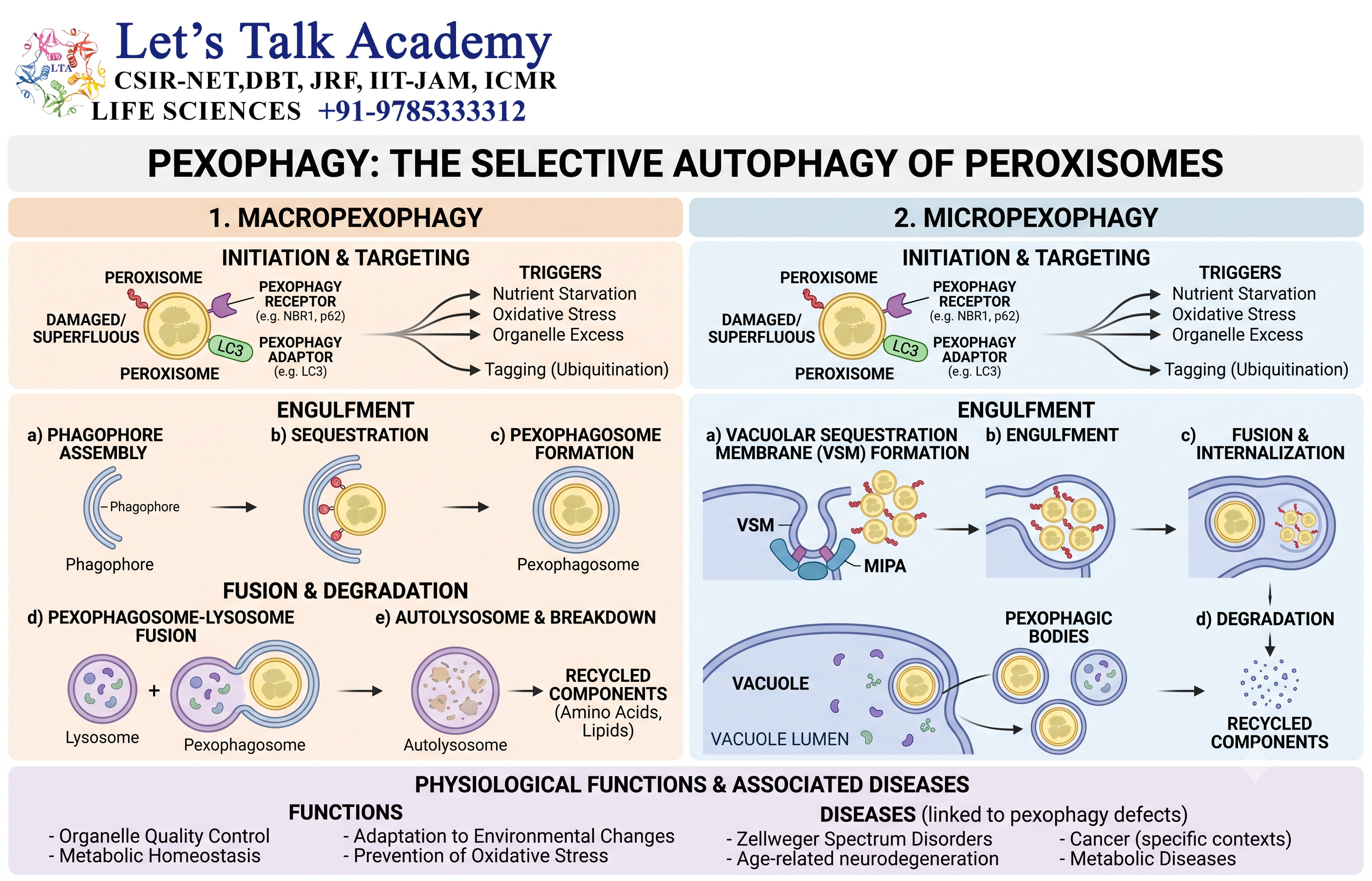
Pexophagy is the selective autophagic degradation of peroxisomes.
30.1 Purpose
Pexophagy allows cells to remove:
- Damaged peroxisomes
- Excess peroxisomes
- Dysfunctional peroxisomes
30.2 Relationship with Autophagy
Pexophagy is a form of selective autophagy.
The targeted peroxisome is enclosed or delivered into an autophagic pathway and eventually degraded through lysosomal or vacuolar systems.
30.3 Importance
Pexophagy helps maintain a healthy population of peroxisomes.
31. Peroxisomes and Cellular Signaling
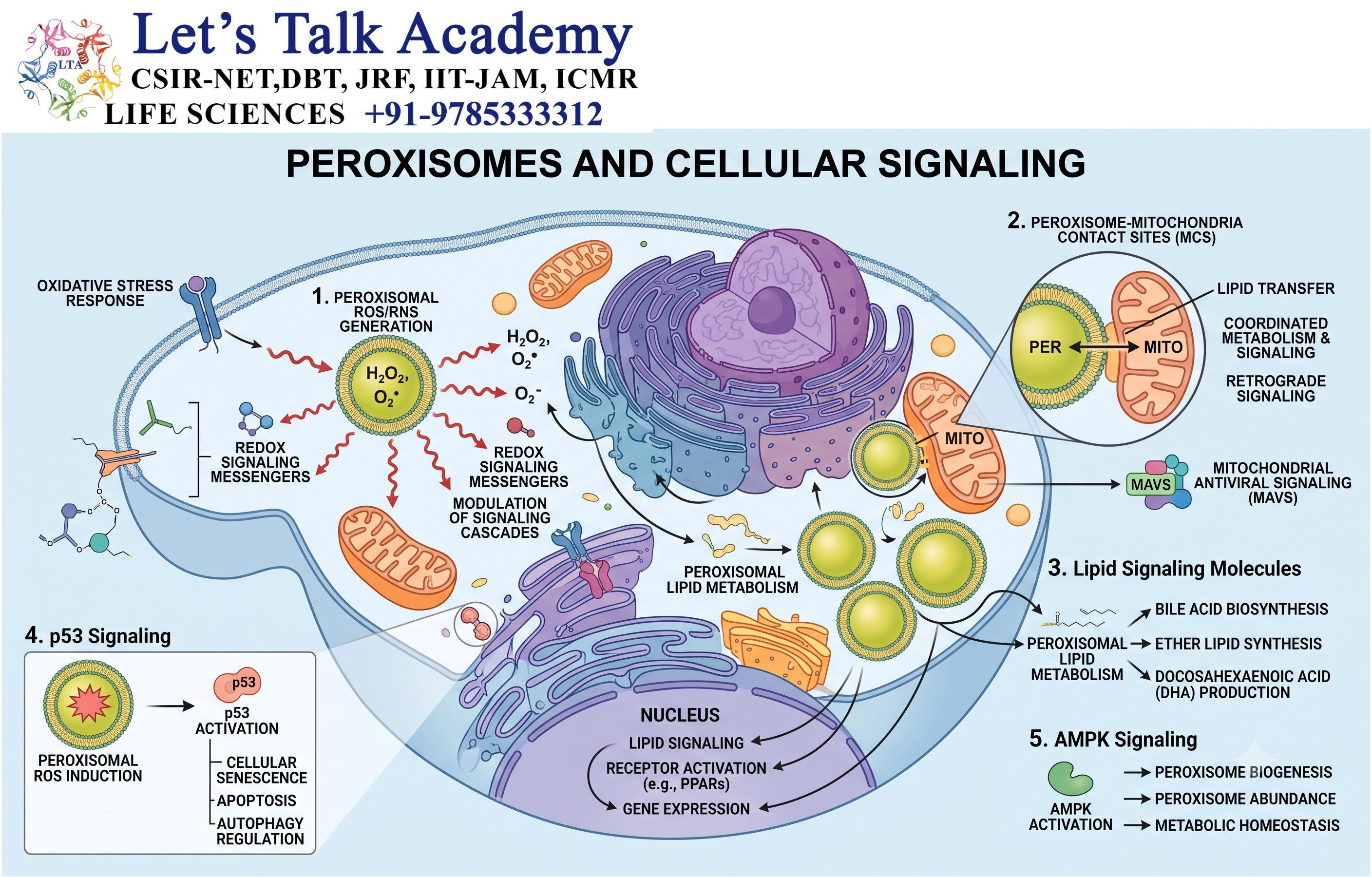
Peroxisomes are increasingly recognized as signaling organelles.
They can influence cellular processes through:
- Reactive oxygen species
- Lipid-derived signals
- Metabolic intermediates
- Interactions with other organelles
Peroxisomes therefore contribute to cellular communication beyond their traditional metabolic functions.
32. Peroxisome–ER Contact Sites
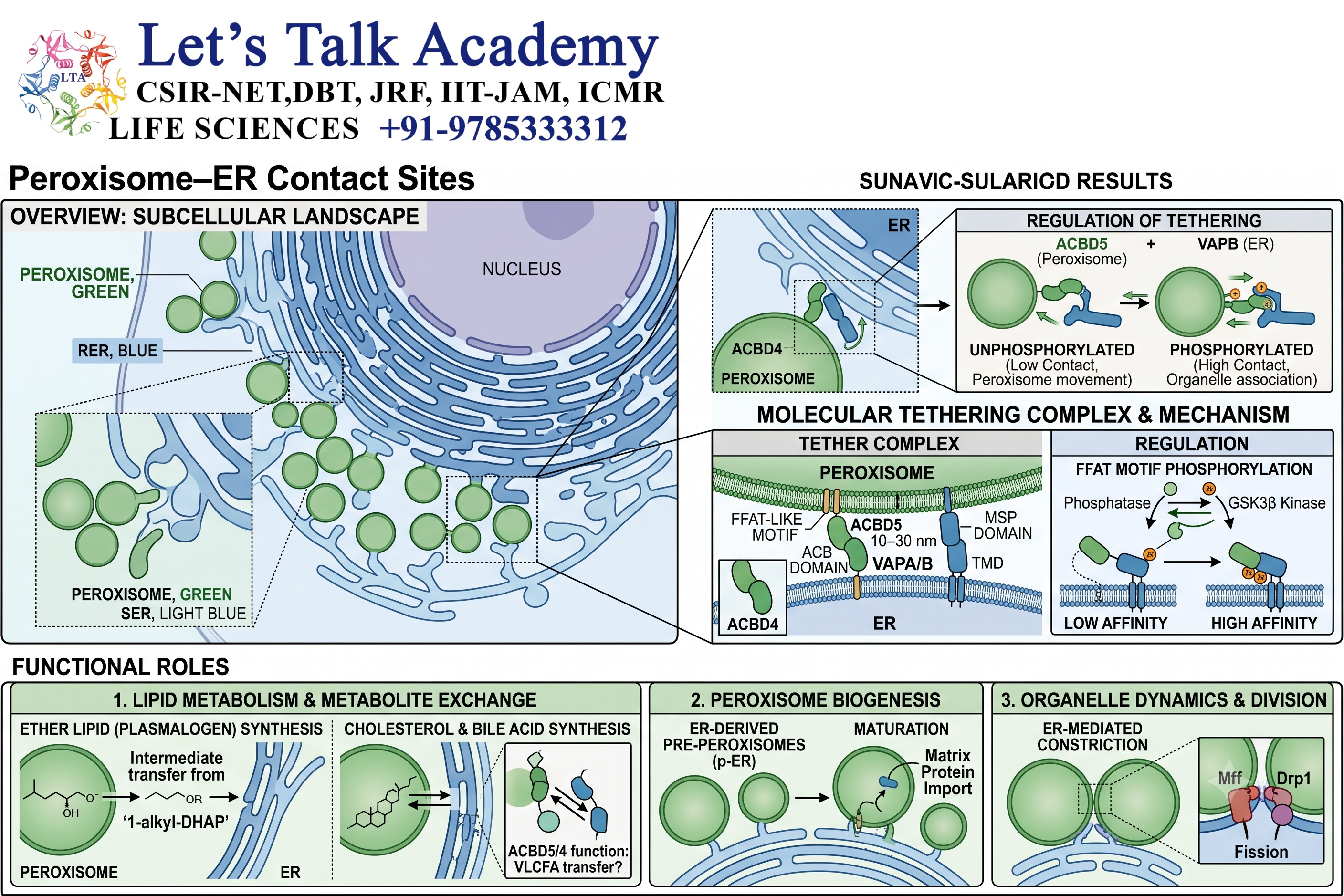
Peroxisomes establish physical and functional relationships with the endoplasmic reticulum.
These interactions are important for:
- Lipid exchange
- Peroxisomal membrane formation
- Metabolic coordination
- Organelle communication
The ER is particularly important in supplying membrane components required for peroxisomal growth and maintenance.
33. Peroxisome–Mitochondria Contact Sites
Peroxisomes can also interact closely with mitochondria.
These contacts facilitate metabolic cooperation.
Important processes include:
- Fatty acid metabolism
- ROS regulation
- Exchange of metabolic intermediates
- Coordination of organelle responses
34. Regulation of Peroxisomal Activity
Peroxisomal function is regulated according to cellular metabolic needs.
Factors influencing peroxisomes include:
- Nutrient availability
- Fatty acid levels
- Hormonal signals
- Oxidative stress
- Cellular energy requirements
- Developmental stage
Cells can alter both the number and activity of peroxisomes in response to these conditions.
35. Peroxisomes and Metabolic Homeostasis
Peroxisomes contribute to maintaining metabolic balance.
They regulate the metabolism of several classes of molecules, especially specialized fatty acids.
Their activities are coordinated with:
- Mitochondria
- Endoplasmic reticulum
- Lysosomes
- Cytosol
- Chloroplasts in plants
This coordination ensures that metabolic intermediates are efficiently processed and recycled.
36. Importance of Peroxisomes in Cellular Biology
The major biological functions of peroxisomes include:
- Hydrogen peroxide metabolism
- Reactive oxygen species regulation
- Very-long-chain fatty acid oxidation
- α-oxidation of branched-chain fatty acids
- Plasmalogen synthesis
- Bile acid metabolism
- Detoxification
- Redox regulation
- Plant photorespiration
- Glyoxylate cycle in specialized plant organelles
- Cellular signaling
- Interaction with mitochondria and ER
- Selective removal through pexophagy
- Maintenance of lipid homeostasis
37. Key Terms Related to Peroxisomes
Peroxisome
A single-membrane-bound organelle involved in oxidative metabolism, lipid metabolism, and reactive oxygen species regulation.
Catalase
An enzyme that converts hydrogen peroxide into water and oxygen.
β-Oxidation
A metabolic pathway that progressively breaks down fatty acids.
α-Oxidation
A pathway involved in the metabolism of certain branched-chain fatty acids.
Very-Long-Chain Fatty Acids
Fatty acids with unusually long hydrocarbon chains that require specialized metabolic processing.
Plasmalogen
A specialized ether phospholipid whose biosynthesis begins partly in peroxisomes.
Pexin
A protein encoded by a PEX gene that participates in peroxisome biogenesis or protein import.
PTS1
A peroxisomal targeting signal commonly found at the C-terminus of matrix proteins.
PTS2
A peroxisomal targeting signal found near the N-terminus of certain matrix proteins.
Pexophagy
Selective autophagic degradation of peroxisomes.
Glyoxysome
A specialized plant peroxisome involved in fatty acid metabolism and the glyoxylate cycle, particularly during seed germination.
Oxidative Stress
A condition in which reactive oxygen species production exceeds the capacity of cellular antioxidant systems to maintain balance.
38. Conceptual Flowchart of Peroxisomal Fatty Acid Oxidation
Very-Long-Chain Fatty Acid
↓
Activation to Fatty Acyl-CoA
↓
Transport into Peroxisome
↓
Acyl-CoA Oxidase
↓
First oxidation
↓
Hydration
↓
Second Oxidation
↓
Thiolysis
↓
Acetyl-CoA + Shortened Acyl-CoA
↓
Repeated cycles
↓
Shorter-Chain Fatty Acyl Products
↓
Further metabolism, often involving mitochondria
39. Conceptual Flowchart of Hydrogen Peroxide Metabolism
Oxidative reactions
↓
Hydrogen Peroxide (H₂O₂) Generated
↓
↙ ↘
Catalase Controlled Oxidative Reactions
↓ ↓
H₂O + O₂ Oxidized products
↓ ↓
Reduced oxidative damage
40. Conceptual Flowchart of Peroxisomal Protein Import
Protein synthesized on free ribosome
↓
Peroxisomal targeting signal
↓
PTS1 or PTS2 recognition
↓
PEX receptor binding
↓
Transport to peroxisomal membrane
↓
Docking and translocation machinery
↓
Protein enters peroxisomal matrix
↓
Functional peroxisomal enzyme
41. Conceptual Flowchart of Plant Peroxisomal Functions
Plant Peroxisomes
↓
Photorespiration
→ Glycolate metabolism
↓
Fatty Acid β-Oxidation
→ Energy and carbon metabolism
↓
Glyoxysomes during seed germination
→ Fatty acids
→ Acetyl-CoA
→ Glyoxylate cycle
→ Carbohydrate precursors
↓
Reactive Oxygen Species Regulation
42. Integrated View of Peroxisomal Function
Peroxisomes function as specialized metabolic centers rather than simple waste-processing organelles.
Their activities can be divided into several interconnected categories.
Oxidative Metabolism
Peroxisomes carry out oxidation reactions involving fatty acids and other substrates.
ROS Management
The same oxidative reactions that support metabolism can produce hydrogen peroxide. Catalase and other enzymes maintain its concentration within a controlled range.
Lipid Metabolism
Peroxisomes process very-long-chain and branched-chain fatty acids and participate in plasmalogen synthesis.
Cellular Protection
By controlling reactive metabolites, peroxisomes protect cells from oxidative damage.
Organelle Cooperation
Peroxisomes exchange metabolites and information with mitochondria, ER, lysosomes, and other organelles.
Specialized Plant Functions
Plant peroxisomes participate in photorespiration and, in germinating oil-rich seeds, glyoxylate-cycle metabolism.


