







































































The complex responses to different types of DNAdamage in both prokaryotes and eukaryotes fall into three main categories: (i) damage bypass (ii) damage reversal (iii) damage removal Many repair proteins […]
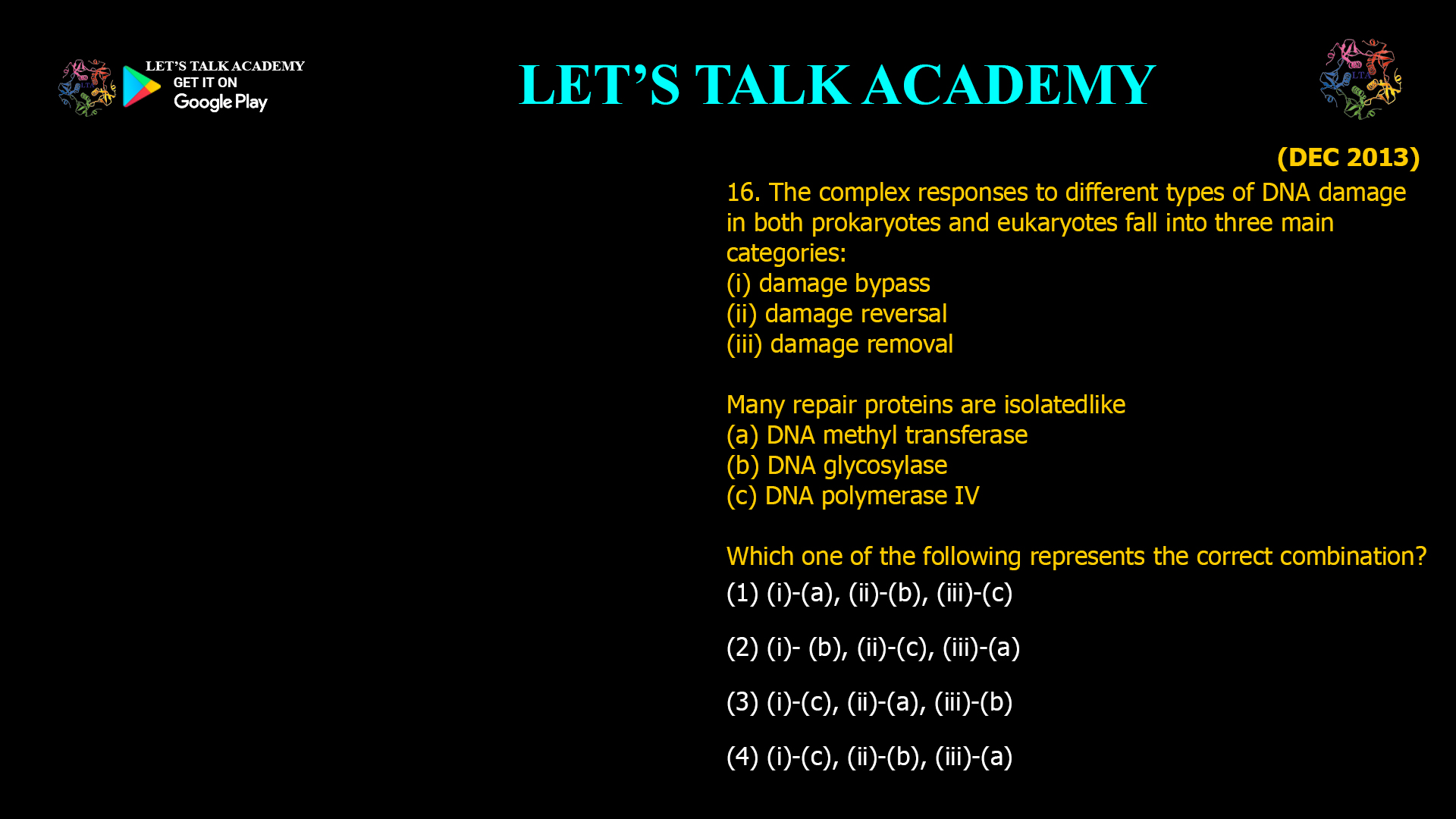

The complex responses to different types of DNAdamage in both prokaryotes and eukaryotes fall into three main categories: (i) damage bypass (ii) damage reversal (iii) damage removal Many repair proteins […]
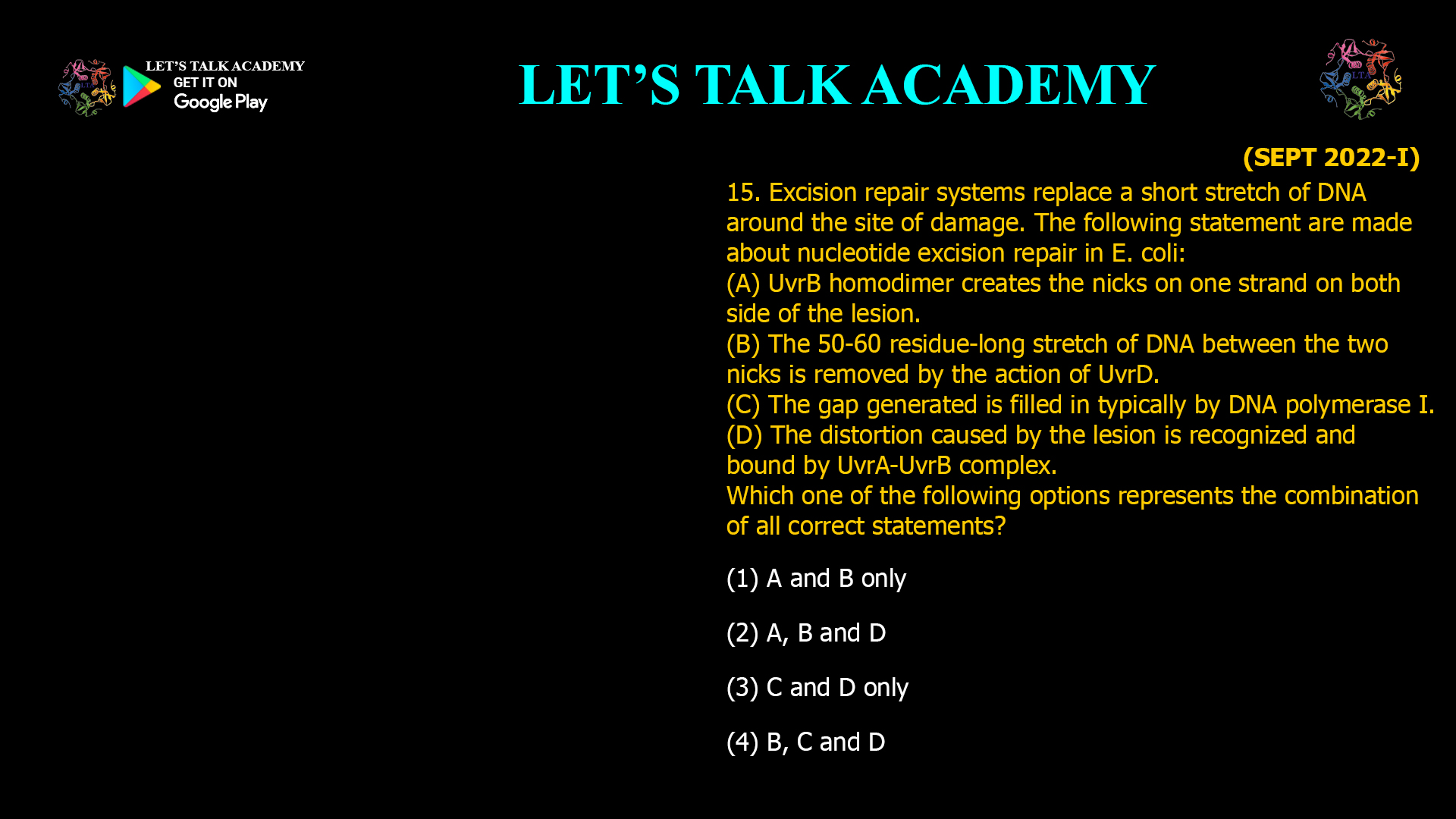
Excision repair systems replace a short stretch of DNA around the site of damage. The following statement are made about nucleotide excision repair in E. coli: (A) UvrB homodimer creates […]
Genetic disorder Xeroderma pigmentosum is due to defect in (1) Base excision repair mechanism (2) Nucleotide excision repair mechanism (3) Direct repair mechanism (4) DNA replication mechanism Xeroderma Pigmentosum: A […]

The ‘Uvr ABC’ repair mechanism is involved in repairing (1) missing bases. (2) strand break. (3) cross linked strands. (4) DNA damage caused by “bulky” chemical adducts. The UvrABC Repair […]
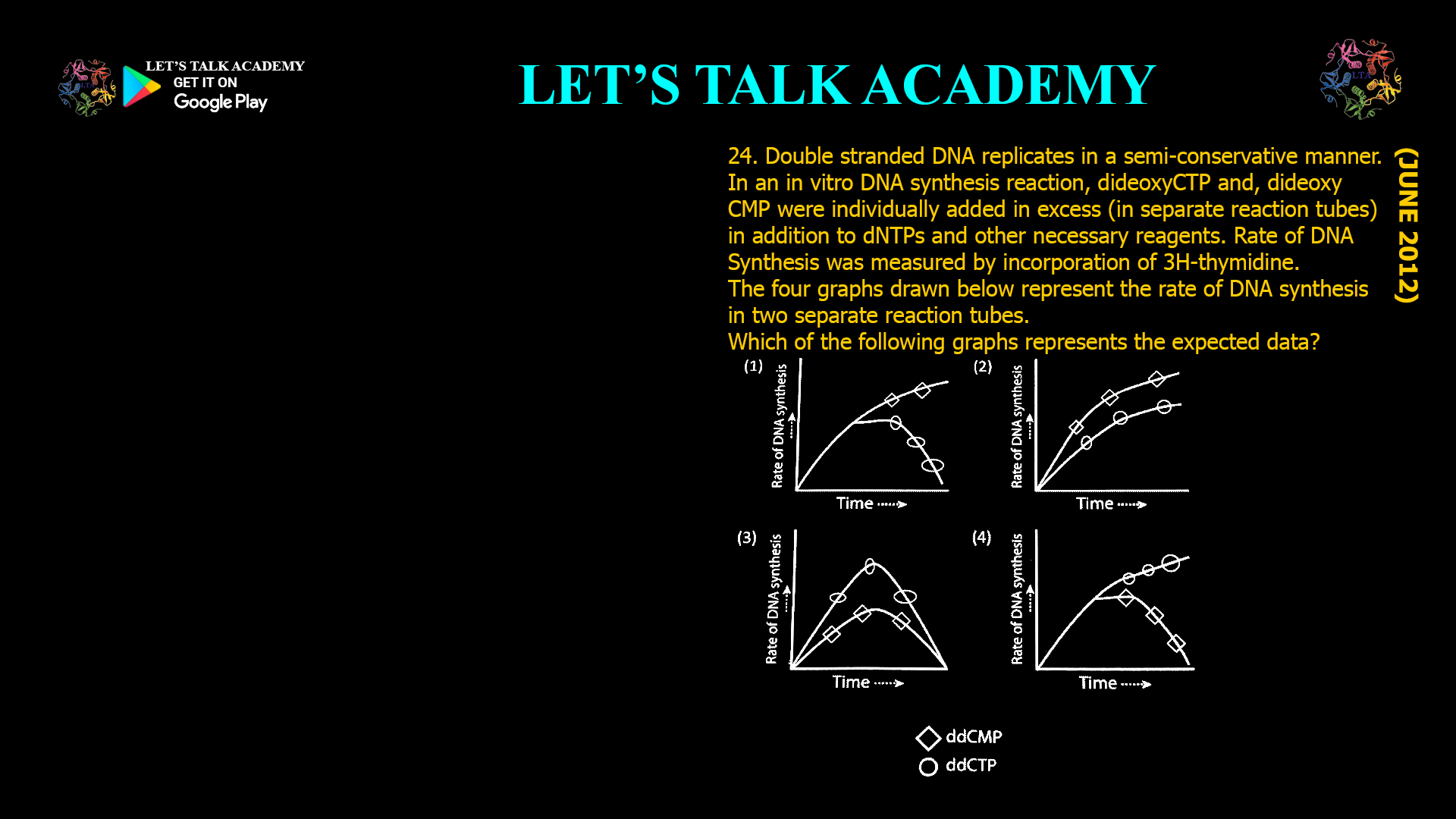
Double stranded DNA replicates in a semi-conservative manner. In an in vitro DNA synthesis reaction, dideoxyCTP and, dideoxy CMP were individually added in excess (in separate reaction tubes) in addition […]
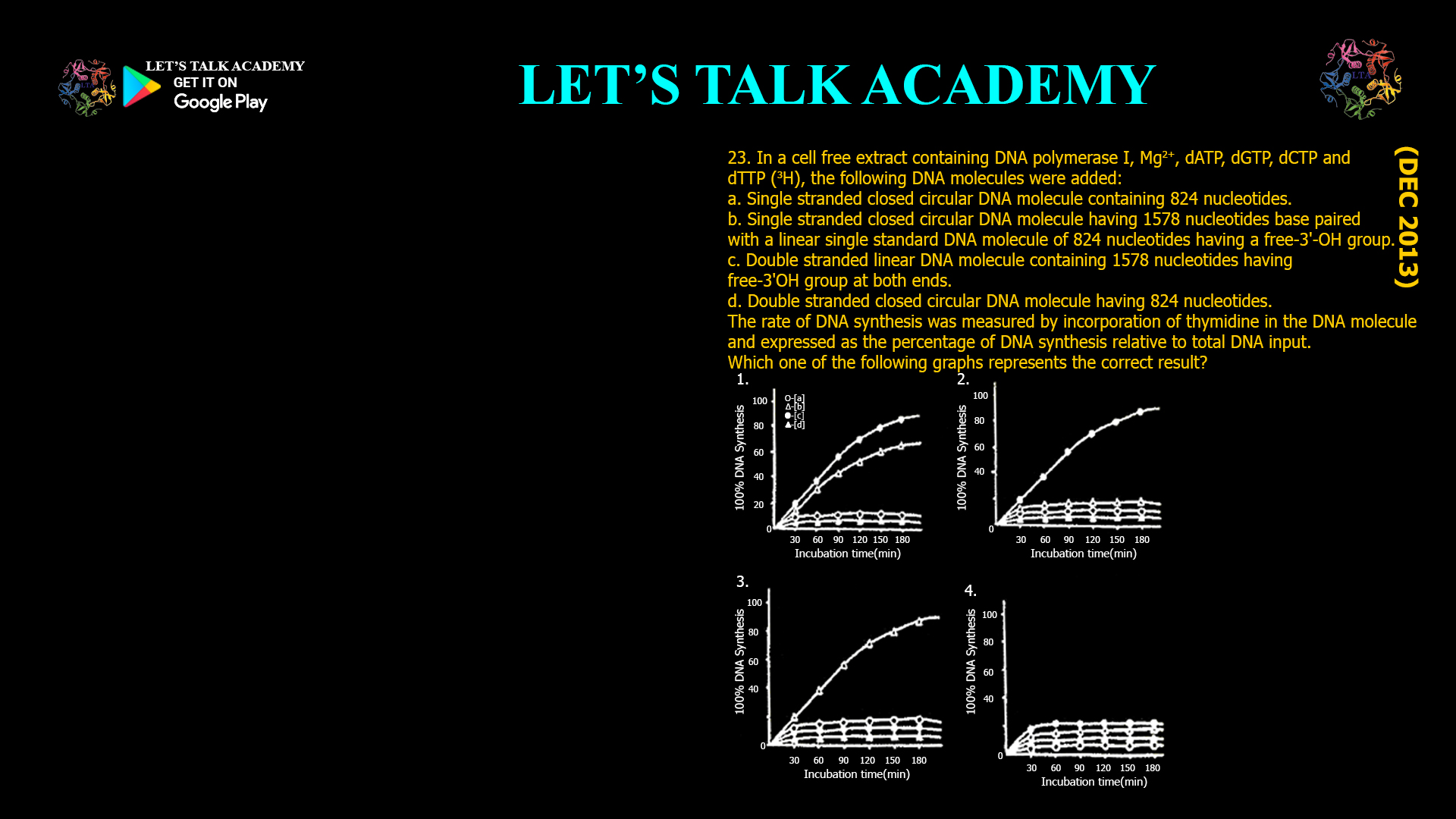
In a cell free extract containing DNA polymerase I, Mg2+, dATP, dGTP, dCTP and dTTP3H), the following DNA molecules were added: Single stranded closed circular DNA moleculecontaining 824 nucleotides. Single […]
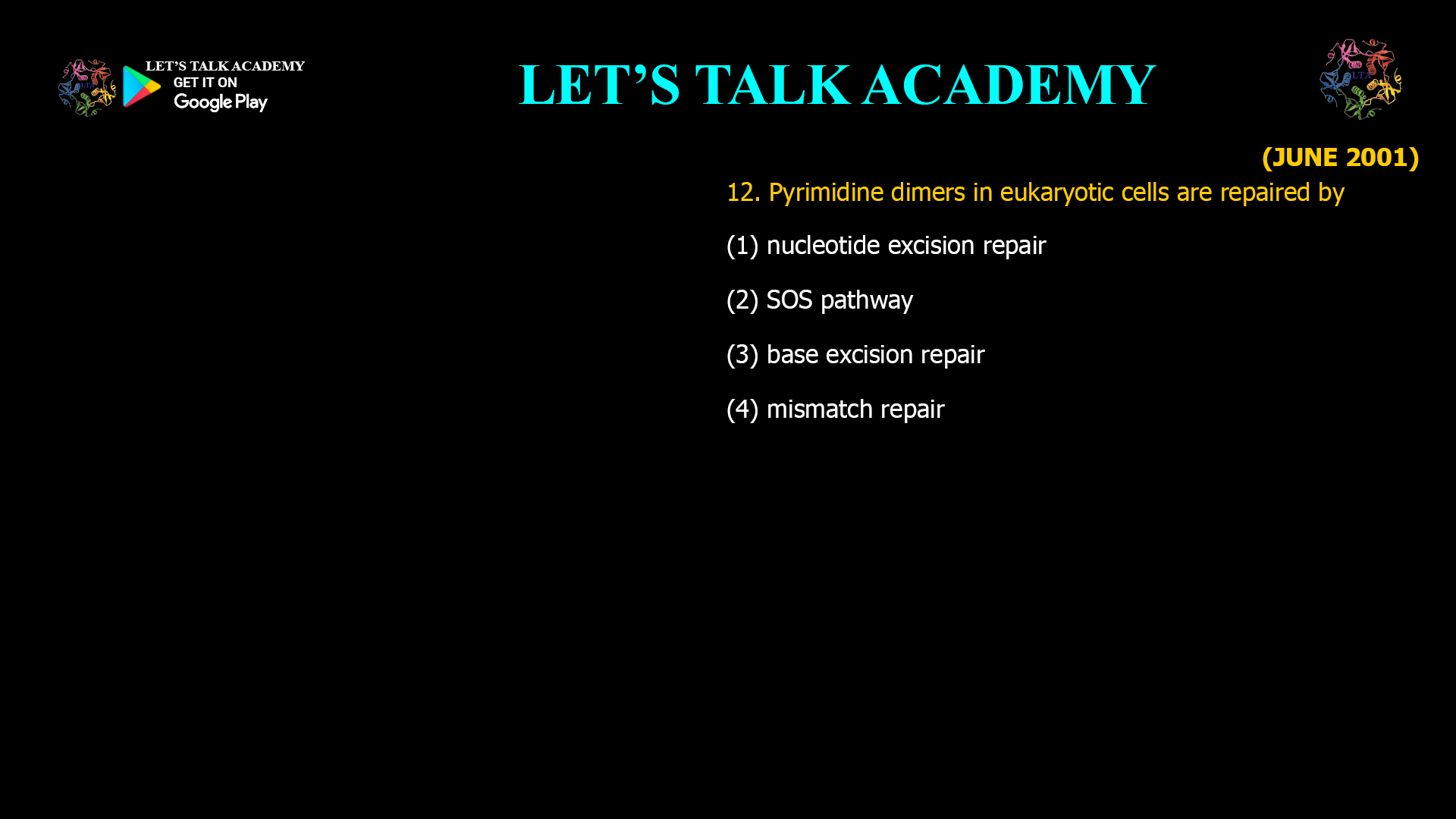
Pyrimidine dimers in eukaryotic cells are repaired by (1) nucleotide excision repair (2) SOS pathway (3) base excision repair (4) mismatch repair Pyrimidine Dimers in Eukaryotic Cells Are Repaired by […]
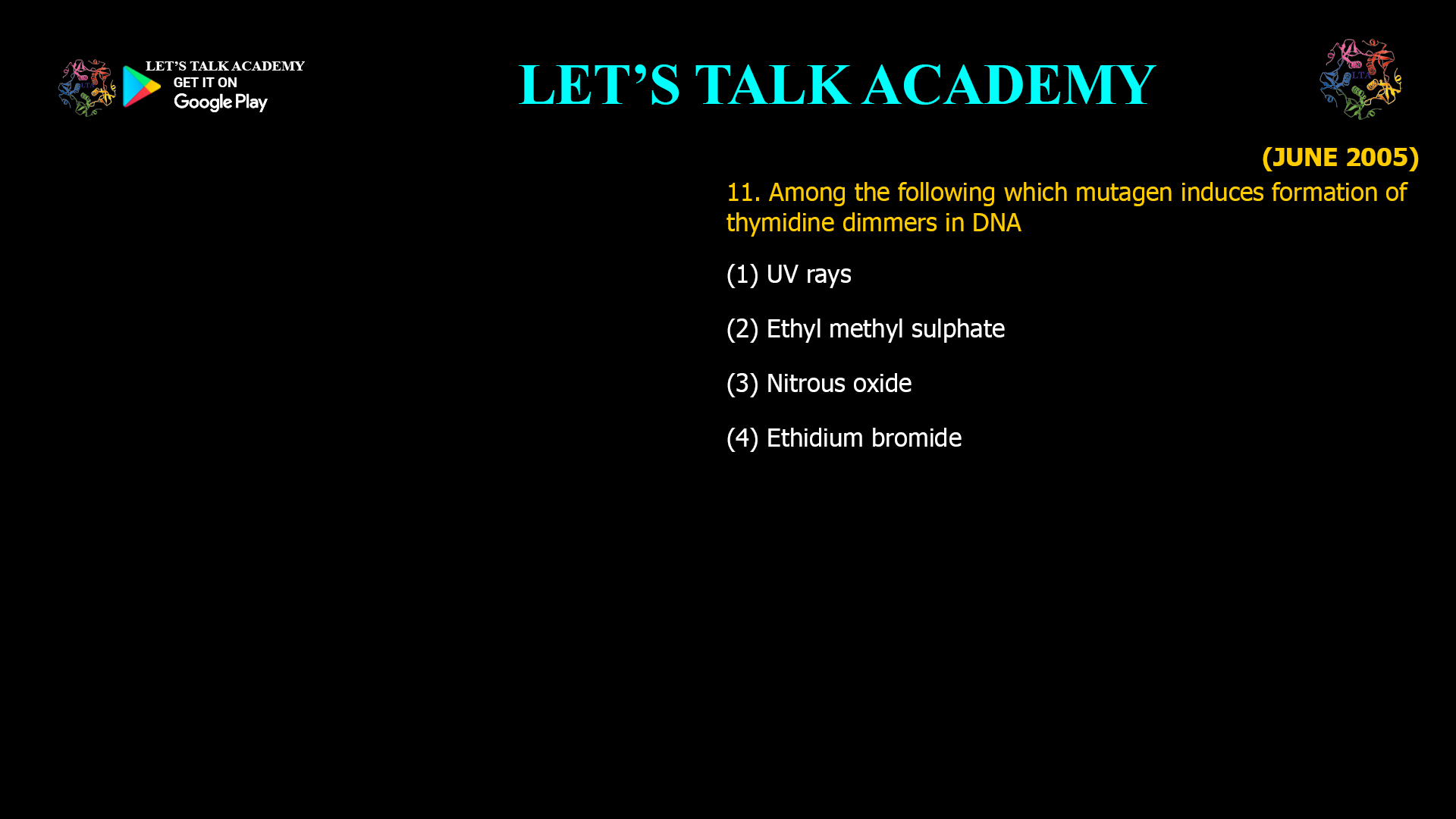
Among the following which mutagen induces formation of thymidine dimmers in DNA (1) UV rays (2) Ethyl methyl sulphate (3) Nitrous oxide (4) Ethidium bromide Which Mutagen Induces Formation of […]
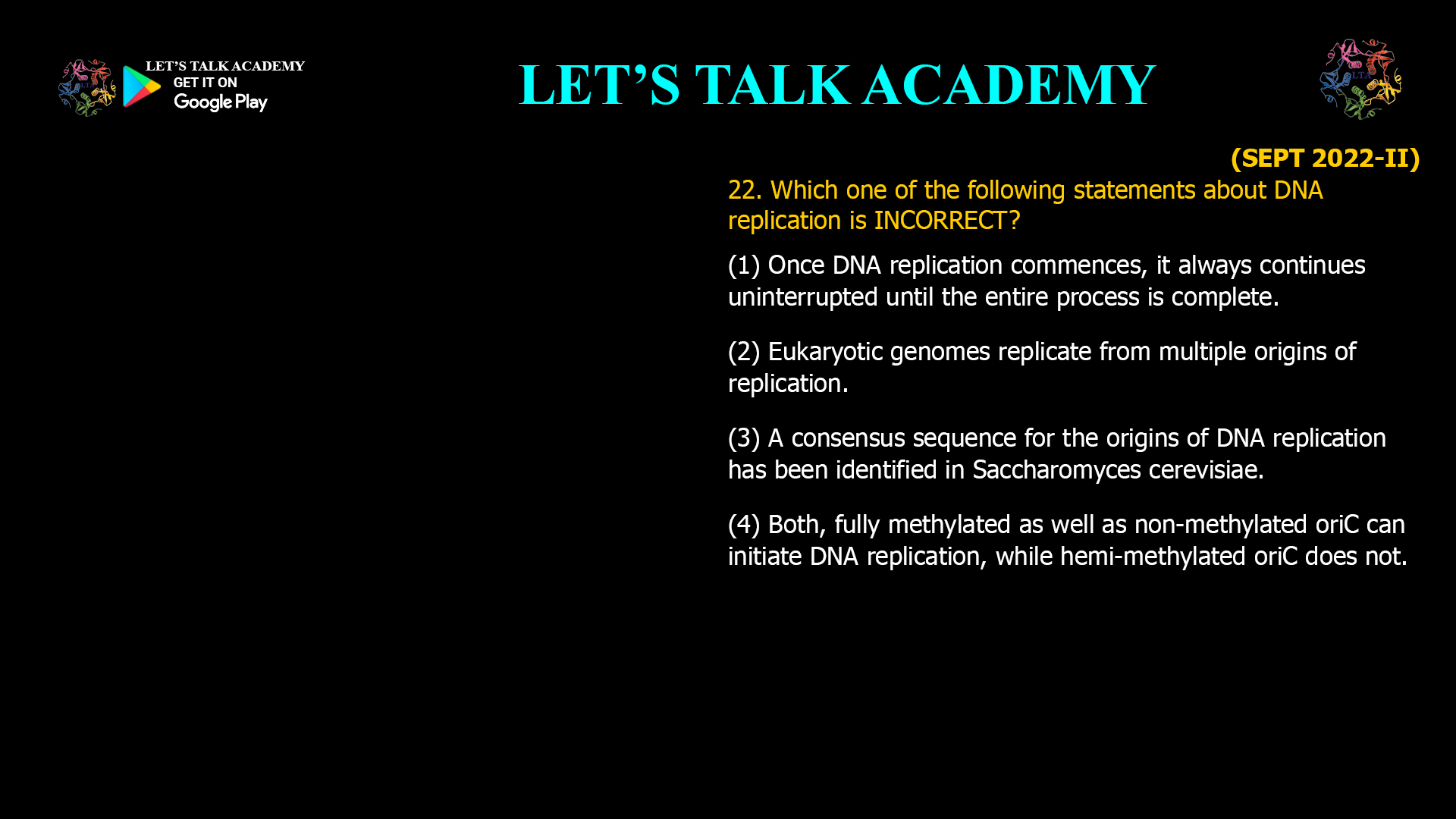
Which one of the following statements about DNA replication is INCORRECT? (1) Once DNA replication commences, it always continues uninterrupted until the entire process is complete. (2) Eukaryotic genomes replicate […]

Which one of the following statements about DNA replication is INCORRECT? (1) During DNA replication, When adjacent bidirectional forks converge, the lagging strandwill meet the leading strand of the same […]


