
1. Introduction
Pathogens are microorganisms or infectious agents capable of causing disease in a host. Successful pathogens do not simply enter the body and multiply independently. They interact continuously with host cells and often modify normal cellular processes to create an environment that favors their survival, replication, dissemination, and persistence.
Host cells normally maintain tightly regulated systems controlling:
- Cell growth
- Cell division
- Gene expression
- Protein synthesis
- Metabolism
- Cytoskeletal organization
- Vesicular transport
- Cell migration
- Cell death
- Immune signaling
- Intracellular trafficking
Pathogens can interfere with one or more of these processes.
Therefore, infection can be understood as a biological interaction between:
Pathogen factors + Host-cell machinery → altered cellular behavior → pathogen survival and disease
Different pathogens use different mechanisms. Viruses frequently alter host gene expression and cellular metabolism because they depend heavily on host cells for replication. Bacteria may inject effector proteins that directly manipulate signaling pathways and the cytoskeleton. Parasites can modify host-cell metabolism, trafficking, and immune responses. Some pathogens also alter programmed cell death to either promote their replication or avoid elimination.
2. Definition
Alteration of host cell behaviour by pathogens refers to the ability of infectious agents to modify the normal physiological, biochemical, structural, or genetic activities of host cells in order to facilitate infection, replication, survival, immune evasion, tissue damage, or transmission.
The altered cellular behavior may involve:
- Signal transduction
- Gene expression
- Protein synthesis
- Cell-cycle regulation
- Apoptosis
- Cytoskeletal organization
- Membrane trafficking
- Cellular metabolism
- Autophagy
- Cytokine production
- Antigen presentation
- Cell adhesion
- Cell migration
3. Why Do Pathogens Alter Host Cells?
Pathogens alter host cells for several major purposes.
3.1 Entry Into Host Cells
Some pathogens modify host-cell receptors or cytoskeletal machinery to facilitate their entry.
3.2 Replication
Viruses and intracellular pathogens require host cellular machinery for replication.
3.3 Nutrient Acquisition
Pathogens may alter host metabolism to obtain:
- Glucose
- Amino acids
- Lipids
- Nucleotides
- Iron
- Other essential nutrients
3.4 Immune Evasion
Pathogens can suppress:
- Interferon signaling
- Antigen presentation
- Cytokine responses
- Complement activity
- Apoptosis
3.5 Intracellular Survival
Intracellular pathogens may modify vesicular trafficking and prevent destruction inside lysosomes.
3.6 Dissemination
Changes in cell adhesion, cytoskeletal organization, and cell death can facilitate spread from one cell to another.
4. Major Mechanisms of Host-Cell Alteration
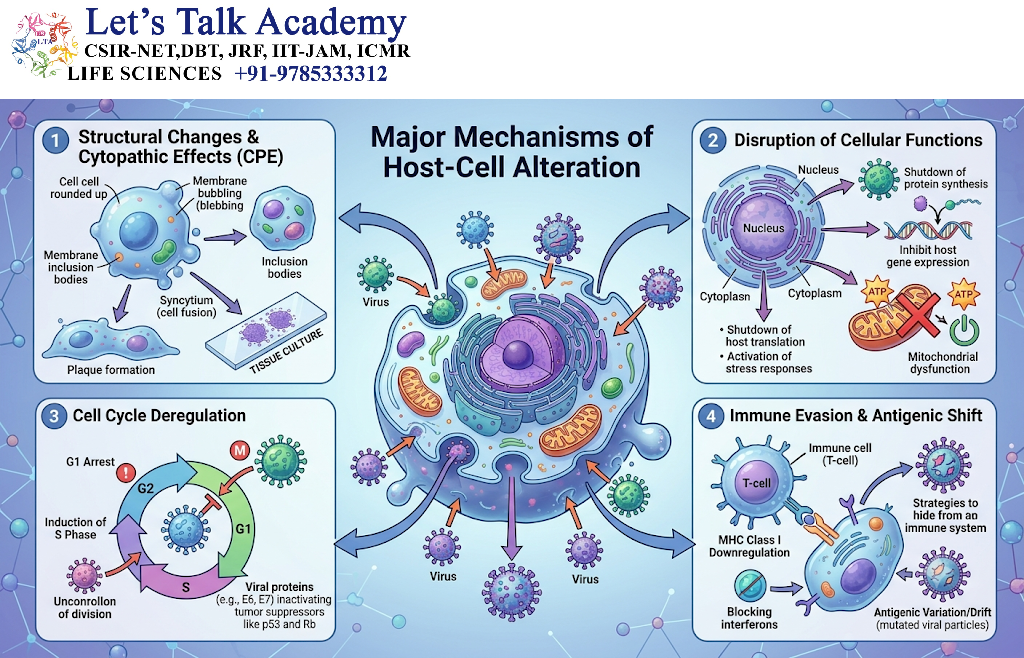
Pathogens can modify host cells through several mechanisms:
- Receptor manipulation
- Signal-transduction alteration
- Gene-expression modification
- Transcription-factor manipulation
- Protein-synthesis alteration
- Cytoskeletal rearrangement
- Membrane trafficking modification
- Cell-cycle alteration
- Apoptosis manipulation
- Autophagy manipulation
- Metabolic reprogramming
- Cytokine manipulation
- Antigen-presentation interference
- Cell adhesion alteration
- Epigenetic modification
5. Alteration of Host-Cell Receptors
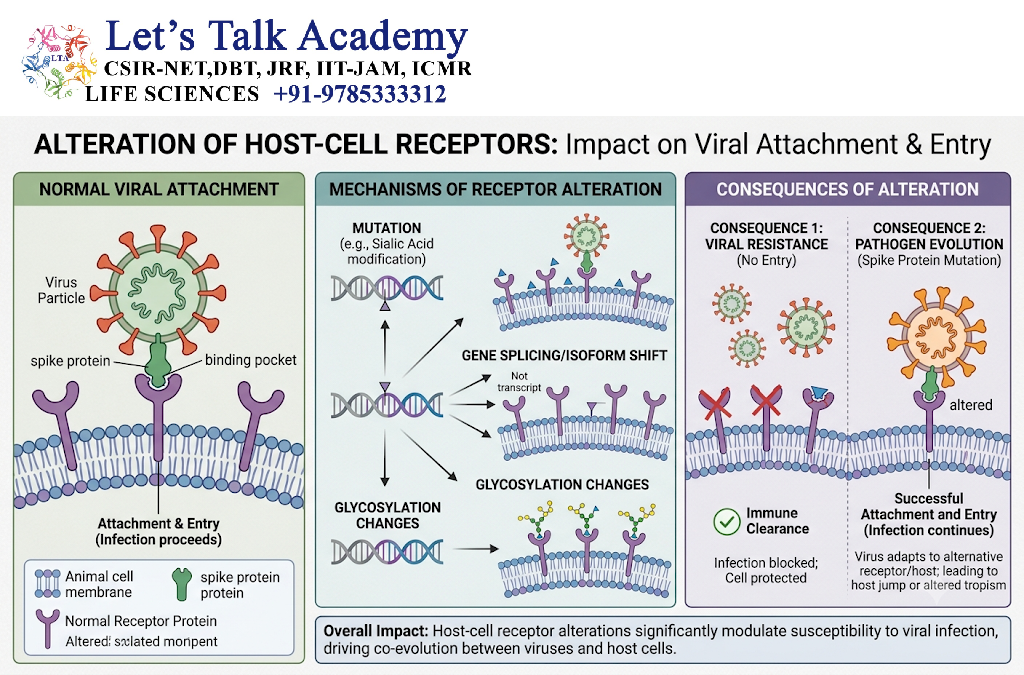
Cell-surface receptors allow cells to respond to their environment.
Pathogens can exploit these receptors as:
- Entry receptors
- Attachment receptors
- Signaling targets
- Immune-modulation targets
A pathogen may bind to a host receptor and activate or inhibit signaling pathways.
General mechanism
Pathogen ligand
↓
Host-cell receptor
↓
Intracellular signaling
↓
Altered cellular behavior
The same receptor may therefore serve both normal physiological functions and become an entry point or signaling target for a pathogen.
6. Pathogen-Induced Signal Transduction
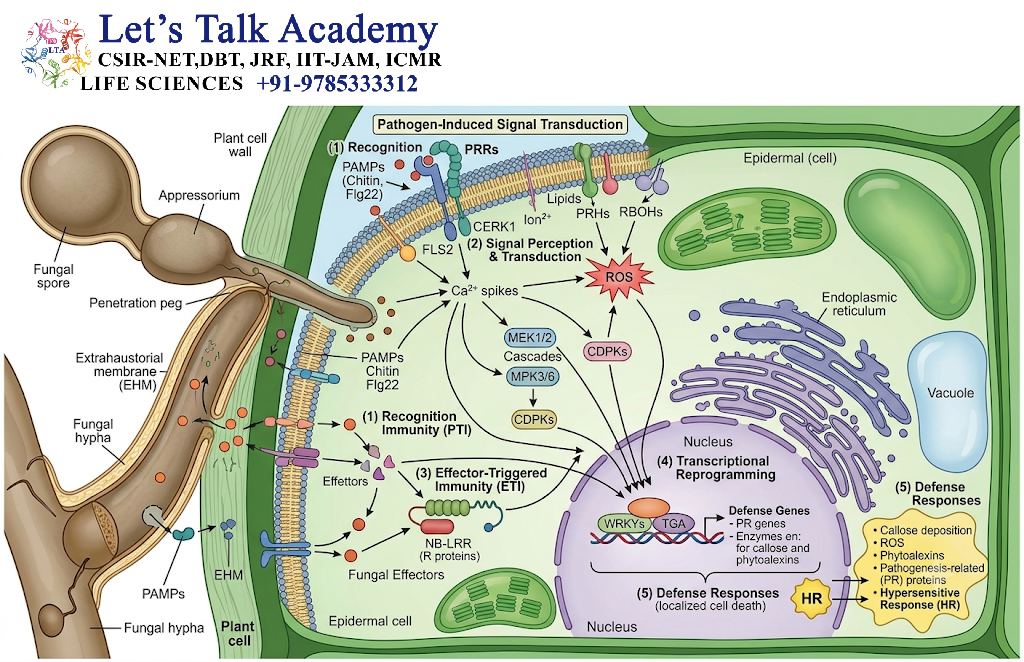
Signal transduction refers to the conversion of an extracellular signal into an intracellular response.
Pathogens can manipulate signaling pathways such as:
- MAPK pathways
- PI3K-AKT pathway
- NF-κB pathway
- JAK-STAT pathway
- Wnt signaling
- Notch signaling
- TGF-β signaling
- Calcium signaling
These pathways control:
- Cell survival
- Inflammation
- Growth
- Differentiation
- Gene expression
- Migration
Pathogens may activate or suppress these pathways depending on their biological requirements.
7. Manipulation of NF-κB Signaling
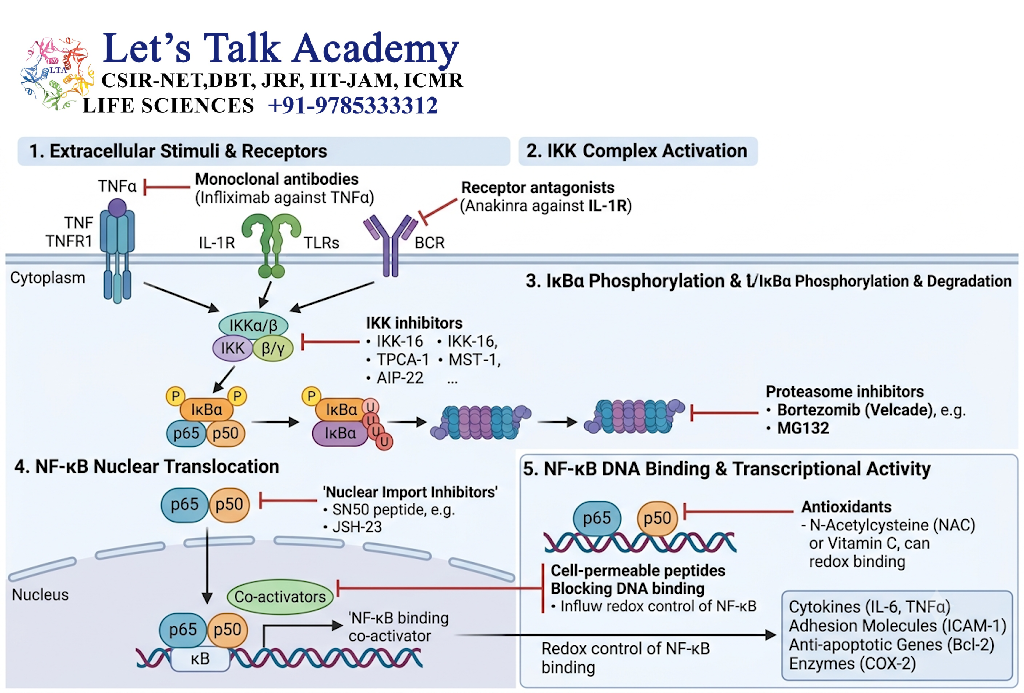
NF-κB is an important transcription factor involved in:
- Inflammation
- Innate immunity
- Cell survival
- Cytokine production
Pathogen components can activate NF-κB, resulting in production of inflammatory mediators such as:
- TNF
- IL-1
- IL-6
- Chemokines
Some pathogens benefit from temporary activation of NF-κB because inflammatory responses may alter the local environment in ways that facilitate infection.
Other pathogens produce factors that suppress NF-κB signaling to reduce immune activation.
Thus, pathogen manipulation can involve either:
Activation of inflammatory signaling
or
Suppression of inflammatory signaling
depending on the pathogen and stage of infection.
8. Manipulation of MAPK Pathways
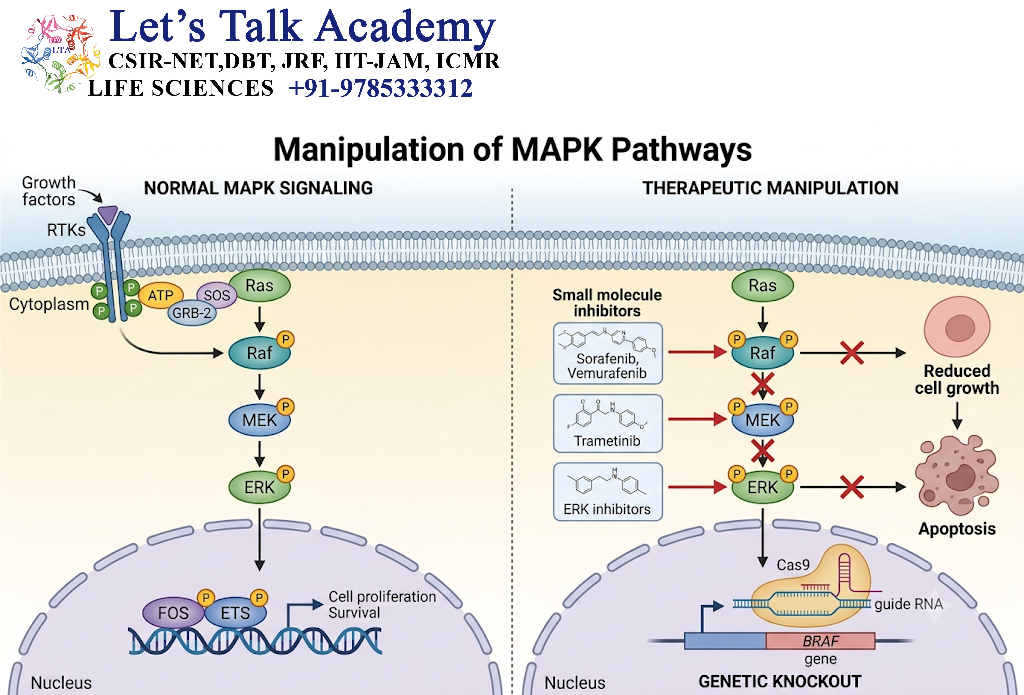
Mitogen-activated protein kinase pathways regulate:
- Cell proliferation
- Differentiation
- Stress responses
- Cytokine production
- Cell survival
Pathogens can modify MAPK signaling to influence host-cell gene expression.
For example, activation of certain MAPK pathways can promote inflammatory cytokine production, while other pathogen-induced changes may alter cell survival or proliferation.
9. Alteration of Host Gene Expression
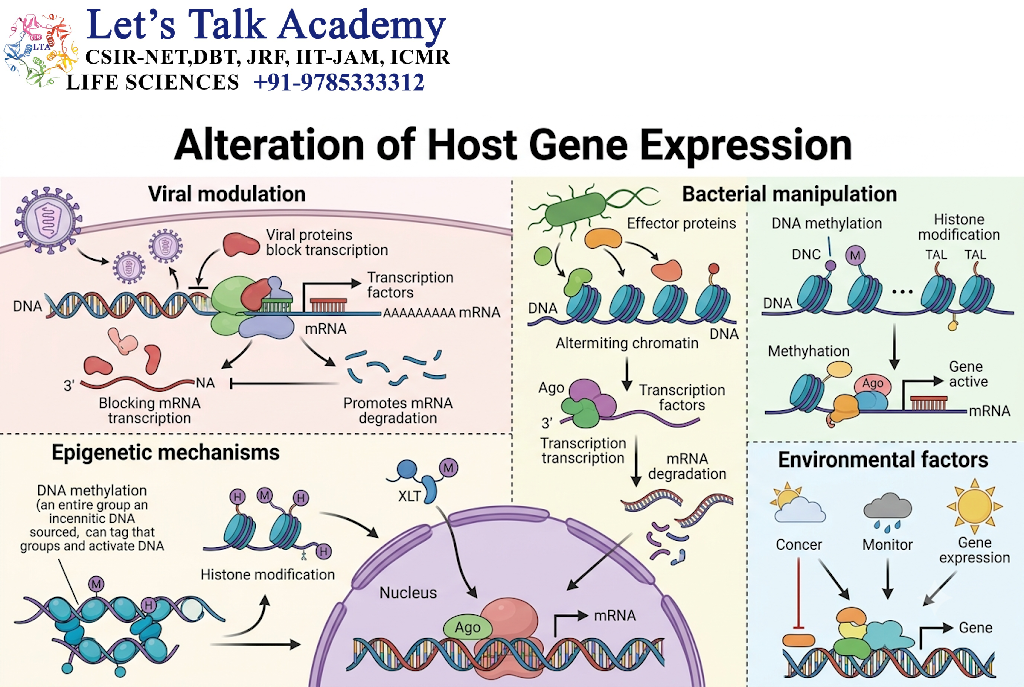
Gene expression determines which proteins a cell produces and in what quantities.
Pathogens can modify host gene expression through:
- Transcription-factor manipulation
- RNA interference-like mechanisms
- Epigenetic changes
- Chromatin modification
- Viral regulatory proteins
- Changes in signaling pathways
Consequently, infection can produce large changes in the host-cell transcriptome.
Some pathogen proteins directly enter the nucleus and influence transcription.
10. Manipulation of Transcription Factors
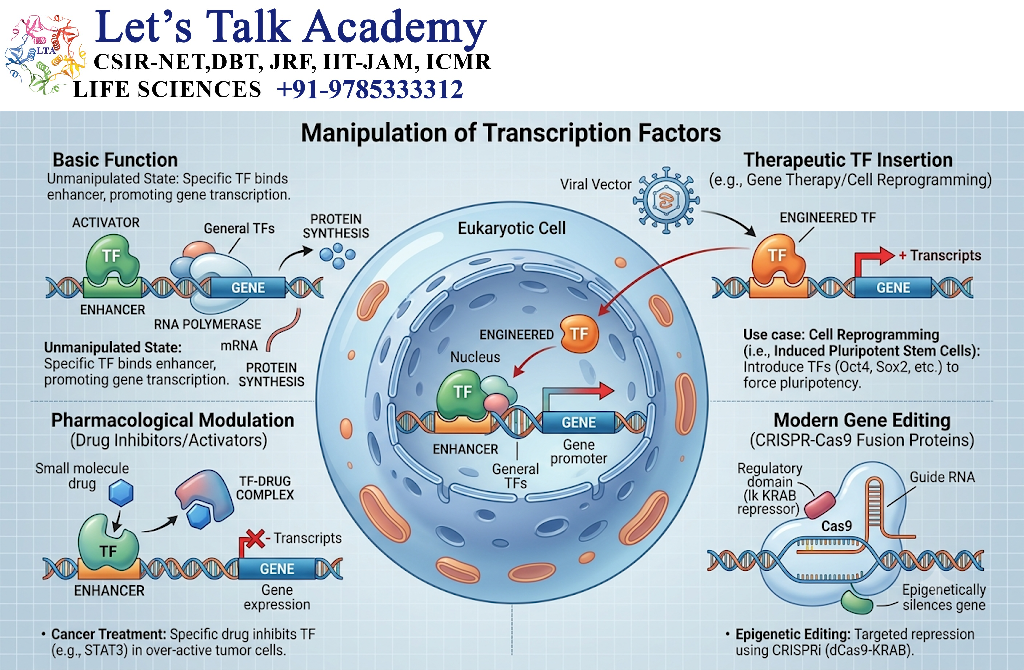
Transcription factors regulate the expression of specific genes.
Pathogens may alter transcription factors such as:
- NF-κB
- AP-1
- IRFs
- STAT proteins
- HIF-related pathways
- p53-associated pathways
This can modify expression of genes involved in:
- Cytokines
- Antiviral responses
- Cell-cycle regulation
- Apoptosis
- Metabolism
11. Alteration of Protein Synthesis
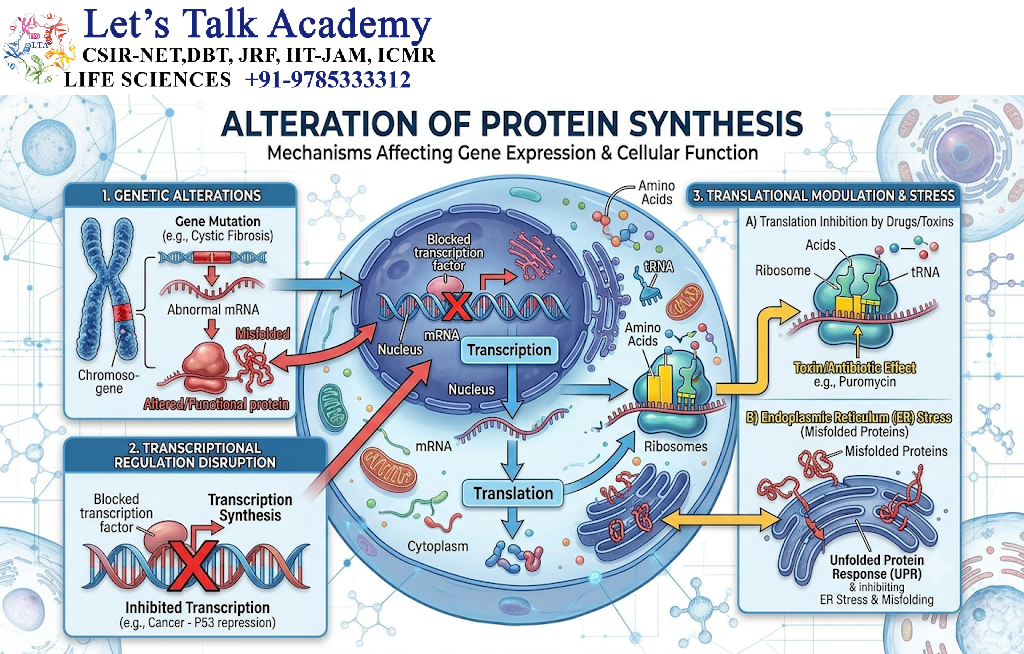
Many viruses depend on host ribosomes and translation machinery to produce viral proteins.
To maximize viral protein production, some viruses:
- Suppress host protein translation
- Redirect ribosomes toward viral mRNAs
- Alter translation initiation
- Modify RNA stability
This can reduce production of normal host proteins.
Consequently, infected cells may lose normal physiological functions.
12. Host Shutoff
Host shutoff refers to pathogen-induced reduction of host gene expression and protein synthesis.
This can provide two major advantages:
- Cellular resources become available for pathogen replication.
- Production of antiviral proteins may be reduced.
Some viral proteins interfere with host RNA stability or translation.
This demonstrates how pathogens can redirect the entire biosynthetic machinery of a cell toward their own survival.
13. Alteration of the Cytoskeleton
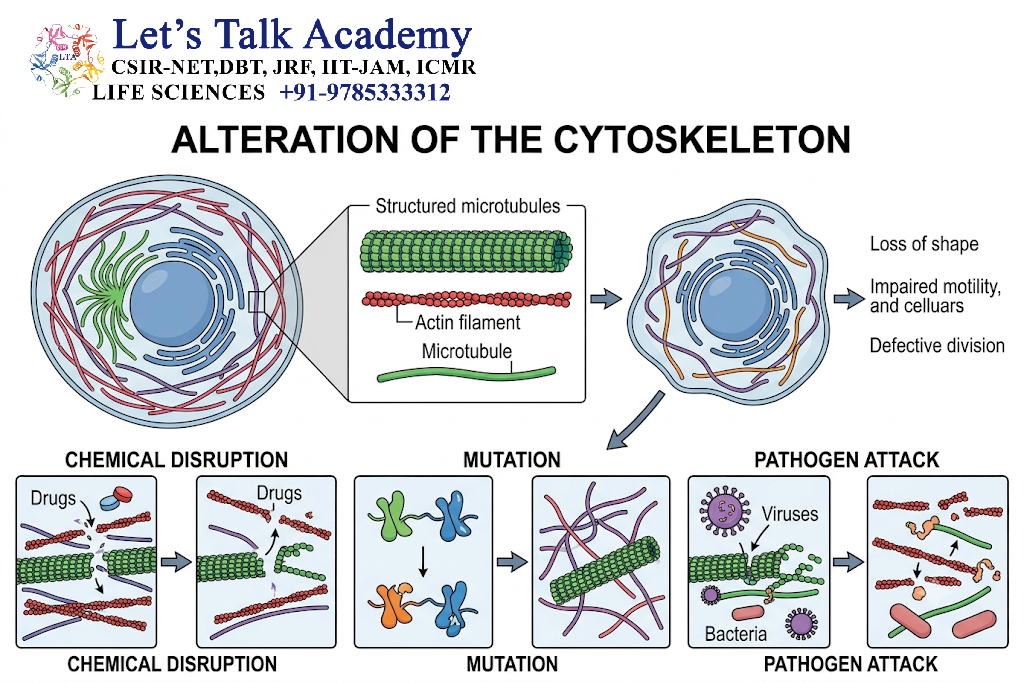
The cytoskeleton provides structural organization and supports:
- Cell shape
- Movement
- Intracellular transport
- Vesicle movement
- Cell division
- Phagocytosis
It mainly consists of:
- Actin filaments
- Microtubules
- Intermediate filaments
Many pathogens manipulate the cytoskeleton.
14. Actin Rearrangement
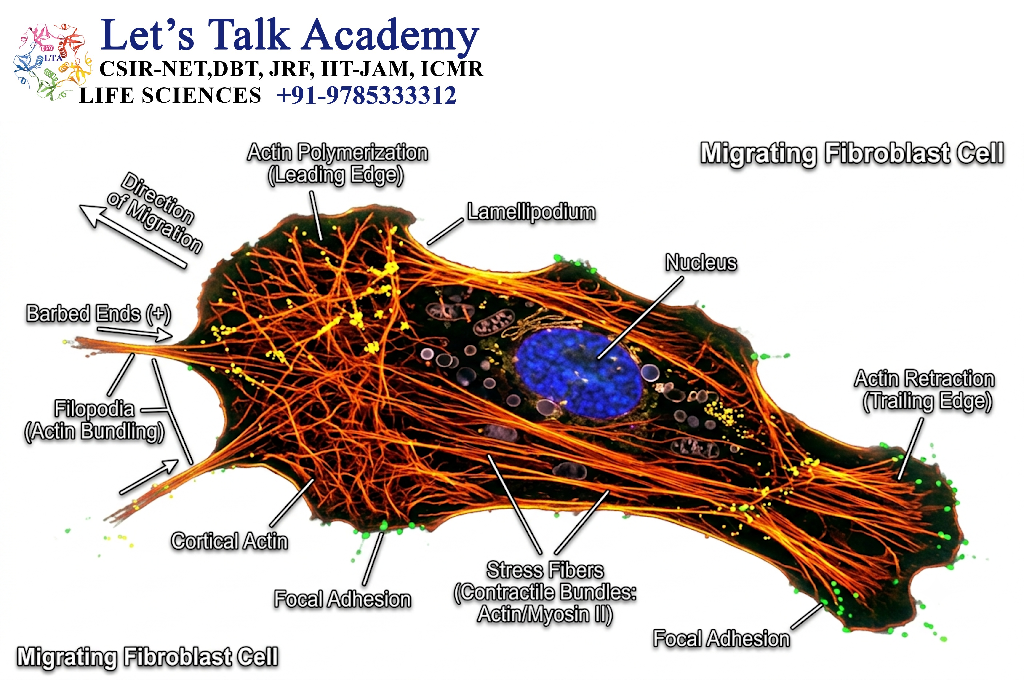
Actin is particularly important during pathogen entry.
Certain bacteria use effector proteins to activate host signaling pathways that cause localized actin polymerization.
This can produce:
- Membrane ruffling
- Cellular protrusions
- Bacterial uptake
Thus:
Bacterial effector → host signaling → actin rearrangement → membrane change → pathogen entry
This mechanism is particularly important for intracellular bacterial pathogens.
15. Cytoskeletal Manipulation and Cell-to-Cell Spread
Some pathogens use host cytoskeletal machinery to move inside cells or spread between neighboring cells.
This allows pathogens to:
- Avoid extracellular antibodies
- Increase intracellular dissemination
- Reach new cellular compartments
Certain intracellular bacteria can polymerize actin at one pole of the bacterium, generating propulsion through the host cytoplasm.
16. Alteration of Cell Adhesion
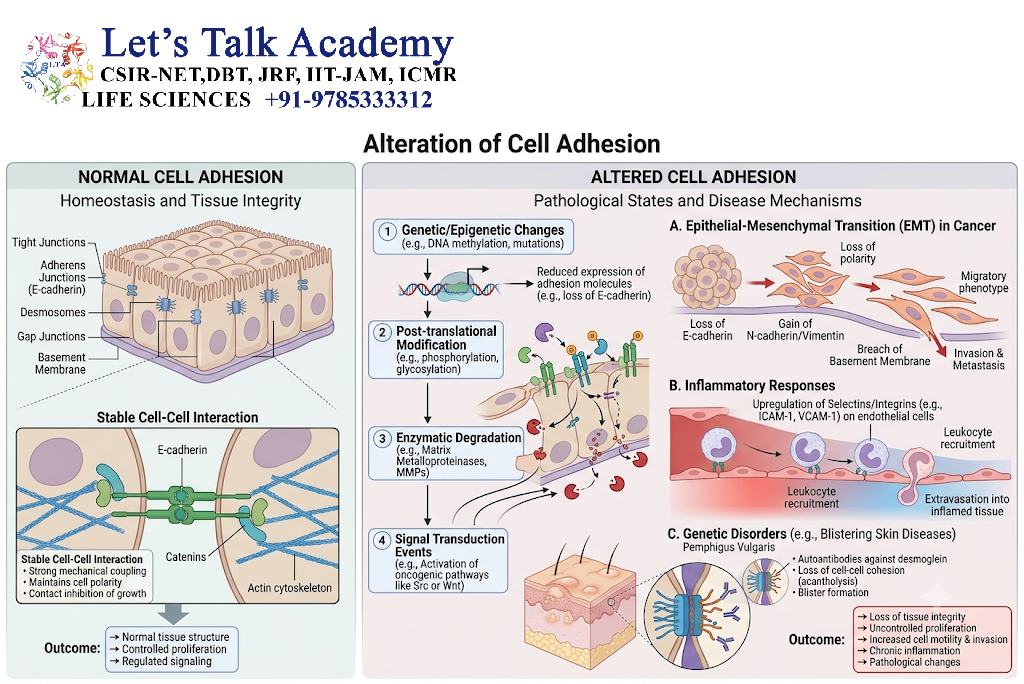
Cell adhesion is important for maintaining tissue architecture.
Pathogens can alter:
- Integrins
- Cadherins
- Tight junction proteins
- Adherens junctions
- Cell-matrix interactions
Disruption of these structures can result in:
- Loss of epithelial integrity
- Increased permeability
- Tissue damage
- Easier pathogen dissemination
17. Tight Junction Disruption
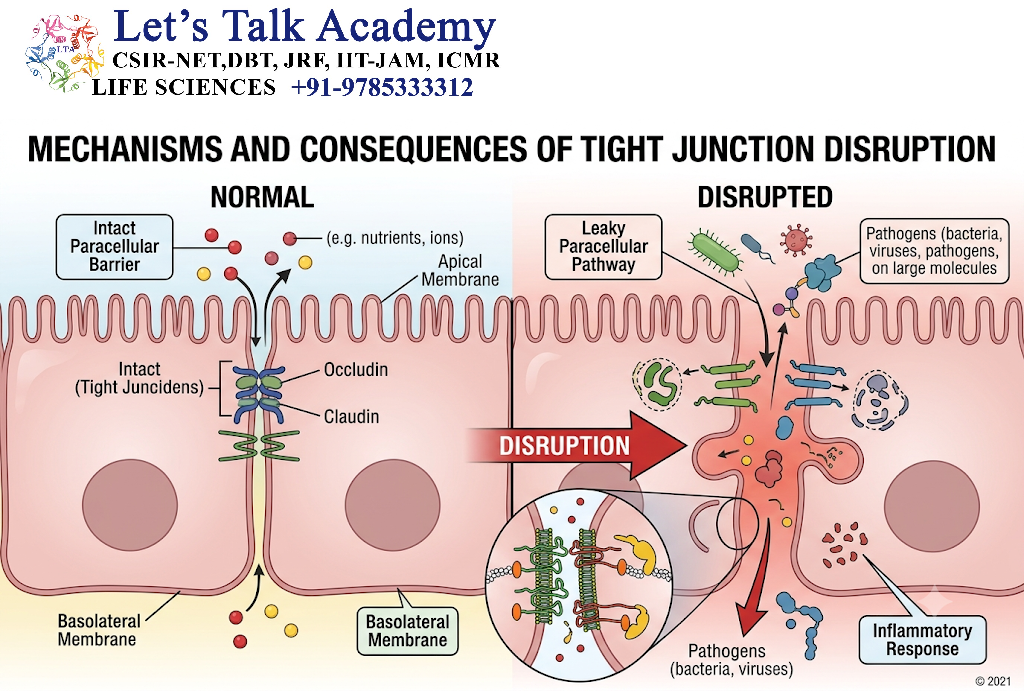
Tight junctions prevent uncontrolled movement of substances between epithelial cells.
Pathogen-induced disruption can increase epithelial permeability.
Consequences may include:
- Barrier breakdown
- Increased movement of microorganisms
- Tissue inflammation
- Fluid loss
Intestinal pathogens can particularly affect epithelial junctions.
18. Alteration of Cell Motility
Pathogens can influence host-cell migration by modifying:
- Actin dynamics
- Rho-family GTPases
- Adhesion molecules
- Chemokine signaling
Changes in cell motility may affect:
- Immune-cell recruitment
- Tissue invasion
- Pathogen dissemination
19. Manipulation of Rho GTPases
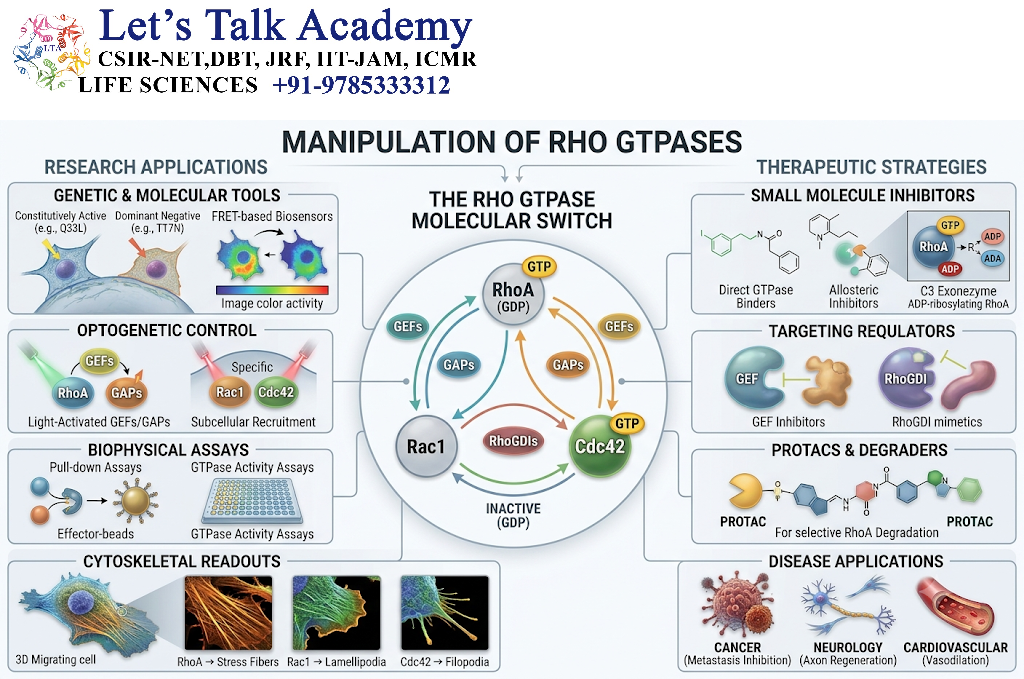
Rho-family GTPases are important regulators of the actin cytoskeleton.
Important members include:
- Rho
- Rac
- Cdc42
Pathogens can activate or inhibit these molecules through effector proteins.
This can alter:
- Cell shape
- Membrane ruffling
- Phagocytosis
- Cell movement
- Bacterial uptake
20. Alteration of Vesicular Trafficking
Cells contain highly organized intracellular trafficking systems.
Vesicles transport proteins and molecules between:
- Endosomes
- Golgi apparatus
- Endoplasmic reticulum
- Lysosomes
- Plasma membrane
Intracellular pathogens can manipulate this system to establish specialized intracellular niches.
For example, pathogens may prevent their vesicles from fusing with lysosomes.
21. Avoidance of Lysosomal Destruction
Normally:
Phagosome → maturation → lysosome fusion → microbial destruction
Some intracellular pathogens interfere with this process.
They may:
- Prevent phagosome maturation
- Alter vesicle fusion
- Modify intracellular pH
- Prevent lysosomal enzyme exposure
This allows the pathogen to survive inside cells that would normally destroy it.
22. Manipulation of Autophagy
Autophagy is a cellular process through which cytoplasmic material and damaged organelles are delivered to lysosomes for degradation.
Autophagy can contribute to host defense against intracellular pathogens.
However, pathogens may manipulate autophagy.
They may:
- Inhibit autophagy
- Block autophagosome-lysosome fusion
- Exploit autophagic membranes
- Redirect autophagy-related pathways
Thus, autophagy can function as both a host-defense mechanism and a target of pathogen manipulation.
23. Alteration of Apoptosis
Apoptosis is programmed cell death.
It is important for:
- Tissue homeostasis
- Removal of damaged cells
- Elimination of infected cells
Pathogens can manipulate apoptosis in opposite ways.
Pathogen-induced apoptosis
A pathogen may promote apoptosis to:
- Destroy infected cells
- Facilitate tissue damage
- Aid dissemination in some contexts
Apoptosis inhibition
Some pathogens inhibit apoptosis to:
- Keep host cells alive
- Provide more time for replication
- Maintain an intracellular replication environment
Therefore:
Pathogen survival strategy → either apoptosis activation or apoptosis inhibition
depends on the pathogen’s life cycle.
24. p53 and Pathogen Infection
p53 is an important regulator of:
- DNA damage responses
- Cell-cycle arrest
- Apoptosis
- Genome stability
Some pathogens interfere with p53 signaling.
By reducing p53-mediated responses, a pathogen may help an infected cell survive despite cellular damage.
Certain oncogenic viruses can use such mechanisms to contribute to abnormal cell proliferation and cancer development.
25. Alteration of the Cell Cycle
The cell cycle consists of coordinated phases:
G1 → S → G2 → M
Pathogens can manipulate cell-cycle progression.
They may:
- Arrest cells at particular phases
- Stimulate cell proliferation
- Inhibit cell-cycle checkpoints
These changes can create cellular conditions favorable for pathogen replication.
Viruses that replicate using host DNA synthesis machinery may benefit from pushing cells toward a state favorable for DNA replication.
26. Pathogens and Cellular Transformation
Certain pathogens can contribute to uncontrolled cell proliferation.
Persistent infection with some viruses can interfere with:
- Tumor suppressor proteins
- Cell-cycle checkpoints
- Apoptosis
- DNA repair
Long-term disruption of these systems can contribute to oncogenesis.
Examples of oncogenic pathogens include certain:
- Human papillomaviruses
- Epstein–Barr virus
- Hepatitis B virus
- Hepatitis C virus
- Human T-cell leukemia virus type 1
The mechanisms differ among pathogens.
27. Alteration of Host-Cell Metabolism
Pathogens require energy and building materials for replication.
They can therefore reprogram host metabolism.
Changes may involve:
- Glucose metabolism
- Lipid synthesis
- Amino-acid metabolism
- Nucleotide synthesis
- Mitochondrial function
28. Metabolic Reprogramming
An infected cell may increase particular metabolic pathways to provide:
- ATP
- Nucleotides
- Amino acids
- Lipids
for pathogen replication.
Viruses, for example, may redirect cellular resources toward synthesis of viral genomes and proteins.
This metabolic remodeling can also influence immune responses.
29. Manipulation of Mitochondria
Mitochondria are important for:
- ATP production
- Apoptosis
- Reactive oxygen species production
- Innate immune signaling
Pathogens can modify mitochondrial function to influence:
- Cellular survival
- Energy production
- Apoptosis
- Antiviral signaling
Thus, mitochondria can become important targets during infection.
30. Alteration of Reactive Oxygen Species
Reactive oxygen species are involved in:
- Microbial killing
- Cellular signaling
- Oxidative stress
Pathogens may increase or decrease ROS production.
Some pathogens tolerate oxidative stress and may manipulate ROS signaling to alter host-cell responses.
Excessive ROS can cause:
- Lipid damage
- Protein damage
- DNA damage
- Mitochondrial dysfunction
31. Alteration of Cytokine Production
Cytokines coordinate immune responses.
Pathogens can manipulate cytokine production in several ways.
They may:
- Increase inflammatory cytokines
- Suppress antiviral cytokines
- Alter chemokine production
- Produce cytokine-like molecules
- Interfere with cytokine receptors
Important cytokines affected during infection include:
- TNF
- IL-1
- IL-6
- IL-10
- IFN-α
- IFN-β
- IFN-γ
32. Interference With Type I Interferon Responses
Type I interferons, particularly IFN-α and IFN-β, are major antiviral cytokines.
Viral infection normally activates sensors that detect viral nucleic acids.
This leads to:
Viral nucleic acid recognition → signaling → IFN production → JAK-STAT activation → interferon-stimulated genes
Many viruses have evolved mechanisms that interfere with one or more steps of this pathway.
Consequently, antiviral defenses may be weakened.
33. Alteration of Antigen Presentation
Antigen presentation allows immune cells to detect infected cells.
MHC class I molecules present intracellular peptides to CD8+ T cells.
Some pathogens interfere with:
- Antigen processing
- Peptide transport
- MHC expression
- MHC trafficking to the cell surface
Reduced antigen presentation can decrease recognition by cytotoxic T lymphocytes.
This represents an important immune-evasion strategy.
34. Interference With MHC Class I
Certain viruses produce proteins that:
- Reduce MHC-I surface expression
- Retain MHC-I inside cells
- Alter peptide processing
- Interfere with antigen transport
The overall effect may be reduced CD8+ T-cell recognition.
However, reduced MHC-I expression can sometimes increase susceptibility to NK-cell recognition because NK cells detect abnormal loss of MHC-I.
35. Interference With Complement
Some pathogens avoid complement-mediated destruction.
They may:
- Recruit host complement-regulatory proteins
- Produce complement-binding proteins
- Reduce complement activation
- Prevent complement deposition
This allows pathogens to survive more effectively in extracellular environments.
36. Manipulation of Phagocytosis
Phagocytosis is a major mechanism used by macrophages and neutrophils to eliminate microorganisms.
Some pathogens:
- Prevent uptake
- Promote uptake but then survive intracellularly
- Interfere with phagosome maturation
- Escape from phagosomes
Thus, entry into a phagocytic cell does not always result in microbial destruction.
37. Bacterial Effector Proteins
Many pathogenic bacteria use specialized secretion systems to deliver effector proteins directly into host cells.
These systems can manipulate:
- Cytoskeleton
- Signaling pathways
- Vesicular trafficking
- Immune responses
- Cell death
Important bacterial secretion systems include:
- Type III secretion system
- Type IV secretion system
- Type VI secretion system
Effector proteins may function like molecular switches that alter host-cell behavior.
38. Type III Secretion System
The Type III secretion system is used by several Gram-negative bacteria to inject effector proteins directly into host cells.
These effectors can alter:
- Actin
- Rho GTPases
- NF-κB
- MAPK signaling
- Apoptosis
- Vesicular trafficking
This enables bacteria to manipulate host cells with considerable precision.
39. Viral Alteration of Host Cells
Viruses are obligate intracellular pathogens.
They depend heavily on host cells for:
- Energy
- Ribosomes
- Nucleotides
- Membranes
- Protein synthesis
- Cellular trafficking
Therefore, viral infection commonly produces extensive changes in host-cell physiology.
These changes may include:
- Host shutoff
- Metabolic reprogramming
- Cell-cycle alteration
- Apoptosis manipulation
- Membrane remodeling
- Antiviral signaling suppression
40. Parasitic Alteration of Host Cells
Parasites can also modify host-cell behavior.
Intracellular protozoa may:
- Alter host metabolism
- Manipulate immune signaling
- Prevent cellular destruction
- Modify intracellular trafficking
Some parasites can establish long-term intracellular niches in which they avoid immune elimination.
41. Fungal Alteration of Host Cells
Fungal pathogens interact with host cells through:
- Adhesion
- Invasion
- Recognition receptors
- Secreted enzymes
- Cell-wall components
Fungal infection can modify:
- Cytokine production
- Phagocyte activation
- Epithelial barrier function
- Cell survival
Some fungi can survive inside phagocytes or alter phagocyte responses.
42. Alteration of Host-Cell Gene Regulation
Pathogens may influence gene regulation through:
- Transcription factors
- Epigenetic modifications
- Histone modification
- DNA methylation
- Non-coding RNAs
- MicroRNA pathways
These changes can alter the expression of genes involved in:
- Immunity
- Metabolism
- Cell proliferation
- Apoptosis
Some pathogen-induced changes may persist after the initial infection.
43. Pathogen Manipulation of MicroRNAs
MicroRNAs are small regulatory RNA molecules that influence gene expression after transcription.
Pathogens can:
- Alter host microRNA expression
- Produce their own regulatory RNAs
- Use host microRNA pathways to suppress antiviral genes
This can modify cellular signaling and immune responses.
44. Alteration of Cell Communication
Cells communicate through:
- Cytokines
- Chemokines
- Growth factors
- Cell-surface receptors
- Extracellular vesicles
Pathogens can interfere with these communication systems.
As a result, infected cells may communicate abnormal signals to:
- Neighboring cells
- Immune cells
- Stromal cells
- Endothelial cells
This can influence inflammation and pathogen dissemination.
45. Extracellular Vesicles
Extracellular vesicles can transport:
- Proteins
- Lipids
- RNA
- Signaling molecules
Pathogens can alter extracellular vesicle production or composition.
This may influence:
- Immune responses
- Cell-to-cell communication
- Infection spread
46. Alteration of Epithelial Barrier Function
Epithelial cells form important physical barriers against pathogens.
Pathogens may disrupt:
- Tight junctions
- Adherens junctions
- Mucus layers
- Epithelial polarity
Consequences include:
- Increased permeability
- Tissue invasion
- Inflammation
- Loss of barrier protection
47. Pathogen-Induced Inflammation
Pathogen-induced cellular changes can activate inflammatory pathways.
Microbial components are recognized by pattern-recognition receptors.
This can lead to:
PAMP recognition
↓
PRR activation
↓
NF-κB/MAPK/inflammasome signaling
↓
Cytokine and chemokine production
↓
Leukocyte recruitment
↓
Inflammation
Inflammation is protective when appropriately controlled but can cause tissue damage when excessive or prolonged.
48. Inflammasome Activation
Some pathogens activate intracellular inflammasome complexes.
Inflammasome activation can result in:
- Caspase activation
- IL-1β production
- IL-18 production
- Inflammatory cell death in certain settings
This contributes to innate immune defense but can also contribute to inflammatory tissue damage.
49. Pathogen-Induced Cell Death
Pathogens can influence several forms of cell death, including:
- Apoptosis
- Necrosis
- Pyroptosis
- Necroptosis
The outcome depends on:
- Pathogen species
- Host-cell type
- Infection stage
- Pathogen replication strategy
- Immune response
Cell death can either limit infection or contribute to pathogen dissemination and tissue damage.
50. Beneficial and Harmful Effects of Host-Cell Alteration
Beneficial for the Host
Some pathogen-induced cellular responses can help eliminate infection.
Examples:
- Increased cytokine production
- Antiviral gene activation
- Apoptosis of infected cells
- Autophagy
- Inflammatory recruitment
Beneficial for the Pathogen
Other alterations help pathogens survive.
Examples:
- Suppression of interferon responses
- Inhibition of apoptosis
- Avoidance of lysosomal destruction
- Altered antigen presentation
- Metabolic reprogramming
51. Host-Cell Alteration and Disease
Altered host-cell behavior contributes directly to disease.
Possible consequences include:
- Tissue destruction
- Inflammation
- Cell death
- Abnormal proliferation
- Barrier disruption
- Organ dysfunction
- Immune-mediated damage
Therefore, disease can result from both:
Direct pathogen effects
and
Host immune responses against the pathogen
52. Examples of Pathogen-Induced Host-Cell Alterations
| Pathogen | Major Host-Cell Effect |
|---|---|
| Viruses | Alter gene expression, translation, apoptosis and metabolism |
| Intracellular bacteria | Manipulate phagosome, cytoskeleton and signaling |
| Extracellular bacteria | Alter inflammation and epithelial barriers |
| Protozoa | Modify intracellular survival and immune signaling |
| Fungi | Alter epithelial and phagocyte responses |
53. Integrated Mechanism
Pathogen attachment
↓
Host-cell receptor interaction
↓
Signal-transduction manipulation
↓
Cytoskeletal and membrane changes
↓
Pathogen entry or intracellular establishment
↓
Alteration of gene expression
↓
Metabolic reprogramming
↓
Modification of apoptosis/autophagy
↓
Suppression or alteration of immune responses
↓
Pathogen replication and persistence
↓
Cellular and tissue dysfunction
↓
Disease manifestations
54. Major Cellular Targets of Pathogens
| Cellular Component | Possible Alteration |
|---|---|
| Cell-surface receptors | Attachment, entry, signaling |
| Nucleus | Gene expression and transcription |
| Ribosomes | Protein synthesis |
| Cytoskeleton | Entry, movement, trafficking |
| Mitochondria | Energy, ROS, apoptosis |
| Lysosomes | Microbial destruction |
| Endosomes | Intracellular trafficking |
| Golgi apparatus | Protein and membrane trafficking |
| ER | Protein processing and viral replication |
| Cell membrane | Entry, exit and signaling |
| DNA/RNA regulatory machinery | Gene-expression changes |
55. Importance in Pathogenesis
Alteration of host-cell behavior is a central component of pathogenesis.
A pathogen must overcome several barriers:
- Attachment
- Entry
- Intracellular survival or extracellular persistence
- Nutrient acquisition
- Replication
- Immune evasion
- Dissemination
Manipulation of host-cell behavior helps pathogens accomplish these objectives.
56. Host–Pathogen Interaction as a Dynamic Process
Host-pathogen interaction is not a one-way process.
The pathogen attempts to manipulate the host, while the host simultaneously activates defense mechanisms.
Thus:
Pathogen manipulation
↔
Host defense
The final outcome depends on the balance between these processes.
Possible outcomes include:
- Clearance
- Persistent infection
- Latent infection
- Chronic infection
- Tissue damage
- Systemic disease


