
1. Introduction
Bacteria are microorganisms that can enter the body through the respiratory tract, gastrointestinal tract, skin, mucosal surfaces, wounds, or other routes. Once bacteria enter tissues, the immune system recognizes them and initiates a coordinated response to eliminate them.
The immune response against bacteria involves both:
- Innate immunity
- Adaptive immunity
Innate immunity acts rapidly and provides the first line of defense. Adaptive immunity develops more slowly but provides highly specific responses and immunological memory.
The overall response can be represented as:
Bacterial entry
↓
Recognition of bacterial components
↓
Innate immune response
↓
Inflammation + complement activation + phagocyte recruitment
↓
Phagocytosis and bacterial killing
↓
Antigen presentation
↓
Adaptive immune response
↓
T-cell activation + B-cell activation
↓
Antibody production + cellular immunity
↓
Elimination of bacteria
↓
Resolution + immunological memory
2. Entry of Bacteria into the Body
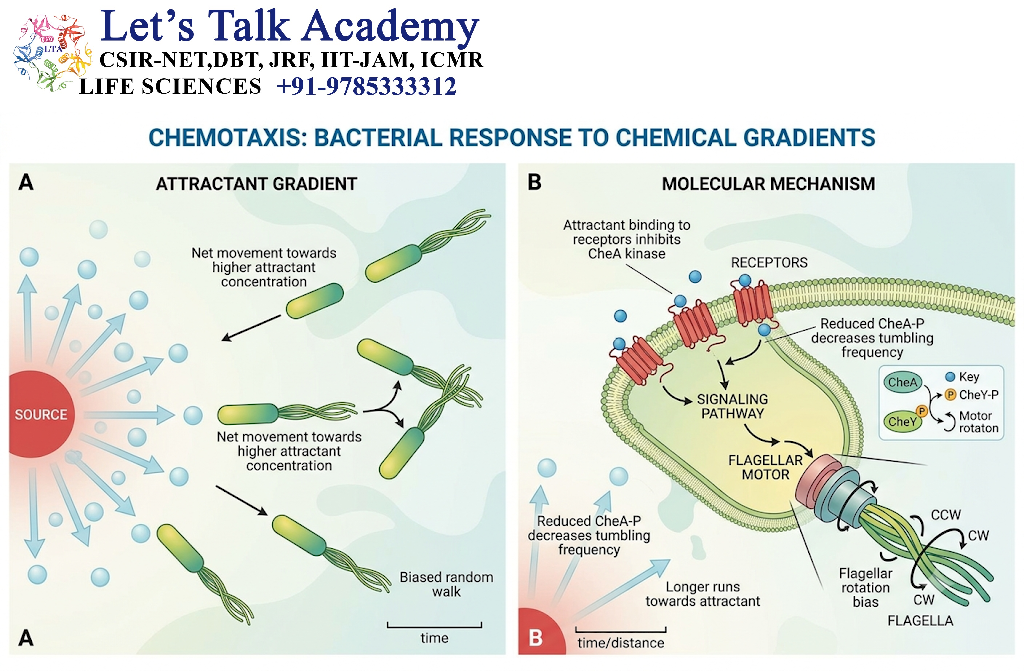
Bacteria can enter through different routes.
2.1 Respiratory Route
Bacteria may enter through inhalation and reach the respiratory tract.
The respiratory tract contains several defense mechanisms:
- Mucus
- Cilia
- Antimicrobial molecules
- Alveolar macrophages
- Secretory antibodies
2.2 Gastrointestinal Route
Food and water can introduce bacteria into the gastrointestinal tract.
Protection is provided by:
- Gastric acid
- Mucus
- Intestinal epithelial barriers
- Antimicrobial peptides
- Normal microbiota
- Secretory IgA
2.3 Skin and Wounds
Normally, intact skin acts as a strong physical barrier.
When the skin is damaged, bacteria can enter deeper tissues.
This can trigger an immediate inflammatory response.
3. First Line of Defense Against Bacteria
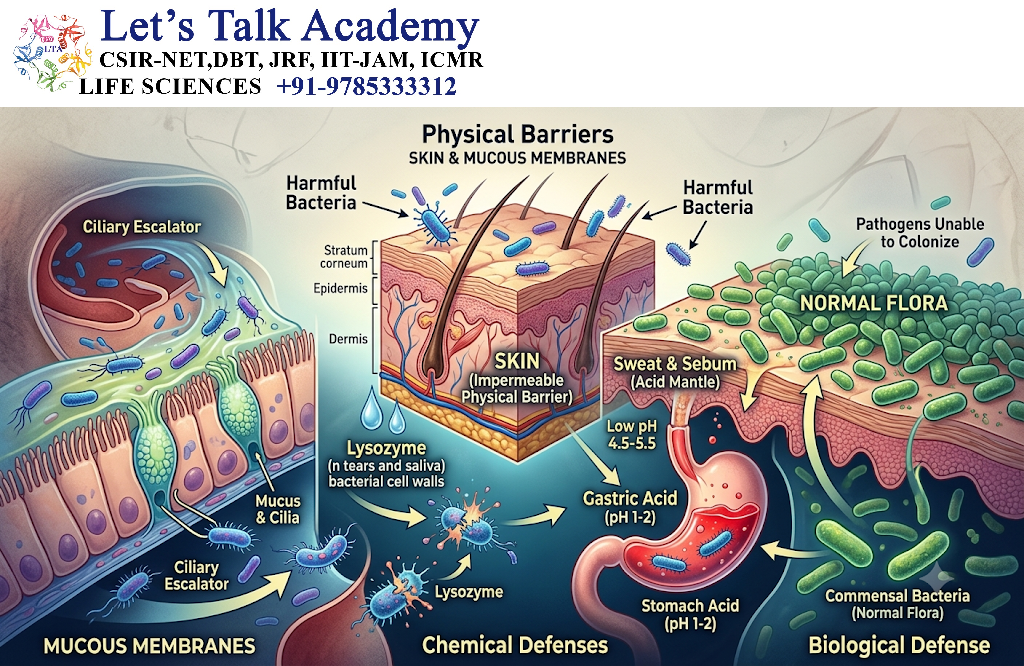
Before immune cells are activated, the body attempts to prevent bacterial entry.
Important barriers include:
Physical barriers
- Skin
- Mucosal epithelium
- Mucus
- Cilia
Chemical barriers
- Low gastric pH
- Lysozyme
- Antimicrobial peptides
- Fatty acids on skin
Biological barriers
The normal microbiota competes with potentially pathogenic bacteria for:
- Nutrients
- Attachment sites
- Ecological niches
4. Recognition of Bacteria
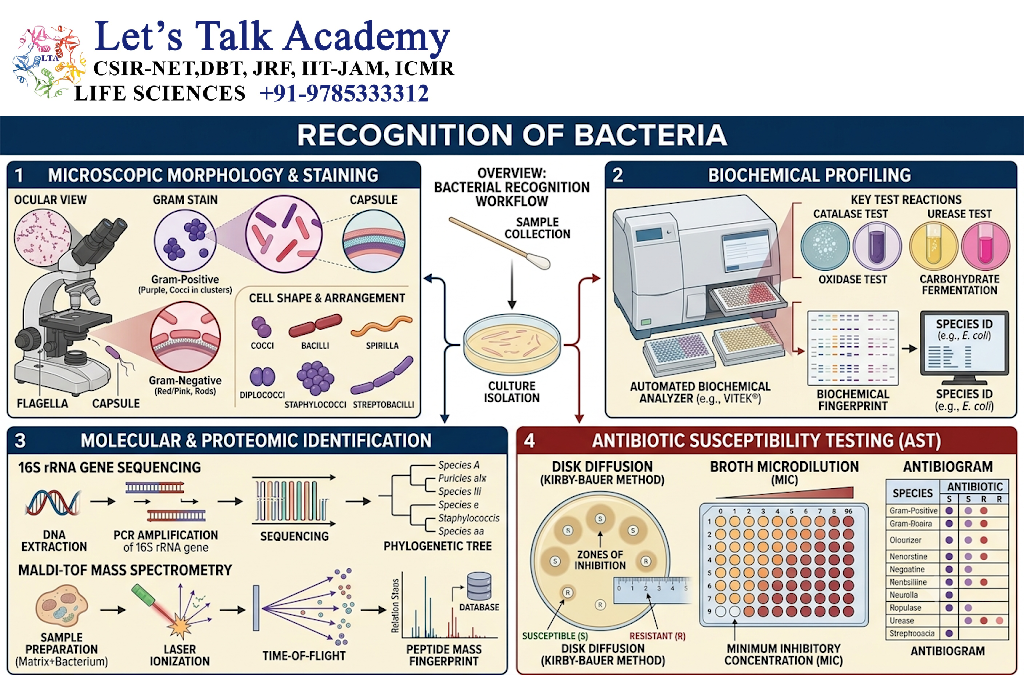
Once bacteria cross epithelial barriers, they are recognized by cells of the innate immune system.
Important cells include:
- Macrophages
- Dendritic cells
- Neutrophils
- Mast cells
- Epithelial cells
These cells express pattern-recognition receptors (PRRs).
PRRs recognize pathogen-associated molecular patterns (PAMPs).
5. Bacterial PAMPs
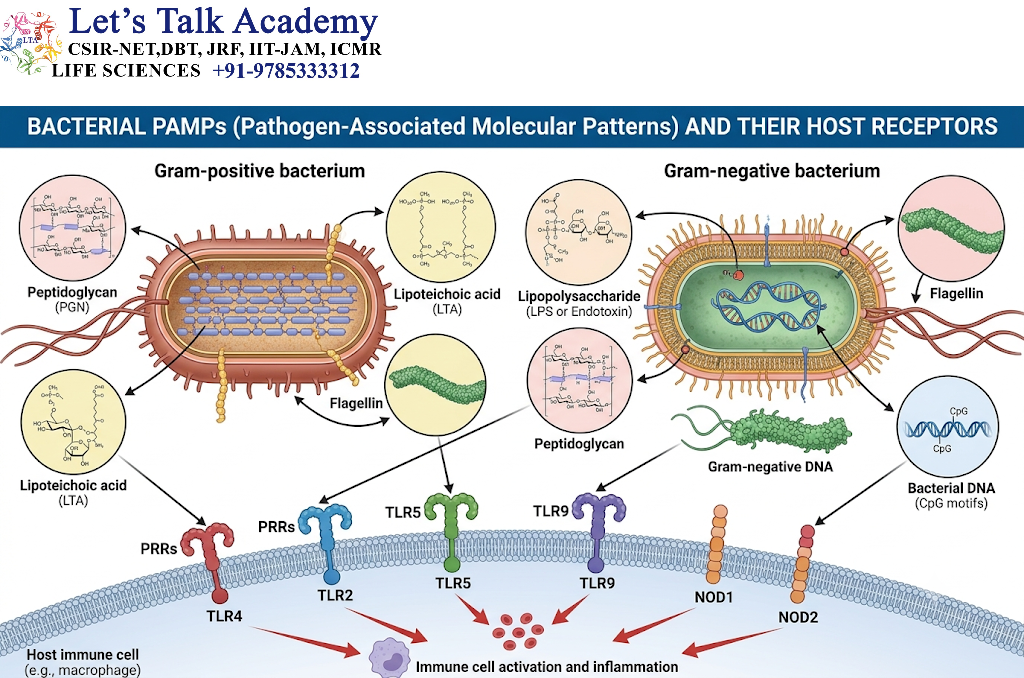
Bacteria contain many structures that can be recognized by the immune system.
Examples include:
| Bacterial component | Recognition |
|---|---|
| Lipopolysaccharide (LPS) | Mainly TLR4 |
| Lipoproteins | TLR2-containing receptors |
| Flagellin | TLR5 |
| Bacterial DNA | TLR9 and other DNA-sensing systems |
| Peptidoglycan fragments | Several innate sensing pathways |
| Bacterial RNA | Endosomal/intracellular sensors |
Recognition activates intracellular signaling pathways.
6. Toll-Like Receptors and Bacterial Recognition
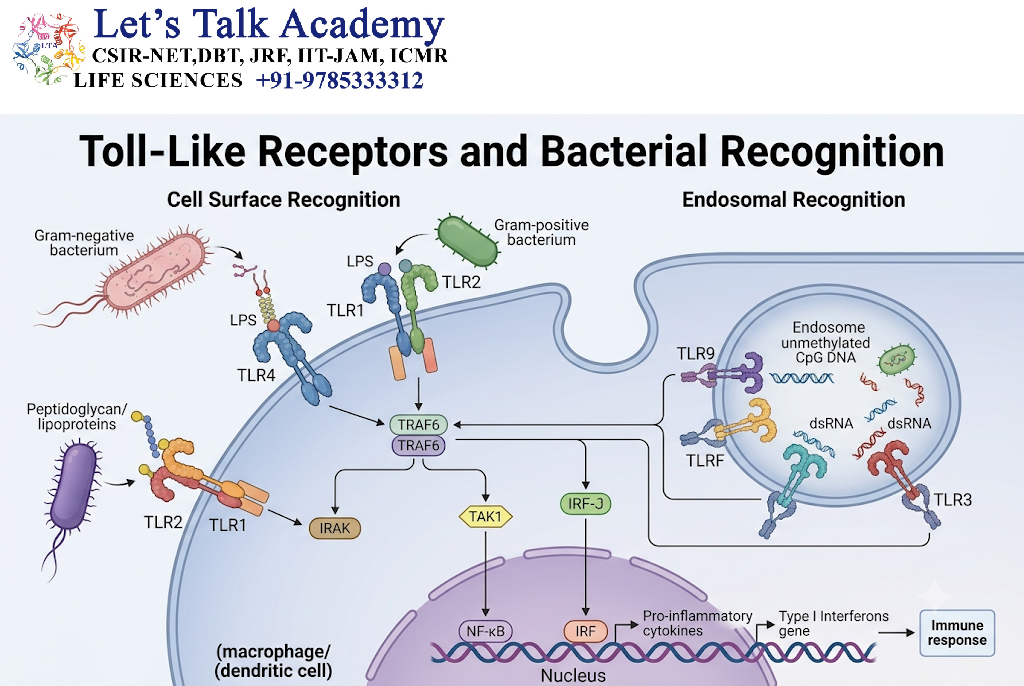
Toll-like receptors (TLRs) are important pattern-recognition receptors.
For example, components of Gram-negative bacterial outer membranes include lipopolysaccharide (LPS).
LPS is detected through a receptor complex involving:
- TLR4
- MD-2
- CD14
Activation of TLR4 triggers inflammatory signaling.
Other TLRs recognize different bacterial structures.
7. Activation of Innate Signaling
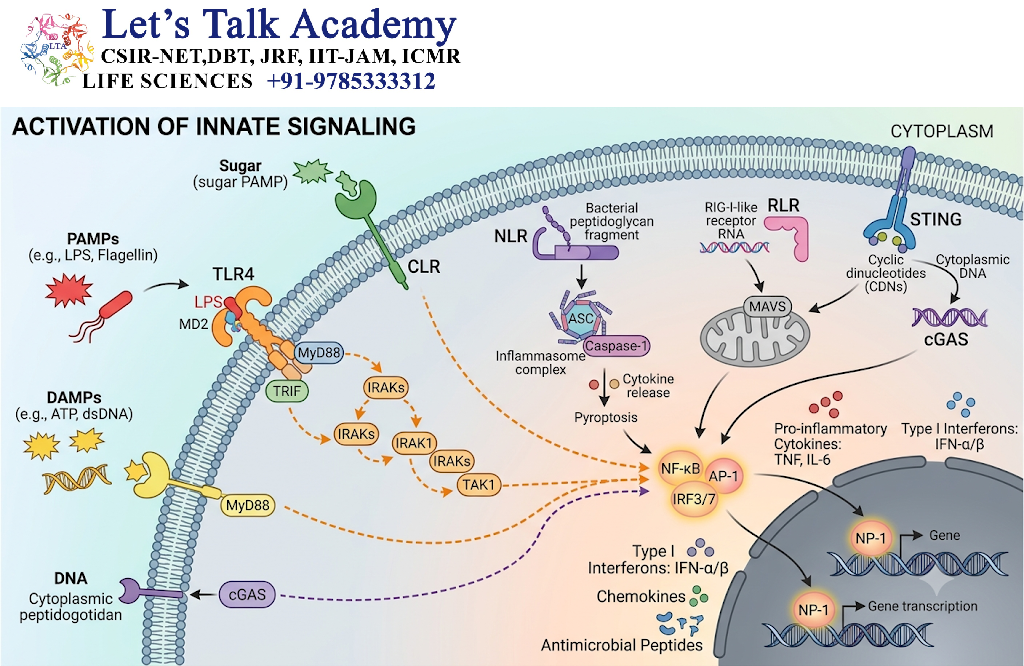
Recognition of bacterial components activates pathways such as:
- NF-κB
- MAPK pathways
- Inflammasome pathways
These pathways stimulate production of:
- TNF
- IL-1
- IL-6
- Chemokines
- Other inflammatory mediators
The result is activation of inflammation and recruitment of immune cells.
8. Acute Inflammatory Response
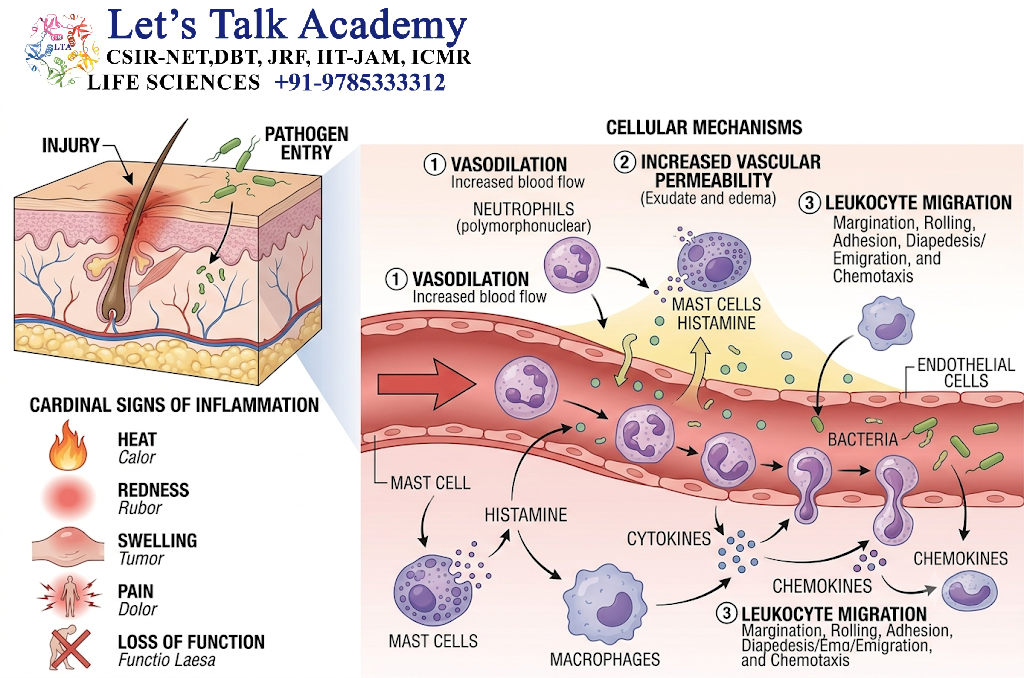
Inflammation is one of the earliest responses to bacterial infection.
Bacterial recognition causes local cells to release inflammatory mediators.
These mediators cause:
- Vasodilation
- Increased vascular permeability
- Leukocyte recruitment
- Activation of endothelial cells
This allows immune cells and plasma proteins to reach the infected tissue.
9. Role of Histamine
Mast cells release histamine following activation.
Histamine promotes:
- Vasodilation
- Increased vascular permeability
- Endothelial activation
This contributes to the early vascular response.
10. Recruitment of Neutrophils
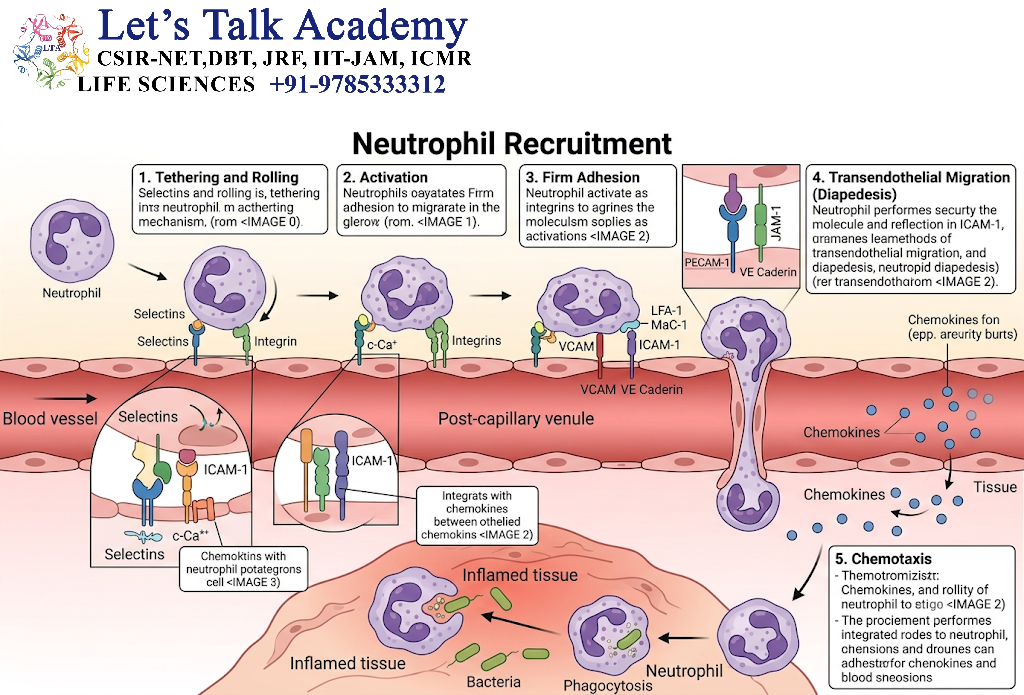
Neutrophils are particularly important during many acute bacterial infections.
Their recruitment follows:
Margination
↓
Rolling
↓
Adhesion
↓
Transmigration
↓
Chemotaxis
↓
Activation
Neutrophils then attack and destroy bacteria.
11. Chemotaxis During Bacterial Infection
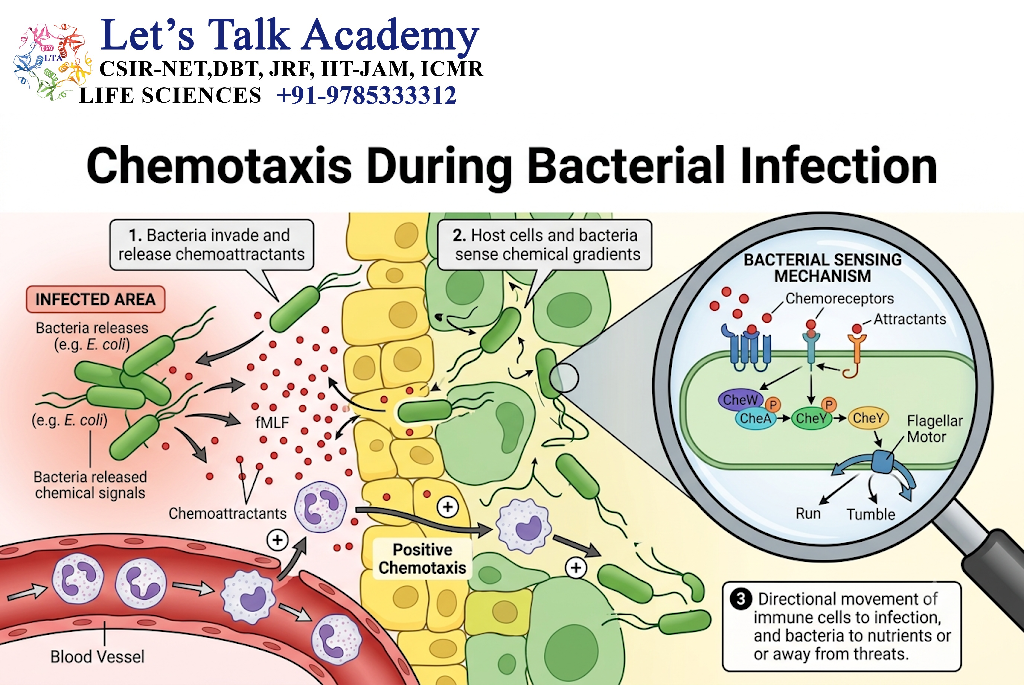
Neutrophils migrate toward the infected area in response to chemical signals.
Important chemoattractants include:
- CXCL8/IL-8
- C5a
- LTB4
- Bacterial peptides
This ensures that large numbers of neutrophils accumulate at the site of infection.
12. Complement System
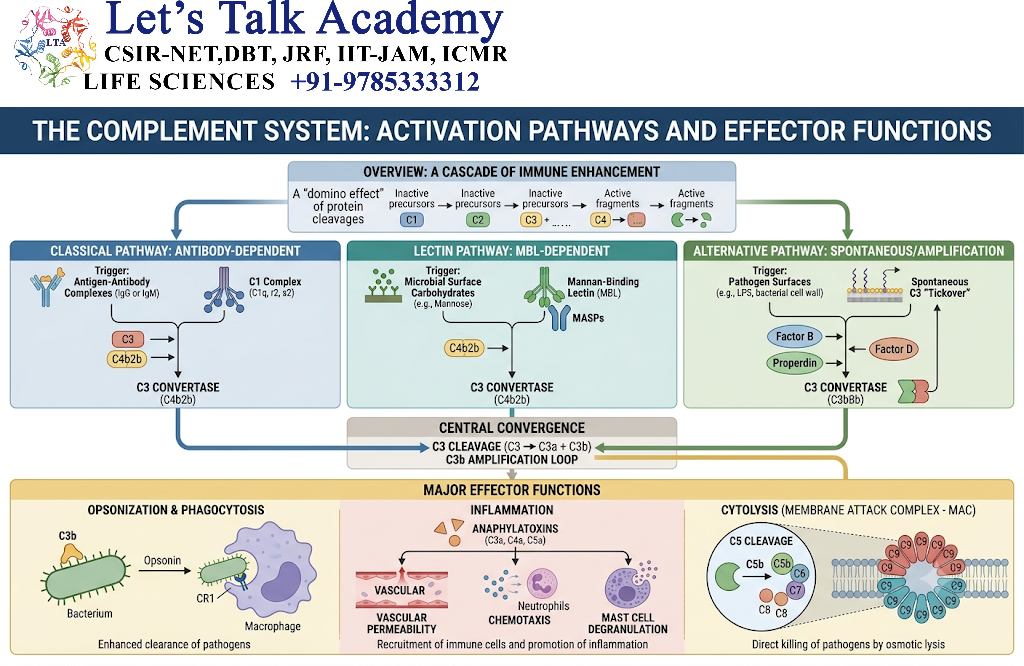
The complement system is an important component of innate immunity against bacteria.
It can be activated through:
- Classical pathway
- Lectin pathway
- Alternative pathway
These pathways ultimately produce complement activation products that promote:
- Opsonization
- Inflammation
- Phagocytosis
- Direct bacterial killing for susceptible organisms
13. Opsonization by Complement
One of the most important functions of complement is opsonization.
C3b binds to the bacterial surface.
Phagocytes possess complement receptors that recognize C3b-containing targets.
Therefore:
Bacterium
↓
C3b deposition
↓
Recognition by complement receptors
↓
Enhanced phagocytosis
This greatly improves bacterial clearance.
14. Complement-Mediated Inflammation
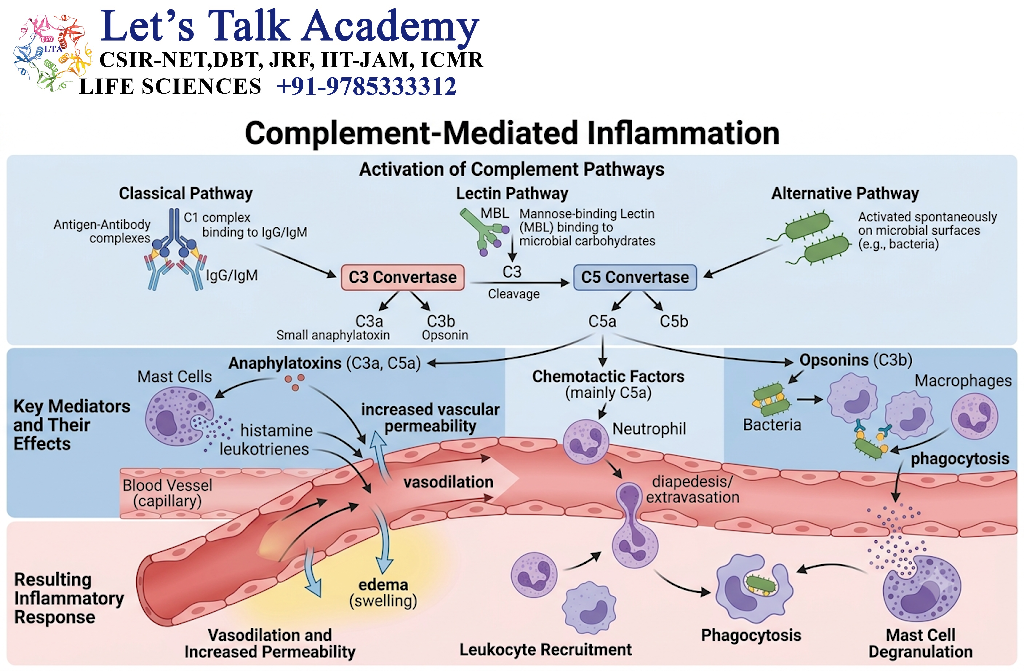
Complement fragments such as C3a and C5a contribute to inflammatory responses.
C5a is particularly important for:
- Neutrophil chemotaxis
- Leukocyte activation
- Amplification of inflammation
15. Membrane Attack Complex
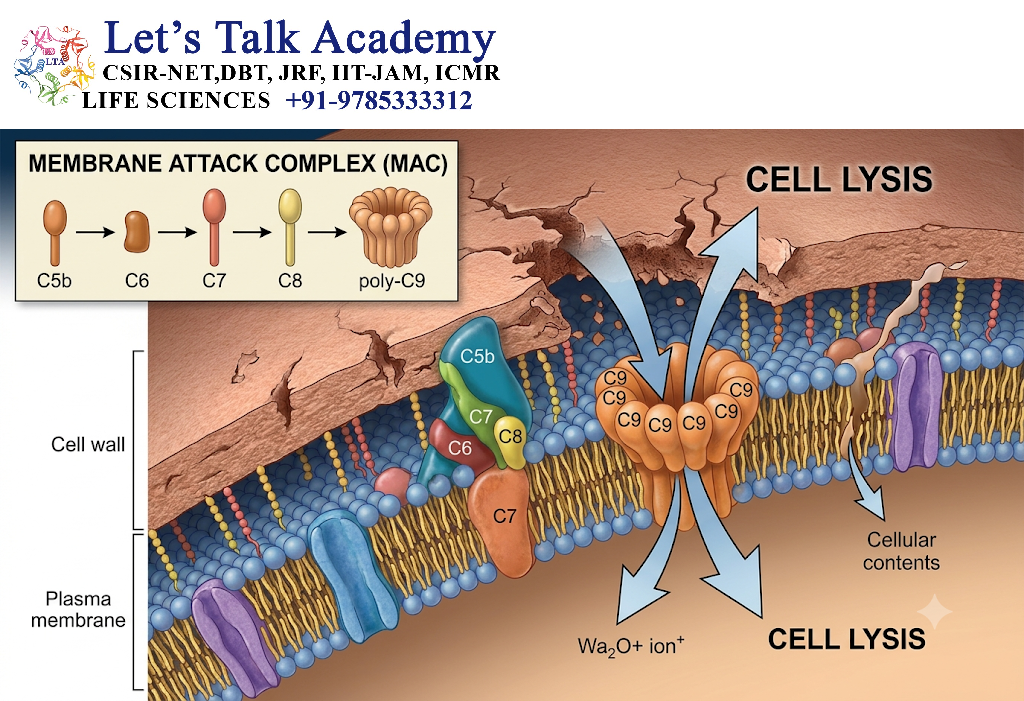
Complement can form the membrane attack complex (MAC).
The MAC consists mainly of terminal complement components:
C5b-C9
It forms pores in susceptible bacterial membranes.
This mechanism is especially important against certain Gram-negative bacteria.
Thus:
Complement activation
↓
C5b-C9 assembly
↓
MAC formation
↓
Membrane damage
↓
Bacterial lysis
16. Phagocytosis of Bacteria
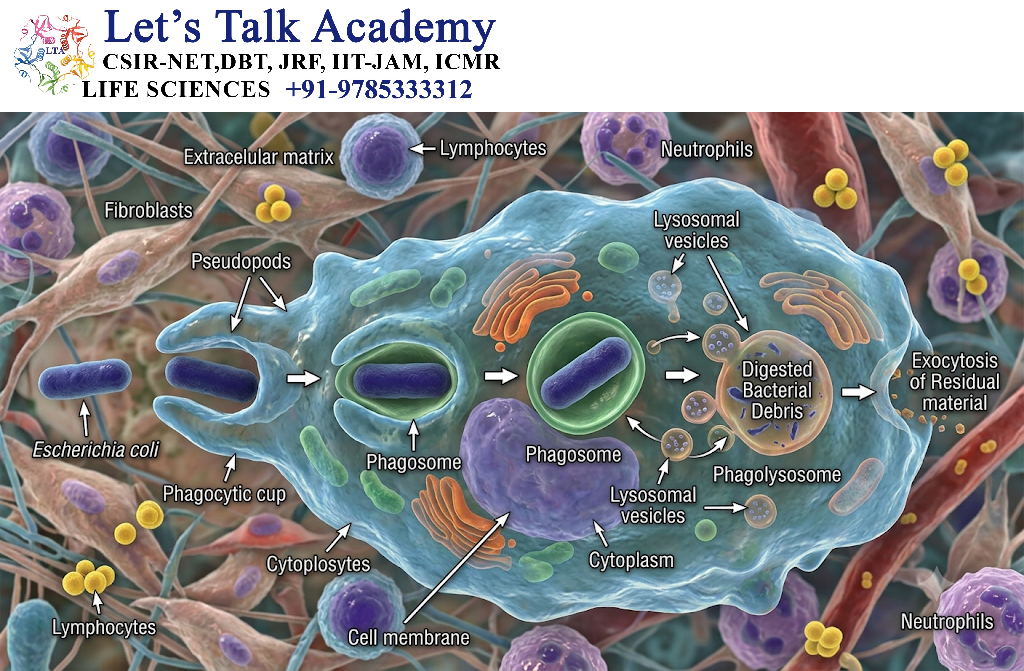
Phagocytosis is one of the major mechanisms used to eliminate bacteria.
The main phagocytes are:
- Neutrophils
- Macrophages
The process consists of:
Recognition
↓
Attachment
↓
Engulfment
↓
Phagosome formation
↓
Phagolysosome formation
↓
Bacterial killing
17. Recognition of Bacteria by Phagocytes
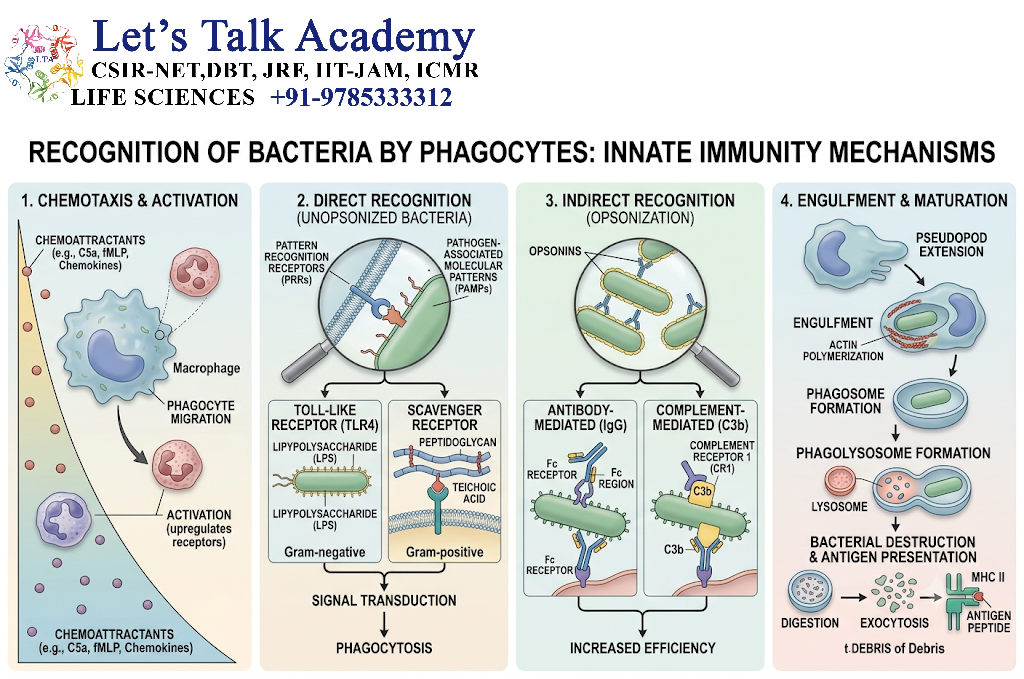
Phagocytes recognize bacteria through:
- Pattern-recognition receptors
- Fc receptors
- Complement receptors
Antibody and complement coating greatly increase recognition.
This is called opsonization.
18. Engulfment
After attachment, the phagocyte extends its plasma membrane around the bacterium.
The bacterium becomes enclosed inside a vesicle called a:
Phagosome
The phagosome then fuses with lysosomes.
This produces a:
Phagolysosome
19. Bacterial Killing Inside Phagocytes
Bacteria are destroyed through several mechanisms.
Reactive oxygen species
Phagocytes produce:
- Superoxide
- Hydrogen peroxide
- Hypochlorous acid
Reactive nitrogen species
Macrophages can produce nitric oxide and related reactive nitrogen molecules.
Lysosomal enzymes
Phagolysosomes contain enzymes that degrade bacterial components.
Antimicrobial proteins
Phagocytes also contain antimicrobial molecules that damage bacterial membranes or interfere with bacterial survival.
20. Respiratory Burst
The respiratory burst is an important bacterial-killing mechanism.
A major enzyme involved is NADPH oxidase.
The pathway can be simplified as:
NADPH oxidase activation
↓
Superoxide production
↓
Hydrogen peroxide formation
↓
Reactive oxygen species
↓
Microbial killing
In neutrophils, myeloperoxidase can use hydrogen peroxide to generate hypochlorous acid.
21. Role of Macrophages
Macrophages are important during bacterial infections.
They perform several functions:
- Phagocytosis
- Bacterial killing
- Cytokine production
- Antigen presentation
- Removal of dead cells
- Coordination of tissue repair
Macrophages also help connect innate and adaptive immunity.
22. Cytokine Response
Bacterial recognition stimulates cytokine production.
Important cytokines include:
TNF
Promotes:
- Endothelial activation
- Leukocyte recruitment
- Local inflammation
- Systemic inflammatory responses when excessive
IL-1
Promotes:
- Fever
- Endothelial activation
- Inflammation
IL-6
Promotes:
- Acute-phase response
- Systemic inflammatory signaling
IL-12
Promotes activation of NK cells and supports Th1-type immune responses.
23. Acute-Phase Response
During bacterial infection, inflammatory cytokines stimulate the liver to produce acute-phase proteins.
Important examples include:
- C-reactive protein
- Fibrinogen
- Serum amyloid A
- Complement proteins
These proteins help the body respond to infection.
24. Fever During Bacterial Infection
Bacterial infection can produce fever through inflammatory cytokines.
The simplified mechanism is:
Bacterial infection
↓
Macrophage activation
↓
TNF + IL-1 + IL-6
↓
Prostaglandin production
↓
Hypothalamic temperature regulation changes
↓
Fever
Fever can contribute to host defense, although excessive systemic inflammation can become harmful.
25. Natural Killer Cells
NK cells are more important against infected or abnormal host cells than against extracellular bacteria directly.
However, bacterial infections can activate NK cells indirectly through cytokines such as:
- IL-12
- IL-18
- Type I interferons in some contexts
Activated NK cells produce IFN-γ, which can enhance macrophage antimicrobial activity.
26. Dendritic Cells
Dendritic cells are important in initiating adaptive immune responses.
They:
- Detect bacteria.
- Take up bacterial antigens.
- Process antigens.
- Migrate toward lymphoid tissues.
- Present bacterial peptides to T cells.
- Provide co-stimulatory signals.
- Produce cytokines that influence T-cell differentiation.
27. Antigen Presentation
Bacterial proteins are processed into peptides.
These peptides can be presented to T cells through:
- MHC class II on professional antigen-presenting cells
- MHC class I when bacterial antigens gain access to the relevant intracellular antigen-presentation pathways
MHC class II presentation is particularly important for activation of CD4+ T cells during many extracellular bacterial infections.
28. Activation of CD4+ T Cells
Bacterial antigens presented by MHC class II activate CD4+ T cells.
The three broad requirements for conventional T-cell activation are:
- TCR recognition of peptide-MHC
- Co-stimulatory signaling
- Cytokine signaling
Activated CD4+ T cells differentiate into functional subsets.
29. Th1 Response
The Th1 response is particularly important against intracellular microorganisms.
Th1 cells produce:
IFN-γ
IFN-γ activates macrophages and increases their ability to kill intracellular microorganisms.
The simplified pathway is:
Bacterial antigen
↓
Dendritic cell
↓
Th1 differentiation
↓
IFN-γ production
↓
Macrophage activation
↓
Enhanced microbial killing
30. Th17 Response
Th17 cells are particularly important in defense against extracellular bacteria and fungi at epithelial surfaces.
They produce:
- IL-17
- IL-22
IL-17
Promotes production of chemokines and other factors that recruit neutrophils.
IL-22
Supports epithelial barrier function and antimicrobial defense.
Therefore:
Th17
↓
IL-17 + IL-22
↓
Neutrophil recruitment + epithelial defense
↓
Bacterial control
31. T Follicular Helper Cells
Tfh cells help B cells produce effective antibodies.
They are important for:
- Germinal-center responses
- Antibody class switching
- Affinity maturation
- Memory B-cell development
- Long-lived plasma-cell formation
32. B-Cell Activation
B cells recognize bacterial antigens through their B-cell receptors.
After activation, B cells proliferate and differentiate into:
- Plasma cells
- Memory B cells
Plasma cells produce antibodies against bacterial antigens.
33. Antibody Response
Different antibody classes perform different functions.
IgM
IgM is commonly produced early in a primary antibody response.
It is effective at:
- Complement activation
- Agglutination
IgG
IgG is important in systemic bacterial immunity.
It promotes:
- Opsonization
- Neutralization of bacterial products
- Complement activation
- Fc-receptor-mediated phagocytosis
IgA
IgA is particularly important at mucosal surfaces.
It helps prevent bacterial attachment and colonization.
34. Antibody-Mediated Opsonization
Antibodies can coat bacteria.
Phagocytes express Fc receptors that recognize the Fc region of IgG.
Therefore:
Bacterium
↓
IgG coating
↓
Fc receptor recognition
↓
Phagocyte attachment
↓
Enhanced phagocytosis
This is an important mechanism for eliminating bacteria.
35. Neutralization of Bacterial Toxins
Some bacteria produce toxins.
Antibodies can bind these toxins and prevent them from interacting with host cells.
This process is called neutralization.
The basic mechanism is:
Bacterial toxin
↓
Specific antibody binds toxin
↓
Toxin cannot interact effectively with its target
↓
Reduced toxin-mediated damage
36. Agglutination
Antibodies can bind multiple bacterial particles and cross-link them.
This produces agglutination.
Agglutination can make bacteria easier to remove by phagocytic cells and other clearance mechanisms.
37. Intracellular vs Extracellular Bacteria
The immune response differs according to the location of bacteria.
| Feature | Extracellular bacteria | Intracellular bacteria |
|---|---|---|
| Main innate cells | Neutrophils, macrophages | Macrophages, NK cells |
| Major adaptive response | Antibodies, Th17 | Th1 |
| Important cytokines | IL-17, IL-22 | IFN-γ |
| Major mechanism | Phagocytosis/opsonization | Macrophage activation |
| Complement | Important | Less direct for intracellular organisms |
| Antibodies | Major role | Limited against bacteria inside cells |
38. Immune Response Against Extracellular Bacteria
Extracellular bacteria remain outside host cells.
The major mechanisms are:
- Complement activation
- Antibody production
- Neutrophil recruitment
- Phagocytosis
- Opsonization
- Inflammation
The Th17 response is particularly important at epithelial barriers.
39. Immune Response Against Intracellular Bacteria
Some bacteria can survive inside host cells, especially macrophages.
Antibodies have limited access to bacteria that are already inside cells.
Therefore, cell-mediated immunity becomes particularly important.
The major pathway is:
Bacterial antigen
↓
Dendritic cell activation
↓
Th1 differentiation
↓
IFN-γ production
↓
Macrophage activation
↓
Enhanced intracellular bacterial killing
40. Role of Memory
After a bacterial infection is eliminated, some B and T cells become memory cells.
Memory cells provide a faster and stronger response if the same antigen is encountered again.
This is one of the major advantages of adaptive immunity.
41. Bacterial Immune Evasion
Bacteria have evolved mechanisms that allow them to avoid or resist immune responses.
Examples include:
- Capsules
- Biofilm formation
- Antigenic variation
- Intracellular survival
- Complement resistance
- Enzymatic destruction or modification of immune molecules
- Inhibition of phagosome maturation in some intracellular pathogens
42. Bacterial Capsules
Some bacteria have polysaccharide capsules.
Capsules can interfere with:
- Phagocytosis
- Complement-mediated clearance
- Antibody access
Antibodies against capsule components can promote opsonization and improve bacterial clearance.
43. Biofilms
Some bacteria form biofilms, where bacterial cells become embedded in a protective extracellular matrix.
Biofilms can:
- Reduce penetration of antimicrobial substances
- Interfere with immune-cell access
- Promote persistent colonization
This can make bacterial clearance more difficult.
44. Intracellular Survival
Some bacteria can survive inside host cells.
They may interfere with:
- Phagosome-lysosome fusion
- Intracellular killing
- Antigen presentation
- Host-cell signaling
This allows them to evade some extracellular immune mechanisms.
45. Excessive Immune Response
Although immune responses are protective, excessive activation can damage host tissues.
Large amounts of inflammatory cytokines can cause:
- Severe inflammation
- Vascular dysfunction
- Tissue injury
- Organ dysfunction
Therefore, successful immunity requires a balance between:
Effective bacterial elimination
and
Protection of host tissues
46. Sepsis and Systemic Inflammation
Severe bacterial infections can sometimes produce systemic inflammatory responses.
Large amounts of bacterial products and inflammatory mediators can affect multiple organs.
Potential consequences include:
- Widespread endothelial activation
- Abnormal vascular permeability
- Blood-pressure abnormalities
- Coagulation disturbances
- Organ dysfunction
This severe systemic response is clinically important and requires urgent medical management.
47. Resolution of Bacterial Inflammation
Once bacteria are successfully eliminated, inflammatory responses must be terminated.
Resolution involves:
- Reduction of inflammatory cytokines
- Removal of dead neutrophils
- Clearance of cellular debris
- Restoration of vascular integrity
- Tissue repair
Macrophages are important in clearing apoptotic cells and coordinating the transition toward repair.


