1. Introduction The adaptive immune system must distinguish between different molecular structures and communicate information about them to T lymphocytes. Unlike antibodies and B-cell receptors, which can recognize intact antigens, […]
1. Introduction The immune system protects the body by recognizing foreign or abnormal molecules and generating specific responses against them. One of the most important mechanisms of adaptive immunity is […]
1. Introduction Antibodies are highly specific molecules of the adaptive immune system that recognize particular antigenic epitopes. Their natural ability to distinguish between different molecular targets has made antibodies valuable […]
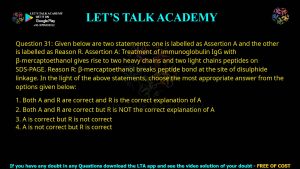
1. Introduction Antibodies are highly specialized proteins produced by B lymphocytes and their differentiated descendants, called plasma cells. Their primary function is to recognize and bind specific molecular structures known […]
1. Introduction to Antigenicity and Immunogenicity The immune system is a highly organized defense mechanism that protects the body from infectious microorganisms, harmful substances, and abnormal cells. To perform this […]
1. Introduction Antibodies are specialized proteins of the immune system that play a central role in humoral immunity. They are produced by activated B lymphocytes, particularly plasma cells, in response […]
1. Introduction The immune system recognizes foreign molecules through highly specific interactions between antigens and immune receptors. A complete antigen may contain many different regions that can be recognized by […]
1. Introduction to Antigens 1.1 Overview The immune system is a highly coordinated biological defense network that protects the body against infectious organisms, harmful substances, and abnormal cells. To perform […]
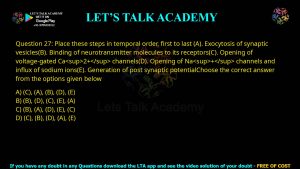
1. Introduction Neurotransmission is the process by which neurons communicate with one another or with target cells such as muscle cells and glandular cells. It allows the nervous system to […]
1. Introduction to the Immune System 1.1 Definition of Immunity Immunity is the ability of an organism to recognize, resist, and respond to potentially harmful agents, including viruses, bacteria, fungi, […]