
1. Introduction to Antimicrobial Resistance
1.1 Definition of Antimicrobial Resistance
Antimicrobial resistance (AMR) is the ability of microorganisms to survive or continue growing in the presence of an antimicrobial agent that would normally inhibit or kill them.
Antimicrobials include substances used against different groups of microorganisms, such as:
- Antibiotics against bacteria
- Antifungals against fungi
- Antivirals against viruses
- Antiparasitic drugs against parasites
AMR can therefore occur in bacteria, fungi, viruses, and parasites.
When resistance occurs in bacteria specifically, it is called antibiotic resistance.
1.2 Antimicrobial Susceptibility
A microorganism is considered susceptible when an antimicrobial can effectively inhibit or kill it at clinically achievable concentrations.
A microorganism is considered resistant when the antimicrobial is no longer effective at the concentrations normally used for treatment.
1.3 AMR and Antibiotic Resistance
The terms AMR and antibiotic resistance are related but not identical.
| Term | Meaning |
|---|---|
| Antimicrobial resistance | Resistance against antimicrobial agents broadly |
| Antibiotic resistance | Resistance specifically in bacteria against antibiotics |
| Multidrug resistance | Resistance to multiple antimicrobial classes |
| Extensively drug resistance | Resistance to most available agents in a particular category |
| Pan-drug resistance | Resistance to essentially all relevant agents tested |
1.4 Biological Importance of AMR
AMR is important because resistant microorganisms can make infections more difficult to treat.
Resistance can result in:
- Treatment failure
- Longer infections
- Increased healthcare burden
- Increased transmission
- Greater morbidity and mortality
- Need for alternative drugs
- More complicated infection control
2. Antimicrobial Agents
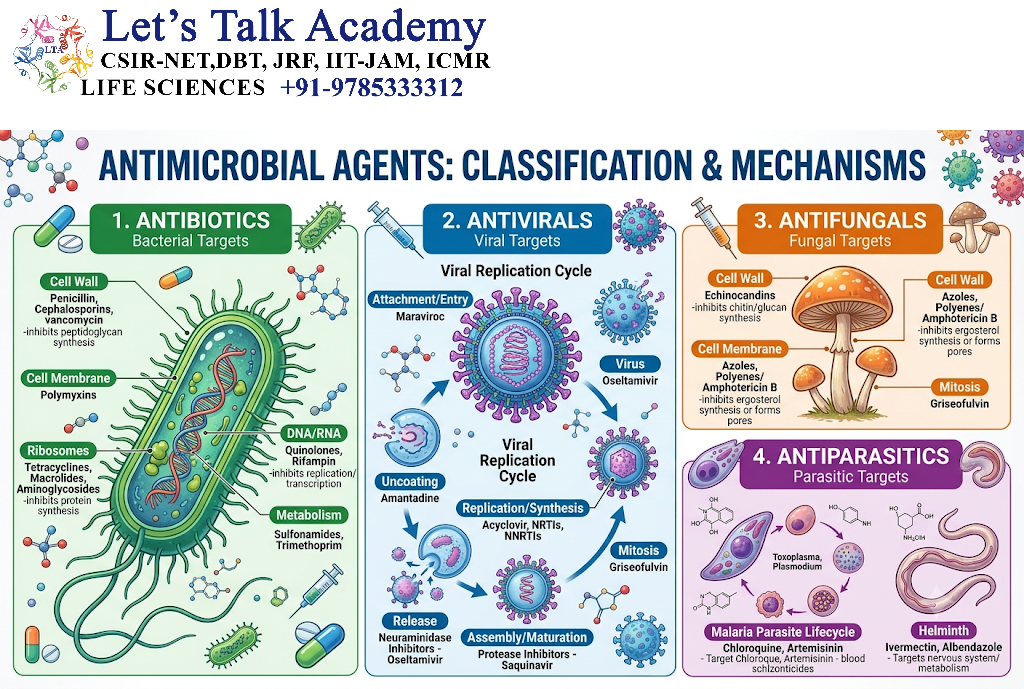
2.1 Definition
An antimicrobial agent is a substance that inhibits the growth of or destroys microorganisms.
2.2 Antibiotics
Antibiotics are antimicrobial agents used against bacteria.
They may be:
- Naturally produced
- Semisynthetic
- Synthetic
2.3 Antibacterial Agents
Important antibacterial classes include:
- β-lactams
- Aminoglycosides
- Macrolides
- Tetracyclines
- Fluoroquinolones
- Glycopeptides
- Sulfonamides
- Oxazolidinones
2.4 Antifungal Agents
Antifungal drugs act against fungi.
Major groups include:
- Azoles
- Polyenes
- Echinocandins
- Allylamines
2.5 Antiviral Agents
Antiviral drugs target specific stages of viral replication.
Examples of targets include:
- Viral polymerases
- Proteases
- Entry processes
- Viral genome replication
2.6 Antiparasitic Agents
These agents act against parasites such as protozoa and helminths.
3. How Antimicrobial Agents Work
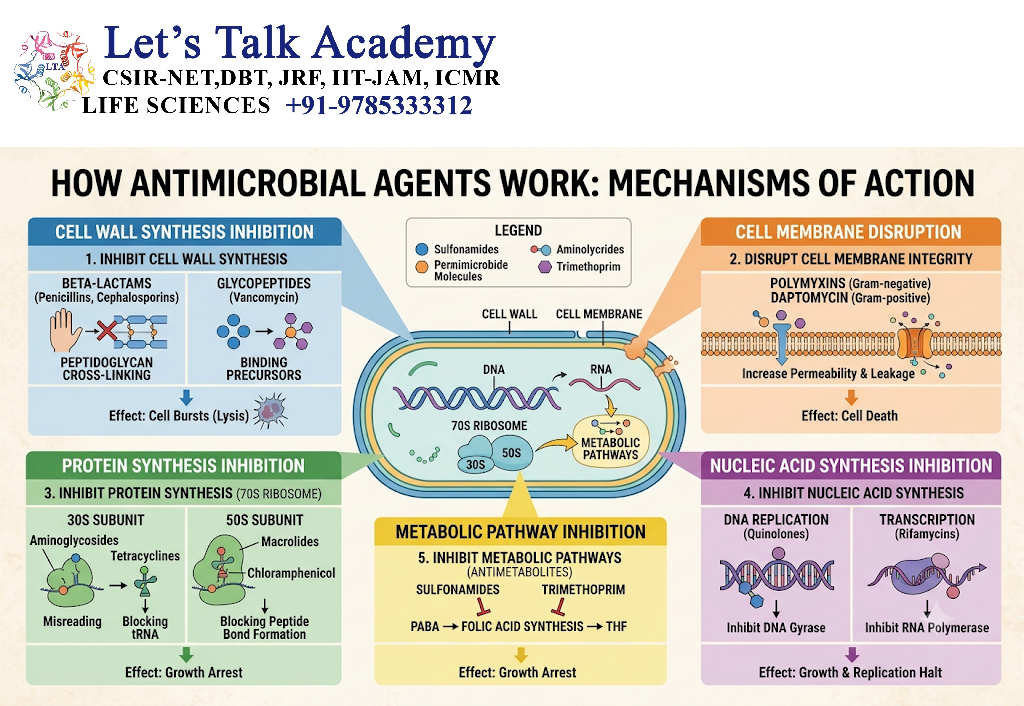
Different antimicrobials act on different cellular targets.
3.1 Inhibition of Cell-Wall Synthesis
Some antibiotics interfere with bacterial cell-wall synthesis.
β-lactam antibiotics, for example, target penicillin-binding proteins involved in peptidoglycan synthesis.
3.2 Inhibition of Protein Synthesis
Some antibiotics target bacterial ribosomes.
Examples include:
- Aminoglycosides
- Tetracyclines
- Macrolides
3.3 Inhibition of Nucleic-Acid Synthesis
Some agents interfere with DNA or RNA synthesis.
Examples include:
- Fluoroquinolones
- Rifamycins
3.4 Inhibition of Metabolic Pathways
Some antimicrobial agents inhibit essential metabolic reactions.
Sulfonamides interfere with pathways associated with folate metabolism.
3.5 Membrane Disruption
Certain antimicrobial compounds disrupt microbial membranes.
This can result in:
- Loss of membrane integrity
- Ion imbalance
- Leakage of cellular contents
- Cell death
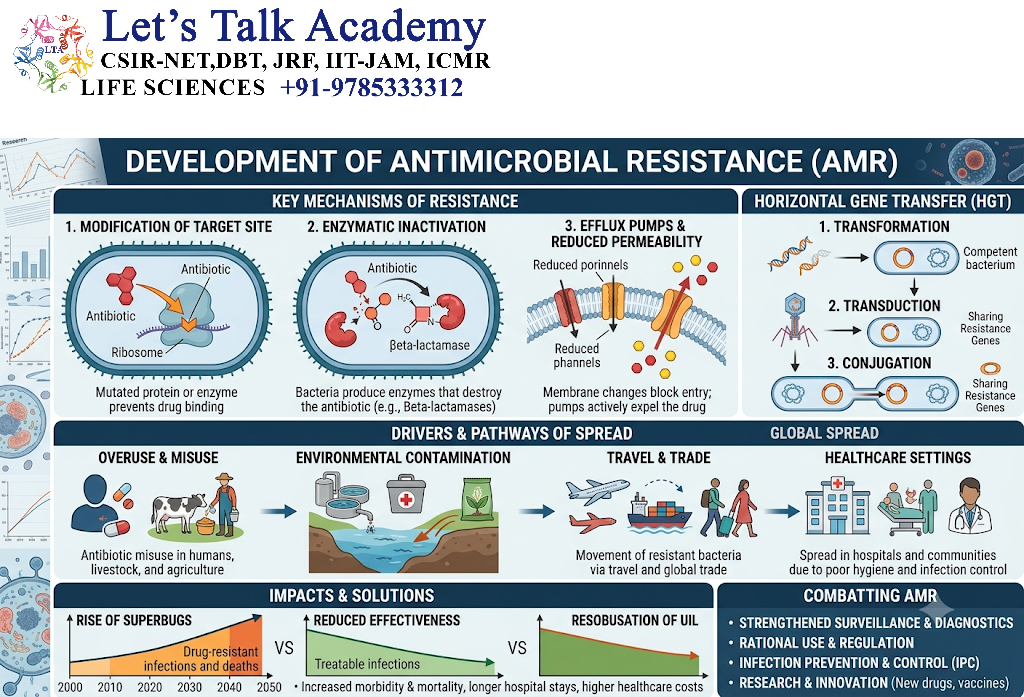
4. Development of Antimicrobial Resistance
4.1 Natural Variation
Microbial populations naturally contain genetic variation.
Some microorganisms may possess mutations or genes that provide resistance.
4.2 Selection Pressure
When an antimicrobial is applied, susceptible microorganisms are inhibited or killed more effectively than resistant organisms.
The resistant organisms may survive and reproduce.
This is an example of natural selection.
4.3 General Process
Antimicrobial exposure
↓
Susceptible microorganisms are inhibited
↓
Resistant microorganisms survive
↓
Survival and reproduction
↓
Increase in resistant population
4.4 Resistance Is Not Usually Created by the Drug
A crucial concept is that antimicrobial exposure generally selects resistant variants rather than intentionally creating a specific resistance trait.
Resistance may arise through:
- Pre-existing genetic variation
- New mutations
- Acquisition of resistance genes
5. Types of Antimicrobial Resistance
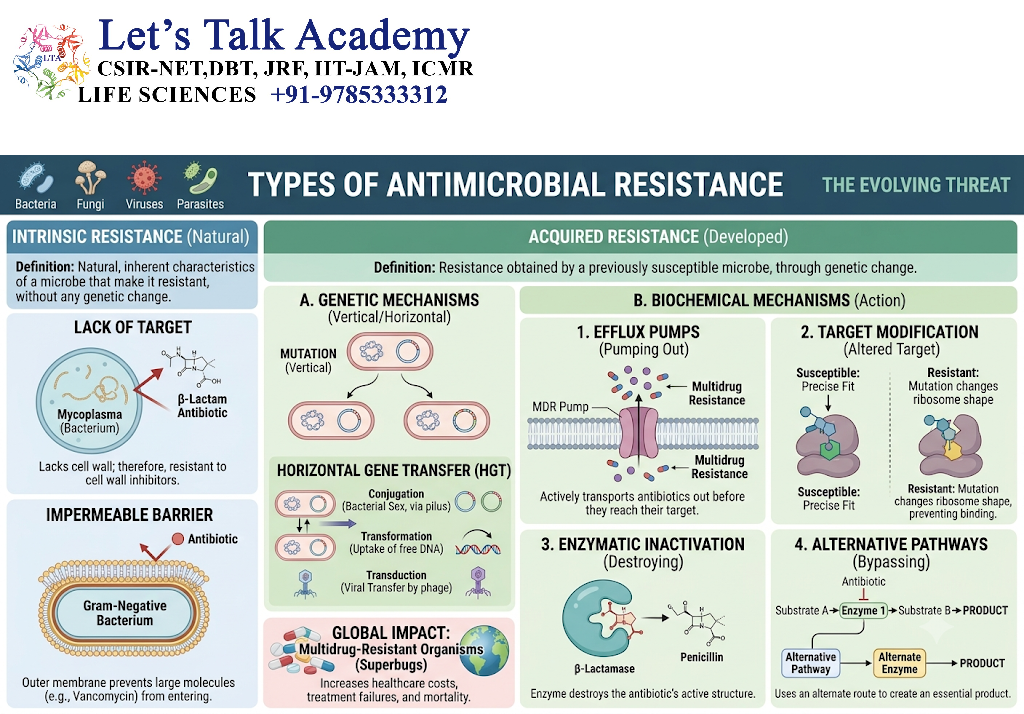
5.1 Intrinsic Resistance
Intrinsic resistance is naturally present in a microorganism because of its normal biological structure or physiology.
Examples include:
- Absence of an antimicrobial target
- Naturally low membrane permeability
- Intrinsic efflux systems
5.2 Acquired Resistance
Acquired resistance develops through genetic changes.
It can result from:
- Mutation
- Horizontal gene transfer
5.3 Mutational Resistance
Mutations may alter:
- Drug targets
- Regulatory pathways
- Membrane proteins
- Metabolic pathways
5.4 Horizontally Acquired Resistance
Microorganisms can acquire resistance genes from other organisms.
Major mechanisms include:
- Transformation
- Transduction
- Conjugation
6. Genetic Basis of AMR
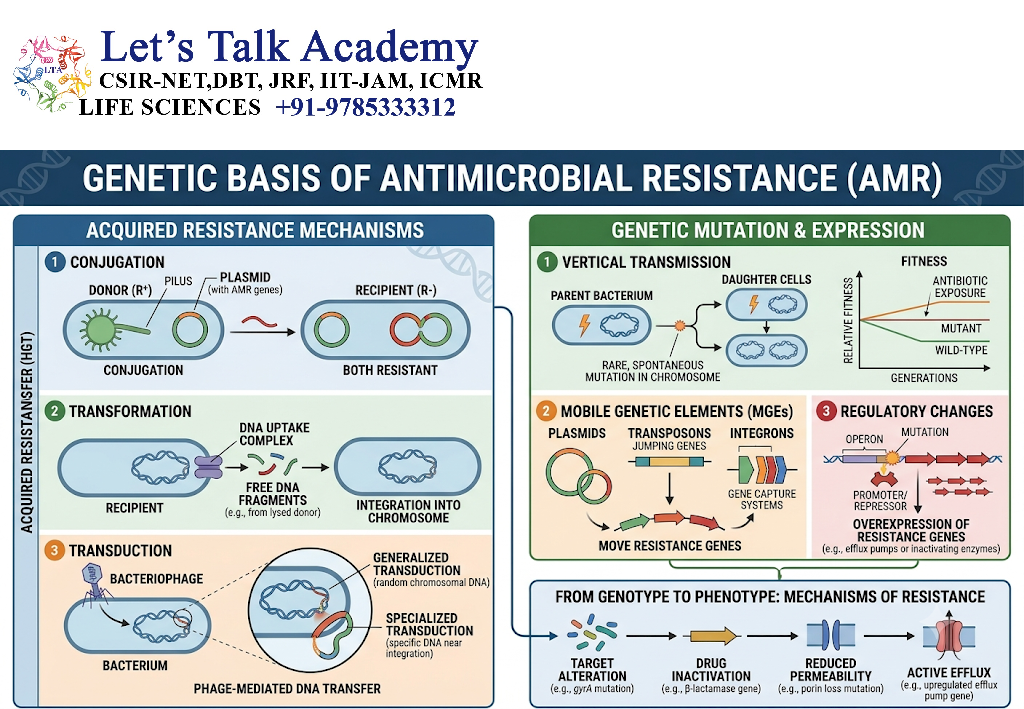
6.1 Resistance Genes
Resistance genes encode proteins or regulatory systems that reduce antimicrobial effectiveness.
These genes may be located on:
- Chromosomes
- Plasmids
- Transposons
- Integrons
- Other mobile genetic elements
6.2 Chromosomal Resistance Genes
Some resistance determinants are part of the microbial chromosome.
Mutations in chromosomal genes can also produce resistance.
6.3 Plasmid-Borne Resistance
Plasmids are extrachromosomal DNA molecules capable of replication within cells.
Some plasmids carry multiple antimicrobial-resistance genes.
6.4 Mobile Genetic Elements
Mobile genetic elements facilitate movement of DNA within or between microbial genomes.
Important examples include:
- Transposons
- Insertion sequences
- Integrons
7. Mutation and Antimicrobial Resistance
7.1 Definition of Mutation
A mutation is a change in the nucleotide sequence of genetic material.
Some mutations can alter antimicrobial susceptibility.
7.2 Target Modification
A mutation may change the structure of an antimicrobial target.
The drug may then bind less efficiently.
7.3 Regulatory Mutations
Mutations can increase expression of:
- Efflux pumps
- Enzymes
- Protective proteins
7.4 Fitness Effects
Resistance mutations may sometimes reduce microbial fitness.
However, compensatory mutations can reduce these fitness costs.
8. Horizontal Gene Transfer
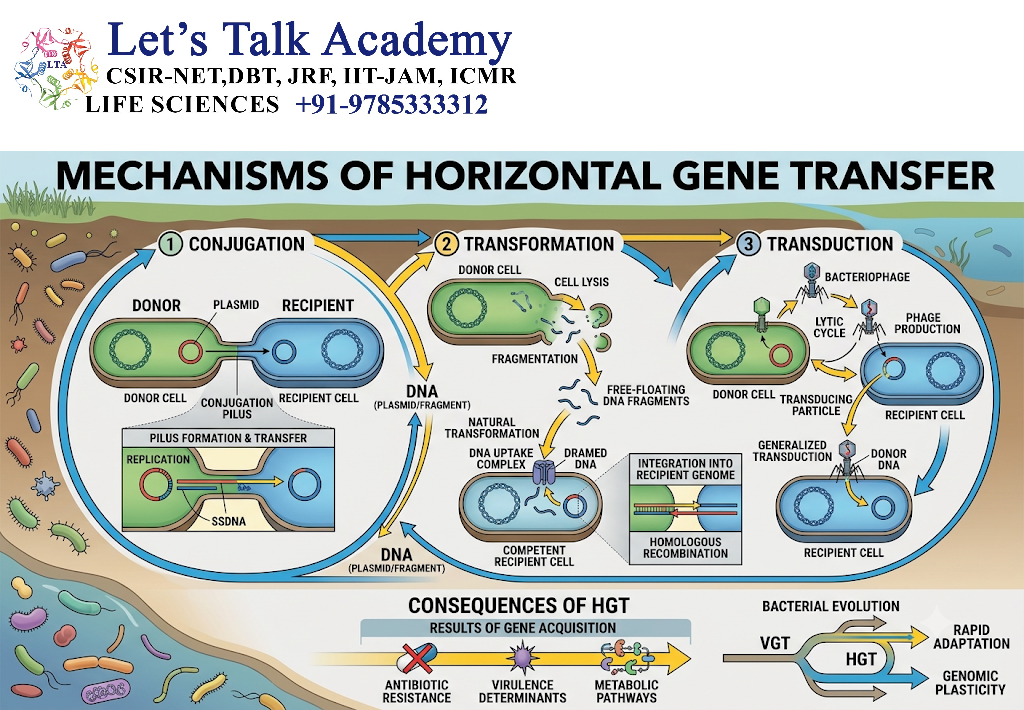
Horizontal gene transfer allows genetic information to move between microorganisms without requiring parent-to-offspring transmission.
Three major mechanisms are:
- Transformation
- Transduction
- Conjugation
9. Transformation
9.1 Definition
Transformation is the uptake of free DNA from the environment by a competent microorganism.
9.2 Mechanism
Donor cell releases DNA
↓
DNA remains in environment
↓
Competent recipient takes up DNA
↓
DNA is maintained or recombines
↓
New genetic trait may appear
9.3 Importance in AMR
If environmental DNA contains a resistance determinant, transformation can contribute to acquisition of resistance.
10. Transduction
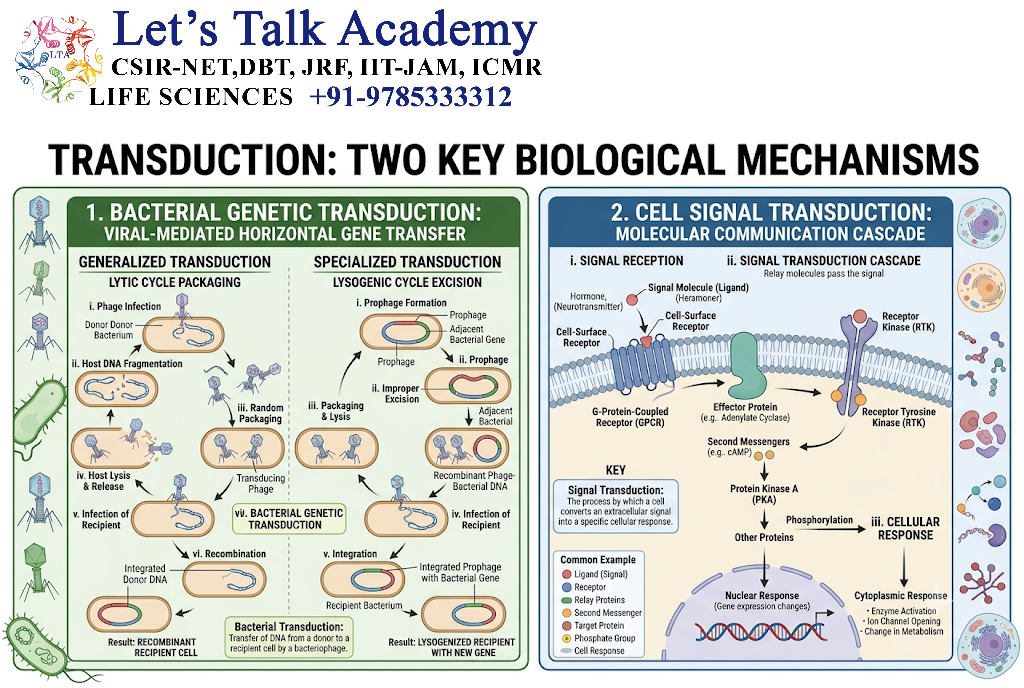
10.1 Definition
Transduction is the transfer of bacterial DNA from one bacterial cell to another through bacteriophages.
10.2 Mechanism
Bacteriophage infects bacterium
↓
Bacterial DNA may become associated with phage particles
↓
Phage infects another bacterium
↓
DNA is transferred
10.3 Importance
Transduction can contribute to the spread of resistance genes between bacterial populations.
11. Conjugation
11.1 Definition
Conjugation is the direct transfer of genetic material between microbial cells through cell-to-cell contact.
11.2 Plasmid-Mediated Conjugation
Resistance plasmids can be transferred between compatible bacterial cells.
11.3 General Mechanism
Donor bacterium
↓
Cell-to-cell contact
↓
Transfer of plasmid DNA
↓
Recipient receives resistance gene
↓
Recipient becomes resistant
11.4 Biological Significance
Conjugation is particularly important because one mobile DNA element may carry multiple resistance determinants.
12. Mechanisms of Antimicrobial Resistance
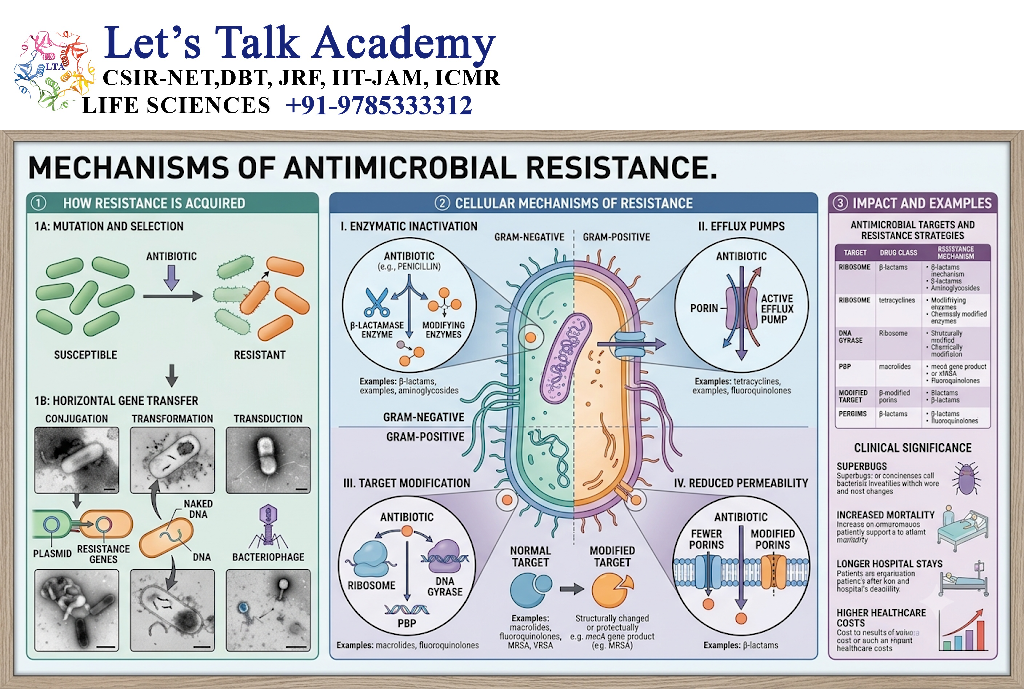
Microorganisms can resist antimicrobials through several major mechanisms.
The principal mechanisms are:
- Enzymatic drug inactivation
- Modification of drug targets
- Reduced permeability
- Active efflux
- Metabolic bypass
- Protection of the drug target
- Biofilm-associated tolerance and resistance
13. Enzymatic Inactivation of Antimicrobials
13.1 Concept
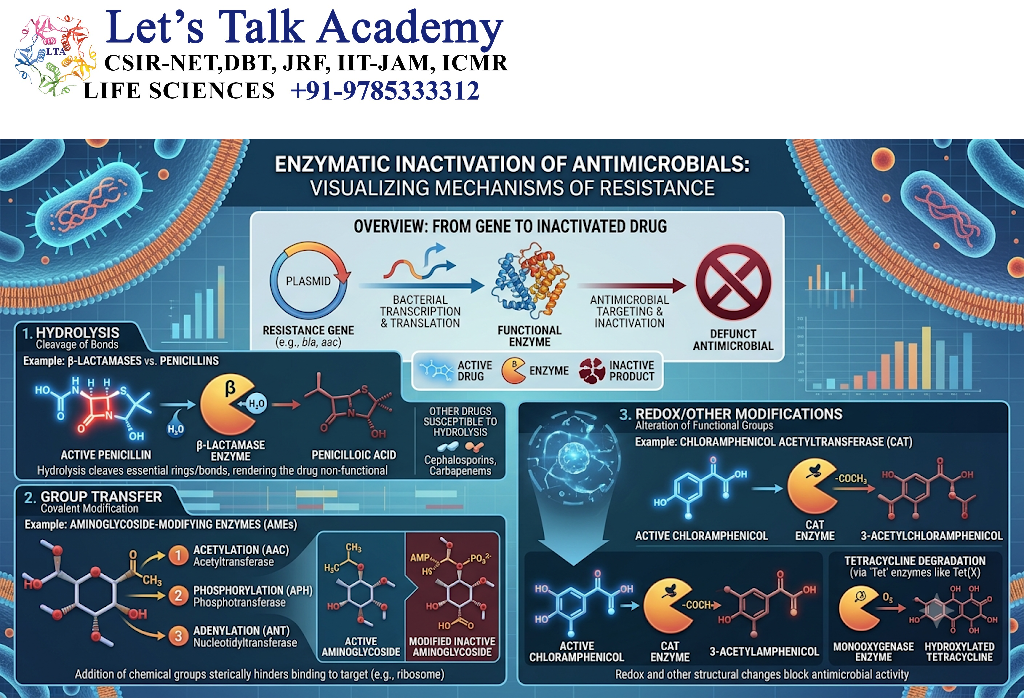
Microorganisms can produce enzymes that chemically modify or destroy antimicrobial molecules.
13.2 β-Lactamases
β-lactamases hydrolyze the β-lactam ring found in many β-lactam antibiotics.
This can reduce the effectiveness of drugs such as:
- Penicillins
- Cephalosporins
- Related β-lactam agents
13.3 Extended-Spectrum β-Lactamases
Some β-lactamases can hydrolyze a broader range of β-lactam antibiotics.
13.4 Carbapenemases
Carbapenemases are β-lactamases capable of hydrolyzing carbapenem antibiotics.
Their presence can severely restrict treatment options.
13.5 Drug Modification
Some enzymes chemically modify antibiotics rather than destroying them.
For example, enzymes can:
- Acetylate
- Phosphorylate
- Adenylate
certain antimicrobial compounds.
14. Modification of Drug Targets
14.1 Basic Principle
An antimicrobial must interact with a specific target to exert its effect.
If the target changes, drug binding may decrease.
14.2 Genetic Mutation
Mutations can alter the structure of:
- Ribosomal proteins
- DNA-processing enzymes
- Cell-wall synthesis proteins
14.3 Target Protection
Some resistance proteins protect antimicrobial targets without necessarily changing the target itself.
14.4 Target Replacement
A microorganism may acquire an alternative protein that performs the required biological function but has reduced affinity for the antimicrobial.
15. Reduced Permeability
15.1 Concept
An antimicrobial must often enter the microbial cell to reach its target.
Changes in membrane permeability can reduce drug entry.
15.2 Porins
Gram-negative bacteria contain outer-membrane channels called porins.
Changes in porin expression or structure can reduce entry of certain antimicrobials.
15.3 Biological Consequence
Reduced drug entry → Lower intracellular concentration → Reduced antimicrobial activity
16. Efflux Pumps
16.1 Definition
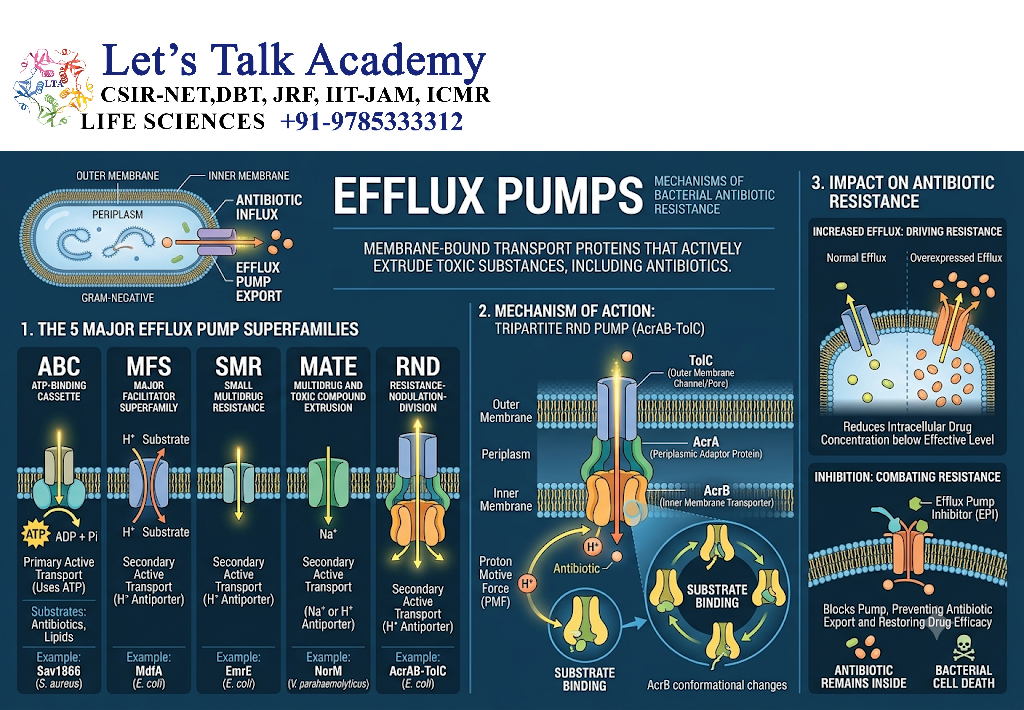
Efflux pumps are membrane proteins that actively transport substances out of cells.
16.2 Role in AMR
Some efflux systems export antimicrobial molecules.
16.3 Mechanism
Antimicrobial enters cell
↓
Efflux pump recognizes compound
↓
Drug transported outward
↓
Intracellular drug concentration decreases
↓
Antimicrobial effect decreases
16.4 Multidrug Efflux
Some efflux pumps can transport several chemically unrelated antimicrobial compounds.
This can contribute to multidrug resistance.
17. Metabolic Bypass
17.1 Definition
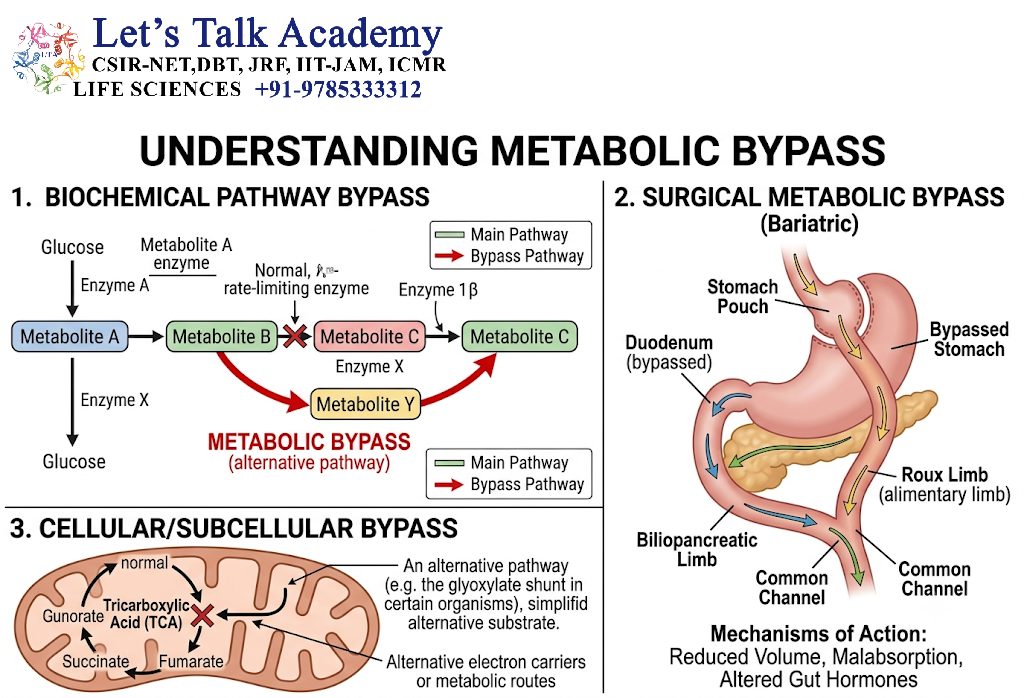
Metabolic bypass occurs when microorganisms avoid an antimicrobial-sensitive pathway by using an alternative biochemical route.
17.2 Importance
If a drug blocks one metabolic pathway, an organism may survive by:
- Using an alternative enzyme
- Acquiring a replacement pathway
- Increasing production of a downstream metabolite
18. Biofilms and AMR
18.1 Definition of Biofilm
A biofilm is a structured microbial community attached to a surface and surrounded by a self-produced extracellular matrix.
18.2 Biofilm Formation
Biofilm development can be represented as:
Initial attachment
↓
Irreversible attachment
↓
Microcolony formation
↓
Maturation
↓
Dispersion
18.3 Biofilm Matrix
The extracellular matrix may contain:
- Polysaccharides
- Proteins
- Extracellular DNA
- Other extracellular materials
18.4 Why Biofilms Reduce Antimicrobial Effectiveness
Biofilms can provide protection through:
- Limited antimicrobial penetration
- Altered metabolism
- Slow-growing or dormant cells
- Stress-response activation
- Increased cell-to-cell communication
- Enhanced genetic exchange
18.5 Biofilms and Chronic Infection
Biofilms are associated with persistent infections and can make microbial eradication difficult.
19. Persister Cells
19.1 Definition
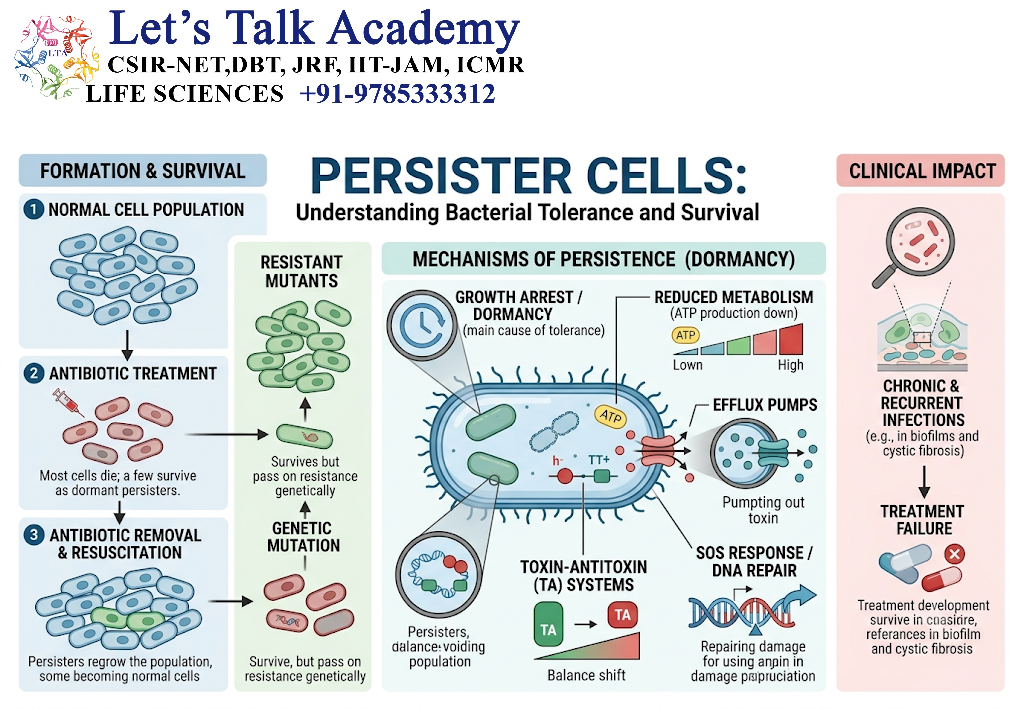
Persister cells are phenotypically tolerant microbial cells that survive antimicrobial exposure without necessarily possessing genetically encoded resistance.
19.2 Resistance Versus Tolerance
Resistance: Reduced susceptibility associated with heritable genetic changes.
Tolerance: Ability to survive antimicrobial exposure without necessarily increasing the minimum inhibitory concentration.
19.3 Importance
Persister cells can survive treatment and later repopulate the microbial population.
20. Multidrug Resistance
20.1 Definition
Multidrug resistance refers to resistance to multiple antimicrobial agents or classes.
20.2 Causes
Multidrug resistance may result from:
- Multiple resistance genes
- Multidrug efflux pumps
- Mobile genetic elements
- Sequential antimicrobial selection
20.3 Genetic Clustering
Several resistance genes may occur together on:
- Plasmids
- Transposons
- Integrons
This can allow simultaneous transfer of multiple resistance traits.
21. Integrons and Resistance Gene Capture
21.1 Definition
Integrons are genetic systems capable of capturing and expressing mobile gene cassettes.
21.2 Components
A typical integron contains:
- Integrase gene
- Recombination site
- Promoter-associated expression system
21.3 Importance in AMR
Integrons can capture resistance gene cassettes and contribute to the accumulation of multiple resistance determinants.
22. Transposons and AMR
22.1 Definition
Transposons are mobile genetic elements capable of moving between DNA locations.
22.2 Resistance Transposons
Some transposons carry antimicrobial-resistance genes.
22.3 Importance
They can facilitate:
Resistance gene movement → Genetic rearrangement → Dissemination of AMR determinants
23. Antibiotic Selection Pressure
23.1 Definition
Selection pressure occurs when antimicrobial exposure creates conditions in which resistant microorganisms have a survival advantage.
23.2 Excessive Use
Unnecessary antimicrobial exposure increases opportunities for selection of resistant organisms.
23.3 Incorrect Use
Examples include:
- Taking antibiotics when they are not indicated
- Incorrect dosing
- Using leftover medication
- Inappropriate duration
- Poor adherence to prescribed therapy
The correct antimicrobial regimen depends on the infection, organism, drug, patient, and clinical context.
23.4 Agricultural Use
Antimicrobial use in agriculture can also contribute to selection and dissemination of resistant microorganisms.
24. AMR in Hospitals
24.1 Healthcare-Associated Resistance
Healthcare environments can facilitate transmission because they contain:
- Vulnerable patients
- High antimicrobial use
- Frequent invasive procedures
- Dense microbial exposure
24.2 Transmission
Resistant organisms can spread through:
- Hands
- Surfaces
- Medical equipment
- Contaminated materials
- Patient-to-patient transmission
24.3 Infection Prevention
Important measures include:
- Hand hygiene
- Environmental cleaning
- Appropriate isolation precautions
- Surveillance
- Antimicrobial stewardship
25. Community Spread of AMR
AMR is not restricted to hospitals.
Resistant microorganisms can circulate through communities.
Transmission can occur through:
- Direct contact
- Contaminated food
- Water
- Animals
- Environmental reservoirs
26. One Health and AMR
26.1 One Health Concept
The One Health approach recognizes that human health, animal health, and environmental health are interconnected.
26.2 Human Health
Antimicrobial use in humans can select resistant microorganisms.
26.3 Animal Health
Antimicrobials used in veterinary medicine can also create selection pressure.
26.4 Environment
Wastewater, agricultural runoff, pharmaceutical residues, and microbial communities can contribute to environmental dissemination of resistance determinants.
26.5 One Health Flow
Humans ↔ Animals ↔ Environment
↓
Microorganisms and resistance genes
↓
Transmission and exchange
↓
Spread of AMR
27. Environmental AMR
27.1 Environmental Reservoirs
Resistance genes can be detected in:
- Soil
- Rivers
- Wastewater
- Sediments
- Agricultural environments
27.2 Wastewater
Wastewater can contain:
- Antimicrobial residues
- Resistant microorganisms
- Resistance genes
27.3 Environmental Selection
Low concentrations of antimicrobial compounds and other pollutants may contribute to selective conditions favoring resistant populations in some environments.
28. AMR and Evolution
28.1 Natural Selection
AMR is strongly connected with evolution.
Variation provides the raw material, while antimicrobial exposure can select resistant variants.
28.2 Mutation
Random mutations can occasionally produce resistance.
28.3 Gene Transfer
Horizontal gene transfer can rapidly introduce resistance genes into new populations.
28.4 Adaptation
Over time, resistant microorganisms can become established in populations under appropriate selective conditions.
29. Fitness Cost and Compensatory Evolution
29.1 Fitness Cost
Resistance mechanisms may require energy or alter normal cellular functions.
This can reduce growth or competitive ability in some circumstances.
29.2 Compensatory Mutations
Additional mutations can partially restore fitness while maintaining resistance.
29.3 Biological Significance
This helps explain why some resistance traits can persist even after antimicrobial exposure decreases.
30. Laboratory Detection of AMR
30.1 Antimicrobial Susceptibility Testing
Laboratories determine whether microorganisms are susceptible or resistant to particular antimicrobial agents.
30.2 Disk Diffusion Method
In disk diffusion testing, antimicrobial-containing disks are placed on an agar surface inoculated with a microorganism.
After incubation, zones of inhibited growth are measured and interpreted using standardized criteria.
30.3 Broth Dilution
Microorganisms are exposed to different antimicrobial concentrations.
The minimum inhibitory concentration (MIC) is the lowest concentration that prevents visible growth under standardized test conditions.
30.4 Minimum Bactericidal Concentration
The MBC is the lowest concentration that produces a defined bactericidal effect under the test conditions.
30.5 Molecular Detection
Resistance genes can be detected using methods such as:
- PCR
- Multiplex PCR
- DNA sequencing
- Whole-genome sequencing
31. Genomic Analysis of AMR
31.1 Whole-Genome Sequencing
Whole-genome sequencing can identify:
- Resistance genes
- Resistance-associated mutations
- Mobile genetic elements
- Transmission relationships
31.2 Resistome
The resistome refers to the collection of antimicrobial-resistance genes and related determinants present within a microbial community or ecosystem.
31.3 Metagenomics
Metagenomic approaches can investigate resistance genes directly from environmental or clinical microbial communities.
32. Clinical Significance of AMR
32.1 Treatment Failure
Resistance can make standard therapies ineffective.
32.2 Longer Infection
Persistent infection may require prolonged treatment and monitoring.
32.3 Alternative Therapies
Clinicians may need to use other antimicrobial agents when first-line treatment is ineffective.
32.4 Increased Healthcare Burden
AMR can increase:
- Hospitalization
- Diagnostic requirements
- Treatment complexity
- Healthcare costs
33. Antimicrobial Stewardship
33.1 Definition
Antimicrobial stewardship is the coordinated effort to use antimicrobial agents appropriately and responsibly.
33.2 Main Goals
Stewardship aims to:
- Use antimicrobials only when indicated.
- Select appropriate agents.
- Optimize dosing.
- Use appropriate treatment duration.
- Reduce unnecessary exposure.
- Preserve antimicrobial effectiveness.
33.3 Stewardship Team
Healthcare stewardship programs may involve:
- Physicians
- Pharmacists
- Microbiologists
- Infection-control professionals
- Laboratory specialists
34. Prevention of AMR
34.1 Infection Prevention
Preventing infection reduces the need for antimicrobial treatment.
Measures include:
- Hand hygiene
- Vaccination
- Safe food handling
- Clean water
- Environmental sanitation
34.2 Appropriate Antimicrobial Use
Antimicrobials should be used according to appropriate clinical and microbiological guidance.
34.3 Surveillance
Monitoring resistance patterns helps identify emerging problems.
34.4 Infection Control
Rapid identification and containment of resistant organisms can reduce transmission.
35. Development of New Antimicrobials
35.1 Need for New Drugs
Existing antimicrobial agents may become less effective as resistance increases.
35.2 Drug Discovery
Potential approaches include:
- Discovery of new natural products
- Synthetic chemistry
- Target-based drug development
- Genomic approaches
35.3 Challenges
New antimicrobial development faces challenges such as:
- Scientific complexity
- Resistance development
- Economic limitations
- Clinical trial requirements
36. Alternative and Adjunctive Approaches
36.1 Bacteriophage Therapy
Bacteriophages are viruses that infect bacteria.
Phage-based approaches are being investigated as potential tools against selected bacterial infections.
36.2 Antimicrobial Peptides
Antimicrobial peptides can interact with microbial membranes or intracellular targets.
36.3 Anti-Biofilm Strategies
Strategies targeting biofilm formation or maintenance may improve treatment of persistent infections.
36.4 Vaccination
Vaccination can reduce the incidence of infections and therefore decrease the need for antimicrobial therapy.
37. AMR and Public Health
AMR is a population-level problem because resistant microorganisms can spread between individuals, communities, animals, and environments.
Effective control therefore requires cooperation between:
- Healthcare systems
- Laboratories
- Governments
- Agriculture
- Veterinary services
- Environmental agencies
- Researchers
- Communities
38. Major Mechanisms of AMR: Comparison
| Mechanism | Basic Principle | Example |
|---|---|---|
| Drug inactivation | Drug is destroyed or modified | β-lactamases |
| Target modification | Drug target changes | Altered target proteins |
| Reduced permeability | Drug entry decreases | Porin changes |
| Efflux | Drug actively removed | Efflux pumps |
| Metabolic bypass | Alternative pathway used | Alternative metabolic route |
| Target protection | Target protected from drug | Protective proteins |
| Biofilm-associated protection | Community state reduces susceptibility | Surface-associated biofilms |


