
1. Introduction
Animals and plants are continuously exposed to microorganisms and other infectious agents present in their environment. Some microorganisms are harmless or beneficial, whereas others are pathogens capable of causing disease.
A pathogen is an organism or infectious agent that can enter a host, multiply or persist within the host, interfere with normal biological functions, and produce tissue damage or disease.
Pathogen-induced diseases are important in medicine, veterinary science, agriculture, ecology, and food production. In animals, infectious diseases can affect humans, livestock, poultry, and wildlife. In plants, pathogens can reduce crop productivity, damage plant tissues, and cause major agricultural losses.
The major groups of pathogens include:
- Bacteria
- Viruses
- Fungi
- Protozoa
- Helminths and other parasites
- Phytoplasmas and related bacterial pathogens
- Viroids in plants
The outcome of infection depends on both the pathogen and the host. Pathogen virulence, dose, route of entry, host susceptibility, immune or defense responses, environmental conditions, and genetic factors all influence disease development.
2. Definition of Pathogen-Induced Disease
A pathogen-induced disease is a condition in which an infectious agent causes structural, physiological, biochemical, or functional abnormalities in a host.
Disease development generally involves:
Pathogen exposure → Entry into host → Recognition/attachment → Colonization or replication → Damage → Host response → Clinical or visible disease
Disease does not necessarily occur immediately after infection. Some pathogens may remain latent or cause subclinical infections before disease becomes apparent.
3. Major Types of Pathogens
3.1 Bacteria
Bacteria are unicellular prokaryotic organisms. Many bacterial pathogens produce disease by invading tissues, multiplying extracellularly or intracellularly, producing toxins, or triggering excessive host inflammation.
Examples in animals:
- Mycobacterium tuberculosis — tuberculosis
- Salmonella spp. — salmonellosis
- Escherichia coli — several intestinal and extraintestinal diseases
- Clostridium tetani — tetanus
- Staphylococcus aureus — skin and systemic infections
Examples in plants:
- Agrobacterium tumefaciens — crown gall
- Xanthomonas spp. — bacterial leaf diseases
- Pseudomonas syringae — bacterial diseases of many crops
- Ralstonia solanacearum — bacterial wilt
3.2 Viruses
Viruses are obligate intracellular infectious agents. They enter host cells and use cellular machinery for replication.
Animal viral diseases include:
- Influenza
- Rabies
- Measles
- Hepatitis
- Dengue
- Poliomyelitis
Plant viral diseases include:
- Tobacco mosaic disease
- Tomato yellow leaf curl disease
- Potato virus diseases
- Papaya ringspot disease
3.3 Fungi
Fungi can cause infections by growing on or within host tissues. Some produce enzymes and toxins that contribute to tissue damage.
Animal examples:
- Dermatophytosis
- Candidiasis
- Aspergillosis
Plant examples:
- Rust diseases
- Smut diseases
- Powdery mildew
- Fusarium wilt
- Anthracnose
3.4 Protozoa
Protozoa are unicellular eukaryotic organisms that can cause important diseases in animals.
Examples:
- Plasmodium — malaria
- Entamoeba histolytica — amoebiasis
- Leishmania — leishmaniasis
- Trypanosoma — trypanosomiasis
- Toxoplasma gondii — toxoplasmosis
Protozoan diseases are generally not considered major causes of disease in higher plants, although plants interact with diverse protists and oomycetes that can cause plant disease.
3.5 Parasites
Parasites live in or on a host and obtain nutrients or other benefits from it.
Examples in animals include:
- Tapeworms
- Roundworms
- Flukes
- Ticks
- Mites
They may cause nutritional deficiency, tissue damage, blood loss, inflammation, or obstruction.
3.6 Plant-Specific Infectious Agents
Plants are also affected by infectious agents that have no direct equivalent among common animal pathogens.
Important examples include:
- Phytoplasmas
- Viroids
- Oomycetes
Phytoplasmas are wall-less bacterial organisms associated with plant diseases such as witches’ broom and little leaf.
Viroids are very small infectious RNA molecules without a protein coat.
Oomycetes include important plant pathogens such as Phytophthora infestans, which causes late blight of potato and tomato.
4. Pathogen Entry into Animals
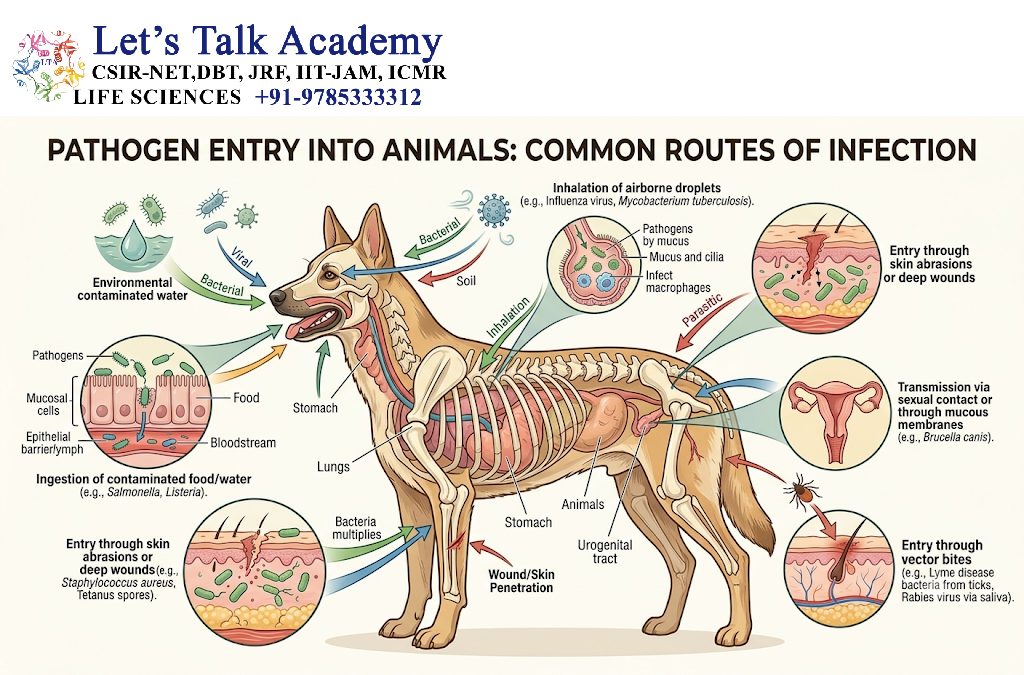
Pathogens can enter animals through several routes.
4.1 Respiratory Route
Pathogens may enter through inhaled droplets or aerosols.
Examples:
- Influenza viruses
- Mycobacterium tuberculosis
The respiratory tract contains mucus, cilia, antimicrobial molecules, macrophages, and other defense mechanisms.
4.2 Gastrointestinal Route
Pathogens can enter through contaminated food and water.
Examples:
- Salmonella
- Shigella
- Vibrio cholerae
- Entamoeba histolytica
4.3 Skin and Mucosal Surfaces
Some pathogens enter through wounds, damaged skin, or mucosal surfaces.
4.4 Vector-Borne Transmission
Arthropods can transmit pathogens between hosts.
Examples:
Mosquito → Plasmodium
Tick → several bacterial and protozoan pathogens
4.5 Sexual Transmission
Certain pathogens spread through sexual contact and infect reproductive or mucosal tissues.
5. Pathogen Entry into Plants
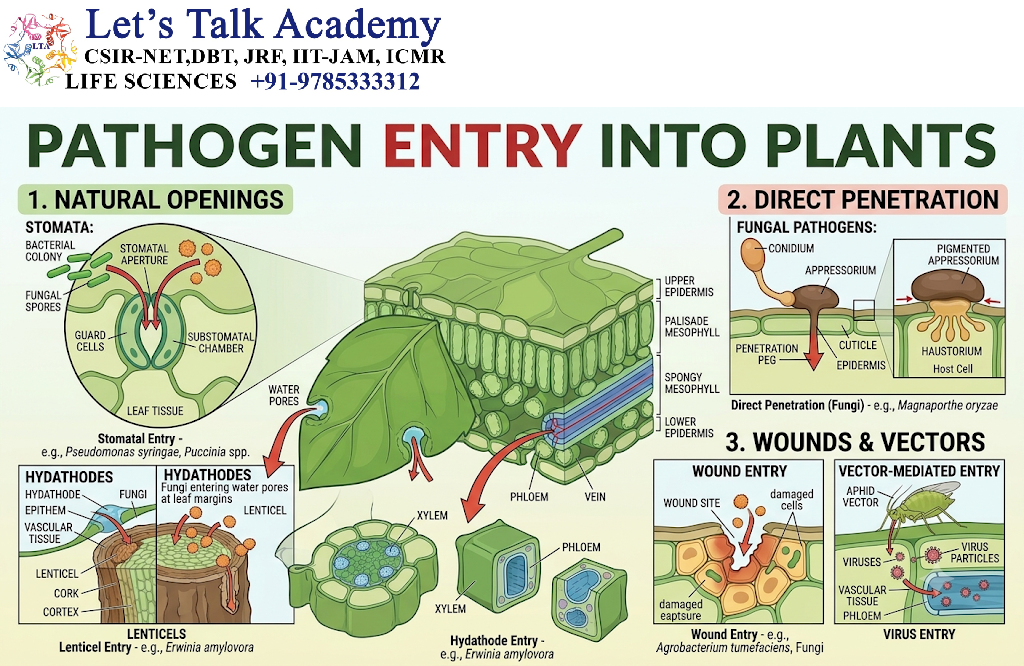
Plants do not have specialized organs such as mouths or respiratory tracts, but pathogens can enter through natural openings or damaged tissues.
5.1 Stomata
Stomata are natural openings on plant surfaces used for gas exchange. Some pathogens can enter through them.
5.2 Wounds
Mechanical damage caused by insects, agricultural activities, wind, or other factors can provide entry points.
5.3 Hydathodes
Hydathodes are specialized structures involved in water secretion and can serve as entry points for certain bacterial pathogens.
5.4 Root Surface
Soil-borne pathogens can enter through roots or damaged root tissues.
5.5 Insect Vectors
Many plant viruses and phytoplasmas are transmitted by insects.
For example:
Insect vector → feeds on infected plant → acquires pathogen → feeds on healthy plant → transmits pathogen
6. Mechanisms of Pathogenesis
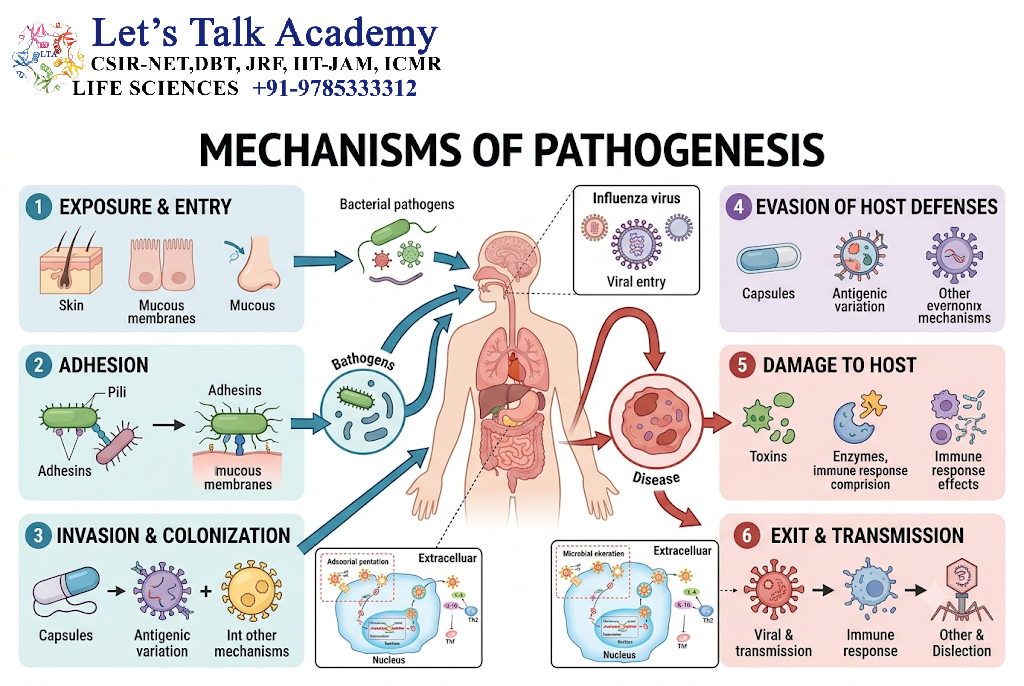
Pathogenesis refers to the mechanisms through which a pathogen produces disease.
A generalized process is:
Exposure → Entry → Attachment → Colonization/Replication → Evasion of host defenses → Tissue damage → Host response → Disease
6.1 Attachment
The first step for many pathogens is attachment to host cells.
Pathogens may use specialized surface molecules called adhesins to recognize receptors on host cells.
6.2 Colonization
After attachment, the pathogen establishes itself within a suitable host environment.
Colonization may involve:
- Nutrient acquisition
- Biofilm formation
- Resistance to host defenses
- Multiplication
- Modification of host-cell functions
6.3 Invasion
Some pathogens penetrate epithelial barriers or enter deeper tissues.
6.4 Replication
Viruses must enter host cells and use host or viral machinery for replication.
Bacteria, fungi, and protozoa may multiply either inside or outside host cells depending on the organism.
6.5 Immune or Defense Evasion
Successful pathogens possess mechanisms that allow them to survive host defenses.
Examples include:
- Capsules
- Antigenic variation
- Intracellular survival
- Suppression of host signaling
- Inhibition of phagocytosis
- Biofilm formation
- Interference with antigen presentation
Plants similarly have pathogens that suppress or manipulate plant immune signaling.
7. Pathogen-Induced Diseases in Animals
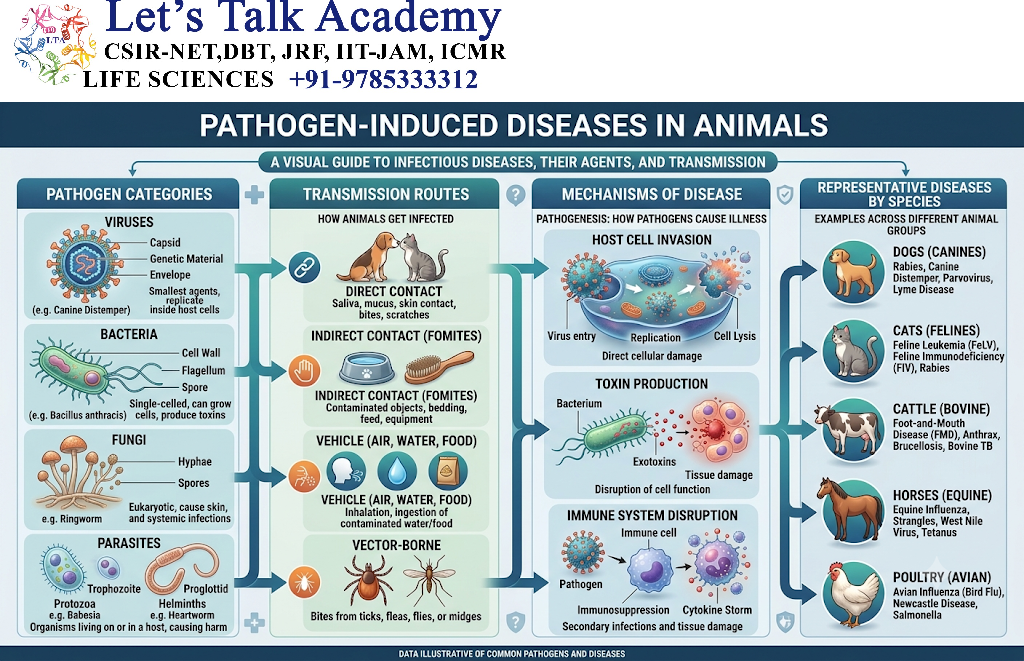
Animal diseases caused by pathogens can be classified according to the type of pathogen.
7.1 Bacterial Diseases
Bacterial diseases may be produced through:
- Direct tissue invasion
- Toxin production
- Enzymatic tissue destruction
- Immune-mediated damage
- Inflammation
Tuberculosis
Caused primarily by Mycobacterium tuberculosis.
The bacteria are inhaled and reach the lungs. They can survive within macrophages and induce a strong cell-mediated immune response.
Persistent infection can result in granuloma formation and tissue damage.
Tetanus
Caused by Clostridium tetani.
The organism produces tetanospasmin, a neurotoxin that interferes with inhibitory neurotransmission and causes characteristic muscle rigidity and spasms.
7.2 Viral Diseases
Viruses cause disease primarily through:
- Destruction of infected cells
- Alteration of cellular metabolism
- Immune-mediated tissue damage
- Persistent infection
- Transformation in some cases
Influenza
Influenza viruses infect respiratory epithelial cells. Viral replication and host inflammatory responses contribute to respiratory symptoms.
Rabies
Rabies virus primarily affects the nervous system and can produce severe neurological disease.
Hepatitis
Several viruses can infect the liver. Liver damage may result from both viral effects and immune responses against infected hepatocytes.
7.3 Protozoan Diseases
Malaria
Malaria is caused by Plasmodium species and transmitted by infected female Anopheles mosquitoes.
The parasite undergoes important stages in the liver and red blood cells.
Disease manifestations are associated particularly with blood-stage infection and host inflammatory responses.
General cycle:
Mosquito bite → Liver stage → Blood-stage multiplication → Red blood cell infection → RBC rupture → Clinical manifestations
Amoebiasis
Entamoeba histolytica can colonize the intestine and may invade intestinal tissues.
It can cause:
- Intestinal inflammation
- Ulceration
- Diarrhea
- Dysentery
- Extraintestinal disease in some cases
7.4 Fungal Diseases
Fungal infections may affect skin, mucosa, lungs, or systemic tissues.
Examples include:
- Candidiasis
- Aspergillosis
- Dermatophytosis
Fungal disease is often influenced by the immune status of the host.
7.5 Parasitic Diseases
Helminths can cause disease through:
- Nutrient consumption
- Blood loss
- Tissue invasion
- Mechanical obstruction
- Inflammation
- Immune-mediated injury
Helminth infections commonly induce Th2-type immune responses, involving IL-4, IL-5, IL-13, IgE, eosinophils, and mast cells.
8. Pathogen-Induced Diseases in Plants
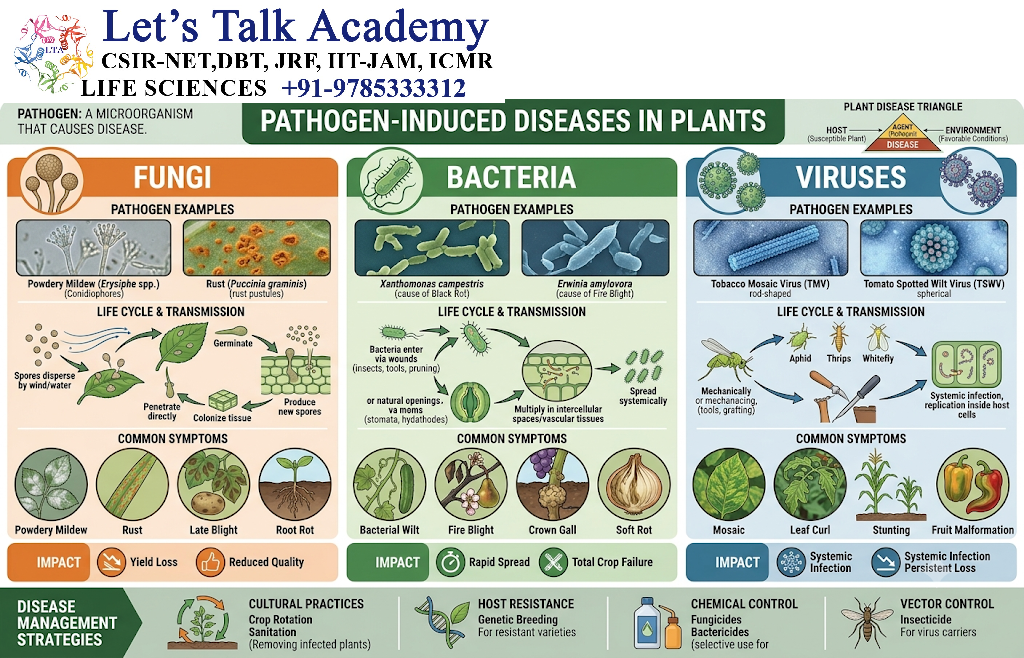
Plant diseases caused by infectious organisms are collectively called plant infectious diseases.
Important categories include:
- Bacterial diseases
- Viral diseases
- Fungal diseases
- Oomycete diseases
- Phytoplasma diseases
- Viroid diseases
9. Bacterial Diseases of Plants
Crown Gall
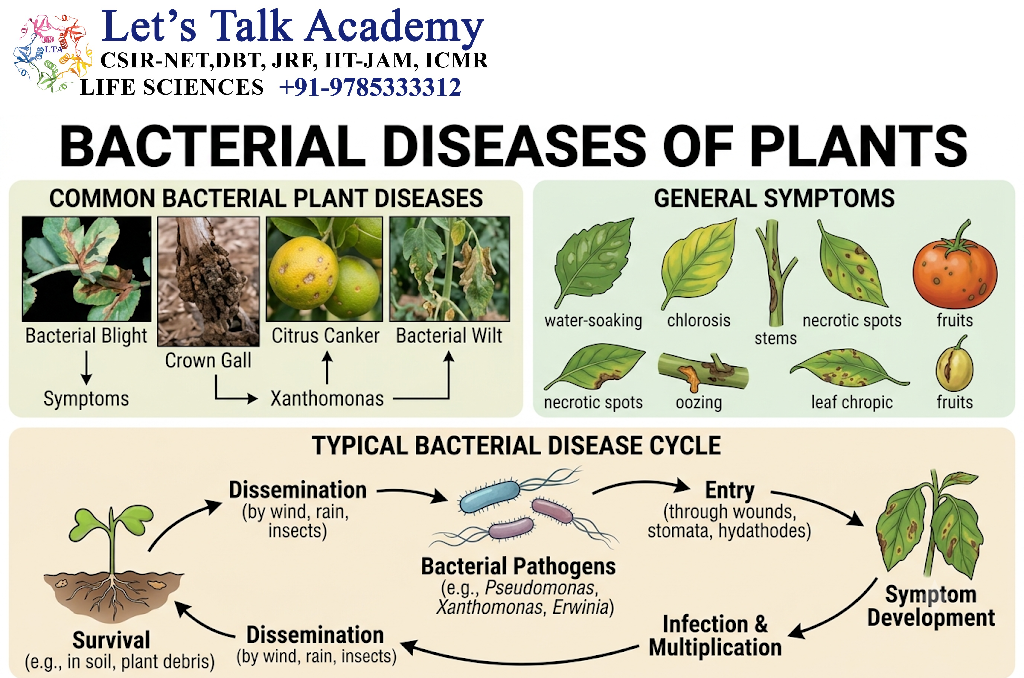
Crown gall is caused by Agrobacterium tumefaciens.
The bacterium transfers genetic material into plant cells through a specialized DNA-transfer mechanism. The transferred DNA can alter plant-cell growth and metabolism, resulting in tumor-like gall formation.
General mechanism:
Bacterium attaches to plant → DNA transfer → T-DNA enters plant cell → Integration/expression → Altered hormone metabolism → Abnormal cell proliferation → Crown gall
Bacterial Wilt
Bacterial wilt is caused by organisms such as Ralstonia solanacearum.
The pathogen colonizes vascular tissues and interferes with water transport.
Major consequence:
Vascular colonization → Water transport disturbance → Loss of turgor → Wilting → Plant decline
10. Viral Diseases of Plants
Plant viruses can produce:
- Mosaic patterns
- Leaf curling
- Yellowing
- Stunting
- Necrosis
- Reduced fruit production
- Abnormal plant development
Tobacco Mosaic Disease
Tobacco mosaic virus is a classic example of a plant viral pathogen.
Symptoms include characteristic mosaic patterns caused by altered chloroplast function, metabolism, and tissue development.
Plant viruses can spread through:
- Mechanical contact
- Insects
- Propagation materials
- Seeds in some cases
- Grafting
- Agricultural tools
11. Fungal Diseases of Plants
Fungi and fungus-like organisms cause numerous crop diseases.
Rust
Rust pathogens commonly produce characteristic reddish, orange, brown, or black reproductive structures on plant surfaces.
Smut
Smut diseases are associated with dark masses of fungal spores, particularly in reproductive tissues.
Powdery Mildew
Powdery mildew fungi grow mainly on plant surfaces and produce characteristic white powdery growth.
Fusarium Wilt
Fusarium species can invade roots and vascular tissues.
The disease may involve:
Root infection → Vascular colonization → Vascular dysfunction → Wilting → Yellowing → Plant death
12. Oomycete Diseases
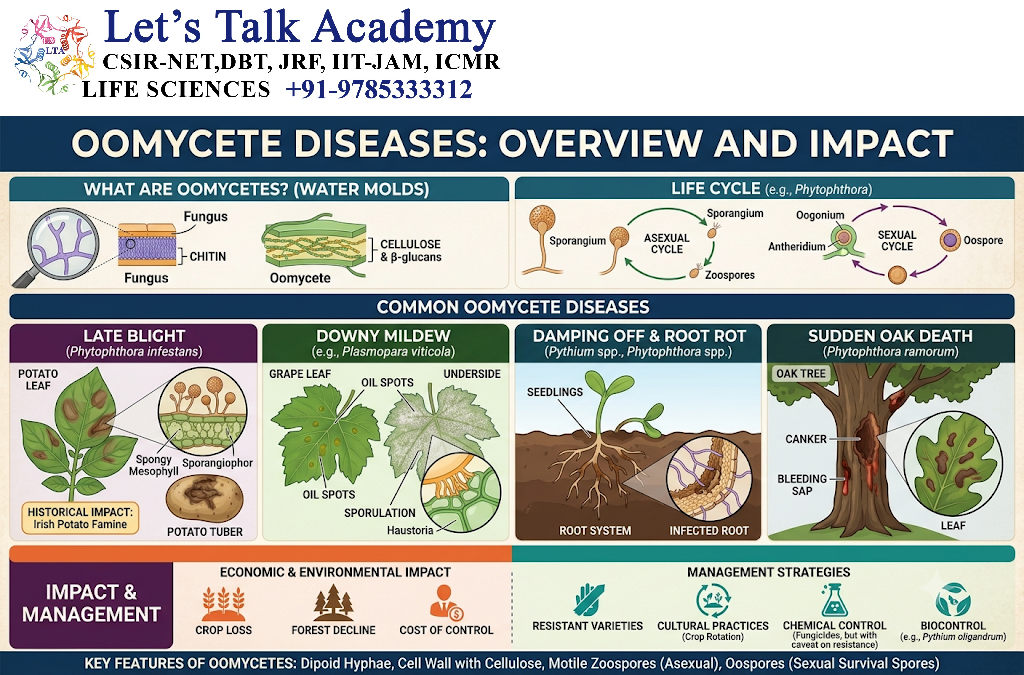
Oomycetes are fungus-like organisms but are biologically distinct from true fungi.
Late Blight
Phytophthora infestans causes late blight of potato and tomato.
It can produce:
- Dark leaf lesions
- Rapid tissue death
- Stem infection
- Tuber infection
Under favorable environmental conditions, disease can spread rapidly.
13. Plant Immune Responses Against Pathogens
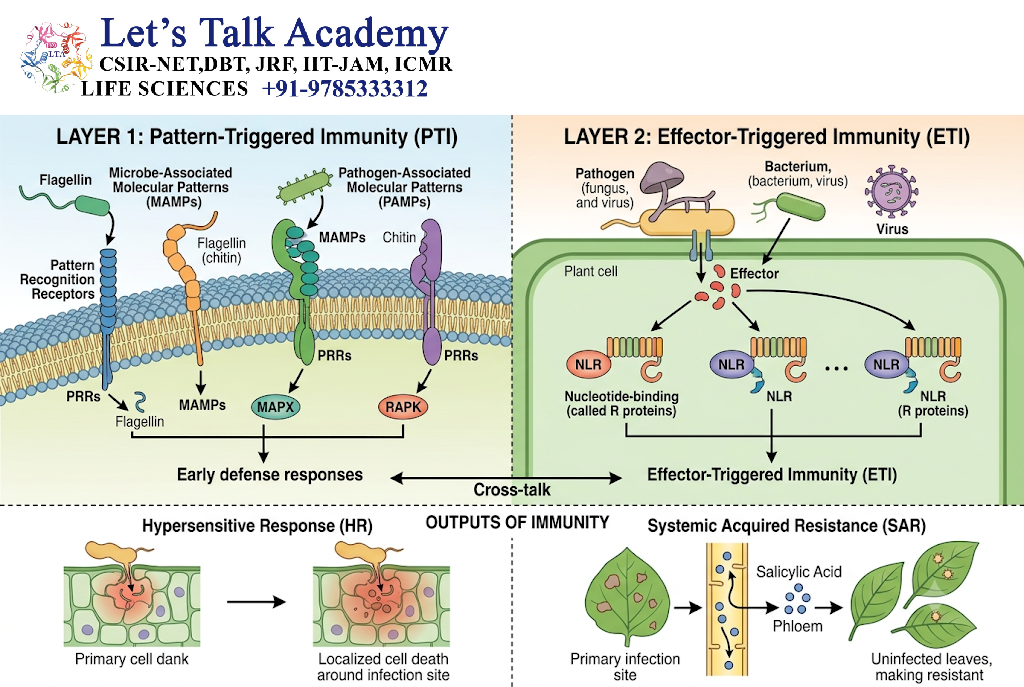
Plants possess sophisticated innate defense systems despite lacking antibody-based adaptive immunity.
13.1 Pattern Recognition
Plant cells recognize conserved microbial structures called pathogen-associated molecular patterns (PAMPs).
Pattern recognition receptors detect these molecules and activate defense responses.
13.2 Pattern-Triggered Immunity
Recognition of microbial patterns can activate:
- Ion fluxes
- Reactive oxygen species
- Protein phosphorylation
- Defense gene expression
- Cell-wall reinforcement
- Antimicrobial compounds
13.3 Effector-Triggered Immunity
Some pathogens produce effectors that manipulate host cells.
Plants have resistance proteins capable of recognizing particular pathogen effectors or their effects.
Recognition can trigger a stronger defense response.
13.4 Hypersensitive Response
The hypersensitive response is a localized programmed cell-death response that can restrict pathogen spread.
General mechanism:
Pathogen recognition → Defense signaling → Localized cell death → Restriction of pathogen growth
13.5 Systemic Acquired Resistance
Following certain localized infections, plants can develop enhanced resistance in distant tissues.
This phenomenon is called systemic acquired resistance (SAR) and is associated particularly with signaling pathways involving salicylic acid.
14. Animal Host Defense Against Pathogens
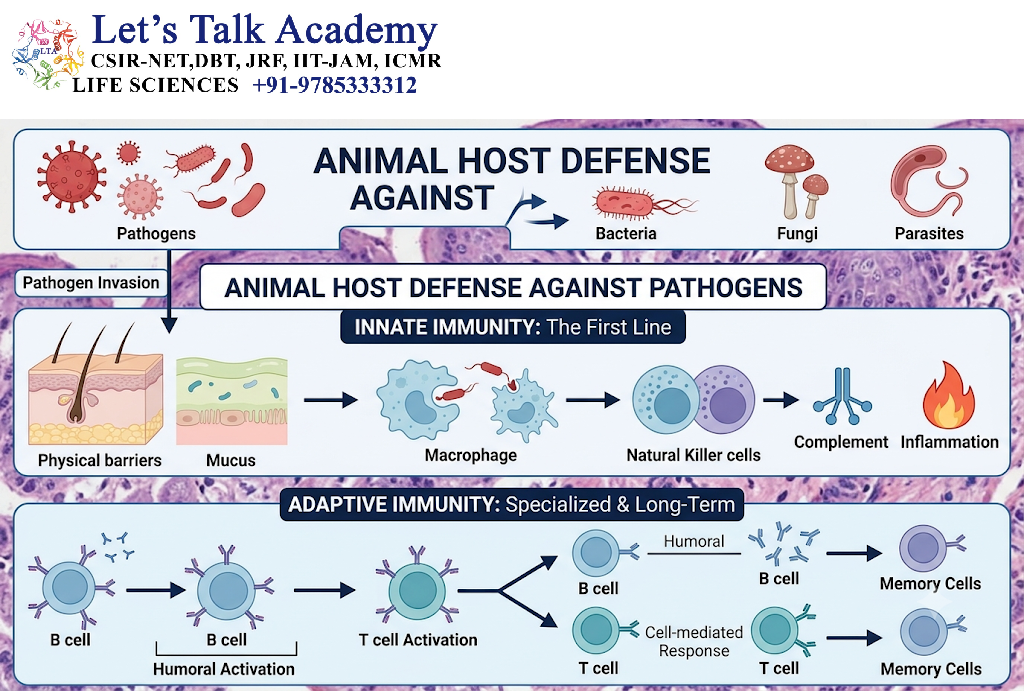
Animals possess two major interconnected forms of immunity:
Innate Immunity
Includes:
- Skin
- Mucosal barriers
- Phagocytes
- Complement
- Natural killer cells
- Inflammatory responses
- Pattern recognition receptors
Adaptive Immunity
Includes:
- B lymphocytes
- T lymphocytes
- Antibodies
- Immunological memory
General response:
Pathogen recognition → Innate response → Antigen presentation → T-cell activation → B-cell activation → Antibodies + effector T cells → Pathogen control → Memory
15. Damage Caused by Pathogens
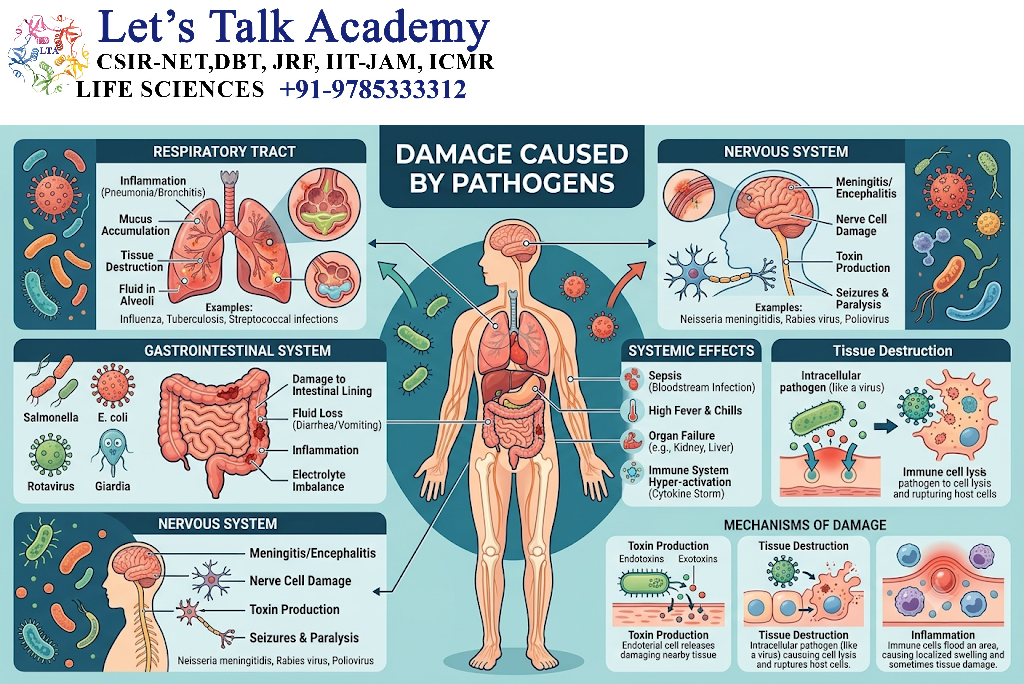
Pathogens can damage hosts through several mechanisms.
Direct Damage
Pathogen replication or invasion directly destroys cells.
Toxin-Mediated Damage
Some bacteria produce toxins that interfere with cellular functions.
Enzyme-Mediated Damage
Pathogens may release enzymes that degrade host tissues.
Nutrient Depletion
Parasites may consume nutrients needed by the host.
Immune-Mediated Damage
Sometimes tissue injury is caused partly by excessive or inappropriate host immune responses.
Thus:
Disease severity = Pathogen-mediated damage + Host-response-mediated damage
16. Pathogen-Induced Alteration of Host Cell Behaviour
Pathogens can modify host-cell behavior by interfering with:
- Signal transduction
- Gene expression
- Cell-cycle control
- Apoptosis
- Autophagy
- Cytoskeletal organization
- Cellular metabolism
- Vesicular trafficking
- Cytokine signaling
Viruses are particularly dependent on host-cell machinery and can profoundly alter cellular physiology.
Some pathogens can also induce abnormal cell proliferation or transformation.
17. Toxins and Their Role in Disease
Some bacterial pathogens produce toxins.
Exotoxins
Exotoxins are proteins actively produced and released by certain bacteria.
They may:
- Alter intracellular signaling
- Inhibit protein synthesis
- Damage membranes
- Affect neurons
- Modify immune responses
Endotoxin
Lipopolysaccharide (LPS), a component of the outer membrane of Gram-negative bacteria, can activate strong inflammatory responses through recognition mechanisms involving TLR4.
Excessive systemic inflammation can contribute to sepsis and septic shock.
18. Pathogen Transmission
Disease development also depends on transmission.
Major transmission routes include:
| Transmission route | Examples |
|---|---|
| Airborne/droplet | Influenza, tuberculosis |
| Food and water | Cholera, salmonellosis |
| Direct contact | Skin infections |
| Blood | Several viral and parasitic infections |
| Vector-borne | Malaria, dengue |
| Soil-borne | Several plant and animal pathogens |
| Seed/planting material | Several plant viruses and fungi |
| Insect-mediated | Many plant viruses and phytoplasmas |
19. Factors Affecting Disease Development
Disease severity depends on multiple factors.
Pathogen Factors
- Virulence
- Infectious dose
- Toxin production
- Replication rate
- Tissue tropism
- Immune-evasion mechanisms
Host Factors
- Age
- Genetic susceptibility
- Nutritional status
- Immune status
- Physical barriers
- Previous exposure
Environmental Factors
- Temperature
- Humidity
- Water availability
- Soil conditions
- Population density
- Vector abundance
For plant diseases, environmental conditions are particularly important because temperature, humidity, soil moisture, and plant density can strongly influence pathogen growth and transmission.
20. Plant Disease Triangle
Plant disease development is often explained by the disease triangle.
The three essential components are:
Host + Pathogen + Environment → Disease
If any one component is unfavorable, disease development may be reduced.
A fourth factor, time, is sometimes added to explain disease progression.
Thus:
Host susceptibility + Virulent pathogen + Favorable environment + Sufficient time → Disease development
21. Animal Disease Development
A similar conceptual model can be applied to animal infectious diseases:
Susceptible host + Pathogen + Suitable conditions + Exposure → Infection → Disease
The host immune system can prevent infection, control it, or sometimes contribute to tissue injury.
22. Comparison of Pathogen-Induced Diseases in Animals and Plants
| Feature | Animals | Plants |
|---|---|---|
| Major pathogens | Bacteria, viruses, fungi, protozoa, parasites | Bacteria, viruses, fungi, oomycetes, phytoplasmas, viroids |
| Adaptive immunity | Present | Absent |
| Antibodies | Present | Absent |
| T cells | Present | Absent |
| Innate immunity | Present | Present |
| Physical barriers | Skin, mucosa | Cuticle, cell wall |
| Main recognition | PRRs, adaptive receptors | Pattern recognition receptors and resistance systems |
| Cell wall | Absent in animal cells | Present |
| Systemic defense | Immune-cell and cytokine mediated | Systemic signaling and acquired resistance |
| Common damage | Tissue destruction, inflammation, organ dysfunction | Necrosis, wilting, chlorosis, stunting, reduced yield |
| Major vectors | Mosquitoes, ticks, etc. | Aphids, whiteflies, leafhoppers, etc. |
23. General Mechanism of Pathogen-Induced Disease
In Animals
Exposure
↓
Pathogen entry
↓
Attachment and colonization
↓
Replication/invasion
↓
Immune evasion
↓
Tissue damage
↓
Innate immune response
↓
Adaptive immune response
↓
Disease manifestations
↓
Clearance, persistence, or chronic disease
In Plants
Pathogen contact
↓
Entry through wound/opening/vector
↓
Recognition by plant receptors
↓
Pathogen colonization/replication
↓
Suppression or manipulation of plant defenses
↓
Plant defense activation
↓
Cell death/tissue damage/vascular dysfunction
↓
Disease symptoms
↓
Recovery, containment, or disease progression
24. Prevention and Control
Animal Diseases
Important control measures include:
- Vaccination
- Hygiene and sanitation
- Safe food and water
- Vector control
- Isolation of infected individuals where appropriate
- Antimicrobial therapy when indicated
- Surveillance
- Biosecurity
- Appropriate animal husbandry
Plant Diseases
Control methods include:
- Use of resistant varieties
- Certified disease-free seeds and planting materials
- Crop rotation
- Removal of infected plant material
- Vector management
- Biological control
- Appropriate chemical control
- Field sanitation
- Irrigation management
- Integrated disease management
25. Integrated Disease Management
Integrated disease management combines multiple control strategies rather than relying on a single method.
For plants:
Resistant variety + sanitation + crop rotation + vector control + biological/chemical methods + monitoring
This approach can reduce disease development while helping minimize unnecessary chemical use and selection for resistant pathogen populations.
26. Biological Importance
Pathogen-induced diseases have major effects on:
Human and Animal Health
- Increased morbidity and mortality
- Economic losses
- Reduced productivity
- Food insecurity
- Veterinary costs
Agriculture
- Crop loss
- Reduced yield
- Reduced quality of agricultural products
- Post-harvest losses
- Increased production costs
Ecosystems
Pathogens can influence:
- Population sizes
- Species interactions
- Biodiversity
- Evolution
- Ecosystem stability


