
1. Introduction to Stress Response
1.1 Concept of Stress
Stress is a condition in which a cell, tissue, or organism experiences a disturbance that challenges its normal physiological or biochemical state.
Stress may arise from external environmental conditions or internal changes. At the cellular level, stress can interfere with protein folding, DNA integrity, membrane stability, energy production, redox balance, and metabolic homeostasis.
Examples include:
- High temperature
- Low temperature
- Oxidative damage
- DNA damage
- Nutrient deprivation
- Oxygen deficiency
- Toxic chemicals
- Osmotic imbalance
- Infection
- Endoplasmic reticulum dysfunction
The ability of biological systems to detect and respond to these challenges is essential for survival.
1.2 Definition of Stress Response
The stress response is the coordinated set of molecular, cellular, physiological, and behavioral changes activated when an organism or cell encounters a stressful condition.
At the molecular level, a typical stress response involves:
Stress → Detection → Signal transduction → Gene regulation → Cellular adaptation → Recovery or cell death
1.3 Homeostasis and Stress
Cells normally maintain a relatively stable internal environment called homeostasis.
Stress disturbs this balance. The stress response attempts to restore homeostasis by modifying:
- Gene expression
- Protein synthesis
- Metabolism
- Energy production
- Antioxidant defenses
- DNA repair
- Protein degradation
- Autophagy
- Cell-cycle progression
If the stress is mild or temporary, cells can generally recover. If stress is prolonged or severe, irreversible damage may occur.
1.4 Biological Importance
Stress responses allow organisms to:
- Detect harmful changes.
- Protect important cellular structures.
- Repair damaged molecules.
- Remove defective proteins.
- Maintain energy balance.
- Restore cellular homeostasis.
- Adapt to environmental changes.
- Prevent damaged cells from harming the organism.
2. Types of Stress
Stress can be classified according to its source and molecular consequences.
2.1 Physical Stress
Physical stress results from changes in physical environmental conditions.
Examples include:
- Heat
- Cold
- Radiation
- Mechanical pressure
- Excessive osmotic pressure
Physical stress can alter membrane properties, protein stability, and cellular metabolism.
2.2 Chemical Stress
Chemical stress occurs when cells are exposed to harmful chemicals.
Examples include:
- Heavy metals
- Reactive oxygen species
- Drugs
- Toxins
- Pollutants
Chemical stress may damage proteins, lipids, DNA, and cellular membranes.
2.3 Biological Stress
Biological stress results from living organisms or biological agents.
Examples include:
- Bacterial infection
- Viral infection
- Parasitic infection
- Inflammation
- Competition for nutrients
Cells activate immune and antimicrobial pathways in response.
2.4 Metabolic Stress
Metabolic stress occurs when cellular energy or nutrient availability becomes insufficient.
Examples include:
- Glucose deprivation
- Amino-acid deficiency
- ATP depletion
- Excessive metabolic demand
AMP-activated protein kinase (AMPK) is an important sensor of cellular energy status.
2.5 Oxidative Stress
Oxidative stress develops when production of reactive oxygen species exceeds the ability of antioxidant systems to neutralize them.
ROS production > Antioxidant capacity → Oxidative stress
2.6 Genotoxic Stress
Genotoxic stress results from damage to genetic material.
Major causes include:
- UV radiation
- Ionizing radiation
- Chemical mutagens
- ROS
- Replication errors
DNA damage activates repair pathways and checkpoint mechanisms.
2.7 ER Stress
Endoplasmic reticulum stress occurs when the ER cannot properly fold or process newly synthesized proteins.
Accumulation of misfolded proteins activates the unfolded protein response (UPR).
3. Stress-Sensing Mechanisms
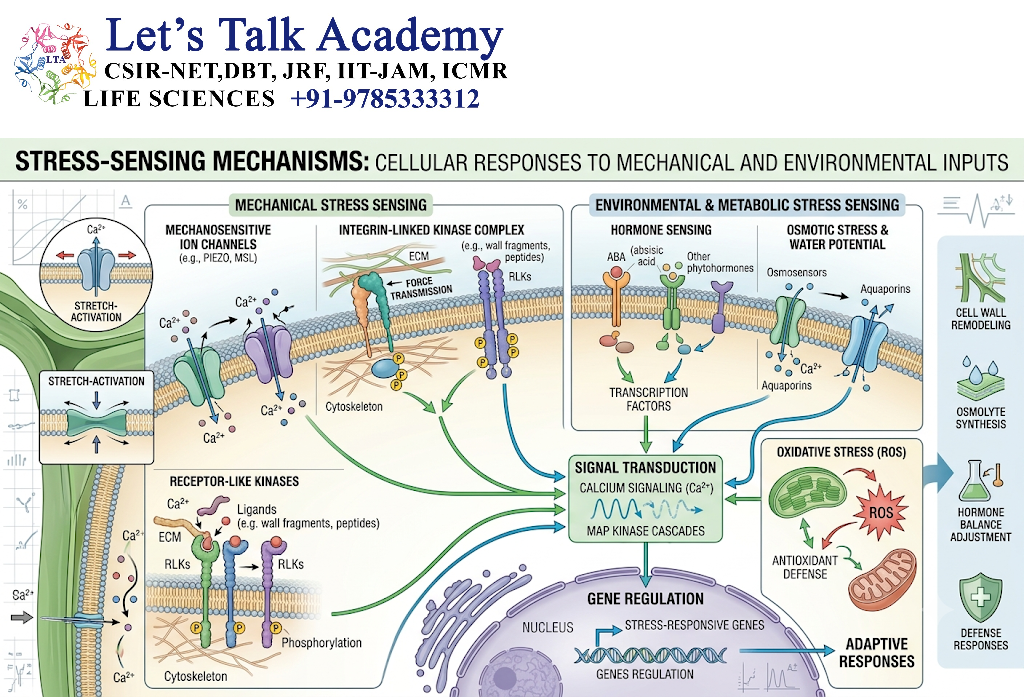
3.1 Stress Sensors
Cells possess molecular systems capable of detecting disturbances.
Sensors may detect:
- Changes in temperature
- ROS
- ATP levels
- Calcium concentration
- Protein misfolding
- DNA damage
- Oxygen concentration
- Nutrient availability
3.2 Signal Transduction
After detecting stress, sensors activate signaling pathways.
General mechanism:
Stress → Sensor → Signaling protein → Transcription factor → Gene expression → Cellular response
3.3 Protein Kinases
Protein kinases regulate many stress responses by phosphorylating target proteins.
Important kinase pathways include:
- MAPKs
- AMPK
- ATM
- ATR
- PERK
Phosphorylation can alter the activity, localization, stability, or interactions of proteins.
3.4 Transcription Factors
Transcription factors change gene expression during stress.
Important examples include:
- HSF1
- NRF2
- HIF
- p53
- ATF4
- FOXO
These factors activate genes involved in survival, repair, metabolism, and adaptation.
4. Cellular Stress Response
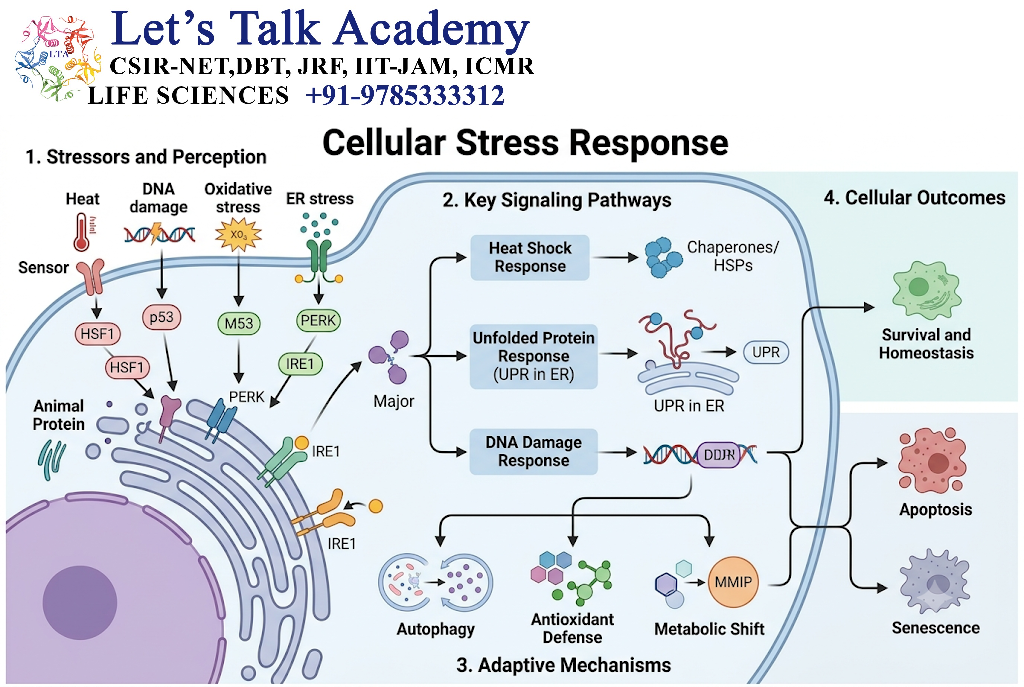
4.1 General Cellular Response
When a cell experiences stress, it does not respond randomly. Instead, it activates coordinated protective mechanisms.
Major responses include:
- Reduction of unnecessary protein synthesis
- Activation of protective genes
- Increased antioxidant activity
- DNA repair
- Protein refolding
- Protein degradation
- Autophagy
- Metabolic adjustment
- Cell-cycle arrest
4.2 Stress-Induced Gene Expression
Stress can rapidly alter transcription.
Some genes become strongly activated because their products protect the cell.
These include genes encoding:
- Heat shock proteins
- Antioxidant enzymes
- DNA repair proteins
- Chaperones
- Detoxification enzymes
4.3 Translational Control
During severe stress, cells often reduce general protein synthesis.
This conserves:
- ATP
- Amino acids
- Ribosomes
- Cellular resources
At the same time, selective translation of stress-response proteins may continue.
4.4 Cellular Adaptation
If stress persists but remains manageable, cells adapt by changing their metabolism and gene expression.
This adaptation can improve resistance to subsequent stress.
5. Heat Shock Response
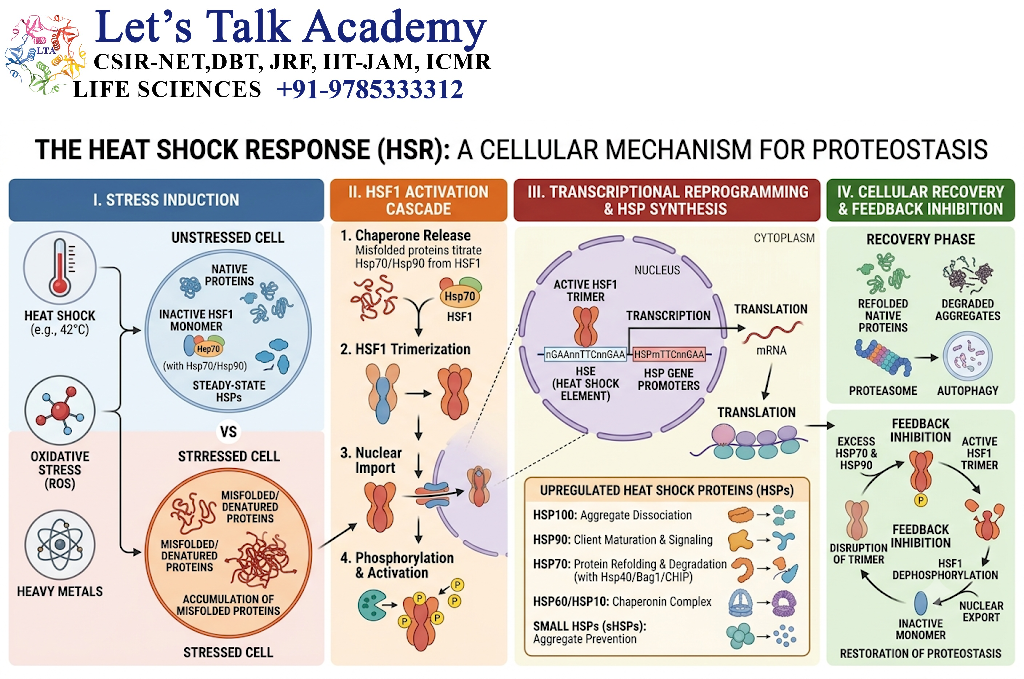
5.1 Definition
The heat shock response is a cellular defense mechanism activated primarily by elevated temperature and other conditions that cause protein misfolding.
Heat stress can cause:
- Protein unfolding
- Protein aggregation
- Membrane alterations
- Metabolic disturbances
5.2 Heat Shock Factor 1
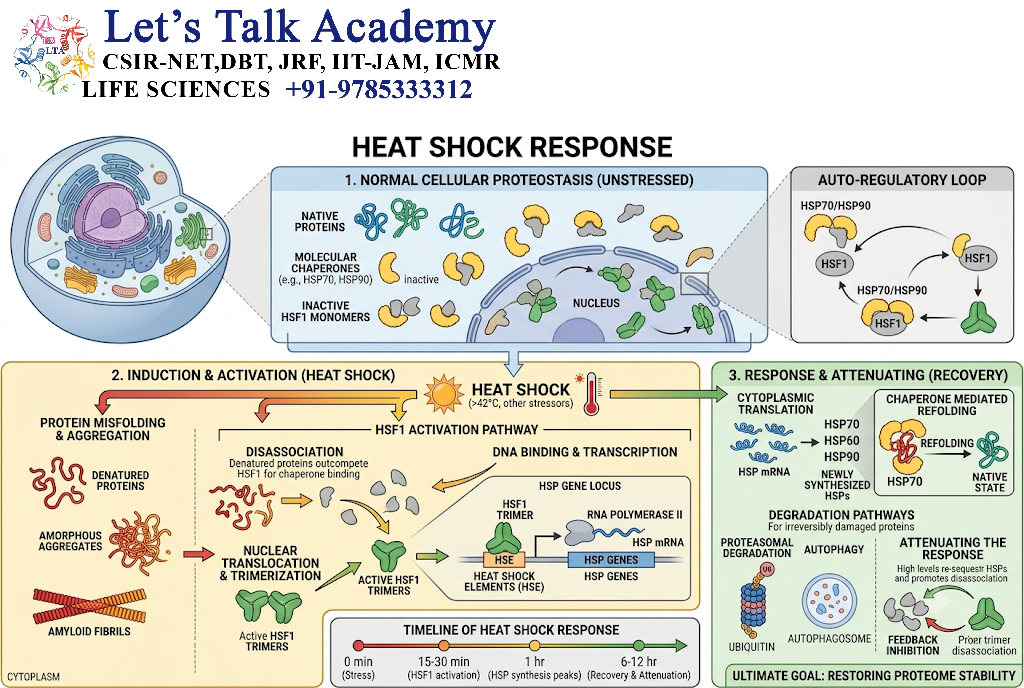
Heat Shock Factor 1 (HSF1) is a major transcriptional regulator of the heat shock response.
Under normal conditions, HSF1 is maintained in an inactive state.
Stress promotes HSF1 activation.
5.3 Mechanism
Heat stress → Protein misfolding → HSF1 activation → HSF1 binds heat shock elements → HSP gene transcription → Increased molecular chaperones
5.4 Heat Shock Proteins
Heat shock proteins are molecular chaperones that help maintain protein homeostasis.
Major groups include:
- HSP70
- HSP90
- HSP60
- Small HSPs
5.5 Functions of Heat Shock Proteins
HSPs can:
- Prevent protein aggregation
- Assist protein folding
- Refold damaged proteins
- Transport proteins
- Direct severely damaged proteins toward degradation
6. Heat Shock Proteins
6.1 HSP70
HSP70 is one of the best-characterized molecular chaperones.
It binds exposed hydrophobic regions of unfolded proteins and helps prevent inappropriate aggregation.
6.2 HSP90
HSP90 assists in the folding and stabilization of many signaling proteins.
Its clients include several:
- Protein kinases
- Steroid receptors
- Regulatory proteins
6.3 HSP60
HSP60 belongs to the chaperonin family.
It assists protein folding within a specialized cellular environment.
6.4 Small Heat Shock Proteins
Small HSPs can bind partially unfolded proteins and prevent their aggregation.
They are particularly important during cellular stress.
7. Oxidative Stress Response
7.1 Reactive Oxygen Species
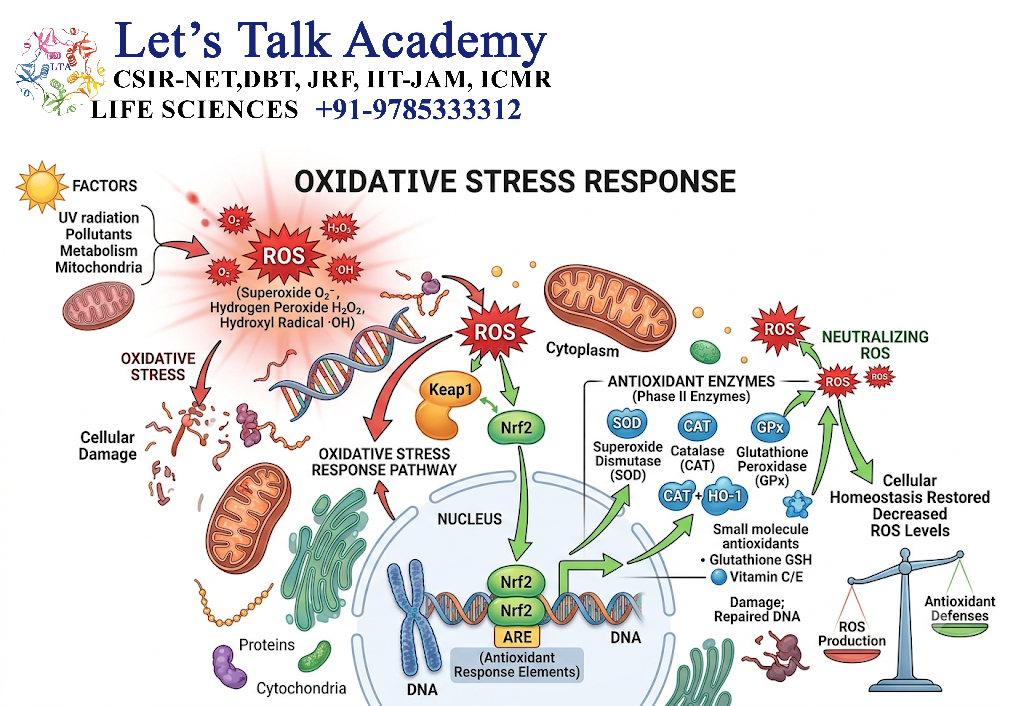
Reactive oxygen species are chemically reactive molecules derived from oxygen.
Examples include:
- Superoxide
- Hydrogen peroxide
- Hydroxyl radical
ROS can be produced during normal metabolism, particularly in mitochondria.
7.2 Oxidative Stress
Oxidative stress occurs when ROS generation exceeds antioxidant defenses.
Excess ROS → Molecular damage → Cellular stress
7.3 Molecular Damage
ROS can damage:
Proteins
Oxidation can modify amino-acid residues and alter protein structure.
Lipids
Lipid peroxidation damages cellular membranes.
DNA
ROS can produce modified bases and DNA strand damage.
7.4 Antioxidant Defense
Cells contain enzymatic and non-enzymatic antioxidants.
Important enzymes include:
- Superoxide dismutase
- Catalase
- Glutathione peroxidase
- Glutathione reductase
7.5 NRF2 Pathway
NRF2 is a major transcription factor controlling antioxidant and detoxification genes.
Under oxidative stress:
Oxidative stress → NRF2 stabilization → Nuclear localization → Antioxidant gene expression → Increased cellular protection
8. DNA Damage Response
8.1 Definition
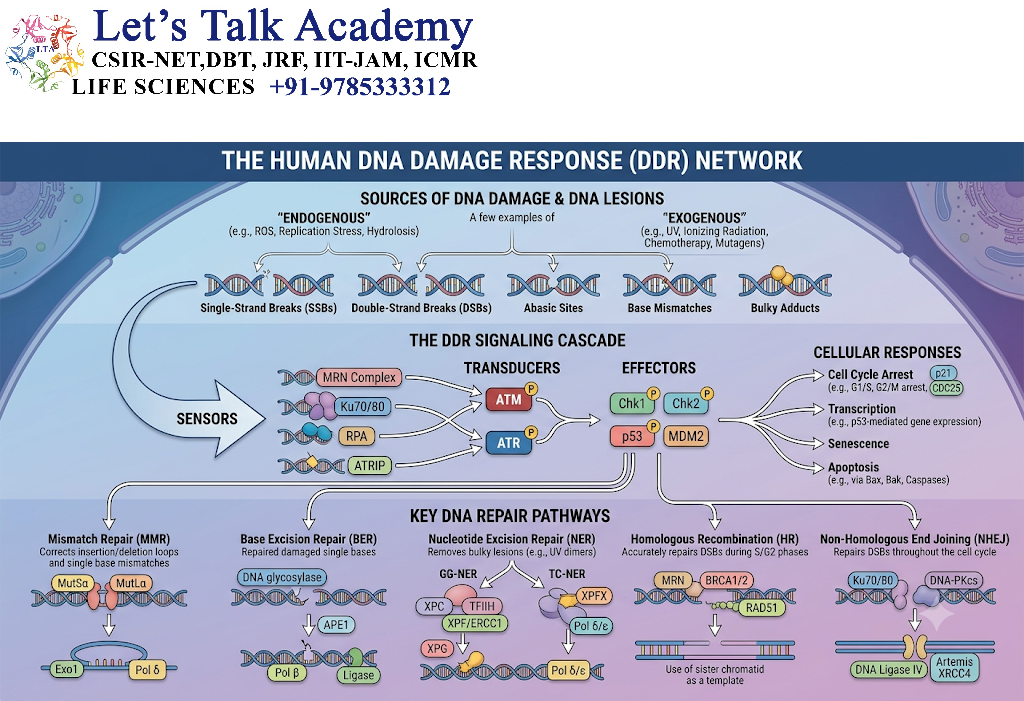
The DNA damage response is a network of mechanisms that detect DNA damage, stop cell-cycle progression, repair DNA, or eliminate severely damaged cells.
8.2 Causes of DNA Damage
DNA damage can result from:
- UV radiation
- Ionizing radiation
- ROS
- Chemical agents
- Replication errors
8.3 DNA Damage Sensors
Two important protein kinases are:
- ATM
- ATR
ATM is particularly important in responding to DNA double-strand breaks, whereas ATR has a major role in replication stress and certain forms of DNA damage.
8.4 Cell-Cycle Checkpoints
DNA damage can activate checkpoints that temporarily stop cell-cycle progression.
This provides time for DNA repair.
8.5 p53
p53 is an important regulator of the cellular response to DNA damage.
Depending on the extent of damage, p53 can promote:
- Cell-cycle arrest
- DNA repair
- Senescence
- Apoptosis
8.6 DNA Repair
Major DNA repair mechanisms include:
- Base excision repair
- Nucleotide excision repair
- Mismatch repair
- Homologous recombination
- Non-homologous end joining
9. Unfolded Protein Response
9.1 Protein Folding Stress
Proteins must fold into correct three-dimensional structures to function properly.
Environmental or cellular disturbances can cause proteins to misfold.
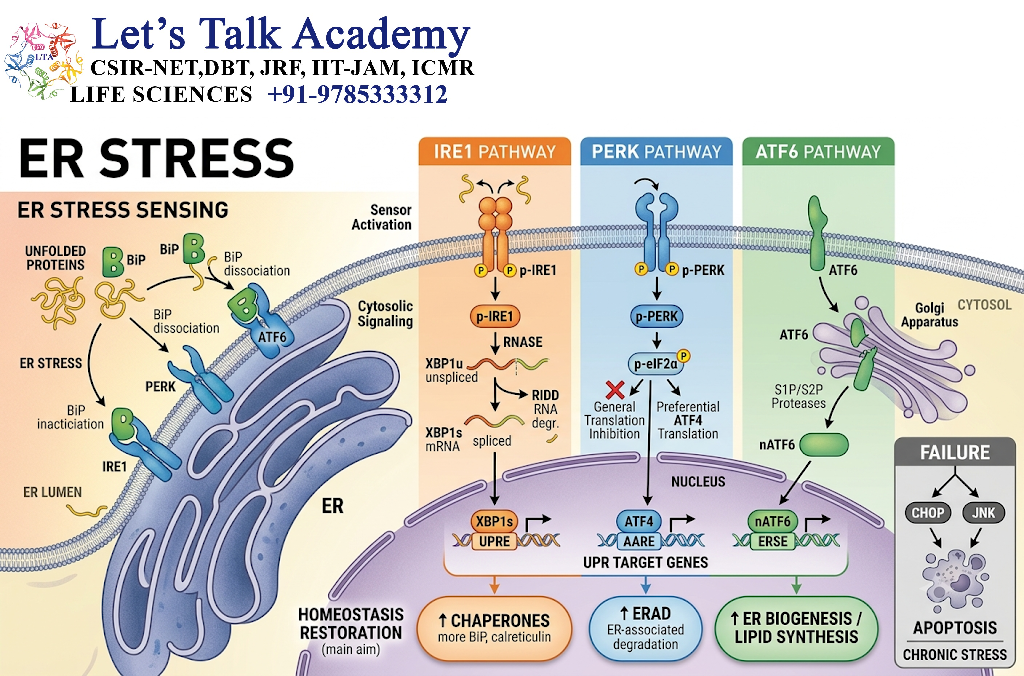
9.2 ER Stress
The endoplasmic reticulum is an important site of protein folding.
Accumulation of misfolded proteins creates ER stress.
9.3 Purpose of UPR
The unfolded protein response attempts to restore protein homeostasis by:
- Reducing protein synthesis.
- Increasing protein-folding capacity.
- Enhancing degradation of misfolded proteins.
9.4 Major UPR Sensors
Three major ER stress sensors are:
- IRE1
- PERK
- ATF6
9.5 IRE1 Pathway
IRE1 activates signaling that promotes expression of genes involved in protein folding and ER adaptation.
One important downstream factor is XBP1.
9.6 PERK Pathway
PERK phosphorylates eIF2α.
This reduces general protein translation while allowing selective translation of certain stress-response proteins, including ATF4.
9.7 ATF6 Pathway
ATF6 moves from the ER toward the Golgi under ER stress, where it is processed and contributes to activation of stress-response genes.
9.8 UPR and Cell Death
If ER stress cannot be resolved, prolonged UPR signaling can contribute to apoptosis and other forms of cell injury.
10. Hypoxia Response
10.1 Definition
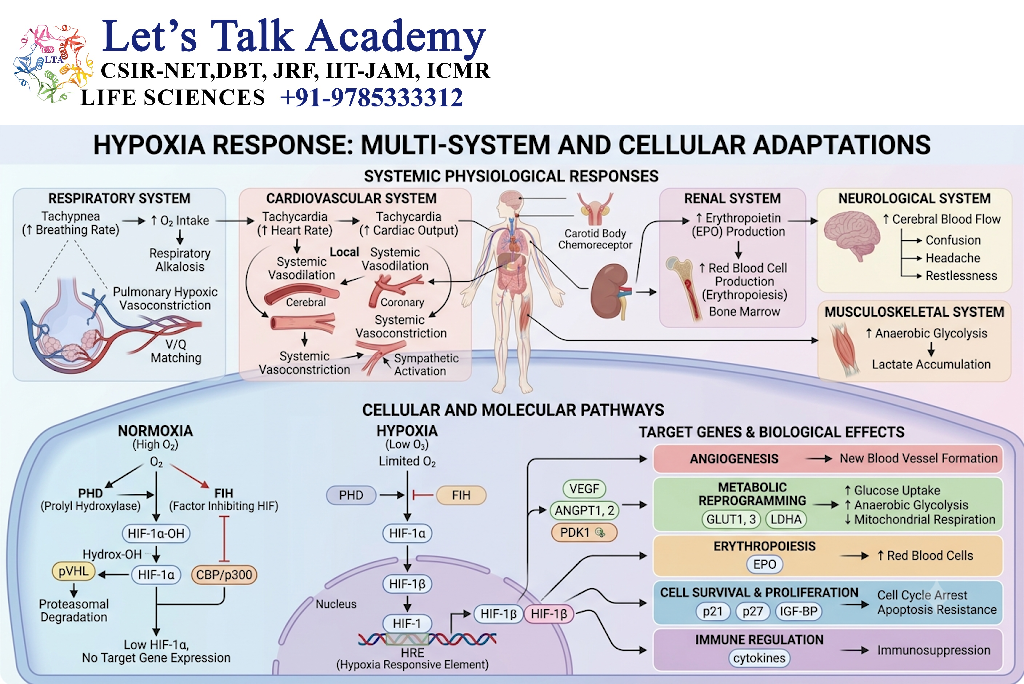
Hypoxia is a condition in which oxygen availability is insufficient for cellular requirements.
10.2 HIF Proteins
Hypoxia-inducible factors are major regulators of the cellular response to low oxygen.
HIF signaling changes expression of genes involved in:
- Glycolysis
- Angiogenesis
- Oxygen transport
- Metabolism
- Cell survival
10.3 HIF-1α Regulation
Under normal oxygen conditions, HIF-1α is continuously targeted for degradation.
During hypoxia, this degradation is reduced, allowing HIF-1α to accumulate.
10.4 Hypoxia Response Mechanism
Low oxygen → HIF stabilization → Nuclear localization → DNA binding → Hypoxia-responsive gene expression
10.5 Biological Importance
Hypoxia responses help cells adapt to limited oxygen by modifying energy metabolism and promoting mechanisms that improve oxygen delivery.
11. Osmotic Stress Response
11.1 Definition
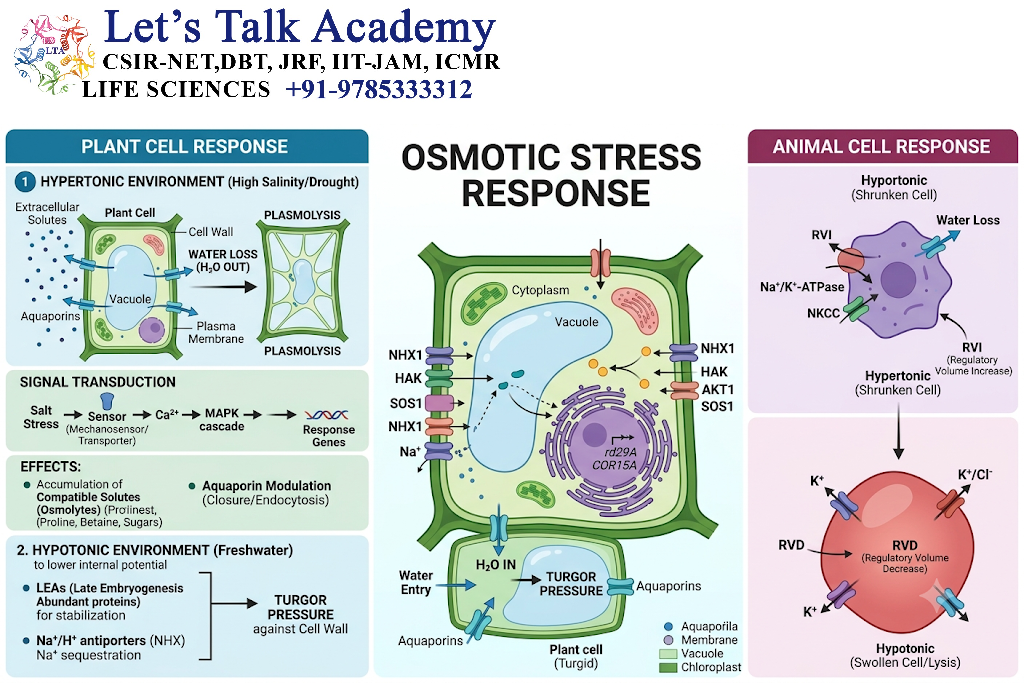
Osmotic stress occurs when changes in external solute concentration disturb cellular water balance.
11.2 Hyperosmotic Stress
When the external environment has higher solute concentration, water tends to leave the cell.
This may cause:
- Cell shrinkage
- Increased ionic concentration
- Protein stress
11.3 Hypoosmotic Stress
When the external environment has lower solute concentration, water enters cells.
Excessive water entry may cause swelling and, in some cells, membrane rupture.
11.4 Cellular Adaptation
Cells regulate:
- Ion transport
- Water movement
- Compatible solutes
- Gene expression
to restore volume and osmotic balance.
12. Nutrient and Metabolic Stress
12.1 Nutrient Stress
Cells require nutrients for:
- ATP production
- Protein synthesis
- DNA synthesis
- Membrane synthesis
- Growth
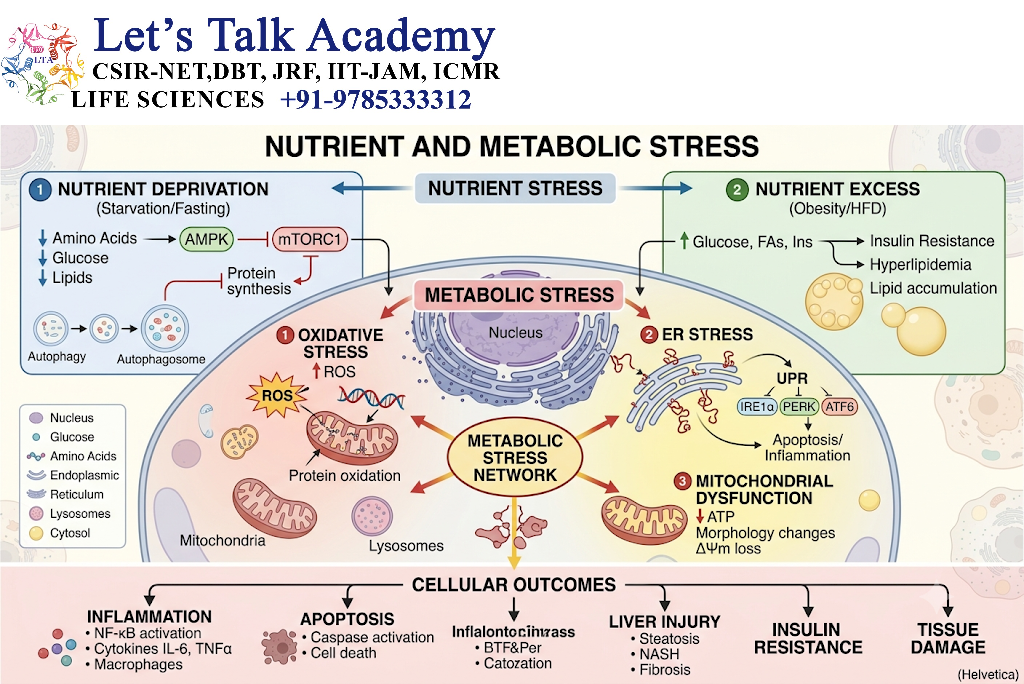
Nutrient deprivation therefore activates adaptive pathways.
12.2 Energy Stress
When ATP levels decrease and AMP/ADP levels increase, cells activate energy-sensing pathways.
12.3 AMPK
AMPK is a major cellular energy sensor.
AMPK activation promotes energy-producing pathways while reducing energy-consuming processes.
12.4 Metabolic Adaptation
During energy stress, cells may:
- Increase glucose uptake
- Increase fatty-acid oxidation
- Reduce protein synthesis
- Inhibit unnecessary biosynthetic pathways
- Activate autophagy
13. Antioxidant Defense Mechanisms
13.1 Enzymatic Antioxidants
Important antioxidant enzymes include:
Superoxide Dismutase
Converts superoxide into hydrogen peroxide and oxygen.
Catalase
Converts hydrogen peroxide into water and oxygen.
Glutathione Peroxidase
Reduces hydrogen peroxide and lipid peroxides using reducing equivalents.
13.2 Glutathione System
Glutathione exists mainly in reduced and oxidized forms.
Reduced glutathione helps maintain the cellular redox environment.
13.3 Non-Enzymatic Antioxidants
Examples include:
- Glutathione
- Vitamin C
- Vitamin E
- Uric acid
These compounds help limit oxidative damage.
14. Transcription Factors in Stress Response
14.1 HSF1
Regulates heat shock protein expression.
14.2 NRF2
Controls many antioxidant and detoxification genes.
14.3 HIF
Regulates adaptation to low oxygen.
14.4 p53
Coordinates responses to DNA damage and other cellular stresses.
14.5 ATF4
Important in integrated stress and ER stress responses.
14.6 FOXO
FOXO transcription factors regulate genes involved in:
- Stress resistance
- Metabolism
- Autophagy
- Cell survival
15. MAPK Signaling in Stress
15.1 MAPK Pathway
Mitogen-activated protein kinase pathways transmit extracellular and intracellular stress signals.
Important stress-associated MAPKs include:
- JNK
- p38
- ERK
15.2 JNK
JNK can regulate stress responses, inflammation, survival, and apoptosis.
15.3 p38 MAPK
p38 is strongly associated with cellular responses to:
- Oxidative stress
- Inflammatory signals
- Osmotic stress
- DNA damage
15.4 ERK
ERK is commonly associated with growth and proliferation but can also participate in stress-dependent responses.
16. p53-Mediated Stress Response
16.1 p53 as a Stress Sensor
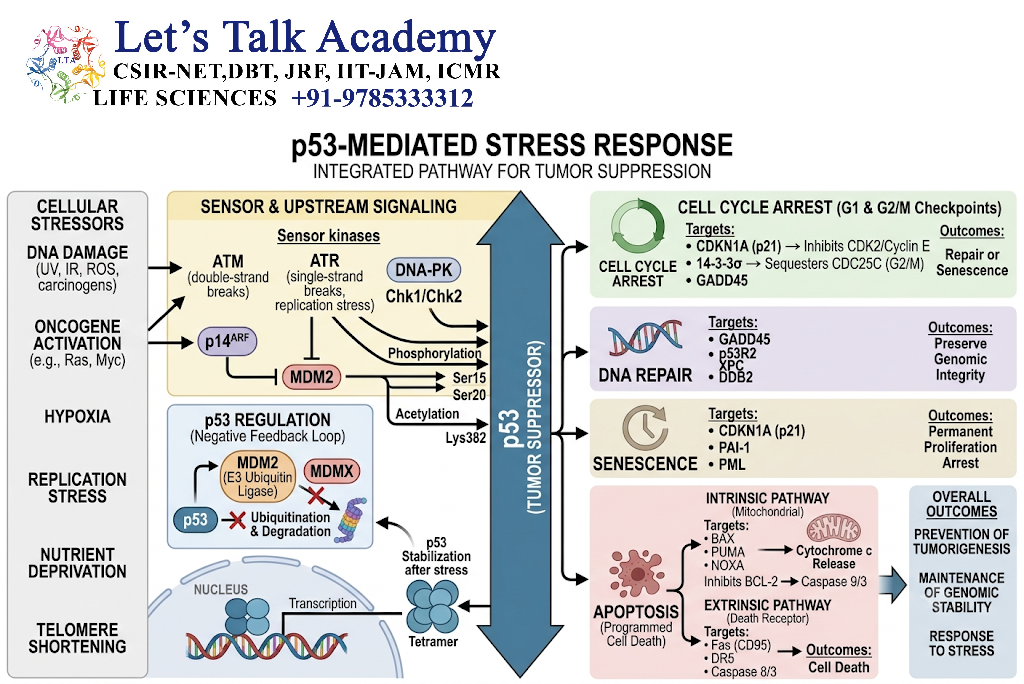
p53 is activated by several types of cellular stress, especially DNA damage.
16.2 Cell-Cycle Arrest
p53 can induce expression of p21.
p21 inhibits cyclin-dependent kinases and contributes to cell-cycle arrest.
16.3 DNA Repair
p53 promotes expression of genes that support DNA repair and genome stability.
16.4 Apoptosis
When damage is severe, p53 can activate pro-apoptotic pathways.
Thus:
Stress → p53 activation → Arrest/repair OR apoptosis
17. HPA Axis and Systemic Stress Response
17.1 Overview
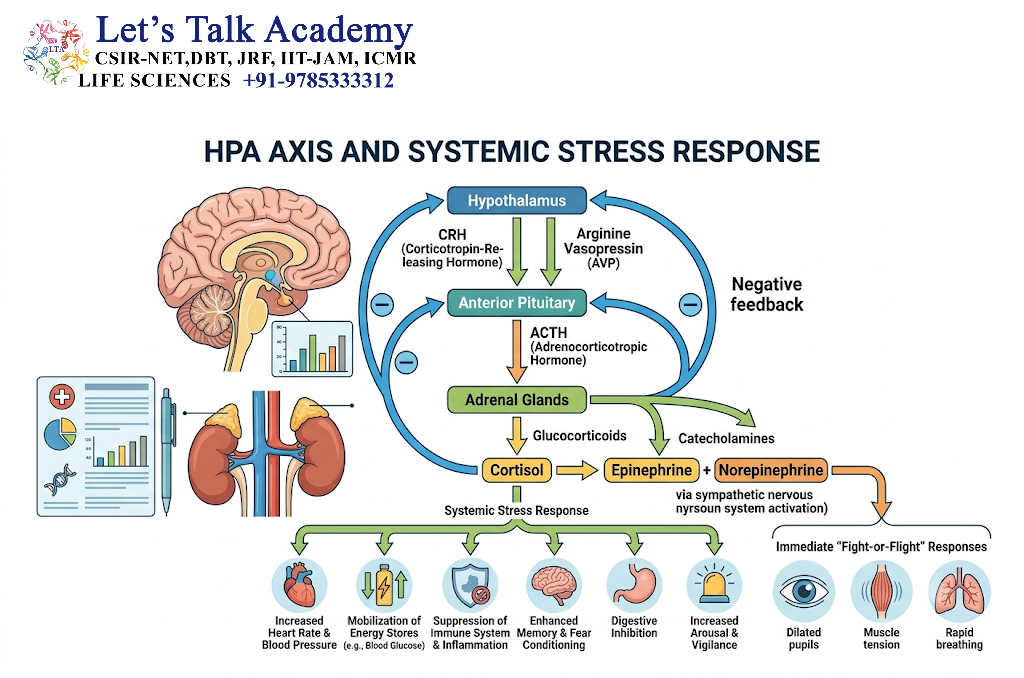
In animals, particularly mammals, stress is not limited to individual cells. The nervous and endocrine systems coordinate whole-body responses.
The hypothalamic-pituitary-adrenal (HPA) axis is a major component of systemic stress regulation.
17.2 HPA Axis
The basic pathway is:
Stress → Hypothalamus → CRH → Pituitary → ACTH → Adrenal cortex → Cortisol
17.3 Cortisol
Cortisol is a glucocorticoid hormone that helps regulate:
- Energy metabolism
- Glucose availability
- Immune activity
- Cardiovascular function
- Adaptation to stress
17.4 Acute Stress
Acute stress produces rapid physiological changes that help an organism respond to an immediate challenge.
17.5 Chronic Stress
Long-term stress can alter endocrine, metabolic, immune, and neurological functions.
18. Cell Survival and Adaptation
18.1 Protective Adaptation
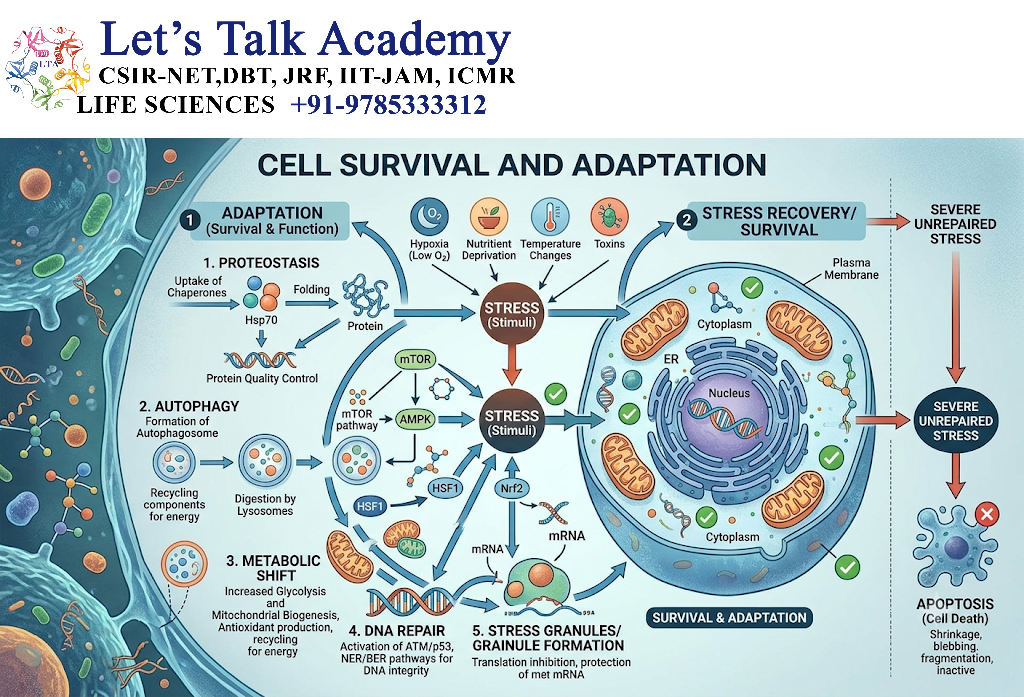
The primary goal of most stress responses is survival.
Cells can increase:
- Chaperone production
- Antioxidant defenses
- DNA repair
- Autophagy
- Metabolic flexibility
18.2 Cellular Senescence
Persistent stress can cause cells to enter a stable state of growth arrest called cellular senescence.
Senescent cells remain metabolically active but generally stop proliferating.
18.3 Stress Memory
Some cells can retain altered physiological states after an initial stress exposure.
This phenomenon is called stress memory and is particularly important in plants and microorganisms, although stress-induced memory mechanisms also occur in other biological systems.
19. Stress-Induced Apoptosis
19.1 Apoptosis
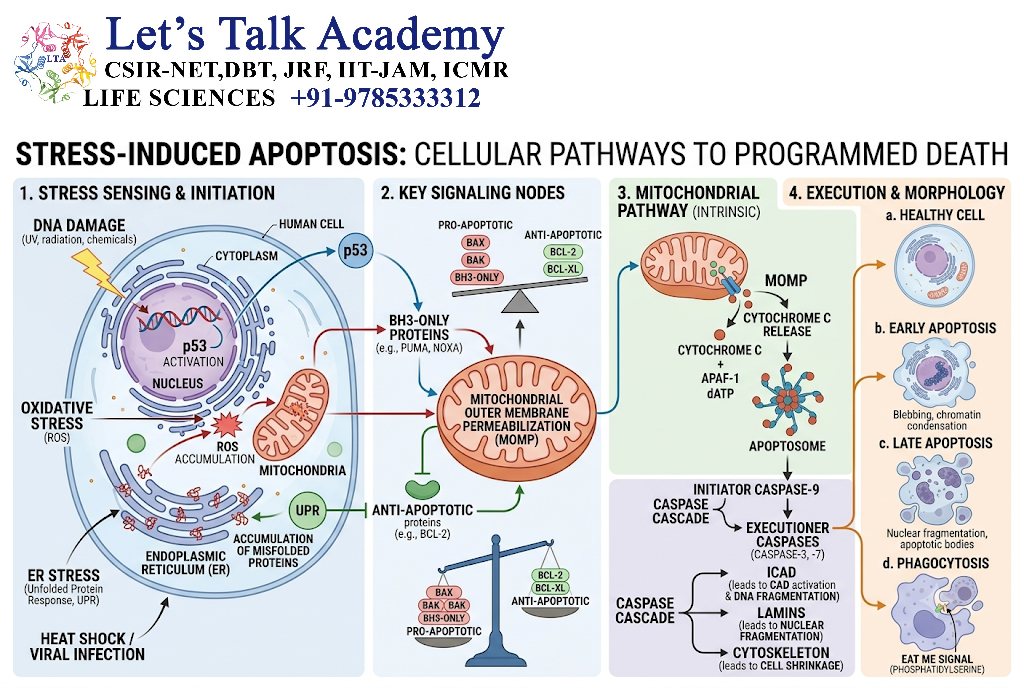
Apoptosis is a regulated form of cell death.
It can be activated when cellular damage becomes too severe for effective recovery.
19.2 Intrinsic Pathway
Severe stress can damage mitochondria and promote activation of the intrinsic apoptotic pathway.
General sequence:
Stress → Mitochondrial damage → Cytochrome c release → Apoptosome → Caspase-9 → Caspase-3/7 → Apoptosis
19.3 Extrinsic Pathway
Stress-related signaling can also influence death-receptor pathways.
These can activate initiator caspases such as caspase-8.
19.4 Biological Importance
Stress-induced apoptosis prevents severely damaged cells from continuing to function abnormally or transmitting dangerous genetic defects.
20. Stress Response and Autophagy
20.1 Definition
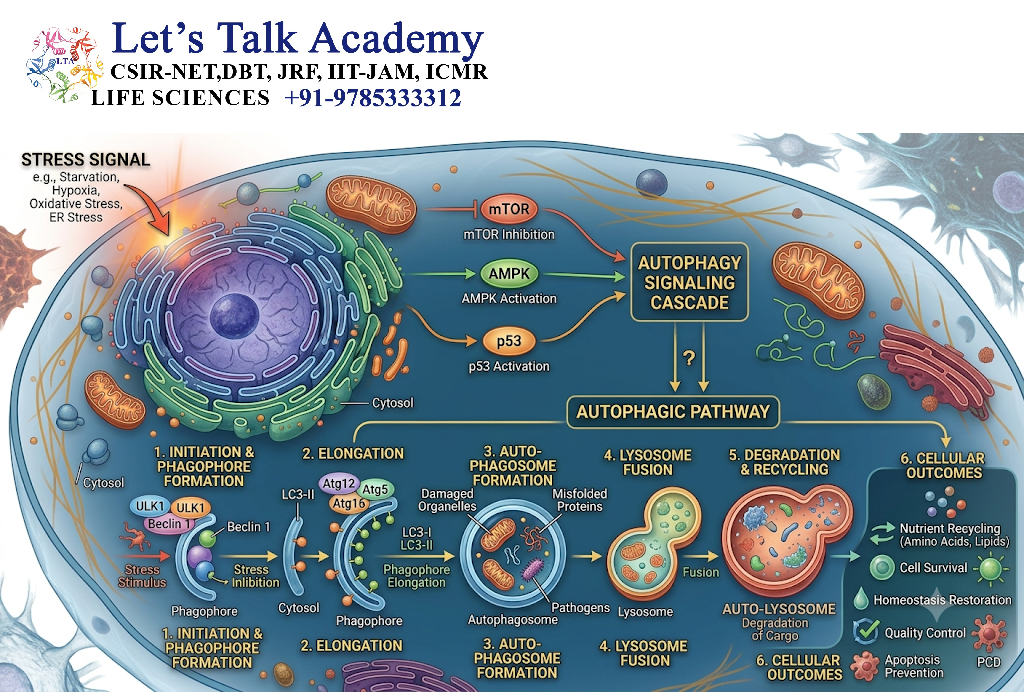
Autophagy is a cellular degradation and recycling process.
It allows cells to remove:
- Damaged proteins
- Damaged organelles
- Protein aggregates
20.2 Autophagy During Stress
Stress can activate autophagy to recycle cellular components and generate useful metabolites.
20.3 Relationship with Survival
Moderate autophagy generally supports adaptation and survival.
However, excessive or dysregulated autophagy can be associated with cellular dysfunction and disease.
20.4 AMPK and mTOR
Two important regulators are:
- AMPK
- mTOR
Energy stress often activates AMPK, whereas nutrient abundance generally supports mTOR activity.
21. Stress Response in Plants
21.1 Abiotic Stress
Plants experience:
- Drought
- Salinity
- Heat
- Cold
- Flooding
- Oxidative stress
21.2 Biotic Stress
Plants also respond to:
- Pathogens
- Herbivores
- Insects
21.3 Plant Hormones
Important signaling molecules include:
- Abscisic acid
- Salicylic acid
- Jasmonic acid
- Ethylene
21.4 Drought Response
During drought, plants increase abscisic acid signaling, which contributes to stomatal closure and water conservation.
21.5 Heat Stress
Plants increase heat shock proteins and other protective mechanisms during elevated temperatures.
22. Stress Response in Microorganisms
22.1 Environmental Stress
Microorganisms experience:
- Temperature changes
- pH changes
- Osmotic stress
- Oxidative stress
- Nutrient limitation
22.2 Bacterial Stress Responses
Bacteria use regulatory systems to modify gene expression during unfavorable conditions.
22.3 General Stress Response
Some bacteria activate broad stress-response programs that increase resistance to multiple environmental challenges.
22.4 Importance
Stress adaptation allows microorganisms to survive rapidly changing environments and contributes to their ecological success.
23. Stress Response in Animals
23.1 Cellular Response
Animal cells use:
- Heat shock proteins
- Antioxidant systems
- DNA repair
- Autophagy
- Apoptosis
23.2 Nervous System
The nervous system detects environmental threats and coordinates rapid responses.
23.3 Endocrine Response
Hormones such as adrenaline and cortisol help coordinate systemic responses.
23.4 Immune Response
Stress can influence immune cell activity and inflammatory signaling.
24. Acute and Chronic Stress
24.1 Acute Stress
Acute stress is short-term.
Examples include:
- Sudden environmental changes
- Temporary nutrient deficiency
- Short-term heat exposure
The response is generally rapid and adaptive.
24.2 Chronic Stress
Chronic stress persists for a prolonged period.
Continuous activation of stress pathways can interfere with:
- Metabolism
- Growth
- Immune regulation
- Cellular repair
- Tissue homeostasis
24.3 Comparison
| Feature | Acute Stress | Chronic Stress |
|---|---|---|
| Duration | Short | Long |
| Main purpose | Immediate adaptation | Long-term adaptation |
| Response | Rapid | Persistent |
| Recovery | Usually rapid | May be incomplete |
| Cellular damage | Usually limited | Can accumulate |
25. Stress Response and Disease
25.1 Cancer
Cancer cells frequently experience:
- Oxidative stress
- ER stress
- DNA damage
- Metabolic stress
- Hypoxia
Cancer cells may modify stress responses to survive unfavorable conditions.
25.2 Neurodegenerative Disorders
Accumulation of misfolded proteins, oxidative stress, mitochondrial dysfunction, and impaired protein quality control can contribute to neurodegenerative processes.
25.3 Metabolic Disorders
Altered ER stress, oxidative stress, and metabolic signaling can contribute to metabolic dysfunction.
25.4 Inflammation
Stress pathways can interact with inflammatory signaling networks.
Excessive or prolonged activation may contribute to chronic tissue injury.
26. Integrated Stress Response
26.1 Concept
The integrated stress response (ISR) is a conserved cellular program that coordinates responses to diverse types of stress.
26.2 Major Features
The ISR commonly involves:
- eIF2α phosphorylation
- Reduced global translation
- Selective translation of stress-response proteins
- ATF4 activation
- Metabolic adaptation
26.3 General Mechanism
Stress → Stress sensor kinase → eIF2α phosphorylation → Reduced general translation → Selective ATF4 translation → Stress-adaptive gene expression
26.4 Biological Importance
The ISR helps cells conserve resources while selectively producing proteins required for adaptation.
27. Molecular Regulation of Stress Response
Stress responses must be carefully regulated.
Important regulatory mechanisms include:
27.1 Phosphorylation
Changes protein activity rapidly.
27.2 Ubiquitination
Marks proteins for degradation or changes their signaling functions.
27.3 Transcriptional Regulation
Changes the production of stress-response proteins.
27.4 Epigenetic Regulation
Stress can influence:
- DNA methylation
- Histone modifications
- Chromatin structure
- Non-coding RNAs
27.5 Protein Degradation
Proteasomes and lysosomes remove damaged or unnecessary proteins.
28. Stress Response and Protein Homeostasis
28.1 Proteostasis
Proteostasis refers to maintenance of a functional protein population within cells.
It includes:
- Protein synthesis
- Protein folding
- Protein trafficking
- Protein refolding
- Protein degradation
28.2 Molecular Chaperones
Chaperones prevent inappropriate protein aggregation and assist correct folding.
28.3 Ubiquitin-Proteasome System
Damaged proteins can be tagged with ubiquitin and directed to the proteasome for degradation.
28.4 Autophagic Degradation
Large protein aggregates and damaged organelles can be removed through autophagy.
29. Stress Response and Cell-Cycle Regulation
Stress can temporarily stop cell division.
29.1 Checkpoint Activation
DNA damage and metabolic stress can activate checkpoints.
29.2 Cell-Cycle Arrest
Arrest gives the cell time to:
- Repair DNA
- Restore energy
- Remove damaged proteins
29.3 Recovery
If stress is successfully resolved, the cell may resume proliferation.
29.4 Irreversible Outcomes
If damage remains severe, the cell may enter:
- Senescence
- Apoptosis
30. Stress Response and Epigenetic Regulation
30.1 DNA Methylation
Stress can alter DNA methylation patterns and thereby influence gene expression.
30.2 Histone Modification
Changes in histone acetylation and methylation can modify chromatin accessibility.
30.3 Chromatin Remodeling
Stress-responsive transcription factors may require chromatin remodeling to access target genes.
30.4 Non-Coding RNAs
MicroRNAs and other non-coding RNAs can regulate stress-response genes at the post-transcriptional level.
31. Experimental Study of Stress Response
31.1 Gene Expression Analysis
Stress-responsive genes can be studied using:
- RT-qPCR
- RNA sequencing
31.2 Protein Analysis
Protein responses can be examined using:
- Western blotting
- Immunofluorescence
- ELISA
31.3 ROS Measurement
Fluorescent probes can be used to estimate intracellular ROS.
31.4 Apoptosis Detection
Common methods include:
- Annexin V staining
- Caspase assays
- TUNEL assay
- Flow cytometry
31.5 Cell Viability Assays
Stress-induced changes in cell survival can be examined using metabolic or membrane-integrity assays.
32. Major Stress-Response Pathways
| Stress | Major Sensor/Regulator | Important Response |
|---|---|---|
| Heat stress | HSF1 | Heat shock proteins |
| Oxidative stress | NRF2 | Antioxidant defense |
| DNA damage | ATM/ATR, p53 | Repair/checkpoint |
| ER stress | IRE1, PERK, ATF6 | UPR |
| Hypoxia | HIF | Metabolic adaptation |
| Energy stress | AMPK | Energy conservation |
| Nutrient stress | AMPK/mTOR-related pathways | Metabolic adaptation |
| Osmotic stress | Osmosensors/signaling pathways | Volume regulation |
| Protein misfolding | Chaperone/UPR systems | Proteostasis |
33. Integrated Stress Response Flowchart
Environmental or intracellular stress
↓
Cellular stress detection
↓
Activation of molecular sensors
↓
Signal transduction
↓
Activation of transcription factors
↓
Alteration of gene expression
↓
Protein-quality control + DNA repair + antioxidant defense + metabolic adaptation
↓
Restoration of homeostasis
↓
Cell survival and adaptation
OR
↓
Persistent/severe damage
↓
Senescence or apoptosis
34. Relationship Between Major Stress Pathways
Stress responses do not work independently.
For example:
Oxidative stress → DNA damage → ATM/p53 activation → Cell-cycle arrest
Similarly:
Protein misfolding → ER stress → UPR → Autophagy
And:
Energy depletion → AMPK activation → Reduced anabolic activity + Increased catabolism
Therefore, cellular stress response is best understood as an interconnected regulatory network.
35. Important Stress-Response Molecules
| Molecule | Major Function |
|---|---|
| HSF1 | Heat shock response |
| HSP70 | Protein folding/protection |
| HSP90 | Protein stabilization |
| NRF2 | Antioxidant defense |
| p53 | DNA damage response |
| ATM | DNA damage signaling |
| ATR | Replication stress/DNA damage |
| HIF | Hypoxia response |
| AMPK | Energy sensing |
| mTOR | Nutrient/growth signaling |
| PERK | ER stress signaling |
| IRE1 | ER stress signaling |
| ATF6 | ER stress transcriptional response |
| ATF4 | Integrated stress response |
| JNK | Stress signaling |
| p38 | Stress/inflammatory signaling |
| FOXO | Stress resistance and metabolism |
36. Stress Response: Survival Versus Cell Death
The final outcome of stress depends on several factors:
- Stress intensity
- Stress duration
- Type of stress
- Cell type
- Cellular energy status
- DNA damage
- Ability to repair damage
- Antioxidant capacity
Mild Stress
Stress → Adaptation → Recovery
Moderate Persistent Stress
Stress → Adaptation → Senescence/dysfunction
Severe Stress
Stress → Irreversible damage → Apoptosis or other forms of cell death


