
1. Introduction to Immune Modulation
The immune system is a highly organized biological defense network that protects the body from pathogens, abnormal cells, toxins, and other potentially harmful substances. However, effective immunity is not simply a matter of activating immune cells as strongly as possible. The immune response must be carefully controlled so that it is strong enough to eliminate a threat but sufficiently regulated to prevent unnecessary tissue damage.
Immune modulation refers to the alteration, regulation, enhancement, or suppression of immune responses. It involves a complex interaction among immune cells, cytokines, chemokines, antibodies, receptors, signaling pathways, hormones, metabolic factors, and environmental influences.
A useful way to understand immune modulation is to divide it into primary immune modulation and secondary immune modulation. These terms can be used to describe different levels or stages at which immune responses are regulated. Primary modulation is generally associated with the initial establishment and direct control of immune responses, whereas secondary modulation involves subsequent regulation, amplification, suppression, feedback, and adaptation of an immune response.
The distinction is particularly useful when studying how the immune system moves from recognition of an antigen to activation, effector function, resolution, memory formation, and maintenance of immune tolerance.
Immune modulation is therefore not a single event. It is a continuous process that operates throughout the life of an immune response.
2. Basic Concept of Immune Modulation
2.1 Definition of Immune Modulation
Immune modulation is the process through which the magnitude, duration, direction, and quality of an immune response are controlled.
Depending on the biological situation, immune modulation may result in:
- Enhancement of immune activity
- Suppression of immune activity
- Maintenance of immune tolerance
- Development of immunological memory
- Regulation of inflammation
- Alteration of immune-cell differentiation
- Modification of cytokine production
- Changes in antibody production
- Regulation of antigen presentation
Thus, immune modulation can be either immunostimulatory or immunosuppressive.
For example, activation of dendritic cells and increased production of inflammatory cytokines can enhance immunity during an infection. In contrast, regulatory T cells and anti-inflammatory cytokines can suppress excessive immune activation after the threat has been controlled.
2.2 Why Immune Modulation Is Necessary
An uncontrolled immune response can be harmful. Excessive or prolonged immune activation may contribute to chronic inflammation, tissue injury, hypersensitivity reactions, and autoimmune disease.
On the other hand, insufficient immune activity can increase susceptibility to infections and may reduce the body’s ability to eliminate abnormal cells.
Therefore, the immune system must maintain a delicate balance between:
Immune activation ↔ Immune regulation
This balance is sometimes described as immune homeostasis.
A successful immune response generally follows a coordinated sequence:
Recognition → Activation → Expansion → Effector response → Regulation → Resolution → Memory
Immune modulation can influence almost every step in this sequence.
3. Primary Immune Modulation
3.1 Concept of Primary Immune Modulation
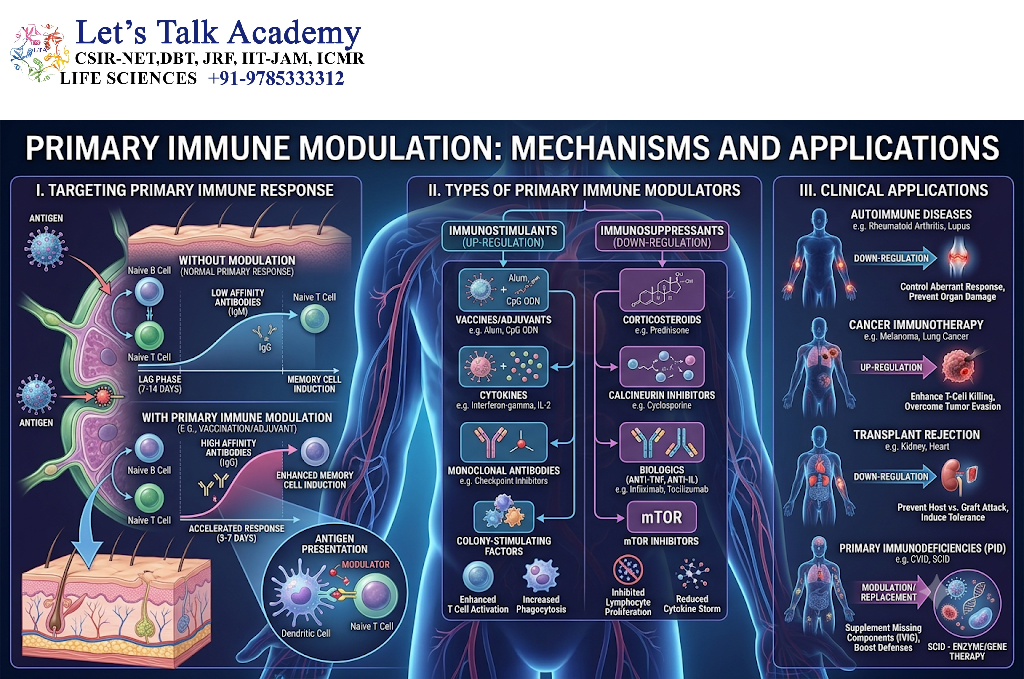
Primary immune modulation refers to the initial and direct mechanisms that determine how an immune response begins and how immune cells are programmed to respond to an antigen or danger signal.
At this level, important processes include:
- Antigen recognition
- Receptor engagement
- Antigen presentation
- Co-stimulation
- Initial cytokine signaling
- Activation of innate immune cells
- Activation and differentiation of lymphocytes
Primary modulation determines whether an immune response will be initiated and establishes much of its early character.
3.2 Recognition of Antigens
The first major step in an adaptive immune response is recognition of an antigen.
B lymphocytes recognize antigens through B-cell receptors (BCRs), whereas T lymphocytes recognize peptide antigens presented by major histocompatibility complex molecules through T-cell receptors (TCRs).
T-cell recognition can be broadly divided into:
- CD8⁺ T-cell recognition of peptides presented by MHC class I
- CD4⁺ T-cell recognition of peptides presented by MHC class II
This recognition provides specificity to the adaptive immune response.
However, antigen recognition alone is usually not sufficient for complete T-cell activation.
3.3 Antigen Presentation
Antigen-presenting cells play a central role in primary immune modulation.
Important professional antigen-presenting cells include:
- Dendritic cells
- Macrophages
- B lymphocytes
Among these, dendritic cells are particularly important in initiating primary T-cell responses.
Dendritic cells capture antigens in peripheral tissues and process them into peptide fragments. These peptides are loaded onto MHC molecules and presented to T cells in lymphoid tissues.
The interaction between the antigen-presenting cell and the T cell determines whether the T cell becomes activated, tolerant, or functionally altered.
3.4 Co-Stimulation
T-cell activation depends on more than antigen recognition.
A classical model of T-cell activation involves three signals.
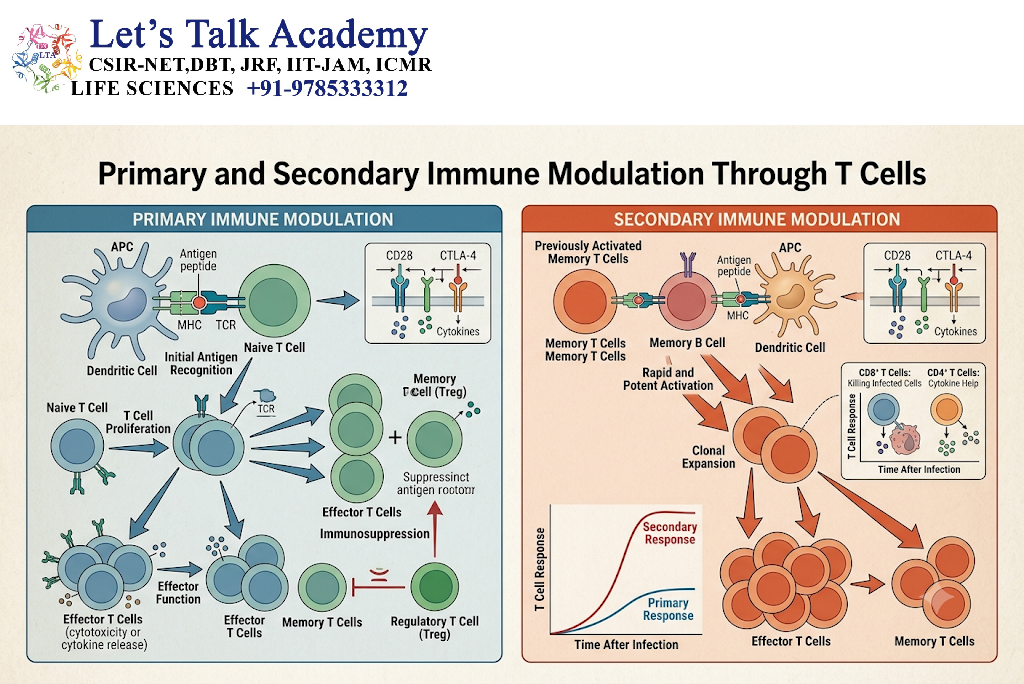
Signal 1: TCR recognition of the peptide-MHC complex.
Signal 2: Co-stimulatory interaction between molecules on the antigen-presenting cell and T cell.
Signal 3: Cytokines that influence T-cell differentiation and functional specialization.
One important co-stimulatory interaction is:
CD80/CD86 on antigen-presenting cells → CD28 on T cells
This interaction promotes effective T-cell activation.
If antigen recognition occurs without adequate co-stimulation, the T cell may become functionally unresponsive, a state known as anergy.
This mechanism helps prevent inappropriate immune responses against harmless or self-antigens.
4. Primary Modulation by Innate Immunity
4.1 Role of Innate Immune Recognition
Innate immunity provides the first layer of immune recognition.
Innate immune cells detect conserved molecular patterns associated with microorganisms or tissue damage.
These include:
- Pathogen-associated molecular patterns
- Damage-associated molecular patterns
They are detected by pattern-recognition receptors.
Important pattern-recognition receptors include:
- Toll-like receptors
- NOD-like receptors
- RIG-I-like receptors
- C-type lectin receptors
- Cytosolic DNA sensors
Activation of these receptors initiates intracellular signaling pathways that influence inflammation and adaptive immunity.
4.2 Toll-Like Receptors
Toll-like receptors are among the best-studied pattern-recognition receptors.
Different TLRs recognize different molecular structures.
For example, some TLRs recognize components associated with bacterial membranes, while others detect microbial nucleic acids.
TLR activation can stimulate signaling pathways involving transcription factors such as:
- NF-κB
- AP-1
- Interferon regulatory factors
These pathways promote expression of cytokines, chemokines, adhesion molecules, and other immune mediators.
4.3 Cytokines in Primary Immune Modulation
Cytokines are small signaling proteins that regulate communication between immune cells.
Important cytokines include:
- Interleukin-1
- Interleukin-2
- Interleukin-4
- Interleukin-6
- Interleukin-10
- Interleukin-12
- Interleukin-17
- Tumor necrosis factor
- Interferons
Cytokines can have overlapping, complementary, or opposing effects.
For example, IL-12 promotes differentiation toward a Th1-type response, whereas IL-4 promotes Th2 differentiation. IL-10 generally contributes to immune regulation and limitation of inflammatory responses.
Thus, cytokines are major determinants of the direction of immune modulation.
5. Secondary Immune Modulation
5.1 Concept of Secondary Immune Modulation
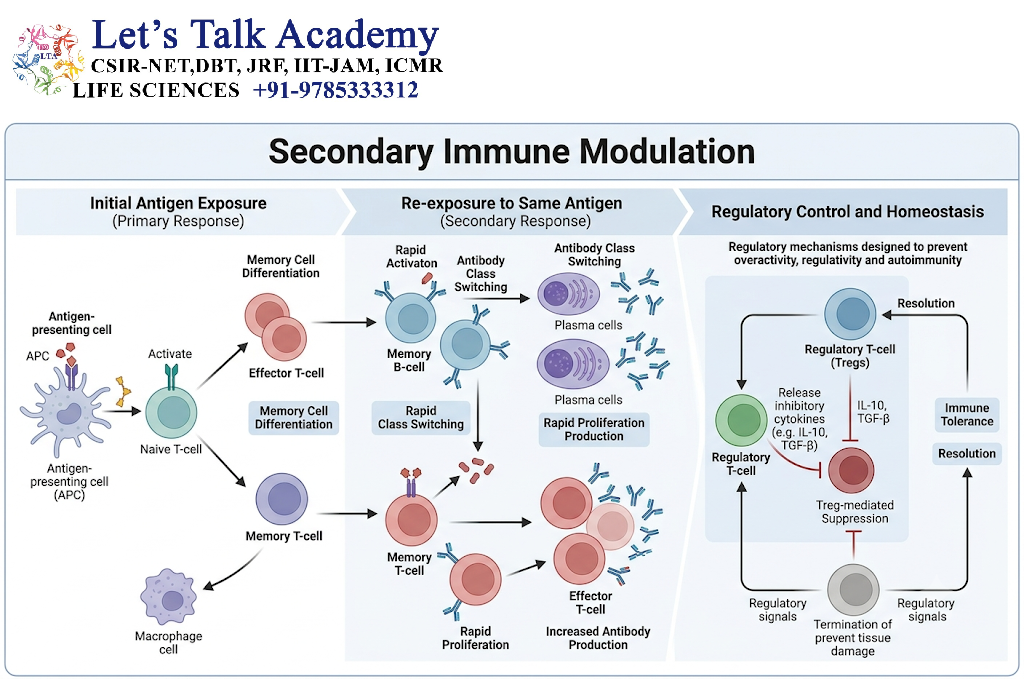
Secondary immune modulation refers to regulatory processes that occur after the initial immune response has been established.
These mechanisms help determine:
- How strongly the response continues
- How long the response persists
- Which immune-cell populations dominate
- Whether inflammation is amplified or suppressed
- How tissue damage is prevented
- Whether memory cells are generated
- How immune tolerance is restored
Secondary modulation is particularly important because immune activation must eventually be controlled.
5.2 Feedback Regulation
Immune responses are controlled through feedback mechanisms.
Positive feedback increases immune activity, while negative feedback limits it.
For example, inflammatory cytokines can activate additional immune cells, resulting in increased cytokine production and further recruitment of leukocytes.
This can be beneficial during infection but dangerous when prolonged.
Negative feedback mechanisms subsequently reduce the response.
Anti-inflammatory mediators such as IL-10 and transforming growth factor beta contribute to this regulatory process.
5.3 Regulatory T Cells
Regulatory T cells, commonly called Treg cells, are central regulators of immune tolerance.
They help prevent excessive immune activation and limit potentially harmful responses against self-antigens.
Treg cells can suppress immune responses through several mechanisms, including:
- Secretion of regulatory cytokines
- Modulation of antigen-presenting cells
- Consumption of growth factors
- Direct suppression of effector T cells
A transcription factor strongly associated with regulatory T-cell development and function is FOXP3.
Defects in regulatory T-cell development or function can contribute to loss of immune tolerance and autoimmune disease.
6. Primary and Secondary Immune Modulation Through T Cells
6.1 T-Cell Activation
T cells undergo several stages of activation and differentiation.
Naive T cells encounter antigen in lymphoid organs. Following appropriate antigen recognition, co-stimulation, and cytokine signaling, they undergo clonal expansion.
The resulting effector T cells acquire specialized functions.
CD4⁺ T cells can differentiate into several functional subsets, including:
- Th1 cells
- Th2 cells
- Th17 cells
- T follicular helper cells
- Regulatory T cells
Each subset is associated with characteristic cytokines, transcription factors, and biological functions.
6.2 Th1-Mediated Modulation
Th1 cells are strongly associated with cell-mediated immunity.
They produce cytokines such as interferon-gamma and support macrophage activation.
Th1 responses are particularly important in defense against many intracellular pathogens.
However, excessive Th1 activity can contribute to inflammatory and autoimmune pathology.
6.3 Th2-Mediated Modulation
Th2 cells are associated with responses involving extracellular parasites and allergic inflammation.
Important Th2-associated cytokines include:
- IL-4
- IL-5
- IL-13
IL-4 promotes B-cell class switching toward IgE production, while IL-5 supports eosinophil responses.
A prolonged or excessive Th2 response may contribute to allergic diseases.
6.4 Th17-Mediated Modulation
Th17 cells are important in mucosal immunity and defense against certain extracellular microorganisms.
IL-17 promotes inflammatory responses and contributes to recruitment and activation of neutrophils.
Th17 responses are useful in host defense but excessive Th17 activity has been associated with several inflammatory and autoimmune conditions.
6.5 T Follicular Helper Cells
T follicular helper cells provide specialized assistance to B cells within lymphoid follicles.
They support:
- Germinal-center formation
- B-cell proliferation
- Somatic hypermutation
- Affinity maturation
- Antibody class switching
- Memory B-cell formation
Thus, T follicular helper cells are an important component of secondary immune modulation because they influence the quality and persistence of humoral immunity.
7. B Cells and Antibody-Mediated Immune Modulation
7.1 B-Cell Activation
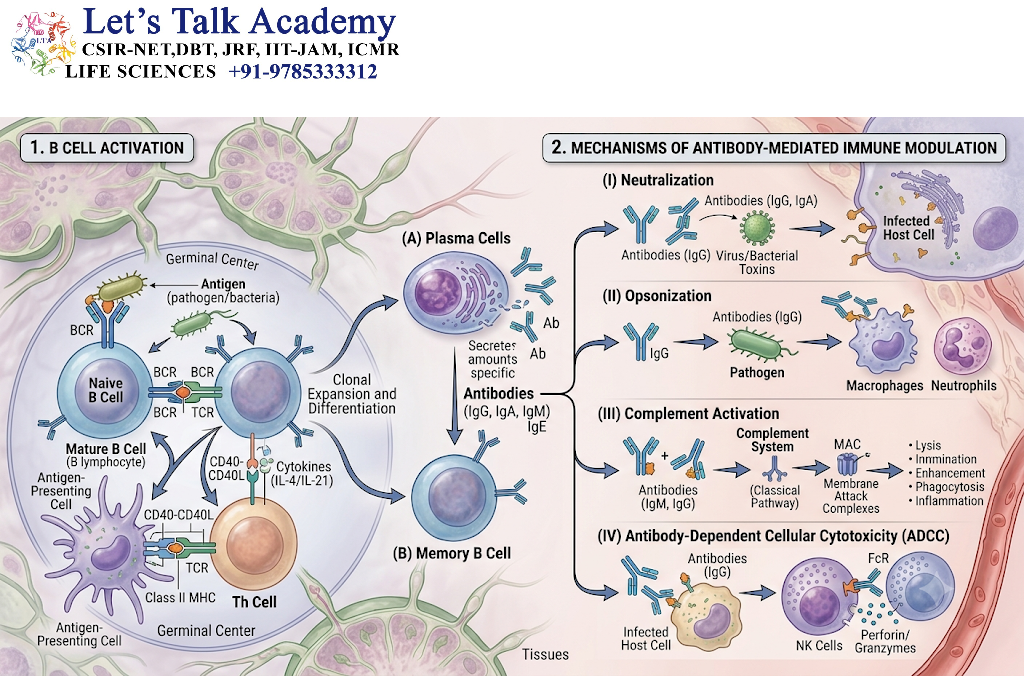
B cells can be activated through antigen recognition and, for many antigens, through interaction with helper T cells.
Activated B cells differentiate into:
- Plasma cells
- Memory B cells
Plasma cells produce antibodies, while memory B cells provide long-lasting immunological responsiveness.
7.2 Antibody Functions
Antibodies contribute to immune protection through several mechanisms:
- Neutralization
- Opsonization
- Complement activation
- Agglutination
- Antibody-dependent cellular cytotoxicity
Antibodies can therefore influence both the elimination of pathogens and the regulation of subsequent immune responses.
7.3 Antibody Class Switching
B cells can change the class of antibody they produce without changing the antigen specificity of their antigen receptor.
This process is called class-switch recombination.
The major antibody classes include:
- IgM
- IgG
- IgA
- IgE
- IgD
Different antibody classes perform different functions and are distributed differently throughout the body.
8. Immune Modulation by Macrophages
8.1 Macrophage Plasticity
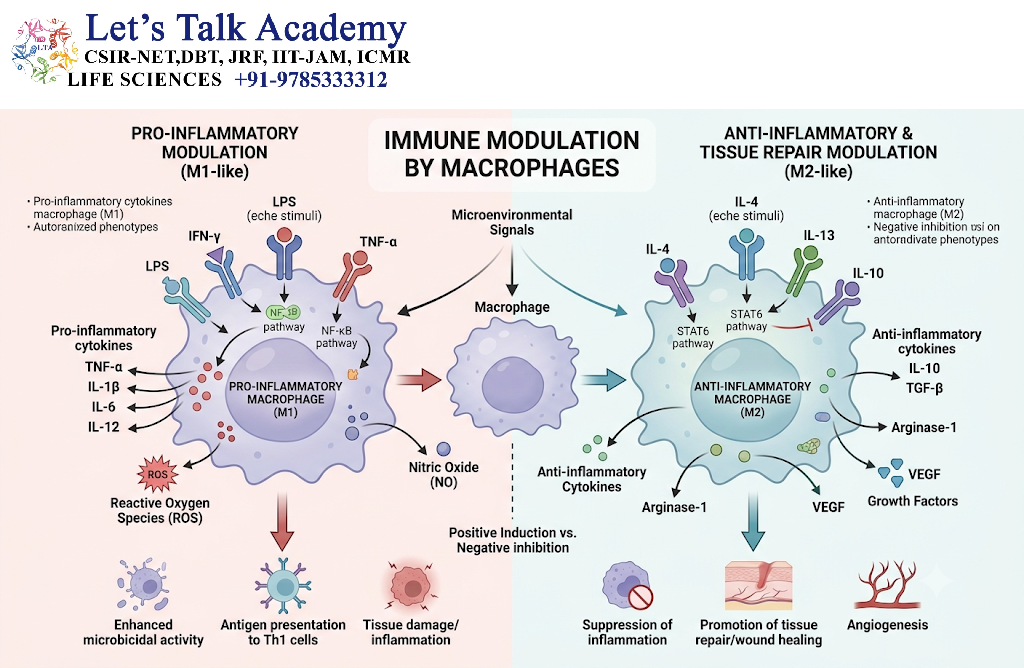
Macrophages are highly adaptable immune cells.
Their functional state is influenced by the surrounding cytokines, metabolites, tissue environment, and signals from pathogens or damaged cells.
Macrophage activation is often discussed using the simplified concepts of:
- Classically activated or M1-like macrophages
- Alternatively activated or M2-like macrophages
This classification is useful as a conceptual framework, although macrophage biology in living tissues is considerably more complex.
8.2 Pro-Inflammatory Macrophage Responses
M1-like macrophage activation is associated with inflammatory mediators and antimicrobial functions.
These macrophages can produce inflammatory cytokines and reactive molecules that help eliminate pathogens.
However, persistent inflammatory activation may damage surrounding tissues.
8.3 Regulatory and Repair-Associated Macrophage Responses
M2-like macrophage states are commonly associated with immune regulation, tissue repair, and resolution of inflammation.
They can contribute to:
- Tissue remodeling
- Wound healing
- Clearance of cellular debris
- Regulation of inflammation
The balance between inflammatory and regulatory macrophage activities is an important component of immune modulation.
9. Complement System and Immune Modulation
9.1 Overview of Complement
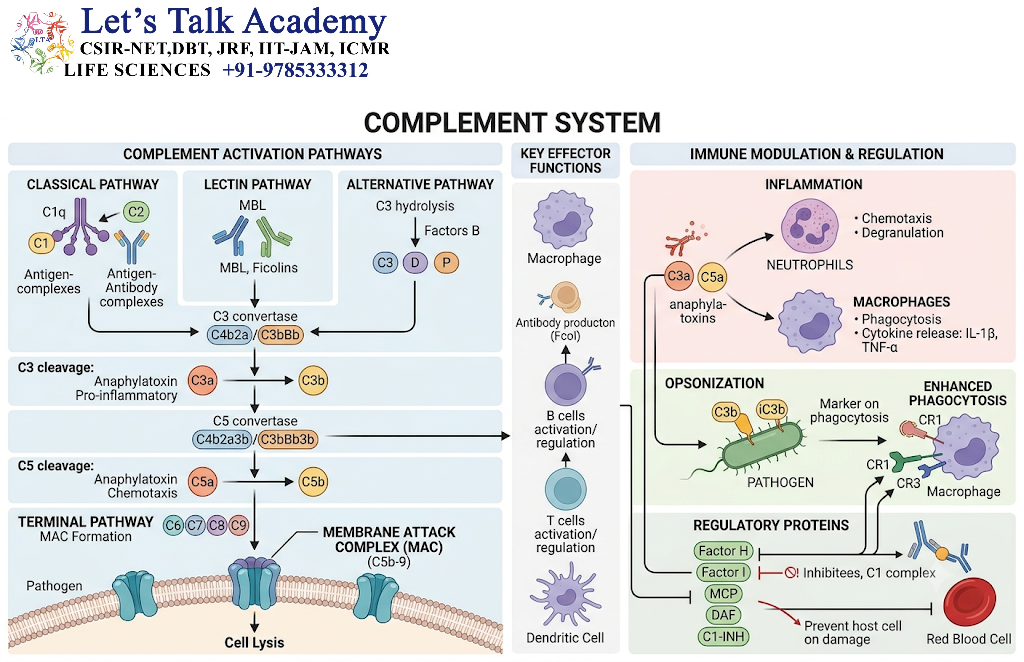
The complement system is a network of plasma proteins that supports immune defense.
It can be activated through three major pathways:
- Classical pathway
- Lectin pathway
- Alternative pathway
All three pathways can converge on the generation of complement components that promote inflammation, opsonization, and membrane attack complex formation.
9.2 Complement as an Immunomodulator
Complement does more than destroy microorganisms.
Complement fragments can influence:
- Leukocyte recruitment
- Inflammatory signaling
- Antigen presentation
- B-cell responses
- Clearance of immune complexes
Therefore, complement participates in both direct immune defense and broader immune regulation.
10. Immune Checkpoints and Secondary Modulation
10.1 Concept of Immune Checkpoints
Immune checkpoints are regulatory receptor-ligand systems that control immune-cell activation.
Two well-known examples include:
- CTLA-4
- PD-1
These molecules help prevent excessive T-cell activity.
10.2 CTLA-4
CTLA-4 competes with CD28 for binding to CD80 and CD86 on antigen-presenting cells.
Because CTLA-4 provides an inhibitory signal, it contributes to limiting T-cell activation.
10.3 PD-1
PD-1 is another inhibitory receptor expressed on activated T cells and certain other immune cells.
Interaction with its ligands can reduce T-cell signaling and effector activity.
These pathways illustrate how immune responses contain built-in inhibitory mechanisms that prevent prolonged activation.
11. Immune Tolerance as a Form of Immune Modulation
11.1 Central Tolerance
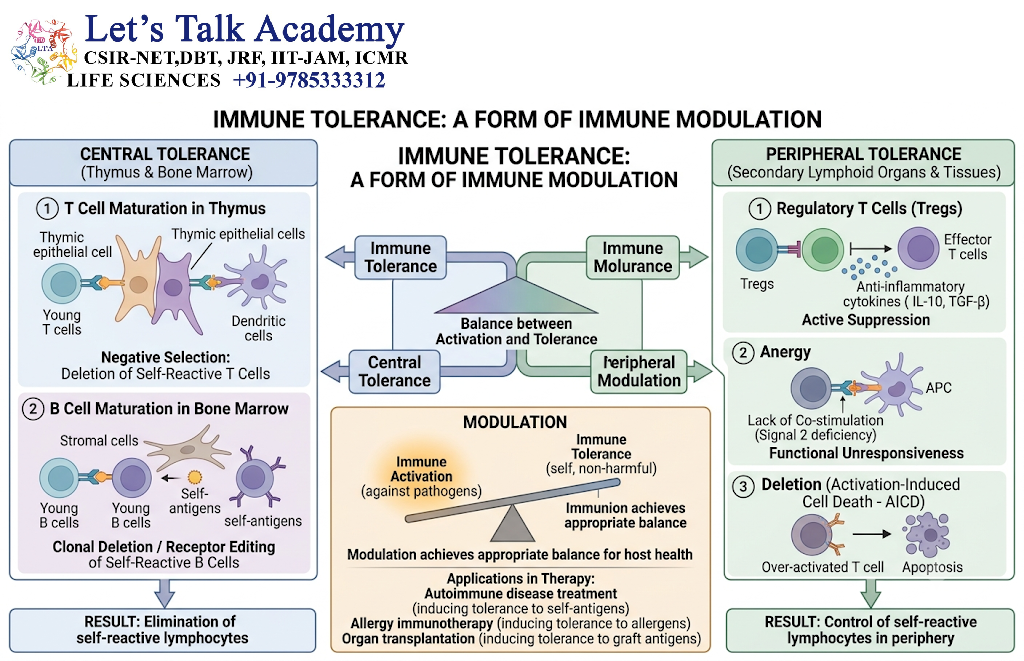
Central tolerance develops during lymphocyte maturation.
For T cells, central tolerance occurs primarily in the thymus.
Developing T cells that strongly recognize self-antigens can undergo deletion or other mechanisms of tolerance.
B-cell tolerance develops during B-cell maturation in the bone marrow and involves mechanisms that eliminate or alter strongly self-reactive B cells.
11.2 Peripheral Tolerance
Not every potentially self-reactive lymphocyte is eliminated during development.
Peripheral tolerance therefore provides additional protection.
Mechanisms include:
- Anergy
- Suppression by regulatory T cells
- Deletion
- Inhibitory receptor signaling
- Limited availability of co-stimulatory signals
Peripheral tolerance is essential for preventing inappropriate immune responses against normal tissues.
12. Cellular Signaling in Immune Modulation
12.1 Importance of Signal Transduction
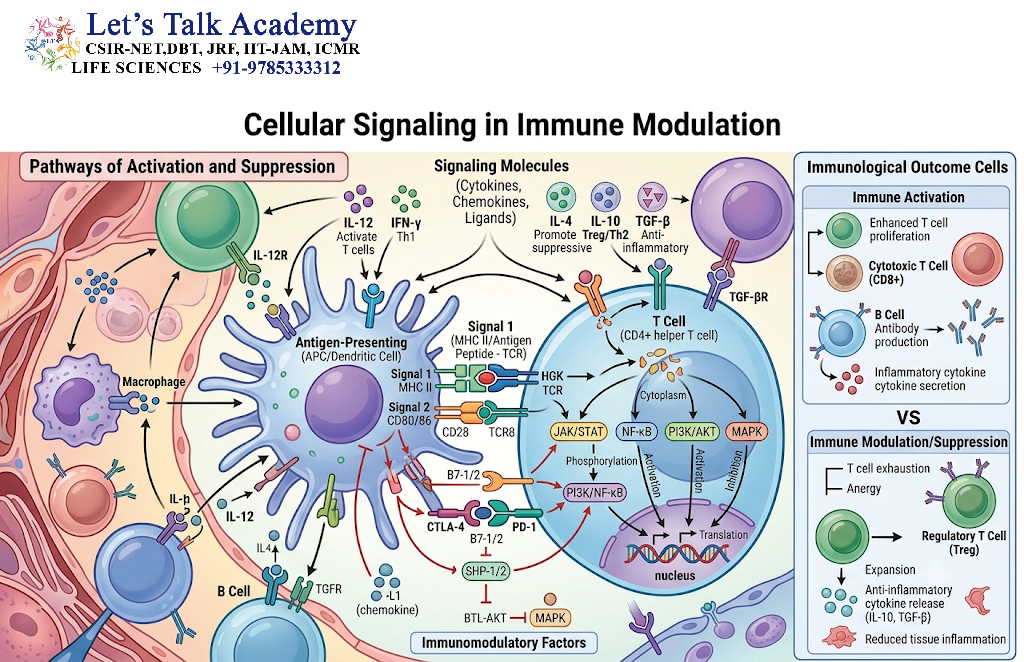
Immune-cell behavior depends on intracellular signaling pathways.
Receptor activation can trigger phosphorylation cascades that ultimately modify gene expression.
Important signaling systems include:
- JAK-STAT
- NF-κB
- MAPK
- PI3K-AKT
- Calcium-dependent signaling pathways
These pathways regulate cell survival, proliferation, differentiation, cytokine production, and metabolism.
12.2 JAK-STAT Pathway
Many cytokine receptors signal through the Janus kinase-signal transducer and activator of transcription pathway.
The general sequence is:
Cytokine binding → receptor activation → JAK activation → STAT phosphorylation → STAT dimerization → nuclear translocation → gene regulation
This pathway provides a direct mechanism through which extracellular cytokine signals alter gene expression.
12.3 NF-κB Signaling
NF-κB is an important transcription factor involved in inflammation and immune activation.
Activation of NF-κB can promote expression of genes involved in:
- Cytokine production
- Chemokine production
- Cell survival
- Inflammatory responses
- Immune-cell activation
Because NF-κB has broad effects, its activity is tightly regulated.
13. Role of Cytokine Networks in Immune Modulation
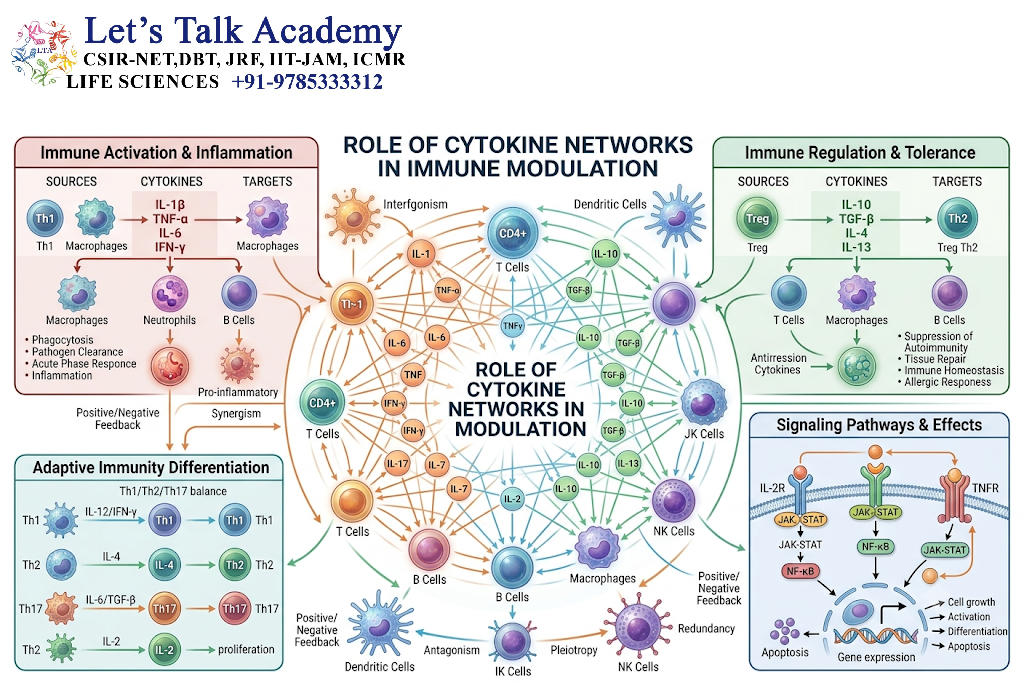
13.1 Cytokine Balance
Immune responses are governed by networks rather than isolated cytokines.
A cytokine may:
- Stimulate one cell type
- Suppress another
- Increase expression of receptors
- Alter differentiation
- Modify metabolism
- Change tissue behavior
The biological outcome depends on the concentration, timing, cellular context, and combination of cytokines.
13.2 Pro-Inflammatory Cytokines
Important inflammatory cytokines include:
- TNF
- IL-1
- IL-6
- IL-12
- IL-17
These molecules contribute to immune-cell activation and inflammatory responses.
13.3 Anti-Inflammatory Cytokines
Important regulatory cytokines include:
- IL-10
- TGF-β
These cytokines help limit inflammation and promote immune regulation under appropriate conditions.
It is important to understand that cytokines cannot always be divided into strictly inflammatory or anti-inflammatory categories because their effects can vary according to the biological context.
14. Immune Modulation During Inflammation
14.1 Initiation of Inflammation
Inflammation begins when immune or tissue cells detect infection, injury, or other danger signals.
This results in the production of inflammatory mediators and changes in the local blood vessels.
These changes facilitate the recruitment of immune cells to the affected tissue.
14.2 Leukocyte Recruitment
Leukocyte recruitment involves several coordinated stages:
Rolling → Adhesion → Transmigration → Chemotaxis → Activation
Selectins contribute to rolling, while integrins and adhesion molecules help establish firm attachment.
Chemokines then guide immune cells toward the site of inflammation.
14.3 Resolution of Inflammation
Inflammation must eventually be resolved.
Resolution involves:
- Reduction of inflammatory signaling
- Removal of inflammatory cells
- Clearance of cellular debris
- Restoration of tissue function
- Tissue repair
Failure to resolve inflammation can contribute to chronic inflammatory disease.
15. Metabolic Regulation of Immune Responses
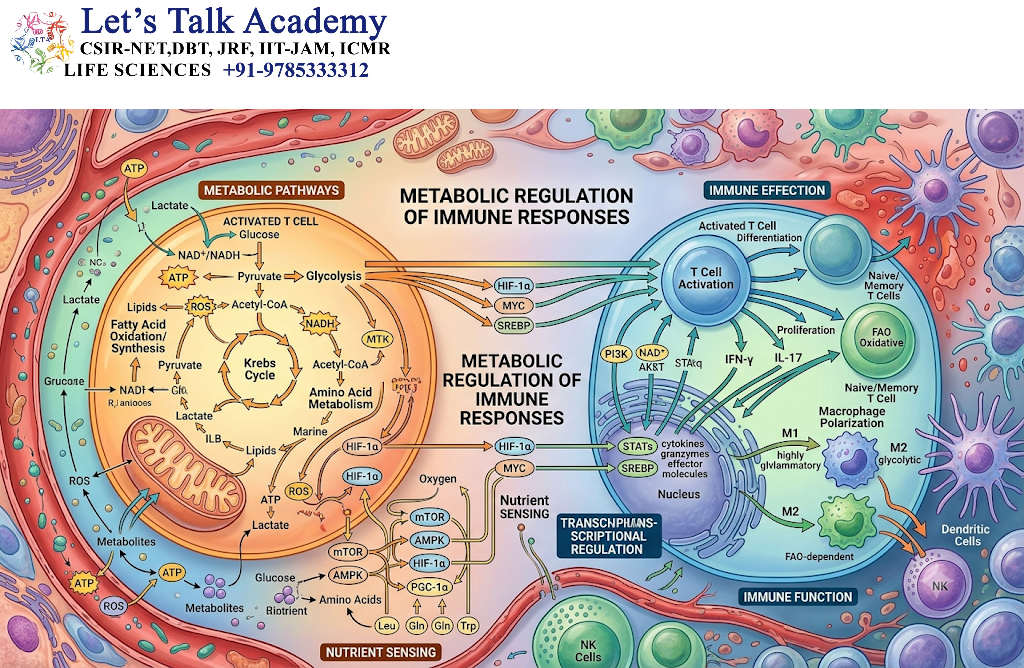
15.1 Immunometabolism
Immune-cell function is closely connected to cellular metabolism.
Activated immune cells can change their metabolic pathways to meet increased energy and biosynthetic demands.
For example, activated effector immune cells may increase glycolytic activity, whereas some regulatory and memory cells rely more heavily on oxidative metabolism and fatty-acid utilization.
15.2 Nutrient Availability
Glucose, amino acids, lipids, oxygen, and other metabolites influence immune-cell function.
The tissue environment can therefore alter immune responses by changing metabolic availability.
This relationship between metabolism and immunity is known as immunometabolism.
16. Neuroendocrine Regulation of Immunity
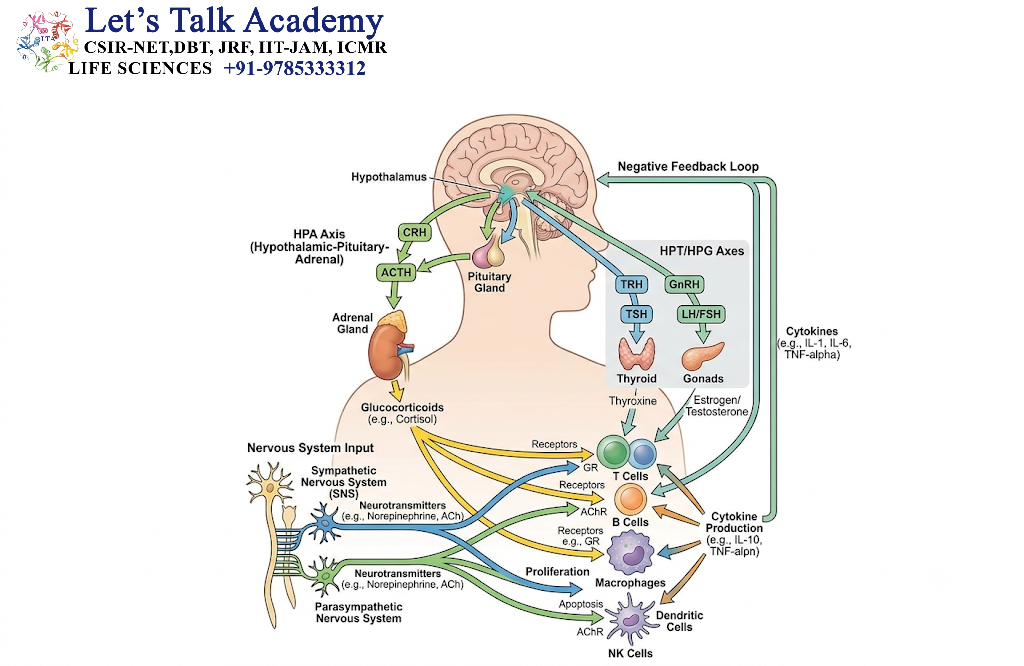
The immune system does not function independently of other physiological systems.
The nervous and endocrine systems can influence immune activity through:
- Hormones
- Neurotransmitters
- Stress mediators
- Autonomic signaling
The hypothalamic-pituitary-adrenal axis, for example, can influence immune and inflammatory responses through glucocorticoids.
This demonstrates that immune modulation is integrated with whole-body physiological regulation.
17. Microbiota and Immune Modulation
17.1 Gut Microbiota
The microorganisms living in the gastrointestinal tract have important effects on immune development and regulation.
The microbiota can influence:
- Development of immune cells
- Intestinal barrier function
- Regulatory T-cell responses
- Production of microbial metabolites
- Mucosal immunity
17.2 Microbial Metabolites
Microorganisms produce metabolites that can influence host immune cells.
Short-chain fatty acids, for example, can affect intestinal immune regulation and epithelial function.
Therefore, the relationship between host immunity and microorganisms is bidirectional.
18. Primary and Secondary Immune Modulation in Vaccination
Vaccination provides an excellent example of controlled immune modulation.
A vaccine introduces an antigen or antigenic information in a form designed to stimulate protective immunity without causing the disease associated with the pathogen.
The initial response involves antigen recognition and activation of innate and adaptive immune mechanisms.
Subsequently, the immune system generates:
- Antigen-specific antibodies
- Memory B cells
- Memory T cells
During later exposure to the same antigen, memory cells can produce a faster and stronger response.
This is an example of how primary immune activation can lead to long-term secondary immune responses.
19. Primary and Secondary Immune Responses
19.1 Primary Immune Response
The primary immune response occurs when the immune system encounters an antigen for the first time.
It generally involves:
- Antigen recognition
- Lymphocyte activation
- Clonal expansion
- Differentiation
- Effector-cell generation
- Antibody production
- Memory-cell formation
The initial response is generally slower because antigen-specific lymphocytes must first be activated and expanded.
19.2 Secondary Immune Response
A secondary immune response occurs when the same antigen is encountered again.
Memory B and T cells respond more rapidly than naive lymphocytes.
The secondary response can therefore be:
- Faster
- Stronger
- More sustained
- More antigen-specific
This principle forms an important basis for immunological memory.
20. Factors Affecting Immune Modulation
Immune responses are influenced by many internal and external factors.
Important factors include:
- Age
- Genetics
- Nutrition
- Sleep
- Physical activity
- Hormonal status
- Microbiota
- Infection history
- Environmental exposure
- Medications
- Chronic stress
- Metabolic health
These factors can influence immune-cell development, signaling, metabolism, and inflammatory responses.
21. Clinical Significance of Immune Modulation
Immune modulation has major importance in medicine because many diseases involve either excessive or inadequate immune activity.
21.1 Autoimmune Diseases
In autoimmune disorders, immune responses are directed against self-components.
Examples include:
- Rheumatoid arthritis
- Systemic lupus erythematosus
- Multiple sclerosis
- Type 1 diabetes
Immune-modulating approaches may aim to reduce pathological immune activation while preserving protective immunity.
21.2 Allergic Diseases
Allergic disorders involve inappropriate immune responses to otherwise harmless environmental substances.
Examples include:
- Asthma
- Allergic rhinitis
- Atopic dermatitis
Regulation of IgE production, mast-cell activation, eosinophil responses, and cytokine networks is important in allergic inflammation.
21.3 Immunodeficiency
When immune responses are insufficient, individuals may become unusually susceptible to infection.
Immunodeficiency can result from:
- Genetic abnormalities
- Acquired conditions
- Certain infections
- Immunosuppressive therapies
- Malnutrition
Understanding immune modulation is important for developing approaches that restore immune function.
21.4 Cancer Immunology
Tumors can modify their surrounding immune environment to reduce effective anti-tumor immunity.
Tumor cells and associated stromal or immune cells may produce immunosuppressive signals.
Immune checkpoint pathways, regulatory immune cells, cytokines, and metabolic conditions can all influence the interaction between tumors and the immune system.
22. Therapeutic Immune Modulation
Immune modulation can be achieved therapeutically by either enhancing or suppressing immune activity.
22.1 Immunostimulation
Immunostimulatory approaches aim to strengthen immune responses.
They may be useful when immune activity is insufficient.
Examples include approaches designed to enhance:
- Antigen presentation
- T-cell activation
- Antibody responses
- Innate immune signaling
22.2 Immunosuppression
Immunosuppressive approaches reduce immune activity.
They may be used when excessive immune activation causes tissue damage.
Examples of immunosuppressive agents include:
- Glucocorticoids
- Calcineurin inhibitors
- Antimetabolites
- Certain biologic agents
The objective is generally to control pathological immune activity while minimizing unwanted suppression of protective immunity.
23. Important Differences Between Primary and Secondary Immune Modulation
Primary and secondary immune modulation are closely connected rather than completely independent processes.
| Feature | Primary Immune Modulation | Secondary Immune Modulation |
|---|---|---|
| General role | Initiates and establishes immune responses | Regulates and modifies established responses |
| Major stage | Early phase | Later and continuing phases |
| Important processes | Recognition, antigen presentation, co-stimulation | Feedback, suppression, memory, resolution |
| Major cells | Dendritic cells, macrophages, naive lymphocytes | Treg cells, memory cells, effector cells |
| Major signals | Antigen receptors and co-stimulatory signals | Inhibitory receptors, regulatory cytokines |
| Main outcome | Initiation and differentiation | Regulation, persistence, resolution, and memory |
This distinction should be viewed as a conceptual framework because immune regulation is continuous and overlapping.
24. Integrated View of Immune Modulation
The immune response can be understood as a dynamic network rather than a simple linear pathway.
A simplified model is:
Danger signal → Innate recognition → Antigen presentation → T-cell activation → Cytokine-driven differentiation → Effector response → Feedback regulation → Resolution → Memory
At each stage, the immune system receives signals that either increase or decrease the response.
For example, an infection may activate dendritic cells through pattern-recognition receptors. Activated dendritic cells present antigen to T cells and provide co-stimulatory signals. Cytokines then guide T-cell differentiation. Effector cells eliminate the pathogen, while regulatory pathways progressively reduce inflammation. Some antigen-specific lymphocytes survive as memory cells.
This coordinated sequence illustrates the fundamental principle of immune modulation: the immune system must respond strongly enough to provide protection but selectively enough to preserve tissue integrity and immune tolerance.


