
1.Introduction
Viruses are microscopic infectious agents that are fundamentally different from cellular organisms. They contain genetic material surrounded by a protective protein structure and, in some cases, an additional lipid envelope. Unlike bacteria, fungi, plants, and animals, viruses do not possess complete cellular machinery for independent growth and reproduction.
A virus must enter a suitable host cell and utilize the host’s molecular machinery to produce new viral components. For this reason, viruses are commonly described as obligate intracellular parasites.
Viruses infect a wide variety of organisms, including bacteria, archaea, plants, animals, and humans. They are responsible for numerous diseases, but they are also important biological entities that influence evolution, ecology, genetics, and biotechnology.
The viral life cycle involves several coordinated processes, including attachment to the host cell, entry, uncoating, genome replication, synthesis of viral proteins, assembly of new viral particles, and release.
The complete infectious viral particle outside a host cell is called a virion.
1.2 General Characteristics of Viruses
Viruses possess several characteristics that distinguish them from cellular organisms.
They generally have:
- a nucleic acid genome,
- a protein coat called a capsid,
- sometimes a lipid envelope,
- specific mechanisms for recognizing host cells,
- genetic information required for producing viral components.
Viruses lack many structures found in cells, such as:
- ribosomes,
- mitochondria,
- endoplasmic reticulum,
- Golgi apparatus,
- independent metabolic systems.
Because of this, viruses cannot normally reproduce independently outside a suitable host cell.
1.3 Viruses as Acellular Entities
Viruses are generally considered acellular, meaning that they do not have a cellular organization.
A typical cell contains:
Cell membrane + cytoplasm + ribosomes + genetic material + metabolic machinery
A virus, in contrast, generally consists of:
Genome + capsid ± envelope
This simple organization allows viruses to remain extremely small and genetically compact.
2. Discovery and Historical Development of Virology
2.1 Early Concept of Viral Agents
Before viruses were understood, scientists observed infectious diseases that could not be explained by known microorganisms.
The discovery of viruses emerged from experiments showing that certain infectious agents could pass through filters designed to retain bacteria.
2.2 Tobacco Mosaic Disease
Research on tobacco mosaic disease played a major role in the development of virology.
The infectious agent responsible for tobacco mosaic disease could pass through bacteria-retaining filters. This suggested the existence of an infectious agent smaller than bacteria.
The causative agent was later identified as tobacco mosaic virus (TMV).
2.3 Development of Molecular Virology
Further research demonstrated that viruses contain nucleic acids and proteins and that viral genetic information controls the production of viral components.
The development of electron microscopy, molecular genetics, cell culture, DNA sequencing, and structural biology greatly expanded our understanding of viruses.
3. Structure of Viruses
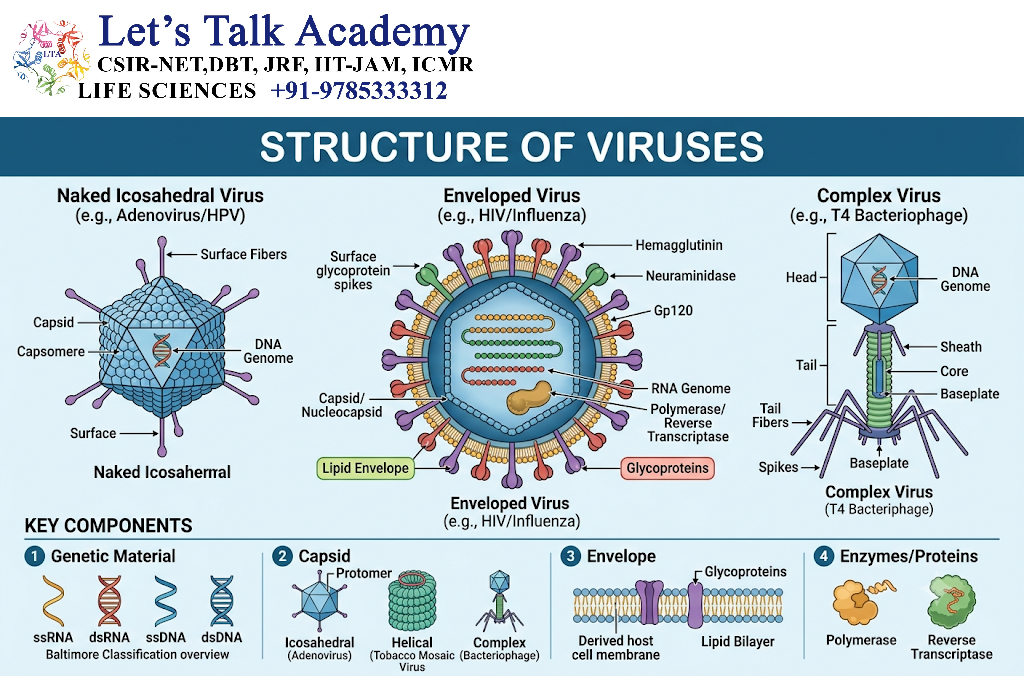
3.1 Basic Viral Structure
A complete viral particle may contain:
- Viral genome
- Capsid
- Envelope, in enveloped viruses
- Viral surface proteins or spikes
- Matrix or associated proteins in some viruses
The exact structure varies greatly among viral groups.
3.2 Viral Genome
The genome contains the genetic information required for viral replication and production of viral components.
Viral genomes may consist of:
- DNA,
- RNA.
Unlike cellular organisms, viruses can possess either DNA or RNA as their genetic material.
3.3 Capsid
The capsid is the protein coat surrounding the viral genome.
It provides several functions:
- protects nucleic acid,
- helps package the genome,
- contributes to viral attachment,
- participates in delivery of the genome into the host cell.
The capsid is composed of protein subunits called capsomeres in many viruses.
3.4 Envelope
Some viruses possess a lipid membrane called an envelope.
The envelope is usually derived from a host-cell membrane during viral assembly and release, although viral proteins are incorporated into it.
Enveloped viruses often contain viral glycoproteins that function in host-cell recognition and entry.
Examples include influenza viruses, coronaviruses, and many herpesviruses.
3.5 Viral Spikes
Some viruses possess surface projections called spikes or spike glycoproteins.
These structures can recognize specific molecules on host cells.
Therefore, viral surface proteins are important determinants of:
- host range,
- tissue tropism,
- attachment,
- entry,
- immune recognition.
4. Viral Symmetry and Capsid Architecture
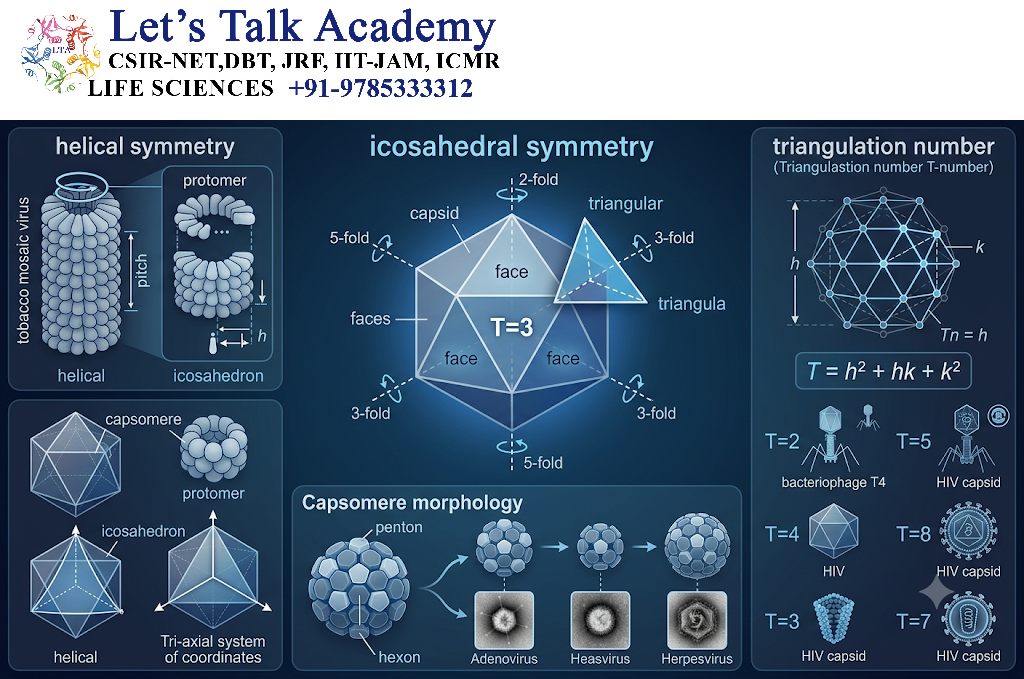
4.1 Icosahedral Symmetry
An icosahedral capsid has a highly organized structure based on an icosahedron.
This arrangement provides a strong protective shell while allowing efficient packaging of viral genetic material.
Examples include adenoviruses and many other viruses.
4.2 Helical Symmetry
In helical viruses, capsid proteins are arranged around the nucleic acid in a helical pattern.
The viral genome interacts closely with the structural proteins.
Many helical viruses contain RNA genomes.
4.3 Complex Symmetry
Some viruses have structures that cannot be classified simply as icosahedral or helical.
Such viruses possess more complex architectures.
Poxviruses are examples of viruses with complex structural organization.
5. Viral Envelope
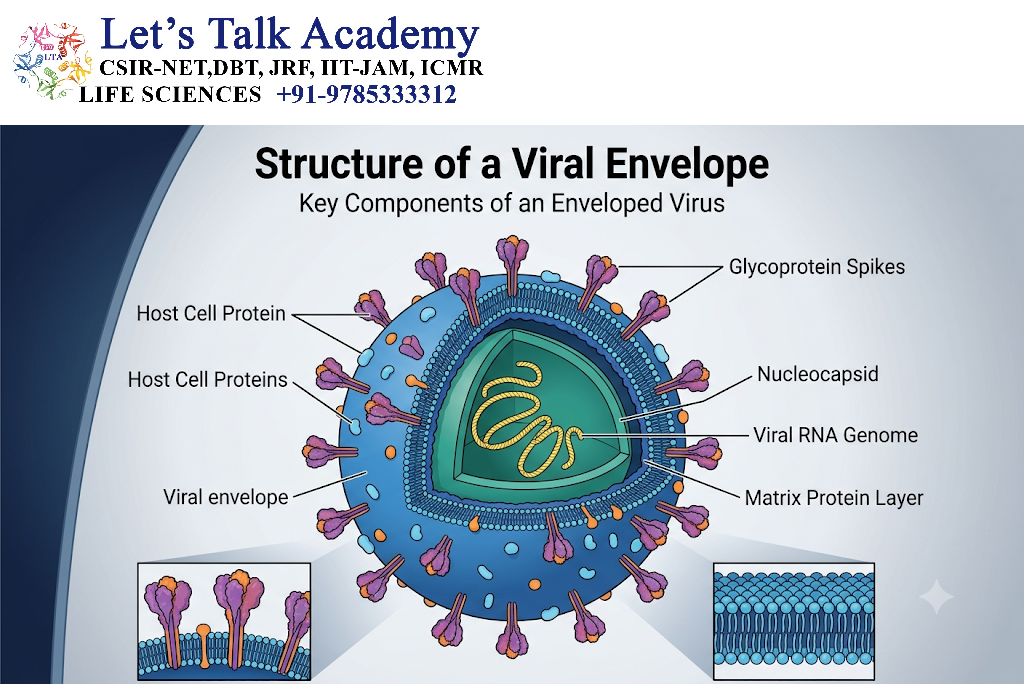
5.1 Origin of the Envelope
The envelope is usually derived from a membrane of the infected host cell during viral release.
Viral proteins are inserted into the membrane before or during assembly.
5.2 Viral Glycoproteins
Envelope glycoproteins are encoded by the viral genome and inserted into the envelope.
They may function in:
- receptor recognition,
- attachment,
- membrane fusion,
- entry,
- immune interactions.
5.3 Enveloped and Non-Enveloped Viruses
Viruses can be broadly divided into:
Enveloped viruses
and
Non-enveloped viruses
Enveloped viruses are often more sensitive to environmental conditions that disrupt lipid membranes.
Non-enveloped viruses generally lack a lipid envelope and may be relatively resistant to certain environmental stresses.
6.Viral Genome
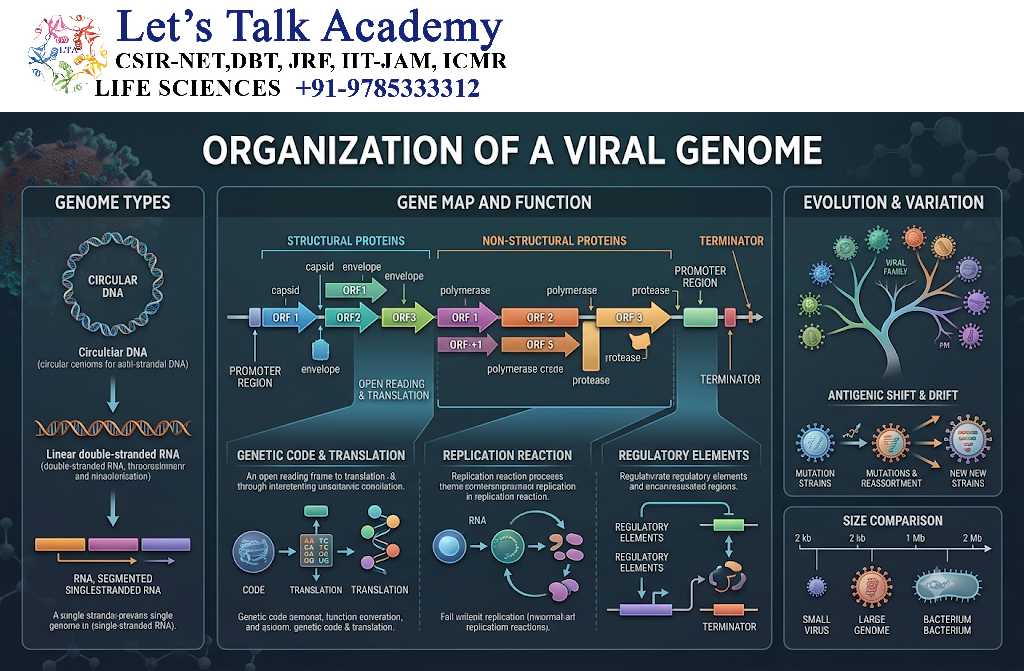
6.1 DNA Genomes
DNA viruses may possess:
- single-stranded DNA,
- double-stranded DNA.
DNA genomes can be linear, circular, or segmented depending on the virus.
6.2 RNA Genomes
RNA viruses may possess:
- single-stranded RNA,
- double-stranded RNA.
Single-stranded RNA can be:
- positive-sense,
- negative-sense.
Some viral genomes are segmented into multiple RNA molecules.
6.3 Positive-Sense RNA
A positive-sense RNA genome can function directly as mRNA after entering a suitable host cell.
Therefore, it can potentially be translated by host ribosomes without first producing a complementary RNA.
6.4 Negative-Sense RNA
A negative-sense RNA genome is complementary to the sequence required for translation.
It therefore requires synthesis of a complementary positive-sense RNA before viral proteins can be produced.
6.5 Double-Stranded RNA
Double-stranded RNA viruses contain two complementary RNA strands.
Because host cells generally do not use dsRNA directly as mRNA, these viruses require specialized mechanisms to produce messenger RNA.
7.Viral Classification
7.1 Basis of Classification
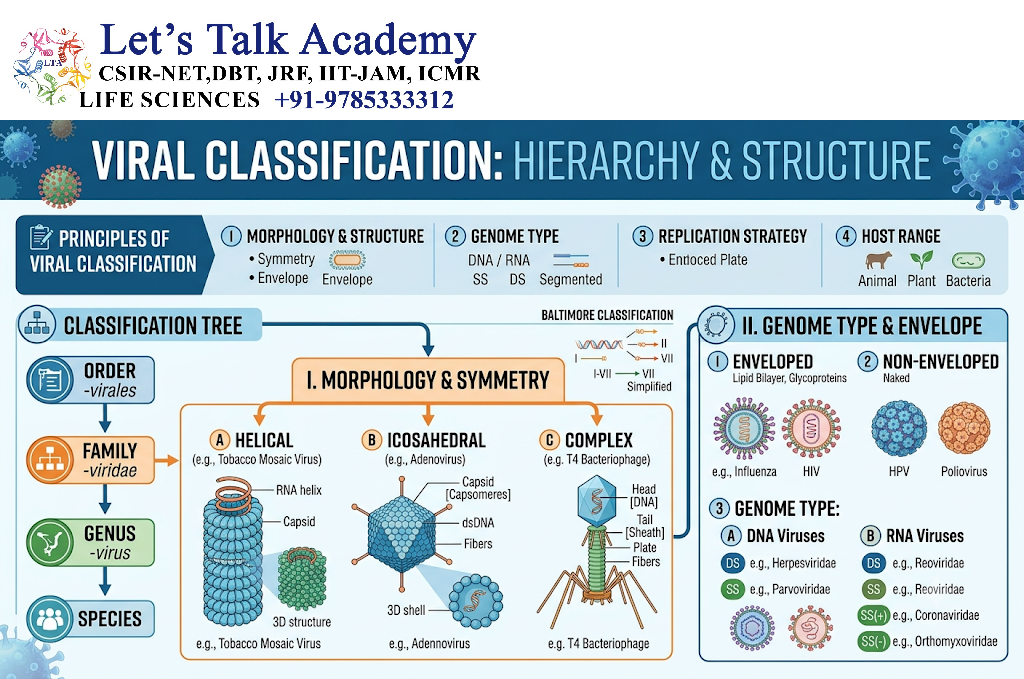
Viruses can be classified according to several characteristics, including:
- genome type,
- genome structure,
- replication strategy,
- capsid structure,
- presence or absence of envelope,
- host range,
- biological properties.
7.2 Baltimore Classification
The Baltimore classification groups viruses according to their genome type and the pathway used to produce mRNA.
The major groups are:
- Double-stranded DNA viruses
- Single-stranded DNA viruses
- Double-stranded RNA viruses
- Positive-sense single-stranded RNA viruses
- Negative-sense single-stranded RNA viruses
- Positive-sense single-stranded RNA viruses with a DNA intermediate
- Double-stranded DNA viruses using an RNA intermediate in replication
This classification is particularly useful because it emphasizes the relationship between viral genome type and gene-expression strategy.
8. Viral Life Cycle
8.1 General Steps
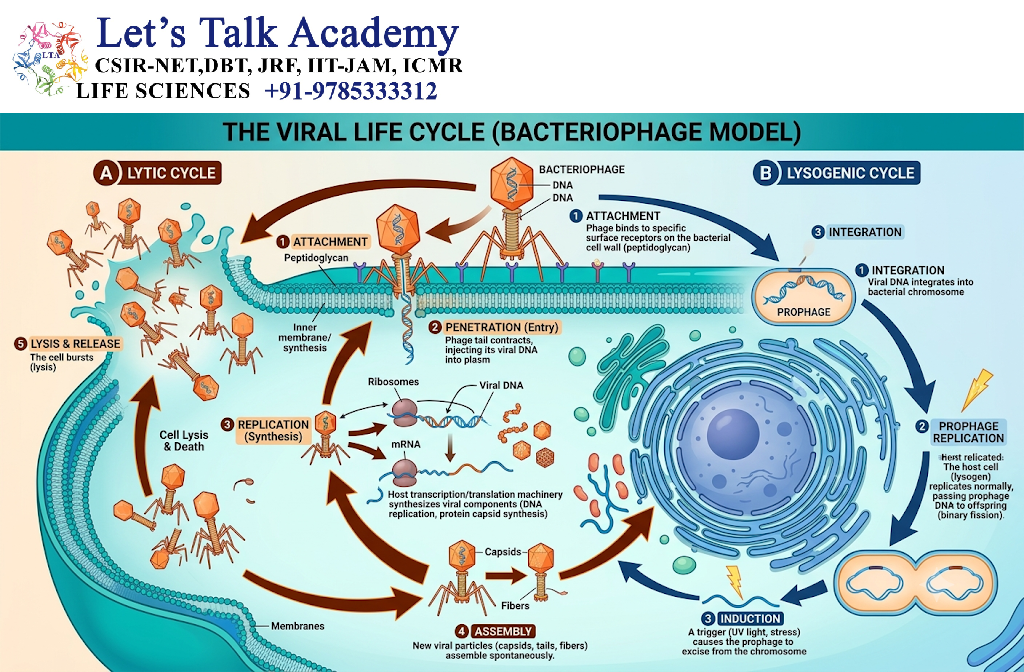
The viral life cycle generally involves:
- Attachment
- Entry
- Uncoating
- Early gene expression
- Genome replication
- Viral protein synthesis
- Assembly
- Maturation
- Release
Not every virus follows exactly the same sequence, but these steps provide a general framework.
9. Attachment
9.1 Definition
Attachment is the initial interaction between a virus and a suitable host cell.
Viral surface proteins recognize specific molecules known as receptors on the host-cell surface.
9.2 Receptor Specificity
The interaction between viral proteins and cellular receptors determines which cells a virus can infect.
This contributes to host range and tissue tropism.
For example, if a virus cannot recognize a receptor on a particular cell type, productive infection may not occur.
9.3 Importance of Attachment
Attachment is essential because it brings the viral particle into close association with the host cell and initiates entry.
10. Viral Entry
10.1 Entry of Non-Enveloped Viruses
Non-enveloped viruses may enter cells through processes such as receptor-mediated endocytosis or other membrane-associated mechanisms.
10.2 Entry of Enveloped Viruses
Enveloped viruses can enter cells through:
- membrane fusion,
- receptor-mediated endocytosis followed by fusion.
The viral envelope contains proteins that facilitate fusion with cellular membranes.
10.3 Receptor-Mediated Endocytosis
In this process, the virus binds to a cellular receptor and is internalized into a vesicle.
Changes in the cellular environment may then trigger structural changes in viral proteins, allowing release of the viral genome.
11. Uncoating
11.1 Definition
Uncoating is the process by which the viral genome is released from the protective capsid or associated structures.
The genome must become accessible to the host or viral machinery required for replication and gene expression.
11.2 Importance
If uncoating does not occur properly, the viral genome cannot efficiently initiate its replication program.
12. Viral Gene Expression
12.1 Early Gene Expression
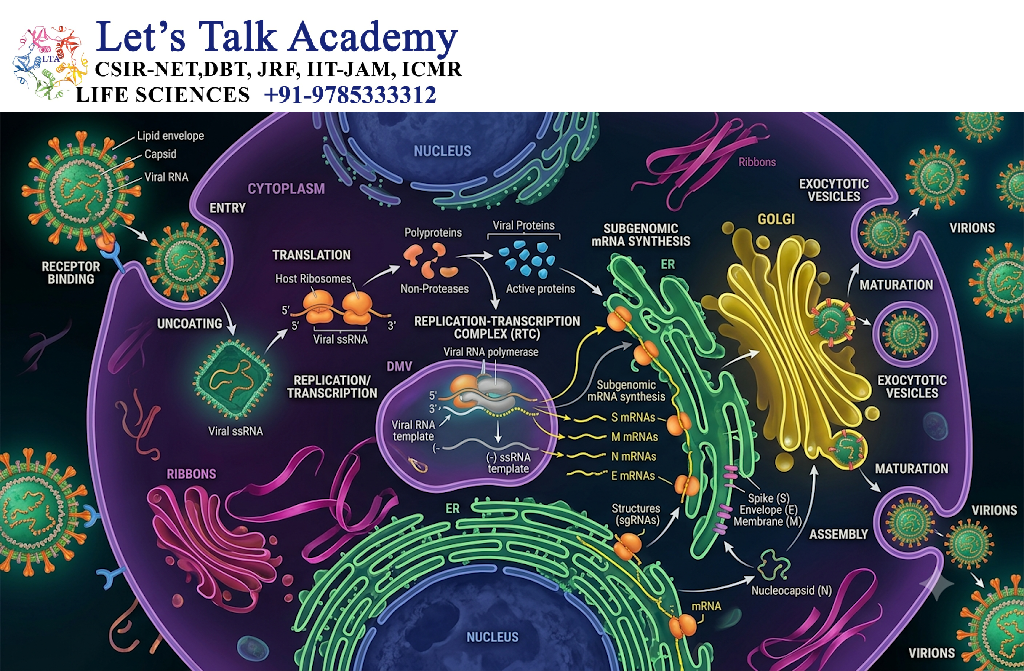
Many viruses express regulatory and replication-associated proteins early during infection.
These proteins prepare the cellular environment for viral genome replication.
12.2 Late Gene Expression
Structural proteins are often produced later.
These include:
- capsid proteins,
- envelope proteins,
- assembly proteins,
- packaging proteins.
The separation between early and late expression allows efficient organization of the viral life cycle.
13. Viral Genome Replication
13.1 DNA Virus Replication
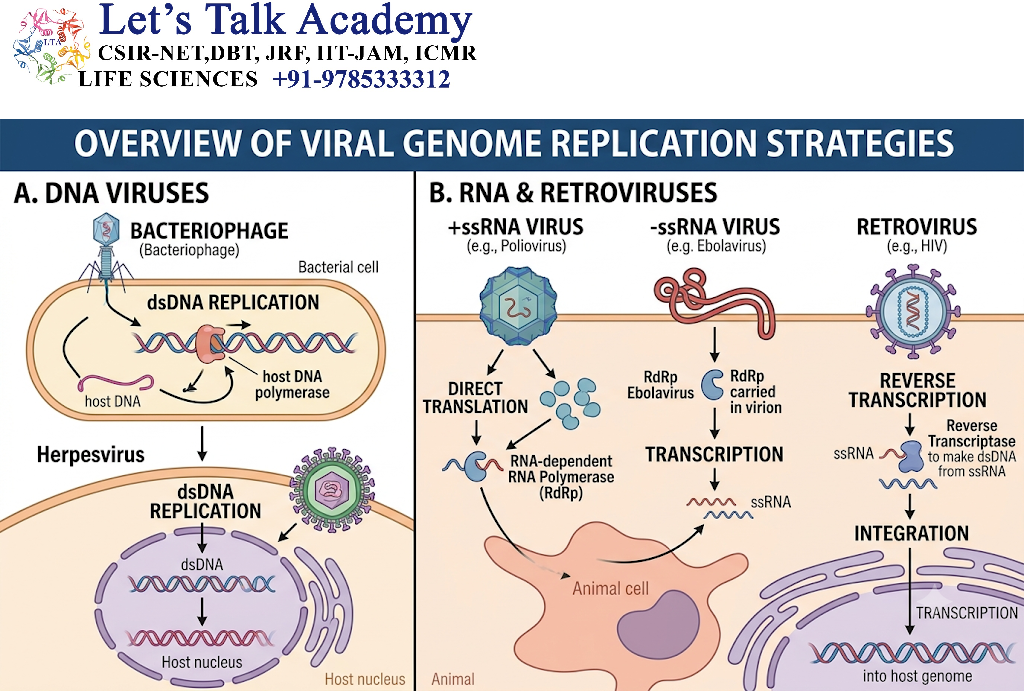
DNA viruses may replicate their genomes using:
- host DNA polymerases,
- viral DNA polymerases,
- or combinations of host and viral enzymes.
The exact mechanism depends on the virus.
13.2 RNA Virus Replication
RNA viruses generally require RNA-dependent RNA polymerases or other specialized enzymes for genome replication.
Host cells normally do not possess an enzyme that can efficiently replicate RNA genomes in the way required by most RNA viruses.
13.3 Reverse Transcription
Some viruses use reverse transcription.
In this process:
RNA → DNA
The enzyme responsible is reverse transcriptase.
Retroviruses such as HIV use this strategy.
14. Viral Protein Synthesis
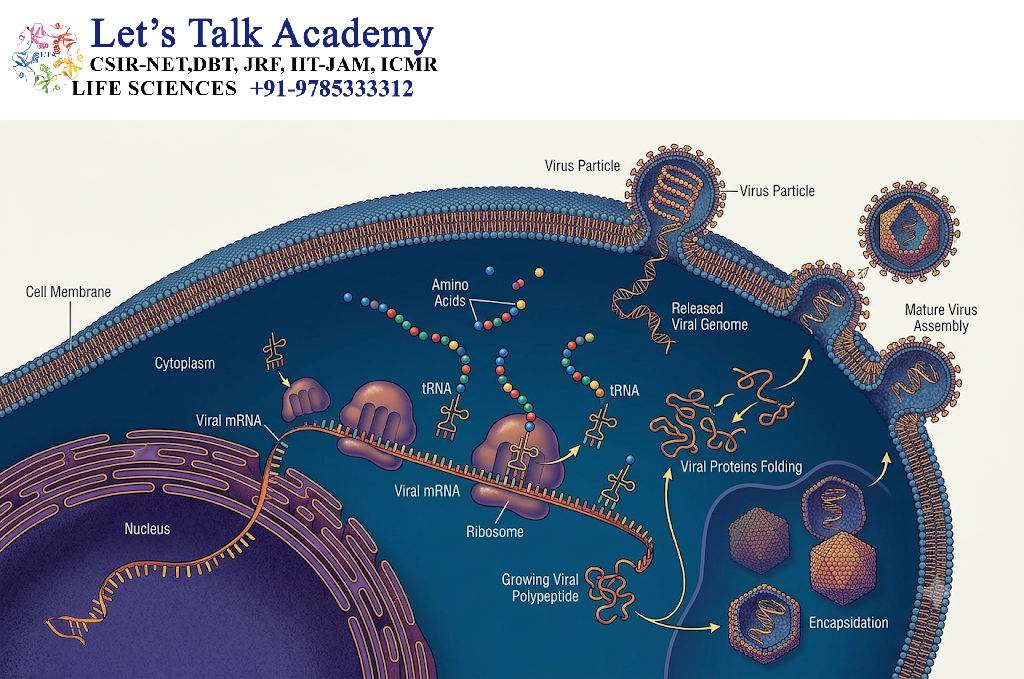
14.1 Dependence on Host Ribosomes
Viruses generally do not possess their own complete ribosomal machinery.
Therefore, viral mRNAs are usually translated by host ribosomes.
14.2 Viral Control of Translation
Viruses may alter host translation to favor synthesis of viral proteins.
Some viruses:
- inhibit host mRNA translation,
- modify translation initiation,
- degrade host RNA,
- redirect ribosomes toward viral mRNAs.
This provides the virus with greater access to cellular protein-synthesis machinery.
15. Viral Assembly
15.1 Definition
Assembly is the process by which viral components are organized into complete viral particles.
The process may involve:
- genome packaging,
- capsid formation,
- incorporation of structural proteins,
- envelope acquisition.
15.2 Genome Packaging
Viral genomes must be incorporated into newly forming particles.
Some viruses use specialized packaging proteins to recognize and insert viral nucleic acid into capsids.
16. Viral Maturation
16.1 Definition
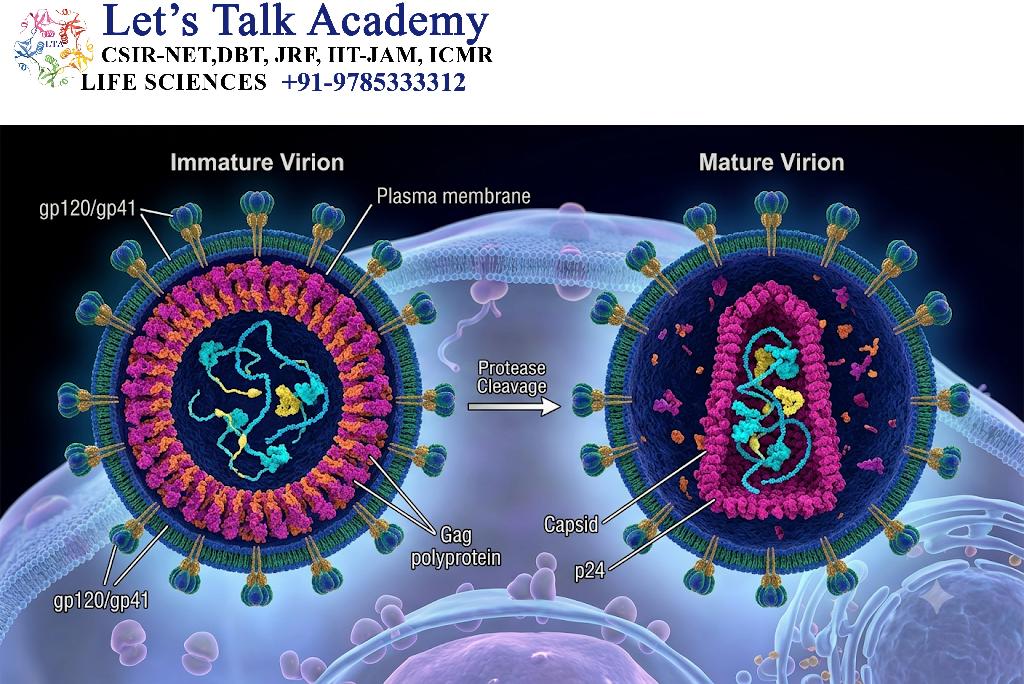
Maturation is the process by which newly assembled viral particles undergo structural or biochemical changes that make them infectious.
Some viruses are assembled as immature particles and require cleavage of viral proteins or other rearrangements before becoming fully infectious.
16.2 Importance
Maturation ensures that progeny virions possess the correct structure and functional components required for the next infection.
17. Viral Release
17.1 Cell Lysis
Some viruses cause destruction of the host cell.
This process is called lysis.
It releases newly formed virions into the surrounding environment.
17.2 Budding
Many enveloped viruses leave cells by budding through a cellular membrane.
During budding, the viral particle acquires a lipid envelope containing viral proteins.
17.3 Exocytosis
Some viruses can leave infected cells through vesicular transport and exocytosis-like processes.
18. Productive and Non-Productive Infection
18.1 Productive Infection
A productive infection occurs when the virus successfully completes its replication cycle and produces infectious progeny.
18.2 Non-Productive Infection
A non-productive infection occurs when viral infection does not result in the production of infectious progeny.
This may occur because:
- the cell lacks necessary factors,
- antiviral defenses inhibit replication,
- the virus enters a latent state,
- viral replication becomes defective.
19. Persistent and Latent Infections
19.1 Persistent Infection
In persistent infection, viral genetic material remains in the host for an extended period.
The virus may continue producing viral components at low levels.
19.2 Latent Infection
In latency, the viral genome remains within the host cell but active production of infectious particles is greatly reduced or absent for a period.
Certain viruses can reactivate later.
Herpesviruses provide important examples of latent infection.
20. Host Range
20.1 Definition
Host range refers to the spectrum of host species or cell types that a virus can infect.
20.2 Determining Factors
Host range depends on:
- receptor availability,
- intracellular factors,
- antiviral defenses,
- compatibility of viral replication machinery,
- ability to assemble infectious particles.
Thus, receptor binding alone may not always be sufficient for productive infection.
21. Tissue Tropism
21.1 Definition
Tissue tropism refers to the preference of a virus for particular tissues or cell types.
It is influenced by:
- receptor distribution,
- cellular transcription factors,
- intracellular environment,
- immune responses,
- cellular permissiveness.
Tissue tropism helps determine where viral replication occurs in an infected organism.
22. Viral Genetics
22.1 Mutation
Viral genomes can undergo mutations.
Mutation can alter:
- viral proteins,
- replication efficiency,
- host range,
- antigenic properties,
- drug sensitivity.
RNA viruses often show substantial genetic variation because many RNA-dependent RNA polymerases lack efficient proofreading mechanisms.
22.2 Recombination
Recombination involves exchange or rearrangement of genetic information.
It can generate viruses with new genetic combinations.
22.3 Reassortment
Segmented viral genomes can undergo reassortment when two related viruses infect the same cell.
Genome segments can be mixed during the formation of progeny viruses.
This can produce viruses with new combinations of genome segments.
23. Viral Evolution
23.1 Sources of Variation
Viral evolution is driven by:
- mutation,
- recombination,
- reassortment,
- selection,
- genetic drift.
23.2 Natural Selection
Variants with traits that increase their ability to replicate and transmit under particular conditions may become more common.
Selection can be influenced by:
- host immunity,
- antiviral drugs,
- receptor availability,
- environmental conditions,
- transmission opportunities.
24. Virus-Host Interactions
24.1 Host Defense
Host cells have multiple defense mechanisms against viral infection.
These include:
- innate immune responses,
- interferons,
- restriction factors,
- programmed cell death,
- adaptive immune responses.
24.2 Viral Countermeasures
Viruses have evolved mechanisms to evade or suppress host defenses.
These may involve:
- inhibition of antiviral signaling,
- interference with antigen presentation,
- suppression of host gene expression,
- modulation of cell death pathways.
25. Innate Immune Response to Viruses
25.1 Recognition
Host cells can recognize viral nucleic acids using pattern-recognition receptors.
These receptors detect molecular patterns associated with viral infection.
25.2 Interferons
Interferons are important antiviral signaling molecules.
They stimulate expression of antiviral genes in infected and neighboring cells.
25.3 Antiviral State
Interferon signaling can induce cellular proteins that inhibit different stages of viral replication.
Thus, interferons help establish an antiviral state.
26. Adaptive Immune Response
26.1 Antibodies
B lymphocytes can produce antibodies against viral antigens.
Antibodies may:
- neutralize viruses,
- prevent attachment,
- block entry,
- promote clearance.
26.2 T Cells
T lymphocytes can recognize viral antigens presented by infected cells.
Cytotoxic T cells can destroy infected cells, helping eliminate viral reservoirs.
27. Cytopathic Effects
27.1 Definition
Cytopathic effects are structural or functional changes in infected cells caused by viral infection.
They may include:
- cell rounding,
- cell enlargement,
- membrane changes,
- inclusion bodies,
- cell fusion,
- cell death.
27.2 Syncytium Formation
Some viruses cause infected cells to fuse with neighboring cells, producing a multinucleated giant cell called a syncytium.
This can facilitate viral spread between cells.
28. Viruses and Cell Death
28.1 Apoptosis
Some viruses trigger apoptosis, while others inhibit it.
Viral control of apoptosis can influence the duration of productive infection and the spread of the virus.
28.2 Necrotic Cell Death
Severe viral infection can cause cellular damage and membrane disruption, leading to necrotic cell death.
The type of cell death can influence inflammation and disease progression.
29. Viral Pathogenesis
29.1 Definition
Viral pathogenesis refers to the mechanisms through which viral infection causes disease.
Disease severity can depend on:
- viral replication,
- tissue tropism,
- host immune response,
- viral cytotoxicity,
- host genetic factors,
- age and physiological condition.
29.2 Direct and Indirect Damage
Viral disease can result from direct destruction of infected cells or from excessive host immune responses.
Therefore, tissue damage is not always caused solely by viral replication.
30. Oncogenic Viruses
30.1 Definition
Some viruses can contribute to the development of cancer.
These viruses are called oncogenic viruses.
30.2 Mechanisms
Viral infection can contribute to uncontrolled cell growth through:
- alteration of cell-cycle regulation,
- expression of viral oncogenes,
- inhibition of tumor suppressor pathways,
- persistent inflammation,
- genomic instability.
Examples include human papillomaviruses, Epstein-Barr virus, hepatitis B virus, and hepatitis C virus.
31. Viral Evolution and Genetic Diversity
Viral populations can contain many genetically distinct variants.
High replication rates combined with mutation and selection can generate substantial diversity.
This diversity may allow viruses to adapt to:
- new hosts,
- immune pressure,
- antiviral treatments,
- environmental changes.
However, the rate and nature of viral evolution differ substantially among viral groups.
32. Defective Viruses and Defective Interfering Particles
32.1 Defective Viruses
Some viral genomes contain mutations or deletions that prevent them from completing the replication cycle independently.
32.2 Defective Interfering Particles
Defective interfering particles contain incomplete viral genomes but may retain the ability to replicate when a helper virus is present.
They can compete with standard viral genomes for cellular resources and replication machinery.
33. Satellite Viruses
Satellite viruses are genetic elements that depend on helper viruses for some aspect of their replication or transmission.
They demonstrate that viral genetic systems can have different levels of dependence on other viral agents.
34. Viroids and Prions
34.1 Viroids
Viroids are small infectious RNA molecules that lack a protein capsid.
They primarily infect plants.
34.2 Prions
Prions are infectious protein-based agents that lack conventional nucleic acid genomes.
They are associated with transmissible neurodegenerative diseases.
Viroids and prions are therefore distinct from conventional viruses.
35. Viruses in Evolution
Viruses have played important roles in evolution.
They can influence genomes through:
- horizontal gene transfer,
- insertion of viral sequences,
- recombination,
- selection pressure.
Viral-derived sequences are present in many cellular genomes.
Some viral genes have been evolutionarily recruited for host functions.
36. Viruses and Horizontal Gene Transfer
36.1 Definition
Horizontal gene transfer refers to the movement of genetic information between organisms outside normal parent-to-offspring inheritance.
Phages can transfer bacterial DNA between bacterial cells.
This process is called transduction.
36.2 Generalized Transduction
In generalized transduction, fragments of bacterial DNA may accidentally become packaged into phage particles.
The resulting particle can transfer this bacterial DNA to another bacterial cell.
36.3 Specialized Transduction
In specialized transduction, specific bacterial genes located near a prophage integration site may be transferred when a prophage excises incorrectly.
37. Phage-Host Coevolution
Phages and bacteria continuously influence each other’s evolution.
Bacteria have developed defense systems such as:
- restriction-modification systems,
- CRISPR-Cas systems,
- abortive infection mechanisms,
- other antiviral defenses.
Phages, in turn, have evolved mechanisms to overcome these defenses.
This creates an evolutionary arms race between host and virus.
38. Viral Diversity
Viruses display enormous diversity in:
- genome type,
- genome size,
- particle structure,
- replication mechanism,
- host range,
- environmental distribution.
Some viruses have extremely small genomes, whereas others possess relatively large genomes encoding numerous proteins.
39. Viruses in Biotechnology
Viruses and viral components are widely used in biotechnology.
Applications include:
- gene delivery,
- vaccine development,
- molecular biology research,
- cancer research,
- gene therapy,
- phage-based technologies.
Viral vectors can be engineered to deliver genetic material into specific cells.
40. Viral Vectors
40.1 Definition
A viral vector is a modified virus used to deliver genetic material without necessarily producing the complete disease-causing viral infection associated with the original virus.
40.2 Applications
Viral vectors are used in:
- gene therapy,
- experimental medicine,
- vaccine development,
- cellular engineering.
40.3 Important Considerations
The design of a viral vector must consider:
- target-cell specificity,
- immune responses,
- duration of gene expression,
- safety,
- delivery efficiency.
41. Vaccines and Viral Infection
Vaccines stimulate immune responses against specific pathogens or their components.
Viral vaccines can use:
- weakened viruses,
- inactivated viruses,
- viral proteins,
- viral vectors,
- nucleic-acid-based approaches.
The objective is to generate immune memory without causing the disease associated with uncontrolled infection.
42. Antiviral Drugs
Antiviral drugs target specific stages of viral replication.
Possible targets include:
- viral entry,
- genome replication,
- protease activity,
- polymerase activity,
- maturation,
- release.
Because viruses depend on host cells, developing selective antiviral drugs can be challenging.
An effective antiviral drug should ideally inhibit viral replication while causing minimal damage to host-cell processes.
43. Viral Resistance to Antiviral Drugs
Viral mutations can produce variants with reduced sensitivity to antiviral compounds.
Resistance may arise when a mutation changes the structure or function of a drug target.
The probability and speed of resistance development depend on:
- viral mutation rate,
- replication rate,
- population size,
- drug pressure,
- genetic barrier to resistance.bh


