
1. Lysosomes: Structure, Functions, Biogenesis and Cellular Importance
Lysosomes are specialized membrane-bound organelles found mainly in eukaryotic cells. They are often described as the digestive compartments of the cell because they contain a wide variety of hydrolytic enzymes capable of breaking down proteins, carbohydrates, lipids, nucleic acids, and other cellular materials.
The word lysosome is derived from the Greek words lysis, meaning dissolution or breakdown, and soma, meaning body. Thus, the term lysosome refers to a cellular body involved in the breakdown of biological materials.
Lysosomes are not simply waste-disposal structures. They are highly dynamic organelles that participate in intracellular digestion, autophagy, recycling of cellular components, plasma membrane repair, nutrient sensing, cell signaling, and programmed cell death. Through these activities, lysosomes contribute significantly to cellular homeostasis.
A typical lysosome contains approximately 50–60 different types of acid hydrolases, although the exact composition can vary according to cell type and physiological condition. These enzymes function most efficiently in an acidic environment, generally around pH 4.5–5.0. The lysosomal membrane separates these powerful enzymes from the cytoplasm and protects the cell from uncontrolled digestion.
Lysosomes are particularly abundant and important in cells that perform extensive phagocytic or secretory activities, such as macrophages and other cells of the immune system. However, lysosomal systems are present in almost all animal cells and play essential roles in maintaining cellular health.
2. Discovery and Historical Background of Lysosomes
2.1 Discovery of Lysosomes
Lysosomes were discovered in the 1950s by the Belgian cytologist and biochemist Christian de Duve and his colleagues while studying intracellular enzymes.
During investigations of cellular fractions, de Duve observed that certain hydrolytic enzymes were enclosed within membrane-bound structures. These enzymes showed increased activity when the surrounding membrane was disrupted.
This observation suggested that the enzymes were normally separated from the cytoplasm by a membrane. De Duve introduced the term lysosome to describe these enzyme-containing organelles.
The discovery of lysosomes significantly changed the understanding of intracellular digestion and cellular organization.
2.2 Lysosomes and the Concept of Intracellular Digestion
Before the discovery of lysosomes, the mechanisms responsible for the degradation of cellular materials were not fully understood. The identification of lysosomes demonstrated that cells possess specialized compartments containing digestive enzymes.
This compartmentalization provides an important advantage. Potentially destructive enzymes can be stored safely inside a membrane-bound organelle and released into appropriate compartments only when degradation is required.
2.3 Modern Understanding of Lysosomes
Modern cell biology has shown that lysosomes are much more complex than simple digestive sacs. They act as important metabolic and signaling centers.
Lysosomes communicate with other organelles, including:
- Endosomes
- Golgi apparatus
- Endoplasmic reticulum
- Mitochondria
- Plasma membrane
- Autophagosomes
Their functions are coordinated with nutrient availability, cellular stress, growth signals, and metabolic requirements.
3. General Characteristics of Lysosomes
Lysosomes possess several characteristic features that distinguish them from other organelles.
3.1 Membrane-Bound Organelles
Lysosomes are surrounded by a single biological membrane. Unlike mitochondria and chloroplasts, they do not have a double membrane.
The lysosomal membrane separates the acidic lumen and hydrolytic enzymes from the cytosol.
3.2 Size and Shape
Lysosomes are generally spherical or roughly spherical structures, although their shape can change considerably depending on their stage of maturation and interaction with other organelles.
Their diameter commonly ranges from approximately 0.1 to 1.2 µm, although larger lysosomal compartments can occur in specialized cells.
3.3 Variable Number
The number of lysosomes varies among different cell types.
Cells involved in extensive degradation and phagocytosis may contain large numbers of lysosomal compartments. The number and activity of lysosomes can also increase or decrease according to the physiological state of the cell.
3.4 Acidic Internal Environment
The lumen of a lysosome is acidic, with a typical pH close to 4.5–5.0.
This acidic environment is maintained primarily by V-type H⁺-ATPases, which use ATP to pump protons from the cytoplasm into the lysosomal lumen.
The acidic pH is essential because most lysosomal hydrolases have their highest enzymatic activity under acidic conditions.
3.5 Hydrolytic Enzymes
Lysosomes contain numerous enzymes collectively known as acid hydrolases.
These enzymes include:
- Proteases
- Nucleases
- Lipases
- Glycosidases
- Phosphatases
- Sulfatases
- Phospholipases
- Peptidases
Together, these enzymes can degrade almost every major class of biological macromolecule.
4. Structure of Lysosomes
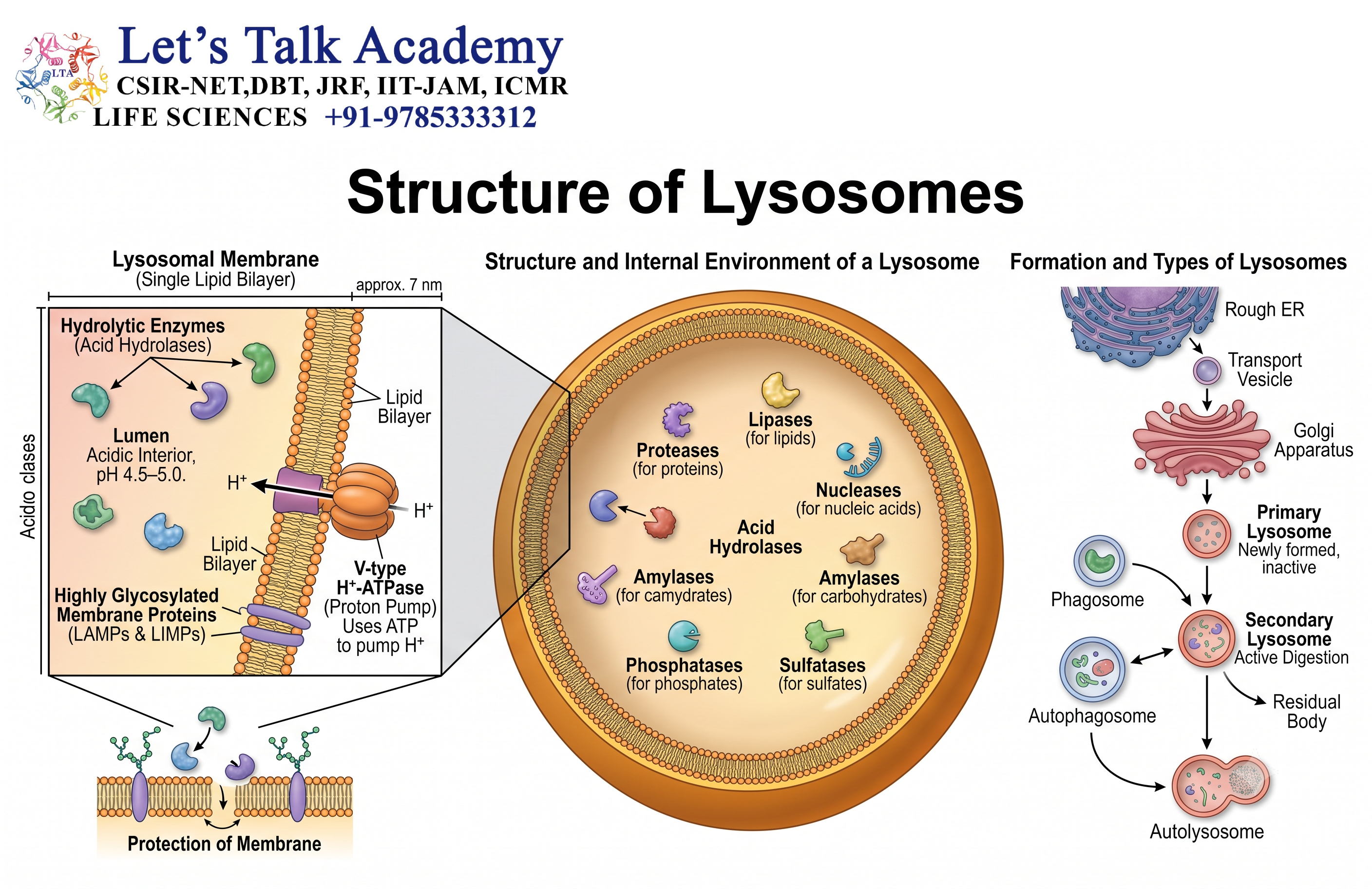
A lysosome can be understood in terms of two major components:
- Lysosomal membrane
- Lysosomal lumen
4.1 Lysosomal Membrane
The lysosomal membrane is a lipid bilayer containing numerous proteins.
It performs several important functions:
- Maintains the acidic internal environment
- Prevents uncontrolled leakage of enzymes
- Controls movement of molecules into and out of the lysosome
- Participates in membrane fusion
- Provides docking sites for regulatory proteins
- Helps maintain lysosomal identity
The membrane contains specialized proteins such as proton pumps, transporters, receptors, and membrane-associated proteins.
4.2 Lysosomal Lumen
The lumen is the internal compartment of the lysosome.
It contains acid hydrolases and degradation products. The acidic environment allows the enzymes to function efficiently.
The lysosomal lumen can contain:
- Amino acids
- Sugars
- Fatty acids
- Nucleotides
- Inorganic phosphate
- Degraded membrane components
- Other products generated during intracellular digestion
4.3 Lysosomal Membrane Proteins
Several membrane proteins are important for lysosomal function.
One major group is the V-type proton ATPase, which transports H⁺ ions into the lysosomal lumen.
Other membrane proteins function as transporters and channels. They allow degradation products to leave the lysosome and return to the cytosol, where they can be reused by the cell.
4.4 Lysosome-Associated Membrane Proteins
The lysosomal membrane contains abundant glycoproteins, including LAMP-1 and LAMP-2.
These proteins contribute to the structural stability and protection of the lysosomal membrane.
Their carbohydrate-rich regions are exposed toward the lysosomal lumen and help protect membrane proteins from degradation by lysosomal enzymes.
5. Lysosomal Enzymes
Lysosomes contain a broad range of hydrolytic enzymes.
5.1 Proteases
Proteases break down proteins into smaller peptides and amino acids.
Examples include:
- Cathepsins
- Other lysosomal peptidases
Cathepsins are particularly important for degradation of proteins delivered to lysosomes through endocytosis and autophagy.
5.2 Nucleases
Nucleases degrade nucleic acids.
They include enzymes that break down:
- DNA
- RNA
The final products include nucleotides and their smaller components.
5.3 Lipases
Lipases hydrolyze lipids.
They participate in the degradation of:
- Phospholipids
- Triglycerides
- Cholesterol esters
- Other lipid-containing materials
5.4 Glycosidases
Glycosidases break down carbohydrates and carbohydrate-containing molecules.
They are particularly important in the degradation of glycoproteins, glycolipids, and complex polysaccharides.
5.5 Phosphatases
Phosphatases remove phosphate groups from molecules.
One important lysosomal enzyme is acid phosphatase, which historically served as a useful marker for lysosomes in cell biology.
5.6 Sulfatases
Sulfatases remove sulfate groups from various biological molecules.
Defects in specific lysosomal sulfatases can result in the accumulation of undegraded substrates and contribute to lysosomal storage disorders.
6. Acidification of the Lysosomal Lumen
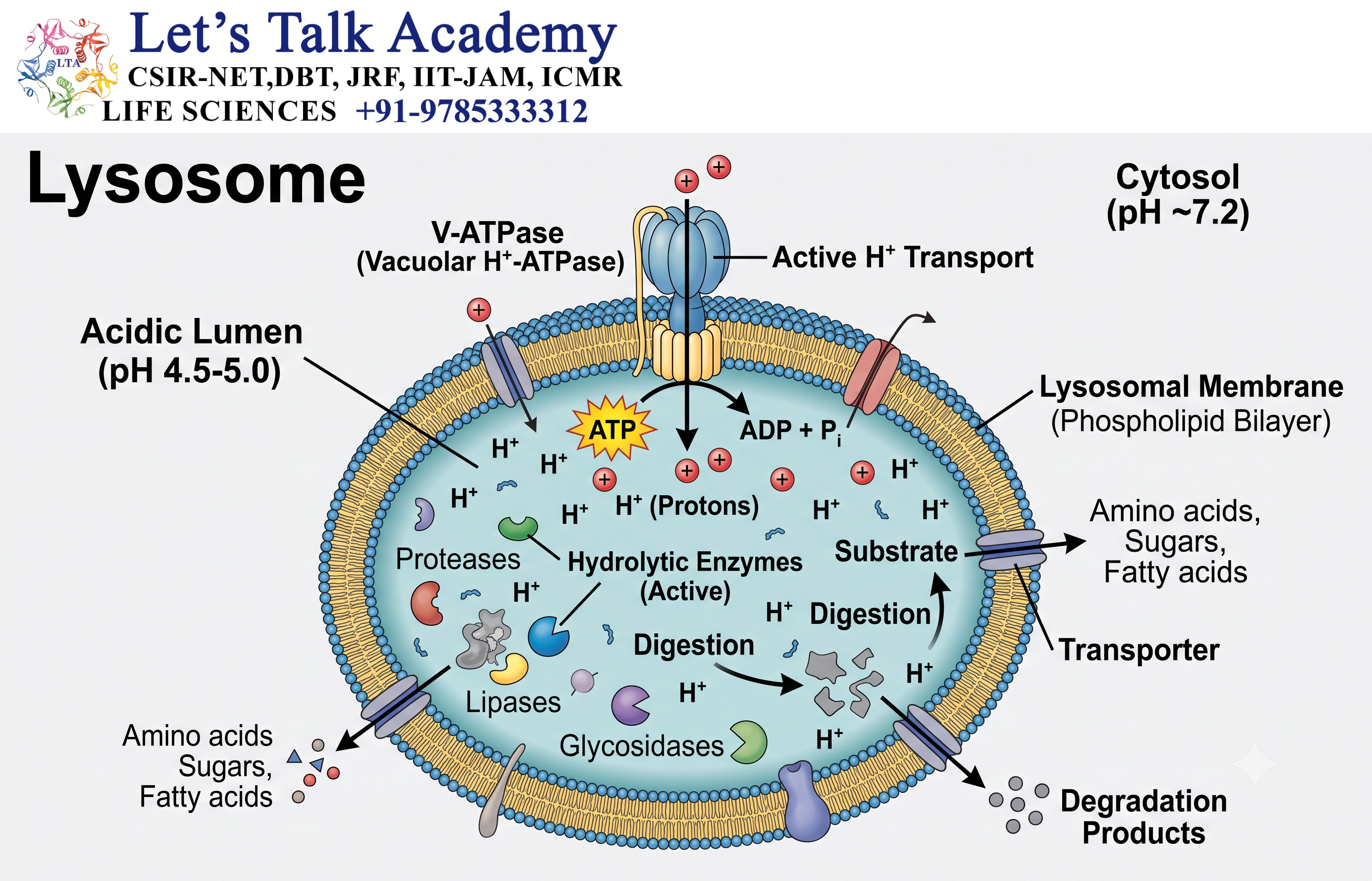
Maintaining an acidic lumen is one of the most important characteristics of lysosomes.
6.1 Role of V-Type H⁺-ATPase
The lysosomal membrane contains V-type H⁺-ATPase, commonly called a vacuolar proton pump.
This enzyme uses energy from ATP hydrolysis to transport protons into the lysosomal lumen.
The reaction can be represented conceptually as:
ATP → ADP + Pi + energy
The released energy is used to drive proton transport.
6.2 Importance of Acidic pH
The acidic environment serves several purposes.
It:
- Activates lysosomal hydrolases
- Provides optimal conditions for degradation
- Helps maintain lysosomal function
- Supports the processing of certain proteins
- Contributes to lysosomal membrane trafficking
Because many lysosomal enzymes function poorly at neutral cytoplasmic pH, the acidic environment provides an additional level of protection against accidental degradation in the cytosol.
7. Formation and Biogenesis of Lysosomes
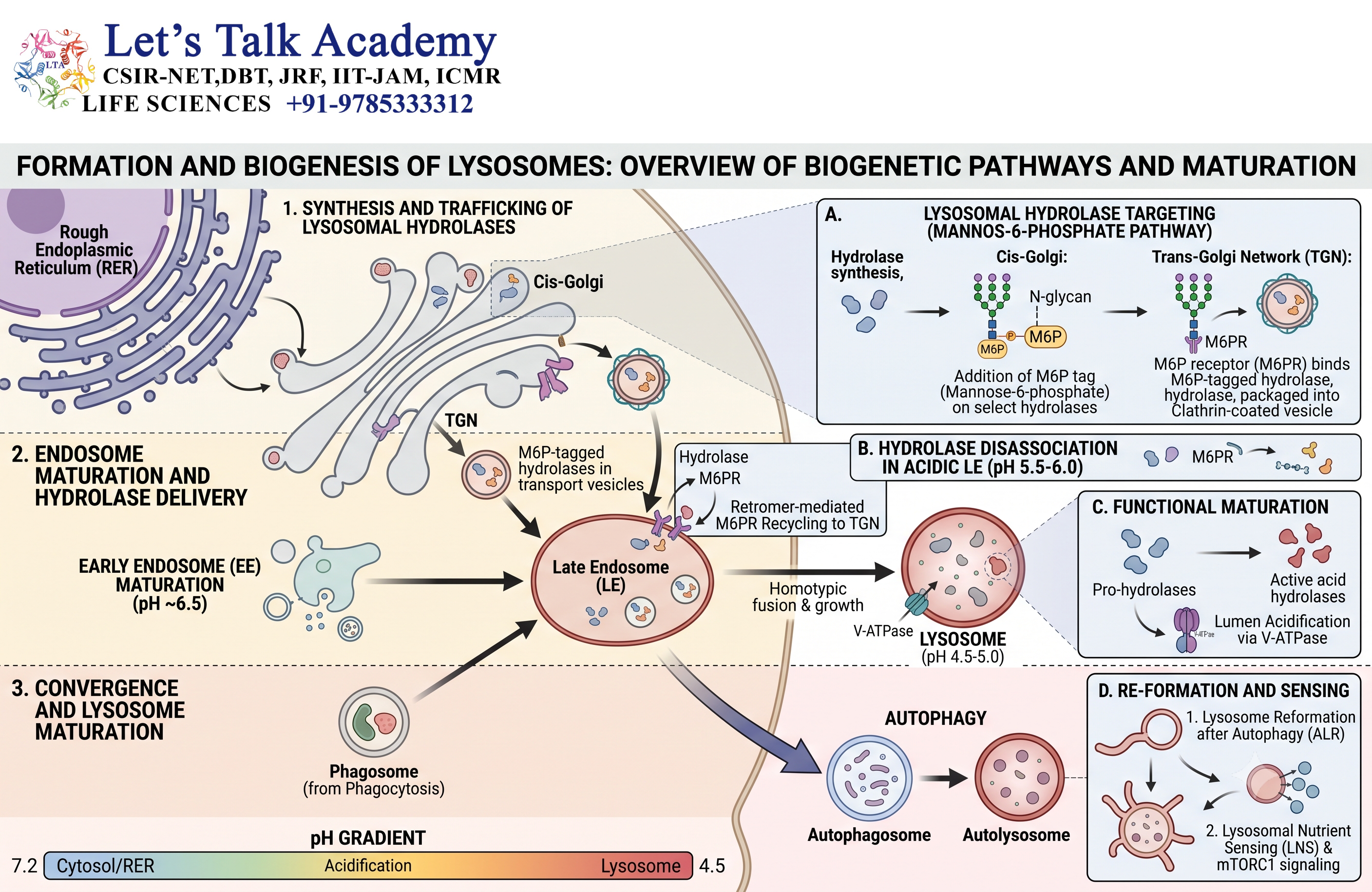
Lysosomes do not arise spontaneously. Their proteins and enzymes are synthesized and transported through the endomembrane system.
7.1 Synthesis of Lysosomal Enzymes
Most lysosomal enzymes are synthesized on ribosomes attached to the rough endoplasmic reticulum.
Newly synthesized proteins enter the lumen of the endoplasmic reticulum, where they undergo folding and initial processing.
7.2 Transport to the Golgi Apparatus
The lysosomal enzymes are transported from the endoplasmic reticulum to the Golgi apparatus.
In the Golgi apparatus, they undergo additional modifications and are sorted according to their destination.
7.3 Mannose-6-Phosphate Tag
A critical sorting signal for many lysosomal enzymes is mannose-6-phosphate (M6P).
The M6P modification acts as an address label that directs lysosomal enzymes toward the endosomal-lysosomal system.
7.4 Mannose-6-Phosphate Receptors
Mannose-6-phosphate receptors recognize M6P-tagged enzymes in the trans-Golgi network.
The receptor-enzyme complexes are packaged into transport vesicles and delivered toward endosomes.
7.5 Delivery to Endosomes
Transport vesicles carrying lysosomal enzymes fuse with endosomal compartments.
As the endosome becomes progressively more acidic, the enzymes dissociate from their receptors.
The receptors can then be recycled back toward the Golgi apparatus.
7.6 Formation of Functional Lysosomes
Endosomal compartments undergo maturation and interact with lysosomal compartments.
Through a series of trafficking, fusion, and maturation events, functional lysosomal compartments are generated.
Modern cell biology emphasizes that lysosomes exist as a dynamic system rather than as completely static structures.
8. Types and Related Forms of Lysosomal Compartments
Although the classical textbook definition describes lysosomes as intracellular digestive organelles, lysosomal compartments can exist in different functional states.
8.1 Primary Lysosomes
Primary lysosomes are newly formed enzyme-containing vesicular compartments that have not yet participated extensively in digestion.
They contain hydrolytic enzymes but may not yet contain large quantities of degradation products.
8.2 Secondary Lysosomes
Secondary lysosomes are formed when lysosomal compartments interact or fuse with vesicles containing materials to be degraded.
These may include:
- Endosomes
- Phagosomes
- Autophagosomes
The resulting compartment contains both digestive enzymes and substrates.
8.3 Residual Bodies
Sometimes certain materials cannot be completely degraded.
The remaining material may accumulate in a compartment called a residual body.
Residual material may remain within the cell or, depending on the cell type and circumstances, may be eliminated through exocytosis or other pathways.
8.4 Autolysosomes
An autolysosome forms when an autophagosome fuses with a lysosome or lysosome-related compartment.
It is an important site for the degradation and recycling of cellular components through autophagy.
9. Major Functions of Lysosomes
Lysosomes perform numerous functions that are essential for cellular survival.
9.1 Intracellular Digestion
The most well-known function of lysosomes is intracellular digestion.
Macromolecules entering lysosomes are broken down into smaller molecules that can either be reused or transported out of the lysosomal compartment.
9.2 Degradation of Proteins
Lysosomes degrade proteins delivered through endocytosis, phagocytosis, and autophagy.
Proteins are ultimately broken down into amino acids.
These amino acids can then be transported into the cytoplasm and reused for protein synthesis or metabolic pathways.
9.3 Degradation of Lipids
Lysosomes digest many types of lipids.
This is especially important during the turnover of cellular membranes and organelles.
Lipid degradation generates molecules that can be reused in membrane synthesis and energy metabolism.
9.4 Degradation of Nucleic Acids
Lysosomal nucleases participate in the degradation of DNA and RNA delivered to lysosomes.
The resulting nucleotides and smaller molecules can be recycled.
9.5 Degradation of Carbohydrates
Complex carbohydrates and carbohydrate-containing macromolecules can be degraded by lysosomal glycosidases.
This process produces simpler sugars and related molecules.
9.6 Recycling of Cellular Components
One of the most important functions of lysosomes is recycling.
Instead of simply destroying cellular components, lysosomes break them down into useful building blocks.
For example:
Protein → amino acids
Lipids → fatty acids and other lipid components
Nucleic acids → nucleotides and related products
These products can return to metabolic pathways.
10. Lysosomes and Autophagy
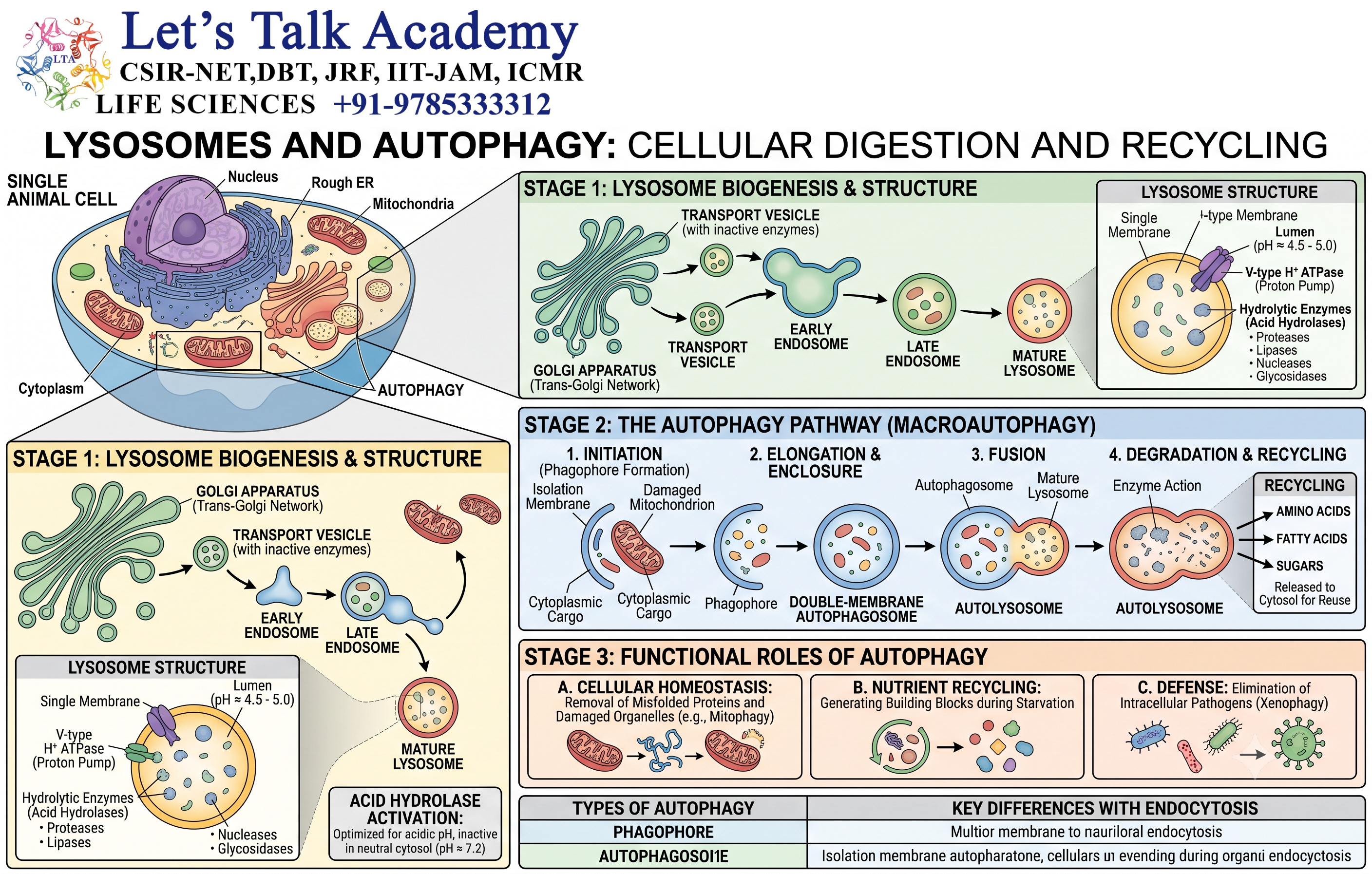
Autophagy is a major cellular degradation and recycling pathway involving lysosomes.
10.1 Meaning of Autophagy
The term autophagy means “self-eating.”
It refers to a controlled process through which cells deliver their own damaged or unnecessary components to lysosomes for degradation.
Autophagy is not simply a destructive process. It is an important mechanism for maintaining cellular quality and adapting to stress.
10.2 Macroautophagy
In macroautophagy, a portion of cytoplasm or an organelle becomes enclosed within a double-membrane structure called an autophagosome.
The autophagosome subsequently fuses with a lysosome.
The lysosomal enzymes degrade the contents, and useful products are released back into the cytoplasm.
10.3 Mitophagy
The selective autophagic degradation of mitochondria is known as mitophagy.
It helps remove damaged or dysfunctional mitochondria.
This process is important because damaged mitochondria can produce excessive reactive oxygen species and may disrupt cellular metabolism.
10.4 Lysophagy
Lysophagy refers to the selective autophagic response involved in the removal or repair of damaged lysosomes.
Cells possess mechanisms for detecting lysosomal damage and maintaining lysosomal quality.
11. Lysosomes in Endocytosis
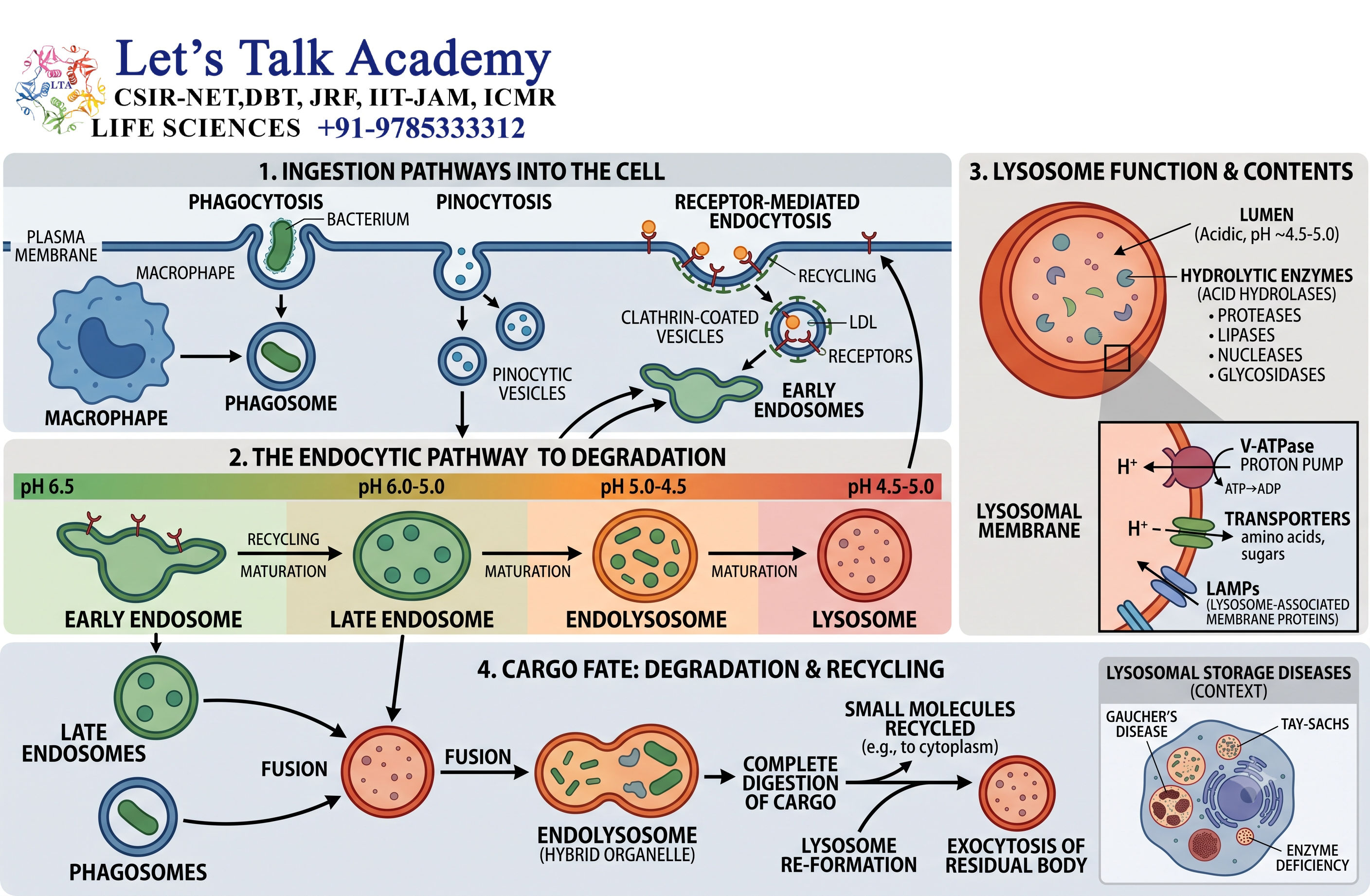
Lysosomes play an essential role in the degradation of materials taken into cells through endocytosis.
11.1 Endocytosis
During endocytosis, the plasma membrane surrounds extracellular material and forms an intracellular vesicle.
This material is transported through the endosomal system.
11.2 Early Endosome
The newly internalized vesicle generally enters an early endosomal compartment.
The early endosome functions as a sorting station.
Some molecules are recycled back to the plasma membrane, while others are directed toward degradation.
11.3 Late Endosome
The endosome matures into a late endosomal compartment.
It becomes increasingly acidic and acquires proteins associated with lysosomal function.
11.4 Fusion with Lysosomes
The late endosome can fuse with lysosomal compartments.
The contents are then exposed to lysosomal hydrolases and degraded.
This pathway is particularly important for the degradation of internalized receptors, proteins, and extracellular materials.
12. Lysosomes and Phagocytosis
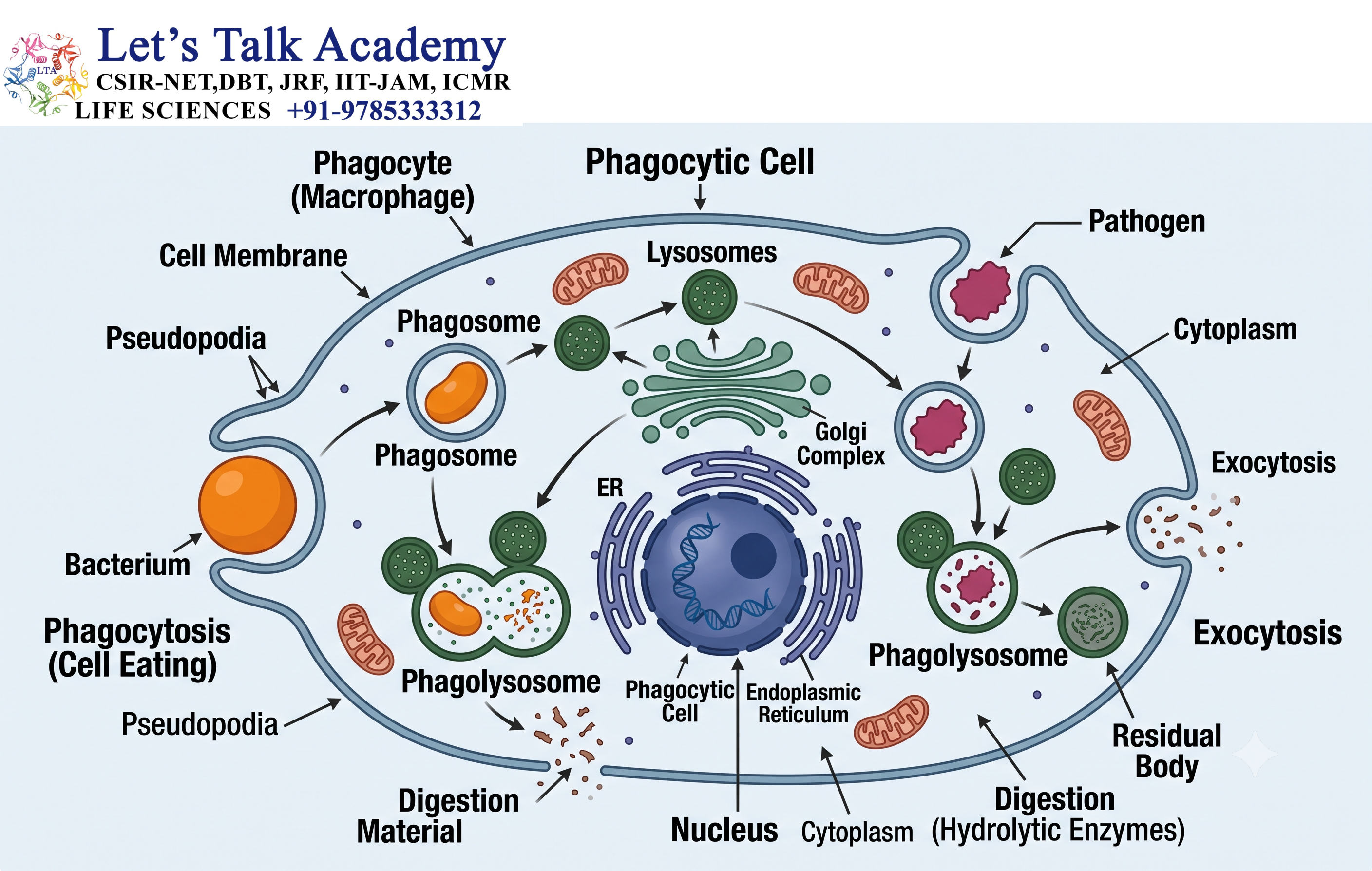
Phagocytosis is a specialized form of cellular uptake in which large particles are engulfed by cells.
12.1 Formation of Phagosomes
During phagocytosis, the plasma membrane surrounds a large particle and forms a membrane-bound compartment called a phagosome.
12.2 Phagosome-Lysosome Fusion
The phagosome subsequently interacts with lysosomal compartments.
Fusion produces a digestive compartment often called a phagolysosome.
12.3 Destruction of Foreign Material
Lysosomal enzymes contribute to the degradation of engulfed material.
This function is particularly important in immune cells such as macrophages and neutrophils.
13. Lysosomes and Cellular Homeostasis

Cellular homeostasis refers to the maintenance of a stable internal environment.
Lysosomes contribute to homeostasis by controlling the degradation and recycling of cellular components.
13.1 Removal of Damaged Organelles
Damaged organelles can interfere with cellular function.
Lysosome-dependent autophagy helps remove these damaged structures.
13.2 Nutrient Recycling
During nutrient shortage, cells can increase autophagic activity.
Lysosomal degradation releases amino acids, fatty acids, sugars, and other metabolites that can support cellular metabolism.
13.3 Control of Cellular Quality
By continuously degrading unwanted or damaged materials, lysosomes help maintain the quality of the intracellular environment.
14. Lysosomes as Cellular Signaling Centers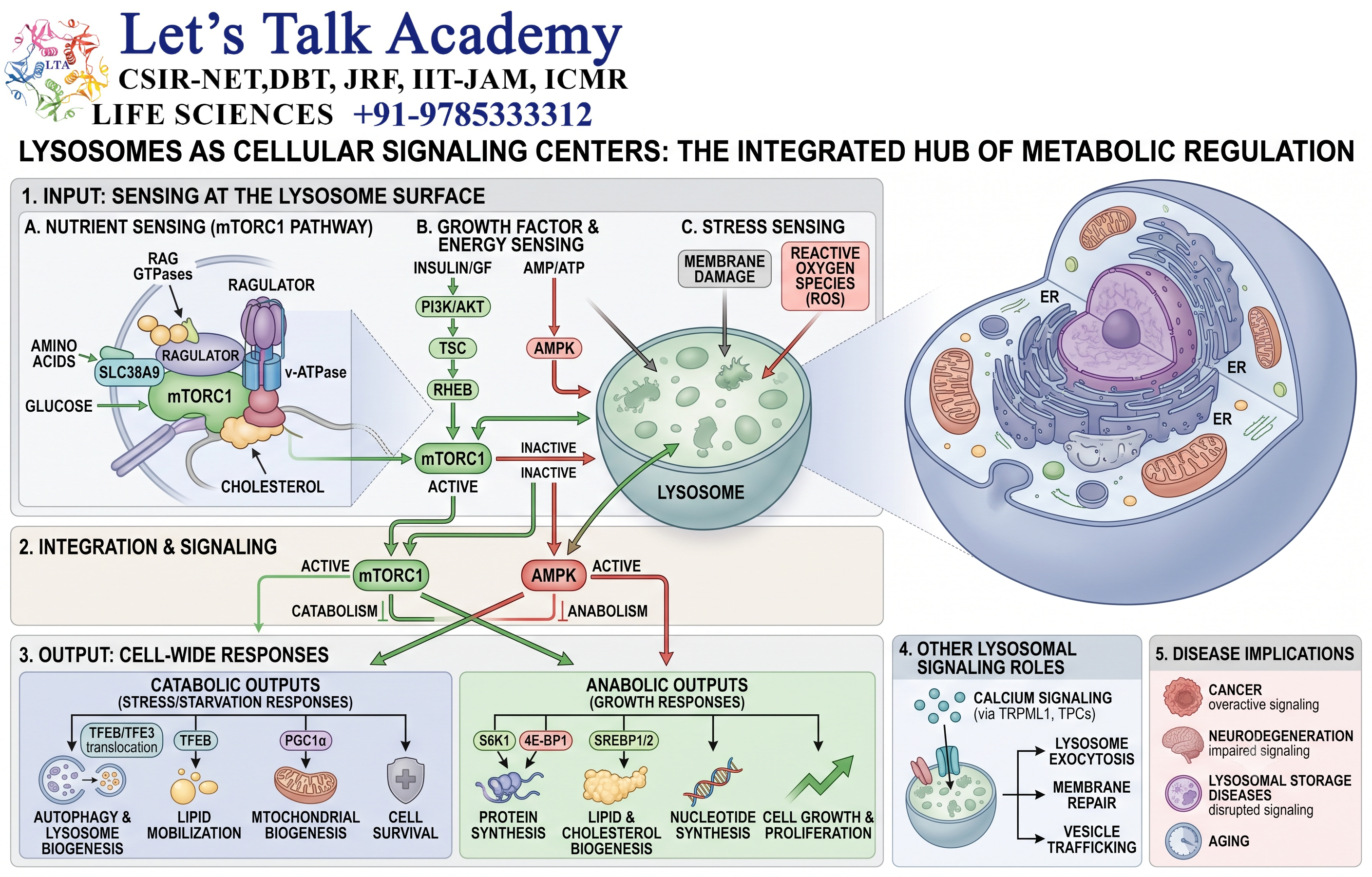
Lysosomes are increasingly recognized as important signaling platforms.
14.1 Nutrient Sensing
Lysosomes participate in sensing cellular nutrient availability.
A major signaling system associated with lysosomes is the mTORC1 pathway.
mTORC1 integrates information about nutrients and cellular conditions to regulate processes such as:
- Protein synthesis
- Cell growth
- Metabolism
- Autophagy
14.2 Regulation of Autophagy
When nutrients are abundant, signaling pathways can suppress autophagy.
When nutrients become limited, autophagy can be activated to increase recycling of intracellular materials.
Lysosomes therefore occupy a central position in the balance between cellular growth and cellular recycling.
15. Lysosomal Membrane Permeability
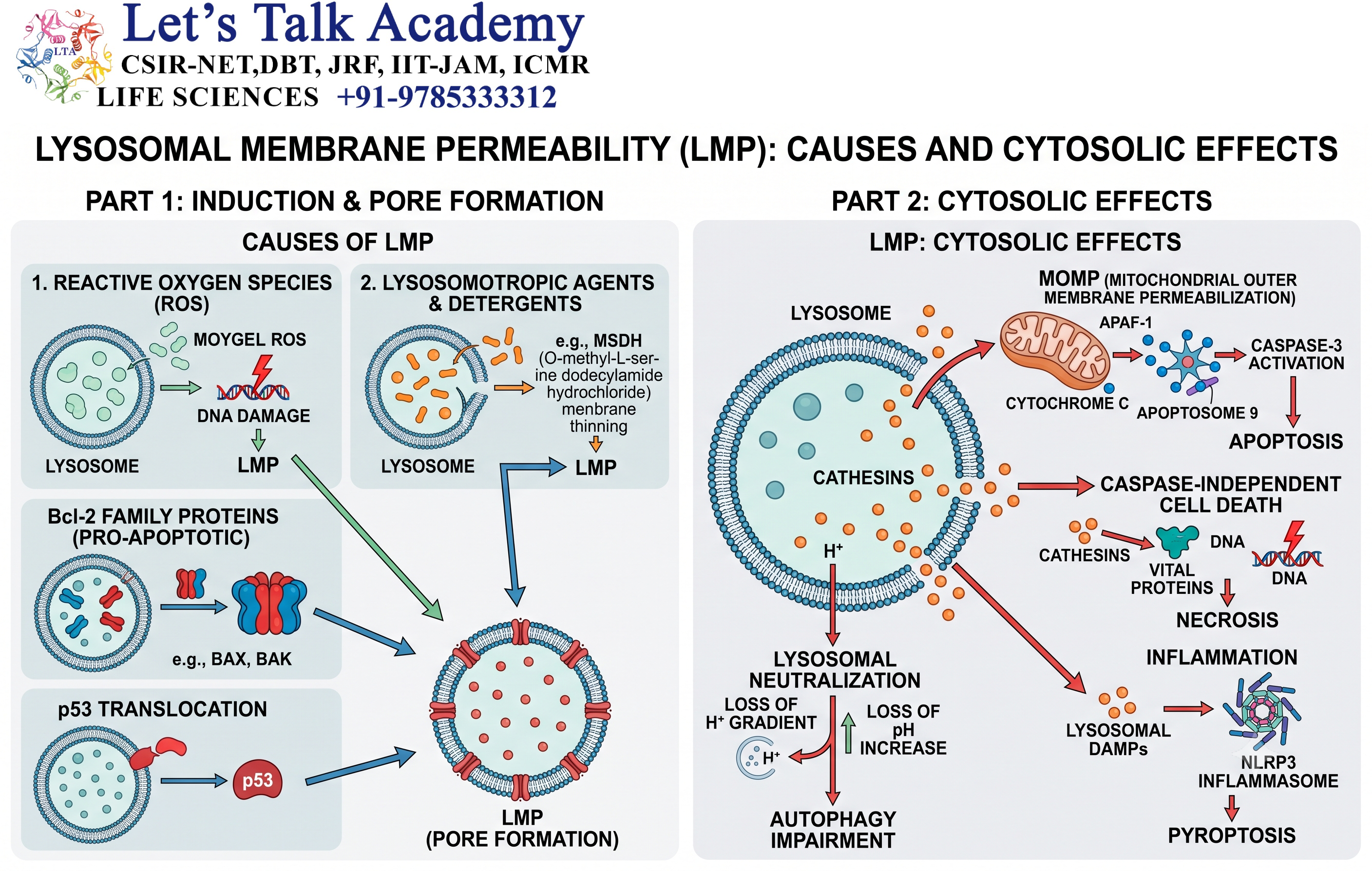
The lysosomal membrane normally provides a strong barrier between lysosomal enzymes and the cytoplasm.
15.1 Importance of Membrane Integrity
Maintaining membrane integrity is essential because lysosomal enzymes can damage cellular components if they are released in an uncontrolled manner.
15.2 Lysosomal Membrane Permeabilization
Under certain pathological or stress conditions, the lysosomal membrane can become permeable.
This phenomenon is called lysosomal membrane permeabilization (LMP).
Partial or extensive membrane damage can result in the release of lysosomal contents into the cytoplasm.
15.3 Cellular Consequences
Depending on the extent of damage and cellular context, lysosomal membrane damage may contribute to:
- Cellular stress
- Apoptotic signaling
- Necrotic cell death
- Inflammatory responses
Thus, lysosomal membrane integrity is closely associated with cell survival.
16. Lysosomes and Cell Death
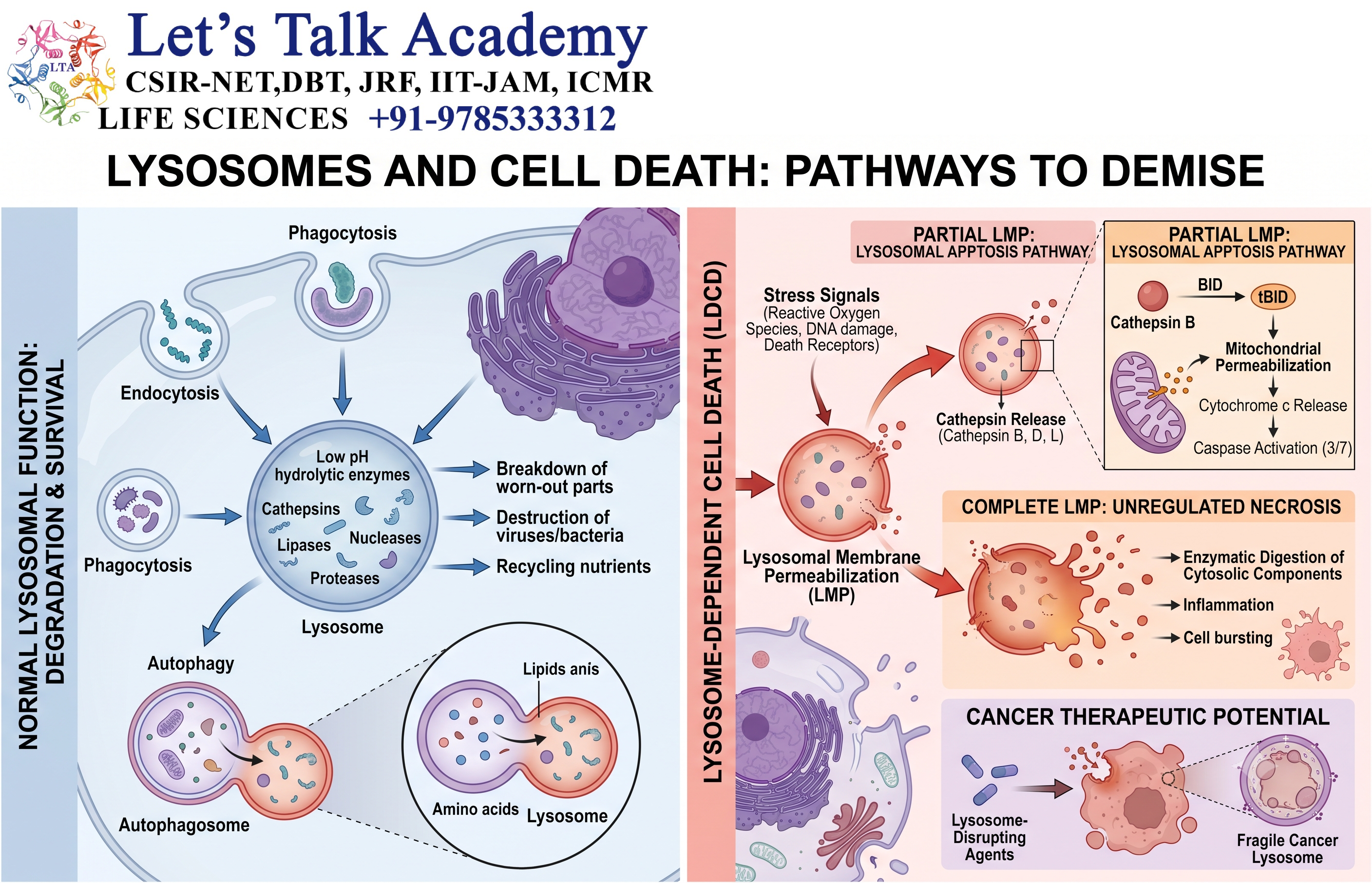
Lysosomes can influence several forms of cell death.
16.1 Lysosomal Proteases
Certain lysosomal proteases, particularly cathepsins, can participate in cell death pathways when released from damaged lysosomes.
16.2 Relationship with Apoptosis
Lysosomal signaling can interact with mitochondrial and apoptotic pathways.
The precise outcome depends on the degree of lysosomal damage and the cellular context.
16.3 Controlled Versus Uncontrolled Damage
Normal lysosomal degradation is tightly regulated and supports cell survival.
In contrast, extensive lysosomal damage can contribute to cellular injury and death.
17. Lysosomal Storage Disorders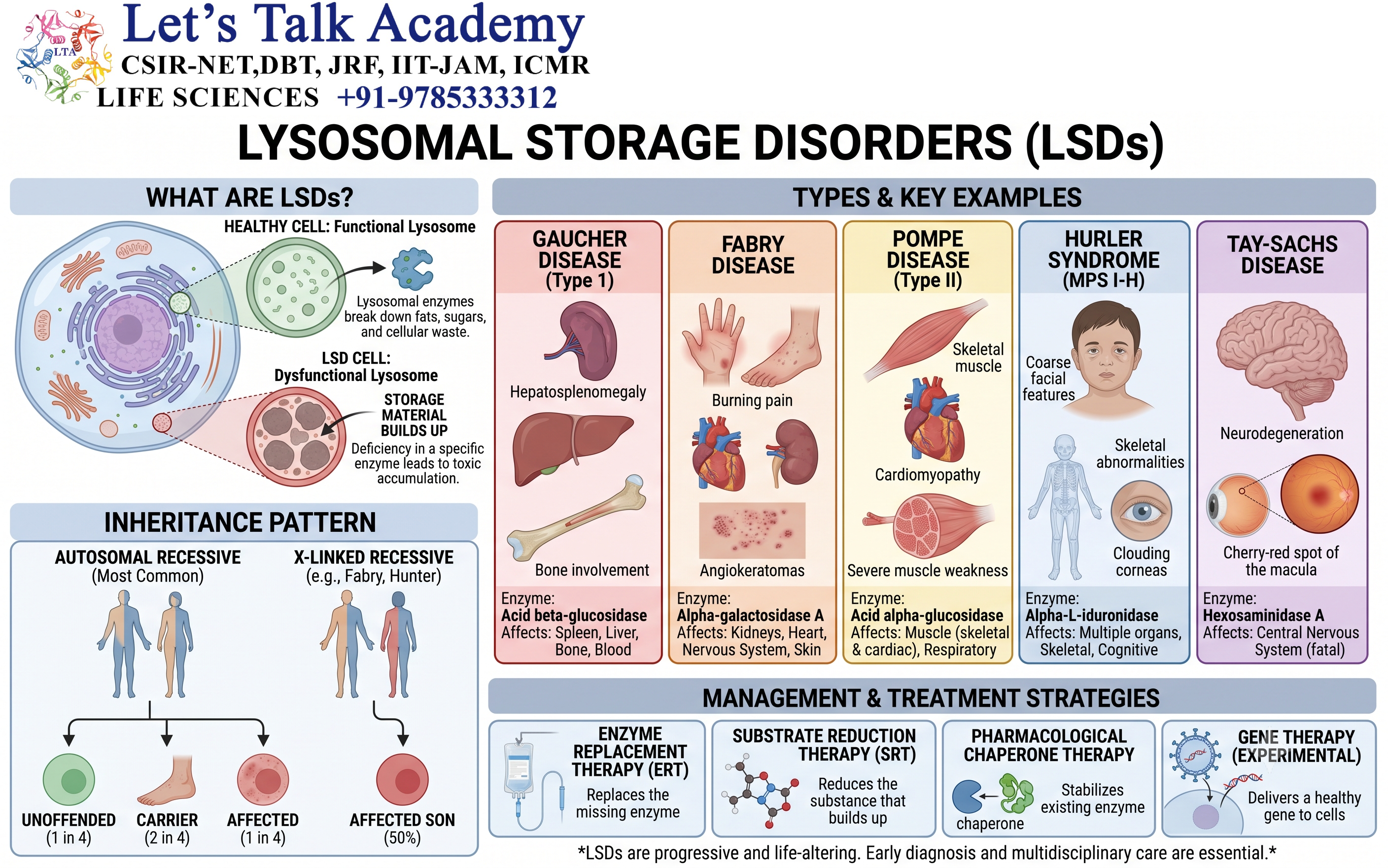
Lysosomal storage disorders are inherited metabolic disorders caused by defects in lysosomal function.
17.1 General Mechanism
In many lysosomal storage disorders, a particular lysosomal enzyme is deficient or defective.
As a result, its substrate cannot be degraded normally.
The undegraded material accumulates within lysosomal compartments.
The general sequence can be represented as:
Enzyme deficiency → impaired degradation → substrate accumulation → lysosomal dysfunction → cellular and tissue abnormalities
17.2 Tay-Sachs Disease
Tay-Sachs disease is associated with deficiency of hexosaminidase A.
This causes accumulation of certain glycolipids, particularly GM2 ganglioside, within cells.
Neurons are especially affected.
17.3 Gaucher Disease
Gaucher disease results from deficiency of β-glucocerebrosidase.
This causes accumulation of glucocerebroside and related substrates, particularly in cells of the monocyte-macrophage system.
17.4 Pompe Disease
Pompe disease is associated with deficiency of acid α-glucosidase, also called acid maltase.
The defect results in accumulation of glycogen within lysosomes.
Muscle cells are particularly affected.
17.5 Niemann-Pick Disease
Niemann-Pick diseases represent a group of disorders involving abnormalities in lipid metabolism and lysosomal function.
Depending on the specific type, different lipids may accumulate in cells.
17.6 I-Cell Disease
I-cell disease, or mucolipidosis II, is associated with defective lysosomal enzyme targeting.
A major defect involves the formation of the mannose-6-phosphate recognition system.
As a result, many lysosomal enzymes fail to reach lysosomes correctly and may instead be secreted outside the cell.
This demonstrates the importance of proper lysosomal enzyme targeting.
18. Lysosomes in Plant Cells

Classical lysosomes are particularly associated with animal cells. Plant cells generally possess vacuoles that perform many functions analogous to lysosomes.
18.1 Lytic Vacuoles
Lytic vacuoles contain hydrolytic enzymes and participate in the degradation and recycling of cellular materials.
They can therefore be considered functionally comparable to lysosomes in many respects.
18.2 Plant Vacuoles and Cellular Recycling
Plant vacuoles contribute to:
- Protein degradation
- Recycling
- Ion storage
- Osmotic regulation
- Waste storage
- Cellular homeostasis
Thus, lysosomal-type degradation is also an important feature of plant cell biology, although the organelle architecture differs from that of typical animal lysosomes.
19. Lysosomes in Different Cell Types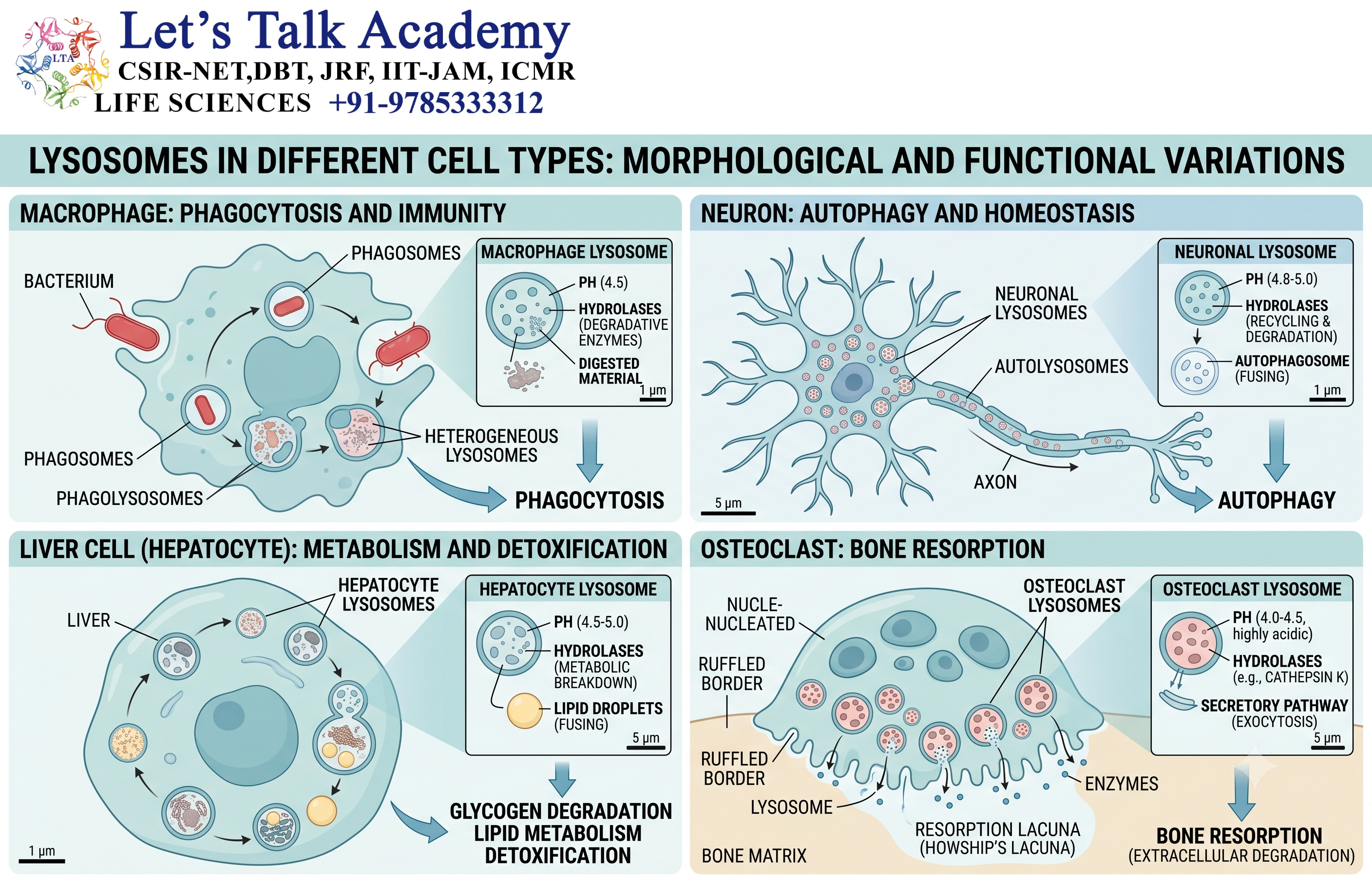
Lysosomal abundance and activity differ according to cellular function.
19.1 Macrophages
Macrophages are highly phagocytic cells and contain an extensive lysosomal system.
Their lysosomes help digest engulfed microorganisms, cellular debris, and extracellular particles.
19.2 Neurons
Neurons depend on efficient lysosomal degradation and autophagy for long-term maintenance because neurons are long-lived cells.
Defects in lysosomal pathways can therefore have severe effects on nervous tissue.
19.3 Muscle Cells
Muscle cells use autophagy and lysosomal degradation to maintain organelle quality and metabolic balance.
Lysosomal dysfunction can significantly affect muscle physiology.
19.4 Secretory Cells
Cells involved in secretion possess complex membrane-trafficking systems that interact with lysosomes and related organelles.
20. Lysosome Fusion and Membrane Trafficking
Lysosomes are dynamic organelles that continuously interact with other membrane-bound compartments.
20.1 Fusion with Endosomes
Endosomes deliver extracellular and membrane-derived materials to lysosomal compartments.
20.2 Fusion with Autophagosomes
Autophagosomes deliver intracellular material for degradation.
Fusion between autophagosomes and lysosomes enables degradation of their contents.
20.3 Fusion with Phagosomes
Phagosomes containing large particles can fuse with lysosomes to form phagolysosomes.
20.4 Role of SNARE Proteins
Membrane fusion requires specialized proteins.
SNARE proteins are important components of the machinery that helps bring membranes together and promote membrane fusion.
Other regulatory proteins, including Rab GTPases and tethering factors, contribute to the specificity and regulation of lysosomal fusion events.
21. Transport of Degradation Products
Lysosomal digestion is useful only when the resulting molecules can be reused or transported.
21.1 Amino Acid Transport
Proteins degraded inside lysosomes produce amino acids and small peptides.
These products can be transported into the cytoplasm and reused for protein synthesis or metabolism.
21.2 Lipid Transport
Lipid degradation produces fatty acids and other lipid components.
These molecules can participate in energy metabolism or membrane biosynthesis.
21.3 Nucleotide Recycling
Nucleic acid degradation produces nucleotides and related compounds that can be reused in cellular metabolism.
Thus, lysosomes function not merely as disposal compartments but also as recycling centers.
22. Lysosomes and Autolysis
Autolysis refers to the digestion of cellular components by enzymes originating from the same cell.
22.1 Controlled Autophagic Degradation
During normal cellular life, lysosomes continuously degrade selected cellular components.
This is controlled and beneficial.
22.2 Extensive Cellular Damage
If lysosomal membranes become severely damaged, lysosomal enzymes may enter the cytoplasm and contribute to cellular breakdown.
This illustrates why lysosomal activity must remain tightly controlled.
23. Lysosomes and Aging
Lysosomal function is closely connected with cellular aging.
23.1 Accumulation of Damaged Material
With increasing cellular age, damaged proteins, lipids, and organelles may accumulate.
Efficient lysosomal degradation helps remove these materials.
23.2 Decline in Autophagy
Changes in autophagy and lysosomal efficiency can reduce the ability of cells to maintain intracellular quality.
23.3 Lipofuscin and Residual Material
Some cells accumulate poorly degradable materials such as lipofuscin, particularly during aging.
Such accumulation reflects the long-term balance between cellular damage and degradation.
24. Lysosomes and Disease
Lysosomal dysfunction is associated with a wide range of diseases.
These include:
- Lysosomal storage disorders
- Certain neurodegenerative diseases
- Metabolic disorders
- Some cancers
- Inflammatory conditions
- Disorders involving defective autophagy
The relationship between lysosomal dysfunction and disease is often complex because lysosomes interact with metabolism, signaling, membrane trafficking, and cell death pathways.
25. Lysosomes and Cancer
Cancer cells undergo major changes in metabolism and cellular organization.
Lysosomes can support cancer cell survival by contributing to:
- Increased degradation
- Nutrient recycling
- Autophagy
- Adaptation to metabolic stress
- Remodeling of the extracellular environment
Some cancer cells exhibit increased lysosomal activity, allowing them to survive under unfavorable conditions.
Lysosomal pathways are therefore being investigated as potential targets for therapeutic intervention.
26. Lysosomes and Neurodegenerative Disorders
Neurons are particularly sensitive to defects in intracellular degradation.
Because neurons are long-lived and often cannot simply dilute damaged components through cell division, efficient autophagy and lysosomal degradation are extremely important.
Defects in lysosomal pathways can contribute to the accumulation of:
- Misfolded proteins
- Damaged organelles
- Aggregated cellular material
Such accumulation is associated with several neurodegenerative conditions.
27. Lysosomes and Immune Function
Lysosomes and lysosome-related compartments play important roles in immune cells.
27.1 Destruction of Pathogens
Phagocytic cells use lysosomal enzymes to digest engulfed microorganisms.
27.2 Antigen Processing
Endosomal and lysosomal systems contribute to the processing of proteins for antigen presentation.
This allows immune cells to generate peptides that can be displayed to other immune cells.
27.3 Inflammatory Responses
Lysosomal damage and lysosomal signaling can influence inflammatory pathways.
Therefore, lysosomes contribute to both innate and adaptive immune processes.
28. Lysosome-Related Organelles
Some specialized cells possess organelles that share characteristics with lysosomes but perform additional specialized functions.
These are called lysosome-related organelles (LROs).
Examples include:
- Melanosomes in pigment cells
- Lytic granules in cytotoxic lymphocytes
- Dense granules in platelets
These compartments combine lysosomal properties with specialized cell-specific functions.
29. Lysosomes and Membrane Repair
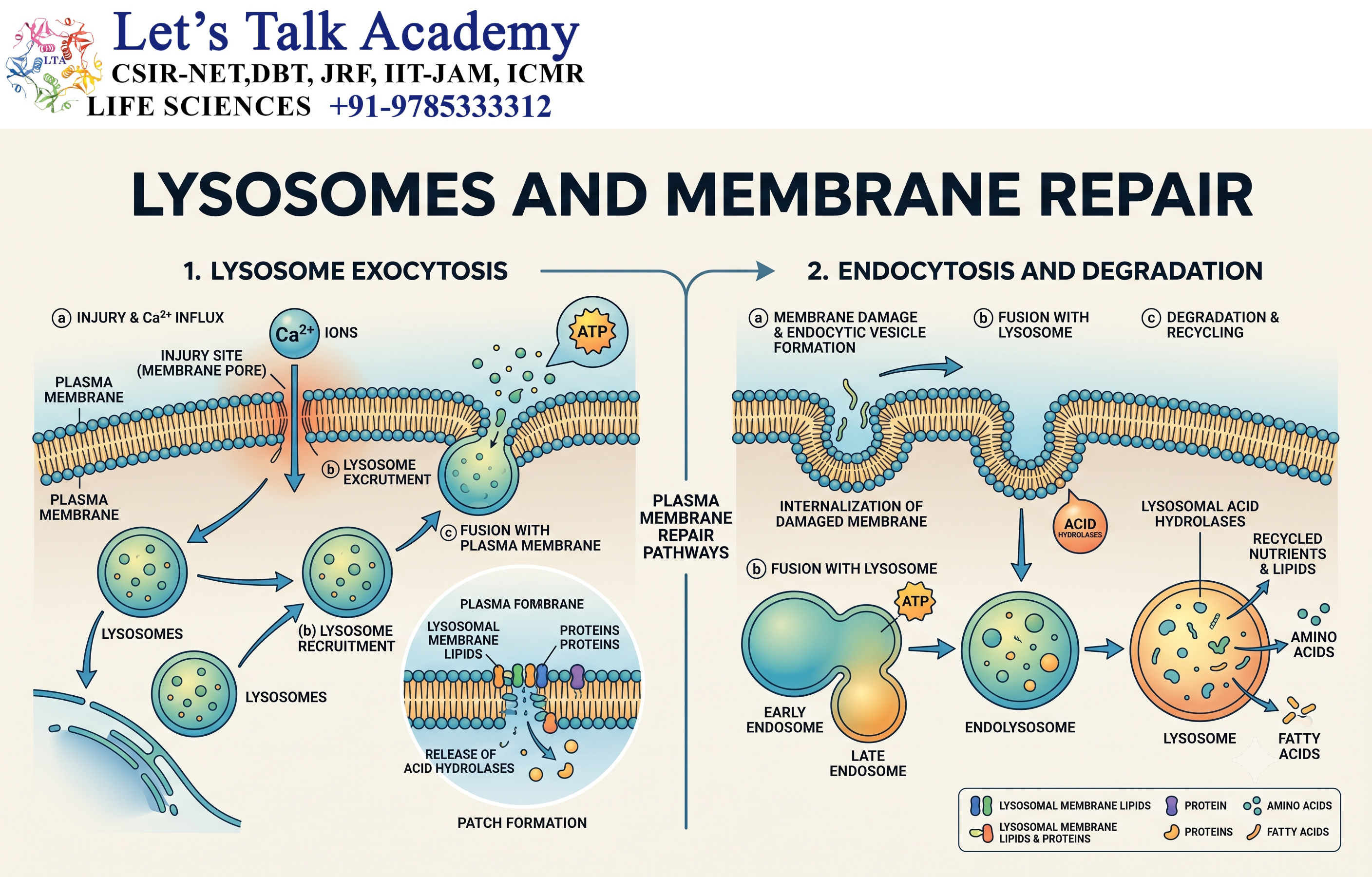
Lysosomes can also participate in repair of damaged plasma membranes.
29.1 Lysosomal Exocytosis
When the plasma membrane is damaged, lysosomes may move toward the damaged region.
They can fuse with the plasma membrane and release their contents outside the cell.
29.2 Role in Membrane Recovery
Lysosomal exocytosis contributes to membrane repair and helps maintain cellular integrity.
This demonstrates that lysosomes can participate not only in degradation but also in protective cellular responses.
30. Lysosomes and Cellular Recycling: A Conceptual Model
The overall role of lysosomes can be understood as a recycling cycle:
Cellular material → lysosomal degradation → small molecules → transport to cytoplasm → reuse in metabolism or biosynthesis
For example:
Protein → amino acids → new protein synthesis
Lipid → fatty acids and other components → energy production or membrane synthesis
Nucleic acid → nucleotides → nucleic acid synthesis or metabolism
This recycling function is essential for efficient use of cellular resources.
31. Important Features of Lysosomes
The major features of lysosomes can be summarized as follows:
- Lysosomes are membrane-bound organelles.
- They contain numerous acid hydrolases.
- Their internal pH is acidic.
- V-type H⁺-ATPase maintains lysosomal acidity.
- Many lysosomal enzymes are synthesized in the rough endoplasmic reticulum.
- Lysosomal enzymes are processed and sorted through the Golgi apparatus.
- Mannose-6-phosphate is an important targeting signal for many lysosomal enzymes.
- Lysosomes degrade proteins, lipids, carbohydrates, and nucleic acids.
- They participate in autophagy.
- They contribute to intracellular recycling.
- They interact with endosomes, phagosomes, and autophagosomes.
- They participate in nutrient sensing and signaling.
- Lysosomal dysfunction can cause lysosomal storage disorders.
- Lysosomes contribute to cellular quality control.
- Lysosomal membrane damage can influence cell death pathways.
32. Lysosomes and the Endomembrane System
Lysosomes are an integral component of the endomembrane system.
The endomembrane system includes several interconnected compartments and membrane-trafficking pathways.
Important components include:
- Endoplasmic reticulum
- Golgi apparatus
- Endosomes
- Lysosomes
- Transport vesicles
- Plasma membrane
Proteins and lipids continuously move among these compartments.
Lysosomes receive materials from several pathways and return degradation products to the cytoplasm.
Therefore, lysosomal function cannot be understood independently of membrane trafficking and the broader endomembrane system.
33. Difference Between Lysosomes and Peroxisomes
Lysosomes and peroxisomes are both membrane-bound organelles, but their functions are different.
| Feature | Lysosomes | Peroxisomes |
|---|---|---|
| Main function | Intracellular degradation | Oxidative metabolism |
| Major enzymes | Acid hydrolases | Oxidases and catalase |
| Internal environment | Acidic | Not strongly acidic like lysosomes |
| Major substrates | Proteins, lipids, carbohydrates, nucleic acids | Fatty acids and other molecules |
| Role in autophagy | Major | Limited/indirect |
| Membrane | Single membrane | Single membrane |


