
Biomolecules: Structure, Function and Classification
Biomolecules are biological molecules that are present in living organisms and are essential for the maintenance, growth, reproduction, and regulation of life. They include important macromolecules such as DNA, RNA, carbohydrates, proteins, and lipids, along with many small molecules such as ATP, NADPH, vitamins, and metabolic intermediates. These molecules are often referred to as the “molecules of life” because the structure and function of living cells depend on them.
Although individual biomolecules are not themselves living, their remarkable chemical diversity, organization, interactions, and abundance make life possible. Molecules such as ATP and NADPH are particularly important because they represent chemically useful forms of stored or transferable energy. ATP acts as a major energy currency of the cell, whereas NADPH provides reducing power for several biosynthetic and antioxidant processes.
What Are Biomolecules?
Biomolecules are naturally occurring organic or inorganic molecules that participate in the structural organization and physiological processes of living organisms. They are synthesized, modified, degraded, and recycled through highly regulated biochemical pathways. Biomolecules are found in microorganisms, plants, animals, and other forms of life, and their functions range from forming cellular structures to storing genetic information and catalyzing biochemical reactions.
Most major biomolecules contain carbon, hydrogen, oxygen, and nitrogen. However, other elements such as phosphorus, sulfur, calcium, magnesium, sodium, potassium, iron, and chlorine are also important components of many biological molecules and biochemical reactions. The enormous diversity of biomolecules arises from differences in their elemental composition, bonding patterns, three-dimensional structures, functional groups, and interactions with other molecules.
Importance of Biomolecules in Living Organisms
Biomolecules are formed and utilized in the body to meet the physiological requirements of cells and organisms. They are involved in growth, development, energy production, cellular communication, transport, defense, reproduction, and maintenance of cellular homeostasis.
Some biomolecules are hereditary molecules, such as DNA, which stores genetic information and allows the transmission of genetic information from one generation to the next. RNA performs several functions, including carrying genetic information in certain viruses, participating in protein synthesis, regulating gene expression, and acting as a structural or catalytic molecule.
Other biomolecules form essential structural components of cells. Proteins contribute to the structure of membranes, cytoskeletons, extracellular matrices, and many cellular complexes. Lipids are major components of biological membranes and also function as energy reserves and signaling molecules. Carbohydrates can act as immediate energy sources, energy-storage molecules, and structural components.
Biochemistry and the Study of Biomolecules
Biochemistry is the branch of science that deals with the chemical basis of life. It studies the structure, properties, synthesis, degradation, interactions, and functions of biomolecules and explains how these molecules work together to maintain cellular and organismal life.
Biochemistry also helps explain how biomolecules regulate physiological processes and how abnormalities in their metabolism can result in deficiency disorders and diseases. For example, abnormalities in carbohydrate metabolism can influence blood glucose regulation, defects in lipid metabolism can contribute to metabolic disorders, and mutations affecting proteins can result in inherited diseases.
Biomolecules are present in humans, animals, plants, fungi, bacteria, and other organisms. However, the types, concentrations, modifications, and metabolic pathways of biomolecules can vary considerably between organisms and tissues.
Biomolecules and Energy Flow in Living Systems
Phototrophic organisms such as plants, algae, and cyanobacteria can synthesize organic molecules using carbon dioxide and other inorganic resources through photosynthetic or related carbon-fixation pathways. Plants therefore convert relatively simple inorganic carbon into complex organic biomolecules such as carbohydrates and subsequently use these compounds to synthesize proteins, lipids, nucleic acids, and other cellular components.
These biomolecules can enter food chains and food webs. Animals obtain organic molecules either directly or indirectly from plants and other organisms. During digestion and metabolism, complex biomolecules can be broken down into smaller molecules that can be absorbed and further metabolized. These molecules provide both the carbon skeletons and energy required for cellular activities.
At the cellular level, biomolecules are continuously synthesized and degraded. This dynamic process is called metabolism. Metabolism includes both anabolism, in which complex molecules are synthesized from simpler molecules, and catabolism, in which complex molecules are broken down into simpler products, often releasing usable energy.
Types of Biomolecules
Four major classes of biological macromolecules are generally emphasized in biological sciences:
- Carbohydrates
- Proteins
- Lipids
- Nucleic acids
In addition to these major classes, biologically important small molecules include vitamins, cofactors, hormones, nucleotides, metabolic intermediates, pigments, and signaling molecules. For CSIR NET Life Science, these molecules should be studied together with their chemical structures, functional groups, biosynthetic pathways, and biological roles.
1. Carbohydrates
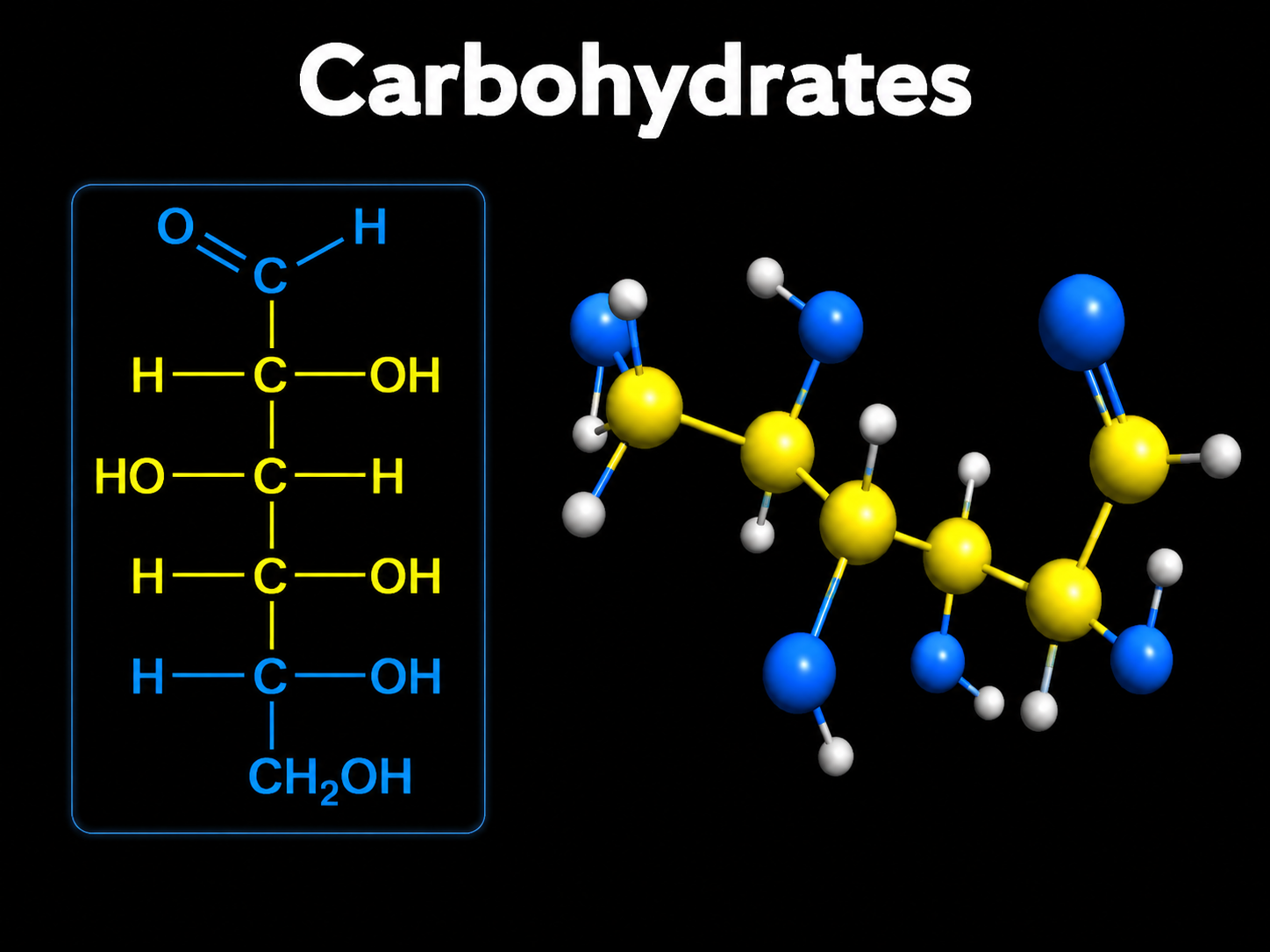
Carbohydrates are organic molecules composed primarily of carbon, hydrogen, and oxygen. They include simple sugars such as glucose and fructose, disaccharides such as sucrose, and polysaccharides such as starch, glycogen, and cellulose.
Glucose is an important metabolic fuel and serves as a central intermediate in cellular metabolism. Plants store carbohydrates mainly in the form of starch, whereas animals commonly store glucose in the form of glycogen. Cellulose is an important structural polysaccharide of plant cell walls.
Carbohydrates are not restricted to energy production. They also participate in cell recognition, cell adhesion, protein modification, and structural organization. Oligosaccharides attached to proteins and lipids on the cell surface can act as important molecular recognition signals.
2. Proteins
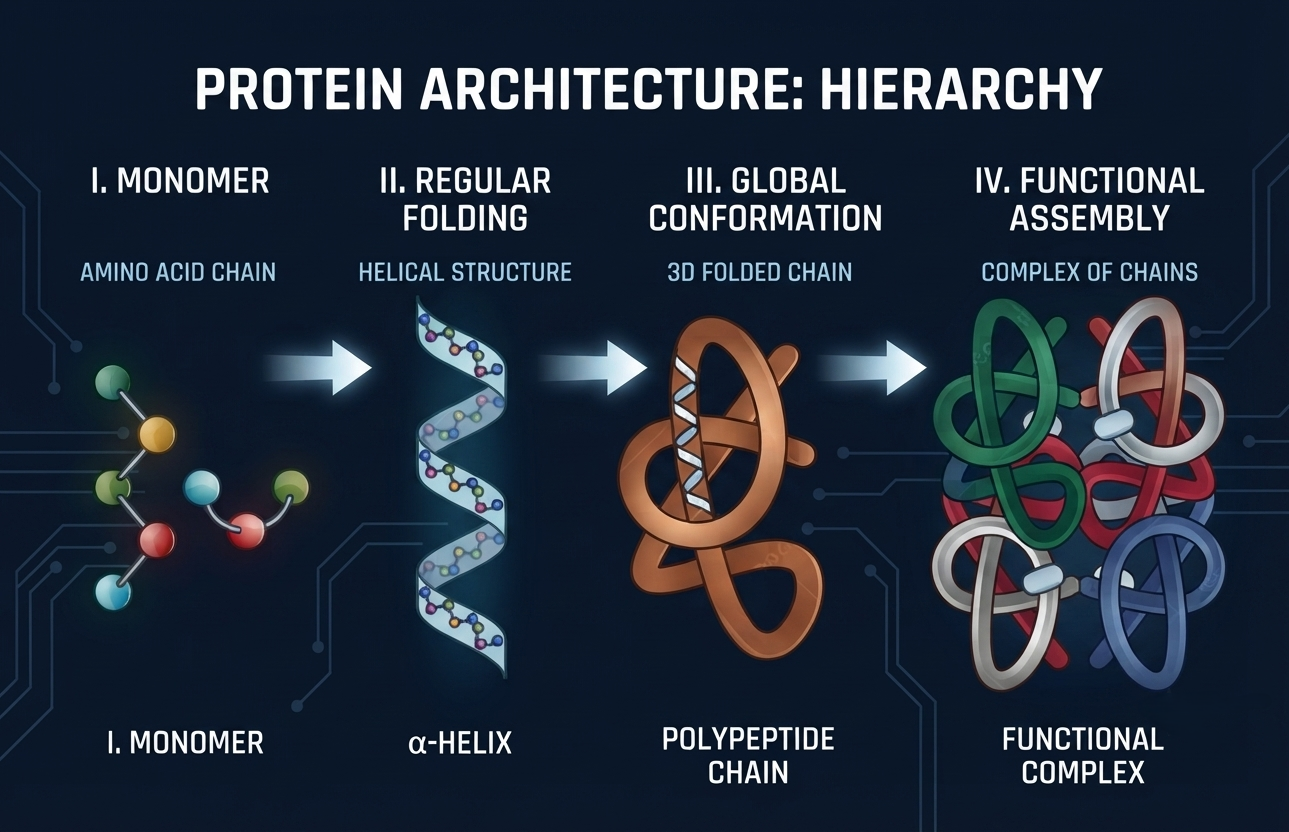
Proteins are highly diverse biological macromolecules composed of amino acids linked together through peptide bonds. They perform numerous functions and are among the most functionally versatile biomolecules found in living organisms.
Proteins can function as enzymes, structural components, transport molecules, receptors, antibodies, channels, motors, hormones, transcription factors, and signaling molecules. Their functions depend strongly on their three-dimensional structures.
The organization of a protein is commonly described at four levels: primary, secondary, tertiary, and quaternary structure. The primary structure represents the amino acid sequence. Secondary structures include α-helices and β-sheets, while tertiary structure represents the overall three-dimensional folding of a polypeptide chain. Quaternary structure occurs when multiple polypeptide chains associate to form a functional protein complex.
Amino Acids and Protein Structure
Amino acids are the basic building blocks of proteins. Their chemical properties are determined largely by their side chains. Depending on their side-chain properties, amino acids can be classified as nonpolar, polar, acidic, or basic.
The interactions among amino acid side chains, together with hydrogen bonding, ionic interactions, hydrophobic interactions, van der Waals forces, and disulfide bonds, contribute to protein folding and stability.
Enzymes as Protein Biomolecules
Many enzymes are proteins that act as biological catalysts. Enzymes increase the rate of biochemical reactions by lowering the activation energy without being permanently consumed during the reaction. Their catalytic activity is influenced by factors such as temperature, pH, substrate concentration, enzyme concentration, inhibitors, and cofactors.
3. Lipids
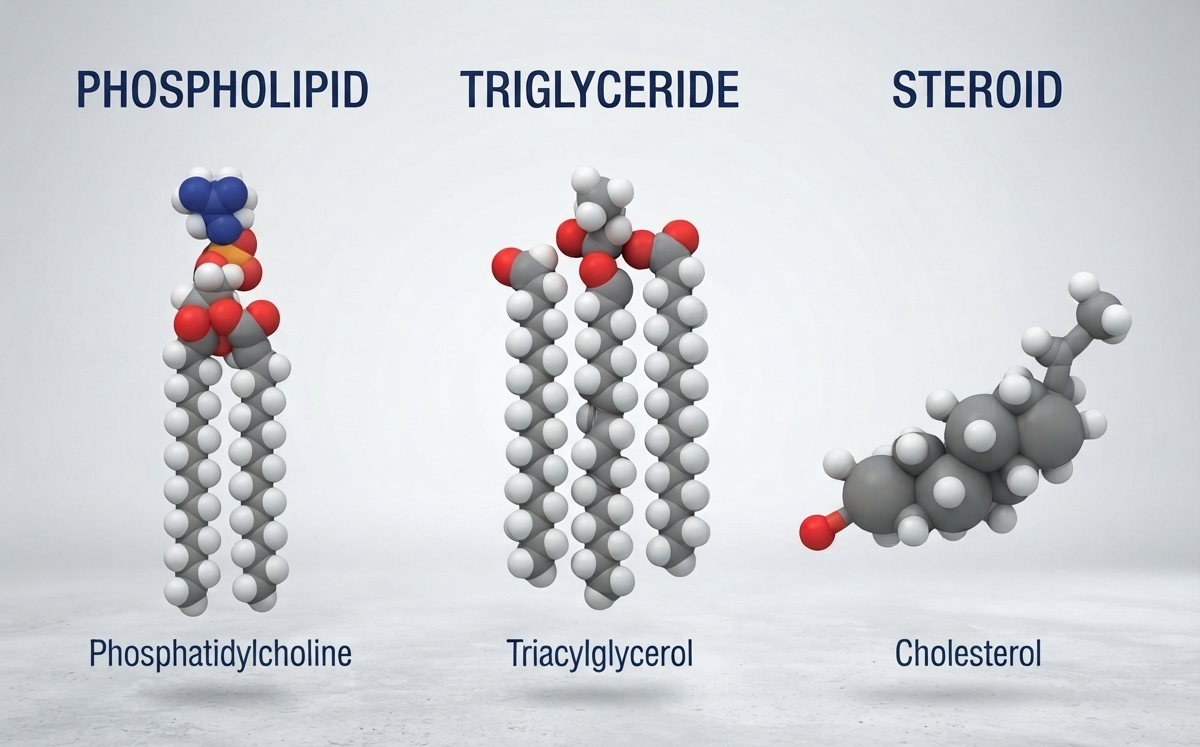
Lipids are a diverse group of hydrophobic or amphipathic biomolecules. They include fatty acids, triacylglycerols, phospholipids, glycolipids, steroids, and several signaling molecules.
Lipids perform several important biological functions. They serve as concentrated energy-storage molecules, form the structural basis of biological membranes, participate in cell signaling, provide insulation, and act as precursors for several biologically active compounds.
Phospholipids are particularly important because their amphipathic nature allows them to spontaneously organize into bilayers in an aqueous environment. This property forms the fundamental structural basis of most biological membranes.
Lipids and Biological Membranes
The plasma membrane contains lipids, proteins, and carbohydrates organized according to the principles of the fluid mosaic model. The nature of membrane lipids influences membrane fluidity, permeability, curvature, and the functioning of membrane-associated proteins.
4. Nucleic Acids
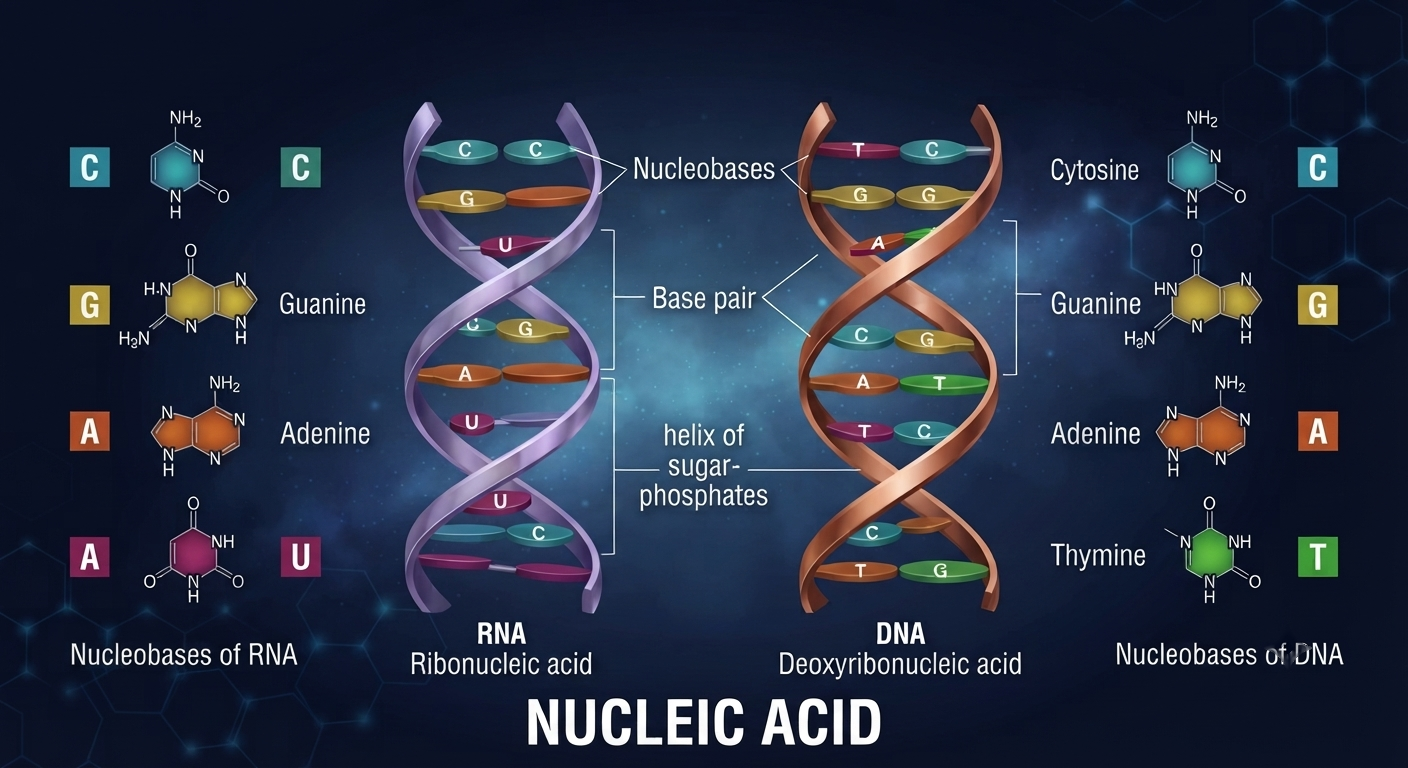
Nucleic acids are biomolecules responsible for the storage, transmission, expression, and regulation of genetic information. The two major types are deoxyribonucleic acid (DNA) and ribonucleic acid (RNA).
DNA
DNA is the primary genetic material in most cellular organisms. It stores genetic information in the sequence of its nucleotides. DNA is composed of nucleotides containing a nitrogenous base, a deoxyribose sugar, and a phosphate group.
The complementary base-pairing between adenine and thymine and between guanine and cytosine contributes to the stability and information-storage capacity of double-stranded DNA. Hydrogen bonding and base-stacking interactions are important contributors to DNA structure.
RNA
RNA contains ribose sugar and uses uracil instead of thymine. RNA molecules perform diverse functions in cells. Messenger RNA carries coding information, transfer RNA participates in translation, and ribosomal RNA forms an essential component of ribosomes. In addition, several regulatory and catalytic RNAs are involved in gene regulation and RNA processing.
RNA is therefore much more than a simple intermediate between DNA and proteins. Its structural and catalytic diversity is an important concept for modern molecular biology and CSIR NET Life Science.
Biomolecules: Class and Major Functions
Biomolecule or Class |
Major Biological Function |
|---|---|
| Carbohydrates such as glucose, sucrose, starch, and cellulose | Provide energy, store energy, and contribute to structural functions |
| DNA | Stores and transmits genetic information |
| RNA | Participates in protein synthesis, gene regulation, and other cellular processes |
| Proteins and amino acids | Build cellular structures and perform diverse biological functions |
| Enzymes | Act as biological catalysts and accelerate biochemical reactions |
| Hormones and signaling molecules | Act as chemical messengers and regulate physiological processes |
| Lipids | Form biological membranes, store energy, and participate in signaling |
| Vitamins | Support physiological processes and often function as precursors or components of cofactors |
Vitamins and Their Biological Importance
Vitamins are organic compounds required in relatively small amounts for normal physiological functions. They are generally not used as major structural components or primary energy sources, but many vitamins participate in metabolism as coenzymes, coenzyme precursors, antioxidants, or regulators of physiological processes.
Vitamins are broadly classified as fat-soluble vitamins, including vitamins A, D, E, and K, and water-soluble vitamins, including the B-complex vitamins and vitamin C. Their deficiency can interfere with specific biochemical pathways and produce characteristic physiological abnormalities.
Structural Organization of Biomolecules
An important principle in biochemistry is that the function of a biomolecule depends strongly on its molecular structure. Even a small change in molecular structure can dramatically alter biological activity.
For example, changing the amino acid sequence of a protein can affect its folding and catalytic activity. Changing the degree of saturation of membrane fatty acids can influence membrane fluidity. Altering nucleotide sequences can change the information encoded by DNA. Similarly, changes in carbohydrate linkage can produce polymers with completely different structural and digestive properties.
Biomolecules and Metabolism
Biomolecules are continuously involved in metabolic pathways. Carbohydrates can enter glycolysis and cellular respiration to generate ATP. Fatty acids can undergo β-oxidation to generate acetyl-CoA and reducing equivalents. Amino acids can be used for protein synthesis or metabolized to provide carbon skeletons for energy production and biosynthetic pathways.
Nucleotides are required not only for DNA and RNA synthesis but also for energy transfer and cellular signaling. ATP, for example, participates in energy-demanding cellular reactions, while molecules such as GTP play important roles in protein synthesis and signal transduction.


