
1. Introduction
Genetic rearrangements are structural alterations in the genome in which segments of DNA change their position, orientation, copy number, or chromosomal location. These alterations can occur naturally during genome maintenance and cellular differentiation, but they can also arise because of DNA damage, defective DNA repair, environmental stress, replication errors, or abnormal recombination.
Progenitor cells are partially differentiated cells that retain the ability to proliferate and give rise to one or more specialized cell types. Because progenitor cells occupy an important position between stem cells and differentiated cells, genetic alterations occurring in these cells can have consequences for tissue development, regeneration, and disease.
Genetic rearrangements in progenitor cells are particularly important because these cells can undergo repeated rounds of proliferation. A structural change that occurs in a progenitor cell may therefore be transmitted to many of its descendants. Depending on the location and nature of the rearrangement, the resulting effect may be neutral, beneficial in a particular context, or harmful.
Some rearrangements are part of normal biological processes. For example, developing lymphoid cells intentionally rearrange DNA sequences to generate diverse antigen receptors. In contrast, chromosomal translocations, inversions, deletions, duplications, and complex rearrangements can disrupt genes or regulatory regions and contribute to developmental abnormalities and cancer.
Understanding genetic rearrangements in progenitor cells therefore requires an integrated study of chromosome structure, DNA damage and repair, recombination, replication, cell-cycle regulation, epigenetics, and cellular differentiation.
2. Progenitor Cells: Definition and Biological Characteristics
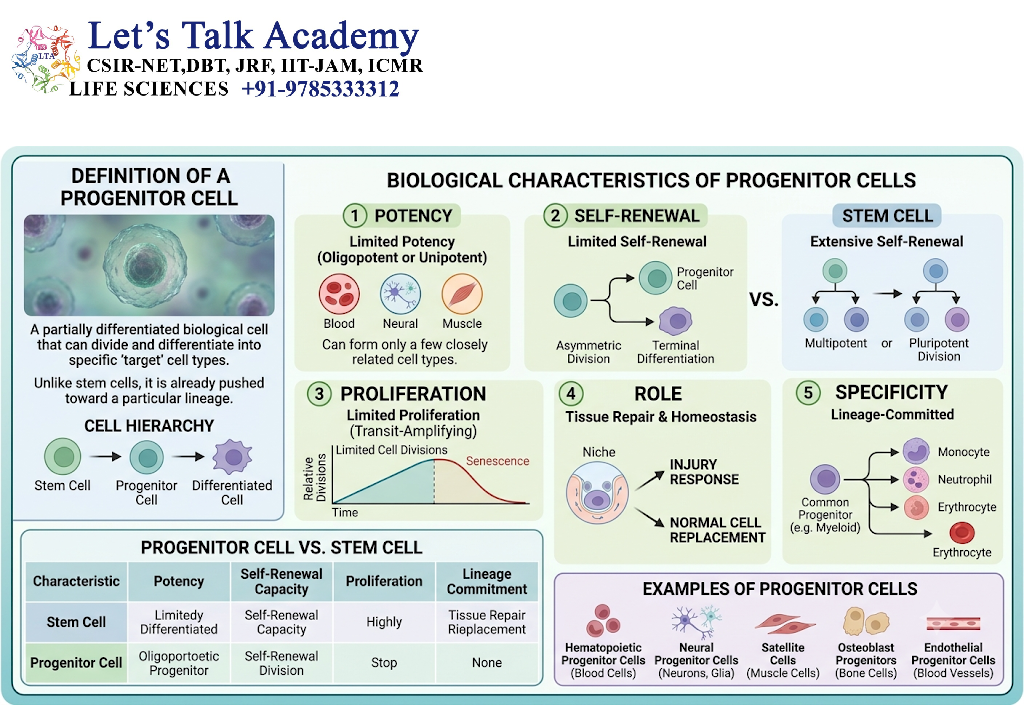
2.1 Definition of Progenitor Cells
Progenitor cells are cells derived from stem cells or other precursor populations that retain proliferative capacity and can differentiate into a restricted range of specialized cell types.
They generally have greater differentiation potential than mature differentiated cells but more limited developmental potential than pluripotent or multipotent stem cells.
A simplified developmental hierarchy can be represented as:
Stem cell → Progenitor cell → Precursor cell → Differentiated cell
The exact terminology varies between tissues, and the distinction between progenitor and precursor cells is not always absolute.
2.2 Major Characteristics of Progenitor Cells
Progenitor cells commonly possess several important properties:
- Ability to proliferate.
- Restricted differentiation potential.
- Capacity to respond to tissue-specific signals.
- Ability to produce differentiated daughter cells.
- Dependence on specialized cellular niches or signaling environments.
- Regulation by transcriptional and epigenetic mechanisms.
Examples include hematopoietic progenitor cells, neural progenitor cells, endothelial progenitor populations, and tissue-specific progenitors involved in epithelial and muscle regeneration.
2.3 Why Genetic Stability Is Important
Because progenitor cells can produce populations of differentiated cells, maintaining genome integrity is essential.
DNA damage in a progenitor cell can have several possible outcomes:
DNA damage → Repair → Normal cell survival
or
DNA damage → Cell-cycle arrest → Senescence or apoptosis
or
DNA damage → Incorrect repair → Genetic rearrangement → Altered progenitor cell
If the altered progenitor continues to proliferate, the rearrangement may become established within a cellular lineage.
3. Concept of Genetic Rearrangement
3.1 Definition
A genetic rearrangement is a structural alteration involving DNA segments or chromosomes in which the original genomic organization is changed.
Genetic rearrangements may involve:
- deletion,
- duplication,
- inversion,
- translocation,
- insertion,
- amplification,
- complex chromosome restructuring.
Some rearrangements occur within a chromosome, whereas others involve exchanges between different chromosomes.
3.2 Genetic Rearrangement Versus Point Mutation
A point mutation usually involves a relatively small change in the DNA sequence, such as substitution of one nucleotide.
A genetic rearrangement generally affects a larger genomic segment and changes the structural organization of DNA.
For example:
Point mutation:
A → G at one nucleotide position
Deletion:
ABCDE → ABDE
Inversion:
ABCDE → ADCBE
Duplication:
ABCDE → ABCBCDE
Translocation:
Part of chromosome 1 → chromosome 2
This distinction is important because structural rearrangements can affect multiple genes or regulatory elements simultaneously.
4. Major Types of Genetic Rearrangements
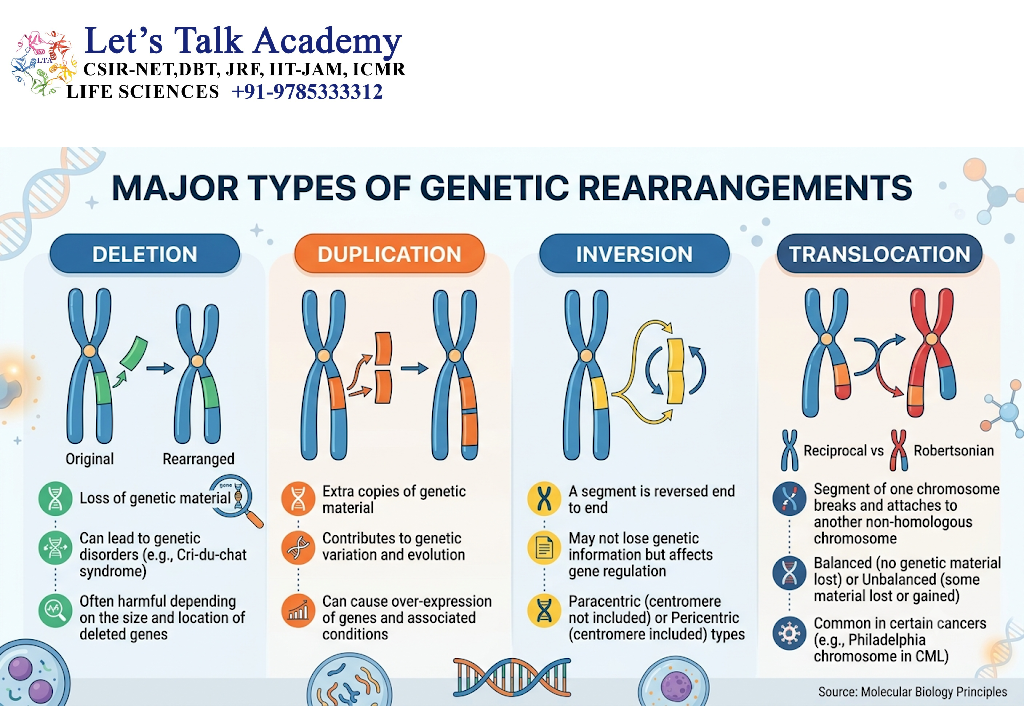
4.1 Deletion
A deletion occurs when a segment of DNA is lost.
For example:
ABCDE → ABDE
The missing segment may contain:
- a protein-coding gene,
- enhancer,
- promoter,
- non-coding regulatory sequence,
- chromosome structural element.
Large deletions can therefore have major effects on progenitor-cell behavior.
4.2 Duplication
A duplication occurs when a genomic segment is copied one or more times.
For example:
ABCDE → ABCBCDE
Duplicated genes may produce increased gene dosage or may acquire new regulatory contexts.
4.3 Inversion
An inversion occurs when a DNA segment is removed and reinserted in the opposite orientation.
For example:
ABCDE → ADCBE
Inversions may disrupt genes if the breakpoint occurs within a coding or regulatory region.
4.4 Translocation
A translocation occurs when DNA is transferred between different chromosomes or between different regions of the genome.
A translocation may be:
- reciprocal,
- non-reciprocal,
- balanced,
- unbalanced.
In a reciprocal translocation, segments from two chromosomes exchange positions.
Translocations are particularly important in cancer biology because they can generate abnormal gene fusions or place genes under inappropriate regulatory control.
4.5 Insertion
An insertion occurs when a DNA segment is inserted into another genomic location.
The inserted sequence may originate from:
- another chromosome,
- the same chromosome,
- a mobile genetic element,
- a duplicated genomic region.
4.6 Amplification
Gene amplification results in an increase in the copy number of a genomic region.
Amplification can increase the expression of particular genes and may contribute to abnormal proliferation.
4.7 Complex Rearrangements
Some genomic alterations cannot be explained by a single deletion, inversion, or translocation.
Complex rearrangements may involve multiple breakpoints and chromosome segments.
Examples of complex genome restructuring include chromothripsis and other forms of catastrophic chromosome rearrangement.
5. How Genetic Rearrangements Arise in Progenitor Cells
5.1 DNA Double-Strand Breaks
Double-strand breaks are among the most important precursors of chromosomal rearrangements.
A double-strand break occurs when both DNA strands are broken within a chromosome.
If the break is repaired accurately, genome integrity can be maintained.
However, incorrect joining of DNA ends can generate:
- deletions,
- inversions,
- translocations,
- duplications,
- complex rearrangements.
5.2 Replication Errors
During DNA replication, the replication machinery must accurately copy billions of nucleotides.
Replication stress can arise when DNA replication encounters:
- difficult-to-replicate regions,
- DNA lesions,
- transcription-replication conflicts,
- repetitive DNA sequences,
- insufficient replication resources.
Replication errors may produce structural changes if the resulting DNA intermediates are incorrectly processed.
5.3 Recombination Errors
Recombination normally allows DNA sequences to exchange information.
However, recombination between inappropriate genomic regions can generate structural rearrangements.
This is particularly relevant for repetitive DNA sequences that share sequence similarity.
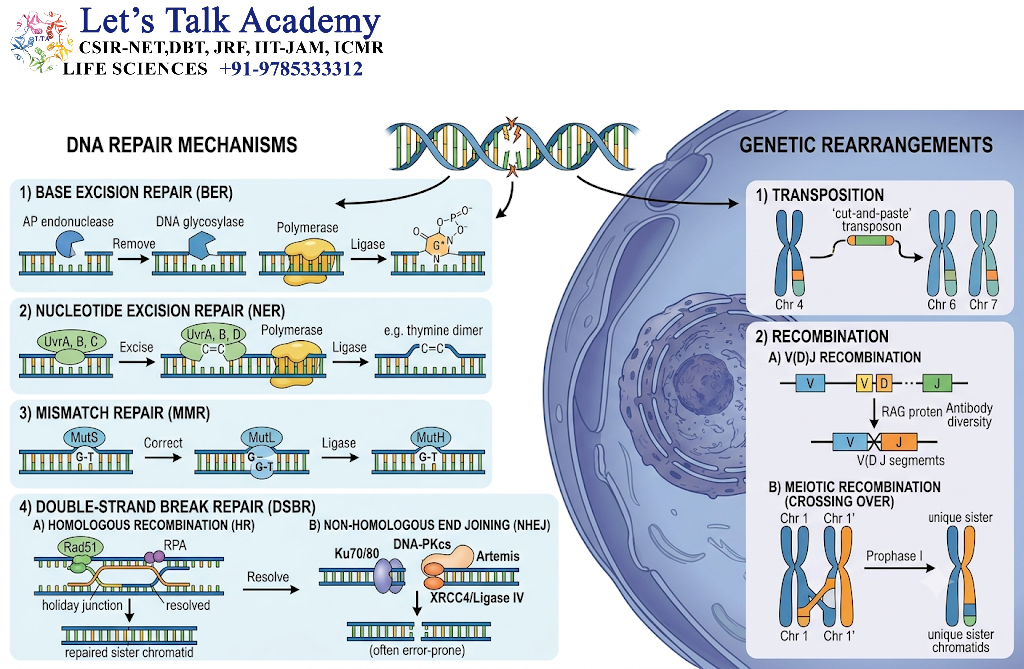
5.4 Transposable Elements
Transposable elements are DNA sequences capable of moving or generating copies within the genome.
Their activity can alter genome structure through:
- insertion,
- deletion,
- recombination,
- disruption of genes,
- changes in regulatory regions.
Although host cells have mechanisms that restrict transposable-element activity, incomplete control can contribute to genomic instability.
6. DNA Repair and Genetic Rearrangements
6.1 Importance of DNA Repair
Cells continuously experience DNA damage.
Sources include:
- reactive oxygen species,
- replication errors,
- ionizing radiation,
- chemical agents,
- spontaneous DNA damage,
- metabolic processes.
DNA repair pathways maintain genomic stability.
When repair is accurate, rearrangements are minimized.
When repair is inaccurate, structural genomic alterations may arise.
6.2 Non-Homologous End Joining
Non-homologous end joining, commonly abbreviated as NHEJ, repairs DNA double-strand breaks by joining broken DNA ends.
It does not require a long homologous template.
Because the broken ends may undergo processing before joining, small insertions or deletions can sometimes occur.
Incorrect joining of DNA ends from different chromosomes can also produce translocations.
6.3 Homologous Recombination
Homologous recombination uses a homologous DNA sequence as a template for accurate repair.
It is particularly important for repairing certain types of DNA damage associated with DNA replication.
Defects in homologous recombination can increase genomic instability and the likelihood of structural rearrangements.
6.4 Alternative End-Joining Pathways
Cells also possess other end-joining mechanisms, including microhomology-mediated pathways.
These pathways can use short homologous sequences around DNA breaks.
Although they can repair otherwise difficult DNA breaks, their activity can also produce deletions and other structural changes.
7. Physiological Genetic Rearrangements
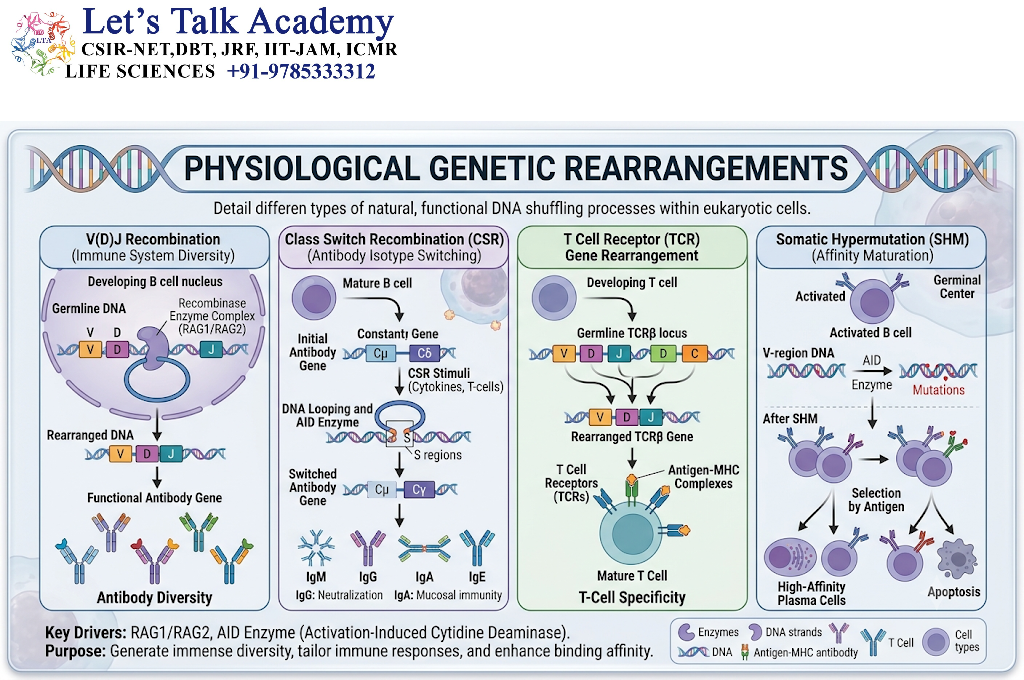
Not every genetic rearrangement is pathological.
Certain progenitor-cell populations deliberately rearrange their DNA as part of normal biological processes.
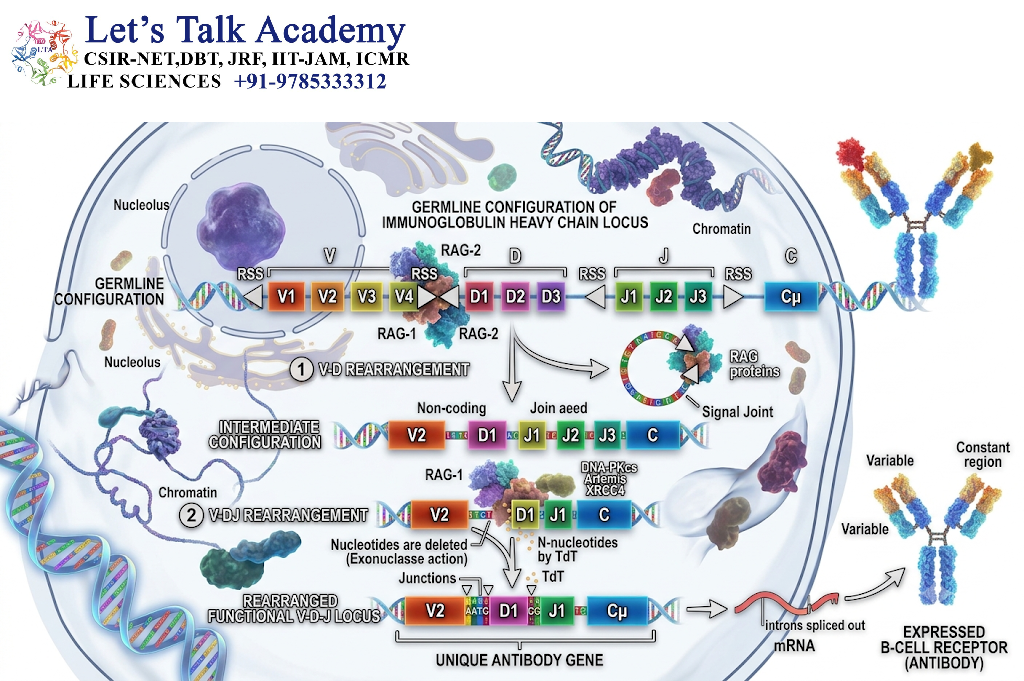
7.1 V(D)J Recombination
Developing B and T lymphocytes undergo programmed genetic rearrangement to generate diverse antigen receptors.
This process involves recombination of:
- Variable (V),
- Diversity (D),
- Joining (J)
gene segments.
For immunoglobulin and T-cell receptor genes, different combinations of these segments generate enormous receptor diversity.
7.2 Role of RAG Proteins
The enzymes RAG1 and RAG2 initiate V(D)J recombination.
They recognize recombination signal sequences and introduce DNA breaks at appropriate sites.
The broken DNA ends are subsequently processed and joined by DNA repair machinery.
This is a striking example of a controlled DNA rearrangement that is essential for normal immune development.
7.3 Importance of Controlled Rearrangement
Physiological rearrangement demonstrates an important principle:
Genetic rearrangement is not necessarily harmful.
Its consequences depend on:
- where the rearrangement occurs,
- how it is regulated,
- which genes are affected,
- whether DNA repair is accurate,
- whether the altered cell remains viable.
8. Genetic Rearrangements During Progenitor-Cell Differentiation
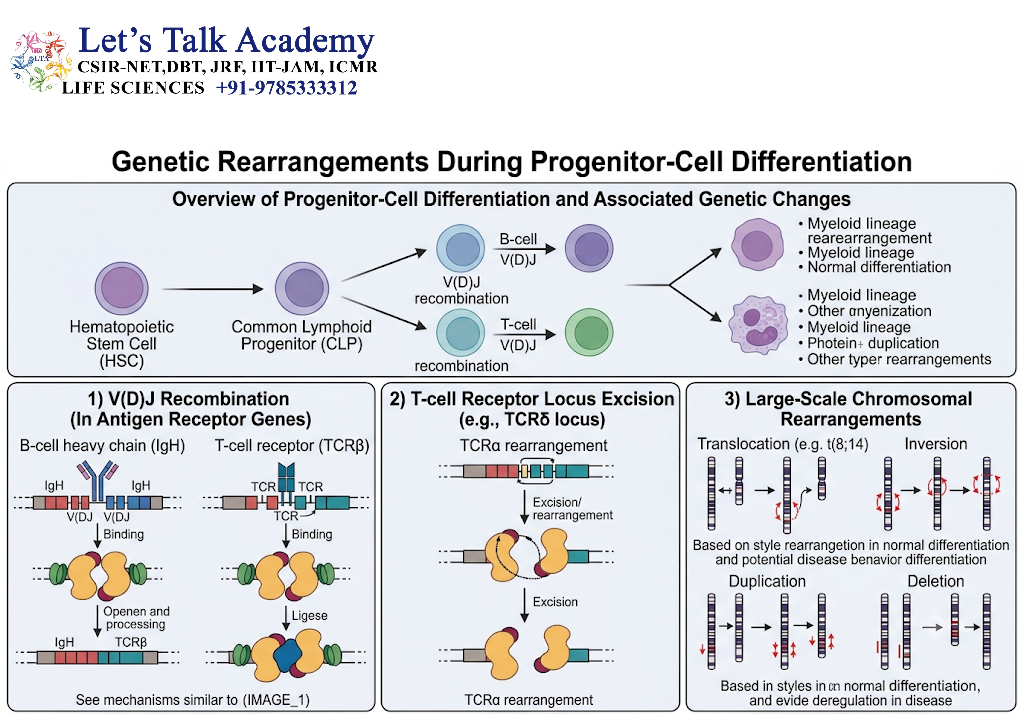
Progenitor cells undergo major changes in gene expression during differentiation.
These changes are regulated by:
- transcription factors,
- chromatin remodeling,
- DNA methylation,
- histone modifications,
- non-coding RNAs,
- signaling pathways.
Changes in chromatin structure can influence the accessibility of DNA to transcription and repair machinery.
Consequently, the genomic regions that are active, replicated, transcribed, or physically positioned near one another can influence the likelihood and consequences of DNA rearrangements.
9. Chromatin Organization and Rearrangements
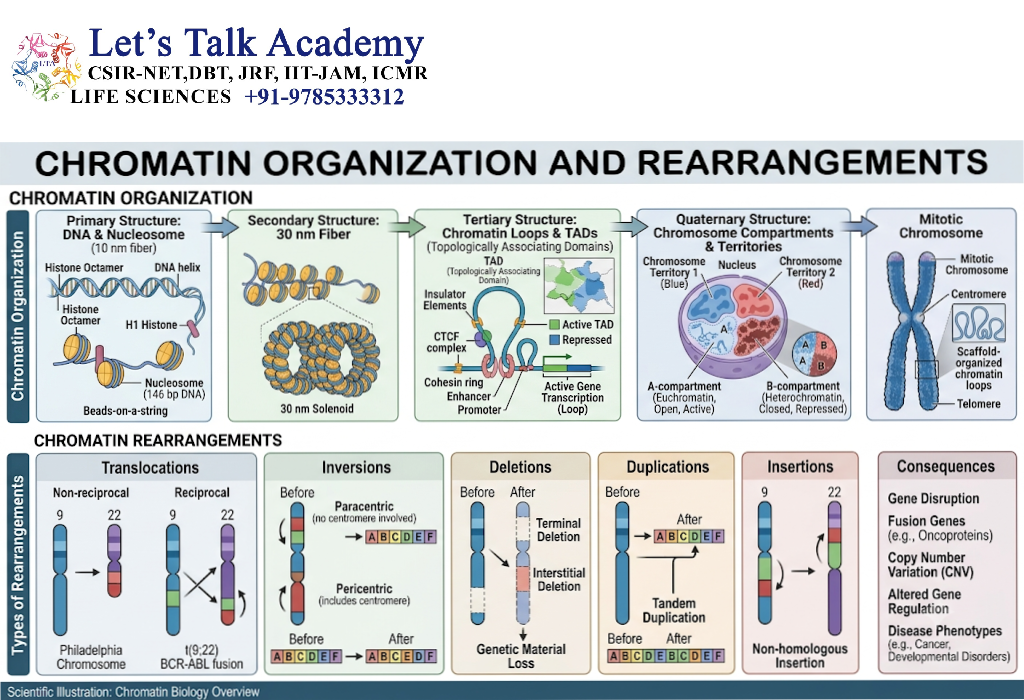
9.1 Three-Dimensional Genome Organization
The genome is not randomly distributed within the nucleus.
Chromosomes occupy specific territories, while DNA forms loops and interacts with other genomic regions.
These three-dimensional relationships influence gene regulation and can also affect the probability that broken DNA ends encounter one another.
9.2 Chromatin Accessibility
Open chromatin is generally more accessible to transcription factors and other DNA-associated proteins.
Closed chromatin is more compact.
Changes in chromatin accessibility during progenitor-cell differentiation can therefore influence both gene expression and genome maintenance.
9.3 Enhancers and Regulatory Elements
A rearrangement does not necessarily need to disrupt a protein-coding gene to have a biological effect.
If a structural change moves an enhancer close to a different gene, it can alter gene expression.
This mechanism is particularly important in developmental disorders and cancer.
10. Genetic Rearrangements in Hematopoietic Progenitor Cells
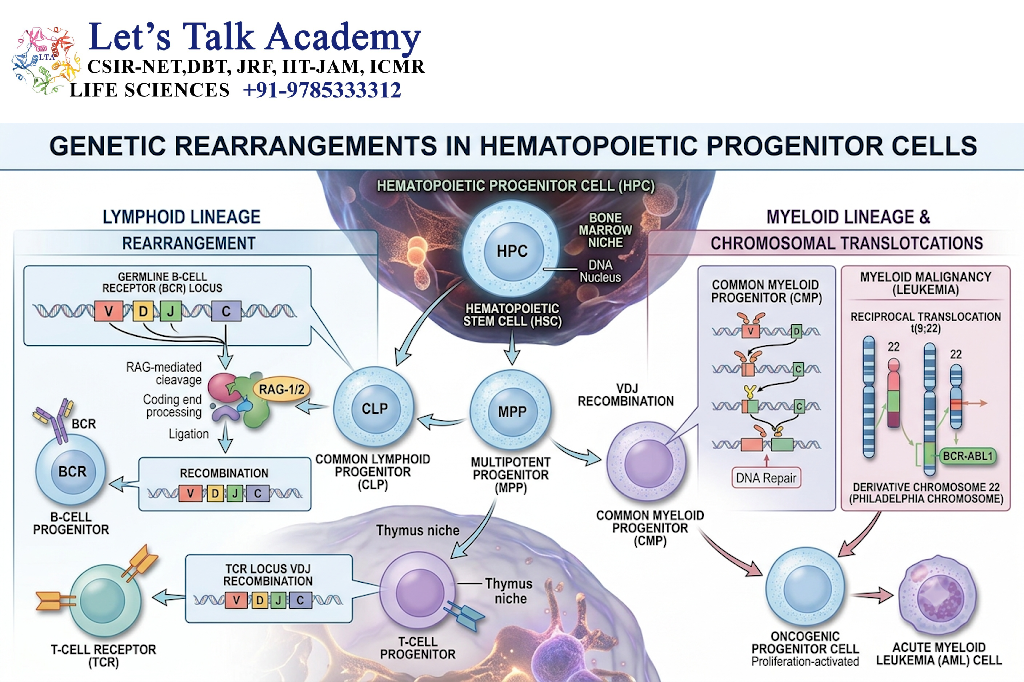
Hematopoietic progenitor cells produce blood-cell lineages.
They are particularly important for understanding clonal genetic changes because blood-forming cells undergo repeated proliferation throughout life.
10.1 Hematopoietic Differentiation
A simplified lineage can be represented as:
Hematopoietic stem cell → Progenitor cell → Lineage-specific progenitor → Mature blood cell
Genetic alterations arising at different stages can affect the resulting cell population.
10.2 Clonal Expansion
If a progenitor cell acquires a genetic change that provides a proliferative or survival advantage, its descendants may expand.
This produces a population of genetically related cells known as a clone.
10.3 Chromosomal Rearrangements in Blood Disorders
Structural rearrangements are well documented in hematological malignancies.
Some translocations generate fusion genes encoding abnormal proteins with altered signaling properties.
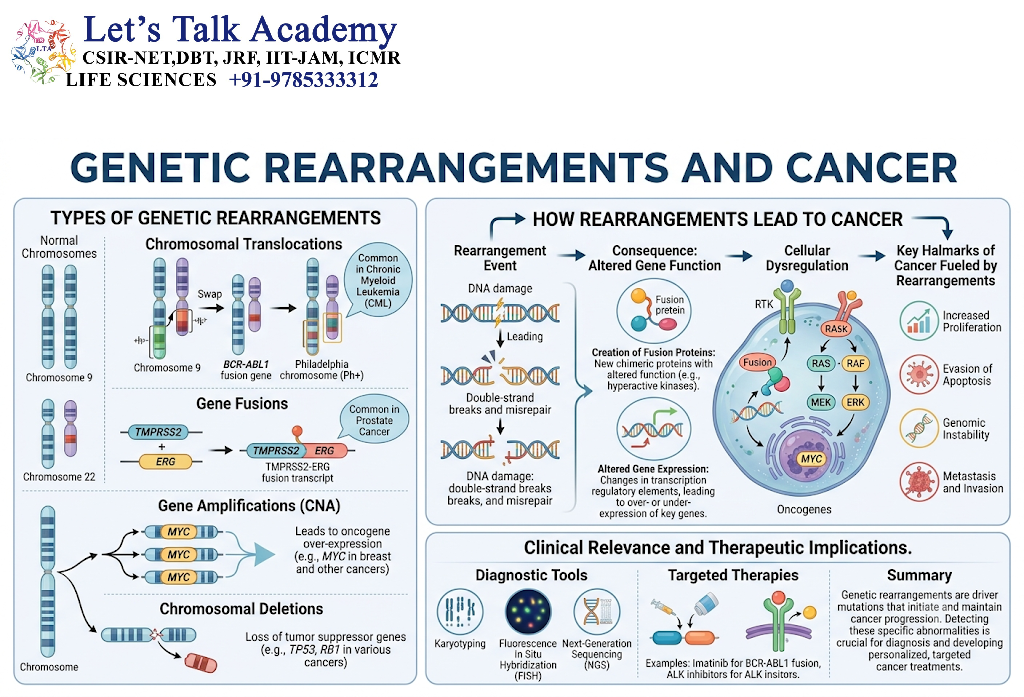
One well-known example is the BCR::ABL1 fusion, which results from a rearrangement involving chromosomes 9 and 22.
This fusion creates a constitutively active tyrosine kinase and is strongly associated with chronic myeloid leukemia.
The example illustrates how a chromosomal rearrangement in a blood-forming cell can alter signaling and contribute to uncontrolled proliferation.
11. Genetic Rearrangements in Neural Progenitor Cells
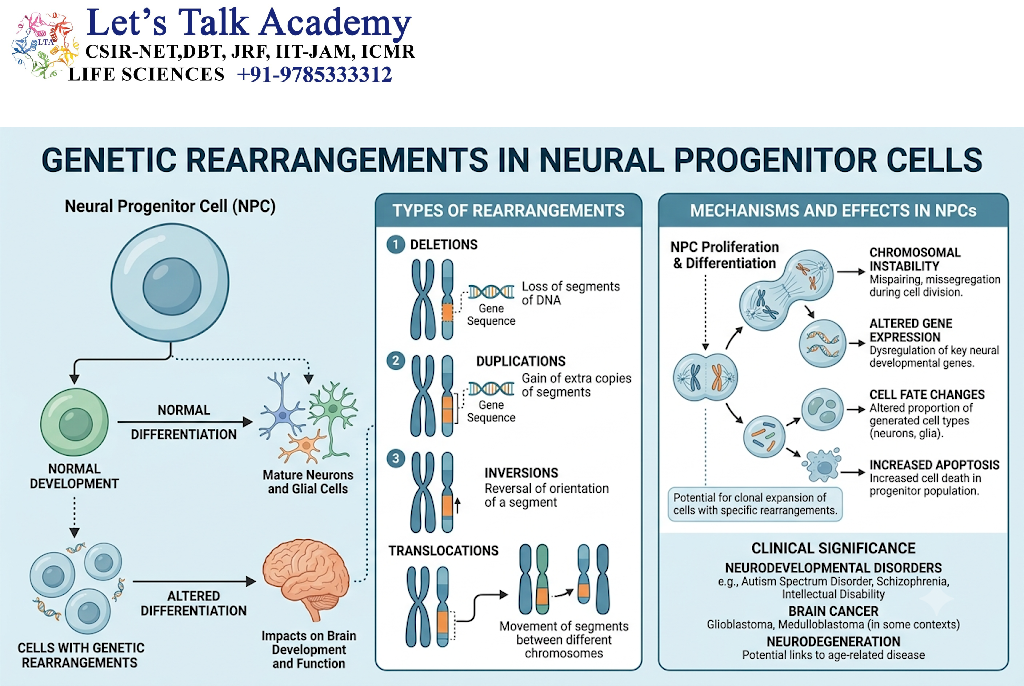
Neural progenitor cells contribute to the generation of neurons and glial cells during nervous-system development and, in selected regions and contexts, during adulthood.
11.1 Genome Stability in Neural Development
Accurate DNA replication and repair are particularly important during neural development because progenitor cells undergo extensive proliferation before differentiation.
DNA damage or abnormal chromosome segregation can affect progenitor-cell survival and differentiation.
11.2 Somatic Genomic Variation
Not all genomic variation in neural cells is inherited through the germline.
Genetic alterations can arise during development within individual cell lineages.
Such changes may contribute to cellular diversity but can also contribute to neurological disease when they affect important genes or regulatory regions.
12. Genetic Rearrangements and Cancer
12.1 Oncogenic Gene Fusions
One of the most important consequences of chromosomal rearrangement is the formation of fusion genes.
A fusion gene can combine parts of two different genes.
The resulting protein may have abnormal:
- enzymatic activity,
- cellular localization,
- signaling capacity,
- transcriptional activity.
12.2 Activation of Proto-Oncogenes
A rearrangement can move a proto-oncogene under the control of a highly active regulatory element.
The coding sequence may remain intact, but its expression becomes abnormal.
This is known as enhancer hijacking or regulatory misplacement, depending on the mechanism.
12.3 Disruption of Tumor Suppressor Genes
Structural rearrangements can also disrupt tumor suppressor genes.
Loss or impairment of tumor suppressor activity may reduce cellular mechanisms that normally prevent uncontrolled proliferation.
12.4 Genomic Instability
Once a progenitor cell becomes genomically unstable, additional mutations and rearrangements may accumulate.
This can generate genetically heterogeneous cell populations.
Such heterogeneity can influence:
- tumor development,
- progression,
- treatment response,
- disease recurrence.
13. Progenitor Cells and Clonal Evolution
13.1 Formation of a Clone
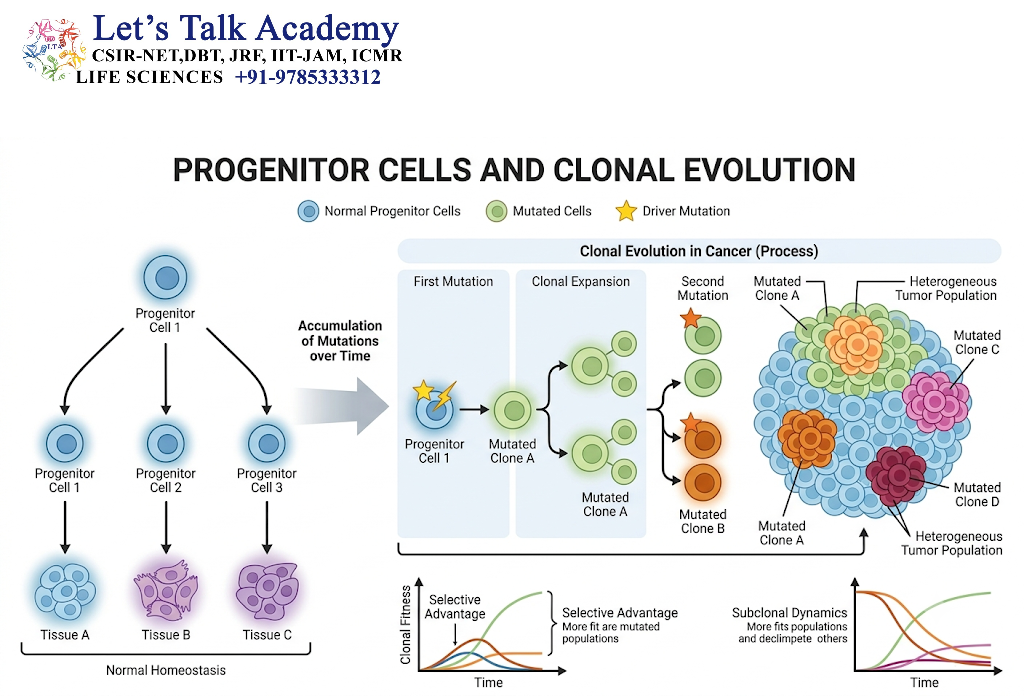
A genetic rearrangement occurring in a progenitor cell can be inherited by its daughter cells.
If the altered progenitor continues dividing, a clone can develop.
13.2 Selection of Cellular Clones
Different clones may have different rates of:
- proliferation,
- survival,
- differentiation,
- migration.
The surrounding tissue environment can influence which clones expand.
13.3 Clonal Heterogeneity
A progenitor population may eventually contain multiple genetically distinct clones.
This is especially important in cancer, where multiple subclones can coexist within the same tumor.
14. Genetic Rearrangements and Developmental Disorders
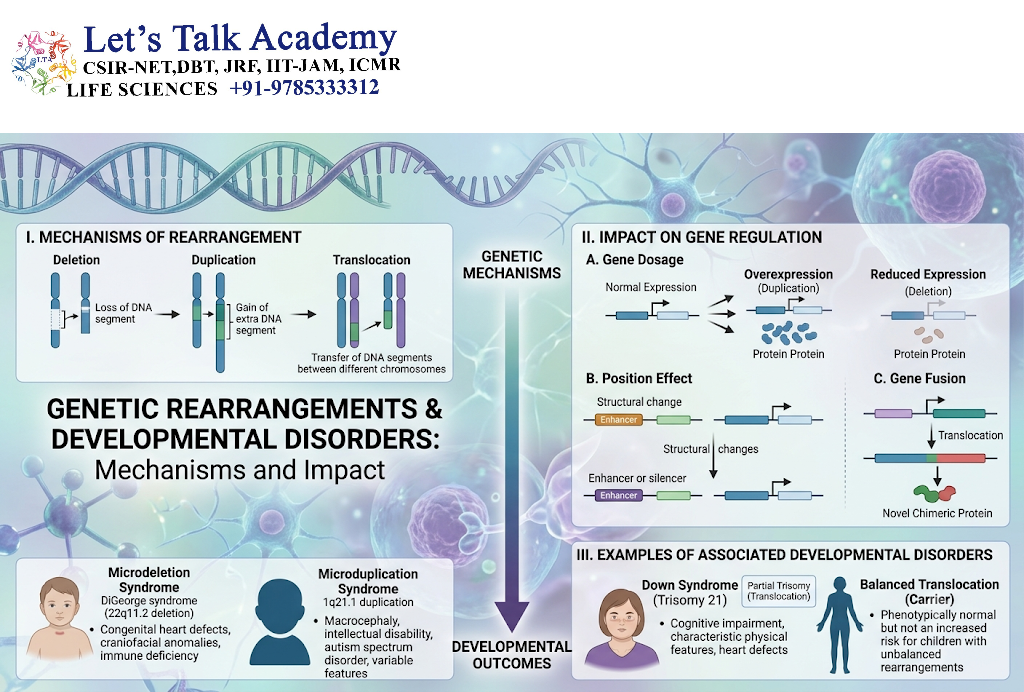
Structural genomic changes can interfere with normal development.
Depending on the affected genomic region, rearrangements may disrupt:
- developmental transcription factors,
- signaling pathways,
- cell adhesion molecules,
- chromosome regulators,
- metabolic genes.
The consequences can range from subtle developmental differences to severe congenital disorders.
The effect depends strongly on the size, location, orientation, and gene content of the rearranged region.
15. Balanced and Unbalanced Rearrangements
15.1 Balanced Rearrangement
A balanced rearrangement involves rearrangement of genetic material without an obvious net gain or loss of DNA.
For example, a reciprocal translocation may exchange chromosome segments.
Although the total amount of DNA may remain approximately unchanged, a balanced rearrangement can still have functional consequences if:
- a gene is disrupted,
- a regulatory element is displaced,
- a fusion gene is created.
15.2 Unbalanced Rearrangement
An unbalanced rearrangement results in a net gain or loss of genetic material.
This can produce abnormal gene dosage.
Examples include:
- large deletions,
- duplications,
- unbalanced translocations.
16. Consequences of Genetic Rearrangements in Progenitor Cells
Genetic rearrangements can have several possible outcomes.
16.1 No Detectable Effect
Some rearrangements occur in genomic regions where they have little immediate functional consequence.
16.2 Altered Gene Expression
A rearrangement may place a gene under a different regulatory environment.
16.3 Gene Disruption
A breakpoint may occur inside a gene and prevent normal gene function.
16.4 Fusion Protein Formation
Two genes may become joined, producing a novel fusion protein.
16.5 Altered Cell Differentiation
Changes in regulatory genes may interfere with the normal differentiation program of progenitor cells.
16.6 Increased Proliferation
Some rearrangements activate pathways that promote cell-cycle progression.
16.7 Apoptosis or Senescence
Severe genomic damage may activate cellular stress responses that lead to programmed cell death or permanent cell-cycle arrest.
17. Mechanisms Protecting Progenitor Cells From Rearrangements
17.1 DNA Damage Checkpoints
Checkpoint pathways monitor DNA integrity.
When substantial DNA damage is detected, cell-cycle progression may be delayed or stopped.
17.2 DNA Repair
Repair pathways restore DNA structure and reduce the accumulation of genomic abnormalities.
17.3 Apoptosis
Cells containing severe or irreparable DNA damage may undergo apoptosis.
17.4 Senescence
Some damaged cells enter a stable state of cell-cycle arrest known as cellular senescence.
These mechanisms help prevent the expansion of cells carrying potentially harmful genomic alterations.
18. Environmental and Cellular Factors
Several factors can increase genomic stress in progenitor cells.
18.1 Ionizing Radiation
Ionizing radiation can produce DNA damage, including double-strand breaks.
18.2 Chemical Genotoxicants
Certain chemicals can damage DNA or interfere with replication and repair.
18.3 Oxidative Stress
Reactive oxygen species can modify DNA bases and damage DNA strands.
18.4 Replication Stress
Rapidly proliferating progenitor cells may be vulnerable to replication-associated DNA damage.
18.5 Chronic Inflammation
Persistent inflammation can increase oxidative and genotoxic stress in surrounding cells.
19. Methods Used to Study Genetic Rearrangements
19.1 Karyotyping
Karyotyping allows visualization of chromosomes under a microscope.
It is useful for detecting large chromosomal abnormalities.
19.2 Fluorescence In Situ Hybridization
FISH uses fluorescent DNA probes to identify specific genomic regions.
It can detect:
- translocations,
- deletions,
- amplifications,
- gene rearrangements.
19.3 Comparative Genomic Hybridization
Comparative genomic hybridization can identify changes in DNA copy number across the genome.
19.4 PCR-Based Methods
Polymerase chain reaction can detect known rearrangement breakpoints when the relevant genomic regions are already characterized.
19.5 Next-Generation Sequencing
Sequencing technologies can identify structural variants at much greater resolution.
Depending on the method, sequencing can detect:
- small variants,
- deletions,
- duplications,
- inversions,
- translocations,
- complex rearrangements.
19.6 Long-Read Sequencing
Long-read sequencing can be particularly useful for resolving complex genomic regions and structural variants that may be difficult to characterize using shorter sequencing reads.
20. Experimental Analysis of Progenitor-Cell Rearrangements
A complete investigation generally combines several approaches.
For example:
Cell isolation → DNA extraction → Genomic analysis → Rearrangement detection → Functional validation → Phenotypic analysis
The genomic change should ideally be connected to a measurable biological consequence.
Researchers may examine:
- gene expression,
- protein production,
- cell proliferation,
- differentiation,
- apoptosis,
- genomic stability.
This helps distinguish a structural alteration from a functionally important alteration.
21. Genetic Rearrangements and Epigenetic Regulation
Genetic rearrangements and epigenetic changes can interact.
A structural alteration can change the genomic environment surrounding a gene.
Conversely, changes in chromatin organization may influence which genomic regions are accessible to transcription or DNA repair machinery.
Important epigenetic mechanisms include:
- DNA methylation,
- histone modification,
- chromatin remodeling,
- non-coding RNA regulation.
Thus, the effect of a genetic rearrangement cannot always be understood simply by identifying the DNA sequence that was altered.
22. Relationship Between Genetic Rearrangements and Stem Cells
Stem cells and progenitor cells are closely related but have different biological properties.
Stem cells generally possess greater self-renewal capacity, whereas progenitor cells are more restricted in their differentiation potential.
A rearrangement arising in a stem cell may potentially affect a much larger lineage because of the extensive self-renewal capacity of stem cells.
A rearrangement arising in a progenitor cell may instead remain restricted to its particular lineage.
Therefore, the developmental stage at which a rearrangement occurs can influence its biological impact.
23. Genetic Mosaicism
When a genetic alteration arises after fertilization in a somatic cell, only the descendants of that cell may carry the alteration.
This can produce genetic mosaicism.
If the affected cell is a progenitor, the rearrangement may be inherited by a subset of cells within the tissue.
As a result, the individual may contain genetically distinct cell populations.
The extent of mosaicism depends on:
- timing of the rearrangement,
- identity of the affected progenitor,
- proliferative capacity,
- contribution of that progenitor to the tissue.
24. Genetic Rearrangements and Tissue Homeostasis
Healthy tissues require a balance among:
- cell proliferation,
- differentiation,
- cell death,
- regeneration.
Genetic rearrangements can disturb this balance.
For example, if a rearrangement increases proliferation while simultaneously reducing differentiation or apoptosis, the affected progenitor population may expand abnormally.
Conversely, a rearrangement that severely disrupts essential cellular functions may cause cell death and reduce tissue regeneration.
25. Important Examples of Genetic Rearrangements
25.1 BCR::ABL1
The BCR::ABL1 fusion is produced by a chromosomal rearrangement involving chromosomes 9 and 22.
It produces a constitutively active tyrosine kinase and is a defining molecular abnormality in chronic myeloid leukemia.
25.2 Immunoglobulin Gene Rearrangement
Developing B cells undergo programmed rearrangement of immunoglobulin gene segments.
This generates a diverse repertoire of antigen receptors.
25.3 T-Cell Receptor Rearrangement
Developing T cells undergo rearrangement of T-cell receptor gene segments.
This process is essential for generating diverse antigen-recognition capabilities.
25.4 Developmental Gene Rearrangements
Structural alterations affecting developmental regulatory genes can interfere with differentiation and tissue formation.
Their consequences depend on the genes and regulatory regions involved.
26. Important Distinctions
26.1 Mutation Versus Rearrangement
A mutation can refer broadly to any alteration in DNA sequence, whereas a structural rearrangement specifically changes the organization of genomic segments.
26.2 Germline Versus Somatic Rearrangement
A germline alteration is present in reproductive cells and can potentially be transmitted to offspring.
A somatic rearrangement occurs in body cells and is generally restricted to the lineage descended from the affected cell.
26.3 Physiological Versus Pathological Rearrangement
Physiological rearrangements are controlled and serve a biological purpose.
Pathological rearrangements may arise from genomic instability or abnormal repair and may disrupt normal cellular functions.
26.4 Balanced Versus Unbalanced Rearrangement
Balanced rearrangements generally do not produce a large net gain or loss of DNA, whereas unbalanced rearrangements change genomic dosage.
27. Conceptual Flow of Genetic Rearrangement in a Progenitor Cell
The overall process can be understood as:
DNA damage or programmed recombination
↓
DNA break formation
↓
DNA-end processing
↓
Repair or recombination
↓
Accurate repair
OR
Incorrect repair
↓
Genetic rearrangement
↓
Altered gene structure or regulation
↓
Altered cellular phenotype
↓
Possible clonal expansion or elimination
This framework highlights why DNA repair is central to the relationship between genomic damage and genetic rearrangement.
28. Broader Biological Significance
Genetic rearrangements in progenitor cells provide important insights into how genomes remain stable while cells continuously proliferate and differentiate.
They also demonstrate that the genome is dynamic rather than completely static.
Controlled rearrangement can create useful biological diversity, as seen in lymphocyte development.
Uncontrolled rearrangement, however, can disrupt cellular regulation.
The final outcome depends on the balance between:
DNA damage + repair capacity + cellular checkpoints + selection + tissue environment


