
1. Introduction
Viruses are intracellular infectious agents that depend on host cells for replication. Most viral infections do not result in cancer, and many are cleared by the immune system. However, certain viruses can produce persistent changes in host cells that disturb normal mechanisms controlling cellular growth, differentiation, DNA repair, and programmed cell death.
When viral infection causes a stable alteration in the growth properties and regulatory behavior of a host cell, the process is called virus-induced cell transformation.
Cell transformation is an important concept in the study of:
- Viral pathogenesis
- Cancer biology
- Cell-cycle regulation
- Molecular genetics
- Oncogenesis
- Host–pathogen interactions
Some viruses contain genes or regulatory elements that interfere with cellular proteins controlling proliferation and survival. Other viruses promote transformation indirectly through chronic inflammation, genomic instability, or persistent infection.
The final development of cancer usually requires multiple genetic and epigenetic changes rather than a single viral event.
2. Definition of Cell Transformation
Cell transformation is the process by which a normal cell acquires abnormal characteristics such as uncontrolled proliferation, altered morphology, resistance to cell death, changes in differentiation, and other properties associated with malignant or pre-malignant growth.
Virus-induced transformation occurs when viral infection or viral gene expression contributes to these changes.
A transformed cell may show:
- Increased proliferation
- Loss of normal growth control
- Altered cell morphology
- Reduced dependence on external growth signals
- Resistance to apoptosis
- Changes in cell adhesion
- Genomic instability
- Abnormal differentiation
- Ability to survive under unfavorable conditions
Transformation does not automatically mean that a cell has become a fully malignant cancer cell. Additional genetic and environmental changes may be required for malignant progression.
3. Viral Oncogenesis
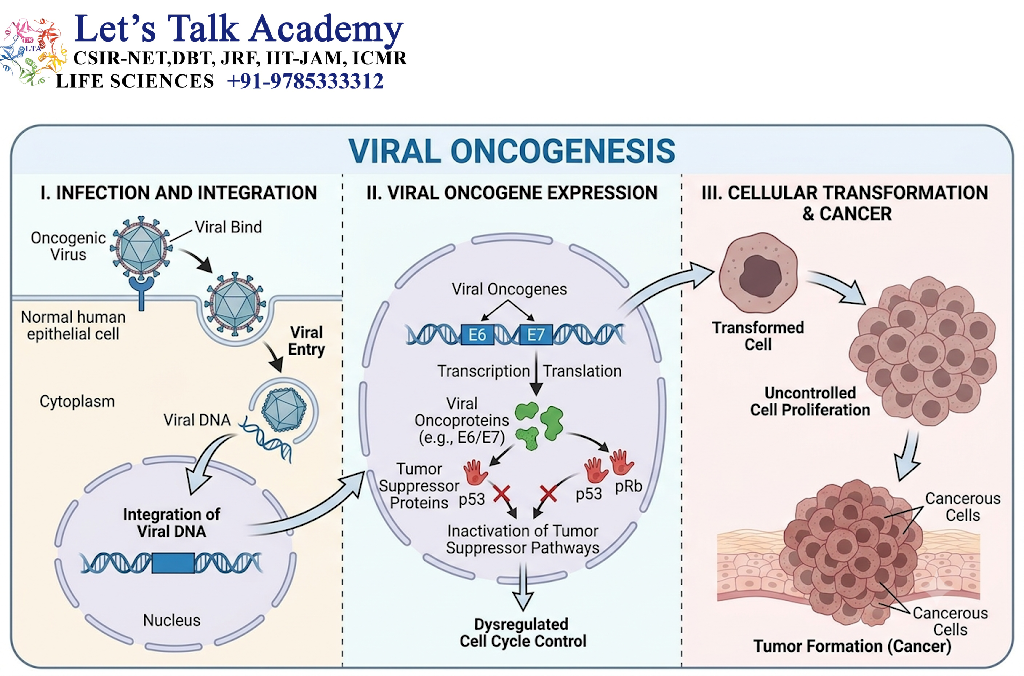
Viral oncogenesis refers to the development of cancer or cancer-associated cellular changes caused directly or indirectly by viral infection.
Viruses capable of contributing to cancer are called oncogenic viruses or tumor viruses.
They may promote cancer through:
- Direct alteration of cell-cycle regulators
- Inhibition of tumor-suppressor proteins
- Activation of growth-signaling pathways
- Inhibition of apoptosis
- Genomic instability
- Chronic inflammation
- Immune-system suppression
- Persistent infection
- Alteration of cellular differentiation
4. Important Oncogenic Viruses

Important human viruses associated with cancer include:
- Human papillomaviruses (HPV)
- Epstein–Barr virus (EBV)
- Hepatitis B virus (HBV)
- Hepatitis C virus (HCV)
- Human T-cell leukemia virus type 1 (HTLV-1)
- Kaposi sarcoma-associated herpesvirus (KSHV/HHV-8)
- Merkel cell polyomavirus
These viruses differ substantially in their structure, replication strategies, and mechanisms of transformation.
5. Normal Regulation of Cell Growth
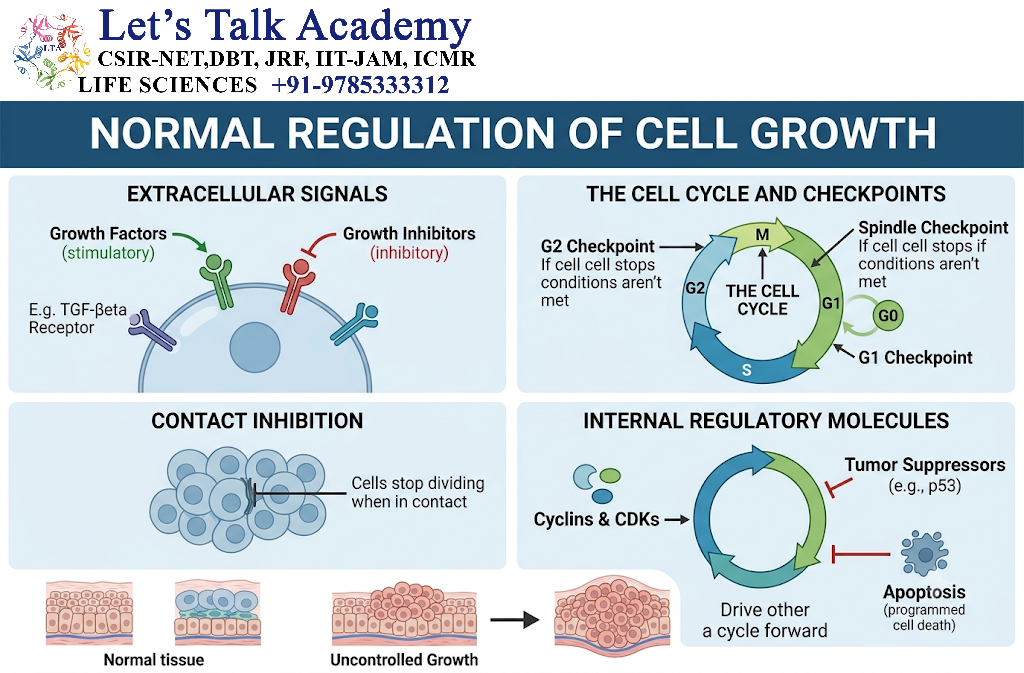
To understand viral transformation, it is necessary to understand how normal cell growth is controlled.
Normal cells require coordinated regulation of:
- Growth-factor signaling
- Cell-cycle checkpoints
- DNA replication
- DNA repair
- Apoptosis
- Cellular differentiation
- Cell adhesion
Two major groups of cellular genes are particularly important:
Proto-oncogenes
Proto-oncogenes normally promote:
- Cell growth
- Cell survival
- Cell proliferation
When abnormally activated, they can become oncogenes.
Tumor-Suppressor Genes
Tumor-suppressor genes normally:
- Inhibit inappropriate proliferation
- Promote DNA repair
- Induce cell-cycle arrest
- Promote apoptosis when damage is severe
Loss of tumor-suppressor function can allow abnormal cells to survive and proliferate.
6. Viral Oncogenes
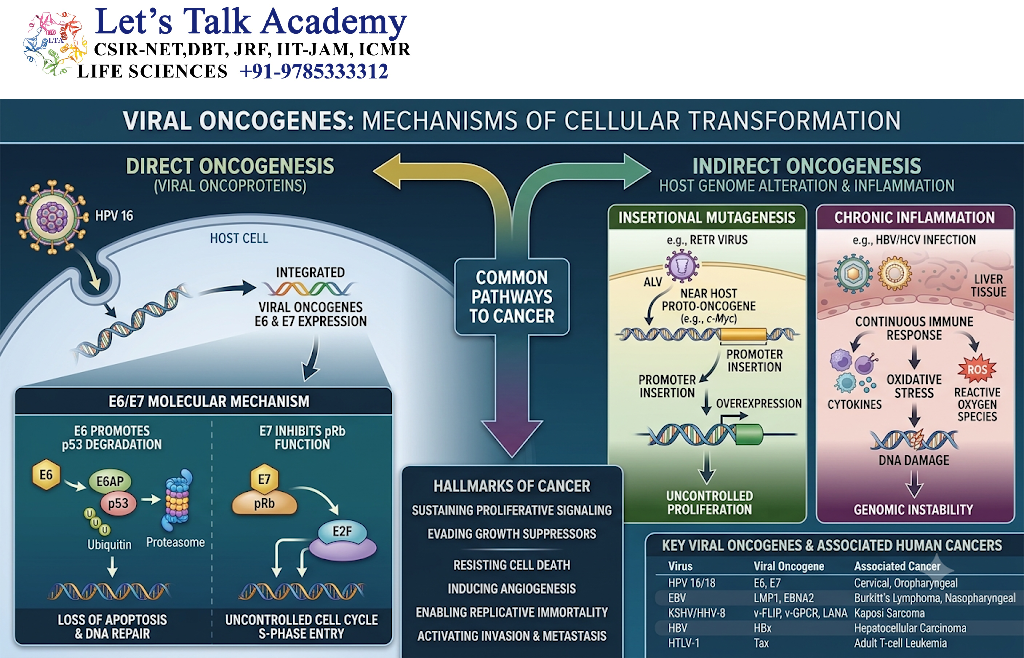
Some tumor viruses contain genes capable of promoting cellular transformation.
These viral genes may encode proteins that interfere with normal growth-control pathways.
Viral oncogenic proteins can:
- Activate growth signaling
- Inactivate tumor suppressors
- Alter transcription
- Change cell-cycle progression
- Prevent apoptosis
The discovery of viral oncogenes helped establish the connection between abnormal cellular growth and specific molecular pathways.
7. Activation of Growth-Signaling Pathways
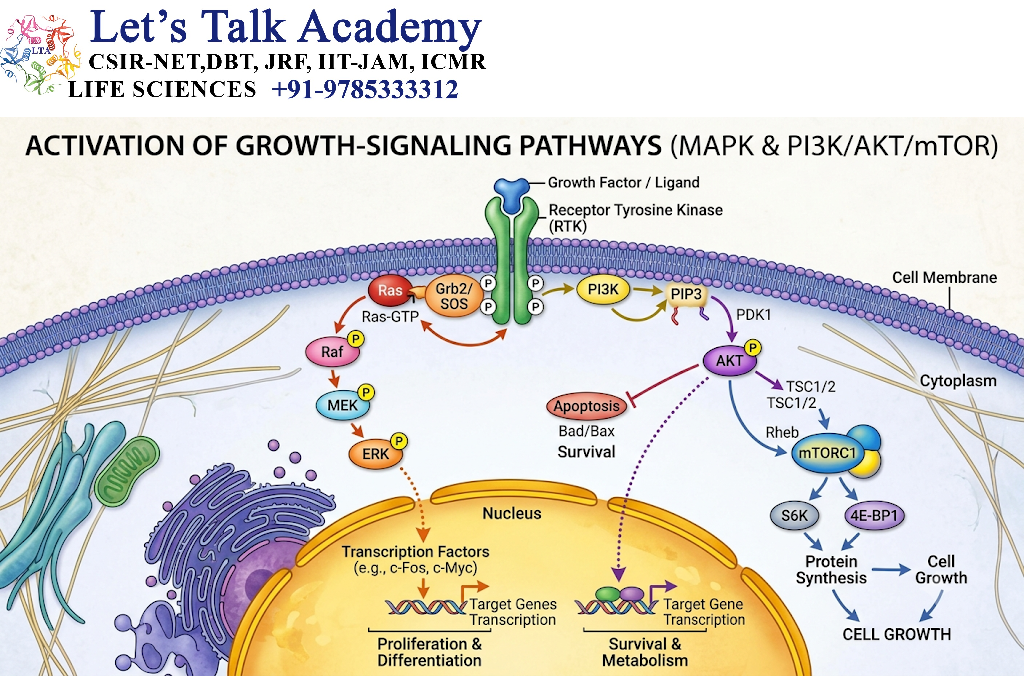
Normal cells respond to growth factors through regulated signaling pathways.
A simplified pathway is:
Growth factor
↓
Cell-surface receptor
↓
Intracellular signaling
↓
Transcription factors
↓
Cell proliferation
Oncogenic viruses may activate these pathways continuously or make cells unusually sensitive to growth signals.
This can produce inappropriate cell proliferation.
Important pathways involved in cellular growth include:
- RAS–MAPK
- PI3K–AKT–mTOR
- JAK–STAT
- Wnt/β-catenin
8. Cell-Cycle Regulation
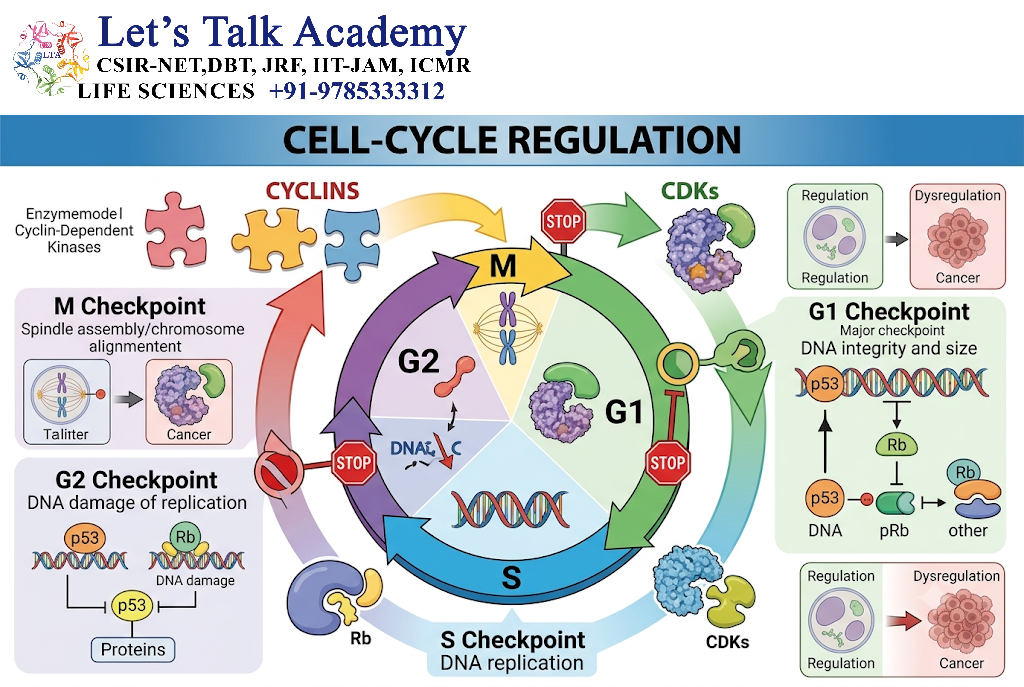
The cell cycle consists of:
G1 → S → G2 → M
Progression through these stages is tightly controlled.
Major regulatory proteins include:
- Cyclins
- Cyclin-dependent kinases
- CDK inhibitors
- Retinoblastoma protein
- p53
Oncogenic viruses can interfere with these regulatory systems.
The result may be:
Loss of checkpoint control → uncontrolled cell-cycle progression → increased proliferation
9. Role of p53
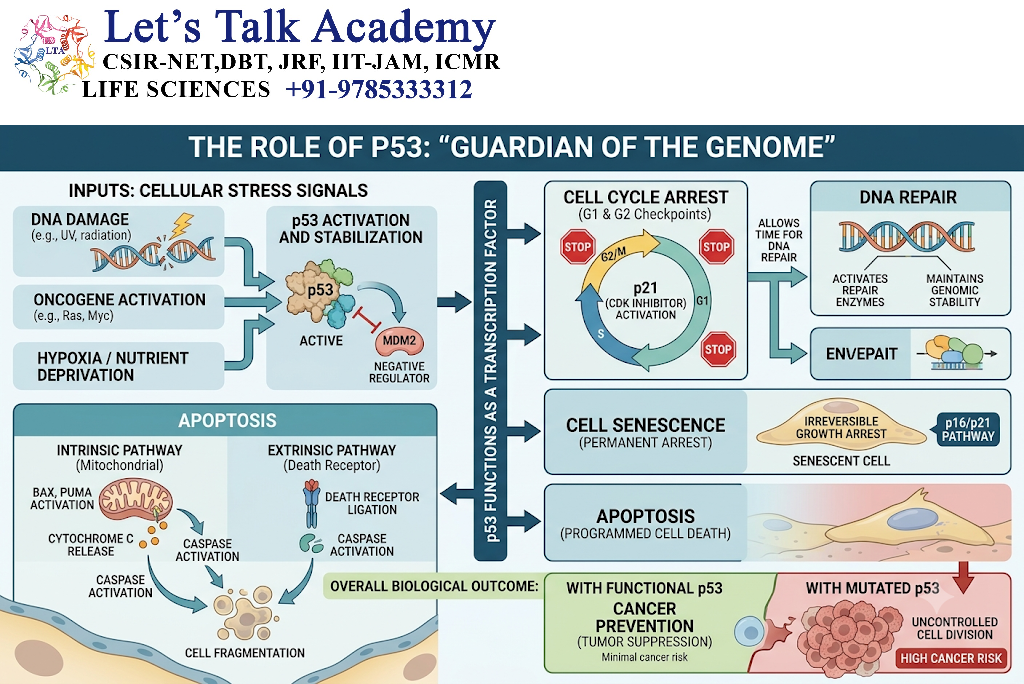
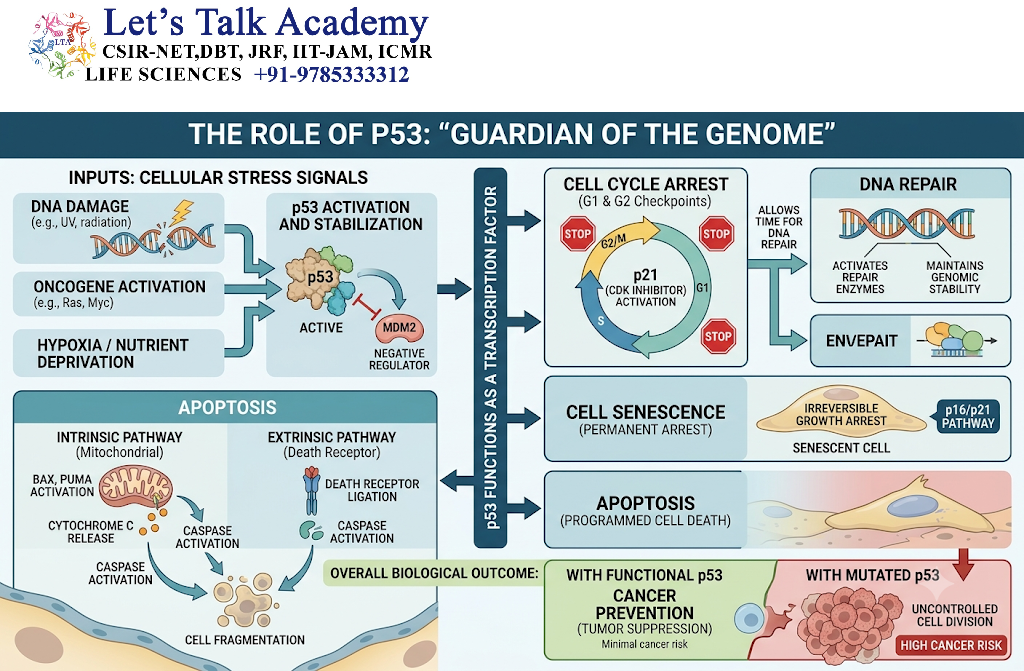
p53 is one of the most important tumor-suppressor proteins.
It responds to:
- DNA damage
- Cellular stress
- Oncogenic signaling
When activated, p53 can cause:
- Cell-cycle arrest
- DNA repair
- Senescence
- Apoptosis
Therefore:
DNA damage → p53 activation → cell-cycle arrest/repair or apoptosis
If a virus disables p53 activity, damaged cells may continue to survive and divide.
Some oncogenic viruses encode proteins that directly interfere with p53.
10. Role of Retinoblastoma Protein
The retinoblastoma protein (RB) is another important tumor-suppressor protein.
RB regulates the transition from G1 phase to S phase.
When RB is active, it restricts inappropriate entry into DNA synthesis.
Viral proteins that disrupt RB function can release this restriction.
Thus:
RB inhibition → E2F activation → S-phase entry → increased DNA synthesis
This mechanism is particularly important in transformation by certain DNA tumor viruses.
11. Inhibition of Apoptosis

Apoptosis removes damaged or dangerous cells.
A transformed cell may survive despite:
- DNA damage
- Oncogenic signaling
- Viral infection
- Abnormal proliferation
Oncogenic viruses can inhibit apoptosis by modifying:
- p53 pathways
- BCL-2 family proteins
- Caspases
- Mitochondrial death signaling
This gives abnormal cells more time to accumulate additional changes.
12. Viral Manipulation of Cellular Senescence
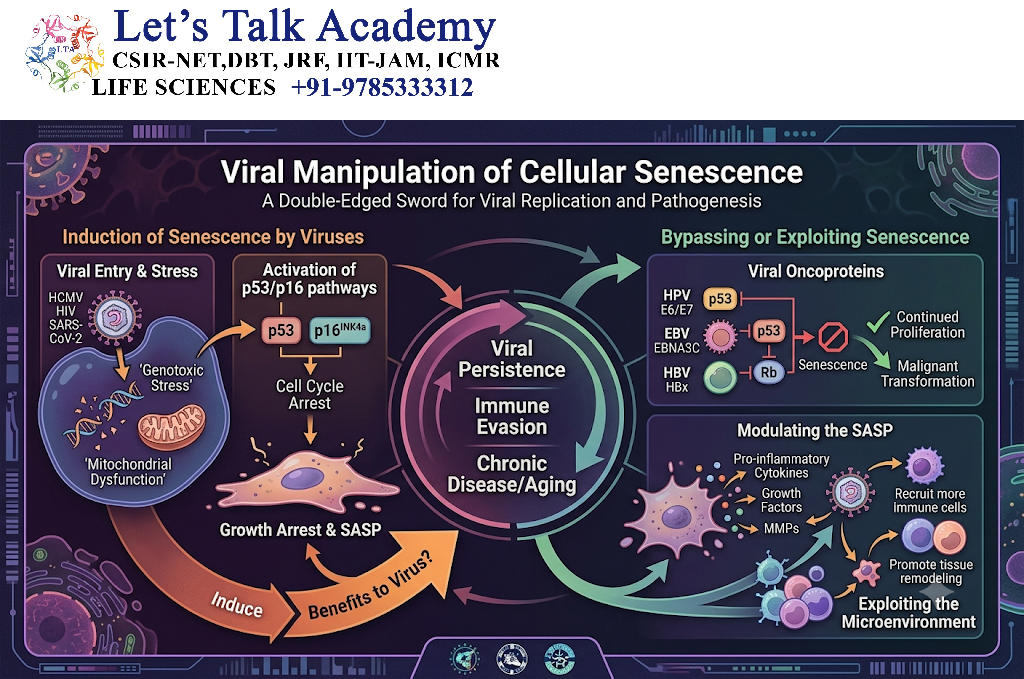
Cellular senescence is a state in which a cell remains metabolically active but permanently stops proliferating.
Senescence can prevent damaged cells from continuing to divide.
Some oncogenic viruses interfere with senescence pathways.
This may allow cells with abnormal growth signals to continue proliferating.
13. Viral Effects on DNA Repair
DNA repair mechanisms protect genome integrity.
Cells continuously repair damage caused by:
- Replication errors
- Oxidative stress
- Environmental damage
- Radiation
- Chemical agents
Viral proteins can interfere with DNA-damage responses and repair pathways.
This may increase:
- Mutations
- Chromosomal abnormalities
- Genomic instability
Genomic instability provides opportunities for additional cancer-promoting mutations.
14. Genomic Instability
Genomic instability refers to an increased tendency of cells to accumulate genetic abnormalities.
These may include:
- Point mutations
- Insertions and deletions
- Chromosomal rearrangements
- Gene amplification
- Loss of heterozygosity
- Abnormal chromosome numbers
Persistent viral infection can contribute to genomic instability through several mechanisms.
15. Integration of Viral Genetic Material
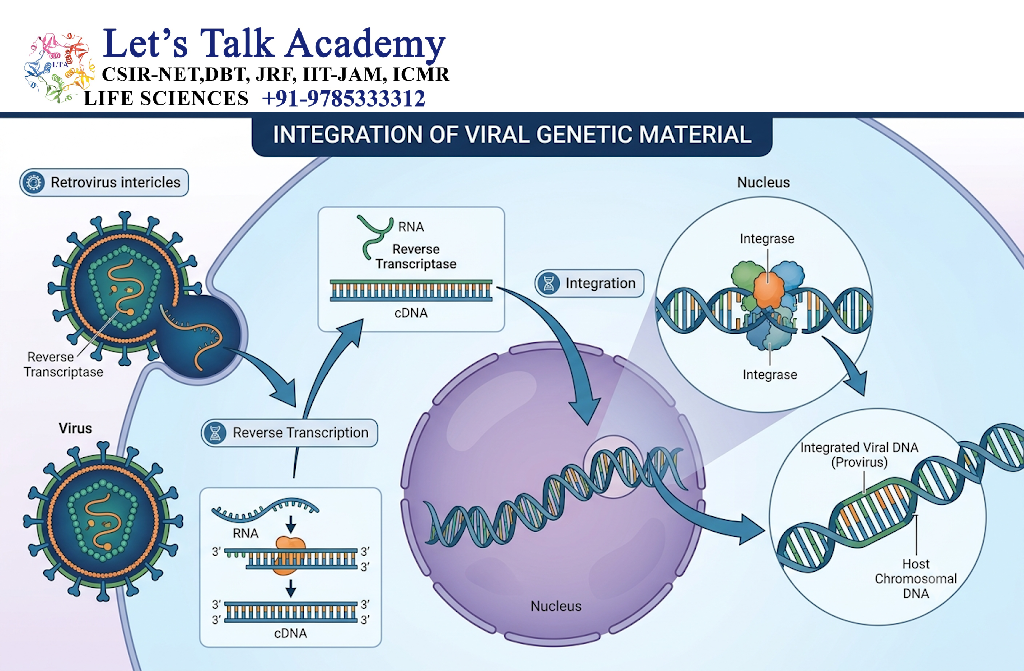
Some DNA viruses can establish persistent infections in which viral genetic material becomes associated with host cellular DNA.
Integration can have several consequences.
It may:
- Alter expression of nearby cellular genes
- Disrupt normal genes
- Cause chromosomal instability
- Result in persistent expression of viral regulatory proteins
A classic example involves certain high-risk human papillomaviruses.
However, viral genome integration is not a universal mechanism for all oncogenic viruses.
16. Human Papillomavirus
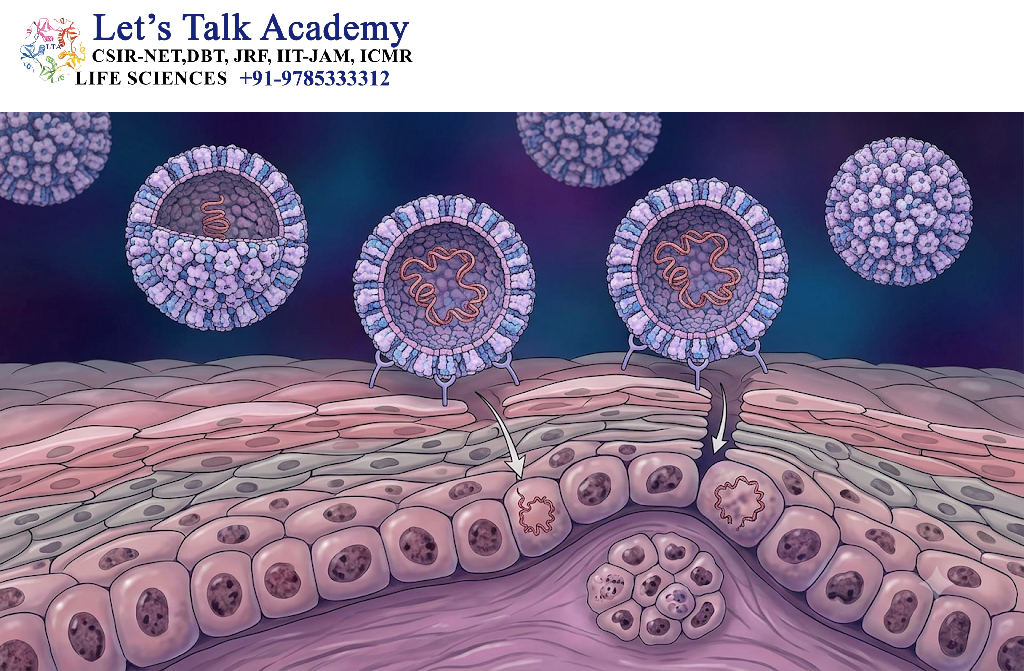
High-risk Human Papillomaviruses (HPVs) are among the best-characterized oncogenic viruses.
Persistent infection with high-risk HPV types can contribute to cancers including:
- Cervical cancer
- Anal cancer
- Some oropharyngeal cancers
- Penile cancer
- Vulvar cancer
- Vaginal cancer
Two important viral proteins are:
- E6
- E7
17. HPV E6 Protein
High-risk HPV E6 can interfere with the tumor-suppressor pathway involving p53.
This reduces the ability of infected cells to respond appropriately to DNA damage.
Consequently:
E6 activity → reduced p53-mediated control → impaired apoptosis/DNA-damage response
This favors persistence of abnormal cells.
18. HPV E7 Protein
E7 interferes with the retinoblastoma protein pathway.
Normally:
RB → controls E2F → restricts S-phase entry
HPV E7 disrupts this regulation.
Consequently:
RB inhibition → E2F activity → S-phase entry → increased cellular proliferation
The combined effects of E6 and E7 strongly disturb cellular growth regulation.
19. Epstein–Barr Virus
Epstein–Barr Virus (EBV) is a herpesvirus that can establish persistent infection, particularly in B lymphocytes.
EBV is associated with several malignancies, including:
- Burkitt lymphoma
- Hodgkin lymphoma in some settings
- Nasopharyngeal carcinoma
- Certain gastric cancers
- Other lymphoproliferative disorders
EBV can express viral proteins and RNAs that alter:
- B-cell signaling
- Cell survival
- Proliferation
- Immune recognition
20. EBV and B-Cell Proliferation
EBV can drive infected B cells toward proliferation and survival.
This can involve viral proteins that mimic or modify normal cellular signaling.
Under normal circumstances, immune surveillance—particularly by T cells—helps control EBV-infected cells.
If immune control is weakened, abnormal EBV-driven B-cell proliferation may become more pronounced.
21. Hepatitis B Virus
Hepatitis B virus (HBV) is associated primarily with hepatocellular carcinoma.
HBV-related cancer development can involve both direct and indirect mechanisms.
Direct mechanisms
Viral proteins can influence:
- Cellular signaling
- Transcription
- Cell proliferation
- DNA-damage responses
Indirect mechanisms
Persistent HBV infection causes chronic liver inflammation.
Repeated:
Cell injury → cell death → regeneration
can increase opportunities for genetic abnormalities to accumulate.
Thus, HBV-associated carcinogenesis involves both viral and host-mediated mechanisms.
22. Hepatitis C Virus
Hepatitis C virus (HCV) is an RNA virus strongly associated with hepatocellular carcinoma.
Unlike some DNA tumor viruses, HCV does not generally cause cancer by integrating its genome into host DNA.
Instead, chronic HCV infection can promote:
- Persistent inflammation
- Oxidative stress
- Repeated hepatocyte injury
- Regeneration
- Fibrosis
- Cirrhosis
These processes increase the risk of hepatocellular carcinoma.
23. Human T-Cell Leukemia Virus Type 1
HTLV-1 is a retrovirus associated with adult T-cell leukemia/lymphoma.
An important viral regulatory protein is Tax.
Tax can influence:
- NF-κB signaling
- T-cell proliferation
- Gene expression
- Cellular survival
Another viral protein, HBZ, also contributes to persistent infected-cell behavior.
The long latency between infection and malignancy illustrates that transformation is usually a multistep process.
24. Kaposi Sarcoma-Associated Herpesvirus
Kaposi sarcoma-associated herpesvirus (KSHV), also known as HHV-8, is associated with:
- Kaposi sarcoma
- Primary effusion lymphoma
- Multicentric Castleman disease in certain contexts
KSHV can manipulate:
- Cell proliferation
- Apoptosis
- Angiogenesis
- Immune signaling
This can contribute to abnormal vascular and lymphoid-cell behavior.
25. Merkel Cell Polyomavirus
Merkel cell polyomavirus is associated with a subset of Merkel cell carcinomas.
Viral proteins can interfere with cellular growth-control pathways.
The virus can become clonally integrated into tumor-cell genomes in virus-associated Merkel cell carcinoma.
26. Mechanisms of Virus-Induced Transformation
The major mechanisms can be summarized as:
26.1 Activation of Oncogenes
Viral proteins can activate pathways promoting proliferation.
26.2 Inactivation of Tumor Suppressors
Viral proteins can interfere with:
- p53
- RB
- Other checkpoint regulators
26.3 Inhibition of Apoptosis
Abnormal cells remain alive instead of being eliminated.
26.4 Genomic Instability
DNA damage and abnormal repair can increase mutation accumulation.
26.5 Chronic Inflammation
Persistent infection can create a tissue environment favoring carcinogenesis.
26.6 Immune Evasion
Persistent infection allows abnormal virus-infected cells to survive immune surveillance.
26.7 Altered Cell Signaling
Growth and survival pathways may become chronically activated.
27. Role of Chronic Infection
Persistent infection is an important factor in virus-associated cancer.
The longer infected cells remain under viral influence, the greater the opportunity for:
- Accumulation of mutations
- Epigenetic changes
- Abnormal proliferation
- Immune escape
- Tissue remodeling
Therefore:
Persistent infection + cellular dysregulation + additional genetic changes → increased cancer risk
28. Role of Chronic Inflammation
Chronic inflammation can contribute to cancer development through:
- Repeated tissue injury
- Reactive oxygen and nitrogen species
- Increased cellular proliferation
- DNA damage
- Cytokine signaling
- Tissue remodeling
This is particularly important in chronic viral infections of the liver.
29. Immune Evasion and Transformation
The immune system can recognize and eliminate abnormal cells.
Tumor-associated viruses can interfere with immune surveillance by:
- Reducing antigen presentation
- Modifying cytokine signaling
- Establishing latent infection
- Altering immune-cell activity
If infected abnormal cells escape immune elimination, they may persist and accumulate additional alterations.
30. Viral Latency
Some oncogenic viruses establish latency, in which the viral genome persists in host cells with limited viral gene expression.
Latency helps pathogens avoid immune elimination.
However, selected viral proteins may remain expressed and influence:
- Cell survival
- Proliferation
- Differentiation
EBV and KSHV are important examples of viruses capable of establishing latent infections associated with malignancy.
31. Multi-Step Nature of Viral Carcinogenesis
Viral infection alone is generally not sufficient to produce cancer.
Cancer usually develops through multiple stages:
Viral infection
↓
Persistence
↓
Altered cellular signaling
↓
Increased proliferation/survival
↓
Genomic and epigenetic abnormalities
↓
Accumulation of additional mutations
↓
Clonal expansion
↓
Pre-malignant changes
↓
Malignant transformation
This explains why only a fraction of individuals infected with an oncogenic virus develop cancer.
32. Transformation Versus Malignant Transformation
These terms should be distinguished.
Cellular Transformation
A cell acquires abnormal growth characteristics.
Malignant Transformation
The cell acquires properties associated with cancer, such as:
- Sustained proliferation
- Invasion
- Resistance to cell death
- Genomic instability
- Ability to form tumors
Therefore, transformation can represent an early stage in a longer carcinogenic process.
33. Characteristics of Transformed Cells
Transformed cells may show:
- Increased proliferation
- Reduced growth-factor dependence
- Loss of contact inhibition
- Altered morphology
- Changes in adhesion
- Resistance to apoptosis
- Genomic instability
- Altered metabolism
- Increased survival
Not every transformed cell necessarily develops into an invasive cancer.
34. Loss of Contact Inhibition
Normal cells generally stop proliferating when they become densely packed and establish contact with neighboring cells.
This property is called contact inhibition.
Transformed cells may lose this regulatory behavior.
As a result, cells can continue proliferating despite close contact with neighboring cells.
This contributes to abnormal tissue organization.
35. Altered Cell Adhesion
Cancer cells may show changes in:
- Cadherins
- Integrins
- Extracellular-matrix interactions
These changes can contribute to:
- Reduced tissue organization
- Increased migration
- Invasion
- Metastatic behavior
Virus-induced transformation may therefore alter not only proliferation but also cellular interactions with surrounding tissues.
36. Altered Cellular Metabolism
Transformed cells frequently undergo metabolic changes that support rapid proliferation.
They may increase:
- Glucose uptake
- Glycolytic activity
- Nucleotide synthesis
- Lipid synthesis
- Amino-acid metabolism
Viral proteins can contribute to metabolic reprogramming by activating growth and survival pathways.
37. Viral Transformation and Epigenetics
Epigenetic regulation controls gene activity without changing the underlying DNA sequence.
Mechanisms include:
- DNA methylation
- Histone modification
- Chromatin remodeling
- Non-coding RNAs
Oncogenic viruses can alter these mechanisms.
This may lead to:
- Silencing of tumor-suppressor genes
- Activation of growth-related genes
- Altered differentiation
- Persistent changes in cellular phenotype
38. Role of Viral Proteins in Transformation
Viral proteins can function as molecular regulators.
They may:
- Bind cellular proteins
- Activate transcription factors
- Inhibit tumor suppressors
- Alter signaling pathways
- Modify apoptosis
- Change DNA repair
- Alter cell metabolism
The ability of a small number of viral proteins to affect multiple host pathways is a major feature of viral oncogenesis.
39. Direct and Indirect Viral Oncogenesis
Direct Viral Oncogenesis
The virus directly expresses proteins or genetic elements that alter cellular growth regulation.
Examples include mechanisms involving:
- HPV E6/E7
- HTLV-1 Tax/HBZ
- EBV latent proteins
Indirect Viral Oncogenesis
The virus promotes cancer through long-term processes such as:
- Chronic inflammation
- Repeated tissue damage
- Regeneration
- Oxidative stress
- Fibrosis
HBV and HCV-associated liver cancer illustrate important indirect mechanisms, although HBV can also have direct effects.
40. Comparison of Important Oncogenic Viruses
| Virus | Major Associated Cancer/Condition | Important Mechanism |
|---|---|---|
| High-risk HPV | Cervical and several anogenital/oropharyngeal cancers | E6/E7 interference with p53/RB pathways |
| EBV | Several lymphoid and epithelial malignancies | Latency and altered B-cell signaling |
| HBV | Hepatocellular carcinoma | Chronic inflammation plus viral effects |
| HCV | Hepatocellular carcinoma | Chronic inflammation, fibrosis and cellular injury |
| HTLV-1 | Adult T-cell leukemia/lymphoma | Altered T-cell signaling and proliferation |
| KSHV/HHV-8 | Kaposi sarcoma and lymphoid disorders | Latency, survival and angiogenic signaling |
| Merkel cell polyomavirus | Merkel cell carcinoma | Viral tumor-antigen-mediated growth dysregulation |
41. Role of Tumor-Suppressor Pathways
Important cellular tumor-suppressor pathways include:
- p53 pathway
- RB pathway
- DNA damage-response pathways
- Apoptotic pathways
- Cell-cycle checkpoints
When viruses disrupt these systems, cells may continue dividing despite:
- DNA damage
- Replication stress
- Oncogenic signals
- Abnormal chromosome structures
This greatly increases the possibility of malignant progression.
42. Role of Oncogenic Signaling
Oncogenic signaling can produce:
Growth-factor-independent proliferation
Increased survival
Increased metabolism
Reduced apoptosis
Altered differentiation
These characteristics collectively contribute to cellular transformation.
43. Viral Transformation and the Tumor Microenvironment
Cancer development is influenced not only by tumor cells but also by surrounding cells.
The tumor microenvironment may contain:
- Immune cells
- Fibroblasts
- Endothelial cells
- Extracellular matrix
- Cytokines
- Growth factors
Persistent viral infection and inflammation can alter this environment.
These changes may support:
- Angiogenesis
- Immune evasion
- Tumor growth
- Tissue remodeling
44. Angiogenesis
Tumors require blood supply for continued growth.
Some oncogenic viruses can influence pathways involved in angiogenesis.
Increased production of angiogenic factors can promote formation of new blood vessels.
This is particularly relevant to virus-associated tumors such as Kaposi sarcoma.
45. Viral Transformation and Immune Suppression
Immunosuppression can increase the risk of certain virus-associated cancers because immune surveillance is reduced.
For example, weakened T-cell immunity can allow persistent proliferation of cells infected with oncogenic viruses.
Therefore:
Persistent oncogenic virus + reduced immune surveillance → increased opportunity for abnormal-cell expansion
46. Prevention of Virus-Induced Cancer
Several strategies can reduce the risk of virus-associated cancers.
Vaccination
Vaccination against oncogenic viruses can prevent infection and therefore reduce the risk of associated cancers.
Screening
Screening can identify:
- Persistent infection
- Pre-cancerous lesions
- Early malignancy
Antiviral Treatment
For selected chronic viral infections, effective antiviral therapy can reduce viral replication and the associated risk of complications.
Infection Prevention
Reducing transmission of oncogenic viruses can reduce future cancer risk.


