
1. Introduction to Monoclonal Antibodies
Monoclonal antibodies, commonly abbreviated as mAbs, are highly specific immunoglobulin molecules produced by a single clone of B lymphocytes. They recognize and bind to a particular antigen or, more precisely, to a specific region called an epitope on an antigen. Because antibodies derived from the same B-cell clone possess essentially the same antigen-binding specificity, monoclonal antibodies are highly uniform and can be used as precise biological tools in research, diagnosis, and therapy.
The immune system naturally produces antibodies through populations of B lymphocytes. Each B-cell clone is programmed to recognize a particular molecular structure. During an immune response, the B cell that recognizes a particular antigen can undergo clonal expansion and differentiate into antibody-secreting plasma cells. Monoclonal antibody technology takes advantage of this natural principle and allows scientists to isolate and maintain a particular antibody-producing clone.
The development of hybridoma technology by Georges Köhler and César Milstein in 1975 was a major milestone in immunology. Their approach combined the antibody-producing capability of B lymphocytes with the continuous growth capability of myeloma cells. The resulting hybrid cells, known as hybridomas, could continuously produce a single type of antibody. This discovery provided a practical foundation for the large-scale production of antibodies with defined specificity.
Since the development of hybridoma technology, monoclonal antibody research has progressed considerably. Modern technologies now include recombinant antibody production, antibody humanization, phage display, transgenic animals, single-B-cell approaches, antibody fragments, bispecific antibodies, antibody-drug conjugates, Fc engineering, and computational antibody design.
Monoclonal antibodies are now important components of modern biotechnology. They are used to detect specific proteins, identify cell populations, study molecular pathways, diagnose diseases, deliver therapeutic molecules, modify immune responses, and treat several human diseases.
1.1 Definition of Monoclonal Antibodies
A monoclonal antibody is an antibody produced by a single B-cell clone or by a cell line derived from a single antibody-producing clone. Because the antibody molecules originate from the same clone, they recognize the same antigenic determinant under defined experimental conditions.
An antigen may contain several different epitopes. Multiple B-cell clones can therefore respond to the same antigen, with each clone recognizing a different epitope. A preparation containing antibodies from several such clones is called a polyclonal antibody preparation. In contrast, a monoclonal antibody preparation is designed to represent the antibody specificity of one selected clone.
The major characteristics of monoclonal antibodies include high specificity, relatively uniform molecular composition, reproducibility, and the ability to be produced continuously from an established cell line or recombinant expression system.
1.2 Historical Development of Monoclonal Antibody Technology
Before monoclonal antibody technology was developed, antibodies were commonly obtained from serum following immunization. Such antibody preparations contained mixtures of antibodies produced by different B-cell clones. These antibodies could recognize multiple epitopes on the same antigen.
Although polyclonal antibodies are useful, their heterogeneous nature can make experimental interpretation more complicated. Researchers therefore sought methods for obtaining a continuous supply of antibodies with a single defined specificity.
In 1975, Köhler and Milstein demonstrated that antibody-producing cells could be fused with immortal myeloma cells to create hybrid cells capable of continuous antibody secretion. This technology became known as hybridoma technology.
The development of recombinant DNA technology subsequently made it possible to modify antibody genes, produce antibody fragments, replace non-human sequences, and engineer antibodies with new properties. This progression ultimately led to the development of chimeric, humanized, and fully human antibodies.
1.3 Importance of Monoclonal Antibodies
Monoclonal antibodies are important because they connect molecular recognition with practical biological applications. Their specificity allows researchers to selectively identify a protein or cell type within a complex biological sample.
In diagnostic laboratories, monoclonal antibodies can be used to detect disease-associated proteins or cellular markers. In research, they can be used to investigate protein expression, receptor distribution, intracellular signaling, and cellular identity. In medicine, therapeutic monoclonal antibodies can block receptors, neutralize soluble molecules, recruit immune cells, or deliver therapeutic payloads to selected targets.
2. Basic Immunological Concepts
2.1 Antigens
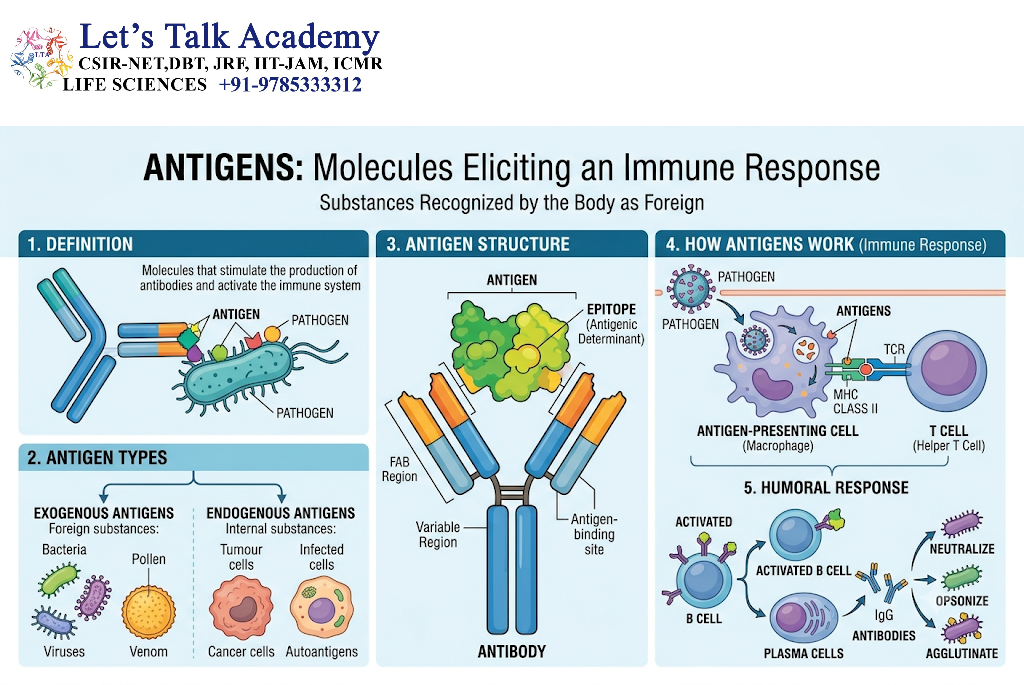
An antigen is a substance that can be specifically recognized by components of the adaptive immune system. Proteins are particularly important antigens, although other biological molecules can also participate in antigen recognition.
Antigens can be derived from microorganisms, damaged cells, foreign substances, or abnormal cells. A single antigen may contain several regions that can be recognized independently by antibodies.
For example, a protein antigen may contain multiple surface regions. One B-cell clone may recognize one region, while another B-cell clone recognizes a different region.
2.2 Epitopes
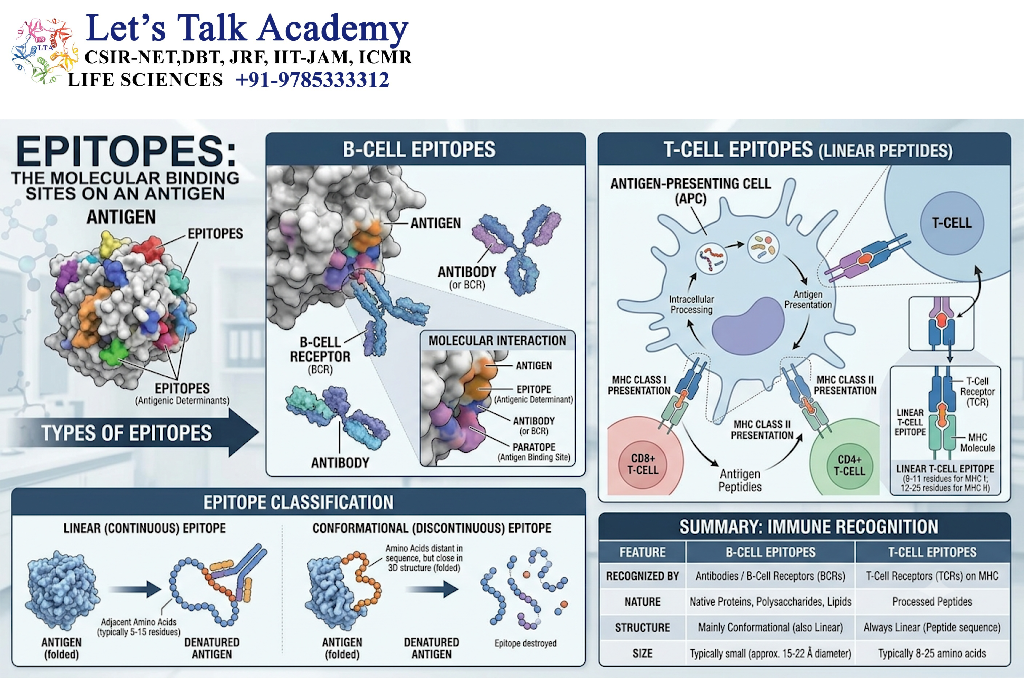
The specific region of an antigen recognized by an antibody is known as an epitope or antigenic determinant.
Epitopes may be broadly classified as linear or conformational.
A linear epitope is determined primarily by a continuous sequence of amino acids, whereas a conformational epitope depends on the three-dimensional structure of the antigen.
This distinction is important because an antibody recognizing a conformational epitope may lose binding ability if the antigen is denatured.
2.3 B Lymphocytes
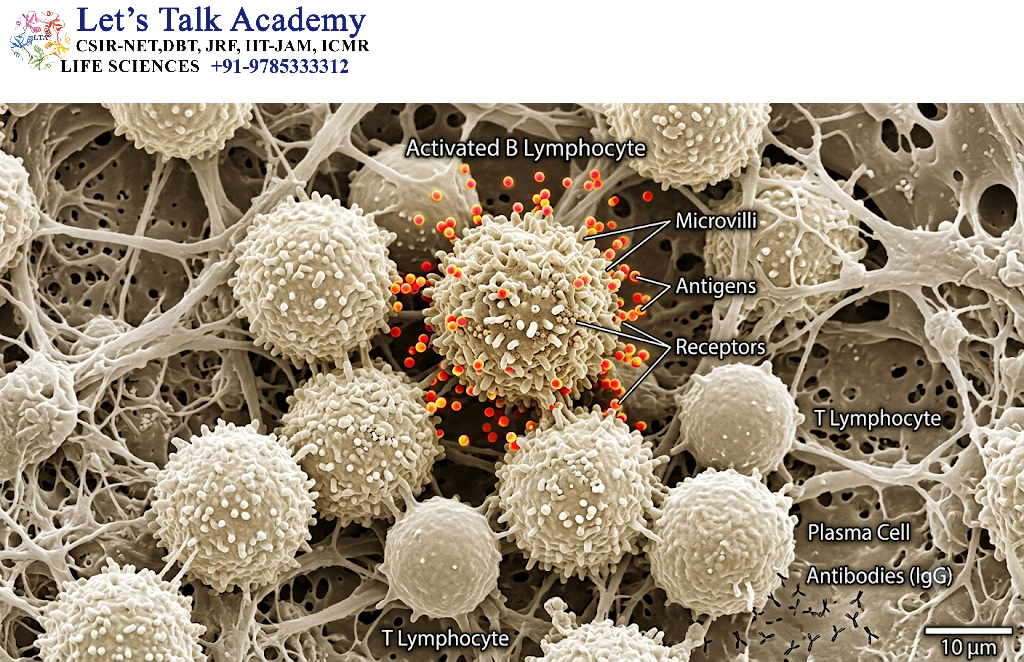
B lymphocytes, or B cells, are major components of the adaptive immune system. Each mature B cell carries a specific B-cell receptor on its surface.
The B-cell receptor is membrane-associated immunoglobulin. Different B-cell clones possess receptors with different antigen-binding specificities.
When an appropriate B cell is activated, it can undergo proliferation and differentiation into plasma cells. Plasma cells secrete antibodies into the surrounding environment or circulation.
2.4 Clonal Selection
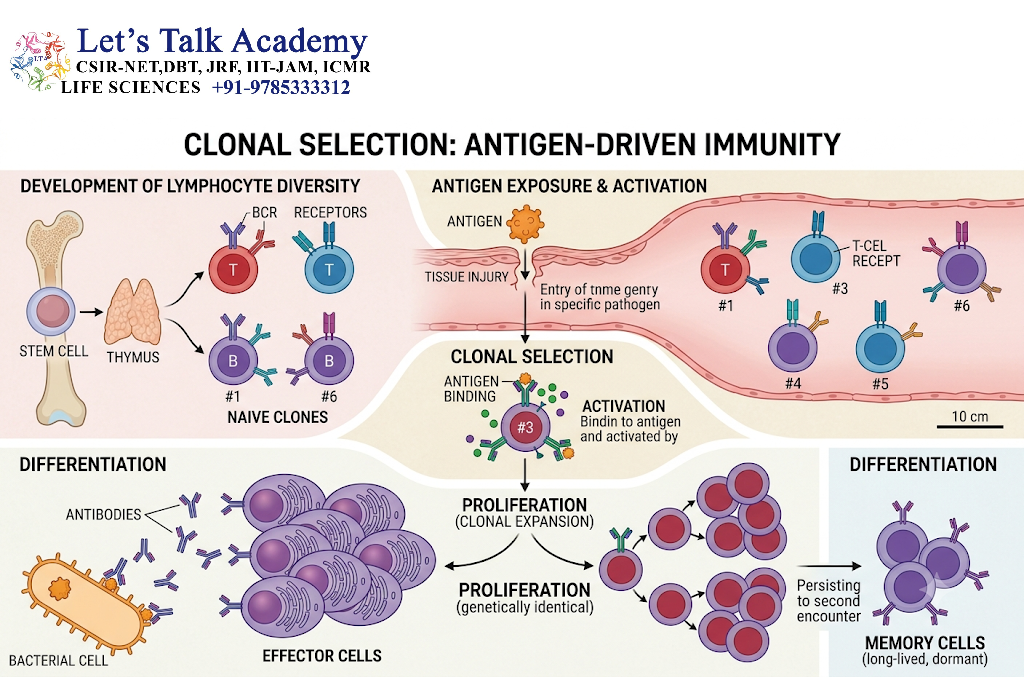
The clonal selection theory provides a fundamental explanation for antigen-specific immune responses.
According to this concept, the immune system contains many different lymphocyte clones, each possessing a particular receptor specificity. When an antigen enters the body, it selectively activates lymphocytes whose receptors recognize that antigen.
The activated cells then undergo clonal expansion and differentiation.
The simplified sequence is:
Antigen recognition → B-cell activation → Clonal expansion → Differentiation → Antibody secretion
This principle forms the biological basis of monoclonal antibody technology.
3. Structure of Antibodies
3.1 General Structure
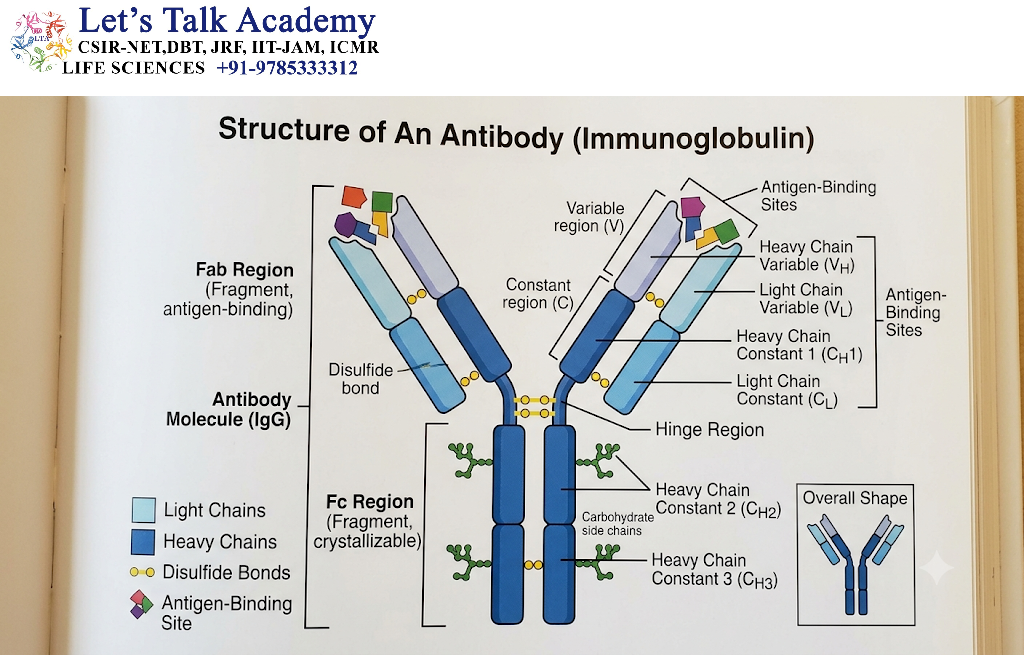
A conventional antibody molecule has a characteristic Y-shaped structure. It consists of four polypeptide chains: two identical heavy chains and two identical light chains.
The chains are held together by non-covalent interactions and disulfide bonds.
The antibody can be broadly divided into two functional regions:
Fab region → antigen recognition and binding
Fc region → interaction with immune effector mechanisms
The Fab region contains the antigen-binding sites, whereas the Fc region participates in interactions with Fc receptors and other components of the immune system.
3.2 Heavy Chains
Each antibody contains two identical heavy chains. The type of heavy chain determines the immunoglobulin class.
The major heavy-chain types correspond to:
- IgG
- IgM
- IgA
- IgE
- IgD
The heavy chains contribute to both the structural framework and biological properties of the antibody.
3.3 Light Chains
Each antibody contains two identical light chains.
There are two types of immunoglobulin light chains:
- Kappa (κ)
- Lambda (λ)
An individual antibody molecule contains either two kappa light chains or two lambda light chains.
3.4 Variable Regions
The variable regions are responsible for antigen recognition.
The amino acid sequences of variable regions differ between antibody clones. These sequence differences generate different antigen-binding surfaces.
Within the variable regions are highly variable segments known as complementarity-determining regions, or CDRs.
The CDRs play a major role in determining antigen-binding specificity.
3.5 Constant Regions
The constant regions have relatively conserved amino acid sequences within a particular antibody class or subclass.
The constant region contributes to the biological functions of the antibody, including interaction with Fc receptors and other immune components.
Therefore, antibody function is determined by both antigen recognition through the variable region and biological activity associated with the constant region.
3.6 Fab Region
Fab stands for fragment antigen-binding.
The Fab region contains the antigen-binding site and is primarily responsible for recognizing the target antigen.
Because the antigen-binding region determines specificity, changes in the variable region can substantially alter the target recognized by an antibody.
3.7 Fc Region
Fc stands for fragment crystallizable.
The Fc region forms the stem of the Y-shaped antibody molecule.
It can interact with Fc receptors on immune cells and can influence processes such as cellular activation, antibody-dependent cellular cytotoxicity, complement-related functions, and antibody persistence.
Thus, the Fab region is primarily associated with target recognition, whereas the Fc region contributes substantially to downstream biological effects.
4. Immunoglobulin Classes
4.1 IgG
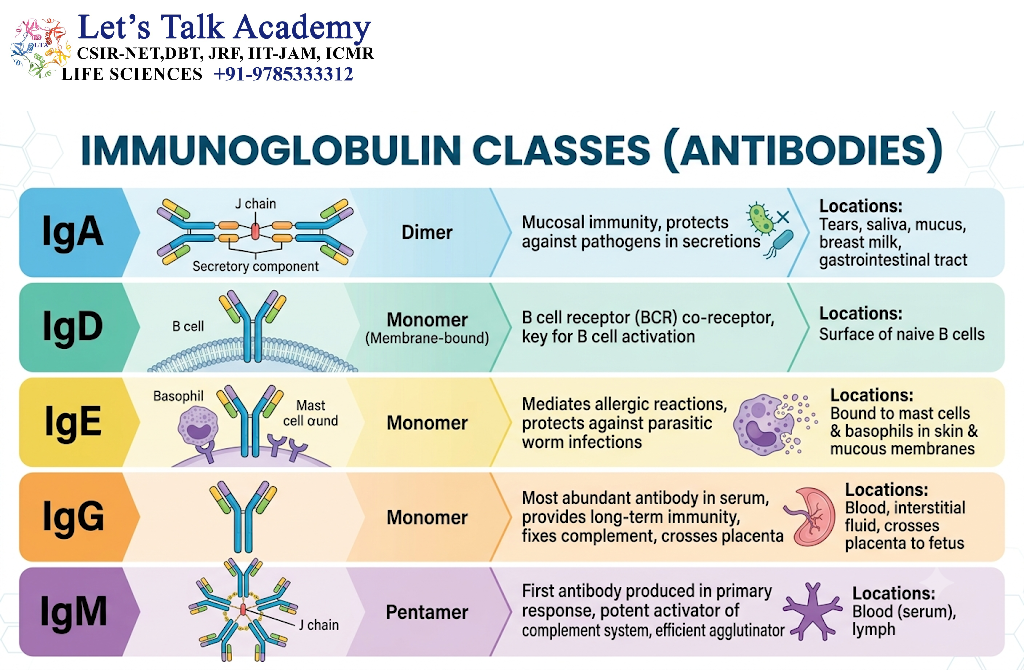
IgG is the most abundant immunoglobulin class in human serum. It plays an important role in systemic immune responses.
IgG molecules are monomeric and possess two antigen-binding sites. Their Fc regions can interact with Fc receptors and participate in immune effector mechanisms.
Many therapeutic monoclonal antibodies are based on IgG formats because of their stability, pharmacokinetic characteristics, and ability to interact with immune effector mechanisms.
4.2 IgM
IgM is generally associated with early antibody responses. Secreted IgM is commonly organized as a pentameric structure, although membrane-associated IgM exists as a monomeric B-cell receptor.
Because pentameric IgM contains multiple antigen-binding sites, it can have high overall avidity.
4.3 IgA
IgA plays an important role in mucosal immunity.
It is found in secretions such as saliva, tears, intestinal secretions, and breast milk. Secretory IgA helps protect mucosal surfaces from microorganisms and foreign molecules.
4.4 IgE
IgE is involved in allergic responses and contributes to defense against certain parasitic infections.
IgE interacts strongly with receptors on mast cells and basophils.
4.5 IgD
IgD is primarily associated with B-cell biology. It is expressed on the surface of many mature naïve B cells along with IgM.
Its precise functions are more specialized than those of IgG, IgM, and IgA and remain an important subject of immunological research.
5. Monoclonal and Polyclonal Antibodies
5.1 Monoclonal Antibodies
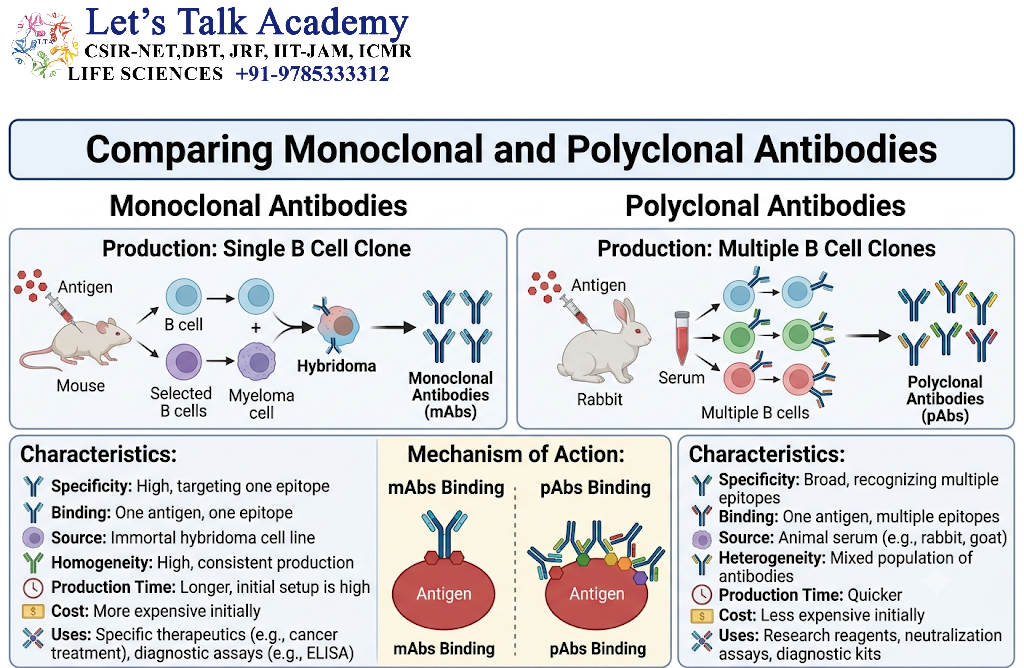
Monoclonal antibodies originate from a single clone and recognize a particular epitope.
They are highly uniform and can be generated repeatedly from a stable antibody-producing clone.
5.2 Polyclonal Antibodies
Polyclonal antibody preparations contain antibodies produced by multiple B-cell clones.
They can recognize multiple epitopes on the same antigen.
This broad recognition can sometimes be advantageous, particularly when the antigen is present in low amounts or when conformational changes may affect individual epitopes.
5.3 Major Differences
| Feature | Monoclonal antibodies | Polyclonal antibodies |
|---|---|---|
| Origin | Single B-cell clone | Multiple B-cell clones |
| Epitope recognition | Usually one defined epitope | Multiple epitopes |
| Composition | Relatively uniform | Heterogeneous |
| Specificity | Highly defined | Broader |
| Reproducibility | Generally high after clone establishment | May vary between preparations |
| Production | Requires clonal isolation | Usually obtained from immune serum |
| Applications | Research, diagnosis and therapy | Research and diagnostic applications |
The choice between monoclonal and polyclonal antibodies depends on the experimental objective.
6. Hybridoma Technology
6.1 Principle of Hybridoma Technology
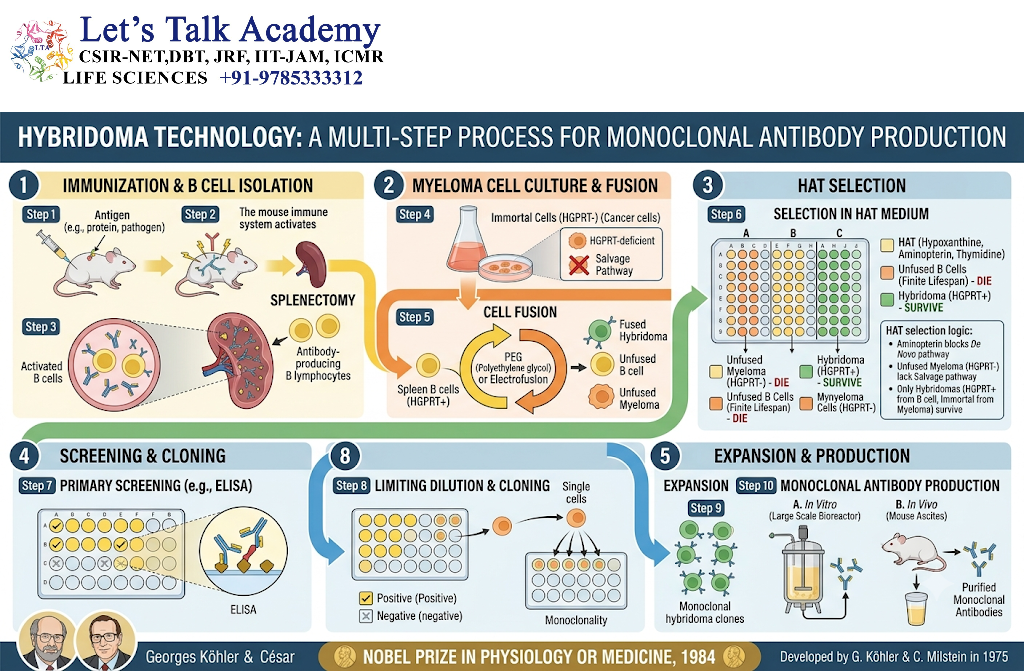
Hybridoma technology is the classical method used to generate monoclonal antibodies.
The fundamental principle is the fusion of two different cell types:
Antibody-producing B lymphocyte + Immortal myeloma cell → Hybridoma
The B lymphocyte provides antibody-producing capability, whereas the myeloma cell provides the ability to proliferate continuously under suitable culture conditions.
The resulting hybridoma therefore combines the important characteristics of both parental cells.
6.2 Antigen Preparation
The first major step is preparation of an appropriate antigen or immunogen.
The antigen may be a purified protein, recombinant protein, peptide, cell-surface molecule, whole cell, microbial component, or another biologically relevant structure.
The quality of the immunogen can strongly influence the quality and diversity of antibodies obtained.
6.3 Immunization
An experimental animal, traditionally a mouse, is immunized with the selected antigen.
The objective is to stimulate an immune response and increase the population of antigen-specific B cells.
Repeated immunization may be used to strengthen the immune response and promote affinity maturation.
6.4 Isolation of B Lymphocytes
After an appropriate immune response has developed, antibody-producing B lymphocytes are isolated from lymphoid tissue.
The spleen has traditionally been an important source of these cells.
The isolated B cells contain the genetic information required for production of antigen-specific antibodies but generally do not survive indefinitely in culture.
6.5 Fusion With Myeloma Cells
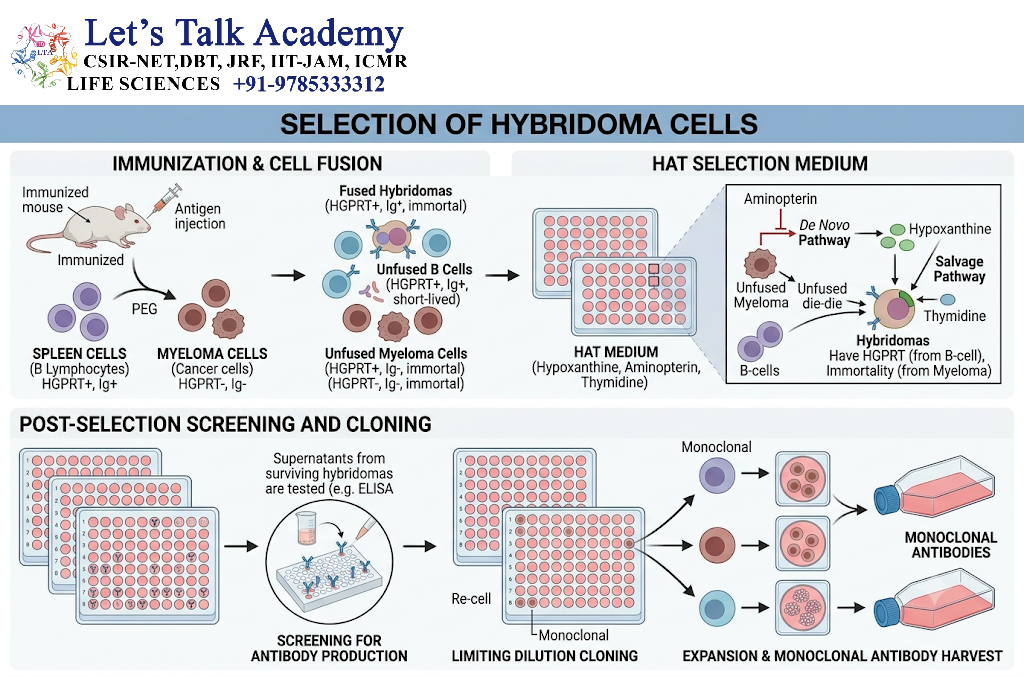
The isolated B cells are fused with suitable myeloma cells.
Fusion may be induced using chemical fusion agents or related approaches.
The resulting mixture contains unfused B cells, unfused myeloma cells, and successfully fused hybrid cells.
A selection procedure is therefore required to identify the hybridomas.
6.6 HAT Selection
A classical selection system uses HAT medium, containing hypoxanthine, aminopterin, and thymidine.
Aminopterin blocks the de novo pathway of nucleotide synthesis. Under these conditions, cells need to rely on salvage pathways.
Appropriately selected myeloma cells lack a functional component of this salvage pathway, whereas normal B cells can use the pathway but have limited survival in culture.
Hybridoma cells combine the necessary properties and can therefore survive under the selective conditions.
6.7 Screening of Hybridomas
After selection, individual wells or cultures are screened to determine whether they contain hybridomas producing antibodies against the desired antigen.
Common screening methods include:
- ELISA
- Western blotting
- Flow cytometry
- Immunofluorescence
- Immunohistochemistry
- Functional assays
Screening should evaluate more than simple antigen binding. Depending on the intended application, specificity, affinity, cross-reactivity, biological activity, and target recognition under relevant conditions may also need to be evaluated.
6.8 Cloning of Hybridomas
A positive hybridoma population must be established as a monoclonal population.
One classical method is limiting dilution cloning.
Individual cells are distributed under conditions that allow the establishment of separate clones.
The resulting clones are screened again to confirm that they retain the desired antibody-producing properties.
6.9 Expansion
Once a suitable clone has been identified, it is expanded in culture.
The expanded hybridoma population secretes the desired monoclonal antibody into the culture medium.
6.10 Antibody Purification
The antibody is separated from the culture medium and other cellular components.
Affinity chromatography is commonly used because it takes advantage of the interaction between the antibody and a suitable binding ligand.
Additional purification and polishing steps may be used depending on the intended application.
6.11 Characterization
The purified antibody is characterized for properties such as:
- Identity
- Purity
- Concentration
- Specificity
- Affinity
- Stability
- Biological activity
A monoclonal antibody should not be considered fully characterized merely because it binds its intended antigen.
7. Selection of Hybridoma Cells
7.1 Importance of Selection
The cell-fusion process does not automatically generate only the desired hybrid cells.
The resulting population contains different cell types, so selective culture is essential.
7.2 Role of Myeloma Cells
Myeloma cells provide the immortal growth characteristic needed for continuous hybridoma culture.
However, the parental myeloma cells used for classical hybridoma technology are selected to have appropriate metabolic characteristics so that they can be eliminated under HAT selection.
7.3 Role of B Cells
B cells provide the antibody-producing machinery.
However, normal B cells generally have a limited lifespan in culture.
7.4 Hybridoma Cells
Hybridoma cells combine the two useful properties:
B cell → antibody production
Myeloma cell → prolonged proliferation
This combination is the central principle of hybridoma technology.
8. Screening and Characterization of Monoclonal Antibodies
8.1 Specificity
Specificity refers to the ability of the antibody to recognize the intended target while minimizing unwanted interactions.
High specificity is particularly important in diagnostic and therapeutic applications.
8.2 Affinity
Affinity refers to the strength of interaction between an antibody-binding site and its antigen.
The dissociation constant, Kᴅ, is commonly used to describe binding affinity.
Under appropriate conditions, a lower Kᴅ generally indicates stronger binding affinity.
8.3 Avidity
Avidity refers to the overall strength of multiple simultaneous interactions between multivalent binding partners.
Affinity and avidity should therefore not be treated as identical concepts.
An antibody may have a particular affinity for one epitope while its overall avidity depends on the number and arrangement of interactions.
8.4 Cross-Reactivity
Cross-reactivity occurs when an antibody binds molecules other than the intended target.
This may happen when unrelated molecules contain structurally similar epitopes.
Testing cross-reactivity is therefore important when high specificity is required.
8.5 Functional Activity
Binding does not necessarily mean biological activity.
An antibody can bind strongly to a target but have little effect on the target’s biological function.
Therefore, functional assays are essential when the antibody is intended for therapeutic or mechanistic applications.
9. Types of Monoclonal Antibodies
9.1 Murine Monoclonal Antibodies
Murine monoclonal antibodies are derived from mouse antibody sequences.
They were especially important during the early development of therapeutic antibody technology.
Their major limitation for repeated human administration is the potential for the human immune system to recognize mouse-derived sequences as foreign.
9.2 Chimeric Monoclonal Antibodies
Chimeric antibodies combine non-human variable regions with human constant regions.
This reduces the amount of non-human sequence compared with a fully murine antibody.
The variable region provides the desired antigen recognition, while the human constant region provides more human-compatible Fc characteristics.
9.3 Humanized Monoclonal Antibodies
Humanized antibodies contain predominantly human antibody sequences while retaining selected antigen-binding regions from a non-human antibody.
The CDRs are particularly important for maintaining antigen recognition.
Humanization can reduce the amount of foreign antibody sequence and may therefore reduce immunogenicity compared with fully murine antibodies.
9.4 Fully Human Monoclonal Antibodies
Fully human antibodies contain human antibody sequences.
They can be generated using technologies such as:
- Phage display
- Human B-cell isolation
- Single-B-cell approaches
- Transgenic animals carrying human immunoglobulin genes
These technologies have expanded the range of antibody candidates available for therapeutic development.
10. Mechanisms of Action of Monoclonal Antibodies
10.1 Neutralization
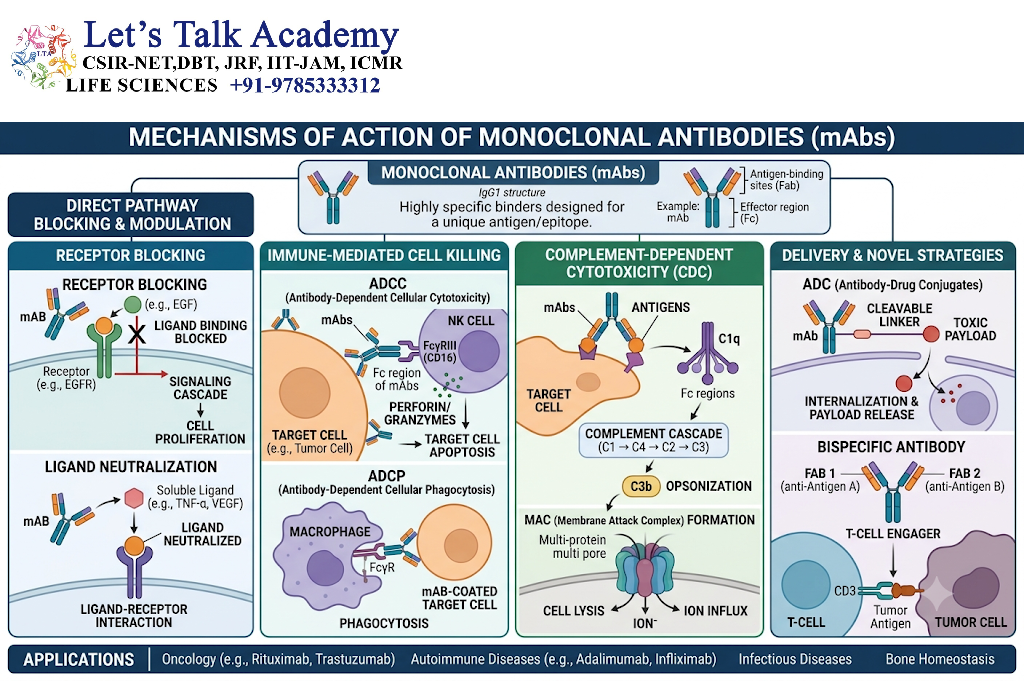
A monoclonal antibody can bind a biologically active molecule and prevent it from interacting with its normal receptor.
For example:
Antibody + Target molecule → Blocked interaction → Reduced biological activity
Neutralization is an important mechanism for antibodies directed against soluble proteins or pathogen-associated molecules.
10.2 Receptor Blocking
An antibody can bind to a receptor and prevent its normal ligand from binding.
This can interfere with signaling pathways controlling:
- Cell growth
- Differentiation
- Survival
- Migration
- Inflammation
10.3 Ligand Neutralization
Some antibodies bind soluble signaling molecules.
By removing or neutralizing the ligand, the antibody prevents activation of its corresponding receptor.
10.4 Opsonization
Antibody binding can increase the recognition of target cells by immune cells.
The Fc region of the antibody interacts with Fc receptors on immune cells, promoting cellular responses against the antibody-coated target.
10.5 Antibody-Dependent Cellular Cytotoxicity
Antibody-dependent cellular cytotoxicity, commonly abbreviated as ADCC, occurs when antibodies bind target cells and their Fc regions interact with Fc receptors on immune effector cells.
This interaction can result in destruction of the antibody-coated target.
10.6 Complement Activation
Certain antibody classes and subclasses can activate the complement system.
Complement activation can promote target-cell damage, opsonization, inflammation, and other immune effects.
10.7 Receptor Internalization
Antibody binding can sometimes trigger internalization of the target receptor.
This reduces the amount of receptor available at the cell surface and can alter cellular signaling.
10.8 Modulation of Cell Signaling
Monoclonal antibodies can act as agonists or antagonists depending on their target and molecular configuration.
Therefore, antibody binding can either stimulate, inhibit, or modify signaling pathways.
11. Applications of Monoclonal Antibodies
11.1 Research Applications
Monoclonal antibodies are among the most widely used reagents in biological research.
They can be used to:
- Detect specific proteins
- Identify cell populations
- Study protein localization
- Investigate receptor expression
- Examine signaling pathways
- Purify proteins
- Perform immunoprecipitation
- Analyze cells by flow cytometry
- Visualize proteins using microscopy
Their high specificity makes them particularly useful for studying individual molecular targets within complex biological systems.
11.2 ELISA
The enzyme-linked immunosorbent assay, or ELISA, uses antigen-antibody interactions to detect or quantify specific molecules.
Monoclonal antibodies can serve as capture antibodies or detection antibodies.
Their defined specificity can contribute to reproducible detection of target molecules.
11.3 Western Blotting
Monoclonal antibodies can be used to detect specific proteins following separation by gel electrophoresis and transfer to a membrane.
The antibody binds the target protein and allows its detection through an appropriate labeled secondary system or directly labeled antibody.
11.4 Flow Cytometry
Fluorescently labeled monoclonal antibodies are widely used in flow cytometry.
They can identify specific surface or intracellular markers and allow analysis of heterogeneous cell populations.
11.5 Immunohistochemistry
Monoclonal antibodies can be used to detect proteins in tissue sections.
This allows researchers to determine the distribution and localization of specific molecules within tissues.
11.6 Immunofluorescence
In immunofluorescence, antibodies are coupled directly or indirectly to fluorescent labels.
The technique allows visualization of proteins, receptors, or cellular structures under a fluorescence microscope.
12. Monoclonal Antibodies in Cancer
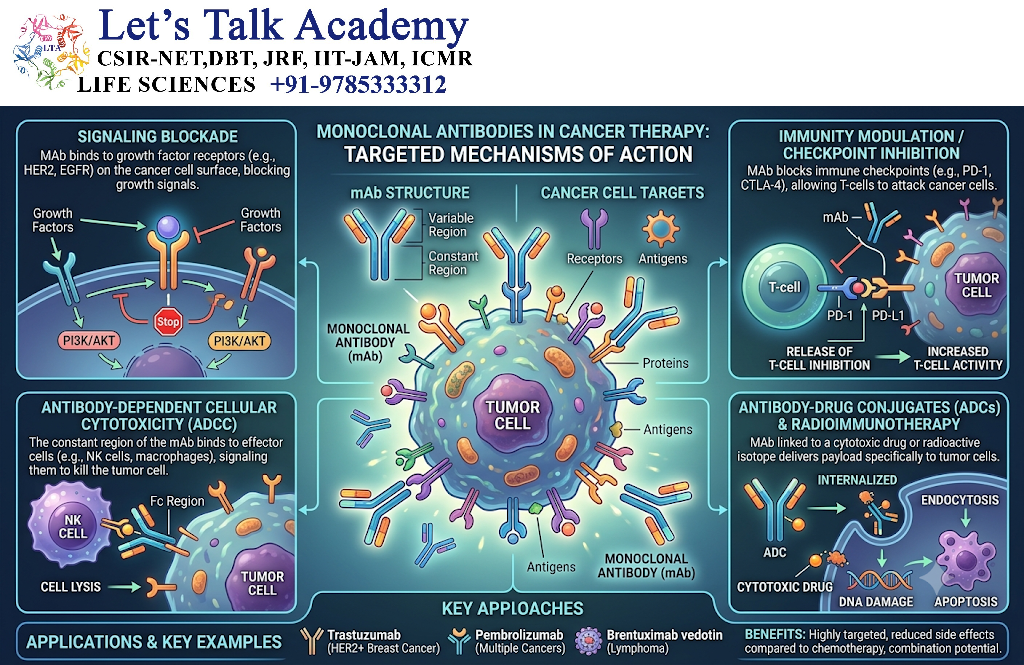
Monoclonal antibodies have become an important class of biological therapeutics in oncology.
Cancer cells may express abnormal or overexpressed proteins that can serve as therapeutic targets.
Antibodies may act by:
- Blocking growth signals
- Recruiting immune cells
- Activating immune effector mechanisms
- Modifying immune checkpoints
- Delivering cytotoxic payloads
- Altering receptor signaling
12.1 Naked Monoclonal Antibodies
A naked monoclonal antibody is not directly attached to a separate cytotoxic drug or radioactive payload.
Its activity depends primarily on its target-binding properties and biological interactions with immune or signaling pathways.
12.2 Antibody-Drug Conjugates
An antibody-drug conjugate, or ADC, combines three major components:
Antibody + Linker + Therapeutic payload
The antibody recognizes a target on or associated with the desired cell. After binding and, in suitable systems, internalization, the payload can exert its intended biological effect.
12.3 Immune Checkpoint Antibodies
Some therapeutic antibodies target molecules involved in immune regulation.
These antibodies can interfere with inhibitory immune signals and thereby alter immune-cell activity against tumor cells.
13. Therapeutic Applications Beyond Cancer
13.1 Autoimmune Diseases
Monoclonal antibodies can target molecules involved in abnormal immune activation.
By blocking specific cytokines, receptors, or immune-cell-associated molecules, they can modify inflammatory pathways.
13.2 Inflammatory Disorders
Inflammatory signaling depends on networks of cytokines, receptors, adhesion molecules, and immune cells.
Monoclonal antibodies can selectively interfere with components of these pathways.
13.3 Infectious Diseases
Antibodies can be designed to recognize pathogen-associated molecules and interfere with processes required for infection.
Neutralizing antibodies may block pathogen attachment, entry, or other essential interactions.
13.4 Neurological Disorders
Antibody-based therapies are also being developed for selected neurological disorders.
The major challenge in such applications is often the restricted access of large antibody molecules to certain compartments of the nervous system.
13.5 Cardiovascular and Metabolic Disorders
Some therapeutic antibodies target circulating proteins or receptors involved in lipid metabolism and other physiological pathways.
This illustrates that antibody therapeutics are not restricted to immune diseases and cancer.
14. Recombinant Antibody Production
14.1 Recombinant DNA Technology
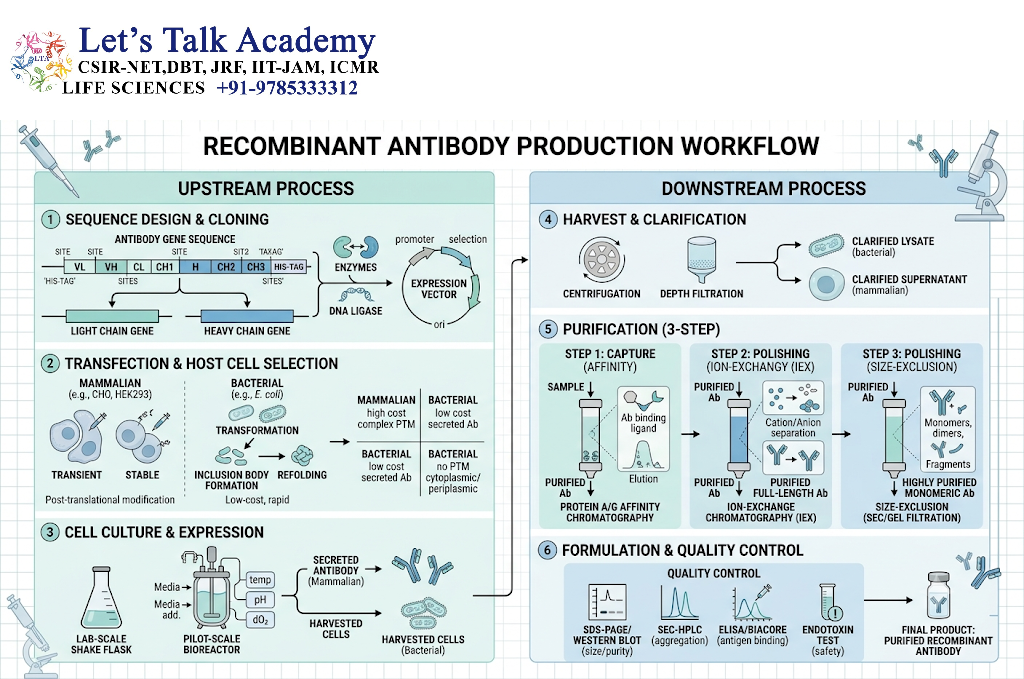
Modern antibody production frequently involves cloning antibody genes into expression vectors.
The genes encoding the heavy and light chains can be introduced into suitable host cells.
The host cells then synthesize the antibody.
This approach allows researchers to modify antibody sequences deliberately and produce defined antibody formats.
14.2 Mammalian Expression Systems
Mammalian cells are widely used for producing therapeutic antibodies because they can support appropriate protein folding, assembly, and post-translational processing.
Chinese hamster ovary (CHO) cells are particularly important in the manufacture of many therapeutic proteins.
14.3 Microbial Expression Systems
Bacteria and yeast can be useful for producing antibody fragments and certain recombinant antibody formats.
However, complete antibody molecules may require structural and post-translational features that are more readily obtained in mammalian systems.
14.4 Transgenic Animals
Transgenic animals can be engineered to carry human immunoglobulin genes.
Such animals can produce antibodies with human sequence characteristics, providing another approach for antibody discovery.
14.5 Phage Display
Phage display is a powerful recombinant technology used for antibody discovery.
In this approach, antibody fragments are displayed on the surface of bacteriophage particles while their corresponding genetic information is maintained within the same particle.
This creates a physical connection between genotype and phenotype.
Antibody libraries containing very large numbers of variants can therefore be screened against a target.
15. Antibody Humanization and Engineering
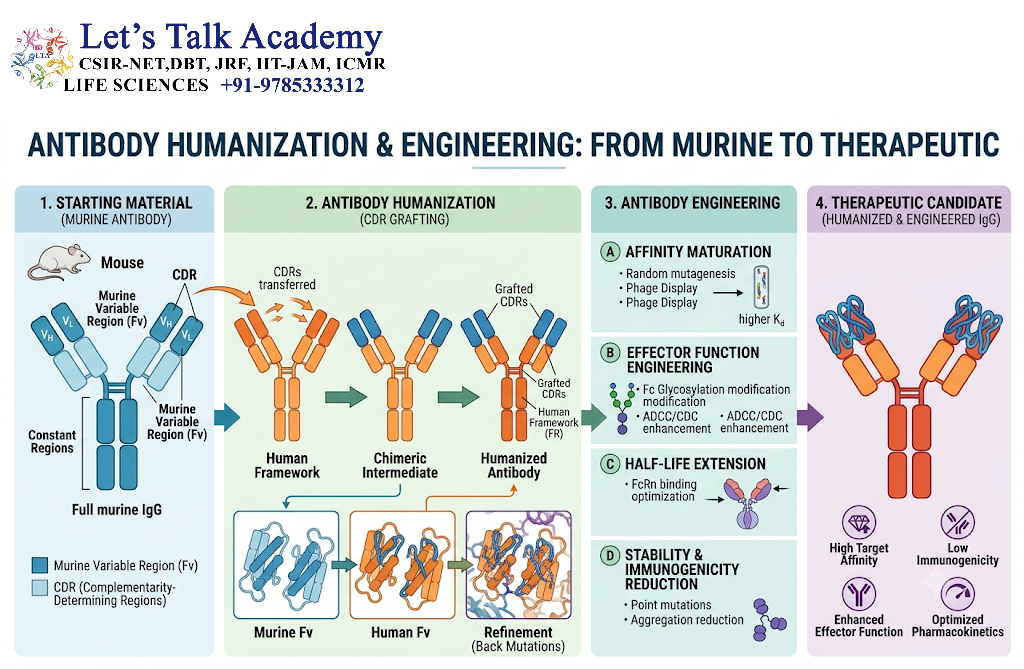
15.1 Need for Humanization
When non-human antibodies are administered repeatedly to humans, the immune system may recognize foreign antibody sequences.
This can lead to the formation of anti-drug antibodies and potentially reduce therapeutic effectiveness or cause other unwanted effects.
15.2 Principle of Humanization
Humanization attempts to preserve antigen recognition while replacing much of the non-human antibody framework with human sequences.
The CDRs are particularly important because they contribute significantly to antigen recognition.
However, antibody structure is interconnected, so changes outside the CDRs can also influence binding.
15.3 Affinity Maturation
Affinity maturation through engineering involves modifying antibody sequences to improve target-binding characteristics.
Libraries of antibody variants can be generated and screened to identify improved candidates.
15.4 Fc Engineering
The Fc region can be modified to alter:
- Fc receptor interactions
- Effector functions
- Half-life
- Stability
- Tissue distribution
Fc engineering therefore provides a way to alter antibody behavior without necessarily changing the antigen-binding specificity.
16. Antibody Fragments
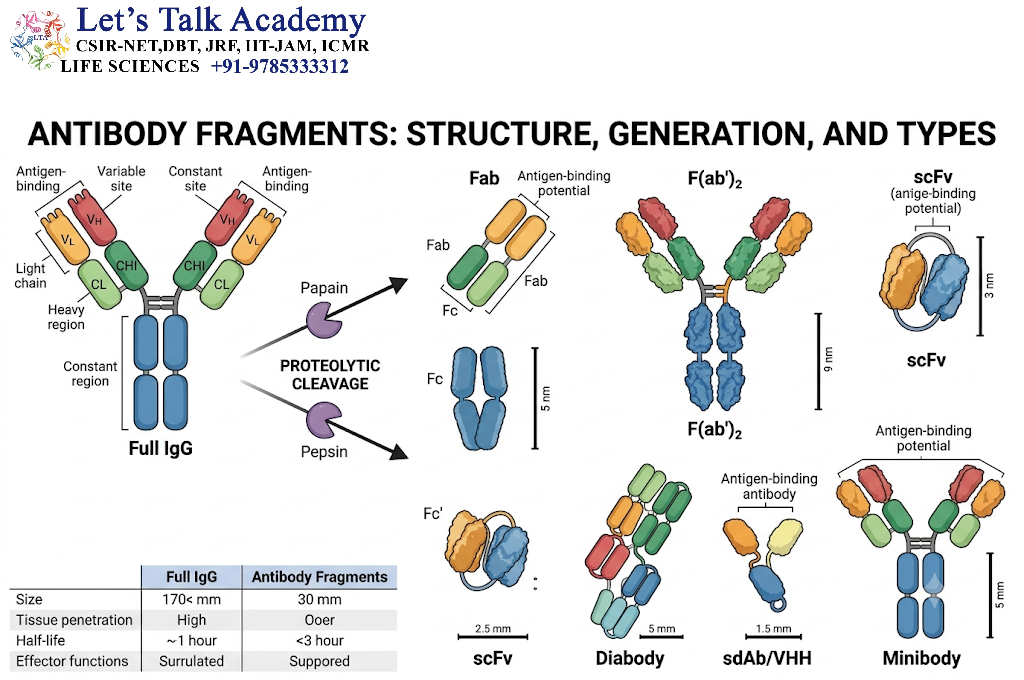
16.1 Fab
A Fab fragment contains the antigen-binding portion of an antibody.
It retains target recognition but lacks the complete Fc region.
16.2 F(ab′)₂
F(ab′)₂ fragments contain two antigen-binding arms connected through the hinge region.
They can retain bivalent antigen recognition without the complete Fc region.
16.3 Single-Chain Variable Fragment
A single-chain variable fragment, or scFv, consists of the variable regions of the heavy and light chains connected by a peptide linker.
Because of its smaller size, an scFv can have properties that differ from those of a full-length antibody.
16.4 Single-Domain Antibodies
Single-domain antibody formats contain a compact antigen-binding domain.
Their small size and structural characteristics make them useful for research and therapeutic development.
17. Bispecific and Multispecific Antibodies
17.1 Bispecific Antibodies
A bispecific antibody is engineered to recognize two different targets or epitopes.
This creates opportunities to connect two biological systems using a single molecule.
A simplified representation is:
Target A ↔ Bispecific antibody ↔ Target B
One important application is bringing immune effector cells into proximity with target cells.
17.2 Multispecific Antibodies
Multispecific antibodies extend this concept by recognizing more than two targets.
Such molecules can potentially integrate several biological functions into a single therapeutic format.
However, increasing molecular complexity can also create challenges related to manufacturing, stability, pharmacokinetics, and characterization.
18. Antibody-Drug Conjugates
18.1 Basic Structure
An antibody-drug conjugate contains:
Antibody + Linker + Cytotoxic or Therapeutic Payload
The antibody provides target specificity.
The linker connects the antibody to the payload.
The payload provides the desired biological activity.
18.2 Mechanism
The antibody recognizes a target molecule.
After binding, the antibody-drug conjugate may be internalized depending on the target and molecular design.
The linker and intracellular environment then determine how the payload is released.
The payload can subsequently exert its biological effect.
18.3 Importance
ADCs illustrate how antibody specificity can be combined with the potency of another therapeutic molecule.
They represent an important example of how antibody engineering has expanded beyond conventional antibody-mediated mechanisms.
19. Pharmacokinetics of Monoclonal Antibodies
Pharmacokinetics describes what happens to an antibody after administration.
Important processes include:
- Absorption
- Distribution
- Metabolism
- Clearance
- Elimination
Antibodies differ from many small-molecule drugs because they are large proteins and interact with biological systems in complex ways.
The Fc region can influence antibody persistence through interactions with Fc-related pathways.
Target expression can also affect antibody disposition.
19.1 Half-Life
Half-life refers to the time required for the concentration of a substance in a defined compartment to decrease by half under specified conditions.
Antibody half-life can be influenced by molecular structure, Fc interactions, target binding, and other biological processes.
19.2 Target-Mediated Disposition
When an antibody binds strongly to a target that is internalized or otherwise cleared, target binding can influence the antibody’s distribution and elimination.
This phenomenon is often referred to as target-mediated drug disposition.
20. Pharmacodynamics of Monoclonal Antibodies
Pharmacodynamics describes the biological effects produced by the antibody.
Depending on its target, a monoclonal antibody may:
- Block a receptor
- Neutralize a ligand
- Activate a receptor
- Recruit immune cells
- Activate complement
- Promote target-cell destruction
- Deliver a therapeutic payload
The pharmacodynamic effect therefore depends on both antibody concentration and the biological characteristics of the target.
21. Quality Control of Monoclonal Antibodies
21.1 Identity
Identity testing confirms that the antibody is the intended molecular product.
21.2 Purity
Purity determines the proportion of the desired antibody relative to impurities and unwanted molecular species.
21.3 Aggregation
Antibody molecules can sometimes form aggregates.
Aggregation can influence stability, biological activity, and product quality.
21.4 Binding Activity
Binding assays determine whether the antibody retains its ability to recognize the intended target.
21.5 Potency
Potency measures the biological activity of the antibody in an appropriate assay.
21.6 Stability
Stability studies determine whether the antibody maintains its desired properties during storage and handling.
Factors such as temperature, pH, concentration, agitation, and formulation can affect antibody stability.
22. Advantages of Monoclonal Antibodies
22.1 High Specificity
Monoclonal antibodies can recognize a highly defined molecular target.
22.2 Reproducibility
Once a stable and well-characterized clone has been established, the antibody can be produced repeatedly with relatively consistent properties.
22.3 Large-Scale Production
Established cell lines and recombinant expression systems allow antibody production at large scales.
22.4 Engineering Flexibility
Antibody sequences can be modified to alter affinity, Fc activity, half-life, stability, and other properties.
22.5 Broad Applications
The same basic antibody technology can be adapted for research, diagnosis, imaging, targeted delivery, and therapy.
23. Limitations of Monoclonal Antibodies
23.1 Production Cost
Large-scale production of high-quality antibodies requires sophisticated equipment, specialized cell culture systems, purification processes, and extensive quality control.
23.2 Immunogenicity
Even humanized or fully human antibodies can sometimes induce immune responses.
23.3 Limited Tissue Penetration
The relatively large size of antibodies can limit their penetration into some tissues.
23.4 Target Heterogeneity
A target may not be expressed uniformly by all cells in a disease.
23.5 Resistance
Biological systems can adapt through changes in target expression, signaling pathways, or other mechanisms.
23.6 Stability
Because antibodies are proteins, their stability can be affected by environmental conditions such as temperature, pH, concentration, and mechanical stress.
24. Modern Antibody Engineering
Modern antibody engineering has expanded the traditional concept of a monoclonal antibody.
Important engineered formats include:
- Bispecific antibodies
- Multispecific antibodies
- Antibody-drug conjugates
- Fc-engineered antibodies
- Antibody fragments
- Single-domain antibodies
- Immunocytokines
- Targeted antibody fusion proteins
These technologies allow researchers to manipulate the structure and function of antibodies according to specific biological requirements.
25. Artificial Intelligence and Antibody Discovery
Artificial intelligence and computational methods are increasingly being investigated for antibody discovery and engineering.
Computational approaches can assist in:
- Predicting protein structures
- Studying antibody-antigen interactions
- Identifying promising antibody sequences
- Predicting binding characteristics
- Designing sequence variants
- Prioritizing candidates for experimental testing
Experimental validation remains essential because computational predictions must ultimately be confirmed using biochemical, cellular, and biological assays.
The combination of computational modeling with high-throughput experimentation has the potential to accelerate the discovery and optimization of new antibody molecules.
26. Monoclonal Antibodies in Precision Medicine
Precision medicine aims to match biological interventions with specific molecular characteristics.
Monoclonal antibodies are well suited to this concept because they can be designed to recognize defined molecular targets.
For example, if a disease-associated cell expresses a particular surface protein, an antibody can potentially be designed to recognize that protein.
The success of such an approach depends on several factors:
Target expression → Target accessibility → Antibody binding → Biological mechanism → Clinical response
This illustrates why target selection is one of the most important stages in antibody development.
27. Integrated Monoclonal Antibody Production Workflow
The development of a conventional monoclonal antibody can be represented as a sequence of interconnected stages.
Antigen selection
↓
Immunization or antibody library generation
↓
B-cell or antibody-library screening
↓
Identification of antibody-producing candidates
↓
Cloning
↓
Expression
↓
Purification
↓
Specificity testing
↓
Affinity characterization
↓
Functional testing
↓
Optimization or engineering
↓
Large-scale production
↓
Quality control
↓
Research, diagnostic, or therapeutic application
This integrated view demonstrates that monoclonal antibody development involves immunology, cell biology, molecular biology, protein chemistry, biotechnology, and bioprocess engineering.


