
1. Non-Coding RNA
1.1 Introduction to Non-Coding RNA
RNA was traditionally described mainly as an intermediate molecule that carries genetic information from DNA to the ribosome for protein synthesis. This view placed messenger RNA (mRNA) at the center of RNA biology. However, research has established that a large and functionally diverse population of RNA molecules does not primarily serve as a template for protein synthesis. These molecules are collectively known as non-coding RNAs (ncRNAs).
Non-coding RNAs are RNA molecules that generally do not function as templates for producing conventional proteins. Instead, many ncRNAs participate directly in essential biological processes such as RNA processing, translation, chromatin organization, transcriptional regulation, post-transcriptional gene regulation, RNA modification, genome defense, development, and cellular differentiation.
The term “non-coding” should not be interpreted as “non-functional.” In fact, many ncRNAs have highly specific biological functions. Some form structural components of cellular machines, while others act as molecular guides, scaffolds, regulators, signals, or catalysts. Their activities can occur in the nucleus, cytoplasm, nucleolus, mitochondria, or other cellular compartments.
Non-coding RNAs include both highly conserved housekeeping molecules, such as ribosomal RNA (rRNA) and transfer RNA (tRNA), and regulatory RNAs such as microRNAs (miRNAs), small interfering RNAs (siRNAs), PIWI-interacting RNAs (piRNAs), long non-coding RNAs (lncRNAs), small nuclear RNAs (snRNAs), small nucleolar RNAs (snoRNAs), and circular RNAs (circRNAs).
The study of ncRNAs has therefore changed our understanding of gene regulation. Instead of considering gene expression as a simple pathway from DNA to RNA to protein, modern molecular biology recognizes a complex regulatory network in which numerous RNA molecules control different stages of information flow.
1.2 Coding RNA and Non-Coding RNA
RNA molecules can broadly be classified according to whether they have a conventional protein-coding function.
Coding RNA, primarily messenger RNA, contains an open reading frame that can be translated by ribosomes to produce a polypeptide.
Non-coding RNA, in contrast, generally does not act as a template for conventional protein synthesis. Its biological activity is usually associated with the RNA molecule itself.
The distinction can be summarized as follows:
| Feature | Coding RNA | Non-Coding RNA |
|---|---|---|
| Major example | mRNA | rRNA, tRNA, miRNA, lncRNA, snRNA |
| Conventional protein coding | Yes | Generally no |
| Major role | Template for protein synthesis | Regulation, structure, processing, modification, defense and other functions |
| Functional molecule | Usually translated RNA | RNA itself |
| Functional diversity | Relatively focused | Extremely diverse |
| Examples of cellular roles | Protein production | Splicing, translation, silencing, chromatin regulation and RNA modification |
It is important to remember that the boundary between coding and non-coding RNA is not always absolute. Some RNAs previously considered non-coding have been shown to contain small open reading frames capable of producing functional micropeptides. Therefore, coding potential is increasingly treated as a biological property that can be experimentally investigated rather than simply inferred from RNA length or annotation.
1.3 Classification of Non-Coding RNA
Non-coding RNAs can be classified using different criteria, including their size, cellular location, genomic origin, mechanism of action, and biological function.
A broad classification divides ncRNAs into:
- Housekeeping or infrastructural ncRNAs
- Small regulatory ncRNAs
- Long non-coding RNAs
- Circular RNAs
- Other specialized ncRNAs
Housekeeping ncRNAs include rRNA, tRNA, snRNA, and snoRNA. These molecules participate in fundamental cellular processes such as translation, RNA splicing, RNA processing, and RNA modification.
Small regulatory ncRNAs include miRNAs, siRNAs, and piRNAs. These molecules frequently regulate gene expression through RNA silencing, transcript degradation, translational repression, or genome protection.
Long non-coding RNAs are generally defined as transcripts longer than 200 nucleotides that do not function as conventional protein-coding transcripts. They can regulate transcription, chromatin organization, RNA stability, translation, and cellular signaling.
Circular RNAs are characterized by covalently closed RNA molecules produced through back-splicing. Their circular structure gives them unusual stability and allows them to participate in several regulatory processes.
2. Major Types of Non-Coding RNA
2.1 Ribosomal RNA

Ribosomal RNA, or rRNA, is one of the most abundant RNA classes in cells and forms the fundamental RNA component of ribosomes.
Ribosomes are molecular machines responsible for protein synthesis. rRNAs interact with ribosomal proteins to form the small and large ribosomal subunits. Importantly, rRNA is not merely a structural component. It contributes directly to the catalytic activities of the ribosome.
During translation, rRNA helps position messenger RNA and transfer RNAs correctly and participates in peptide-bond formation. Thus, the ribosome is considered a ribonucleoprotein complex in which RNA has a central functional role.
In eukaryotes, ribosomal RNA is synthesized and processed largely in the nucleolus. The major ribosomal RNAs of the cytoplasmic ribosome include 18S, 5.8S, and 28S rRNAs, while 5S rRNA forms another important component of the ribosome.
The large abundance of rRNA reflects the enormous demand for ribosome production in actively growing cells. rRNA is therefore an excellent example of how an RNA molecule can perform an essential biological function without serving as a conventional protein-coding template.
2.2 Transfer RNA
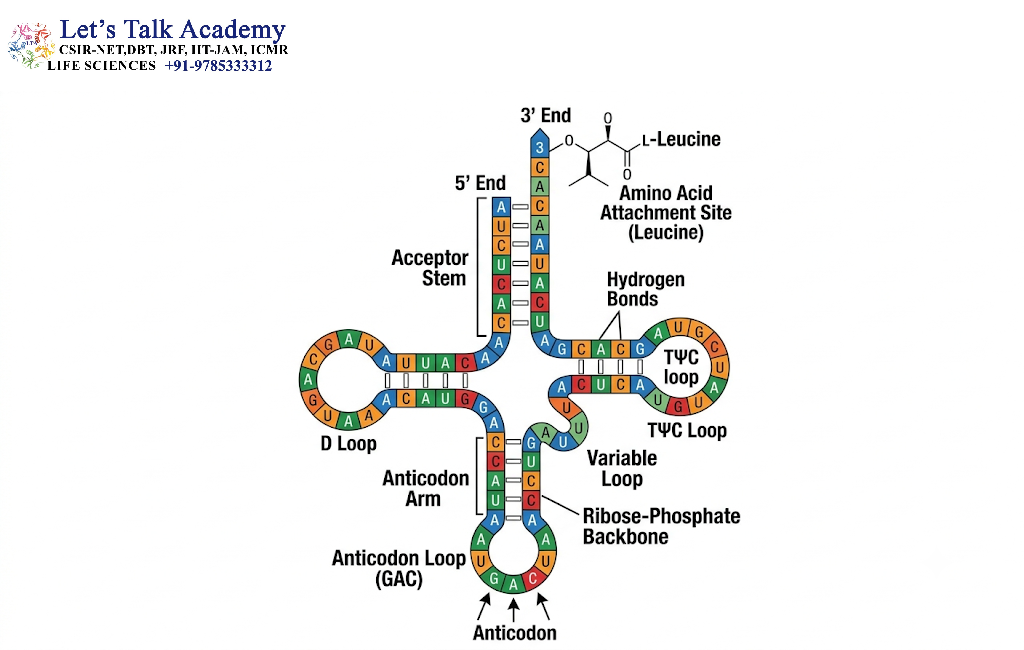
Transfer RNA (tRNA) is a small non-coding RNA that acts as an adaptor during translation.
The fundamental function of tRNA is to connect a particular amino acid with the appropriate codon present in mRNA. Each tRNA contains an anticodon region that recognizes a complementary codon and an acceptor end to which an amino acid is attached.
A typical tRNA forms a characteristic secondary structure commonly represented as a cloverleaf structure. In three dimensions, however, it folds into a more compact L-shaped structure.
The amino acid is attached to the 3′ end of the tRNA, usually at the terminal CCA sequence. This aminoacylation reaction is catalyzed by a specific aminoacyl-tRNA synthetase.
The sequence of events can be summarized as:
Amino acid → aminoacyl-tRNA synthetase → tRNA charging → codon recognition → amino acid incorporation
The accuracy of tRNA charging is critical because the ribosome does not independently verify whether the correct amino acid has been attached to a tRNA.
2.3 Small Nuclear RNA
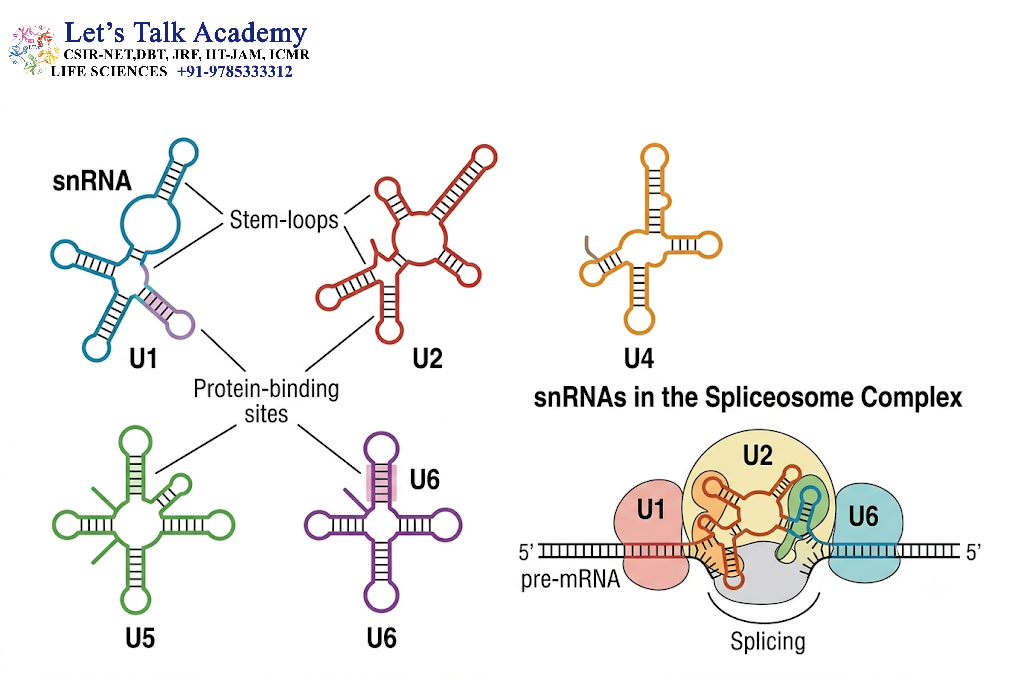
Small nuclear RNAs (snRNAs) are small RNA molecules primarily involved in pre-mRNA processing, especially RNA splicing.
Several snRNAs associate with proteins to form small nuclear ribonucleoproteins, or snRNPs. These complexes are major components of the spliceosome.
Important spliceosomal snRNAs include:
- U1
- U2
- U4
- U5
- U6
These snRNAs recognize specific regions of pre-mRNA and help organize the molecular interactions required for intron removal.
U1 snRNA recognizes the 5′ splice site, while U2 participates in recognition of the branch-point region. U4, U6, and U5 subsequently participate in the formation and rearrangement of the spliceosome.
Thus, snRNAs are essential for converting immature pre-mRNA into mature mRNA.
2.4 Small Nucleolar RNA
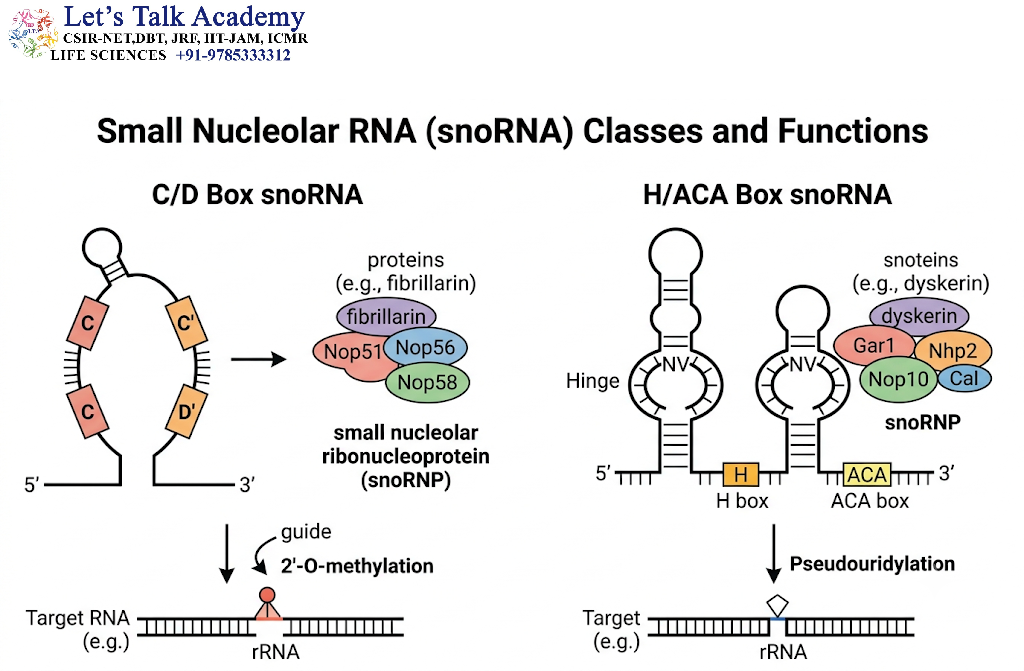
Small nucleolar RNAs (snoRNAs) are predominantly associated with the nucleolus and are involved in the processing and chemical modification of other RNAs.
Many snoRNAs guide modifications of ribosomal RNA. Two major types are:
- C/D box snoRNAs
- H/ACA box snoRNAs
C/D box snoRNAs generally guide 2′-O-methylation, whereas H/ACA box snoRNAs guide the conversion of uridine residues to pseudouridine.
These modifications can influence RNA folding, stability, and function.
snoRNAs also participate in rRNA processing and maturation. Therefore, they are important for the production of functional ribosomes.
2.5 MicroRNA
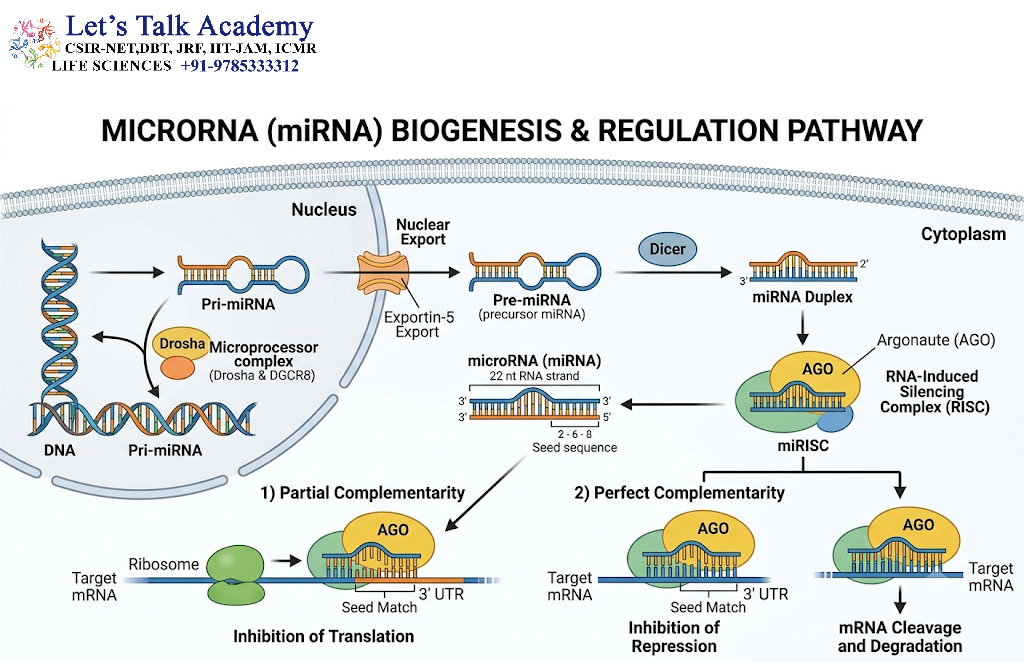
MicroRNAs (miRNAs) are short regulatory RNAs, generally around 20–24 nucleotides in their mature form.
They are among the best-characterized regulatory ncRNAs and function primarily in post-transcriptional gene regulation.
Most canonical miRNAs are transcribed as longer primary transcripts called pri-miRNAs. These transcripts are processed in the nucleus to produce precursor miRNAs, or pre-miRNAs, which form characteristic hairpin structures.
The pre-miRNA is transported to the cytoplasm, where further processing produces a short RNA duplex. One strand is incorporated into an Argonaute-containing RNA-induced silencing complex, commonly referred to as RISC.
The mature miRNA guides the complex toward target RNA molecules through sequence complementarity.
Depending on the degree and context of complementarity, miRNAs can cause:
- Translational repression
- Deadenylation of target mRNA
- mRNA destabilization
- mRNA degradation
- Alteration of gene-expression networks
A single miRNA can regulate multiple target transcripts, and a single mRNA can contain binding sites for several miRNAs. This creates highly interconnected regulatory networks.
2.6 Small Interfering RNA
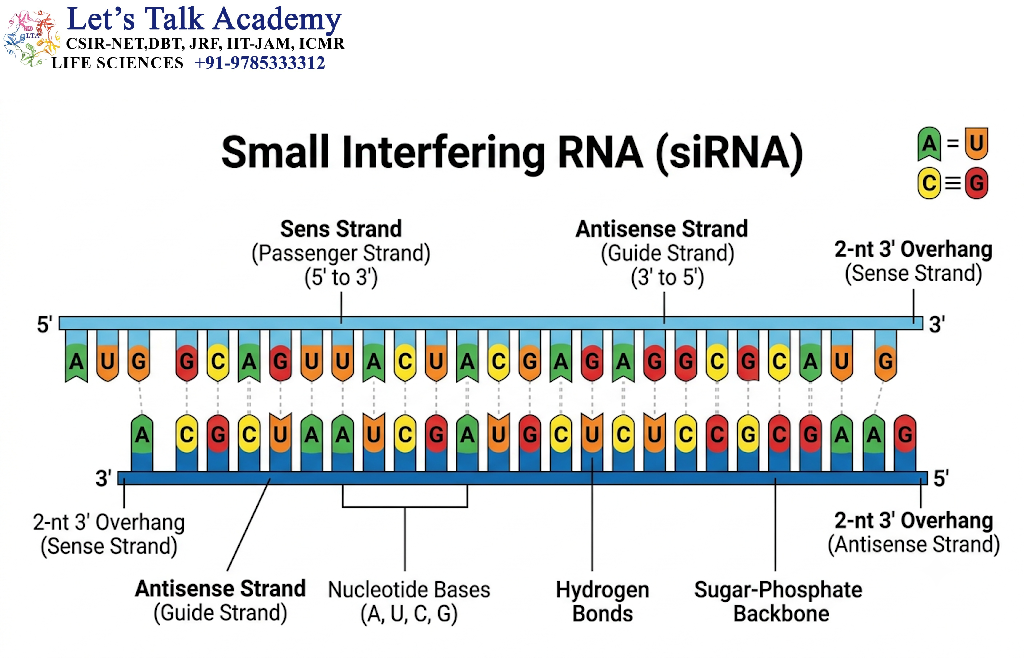
Small interfering RNAs (siRNAs) are short RNA molecules involved in RNA interference, commonly called RNAi.
siRNAs are generally generated from longer double-stranded RNA molecules. These precursor molecules are processed by the RNase III enzyme Dicer to generate short RNA duplexes.
One strand is selected and loaded into an Argonaute-containing silencing complex.
When the guide RNA recognizes a highly complementary target RNA, the target can undergo Argonaute-mediated cleavage, particularly in systems where the relevant Argonaute has catalytic activity.
The simplified pathway is:
Double-stranded RNA → Dicer processing → siRNA duplex → Argonaute loading → target recognition → gene silencing
RNA interference has important roles in natural gene regulation and genome defense and has also become a powerful experimental approach for studying gene function.
2.7 PIWI-Interacting RNA
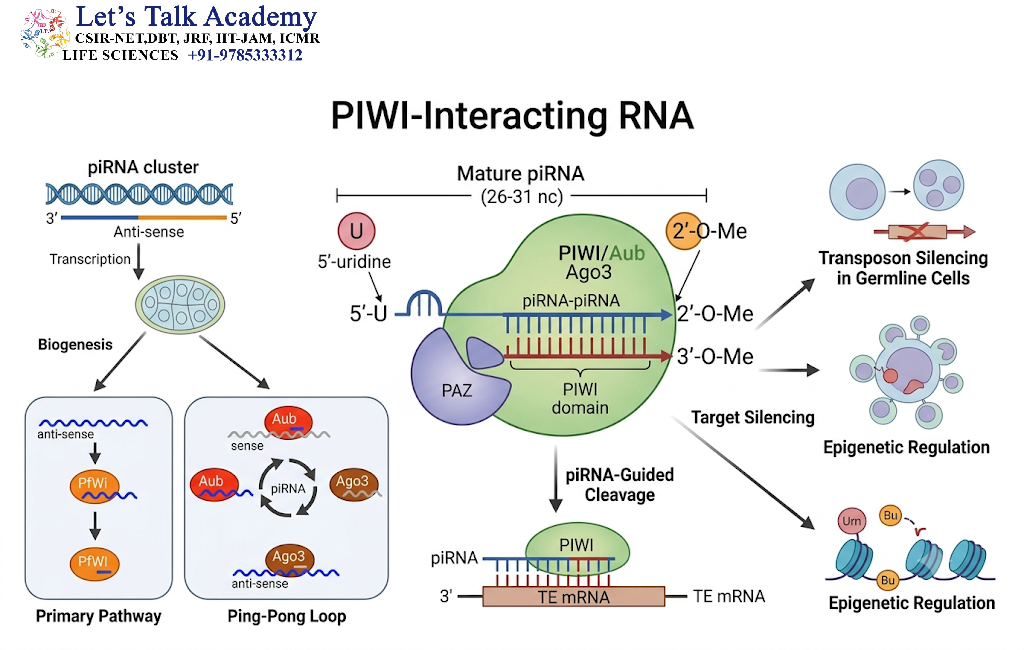
PIWI-interacting RNAs (piRNAs) are a class of small regulatory RNAs that associate with PIWI proteins.
piRNAs are particularly important in the germline, where they contribute to the suppression of transposable elements and protection of genome integrity.
Transposable elements can move within the genome and potentially cause mutations or genomic instability. The piRNA pathway helps recognize and suppress these elements.
piRNA pathways can regulate transposons at both transcriptional and post-transcriptional levels.
Their functions include:
- Transposon silencing
- Genome protection
- Germline development
- Regulation of gene expression
- Maintenance of genomic stability
The piRNA pathway is especially prominent in animal germ cells.
2.8 Long Non-Coding RNA
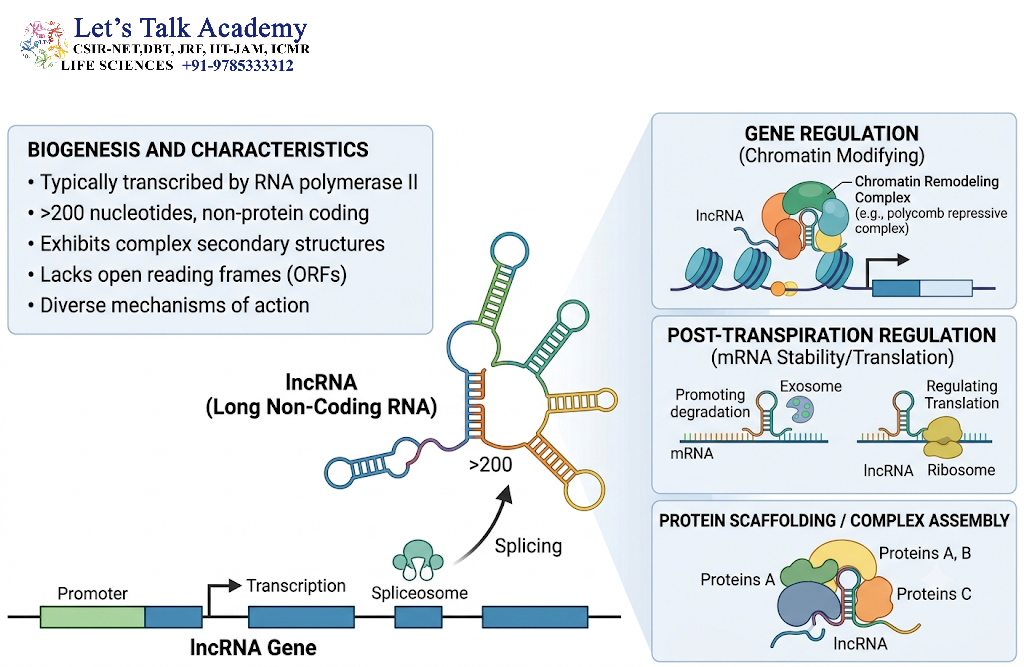
Long non-coding RNAs (lncRNAs) are generally defined as non-protein-coding transcripts longer than 200 nucleotides. They represent a highly diverse group of transcripts with different genomic organizations and biological functions.
lnRNAs can be categorized according to their genomic position and relationship to protein-coding genes.
Important categories include:
- Intergenic lncRNAs
- Antisense lncRNAs
- Intronic lncRNAs
- Sense lncRNAs
- Bidirectional or divergent lncRNAs
- Enhancer-associated lncRNAs
Their functions are equally diverse.
Some lncRNAs regulate transcription by interacting with transcription factors or chromatin-modifying complexes. Others influence chromatin organization, RNA stability, translation, or cellular signaling.
A lncRNA may act as:
A guide: directing regulatory proteins to a specific genomic location.
A scaffold: bringing several proteins together into a functional complex.
A decoy: binding regulatory proteins or RNA molecules and preventing them from interacting with their usual targets.
A molecular sponge: binding regulatory RNAs such as miRNAs and altering their availability.
These different mechanisms demonstrate why lncRNAs cannot be considered a single functional class.
2.9 Circular RNA
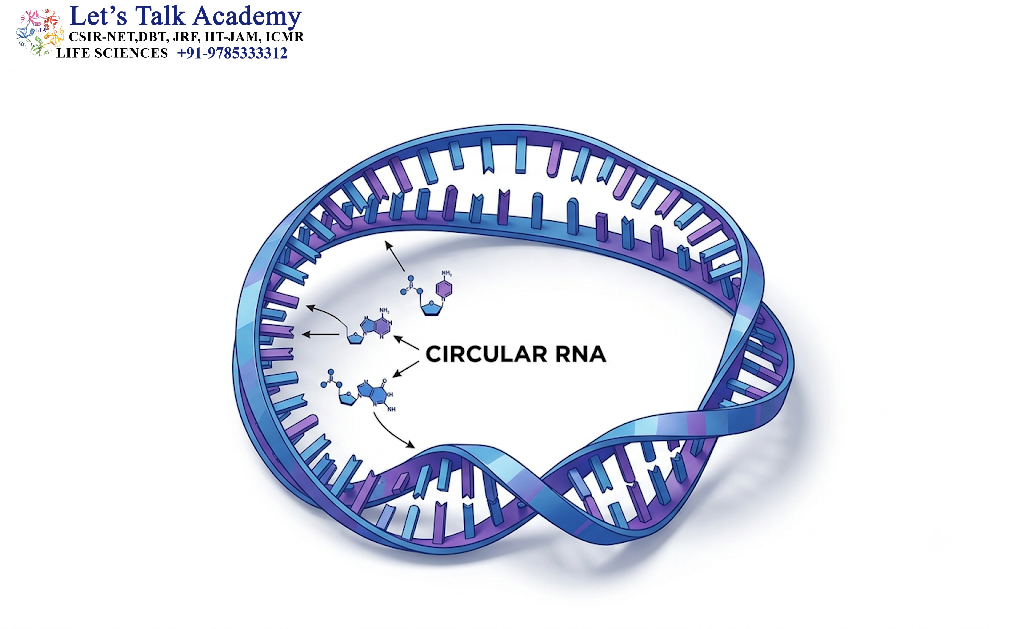
Circular RNAs (circRNAs) are RNA molecules whose 5′ and 3′ ends are covalently joined, producing a closed circular structure.
They are frequently generated through a process known as back-splicing, in which a downstream splice donor becomes joined to an upstream splice acceptor.
Because circRNAs lack conventional free 5′ and 3′ ends, many are relatively resistant to degradation by exonucleases.
circRNAs can perform several functions, including:
- Regulation of miRNA availability
- Interaction with RNA-binding proteins
- Regulation of transcription
- Modulation of mRNA stability
- Participation in cellular signaling
Some circRNAs may also contain translation-competent sequences under particular circumstances, illustrating again that the distinction between coding and non-coding RNA can be biologically complex.
3. Biogenesis of Non-Coding RNA
3.1 Transcription of Non-Coding RNA
Non-coding RNAs originate from many different genomic regions.
Their genes may be transcribed by different RNA polymerases depending on the RNA class and organism. For example, RNA polymerase I has a major role in transcription of precursor rRNA, while RNA polymerase III transcribes many tRNA genes and 5S rRNA genes.
RNA polymerase II also produces numerous ncRNAs, including many miRNA precursors and lncRNAs.
Therefore, ncRNA production is integrated into the overall transcriptional organization of the genome.
3.2 Processing of Non-Coding RNA
Newly transcribed RNA molecules frequently require processing before becoming functional.
Processing may involve:
- Cleavage
- Splicing
- End modification
- Base modification
- Folding
- Protein association
- Transport between cellular compartments
For example, primary miRNA transcripts undergo sequential processing before generating mature miRNAs, whereas pre-rRNAs undergo extensive cleavage and chemical modification during ribosome biogenesis.
Similarly, tRNA precursors undergo processing, nucleotide modification, and maturation before participating in translation.
3.3 RNA Modification
RNA molecules can contain numerous chemical modifications.
Examples include:
- Methylation
- Pseudouridylation
- Acetylation
- Base modification
- Isomerization
RNA modifications can influence folding, stability, localization, molecular interactions, and biological activity.
snoRNAs are particularly important because they guide several RNA modification reactions.
4. Functions of Non-Coding RNA
4.1 Regulation of Gene Expression
One of the most important functions of ncRNAs is regulation of gene expression.
ncRNAs can regulate gene expression at multiple stages:
DNA level → transcription → RNA processing → RNA stability → translation → protein activity
This means ncRNAs can influence gene expression before an RNA molecule is produced and after it has already been transcribed.
4.2 Regulation of Transcription
Some ncRNAs regulate transcription by interacting with transcription factors, chromatin-modifying proteins, or regulatory DNA regions.
Certain lncRNAs can recruit chromatin-modifying complexes to specific genomic regions. This may alter chromatin accessibility and influence whether nearby genes are transcriptionally active or repressed.
4.3 Chromatin Organization
Several ncRNAs participate in the organization of chromatin.
They may interact with:
- Histone-modifying enzymes
- Chromatin-remodeling complexes
- DNA-binding proteins
- Nuclear structural proteins
Through these interactions, ncRNAs can influence the physical organization of genomic DNA and regulate transcriptional states.
4.4 RNA Splicing
snRNAs are essential components of the spliceosome and therefore play a central role in pre-mRNA splicing.
Splicing removes introns and joins exons to generate mature RNA molecules.
Alternative splicing further increases transcript diversity by allowing different combinations of exons to be incorporated into mature mRNAs.
ncRNAs therefore contribute directly to the processing of genetic information.
4.5 RNA Modification
snoRNAs guide specific chemical modifications of rRNA and other RNA molecules.
These modifications help RNA molecules achieve appropriate structures and functions.
RNA modification is particularly important for ribosome assembly and function.
4.6 Translation
rRNA and tRNA are fundamental to translation.
rRNA forms the structural and catalytic core of the ribosome, while tRNA delivers amino acids according to the codon sequence of mRNA.
Therefore, although rRNA and tRNA do not encode proteins, they are indispensable for protein synthesis.
4.7 RNA Silencing
Small regulatory RNAs such as miRNAs and siRNAs can silence gene expression.
RNA silencing may occur through:
- Translational repression
- mRNA destabilization
- mRNA cleavage
- Changes in transcript stability
This provides cells with a highly efficient method of controlling gene expression.
4.8 Genome Defense
Some ncRNAs protect genomes from potentially harmful genetic elements.
The piRNA pathway is particularly important for suppressing transposable elements in animal germ cells.
RNA-mediated defense systems can therefore contribute to genome stability and inheritance.
5. Molecular Mechanisms of RNA-Mediated Gene Regulation
5.1 RNA-RNA Interactions
Many ncRNAs regulate gene expression by base pairing with other RNA molecules.
For example, miRNAs recognize complementary or partially complementary sequences in target RNAs.
The resulting interaction can alter:
- RNA stability
- Translation
- Localization
- Degradation
RNA-RNA interactions therefore provide sequence-specific regulatory control.
5.2 RNA-Protein Interactions
ncRNAs frequently bind proteins.
A lncRNA can act as a molecular platform that brings multiple proteins together. Similarly, snRNAs and snoRNAs associate with proteins to form functional ribonucleoprotein complexes.
RNA-binding proteins can also determine the stability, localization, and activity of ncRNAs.
5.3 RNA-DNA Interactions
Some ncRNAs interact directly or indirectly with genomic DNA.
These interactions can influence transcription and chromatin organization.
An ncRNA may recognize a genomic region through sequence complementarity or may be recruited through interactions with DNA-binding proteins and chromatin-associated complexes.
5.4 Competitive Endogenous RNA Networks
Some lncRNAs and circRNAs can contain binding sites for miRNAs.
When an ncRNA binds a miRNA, it may influence the amount of miRNA available to interact with other transcripts.
This concept is commonly described using the competitive endogenous RNA (ceRNA) model.
The basic relationship can be represented as:
lncRNA/circRNA ↔ miRNA ↔ mRNA
However, the biological importance of such competition depends on factors such as RNA abundance, binding affinity, cellular localization, and the concentration of interacting molecules.
6. Non-Coding RNA and Epigenetic Regulation
6.1 Role in DNA Methylation
Some ncRNAs participate in the regulation of DNA methylation by influencing the recruitment or activity of DNA-modifying proteins.
Changes in DNA methylation can alter transcriptional activity and contribute to stable changes in cellular states.
6.2 Role in Histone Modification
Histone proteins undergo several post-translational modifications, including methylation and acetylation.
Certain lncRNAs interact with histone-modifying complexes and help position these complexes near particular genomic regions.
This can influence whether chromatin adopts a relatively open or compact state.
6.3 X-Chromosome Inactivation
One of the best-known examples of lncRNA-mediated regulation is X-chromosome inactivation.
In mammals, dosage compensation between XX females and XY males requires regulation of X-linked gene expression. The lncRNA XIST plays a central role in initiating and maintaining X-chromosome inactivation.
XIST RNA coats the chromosome from which it is transcribed and helps recruit molecular machinery associated with chromatin silencing.
This example demonstrates that a non-coding RNA can exert large-scale effects on chromosome organization and gene expression.
7. Non-Coding RNA in Development and Differentiation
7.1 Role in Cellular Differentiation
Cell differentiation requires precise changes in gene expression.
ncRNAs contribute to these changes by regulating transcription factors, signaling pathways, chromatin states, and mRNA stability.
miRNAs can simultaneously regulate multiple target genes involved in developmental pathways.
lncRNAs can also control lineage-specific gene expression and chromatin organization.
7.2 Role in Development
ncRNAs participate in several developmental processes, including:
- Embryonic development
- Stem-cell differentiation
- Tissue formation
- Neural development
- Germ-cell development
- Immune-cell differentiation
Because developmental processes require coordinated changes in many genes, ncRNA-based regulatory networks provide an efficient mechanism for fine-tuning gene expression.
8. Non-Coding RNA in Disease
8.1 Cancer
Altered ncRNA expression is associated with many cancers.
miRNAs can function as either tumor-suppressive or oncogenic regulators depending on their targets and cellular context.
For example, overexpression of a miRNA that suppresses a tumor-suppressor gene can contribute to abnormal cell proliferation. Conversely, loss of a miRNA that normally suppresses an oncogene can also promote tumor development.
lncRNAs and circRNAs can similarly influence:
- Cell proliferation
- Apoptosis
- Metastasis
- Angiogenesis
- Invasion
- Drug resistance
Non-coding RNA networks are therefore important components of cancer biology.
8.2 Neurological Disorders
ncRNAs are involved in nervous-system development and function.
Changes in miRNA, lncRNA, and circRNA expression have been associated with neuronal differentiation, synaptic regulation, neurodegeneration, and neurological disease.
The brain contains complex RNA regulatory networks because neuronal cells require highly specialized spatial and temporal control of gene expression.
8.3 Cardiovascular Disorders
ncRNAs also participate in cardiovascular biology.
They can regulate:
- Cardiac development
- Vascular cell proliferation
- Endothelial function
- Cardiac remodeling
- Inflammatory responses
Abnormal ncRNA expression may therefore contribute to cardiovascular disease.
8.4 Metabolic Disorders
ncRNAs can influence metabolic pathways by regulating genes involved in:
- Glucose metabolism
- Lipid metabolism
- Insulin signaling
- Adipocyte differentiation
- Energy homeostasis
Their regulatory effects can occur at transcriptional and post-transcriptional levels.
9. Non-Coding RNA as Biomarkers
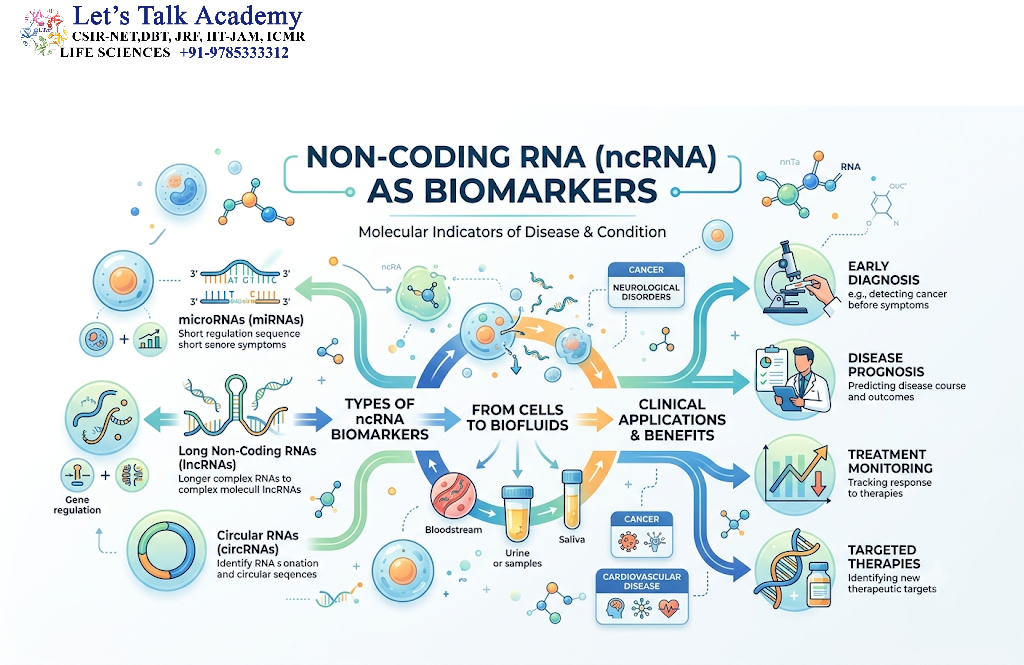
9.1 Molecular Biomarkers
A biomarker is a measurable biological feature that can provide information about a physiological or pathological condition.
ncRNAs are attractive biomarker candidates because some are differentially expressed between healthy and diseased states.
Certain ncRNAs can also be detected in biological fluids such as:
- Blood
- Plasma
- Serum
- Urine
- Saliva
Their relative stability in some extracellular environments has increased interest in their potential diagnostic applications.
9.2 Advantages of ncRNA Biomarkers
Potential advantages include:
- Sequence-specific detection
- Differential expression between biological states
- Availability in accessible biological samples
- Potential association with disease stage
- Potential use in disease monitoring
However, biomarker development requires careful validation because ncRNA abundance can be affected by sample handling, normalization methods, tissue composition, and other experimental variables.
10. Non-Coding RNA as Therapeutic Targets
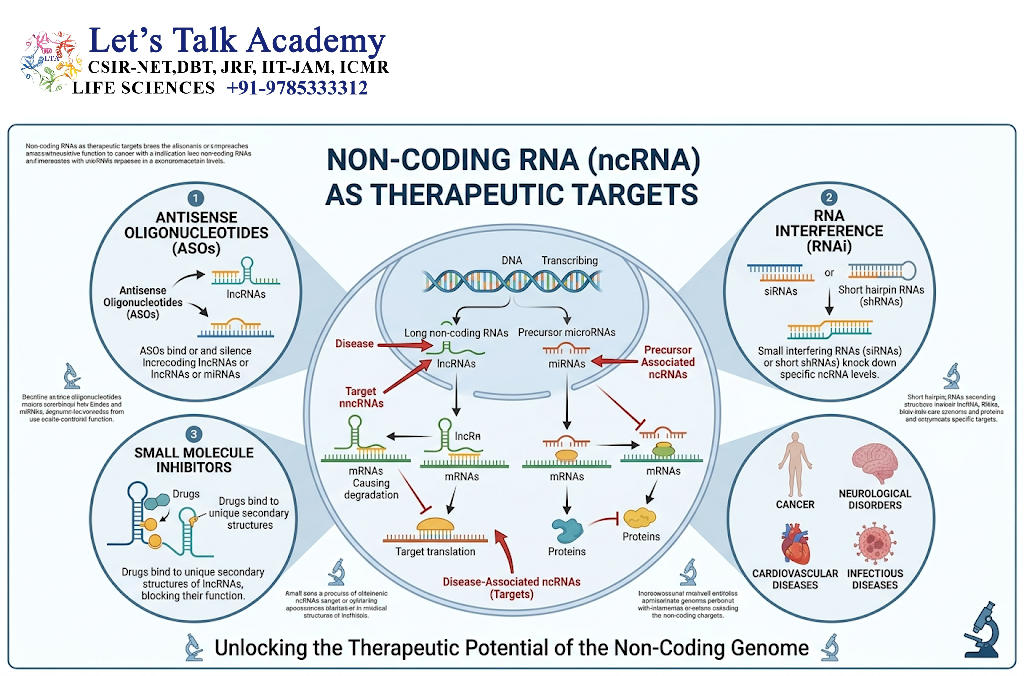
10.1 RNA-Based Therapeutic Strategies
The regulatory properties of ncRNAs have encouraged the development of RNA-based therapeutic approaches.
Potential strategies include:
- miRNA mimics
- miRNA inhibitors
- Antisense oligonucleotides
- siRNA-based gene silencing
- RNA-targeting molecules
- lncRNA-targeting approaches
The objective is generally to increase, decrease, or redirect the activity of a particular RNA regulatory pathway.
10.2 RNA Interference as a Research and Therapeutic Tool
RNA interference has become a powerful method for studying gene function.
Researchers can introduce specific RNA molecules designed to reduce the expression of a target gene. This makes it possible to investigate the biological consequences of reducing individual genes.
RNAi has also contributed to the development of therapeutic strategies for diseases in which selective suppression of a harmful gene product is desirable.
11. Important Differences Among Major Non-Coding RNAs
| RNA type | Approximate size | Major location | Major function |
|---|---|---|---|
| rRNA | Variable; major molecules range from hundreds to thousands of nucleotides | Ribosome/nucleolus | Ribosome structure and catalysis |
| tRNA | ~70–100 nt | Cytoplasm | Amino acid delivery during translation |
| snRNA | Generally ~100–300 nt | Nucleus | Pre-mRNA splicing |
| snoRNA | Generally tens to a few hundred nt | Nucleolus | RNA modification and processing |
| miRNA | ~20–24 nt mature form | Cytoplasm/nucleus | Post-transcriptional gene regulation |
| siRNA | ~20–25 nt | Cytoplasm | Sequence-specific RNA silencing |
| piRNA | Commonly ~24–32 nt | Germline and cytoplasm/nucleus | Transposon repression and genome protection |
| lncRNA | >200 nt by conventional definition | Nucleus/cytoplasm | Diverse regulatory functions |
| circRNA | Variable | Nucleus/cytoplasm | Regulation of RNA and protein interactions |
The size ranges are approximate because individual RNA classes contain considerable structural and biological diversity.
12. Comparison of miRNA, siRNA and piRNA
12.1 miRNA
miRNAs are generally produced from endogenous genomic transcripts and regulate gene expression by interacting with target RNAs.
Their target recognition is often based on partial complementarity, particularly involving the seed region of the miRNA.
12.2 siRNA
siRNAs are typically generated from double-stranded RNA precursors and generally exhibit strong complementarity to their target RNA.
This high complementarity can facilitate target RNA cleavage.
12.3 piRNA
piRNAs interact with PIWI proteins and are particularly important for transposon repression and genome protection in germline cells.
The three pathways therefore differ in their biogenesis, associated proteins, target recognition, and biological functions.
13. Non-Coding RNA in Prokaryotes
13.1 Bacterial Non-Coding RNA
Non-coding RNA is not restricted to eukaryotic organisms.
Bacteria possess several regulatory ncRNAs that control gene expression in response to environmental conditions.
Bacterial small RNAs can regulate mRNA stability, translation, and transcript degradation.
Some bacterial ncRNAs function by base pairing with target mRNAs, while others interact directly with proteins.
13.2 Riboswitches
Riboswitches are regulatory RNA elements generally located within messenger RNA molecules.
They can directly bind small metabolites or other molecules and undergo structural changes that regulate transcription or translation.
This demonstrates that RNA itself can act as a molecular sensor.
13.3 tmRNA
Transfer-messenger RNA (tmRNA) is a specialized bacterial RNA involved in the rescue of ribosomes that become stalled while translating defective mRNAs.
tmRNA combines functional characteristics associated with tRNA and mRNA and helps direct incomplete proteins toward degradation.
14. Structural Features of Non-Coding RNA
14.1 Primary Structure
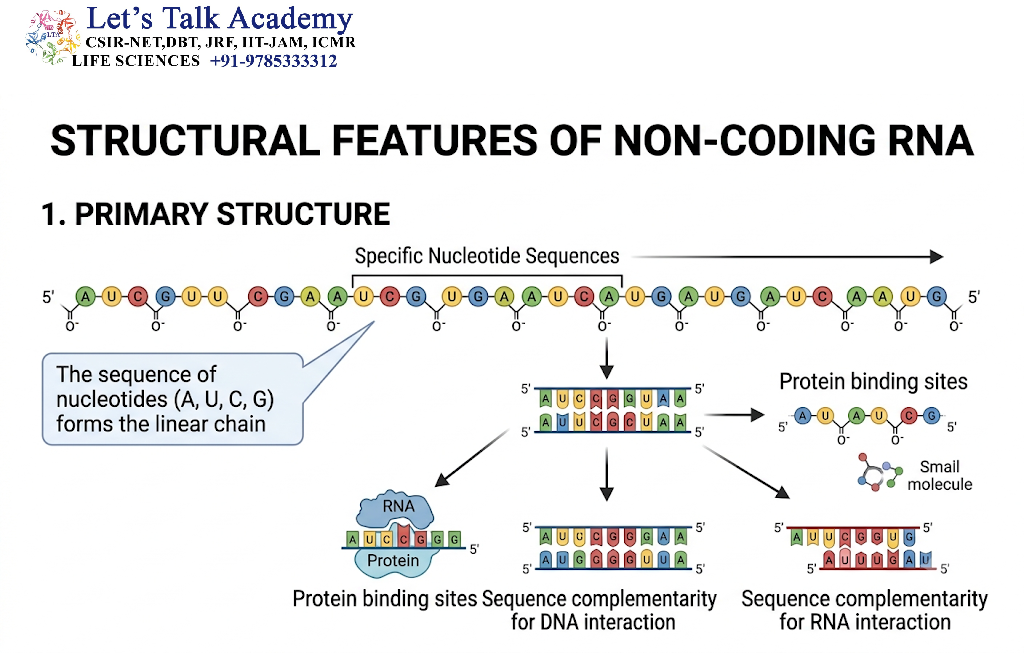
The primary structure refers to the linear sequence of nucleotides in an RNA molecule.
Specific nucleotide sequences can determine RNA interactions with proteins, DNA, and other RNAs.
14.2 Secondary Structure
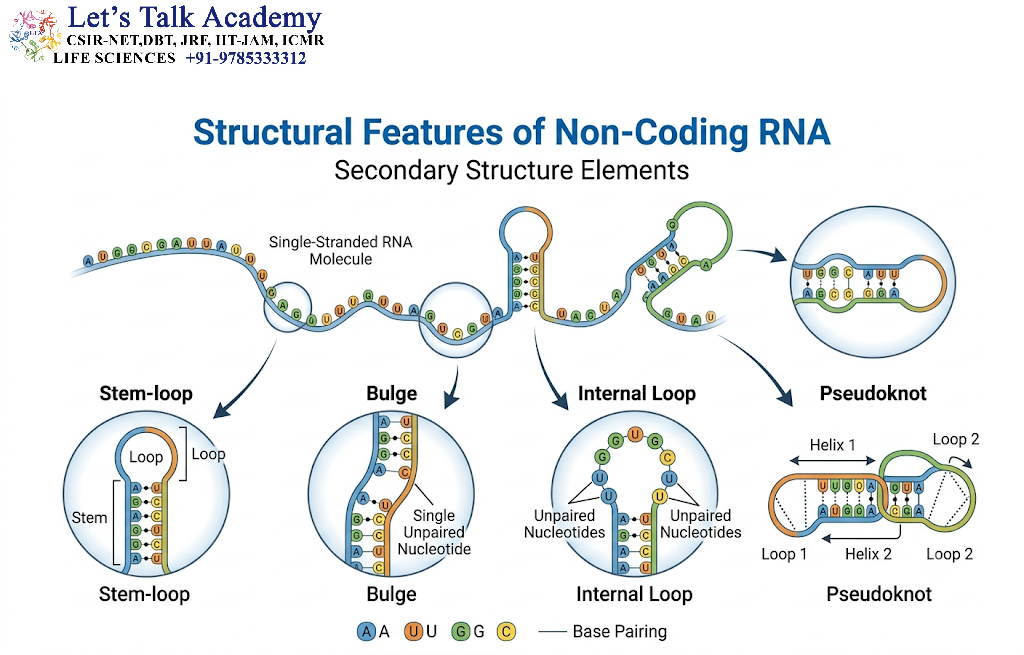
RNA molecules can fold through intramolecular base pairing to produce structures such as:
- Hairpins
- Stem-loops
- Bulges
- Internal loops
- Pseudoknots
Secondary structure is particularly important for regulatory RNAs because many RNA-binding proteins recognize structural features rather than simple nucleotide sequences.
14.3 Tertiary Structure
Further folding generates three-dimensional RNA structures.
These structures allow RNA molecules to create functional surfaces for interaction with proteins, nucleic acids, and small molecules.
The ability of RNA to fold into complex three-dimensional structures contributes substantially to its functional versatility.
15. Experimental Study of Non-Coding RNA
15.1 RNA Sequencing
RNA sequencing, or RNA-seq, can be used to identify and quantify RNA transcripts.
Depending on the experimental design, RNA-seq can provide information about:
- Transcript abundance
- RNA isoforms
- Alternative splicing
- Novel transcripts
- ncRNA expression
- Differential expression
Small-RNA sequencing is particularly useful for studying short ncRNAs such as miRNAs and piRNAs.
15.2 Northern Blotting
Northern blotting can be used to determine the size and abundance of specific RNA molecules.
It is useful for validating RNA expression and processing patterns.
15.3 Quantitative PCR
Reverse-transcription quantitative PCR can be used to measure specific RNA molecules.
It is commonly used to validate expression changes identified through sequencing experiments.
15.4 RNA-RNA Interaction Studies
Methods that investigate RNA-RNA interactions can reveal how ncRNAs interact with target transcripts.
Such approaches are particularly useful for studying miRNA-mRNA interactions and regulatory RNA networks.
15.5 RNA-Protein Interaction Studies
RNA immunoprecipitation and related approaches can identify proteins associated with specific RNA molecules.
These techniques help establish whether a particular ncRNA functions through interaction with RNA-binding proteins or chromatin-associated factors.
16. Biological Importance of Non-Coding RNA
Non-coding RNAs have fundamentally changed the way biological information is understood.
They demonstrate that the genome is not simply a collection of protein-coding genes. Instead, it contains an extensive regulatory architecture involving DNA, RNA, proteins, chromatin, and numerous RNA-mediated interactions.
ncRNAs can:
- Build molecular complexes
- Guide proteins
- Regulate gene expression
- Modify other RNAs
- Control translation
- Maintain genome stability
- Regulate development
- Influence cellular differentiation
- Participate in disease
- Serve as potential biomarkers
- Provide targets for therapeutic intervention
Thus, ncRNAs function at almost every level of cellular organization.
17. Key Concepts to Remember
17.1 Housekeeping Non-Coding RNAs
rRNA and tRNA are essential for translation, while snRNA and snoRNA are important for RNA processing and modification.
17.2 Regulatory Small RNAs
miRNA and siRNA are major components of RNA-mediated gene silencing, whereas piRNA is particularly important for transposon control and genome protection.
17.3 Long Non-Coding RNAs
lncRNAs are a diverse group of transcripts generally longer than 200 nucleotides. They can regulate transcription, chromatin, RNA stability, translation, and signaling.
17.4 Circular RNAs
circRNAs have covalently closed structures and can regulate RNA and protein interactions.
17.5 RNA Is More Than an Information Carrier
RNA is not merely a temporary copy of DNA. It can function as:
- A structural molecule
- An adaptor
- A catalyst
- A guide
- A regulator
- A molecular scaffold
- A sensor
- A genome-defense molecule
18. Integrated View of Non-Coding RNA Regulation
The different ncRNA classes should not be considered isolated pathways. They form interconnected regulatory networks.
For example:
DNA → transcription → lncRNA → chromatin regulation
DNA → pri-miRNA → pre-miRNA → mature miRNA → RISC → target mRNA
Double-stranded RNA → Dicer → siRNA → Argonaute → target RNA degradation
Genomic repeat → piRNA pathway → PIWI protein → transposon suppression
Pre-rRNA → snoRNA-guided modification → mature rRNA → ribosome
These pathways demonstrate how ncRNAs participate at multiple levels of gene regulation.


