
![The table below lists the characteristics of specific tumor types (Column A) and their names (Column B). Which of the following options represents the correct match between Column A and Column B? Options:- (1) A-iii; B-iv; C-i; D-ii (2) A-ii; B-iv; C-vi; D-iii (3) A-iii; B-v; C-vi; D-l (4) A-iv; B-v; C-i; D-ii]](https://www.letstalkacademy.com/wp-content/uploads/2025/10/52.jpg)
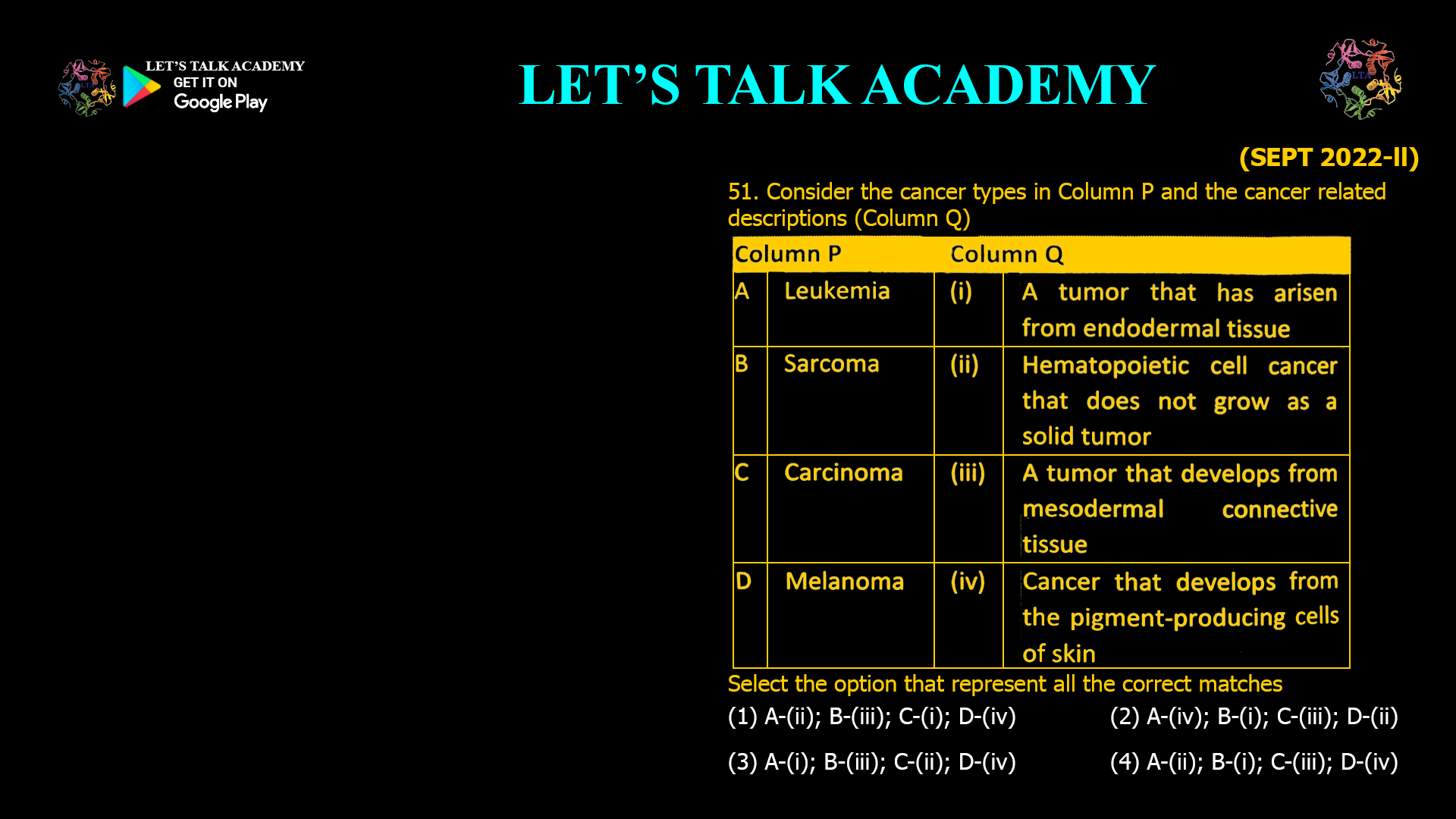
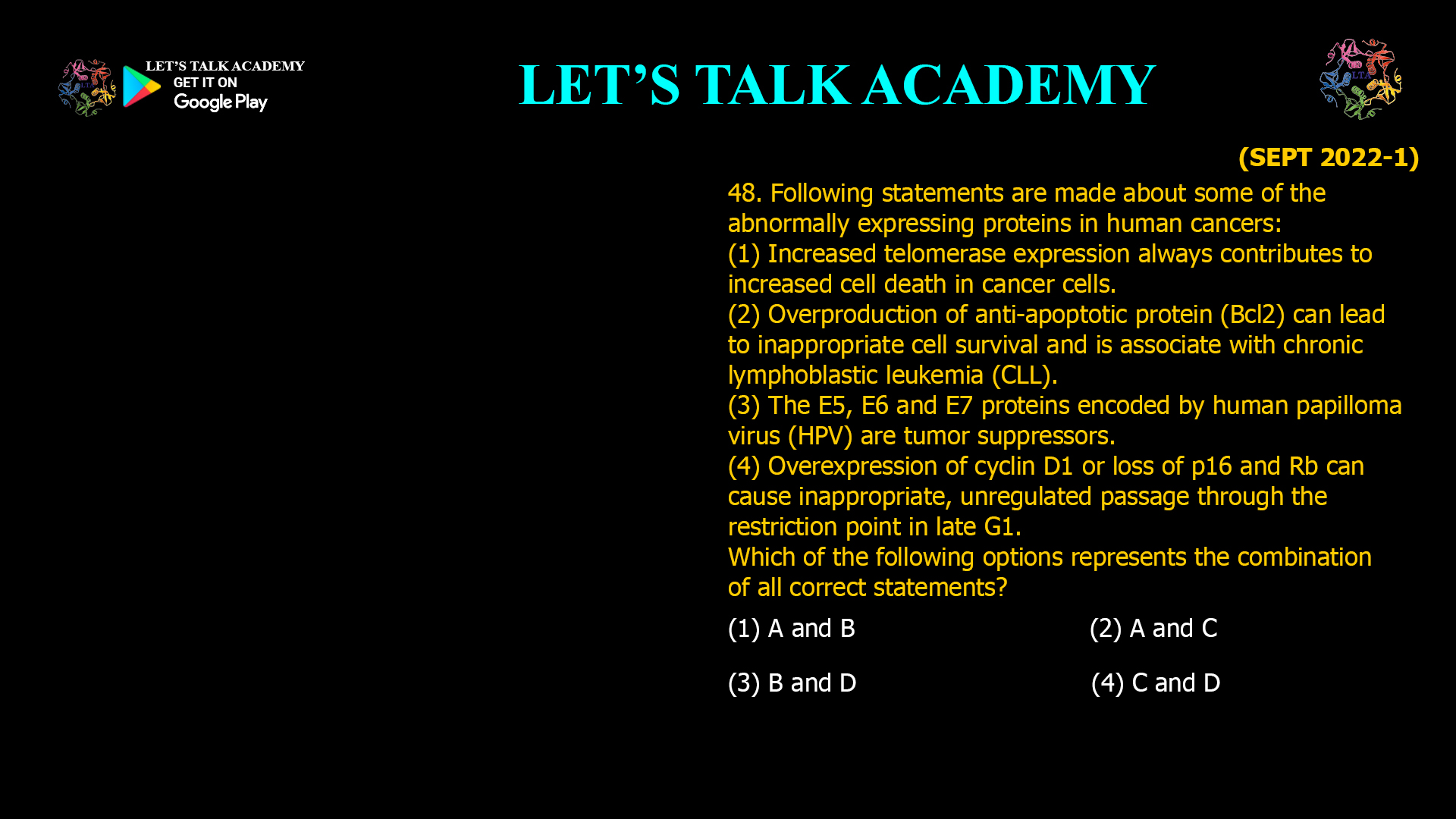
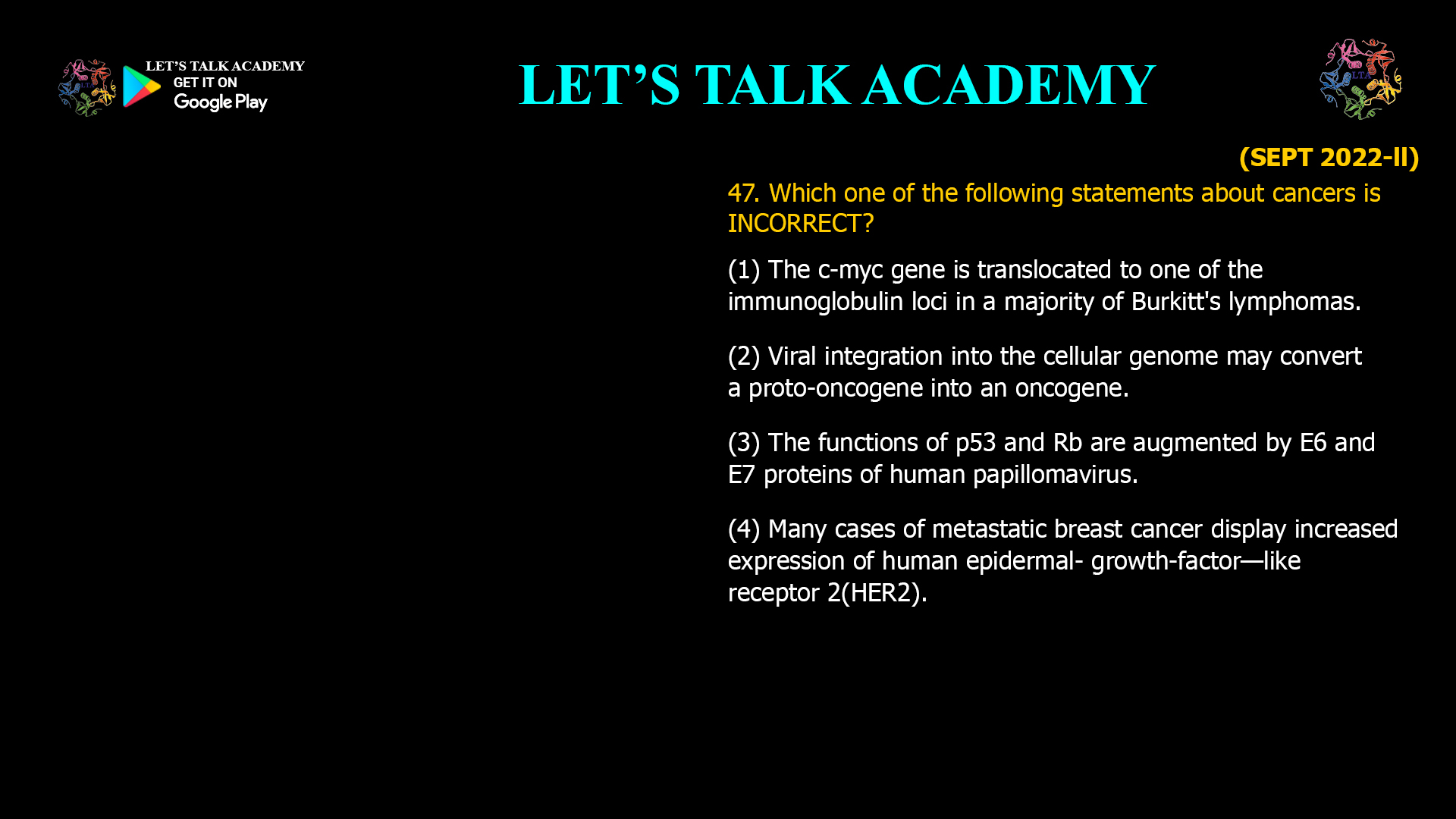
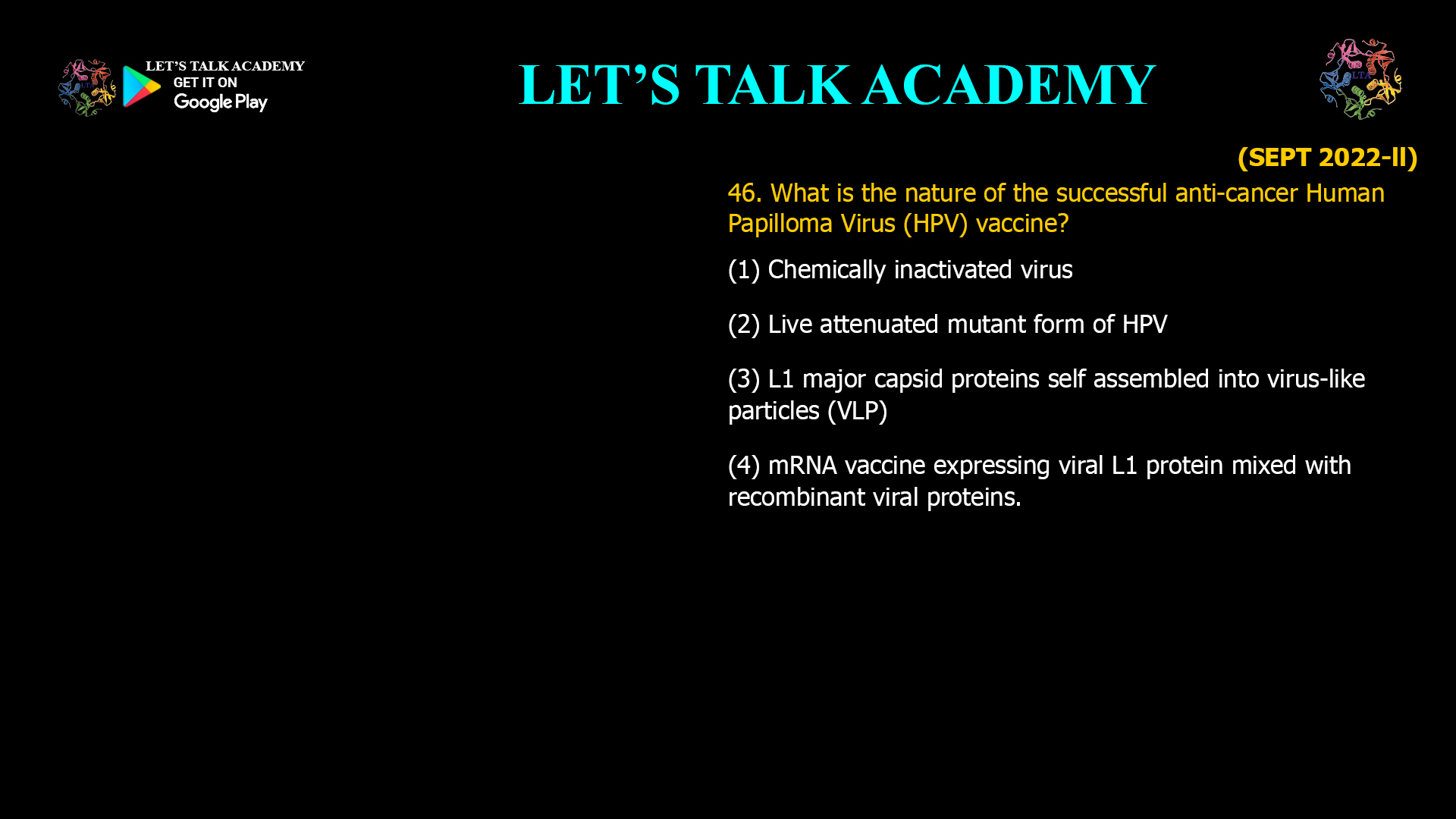
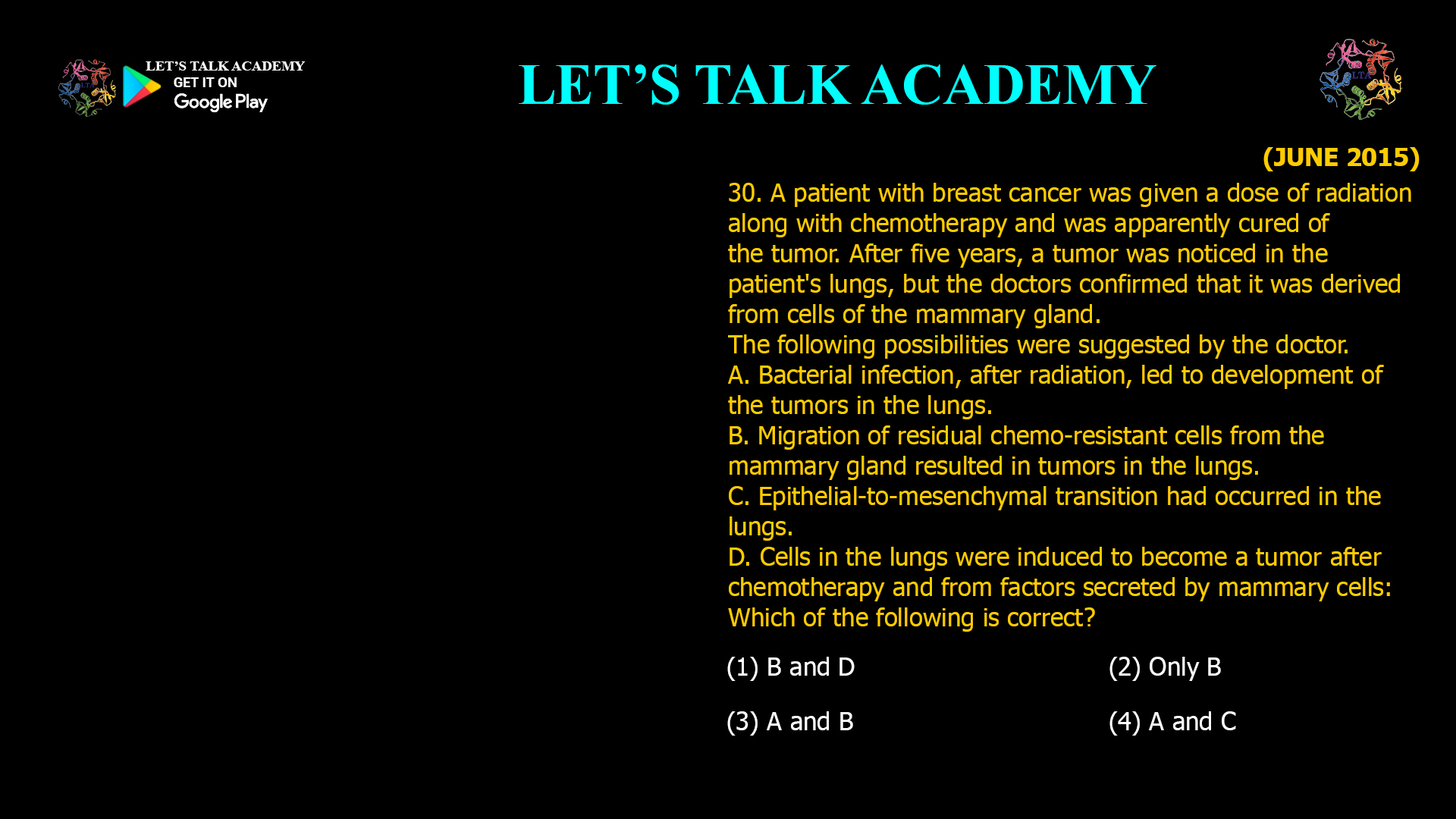
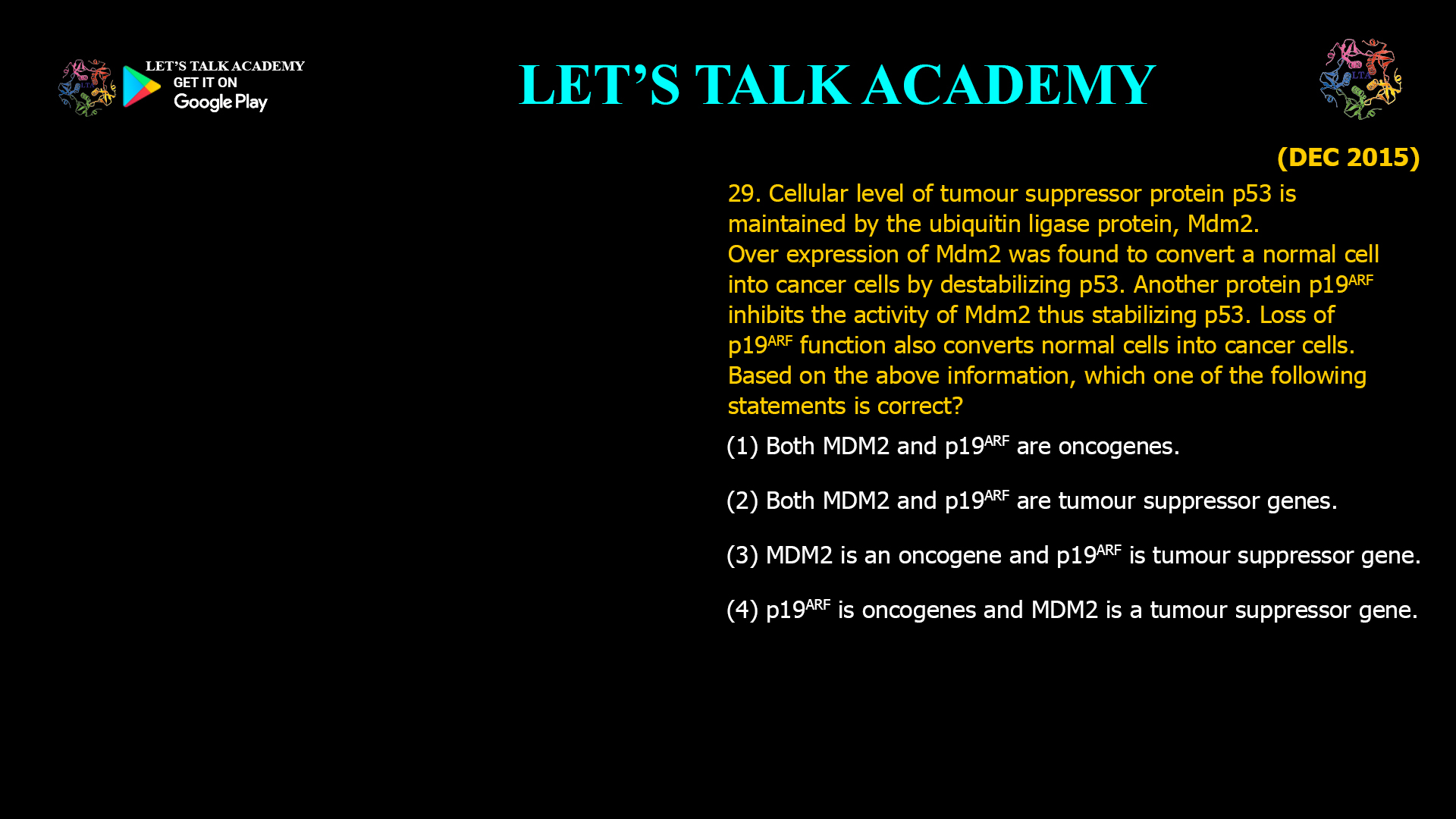
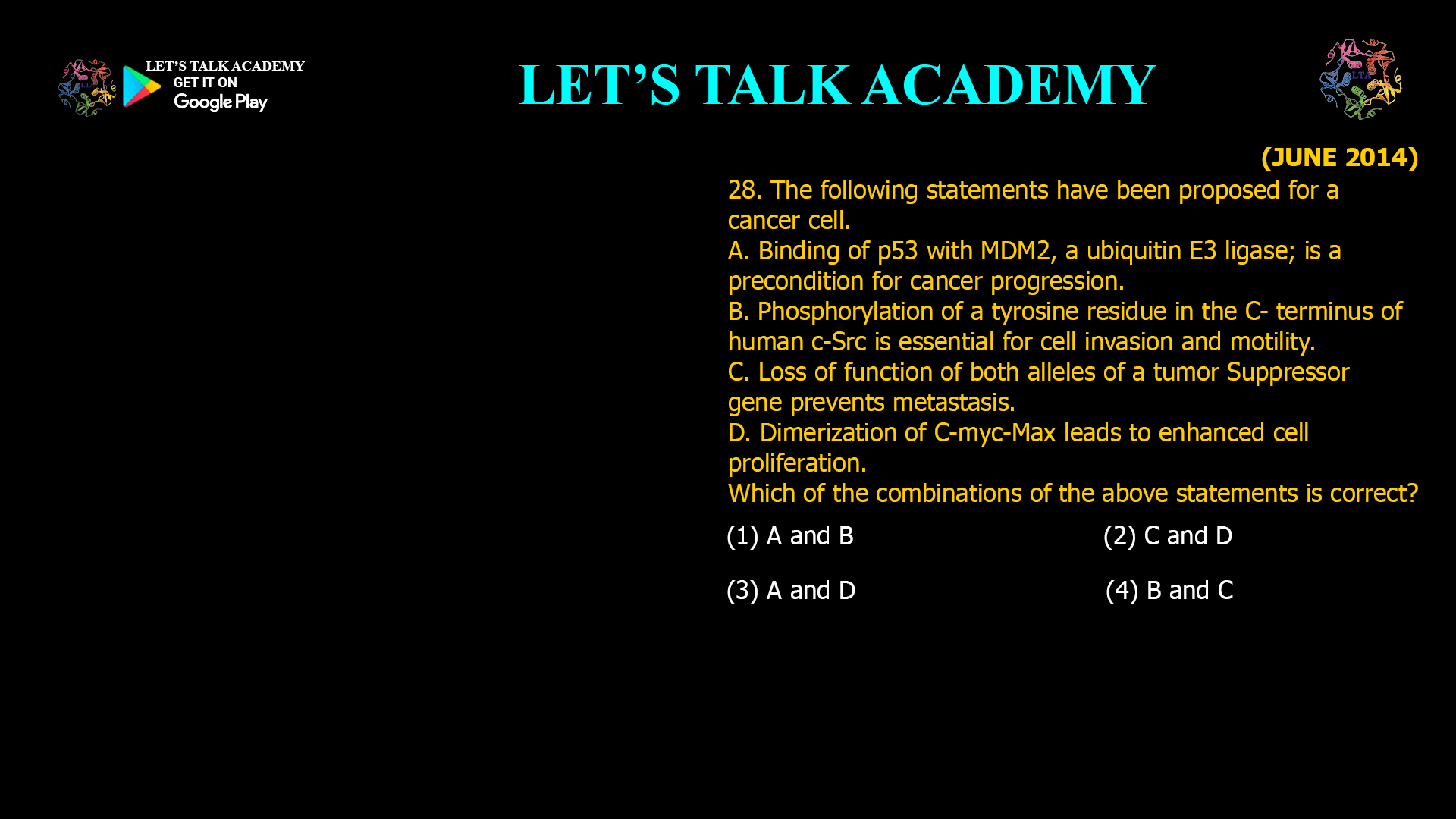


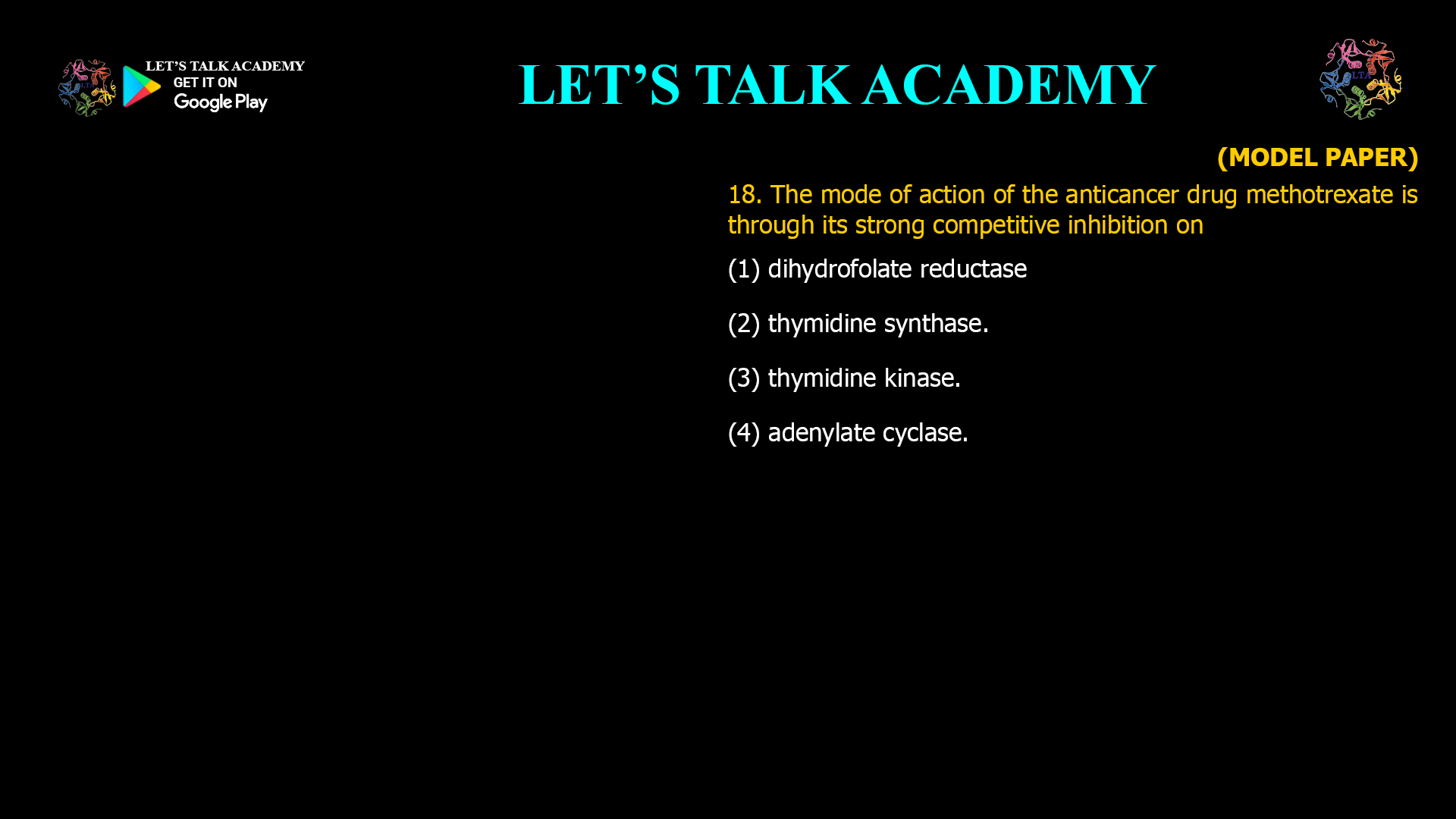






43. Oncogenic viruses could have either DNA or RNA genomes. Listed below are some oncogenic viruses (Column A), their genome types (Column B) and the cancers caused by these viruses […]
Category: Cancer

Cancer
Differences Between Slow-Acting and Transducing Retroviruses in Cancer Development
In what respect does the genome of slow-acting retroviruses differ from those of transducing viruses? (1) They cannot activate nearby cellular proto- oncogenes after integration into the genome of the […]
Cancer
VEGF-A, TWIST, and Cyclin D1 as Markers of Highly Metastatic Cancer Cells
41. Two important features which aid the development of a tumor and its metastasis are epithelial-to-mesenchymal transition and angiogenesis. A student tested four cell lines to determine their invasiveness and […]
Cancer
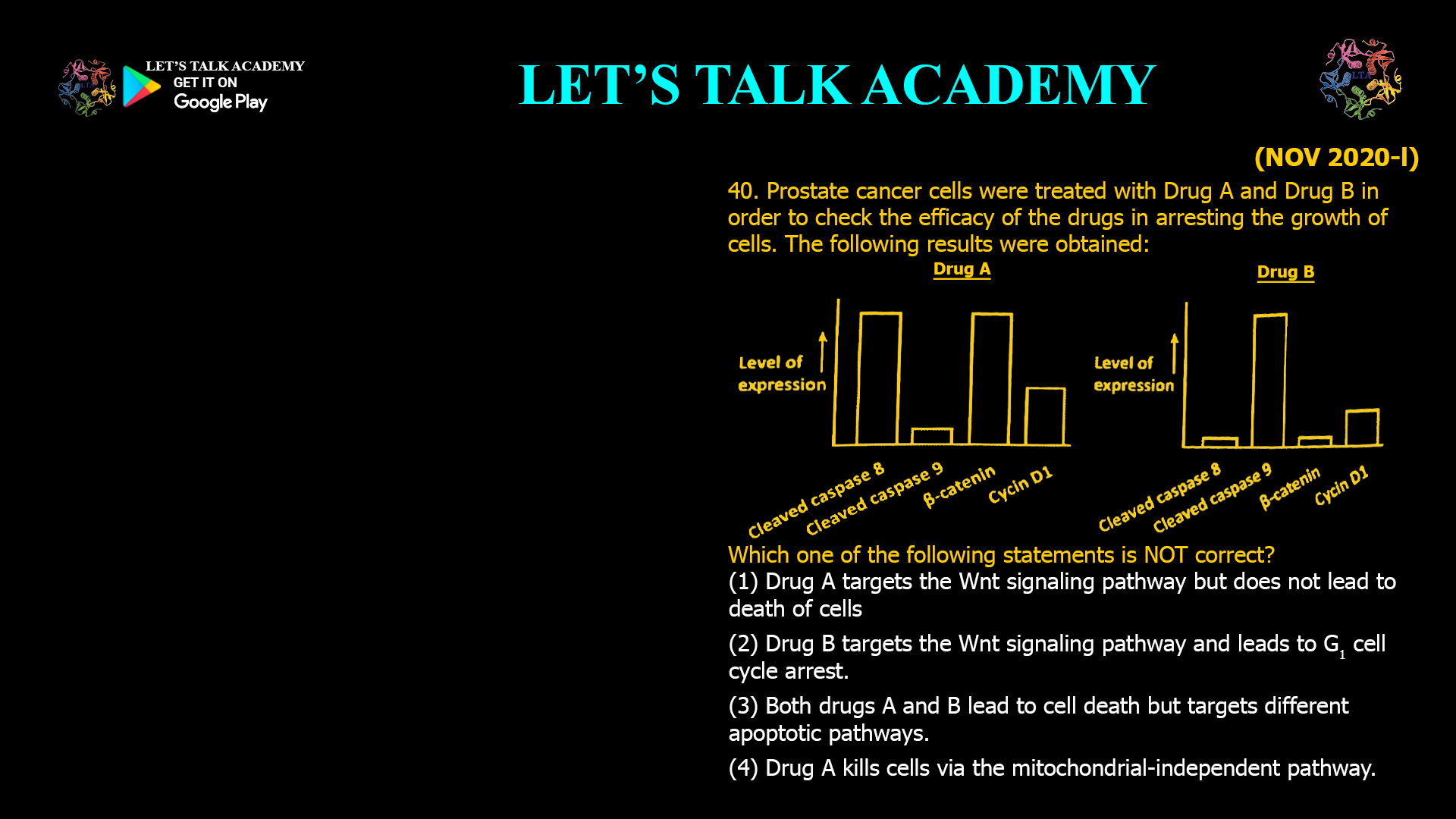
Differential Effects of Wnt Pathway-Targeting Drugs on Prostate Cancer Cell Growth and Death
40. Prostate cancer cells were treated with Drug A and Drug B in order to check the efficacy of the drugs in arresting the growth of cells. The following results […]
Cancer
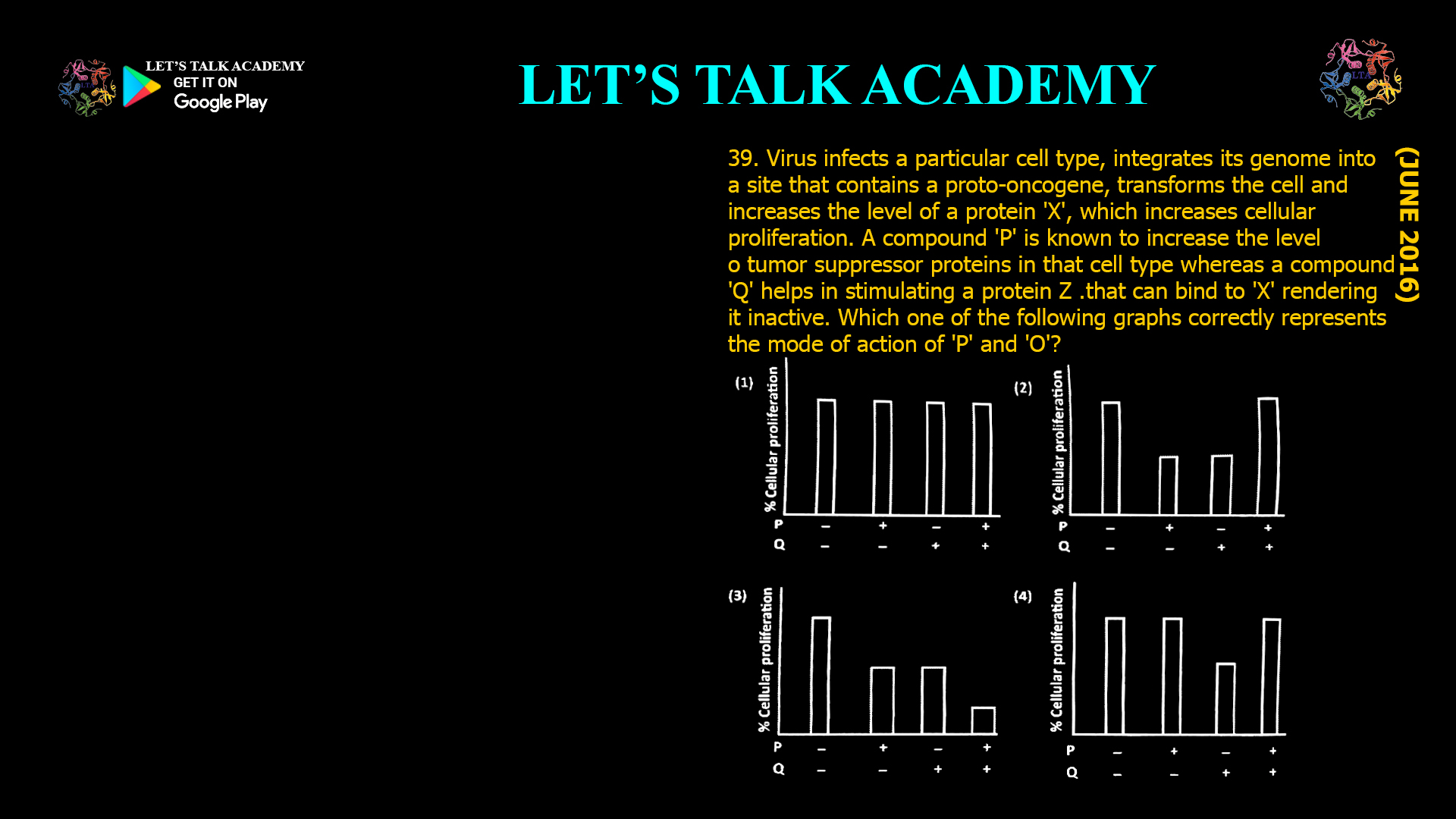
Targeting Viral Oncogene-Induced Proliferation with Tumor Suppressors and Protein Inhibitors
39. Virus infects a particular cell type, integrates its genome into a site that contains a proto-oncogene, transforms the cell and increases the level of a protein ‘X’, which increases […]
Cancer
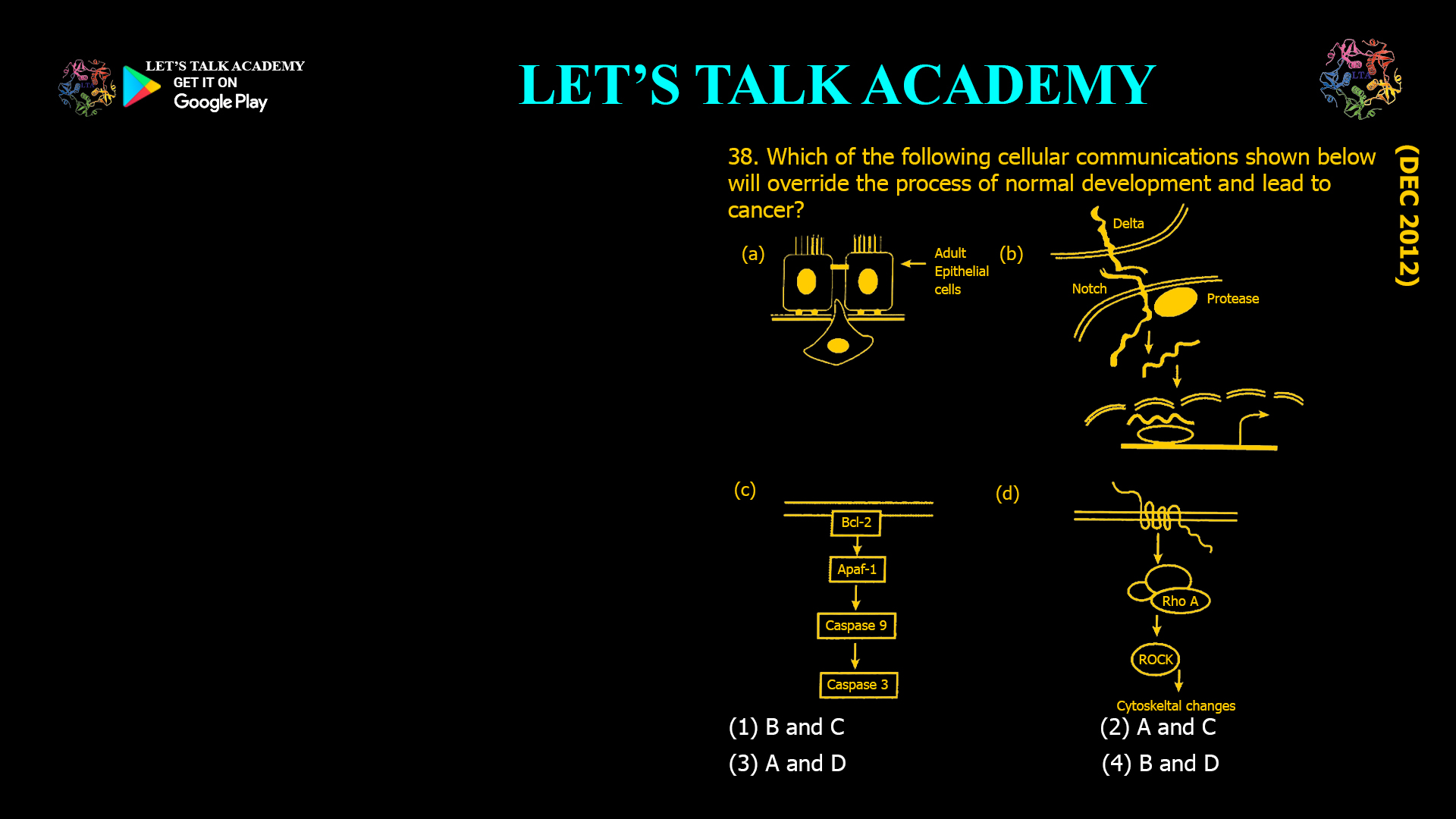
Aberrant Cellular Signaling in Cancer Development: Key Pathways and Mechanisms
38. Which of the following cellular communications shown below will override the process of normal development and lead to cancer? (1) B and C (2) A and C (3) A […]
Cancer
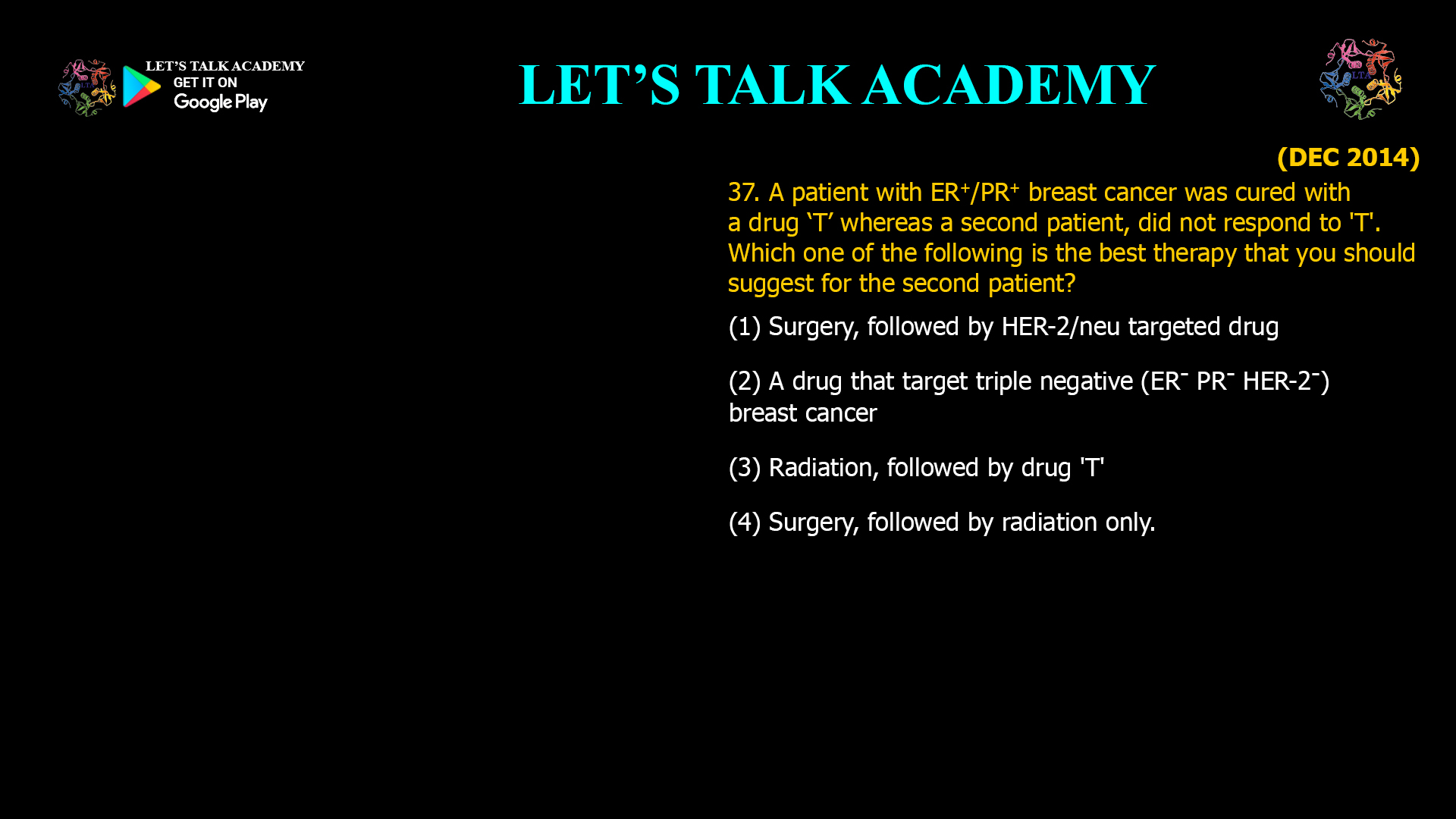
Treatment Options for Hormone Receptor-Resistant Breast Cancer
A patient with ER+/PR+ breast cancer was cured with a drug ‘T’ whereas a second patient, did not respond to ‘T’. Which one of the following is the best therapy […]
Cancer
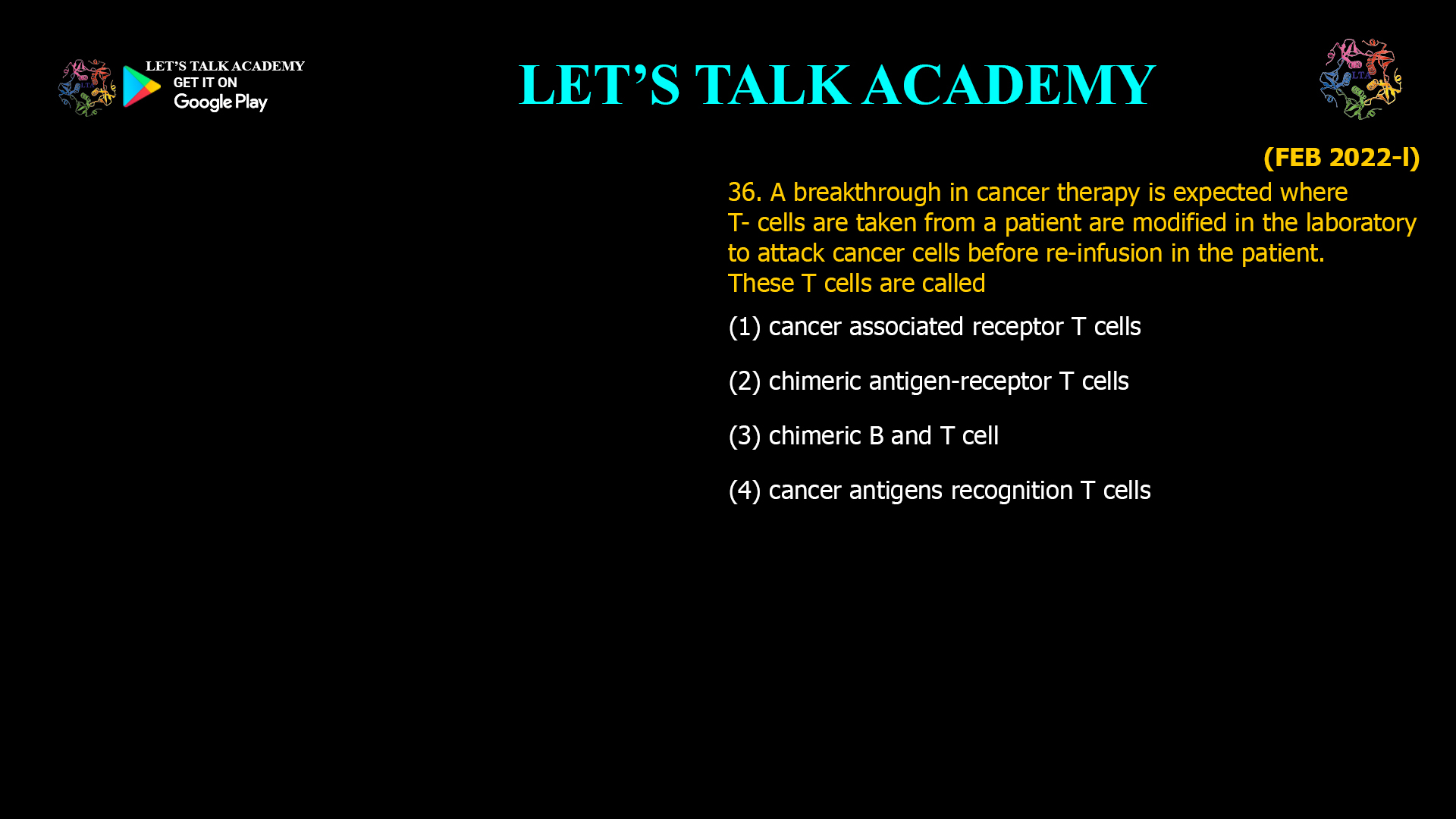
Chimeric Antigen Receptor (CAR) T Cell Therapy: A Revolutionary Cancer Treatment
A breakthrough in cancer therapy is expected where T- cells are taken from a patient are modified in the laboratory to attack cancer cells before re-infusion in the patient. These […]
Cancer
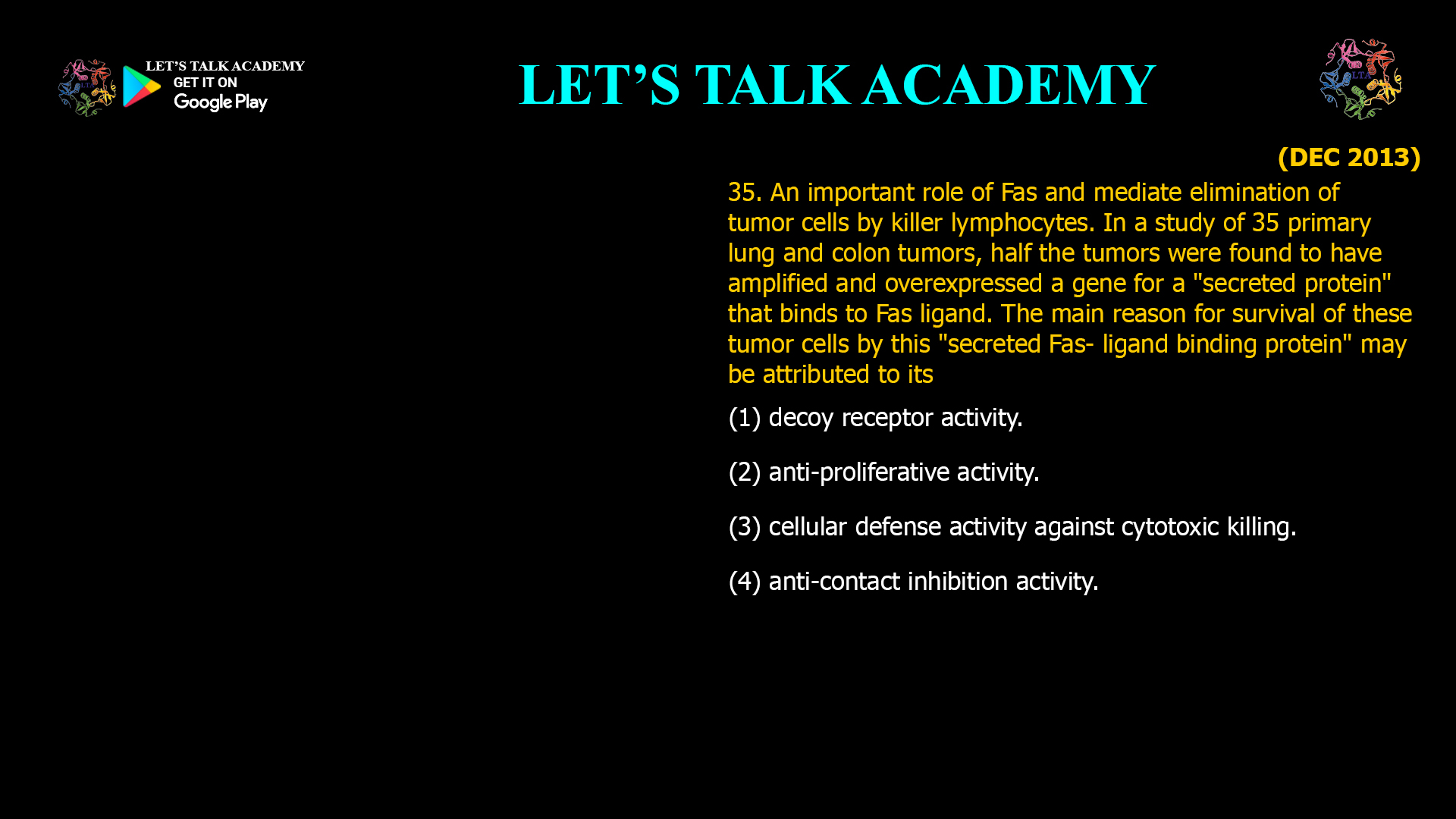
Decoy Receptor-Mediated Immune Evasion: The Role of Secreted Fas-Ligand Binding Proteins in Tumor Survival
An important role of Fas and mediate elimination of tumor cells by killer lymphocytes. In a study of 35 primary lung and colon tumors, half the tumors were found to […]
Cancer
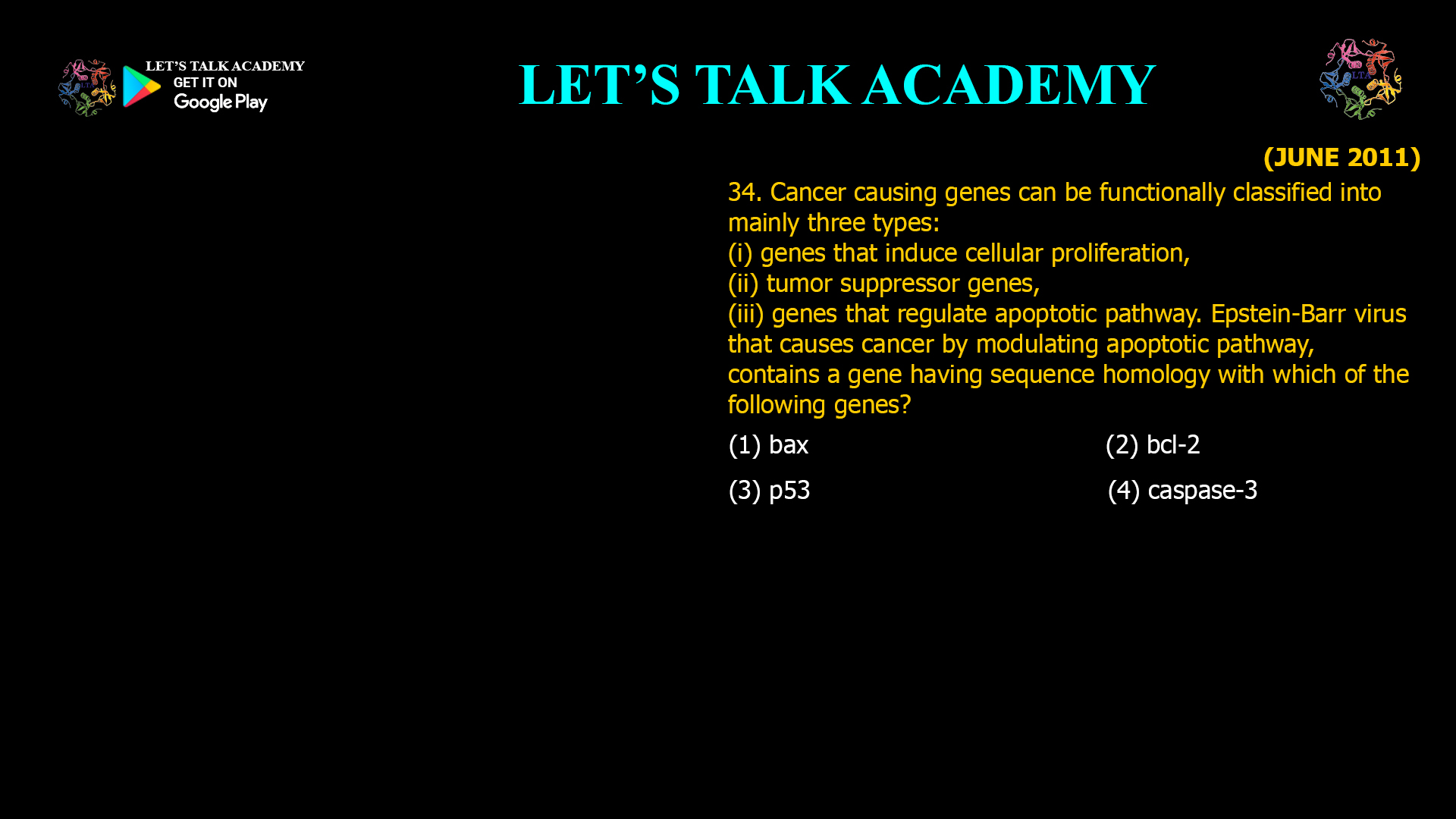
Epstein-Barr Virus and Its Bcl-2 Homologue: Modulating Apoptosis in Cancer
Cancer causing genes can be functionally classified into mainly three types: (i) genes that induce cellular proliferation, (ii) tumor suppressor genes, (iii) genes that regulate apoptotic pathway. Epstein-Barr virus that […]


