53. Which one of the following inactivates the serine/threonine protein kinase, mTOR, related to cell growth in mammalian system? (1) Rifamycin (2) Rapamycin (3) Erythromycin (4) Chloramphenicol

Rapamycin as a Specific Inhibitor of mTOR in Mammalian Cell Growth Regulation

The table below lists the characteristics of specific tumor types (Column A) and their names (Column B). Which of the following options represents the correct match between Column A and Column B? Options:- (1) A-iii; B-iv; C-i; D-ii                                     (2) A-ii; B-iv; C-vi; D-iii (3) A-iii; B-v; C-vi; D-l                                     (4) A-iv; B-v; C-i; D-ii]

Matching Tumor Types with Their Characteristics: A Comprehensive Guide

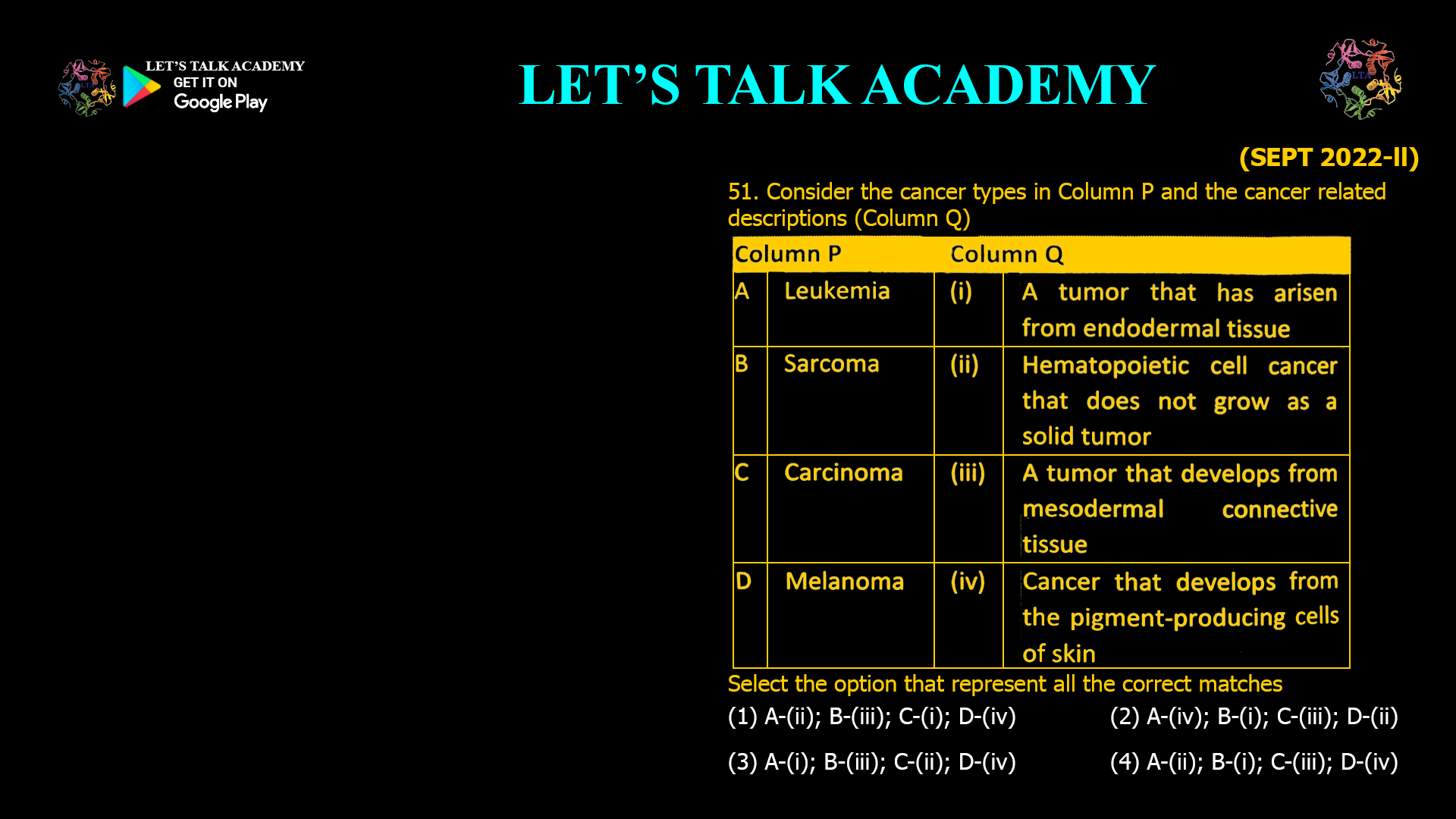
51. Consider the cancer types in Column P and the cancer related descriptions (Column Q) Select the option that represent all the correct matches (1) A-(ii); B-(iii); C-(i); D-(iv) (2) A-(iv); B-(i); C-(iii); D-(ii) (3) A-(i); B-(iii); C-(ii); D-(iv) (4) A-(ii); B-(i); C-(iii); D-(iv)

Matching Cancer Types with their Descriptions and Origins

Matching Tumor Cell Origin with Nomenclature

Synergistic Oncogenic Roles of Bcl2 and Myc in Murine B-Cell Lymphomas

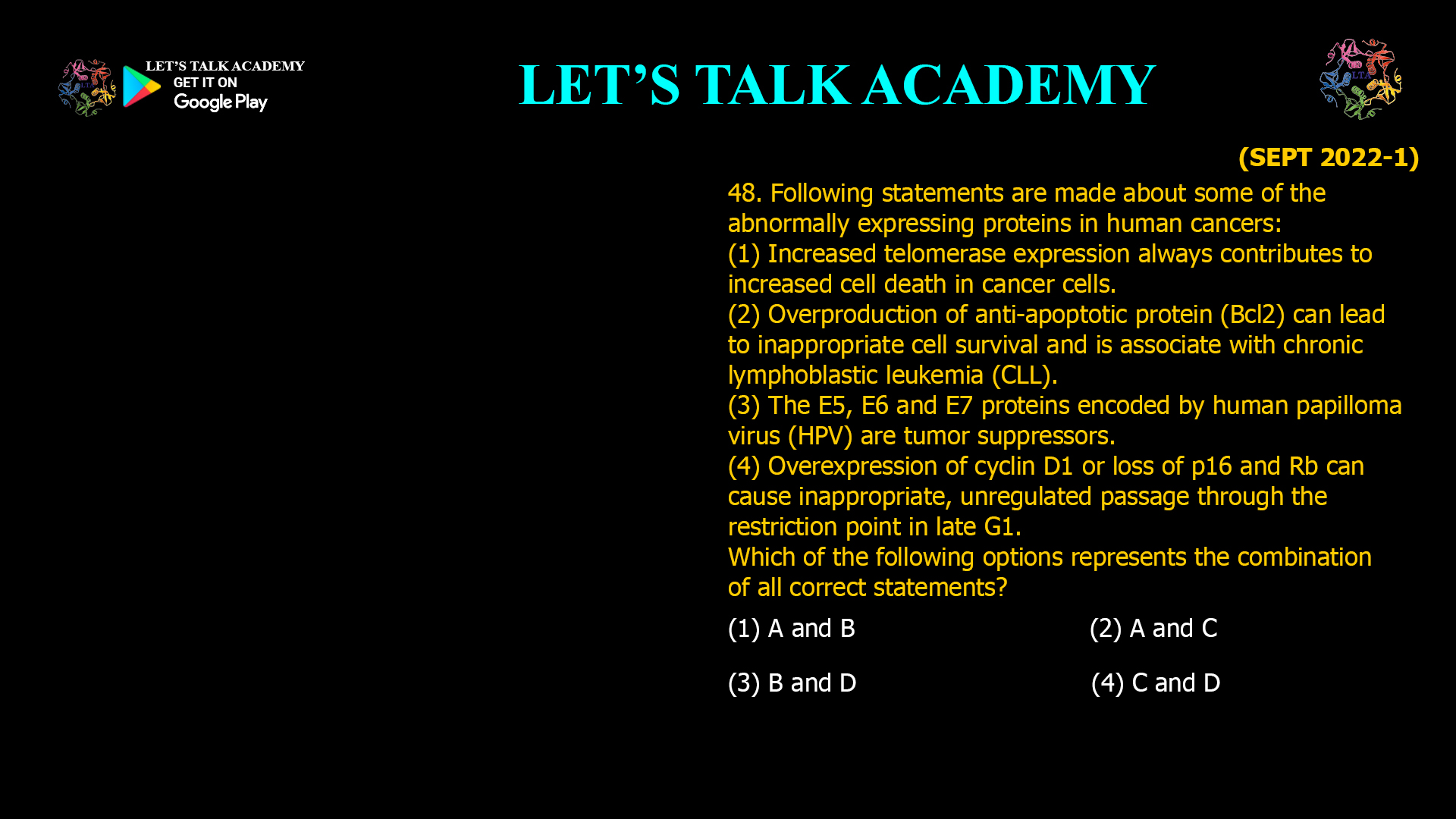
Following statements are made about some of the abnormally expressing proteins in human cancers: (1) Increased telomerase expression always contributes to increased cell death in cancer cells. (2) Overproduction of anti-apoptotic protein (Bcl2) can lead to inappropriate cell survival and is associate with chronic lymphoblastic leukemia (CLL). (3) The E5, E6 and E7 proteins encoded by human papilloma virus (HPV) are tumor suppressors. (4) Overexpression of cyclin D1 or loss of p16 and Rb can cause inappropriate, unregulated passage through the restriction point in late G1. Which of the following options represents the combination of all correct statements? (1) A and B (2) A and C (3) B and D (4) C and D

Abnormal Protein Expression in Cancer: Roles of Telomerase, Bcl-2, and Cell Cycle Regulators

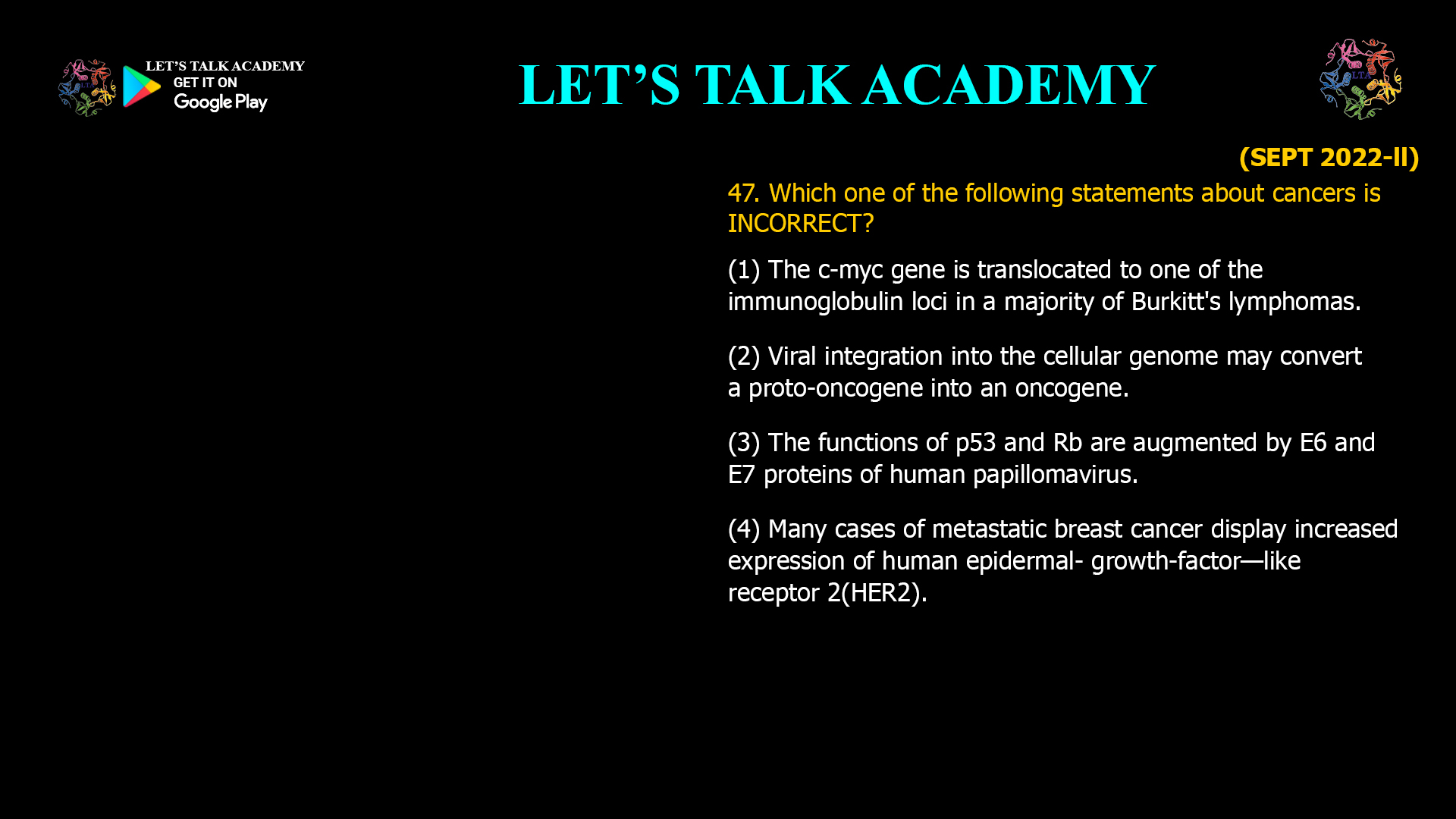
Which one of the following statements about cancers is INCORRECT? (1) The c-myc gene is translocated to one of the immunoglobulin loci in a majority of Burkitt's lymphomas. (2) Viral integration into the cellular genome may convert a proto-oncogene into an oncogene. (3) The functions of p53 and Rb are augmented by E6 and E7 proteins of human papillomavirus. (4) Many cases of metastatic breast cancer display increased expression of human epidermal- growth-factor—like receptor 2(HER2).

Key Molecular Alterations in Cancer: The Role of MYC, Viral Oncoproteins, and HER2

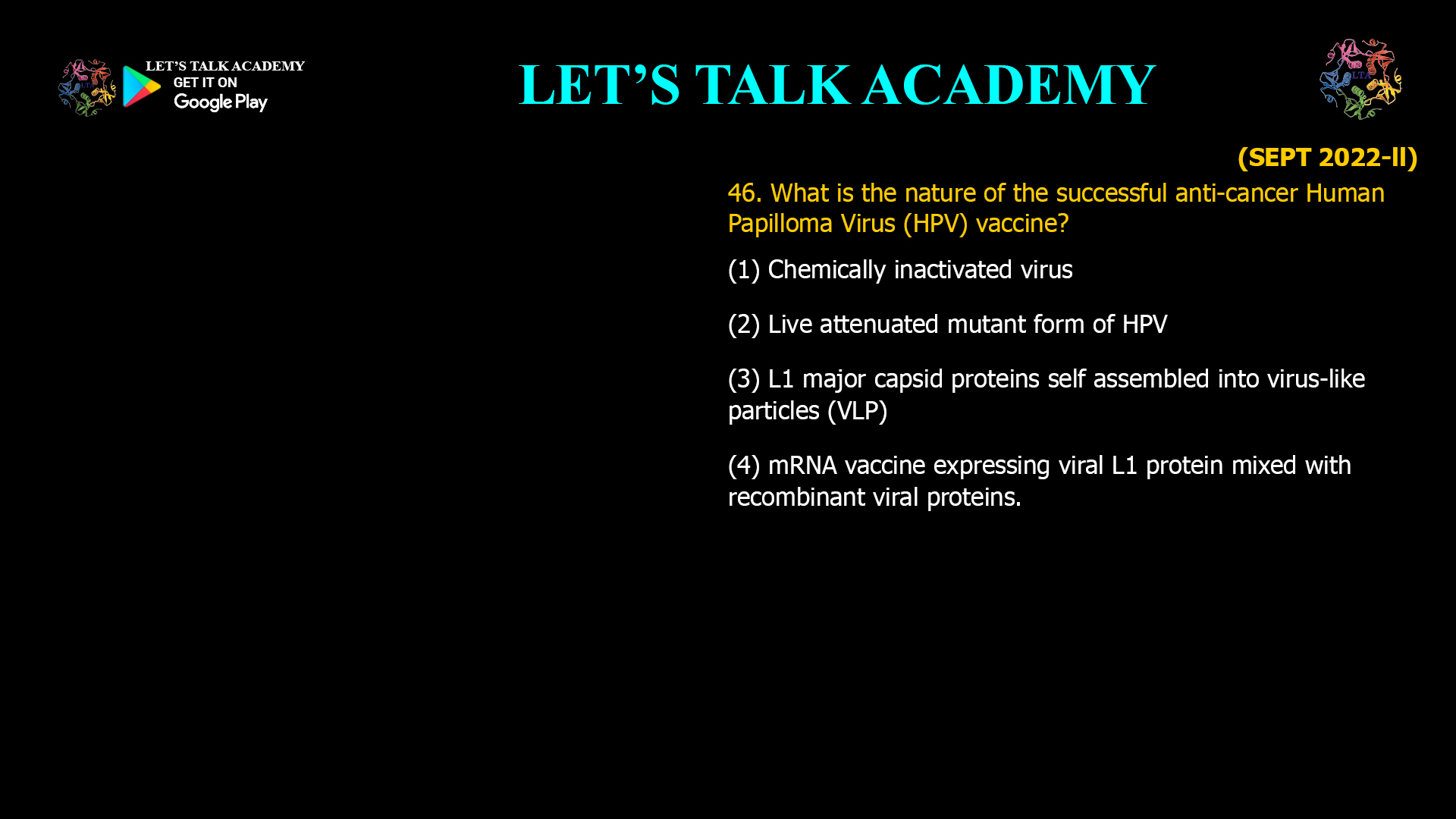
What is the nature of the successful anti-cancer Human Papilloma Virus (HPV) vaccine? (1) Chemically inactivated virus (2) Live attenuated mutant form of HPV (3) L1 major capsid proteins self assembled into virus-like particles (VLP) (4) mRNA vaccine expressing viral L1 protein mixed with recombinant viral proteins.

Human Papilloma Virus (HPV) Vaccine: Virus-Like Particle-Based Immunization for Cancer Prevention

Cervical cancer-causing Papilloma virus produces two oncoproteins E6 and E7 which are responsible for interfering with cell cycle regulation by (1) inactivating Rb and p53, respectively (2) modulating p53 and pRb, respectively (3) binding to cyclin D1 and CDK4 (4)activating expression of p21

Role of HPV E6 and E7 Oncoproteins in Cervical Cancer: Inactivation of p53 and Rb

Classification of Chemotherapy Drugs by Mechanism and Chemical Nature

Classification of Oncogenic Viruses by Genome Type and Associated Cancers

In what respect does the genome of slow-acting retroviruses differ from those of transducing viruses? (1) They cannot activate nearby cellular proto- oncogenes after integration into the genome of the host cell (2) They lack an oncogene (3) They exclude mouse mammary tumor viruses (4) They have acquired mutations during acquisition of an oncogene

Differences Between Slow-Acting and Transducing Retroviruses in Cancer Development

VEGF-A, TWIST, and Cyclin D1 as Markers of Highly Metastatic Cancer Cells

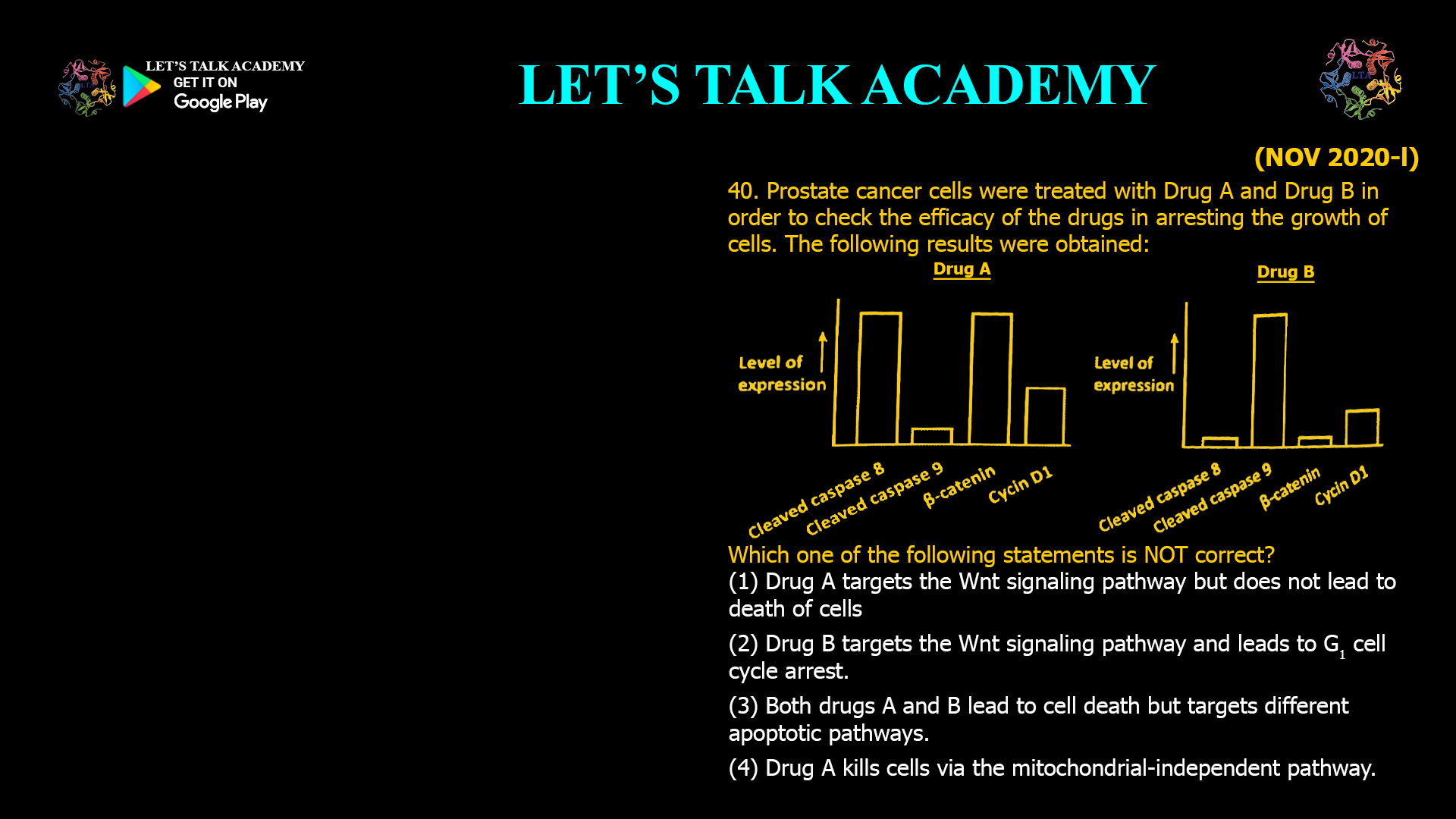
Prostate cancer cells were treated with Drug A and Drug B in order to check the efficacy of the drugs in arresting the growth of cells. The following results were obtained: Which one of the following statements is NOT correct? (1) Drug A targets the Wnt signaling pathway but does not lead to death of cells (2) Drug B targets the Wnt signaling pathway and leads to G1 cell cycle arrest. (3) Both drugs A and B lead to cell death but targets different apoptotic pathways. (4) Drug A kills cells via the mitochondrial-independent pathway.

Differential Effects of Wnt Pathway-Targeting Drugs on Prostate Cancer Cell Growth and Death

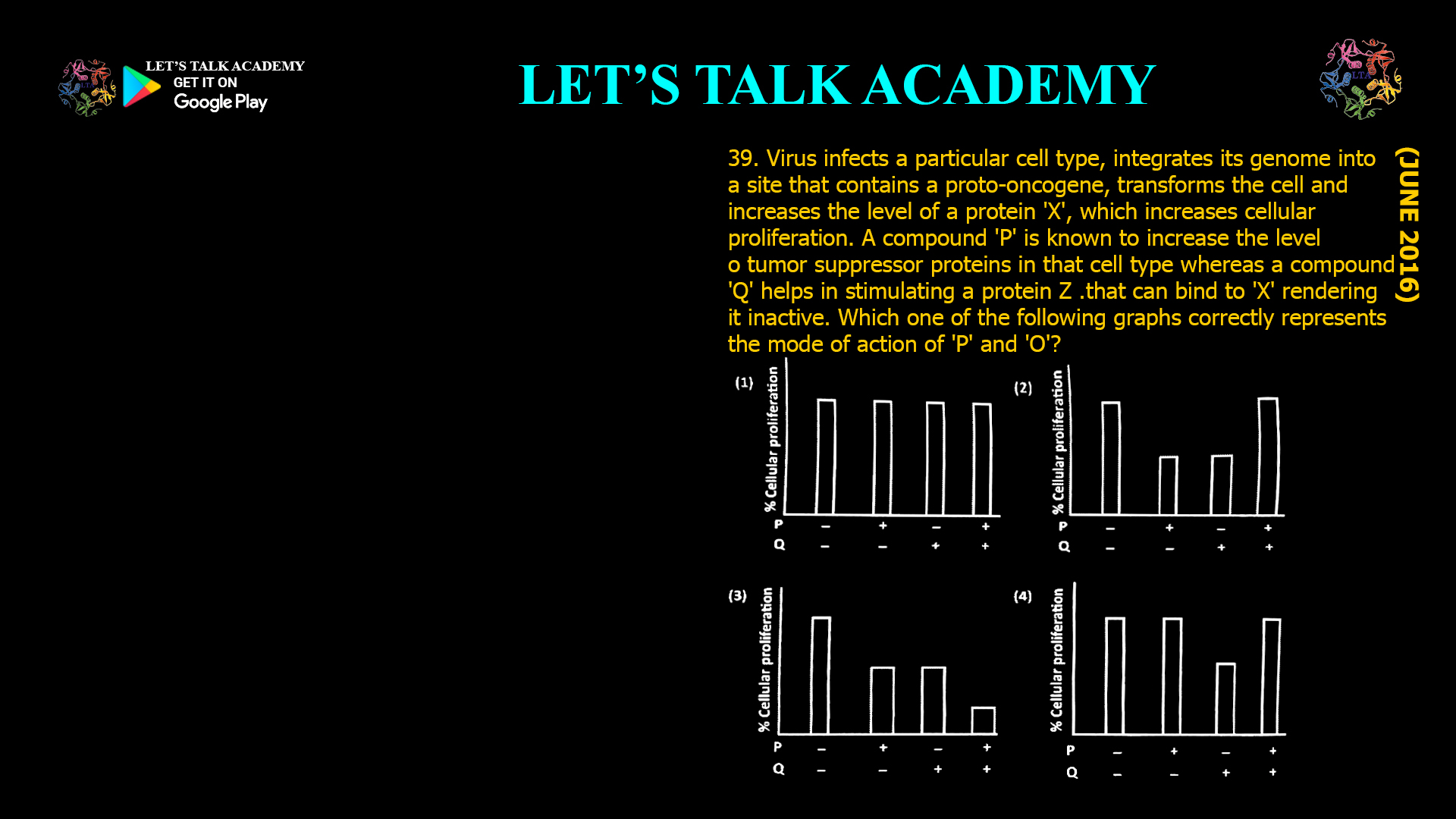
39. Virus infects a particular cell type, integrates its genome into a site that contains a proto-oncogene, transforms the cell and increases the level of a protein 'X', which increases cellular proliferation. A compound 'P' is known to increase the level o tumor suppressor proteins in that cell type whereas a compound 'Q' helps in stimulating a protein Z .that can bind to 'X' rendering it inactive. Which one of the following graphs correctly represents the mode of action of 'P' and 'O'?

Targeting Viral Oncogene-Induced Proliferation with Tumor Suppressors and Protein Inhibitors

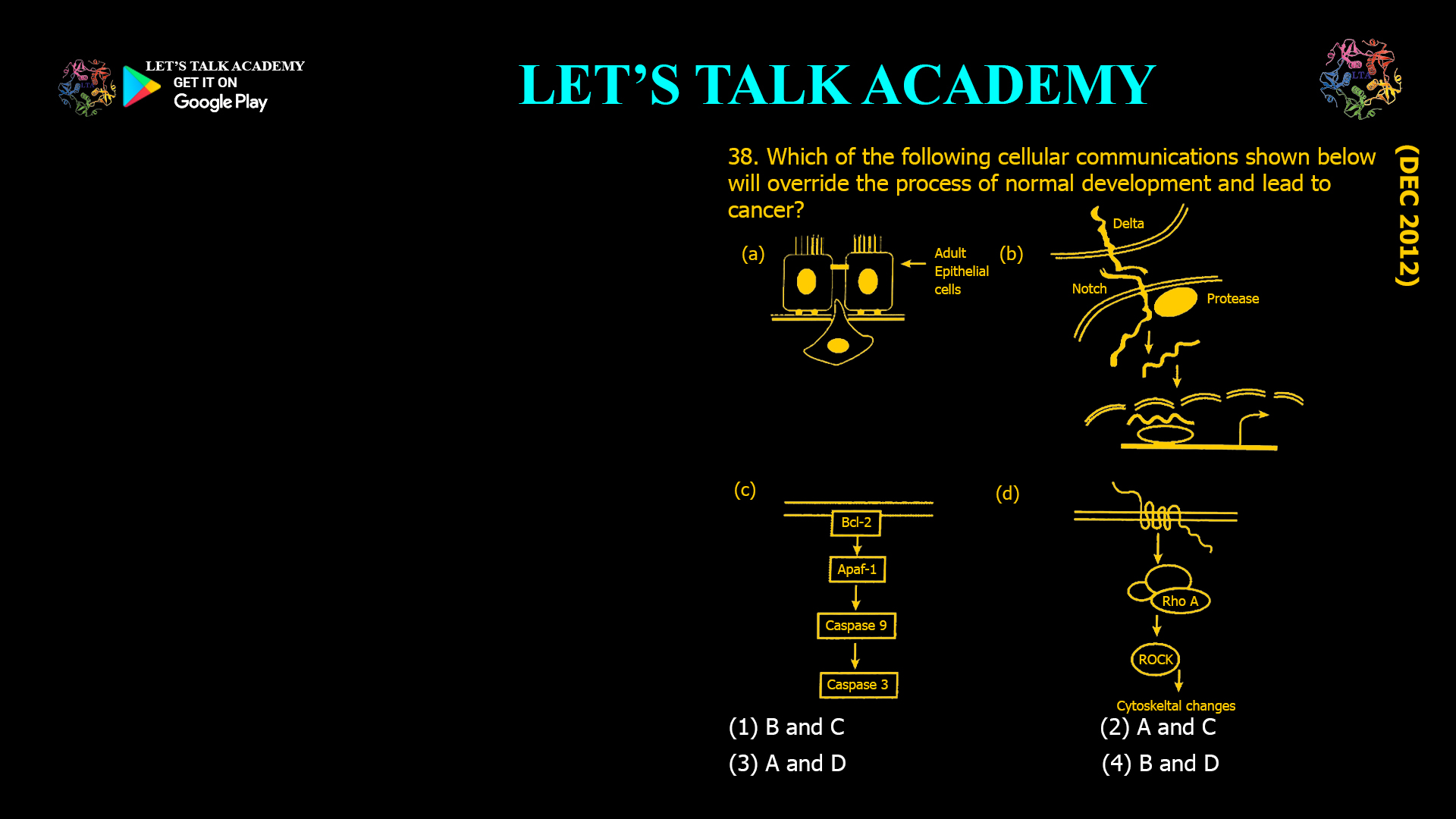
Which of the following cellular communications shown below will override the process of normal development and lead to cancer? (1) B and C                                                   (2) A and C (3) A and D                                                   (4) B and D

Aberrant Cellular Signaling in Cancer Development: Key Pathways and Mechanisms

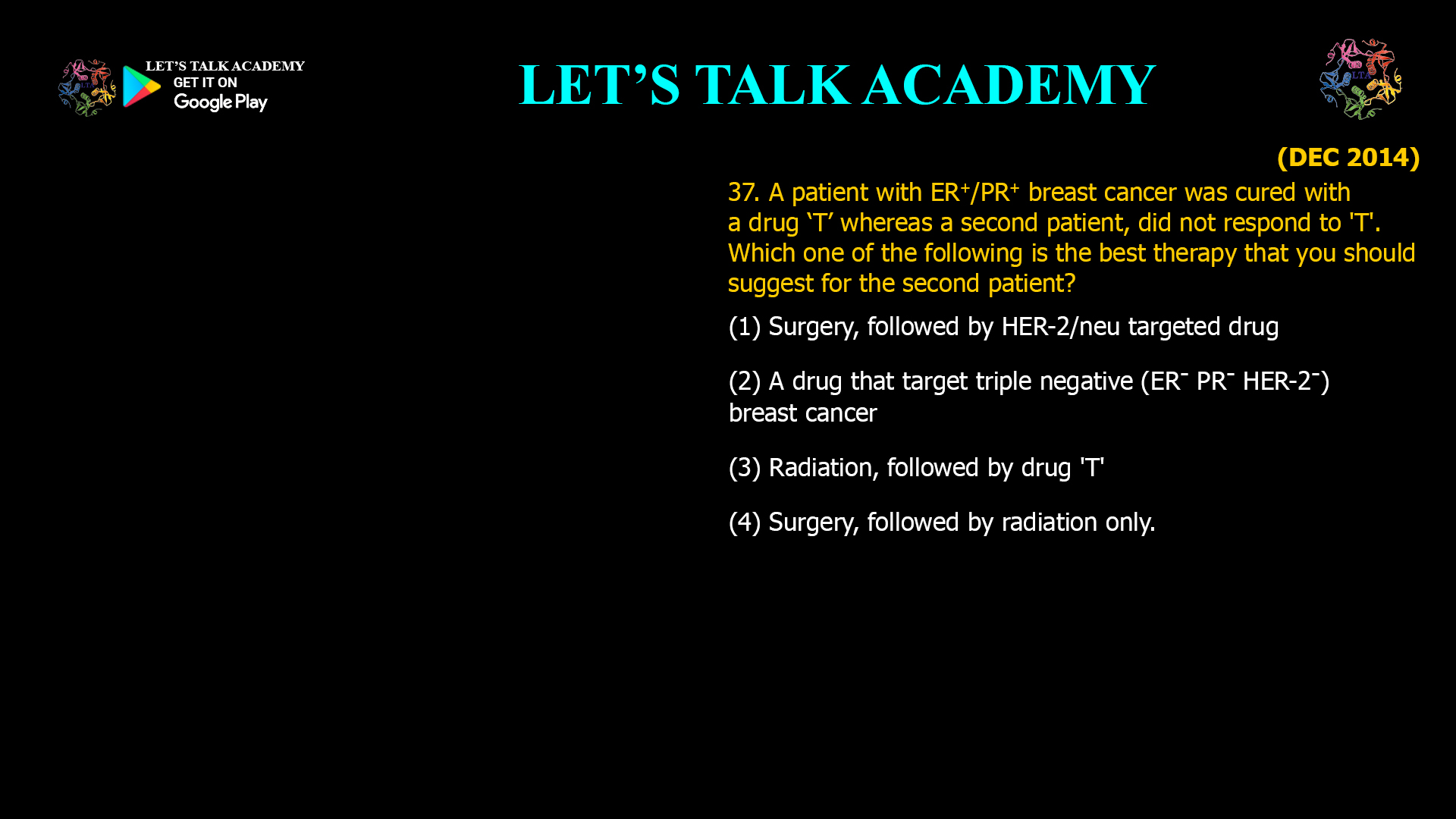
A patient with ER+/PR+ breast cancer was cured with a drug ‘T’ whereas a second patient, did not respond to 'T'. Which one of the following is the best therapy that you should suggest for the second patient? (1) Surgery, followed by HER-2/neu targeted drug (2) A drug that target triple negative (ER- PR- HER-2-) breast cancer (3) Radiation, followed by drug 'T' (4) Surgery, followed by radiation only.

Treatment Options for Hormone Receptor-Resistant Breast Cancer

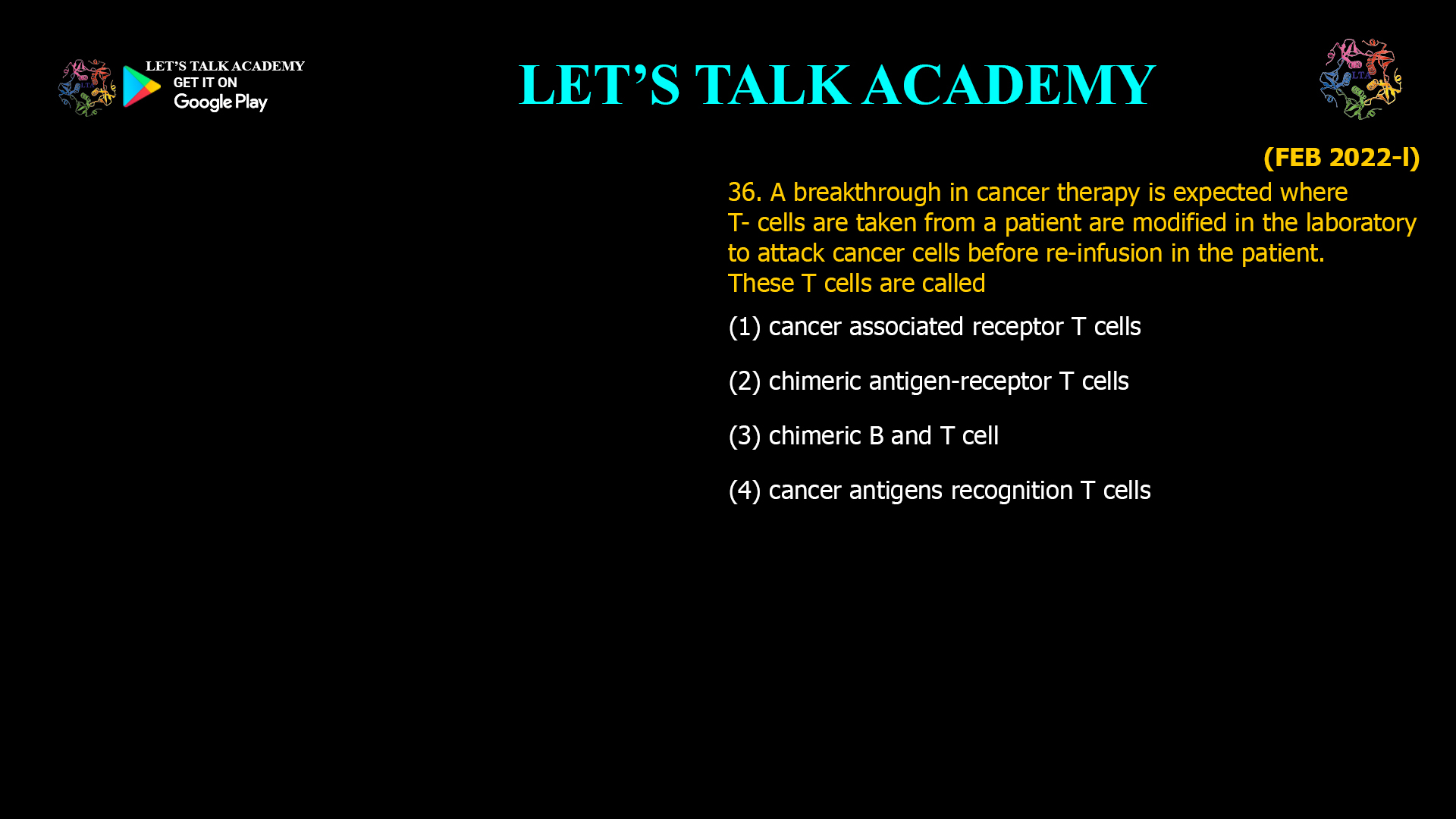
A breakthrough in cancer therapy is expected where T- cells are taken from a patient are modified in the laboratory to attack cancer cells before re-infusion in the patient. These T cells are called (1) cancer associated receptor T cells (2) chimeric antigen-receptor T cells (3) chimeric B and T cell (4) cancer antigens recognition T cells

Chimeric Antigen Receptor (CAR) T Cell Therapy: A Revolutionary Cancer Treatment

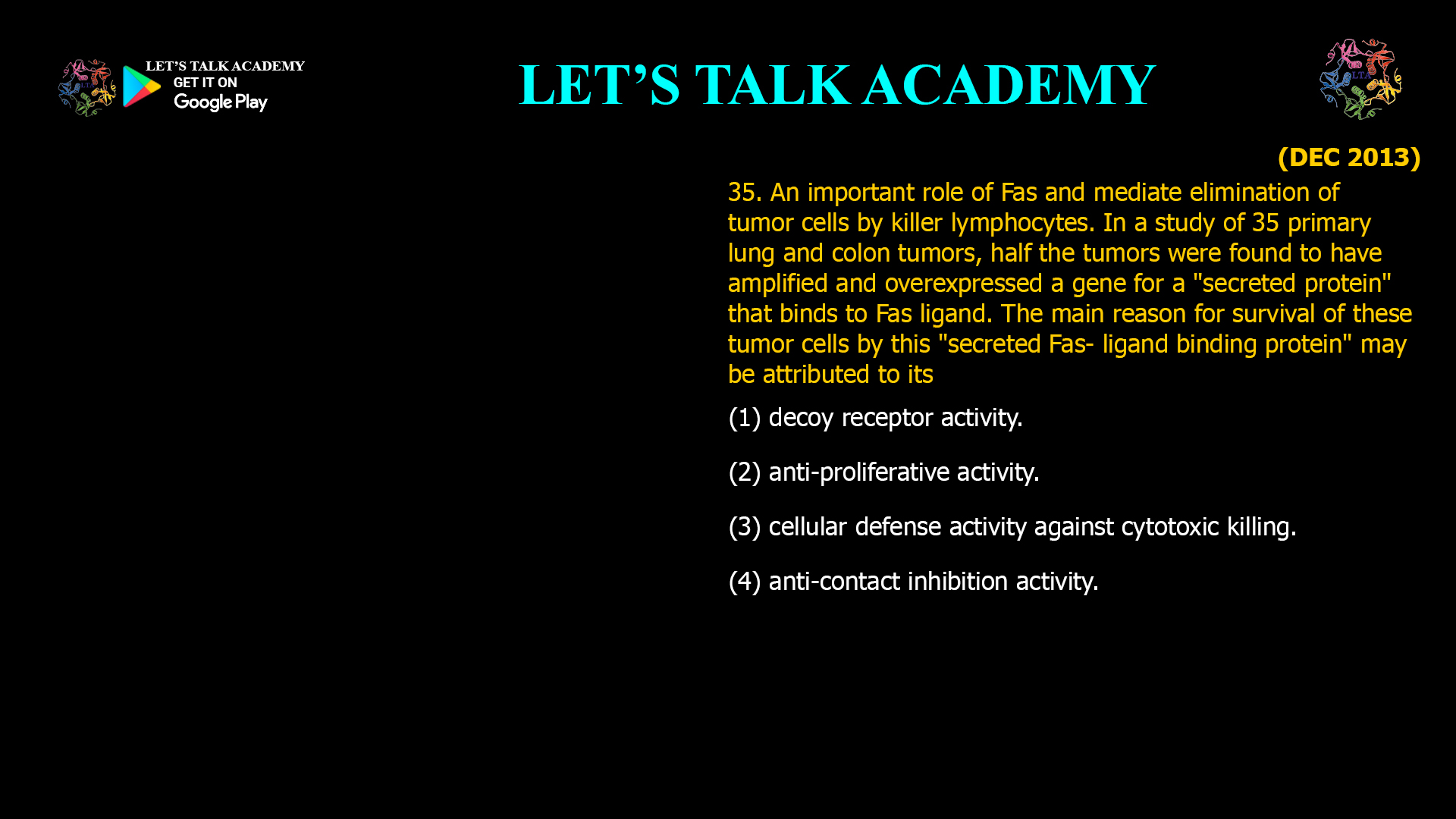
An important role of Fas and mediate elimination of tumor cells by killer lymphocytes. In a study of 35 primary lung and colon tumors, half the tumors were found to have amplified and overexpressed a gene for a "secreted protein" that binds to Fas ligand. The main reason for survival of these tumor cells by this "secreted Fas- ligand binding protein" may be attributed to its (1) decoy receptor activity. (2) anti-proliferative activity. (3) cellular defense activity against cytotoxic killing. (4) anti-contact inhibition activity.

Decoy Receptor-Mediated Immune Evasion: The Role of Secreted Fas-Ligand Binding Proteins in Tumor Survival

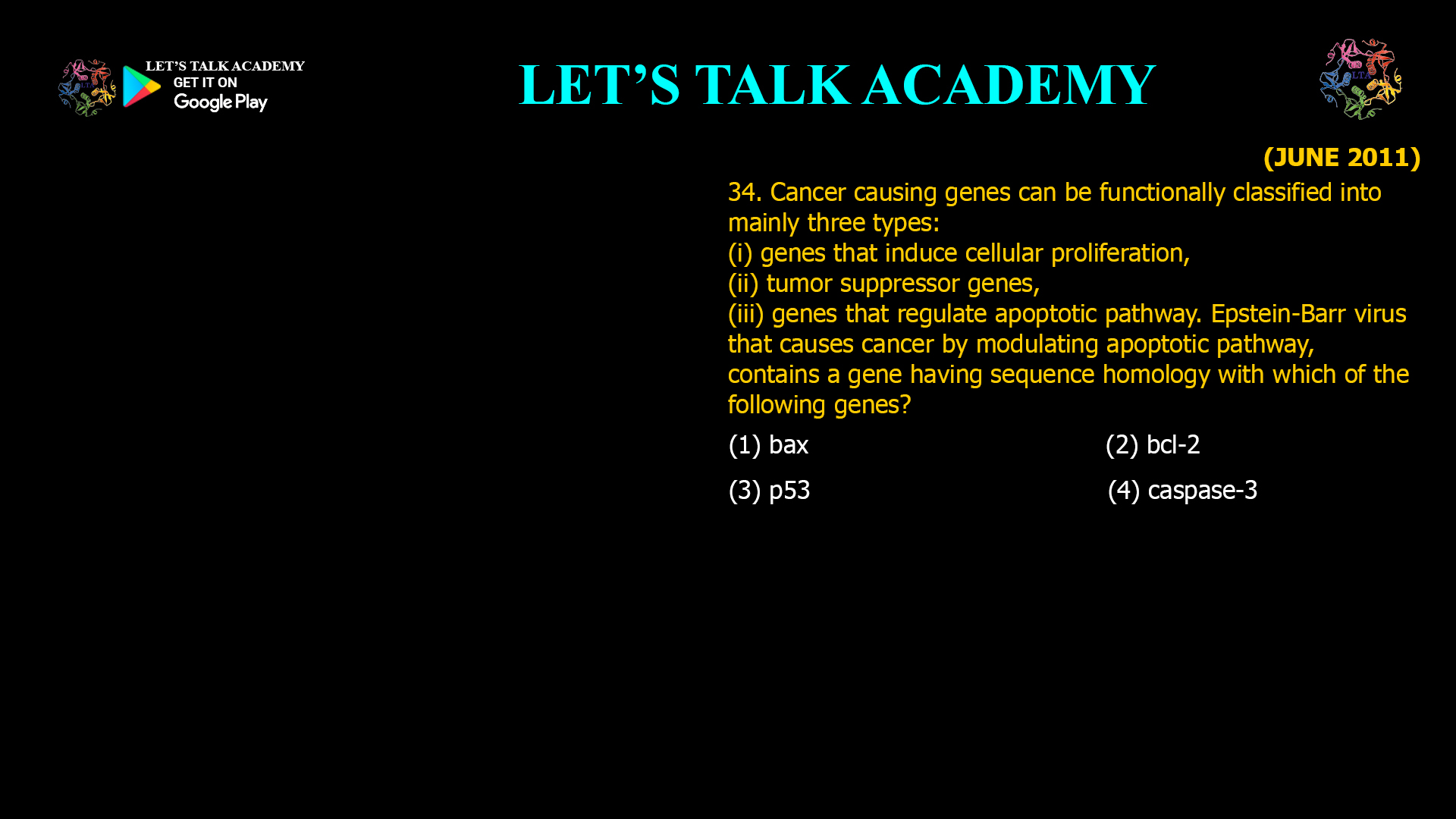
Cancer causing genes can be functionally classified into mainly three types: (i) genes that induce cellular proliferation, (ii) tumor suppressor genes, (iii) genes that regulate apoptotic pathway. Epstein-Barr virus that causes cancer by modulating apoptotic pathway, contains a gene having sequence homology with which of the following genes? (1) bax (2) bcl-2 (3) p53 (4) caspase-3

Epstein-Barr Virus and Its Bcl-2 Homologue: Modulating Apoptosis in Cancer

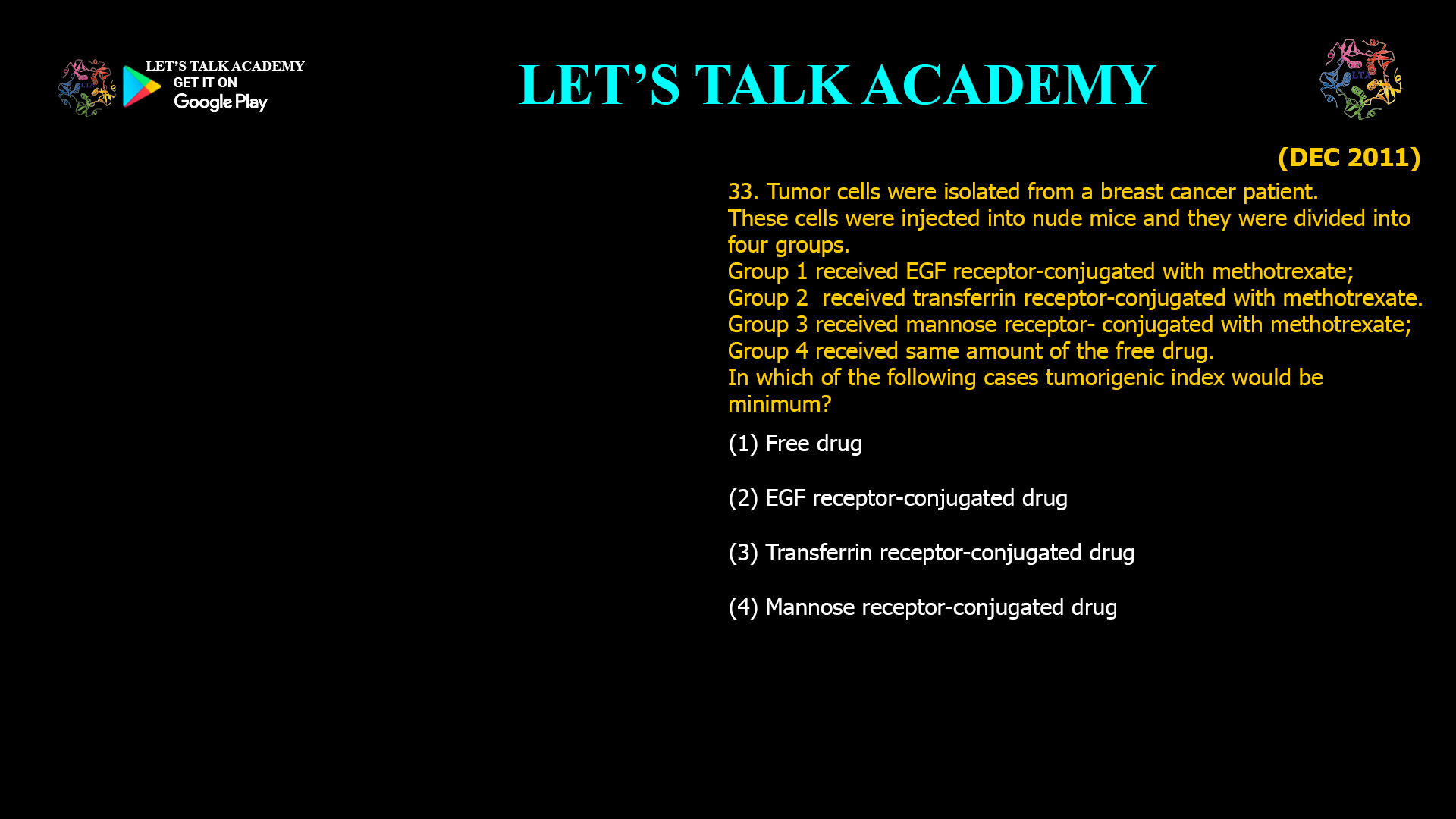
33. Tumor cells were isolated from a breast cancer patient. These cells were injected into nude mice and they were divided into four groups. Group 1 received EGF receptor-conjugated with methotrexate; Group 2  received transferrin receptor-conjugated with methotrexate. Group 3 received mannose receptor- conjugated with methotrexate; Group 4 received same amount of the free drug. In which of the following cases tumorigenic index would be minimum? (1) Free drug (2) EGF receptor-conjugated drug (3) Transferrin receptor-conjugated drug (4) Mannose receptor-conjugated drug

Enhanced Breast Cancer Therapy Using EGFR-Targeted Methotrexate Delivery

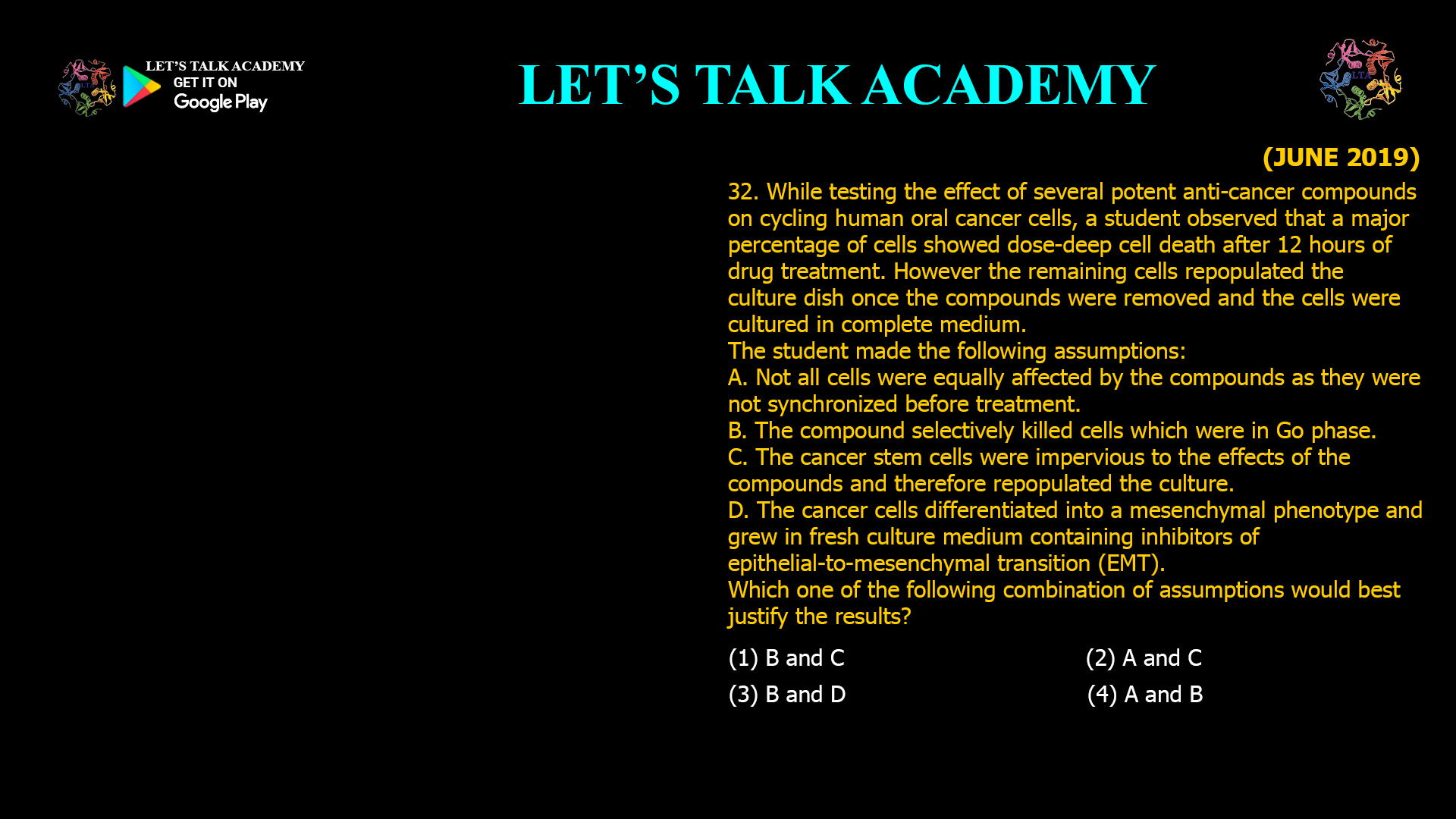
While testing the effect of several potent anti-cancer compounds on cycling human oral cancer cells, a student observed that a major percentage of cells showed dose-deep cell death after 12 hours of drug treatment. However the remaining cells repopulated the culture dish once the compounds were removed and the cells were cultured in complete medium. The student made the following assumptions: A. Not all cells were equally affected by the compounds as they were not synchronized before treatment. B. The compound selectively killed cells which were in Go phase. C. The cancer stem cells were impervious to the effects of the compounds and therefore repopulated the culture. D. The cancer cells differentiated into a mesenchymal phenotype and grew in fresh culture medium containing inhibitors of epithelial-to-mesenchymal transition (EMT). Which one of the following combination of assumptions would best justify the results? (1) B and C                                              (2) A and C (3) B and D                                              (4) A and B he best justification for the observed results in the experiment is:

Chemotherapy Resistance in Cancer Stem Cells and the Role of Cell Cycle Heterogeneity

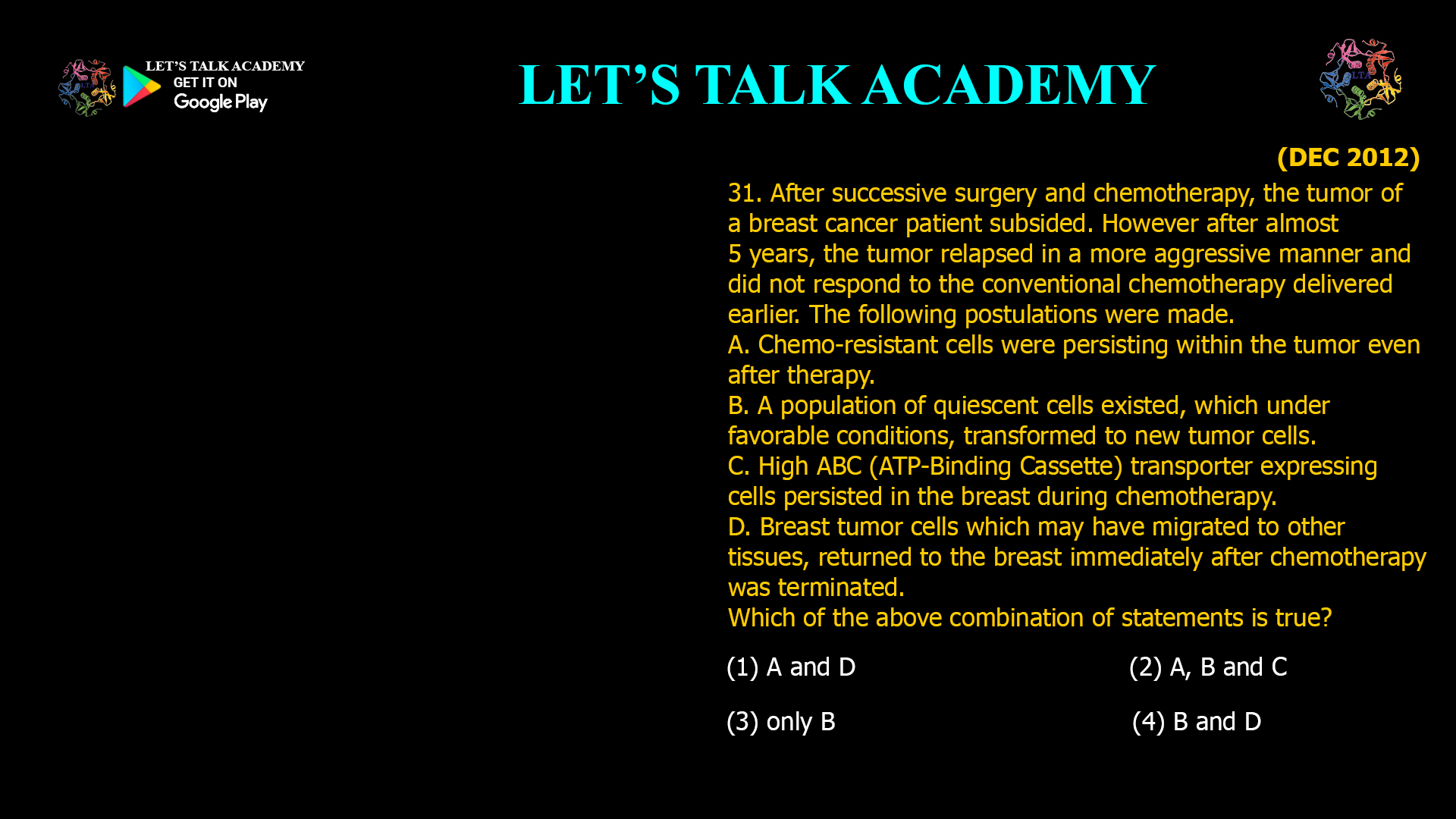
After successive surgery and chemotherapy, the tumor of a breast cancer patient subsided. However after almost 5 years, the tumor relapsed in a more aggressive manner and did not respond to the conventional chemotherapy delivered earlier. The following postulations were made. A. Chemo-resistant cells were persisting within the tumor even after therapy. B. A population of quiescent cells existed, which under favorable conditions, transformed to new tumor cells. C. High ABC (ATP-Binding Cassette) transporter expressing cells persisted in the breast during chemotherapy. D. Breast tumor cells which may have migrated to other tissues, returned to the breast immediately after chemotherapy was terminated. Which of the above combination of statements is true? (1) A and D                                             (2) A, B and C (3) only B                                                (4) B and D

Mechanisms of Breast Cancer Relapse: Chemo-resistant and Quiescent Cells Role

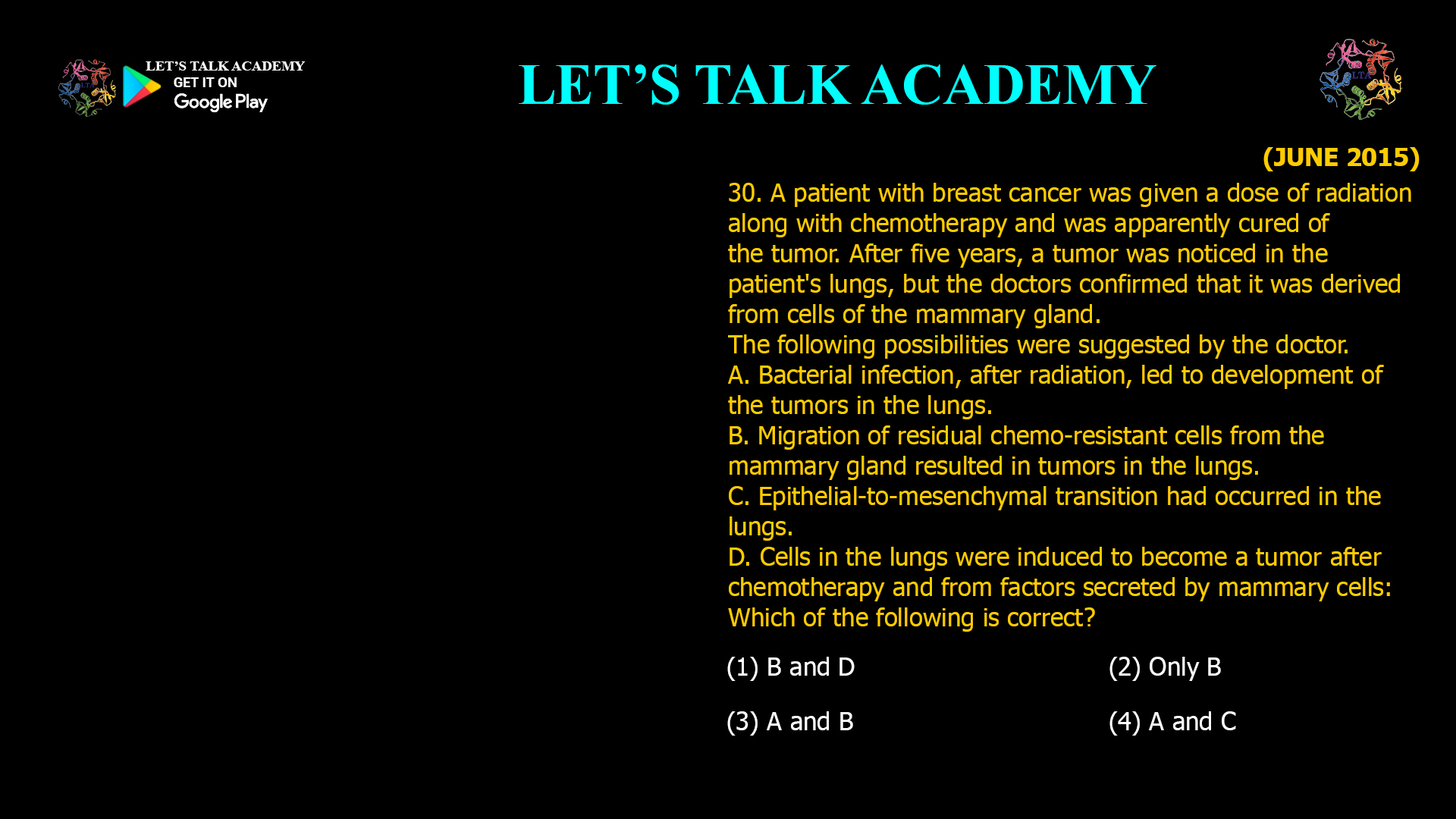
A patient with breast cancer was given a dose of radiation along with chemotherapy and was apparently cured of the tumor. After five years, a tumor was noticed in the patient's lungs, but the doctors confirmed that it was derived from cells of the mammary gland. The following possibilities were suggested by the doctor. A. Bacterial infection, after radiation, led to development of the tumors in the lungs. B. Migration of residual chemo-resistant cells from the mammary gland resulted in tumors in the lungs. C. Epithelial-to-mesenchymal transition had occurred in the lungs. D. Cells in the lungs were induced to become a tumor after chemotherapy and from factors secreted by mammary cells: Which of the following is correct? (1) B and D (2) Only B (3) A and B (4) A and C

Breast Cancer Metastasis to the Lung: Mechanisms and Clinical Implications

A patient with breast cancer was given a dose of radiation along with chemotherapy and was apparently cured of the tumor. After five years, a tumor was noticed in the patient's lungs, but the doctors confirmed that it was derived from cells of the mammary gland. The following possibilities were suggested by the doctor. A. Bacterial infection, after radiation, led to development of the tumors in the lungs. B. Migration of residual chemo-resistant cells from the mammary gland resulted in tumors in the lungs. C. Epithelial-to-mesenchymal transition had occurred in the lungs. D. Cells in the lungs were induced to become a tumor after chemotherapy and from factors secreted by mammary cells: Which of the following is correct? (1) B and D (2) Only B (3) A and B (4) A and C

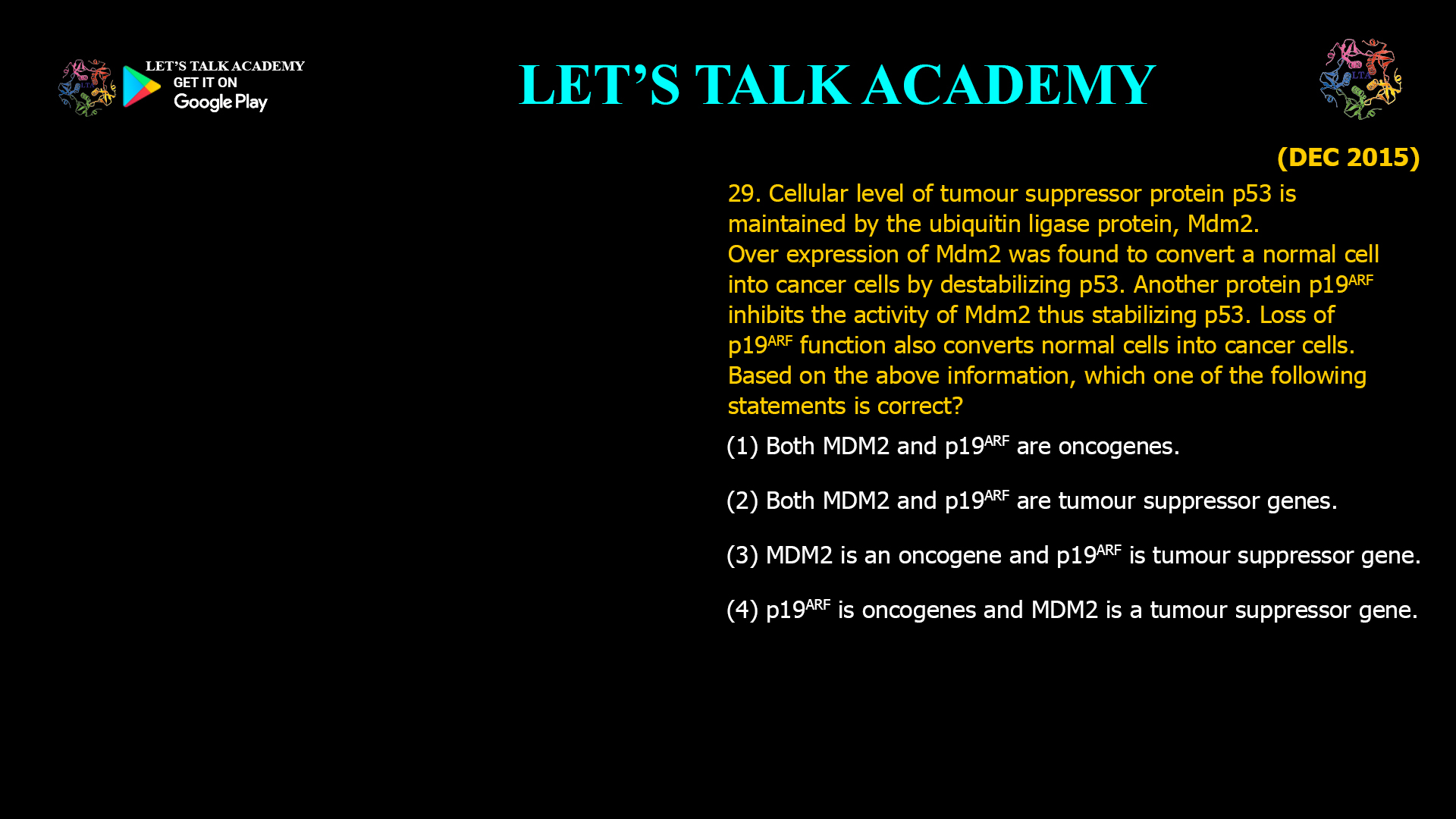
MDM2 Oncogene and p19ARF Tumor Suppressor: Key Regulators of p53 in Cancer

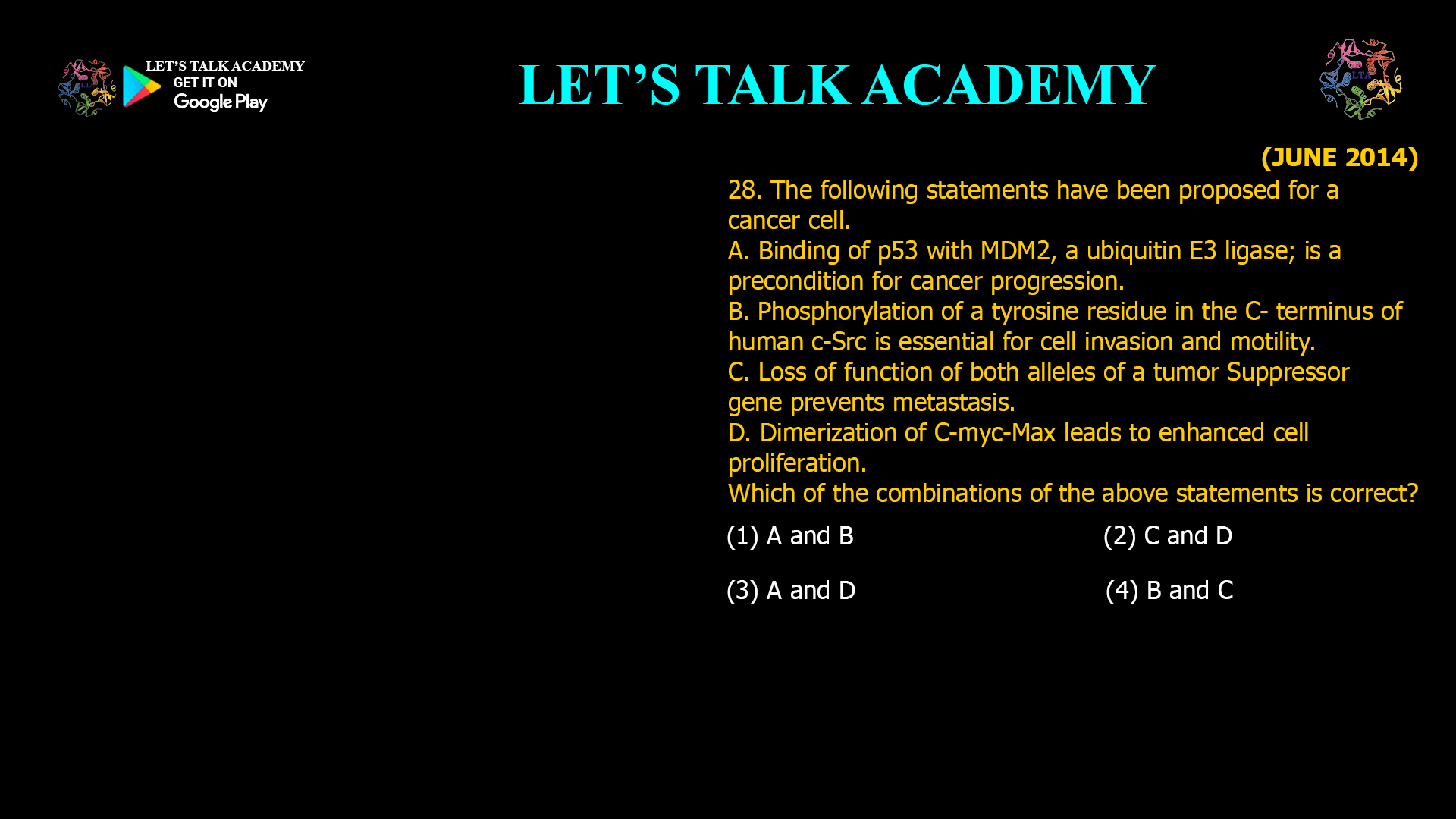
The following statements have been proposed for a cancer cell. A. Binding of p53 with MDM2, a ubiquitin E3 ligase; is a precondition for cancer progression. B. Phosphorylation of a tyrosine residue in the C- terminus of human c-Src is essential for cell invasion and motility. C. Loss of function of both alleles of a tumor Suppressor gene prevents metastasis. D. Dimerization of C-myc-Max leads to enhanced cell proliferation. Which of the combinations of the above statements is correct? (1) A and B (2) C and D (3) A and D (4) B and C

Role of p53-MDM2 Interaction and c-Src Phosphorylation in Cancer Progression

In an experiment it was observed that a protein was upregulated in cancer tissues (compared to control tissues) that showed correlation with disease progression. Following are a few possibilities, which can explain the above observation. A. A mutation could be located in the 3'UTR of the corresponding mRNA at a miRNA binding site. B. A mutation changes the conformation of the protein, resulting in its better stability. C. A mutation in the corresponding mRNA promotes ribosome read-through of the termination codon resulting in increased synthesis of the protein. D. A mutation in the corresponding mRNA increased the stability of the RNA due to change in secondary structure. Which one of the following combinations represents the most likely explanations? (1) A, B and C (2) B, C and D (3) C, D and A (4) A, B and D

Mechanisms Behind Protein Upregulation in Cancer: Roles of mRNA Mutations and Protein Stability

26. A student treated cancer cells with an anticancer drug and perform western blot analysis. Which one of the following blots is the best representation under the control (C) and treated (T) samples? Based on the typical design of Western blot experiments and the assumptions provided in the question, the best representative answer would be:

Interpreting Western Blot Results: Effects of Anti-Cancer Drugs on Cell Cycle, Signaling, and Apoptosis

25. A western blot analysis after treating cancer cells with a prospective anti-cancer drug is shown below: The following assumptions were made: A. The drug may have arrested the growth of cells at the G1 phase. B. The drug targeted the JAK-STAT signaling pathway. C. The drug led to apoptosis of the cells. D. Drug-induced apoptosis was through the extrinsic or mitochondrial-independent pathway. Which one of the following combination is correct? (1) only B and D                                        (2) A, B and C (3) Only A and B                                        (4) B, C and D

Interpreting Western Blot Analysis for Anti-Cancer Drug Effects on Cell Cycle and Apoptosis

Identifying Oncogenes and Tumor Suppressor Genes Using Transgenic and Knockout Mice Models

Two classes of genes - proto-oncogene and tumor suppressor gene usually contribute to the development of cancer. Following are some of the statements regarding both the genes. A. Proto-oncogenes result in the development Of cancer by gain-of-function mutation whereas tumor suppressor gene leads to cancer development by loss-of-function mutation. B. Proto-oncogenes result in development of cancer by loss-of-function whereas mutation tumor suppressor gene leads to cancer development by gain of-function mutation. C. Mutation in both the alleles of a protooncogene is required for induction of cancer whereas mutation in one of the two alleles in tumor suppressor gene is sufficient for promoting tumorigenesis. D. Mutation in one of the two alleles in proto-oncogene is sufficient for induction of cancer whereas mutation in both the alleles of a tumor suppressor gene is required for promoting tumorigenesis. Which combinations of the above statements are true for both the genes? (1) A and B                                             (2) A and C (3) A and D                                             (4) B and C

Proto-oncogenes vs Tumor Suppressor Genes: Mutation Roles in Cancer Development

Cancer Cells vs Cancer Stem Cells: Key Differences and Treatment Challenges

Cancer is often believed to arise from stem cells rather than fully differentiated cells. Following are certain views related to the above statement. Which one of the following is NOT correct? (1) Stem cells do not divide and therefore require fewer changes to become a cancer cell. (2) Cancer stem cells can self-renew as well as generate the non-stem cell populations of the tumor. (3) Terato-carcinomas prove tumors arise from stem cells without further mutations. (4) Stemness genes can often function as oncogenes.

Cancer and Stem Cells: Understanding the Origins and Misconceptions

Conversion of proto-oncogene to oncogene may involve the following processes: A. mutation in coding sequence B. gene amplification C. chromosome rearrangement D. mutation in non-coding sequence Which one is appropriate?

Conversion of Proto-Oncogenes to Oncogenes: Key Mechanisms and Processes

When adenoma is converted to metastatic adenocarcinoma, which of the following combination of proteins is almost certainly to be degraded? (1) Type IV collagen and laminin. (2) Fibronectin and β2 integrin. (3) Metalloprotease and serine protease. (4) Elastin and selectin

Role of Metalloproteases and Serine Proteases in Adenoma to Metastatic Adenocarcinoma Transition

The mode of action of the anticancer drug methotrexate is through its strong competitive inhibition on (1) dihydrofolate reductase (2) thymidine synthase. (3) thymidine kinase. (4) adenylate cyclase.

Mechanism of Action of Methotrexate: Competitive Inhibition of Dihydrofolate Reductase

17. The mutation in an oncogene falls under which of the following classes? (1) Loss of function mutation (2) Frame shift mutation (3) Gain of function mutation (4) Dominant negative mutation

Types of Mutations that Activate Oncogenes: Understanding Gain of Function Mutations

The main difference between normal and transformed cells (1) immortality and contact inhibition (2) shorter generation time and cell mobility (3) apoptosis and tumour suppressor gene hyper- function. (4) inactivation of oncogenes and shorter cell cycle duration

Key Differences Between Normal and Transformed Cells: Immortality and Contact Inhibition

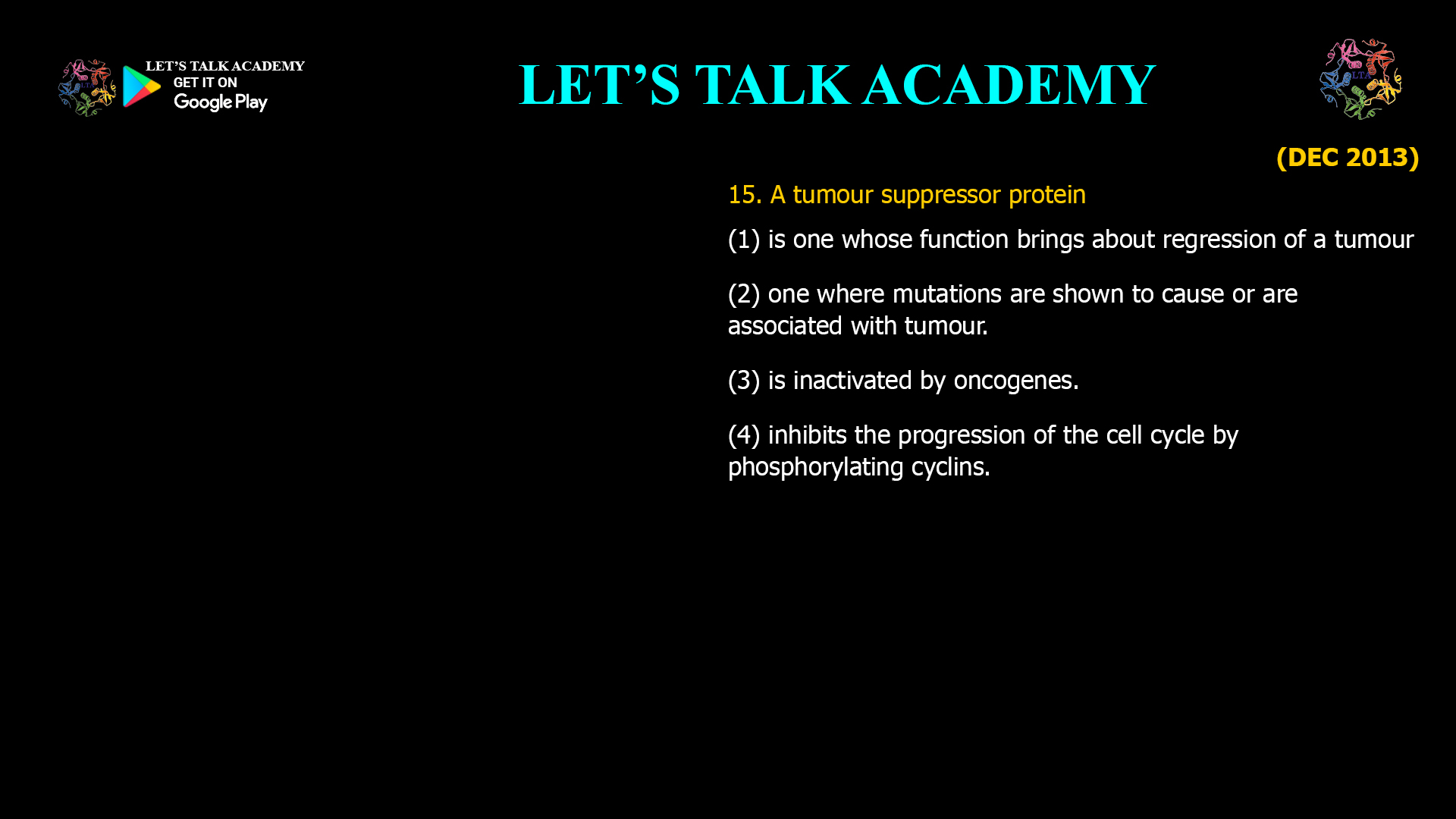
A tumour suppressor protein (1) is one whose function brings about regression of a tumour (2) one where mutations are shown to cause or are associated with tumour. (3) is inactivated by oncogenes. (4) inhibits the progression of the cell cycle by phosphorylating cyclins.

What is a Tumor Suppressor Protein? Definition and Key Functions

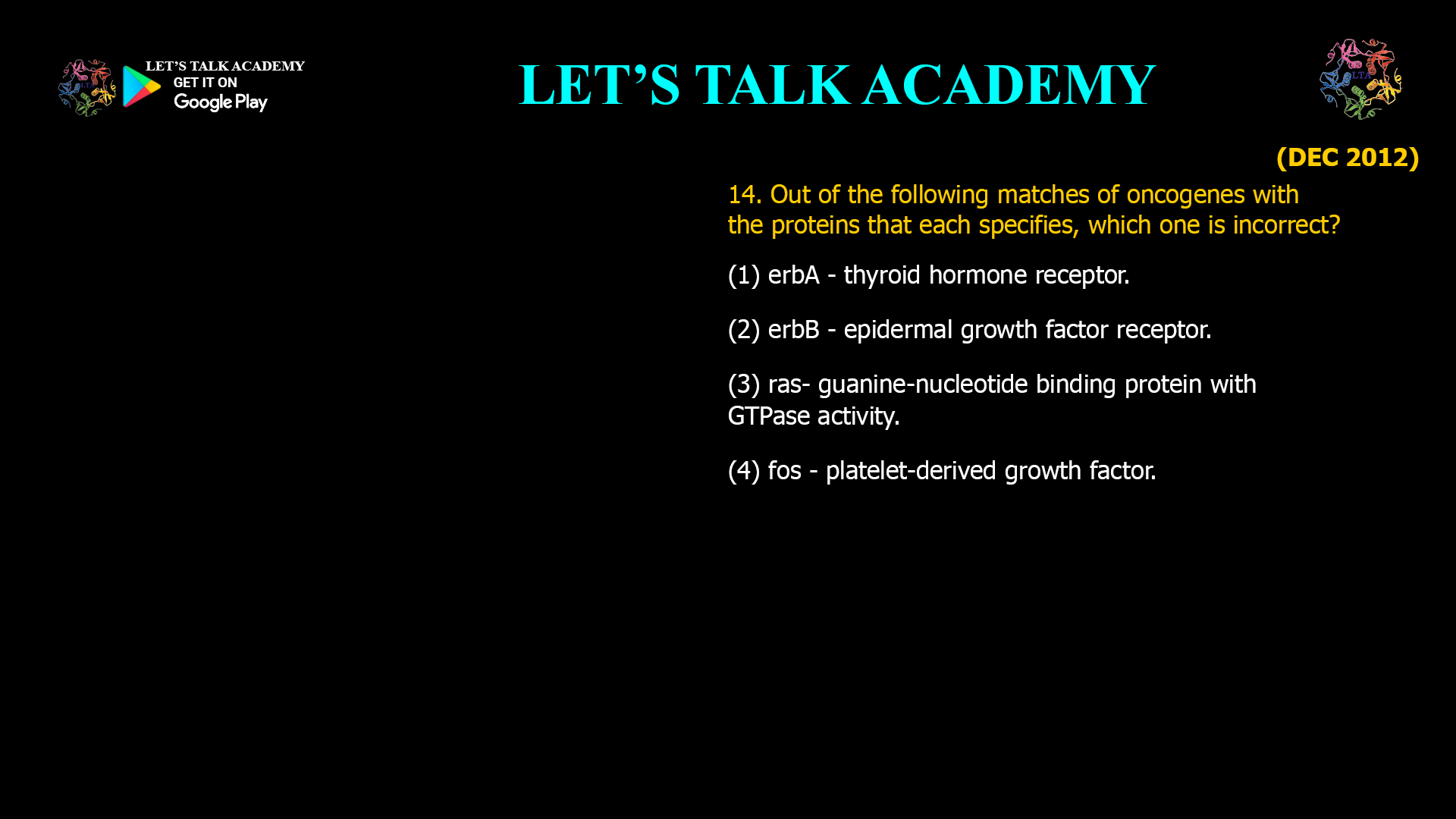
Out of the following matches of oncogenes with the proteins that each specifies, which one is incorrect? (1) erbA - thyroid hormone receptor. (2) erbB - epidermal growth factor receptor. (3) ras- guanine-nucleotide binding protein with GTPase activity. (4) fos - platelet-derived growth factor.

Which Oncogene-Protein Match is Incorrect? Clarifying erbA, erbB, ras, and fos Functions

In which cancer treatment monoclonal antibodies against erb-B2 receptor are used? (1) Breast (2) Oral (3) Prostrate  (4) Lung

Use of Monoclonal Antibodies against erb-B2 Receptor in Breast Cancer Treatment

12. First successful Vaccine against cancer has been prepared for (1) Oral cancer                                         (2) Cervical cancer (3) Breast cancer                                      (4) Colon cancer

First Successful Cancer Vaccine: The Cervical Cancer HPV Vaccine

Which of the following matches of oncogene-protein product is NOT correct? (1) erbA→Thryoid hormone receptor (2) erbB →Epidermal Growth Factor receptor (3) ras→Guanine nucleotide binding protein with GTPase activity (4) fos→ Platelet derived growth factor receptor

Which Oncogene-Protein Match is Incorrect? Understanding erbA, erbB, ras, and fos

10. Which of the following events will NOT usually lead to transformation of a normal cell into a cancer cell (1) Gain of function of oncogenes (2) Loss of function of tumor suppressors (3) Gain of function of genes involved in nucleotide excision repair (4) Loss of function of pro-apoptosis related genes

Which Event Does NOT Lead to Cancer Cell Transformation? Understanding Oncogenes, Tumor Suppressors, and DNA Repair Genes

Which one of the following best defines an oncogene? (1) An oncogene never codes for a cell cycle protein, which promotes cell proliferation. (2) Oncogenes are always involved in inherited forms of cancer. (3) An oncogene codes for a protein that prevents a cell from undergoing apoptosis. (4) An oncogene is a dominantly expressed mutated gene that renders a cell advantageous towards survival.

What is an Oncogene? Definition and Role in Cancer Development

Cancer cells secretes chemicals such as VEGF for angiogenesis, whose target cells are (1) B-cells (2) Platelets (3) RBC                                              (4) Endothelial cells

VEGF and Angiogenesis: Target Cells and Role in Cancer Growth

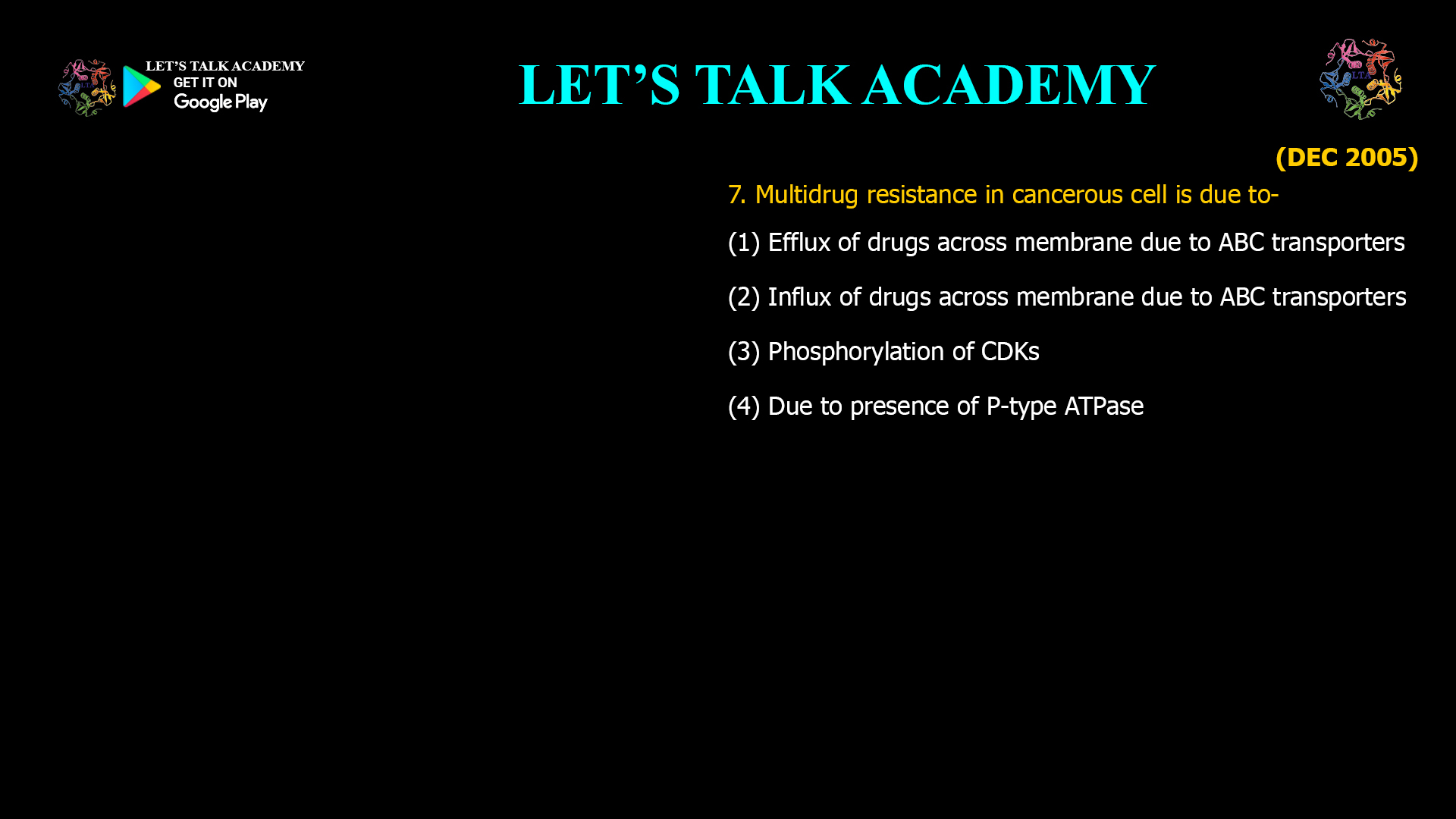
7. Multidrug resistance in cancerous cell is due to- (1) Efflux of drugs across membrane due to ABC transporters (2) Influx of drugs across membrane due to ABC transporters (3) Phosphorylation of CDKs (4) Due to presence of P-type ATPase

Multidrug Resistance in Cancer: Role of ABC Transporters in Drug Efflux

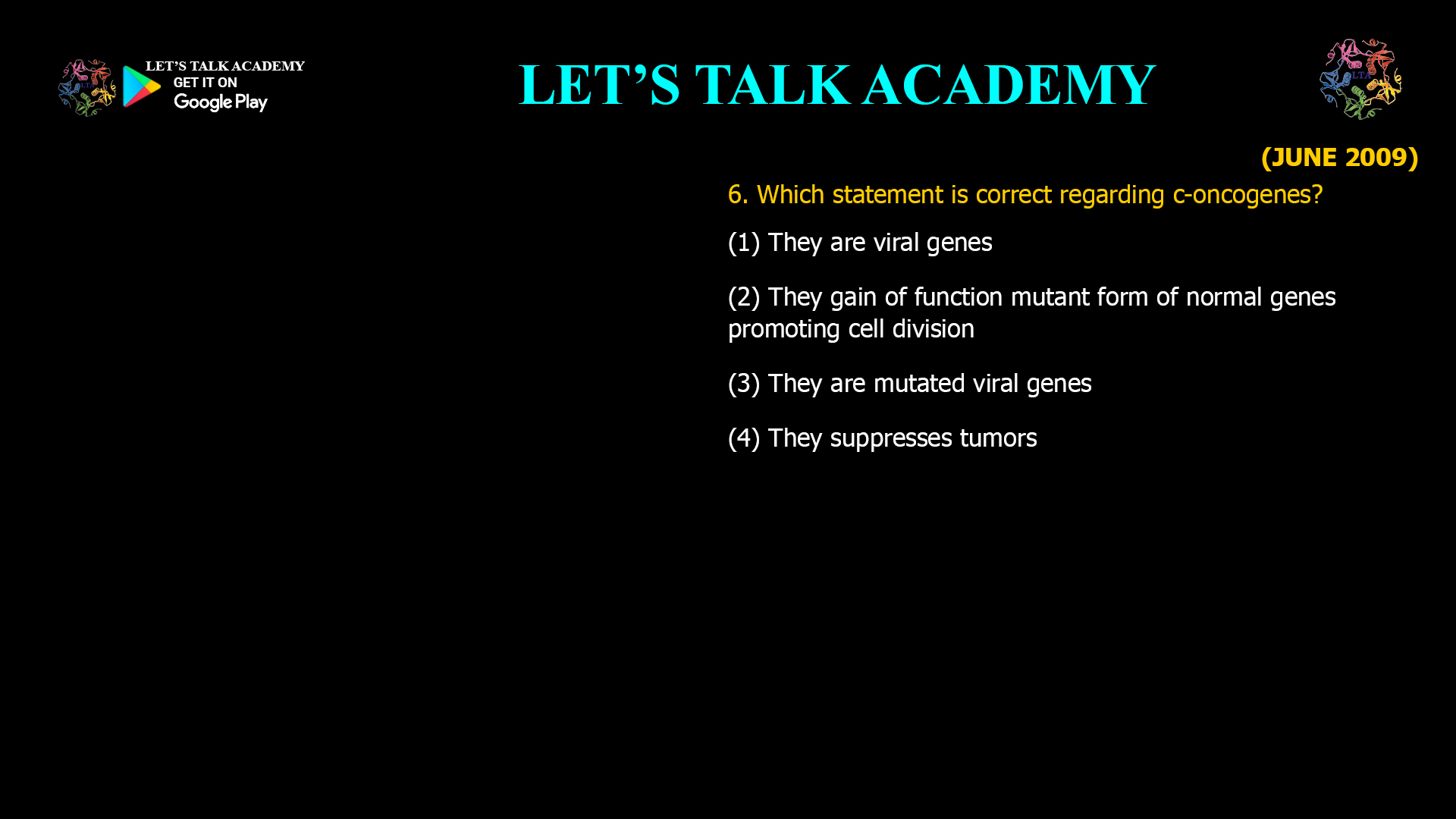
Which statement is correct regarding c-oncogenes? (1) They are viral genes (2) They gain of function mutant form of normal genes promoting cell division (3) They are mutated viral genes (4) They suppresses tumors

What are c-oncogenes? Understanding Their Role in Cancer

5. Among the following which gene is not directly concerned with induction of cancer (1) Src                                                 (2) Ras (3) P53                                                  (4) Actin

Which Gene is Not Directly Concerned with Cancer Induction? Understanding Src, Ras, P53, and Actin

Among the following which correctly represents "gain of function"- (1) Binding of RNA polymerase to promoter (2) Over-expression of any gene (3) Presence of basal transcription sequences (4) Expression at unpredictable time and unpredictable space

What is Gain of Function? Explained with Examples

Drug such as methotrexate which inhibit DNA synthesis are generally used for treatment of cancer because- (1) Cancer cells are converted into normal cells (2) Drugs act on all rapidly dividing cells (3) Only cancerous cells are selectively eliminated (4) Enzyme telomerase is inhibited

Why Methotrexate and DNA Synthesis Inhibitors Are Key in Cancer Treatment

The growth of new blood capillaries toward malignant tumors is termed as- (1) Angiogenesis (2) Metastasis (3) Carcinogenesis (4) Morphogenesis

Understanding Angiogenesis: How New Blood Vessels Feed Malignant Tumors

Tumors are generally classified by (1) the virus which caused them (2) the person who discovered them (3) their metastatic ability (4) the tissue or cell of origin

How Tumors Are Classified: Understanding Types by Tissue or Cell of Origin

Latest Courses