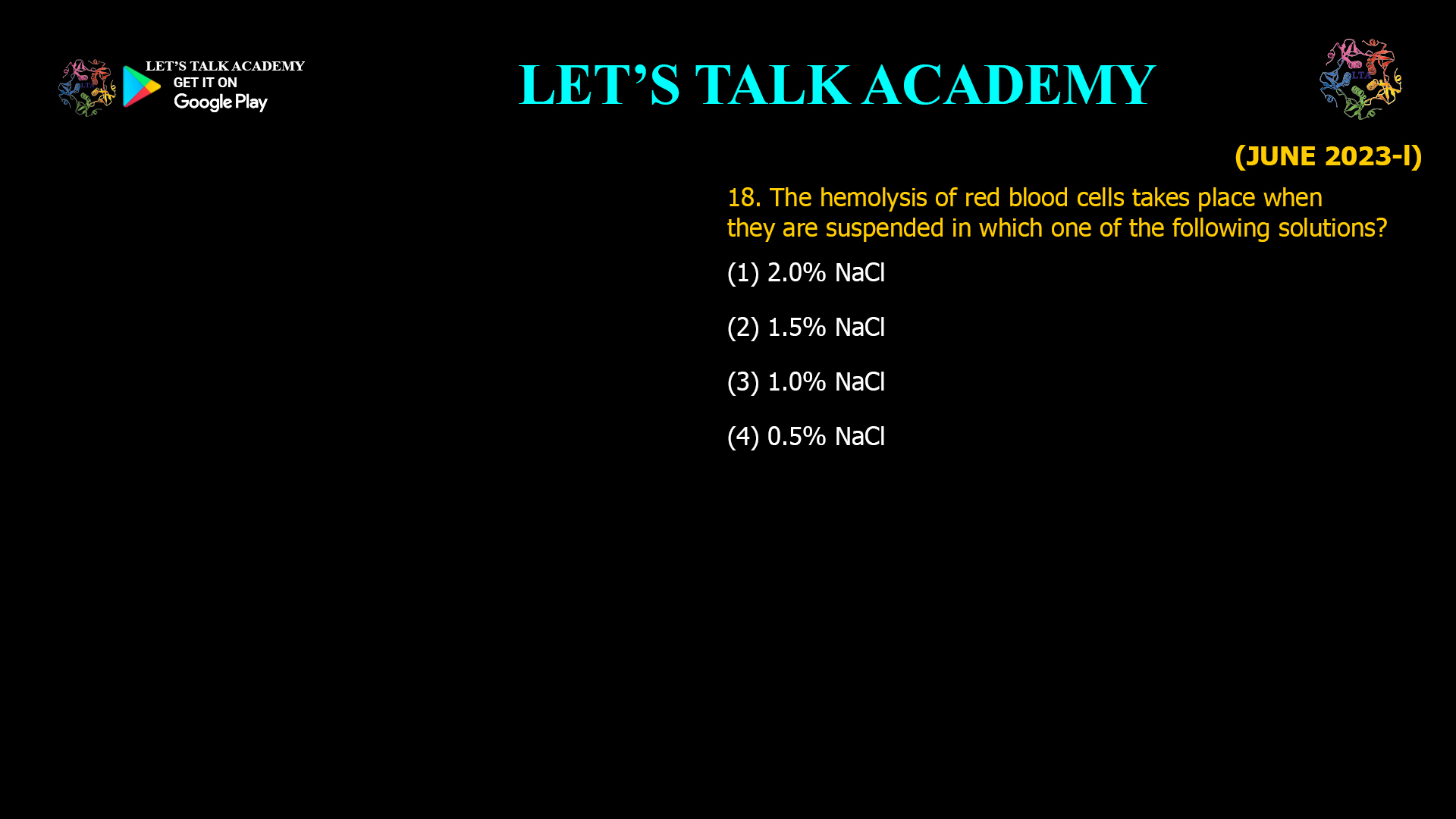
The hemolysis of red blood cells takes place when they are suspended in which one of the following solutions? (1) 2.0% NaCl (2) 1.5% NaCl (3) 1.0% NaCl (4) 0.5% […]
CSIR NET Life Science Previous Year Questions and Solution on Blood and hemostasis
Here’s what I found regarding CSIR NET Life Science previous year questions and solutions on Blood & Hemostasis from Let’s Talk Academy (LTA):
Let’s Talk Academy offers topic-wise previous year question PDFs for CSIR NET Life Science, covering a wide range of topics like Cell Signaling, Biochemistry, Ecology, Animal Physiology, and more CSIR Life Science Coaching+1. However, Blood & Hemostasis doesn’t appear explicitly in the list of downloadable PDF topics.
LTA has individual blog-style posts featuring specific questions, such as:
Megakaryocytes and Their Role in Platelet Production, with the question:
“Megakaryocytes are the major source of: …?”
Correct answer: Platelets, with a concise explanation linking it to hemostasis CSIR Life Science Coaching.
This suggests they may include blood/hemostasis-related questions within their blog posts rather than in a full dedicated PDF.
Visit the “Topic-Wise PYQ PDF Download” page and check whether “Hemostasis,” “Blood,” or similar topics are listed for download—or if they might be grouped under a broader topic like Animal Physiology or combined physiology CSIR Life Science Coaching+1.
Browse the blog posts (like the megakaryocyte one) for additional blood/hemostasis questions and answers CSIR Life Science Coaching.
Since LTA doesn’t explicitly offer a “Blood & Hemostasis” PDF, here are some alternatives:
CSIR NET standard textbooks and reference guides often include high-yield PYQs on blood clotting, platelet function, and hemostasis.
Online PYQ repositories (like BiologyExams4U) might provide targeted practice on this topic.
YouTube lectures or coaching modules from LTA or similar academies may also cover this in detail.
| Source | What It Offers | How It Helps |
|---|---|---|
| LTA Topic-Wise PDFs | PDFs on various topics (e.g., Biochemistry, Ecology) | Check if Blood/Hemostasis is included |
| LTA Blog Post (Megakaryocytes) | Specific question + solution on platelet production | Relevant to hemostasis; useful example |
| Alternate Resources (Textbooks, PYQ sites) | Broader and focused coverage of Blood & Hemostasis | Good supplement if LTA lacks dedicated PDF |
Browse LTA’s Topic-Wise PDF page and see if “Blood” or “Hemostasis” appears.
Look through LTA’s blog for more discrete questions like the megakaryocyte example.
Use standard textbooks or PYQ compilations to cover gaps and ensure full practice coverage.
Let me know if you want direct links—if available—or help crafting your own small collection of PYQs on this topic.
The hemolysis of red blood cells takes place when they are suspended in which one of the following solutions? (1) 2.0% NaCl (2) 1.5% NaCl (3) 1.0% NaCl (4) 0.5% […]
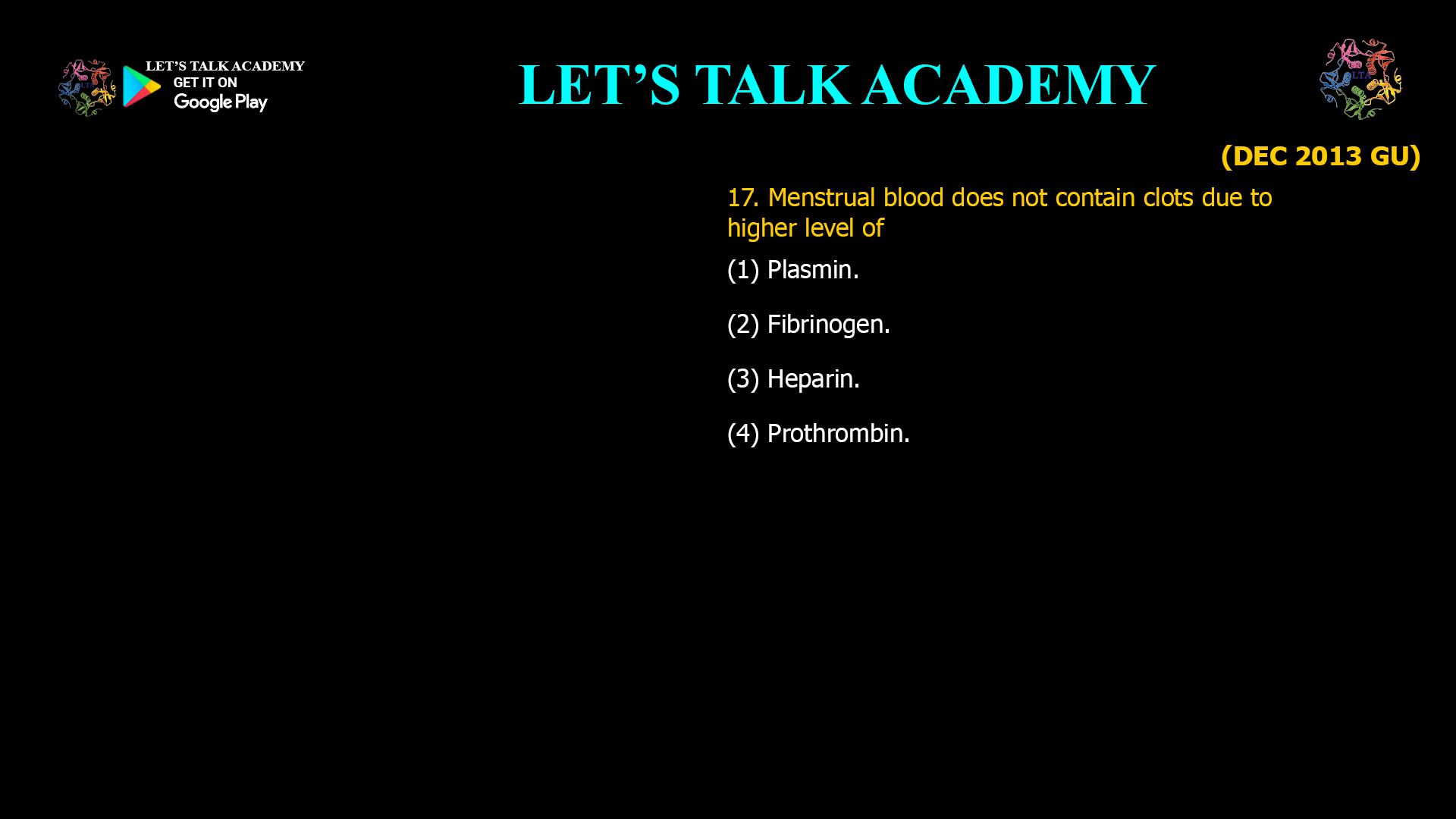
17. Menstrual blood does not contain clots due to higher level of (1) Plasmin. (2) Fibrinogen. (3) Heparin. (4) Prothrombin Introduction Menstrual blood differs from other types of bleeding […]
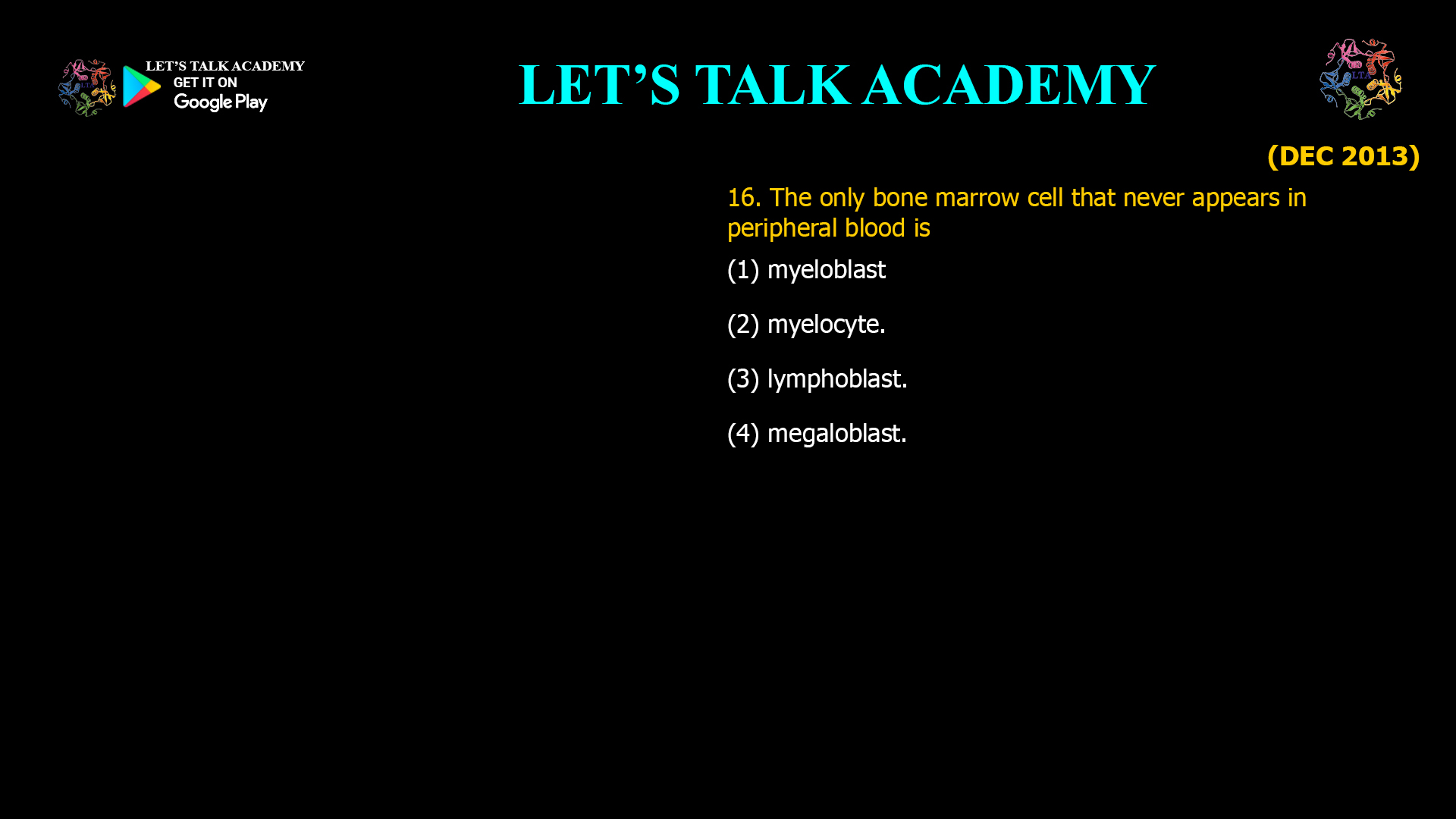
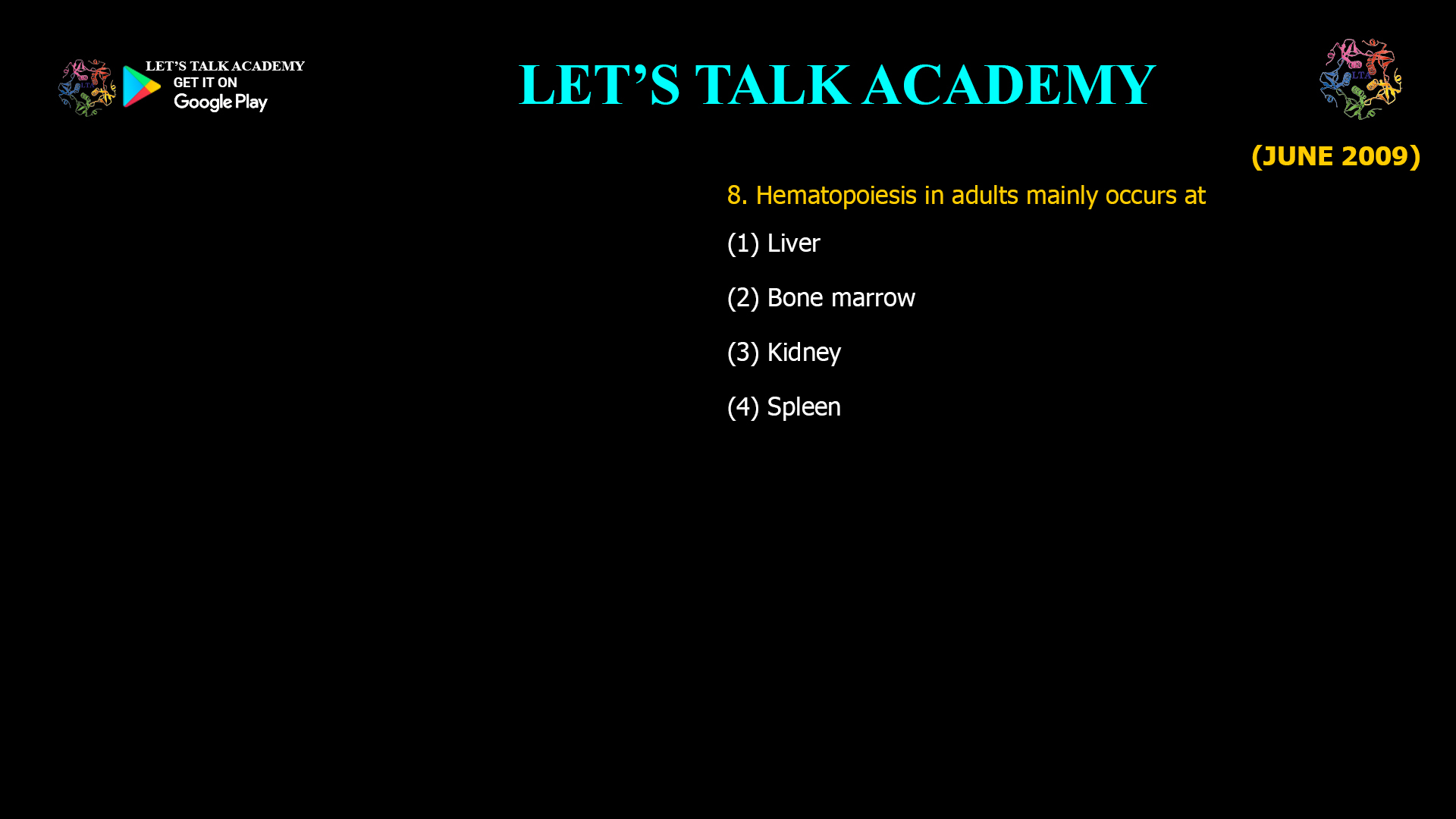
The only bone marrow cell that never appears in peripheral blood is (1) myeloblast (2) myelocyte. (3) lymphoblast. (4) megaloblast. Introduction Blood cell formation or hematopoiesis primarily takes place in […]
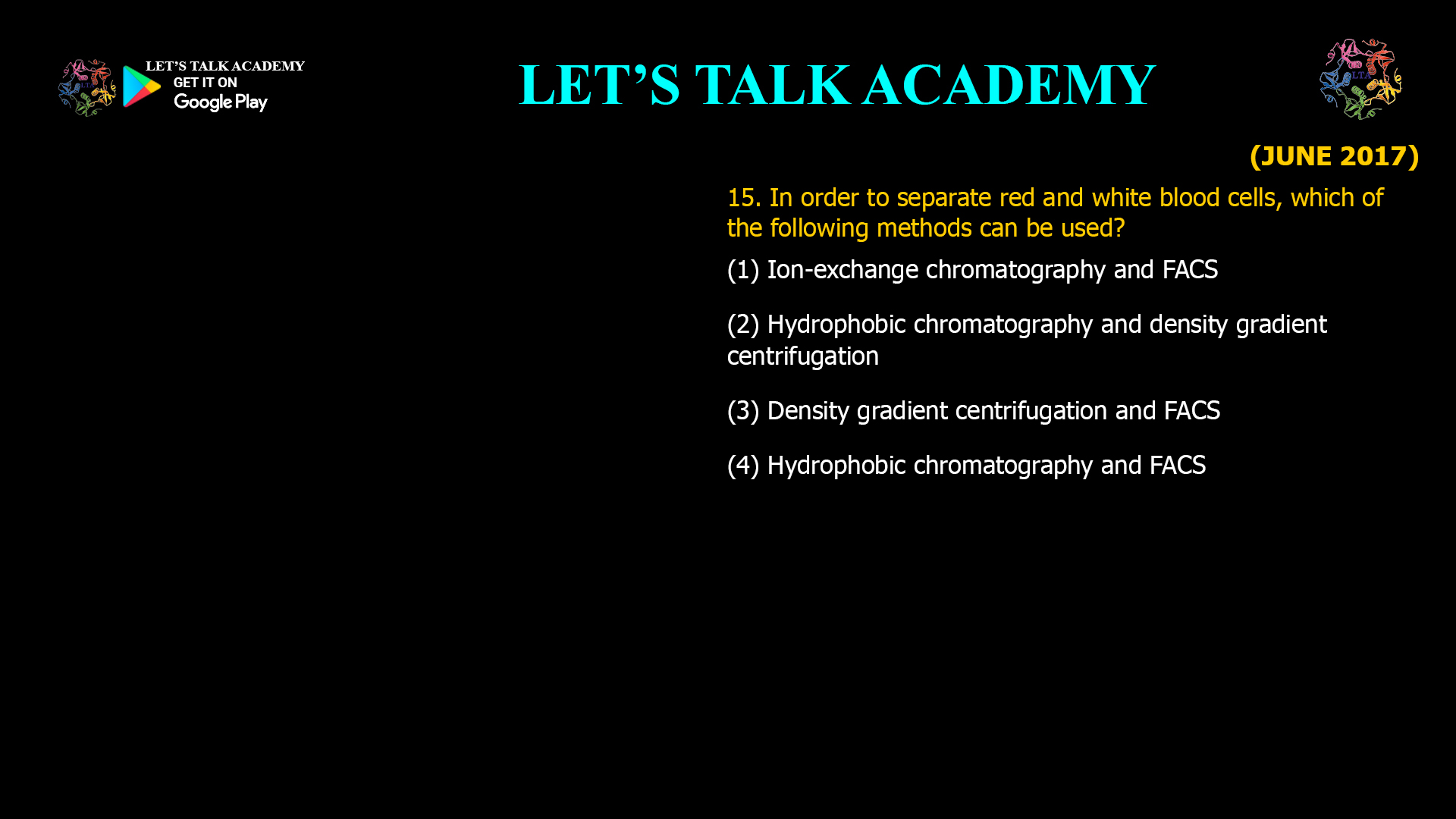
In order to separate red and white blood cells, which of the following methods can be used? (1) Ion-exchange chromatography and FACS (2) Hydrophobic chromatography and density gradient centrifugation (3) […]
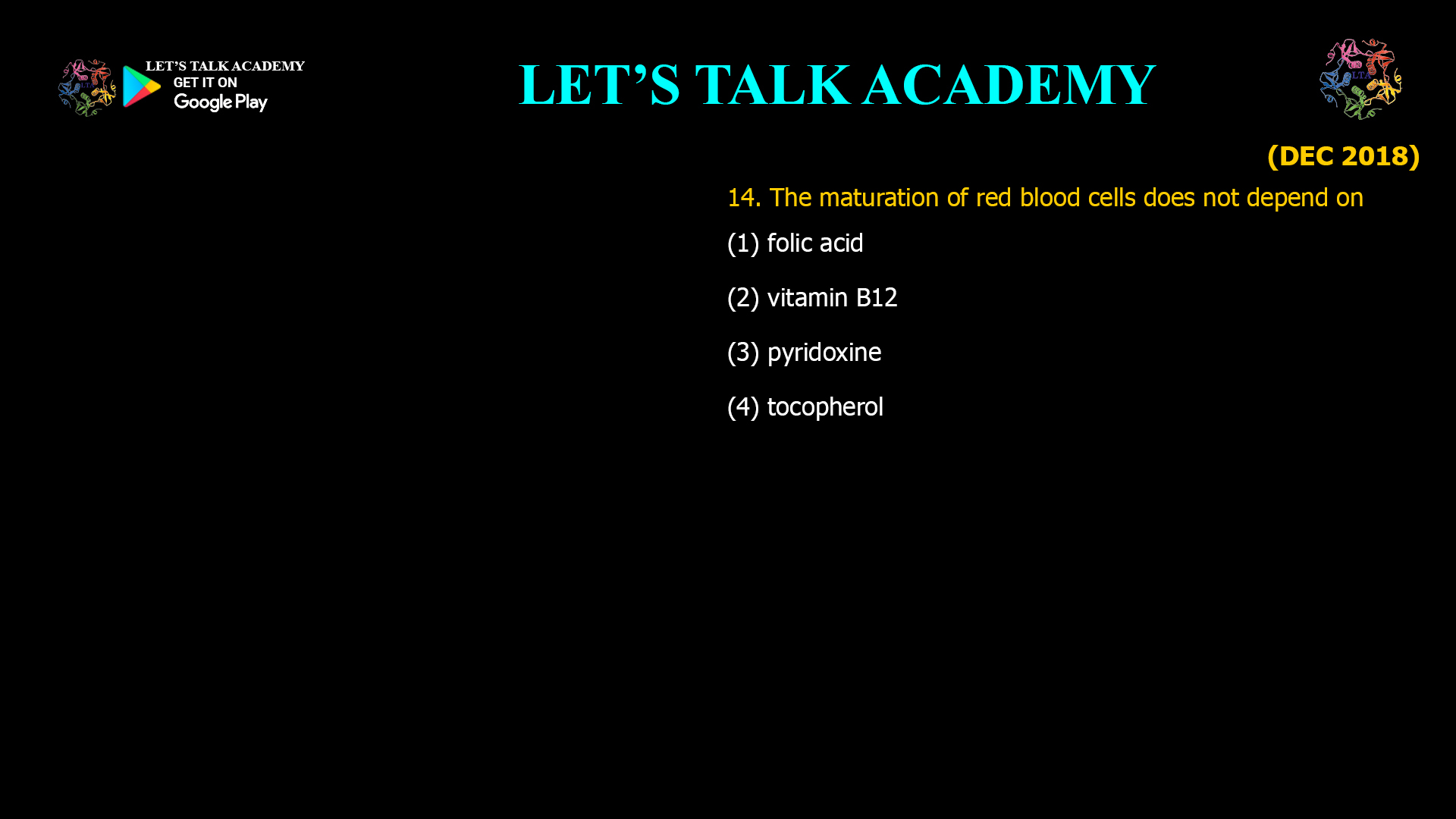
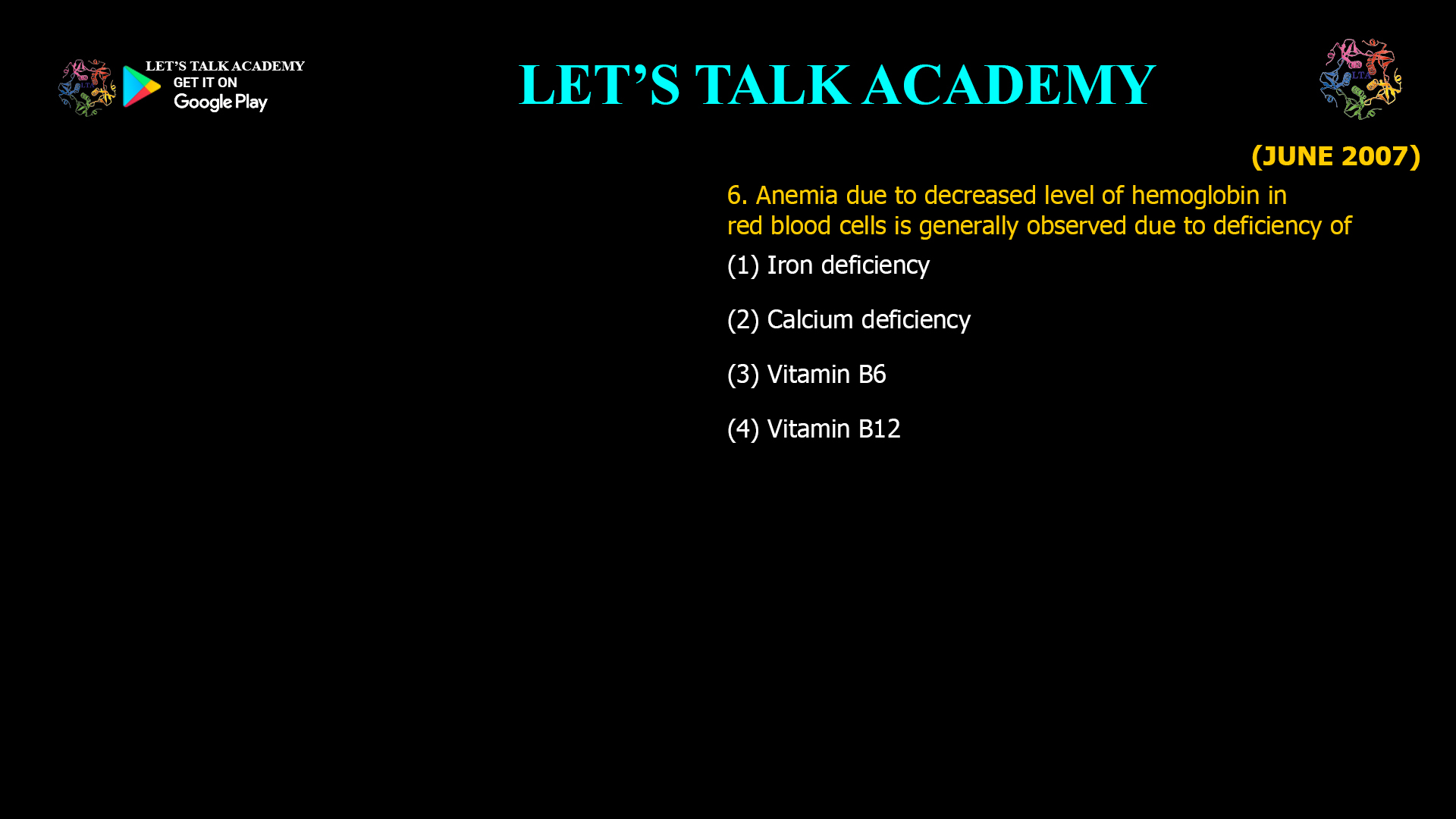
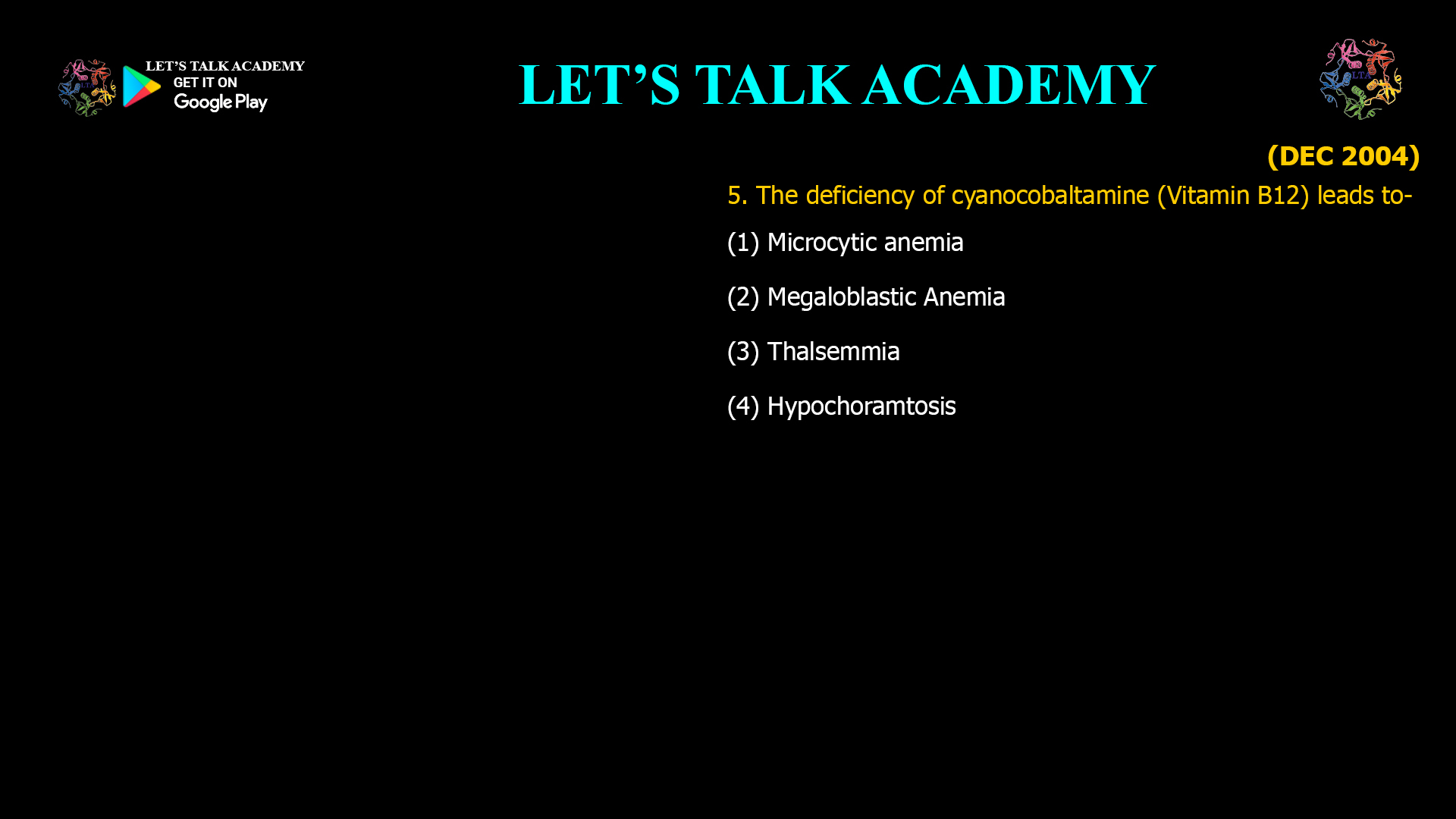
The maturation of red blood cells does not depend on (1) folic acid (2) vitamin B12 (3) pyridoxine (4) tocopherol Introduction Maturation of red blood cells (RBCs) is a tightly […]
13. Which one of the following is the most powerful buffer system of blood? (1) Bicarbonate (2) Phosphate (3) Proteins (4) Haemoglobin Introduction Maintaining a stable blood pH (~7.35-7.45) is […]
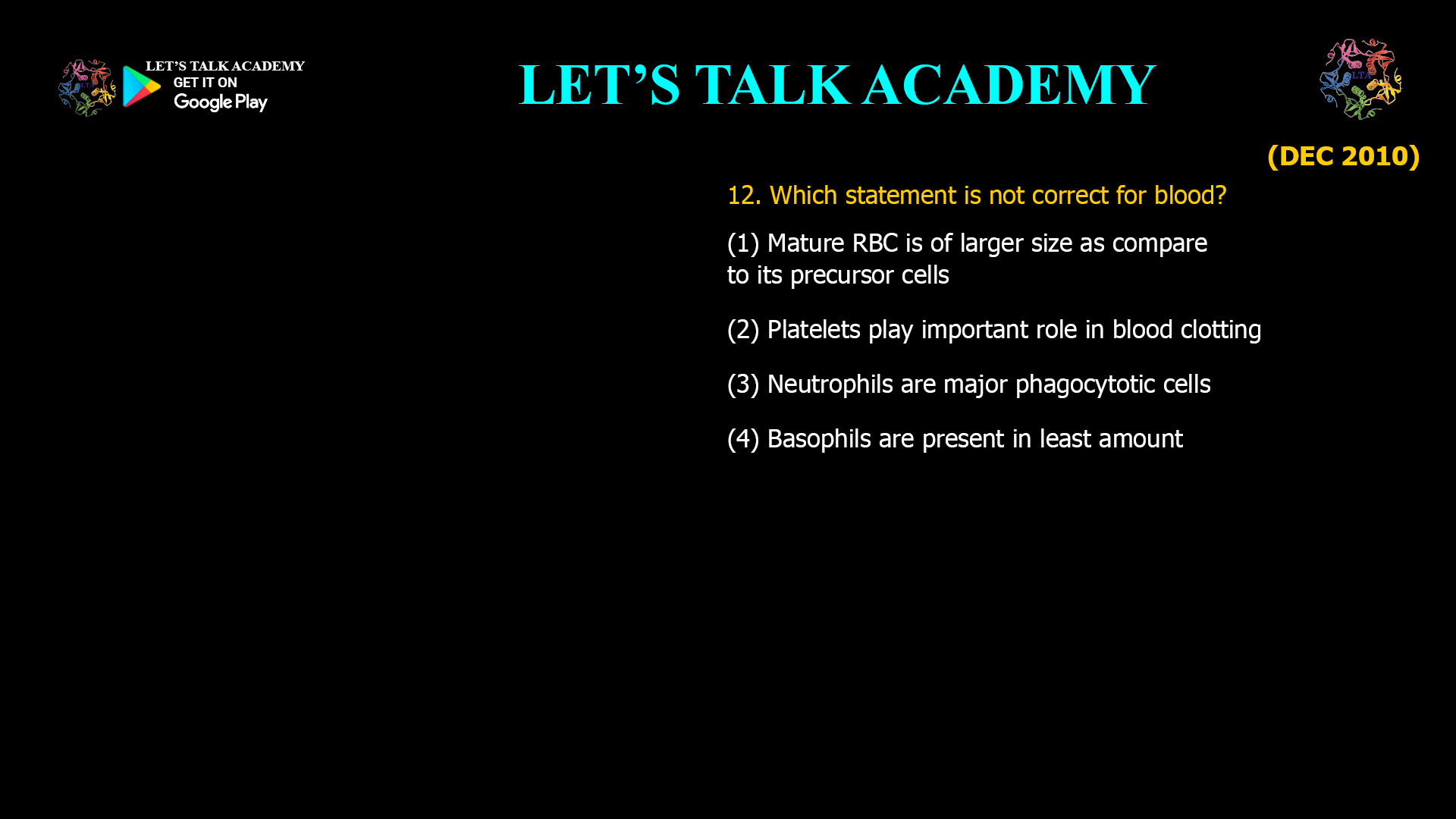
Which statement is not correct for blood? (1) Mature RBC is of larger size as compare to its precursor cells (2) Platelets play important role in blood clotting (3) Neutrophils […]
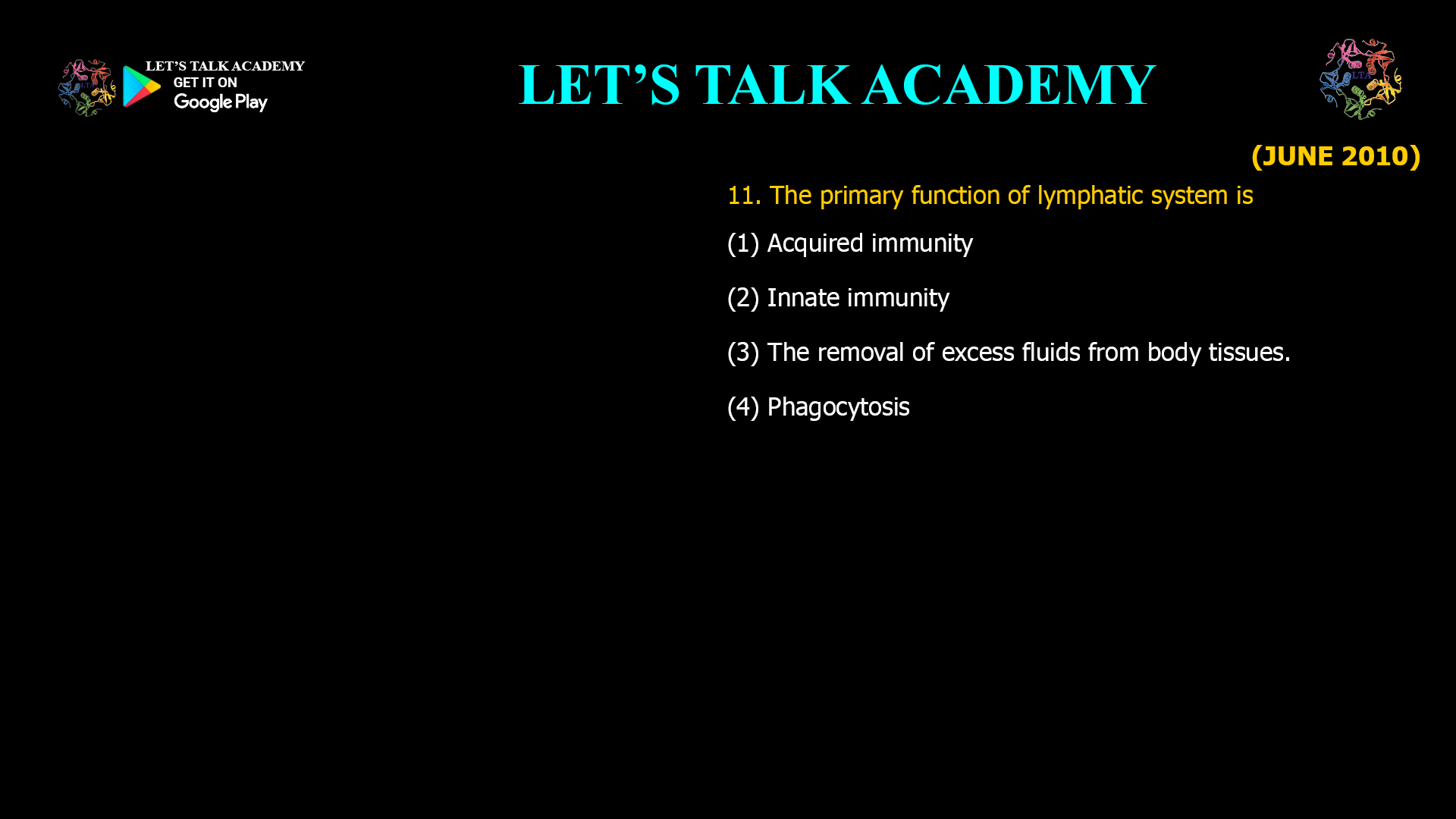
The primary function of lymphatic system is (1) Acquired immunity (2) Innate immunity (3) The removal of excess fluids from body tissues. (4) Phagocytosis Introduction The lymphatic system is an […]
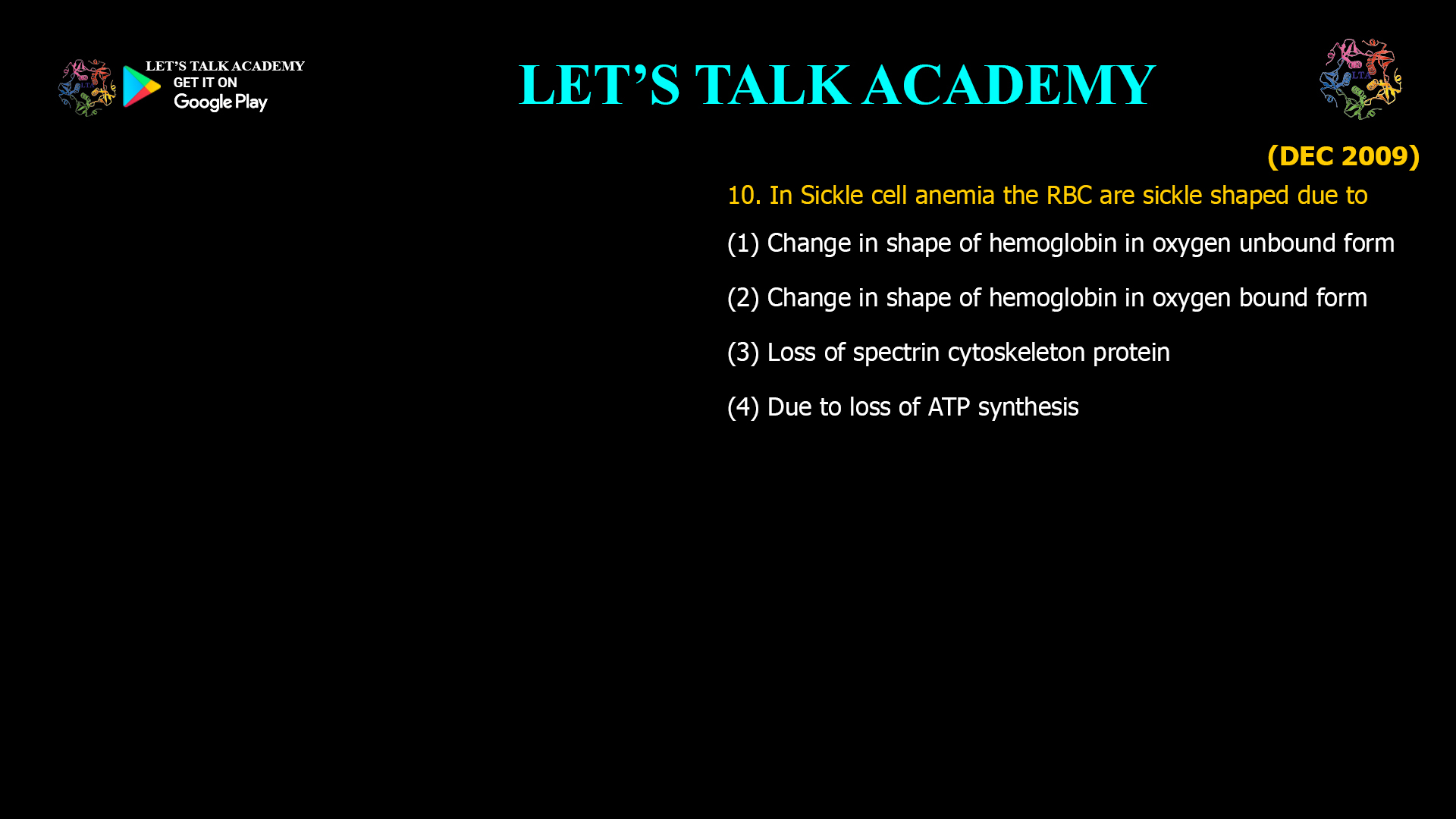
In Sickle cell anemia the RBC are sickle shaped due to (1) Change in shape of hemoglobin in oxygen unbound form (2) Change in shape of hemoglobin in oxygen bound […]
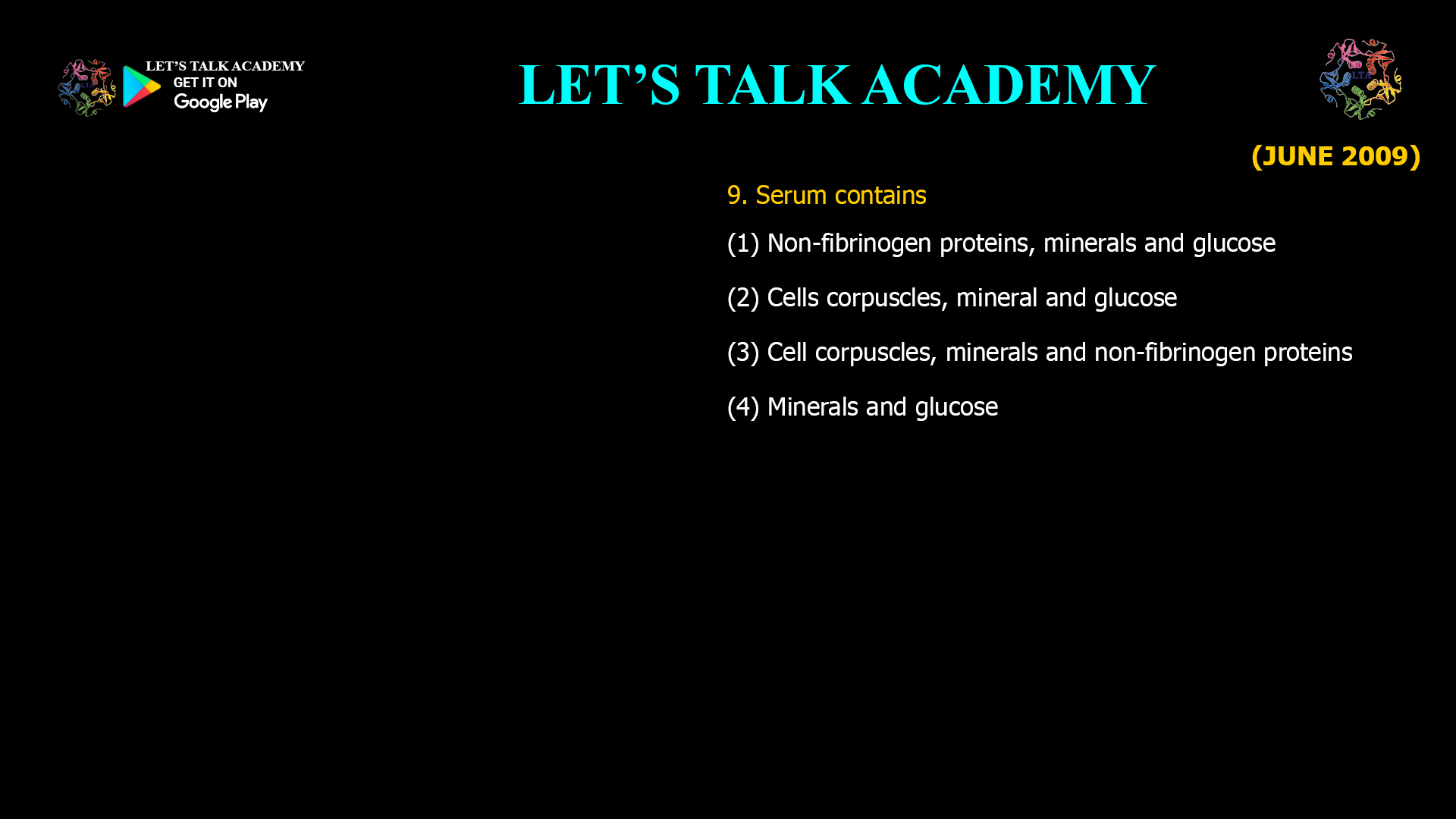
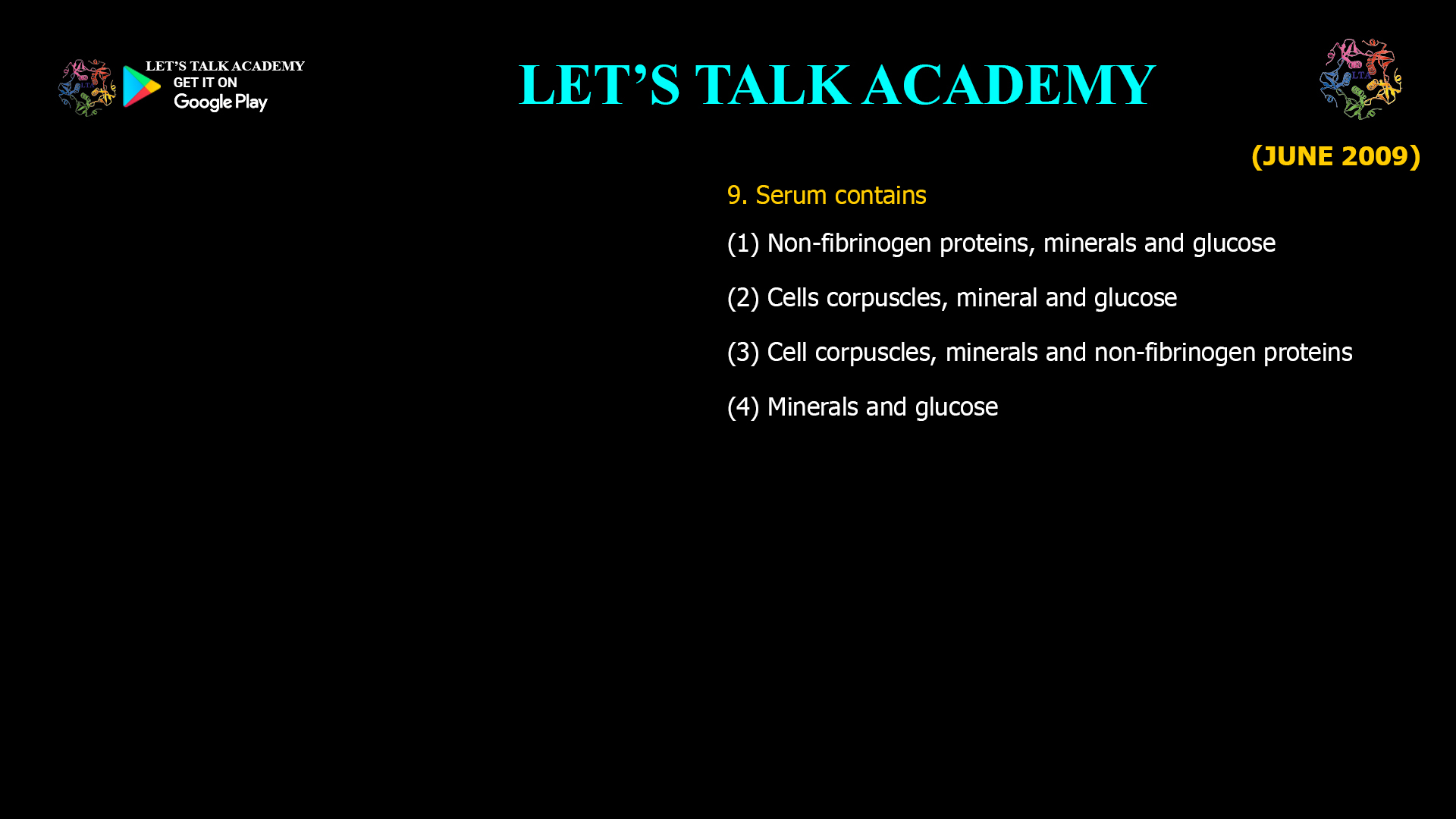
Serum contains (1) Non-fibrinogen proteins, minerals and glucose (2) Cells corpuscles, mineral and glucose (3) Cell corpuscles, minerals and non-fibrinogen proteins (4) Minerals and glucose Introduction Serum is a vital […]


